
Many people ask themselves, what do I need for a dentist appointment, especially if they have not visited a dental clinic in a long time or are going to a new dentist for the first time. This question is more important than it may seem. Being properly prepared helps your appointment run smoothly, reduces stress, saves time, and allows the dentist to provide the best possible care. Whether your visit is for a routine check-up, cleaning, or a more complex dental treatment, knowing exactly what to bring and how to prepare makes a noticeable difference 😁.
Understanding what do i need for a dentist appointment starts with recognizing that dental visits are not only about your teeth. Dentists evaluate your overall oral health, medical background, lifestyle habits, and even stress levels. When you arrive prepared, your dentist can focus on treatment instead of administrative issues or missing information. This leads to more accurate diagnoses and personalized care.
One of the first reasons people search for what do i need for a dentist appointment is anxiety. Dental anxiety is very common, and uncertainty often makes it worse. When you know what documents to bring, how to prepare your mouth, and what to expect, you gain a sense of control. That control alone can make your visit significantly more comfortable 🦷.
Another key aspect of what do i need for a dentist appointment is time efficiency. Dental clinics usually operate on tight schedules. Forgetting important paperwork, insurance details, or medical information can delay your appointment or even force a reschedule. Preparing in advance ensures that your visit stays on track and that you receive the care you booked.
From a health perspective, knowing what do i need for a dentist appointment is essential because oral health is closely linked to overall health. Conditions such as diabetes, heart disease, and certain medications directly affect dental treatment decisions. By bringing accurate information, you help your dentist avoid complications and choose safer, more effective treatment options.
It is also important to understand that what do i need for a dentist appointment can vary depending on the purpose of your visit. A routine cleaning requires less preparation than a surgical procedure or cosmetic treatment. However, there are universal essentials that apply to almost every dental appointment, regardless of the reason.
Patients often underestimate how preparation impacts communication. When you clearly understand what do i need for a dentist appointment, you are more likely to ask the right questions, explain symptoms accurately, and participate actively in treatment planning. This creates a partnership between you and your dentist rather than a one-sided experience.
For first-time patients, the question what do i need for a dentist appointment is even more critical. New clinics usually require additional forms, medical history details, and identification. Preparing these in advance reduces paperwork stress and allows your dentist to get to know your dental background more thoroughly from the start.
Parents bringing children and adults visiting after a long gap share the same concern: what do i need for a dentist appointment to make it successful. The answer goes beyond just documents. It includes mental preparation, oral hygiene habits before the visit, and understanding your role during the appointment.
In short, knowing what do i need for a dentist appointment helps you protect your oral health, save time, reduce anxiety, and get the most value from your dental visit. In the next sections, we will break down each requirement step by step, so you can walk into your appointment confident, prepared, and stress-free 😊.
Why Knowing What You Need for a Dentist Appointment Matters
Understanding what do i need for a dentist appointment is not just about being organized; it directly affects the quality of care you receive. Many dental issues are preventable or easier to treat when the dentist has complete and accurate information from the start. When patients arrive prepared, dentists can focus on clinical care instead of chasing missing details, which leads to better outcomes and a smoother experience overall 😊.
People often underestimate how preparation influences a dental visit. Knowing what do i need for a dentist appointment helps eliminate unnecessary stress, avoids appointment delays, and ensures that your dentist has everything needed to make informed decisions. This preparation benefits both you and the dental team.
Reducing Anxiety and Uncertainty Before Your Visit
One of the biggest reasons people search for what do i need for a dentist appointment is anxiety. Fear of the unknown is a major contributor to dental stress. When you know exactly what to bring and what will be discussed, your mind feels more at ease. Preparation gives you a sense of control, which is especially important for patients who feel nervous about dental procedures 🦷.
Being prepared also allows you to mentally rehearse the visit. You know you have your documents ready, your questions written down, and your medical details organized. This reduces last-minute panic and helps you arrive calm and confident.
Saving Time and Preventing Appointment Delays
Dental clinics run on structured schedules, and missing information can disrupt that flow. Knowing what do i need for a dentist appointment helps you avoid filling out lengthy forms at the last minute or rescheduling due to incomplete paperwork. Time saved at check-in means more time spent on actual dental care.
When patients come prepared, appointments start on time, procedures move efficiently, and follow-up planning becomes easier. This is particularly important for busy individuals who cannot afford repeated visits due to avoidable administrative issues.
Why Preparation Helps the Dental Team Too
Preparation is not only beneficial for patients. Dentists and hygienists rely on accurate information to deliver safe and effective treatment. When they clearly understand your health background, they can tailor procedures to your needs. This is another reason why knowing what do i need for a dentist appointment is so important.
For example, certain medical conditions or medications affect anesthesia choices, healing time, and treatment methods. If this information is readily available, the dental team can work more efficiently and safely.
Improving the Accuracy of Diagnosis and Treatment
Another critical reason to understand what do i need for a dentist appointment is diagnostic accuracy. Dentists do more than examine teeth; they assess gums, jaw alignment, oral tissues, and signs of systemic health issues. Complete background information allows them to interpret symptoms correctly and avoid misdiagnosis.
For instance, jaw pain may be linked to stress, medications, or underlying health conditions. Without proper context, treatment may only address surface symptoms. Preparation ensures your dentist sees the full picture.
Strengthening Communication Between You and Your Dentist
Effective communication is a key part of quality dental care. When you know what do i need for a dentist appointment, you are more prepared to discuss concerns, ask questions, and understand recommendations. This creates a collaborative relationship rather than a one-sided interaction.
Patients who arrive prepared tend to be more engaged. They can explain symptoms clearly, remember timelines accurately, and make informed decisions about treatment options. This leads to higher satisfaction and better long-term oral health results 😄.
Supporting Long-Term Oral and General Health
Oral health is closely connected to overall health, which is why understanding what do i need for a dentist appointment has long-term benefits. Conditions like diabetes, heart disease, and immune disorders often show early signs in the mouth. A well-prepared visit allows your dentist to identify these signs early and recommend further evaluation if needed.
In the long run, preparation helps build a detailed dental record that supports preventive care. This means fewer emergencies, more predictable treatments, and healthier teeth and gums over time.
Ultimately, knowing what do i need for a dentist appointment empowers you as a patient. It reduces fear, improves efficiency, strengthens communication, and leads to better care. In the next section, we will look at the specific personal identification and documents you should bring to ensure your appointment goes smoothly from the moment you arrive.
Personal Identification and Documents to Bring
When people ask what do i need for a dentist appointment, one of the most important but often overlooked answers is proper identification and documentation. While dental care focuses on your oral health, administrative accuracy plays a critical role in ensuring safe, legal, and efficient treatment. Bringing the right documents helps your appointment start smoothly and prevents unnecessary delays or confusion at the front desk 😊.
Knowing what do i need for a dentist appointment in terms of paperwork is especially important if you are visiting a new clinic, switching dentists, or receiving specialized treatment. Dental clinics are required to verify patient identity, maintain accurate medical records, and comply with health regulations. Being prepared shows professionalism and helps build trust between you and the dental team.
Valid Photo Identification
A valid photo ID is often the first thing clinics ask for when checking in. This requirement is a core part of what do i need for a dentist appointment. Photo identification ensures that your dental records are correctly matched to you and protects both patients and clinics from administrative errors.
Commonly accepted forms of identification include government-issued IDs such as passports, driver’s licenses, or national identity cards. If you are traveling internationally or visiting a dental clinic abroad, a passport is usually preferred. Bringing valid ID is especially crucial for procedures that require consent or involve anesthesia.
Why Identification Is Essential for Dental Records
Accurate identification helps maintain consistent dental records over time. When clinics know exactly who you are, they can track treatment history, X-rays, and diagnoses more reliably. This is a key reason why identification is a foundational part of what do i need for a dentist appointment.
Insurance Information and Membership Cards
Another major component of what do i need for a dentist appointment is insurance documentation. Even if you have already provided insurance details online, clinics often ask for a physical or digital insurance card during your visit. This allows them to confirm coverage, eligibility, and policy details.
Insurance cards typically include important information such as your policy number, group number, and provider contact details. Having this information ready helps the clinic process claims efficiently and minimizes billing issues later.
What If You Do Not Have Dental Insurance?
If you do not have dental insurance, knowing what do i need for a dentist appointment still matters. In this case, you may be asked to provide alternative payment information or complete self-pay forms. Bringing a valid ID and understanding the clinic’s payment policies will help the process go smoothly.
Medical History and Health Documentation
Medical history forms are a critical but sometimes underestimated part of what do i need for a dentist appointment. Dentists must be aware of existing medical conditions, allergies, and medications to provide safe care. Inaccurate or incomplete medical information can lead to complications during treatment.
Some clinics provide medical history forms online, while others ask you to complete them upon arrival. Either way, preparing this information in advance saves time and ensures accuracy.
Medications and Health Conditions to Document
You should be ready to list any prescription medications, over-the-counter drugs, or supplements you take regularly. Conditions such as diabetes, heart disease, high blood pressure, and immune disorders are particularly relevant. This level of preparation directly supports the purpose behind what do i need for a dentist appointment.
Previous Dental Records and X-Rays
If you are visiting a new dentist, bringing previous dental records can be extremely helpful. While not always mandatory, these documents are often part of what do i need for a dentist appointment for first-time patients. Old X-rays, treatment summaries, and dental charts provide valuable insight into your oral health history.
Having access to prior records reduces the need for repeat imaging, saves time, and helps your new dentist make informed decisions more quickly.
Consent Forms and Legal Documents
Consent forms are another essential component of what do i need for a dentist appointment. These documents confirm that you understand and agree to proposed treatments. For minors or patients requiring assistance, a legal guardian may need to sign on their behalf.
In some cases, power of attorney or guardianship documents may be required. Bringing these forms ensures that treatment decisions can proceed without legal complications.
In summary, understanding what do i need for a dentist appointment goes beyond oral hygiene and anxiety management. Proper identification and documentation protect your health, your time, and your legal rights. When these essentials are ready, your dentist can focus fully on delivering high-quality care. In the next section, we will explore how preparing your dental and medical history further improves your appointment experience 🦷.
Dental and Medical History You Should Prepare
When asking what do i need for a dentist appointment, many people focus on documents or insurance and forget one of the most critical elements: their dental and medical history. This information is the foundation of safe and effective dental care. Dentists rely on accurate history details to diagnose problems correctly, choose appropriate treatments, and avoid serious health complications. Preparing this information in advance protects both your oral health and your overall well-being 🦷.
Understanding what do i need for a dentist appointment means realizing that your mouth is directly connected to the rest of your body. Conditions such as heart disease, diabetes, autoimmune disorders, and even stress-related issues can significantly influence dental treatment decisions. The more complete and honest your medical history is, the better your dentist can tailor care to your needs.
Why Dental History Is Essential for Accurate Care
Your dental history tells a story about your oral health over time. Past treatments, recurring issues, and previous complications provide valuable clues for current care. This is a crucial part of what do i need for a dentist appointment, especially if you are seeing a new dentist.
Information about past fillings, crowns, root canals, orthodontic treatments, or gum disease helps your dentist understand what has worked before and what may require special attention now. Without this context, treatment planning becomes less precise.
Previous Dental Procedures to Mention
You should be prepared to discuss major dental procedures you have had, such as extractions, implants, braces, or periodontal treatments. Even treatments from many years ago are relevant. Including this information supports the goal behind what do i need for a dentist appointment by preventing unnecessary repeat procedures or incompatible treatments.
Medical Conditions That Affect Dental Treatment
A comprehensive medical history is a non-negotiable part of what do i need for a dentist appointment. Certain health conditions directly impact how dental care is delivered. For example, patients with diabetes may heal more slowly, while those with heart conditions may require antibiotics before certain procedures.
Common conditions that should always be disclosed include high blood pressure, heart disease, asthma, bleeding disorders, immune system conditions, and pregnancy. Even conditions that seem unrelated to dentistry can influence treatment safety.
Why Honesty Matters in Medical Disclosure
Some patients hesitate to share full medical details, but transparency is essential. Dentists are trained healthcare professionals who use this information to protect you. Being honest about your health is a critical aspect of what do i need for a dentist appointment, not something to feel uncomfortable about.
Medications, Supplements, and Allergies
Listing your current medications is another vital part of what do i need for a dentist appointment. Many drugs affect bleeding, saliva production, bone density, or healing time. Blood thinners, antidepressants, and osteoporosis medications are especially important for dentists to know about.
You should also include vitamins, herbal supplements, and over-the-counter medications. These can interact with anesthetics or prescribed dental medications.
Allergies and Adverse Reactions
Allergies to medications, latex, or anesthesia must always be clearly stated. This information is central to what do i need for a dentist appointment because allergic reactions in dental settings can be serious. Even mild past reactions should be mentioned to ensure safer alternatives are used.
Family Medical and Dental History
In some cases, family history plays a role in dental care. Conditions such as gum disease, jaw alignment issues, or genetic enamel problems can run in families. Including this information strengthens your response to what do i need for a dentist appointment by helping dentists anticipate potential risks.
Family medical history related to bleeding disorders or chronic illnesses may also influence treatment planning.
Lifestyle Factors That Impact Oral Health
Your lifestyle is another important part of what do i need for a dentist appointment. Smoking, alcohol consumption, diet, and stress levels all affect oral health. Dentists are not there to judge but to help you protect your teeth and gums.
For example, smoking increases the risk of gum disease and implant failure, while high sugar intake contributes to cavities. Sharing this information allows your dentist to provide realistic, personalized advice.
In summary, preparing your dental and medical history is one of the most powerful steps you can take when considering what do i need for a dentist appointment. It improves safety, accuracy, and communication while reducing the risk of complications. In the next section, we will explore insurance details and payment information so you can be fully prepared for every aspect of your visit 😊.
Insurance Details and Payment Information Explained
When people think about what do i need for a dentist appointment, insurance and payment details are often the most confusing part. Yet, this aspect of preparation is just as important as medical history or identification. Understanding how dental insurance works, what documents to bring, and how payments are handled can save you from unexpected stress and misunderstandings at the clinic 😌.
Being financially prepared is a core part of what do i need for a dentist appointment. Dental clinics must verify coverage, confirm eligibility, and explain costs before treatment begins. When patients arrive informed and organized, the administrative process becomes faster and far more transparent.
Dental Insurance Cards and Policy Information
If you have dental insurance, bringing your insurance card is essential. This is one of the most practical answers to what do i need for a dentist appointment. Even if you previously submitted insurance details online, clinics often request a physical or digital card to confirm accuracy.
Your insurance card typically includes your policy number, group number, and the insurance provider’s contact details. These elements allow the clinic to verify coverage in real time and reduce claim-related issues after your visit.
Why Insurance Verification Matters
Insurance verification ensures that the treatments you receive align with your coverage. This step is critical to what do i need for a dentist appointment because coverage rules vary widely between providers. Some plans cover preventive care fully, while others only partially cover restorative or cosmetic procedures.
Without proper verification, patients may face unexpected charges. Bringing accurate insurance information helps the clinic explain benefits clearly before treatment begins.
Understanding Coverage, Co-Payments, and Limits
A major reason patients feel uncertain about what do i need for a dentist appointment is confusion about insurance coverage. Dental insurance often includes annual limits, deductibles, and co-payments. Knowing these details in advance helps you make informed decisions.
For example, routine cleanings may be fully covered, while procedures like crowns or root canal treatments may require partial payment. Understanding these differences prepares you for realistic financial expectations.
Annual Maximums and Waiting Periods
Many dental plans have annual maximums, meaning there is a limit to how much the insurance will pay in a year. This detail is an important part of what do i need for a dentist appointment planning, especially if you anticipate multiple treatments.
Some plans also include waiting periods for major procedures. Being aware of this avoids frustration and allows you to plan treatment timing more effectively.
Payment Methods Accepted by Dental Clinics
If you do not have dental insurance, or if your treatment is not fully covered, knowing payment options becomes a key part of what do i need for a dentist appointment. Most clinics accept multiple payment methods such as credit cards, debit cards, or bank transfers.
Some clinics may also offer installment plans or financing options for more extensive treatments. Asking about payment methods in advance helps you arrive prepared and confident.
Why Asking About Costs in Advance Is Important
Transparency is essential in dental care. Understanding costs ahead of time supports the purpose behind what do i need for a dentist appointment. It allows you to plan financially and prevents uncomfortable surprises after treatment.
Patients who discuss costs openly are more likely to complete recommended treatments and maintain consistent dental care.
Self-Pay Patients and Cost Transparency
For patients without insurance, preparation is still a major part of what do i need for a dentist appointment. Self-pay patients should ask for clear explanations of expected costs and available options.
Many clinics provide written estimates or treatment plans outlining costs. Reviewing these documents carefully ensures you understand what services are included and what is not.
International Patients and Special Considerations
If you are traveling for dental care, insurance and payment preparation becomes even more important. International patients often ask what do i need for a dentist appointment when seeking treatment abroad. In many cases, international insurance may not apply, making self-payment the primary option.
Preparing payment methods, understanding currency policies, and confirming accepted payment types in advance ensures a smooth experience.
In conclusion, insurance details and payment preparation are a vital part of what do i need for a dentist appointment. Being informed empowers you to focus on your oral health instead of financial uncertainty. In the next section, we will discuss how to prepare your oral hygiene before your appointment to ensure the best possible examination and results 🦷.
How to Prepare Your Oral Hygiene Before the Appointment
When people ask what do i need for a dentist appointment, they often think only about documents or insurance, but oral hygiene preparation is just as important. How you care for your teeth and mouth before your visit directly affects the accuracy of the examination and the comfort of the procedure. Proper preparation helps your dentist see the true condition of your oral health and provides a better overall experience 🦷.
Understanding what do i need for a dentist appointment includes knowing how to present your mouth in its natural, healthy state. Good oral hygiene does not mean trying to hide problems; it means allowing your dentist to evaluate your teeth and gums without unnecessary interference from plaque, food debris, or temporary irritation.
Brushing and Flossing Before Your Visit
One of the simplest yet most important steps in what do i need for a dentist appointment is proper brushing and flossing. Brushing your teeth thoroughly a few hours before your appointment removes surface plaque and food particles, making it easier for your dentist to examine your teeth.
Flossing is equally important because it cleans areas that brushing alone cannot reach. Removing debris between teeth allows your dentist to assess gum health more accurately and detect early signs of inflammation or decay.
Should You Brush Immediately Before the Appointment?
Many patients wonder if brushing right before walking into the clinic is part of what do i need for a dentist appointment. Light brushing is fine, but aggressive brushing immediately before the visit can irritate the gums. Ideally, brush and floss one to two hours beforehand to allow your gums to settle naturally.
Avoiding Certain Foods and Drinks
Diet plays a surprisingly important role in what do i need for a dentist appointment. Certain foods and beverages can affect breath, tooth staining, and even gum sensitivity. Avoiding strong-smelling foods such as garlic or onions before your visit helps make the experience more comfortable for both you and the dental team.
Sugary snacks and acidic drinks should also be avoided before your appointment. These can temporarily alter the pH of your mouth and affect how your teeth and gums appear during examination.
Water Is Your Best Choice
Drinking water before your visit supports good oral hygiene and hydration. Staying hydrated is a helpful but often overlooked part of what do i need for a dentist appointment. Water helps rinse away food particles and keeps your mouth comfortable during the exam.
Managing Breath and Comfort
Concerns about bad breath are common when considering what do i need for a dentist appointment. Regular brushing, flossing, and gentle tongue cleaning usually address this issue. Avoid strong mouthwashes with alcohol right before the visit, as they can dry out the mouth and cause irritation.
If you use mints or gum, choose sugar-free options and avoid using them immediately before your appointment. Dentists prefer to assess your natural oral condition without masking symptoms.
Special Considerations for Dental Treatments
Depending on the purpose of your visit, oral hygiene preparation may vary. For routine check-ups, standard brushing and flossing are sufficient. For more complex treatments, understanding what do i need for a dentist appointment may involve additional instructions from the clinic.
For example, some procedures require you to avoid eating for a certain period beforehand. Following these instructions carefully ensures treatment safety and effectiveness.
What Not to Do Before Your Appointment
Overdoing oral hygiene is not part of what do i need for a dentist appointment. Avoid using whitening products or harsh tools right before your visit, as these can cause temporary sensitivity or gum irritation. Your dentist wants to see your teeth as they normally are.
Preparing for Anxiety-Related Habits
Stress can affect oral hygiene habits. Some people clench their jaw or grind their teeth when anxious. Recognizing this is another part of what do i need for a dentist appointment. If you notice jaw soreness or headaches, mention this to your dentist during the visit.
Being honest about stress-related habits allows your dentist to check for signs of wear or recommend protective solutions.
In summary, oral hygiene preparation is a key element of what do i need for a dentist appointment. Proper brushing, mindful eating, and gentle care help your dentist perform an accurate examination and provide the best possible care. In the next section, we will explore what to eat or avoid before visiting the dentist to further improve your appointment experience 😊.
What to Eat or Avoid Before Visiting the Dentist
When considering what do i need for a dentist appointment, diet is often overlooked, yet it plays a meaningful role in how comfortable and effective your visit will be. What you eat—or avoid eating—before your appointment can influence oral comfort, breath, gum sensitivity, and even how accurately your dentist can assess your oral health. Being mindful of food choices is a simple but powerful way to prepare 🦷.
Understanding what do i need for a dentist appointment includes knowing that your mouth is sensitive to recent food intake. Certain foods can leave residue, irritate gums, stain teeth temporarily, or cause discomfort during examination or treatment. Making smart choices ahead of time helps ensure a smoother experience.
Best Foods to Eat Before a Dentist Appointment
Eating the right foods before your visit is an important part of what do i need for a dentist appointment. Ideally, you should choose light, non-irritating foods that are easy to digest and gentle on your teeth and gums.
Soft foods such as yogurt, eggs, oatmeal, bananas, or smoothies are excellent options. These foods provide energy without leaving heavy residue or causing irritation. They are especially helpful if your appointment is scheduled several hours after your last meal.
Why Light Meals Are Better
Heavy or greasy meals can make you feel uncomfortable while sitting in the dental chair. Choosing light meals aligns well with what do i need for a dentist appointment because it keeps your body relaxed and reduces the risk of nausea, especially during longer procedures.
Foods and Drinks to Avoid Before Your Visit
Just as important as knowing what to eat is knowing what to avoid. This is a key part of what do i need for a dentist appointment. Strong-smelling foods such as garlic, onions, or spicy dishes can linger in the mouth and make the experience uncomfortable.
Sticky or sugary foods should also be avoided. Candy, pastries, and sweet snacks can leave residue that interferes with examination and increases the risk of irritation during cleaning or probing.
Avoid Acidic and Staining Beverages
Drinks like coffee, tea, soda, and citrus juices are best avoided shortly before your appointment. These beverages can temporarily stain teeth or increase sensitivity. Avoiding them supports the goal behind what do i need for a dentist appointment by allowing a more accurate visual assessment of your teeth.
Eating Before Different Types of Dental Appointments
Not all dental visits are the same, which is why what do i need for a dentist appointment can vary slightly depending on the type of care you are receiving. For routine check-ups and cleanings, a light meal beforehand is usually fine.
For procedures involving anesthesia or sedation, clinics may ask you to avoid eating for a certain period beforehand. Always follow the specific instructions provided by your dentist, as this is an essential safety consideration.
Why Following Instructions Matters
Ignoring pre-treatment dietary instructions can lead to complications. This is why carefully following guidance is part of what do i need for a dentist appointment. Proper preparation ensures both safety and comfort during treatment.
Hydration and Its Importance
Staying hydrated is another often-missed aspect of what do i need for a dentist appointment. Drinking water before your visit helps maintain saliva flow, which is essential for oral health. A dry mouth can make examinations uncomfortable and affect diagnostic accuracy.
Water is the best choice before your appointment. It rinses away food particles without altering your oral environment.
Managing Hunger and Blood Sugar Levels
Skipping meals entirely is generally not recommended unless instructed otherwise. Feeling hungry or lightheaded can increase anxiety and discomfort. Managing hunger is a subtle but important part of what do i need for a dentist appointment, especially for patients with blood sugar sensitivities.
Eating a balanced, light meal helps keep you comfortable and focused during your visit.
In conclusion, food choices play a significant role in preparing for your visit. Understanding what do i need for a dentist appointment includes knowing what to eat, what to avoid, and how hydration affects your oral health. Thoughtful dietary preparation makes your appointment smoother, more comfortable, and more effective. In the next section, we will explore the important questions you should ask during your dentist appointment to get the most value from your visit 😊.
Questions You Should Ask During Your Dentist Appointment
When thinking about what do i need for a dentist appointment, many people focus on preparation before the visit, but what happens during the appointment is just as important. Asking the right questions allows you to understand your oral health, make informed decisions, and build trust with your dentist. A dental appointment should be a two-way conversation, not a silent experience 🦷.
Understanding what do i need for a dentist appointment includes knowing how to communicate effectively during your visit. Dentists expect and welcome questions. Patients who ask thoughtful questions are more engaged, more confident, and more likely to follow treatment recommendations correctly.
Questions About Your Current Oral Health
A key part of what do i need for a dentist appointment is understanding the current condition of your teeth and gums. Asking clear questions about your oral health helps you recognize issues early and avoid bigger problems later.
You may want to ask whether you have cavities, gum inflammation, enamel wear, or signs of teeth grinding. Understanding these findings allows you to take proactive steps at home.
Why Early Detection Matters
Early detection is a cornerstone of preventive care. This is why asking diagnostic questions supports the purpose of what do i need for a dentist appointment. Small issues caught early often require simpler treatment and less discomfort.
Questions About Recommended Treatments
If your dentist recommends a treatment, do not hesitate to ask why it is needed. This is a fundamental part of what do i need for a dentist appointment. Understanding the purpose of a treatment helps you feel confident and involved in your care.
You can ask what happens if the treatment is delayed, what alternatives exist, and what the expected outcome will be. These questions help you evaluate urgency and necessity.
Understanding Risks and Benefits
Every dental procedure has benefits and potential risks. Asking about both is essential to what do i need for a dentist appointment. A good dentist will explain procedures clearly and honestly, helping you make informed decisions.
Questions About Pain, Comfort, and Anxiety
Many patients worry about discomfort, which is why this topic is closely tied to what do i need for a dentist appointment. Asking about pain management options can greatly reduce anxiety.
You may ask whether a procedure will be painful, how long discomfort might last, and what options are available to keep you comfortable during treatment.
Communicating Dental Anxiety
If you feel nervous, say so. Dentists are trained to help anxious patients. This honesty is an important but often overlooked part of what do i need for a dentist appointment. Sharing your concerns allows the dentist to adjust their approach and provide reassurance.
Questions About Home Care and Prevention
Understanding how to care for your teeth at home is a major reason people ask what do i need for a dentist appointment. Use your appointment to ask about brushing techniques, flossing methods, and products that suit your needs.
Personalized advice is more effective than general tips because it addresses your specific oral health conditions.
How Often Should You Return?
Ask how frequently you should schedule future visits. The answer depends on your oral health status. This question supports the long-term aspect of what do i need for a dentist appointment by helping you plan preventive care.
Questions About Long-Term Oral Health Planning
Dental care is not just about fixing immediate problems. Asking about long-term strategies is a proactive part of what do i need for a dentist appointment. You may ask how to protect your teeth as you age or prevent recurring issues.
This conversation helps you set realistic expectations and prioritize treatments over time.
Clarifying Follow-Up and Next Steps
Before leaving, make sure you understand what happens next. This is a final but essential component of what do i need for a dentist appointment. Ask whether you need follow-up visits, lifestyle changes, or additional tests.
Clear next steps reduce confusion and help you stay consistent with care.
In summary, asking the right questions transforms your visit from a passive experience into an empowering one. Knowing what do i need for a dentist appointment includes being prepared to communicate, clarify, and collaborate with your dentist. In the next section, we will explore special considerations for first-time or nervous patients to ensure every visit feels safe and manageable 😊.
Special Considerations for First-Time or Nervous Patients
For many people, especially first-time visitors or those with dental anxiety, asking what do i need for a dentist appointment goes far beyond paperwork and preparation. Emotional readiness, clear expectations, and trust-building are just as important as physical preparation. If you feel nervous, uneasy, or unsure, you are not alone—and there are practical ways to make the experience more comfortable and positive 🦷.
Understanding what do i need for a dentist appointment as a first-time or anxious patient means acknowledging that fear is normal. Dental clinics see nervous patients every day, and modern dentistry places a strong emphasis on patient comfort, communication, and control.
Preparing Mentally for Your First Dentist Appointment
Mental preparation is a critical but often ignored part of what do i need for a dentist appointment. Anxiety often comes from uncertainty, so learning what to expect can significantly reduce fear. Knowing the general flow of the visit—from check-in to examination—helps your brain feel more at ease.
Remind yourself that a first appointment is usually focused on assessment, not immediate treatment. Dentists typically begin with a discussion, examination, and possibly X-rays before recommending any procedures.
Setting Realistic Expectations
Unrealistic expectations can increase stress. Part of what do i need for a dentist appointment is understanding that you are not expected to be “perfect.” Dentists are there to help, not judge. Gum inflammation, cavities, or missed visits are common and manageable.
Communicating Fear and Past Experiences
Open communication is one of the most powerful tools for nervous patients. Letting your dentist know that you feel anxious is a crucial part of what do i need for a dentist appointment. This information allows the dental team to slow down, explain steps clearly, and check in with you regularly.
If you have had a negative dental experience in the past, sharing it helps your dentist understand your concerns. Many clinics adjust their approach specifically for patients with dental trauma or fear.
Why Dentists Want to Know You Are Nervous
Dental professionals are trained to manage anxiety. Informing them supports the goal behind what do i need for a dentist appointment because it allows for tailored care, gentler techniques, and better communication.
Comfort Strategies You Can Use
Knowing what do i need for a dentist appointment also includes personal comfort strategies. Simple techniques such as controlled breathing, listening to music, or scheduling appointments earlier in the day can reduce anxiety.
Some patients feel more comfortable bringing a trusted friend or family member, especially for a first visit. Clinics are usually accommodating when it comes to emotional support.
Using Signals to Feel in Control
Establishing a simple hand signal to pause treatment can be empowering. Feeling in control is a key emotional component of what do i need for a dentist appointment. Knowing you can stop at any time reduces fear significantly.
Understanding Pain Management Options
Fear of pain is one of the most common reasons people worry about what do i need for a dentist appointment. Modern dentistry offers multiple pain management options, from topical numbing agents to local anesthesia.
Ask your dentist what options are available and what sensations to expect. Clear explanations often reduce fear more effectively than silence.
Taking It One Step at a Time
For first-time or very anxious patients, appointments can often be broken into smaller steps. This flexible approach is part of understanding what do i need for a dentist appointment. You may choose to start with a consultation only, followed by treatment at a later visit.
This gradual process helps build trust and familiarity with the dental environment.
After the Appointment: Reflect and Plan
Your experience does not end when you leave the clinic. Reflecting on what went well helps reshape your perception of dental visits. This reflection is a subtle but important part of what do i need for a dentist appointment in the long term.
Scheduling follow-up visits before anxiety builds again can also make future appointments easier.
In summary, first-time and nervous patients have unique needs that deserve attention and care. Knowing what do i need for a dentist appointment includes emotional preparation, open communication, and self-compassion. With the right approach, even the most anxious patients can have calm, positive dental experiences 😊.
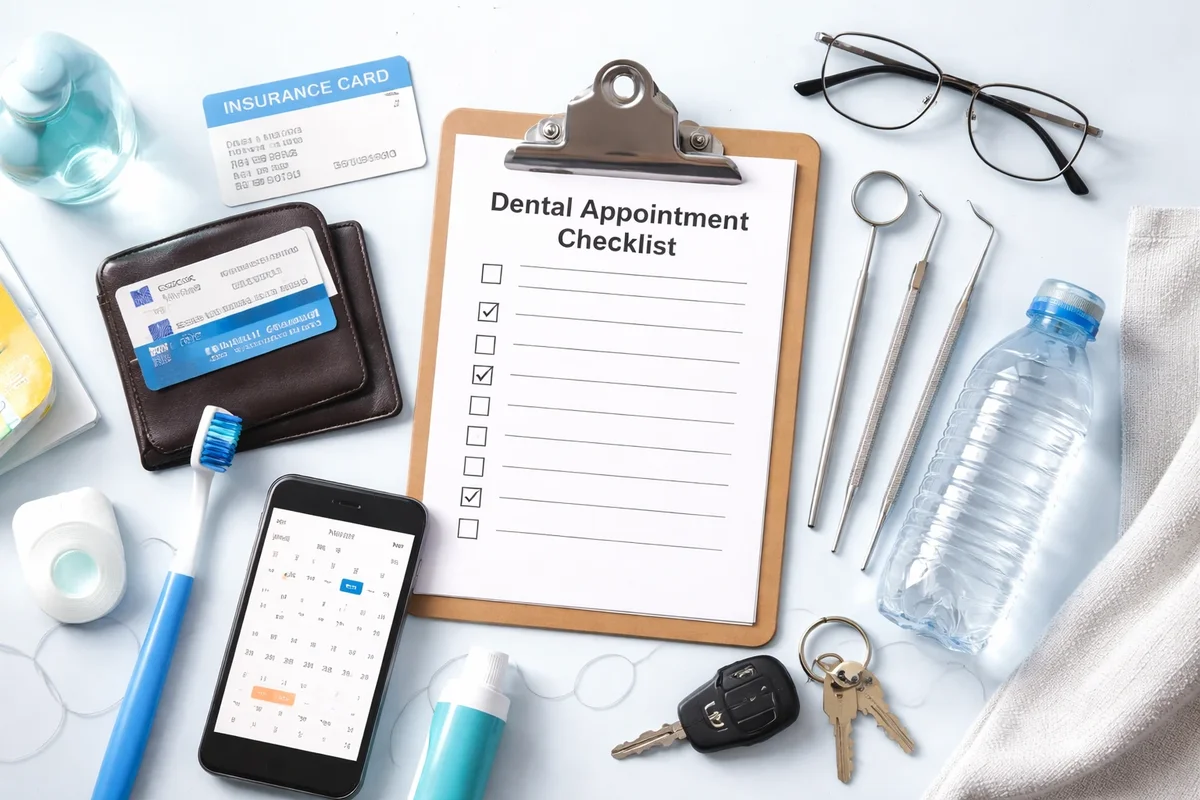
What to Bring for Children’s Dentist Appointments
When parents ask what do i need for a dentist appointment, the question becomes even more important when the patient is a child. Children’s dental visits require extra preparation, patience, and understanding. A well-prepared parent can turn a potentially stressful experience into a positive and confidence-building one for their child 🦷.
Understanding what do i need for a dentist appointment for children goes beyond documents and hygiene. It involves emotional readiness, age-appropriate communication, and bringing the right items to help your child feel safe and supported. Early dental experiences shape how children feel about oral care for the rest of their lives.
Essential Documents for a Child’s Dental Visit
Just like adult visits, documentation is a basic part of what do i need for a dentist appointment for children. Parents or legal guardians should bring the child’s identification if available, insurance information, and any required consent forms.
For first-time visits, clinics often require a guardian to complete medical and dental history forms. Having this information prepared in advance saves time and keeps the child from waiting longer than necessary.
Consent and Legal Responsibility
Only a parent or legal guardian can authorize treatment for a minor. This is a critical legal aspect of what do i need for a dentist appointment. If someone else is bringing the child, written consent may be required.
Preparing Your Child Emotionally
Emotional preparation is one of the most important elements of what do i need for a dentist appointment for kids. Children often mirror their parents’ emotions, so staying calm and positive makes a big difference.
Explain the visit in simple, reassuring language. Avoid words that sound scary and focus on positive outcomes like healthy teeth and a bright smile.
What Not to Say Before the Visit
Avoid sharing your own dental fears or negative experiences. This is a subtle but crucial part of what do i need for a dentist appointment. Children should approach dental care with curiosity, not fear.
Comfort Items That Help Children Feel Safe
Bringing familiar items is often overlooked when thinking about what do i need for a dentist appointment for children. A favorite toy, blanket, or stuffed animal can provide comfort and reassurance.
Some children also feel calmer with headphones, music, or a small distraction while waiting. These simple tools can significantly reduce anxiety.
Oral Hygiene Preparation for Children
Helping your child brush and floss before the appointment is an important part of what do i need for a dentist appointment. This does not need to be perfect, but it shows the dentist the child’s usual oral hygiene habits.
Use gentle brushing techniques and avoid aggressive cleaning right before the visit, as this can irritate gums and make the exam uncomfortable.
What to Eat or Avoid Before the Appointment
Dietary preparation matters for children too. Knowing what do i need for a dentist appointment includes avoiding sugary snacks, sticky foods, or strong-flavored items before the visit.
A light, healthy meal helps keep your child comfortable and cooperative during the appointment.
Questions Parents Should Ask the Dentist
Parents play an active role in their child’s oral health. Asking questions is a vital part of what do i need for a dentist appointment. You may ask about brushing techniques, fluoride use, cavity prevention, or habits like thumb sucking.
Understanding how to care for your child’s teeth at home reinforces the benefits of the dental visit.
Building Positive Long-Term Dental Habits
A child’s dental appointment is not just about today—it’s about the future. Understanding what do i need for a dentist appointment helps parents create positive associations with dental care.
Praising your child after the visit, regardless of how it went, builds confidence. Consistent, calm dental visits help children grow into adults who value oral health.
In conclusion, preparing for a child’s dental visit requires thoughtful planning, emotional support, and practical preparation. Knowing what do i need for a dentist appointment for children ensures a smoother visit, reduces fear, and sets the foundation for lifelong healthy smiles 😊.