
When people ask what does orthodontics cover, they are often thinking about braces and straight teeth. However, the scope of orthodontics is far broader and more essential to oral health than many realize. Orthodontics is a specialized branch of dentistry focused on diagnosing, preventing, and correcting irregularities in the teeth and jaw alignment. Understanding what does orthodontics cover can help patients make informed decisions about their dental health and overall well-being.
At its core, orthodontics deals with problems such as crooked teeth, overbites, underbites, crossbites, and spacing issues. But if you truly want to understand what does orthodontics cover, you need to look beyond aesthetics. Orthodontic treatments play a vital role in improving chewing function, speech clarity, and even preventing long-term dental complications such as gum disease and tooth decay.
🦷 One of the primary aspects of what does orthodontics cover is the correction of malocclusion, which refers to improper alignment between the upper and lower teeth. Malocclusion can lead to uneven wear on teeth, jaw pain, and difficulty eating. Orthodontic solutions, including braces and aligners, are designed to gradually move teeth into their optimal positions.
Another important element of what does orthodontics cover is jaw alignment. Orthodontists don’t just focus on teeth; they also address structural issues involving the jaw. In more severe cases, orthodontic treatment may be combined with surgical procedures to achieve the best results. This highlights how comprehensive the field is when answering the question, what does orthodontics cover.
😊 Many patients are surprised to learn that orthodontics also includes preventive care. Early intervention, especially in children, can guide jaw growth and prevent more serious issues later. This means that what does orthodontics cover includes both corrective and preventive treatments, making it a proactive approach to oral health.
Additionally, orthodontics addresses spacing problems, such as gaps between teeth or overcrowding. These issues are not just cosmetic; they can make it difficult to maintain proper oral hygiene. When asking what does orthodontics cover, it’s important to understand that aligned teeth are easier to clean, reducing the risk of cavities and gum disease.
📊 According to the American Dental Association, orthodontic care is a key component of maintaining long-term oral health. This reinforces the idea that what does orthodontics cover extends far beyond appearance and plays a crucial role in overall health.
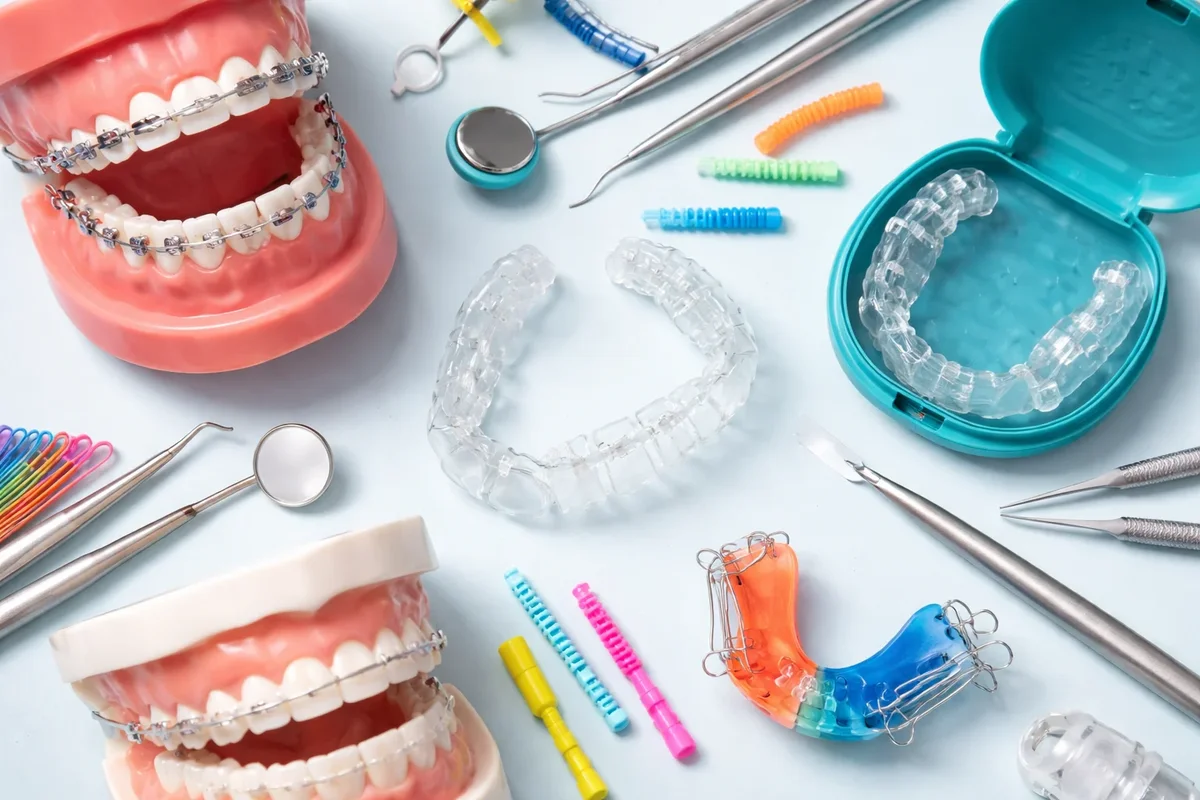
Orthodontics also includes modern treatment options such as clear aligners, lingual braces, and retainers. These advancements make treatment more comfortable and discreet than ever before. So, when considering what does orthodontics cover, it’s clear that the field has evolved significantly to meet patient needs.
💡 Another often-overlooked aspect of what does orthodontics cover is post-treatment care. Retainers are essential to maintaining the results achieved through orthodontic treatment. Without proper retention, teeth can shift back to their original positions. This means that orthodontics is not just about treatment but also about long-term maintenance.
If you are considering orthodontic treatment and wondering what does orthodontics cover, it’s important to consult with a qualified professional. Every patient’s needs are unique, and a personalized treatment plan is essential for achieving the best results. You can easily reach out through the Redent Klinik Contact Page to get expert guidance tailored to your situation.
🌟 In summary, what does orthodontics cover includes diagnosing alignment issues, correcting bite problems, improving jaw structure, enhancing oral function, and preventing future dental complications. It is a comprehensive field that combines science, technology, and aesthetics to improve both health and confidence.
Understanding what does orthodontics cover empowers patients to take control of their dental health. Whether you are dealing with minor spacing issues or complex jaw misalignment, orthodontics offers solutions that can transform your smile and quality of life. The key takeaway is that what does orthodontics cover is not limited to straightening teeth—it encompasses a complete approach to oral health and functionality.
What Does Orthodontics Cover in Modern Dentistry?
Understanding what does orthodontics cover in modern dentistry is essential for anyone considering improving their smile or oral health. Orthodontics today goes far beyond traditional braces and cosmetic alignment. It represents a highly advanced field that integrates digital technology, personalized treatment planning, and preventive care. When patients ask what does orthodontics cover, they are often surprised by how comprehensive and medically significant orthodontic care has become.
The Core Scope of Orthodontics Today
At its foundation, what does orthodontics cover includes the diagnosis, prevention, and correction of misaligned teeth and jaws. However, modern orthodontics uses advanced imaging techniques such as 3D scans and digital impressions to precisely map out treatment plans. This ensures highly accurate results and improved patient comfort.
Orthodontists evaluate not only the visible alignment of teeth but also how the bite functions. When exploring what does orthodontics cover, it becomes clear that bite correction (malocclusion treatment) is one of the most critical aspects. Proper bite alignment helps distribute chewing forces evenly, preventing long-term damage to teeth and jaw joints.
Advanced Diagnostic Techniques
Modern orthodontics uses tools like cone-beam computed tomography (CBCT) and intraoral scanners. These technologies allow specialists to fully understand jaw structure, tooth positioning, and potential complications. Therefore, what does orthodontics cover includes detailed diagnostics that were not possible in the past.
Comprehensive Treatment Options
Another key part of understanding what does orthodontics cover is recognizing the wide range of treatment methods available today. Patients are no longer limited to traditional metal braces. Instead, orthodontics offers:
- Clear aligners (such as Invisalign-style systems)
- Ceramic (tooth-colored) braces
- Lingual braces (placed behind the teeth)
- Self-ligating braces for faster adjustments
- Retainers for post-treatment stability
Each of these options demonstrates how what does orthodontics cover has expanded to include both functional and aesthetic considerations. Patients can now choose treatments that fit their lifestyle while achieving optimal results.
Customization and Personalization
Modern orthodontics emphasizes individualized care. No two patients receive the same treatment plan. When asking what does orthodontics cover, it is important to understand that personalization plays a huge role. Factors such as age, dental condition, jaw structure, and even lifestyle habits influence the chosen treatment.
Preventive and Early Orthodontic Care
One of the most important yet often overlooked aspects of what does orthodontics cover is early intervention. Orthodontists recommend that children undergo an initial evaluation around age 7. Early detection allows specialists to guide jaw growth and prevent more serious issues later.
For example, if a child has a developing crossbite or overcrowding, early treatment can reduce the need for extractions or surgery in the future. This shows that what does orthodontics cover includes proactive care, not just corrective procedures.
Growth Modification Techniques
In growing patients, orthodontists may use appliances such as expanders or functional devices to influence jaw development. These treatments are a crucial part of what does orthodontics cover because they address the root cause of alignment issues rather than just the symptoms.
Functional Improvements and Health Benefits
Many people initially think orthodontics is purely cosmetic, but understanding what does orthodontics cover reveals significant health benefits. Properly aligned teeth are easier to clean, reducing the risk of cavities and gum disease. Additionally, correcting bite issues can alleviate jaw pain, headaches, and even speech difficulties.
Orthodontic treatment can also improve breathing in some cases, particularly when jaw alignment affects airway function. This demonstrates how what does orthodontics cover extends into overall health and quality of life.
Integration with Other Dental Specialties
Modern dentistry is highly collaborative. Another key aspect of what does orthodontics cover is its integration with other specialties such as prosthodontics, periodontics, and oral surgery. For example, orthodontic treatment may be required before placing dental implants or performing restorative procedures.
This interdisciplinary approach ensures that patients receive comprehensive care. When evaluating what does orthodontics cover, it becomes clear that orthodontics often serves as a foundational step in broader dental treatment plans.
Technological Innovations in Orthodontics
Technology has revolutionized orthodontic care. Digital treatment simulations allow patients to see their expected results before treatment even begins. This innovation is a key part of what does orthodontics cover in the modern era.
Additionally, advancements such as 3D-printed aligners and AI-assisted planning have made treatments faster and more efficient. These improvements highlight how what does orthodontics cover continues to evolve with technology.
Long-Term Maintenance and Retention
Orthodontic care does not end when braces or aligners are removed. A crucial part of what does orthodontics cover is retention. Retainers help maintain the new position of teeth and prevent relapse.
Patients must follow their orthodontist’s instructions carefully to ensure long-lasting results. This ongoing maintenance underscores that what does orthodontics cover includes both treatment and post-treatment care.
🌟 In conclusion, what does orthodontics cover in modern dentistry is a comprehensive and evolving field that addresses far more than just straightening teeth. From advanced diagnostics and personalized treatment plans to preventive care and long-term maintenance, orthodontics plays a vital role in both oral health and overall well-being. By understanding what does orthodontics cover, patients can better appreciate the value of orthodontic treatment and make informed decisions about their dental care journey.
Common Dental Problems Orthodontics Treats
When exploring what does orthodontics cover, one of the most important areas to understand is the range of dental problems that orthodontic treatment can effectively address. Orthodontics is not limited to straightening teeth for cosmetic reasons—it plays a crucial role in diagnosing and correcting functional issues that can affect oral health, comfort, and overall quality of life. By understanding what does orthodontics cover, patients can recognize early signs of problems and seek appropriate care before complications arise.
Malocclusion: The Foundation of Orthodontic Treatment
At the heart of what does orthodontics cover is the treatment of malocclusion, which refers to misalignment between the upper and lower teeth. Malocclusion can take several forms and may lead to difficulty chewing, speaking issues, and uneven tooth wear. Orthodontic treatments aim to correct these imbalances and restore proper function.
Types of Bite Problems
There are several types of bite issues that fall under what does orthodontics cover:
- Overbite: Upper teeth excessively overlap the lower teeth.
- Underbite: Lower teeth extend beyond the upper teeth.
- Crossbite: Some upper teeth sit inside the lower teeth when biting.
- Open bite: Upper and lower teeth do not meet properly.
Each of these conditions demonstrates how what does orthodontics cover includes both functional and structural corrections. If left untreated, these issues can lead to jaw pain, enamel erosion, and even temporomandibular joint (TMJ) disorders.
Crowding and Spacing Issues
Another major category within what does orthodontics cover is the treatment of crowding and spacing problems. These issues affect not only the appearance of the smile but also oral hygiene and long-term dental health.
Crowded Teeth
Crowding occurs when there is insufficient space in the jaw for all teeth to align properly. This condition is a common example of what does orthodontics cover because it can make brushing and flossing difficult, increasing the risk of plaque buildup and gum disease.
Gaps Between Teeth
On the opposite end, spacing issues involve excessive gaps between teeth. While some patients may view gaps as purely aesthetic concerns, understanding what does orthodontics cover reveals that these spaces can trap food particles and contribute to gum problems.
Jaw Alignment Problems
Orthodontics also addresses structural issues related to the jaw. When considering what does orthodontics cover, it is important to recognize that jaw misalignment can have significant consequences beyond dental appearance.
Functional Jaw Disorders
Improper jaw alignment can lead to difficulty chewing, speech problems, and chronic discomfort. In some cases, patients may experience clicking or pain in the jaw joint. Treating these conditions is a key part of what does orthodontics cover, often involving braces, aligners, or even surgical intervention in severe cases.
Protruding or Retruding Teeth
Another important aspect of what does orthodontics cover is the correction of protruding (forward-positioned) or retruding (backward-positioned) teeth. These conditions can affect both appearance and function.
Protruding teeth are more susceptible to injury, especially in children and active individuals. Meanwhile, retruding teeth can impact bite efficiency and facial balance. Orthodontic treatment helps reposition these teeth for improved safety and aesthetics, reinforcing the comprehensive nature of what does orthodontics cover.
Impacted Teeth
Impacted teeth occur when a tooth fails to emerge properly through the gum line. This is particularly common with canines and wisdom teeth. Managing impacted teeth is another example of what does orthodontics cover, often requiring coordination between orthodontists and oral surgeons.
Left untreated, impacted teeth can cause pain, infection, and damage to surrounding teeth. Orthodontic intervention ensures proper positioning and alignment, preventing further complications.
Speech and Chewing Difficulties
Many people are unaware that speech and chewing issues are also part of what does orthodontics cover. Misaligned teeth and jaws can interfere with proper pronunciation and efficient food breakdown.
Orthodontic treatment can significantly improve these functions, enhancing both communication and digestion. This highlights how what does orthodontics cover extends into daily life activities and overall well-being.
Temporomandibular Joint (TMJ) Issues
TMJ disorders are often linked to bite misalignment. Addressing these conditions is another critical component of what does orthodontics cover. Symptoms may include jaw pain, headaches, and difficulty opening or closing the mouth.
By correcting the underlying alignment issues, orthodontic treatment can alleviate these symptoms and improve quality of life. This further emphasizes the medical importance of understanding what does orthodontics cover.
Aesthetic Concerns with Functional Impact
While aesthetics are not the sole focus, they are still an important part of what does orthodontics cover. A well-aligned smile can boost confidence and social interactions. However, aesthetic improvements often go hand in hand with functional benefits, such as better oral hygiene and reduced risk of dental problems.
😊 Patients who undergo orthodontic treatment frequently report increased self-esteem alongside improved oral health. This dual benefit is a key reason why understanding what does orthodontics cover is so valuable.
🌟 In conclusion, the range of conditions addressed by orthodontics clearly demonstrates how comprehensive the field is. From bite problems and crowding to jaw alignment and speech difficulties, what does orthodontics cover includes a wide spectrum of dental and functional issues. Recognizing these problems early and seeking professional care can prevent complications and ensure long-term oral health. Ultimately, what does orthodontics cover is not just about achieving a beautiful smile—it is about creating a healthy, functional, and balanced oral environment.
Types of Orthodontic Treatments Explained
To fully understand what does orthodontics cover, it is essential to explore the wide variety of treatment options available today. Modern orthodontics has evolved significantly, offering patients more comfortable, efficient, and discreet solutions than ever before. Whether the goal is to correct bite issues, improve alignment, or enhance aesthetics, the range of treatments clearly demonstrates how comprehensive what does orthodontics cover truly is.
Traditional Metal Braces
One of the most well-known answers to what does orthodontics cover is traditional metal braces. These braces consist of brackets, wires, and elastic bands that gradually move teeth into the desired position. Despite being the oldest method, they remain highly effective, especially for complex dental issues.
Advantages of Metal Braces
Metal braces are durable and capable of treating severe misalignments. They are often the most cost-effective option and can address multiple problems simultaneously. This makes them a fundamental part of what does orthodontics cover, particularly in cases requiring precise control.
Ceramic (Tooth-Colored) Braces
Ceramic braces function similarly to metal braces but are designed to blend with the natural color of teeth. For patients concerned about appearance, this option highlights how what does orthodontics cover includes aesthetic considerations alongside functionality.
When to Choose Ceramic Braces
These braces are ideal for teenagers and adults who want a less noticeable treatment. However, they may require more careful maintenance, as the brackets can stain over time. Still, they remain a popular part of what does orthodontics cover due to their balance between effectiveness and appearance.
Clear Aligners (Invisalign-Style Systems)
Clear aligners are one of the most innovative developments in orthodontics. These removable, transparent trays gradually shift teeth into alignment. When asking what does orthodontics cover, clear aligners represent the modern, lifestyle-friendly side of treatment.
Benefits of Clear Aligners
- Nearly invisible appearance 😊
- Removable for eating and cleaning
- Improved comfort compared to traditional braces
- Fewer dental visits required
Clear aligners are especially suitable for mild to moderate alignment issues, showcasing how what does orthodontics cover adapts to patient preferences and convenience.
Lingual Braces (Hidden Braces)
Lingual braces are placed on the back side of the teeth, making them completely hidden from view. This advanced option demonstrates how what does orthodontics cover includes highly discreet treatment solutions for patients who prioritize aesthetics.
Considerations for Lingual Braces
While effective, lingual braces may require an adjustment period and can be slightly more expensive. However, their invisibility makes them a valuable part of what does orthodontics cover for professionals and adults seeking subtle treatment.
Self-Ligating Braces
Self-ligating braces use a specialized mechanism instead of elastic bands to hold the wire in place. This reduces friction and can lead to faster treatment times. Understanding what does orthodontics cover includes recognizing these technological advancements that improve efficiency and comfort.
Key Advantages
Patients often experience shorter appointments and easier cleaning with self-ligating braces. This innovation reflects how what does orthodontics cover continues to evolve with patient-centered improvements.
Orthodontic Appliances and Expanders
Orthodontics is not limited to braces and aligners. Another critical aspect of what does orthodontics cover is the use of specialized appliances designed to correct jaw and bite issues.
Common Appliances
- Palatal expanders to widen the upper jaw
- Headgear for correcting severe bite problems
- Functional appliances for guiding jaw growth
These devices are particularly useful in children and adolescents, emphasizing how what does orthodontics cover includes growth modification and early intervention strategies.
Retainers and Post-Treatment Care
Many patients mistakenly believe that orthodontic treatment ends when braces or aligners are removed. However, a crucial part of what does orthodontics cover is retention. Retainers help maintain the new position of teeth and prevent relapse.
Types of Retainers
- Removable retainers (clear or wire-based)
- Fixed retainers bonded behind the teeth
Without proper retention, teeth may gradually shift back to their original positions. This highlights how what does orthodontics cover includes long-term maintenance and follow-up care.
Orthognathic (Jaw) Surgery
In severe cases, orthodontic treatment may involve surgical intervention. Orthognathic surgery corrects significant jaw misalignments that cannot be resolved with braces alone. This advanced procedure is a vital part of what does orthodontics cover in complex situations.
When Surgery Is Necessary
Patients with extreme bite issues, facial asymmetry, or breathing difficulties may benefit from this approach. Combining surgery with orthodontics ensures optimal results, demonstrating the full scope of what does orthodontics cover.
Choosing the Right Treatment Option
With so many options available, selecting the right treatment can feel overwhelming. However, understanding what does orthodontics cover helps patients make informed decisions. Factors such as age, severity of the problem, lifestyle, and budget all play a role in determining the best approach.
🦷 A professional orthodontic consultation is essential for developing a personalized treatment plan. Each method has its advantages, and the right choice depends on individual needs and goals.
🌟 In conclusion, the wide range of treatments clearly illustrates how extensive what does orthodontics cover truly is. From traditional braces to advanced aligners and surgical solutions, orthodontics offers tailored approaches for every patient. By understanding these options, patients can confidently take the next step toward a healthier, more aligned smile. Ultimately, what does orthodontics cover includes not just correcting teeth, but providing comprehensive, modern solutions for long-term oral health and confidence.
Who Needs Orthodontic Treatment and Why?
When people ask what does orthodontics cover, one of the most important follow-up questions is: who actually needs orthodontic treatment? The answer is broader than many expect. Orthodontic care is not limited to teenagers with braces—it applies to children, adults, and even older individuals who want to improve their oral health and function. Understanding what does orthodontics cover helps identify who can benefit from treatment and why it is often essential rather than optional.
Children: Early Intervention Matters
One of the key groups included in what does orthodontics cover is children. Orthodontists recommend an initial evaluation around age 7. At this stage, the jaw is still developing, and early signs of alignment issues can be detected.
Signs Children May Need Orthodontics
- Difficulty chewing or biting
- Thumb sucking beyond early childhood
- Crooked or crowded teeth
- Early or late loss of baby teeth
- Jaw shifting or clicking sounds
Early treatment can guide jaw growth and prevent more serious issues later. This highlights how what does orthodontics cover includes preventive care, not just correction. In many cases, early intervention reduces the need for complex procedures in the future.
Teenagers: The Most Common Orthodontic Patients
Teenagers are the group most commonly associated with orthodontics. During adolescence, most permanent teeth have erupted, making it an ideal time to correct alignment issues. When evaluating what does orthodontics cover, teenage treatment plays a central role.
Why Treatment Is Common in Teens
At this age, the jaw is still flexible, allowing teeth to move more easily. Orthodontic appliances such as braces or aligners can effectively correct problems like overcrowding, gaps, and bite issues. This stage represents a critical window within what does orthodontics cover for achieving long-lasting results.
😊 Additionally, improving a teenager’s smile can boost self-confidence during a socially sensitive period, making orthodontic care both a functional and emotional investment.
Adults: It’s Never Too Late
A common misconception is that orthodontic treatment is only for young people. However, understanding what does orthodontics cover reveals that adults are increasingly seeking orthodontic care. Advances in technology, such as clear aligners and discreet braces, have made treatment more appealing to adults.
Reasons Adults Seek Orthodontics
- Correcting untreated childhood issues
- Addressing shifting teeth over time
- Improving oral hygiene and preventing gum disease
- Enhancing smile aesthetics and confidence
Adult orthodontics demonstrates how what does orthodontics cover extends beyond age limitations. Treatment can significantly improve both health and quality of life, regardless of when it begins.
Patients with Functional Problems
Orthodontic treatment is not just about appearance—it is often necessary for functional reasons. A crucial part of what does orthodontics cover is addressing problems that interfere with daily activities such as eating and speaking.
Common Functional Issues
Patients experiencing jaw pain, difficulty chewing, or speech impairments may benefit from orthodontic care. Misaligned teeth can place uneven pressure on the jaw, leading to discomfort and long-term complications. By correcting these issues, orthodontics restores proper function, which is a major component of what does orthodontics cover.
Patients with Oral Health Risks
Another important group within what does orthodontics cover includes individuals at higher risk of dental problems. Crooked or crowded teeth can make cleaning difficult, increasing the likelihood of cavities and gum disease.
By aligning teeth properly, orthodontic treatment makes it easier to maintain good oral hygiene. This preventive aspect is a key reason why what does orthodontics cover is so valuable in long-term dental care.
People with Jaw Alignment Issues
Jaw misalignment can affect facial symmetry, breathing, and even posture. Treating these conditions is a significant part of what does orthodontics cover. In some cases, patients may require a combination of orthodontic treatment and surgical intervention to achieve optimal results.
Impact of Jaw Problems
Symptoms may include headaches, TMJ disorders, and uneven facial structure. Addressing these issues improves both health and appearance, reinforcing the comprehensive nature of what does orthodontics cover.
Patients Seeking Aesthetic Improvements
While orthodontics is medically important, aesthetics also play a role. Many people seek treatment to improve the appearance of their smile. Understanding what does orthodontics cover includes recognizing that confidence and self-esteem are important aspects of overall well-being.
✨ A straight, well-aligned smile can enhance personal and professional interactions. This shows how what does orthodontics cover combines health benefits with aesthetic improvements.
Special Cases and Complex Conditions
Some patients have more complex dental or skeletal issues that require specialized care. These cases further expand the scope of what does orthodontics cover. Conditions such as impacted teeth, severe malocclusion, or congenital abnormalities may require a multidisciplinary approach.
Collaborative Treatment
Orthodontists often work with oral surgeons, periodontists, and other specialists to provide comprehensive care. This teamwork ensures that even the most complex cases are effectively treated, demonstrating the full extent of what does orthodontics cover.
🌟 In conclusion, orthodontic treatment is suitable for a wide range of individuals, from young children to adults and those with complex dental needs. By understanding what does orthodontics cover, it becomes clear that orthodontics is not limited by age or purpose. Whether addressing functional issues, preventing future problems, or enhancing aesthetics, orthodontic care offers significant benefits for anyone seeking a healthier, more confident smile. Ultimately, what does orthodontics cover includes personalized solutions for every stage of life, making it an essential part of modern dental care.
What Does Orthodontics Cover for Children vs Adults?
When patients ask what does orthodontics cover, one of the most important distinctions to understand is how orthodontic care differs between children and adults. While the core principles remain the same—aligning teeth and correcting bite issues—the approach, timing, and techniques can vary significantly depending on age. Understanding what does orthodontics cover in both groups helps patients and parents make informed decisions about treatment.
Orthodontics for Children: Early Guidance and Prevention
One of the most critical aspects of what does orthodontics cover is early intervention in children. Orthodontists recommend that children have their first evaluation around age 7. At this stage, the jaw is still developing, making it easier to guide growth and prevent more severe problems later.
Why Early Treatment Is Important
In children, what does orthodontics cover includes interceptive treatments designed to address issues before they become more complex. Early care can:
- Guide jaw growth for proper alignment
- Create space for incoming permanent teeth
- Reduce the need for tooth extractions later
- Correct harmful oral habits such as thumb sucking
These preventive measures highlight how what does orthodontics cover goes beyond correction and focuses on long-term oral health.
Common Treatments for Children
Children may not always need full braces immediately. Instead, orthodontists may use specialized appliances such as:
- Palatal expanders to widen the upper jaw
- Space maintainers to preserve room for permanent teeth
- Functional appliances to guide jaw development
These tools demonstrate how what does orthodontics cover includes growth modification techniques that are only effective during childhood.
Orthodontics for Teenagers: Active Correction Phase
As children grow into teenagers, orthodontic treatment often enters a more active phase. This is when most permanent teeth have erupted, making it the ideal time for comprehensive correction. When considering what does orthodontics cover, this stage is where traditional braces or aligners are most commonly used.
Key Focus During Teenage Years
Orthodontic care for teens typically focuses on:
- Straightening crooked or crowded teeth
- Closing gaps between teeth
- Correcting bite issues such as overbite or underbite
Because the jaw is still somewhat flexible, treatment is often more efficient. This phase clearly illustrates how what does orthodontics cover includes both functional and aesthetic improvements.
😊 Additionally, improving a teen’s smile can boost self-confidence during an important stage of social development.
Orthodontics for Adults: Precision and Aesthetics
Adults are increasingly seeking orthodontic treatment, and understanding what does orthodontics cover for this group reveals some key differences. Unlike children, adult jawbones are fully developed, meaning treatment focuses on moving teeth rather than guiding growth.
Why Adults Choose Orthodontics
Adults pursue treatment for various reasons, including:
- Correcting untreated childhood alignment issues
- Addressing shifting teeth due to aging
- Improving oral hygiene and reducing gum disease risk
- Enhancing smile aesthetics for personal or professional reasons
This shows how what does orthodontics cover extends to lifelong dental care and not just early intervention.
Preferred Treatment Options for Adults
Adults often prefer discreet solutions, which is why modern orthodontics offers:
- Clear aligners for nearly invisible treatment
- Ceramic braces that blend with natural teeth
- Lingual braces hidden behind the teeth
These options highlight how what does orthodontics cover includes advanced, patient-friendly technologies tailored to adult lifestyles.
Key Differences Between Children and Adults
While both groups benefit from orthodontic care, there are important differences in how what does orthodontics cover applies to each.
Growth vs. Movement
In children, treatment often focuses on guiding jaw growth. In adults, the focus shifts to moving teeth within a fully developed bone structure. This distinction is central to understanding what does orthodontics cover.
Treatment Duration and Complexity
Adult treatments may take longer due to reduced bone flexibility and the presence of existing dental work such as crowns or implants. This complexity further expands the scope of what does orthodontics cover.
Health Benefits Across All Ages
Regardless of age, the health benefits remain consistent. Proper alignment improves oral hygiene, reduces the risk of cavities, and prevents gum disease. This reinforces that what does orthodontics cover is not limited by age but is essential for maintaining overall dental health.
🦷 Correcting bite issues can also alleviate jaw pain and improve chewing efficiency, enhancing daily comfort and function.
Psychological and Social Impact
Another important aspect of what does orthodontics cover is the emotional and social impact of treatment. A well-aligned smile can significantly boost confidence, whether in a child, teenager, or adult.
✨ Patients often report feeling more comfortable in social and professional settings after completing orthodontic treatment, demonstrating the broader benefits included in what does orthodontics cover.
Personalized Treatment Planning
No two patients are the same, which is why customization is a key part of what does orthodontics cover. Orthodontists develop individualized treatment plans based on age, dental condition, and personal goals.
For expert guidance tailored to your needs, you can visit the Redent Klinik Contact Page and receive professional support in choosing the right treatment.
🌟 In conclusion, understanding what does orthodontics cover for children versus adults reveals the flexibility and adaptability of modern orthodontic care. From early preventive measures in children to advanced aesthetic solutions for adults, orthodontics provides comprehensive treatment options for every stage of life. Ultimately, what does orthodontics cover includes personalized, age-appropriate solutions that improve both oral health and overall confidence.
Benefits of Orthodontic Treatment Beyond Aesthetics
When people first hear about orthodontic care, they often think of straighter teeth and a more attractive smile. While aesthetics are certainly an important outcome, understanding what does orthodontics cover reveals that the benefits extend far beyond appearance. Orthodontic treatment plays a critical role in improving oral health, enhancing daily function, and even supporting overall well-being. Exploring these broader advantages helps patients fully appreciate what does orthodontics cover and why it is a valuable investment.
Improved Oral Hygiene and Dental Health
One of the most significant health-related aspects of what does orthodontics cover is improved oral hygiene. Misaligned or crowded teeth create hard-to-reach areas where plaque and bacteria can accumulate. This increases the risk of cavities, gum disease, and bad breath.
Easier Cleaning and Maintenance
After orthodontic treatment, properly aligned teeth are much easier to brush and floss. This reduces the likelihood of dental problems and supports long-term oral health. In this way, what does orthodontics cover includes preventive care that protects teeth and gums for years to come.
🦷 Patients who complete orthodontic treatment often experience fewer dental issues, highlighting how what does orthodontics cover contributes to overall dental stability.
Enhanced Chewing and Digestion
Another essential benefit included in what does orthodontics cover is improved chewing efficiency. Properly aligned teeth allow food to be broken down more effectively, which is the first step in the digestive process.
Functional Bite Correction
When bite issues such as overbite, underbite, or crossbite are corrected, chewing becomes more balanced and efficient. This reduces strain on the jaw and supports better digestion. Therefore, what does orthodontics cover includes functional improvements that impact overall health, not just oral aesthetics.
Reduction of Jaw Pain and TMJ Disorders
Jaw discomfort and temporomandibular joint (TMJ) disorders are often linked to misaligned teeth. Addressing these issues is a key component of what does orthodontics cover. Patients with bite problems may experience headaches, jaw pain, and difficulty opening or closing their mouths.
Relieving Pressure on the Jaw
Orthodontic treatment redistributes pressure evenly across the teeth and jaw. This can significantly reduce discomfort and prevent long-term joint damage. Understanding what does orthodontics cover includes recognizing its role in relieving chronic pain and improving daily comfort.
Prevention of Tooth Wear and Damage
Uneven tooth alignment can lead to excessive wear on certain teeth. Over time, this can cause enamel erosion, fractures, or sensitivity. Preventing such damage is another important aspect of what does orthodontics cover.
Protecting Tooth Structure
By aligning teeth properly, orthodontic treatment ensures that biting forces are distributed evenly. This helps preserve the natural structure of teeth and reduces the need for restorative procedures in the future. This protective benefit is a crucial part of what does orthodontics cover.
Speech Improvement
Many people are unaware that speech clarity can be affected by dental alignment. Certain sounds require precise positioning of the teeth and tongue. Correcting alignment issues is another way what does orthodontics cover improves daily life.
Clearer Pronunciation
Orthodontic treatment can help resolve speech impediments caused by misaligned teeth or jaw issues. Patients often notice improved pronunciation and confidence in communication, demonstrating how what does orthodontics cover extends beyond physical health.
Boosted Confidence and Mental Well-Being
While aesthetics are not the only focus, they are still an important part of what does orthodontics cover. A straight, healthy smile can significantly enhance self-esteem and social interactions.
Psychological Benefits
😊 Patients frequently report feeling more confident in both personal and professional settings after orthodontic treatment. This emotional boost is a powerful reminder that what does orthodontics cover includes psychological well-being as well as physical improvements.
Better Long-Term Oral Stability
Orthodontic treatment provides lasting benefits that go far beyond the treatment period. One of the long-term advantages of what does orthodontics cover is improved stability of teeth and bite alignment.
Maintaining Results with Retainers
After treatment, retainers help maintain the new position of teeth. This ensures that the benefits of orthodontic care are preserved over time. The inclusion of retention in what does orthodontics cover highlights the importance of long-term care and maintenance.
Reduced Risk of Future Dental Procedures
By addressing alignment and bite issues early, orthodontic treatment can reduce the need for more invasive dental procedures later. This preventive aspect is a key part of what does orthodontics cover.
Avoiding Complex Treatments
Proper alignment can prevent complications that might otherwise require crowns, implants, or surgery. This demonstrates how what does orthodontics cover includes safeguarding future dental health and minimizing treatment costs.
Support for Overall Health
Oral health is closely linked to overall health. Poor dental hygiene and gum disease have been associated with systemic conditions such as heart disease and diabetes. By improving oral hygiene and alignment, what does orthodontics cover contributes to better general health.
🌟 In conclusion, the benefits of orthodontic treatment go far beyond achieving a beautiful smile. From improved oral hygiene and chewing function to reduced pain and enhanced confidence, what does orthodontics cover encompasses a wide range of health and lifestyle improvements. Understanding these benefits allows patients to see orthodontics as a comprehensive approach to well-being, rather than just a cosmetic solution. Ultimately, what does orthodontics cover includes everything needed to support a healthier, more functional, and confident life.
What Does Orthodontics Cover in Terms of Procedures?
To fully understand what does orthodontics cover, it is essential to explore the specific procedures involved in orthodontic treatment. Orthodontics is not a single-step solution—it is a structured process that includes diagnosis, planning, active treatment, and long-term maintenance. Each stage plays a vital role in achieving optimal results. By examining these procedures in detail, patients can better understand what does orthodontics cover and what to expect throughout their treatment journey.
Initial Consultation and Diagnosis
The first step in orthodontic care is a comprehensive consultation. This stage is a fundamental part of what does orthodontics cover because it determines the patient’s needs and treatment options.
Clinical Examination
During the initial visit, the orthodontist evaluates the alignment of the teeth, jaw position, and overall oral health. They check for issues such as crowding, spacing, and bite irregularities. This detailed assessment is crucial in defining what does orthodontics cover for each individual.
Diagnostic Imaging
Modern orthodontics relies on advanced imaging techniques, including X-rays, 3D scans, and digital impressions. These tools provide a precise understanding of tooth and jaw structure. This diagnostic phase highlights how what does orthodontics cover includes advanced technology for accurate treatment planning.
Treatment Planning and Customization
Once the diagnosis is complete, a personalized treatment plan is created. This stage is a key component of what does orthodontics cover, as no two patients have identical needs.
Digital Treatment Simulation
Many clinics now use digital software to simulate the expected results. Patients can visualize how their teeth will move over time. This innovation demonstrates how what does orthodontics cover includes patient education and transparency.
Choosing the Right Treatment Method
Based on the diagnosis, the orthodontist recommends the most suitable treatment option, such as braces, aligners, or appliances. This decision-making process is central to what does orthodontics cover, ensuring optimal outcomes tailored to each patient.
Placement of Orthodontic Appliances
The next phase involves applying the chosen treatment. This is one of the most recognizable aspects of what does orthodontics cover.
Braces Installation
For patients receiving braces, brackets are bonded to the teeth, and wires are attached to guide movement. Adjustments are made periodically to ensure progress. This process is a core example of what does orthodontics cover in action.
Clear Aligner Fitting
For aligner patients, a series of custom-made trays is created. Each set is worn for a specific period, gradually shifting teeth into place. This modern approach further expands what does orthodontics cover by offering flexible and discreet treatment options.
Regular Adjustments and Monitoring
Orthodontic treatment requires ongoing monitoring to ensure that teeth are moving as planned. This stage is an essential part of what does orthodontics cover.
Follow-Up Appointments
Patients typically visit their orthodontist every 4–8 weeks for adjustments or progress checks. These visits allow for fine-tuning of the treatment and early detection of any issues.
Progress Tracking
Digital scans and photographs may be used to track progress. This ensures that treatment stays on course, demonstrating how what does orthodontics cover includes continuous evaluation and optimization.
Use of Auxiliary Devices
In some cases, additional devices are required to achieve the best results. These tools are another important aspect of what does orthodontics cover.
Elastics and Bands
Rubber bands are often used to correct bite alignment by applying extra force in specific directions. They play a critical role in achieving proper occlusion.
Expanders and Functional Appliances
These devices are commonly used in younger patients to guide jaw development. Their inclusion shows how what does orthodontics cover extends to structural corrections, not just tooth movement.
Completion of Active Treatment
Once the desired alignment is achieved, the active phase of treatment concludes. However, this is not the end of what does orthodontics cover.
Removal of Braces or Final Aligner Stage
Braces are carefully removed, or patients complete their final aligner set. At this stage, the orthodontist evaluates the results and ensures that all treatment goals have been met.
Retention Phase and Long-Term Maintenance
A critical yet often overlooked part of what does orthodontics cover is the retention phase. Without proper retention, teeth can gradually shift back to their original positions.
Retainer Fitting
Patients are provided with retainers to maintain their new alignment. These may be removable or fixed, depending on the case.
Ongoing Care
Regular check-ups may be recommended to ensure long-term stability. This demonstrates that what does orthodontics cover includes lifelong maintenance and follow-up care.
Integration with Other Dental Procedures
Orthodontics often works in conjunction with other dental treatments. This integration is another key aspect of what does orthodontics cover.
Pre-Restorative Alignment
In some cases, orthodontic treatment is required before placing crowns, implants, or veneers. Proper alignment ensures better outcomes for these procedures.
Collaborative Care
Orthodontists may work with general dentists, periodontists, and oral surgeons to provide comprehensive treatment. This collaborative approach highlights the full scope of what does orthodontics cover.
Patient Education and Support
Finally, patient education is an essential part of orthodontic care. Understanding oral hygiene practices, appliance care, and treatment expectations is crucial for success. This educational component is a vital part of what does orthodontics cover.
😊 Patients who are well-informed are more likely to achieve successful outcomes and maintain their results over time.
🌟 In conclusion, orthodontic procedures encompass a complete journey from diagnosis to long-term maintenance. By understanding each stage, patients can clearly see how comprehensive what does orthodontics cover truly is. From advanced diagnostics and personalized planning to active treatment and retention, orthodontics offers a structured and effective approach to improving oral health. Ultimately, what does orthodontics cover includes every step necessary to achieve and maintain a healthy, functional, and confident smile.
Cost Factors and Insurance Coverage in Orthodontics
When evaluating what does orthodontics cover, one of the most common concerns patients have is cost. Orthodontic treatment is an investment in both oral health and confidence, but the price can vary widely depending on several factors. Understanding the financial aspect is a crucial part of what does orthodontics cover, as it helps patients plan effectively and explore available payment and insurance options.
Main Factors That Influence Orthodontic Costs
The cost of orthodontic treatment is not fixed. It depends on the complexity of the case, the type of treatment chosen, and the duration of care. These variables are an important part of understanding what does orthodontics cover in financial terms.
Severity of the Dental Problem
More complex issues, such as severe crowding or jaw misalignment, typically require longer treatment times and more advanced procedures. This increases the overall cost. Therefore, what does orthodontics cover includes a wide range of treatment complexities that directly impact pricing.
Type of Treatment Selected
The choice between traditional braces, ceramic braces, or clear aligners significantly affects cost. Each option offers different benefits, and this variation is a key part of what does orthodontics cover.
- Metal braces: Generally the most affordable option
- Ceramic braces: Slightly more expensive due to aesthetic benefits
- Clear aligners: Often higher cost due to advanced technology
- Lingual braces: Typically the most expensive due to customization
Average Cost of Orthodontic Treatments
While prices vary by location and clinic, here is a general overview to help answer what does orthodontics cover in terms of cost expectations:
Metal Braces:        $3,000 – $7,000
Ceramic Braces:      $4,000 – $8,000
Clear Aligners:      $4,000 – $9,000
Lingual Braces:      $8,000 – $12,000
Retainers:           $150 – $500
💡 These ranges provide a general guideline, but individual treatment plans may differ. The wide range reflects how diverse what does orthodontics cover can be depending on patient needs.
Duration of Treatment and Its Impact on Cost
The length of treatment is another important factor within what does orthodontics cover. Most orthodontic treatments last between 12 and 24 months, but complex cases may take longer.
Short vs. Long-Term Treatment
Shorter treatments typically cost less, while extended treatment durations require more appointments and adjustments, increasing overall expenses. This highlights how what does orthodontics cover includes time as a key component in determining cost.
Insurance Coverage for Orthodontics
Insurance plays a significant role in making orthodontic care more accessible. Understanding how insurance applies is essential when considering what does orthodontics cover.
What Most Insurance Plans Cover
Many dental insurance plans offer partial coverage for orthodontic treatment, especially for children. Coverage may include:
- A percentage of treatment costs (often 25%–50%)
- A lifetime orthodontic maximum benefit
- Coverage for medically necessary procedures
However, adult orthodontics may have limited or no coverage depending on the plan. This variation is an important part of what does orthodontics cover financially.
Medical vs. Cosmetic Classification
Insurance providers often distinguish between medically necessary and cosmetic treatments. Severe bite issues or jaw misalignment may qualify for coverage, while purely aesthetic corrections might not. This distinction further defines what does orthodontics cover under insurance policies.
For more information about dental standards and coverage guidelines, you can refer to the American Dental Association.
Flexible Payment Options
Many orthodontic clinics offer flexible payment plans to make treatment more affordable. These options are an essential part of what does orthodontics cover in practical terms.
Common Payment Solutions
- Monthly installment plans
- Interest-free financing options
- Discounts for upfront payments
- Health savings accounts (HSA) or flexible spending accounts (FSA)
These solutions allow patients to spread the cost over time, making orthodontic care accessible to a wider audience. This flexibility demonstrates how what does orthodontics cover includes financial planning support.
Hidden and Additional Costs
Patients should also be aware of potential additional expenses when considering what does orthodontics cover.
Extra Costs to Consider
- Replacement of lost or damaged appliances
- Additional retainers after treatment
- Emergency visits or adjustments
Understanding these potential costs ensures that patients are fully prepared and reinforces the importance of knowing what does orthodontics cover in detail.
Value of Orthodontic Investment
Although orthodontic treatment can be a significant expense, it is important to view it as a long-term investment. The benefits—improved oral health, reduced risk of future dental issues, and enhanced confidence—far outweigh the initial cost.
😊 Patients who undergo orthodontic treatment often experience fewer dental problems later in life, reducing the need for costly procedures. This long-term value is a key reason why what does orthodontics cover is worth considering carefully.
How to Get an Accurate Cost Estimate
The best way to determine the exact cost is through a professional consultation. Each patient’s needs are unique, and a personalized plan is essential.
You can visit the Redent Klinik Contact Page to receive a tailored assessment and explore the most suitable treatment options for your situation.
🌟 In conclusion, understanding cost factors and insurance coverage is a vital part of answering what does orthodontics cover. From treatment type and duration to insurance benefits and payment options, many variables influence the overall investment. By being informed and exploring available resources, patients can make confident decisions about their orthodontic care. Ultimately, what does orthodontics cover includes not only clinical treatment but also the financial pathways that make achieving a healthy, beautiful smile possible.
Choosing the Right Orthodontist for Your Needs
When considering treatment, understanding what does orthodontics cover is only part of the journey. Equally important is choosing the right orthodontist who can deliver safe, effective, and personalized care. The quality of your results depends heavily on the expertise and approach of the specialist you choose. Therefore, selecting the right provider is a crucial step in fully benefiting from what does orthodontics cover.
Why Choosing the Right Orthodontist Matters
Orthodontic treatment is a long-term commitment that requires careful planning and regular follow-up. A skilled orthodontist ensures that every aspect of what does orthodontics cover is properly addressed—from diagnosis to retention. Choosing the wrong provider can lead to prolonged treatment, unsatisfactory results, or even complications.
Impact on Treatment Success
The orthodontist’s experience directly affects how efficiently teeth move and how stable the final results are. This highlights how what does orthodontics cover includes not only procedures but also the expertise behind them.
Qualifications and Credentials to Look For
One of the first steps in choosing an orthodontist is verifying their qualifications. Orthodontists undergo additional years of specialized training beyond general dentistry. This advanced education is a key part of what does orthodontics cover in professional practice.
Important Credentials
- Completion of an accredited orthodontic program
- Certification by recognized dental boards
- Membership in professional organizations
For example, guidelines and standards provided by the American Dental Association can help patients identify qualified professionals. This ensures that what does orthodontics cover is delivered according to high clinical standards.
Experience and Specialization
Not all orthodontic cases are the same. Some patients require simple alignment, while others need complex bite correction or surgical coordination. Understanding what does orthodontics cover includes recognizing the importance of experience in handling diverse cases.
Case Variety and Expertise
An experienced orthodontist will have treated a wide range of conditions, from mild crowding to severe jaw misalignment. This breadth of experience ensures that every aspect of what does orthodontics cover is managed effectively.
Technology and Treatment Options
Modern orthodontics relies heavily on advanced technology. When evaluating providers, it is important to consider whether they use up-to-date tools and techniques. This is a key factor in understanding what does orthodontics cover in a contemporary setting.
Modern Tools to Look For
- 3D digital scanning and imaging
- Computerized treatment planning
- Clear aligner systems and aesthetic braces
Clinics that invest in modern technology can offer more precise, comfortable, and efficient treatments. This demonstrates how what does orthodontics cover evolves with innovation.
Patient Reviews and Reputation
Another essential factor is the orthodontist’s reputation. Patient reviews provide valuable insight into the quality of care and overall experience. This helps ensure that what does orthodontics cover is delivered in a patient-centered manner.
What to Look for in Reviews
- Consistency in positive feedback
- Testimonials about successful outcomes
- Comments on communication and comfort
😊 A strong reputation often indicates reliability and professionalism, both of which are critical in achieving the full benefits of what does orthodontics cover.
Consultation and Communication
The initial consultation is an opportunity to evaluate the orthodontist’s approach. Clear communication is essential for understanding treatment options and expectations. This interaction plays a significant role in how what does orthodontics cover is explained and implemented.
Questions to Ask During Consultation
- What treatment options are available?
- How long will the treatment take?
- What are the expected results?
- What costs and payment plans are involved?
Effective communication ensures that patients fully understand what does orthodontics cover and feel confident in their treatment plan.
Personalized Treatment Plans
No two patients are alike, which is why customization is essential. A good orthodontist develops a treatment plan tailored to the patient’s specific needs. This individualized approach is a core part of what does orthodontics cover.
Importance of Customization
Personalized plans take into account factors such as age, dental condition, lifestyle, and aesthetic preferences. This ensures optimal results and patient satisfaction, reinforcing the comprehensive nature of what does orthodontics cover.
Location, Accessibility, and Convenience
Orthodontic treatment requires multiple visits over an extended period. Choosing a conveniently located clinic can make the process much easier. Accessibility is a practical aspect of what does orthodontics cover that should not be overlooked.
Factors to Consider
- Proximity to home or work
- Flexible appointment scheduling
- Availability of emergency care
Convenience plays a significant role in maintaining consistency throughout treatment, which is essential for achieving the best outcomes.
Cost Transparency and Payment Options
Financial clarity is another important factor. A trustworthy orthodontist provides clear information about costs and payment plans. This transparency is a key part of what does orthodontics cover in real-world practice.
You can explore personalized treatment options and pricing details through the Redent Klinik Contact Page, ensuring that your needs are fully addressed.
Long-Term Support and Follow-Up Care
Orthodontic treatment does not end when braces are removed. Ongoing support and retention are essential for maintaining results. This final stage is an important part of what does orthodontics cover.
Post-Treatment Care
Retainers, follow-up visits, and monitoring ensure that teeth remain in their new positions. A dedicated orthodontist will provide long-term guidance, demonstrating how what does orthodontics cover extends beyond active treatment.
🌟 In conclusion, choosing the right orthodontist is a critical step in achieving successful results. From qualifications and experience to technology and patient care, many factors influence the quality of treatment. By carefully evaluating these elements, patients can ensure that every aspect of what does orthodontics cover is handled professionally and effectively. Ultimately, the right orthodontist will provide not only excellent clinical results but also a positive and վստահ treatment experience, making your journey toward a healthier smile both successful and rewarding.