
When people search for what invisalign does, they are usually looking for a clear, simple explanation of how this modern orthodontic treatment works and what results they can expect. Invisalign is a revolutionary approach to straightening teeth using transparent, removable aligners instead of traditional metal braces. Understanding what invisalign does can help you make an informed decision about your smile transformation and overall oral health.
At its core, what invisalign does is gently and gradually shift your teeth into their ideal position using a series of custom-made aligners. These aligners are designed specifically for your teeth using advanced 3D imaging technology. Each set of aligners is worn for about one to two weeks before moving on to the next set, ensuring a controlled and precise movement process. This progressive adjustment is what makes Invisalign both effective and comfortable for patients.
One of the most important aspects of what invisalign does is its ability to correct a wide range of dental issues. These include crooked teeth, gaps between teeth, overcrowding, and even certain bite problems such as overbite, underbite, and crossbite. By applying consistent pressure over time, Invisalign aligners guide the teeth into proper alignment without the discomfort often associated with traditional braces.
Another key point in understanding what invisalign does is the emphasis on aesthetics. The aligners are made from clear, medical-grade plastic, making them nearly invisible when worn. This means patients can straighten their teeth discreetly, which is especially appealing for adults and professionals who want to maintain a confident appearance during treatment. 😁
Comfort is also a major factor in what invisalign does. Unlike metal braces that use brackets and wires, Invisalign aligners are smooth and custom-fitted, reducing irritation to the gums and cheeks. There are no sharp edges or tightening appointments, which significantly improves the overall treatment experience. Patients often report less pain and fewer emergency visits compared to traditional orthodontic methods.
In addition, what invisalign does extends beyond just cosmetic improvements. Properly aligned teeth are easier to clean, which reduces the risk of cavities, gum disease, and plaque buildup. Straight teeth also contribute to better chewing efficiency and can even improve speech in some cases. This means Invisalign is not only about achieving a beautiful smile but also about enhancing long-term oral health.
A major advantage of what invisalign does is its removability. You can take the aligners out when eating, drinking (except water), brushing, and flossing. This allows you to maintain your normal lifestyle without dietary restrictions. You can enjoy your favorite foods without worrying about damaging brackets or wires, making Invisalign a convenient choice for many people.
Furthermore, digital planning plays a crucial role in what invisalign does. Before starting treatment, your dentist or orthodontist creates a detailed digital model of your teeth and maps out the entire treatment process. This allows you to see a preview of your future smile even before wearing the first aligner. This predictive approach increases patient confidence and ensures more accurate results.
If you are considering starting treatment and want personalized guidance, you can always reach out through the Redent Klinik Contact Page to learn more about your options. Additionally, for professional standards and oral health guidelines, you can refer to the American Dental Association.
Ultimately, understanding what invisalign does means recognizing that it is more than just a cosmetic solution. It is a scientifically advanced orthodontic system that combines comfort, convenience, and effectiveness. Whether you are looking to improve your smile appearance or address functional dental issues, Invisalign offers a modern, patient-friendly alternative to traditional braces.
In summary, what invisalign does is transform your smile through a series of clear, custom aligners that gradually reposition your teeth. It enhances aesthetics, improves oral health, and provides a comfortable treatment experience tailored to your lifestyle. With its growing popularity worldwide, Invisalign continues to redefine how people achieve straighter, healthier smiles. ✨
What Invisalign Does to Straighten Your Teeth Effectively
Understanding what invisalign does to straighten your teeth effectively begins with recognizing how modern orthodontic science has evolved. Unlike traditional braces that rely on metal brackets and wires, Invisalign uses a series of clear, custom-designed aligners to gradually guide your teeth into their ideal positions. The concept behind what invisalign does is based on controlled force and precise movement, ensuring both comfort and efficiency throughout the treatment process.
The Science Behind What Invisalign Does
At the core of what invisalign does is biomechanical tooth movement. Each aligner is engineered to apply gentle pressure on specific teeth at specific times. This targeted force allows for incremental adjustments, which are planned in advance using sophisticated digital software. The aligners are created based on a 3D scan of your mouth, ensuring a perfect fit and accurate results.
What makes what invisalign does particularly effective is the staged progression. Instead of moving all teeth at once, each aligner focuses on certain movements, such as rotating a tooth or shifting it slightly forward. Over time, these small changes add up to a significant transformation. This step-by-step approach reduces discomfort and minimizes the risk of complications.
Gradual Tooth Movement Explained
One of the key principles behind what invisalign does is gradual repositioning. Teeth are not forced into place suddenly; instead, they are guided slowly, allowing the surrounding bone and tissues to adapt naturally. This biological process is essential for maintaining oral health and ensuring long-lasting results.
Precision and Customization in What Invisalign Does
Another important aspect of what invisalign does is its high level of customization. Each aligner is uniquely designed for your dental structure, meaning no two treatments are exactly the same. Your dentist or orthodontist uses advanced imaging technology to map out every stage of your treatment, from the initial position of your teeth to the final desired outcome.
This level of personalization ensures that what invisalign does is tailored to your specific needs. Whether you have minor spacing issues or more complex alignment problems, Invisalign can be adjusted accordingly. The aligners are trimmed to fit your gum line comfortably, making them nearly invisible while still being highly effective. 😊
Digital Planning and Predictability
A major advantage of what invisalign does is the ability to visualize results before treatment begins. Using digital simulations, patients can see how their teeth will move over time. This predictive capability not only boosts confidence but also ensures that the treatment stays on track.
Consistency and Compliance: Key Factors in What Invisalign Does
While the technology behind what invisalign does is advanced, patient compliance plays a crucial role in achieving optimal results. Aligners must be worn for 20–22 hours per day to be effective. Removing them too often or not following the recommended schedule can delay progress and affect the final outcome.
The removable nature of Invisalign is both a benefit and a responsibility. It allows for flexibility in eating and oral hygiene, but it also requires discipline. When used correctly, what invisalign does is deliver consistent, predictable improvements in tooth alignment.
Daily Wear and Maintenance
To maximize what invisalign does, patients should clean their aligners regularly and maintain good oral hygiene. Brushing and flossing after meals before reinserting aligners prevents staining and bacterial buildup. This not only protects your teeth but also ensures the aligners remain clear and discreet.
Comparing Efficiency: What Invisalign Does vs Traditional Methods
When comparing what invisalign does to traditional braces, several advantages become clear. Invisalign offers a more comfortable experience, fewer dental visits, and greater convenience. While both methods aim to straighten teeth, Invisalign achieves this with less disruption to daily life.
In many cases, treatment times are comparable, depending on the complexity of the case. However, the streamlined process of what invisalign does often leads to a more enjoyable journey for patients. There are no emergency visits for broken wires or brackets, which is a common issue with traditional braces.
Functional and Aesthetic Improvements
Beyond straightening teeth, what invisalign does also enhances overall dental function. Properly aligned teeth improve bite efficiency, reduce uneven wear, and can alleviate strain on the jaw. This means that Invisalign contributes not only to a better-looking smile but also to better oral functionality.
Aesthetically, the discreet nature of aligners makes a significant difference. Patients can undergo treatment without feeling self-conscious, which is especially important for adults and professionals. The confidence boost that comes from understanding what invisalign does is often just as valuable as the physical results. ✨
Long-Term Effectiveness of What Invisalign Does
The effectiveness of what invisalign does does not end when the treatment is complete. Retainers are typically used afterward to maintain the new position of the teeth. This ensures that the results achieved through Invisalign are long-lasting and stable.
Ultimately, what invisalign does is provide a comprehensive solution for teeth alignment that combines advanced technology, patient comfort, and predictable outcomes. By understanding how it works and following the recommended guidelines, patients can achieve a healthier, straighter smile with confidence.
How Invisalign Works Step by Step for Perfect Alignment
To fully understand what invisalign does, it is essential to break down the process step by step. Invisalign is not just a simple set of plastic trays—it is a carefully planned orthodontic system that uses advanced technology to guide your teeth into perfect alignment. From the initial consultation to the final results, what invisalign does involves a structured and highly personalized journey designed for precision, comfort, and long-term success.
Initial Consultation and Digital Scanning
The first stage of what invisalign does begins with a professional consultation. During this visit, your dentist or orthodontist evaluates your oral health, checks alignment issues, and determines whether Invisalign is suitable for your case. Instead of traditional molds, modern clinics use 3D digital scanners to capture a highly accurate image of your teeth.
This digital scan plays a crucial role in what invisalign does, as it allows the specialist to create a complete map of your current dental structure. The scan is then used to design a fully customized treatment plan, ensuring that every movement of your teeth is calculated and controlled.
Why Digital Imaging Matters
Digital imaging enhances what invisalign does by increasing accuracy and predictability. Unlike older methods, it eliminates guesswork and ensures that each aligner fits perfectly. This technology also allows patients to preview their future smile before treatment even begins, making the entire process more transparent and reassuring. 😊
Customized Treatment Planning
Once the scans are complete, the next step in what invisalign does is creating a detailed treatment plan. Specialized software simulates how your teeth will move over time. This simulation breaks down the entire process into stages, with each aligner responsible for a small, specific adjustment.
Understanding what invisalign does at this stage means recognizing that no movement is random. Every shift is strategically planned to achieve optimal alignment while minimizing discomfort. This level of planning ensures efficiency and helps avoid unnecessary delays during treatment.
Step-by-Step Tooth Movement Plan
The treatment plan outlines how many aligners you will need and how long the process will take. Each aligner is worn for about one to two weeks before switching to the next. This gradual progression is a defining feature of what invisalign does, ensuring that teeth move safely and steadily.
Aligner Fabrication and Fitting
After the treatment plan is finalized, the aligners are manufactured using high-quality, medical-grade plastic. Each aligner is custom-made to fit your teeth perfectly. When you receive your first set, your dentist will ensure they fit correctly and provide instructions on how to use them.
This stage highlights another important aspect of what invisalign does: precision fit. Because the aligners are tailored to your dental anatomy, they apply the exact amount of pressure needed for each movement. This reduces discomfort and increases effectiveness compared to generic orthodontic solutions.
Comfort and Adaptation
Patients usually experience mild pressure when starting a new aligner, which is a sign that what invisalign does is working. This sensation typically fades within a few days as the teeth adjust to their new position. The smooth design of the aligners also prevents irritation, making them more comfortable than traditional braces.
Daily Wear and Progress Tracking
A critical component of what invisalign does is consistent daily wear. Aligners should be worn for 20–22 hours per day to achieve the desired results. They should only be removed when eating, drinking anything other than water, brushing, or flossing.
Regular check-ups are scheduled every few weeks to monitor progress. During these visits, your dentist ensures that what invisalign does is progressing as planned and may provide additional aligners. These appointments are usually shorter and less frequent than those required for traditional braces.
Maintaining Hygiene During Treatment
Maintaining oral hygiene is essential for maximizing what invisalign does. Since the aligners are removable, you can brush and floss normally, reducing the risk of cavities and gum disease. Cleaning the aligners themselves is also important to keep them clear and odor-free.
Completion and Retention Phase
The final stage of what invisalign does occurs once your teeth have reached their ideal alignment. At this point, your dentist will provide retainers to maintain the results. Retainers are crucial because they prevent teeth from shifting back to their original positions.
This retention phase ensures that the benefits of what invisalign does are long-lasting. Without proper retention, even the most successful treatment can lose its effectiveness over time.
Long-Term Smile Maintenance
To preserve the results of what invisalign does, patients should follow their dentist’s recommendations for wearing retainers. Regular dental check-ups and good oral hygiene practices also play a vital role in maintaining a healthy, aligned smile. ✨
Why the Step-by-Step Process Matters
The structured approach behind what invisalign does is what sets it apart from other orthodontic treatments. Each phase is carefully designed to ensure safety, comfort, and precision. From digital planning to final retention, every step contributes to a predictable and successful outcome.
In summary, what invisalign does is guide your teeth through a series of controlled movements using custom aligners. This step-by-step process ensures that your smile transformation is not only effective but also comfortable and tailored to your lifestyle. By understanding each stage, patients can fully appreciate the innovation and reliability behind Invisalign treatment.
What Invisalign Does Compared to Traditional Braces
When patients explore orthodontic treatment options, one of the most common questions is how what invisalign does compares to traditional braces. Both methods are designed to straighten teeth and improve oral health, but they differ significantly in terms of appearance, comfort, functionality, and overall experience. Understanding these differences helps patients choose the most suitable option for their lifestyle and dental needs.
Appearance: Discreet vs Noticeable Treatment
One of the biggest advantages of what invisalign does is its nearly invisible appearance. Invisalign aligners are made from clear, medical-grade plastic, making them extremely discreet. Most people won’t even notice you’re wearing them, which is ideal for adults and professionals who want to maintain a natural smile during treatment. 😁
In contrast, traditional braces use metal brackets and wires that are clearly visible. While ceramic braces offer a less noticeable alternative, they are still more visible than Invisalign. This difference in aesthetics is a major reason why many patients prefer what invisalign does over conventional methods.
Confidence During Treatment
Because of its transparency, what invisalign does allows patients to feel more confident in social and professional settings. You can smile, speak, and interact without worrying about visible hardware, which can be a significant psychological benefit throughout the treatment process.
Comfort and Convenience Differences
Another key distinction in what invisalign does compared to traditional braces is comfort. Invisalign aligners are smooth and custom-fitted, which minimizes irritation to the gums and cheeks. There are no sharp edges or wires that can cause discomfort.
Traditional braces, on the other hand, often lead to soreness, especially after adjustments. Brackets can rub against the inside of the mouth, causing ulcers or irritation. This makes what invisalign does a more comfortable and patient-friendly option for many individuals.
No Emergency Visits
With traditional braces, broken brackets or poking wires can require urgent dental visits. However, what invisalign does eliminates these issues entirely. Since there are no metal components, the risk of unexpected problems is significantly reduced, making the treatment process smoother and more predictable.
Removability and Lifestyle Flexibility
A major advantage of what invisalign does is that the aligners are removable. This means you can take them out while eating, drinking, brushing, and flossing. As a result, there are no dietary restrictions, and you can continue enjoying your favorite foods without worry.
Traditional braces come with strict limitations. Sticky, hard, or chewy foods can damage brackets and wires, requiring careful meal planning. In this regard, what invisalign does offers unmatched convenience and freedom in daily life.
Oral Hygiene Benefits
Maintaining oral hygiene is much easier with Invisalign. Since you can remove the aligners, you can brush and floss normally. This reduces the risk of plaque buildup, cavities, and gum disease. With traditional braces, cleaning around brackets can be challenging, making oral hygiene more complicated.
Treatment Process and Adjustments
Understanding what invisalign does also involves looking at how treatment is managed. Invisalign uses a series of pre-designed aligners that are changed every one to two weeks. Each aligner is part of a carefully planned sequence, reducing the need for frequent adjustments.
In contrast, traditional braces require regular tightening appointments. These adjustments can be uncomfortable and time-consuming. The streamlined process of what invisalign does often results in fewer dental visits and a more convenient schedule for patients.
Predictability of Results
One of the most impressive features of what invisalign does is its predictability. Using digital treatment planning, patients can see a simulation of their expected results before starting treatment. This level of transparency is not typically available with traditional braces.
Effectiveness for Different Cases
Both Invisalign and traditional braces are effective, but their suitability depends on the complexity of the case. What invisalign does is highly effective for mild to moderate alignment issues, including spacing, crowding, and certain bite problems.
Traditional braces may still be recommended for more severe or complex orthodontic cases. However, advancements in Invisalign technology have expanded its capabilities, allowing it to treat a wider range of conditions than ever before. This means that what invisalign does continues to evolve, making it a viable option for many patients who previously required braces.
Personalized Treatment Decisions
The choice between Invisalign and traditional braces ultimately depends on individual needs. A qualified dentist or orthodontist can evaluate your condition and recommend the best approach. In many cases, patients are surprised by how versatile what invisalign does has become.
Overall Patient Experience
When comparing the overall experience, what invisalign does stands out for its convenience, comfort, and aesthetics. Patients often report higher satisfaction levels due to the flexibility and ease of use associated with aligners.
Traditional braces, while effective, can be more intrusive and require greater adjustments to daily life. From dietary restrictions to visible hardware, they may not suit everyone’s preferences. This is why what invisalign does is increasingly becoming the preferred choice for modern orthodontic treatment. ✨
In conclusion, what invisalign does compared to traditional braces is provide a more discreet, comfortable, and flexible approach to teeth straightening. While both methods aim to achieve a healthier, more aligned smile, Invisalign offers a modern solution that aligns with today’s lifestyle demands. By understanding these differences, patients can make confident, informed decisions about their orthodontic care.
Key Benefits of Understanding What Invisalign Does for Your Smile
When exploring orthodontic options, truly understanding what invisalign does can completely change how you approach your smile transformation. Invisalign is not just about straightening teeth—it offers a wide range of functional, aesthetic, and psychological benefits that go far beyond traditional expectations. By learning in depth what invisalign does, patients can make more confident decisions and fully appreciate the long-term value of this modern treatment.
Improved Aesthetic Confidence
One of the most noticeable advantages of what invisalign does is the immediate improvement in confidence. Because the aligners are clear and nearly invisible, patients can continue their daily lives without feeling self-conscious. This is especially important for adults who may hesitate to wear traditional braces due to their appearance.
Understanding what invisalign does in terms of aesthetics means recognizing that it allows you to improve your smile discreetly. Whether you are attending meetings, social events, or simply taking photos, Invisalign ensures that your orthodontic treatment remains subtle. 😊
Psychological Impact of a Better Smile
A straighter smile can significantly improve self-esteem. What invisalign does is not only align teeth but also enhance how you feel about yourself. This psychological benefit often leads to improved social interactions and greater overall confidence.
Enhanced Oral Health Benefits
Another critical aspect of what invisalign does is its positive impact on oral health. Misaligned teeth can create areas that are difficult to clean, increasing the risk of plaque buildup, cavities, and gum disease. By straightening your teeth, Invisalign makes it easier to maintain proper oral hygiene.
When you understand what invisalign does for your dental health, it becomes clear that this treatment is not just cosmetic. Proper alignment allows for more effective brushing and flossing, reducing the likelihood of long-term dental problems.
Prevention of Gum Disease and Decay
Because what invisalign does includes correcting spacing and crowding issues, it helps eliminate hidden areas where bacteria thrive. This preventive benefit can save patients from costly and painful dental treatments in the future.
Comfortable and Non-Invasive Treatment
Comfort is a major reason why many patients choose Invisalign. Understanding what invisalign does from a comfort perspective highlights its superiority over traditional braces. The aligners are smooth, custom-fitted, and free of metal components, reducing irritation and discomfort.
Unlike braces that require tightening, what invisalign does involves gradual adjustments through a series of aligners. This makes the process less painful and more manageable for patients of all ages.
Minimal Lifestyle Disruption
Because the aligners are removable, what invisalign does allows you to continue your daily routine without major changes. You can eat your favorite foods, maintain your usual oral hygiene habits, and remove the aligners when necessary, offering unmatched convenience.
Predictable and Customized Results
One of the most advanced features of what invisalign does is its reliance on digital planning. Before treatment begins, a detailed simulation shows how your teeth will move over time. This allows both the patient and the dentist to visualize the expected outcome.
This predictive approach ensures that what invisalign does is not based on guesswork. Instead, it is a carefully calculated process designed to deliver precise and reliable results.
Personalized Treatment Plans
No two smiles are the same, and what invisalign does reflects this by offering fully customized solutions. Each aligner is tailored to your specific dental structure, ensuring maximum effectiveness and comfort throughout the treatment journey.
Time Efficiency and Convenience
Another important benefit of understanding what invisalign does is recognizing its efficiency. In many cases, treatment time is comparable to or even shorter than traditional braces, depending on the complexity of the case.
Additionally, fewer dental visits are required. Since what invisalign does relies on pre-planned aligners, there is less need for frequent adjustments. This makes it an ideal option for busy individuals who want effective results without constant appointments.
Fewer Interruptions to Daily Life
With Invisalign, patients spend less time in the dental chair and more time enjoying their daily activities. This convenience is a key reason why what invisalign does is becoming increasingly popular worldwide.
Long-Term Value of What Invisalign Does
When evaluating orthodontic treatments, it is important to consider long-term benefits. What invisalign does goes beyond short-term improvements by contributing to lasting oral health and stability. Properly aligned teeth reduce wear and tear, improve bite function, and minimize strain on the jaw.
Over time, the benefits of what invisalign does can lead to fewer dental issues, lower maintenance costs, and a healthier smile that lasts for years. ✨
Investment in Your Future Smile
Choosing Invisalign is not just about achieving a straight smile today—it is an investment in your future. By understanding what invisalign does, patients can see the broader impact it has on their overall well-being and quality of life.
In conclusion, the key benefits of what invisalign does include improved confidence, better oral health, enhanced comfort, and long-term stability. By fully understanding these advantages, patients can make informed decisions and enjoy a treatment experience that aligns with both their needs and lifestyle.
Who Can Benefit Most from What Invisalign Does
Understanding what invisalign does is essential when determining who can benefit most from this advanced orthodontic solution. Invisalign is designed to treat a wide range of dental alignment issues, but it is not a one-size-fits-all treatment. By exploring in detail what invisalign does, patients can better understand whether they are ideal candidates and how this system can meet their specific needs.
Adults Seeking a Discreet Orthodontic Solution
One of the largest groups benefiting from what invisalign does is adults who want to improve their smile without the noticeable appearance of traditional braces. Many adults hesitate to undergo orthodontic treatment because of professional or social concerns. Invisalign offers a nearly invisible alternative, allowing them to straighten their teeth discreetly. 😊
What invisalign does for adults is provide a flexible and convenient option that fits seamlessly into their lifestyle. Whether attending meetings, social gatherings, or public events, patients can maintain confidence while undergoing treatment.
Professional and Social Advantages
Because what invisalign does includes a transparent design, it helps professionals maintain a polished image. This is particularly beneficial for individuals in client-facing roles or public positions where appearance matters.
Teenagers Looking for Comfort and Flexibility
Teenagers are another group that benefits significantly from what invisalign does. Invisalign offers a more comfortable and less restrictive alternative to traditional braces, making it appealing for younger patients.
Unlike braces, which can limit food choices and require careful maintenance, what invisalign does allows teens to remove their aligners when eating or playing sports. This flexibility makes it easier to maintain an active lifestyle while still achieving excellent orthodontic results.
Active Lifestyles and Invisalign
For teens involved in sports or extracurricular activities, what invisalign does reduces the risk of injuries associated with metal brackets. The smooth aligners are safer and more comfortable, making them a practical choice for active individuals.
Patients with Mild to Moderate Alignment Issues
Another key group that benefits from what invisalign does includes individuals with mild to moderate dental alignment problems. These may include crooked teeth, small gaps, or minor bite issues. Invisalign is highly effective in addressing these concerns through gradual and controlled tooth movement.
When patients understand what invisalign does for these conditions, they often find it to be a faster and more comfortable solution compared to traditional braces. The precision of the aligners ensures that even subtle adjustments are handled efficiently.
Common Conditions Treated
Examples of issues that what invisalign does effectively treat include:
- Spacing between teeth
- Overcrowding
- Minor overbite or underbite
- Slightly rotated teeth
Patients Focused on Oral Hygiene
For individuals who prioritize oral hygiene, what invisalign does offers a significant advantage. Because the aligners are removable, patients can brush and floss normally without the obstacles presented by braces.
This means that what invisalign does helps maintain better oral health throughout the treatment process. Patients are less likely to develop plaque buildup, cavities, or gum disease, which are common concerns with fixed orthodontic appliances.
Ease of Cleaning and Maintenance
Maintaining clean aligners is simple and straightforward. What invisalign does is allow patients to remove the trays, clean them separately, and maintain their regular dental hygiene routine without compromise.
Patients Seeking Predictable Results
Another group that benefits greatly from what invisalign does is those who value predictability and planning. Invisalign uses advanced digital technology to map out the entire treatment process from start to finish.
With this approach, what invisalign does includes providing a clear preview of expected results. Patients can see how their teeth will move and what their final smile will look like, which increases confidence and satisfaction.
Technology-Driven Treatment
The use of 3D imaging and simulation ensures that what invisalign does is highly accurate and tailored to each individual. This reduces uncertainty and helps achieve consistent outcomes.
Patients Committed to Wearing Aligners Consistently
While Invisalign offers many benefits, it requires discipline. Patients who are committed to wearing their aligners for 20–22 hours per day will experience the full advantages of what invisalign does. Consistency is key to achieving the desired results within the expected timeframe.
Understanding what invisalign does also means recognizing the importance of patient responsibility. Those who follow their dentist’s instructions closely are more likely to achieve optimal outcomes.
Importance of Compliance
If aligners are not worn as recommended, the effectiveness of what invisalign does may be reduced. Therefore, ideal candidates are individuals who are motivated and willing to follow the treatment plan carefully.
Who May Not Be the Best Candidate
Although what invisalign does is highly versatile, it may not be suitable for everyone. Patients with severe orthodontic issues or complex bite problems may require traditional braces or other specialized treatments.
However, advancements in technology continue to expand the capabilities of what invisalign does, making it an option for a broader range of cases than ever before.
Consultation is Essential
The best way to determine if you are a candidate for Invisalign is to consult a qualified dental professional. They can evaluate your specific needs and explain how what invisalign does applies to your situation.
In conclusion, what invisalign does benefits a wide variety of patients, including adults, teenagers, and individuals with mild to moderate alignment issues. Its flexibility, comfort, and effectiveness make it a popular choice for those seeking a modern orthodontic solution. By understanding who can benefit most, you can take the first step toward achieving a healthier, more confident smile. ✨
What Invisalign Does for Bite Issues and Jaw Alignment
When people think about what invisalign does, they often focus only on straightening crooked teeth. However, one of the most important and often overlooked benefits of Invisalign is its ability to correct bite issues and improve overall jaw alignment. Understanding what invisalign does in this context reveals that it is not just a cosmetic treatment—it plays a vital role in improving function, comfort, and long-term oral health.
Understanding Bite Problems and Their Impact
A “bite” refers to how your upper and lower teeth come together when your mouth is closed. Misalignment in the bite can lead to several issues, including uneven wear on teeth, jaw pain, difficulty chewing, and even speech problems. What invisalign does is address these concerns by gradually repositioning teeth to create a more balanced and functional bite.
Common bite problems that what invisalign does help correct include overbite, underbite, crossbite, and open bite. Each of these conditions can affect both the appearance of your smile and the efficiency of your jaw function.
Types of Bite Issues Explained
- Overbite: Upper teeth significantly overlap lower teeth
- Underbite: Lower teeth extend beyond upper teeth
- Crossbite: Some upper teeth sit inside lower teeth
- Open bite: Upper and lower teeth do not meet properly
By understanding these conditions, it becomes easier to appreciate what invisalign does in correcting them effectively.
How Invisalign Corrects Bite Alignment
The process behind what invisalign does for bite correction involves controlled and strategic tooth movement. Each aligner is designed to apply specific pressure on certain teeth, guiding them into better alignment over time. This gradual adjustment helps reposition both the teeth and the bite relationship.
Unlike traditional braces, which rely heavily on wires and brackets, what invisalign does uses digital precision to plan every movement. This ensures that bite correction is not only effective but also predictable.
Role of Attachments and Elastics
In some cases, small tooth-colored attachments or elastics may be used to enhance the effectiveness of what invisalign does. These additions provide extra control over tooth movement, especially for more complex bite issues. Despite these enhancements, the treatment remains discreet and comfortable. 😊
Improving Jaw Alignment and Function
Another critical aspect of what invisalign does is improving jaw alignment. When teeth are properly positioned, the jaw can function more naturally. Misaligned teeth often force the jaw into awkward positions, leading to strain and discomfort.
By correcting these imbalances, what invisalign does helps reduce pressure on the jaw joints, also known as the temporomandibular joints (TMJ). This can alleviate symptoms such as jaw pain, headaches, and clicking or popping sounds when opening and closing the mouth.
Relief from TMJ Discomfort
For patients experiencing TMJ-related issues, what invisalign does can provide significant relief. By aligning the teeth and improving bite function, Invisalign reduces unnecessary stress on the jaw, leading to a more comfortable and pain-free experience.
Enhancing Chewing Efficiency
Proper bite alignment is essential for effective chewing. When teeth do not align correctly, it can be difficult to break down food properly, which may impact digestion. What invisalign does is optimize the positioning of teeth, allowing for more efficient chewing and better overall function.
This functional improvement is a key benefit of what invisalign does, as it goes beyond aesthetics to support daily activities like eating and speaking.
Balanced Force Distribution
When your bite is aligned, the force of chewing is distributed evenly across all teeth. What invisalign does is ensure that no single tooth bears excessive pressure, reducing the risk of wear, fractures, or sensitivity over time.
Long-Term Oral Health Benefits
Correcting bite issues is not just about immediate comfort—it also plays a crucial role in long-term oral health. Misaligned bites can lead to uneven tooth wear, gum recession, and even tooth loss if left untreated. Understanding what invisalign does helps highlight its preventive benefits.
By addressing these problems early, what invisalign does reduces the likelihood of future dental complications. This makes it a valuable investment in maintaining a healthy and functional smile.
Preventing Future Dental Problems
Aligned teeth and a balanced bite help protect against excessive wear and tear. What invisalign does is create a stable foundation for your teeth, ensuring they remain strong and healthy over time.
Aesthetic Improvements Alongside Function
While the functional benefits are significant, what invisalign does also enhances the appearance of your smile. Correcting bite issues often leads to a more symmetrical and harmonious facial structure. This dual benefit of function and aesthetics makes Invisalign a comprehensive solution.
Patients often notice that their smile not only looks better but also feels more natural after treatment. This is a direct result of what invisalign does in aligning both teeth and bite simultaneously. ✨
Why Addressing Bite Issues Matters
Ignoring bite problems can lead to a range of complications, from chronic discomfort to serious dental issues. Understanding what invisalign does emphasizes the importance of early intervention. By correcting these issues, Invisalign helps prevent long-term damage and improves overall quality of life.
In conclusion, what invisalign does for bite issues and jaw alignment is both comprehensive and transformative. It not only straightens teeth but also restores proper function, reduces discomfort, and supports long-term oral health. By addressing both aesthetic and functional concerns, Invisalign provides a well-rounded solution for achieving a healthier, more balanced smile.
Daily Life Changes: What Invisalign Does to Your Routine
When starting orthodontic treatment, many patients wonder how their daily habits will change. Understanding what invisalign does to your routine is essential because Invisalign is designed to fit seamlessly into modern lifestyles. Unlike traditional braces, which often require significant adjustments, what invisalign does is offer flexibility, convenience, and minimal disruption while still delivering effective results.
Eating Habits and Dietary Freedom
One of the most noticeable ways what invisalign does impacts daily life is through eating habits. With traditional braces, patients must avoid hard, sticky, or chewy foods to prevent damage. However, Invisalign aligners are removable, meaning you can take them out before meals.
This means what invisalign does is allow you to enjoy your favorite foods without restriction. Whether it’s crunchy snacks, chewy treats, or hot beverages, there’s no need to worry about damaging your orthodontic appliance. This level of freedom makes Invisalign particularly appealing to adults and teenagers alike. 😊
Important Eating Guidelines
Although what invisalign does provides flexibility, it is important to remove aligners before eating or drinking anything other than water. This prevents staining and damage to the aligners while maintaining their clarity and effectiveness.
Oral Hygiene and Cleaning Routine
Another significant change related to what invisalign does is your oral hygiene routine. Invisalign actually simplifies dental care compared to traditional braces. Since the aligners are removable, you can brush and floss your teeth as you normally would.
This means what invisalign does supports better oral hygiene throughout treatment. There are no brackets or wires to clean around, reducing the risk of plaque buildup, cavities, and gum disease.
Cleaning Your Aligners
Maintaining clean aligners is essential. What invisalign does includes requiring patients to rinse and gently brush their aligners daily. Specialized cleaning solutions can also be used to keep them clear and odor-free.
Time Commitment and Wearing Schedule
One of the most important aspects of what invisalign does is the commitment to wearing aligners consistently. For optimal results, aligners must be worn for 20–22 hours per day. This means they should only be removed for eating, drinking, and oral hygiene.
Understanding what invisalign does in terms of time commitment is crucial. While the flexibility is a major advantage, it also requires discipline. Patients who follow the recommended schedule closely tend to achieve faster and more predictable results.
Building a Consistent Routine
To maximize what invisalign does, many patients develop habits such as setting reminders or carrying their aligner case at all times. This ensures that aligners are reinserted promptly after meals and not accidentally misplaced.
Speech and Social Interaction
Some patients initially worry about how what invisalign does might affect their speech. While there may be a slight adjustment period when first wearing aligners, most people adapt quickly. Any minor lisp typically disappears within a few days.
In social settings, what invisalign does offers a major advantage. Because the aligners are nearly invisible, you can speak, smile, and interact confidently without drawing attention to your treatment. This makes Invisalign an excellent choice for professionals and individuals who value discretion.
Confidence in Everyday Communication
What invisalign does is allow you to maintain your natural appearance during conversations. This boosts confidence and ensures that your orthodontic treatment does not interfere with your daily interactions.
Travel and On-the-Go Convenience
For individuals with busy schedules or frequent travel, what invisalign does provides unmatched convenience. The aligners are easy to carry and manage, making them ideal for people who are always on the move.
Unlike traditional braces, which may require emergency visits for repairs, what invisalign does eliminates these concerns. You can continue your routine without worrying about unexpected issues.
Travel Tips for Invisalign Users
When traveling, it is important to carry your aligner case, cleaning supplies, and the next set of aligners if needed. What invisalign does is simplify orthodontic care, even when you are away from home.
Physical Activities and Lifestyle Flexibility
Another way what invisalign does improves daily life is by supporting an active lifestyle. Whether you play sports, go to the gym, or participate in outdoor activities, Invisalign aligners are safe and comfortable to wear.
For contact sports, aligners can be removed and replaced with a mouthguard if necessary. This flexibility is a key advantage of what invisalign does, allowing patients to stay active without compromising their treatment.
Comfort During Activities
The smooth design of the aligners ensures that what invisalign does does not cause irritation during physical activities. This makes them more comfortable than traditional braces, which can sometimes lead to discomfort or injury.
Adapting to a New Routine
While Invisalign is designed to be convenient, there is still an adjustment period. Understanding what invisalign does helps patients prepare for these changes and integrate the treatment into their daily lives smoothly.
Most patients quickly adapt to the routine of removing, cleaning, and wearing aligners. Over time, these habits become second nature, and the benefits of what invisalign does far outweigh any initial inconvenience. ✨
Long-Term Lifestyle Benefits
The impact of what invisalign does extends beyond the treatment period. Patients often develop better oral hygiene habits, improved dietary awareness, and a greater appreciation for dental health.
In conclusion, what invisalign does to your routine is transform it in a positive and manageable way. It offers flexibility, convenience, and minimal disruption while delivering effective orthodontic results. By understanding these daily life changes, patients can approach Invisalign treatment with confidence and ease.
Cost Breakdown: What Invisalign Does and Its Price Range
When evaluating orthodontic treatment, one of the most common concerns is cost. Understanding what invisalign does in terms of pricing helps patients make informed decisions about their investment. Invisalign is often perceived as a premium treatment, but its cost reflects the advanced technology, customization, and comfort it provides. By exploring in detail what invisalign does and how pricing is structured, you can better understand the value behind this modern solution.
Average Cost of Invisalign Treatment
The cost of Invisalign varies depending on several factors, including the complexity of the case, the duration of treatment, and the location of the dental clinic. On average, what invisalign does falls within a similar price range to traditional braces.
Typical Price Range (Global Estimates)
- United States: $3,000 – $8,000
- Europe: €2,500 – €6,500
- Turkey: $1,500 – $4,000
These ranges highlight how what invisalign does can be more affordable in certain regions, especially for patients considering dental tourism. However, it is important to choose a qualified provider to ensure safe and effective treatment. 😊
Factors That Influence Invisalign Cost
To fully understand what invisalign does in terms of pricing, it is essential to consider the factors that influence the final cost. Invisalign treatment is highly personalized, meaning each case is unique.
Complexity of the Case
The more complex the dental issue, the more aligners will be required. What invisalign does for minor alignment issues may involve fewer aligners and a shorter treatment time, resulting in lower costs. More severe cases require additional stages, increasing the overall price.
Duration of Treatment
Treatment length plays a major role in determining cost. What invisalign does over a longer period typically involves more aligners and more monitoring, which can raise the total investment.
Dentist or Orthodontist Expertise
The experience and reputation of the provider also affect pricing. Highly skilled specialists may charge more, but they also ensure that what invisalign does is executed with precision and expertise, leading to better results.
What Is Included in Invisalign Pricing?
Many patients assume that the cost only covers the aligners, but what invisalign does includes a comprehensive treatment package. Understanding what is included helps justify the investment.
Typical Inclusions
- Initial consultation and digital scans
- Customized treatment planning
- Series of aligners throughout treatment
- Progress monitoring appointments
- Post-treatment retainers (in many cases)
This means what invisalign does provides an all-in-one orthodontic solution rather than just a product. The combination of technology, planning, and follow-up care contributes to its overall value.
Comparing Cost: Invisalign vs Traditional Braces
When comparing orthodontic options, many patients want to know how what invisalign does compares financially to braces. In many cases, the costs are quite similar, especially for moderate cases.
However, what invisalign does offers additional benefits such as comfort, aesthetics, and convenience, which many patients consider worth the investment. The ability to remove aligners and maintain normal eating habits adds significant lifestyle value.
Value Beyond Price
While traditional braces may sometimes be slightly cheaper, they come with limitations. What invisalign does is provide a more flexible and comfortable experience, which can improve overall satisfaction during treatment.
Insurance and Payment Options
Another important aspect of what invisalign does is accessibility through various payment options. Many dental insurance plans partially cover Invisalign, similar to traditional orthodontic treatments.
Flexible Payment Plans
Most clinics offer installment plans to make what invisalign does more affordable. Patients can spread the cost over several months or years, reducing the financial burden.
Additionally, health savings accounts (HSAs) or flexible spending accounts (FSAs) can often be used to cover part of the treatment cost, further increasing accessibility.
Is Invisalign Worth the Cost?
When considering whether Invisalign is worth the investment, it is important to look beyond the price tag. What invisalign does includes not only straightening teeth but also improving oral health, boosting confidence, and enhancing overall quality of life.
The long-term benefits of what invisalign does often outweigh the initial cost. Properly aligned teeth reduce the risk of dental issues, which can save money on future treatments.
Long-Term Financial Benefits
By preventing problems such as cavities, gum disease, and uneven wear, what invisalign does can reduce long-term dental expenses. This makes it a smart investment for both health and aesthetics. ✨
Choosing the Right Provider
The cost of Invisalign can vary significantly between providers, so it is important to choose a reputable clinic. A qualified professional ensures that what invisalign does is performed correctly, maximizing both safety and results.
Patients should consider factors such as experience, technology, and patient reviews when selecting a provider. The cheapest option is not always the best when it comes to orthodontic care.
Importance of Consultation
A detailed consultation helps determine the exact cost and treatment plan. This allows patients to fully understand what invisalign does in their specific case and make an informed decision.
In conclusion, what invisalign does in terms of cost is provide a comprehensive, technology-driven orthodontic solution that offers excellent value. While the price may vary, the combination of comfort, convenience, and long-term benefits makes Invisalign a worthwhile investment for many patients seeking a healthier and more confident smile.
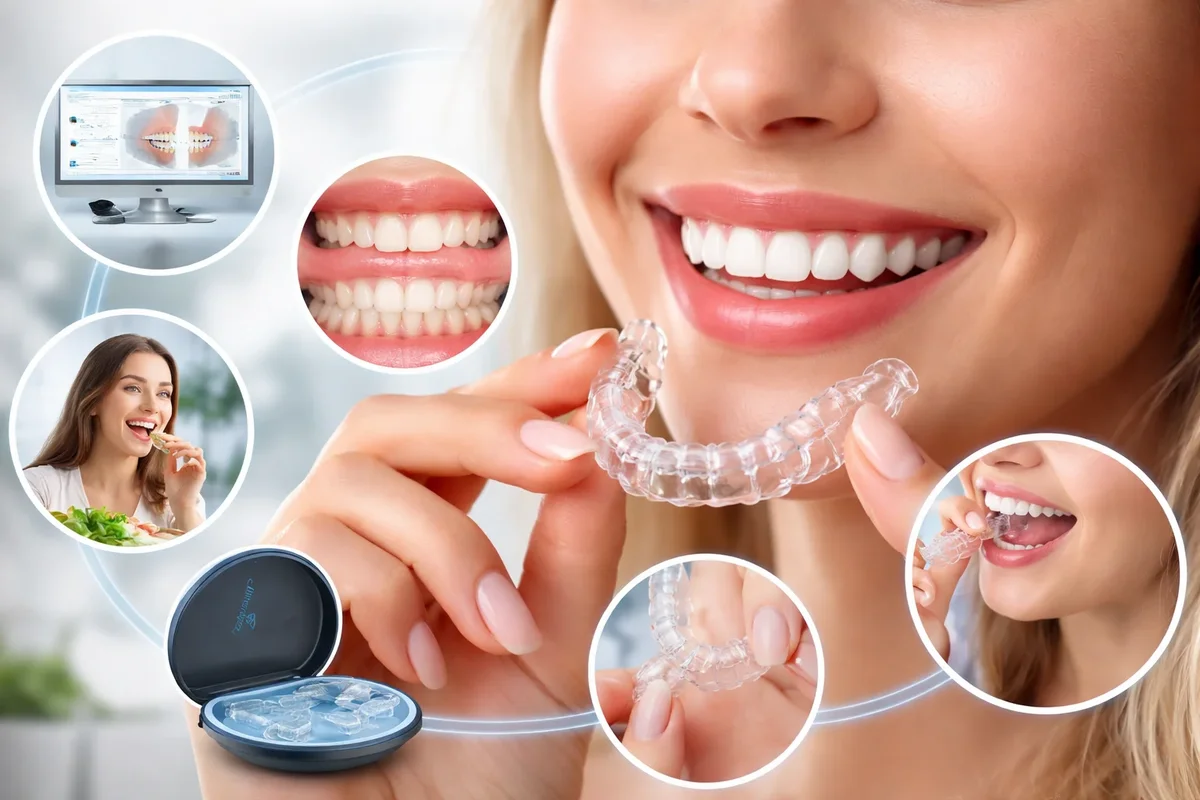
Long-Term Results: What Invisalign Does for Lasting Oral Health
When considering orthodontic treatment, it is essential to look beyond the immediate results and understand the long-term impact. One of the most important aspects of what invisalign does is its ability to provide lasting improvements in both dental aesthetics and oral health. Invisalign is not just about achieving a straighter smile—it is about creating a stable, functional, and healthy oral environment that benefits patients for years to come.
Permanent Alignment and Stability
The primary goal of what invisalign does is to align teeth into their ideal positions. Once this alignment is achieved, the results can be long-lasting, especially when patients follow post-treatment guidelines. Teeth that are properly aligned are less likely to shift back when supported with retainers.
Understanding what invisalign does in terms of stability means recognizing the importance of the retention phase. After completing treatment, patients are typically provided with retainers to maintain their new smile. This step ensures that the benefits of Invisalign are preserved over time.
The Role of Retainers
Retainers are essential for maintaining the results of what invisalign does. They help keep teeth in their new positions while the surrounding bone and tissues stabilize. Without proper retention, teeth may gradually return to their original alignment.
Improved Oral Health Over Time
One of the most valuable long-term benefits of what invisalign does is improved oral health. Straight teeth are easier to clean, reducing the risk of plaque buildup, cavities, and gum disease. This means that Invisalign contributes not only to a better smile but also to healthier teeth and gums.
By understanding what invisalign does for oral hygiene, patients can appreciate how it supports preventive dental care. Proper alignment eliminates hard-to-reach areas where bacteria can accumulate, making daily brushing and flossing more effective.
Reduced Risk of Dental Issues
Aligned teeth reduce the likelihood of problems such as tooth decay, gingivitis, and periodontal disease. What invisalign does is create a cleaner, healthier oral environment that minimizes these risks over time. 😊
Prevention of Uneven Wear and Damage
Misaligned teeth often lead to uneven wear, which can weaken enamel and cause long-term damage. What invisalign does is distribute biting forces evenly across all teeth, reducing stress on individual teeth.
This balanced distribution helps prevent issues such as chipping, cracking, and excessive wear. By addressing alignment problems early, what invisalign does protects the structural integrity of your teeth.
Stronger and More Durable Teeth
With proper alignment, teeth function more efficiently and are less prone to damage. What invisalign does is support the longevity of your natural teeth, reducing the need for restorative treatments in the future.
Better Jaw Function and Comfort
Another important aspect of what invisalign does is improving jaw function. Misaligned teeth can place strain on the jaw joints, leading to discomfort and even temporomandibular joint (TMJ) disorders.
By correcting bite issues, what invisalign does helps the jaw move more naturally and comfortably. This can reduce symptoms such as jaw pain, headaches, and clicking sounds.
Long-Term Relief from Discomfort
Patients who experience jaw discomfort often find relief after treatment. What invisalign does is align the bite, allowing the jaw to function without unnecessary strain, leading to improved comfort in daily activities.
Enhanced Confidence and Quality of Life
The benefits of what invisalign does extend beyond physical health to include emotional well-being. A straight, attractive smile can significantly boost self-confidence and improve overall quality of life.
Patients who understand what invisalign does often report feeling more comfortable in social and professional situations. This confidence can have a lasting impact on personal relationships and career opportunities. ✨
Positive Psychological Effects
A beautiful smile can enhance self-esteem and reduce social anxiety. What invisalign does is provide not only physical transformation but also emotional benefits that last long after treatment is complete.
Long-Term Financial Benefits
Investing in Invisalign can also lead to long-term financial savings. By preventing dental issues and reducing the need for corrective treatments, what invisalign does can lower overall dental expenses over time.
Proper alignment reduces the risk of costly procedures such as crowns, fillings, and gum treatments. This makes what invisalign does a smart investment in both health and finances.
Cost Savings Through Prevention
Preventive care is always more cost-effective than treatment. What invisalign does is help avoid future dental problems, saving patients money and reducing the need for invasive procedures.
Maintaining Results for a Lifetime
The long-term success of Invisalign depends on maintaining good oral hygiene and following your dentist’s recommendations. What invisalign does provides the foundation for a healthy smile, but ongoing care is essential to preserve the results.
Regular dental check-ups, proper brushing and flossing, and consistent use of retainers all contribute to maintaining the benefits of what invisalign does.
Healthy Habits for Lasting Results
Patients who adopt good oral hygiene habits are more likely to enjoy the full benefits of what invisalign does. These habits ensure that the smile remains healthy, stable, and attractive for years to come.
In conclusion, what invisalign does for long-term oral health is both comprehensive and transformative. It provides lasting alignment, improves oral hygiene, prevents dental issues, and enhances overall quality of life. By understanding these long-term benefits, patients can see Invisalign as more than just a cosmetic treatment—it is a lifelong investment in a healthier, more confident smile.