
Understanding what is considered medically necessary for dental implants is one of the most important questions patients ask before starting treatment. Many people assume dental implants are always cosmetic, but this is not accurate. In modern dentistry, dental implants can be classified as medically necessary when they are essential for restoring oral function, preventing serious health complications, or treating conditions that directly affect a patient’s quality of life 😷🦷.
At its core, what is considered medically necessary for dental implants depends on whether the absence of teeth creates a medical problem rather than an aesthetic concern. Medical necessity focuses on health, function, and long-term risk prevention. If missing teeth cause difficulty chewing, speaking, or maintaining proper nutrition, implants may move beyond cosmetic dentistry into medically justified treatment.
One of the clearest ways to define what is considered medically necessary for dental implants is by examining functional impairment. When tooth loss leads to an inability to chew food properly, patients may avoid certain foods, leading to digestive problems or nutritional deficiencies. In these cases, dental implants restore chewing efficiency and support overall systemic health 🍎🥗.
Another critical factor in determining what is considered medically necessary for dental implants is bone health. Missing teeth often result in jawbone resorption over time. This bone loss can weaken facial structure, alter bite alignment, and even increase the risk of fractures in severe cases. Dental implants stimulate the jawbone similarly to natural tooth roots, helping preserve bone density and facial anatomy.
From a clinical standpoint, what is considered medically necessary for dental implants also includes situations involving trauma, congenital defects, or disease. Patients who lose teeth due to accidents, tumors, severe periodontal disease, or birth conditions often require implants not for appearance, but to restore essential oral function. In such cases, implants are part of reconstructive medical care rather than elective treatment.
Dentists and oral surgeons evaluate what is considered medically necessary for dental implants using measurable medical criteria. These include documented tooth loss, imaging showing bone deterioration, difficulty in mastication, speech impairment, and chronic pain caused by unstable dentures or missing teeth. If these issues are left untreated, they can worsen over time and lead to broader health complications.
It is also important to note that what is considered medically necessary for dental implants is often linked to the failure of alternative treatments. For example, if removable dentures cause sores, infections, or instability that cannot be resolved, implants may become the medically appropriate solution. Similarly, when dental bridges are not viable due to adjacent tooth damage, implants can be the safest long-term option.
Many patients are surprised to learn that what is considered medically necessary for dental implants can overlap with medical insurance criteria, not just dental coverage. While coverage varies, insurers often look at whether the treatment addresses a medical condition rather than improving appearance alone. Proper documentation from a dentist or oral surgeon is essential in these cases.
From a patient perspective, understanding what is considered medically necessary for dental implants helps set realistic expectations. Medical necessity does not mean “luxury dentistry.” Instead, it reflects a health-driven decision aimed at restoring oral function, preventing deterioration, and improving overall well-being. When implants are recommended for these reasons, they are part of comprehensive healthcare, not elective enhancement 😊.
In summary, what is considered medically necessary for dental implants includes situations where missing teeth negatively affect chewing, speech, bone health, facial structure, or general health. When implants are required to treat or prevent medical problems, they are clinically justified and often strongly recommended by dental professionals. This foundation sets the stage for understanding insurance criteria, documentation, and the broader health benefits explored in the next sections.
Medical vs Cosmetic Dental Implants: Understanding the Difference
To truly understand what is considered medically necessary for dental implants, it is essential to clearly distinguish between medical and cosmetic dental treatments. This distinction is not just semantic—it directly affects clinical decision-making, insurance eligibility, and long-term oral health outcomes. While cosmetic dentistry focuses on appearance, medically necessary dentistry prioritizes function, health, and disease prevention 🦷.
Many patients mistakenly believe that all dental implants are cosmetic by default. However, this assumption overlooks how often implants are recommended to treat serious medical and functional issues. In fact, what is considered medically necessary for dental implants is determined by whether the treatment addresses a health-related problem rather than improving aesthetics alone.
What Defines a Cosmetic Dental Implant?
Cosmetic dental implants are primarily placed to enhance appearance when oral function is already adequate. For example, replacing a missing tooth that does not affect chewing, speech, bite alignment, or bone health may be considered cosmetic. In such cases, the patient can function normally but chooses implants to improve confidence or smile symmetry 😁.
In cosmetic cases, what is considered medically necessary for dental implants does not apply because there is no underlying medical impairment. The goal is visual enhancement, not health restoration. These procedures are usually elective and rarely qualify for medical insurance consideration.
What Makes a Dental Implant Medically Necessary?
In contrast, medically necessary dental implants are recommended when missing teeth cause functional limitations or health risks. What is considered medically necessary for dental implants includes situations where tooth loss interferes with eating, speaking, jaw stability, or overall oral health. These implants serve a therapeutic purpose rather than a cosmetic one.
Examples include patients who cannot chew properly due to missing molars, individuals with speech impairment caused by tooth loss, or those experiencing jawbone deterioration. In such cases, implants are part of a medical treatment plan designed to restore normal oral function and prevent further complications.
Functional Impairment as a Key Medical Criterion
One of the strongest indicators of what is considered medically necessary for dental implants is functional impairment. When patients are unable to eat a balanced diet due to missing teeth, their general health may suffer. Difficulty chewing can lead to gastrointestinal issues, malnutrition, and unintended weight changes.
Additionally, speech difficulties caused by missing front or multiple teeth can affect social interaction and mental health. When dental implants are required to correct these issues, they clearly fall under medically necessary care rather than cosmetic enhancement.
Long-Term Health Risks of Leaving Tooth Loss Untreated
Another important aspect of what is considered medically necessary for dental implants is risk prevention. Untreated tooth loss can cause neighboring teeth to shift, leading to bite misalignment, jaw joint problems (TMJ disorders), and uneven tooth wear. Over time, these issues may require more complex medical intervention.
Jawbone resorption is also a major concern. When teeth are missing, the jawbone no longer receives stimulation, leading to gradual bone loss. This can weaken facial structure and increase the risk of fractures. Dental implants help prevent these problems by mimicking natural tooth roots and maintaining bone density.
Why Dentists Emphasize Medical Necessity Over Appearance
Dental professionals evaluate what is considered medically necessary for dental implants using clinical evidence, diagnostic imaging, and patient history. Their primary goal is to protect oral and systemic health, not to upsell cosmetic procedures. When implants are recommended for medical reasons, it is usually because alternative treatments are insufficient or potentially harmful.
For example, patients who cannot tolerate removable dentures due to chronic sores or infections may require implants to maintain oral health. In these situations, implants are not optional—they are the safest and most effective solution.
In summary, the difference between cosmetic and medical dental implants lies in intent and outcome. What is considered medically necessary for dental implants always centers on restoring function, preventing disease, and improving health-related quality of life. Understanding this distinction helps patients make informed decisions and prepares them for discussions about treatment planning and insurance evaluation.
When Dental Implants Are Deemed Medically Necessary
Determining what is considered medically necessary for dental implants requires a careful evaluation of clinical need rather than personal preference. Dental professionals rely on objective medical criteria to decide when implants are essential for a patient’s health. These situations go far beyond aesthetics and focus on restoring oral function, preventing disease progression, and avoiding long-term complications 🦷⚕️.
In general, what is considered medically necessary for dental implants applies when tooth loss or oral damage causes measurable functional problems or poses a risk to overall health. If the absence of teeth compromises eating, speaking, jaw stability, or bone integrity, implants are often recommended as part of medically indicated treatment.
Severe Tooth Loss Affecting Chewing and Nutrition
One of the most common scenarios defining what is considered medically necessary for dental implants is severe tooth loss that interferes with chewing. Patients missing multiple teeth, especially molars, often struggle to process food properly. This can lead to avoidance of fiber-rich or protein-dense foods, resulting in nutritional deficiencies over time 🥩🥦.
When chewing efficiency is significantly reduced, dental implants restore bite force and stability. Unlike removable dentures, implants function like natural teeth and allow patients to eat a balanced diet. In these cases, implants directly support systemic health, making them medically justified rather than elective.
Jawbone Deterioration and Structural Instability
Another key factor in what is considered medically necessary for dental implants is jawbone loss. After tooth extraction or loss, the jawbone begins to resorb due to lack of stimulation. Over time, this can alter facial structure, weaken the jaw, and complicate future dental or medical treatments.
Dental implants are the only tooth replacement option that actively stimulates the jawbone. By mimicking natural tooth roots, implants help preserve bone density and prevent further deterioration. When imaging shows progressive bone loss, implants may be deemed medically necessary to stop or slow this process.
Preventing Secondary Medical Complications
Bone loss and bite changes can lead to secondary conditions such as temporomandibular joint (TMJ) disorders, chronic facial pain, and headaches. In this context, what is considered medically necessary for dental implants includes preventing these downstream complications. Treating the root cause—missing teeth—often reduces the need for future medical intervention.
Tooth Loss Due to Trauma, Disease, or Congenital Conditions
Dental implants are frequently deemed medically necessary when teeth are lost due to trauma, cancer treatment, advanced periodontal disease, or congenital abnormalities. In such cases, tooth loss is not a lifestyle issue but a direct result of a medical condition. Here, what is considered medically necessary for dental implants aligns with reconstructive healthcare.
For example, patients who undergo jaw surgery for tumors or severe infections often require implants to restore oral function. Similarly, individuals born without certain teeth may need implants to develop proper speech patterns and jaw alignment. These scenarios clearly meet medical necessity criteria.
Failure of Alternative Treatments
Another important consideration in what is considered medically necessary for dental implants is the failure or intolerance of alternative solutions. Some patients cannot wear dentures due to gag reflex, chronic sores, or recurring infections. Others may not qualify for bridges because adjacent teeth are weak or damaged.
When traditional treatments fail or worsen oral health, implants become the safest and most effective medical option. In these cases, choosing implants is not elective—it is clinically responsible care.
Chronic Pain and Oral Infections Linked to Missing Teeth
Persistent pain, inflammation, or infection caused by missing teeth can also define what is considered medically necessary for dental implants. Open gaps can trap bacteria, increasing the risk of gum disease and recurrent infections. Over time, these infections may spread, affecting overall health.
Dental implants close these gaps permanently, reducing bacterial buildup and stabilizing the oral environment. When implants are recommended to control chronic oral disease, they are clearly part of medically necessary treatment.
In summary, what is considered medically necessary for dental implants includes situations where missing teeth cause functional impairment, bone loss, chronic pain, or medical risk. When implants are required to restore health, prevent deterioration, or treat disease-related tooth loss, they are not optional enhancements—they are an essential component of comprehensive medical and dental care.
Health Conditions That Justify Medically Necessary Dental Implants
A critical part of understanding what is considered medically necessary for dental implants is recognizing the underlying health conditions that justify implant treatment. Dental implants are not only used to replace missing teeth for comfort or appearance; they are often prescribed to manage or prevent serious medical complications tied directly to oral and systemic health 🦷⚕️.
When specific health conditions are present, what is considered medically necessary for dental implants becomes clearer because the treatment directly supports bodily function, disease management, or rehabilitation. In these cases, implants are not optional upgrades—they are medically indicated solutions.
Advanced Periodontal (Gum) Disease
One of the most common conditions influencing what is considered medically necessary for dental implants is advanced periodontal disease. Severe gum disease can destroy the supporting structures of teeth, leading to mobility, infection, and eventual tooth loss. Once teeth are lost, untreated gaps can worsen bone deterioration and increase infection risk.
Dental implants help stabilize the oral environment after periodontal treatment by replacing lost teeth and preventing further bone resorption. When implants are placed as part of a comprehensive periodontal rehabilitation plan, they are considered medically necessary to restore oral stability and prevent recurrent disease.
Chronic Inflammation and Infection Risk
Ongoing inflammation caused by missing teeth can compromise immune response and increase systemic infection risk. In this context, what is considered medically necessary for dental implants includes reducing chronic oral inflammation that may affect overall health, particularly in patients with diabetes or cardiovascular conditions.
Trauma and Accidental Tooth Loss
Dental trauma resulting from accidents, sports injuries, or workplace incidents is another major factor in what is considered medically necessary for dental implants. Sudden tooth loss due to trauma often disrupts bite alignment, speech, and jaw function. Without proper replacement, secondary complications such as uneven wear and joint pain may develop.
In trauma cases, implants are often part of reconstructive treatment rather than elective dentistry. They restore anatomical structure and function, allowing patients to return to normal eating and speaking patterns. This makes implants medically justified rather than cosmetic.
Cancer Treatment and Oral Rehabilitation
Patients who undergo oral or head-and-neck cancer treatment frequently experience tooth loss due to surgery, radiation, or chemotherapy. In these situations, what is considered medically necessary for dental implants is closely tied to post-cancer rehabilitation and quality of life restoration.
After cancer treatment, patients may struggle with chewing, swallowing, and speaking. Dental implants provide stable oral rehabilitation that supports nutritional intake and speech clarity. When implants are required to restore basic oral functions following cancer therapy, they are considered medically essential.
Radiation-Related Bone and Tissue Changes
Radiation therapy can weaken jawbone and soft tissues, making traditional dentures unstable or painful. In carefully planned cases, implants may be the safest option. Here, what is considered medically necessary for dental implants includes restoring function in patients with complex medical histories.
Congenital Conditions and Developmental Disorders
Some individuals are born with missing teeth or jaw abnormalities due to congenital conditions. These patients often experience difficulties with speech development, chewing, and facial growth. In such cases, what is considered medically necessary for dental implants aligns with correcting developmental impairments rather than enhancing appearance.
Dental implants support proper jaw alignment and oral function, especially when placed at the appropriate developmental stage. For these patients, implants are part of long-term medical management rather than optional dental care.
Systemic Health Conditions Affected by Tooth Loss
Certain systemic conditions make what is considered medically necessary for dental implants even more relevant. For example, patients with diabetes may face worsening blood sugar control if oral infections persist due to missing teeth. Similarly, individuals with gastrointestinal disorders may suffer if they cannot chew food properly.
By restoring oral function and reducing infection risk, dental implants support overall health management. In these cases, implants contribute to medical stability and disease control, reinforcing their classification as medically necessary treatment.
In summary, what is considered medically necessary for dental implants includes a wide range of health conditions such as advanced gum disease, trauma, cancer treatment, congenital disorders, and systemic illnesses affected by tooth loss. When implants are required to manage disease, restore essential function, or prevent further medical complications, they are firmly grounded in medical necessity rather than cosmetic preference.
Insurance Criteria: How Medical Necessity Is Evaluated
Understanding insurance policies is a crucial step in determining what is considered medically necessary for dental implants. While dentists may clinically justify implants, insurance providers apply their own criteria to decide whether a procedure qualifies as medically necessary. This evaluation process can feel complex, but it follows consistent medical and administrative principles 🧾🦷.
Insurance companies differentiate between dental and medical necessity by focusing on function, disease prevention, and overall health impact. In most cases, what is considered medically necessary for dental implants depends on whether the treatment addresses a documented medical condition rather than a cosmetic concern.
Medical Insurance vs Dental Insurance Perspectives
Dental insurance typically categorizes implants as major restorative procedures and often limits coverage. Medical insurance, however, may recognize what is considered medically necessary for dental implants when tooth loss is linked to trauma, disease, or functional impairment. This distinction is important because medical insurance may provide partial or full coverage in qualifying cases.
For example, implants needed after an accident, tumor removal, or severe infection are more likely to be evaluated under medical necessity. In contrast, implants placed solely to improve appearance usually fall outside coverage criteria.
Clinical Evidence Required by Insurers
One of the most critical elements in proving what is considered medically necessary for dental implants is documentation. Insurance providers rely on objective medical evidence rather than patient preference. This evidence typically includes dental records, radiographs, CT scans, and written evaluations from dental specialists.
Dentists must clearly demonstrate how missing teeth impair function or contribute to medical risk. Without thorough documentation, even medically justified implants may be denied coverage.
Common Documentation Elements
- Diagnostic imaging showing bone loss or structural instability
- Records of difficulty chewing, speaking, or swallowing
- History of failed alternative treatments such as dentures
- Medical reports linking tooth loss to systemic conditions
These elements help insurers assess what is considered medically necessary for dental implants in a standardized and defensible way.
Functional Impairment as a Deciding Factor
Functional impairment is often the strongest argument for what is considered medically necessary for dental implants. Insurance reviewers look for clear evidence that missing teeth interfere with essential daily activities. Chewing inefficiency, speech difficulties, and jaw pain are all considered medically relevant symptoms.
If a patient cannot maintain proper nutrition or experiences chronic discomfort due to tooth loss, implants may be viewed as a therapeutic intervention. In these cases, insurers are more likely to recognize implants as medically justified.
Risk of Future Medical Complications
Preventive considerations also influence what is considered medically necessary for dental implants. Insurers may approve implants if failing to treat tooth loss is likely to result in more severe medical problems later. Progressive bone loss, worsening TMJ disorders, or recurrent infections strengthen the case for medical necessity.
By addressing the root cause early, implants can reduce long-term healthcare costs—a factor that insurers increasingly consider during evaluations.
Appeals and Second Opinions
Even when implants clearly meet criteria for what is considered medically necessary for dental implants, initial insurance claims may be denied. This does not mean the treatment lacks medical justification. Appeals supported by additional documentation and specialist opinions often lead to approval.
Oral surgeons, periodontists, and prosthodontists play a key role in reinforcing medical necessity. Their expert evaluations carry significant weight in insurance decisions.
Why Professional Guidance Matters
Navigating insurance rules without professional support can be overwhelming. Dentists experienced in medical documentation understand how to present cases that accurately reflect what is considered medically necessary for dental implants. Their guidance improves approval chances and reduces delays.
Patients seeking clarity or assistance can benefit from consulting a specialized clinic. For personalized evaluation and documentation support, you may contact Redent Klinik Contact Page to explore medically justified implant options.
In summary, insurance evaluation of what is considered medically necessary for dental implants revolves around functional impairment, documented medical risk, and failure of alternative treatments. With proper clinical evidence and professional advocacy, implants that restore health—not just appearance—are more likely to be recognized as medically necessary.
Role of Bone Loss, Trauma, and Oral Function
A central element in defining what is considered medically necessary for dental implants is the relationship between missing teeth, bone loss, trauma, and overall oral function. These three factors are deeply interconnected, and when one is compromised, the others often follow. Dental implants are frequently recommended not to enhance appearance, but to stabilize oral structures and prevent serious functional decline 🦷.
From a medical standpoint, what is considered medically necessary for dental implants focuses on whether the absence of teeth has triggered measurable damage to the jawbone, altered oral mechanics, or resulted from traumatic injury. When these conditions exist, implants are not elective—they are corrective and preventive medical solutions.
Jawbone Loss as a Primary Medical Indicator
Jawbone resorption is one of the strongest clinical indicators in determining what is considered medically necessary for dental implants. After tooth loss, the jawbone no longer receives stimulation from chewing forces. As a result, the bone begins to shrink and weaken over time.
This bone loss is not merely cosmetic. Progressive resorption can change facial structure, weaken bite stability, and complicate future dental or surgical procedures. Dental implants are the only tooth replacement method that integrates with bone and restores natural stimulation, making them medically significant.
Long-Term Consequences of Untreated Bone Loss
If bone loss continues untreated, patients may experience sunken facial features, unstable dentures, and increased fracture risk. In advanced cases, bone deterioration can limit treatment options entirely. In this context, what is considered medically necessary for dental implants includes preserving jawbone integrity before irreversible damage occurs.
Trauma-Related Tooth Loss and Reconstruction
Dental trauma is another major factor influencing what is considered medically necessary for dental implants. Accidents, falls, sports injuries, and workplace incidents can result in sudden tooth loss and jaw damage. These cases often require immediate and structured reconstruction rather than cosmetic repair.
When trauma disrupts bite alignment or jaw stability, implants help restore anatomical balance. Without proper replacement, surrounding teeth may shift, and patients may develop chronic pain or joint disorders. In these scenarios, implants are part of medical rehabilitation.
Psychological and Functional Recovery After Trauma
Beyond physical healing, trauma-related tooth loss can severely impact speech, eating, and self-confidence. Restoring these functions is part of comprehensive medical recovery. This further supports what is considered medically necessary for dental implants in trauma cases, as implants enable patients to return to normal daily activities.
Oral Function: Chewing, Speaking, and Bite Stability
Oral function is a core criterion in evaluating what is considered medically necessary for dental implants. Teeth play a vital role in chewing efficiency, speech articulation, and bite alignment. When missing teeth disrupt these functions, the impact extends beyond the mouth.
Poor chewing ability can lead to digestive problems and nutritional deficiencies. Speech difficulties may affect communication and mental well-being. Bite instability can strain jaw joints and muscles, leading to chronic discomfort. Dental implants address these issues at their source by restoring proper oral mechanics.
Why Dentures May Not Be Enough
While dentures can replace missing teeth, they often fail to restore full oral function, especially in cases of severe bone loss. Slipping, discomfort, and reduced bite force are common complaints. When dentures cannot provide adequate function, what is considered medically necessary for dental implants becomes clear.
Implants offer stability and force distribution similar to natural teeth. This makes them medically preferable when oral function cannot be maintained with removable options.
Clinical Guidelines and Professional Standards
Dental and medical organizations emphasize function and bone preservation when evaluating implant necessity. According to professional guidance supported by the American Dental Association, restoring oral function and preventing bone loss are essential components of oral healthcare.
These standards reinforce what is considered medically necessary for dental implants by prioritizing patient health outcomes rather than appearance alone. Dentists use these principles to recommend implants when they provide clear medical benefit.
In summary, what is considered medically necessary for dental implants is strongly influenced by jawbone loss, traumatic tooth loss, and impaired oral function. When implants are required to preserve bone, restore stability, and maintain essential oral activities, they are medically justified treatments that support both oral and overall health.
Documentation Dentists Use to Prove Medical Necessity
One of the most decisive elements in determining what is considered medically necessary for dental implants is documentation. Even when a dental implant is clearly required for health reasons, it must be supported by detailed, objective, and professionally prepared records. Insurance providers, medical reviewers, and regulatory bodies rely heavily on documentation to distinguish medical necessity from elective or cosmetic treatment 📄🦷.
From a clinical perspective, what is considered medically necessary for dental implants cannot be established through patient statements alone. Dentists must present structured medical evidence that demonstrates functional impairment, disease progression, or risk prevention. Proper documentation transforms a clinical recommendation into a medically defensible case.
Comprehensive Clinical Examination Records
The foundation of proving what is considered medically necessary for dental implants begins with a thorough clinical examination. Dentists document missing teeth, bite instability, gum health, mobility of remaining teeth, and signs of infection or inflammation. These findings establish the baseline medical condition of the patient.
Clinical notes must clearly explain how tooth loss affects daily function. For example, difficulty chewing, speech impairment, chronic discomfort, or inability to wear dentures are all medically relevant observations. Without this level of detail, insurers may classify implants as optional rather than necessary.
Radiographic and Imaging Evidence
Imaging plays a critical role in defining what is considered medically necessary for dental implants. X-rays, panoramic images, and cone beam CT scans provide objective proof of bone loss, structural defects, and anatomical limitations. These images visually demonstrate why implant treatment is medically justified.
Radiographic evidence is especially important in cases involving jawbone resorption. Progressive bone loss shown on imaging supports the argument that delaying implant placement could worsen the patient’s condition and limit future treatment options.
Bone Density and Structural Reports
Detailed imaging reports often include bone density measurements and anatomical assessments. These reports help establish what is considered medically necessary for dental implants by showing that implants are required to preserve or restore jaw stability. They also explain why alternative treatments may be ineffective or unsafe.
Medical and Dental History Correlation
Another essential component of documenting what is considered medically necessary for dental implants is correlating dental findings with the patient’s medical history. Conditions such as diabetes, osteoporosis, cancer treatment, or autoimmune disorders can increase the medical importance of timely tooth replacement.
When dentists link tooth loss to systemic health risks or existing medical conditions, implants are framed as part of comprehensive healthcare rather than isolated dental treatment. This integration significantly strengthens medical necessity claims.
Documentation of Failed Alternative Treatments
Insurance providers often require proof that conservative treatments were attempted or ruled out before approving implants. Therefore, documenting failures of dentures, bridges, or partial appliances is crucial to establishing what is considered medically necessary for dental implants.
Records may include notes about chronic sores from dentures, instability during chewing, gag reflex issues, or damage to adjacent teeth caused by bridges. When alternatives compromise health or function, implants become the medically appropriate solution.
Why Alternatives Are Not Clinically Viable
Dentists must clearly explain why non-implant solutions are unsuitable. This may involve insufficient bone support, high infection risk, or mechanical limitations. These explanations directly support what is considered medically necessary for dental implants by showing that implants are not a preference but a requirement.
Specialist Evaluations and Second Opinions
In complex cases, evaluations from oral surgeons, periodontists, or prosthodontists play a key role in defining what is considered medically necessary for dental implants. Specialist reports provide expert validation that implants are required for health-related reasons.
These evaluations often carry significant weight in insurance reviews because they demonstrate consensus among qualified professionals. Specialist input is particularly valuable in trauma, cancer, and advanced bone loss cases.
Clear Treatment Plans and Prognosis
Finally, a well-structured treatment plan is essential in documenting what is considered medically necessary for dental implants. This plan should outline the proposed implant procedure, expected functional outcomes, and potential risks of not proceeding with treatment.
Insurers want to see that implants will measurably improve health and prevent future complications. A clear prognosis showing improved oral function, reduced infection risk, and preserved bone structure reinforces medical necessity.
In summary, what is considered medically necessary for dental implants is proven through comprehensive documentation that includes clinical exams, imaging, medical history, failed alternatives, and specialist evaluations. When dentists present this information clearly and thoroughly, dental implants are recognized not as cosmetic enhancements, but as medically justified, health-preserving treatment.
Common Misconceptions About Medical Necessity and Dental Implants
Misunderstandings around what is considered medically necessary for dental implants are extremely common and often prevent patients from seeking appropriate treatment. Many people delay or avoid implants because they believe the procedure is purely cosmetic, optional, or never covered by insurance. In reality, these misconceptions can lead to worsening oral and systemic health over time 🦷❌.
Clarifying myths about what is considered medically necessary for dental implants helps patients make informed, health-driven decisions. Medical necessity is based on function, risk prevention, and disease management—not personal preference or aesthetics alone.
Myth 1: Dental Implants Are Always Cosmetic
One of the most widespread myths is that dental implants are always cosmetic procedures. This belief directly conflicts with clinical reality. What is considered medically necessary for dental implants includes many situations where implants are required to restore chewing, speech, bone stability, or oral health.
Patients who cannot eat properly, suffer from chronic oral infections, or experience jawbone deterioration due to missing teeth are not seeking cosmetic enhancement—they are addressing a medical problem. In these cases, implants serve a therapeutic purpose similar to joint replacements or reconstructive surgery.
Myth 2: Dentures Are Always a Sufficient Alternative
Another common misconception is that removable dentures can always replace implants. While dentures may work for some patients, they often fail to meet medical needs in others. Understanding what is considered medically necessary for dental implants requires recognizing when dentures are inadequate or harmful.
Dentures can cause gum irritation, sores, instability, and bone loss. For patients who cannot tolerate dentures or experience ongoing complications, implants are not a luxury—they are medically necessary to restore function and prevent further damage.
Why Dentures May Worsen Bone Loss
Unlike implants, dentures do not stimulate the jawbone. Over time, this leads to accelerated bone resorption, facial collapse, and worsening fit. In these scenarios, what is considered medically necessary for dental implants includes preventing irreversible structural damage.
Myth 3: Insurance Never Covers Medically Necessary Implants
Many patients assume insurance will automatically deny implant coverage. While coverage varies, insurers do recognize what is considered medically necessary for dental implants when clear medical criteria are met. Trauma, cancer treatment, congenital conditions, and severe functional impairment are common examples.
Coverage decisions depend heavily on documentation and medical justification. When implants are framed as essential treatment rather than elective dentistry, approval is more likely—especially under medical insurance policies.
Myth 4: Missing Teeth Are Harmless if There Is No Pain
A lack of pain does not mean the absence of a medical problem. One of the most dangerous misconceptions about what is considered medically necessary for dental implants is assuming treatment is unnecessary if there is no discomfort.
Missing teeth often cause silent damage, including bone loss, bite changes, and shifting teeth. These changes may not cause immediate pain but can lead to complex medical issues later. Implants address these hidden risks before they escalate.
The Risk of Delayed Treatment
Delaying treatment can reduce future options. Advanced bone loss may require grafting or make implants impossible later. In this context, what is considered medically necessary for dental implants includes timely intervention to preserve health and treatment feasibility.
Myth 5: Age Alone Determines Medical Necessity
Some believe that implants are unnecessary or unsafe for older adults. However, age alone does not define what is considered medically necessary for dental implants. Overall health, bone condition, and functional need are far more important than chronological age.
Many older patients benefit significantly from implants, especially when tooth loss affects nutrition and quality of life. Conversely, younger patients with trauma or congenital tooth loss may also meet medical necessity criteria.
Why These Misconceptions Matter
Misunderstanding what is considered medically necessary for dental implants can delay essential care and worsen health outcomes. Patients may endure years of discomfort, nutritional compromise, or progressive bone loss due to false assumptions.
Accurate information empowers patients to seek professional evaluation and advocate for medically appropriate treatment. Dental implants are not automatically cosmetic—they are often a medically justified solution grounded in science and patient health needs.
In summary, many myths obscure what is considered medically necessary for dental implants. By separating fact from fiction, patients can better understand when implants are essential medical treatment rather than elective dental work. This clarity leads to earlier intervention, better health outcomes, and more effective long-term care.
How Medically Necessary Dental Implants Improve Overall Health
Understanding what is considered medically necessary for dental implants goes beyond oral health alone. When implants are prescribed for medical reasons, their benefits often extend to the entire body. Restoring missing teeth is not just about comfort or appearance—it directly influences nutrition, digestion, mental well-being, and long-term disease prevention 🦷💙.
From a healthcare perspective, what is considered medically necessary for dental implants focuses on how tooth replacement supports essential biological functions. Teeth play a critical role in daily life, and when they are missing, the consequences can ripple through multiple body systems.
Improved Nutrition and Digestive Health
One of the most significant ways what is considered medically necessary for dental implants improves overall health is through better nutrition. Missing teeth often limit a person’s ability to chew fibrous vegetables, fruits, and protein-rich foods. As a result, many patients rely on soft, processed foods that lack essential nutrients 🥗.
Dental implants restore full chewing efficiency, allowing patients to eat a balanced diet. Proper chewing is the first step in digestion, helping the stomach and intestines process food effectively. When implants are placed to correct chewing dysfunction, they support gastrointestinal health and nutrient absorption.
Stabilizing Blood Sugar and Chronic Conditions
There is a strong link between oral health and chronic diseases such as diabetes and cardiovascular conditions. In this context, what is considered medically necessary for dental implants includes reducing chronic oral inflammation and infection that can worsen systemic disease.
Missing teeth and unstable restorations can harbor bacteria, increasing inflammation in the body. Dental implants help create a stable, cleanable oral environment, which may support better blood sugar control and reduce inflammatory burden—particularly important for medically vulnerable patients.
Reducing Infection-Related Health Risks
Chronic oral infections can spread bacteria into the bloodstream, increasing the risk of systemic complications. When implants are used to eliminate infection-prone gaps, what is considered medically necessary for dental implants aligns with broader preventive healthcare goals.
Preserving Jawbone and Facial Structure
Bone preservation is another major health benefit tied to what is considered medically necessary for dental implants. Jawbone loss does not only affect the mouth—it can change facial structure, posture, and even airway support over time.
Dental implants stimulate the jawbone similarly to natural teeth, preventing resorption. This preservation supports facial symmetry, maintains proper bite alignment, and reduces the risk of fractures or complex future surgeries.
Mental Health and Quality of Life Benefits
Oral health significantly impacts mental and emotional well-being. Patients struggling with missing teeth often experience embarrassment, anxiety, or social withdrawal. While this may appear cosmetic on the surface, it is deeply connected to what is considered medically necessary for dental implants.
Restoring the ability to speak clearly, eat comfortably, and smile without fear can dramatically improve confidence and social interaction. Mental health improvements are a recognized component of overall medical well-being.
Speech and Social Function
Speech impairment caused by missing teeth can affect professional and personal relationships. When implants restore clear speech, what is considered medically necessary for dental implants includes supporting communication and social participation—key aspects of holistic health.
Preventing Secondary Medical Interventions
Another overlooked benefit of what is considered medically necessary for dental implants is the prevention of more invasive medical treatments later. Untreated tooth loss can lead to TMJ disorders, chronic pain, and severe bone loss that may require surgery.
By addressing the root cause early, implants reduce the likelihood of future complications. This preventive approach aligns with modern healthcare principles focused on early intervention and long-term cost reduction.
Supporting Healthy Aging
As people age, maintaining independence and proper nutrition becomes increasingly important. What is considered medically necessary for dental implants often includes supporting healthy aging by preserving oral function and reducing reliance on removable appliances.
Older adults with stable dental implants are more likely to maintain proper diet, clear speech, and social engagement. These factors contribute to physical resilience and emotional well-being later in life.
In summary, what is considered medically necessary for dental implants has far-reaching health benefits that extend well beyond the mouth. By improving nutrition, reducing infection risk, preserving bone, supporting mental health, and preventing future medical complications, medically necessary dental implants play a vital role in comprehensive, whole-body healthcare.
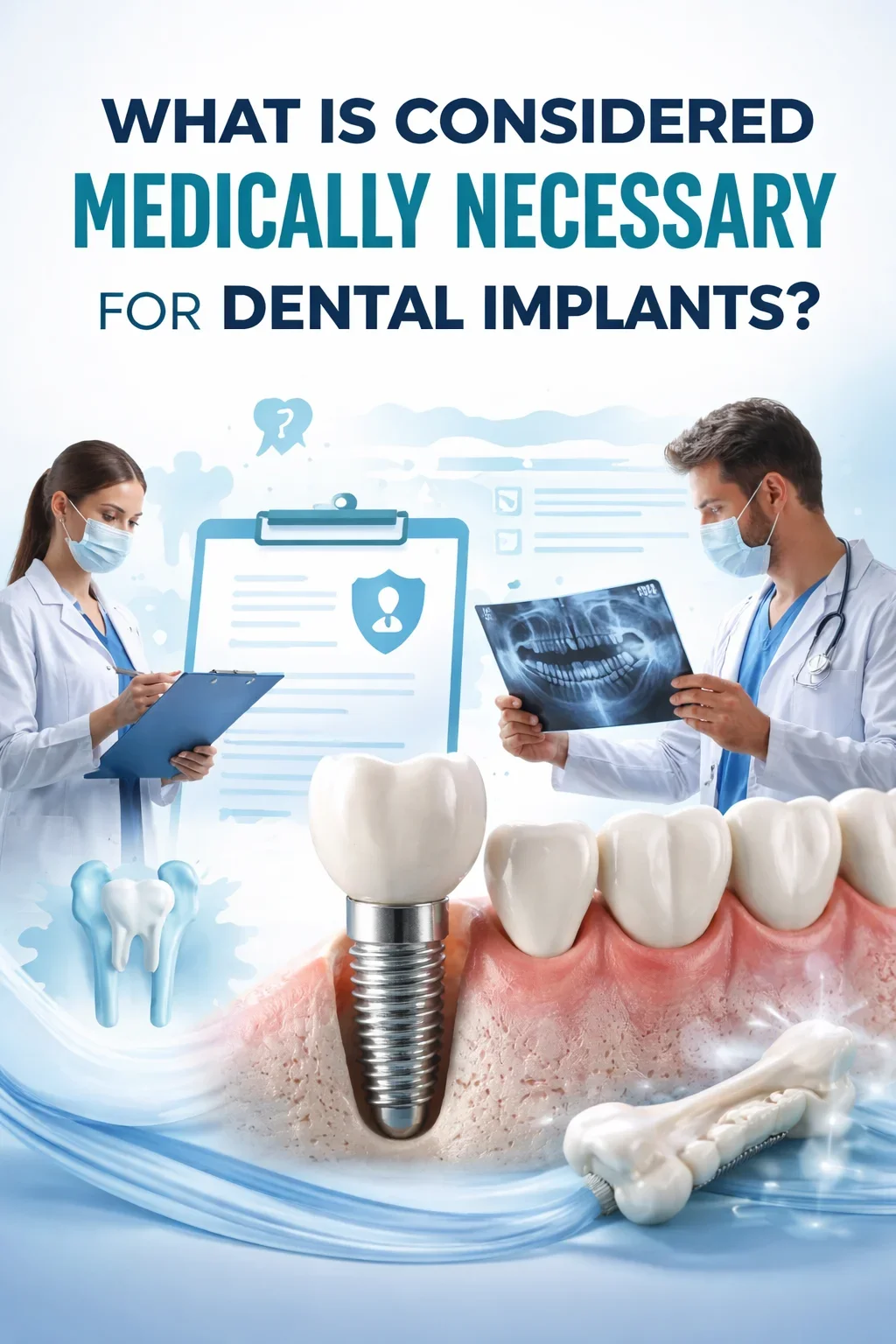
Next Steps: Getting a Professional Medical Evaluation for Dental Implants
After understanding what is considered medically necessary for dental implants, the most important step is obtaining a professional medical and dental evaluation. Many patients self-assess their situation based on discomfort or appearance, but true medical necessity can only be determined through a structured clinical process 🦷📋.
A professional evaluation ensures that what is considered medically necessary for dental implants is assessed objectively, using medical criteria rather than assumptions. This step protects patients from unnecessary procedures while ensuring that essential treatment is not delayed.
Initial Consultation and Medical History Review
The evaluation process begins with a detailed consultation. Dentists and oral surgeons review your dental and medical history to understand factors influencing what is considered medically necessary for dental implants. This includes past tooth loss, gum disease, trauma, chronic illnesses, and previous dental treatments.
Conditions such as diabetes, osteoporosis, cancer treatment history, or autoimmune disorders are carefully considered. These factors may increase the urgency or medical relevance of implant treatment, especially when missing teeth affect overall health.
Comprehensive Oral Examination
A thorough oral examination is essential to determine what is considered medically necessary for dental implants. Dentists assess missing teeth, gum health, bite alignment, jaw stability, and signs of infection or inflammation.
During this exam, functional limitations are carefully documented. Difficulty chewing, speech issues, jaw pain, or instability with dentures are all clinical indicators that implants may be medically justified.
Functional Assessment and Patient Symptoms
Dentists often ask detailed questions about daily function. If eating, speaking, or maintaining oral hygiene is difficult, these symptoms directly support what is considered medically necessary for dental implants. Patient-reported symptoms, when supported by clinical findings, strengthen the medical case.
Advanced Imaging and Diagnostic Testing
Diagnostic imaging plays a critical role in evaluating what is considered medically necessary for dental implants. X-rays, panoramic images, and cone beam CT scans provide detailed information about bone density, nerve position, and anatomical limitations.
These images help clinicians determine whether bone loss is present and whether implants are needed to prevent further deterioration. Imaging also identifies whether alternative treatments would be ineffective or risky.
Medical Necessity Determination and Treatment Planning
Once all clinical data is collected, the dentist or specialist determines what is considered medically necessary for dental implants in your specific case. This decision is based on objective findings, not personal preference.
A detailed treatment plan is then created, outlining the recommended implant procedure, expected health benefits, and potential risks of delaying treatment. This plan often becomes the foundation for insurance submissions or medical referrals.
Clear Communication and Informed Consent
Patients should receive a clear explanation of why implants are recommended. Understanding what is considered medically necessary for dental implants empowers patients to make informed decisions and confidently proceed with treatment.
Insurance Review and Documentation Submission
If insurance coverage is pursued, the evaluation process includes preparing documentation that supports what is considered medically necessary for dental implants. Dentists compile clinical notes, imaging reports, and specialist opinions to submit to insurers.
This step often determines whether implants will be partially or fully covered. Professional guidance significantly improves approval chances by presenting the case in medical terms rather than dental aesthetics.
Choosing the Right Clinic and Specialist
Not all clinics approach implants from a medical perspective. Choosing a provider experienced in evaluating what is considered medically necessary for dental implants is crucial. Such clinics focus on health outcomes, documentation accuracy, and long-term success.
Patients seeking expert evaluation and medically grounded treatment planning can begin by contacting a specialized clinic. For professional guidance and comprehensive assessment, visit the Redent Klinik Contact Page to schedule a consultation.
Why Early Evaluation Matters
Delaying evaluation can allow bone loss, infection, or functional decline to progress. In many cases, early assessment clarifies what is considered medically necessary for dental implants before treatment options become limited or more invasive.
Early action supports better outcomes, simpler procedures, and stronger medical justification if insurance coverage is involved.
In conclusion, determining what is considered medically necessary for dental implants requires a professional, evidence-based evaluation. Through comprehensive examination, imaging, and documentation, patients can confidently understand their treatment needs and move forward with medically appropriate, health-focused dental implant care.