
One of the most common questions people ask after losing a tooth is, what is the cost of an implant tooth? The short answer is that there is no single price that applies to every patient. The total cost depends on several factors, including the condition of your jawbone, the location of the missing tooth, the type of implant system used, whether additional procedures are required, and the complexity of the treatment plan.
For most patients, understanding what is the cost of an implant tooth is about more than finding a number. It is about determining whether dental implants are the right long-term solution for their oral health, lifestyle, and budget. While dental implants are often associated with a higher upfront investment compared to some alternatives, many patients choose them because they are designed to replace both the missing tooth root and the visible tooth structure, helping support function and appearance over time.
If you are searching online for what is the cost of an implant tooth, you will likely notice that prices vary significantly between countries, cities, clinics, and individual treatment plans. This is completely normal. A patient who requires only a straightforward implant placement may have a very different treatment cost than someone who needs bone grafting, sinus augmentation, extraction of a damaged tooth, or a customized restoration.
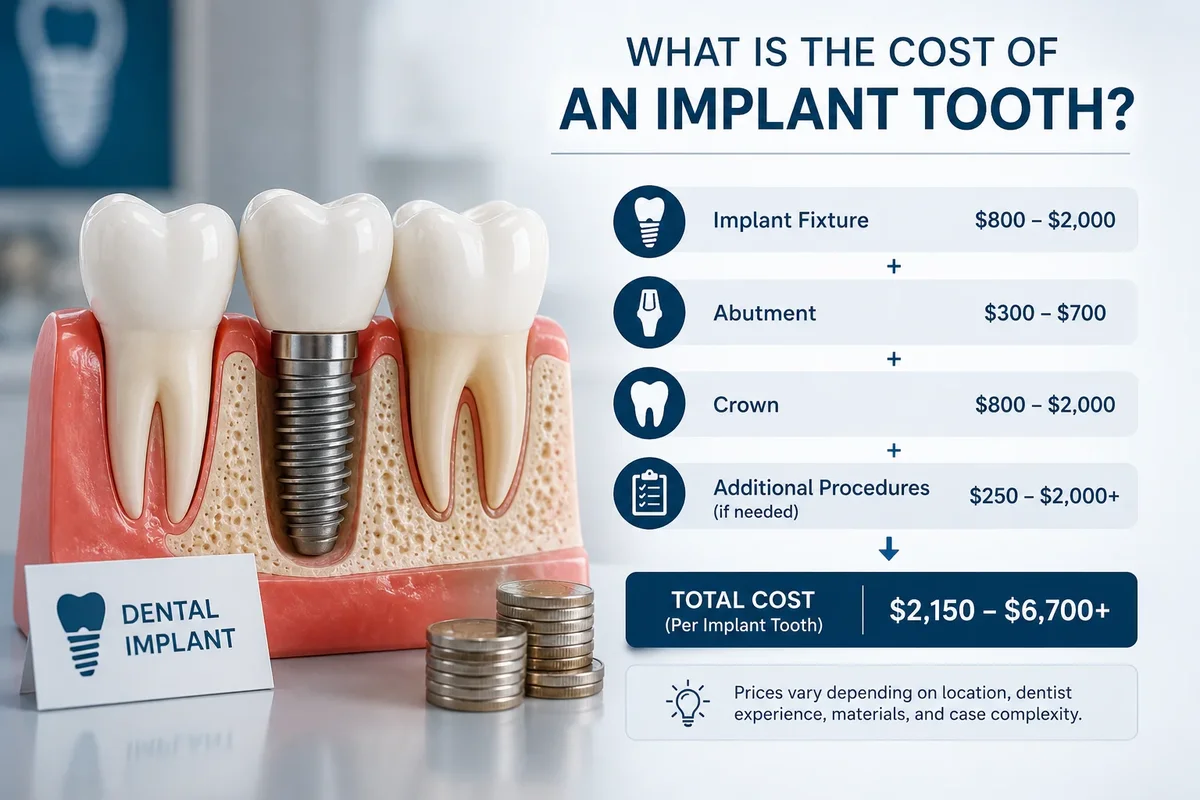
When evaluating what is the cost of an implant tooth, it is important to understand what may be included in the treatment. In many cases, a complete implant treatment involves diagnostic imaging, clinical examinations, implant surgery, healing appointments, abutment placement, and the final crown. Some clinics quote these components separately, while others provide a more comprehensive treatment estimate. This is why comparing prices alone may not provide an accurate picture of the overall value.
Another important consideration when researching what is the cost of an implant tooth is the long-term perspective. Some patients initially focus only on the immediate expense, but a dental implant may help preserve surrounding bone and avoid some of the challenges associated with missing teeth. Although every situation is unique, many patients find that evaluating treatment durability, comfort, and maintenance requirements is just as important as comparing initial costs.
If you have recently lost a tooth, timing can also influence treatment planning. Delaying replacement for an extended period may lead to bone loss or shifting of neighboring teeth. Therefore, when considering what is the cost of an implant tooth, it may be beneficial to schedule a professional assessment sooner rather than later. An early evaluation can help determine whether implant treatment is currently feasible and whether any preventive steps should be taken.
Many people wonder whether they are suitable candidates for implants. The answer depends on several clinical factors, including gum health, bone volume, general oral condition, and medical history. Understanding what is the cost of an implant tooth should always be paired with understanding whether implant treatment is appropriate for your specific situation. A personalized examination is the most reliable way to determine this.
Patients are often surprised to learn that online estimates cannot replace an in-person consultation. Even when two people have the same missing tooth, the treatment requirements may be completely different. This is one reason why reputable dental professionals avoid promising exact fees before conducting a detailed examination. If you are researching what is the cost of an implant tooth, consider online information as a general guide rather than a final quotation.
Trusted organizations such as the American Dental Association recommend seeking professional dental advice when evaluating tooth replacement options. A comprehensive assessment can identify factors that may affect treatment success, estimated costs, and long-term outcomes.
At clinics experienced in implant dentistry, including Redent Klinik, the goal is not simply to answer what is the cost of an implant tooth, but also to help patients understand the benefits, limitations, risks, and alternatives available to them. A thorough treatment discussion allows patients to make informed decisions based on their individual needs rather than on price alone.
Practical Next Step: If you are asking yourself what is the cost of an implant tooth, the most useful next step is to arrange a professional dental evaluation. An examination, imaging assessment, and personalized treatment plan can provide a realistic estimate based on your specific oral condition. If you would like to discuss your options with an experienced dental team, you can request an assessment through the Redent Klinik Contact Page. This helps ensure that any cost discussion is based on your actual treatment needs rather than a general online estimate.
Quick Answer: What Is the Cost of an Implant Tooth?
If you are searching for what is the cost of an implant tooth, the most important thing to understand is that there is no universal price that applies to every patient. The cost of treatment varies based on your oral health, the condition of the jawbone, the type of restoration required, and whether additional procedures are necessary before implant placement. While many people hope to find a simple fixed number online, the reality is that implant treatment is highly personalized.
A better question than simply asking what is the cost of an implant tooth is asking what treatment is required to replace your missing tooth successfully and predictably. Two patients with the same missing tooth may receive very different treatment recommendations depending on bone volume, gum health, bite alignment, and overall dental condition.
Why Implant Costs Can Vary So Much
One reason people become confused when researching what is the cost of an implant tooth is the wide range of prices found online. Some advertisements mention only the implant fixture itself, while others include consultations, imaging, surgical placement, healing appointments, abutments, and the final crown.
When comparing treatment estimates, it is important to determine exactly what is included. A lower advertised fee may not necessarily represent the total treatment investment. Understanding the complete treatment plan helps patients make informed decisions rather than focusing solely on a single number.
Common Elements Included in Implant Treatment
- Initial consultation and clinical examination
- Digital X-rays or 3D imaging
- Treatment planning
- Implant placement surgery
- Healing and follow-up visits
- Abutment connection
- Final implant-supported crown
- Post-treatment monitoring
Before deciding based on price alone, ask which of these components are included in the proposed treatment plan.
What Does the Cost Mean for Your Situation?
When evaluating what is the cost of an implant tooth, many patients focus exclusively on the financial aspect. However, the decision should also include long-term oral health considerations. A missing tooth may affect chewing efficiency, neighboring teeth, bite balance, and bone preservation. In some cases, delaying treatment for several years may create additional challenges that increase complexity later.
This does not mean every patient should proceed immediately with implant treatment. Rather, it highlights the importance of understanding the potential consequences of leaving a missing tooth untreated. A professional assessment can help determine whether treatment is urgent, whether it can safely be postponed, or whether alternative solutions may be more appropriate.
Asking what is the cost of an implant tooth should therefore be part of a larger conversation about your goals, oral health priorities, and expected outcomes.
Is the Cheapest Option Always the Best Choice?
Not necessarily. Patients researching what is the cost of an implant tooth often compare clinics primarily by price. While cost is understandably important, treatment quality, experience, technology, diagnostic procedures, and long-term support should also be considered.
An implant is designed to function as a long-term tooth replacement. For this reason, selecting a provider based solely on the lowest advertised fee may not always provide the best value. A comprehensive consultation can help clarify what is included, what materials are being used, and what level of follow-up care is available.
Many experienced dental teams focus on creating treatment plans tailored to individual needs rather than offering one-size-fits-all solutions. This personalized approach may provide greater confidence in treatment planning and expected outcomes.
When an Implant May Be Worth Considering
If you have lost a single tooth and want a replacement that functions independently without relying on neighboring teeth, an implant may be worth exploring. Patients often investigate what is the cost of an implant tooth when they want a solution that looks natural, supports chewing function, and integrates with the jawbone.
However, implants are not automatically the best option for every situation. Some patients may benefit from bridges, removable dentures, or other restorative treatments. The most suitable choice depends on clinical findings and personal preferences.
This is why a professional consultation is often more valuable than relying exclusively on online price comparisons.
Making a Smart Decision About Implant Costs
Instead of searching endlessly for one fixed answer to what is the cost of an implant tooth, focus on obtaining a personalized treatment plan. An individualized assessment can identify factors that influence treatment complexity and provide a more realistic estimate based on your needs.
Clinics experienced in implant dentistry, including Redent Klinik, often begin with a detailed examination to determine suitability, evaluate bone support, and discuss treatment objectives. This process helps patients understand both the expected treatment pathway and the factors influencing costs.
For additional educational information about oral health and tooth replacement options, patients can also review resources published by the American Dental Association.
What Should You Do Next?
If you are currently asking what is the cost of an implant tooth, check whether you have any of the following:
- A recently lost tooth
- Difficulty chewing due to a missing tooth
- Concerns about bone loss or shifting teeth
- An older bridge or failing restoration
- Questions about implant suitability
If any of these situations apply to you, requesting a professional dental evaluation may be the most practical next step. A consultation can determine whether you are a suitable candidate, identify factors that affect treatment planning, and provide a personalized estimate based on your specific oral health condition. If you would like professional guidance, you can contact the team through the Redent Klinik Contact Page for an individualized assessment.
Factors That Influence the Cost of an Implant Tooth
When people ask what is the cost of an implant tooth, they are often looking for a simple price range. However, dental implant treatment is highly individualized, which means the final cost depends on several clinical and technical factors. Understanding these factors can help you make a more informed decision and avoid comparing treatment options based solely on advertised prices.
If you are researching what is the cost of an implant tooth, it is helpful to think of the process as a customized treatment plan rather than a standard product. Every patient has a unique oral health situation, and those differences can significantly influence the overall treatment investment.
Jawbone Condition and Bone Availability
One of the most important factors affecting what is the cost of an implant tooth is the condition of the jawbone. Dental implants require sufficient bone support to remain stable and function properly. If a tooth has been missing for a long time, the surrounding bone may have gradually shrunk.
When bone volume is limited, additional procedures such as bone grafting may be recommended before implant placement. These treatments can increase the complexity of care and influence the overall treatment plan.
Signs Bone Loss May Be Present
- A tooth has been missing for several years
- Noticeable changes in gum or jaw shape
- Previous periodontal disease
- Past dental trauma or infection
- Long-term denture use
A clinical examination and imaging study are usually necessary to determine whether bone support is adequate.
The Location of the Missing Tooth
Another major factor that influences what is the cost of an implant tooth is the location of the missing tooth. Replacing a front tooth may require a different approach than replacing a molar. Front teeth often require additional attention to aesthetics, gum contours, and smile design, while back teeth may require stronger chewing support.
The position of the missing tooth can affect treatment planning, restoration design, and the materials used. Because of these differences, the same implant system may result in different treatment recommendations depending on where the tooth is located.
Type of Restoration Used
Patients searching for what is the cost of an implant tooth sometimes assume the implant itself represents the entire treatment. In reality, the visible replacement tooth attached to the implant also plays a significant role.
Different crown materials may be recommended based on functional and aesthetic requirements. Factors such as durability, appearance, bite forces, and neighboring teeth can influence restoration selection.
Common Restoration Considerations
- Single-tooth crowns
- Material selection
- Aesthetic customization
- Bite alignment requirements
- Long-term maintenance considerations
Your dentist will recommend the most appropriate restoration based on your specific clinical situation rather than using the same approach for every patient.
Diagnostic Technology and Treatment Planning
Modern implant dentistry often relies on advanced imaging and digital planning tools. These technologies help improve diagnostic accuracy and treatment predictability. As a result, they may also influence discussions about what is the cost of an implant tooth.
Three-dimensional imaging can reveal important anatomical details that traditional examinations may not fully capture. Identifying potential challenges before treatment begins often helps create a safer and more customized treatment plan.
While some patients focus only on the surgical aspect, comprehensive planning is an important part of implant success and should be considered when evaluating overall treatment value.
Oral Health and Existing Dental Conditions
The condition of your gums and surrounding teeth can also affect what is the cost of an implant tooth. Active gum disease, untreated infections, or damaged neighboring teeth may need attention before implant placement can proceed.
Addressing these issues beforehand is often beneficial because healthy surrounding tissues help support long-term implant function. Skipping necessary preparatory care may create avoidable complications later.
For this reason, a complete oral health assessment is typically recommended before finalizing an implant treatment plan.
Experience and Treatment Approach
Another factor influencing what is the cost of an implant tooth is the overall treatment approach used by the dental team. Some clinics emphasize extensive diagnostics, digital planning, and individualized care pathways. Others may offer more limited treatment packages.
Rather than focusing exclusively on the lowest available fee, patients should evaluate what is included in the proposed treatment plan, the qualifications of the treating professionals, and the level of follow-up care available after treatment.
Clinics such as Redent Klinik typically emphasize personalized treatment planning because implant therapy should be tailored to the patient rather than delivered through a one-size-fits-all approach.
Looking Beyond the Initial Price
When researching what is the cost of an implant tooth, many patients discover that the lowest advertised number is not always the most meaningful figure. A comprehensive treatment plan may include diagnostics, planning, surgical care, restorative work, and follow-up monitoring.
Evaluating value instead of price alone often leads to better decision-making. Factors such as treatment quality, long-term maintenance, comfort, and functional outcomes may be just as important as the initial investment.
Educational resources from the American Dental Association can also help patients understand the broader factors involved in restorative dental care.
What Should You Check Before Making a Decision?
Before deciding on implant treatment, consider the following questions:
- Do you have enough bone support for an implant?
- Have you received a comprehensive examination?
- Does the quoted treatment include all major stages?
- Are additional procedures likely to be needed?
- Have alternatives been discussed?
- Do you understand the expected treatment timeline?
If you are still wondering what is the cost of an implant tooth, the best next step is to request a professional evaluation. A detailed consultation can identify the specific factors affecting your treatment plan and provide personalized guidance based on your oral health condition. If you have concerns about bone loss, gum health, previous dental work, or implant suitability, professional advice should be sought before making a treatment decision. For individualized guidance, you can contact the dental team through the Redent Klinik Contact Page.
Who Is a Good Candidate for an Implant Tooth?
Many people begin their research by asking what is the cost of an implant tooth, but an equally important question is whether they are actually a suitable candidate for implant treatment. Understanding your eligibility is essential because the success of a dental implant depends on several factors beyond the financial investment. Before comparing treatment estimates, it is helpful to determine whether implant therapy is likely to be an appropriate option for your oral health situation.
In reality, the answer to what is the cost of an implant tooth often depends on patient suitability. A healthy candidate with good bone support and healthy gums may require a relatively straightforward treatment plan. On the other hand, patients with bone loss, gum disease, or other oral health concerns may require additional procedures before an implant can be placed.
What Makes Someone a Good Implant Candidate?
Dental implants are designed to replace missing tooth roots and support a restoration that functions similarly to a natural tooth. To achieve this goal, the surrounding tissues must provide adequate support.
When evaluating what is the cost of an implant tooth, dentists typically assess several factors that influence treatment suitability and planning.
Common Characteristics of Suitable Candidates
- One or more missing teeth
- Healthy gums or manageable gum conditions
- Adequate jawbone support
- Good oral hygiene habits
- Commitment to regular dental care
- Realistic treatment expectations
Having one or more of these characteristics does not automatically guarantee implant eligibility, but they often contribute positively to treatment planning.
How Bone Health Affects Implant Suitability
One of the most important considerations when discussing what is the cost of an implant tooth is bone availability. Because implants are placed directly into the jawbone, sufficient bone volume is typically necessary for proper support.
If a tooth has been missing for a long period, the bone in that area may gradually decrease. This process is natural and can affect treatment options. Fortunately, reduced bone volume does not always eliminate the possibility of implant treatment. In some situations, additional procedures may be recommended to improve support before implant placement.
The only reliable way to determine bone suitability is through a professional examination and appropriate imaging studies.
Can Age Affect Implant Eligibility?
Patients frequently wonder whether age influences what is the cost of an implant tooth or implant candidacy. In most cases, age alone is not the deciding factor. Many adults successfully receive implant treatment later in life.
Instead of focusing solely on age, dental professionals generally evaluate overall health, bone condition, gum health, and treatment objectives. A healthy older adult may be a more suitable candidate than a younger patient with untreated oral health problems.
This is why individualized assessment remains far more important than age-based assumptions.
Medical Conditions and Implant Considerations
When researching what is the cost of an implant tooth, it is important to remember that medical history can influence treatment planning. Certain health conditions may require additional evaluation before implant placement is recommended.
Examples of Factors That May Require Discussion
- Diabetes management
- Autoimmune conditions
- Certain medications
- Smoking habits
- Previous radiation therapy
- History of significant bone loss
Having one of these factors does not automatically prevent implant treatment. However, your dental provider may recommend additional assessments to determine the most appropriate treatment pathway.
Why Gum Health Matters
Another key factor affecting both eligibility and discussions about what is the cost of an implant tooth is gum health. Healthy gums provide important support for the tissues surrounding an implant.
If active periodontal disease is present, treatment may be recommended before implant placement proceeds. Addressing gum health concerns beforehand can help create a more stable foundation for restorative treatment.
Patients sometimes focus entirely on replacing the missing tooth itself, but the surrounding tissues play a critical role in long-term treatment success.
When Alternatives May Be Worth Considering
Although many people researching what is the cost of an implant tooth ultimately choose implant treatment, it is not always the most suitable option for every patient. Depending on clinical findings, alternatives such as dental bridges or removable prosthetic solutions may be discussed.
The best choice depends on several factors, including oral health status, treatment goals, budget considerations, and personal preferences. A comprehensive consultation allows patients to compare advantages and limitations before making a decision.
Rather than assuming implants are automatically the correct answer, it is often beneficial to evaluate all reasonable treatment options with a qualified dental professional.
How a Professional Consultation Helps
Many patients spend weeks searching online for what is the cost of an implant tooth before realizing that candidacy is just as important as pricing. A consultation provides information that internet searches simply cannot provide.
During an evaluation, the dental team can assess:
- Bone volume and quality
- Gum condition
- Existing dental restorations
- Bite alignment
- Medical considerations
- Treatment objectives
This information helps create a personalized treatment plan rather than relying on generalized online estimates.
Clinics such as Redent Klinik emphasize individualized assessments because no two patients have exactly the same treatment requirements. Educational information from the American Dental Association can also help patients better understand restorative treatment options and oral health considerations.
What Should You Check Before Requesting Implant Treatment?
Before scheduling implant treatment, consider whether any of the following apply to you:
- You have one or more missing teeth
- You have experienced bone loss after tooth extraction
- You have a history of gum disease
- You smoke or use tobacco products
- You have ongoing medical conditions that affect healing
- You are unsure whether implants are appropriate for your situation
If any of these factors apply, professional guidance is recommended before making a treatment decision. If you are researching what is the cost of an implant tooth, the most practical next step is to determine your suitability through a comprehensive dental examination. A personalized assessment can identify potential challenges, discuss alternatives, and provide treatment recommendations tailored to your needs. For individualized guidance, you can request an evaluation through the Redent Klinik Contact Page.
Understanding the Implant Tooth Procedure Step by Step
When people search for what is the cost of an implant tooth, they often focus on the financial side of treatment without fully understanding the procedure itself. However, knowing the steps involved can help explain why treatment costs vary and why implant therapy is considered a highly personalized dental solution. The more you understand about the process, the easier it becomes to evaluate whether implant treatment is appropriate for your needs and expectations.
If you are asking what is the cost of an implant tooth, it is helpful to remember that you are not simply paying for a single appointment. Implant treatment typically involves diagnosis, planning, surgical placement, healing, restoration, and long-term monitoring. Each stage plays an important role in the final outcome.
Step 1: Initial Consultation and Assessment
The implant process usually begins with a detailed examination. During this stage, the dental team evaluates your oral health, reviews your medical history, and determines whether implant treatment may be appropriate.
Many patients researching what is the cost of an implant tooth are surprised to learn that suitability must be confirmed before a treatment plan can be finalized. Even if two people have the same missing tooth, their treatment requirements may be completely different.
What Happens During the Assessment?
- Review of dental and medical history
- Clinical examination
- Evaluation of gum health
- Assessment of neighboring teeth
- Bite analysis
- Discussion of treatment goals
This stage provides the information necessary to determine whether implants are a suitable option and whether additional procedures may be required.
Step 2: Diagnostic Imaging and Treatment Planning
Before implant placement, imaging is often used to evaluate bone quality and identify important anatomical structures. This planning phase is one reason why the answer to what is the cost of an implant tooth varies from patient to patient.
Digital imaging allows the dental team to examine bone dimensions, assess implant positioning, and identify factors that may influence treatment complexity. Careful planning can improve predictability and help reduce avoidable complications.
Patients should view this phase as an investment in accuracy rather than simply another treatment expense.
Step 3: Preparing the Implant Site
Not every patient can proceed directly to implant placement. In some situations, preparatory treatment may be recommended before the implant procedure begins.
For example, a patient asking what is the cost of an implant tooth may discover that bone support is insufficient or that gum disease needs attention first. Addressing these issues can help create a healthier foundation for treatment.
Possible Preparatory Procedures
- Tooth extraction
- Bone grafting
- Periodontal treatment
- Management of infection
- Soft tissue improvement procedures
Not every patient requires these treatments, but they can influence both the timeline and overall treatment planning.
Step 4: Implant Placement Surgery
The surgical phase is often the step patients think about first when searching what is the cost of an implant tooth. During this procedure, the implant fixture is placed into the jawbone where the missing tooth root once existed.
The exact surgical approach depends on the treatment plan, anatomical conditions, and the number of teeth being replaced. Modern implant dentistry often uses digital planning techniques to help guide implant positioning.
Although the procedure is a significant milestone, it is only one part of the complete treatment journey.
Step 5: Healing and Integration Period
After implant placement, a healing period is typically required. During this phase, the implant gradually integrates with the surrounding bone.
This stage is important because long-term implant stability depends on successful healing. Patients researching what is the cost of an implant tooth should understand that treatment outcomes are influenced not only by the procedure itself but also by proper healing and follow-up care.
The healing timeline varies depending on individual circumstances and treatment complexity. Your dentist will provide guidance specific to your situation.
Step 6: Placement of the Final Restoration
Once healing is complete, the final restoration can be attached to the implant. This restoration is designed to replace the visible portion of the missing tooth and restore function.
At this stage, patients often begin experiencing the practical benefits of treatment, including improved chewing function and a more complete smile. However, the final restoration must be carefully planned to match neighboring teeth and support proper bite function.
Understanding this phase helps explain why discussions about what is the cost of an implant tooth involve more than the implant fixture alone.
Step 7: Long-Term Maintenance and Follow-Up
Implant treatment does not end when the crown is placed. Ongoing maintenance is an important part of protecting oral health and supporting long-term success.
Recommended Long-Term Habits
- Regular dental examinations
- Professional cleanings
- Consistent oral hygiene practices
- Monitoring of gum health
- Prompt evaluation of unusual symptoms
Patients who maintain regular dental care are often better positioned to identify potential concerns early.
How Understanding the Process Helps You Make Better Decisions
When researching what is the cost of an implant tooth, it is easy to focus exclusively on price. However, understanding the complete procedure provides valuable context. Implant treatment is a structured process that includes assessment, planning, surgery, healing, restoration, and maintenance.
Clinics such as Redent Klinik emphasize comprehensive treatment planning because successful outcomes depend on careful evaluation at every stage. Patients can also find educational information regarding oral health and restorative care through the American Dental Association.
When Should You Request Professional Advice?
If you are considering implant treatment, check whether any of the following situations apply:
- You recently lost a tooth
- You have a long-standing gap in your smile
- You have been told you may have bone loss
- You are unsure whether implants are suitable for you
- You want a personalized estimate instead of a general online price range
If any of these circumstances apply, requesting a professional consultation is advisable. While online research can help answer questions such as what is the cost of an implant tooth, only a clinical examination can determine your suitability, identify potential challenges, and provide a treatment plan tailored to your needs. For individualized guidance, you can contact the team through the Redent Klinik Contact Page.
Additional Treatments That May Affect Implant Costs
Many patients begin their research by asking what is the cost of an implant tooth, expecting to find a straightforward answer. However, one of the main reasons implant pricing varies is that some patients require additional procedures before or during treatment. These supplementary treatments are not automatically necessary for everyone, but they can significantly influence both the treatment timeline and the overall investment.
If you are trying to understand what is the cost of an implant tooth, it is important to know that the implant itself is only one part of the treatment process. The condition of your teeth, gums, and jawbone may determine whether preparatory care is recommended before implant placement can proceed safely and predictably.
Why Additional Procedures May Be Necessary
Dental implants rely on healthy surrounding tissues for support. If underlying issues are present, addressing them before implant placement may improve treatment planning and long-term stability.
This is one reason why online searches for what is the cost of an implant tooth often produce a wide range of estimates. Some patients require only implant placement and restoration, while others may need several preparatory procedures.
A professional assessment helps determine whether additional treatment is necessary and which procedures may influence the final treatment plan.
Bone Grafting and Bone Preservation
One of the most common factors affecting what is the cost of an implant tooth is the condition of the jawbone. When a tooth is lost, the bone that once supported it may gradually shrink over time. If sufficient bone volume is not available, a bone grafting procedure may be recommended.
Bone grafting aims to improve support in areas where bone has been reduced. Not every patient requires this treatment, but it is frequently discussed when a tooth has been missing for a long period.
Situations Where Bone Grafting May Be Considered
- Long-term tooth loss
- Previous periodontal disease
- Bone damage caused by infection
- Traumatic dental injuries
- Areas with limited bone volume
If bone support is inadequate, discussing treatment options with an experienced dental professional is important before making decisions based solely on implant pricing.
Tooth Extraction Before Implant Placement
In some situations, a damaged or severely compromised tooth may need to be removed before implant treatment can begin. Patients searching for what is the cost of an implant tooth are sometimes unaware that extraction procedures can influence overall treatment planning.
Whether extraction is necessary depends on the condition of the existing tooth. Factors such as structural damage, advanced decay, infection, or previous treatment failure may influence recommendations.
Because every clinical situation is different, a professional examination is required to determine the most appropriate course of action.
Periodontal Treatment and Gum Health Management
Healthy gums play a critical role in implant treatment. If active gum disease is present, treatment may be recommended before implant placement.
This is another reason why the answer to what is the cost of an implant tooth cannot always be determined without a thorough assessment. Addressing periodontal concerns beforehand may improve the health of surrounding tissues and create a more stable environment for future restorative work.
Signs That Gum Treatment May Be Needed
- Bleeding gums
- Persistent gum inflammation
- Deep periodontal pockets
- Gum recession
- History of periodontal disease
Patients experiencing any of these symptoms should consider a periodontal evaluation before proceeding with implant treatment discussions.
Sinus-Related Procedures in the Upper Jaw
For implants placed in certain areas of the upper jaw, the relationship between the jawbone and the sinus cavity may influence treatment planning. In some cases, additional procedures may be considered to create adequate support for implant placement.
Although not required for every patient, these procedures can affect discussions about what is the cost of an implant tooth because they may add complexity to the treatment process.
Advanced imaging is typically used to determine whether such procedures are necessary.
Temporary Restorations During Treatment
Another factor that may influence what is the cost of an implant tooth is the need for temporary restorations while healing takes place. Depending on the location of the missing tooth and the treatment plan, temporary solutions may be recommended to maintain appearance or function during the healing phase.
Patients replacing visible front teeth are often particularly interested in understanding temporary restoration options. The most suitable approach depends on individual treatment goals and clinical findings.
Correcting Existing Dental Problems
Sometimes implant treatment is not the first issue that needs attention. Existing dental conditions may require treatment before implant placement can be considered.
Examples of Conditions That May Need Attention
- Untreated cavities
- Infections
- Failing restorations
- Bite-related problems
- Damaged neighboring teeth
Addressing these concerns first may help create a healthier oral environment and support more predictable treatment planning.
How Additional Treatments Affect Decision-Making
When researching what is the cost of an implant tooth, patients sometimes compare treatment estimates without understanding why one plan differs from another. Additional procedures often explain these differences.
A comprehensive treatment plan may identify factors that require attention before implant placement can proceed. While this may increase the complexity of treatment, it can also help address underlying issues that could otherwise compromise long-term oral health.
Rather than focusing exclusively on price, patients should consider the reasons behind each recommendation and discuss alternative options whenever appropriate.
Clinics such as Redent Klinik typically perform detailed evaluations before finalizing treatment plans because each patient presents unique clinical circumstances. Educational information regarding restorative dentistry and oral health can also be found through the American Dental Association.
What Should You Check Before Accepting an Implant Treatment Plan?
Before moving forward with treatment, consider asking the following questions:
- Do I have adequate bone support?
- Is gum treatment needed first?
- Will tooth extraction be required?
- Are temporary restorations recommended?
- Does the treatment plan include all necessary procedures?
- What alternatives are available?
If you are still asking what is the cost of an implant tooth, remember that additional procedures may play a significant role in determining the final treatment plan. A professional consultation is recommended if you have a history of gum disease, long-term tooth loss, previous dental infections, or concerns about bone support. An individualized evaluation can identify factors that may affect treatment recommendations and provide guidance tailored to your specific needs. For personalized assistance, you can contact the team through the Redent Klinik Contact Page.
Risks, Complications, and Long-Term Value Considerations
When researching what is the cost of an implant tooth, many people naturally focus on the initial financial investment. However, making a well-informed decision requires looking beyond the treatment fee alone. Understanding potential risks, possible complications, and long-term value considerations can help patients evaluate whether dental implants are the right solution for their specific situation.
While dental implants are widely used to replace missing teeth, every dental procedure carries potential risks and limitations. Asking only what is the cost of an implant tooth may not provide the full picture. A more useful approach is to consider both the financial investment and the factors that influence long-term treatment outcomes.
Understanding Potential Implant Risks
Dental implant treatment is generally planned carefully to reduce potential complications. Nevertheless, as with many medical and dental procedures, risks can exist before, during, or after treatment.
Patients who are focused exclusively on what is the cost of an implant tooth may overlook the importance of understanding these possibilities. A thorough consultation helps patients make realistic decisions based on both benefits and limitations.
Potential Risks That May Be Discussed
- Infection around the implant site
- Delayed healing
- Insufficient bone support
- Gum-related complications
- Implant instability
- Bite-related issues
- Mechanical complications involving restorations
The likelihood of these concerns varies significantly from one patient to another. Individual oral health conditions and treatment planning decisions play an important role in managing risk.
Why Patient Health Matters
One reason the answer to what is the cost of an implant tooth can vary is that patient health factors may influence treatment planning. Certain conditions may require additional evaluation, monitoring, or preparatory care before implant placement.
Factors such as smoking, uncontrolled periodontal disease, poor oral hygiene habits, or certain medical conditions can influence healing and treatment outcomes. This does not automatically mean implants are unsuitable, but it highlights the importance of personalized assessment.
A comprehensive consultation allows the dental team to identify concerns early and discuss strategies that may support treatment success.
What Happens If a Tooth Is Not Replaced?
Many patients researching what is the cost of an implant tooth compare the price of treatment against the option of doing nothing. While postponing treatment may seem financially attractive in the short term, it is important to understand the potential consequences of leaving a missing tooth untreated.
Depending on the location of the missing tooth and individual circumstances, the following changes may occur over time:
- Shifting of neighboring teeth
- Changes in bite alignment
- Bone reduction in the extraction area
- Difficulty chewing certain foods
- Changes in smile appearance
Not every patient will experience these issues to the same degree, but discussing potential long-term effects with a dental professional can help support better decision-making.
Evaluating Long-Term Value Instead of Initial Cost
Patients often search online for what is the cost of an implant tooth because they want to compare prices. While cost comparisons can be useful, long-term value should also be part of the conversation.
Value is not determined solely by the initial treatment fee. Factors such as durability, maintenance requirements, functionality, comfort, and overall treatment goals should also be considered. A lower-cost option may not always provide the same long-term benefits as another treatment approach.
This does not mean implants are automatically the best choice for every patient. Instead, it means treatment decisions should be based on a comprehensive evaluation of costs, benefits, and alternatives.
Questions to Consider When Assessing Value
- How important is long-term tooth replacement?
- What level of maintenance is acceptable?
- How does the solution affect chewing ability?
- How important are aesthetics?
- What are the expected future treatment needs?
These questions often provide more meaningful guidance than focusing exclusively on price alone.
How Lifestyle Habits Can Affect Outcomes
Another consideration when discussing what is the cost of an implant tooth is the patient’s willingness to maintain good oral hygiene and follow professional recommendations.
Dental implants require ongoing care just like natural teeth. Daily brushing, flossing or interdental cleaning, and routine dental visits remain important after treatment is completed.
Patients who maintain consistent oral hygiene habits may be better positioned to support long-term oral health. Conversely, neglecting maintenance can increase the risk of complications affecting both natural teeth and implants.
When Alternatives May Be More Appropriate
Although many people researching what is the cost of an implant tooth ultimately choose implants, alternatives may be more suitable in certain situations. Bridges, removable prosthetic options, and other restorative solutions may be discussed depending on clinical findings and patient preferences.
The right choice depends on factors such as oral health, treatment objectives, financial considerations, and personal expectations. A responsible treatment decision involves comparing all available options rather than assuming one solution is universally best.
Educational resources from the American Dental Association can provide additional information about restorative treatment choices and oral health maintenance.
Balancing Risks and Benefits
Understanding what is the cost of an implant tooth requires balancing potential risks against expected benefits. Every patient has unique circumstances, which is why personalized treatment planning remains essential.
Clinics such as Redent Klinik typically evaluate oral health conditions, bone support, gum status, and treatment goals before recommending implant therapy. This approach helps patients make informed decisions based on their individual needs rather than relying solely on generalized information.
When Should You Seek Professional Advice?
If you are considering implant treatment, it may be helpful to request a professional consultation if any of the following apply:
- You smoke or have a history of smoking
- You have been diagnosed with gum disease
- You have experienced significant bone loss
- You are comparing implants with other treatment options
- You are concerned about long-term maintenance requirements
- You want a personalized assessment of risks and benefits
If you are still asking what is the cost of an implant tooth, remember that cost should be evaluated alongside suitability, potential risks, and long-term value. A professional examination can identify factors that influence treatment planning and help you understand whether implant therapy aligns with your goals. For individualized guidance, you can request an assessment through the Redent Klinik Contact Page.
Implant Tooth Alternatives and Their Cost Comparison
Many people researching what is the cost of an implant tooth assume that dental implants are the only solution for replacing a missing tooth. While implants are a popular and widely used option, they are not the only treatment available. Understanding alternative solutions can help patients make informed decisions based on their oral health, budget, treatment goals, and personal preferences.
If you are trying to determine what is the cost of an implant tooth, comparing implants with other replacement options is often a smart step. The right choice is not always the least expensive option or the most advanced treatment. Instead, the most appropriate solution is usually the one that best matches your individual clinical needs and long-term objectives.
Why Compare Alternatives Before Choosing an Implant?
Before committing to implant treatment, patients should understand the advantages and limitations of all available options. Asking only what is the cost of an implant tooth may not provide enough information to make a confident decision.
Different treatment options vary in terms of appearance, maintenance requirements, treatment time, and long-term considerations. A professional consultation can help determine which solution aligns best with your oral health condition.
Rather than focusing solely on cost, it is helpful to evaluate overall value and suitability.
Dental Bridges as an Alternative
A dental bridge is one of the most common alternatives to implant treatment. Bridges are designed to replace missing teeth by using neighboring teeth as support.
Patients comparing what is the cost of an implant tooth with bridge treatment often notice differences in treatment planning and long-term maintenance considerations. Unlike implants, bridges do not require placement within the jawbone. However, they may involve modifying adjacent teeth.
Potential Advantages of Dental Bridges
- Often completed within a shorter treatment timeline
- No implant surgery required
- Suitable for some patients who cannot receive implants
- May address certain tooth replacement needs effectively
Potential Considerations
- Dependence on neighboring teeth
- Different maintenance requirements
- No direct replacement of the tooth root
- Not suitable for every clinical situation
Whether a bridge is preferable depends on individual circumstances and should be discussed with a dental professional.
Removable Partial Dentures
Another option for patients asking what is the cost of an implant tooth is a removable partial denture. These appliances are designed to replace one or more missing teeth and can often be removed for cleaning.
Partial dentures may appeal to patients seeking a non-surgical solution. However, they differ significantly from implants in terms of function, stability, and daily maintenance.
Potential Benefits of Partial Dentures
- Non-surgical treatment option
- Can replace multiple missing teeth
- Often completed relatively quickly
- Suitable for some patients who are not implant candidates
While partial dentures can be effective in certain situations, patients should understand the differences between removable and fixed solutions before making a decision.
Leaving the Space Untreated
Some patients researching what is the cost of an implant tooth consider postponing treatment indefinitely. Although this may seem like the least expensive option initially, it is important to understand the potential consequences.
A missing tooth can affect more than appearance. Depending on the situation, neighboring teeth may gradually shift, chewing patterns may change, and bone reduction may occur in the affected area.
This does not mean every missing tooth requires immediate replacement. However, discussing the risks and benefits of delaying treatment with a dental professional is often advisable.
Comparing Long-Term Considerations
When evaluating what is the cost of an implant tooth, it is helpful to compare the long-term implications of each treatment option rather than focusing only on initial expenses.
Questions Worth Asking
- How important is a fixed solution?
- Do you prefer to avoid surgery?
- How many teeth are missing?
- What level of maintenance are you comfortable with?
- How important is preserving surrounding bone?
- What are your long-term oral health goals?
The answers to these questions often provide more useful guidance than price comparisons alone.
Which Option Is Right for You?
There is no universal answer. The most suitable treatment depends on your oral health status, treatment objectives, available bone support, budget considerations, and personal preferences.
Patients searching online for what is the cost of an implant tooth sometimes assume implants are automatically the best choice. In reality, some individuals may be better served by bridges or removable solutions, while others may benefit most from implant therapy.
Professional evaluation is important because treatment recommendations should be based on clinical findings rather than assumptions.
Balancing Cost and Value
One of the most important lessons when researching what is the cost of an implant tooth is that the lowest-cost treatment is not always the most appropriate solution. Likewise, the most expensive option is not automatically the best.
Patients often achieve the best outcomes when they evaluate treatment based on overall value, including function, aesthetics, maintenance requirements, and expected long-term performance.
Clinics such as Redent Klinik typically review all reasonable treatment alternatives before recommending a final treatment plan. This patient-centered approach helps individuals understand both the benefits and limitations of each option.
Additional educational information regarding tooth replacement solutions can be found through the American Dental Association.
When Should You Seek Professional Advice?
If you are comparing treatment options and wondering what is the cost of an implant tooth, consider requesting professional guidance if any of the following apply:
- You are unsure whether implants are necessary
- You want to compare bridges and implants
- You have multiple missing teeth
- You wish to avoid surgery if possible
- You have concerns about bone loss
- You want a personalized treatment recommendation
Before making a final decision, check whether all treatment options have been discussed and whether you fully understand the benefits, limitations, maintenance requirements, and expected treatment process. If you need individualized guidance, a professional consultation can help determine which solution best fits your needs. For personalized assistance, you can contact the team through the Redent Klinik Contact Page.
Financing, Insurance, and Payment Planning Options
For many patients, the question is not only what is the cost of an implant tooth, but also how to make treatment fit comfortably within their budget. Even when a patient is an excellent candidate for dental implants, financial planning often plays a significant role in deciding when treatment should begin. Understanding financing options, insurance considerations, and payment planning strategies can help you make a more informed and less stressful decision.
If you are researching what is the cost of an implant tooth, it is important to remember that treatment planning and financial planning often go hand in hand. A personalized consultation can provide both clinical recommendations and a clearer understanding of the financial aspects involved.
Why Financial Planning Matters
When patients search for what is the cost of an implant tooth, they often discover that treatment estimates vary considerably. This variation can make it difficult to determine whether implant therapy is financially realistic.
Rather than focusing only on the total figure, it can be helpful to break the treatment into individual components. Understanding how costs are structured allows patients to compare options more effectively and avoid unexpected surprises.
A well-informed patient is generally in a stronger position to evaluate treatment recommendations and choose a solution that aligns with both oral health needs and financial goals.
Understanding Dental Insurance Coverage
One of the most common questions associated with what is the cost of an implant tooth is whether dental insurance will help cover treatment expenses. The answer varies depending on the specific insurance provider, policy details, and geographic location.
Some insurance plans may contribute toward certain aspects of treatment, while others may provide limited or no coverage for implant-related procedures. Coverage can also differ between the implant fixture, restorative crown, diagnostic imaging, and preparatory treatments.
Questions to Ask Your Insurance Provider
- Does the policy include implant-related benefits?
- Are diagnostic examinations covered?
- Is the final restoration partially covered?
- Are annual coverage limits applicable?
- Are waiting periods involved?
- Are pre-authorizations required?
Reviewing these details before treatment begins can help you better understand your potential financial responsibility.
Payment Plans and Financing Solutions
Patients researching what is the cost of an implant tooth are often interested in spreading treatment expenses over time. Depending on the clinic and region, payment plans or third-party financing options may be available.
These arrangements can allow patients to proceed with treatment while managing costs through structured payments rather than a single upfront expense. Availability varies, so discussing financing options during the consultation process is often worthwhile.
Before selecting any financing arrangement, patients should carefully review repayment terms, applicable fees, and any financing conditions.
Topics to Discuss When Considering Financing
- Length of repayment period
- Monthly payment amounts
- Administrative fees
- Interest-related terms
- Eligibility requirements
- Early repayment options
Understanding these factors can help you choose a payment structure that supports both your treatment goals and your financial circumstances.
Should You Delay Treatment to Save Money?
Many patients asking what is the cost of an implant tooth wonder whether postponing treatment might be a better financial decision. In some situations, delaying treatment may be reasonable. In others, waiting too long can create additional complications.
For example, prolonged tooth loss may contribute to bone reduction or shifting of neighboring teeth. If these changes occur, treatment planning could become more complex in the future.
This does not mean every missing tooth requires immediate replacement. However, discussing timing considerations with a dental professional can help you understand whether postponement may affect future treatment options.
Comparing Cost Versus Long-Term Investment
When evaluating what is the cost of an implant tooth, many patients focus on immediate expenses without considering long-term value. While cost is important, it is often beneficial to assess treatment within the broader context of oral health and functionality.
Questions worth considering include:
- How long do you expect the solution to serve your needs?
- What maintenance requirements are involved?
- How important is chewing function?
- How important is smile aesthetics?
- Will the treatment support long-term oral health goals?
Evaluating these factors may help you make a decision that balances financial considerations with practical benefits.
How to Compare Treatment Quotes Properly
Patients frequently search online for what is the cost of an implant tooth and receive multiple estimates from different providers. Comparing quotes can be helpful, but it is important to compare similar treatment plans.
Items Worth Verifying
- Does the estimate include diagnostics?
- Is the implant fixture included?
- Is the abutment included?
- Is the final crown included?
- Are follow-up visits included?
- Are additional procedures excluded?
Understanding exactly what is included allows for a more meaningful comparison between treatment proposals.
The Value of a Personalized Financial Discussion
Clinics such as Redent Klinik often discuss treatment planning and financial considerations together because both elements influence patient decision-making. The goal is not simply to answer what is the cost of an implant tooth, but to help patients understand how treatment recommendations relate to their personal circumstances.
Reliable educational resources from the American Dental Association can also provide additional information about oral health decisions and restorative treatment options.
When Should You Request Professional Advice?
If you are concerned about affordability or treatment planning, consider requesting professional guidance if any of the following apply:
- You are unsure what your insurance covers
- You want to compare multiple treatment options
- You are considering delaying treatment
- You would prefer a payment plan
- You have received conflicting treatment estimates
- You want a personalized financial overview
Before making a final decision, check whether you fully understand what is included in the treatment plan, whether additional procedures may be needed, and what financing options are available. If you are still wondering what is the cost of an implant tooth, a personalized consultation can provide clarity regarding both clinical recommendations and financial considerations. For individualized guidance, you can contact the team through the Redent Klinik Contact Page.
What Should You Do Next? Choosing the Right Treatment Plan
After spending time researching what is the cost of an implant tooth, many patients reach an important point: they realize that price alone is not enough to make a confident treatment decision. While understanding costs is important, the next step is determining whether implant treatment is appropriate for your specific situation and how it compares with other available options.
If you have read about procedures, risks, alternatives, and financing options, you may still be asking yourself one final question: “What should I do now?” The answer depends on your oral health, treatment goals, budget considerations, and long-term expectations. Choosing the right treatment plan involves combining all of these factors rather than focusing exclusively on a single aspect such as cost.
Start With Your Personal Goals
Before deciding on any treatment, take a moment to consider what matters most to you. People searching for what is the cost of an implant tooth often have different priorities.
Some patients are primarily concerned with restoring chewing function. Others want to improve smile aesthetics. Some are looking for a long-term solution, while others are focused on minimizing treatment time or avoiding surgery.
Questions to Ask Yourself
- Why do I want to replace my missing tooth?
- How important is appearance?
- How important is chewing comfort?
- Am I looking for a fixed solution?
- What is my preferred treatment timeline?
- What level of maintenance am I comfortable with?
Clarifying these goals can help guide discussions with your dental provider and make treatment recommendations easier to understand.
Understand That Every Patient Is Different
One of the biggest misconceptions surrounding what is the cost of an implant tooth is the belief that everyone receives the same treatment. In reality, no two patients have identical oral health conditions.
Factors such as bone quality, gum health, bite function, medical history, and the location of the missing tooth can all influence treatment recommendations. This is why online estimates should be viewed as general educational information rather than personalized advice.
A treatment plan that is ideal for one person may not be appropriate for another. Personalized assessment remains one of the most important steps in making a confident decision.
Compare Options Objectively
If you are evaluating implants alongside bridges or removable prosthetic options, avoid making a decision based solely on initial cost. Patients often search what is the cost of an implant tooth and then compare that number directly with alternative treatments.
While cost is important, other factors deserve equal attention.
Areas Worth Comparing
- Treatment complexity
- Expected maintenance requirements
- Impact on neighboring teeth
- Aesthetic considerations
- Comfort during daily activities
- Long-term oral health goals
A thoughtful comparison can help ensure that the chosen treatment aligns with your priorities rather than simply fitting a short-term budget objective.
Know When Timing Matters
Patients researching what is the cost of an implant tooth sometimes postpone treatment because they are uncertain about costs or treatment suitability. In some cases, waiting may be reasonable. In others, delaying treatment for an extended period could lead to changes in the jawbone or surrounding teeth.
This does not mean treatment should be rushed. Instead, it highlights the value of obtaining professional guidance before making assumptions about the effects of postponement.
A consultation can help determine whether immediate action is necessary or whether treatment can safely be scheduled at a later date.
Use Professional Evaluations Instead of Guesswork
One of the most practical lessons from researching what is the cost of an implant tooth is that internet information has limitations. Online articles can explain concepts and provide general guidance, but they cannot diagnose conditions or create individualized treatment plans.
A professional evaluation offers information that online research cannot provide, including:
- Assessment of bone support
- Evaluation of gum health
- Identification of underlying issues
- Review of treatment alternatives
- Personalized treatment recommendations
- Individualized cost estimates
These details help patients move from general research to informed decision-making.
What Makes a Treatment Plan Reliable?
When discussing what is the cost of an implant tooth, patients should not only ask about pricing but also about treatment planning quality. A reliable treatment plan should explain why a recommendation is being made and how it relates to your specific clinical findings.
Patients should feel comfortable asking questions and requesting clarification whenever needed. Understanding the reasoning behind a recommendation is often just as important as understanding the financial aspects of treatment.
Educational resources from the American Dental Association can also help patients learn more about restorative dentistry and informed treatment decisions.
Why Personalized Consultations Matter
Clinics such as Redent Klinik emphasize individualized treatment planning because every patient presents unique needs and goals. The objective is not simply to answer what is the cost of an implant tooth, but to help patients understand how treatment recommendations fit their oral health situation.
A personalized consultation provides an opportunity to discuss concerns, review alternatives, evaluate suitability, and receive guidance tailored to your circumstances.
Final Decision Checklist
Before choosing a treatment plan, review the following questions:
- Have I received a complete oral health evaluation?
- Do I understand all available treatment options?
- Have the risks and benefits been explained?
- Do I understand the treatment timeline?
- Have I reviewed financial considerations?
- Am I comfortable with the recommended approach?
If you are still wondering what is the cost of an implant tooth, the most productive next step is to move beyond general online research and obtain professional advice. Request a consultation if you have unanswered questions about suitability, treatment options, bone support, or expected costs. A personalized examination can provide the information needed to make a confident and informed decision. If you would like individualized guidance, you can contact the team through the Redent Klinik Contact Page and discuss your treatment goals with an experienced dental professional.