
If you are asking yourself where can I get dental implants, you are not alone. Tooth loss affects millions of adults worldwide, and dental implants have become the most reliable, long-term solution for restoring both function and appearance. This question usually comes from a place of concern: you want safe treatment, lasting results, fair pricing, and a clinic you can truly trust. In this guide, we will answer that question in depth, covering everything you need to know before making a decision. 😊
Dental implants are artificial tooth roots, typically made from medical-grade titanium, that are surgically placed into the jawbone. Over time, they fuse with the bone through a natural process called osseointegration. This makes implants exceptionally stable and durable. When people search for where can I get dental implants, they are usually looking for a permanent alternative to dentures or bridges that feels and functions like natural teeth.
Understanding where can I get dental implants starts with understanding who they are for. Dental implants are suitable for most adults who have lost one or more teeth due to decay, gum disease, injury, or aging. Ideal candidates generally have healthy gums and sufficient jawbone density, although modern techniques such as bone grafting make implants possible even for patients with bone loss. A professional dental evaluation is always the first step.
Another reason people ask where can I get dental implants is the wide variation in quality between providers. Dental implants are not a one-size-fits-all treatment. The experience of the dentist, the quality of the implant brand, the technology used, and the clinic’s hygiene standards all directly affect success rates. Reputable clinics follow strict protocols recommended by organizations such as the [American Dental Association](chatgpt://generic-entity?number=0), ensuring patient safety and predictable outcomes.
When considering where can I get dental implants, location plays a major role. Some patients prefer treatment close to home for convenience, while others explore international options for cost savings without sacrificing quality. What matters most is not geography alone, but whether the clinic meets international standards, uses certified implant systems, and provides transparent treatment planning.
Many patients asking where can I get dental implants are also worried about comfort and recovery. Modern implant dentistry has advanced significantly. Procedures are typically performed under local anesthesia, and in some cases, conscious sedation. Most patients report minimal discomfort, often less than that experienced during a tooth extraction. Recovery protocols are carefully designed to support healing and long-term implant success.
Another important factor behind the question where can I get dental implants is long-term value. Unlike removable dentures, implants do not shift, click, or require adhesives. They help preserve jawbone structure, prevent facial sagging, and allow you to eat, speak, and smile with confidence. With proper care, dental implants can last 20 years or more, making them a smart investment in your health and quality of life.
If you are still wondering where can I get dental implants, the answer should always involve a clinic that offers personalized consultations, advanced imaging such as 3D CBCT scans, and a clear explanation of your treatment plan. Clinics that rush decisions or avoid answering questions should be approached with caution. Trust, communication, and clinical expertise are essential.
For patients seeking expert guidance and personalized care, you can directly reach out through the Redent Klinik Contact Page. A professional consultation will help determine whether you are a suitable candidate and which implant solution best fits your needs.
In summary, asking where can I get dental implants is the first step toward restoring your smile and oral health. The right answer depends on safety standards, professional expertise, long-term results, and patient-centered care. By focusing on these factors, you can confidently choose a dental implant provider that delivers lasting, life-changing results. 😁
What Are Dental Implants and Who Needs Them
Before deciding where can I get dental implants, it is essential to clearly understand what dental implants are and who can benefit from them. Dental implants are considered the gold standard in modern dentistry for replacing missing teeth because they closely mimic the structure, strength, and function of natural teeth. Unlike temporary or removable solutions, implants are designed to become a permanent part of your mouth.
What Exactly Are Dental Implants?
Dental implants consist of three main components: the implant fixture, the abutment, and the crown. The implant fixture is a small titanium post surgically placed into the jawbone. Titanium is biocompatible, meaning the body accepts it without adverse reactions. This post acts as an artificial tooth root. Over time, the bone grows around it in a process called osseointegration, creating a stable foundation.
The abutment is a connector placed on top of the implant once healing is complete. Finally, the crown is the visible part of the tooth, custom-made to match your natural teeth in color, shape, and size. When people search where can I get dental implants, they are often surprised to learn how natural implants look and feel once treatment is complete. 😄
Who Is an Ideal Candidate for Dental Implants?
One of the most common questions after where can I get dental implants is “Am I eligible?” The good news is that most adults qualify for dental implants. Ideal candidates typically have:
- One or more missing teeth
- Healthy gums free of advanced periodontal disease
- Sufficient jawbone density or the ability to receive bone grafting
- Good overall health to support healing
Even if you have been told in the past that implants are not possible due to bone loss, modern techniques have changed the landscape. Bone grafting, sinus lift procedures, and advanced implant designs now allow many patients to successfully receive implants. This is why choosing the right clinic when asking where can I get dental implants is so important.
Dental Implants for Single, Multiple, or Full Tooth Loss
Dental implants are incredibly versatile. They can replace a single missing tooth, multiple missing teeth, or even an entire arch of teeth. For patients missing one tooth, a single implant with a crown restores both appearance and function without affecting neighboring teeth.
For multiple missing teeth, implant-supported bridges can replace several teeth using fewer implants. For patients with complete tooth loss, full-arch implant solutions such as All-on-4 or All-on-6 provide fixed, non-removable teeth supported by implants. When evaluating where can I get dental implants, it is essential to find a clinic experienced in all these treatment options.
Who May Need Additional Evaluation?
Some patients require extra assessment before moving forward. Conditions such as uncontrolled diabetes, heavy smoking, or severe gum disease can affect implant success. However, these factors do not automatically disqualify you. A skilled dental team will work to stabilize these conditions before treatment. This personalized approach is a critical part of answering where can I get dental implants safely and successfully.
Age is another common concern. There is no upper age limit for dental implants. Many patients in their 60s, 70s, and even 80s receive implants successfully. What matters most is bone health and overall medical stability, not age itself.
Why Dental Implants Are Often the Best Choice
Compared to dentures and traditional bridges, dental implants offer unmatched benefits. They do not slip or move, they preserve jawbone health, and they allow you to eat all types of foods comfortably. Speech clarity also improves, and many patients report a significant boost in confidence. These advantages explain why so many people searching where can I get dental implants ultimately choose this solution.
Dental implants also protect surrounding teeth. Traditional bridges require grinding down healthy teeth for support, while implants stand independently. This conservative approach helps maintain long-term oral health.
In summary, understanding what dental implants are and who needs them is a crucial step before deciding where can I get dental implants. Whether you are missing one tooth or many, implants offer a reliable, long-lasting solution when performed by qualified professionals. In the next section, we will explore how to find dental implant providers near you and what to look for when choosing a local clinic. 👍
Where Can I Get Dental Implants Near Me
One of the most common follow-up questions after learning about implants is where can I get dental implants close to home. Choosing a nearby clinic can feel reassuring because it offers convenience, easier follow-up visits, and familiarity with local healthcare standards. However, proximity alone should never be the only deciding factor. Understanding how to evaluate local providers is key to making the right decision. 😊
How to Search for Local Dental Implant Clinics
When people search where can I get dental implants online, they often start with phrases like “dental implants near me” or “implant dentist nearby.” While search engines can provide a list of clinics, not all results are equal. It is important to look beyond advertisements and focus on verified credentials, patient reviews, and clinical experience.
A high-quality local implant clinic will clearly list the dentist’s qualifications, years of experience with implants, and the technology used in the clinic. Look for practices that mention advanced diagnostics such as 3D CBCT imaging, digital treatment planning, and sterile surgical environments. These details matter greatly when deciding where can I get dental implants safely.
General Dentists vs Implant Specialists
Another important consideration when asking where can I get dental implants locally is whether to choose a general dentist or a specialist. Some general dentists are trained and experienced in implant placement, while others focus only on restorative work and refer surgical placement to specialists.
Implant specialists typically include oral surgeons, periodontists, or prosthodontists with advanced training in implant dentistry. Choosing a specialist or a clinic with a dedicated implant team often leads to higher success rates, especially for complex cases involving bone loss or full-arch restorations.
Questions to Ask a Local Implant Provider
Before committing to treatment, schedule a consultation and prepare questions. Asking the right questions helps you confidently answer where can I get dental implants without regret later. Important questions include:
- How many dental implant procedures have you performed?
- What implant brands do you use, and why?
- Do you offer 3D imaging and guided implant surgery?
- What is your implant success rate?
- What follow-up care and warranty do you provide?
Transparent answers are a strong indicator of professionalism and patient-centered care.
Advantages of Getting Dental Implants Near You
Choosing a nearby clinic when deciding where can I get dental implants offers several benefits. Follow-up appointments are easier to attend, especially during the healing phase. If adjustments are needed for your crown or bite, quick access to your dentist can save time and stress.
Local clinics are also familiar with regional healthcare regulations and standards. This can provide peace of mind, particularly for patients who prefer face-to-face communication and long-term relationships with their dental provider.
Potential Limitations of Local Options
Despite the convenience, local options may have limitations. Not all clinics offer the same level of expertise, technology, or pricing. In some regions, implant treatment costs may be significantly higher due to overhead expenses. This leads many patients to expand their search beyond their immediate area when asking where can I get dental implants.
Additionally, some local clinics may outsource parts of the treatment, such as implant placement or lab work, which can affect consistency and outcomes. Always ask whether all steps are performed in-house.
How to Verify Quality and Safety
To ensure safety when choosing a local provider, confirm that the clinic follows internationally recognized dental guidelines. Reputable clinics align their protocols with standards supported by organizations such as the American Dental Association. These standards cover sterilization, patient safety, ethical treatment planning, and continuing professional education.
Online reviews can also offer insight, but they should be evaluated carefully. Look for detailed reviews that mention the implant process, communication, and long-term satisfaction rather than short, generic comments.
Local Consultation Is the First Step
Ultimately, the best way to answer where can I get dental implants near me is through a professional consultation. A thorough evaluation will include a clinical exam, digital imaging, and a personalized treatment plan. This appointment allows you to assess the clinic’s environment, the dentist’s communication style, and the clarity of the proposed plan.
In summary, finding a nearby clinic can be a great solution if quality, experience, and technology meet high standards. While convenience matters, your long-term oral health matters more. By carefully evaluating local options, you can confidently decide where can I get dental implants close to home without compromising safety or results. 😁
Where Can I Get Dental Implants Abroad Safely
As treatment costs rise in many countries, more patients are asking where can I get dental implants abroad without compromising safety or quality. Dental tourism has grown rapidly over the last decade, offering access to experienced specialists, modern clinics, and significant cost savings. However, choosing the right destination and clinic is essential to ensure a successful and stress-free experience. 🌍
Why Patients Choose Dental Implants Abroad
The primary reason people explore options abroad when asking where can I get dental implants is affordability. In some countries, the cost of implants can be 50–70% lower than in the United States, the UK, or Western Europe. These savings are often due to lower operating costs, not lower standards of care.
Another factor is access to highly experienced implant dentists. In popular dental tourism destinations, clinics often treat thousands of international patients each year. This high case volume leads to refined techniques, efficient workflows, and consistently strong outcomes.
Popular Countries for Dental Implants
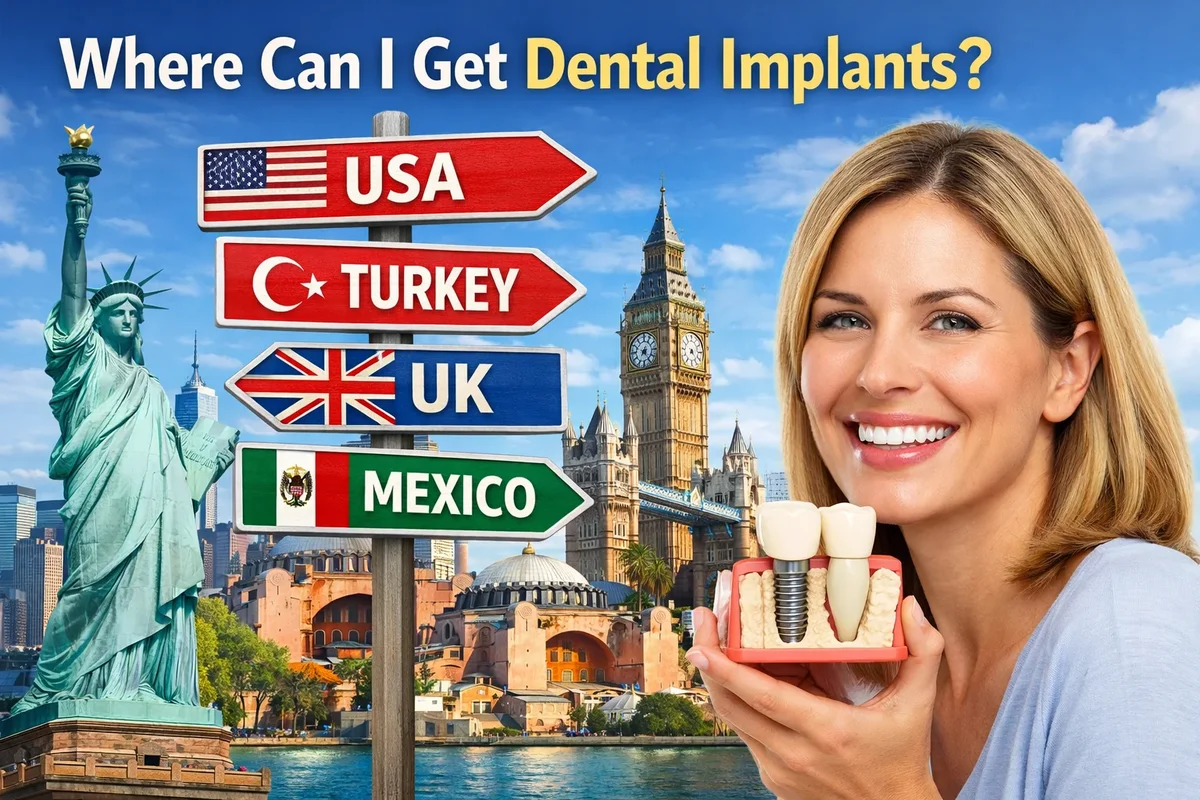
When researching where can I get dental implants abroad, patients commonly consider countries known for advanced healthcare infrastructure and dental tourism experience. These typically include Turkey, Hungary, Mexico, Spain, and Thailand. Each destination has reputable clinics, but standards can vary widely from one provider to another.
What matters most is not the country itself, but whether the clinic follows international protocols, uses certified implant systems, and employs licensed specialists. Well-established clinics serving international patients usually offer multilingual staff, airport transfers, and coordinated treatment schedules.
What Makes an International Clinic Safe?
Safety should always come first when deciding where can I get dental implants abroad. A safe and reliable clinic will have:
- Licensed dentists with verified credentials
- Internationally recognized implant brands
- Modern diagnostic tools such as 3D CBCT scans
- Strict sterilization and infection control protocols
- Clear communication and transparent treatment plans
Clinics that align their practices with recommendations from organizations like the American Dental Association demonstrate a commitment to globally accepted standards of patient care.
Travel Planning and Treatment Timeline
Another important aspect of choosing where can I get dental implants abroad is understanding the treatment timeline. Dental implants are typically placed in stages. In many cases, the initial visit involves implant placement, followed by a healing period of several months before the final crown is attached.
Some clinics offer immediate or same-day implant solutions for eligible patients. These advanced protocols can reduce travel time, but they are not suitable for everyone. A thorough pre-treatment evaluation, often including digital scans shared online, helps determine the safest approach.
Aftercare and Follow-Up Considerations
Patients often worry about follow-up care when asking where can I get dental implants overseas. Reputable international clinics provide detailed aftercare instructions and remain accessible for remote support. Many also coordinate with your local dentist for routine check-ups once you return home.
It is important to choose a clinic that offers warranties on implant components and clear documentation of the treatment performed. This ensures continuity of care if future maintenance is needed.
Balancing Cost Savings with Quality
While cost savings are attractive, they should never outweigh quality and safety. Extremely low prices without clear explanations can be a red flag. When evaluating where can I get dental implants abroad, focus on value rather than price alone.
High-quality international clinics invest in premium materials, advanced technology, and continuous professional training. These factors directly influence implant success rates and long-term durability.
Making an Informed Decision
Ultimately, deciding where can I get dental implants abroad safely comes down to research, communication, and professional guidance. Virtual consultations, verified patient reviews, and transparent treatment plans help build trust before you travel.
For patients considering treatment outside their home country, working with a clinic experienced in international care coordination can make the process smooth and predictable. With the right preparation, dental implants abroad can be a safe, effective, and life-changing solution. ✈️😁
How to Choose the Best Clinic for Dental Implants
Once you understand your options, the most important question becomes where can I get dental implants that are safe, long-lasting, and truly worth the investment. Choosing the right clinic is the single biggest factor influencing implant success. While many clinics advertise implant services, not all meet the same clinical standards. Knowing how to evaluate a provider will help you make a confident, informed decision. 🦷
Credentials, Experience, and Specialization
When deciding where can I get dental implants, start by evaluating the dentist’s credentials. Implant dentistry requires advanced training beyond general dentistry. Look for dentists who have postgraduate education in implantology, oral surgery, periodontics, or prosthodontics.
Experience matters just as much as education. A clinic that has performed thousands of implant procedures is more likely to handle complications effectively and deliver predictable results. Do not hesitate to ask how many implants the clinic places annually and whether they handle complex cases such as bone loss or full-mouth restorations.
Why a Dedicated Implant Team Matters
Top clinics answering the question where can I get dental implants successfully often operate with a dedicated implant team. This typically includes a surgical specialist, a restorative dentist, radiology support, and an in-house dental laboratory. This team-based approach ensures precise planning, seamless communication, and consistent quality from start to finish.
Technology and Diagnostic Capabilities
Modern technology plays a critical role in implant success. When evaluating where can I get dental implants, confirm that the clinic uses advanced diagnostic tools such as 3D CBCT scans. These scans allow dentists to assess bone quality, nerve locations, and sinus anatomy with exceptional accuracy.
Clinics using digital implant planning and guided surgery can place implants more precisely, reducing surgical risks and improving healing times. Outdated technology or reliance on traditional two-dimensional X-rays may increase the risk of complications.
Implant Brands and Materials Used
Not all dental implants are created equal. A key factor in answering where can I get dental implants is the quality of the implant system used. Reputable clinics work with globally recognized implant brands that have decades of clinical research and long-term success data.
High-quality titanium or titanium-zirconium implants integrate better with bone and offer higher durability. Clinics should be transparent about the implant brand, country of manufacture, and warranty provided. Vague answers or reluctance to disclose this information can be a warning sign.
Hygiene, Sterilization, and Safety Protocols
Patient safety should never be compromised. Clinics worthy of the question where can I get dental implants follow strict sterilization and infection control protocols. This includes single-use surgical components, medical-grade sterilization systems, and compliance with international healthcare standards.
Trusted clinics align their protocols with guidelines supported by organizations such as the American Dental Association, ensuring ethical, safe, and evidence-based care.
Transparency in Treatment Planning
A reliable clinic will provide a clear, personalized treatment plan before any procedure begins. When deciding where can I get dental implants, expect a detailed explanation of each step, timelines, healing phases, and potential risks.
Costs should also be clearly outlined. While prices vary by region and case complexity, reputable clinics avoid hidden fees. Transparent communication builds trust and helps patients feel confident throughout the process.
Patient Reviews and Real Case Results
Patient testimonials offer valuable insight when answering where can I get dental implants. Look for detailed reviews describing the entire experience, from consultation to final results. Before-and-after photos and documented case studies are strong indicators of consistent clinical quality.
Be cautious of clinics with only generic reviews or no visual evidence of past work. Authentic patient feedback often highlights professionalism, communication, comfort, and long-term satisfaction.
Aftercare, Guarantees, and Long-Term Support
Dental implants are a long-term investment, so aftercare is essential. Clinics that truly answer where can I get dental implants responsibly offer structured follow-up plans, maintenance guidance, and warranties on implant components.
Ask how the clinic handles complications, adjustments, or future maintenance. Knowing that support continues after treatment provides peace of mind and protects your investment.
In conclusion, choosing the best clinic for dental implants requires careful evaluation of expertise, technology, transparency, and patient-centered care. The right clinic does not simply place implants—it delivers safety, confidence, and lasting results. By focusing on these criteria, you can confidently answer the question where can I get dental implants and move forward with clarity and trust. 😊
Dental Implant Costs by Country and Region
For many patients, the question where can I get dental implants is closely tied to cost. Dental implants are a long-term investment in health and quality of life, but prices can vary dramatically depending on the country, clinic, and complexity of the case. Understanding these cost differences helps you make an informed, realistic decision without compromising safety or quality. 💰
Why Dental Implant Prices Vary So Much
When researching where can I get dental implants, it is common to see prices ranging from surprisingly affordable to extremely high. This variation is influenced by several factors, including:
- Cost of living and operational expenses in the country
- Dental education and labor costs
- Technology and equipment used
- Implant brand and materials
- Experience level of the dentist or surgical team
Higher prices do not always mean better quality, just as lower prices do not automatically mean lower standards. The key is understanding what is included in the quoted cost when deciding where can I get dental implants.
Average Dental Implant Costs by Region
Below is a general overview of typical single dental implant costs based on international averages. These figures are estimates and may vary depending on individual treatment needs.
Estimated Dental Implant Prices (Single Implant + Crown)
- United States: $3,000 – $5,000
- United Kingdom: £2,500 – £4,000
- Western Europe: €2,000 – €3,500
- Turkey: $700 – $1,200
- Hungary: €900 – €1,500
- Mexico: $1,000 – $1,800
When patients compare these numbers, it becomes clear why so many people expand their search beyond their home country when asking where can I get dental implants.
What Is Usually Included in the Price?
A critical step in evaluating where can I get dental implants is understanding what the quoted price includes. In high-cost countries, prices often cover only the implant and crown, with additional fees for consultations, imaging, bone grafts, or sedation.
In contrast, many international clinics offer all-inclusive packages. These may include consultations, 3D scans, implant surgery, abutment, crown, medications, and follow-up care. Some clinics even provide accommodation and airport transfers, making treatment abroad more predictable and affordable.
Hidden Costs to Watch Out For
Regardless of location, transparency is essential. Be cautious if a clinic advertises extremely low prices without explaining what is excluded. When deciding where can I get dental implants, ask specifically about:
- Bone grafting or sinus lift costs
- Temporary crowns or dentures
- Post-operative medications
- Follow-up visits and adjustments
Clear pricing protects you from unexpected expenses later in the treatment process.
Are Cheaper Dental Implants Safe?
A common concern when comparing prices is safety. Patients often wonder whether lower-cost options compromise quality. The answer depends entirely on the clinic. Many affordable destinations maintain high standards, use premium implant brands, and follow protocols aligned with organizations such as the American Dental Association.
Lower costs are often the result of economic factors rather than reduced care quality. When researching where can I get dental implants, focus on credentials, technology, and patient outcomes rather than price alone.
Cost vs Long-Term Value
Dental implants should be evaluated based on long-term value, not just initial cost. A well-placed implant can last decades with proper care. Poor-quality treatment, even if cheaper upfront, can lead to complications, additional procedures, and higher costs over time.
This is why patients asking where can I get dental implants should consider success rates, warranties, and aftercare support as part of the overall value.
Making a Cost-Conscious but Safe Choice
Ultimately, the best answer to where can I get dental implants balances affordability with proven quality. Comparing clinics, requesting detailed treatment plans, and understanding exactly what you are paying for will help you make a confident decision.
Dental implants are not just a cosmetic upgrade—they are a medical procedure that affects your health, comfort, and confidence for years to come. Choosing wisely ensures that your investment delivers lasting benefits and peace of mind. 😊
Step-by-Step Dental Implant Treatment Process
Once you have decided where can I get dental implants, the next most important thing to understand is how the treatment process works from start to finish. Knowing each step in advance reduces anxiety, sets realistic expectations, and helps you actively participate in your own care. Dental implant treatment is a carefully planned medical procedure, not a single appointment, and each phase plays a critical role in long-term success. 🦷
Initial Consultation and Oral Assessment
The journey begins with a comprehensive consultation. Clinics that truly answer the question where can I get dental implants responsibly will never skip this step. During the consultation, the dentist evaluates your oral health, gum condition, bite alignment, and overall medical history.
Advanced imaging, such as 3D CBCT scans, is typically used to assess bone density and identify the safest implant placement areas. These scans allow the dentist to avoid nerves and sinuses while ensuring optimal stability. This diagnostic phase is essential for creating a personalized treatment plan tailored to your anatomy.
Personalized Treatment Planning
After evaluation, the dentist explains your treatment plan in detail. This includes the number of implants needed, implant type, timeline, and healing phases. When choosing where can I get dental implants, look for clinics that clearly explain alternatives, risks, and expected outcomes rather than rushing you into surgery.
Implant Placement Surgery
The surgical placement of the implant is the core step in the process. Under local anesthesia or conscious sedation, the dentist places the titanium implant into the jawbone. Most patients are surprised to learn that this procedure is typically quick and causes minimal discomfort.
Clinics that properly answer where can I get dental implants use guided implant surgery whenever possible. This technology improves accuracy, shortens surgery time, and enhances healing. After placement, the gum is closed or a healing cap is placed, depending on the technique used.
Healing and Osseointegration Phase
Following surgery, the body begins the process of osseointegration, where the bone fuses with the implant. This phase usually takes between 3 to 6 months. During this time, the implant becomes a stable artificial tooth root.
Patients often worry during this stage, but it is usually painless. Clinics that prioritize patient education when answering where can I get dental implants provide clear aftercare instructions, including oral hygiene guidance, diet recommendations, and activity restrictions.
Temporary Teeth During Healing
If aesthetics or function are a concern, temporary crowns or dentures may be provided during healing. This allows patients to smile and eat comfortably while waiting for the final restoration. Not all clinics offer this, so it is an important question to ask when deciding where can I get dental implants.
Abutment Placement and Final Restoration
Once healing is complete, the dentist attaches an abutment to the implant. This small connector links the implant to the final crown. Digital impressions are then taken to design a custom crown that matches your natural teeth in shape, size, and color.
The final crown is securely attached, restoring full chewing ability and aesthetics. At this stage, patients often say the implant feels just like a natural tooth. This moment is the answer many patients envision when first asking where can I get dental implants. 😁
Follow-Up Appointments and Long-Term Care
Successful implant treatment does not end with crown placement. Follow-up visits ensure proper healing, bite alignment, and gum health. Reputable clinics emphasize long-term care as part of their answer to where can I get dental implants.
Implants require the same care as natural teeth: daily brushing, flossing, and regular dental check-ups. With proper maintenance, dental implants can last decades.
What Happens If Complications Occur?
Although implant success rates exceed 95%, complications can occasionally occur. These may include infection, implant loosening, or gum inflammation. Clinics that genuinely meet expectations for where can I get dental implants have clear protocols for managing complications promptly and effectively.
Why Understanding the Process Matters
Understanding each step empowers you to make informed decisions and reduces fear of the unknown. Patients who fully understand the process are more satisfied with their outcomes and better prepared for recovery.
In summary, the step-by-step dental implant process is a carefully coordinated journey involving evaluation, surgery, healing, restoration, and maintenance. Choosing the right provider ensures that every phase is handled with precision and care. When you clearly understand the process, answering where can I get dental implants becomes not just a question of location, but a decision based on trust, expertise, and long-term success. 👍
Risks, Success Rates, and Long-Term Results of Dental Implants
As patients move closer to making a decision, many begin to ask deeper questions beyond where can I get dental implants. They want to know how safe the procedure is, what risks are involved, and whether dental implants truly last in the long term. These concerns are completely valid. Dental implants are a medical treatment, and understanding both benefits and risks helps you make a confident, informed choice. 🦷
How Successful Are Dental Implants?
One of the strongest reasons people choose implants after asking where can I get dental implants is their exceptionally high success rate. When placed by experienced professionals under proper conditions, dental implants have a success rate of approximately 95–98%.
Success depends on several factors, including bone quality, oral hygiene, overall health, and the dentist’s expertise. Clinics that follow evidence-based protocols and international standards consistently achieve excellent outcomes. This is why choosing the right provider matters as much as the implant itself.
Common Risks Associated with Dental Implants
Although dental implants are considered very safe, no medical procedure is completely risk-free. Understanding potential risks is an important part of answering where can I get dental implants responsibly.
The most common risks include:
- Infection at the implant site
- Implant failure due to poor osseointegration
- Gum inflammation or peri-implantitis
- Nerve or sinus irritation (rare with proper planning)
Most of these risks are preventable with proper diagnostics, sterile techniques, and patient compliance with aftercare instructions. Advanced imaging and guided surgery significantly reduce complications.
Who Is at Higher Risk?
Some individuals may face a slightly higher risk of implant complications. This includes heavy smokers, patients with uncontrolled diabetes, or those with untreated gum disease. However, these factors do not automatically exclude you from treatment.
Clinics that properly address where can I get dental implants will first stabilize any underlying conditions before proceeding. This personalized approach greatly improves outcomes.
Short-Term Healing vs Long-Term Stability
Short-term healing typically involves mild swelling or discomfort for a few days after surgery. Most patients return to normal activities quickly. Long-term stability, however, is what truly defines implant success.
Dental implants are designed to integrate with the jawbone, preventing bone loss and maintaining facial structure. This makes them far superior to removable dentures in terms of long-term oral health. Patients who once wondered where can I get dental implants often report improved confidence, chewing ability, and overall quality of life years after treatment.
How Long Do Dental Implants Last?
One of the most compelling answers to where can I get dental implants lies in their longevity. With proper care, dental implants can last 20 years or more, and many last a lifetime.
The implant itself is made from durable materials such as titanium, which resists corrosion and integrates with bone. While the crown may need replacement after many years due to normal wear, the implant foundation often remains stable indefinitely.
Factors That Affect Long-Term Results
Several factors influence how long dental implants last:
- Daily oral hygiene habits
- Regular dental check-ups
- Avoiding smoking
- Managing systemic health conditions
- Quality of the implant and placement technique
Clinics that emphasize long-term maintenance and education provide better outcomes. This commitment is a key part of choosing where can I get dental implants wisely.
What Do Clinical Studies and Authorities Say?
Dental implants are one of the most researched treatments in dentistry. Decades of clinical studies support their safety and effectiveness. Professional organizations such as the American Dental Association recognize dental implants as a reliable and predictable solution for missing teeth when properly planned and maintained.
This strong scientific backing reassures patients who are hesitant or fearful. Knowing that implants are supported by extensive research helps transform the question where can I get dental implants into a confident treatment decision.
Weighing Risks Against Benefits
When comparing risks and benefits, dental implants consistently offer more advantages than alternatives such as dentures or bridges. While risks exist, they are relatively low and manageable. The benefits—stability, aesthetics, bone preservation, and comfort—are long-lasting.
In summary, dental implants are a safe, effective, and durable solution for tooth replacement when performed by qualified professionals. Understanding risks, success rates, and long-term outcomes allows you to make an informed choice with realistic expectations. Once you have this knowledge, the question where can I get dental implants becomes a decision grounded in confidence rather than uncertainty. 😊
Frequently Asked Questions About Where Can I Get Dental Implants
After exploring treatment options, costs, safety, and long-term results, many readers still have practical questions before making a final decision. This is completely normal. The question where can I get dental implants often leads to a series of follow-up concerns related to comfort, timing, eligibility, and daily life after treatment. Below, we address the most common and important questions in a clear, honest, and patient-focused way. ❓
Is Getting Dental Implants Painful?
One of the first fears people have when asking where can I get dental implants is pain. The good news is that modern dental implant procedures are far more comfortable than most patients expect. Implant placement is typically performed under local anesthesia, and in some clinics, conscious sedation is also available.
During the procedure, you should not feel pain. After surgery, mild discomfort or swelling is normal for a few days and is usually manageable with prescribed or over-the-counter medication. Many patients report that implant surgery is less uncomfortable than a tooth extraction.
How Long Does the Entire Dental Implant Process Take?
The timeline is another common concern when deciding where can I get dental implants. The total duration depends on your individual case. In general:
- Initial consultation and planning: 1–2 visits
- Implant placement: 1 day
- Healing and osseointegration: 3–6 months
- Final crown placement: 1–2 visits
Some patients qualify for immediate or same-day implants, while others require bone grafting that extends the timeline. A professional evaluation is the only way to determine the exact duration.
Can I Eat Normally During Treatment?
Yes, but with some temporary adjustments. After implant surgery, a soft-food diet is recommended during early healing. Once the final crown is placed, you can eat virtually all foods without restriction. This functional freedom is one of the main reasons people choose implants after asking where can I get dental implants.
Am I Too Old for Dental Implants?
Age is rarely a limiting factor. There is no upper age limit for dental implants. Many patients in their 70s and 80s successfully receive implants. What matters most is overall health, bone quality, and healing ability—not chronological age.
If you are healthy enough for minor oral surgery, you are likely a candidate. This reassures many older adults who wonder where can I get dental implants later in life.
What If I Have Bone Loss?
Bone loss is a common reason people believe they are not eligible for implants. Fortunately, modern dentistry offers solutions such as bone grafting and sinus lift procedures. These techniques rebuild bone and make implant placement possible in many cases previously considered unsuitable.
Clinics experienced in advanced implantology routinely handle these situations. This is why choosing the right provider when asking where can I get dental implants is so important.
How Do I Maintain Dental Implants?
Caring for dental implants is similar to caring for natural teeth. Daily brushing, flossing, and regular dental check-ups are essential. Special implant-friendly floss or interdental brushes may be recommended.
Good oral hygiene significantly reduces the risk of peri-implantitis and helps ensure implants last for decades. Long-term success is strongly linked to patient commitment to maintenance.
Do Dental Implants Look Natural?
Yes. Modern implant crowns are custom-designed to match your natural teeth in color, shape, and size. Most people cannot distinguish implants from natural teeth. This aesthetic confidence is a major reason people move forward after researching where can I get dental implants. 😁
How Do I Start the Process?
The first step is a professional consultation. A trusted clinic will assess your oral health, take necessary imaging, and explain your options clearly. If you are ready to take action, you can schedule a consultation through the Redent Klinik Contact Page to receive personalized guidance.
Reliable clinics follow ethical and clinical standards supported by organizations such as the American Dental Association, ensuring evidence-based and patient-centered care.
Final Thoughts
Asking where can I get dental implants is not just about finding a location—it is about finding safety, expertise, transparency, and long-term success. By addressing common questions and concerns, you are already taking an important step toward restoring your smile and oral health.
With the right information and the right dental team, dental implants can be a life-changing solution that offers comfort, confidence, and durability for years to come. 😊
Dental Implants vs Other Tooth Replacement Options
When people research where can I get dental implants, they are often comparing implants with other tooth replacement options such as dentures or dental bridges. Understanding the differences is essential because each option affects comfort, health, appearance, and long-term costs in very different ways. This section will help you clearly see why dental implants are often considered the superior solution. 🦷
Dental Implants vs Removable Dentures
Removable dentures have been used for decades and are often chosen because they appear less expensive initially. However, patients who start with dentures frequently return to the question where can I get dental implants after experiencing the limitations of dentures.
Dentures rest on the gums and rely on suction or adhesives to stay in place. Over time, they can become loose as the jawbone shrinks, causing discomfort, difficulty eating, and speech issues. Dental implants, on the other hand, are anchored directly into the jawbone, providing unmatched stability.
Comfort and Daily Function
One of the biggest differences is comfort. Dentures can rub against the gums, cause sore spots, and shift while speaking or chewing. Implants feel like natural teeth and do not move. Patients who choose implants after asking where can I get dental implants often report a dramatic improvement in quality of life.
Eating is also easier with implants. Hard or sticky foods that are difficult with dentures can usually be enjoyed without restriction once implant treatment is complete.
Dental Implants vs Dental Bridges
Dental bridges are another common alternative. A traditional bridge replaces a missing tooth by anchoring a false tooth to neighboring teeth. While bridges can restore appearance, they require grinding down healthy teeth for support.
This is a major reason many patients continue researching where can I get dental implants. Implants do not rely on adjacent teeth, preserving natural tooth structure and promoting better long-term oral health.
Bone Preservation and Facial Structure
One critical advantage of dental implants is bone preservation. When a tooth is lost, the jawbone begins to shrink due to lack of stimulation. Dentures and bridges do not prevent this bone loss.
Dental implants stimulate the jawbone just like natural tooth roots, helping maintain facial structure and preventing the sunken appearance that can develop over time. This functional benefit strongly influences patients deciding where can I get dental implants.
Longevity and Long-Term Value
Another key comparison is longevity. Dentures often need replacement or relining every few years due to bone changes. Bridges typically last 10–15 years before needing repair or replacement.
Dental implants, when properly placed and maintained, can last 20 years or more, and often a lifetime. This durability makes implants a cost-effective choice over the long term, even if the initial investment is higher. Patients who initially hesitate often return to where can I get dental implants after factoring in lifetime costs.
Aesthetics and Confidence
Modern dental implants are designed to look and feel like natural teeth. Custom crowns are matched precisely to your smile, making implants virtually indistinguishable from real teeth.
Dentures, even well-made ones, may feel artificial or insecure. Bridges can look natural, but they do not provide the same confidence as implants. This emotional and psychological benefit is a powerful motivator for patients researching where can I get dental implants. 😁
Maintenance and Oral Health
Dental implants are easy to maintain. They require the same daily care as natural teeth: brushing, flossing, and routine dental visits. Dentures require special cleaning routines, adhesives, and overnight soaking.
Bridges require extra care to clean under the artificial tooth, which can be challenging for some patients. Implants simplify oral hygiene and support overall dental health.
Professional Recommendations
Many dental professionals recommend implants as the most predictable and biologically sound tooth replacement option. Organizations such as the American Dental Association recognize dental implants as a safe and effective solution when performed by qualified providers.
Which Option Is Right for You?
The best solution depends on your oral health, budget, and long-term goals. However, for patients seeking stability, comfort, natural appearance, and durability, dental implants consistently outperform other options.
This is why so many patients ultimately move from comparing alternatives back to the central question: where can I get dental implants from a trusted, experienced clinic.
In conclusion, while dentures and bridges may offer temporary or short-term solutions, dental implants provide a permanent, health-focused approach to tooth replacement. Understanding these differences empowers you to make a choice that supports your smile, confidence, and well-being for years to come. 😊