
Choosing the right dental implant can feel overwhelming, especially when patients search for answers to the question: which implant is best for teeth. With so many options available today, understanding the differences between implant types, materials, and treatment approaches is essential for making an informed decision. This guide is designed to provide clear, expert-backed insights so you can confidently determine which implant is best for teeth based on your unique needs. 😊
Dental implants have become the gold standard for replacing missing teeth because they offer durability, natural aesthetics, and long-term oral health benefits. However, not every implant type is suitable for every patient. That’s why asking which implant is best for teeth is not just a simple question—it’s a personalized evaluation that depends on several key factors.
Understanding the Core Concept of Dental Implants
Before deciding which implant is best for teeth, it’s important to understand what a dental implant actually is. A dental implant is a titanium or ceramic post that is surgically placed into the jawbone to act as an artificial tooth root. Over time, it integrates with the bone through a process called osseointegration, providing a stable foundation for crowns, bridges, or dentures.
This stability is one of the main reasons why many dental professionals consider implants the most reliable tooth replacement option. When evaluating which implant is best for teeth, factors like bone density, gum health, and lifestyle habits all come into play.
Why the “Best Implant” Is Not the Same for Everyone
One of the biggest misconceptions is that there is a single universal answer to which implant is best for teeth. In reality, the “best” implant varies depending on the individual. For example:
- Patients with strong jawbone density may benefit from traditional endosteal implants.
- Those with bone loss might require mini implants or bone grafting procedures.
- Patients seeking metal-free solutions may prefer zirconia implants.
This variability highlights why asking which implant is best for teeth requires a professional evaluation rather than a one-size-fits-all answer.
Key Factors That Influence Implant Selection
To determine which implant is best for teeth, dentists evaluate several critical factors:
- Bone Quality: Adequate bone is essential for implant stability.
- Oral Health: Healthy gums reduce the risk of implant failure.
- Aesthetic Expectations: Front teeth may require more natural-looking materials.
- Budget Considerations: Different implant systems vary in cost.
- Healing Capacity: Some patients heal faster than others.
Each of these elements plays a role in answering the question which implant is best for teeth in a safe and effective way.
Modern Implant Technologies and Advancements
Advancements in dental technology have significantly improved outcomes for patients searching for which implant is best for teeth. Today, options include:
- Computer-guided implant placement for precision
- Immediate load implants (same-day teeth)
- All-on-4 systems for full-mouth restoration
These innovations allow dentists to customize treatment plans and improve success rates. When exploring which implant is best for teeth, it’s important to consider clinics that use modern digital planning tools for optimal results. 🦷
Longevity and Success Rates
Another crucial factor in determining which implant is best for teeth is longevity. High-quality dental implants can last 15–25 years or even a lifetime with proper care. According to the American Dental Association, dental implants have a success rate of over 95% when placed correctly.
This high success rate makes implants one of the most reliable solutions in modern dentistry. However, choosing which implant is best for teeth still depends on selecting the right system and maintaining proper oral hygiene.
Cost Overview of Dental Implants
When considering which implant is best for teeth, cost is often a deciding factor. Here is a general price overview:
- Single dental implant: $1,500 – $3,500
- Implant + crown: $3,000 – $6,000
- All-on-4 full arch: $15,000 – $30,000
While price matters, it’s essential not to compromise quality. The cheapest option may not always answer the question which implant is best for teeth in the long run.
Consulting a Specialist Is Essential
The most accurate way to determine which implant is best for teeth is through a professional consultation. A qualified dental specialist will perform imaging scans, assess your oral condition, and recommend the most suitable implant type.
If you’re considering treatment, you can reach out via the Redent Klinik Contact Page to get personalized advice tailored to your needs.
Final Thoughts: Making the Right Choice
Ultimately, the answer to which implant is best for teeth lies in understanding your unique dental situation. There is no universal solution, but with the right guidance, technology, and care, you can achieve a long-lasting and natural-looking smile. 😁
By focusing on quality, professional expertise, and your individual needs, you can confidently decide which implant is best for teeth and enjoy the benefits of a healthier, more confident smile for years to come.
What Does “Which Implant Is Best for Teeth” Really Mean?
When patients search online for answers to the question which implant is best for teeth, they are often looking for a simple, one-size-fits-all answer. However, the reality is much more nuanced. This question is not just about choosing a product—it’s about identifying the most suitable dental solution based on individual anatomy, oral health, lifestyle, and expectations. Understanding what which implant is best for teeth truly means is the first step toward making a confident and informed decision. 😊
The phrase which implant is best for teeth reflects a deeper concern: patients want durability, safety, natural aesthetics, and long-term value. In modern dentistry, “best” does not refer to a single brand or material, but rather the most appropriate treatment plan tailored to the patient’s needs. Therefore, answering which implant is best for teeth requires evaluating several layers of clinical and personal factors.
The Real Meaning Behind “Best” in Dental Implants
To properly answer which implant is best for teeth, we must first define what “best” means in this context. For some patients, the best implant may be the one that offers the longest lifespan. For others, it might be the most aesthetic option or the least invasive procedure.
Here are the main criteria that define “best” when considering which implant is best for teeth:
- Longevity: How long the implant will last without complications
- Biocompatibility: How well the body accepts the implant material
- Aesthetic Outcome: How natural the final tooth looks
- Comfort: How the implant feels during daily use
- Cost Efficiency: Long-term value compared to initial investment
These factors show that determining which implant is best for teeth is a personalized process rather than a universal answer.
Why Patients Ask “Which Implant Is Best for Teeth”
Patients usually ask which implant is best for teeth because they want reassurance. Dental procedures can feel intimidating, and implants involve surgery, healing time, and financial investment. Naturally, people want to be sure they are making the right choice.
Some common concerns behind this question include:
- Fear of implant failure or complications
- Uncertainty about different implant types
- Desire for a natural-looking smile
- Concerns about recovery time and discomfort
- Budget limitations
Understanding these concerns helps dentists guide patients toward the most suitable answer to which implant is best for teeth based on their specific situation.
The Role of Professional Diagnosis
One critical aspect often overlooked when asking which implant is best for teeth is the importance of professional diagnosis. A dentist will use advanced imaging techniques such as 3D scans and X-rays to evaluate bone density, nerve positioning, and gum health.
Without this diagnostic step, it is impossible to accurately determine which implant is best for teeth. For example, a patient with insufficient bone volume may not be a candidate for standard implants and might require alternative solutions such as mini implants or bone grafting.
Different Interpretations Based on Patient Needs
The answer to which implant is best for teeth can vary widely depending on the patient’s goals. Let’s explore how different priorities influence this decision:
For Aesthetic Perfection
If a patient is primarily concerned about appearance, especially for front teeth, zirconia implants may be considered when evaluating which implant is best for teeth. These implants are tooth-colored and provide a more natural look under thin gums.
For Maximum Strength and Durability
For patients who prioritize strength, titanium implants are often recommended when discussing which implant is best for teeth. They have decades of clinical success and are known for their exceptional durability.
For Minimally Invasive Treatment
Patients who want a quicker procedure with less recovery time may lean toward mini implants. In such cases, the answer to which implant is best for teeth depends on balancing convenience with long-term stability.
The Importance of Long-Term Perspective
Another key element in understanding which implant is best for teeth is thinking long-term. While some options may appear cheaper or faster initially, they may not provide the same longevity or performance as more established implant systems.
For example, choosing a high-quality implant placed by an experienced specialist often results in fewer complications and lower maintenance costs over time. This reinforces the idea that which implant is best for teeth should always be evaluated beyond short-term convenience.
Scientific Backing and Trusted Sources
Reliable information is essential when researching which implant is best for teeth. Trusted organizations like the American Dental Association emphasize the importance of proper diagnosis, high-quality materials, and professional expertise in ensuring successful outcomes.
Scientific studies consistently show that success rates exceed 95% when implants are properly planned and maintained. This means that the real answer to which implant is best for teeth often lies in the combination of the right implant type and the right clinical approach.
Personalized Consultation Is the Key
Ultimately, the most accurate answer to which implant is best for teeth comes from a personalized consultation. Every patient’s oral structure, health condition, and expectations are different. That’s why tailored treatment planning is essential.
If you are unsure where to start, you can reach out through the Redent Klinik Contact Page to receive expert guidance and a customized treatment plan.
Conclusion: Understanding Before Choosing
In conclusion, the question which implant is best for teeth is not about finding a single “perfect” implant—it’s about understanding your needs and matching them with the most suitable solution. By considering factors such as bone structure, aesthetics, durability, and professional expertise, you can confidently navigate your options.
Taking the time to fully understand which implant is best for teeth ensures not only a successful procedure but also a long-lasting, healthy, and confident smile. 😁
Types of Dental Implants Explained: Which Implant Is Best for Teeth?
When trying to determine which implant is best for teeth, one of the most important steps is understanding the different types of dental implants available today. Each implant type is designed for specific clinical situations, and choosing the right one can significantly impact the success, comfort, and longevity of your treatment. 🦷
The question which implant is best for teeth cannot be answered without exploring these implant categories in detail. From traditional endosteal implants to innovative solutions like mini implants and All-on-4 systems, each option offers unique benefits and limitations. Let’s break them down clearly so you can understand which implant is best for teeth based on your needs.
Endosteal Implants: The Most Common Choice
Endosteal implants are the most widely used option when patients ask which implant is best for teeth. These implants are placed directly into the jawbone and act as artificial roots.
Key Features of Endosteal Implants
- Made primarily of titanium
- Screw-shaped design for stability
- Requires sufficient bone density
- High long-term success rate
For many patients, endosteal implants are considered the gold standard when evaluating which implant is best for teeth. They provide excellent durability and integrate well with natural bone, making them ideal for single or multiple tooth replacements.
However, not every patient qualifies for this option. If bone volume is insufficient, alternative implant types must be considered to answer which implant is best for teeth effectively.
Subperiosteal Implants: An Alternative for Bone Loss
Subperiosteal implants are placed under the gum but above the jawbone. These are typically recommended for patients who do not have enough bone for traditional implants and want to avoid bone grafting.
When Are Subperiosteal Implants Used?
- Severe bone loss cases
- Patients unable to undergo bone graft surgery
- Situations requiring less invasive procedures
Although less common today, subperiosteal implants still play a role in determining which implant is best for teeth for specific patient groups. However, their long-term success rate is generally lower than endosteal implants, which is why they are used selectively.
Mini Dental Implants: Smaller but Effective
Mini dental implants are a less invasive alternative often considered when evaluating which implant is best for teeth for patients with limited bone density.
Advantages of Mini Implants
- Smaller diameter than traditional implants
- Faster healing time
- Less invasive placement procedure
- Lower cost compared to standard implants
Mini implants can be a great solution for stabilizing dentures or replacing small teeth. However, when deciding which implant is best for teeth, it’s important to note that mini implants may not provide the same long-term strength as standard implants.
All-on-4 Implants: Full Mouth Restoration
For patients missing most or all of their teeth, the All-on-4 system is often the answer to which implant is best for teeth. This technique uses four strategically placed implants to support a full arch of teeth.
Benefits of All-on-4 Implants
- Full arch restoration with fewer implants
- Immediate functionality in many cases
- Reduced need for bone grafting
- Cost-effective for full-mouth treatment
This system is particularly appealing for patients looking for a permanent alternative to dentures. When asking which implant is best for teeth in full-mouth cases, All-on-4 is often one of the top recommendations.
Zygomatic Implants: Advanced Solutions for Severe Cases
Zygomatic implants are a specialized option used in extreme cases of bone loss. Instead of anchoring in the jawbone, they are placed in the cheekbone (zygoma).
Who Needs Zygomatic Implants?
- Patients with severe upper jaw bone loss
- Those who cannot undergo bone grafting
- Complex full-mouth rehabilitation cases
While not commonly used, zygomatic implants can be the best answer to which implant is best for teeth in highly complex situations. They require advanced surgical expertise and are typically performed by specialists.
Comparing Implant Types: Which One Is Right for You?
To better understand which implant is best for teeth, here’s a simplified comparison:
- Endosteal: Best for most patients with good bone
- Subperiosteal: Suitable for moderate bone loss
- Mini Implants: Ideal for less invasive needs
- All-on-4: Best for full-mouth restoration
- Zygomatic: Advanced solution for severe bone loss
This comparison highlights that the answer to which implant is best for teeth depends heavily on your clinical condition and treatment goals.
Importance of Professional Guidance
Choosing the right implant type is not something that should be done without expert advice. A dental specialist will evaluate your condition and recommend the most suitable option to answer which implant is best for teeth for you.
If you’re considering treatment, you can contact professionals through the Redent Klinik Contact Page for a personalized assessment.
Trusted Information and Research
When researching which implant is best for teeth, it’s important to rely on trusted sources like the American Dental Association. These organizations provide evidence-based guidelines that help patients make safe and informed decisions.
Final Thoughts on Implant Types
Understanding the different implant types is essential to answering which implant is best for teeth. Each option has its own strengths, and the best choice will always depend on your individual needs, oral health condition, and long-term goals. 😊
By exploring all available options and consulting with a qualified professional, you can confidently determine which implant is best for teeth and achieve a durable, natural-looking smile.
Materials Matter: Titanium vs Zirconia Implants Comparison
When evaluating which implant is best for teeth, one of the most critical decisions revolves around the material used in the implant. The two primary options in modern dentistry are titanium and zirconia. Each material has unique properties, advantages, and limitations that directly impact durability, aesthetics, and long-term success. Understanding these differences is essential to confidently answer which implant is best for teeth based on your personal needs. 🦷
The material of an implant is not just a technical detail—it plays a major role in how the implant integrates with your body, how it looks in your mouth, and how long it lasts. That’s why when patients ask which implant is best for teeth, dentists often begin by comparing titanium and zirconia implants in detail.
Titanium Implants: The Proven Gold Standard
Titanium implants have been used for decades and are widely considered the most reliable option when discussing which implant is best for teeth. Their long history of clinical success makes them the preferred choice for many dental professionals.
Advantages of Titanium Implants
- Exceptional Strength: Titanium is extremely durable and can withstand strong chewing forces.
- High Success Rate: Clinical studies show success rates above 95%.
- Osseointegration: Titanium bonds naturally with bone, creating a stable foundation.
- Versatility: Suitable for single teeth, bridges, and full-mouth restorations.
Because of these benefits, titanium implants are often the first recommendation when determining which implant is best for teeth. They are especially ideal for back teeth where strength and durability are essential.
Potential Limitations of Titanium
While titanium is highly effective, it is not perfect for every patient. Some considerations include:
- Metal-based material may not appeal to patients seeking holistic or metal-free options
- In rare cases, patients may have sensitivities to metal
- Dark color may slightly show through thin gums in aesthetic zones
These limitations can influence the answer to which implant is best for teeth, particularly for patients focused on aesthetics or biocompatibility.
Zirconia Implants: The Metal-Free Alternative
Zirconia implants are a newer, metal-free option that has gained popularity among patients asking which implant is best for teeth with a focus on aesthetics and natural materials.
Advantages of Zirconia Implants
- Natural Appearance: White color blends seamlessly with natural teeth
- Metal-Free: Ideal for patients with metal sensitivities or preferences
- Biocompatibility: Excellent tissue response and reduced inflammation risk
- Plaque Resistance: Smooth surface may reduce bacterial buildup
For patients concerned about aesthetics, especially in visible areas, zirconia may be the answer to which implant is best for teeth. Its tooth-like color provides a more natural look under the gums.
Limitations of Zirconia Implants
Despite their advantages, zirconia implants also have some drawbacks:
- Less long-term clinical data compared to titanium
- More brittle material, which may be less resistant to extreme forces
- Limited flexibility in design compared to titanium systems
These factors must be carefully considered when deciding which implant is best for teeth, especially for patients requiring complex restorations.
Titanium vs Zirconia: Side-by-Side Comparison
To better understand which implant is best for teeth, here is a simplified comparison of the two materials:
- Durability: Titanium is stronger and more fracture-resistant
- Aesthetics: Zirconia offers a more natural tooth-like appearance
- Biocompatibility: Both are highly biocompatible, but zirconia is metal-free
- Clinical History: Titanium has decades of proven success
- Flexibility: Titanium allows more customization in complex cases
This comparison shows that the answer to which implant is best for teeth depends on balancing strength, aesthetics, and personal preferences.
Which Material Is Better for Different Situations?
The decision about which implant is best for teeth often depends on the specific clinical situation:
For Back Teeth (Molars)
Titanium is usually recommended due to its superior strength and ability to handle heavy chewing forces.
For Front Teeth (Aesthetic Zone)
Zirconia may be preferred because of its natural color and better visual integration with surrounding teeth.
For Patients with Metal Sensitivity
Zirconia is often the best choice when evaluating which implant is best for teeth for patients who want a metal-free solution.
Cost Differences Between Titanium and Zirconia
Cost can also influence the decision when asking which implant is best for teeth. Here is a general comparison:
- Titanium Implant: $1,500 – $3,500 per implant
- Zirconia Implant: $2,000 – $4,500 per implant
Zirconia implants are typically more expensive due to newer technology and limited availability. However, cost alone should not determine which implant is best for teeth.
Expert Recommendations and Trusted Sources
Organizations like the American Dental Association emphasize that both titanium and zirconia implants are safe and effective when used appropriately. The key is proper diagnosis and treatment planning.
If you are unsure about which implant is best for teeth in your case, consulting a qualified specialist is essential. You can also reach out via the Redent Klinik Contact Page for personalized advice.
Final Verdict: Titanium or Zirconia?
So, which implant is best for teeth—titanium or zirconia? The answer depends on your priorities. If you value strength and long-term reliability, titanium is often the best choice. If aesthetics and a metal-free solution are your top concerns, zirconia may be more suitable. 😊
Ultimately, the best decision comes from balancing clinical needs, personal preferences, and expert guidance. By understanding the differences between these materials, you are one step closer to confidently answering which implant is best for teeth for your unique situation.
Which Implant Is Best for Teeth Based on Your Oral Condition?
When patients ask which implant is best for teeth, one of the most important factors to consider is their individual oral condition. No matter how advanced or high-quality an implant system is, its success depends heavily on the health of your jawbone, gums, and surrounding structures. That is why the answer to which implant is best for teeth always begins with a personalized evaluation of your oral health. 🦷
Every patient presents a unique clinical situation. Some may have strong bone density and healthy gums, while others may experience bone loss, gum disease, or missing multiple teeth. These differences significantly influence which implant is best for teeth and determine the safest and most effective treatment plan.
Bone Density: The Foundation of Implant Success
One of the first things dentists evaluate when determining which implant is best for teeth is bone density. Dental implants rely on a strong jawbone to remain stable and integrate properly.
High Bone Density
If you have sufficient bone volume, traditional endosteal implants are usually considered the best option when deciding which implant is best for teeth. These implants provide excellent stability and long-term success.
Low Bone Density
For patients with bone loss, alternative approaches may be required. These include:
- Bone grafting procedures
- Mini dental implants
- All-on-4 implant systems
In such cases, the answer to which implant is best for teeth depends on restoring or working around the existing bone structure. Ignoring this factor can lead to implant failure, making proper evaluation essential.
Gum Health and Periodontal Condition
Healthy gums are equally important when determining which implant is best for teeth. Gum disease (periodontitis) can compromise the stability of an implant and increase the risk of infection.
Healthy Gums
If your gums are healthy, you are a strong candidate for most implant types. This makes it easier to answer which implant is best for teeth because more options are available.
Gum Disease Present
If gum disease is present, it must be treated before implant placement. In this situation, the best approach to which implant is best for teeth involves a phased treatment plan that prioritizes gum health first.
Number of Missing Teeth
The number of missing teeth plays a major role in deciding which implant is best for teeth. Different implant solutions are designed for different levels of tooth loss.
Single Tooth Replacement
For a single missing tooth, a standard implant with a crown is typically the best answer to which implant is best for teeth. This option provides a natural look and preserves surrounding teeth.
Multiple Teeth Missing
If multiple teeth are missing, implant-supported bridges may be recommended. This changes the answer to which implant is best for teeth by focusing on efficiency and structural support.
Full Mouth Tooth Loss
For patients missing all teeth, full-arch solutions like All-on-4 or All-on-6 implants are often considered the best choice when evaluating which implant is best for teeth.
Jawbone Location: Upper vs Lower Jaw
The location of the implant also influences which implant is best for teeth. The upper and lower jaws have different bone densities, which affects implant stability.
Upper Jaw
The upper jaw typically has softer bone, which may require additional support techniques such as sinus lifts. This can impact the decision about which implant is best for teeth.
Lower Jaw
The lower jaw has denser bone, making it more suitable for standard implants. In many cases, this simplifies the answer to which implant is best for teeth.
Lifestyle Factors That Affect Implant Choice
Your daily habits and lifestyle also play a role in determining which implant is best for teeth.
Smoking
Smoking can reduce healing capacity and increase the risk of implant failure. Patients who smoke may need specialized care when deciding which implant is best for teeth.
Teeth Grinding (Bruxism)
Patients who grind their teeth may require stronger implant materials like titanium. This directly affects which implant is best for teeth in terms of durability.
General Health Conditions
Conditions such as diabetes or osteoporosis can influence healing and implant success. These factors must be carefully considered when answering which implant is best for teeth.
Diagnostic Tools and Technology
Modern dentistry uses advanced tools to accurately determine which implant is best for teeth. These include:
- 3D CBCT scans for detailed bone analysis
- Digital impressions for precise planning
- Computer-guided implant placement
These technologies allow dentists to create highly personalized treatment plans, ensuring the most accurate answer to which implant is best for teeth.
Cost Considerations Based on Oral Condition
The complexity of your oral condition can also affect the cost when deciding which implant is best for teeth. For example:
- Simple implant (healthy bone): $1,500 – $3,000
- Implant with bone graft: $3,000 – $6,000
- Full-mouth restoration: $15,000 – $30,000
While cost is important, it should not be the only factor in determining which implant is best for teeth. Long-term success and health should always come first.
Professional Evaluation Is Essential
The most reliable way to determine which implant is best for teeth is through a comprehensive dental examination. A specialist will assess all relevant factors and recommend the most suitable option.
You can get personalized guidance by visiting the Redent Klinik Contact Page and consulting with experienced professionals.
Trusted Guidelines and Recommendations
According to the American Dental Association, successful implant treatment depends on proper diagnosis, planning, and maintenance. This reinforces that the answer to which implant is best for teeth is always individualized.
Final Thoughts: Tailored Solutions for Every Patient
In conclusion, the answer to which implant is best for teeth depends heavily on your oral condition. Factors such as bone density, gum health, number of missing teeth, and lifestyle all play a critical role in this decision.
By understanding your unique situation and working with a qualified dental professional, you can confidently determine which implant is best for teeth and achieve a safe, long-lasting, and natural-looking result. 😁
Single Tooth vs Full Mouth Implants: What’s the Best Choice?
When patients explore options and ask which implant is best for teeth, one of the most important considerations is whether they need to replace a single tooth or restore an entire arch. The difference between single tooth implants and full mouth implant systems is significant, and understanding these distinctions is essential for making the right decision. 🦷
The answer to which implant is best for teeth varies greatly depending on how many teeth are missing, the condition of the remaining teeth, and the patient’s long-term goals. While a single implant may be ideal for localized tooth loss, full mouth solutions such as All-on-4 or All-on-6 implants provide comprehensive restoration for patients with extensive dental issues.
Single Tooth Implants: Precision and Preservation
For patients missing just one tooth, a single dental implant is often the most straightforward and effective solution when determining which implant is best for teeth.
How Single Tooth Implants Work
A titanium or zirconia implant is placed into the jawbone, acting as an artificial root. Once healed, a custom crown is attached, restoring both function and appearance.
Advantages of Single Tooth Implants
- Preserves Adjacent Teeth: Unlike bridges, neighboring teeth are not altered
- Natural Appearance: Matches the look of surrounding teeth
- Long-Term Stability: High success rates with proper care
- Bone Preservation: Prevents bone loss in the missing tooth area
For patients with isolated tooth loss, the answer to which implant is best for teeth is often a single endosteal implant due to its simplicity and effectiveness.
Multiple Missing Teeth: Implant-Supported Bridges
When more than one tooth is missing, implant-supported bridges may be recommended. This option changes the approach to which implant is best for teeth by focusing on efficiency and structural support.
Benefits of Implant Bridges
- Fewer implants needed compared to individual replacements
- Strong and stable restoration
- Cost-effective for multiple missing teeth
In these cases, determining which implant is best for teeth involves balancing cost, durability, and long-term oral health.
Full Mouth Implants: Complete Smile Transformation
For patients who have lost most or all of their teeth, full mouth implant systems are often the best answer to which implant is best for teeth. These solutions provide a permanent alternative to traditional dentures.
All-on-4 and All-on-6 Systems
These techniques use a limited number of implants to support a full arch of teeth. The implants are strategically placed to maximize stability and minimize the need for bone grafting.
Advantages of Full Mouth Implants
- Full Restoration: Replaces all missing teeth in one arch
- Improved Function: Allows normal eating and speaking
- Enhanced Aesthetics: Natural-looking smile
- Long-Term Solution: More durable than removable dentures
For patients with extensive tooth loss, full mouth implants are often the most comprehensive answer to which implant is best for teeth.
Comparing Single vs Full Mouth Implants
To better understand which implant is best for teeth, let’s compare these options:
- Single Implant: Best for one missing tooth
- Implant Bridge: Ideal for several missing teeth
- Full Mouth Implants: Best for complete tooth loss
This comparison highlights that the answer to which implant is best for teeth depends largely on the extent of tooth loss.
Cost Differences: Single vs Full Mouth Solutions
Cost is another important factor when deciding which implant is best for teeth. The price varies significantly depending on the treatment type:
- Single Implant + Crown: $3,000 – $6,000
- Implant Bridge: $6,000 – $15,000
- Full Mouth Implants (All-on-4): $15,000 – $30,000 per arch
While full mouth implants require a higher initial investment, they often provide better long-term value. Therefore, cost alone should not determine which implant is best for teeth.
Recovery and Treatment Time
The recovery process also differs depending on the type of implant, which influences which implant is best for teeth.
Single Implant Recovery
Healing typically takes 3–6 months, depending on bone integration.
Full Mouth Implant Recovery
Some systems offer immediate temporary teeth, but full healing still requires several months.
Understanding recovery timelines helps patients make informed decisions about which implant is best for teeth.
Which Option Is Right for You?
The best way to determine which implant is best for teeth is through a personalized consultation. Factors such as oral health, bone density, and personal preferences all play a role.
You can consult experts through the Redent Klinik Contact Page to receive a tailored treatment plan.
Trusted Recommendations and Guidelines
According to the American Dental Association, dental implants—whether single or full arch—are highly effective when properly planned and maintained. This reinforces that the answer to which implant is best for teeth depends on individual needs rather than a universal solution.
Final Thoughts: Matching the Solution to the Need
In conclusion, choosing between single tooth implants and full mouth solutions is a key step in answering which implant is best for teeth. Each option offers unique benefits, and the right choice depends on your specific dental condition.
By understanding these differences and consulting with a qualified professional, you can confidently decide which implant is best for teeth and achieve a functional, long-lasting, and beautiful smile. 😁
Success Rates and Longevity: Choosing the Best Dental Implant
When patients ask which implant is best for teeth, one of the most important factors they are really concerned about is success rate and long-term durability. After all, dental implants are not just a short-term fix—they are an investment in your health, confidence, and daily comfort. Understanding how long implants last and what affects their success is essential for determining which implant is best for teeth. 😊
Modern dental implants have an impressive track record, but not all implants perform equally in every situation. The answer to which implant is best for teeth often depends on how well the implant integrates with your bone, how it is maintained, and the expertise of the dental professional performing the procedure.
What Is the Success Rate of Dental Implants?
Dental implants are widely recognized as one of the most successful procedures in modern dentistry. According to research and data from the American Dental Association, dental implants have a success rate of over 95% when placed under proper conditions.
This high success rate is one of the main reasons why implants are often the top answer to which implant is best for teeth. However, it’s important to understand that success is influenced by multiple variables.
Factors That Influence Implant Success
- Bone Quality and Density: Strong bone ensures proper integration
- Gum Health: Healthy gums reduce infection risk
- Implant Material: Titanium and zirconia both offer high biocompatibility
- Surgeon Experience: Skill and precision are critical
- Patient Habits: Smoking and poor hygiene can reduce success rates
Each of these factors plays a role in answering which implant is best for teeth for a specific individual.
How Long Do Dental Implants Last?
Longevity is a key concern when evaluating which implant is best for teeth. With proper care, dental implants can last 15 to 25 years or even a lifetime.
Average Lifespan of Implants
- Implant Post: 20+ years or lifetime
- Crown (Top Part): 10–15 years before replacement
This longevity makes implants one of the most durable solutions available when deciding which implant is best for teeth.
Why Some Implants Fail
Although rare, implant failure can occur. Understanding the causes helps clarify which implant is best for teeth by highlighting what to avoid.
Early Failure Causes
- Poor osseointegration (implant not bonding with bone)
- Infection at the surgical site
- Improper placement
Late Failure Causes
- Peri-implantitis (gum infection around implant)
- Excessive bite force or teeth grinding
- Poor oral hygiene
These risks emphasize that the answer to which implant is best for teeth is not just about the implant itself, but also about proper care and professional expertise.
Titanium vs Zirconia: Longevity Comparison
Material choice also affects longevity when determining which implant is best for teeth.
Titanium Implants
Titanium implants have decades of proven success and are known for their durability and resistance to fracture.
Zirconia Implants
Zirconia implants are newer but show promising results. While they offer excellent aesthetics, they may be slightly more prone to fracture under extreme conditions.
This comparison shows that material selection is a key part of deciding which implant is best for teeth.
The Role of Maintenance in Longevity
Even the best implant will not last without proper care. Maintenance is a crucial factor in determining which implant is best for teeth in the long run.
Daily Care Tips
- Brush twice daily with a soft toothbrush
- Use dental floss or interdental brushes
- Rinse with antibacterial mouthwash
Professional Care
- Regular dental check-ups every 6 months
- Professional cleanings to prevent plaque buildup
- Monitoring for early signs of complications
Following these steps ensures that your choice of which implant is best for teeth delivers maximum longevity.
Cost vs Longevity: Long-Term Value
When considering which implant is best for teeth, it’s important to look beyond the initial cost and focus on long-term value.
- Low-cost implants: May require more frequent repairs
- Premium implants: Higher upfront cost but longer lifespan
This perspective helps patients understand that the best answer to which implant is best for teeth often involves investing in quality rather than choosing the cheapest option.
Choosing the Right Specialist
The experience of the dental professional plays a major role in implant success. Even the highest-quality implant can fail if not placed correctly. Therefore, selecting a skilled specialist is essential when deciding which implant is best for teeth.
You can consult experienced professionals through the Redent Klinik Contact Page for a personalized evaluation.
Final Thoughts: Success Depends on Multiple Factors
In conclusion, success rate and longevity are critical elements in answering which implant is best for teeth. While modern implants offer excellent reliability, their performance depends on proper planning, high-quality materials, and consistent care.
By focusing on these factors, you can confidently determine which implant is best for teeth and enjoy a long-lasting, healthy, and functional smile. 😁
Cost Comparison: Which Implant Is Best for Teeth Within Your Budget?
When patients ask which implant is best for teeth, cost is often one of the most influential factors in the decision-making process. Dental implants are a long-term investment, and understanding the financial aspect is essential to choosing the right option. However, the cheapest solution is not always the best one. To truly answer which implant is best for teeth, it’s important to balance affordability with quality, durability, and long-term value. 💰🦷
The cost of dental implants can vary significantly depending on several factors, including the type of implant, materials used, complexity of the case, and the expertise of the dental professional. That’s why determining which implant is best for teeth requires a detailed understanding of what you are paying for.
What Influences the Cost of Dental Implants?
Before deciding which implant is best for teeth, it’s important to understand the elements that contribute to the overall cost:
- Implant Material: Titanium implants are generally more affordable than zirconia
- Number of Implants: More implants mean higher total cost
- Additional Procedures: Bone grafts or sinus lifts increase expenses
- Clinic Location: Prices vary by country and region
- Dentist Experience: Highly experienced specialists may charge more
Each of these factors plays a role in determining which implant is best for teeth within your financial limits.
Average Cost of Different Implant Types
To better understand which implant is best for teeth, here is a general cost breakdown based on common treatment types:
- Single Implant (Titanium): $1,500 – $3,500
- Single Implant + Crown: $3,000 – $6,000
- Zirconia Implant: $2,000 – $4,500
- Implant Bridge (Multiple Teeth): $6,000 – $15,000
- All-on-4 Full Arch: $15,000 – $30,000
This comparison helps clarify which implant is best for teeth based on your budget and treatment needs.
Affordable vs Premium Implants: What’s the Difference?
When evaluating which implant is best for teeth, patients often face the choice between budget-friendly options and premium systems.
Affordable Implants
- Lower upfront cost
- May use less established brands
- Potentially shorter lifespan
Premium Implants
- Higher initial investment
- Backed by extensive clinical research
- Longer durability and better performance
While affordable implants may seem attractive, the long-term value is a key factor in determining which implant is best for teeth. A cheaper implant that requires replacement can ultimately cost more over time.
Cost vs Long-Term Value
One of the most important considerations when deciding which implant is best for teeth is long-term value rather than initial price.
Short-Term Savings
Choosing the cheapest option may reduce upfront costs but could lead to complications, repairs, or replacements.
Long-Term Investment
High-quality implants, although more expensive initially, often last longer and require less maintenance. This makes them a better answer to which implant is best for teeth over time.
Thinking in terms of value rather than price helps patients make smarter decisions about which implant is best for teeth.
Hidden Costs to Consider
When calculating expenses, it’s important to consider hidden costs that can affect which implant is best for teeth financially:
- Consultation and diagnostic imaging fees
- Bone grafting or sinus lift procedures
- Temporary restorations
- Follow-up visits and maintenance
These additional costs can significantly impact the total investment, making it essential to evaluate the full picture when deciding which implant is best for teeth.
Cost Differences by Country
Location also plays a major role in determining which implant is best for teeth from a financial perspective.
United States & UK
Higher treatment costs due to advanced healthcare systems and operational expenses.
Turkey & Dental Tourism Destinations
More affordable prices with high-quality care, making these locations popular for patients seeking value when deciding which implant is best for teeth.
Patients often travel internationally to find a balance between cost and quality, which can influence which implant is best for teeth for their situation.
Financing and Payment Options
Many clinics offer financing options to make implants more accessible. This can help patients choose better-quality solutions when considering which implant is best for teeth.
Common Payment Options
- Installment payment plans
- Dental insurance (partial coverage)
- Medical financing programs
These options allow patients to prioritize quality and long-term success when deciding which implant is best for teeth.
Professional Guidance Is Key
The best way to balance cost and quality is through professional consultation. A dental expert can recommend the most suitable option for your budget while ensuring optimal results.
You can get personalized advice by visiting the Redent Klinik Contact Page and discussing your needs with specialists.
Trusted Information Sources
According to the American Dental Association, patients should consider both quality and long-term outcomes when evaluating dental implant costs. This reinforces that the answer to which implant is best for teeth should never be based on price alone.
Final Thoughts: Finding the Right Balance
In conclusion, determining which implant is best for teeth within your budget requires careful consideration of both cost and value. While affordability is important, long-term success, durability, and professional expertise should always take priority.
By understanding the full cost structure and exploring all available options, you can confidently decide which implant is best for teeth and invest in a solution that delivers lasting results and peace of mind. 😁
Procedure, Healing, and Aftercare: What to Expect
When patients ask which implant is best for teeth, they are not only concerned about the type of implant but also about the procedure, healing process, and aftercare. Understanding what happens before, during, and after the implant procedure is essential for making an informed decision. The answer to which implant is best for teeth often depends on how well the entire treatment process is managed, from initial surgery to long-term maintenance. 🦷
Dental implant treatment is a multi-step process that requires careful planning and patient cooperation. Knowing what to expect at each stage can help reduce anxiety and ensure a smooth recovery. Let’s explore the full journey so you can better understand which implant is best for teeth in terms of comfort, healing, and long-term success.
The Dental Implant Procedure Step by Step
The process of placing a dental implant is typically divided into several stages. Each stage plays a critical role in determining which implant is best for teeth for your specific condition.
1. Initial Consultation and Planning
The journey begins with a comprehensive dental examination, including X-rays or 3D scans. Your dentist evaluates bone density, gum health, and overall oral condition to determine which implant is best for teeth.
2. Implant Placement Surgery
During the surgical phase, the implant is inserted into the jawbone under local anesthesia. This step is precise and usually painless. The quality of placement significantly affects which implant is best for teeth in terms of long-term success.
3. Osseointegration Period
After placement, the implant fuses with the jawbone in a process called osseointegration. This can take 3 to 6 months. Proper integration is essential to answer which implant is best for teeth effectively.
4. Abutment and Crown Placement
Once healing is complete, an abutment is attached, followed by a custom crown. This final step restores both function and appearance, completing the solution to which implant is best for teeth.
Healing Timeline and Recovery Expectations
Healing time is a major factor when considering which implant is best for teeth. While the procedure itself is relatively quick, full recovery takes time.
Immediate Recovery (First Few Days)
- Mild swelling and discomfort
- Minor bleeding
- Soft diet recommended
Short-Term Healing (First Few Weeks)
- Gums begin to heal around the implant
- Stitches (if used) are removed
Long-Term Healing (3–6 Months)
- Bone integrates with the implant
- Foundation becomes stable
This healing process is crucial in determining which implant is best for teeth, as proper integration ensures long-lasting results.
Pain Management and Comfort
One of the most common concerns when asking which implant is best for teeth is pain. Fortunately, modern techniques make the procedure relatively comfortable.
During the Procedure
Local anesthesia ensures that you feel little to no pain during surgery.
After the Procedure
Discomfort is usually mild and manageable with prescribed medication. Most patients report less pain than expected, which positively influences their perception of which implant is best for teeth.
Aftercare: The Key to Long-Term Success
Aftercare is one of the most important aspects of determining which implant is best for teeth. Even the highest-quality implant can fail without proper maintenance.
Daily Oral Hygiene
- Brush twice daily
- Use floss or interdental brushes
- Rinse with antibacterial mouthwash
Dietary Considerations
- Avoid hard or sticky foods during healing
- Gradually return to normal diet
Regular Dental Visits
- Check-ups every 6 months
- Professional cleaning
Following these steps ensures that your choice of which implant is best for teeth delivers optimal long-term results.
Common Risks and How to Avoid Them
While dental implants are highly successful, there are some risks involved. Understanding these risks helps patients make better decisions about which implant is best for teeth.
Potential Complications
- Infection at the implant site
- Implant failure due to poor integration
- Nerve damage (rare)
Prevention Tips
- Choose an experienced dentist
- Follow all aftercare instructions
- Avoid smoking during healing
Minimizing these risks is essential for ensuring that which implant is best for teeth leads to a successful outcome.
Advanced Techniques for Faster Healing
Modern dentistry offers advanced techniques that can improve healing time and comfort, influencing which implant is best for teeth.
Immediate Load Implants
In some cases, temporary teeth can be placed on the same day as the implant.
Guided Implant Surgery
Computer-assisted placement increases precision and reduces recovery time.
These innovations make the process more efficient and enhance the overall experience of choosing which implant is best for teeth.
Professional Support and Consultation
The best way to ensure a smooth procedure and recovery is by working with experienced professionals. Proper guidance helps determine which implant is best for teeth based on your specific needs.
You can consult specialists through the Redent Klinik Contact Page for personalized treatment planning.
Trusted Recommendations
According to the American Dental Association, proper planning, surgical precision, and aftercare are essential for successful implant outcomes. This highlights that the answer to which implant is best for teeth goes beyond the implant itself and includes the entire treatment process.
Final Thoughts: A Journey, Not Just a Procedure
In conclusion, understanding the procedure, healing timeline, and aftercare is essential when deciding which implant is best for teeth. From the initial consultation to long-term maintenance, every step plays a role in achieving a successful result.
By following professional guidance and maintaining good oral hygiene, you can ensure that your choice of which implant is best for teeth leads to a healthy, functional, and long-lasting smile. 😁
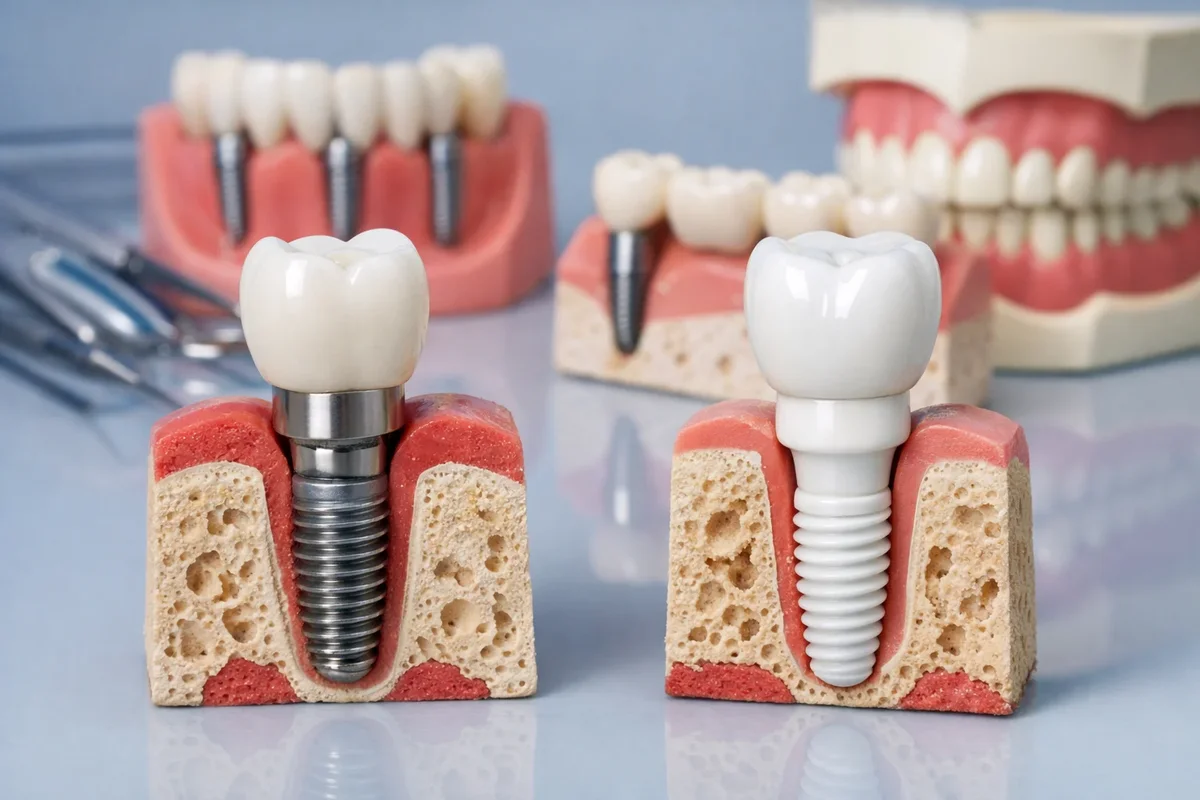
Expert Tips to Decide Which Implant Is Best for Teeth for You
After exploring all aspects of dental implants, many patients still ask the same critical question: which implant is best for teeth for their specific situation? The truth is, making the right decision requires a combination of clinical knowledge, personal preferences, and expert guidance. This section provides professional insights and actionable tips to help you confidently determine which implant is best for teeth based on your unique needs. 😊
Choosing a dental implant is not just about selecting a product—it’s about selecting a long-term solution that affects your health, appearance, and quality of life. That’s why understanding how to evaluate your options is essential when answering which implant is best for teeth.
Start with a Comprehensive Dental Evaluation
The first and most important step in deciding which implant is best for teeth is a detailed dental examination. No online research or general advice can replace a personalized clinical assessment.
What Happens During an Evaluation?
- 3D imaging to assess bone density
- Gum health evaluation
- Bite analysis
- Medical history review
This evaluation allows your dentist to determine which implant is best for teeth with precision and safety.
Define Your Priorities Clearly
Every patient has different priorities when considering which implant is best for teeth. Understanding what matters most to you will guide your decision.
Common Patient Priorities
- Aesthetics: Natural-looking results, especially for front teeth
- Durability: Long-lasting performance
- Comfort: Minimal discomfort during and after treatment
- Budget: Affordable yet reliable solutions
Clarifying these priorities helps narrow down which implant is best for teeth in your case.
Choose the Right Material Based on Your Needs
Material selection plays a major role in determining which implant is best for teeth.
Titanium Implants
Ideal for strength and long-term reliability. Often recommended for back teeth and complex cases.
Zirconia Implants
Best for aesthetics and metal-free preferences. Suitable for visible areas and patients with sensitivities.
Understanding material differences is essential when deciding which implant is best for teeth.
Consider Your Oral Health Condition
Your oral condition is one of the most decisive factors in answering which implant is best for teeth.
Healthy Bone and Gums
Allows for a wide range of implant options, including traditional systems.
Bone Loss or Gum Issues
May require specialized solutions such as mini implants or bone grafting.
This reinforces that which implant is best for teeth is always a personalized decision.
Evaluate the Experience of the Dentist
The success of your implant depends not only on the implant itself but also on the expertise of the professional performing the procedure. Choosing an experienced specialist is critical when determining which implant is best for teeth.
Why Experience Matters
- Accurate implant placement
- Reduced risk of complications
- Better aesthetic outcomes
Even the highest-quality implant may fail if not placed correctly, which directly impacts which implant is best for teeth.
Think Long-Term, Not Short-Term
When deciding which implant is best for teeth, it’s important to consider long-term outcomes rather than just immediate results.
Short-Term Focus
Lower cost and faster procedures may seem appealing but can lead to complications.
Long-Term Focus
High-quality implants and proper care ensure durability and fewer issues over time.
This perspective helps patients make smarter decisions about which implant is best for teeth.
Ask the Right Questions During Consultation
To confidently determine which implant is best for teeth, ask your dentist the following questions:
- What type of implant do you recommend and why?
- What is the expected lifespan of this implant?
- Are there any risks specific to my case?
- What maintenance is required?
These questions provide clarity and help you make an informed decision about which implant is best for teeth.
Use Trusted Sources for Research
Reliable information is essential when researching which implant is best for teeth. Trusted organizations like the American Dental Association provide evidence-based guidelines that help patients make safe choices.
Get a Personalized Treatment Plan
The final and most important step in deciding which implant is best for teeth is obtaining a customized treatment plan. This plan should include:
- Recommended implant type
- Detailed cost breakdown
- Timeline for treatment and recovery
- Aftercare instructions
You can receive expert guidance and a tailored plan by visiting the Redent Klinik Contact Page.
Final Thoughts: Confidence Comes from Knowledge
In conclusion, the answer to which implant is best for teeth is not found in a single product or brand—it comes from understanding your needs, evaluating your options, and working with a qualified professional.
By following these expert tips, you can confidently decide which implant is best for teeth and achieve a healthy, functional, and beautiful smile that lasts for years. 😁