
When patients begin researching tooth replacement solutions, one of the most common and important questions they ask is: which type of dental implants are best? This question is not only valid but essential, because dental implants are a long-term investment in both oral health and overall quality of life. Choosing the right implant type can significantly impact durability, aesthetics, comfort, and long-term success.
Dental implants are widely recognized as the gold standard for replacing missing teeth. Unlike dentures or bridges, implants integrate directly with the jawbone, creating a stable and permanent foundation. However, the answer to which type of dental implants are best is not universal. It depends on multiple factors such as bone density, oral health condition, lifestyle habits, and personal expectations.
🦷 Understanding your needs is the first step. For example, a patient with strong jawbone density may benefit from traditional implants, while someone with bone loss may require specialized solutions like zygomatic or mini implants. Therefore, asking which type of dental implants are best is really about identifying the most suitable option for your unique dental condition.
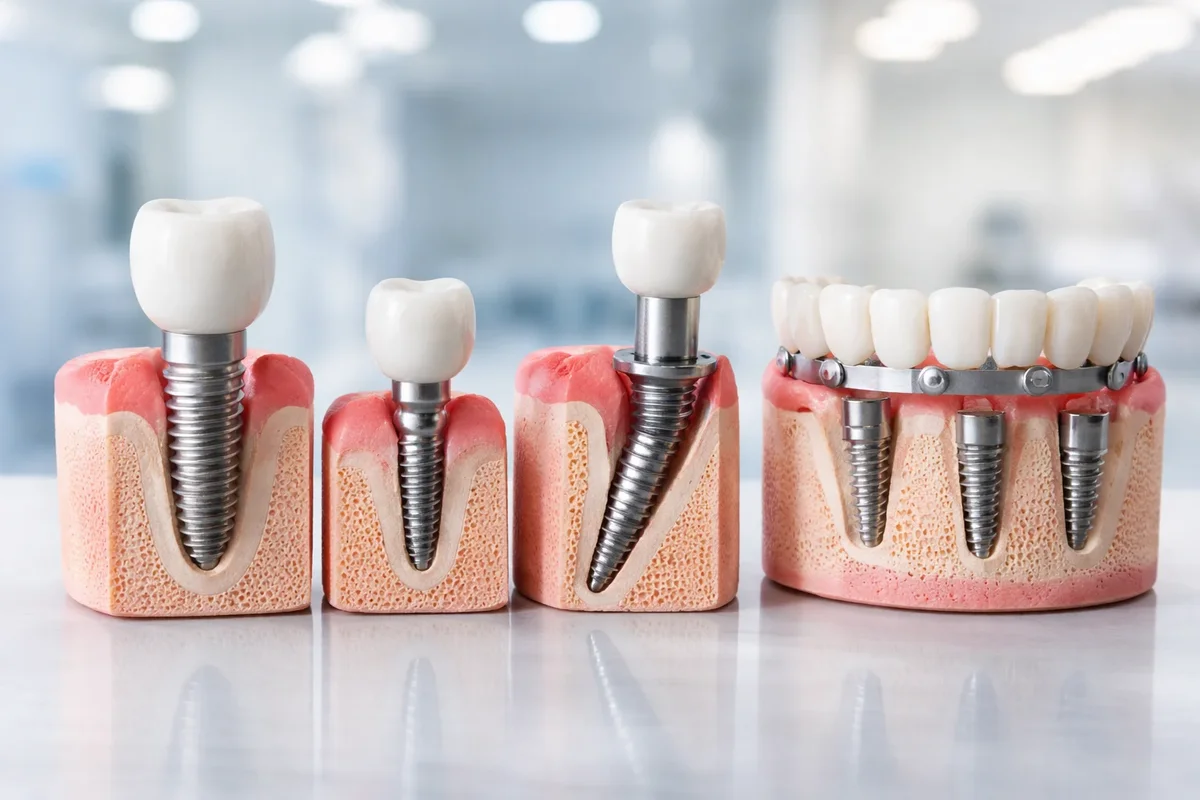
There are several main categories of dental implants, and each serves a different purpose:
- Endosteal implants: These are the most common type and are placed directly into the jawbone.
- Subperiosteal implants: Positioned under the gum but above the jawbone, ideal for patients with insufficient bone.
- Zygomatic implants: Anchored in the cheekbone, typically used in severe bone loss cases.
- Mini dental implants: Smaller in size and often used when space or bone volume is limited.
Each of these options plays a role in answering the question which type of dental implants are best. For example, while endosteal implants are often considered the standard due to their strength and reliability, they may not be suitable for everyone. Patients with bone resorption may find that alternative implant types provide better outcomes.
✨ Material choice also matters. Dental implants are typically made from titanium or zirconia. Titanium implants are widely used due to their proven success rate and ability to fuse with bone (osseointegration). Zirconia implants, on the other hand, are metal-free and offer excellent aesthetics, making them a popular choice for patients concerned about appearance or allergies. When evaluating which type of dental implants are best, material selection becomes a critical factor.
Another important consideration is the treatment timeline. Some patients prefer immediate load implants, which allow a temporary crown to be placed on the same day. Others may opt for traditional implants, which require a healing period of several months. Again, determining which type of dental implants are best depends on your priorities—whether that’s speed, stability, or long-term predictability.
💡 Here’s a simplified comparison:
| Implant Type | Best For | Advantages |
|---|---|---|
| Endosteal | Healthy jawbone | High success rate, long-lasting |
| Subperiosteal | Low bone density | No need for bone graft |
| Zygomatic | Severe bone loss | Avoids grafting procedures |
| Mini Implants | Narrow spaces | Less invasive, faster healing |
As you can see, answering which type of dental implants are best requires a personalized evaluation. There is no single “best” implant for everyone. Instead, the best implant is the one that aligns with your anatomy, budget, and expectations.
📊 Estimated Cost Overview (Global Averages):
- Single dental implant: $1,500 – $3,500
- Full mouth implants (All-on-4): $15,000 – $30,000
- Mini dental implants: $500 – $1,500 per implant
Keep in mind that cost should not be the only factor when deciding which type of dental implants are best. Quality, expertise of the dentist, and long-term outcomes are equally important. For personalized advice and treatment planning, you can visit the Redent Klinik Contact Page to connect with experienced dental professionals.
Additionally, it is always recommended to consult trusted organizations such as the American Dental Association for accurate and up-to-date information regarding dental implant procedures and safety standards.
🔍 Final Thought: If you are still wondering which type of dental implants are best, the answer lies in a comprehensive dental evaluation. Factors like bone structure, gum health, lifestyle, and even aesthetic preferences all play a role. By working closely with a qualified dental specialist, you can identify the implant type that offers the best balance of function, longevity, and appearance.
In the following sections, we will break down each implant type in detail, helping you clearly understand which type of dental implants are best for specific situations and patient needs.
1. Which Type of Dental Implants Are Best: Understanding Your Options
When exploring tooth replacement solutions, many patients start with the same important question: which type of dental implants are best? This question is essential because understanding your available options allows you to make an informed, confident decision that aligns with your oral health needs and long-term goals. Dental implants are not a one-size-fits-all treatment, and the answer to which type of dental implants are best varies based on individual conditions such as bone density, gum health, and aesthetic expectations.
🦷 Dental implants have revolutionized modern dentistry, offering a permanent and natural-looking solution for missing teeth. However, the variety of implant types can be overwhelming for patients who are new to the topic. To truly determine which type of dental implants are best, you must first understand the fundamental differences between each option.
What Are Dental Implants and How Do They Work?
Dental implants are artificial tooth roots, typically made of titanium or zirconia, that are surgically placed into the jawbone. Over time, they fuse with the bone through a process called osseointegration, creating a stable foundation for crowns, bridges, or dentures. This process is a key factor when evaluating which type of dental implants are best, as stability and longevity are top priorities for most patients.
Unlike removable dentures, implants do not shift or slip, making them a highly functional and comfortable solution. This is one reason why many experts agree that implants are often the preferred option when asking which type of dental implants are best for long-term oral health.
Main Categories of Dental Implants
To better understand which type of dental implants are best, it is helpful to break down the primary categories:
1. Endosteal Implants
Endosteal implants are the most commonly used type. They are placed directly into the jawbone and act as a sturdy base for artificial teeth. For patients with sufficient bone density, these implants are often considered when determining which type of dental implants are best because of their proven success rate and durability.
2. Subperiosteal Implants
Subperiosteal implants are placed under the gum but above the jawbone. They are typically recommended for patients who lack sufficient bone height and cannot undergo bone grafting. In such cases, this option becomes a strong contender when evaluating which type of dental implants are best for patients with bone limitations.
3. Zygomatic Implants
Zygomatic implants are anchored in the cheekbone rather than the jawbone. These are used in advanced cases of bone loss. While less common, they can be life-changing for patients who would otherwise not qualify for implants, making them relevant in discussions about which type of dental implants are best in complex scenarios.
4. Mini Dental Implants
Mini implants are smaller in diameter and are often used in tight spaces or for stabilizing dentures. They are less invasive and require shorter healing times. For patients seeking a quicker and more affordable solution, mini implants may influence the answer to which type of dental implants are best.
Factors That Influence Your Choice
Choosing the right implant type involves several key considerations. These factors directly impact the answer to which type of dental implants are best for your specific case:
- Bone Density: Patients with strong jawbone structure are ideal candidates for traditional implants.
- Oral Health: Healthy gums are essential for implant success.
- Budget: Different implant types come with varying costs.
- Treatment Time: Some implants allow immediate loading, while others require months of healing.
- Aesthetic Goals: Materials like zirconia may offer superior visual results.
💡 Personalization is key. There is no universal answer to which type of dental implants are best. Instead, the best choice is determined through a detailed clinical evaluation and consultation with a dental professional.
Why Professional Consultation Matters
Even though online research is helpful, it cannot replace a professional diagnosis. A dentist will use imaging technologies such as 3D scans and X-rays to assess your bone structure and determine which type of dental implants are best for your condition.
If you are considering treatment, you can reach out through the Redent Klinik Contact Page to receive a personalized evaluation tailored to your needs.
Additionally, trusted organizations like the American Dental Association provide valuable guidance on implant safety and standards, helping patients better understand which type of dental implants are best based on scientific evidence.
Summary: Making the Right Decision
🔍 In summary, answering the question which type of dental implants are best requires a comprehensive understanding of the available options and your individual dental condition. Whether you need a single implant or a full-mouth restoration, the best solution will always be the one that balances durability, comfort, aesthetics, and long-term success.
By learning about each implant type and consulting with experienced professionals, you can confidently determine which type of dental implants are best for your smile transformation journey.
2. Endosteal vs Subperiosteal Implants: Which Type of Dental Implants Are Best?
When patients dive deeper into implant dentistry, one of the most critical comparisons they encounter is between endosteal and subperiosteal implants. Naturally, this leads to the question: which type of dental implants are best when choosing between these two widely used options? Understanding the differences between these implant types is essential for making a well-informed decision that ensures both functionality and long-term success.
🦷 Both endosteal and subperiosteal implants serve the same purpose—to replace missing teeth—but they differ significantly in placement, structure, and suitability. Therefore, determining which type of dental implants are best depends largely on your bone condition, oral health, and treatment goals.
What Are Endosteal Implants?
Endosteal implants are the most commonly used type of dental implant worldwide. These implants are surgically inserted directly into the jawbone and act as artificial tooth roots. Because they integrate with the bone, they provide exceptional stability and durability.
Advantages of Endosteal Implants
- High Success Rate: Endosteal implants have a long track record of success, often exceeding 95%.
- Strong Osseointegration: They fuse directly with the jawbone, offering unmatched stability.
- Versatility: Suitable for single teeth, bridges, and full-arch restorations.
For patients with sufficient bone density, endosteal implants are often considered when evaluating which type of dental implants are best. Their durability and natural feel make them a top choice for long-term tooth replacement.
Limitations of Endosteal Implants
- Requires Adequate Bone: Patients with bone loss may need grafting before placement.
- Longer Treatment Time: Healing can take several months before final restoration.
Despite these limitations, endosteal implants frequently lead the discussion when asking which type of dental implants are best, especially for patients with healthy jawbone structure.
What Are Subperiosteal Implants?
Subperiosteal implants are designed for patients who do not have enough bone height or density for traditional implants. Instead of being placed inside the bone, these implants sit on top of the jawbone but beneath the gum tissue.
Advantages of Subperiosteal Implants
- No Bone Grafting Needed: Ideal for patients who cannot undergo grafting procedures.
- Less Invasive Placement: The surgical process is often simpler.
- Faster Initial Recovery: Healing may be quicker in certain cases.
For individuals with significant bone loss, subperiosteal implants may answer the question which type of dental implants are best, especially when traditional implants are not feasible.
Limitations of Subperiosteal Implants
- Lower Stability: Since they are not embedded in bone, they may not be as strong as endosteal implants.
- Less Common: Advances in bone grafting have reduced their popularity.
These limitations are important when comparing which type of dental implants are best, as stability and longevity are often top priorities for patients.
Key Differences Between Endosteal and Subperiosteal Implants
| Feature | Endosteal Implants | Subperiosteal Implants |
|---|---|---|
| Placement | Inside the jawbone | On top of the jawbone |
| Bone Requirement | High | Low |
| Stability | Very high | Moderate |
| Popularity | Very common | Less common |
This comparison clearly shows that the answer to which type of dental implants are best depends on individual anatomy and treatment goals.
Which Type of Dental Implants Are Best for You?
💡 The decision ultimately comes down to your specific clinical situation. If you have a healthy jawbone and are looking for a long-lasting solution, endosteal implants are typically the preferred choice when asking which type of dental implants are best. However, if you have experienced bone loss and want to avoid grafting procedures, subperiosteal implants may be a more practical option.
It is also important to consider your lifestyle, expectations, and budget. Consulting with a qualified dental professional is the best way to determine which type of dental implants are best for your unique needs.
If you are unsure about your eligibility or want expert guidance, you can contact specialists through the Redent Klinik Contact Page for a personalized consultation.
Additionally, reliable resources like the American Dental Association provide valuable insights into implant procedures, helping patients better understand which type of dental implants are best based on scientific standards.
Final Thoughts
🔍 In conclusion, both endosteal and subperiosteal implants have their own advantages and limitations. The key to answering which type of dental implants are best lies in evaluating your bone structure, oral health, and long-term expectations. With the right guidance and a tailored treatment plan, you can achieve a strong, natural-looking smile that lasts for years.
As implant technology continues to evolve, patients now have more options than ever before—making it even more important to understand which type of dental implants are best for achieving optimal results.
3. Titanium vs Zirconia: Which Type of Dental Implants Are Best for Durability?
When evaluating dental implant options, one of the most important decisions patients face is choosing the right material. This naturally leads to the question: which type of dental implants are best when comparing titanium and zirconia? Both materials are widely used in modern dentistry, but they differ in strength, aesthetics, biocompatibility, and long-term performance.
🦷 The choice of material plays a crucial role in determining the success and longevity of your dental implant. Therefore, understanding the differences between titanium and zirconia is essential when deciding which type of dental implants are best for your specific needs.
What Are Titanium Dental Implants?
Titanium implants have been used in dentistry for decades and are considered the gold standard in implantology. These implants are made from medical-grade titanium, a material known for its exceptional strength and ability to fuse with bone.
Advantages of Titanium Implants
- Proven Track Record: Titanium implants have success rates above 95% over many years.
- Excellent Osseointegration: They bond naturally with the jawbone, ensuring stability.
- Durability: Titanium is highly resistant to fractures and wear.
- Versatility: Suitable for almost all types of implant procedures.
Because of these benefits, many dentists recommend titanium when patients ask which type of dental implants are best for long-term durability and reliability.
Potential Drawbacks of Titanium
- Metal Content: Some patients prefer metal-free options due to allergies or personal preferences.
- Aesthetic Concerns: In rare cases, a grayish hue may be visible through thin gums.
While these concerns exist, titanium remains a leading option when determining which type of dental implants are best for most patients.
What Are Zirconia Dental Implants?
Zirconia implants are a newer alternative made from ceramic material. They are often chosen by patients seeking a metal-free solution with enhanced aesthetics.
Advantages of Zirconia Implants
- Metal-Free: Ideal for patients with metal sensitivities or holistic preferences.
- Natural Appearance: White color blends seamlessly with teeth and gums.
- Low Plaque Attraction: Zirconia surfaces may reduce bacterial buildup.
For patients prioritizing aesthetics and biocompatibility, zirconia may influence the answer to which type of dental implants are best.
Limitations of Zirconia Implants
- Less Long-Term Data: Compared to titanium, zirconia has a shorter clinical history.
- Lower Flexibility: Ceramic is more rigid and may be prone to fracture under extreme stress.
- Limited Design Options: Fewer customization possibilities compared to titanium systems.
These factors are important when analyzing which type of dental implants are best, especially for patients who require high durability.
Side-by-Side Comparison
| Feature | Titanium Implants | Zirconia Implants |
|---|---|---|
| Material | Metal (Titanium) | Ceramic (Zirconia) |
| Durability | Very High | High |
| Aesthetics | Good | Excellent |
| Biocompatibility | Excellent | Excellent |
| Clinical History | Decades | Shorter |
This comparison highlights that the answer to which type of dental implants are best depends on what matters most to the patient—durability or aesthetics.
Which Type of Dental Implants Are Best for Durability?
💡 If durability is your primary concern, titanium implants are generally considered the superior choice. Their ability to withstand strong biting forces and their long-term success rates make them a reliable option when deciding which type of dental implants are best.
However, if you are looking for a metal-free alternative with excellent visual appeal, zirconia implants may be the better option. In such cases, the answer to which type of dental implants are best shifts toward aesthetic and biological preferences rather than purely mechanical strength.
Cost Considerations
💰 Material choice can also impact cost. While prices vary depending on location and clinic, here is a general estimate:
- Titanium Implants: $1,500 – $3,000 per implant
- Zirconia Implants: $2,000 – $4,000 per implant
Although zirconia implants may be slightly more expensive, many patients consider the aesthetic benefits worth the investment when determining which type of dental implants are best.
Expert Guidance Is Essential
🔍 Choosing between titanium and zirconia requires professional evaluation. Factors such as bite force, gum thickness, and overall oral health all influence which type of dental implants are best for your situation.
If you are unsure which material suits you best, consulting experienced professionals is crucial. You can reach out via the Redent Klinik Contact Page to receive personalized recommendations.
Additionally, trusted institutions like the American Dental Association provide reliable information on implant materials and safety standards, helping patients better understand which type of dental implants are best.
Final Verdict
✨ In conclusion, both titanium and zirconia implants offer excellent solutions for tooth replacement. The answer to which type of dental implants are best ultimately depends on your priorities—whether you value proven durability or superior aesthetics. By carefully weighing these factors and consulting with a dental expert, you can confidently choose the implant material that delivers the best results for your smile.
4. Which Type of Dental Implants Are Best for Bone Loss Patients?
One of the most challenging situations in implant dentistry involves patients who have experienced bone loss. In these cases, the question becomes even more critical: which type of dental implants are best when there is insufficient jawbone to support traditional implants? Bone loss can occur due to tooth loss, gum disease, aging, or trauma, and it significantly impacts implant selection and success.
🦷 Bone density is the foundation of dental implants. Without adequate bone structure, standard implants may fail or require additional procedures. Therefore, understanding which type of dental implants are best for bone loss patients is essential for achieving long-term stability and functionality.
Why Bone Loss Matters in Dental Implant Treatment
When a tooth is lost, the jawbone in that area begins to deteriorate over time due to lack of stimulation. This process, known as bone resorption, can make it difficult to place implants securely. As a result, patients with bone loss must carefully evaluate which type of dental implants are best for their condition.
Bone loss not only affects implant stability but also influences facial structure and aesthetics. This makes it even more important to choose the correct implant type when considering which type of dental implants are best for both functional and cosmetic outcomes.
Implant Options for Patients with Bone Loss
Fortunately, modern dentistry offers several advanced solutions for patients with reduced bone density. Each option plays a role in determining which type of dental implants are best in these cases.
1. Zygomatic Implants
Zygomatic implants are anchored in the cheekbone (zygoma) rather than the jawbone. This makes them an excellent solution for patients with severe upper jaw bone loss.
- Ideal for: Advanced bone resorption
- Advantage: Eliminates the need for bone grafting
- Consideration: Requires highly specialized surgical expertise
For patients with extreme bone loss, zygomatic implants often provide the answer to which type of dental implants are best when traditional methods are not viable.
2. Mini Dental Implants
Mini implants are smaller in diameter and can be placed in areas with limited bone volume. They are less invasive and often used to stabilize dentures.
- Ideal for: Mild to moderate bone loss
- Advantage: Faster healing and less invasive procedure
- Consideration: May not support heavy biting forces
For patients seeking a minimally invasive option, mini implants can influence the decision regarding which type of dental implants are best.
3. Subperiosteal Implants
As discussed earlier, subperiosteal implants rest on top of the jawbone and are suitable for patients who lack sufficient bone height.
- Ideal for: Patients unable to undergo bone grafting
- Advantage: Avoids invasive bone augmentation procedures
- Consideration: Less commonly used today
These implants remain a valid option when evaluating which type of dental implants are best for patients with compromised bone structure.
4. Bone Grafting with Traditional Implants
In some cases, patients may choose to rebuild bone through grafting procedures before receiving traditional implants.
- Ideal for: Patients who want standard implants
- Advantage: Restores bone volume for long-term support
- Consideration: Increases treatment time and cost
This approach allows patients to still benefit from endosteal implants, which are often considered when asking which type of dental implants are best for durability.
Comparing Options for Bone Loss
| Solution | Best For | Invasiveness | Stability |
|---|---|---|---|
| Zygomatic Implants | Severe bone loss | High | Very High |
| Mini Implants | Mild bone loss | Low | Moderate |
| Subperiosteal Implants | Moderate bone loss | Medium | Moderate |
| Bone Grafting + Endosteal | All cases | High | Very High |
This comparison highlights that the answer to which type of dental implants are best depends on the severity of bone loss and the patient’s willingness to undergo additional procedures.
Cost Considerations for Bone Loss Treatments
💰 Treating bone loss often increases the overall cost of dental implants. Here are some general estimates:
- Bone grafting: $300 – $3,000
- Zygomatic implants: $3,000 – $6,000 per implant
- Mini implants: $500 – $1,500 per implant
While cost is an important factor, it should not be the sole determinant when deciding which type of dental implants are best. Long-term success and functionality are far more valuable.
Professional Evaluation Is Critical
🔍 Choosing the right implant solution for bone loss requires detailed imaging and expert analysis. Dentists use advanced tools like 3D scans to determine bone quality and recommend which type of dental implants are best for each patient.
If you are dealing with bone loss and considering implants, you can consult specialists through the Redent Klinik Contact Page for a customized treatment plan.
Additionally, organizations like the American Dental Association provide trusted information on advanced implant procedures, helping patients understand which type of dental implants are best in complex cases.
Final Thoughts
✨ In conclusion, bone loss does not mean you are not a candidate for dental implants. With modern techniques and innovative solutions, there are multiple ways to restore your smile. The key is identifying which type of dental implants are best based on your bone condition, treatment goals, and overall health.
By working with experienced dental professionals and exploring all available options, you can confidently choose the most effective solution and achieve a stable, natural-looking result.
5. Single Tooth vs Full Mouth Implants: Which Type of Dental Implants Are Best?
When considering dental implants, one of the most important decisions patients face is whether they need a single tooth implant or a full mouth restoration. This naturally leads to the question: which type of dental implants are best when comparing these two treatment approaches? The answer depends on the number of missing teeth, oral health condition, budget, and long-term expectations.
🦷 Dental implants are highly versatile, making them suitable for replacing one tooth, several teeth, or even an entire arch. However, determining which type of dental implants are best requires a clear understanding of how these two options differ in terms of procedure, benefits, and outcomes.
What Is a Single Tooth Implant?
A single tooth implant is designed to replace one missing tooth without affecting neighboring teeth. It consists of a titanium or zirconia post, an abutment, and a custom crown that mimics the natural tooth.
Advantages of Single Tooth Implants
- Preserves Adjacent Teeth: No need to grind down neighboring teeth, unlike bridges.
- Natural Appearance: Blends seamlessly with surrounding teeth.
- Long-Term Solution: Can last decades with proper care.
For patients missing only one tooth, this option is often considered when asking which type of dental implants are best due to its simplicity and effectiveness.
Limitations of Single Tooth Implants
- Cost Per Tooth: Replacing multiple teeth individually can be expensive.
- Multiple Procedures: Each implant requires its own surgical placement.
These limitations become important when evaluating which type of dental implants are best for patients with multiple missing teeth.
What Are Full Mouth Implants?
Full mouth dental implants are used to replace all teeth in the upper or lower jaw. Instead of placing an implant for each missing tooth, a smaller number of implants (typically 4–8 per arch) support a full set of prosthetic teeth.
Popular Full Mouth Implant Systems
- All-on-4: Uses four implants to support a full arch.
- All-on-6: Provides additional stability with six implants.
These systems are highly efficient and often recommended when determining which type of dental implants are best for patients with extensive tooth loss.
Advantages of Full Mouth Implants
- Comprehensive Solution: Restores an entire arch of teeth.
- Cost Efficiency: More affordable than replacing each tooth individually.
- Improved Functionality: Strong biting and chewing capability.
- Immediate Results: In some cases, temporary teeth can be placed the same day.
For patients with significant tooth loss, full mouth implants often provide the most practical answer to which type of dental implants are best.
Limitations of Full Mouth Implants
- Higher Initial Cost: Although cost-effective long-term, upfront investment is higher.
- Complex Procedure: Requires advanced planning and surgical expertise.
Despite these considerations, full mouth implants remain a leading option when evaluating which type of dental implants are best for complete restoration.
Key Differences Between Single Tooth and Full Mouth Implants
| Feature | Single Tooth Implant | Full Mouth Implants |
|---|---|---|
| Number of Teeth Replaced | One | Entire arch |
| Procedure Complexity | Simple | Complex |
| Cost Efficiency | Lower per procedure | Better for multiple teeth |
| Healing Time | Moderate | Varies |
This comparison helps clarify which type of dental implants are best based on the number of teeth that need replacement.
Which Type of Dental Implants Are Best for Your Situation?
💡 The answer depends largely on your dental condition. If you are missing only one or a few teeth, single tooth implants are usually the best option when asking which type of dental implants are best. They provide a targeted solution with minimal impact on surrounding teeth.
On the other hand, if you have lost most or all of your teeth, full mouth implants offer a more efficient and cost-effective approach. In such cases, they become the preferred answer to which type of dental implants are best, as they restore both function and aesthetics in a comprehensive way.
Cost Overview
💰 Understanding the financial aspect is also crucial when deciding which type of dental implants are best:
- Single Tooth Implant: $1,500 – $3,500 per tooth
- Full Mouth Implants (All-on-4): $15,000 – $30,000 per arch
While full mouth implants have a higher upfront cost, they are often more economical for patients with multiple missing teeth.
Professional Consultation and Planning
🔍 Choosing between single tooth and full mouth implants requires careful evaluation by a dental professional. Factors such as bone density, gum health, and overall oral condition play a significant role in determining which type of dental implants are best.
If you are unsure which option is right for you, you can consult experts through the Redent Klinik Contact Page to receive a personalized treatment plan.
Additionally, trusted resources like the American Dental Association provide valuable information on implant procedures, helping patients better understand which type of dental implants are best for their needs.
Final Thoughts
✨ In conclusion, both single tooth and full mouth implants offer excellent solutions for restoring your smile. The key to answering which type of dental implants are best lies in understanding your specific dental needs and long-term goals. With the right guidance and treatment plan, you can achieve a healthy, functional, and natural-looking smile that lasts for years.
6. Immediate Load vs Traditional Implants: Which Type of Dental Implants Are Best?
One of the most important decisions patients face during implant treatment planning is whether to choose immediate load implants or traditional implants. This naturally raises the key question: which type of dental implants are best when comparing speed, stability, and long-term success? Both options have unique advantages, and understanding their differences is essential for making the right choice.
🦷 The main difference lies in timing. Immediate load implants allow a temporary crown or prosthesis to be placed on the same day as the implant surgery, while traditional implants require a healing period of several months before the final restoration is attached. This difference plays a major role in determining which type of dental implants are best for your lifestyle and expectations.
What Are Immediate Load Implants?
Immediate load implants, often referred to as “same-day implants,” are designed to provide instant results. After the implant is placed into the jawbone, a temporary crown is attached, allowing patients to leave the clinic with a functional and aesthetic tooth.
Advantages of Immediate Load Implants
- Instant Results: Walk out with a new smile on the same day.
- Fewer Appointments: Reduces the number of visits required.
- Improved Confidence: No need to wait months without teeth.
For patients who prioritize convenience and quick results, immediate load implants often influence the answer to which type of dental implants are best.
Limitations of Immediate Load Implants
- Strict Eligibility: Requires strong bone density and excellent oral health.
- Higher Risk of Failure: If the implant is overloaded too soon, it may not integrate properly.
These limitations are critical when evaluating which type of dental implants are best, as not all patients are suitable candidates for this approach.
What Are Traditional Dental Implants?
Traditional implants follow a more conservative approach. After the implant is placed, a healing period of 3 to 6 months is required to allow osseointegration before attaching the final crown.
Advantages of Traditional Implants
- Higher Predictability: Allows the implant to fully integrate with the bone.
- Lower Risk: Reduced chance of implant failure.
- Suitable for More Patients: Works well even with moderate bone conditions.
Because of their reliability, traditional implants are often recommended when patients ask which type of dental implants are best for long-term success.
Limitations of Traditional Implants
- Longer Treatment Time: Requires patience during the healing phase.
- Temporary Solutions Needed: Patients may need temporary dentures or crowns.
Despite these drawbacks, traditional implants remain a strong contender when determining which type of dental implants are best for stability and durability.
Key Differences Between Immediate Load and Traditional Implants
| Feature | Immediate Load Implants | Traditional Implants |
|---|---|---|
| Treatment Time | Same day | 3–6 months |
| Healing Period | Minimal before restoration | Full healing required |
| Stability | Depends on initial bone strength | Very high after integration |
| Risk Level | Moderate | Low |
This comparison clearly illustrates that the answer to which type of dental implants are best depends on your priorities—speed versus long-term predictability.
Which Type of Dental Implants Are Best for Your Lifestyle?
💡 If you are looking for immediate results and have strong bone density, immediate load implants may be the ideal solution when considering which type of dental implants are best. They are especially popular among patients who want to avoid long waiting periods.
However, if you prioritize long-term success and want to minimize risks, traditional implants are often the safer choice. In many cases, dentists recommend them as the answer to which type of dental implants are best for achieving reliable and lasting results.
Cost Comparison
💰 The cost of both options can vary depending on complexity and location:
- Immediate Load Implants: $2,000 – $4,000 per implant
- Traditional Implants: $1,500 – $3,500 per implant
While immediate load implants may be slightly more expensive due to advanced techniques, the convenience they offer can be a deciding factor when evaluating which type of dental implants are best.
Professional Evaluation Is Essential
🔍 Not every patient is a candidate for immediate load implants. Dentists must carefully assess bone quality, bite force, and overall oral health to determine which type of dental implants are best for each individual.
If you are considering dental implants and want expert guidance, you can reach out via the Redent Klinik Contact Page to receive a tailored treatment plan.
Additionally, trusted organizations like the American Dental Association provide valuable information on implant procedures, helping patients better understand which type of dental implants are best based on clinical evidence.
Final Thoughts
✨ In conclusion, both immediate load and traditional implants offer excellent solutions depending on your needs. The key to answering which type of dental implants are best lies in balancing your desire for quick results with the importance of long-term success. By consulting with experienced professionals and understanding your options, you can make a confident decision that leads to a healthy and lasting smile.
7. Mini Dental Implants vs Standard Implants: Which Type of Dental Implants Are Best?
When exploring implant solutions, many patients encounter two common options: mini dental implants and standard dental implants. This naturally leads to the important question: which type of dental implants are best when comparing these two approaches? Each option has its own advantages, limitations, and ideal use cases, making it essential to understand their differences before making a decision.
🦷 Mini and standard implants differ primarily in size and application. While both are designed to replace missing teeth, their structure, placement procedure, and long-term performance can vary significantly. Therefore, determining which type of dental implants are best depends on your specific dental needs, bone condition, and treatment goals.
What Are Standard Dental Implants?
Standard dental implants are the traditional and most widely used type. They typically measure between 3.5 mm and 6 mm in diameter and are placed directly into the jawbone to support crowns, bridges, or dentures.
Advantages of Standard Implants
- High Stability: Larger size allows for stronger anchorage in the bone.
- Long-Term Durability: Proven to last decades with proper care.
- Versatility: Suitable for single tooth, multiple teeth, or full arch restorations.
Because of their strength and reliability, standard implants are often considered when evaluating which type of dental implants are best for long-term function and durability.
Limitations of Standard Implants
- Requires Adequate Bone Density: Patients with bone loss may need grafting.
- More Invasive Procedure: Surgery is more complex compared to mini implants.
- Longer Healing Time: Osseointegration may take several months.
These factors play a key role when determining which type of dental implants are best, especially for patients with compromised bone structure.
What Are Mini Dental Implants?
Mini dental implants are smaller in diameter, typically less than 3 mm. They are designed for situations where space is limited or bone density is insufficient for standard implants.
Advantages of Mini Implants
- Minimally Invasive: Smaller size means less surgical trauma.
- Faster Healing: Shorter recovery period compared to standard implants.
- Lower Cost: Generally more affordable.
- Immediate Use: In some cases, they can be loaded right away.
For patients seeking a quicker and less invasive solution, mini implants may influence the answer to which type of dental implants are best.
Limitations of Mini Implants
- Reduced Strength: Smaller size may limit their ability to handle heavy biting forces.
- Limited Applications: Not ideal for full mouth restorations in all cases.
- Shorter Lifespan: May not last as long as standard implants under certain conditions.
These limitations are important when analyzing which type of dental implants are best, particularly for patients who require high durability.
Key Differences Between Mini and Standard Implants
| Feature | Mini Implants | Standard Implants |
|---|---|---|
| Diameter | < 3 mm | 3.5 – 6 mm |
| Procedure | Minimally invasive | More complex |
| Healing Time | Short | Longer |
| Durability | Moderate | High |
| Cost | Lower | Higher |
This comparison highlights that the answer to which type of dental implants are best depends on balancing convenience with long-term performance.
Which Type of Dental Implants Are Best for Your Needs?
💡 If you are looking for a minimally invasive procedure with faster recovery, mini implants may be the right choice when considering which type of dental implants are best. They are particularly suitable for stabilizing dentures or replacing small teeth.
On the other hand, if you require a strong and permanent solution capable of withstanding significant chewing forces, standard implants are often the better option. In many cases, they are the preferred answer to which type of dental implants are best for long-term success.
Cost Comparison
💰 Cost is another important factor when deciding which type of dental implants are best:
- Mini Dental Implants: $500 – $1,500 per implant
- Standard Implants: $1,500 – $3,500 per implant
While mini implants are more affordable upfront, standard implants may provide better value over time due to their durability.
Professional Guidance Matters
🔍 Choosing between mini and standard implants requires careful evaluation of your oral health, bone density, and treatment goals. A dental professional can help determine which type of dental implants are best based on a comprehensive assessment.
If you are unsure which option suits you best, you can consult experts through the Redent Klinik Contact Page to receive personalized recommendations.
Additionally, reliable sources such as the American Dental Association offer valuable information about implant options, helping patients better understand which type of dental implants are best for their needs.
Final Thoughts
✨ In conclusion, both mini and standard dental implants offer effective solutions for tooth replacement. The key to answering which type of dental implants are best lies in understanding your specific needs and expectations. By working with experienced professionals and carefully evaluating your options, you can choose the implant type that provides the best balance of comfort, durability, and long-term success.
8. Cost Comparison: Which Type of Dental Implants Are Best for Your Budget?
For many patients, financial considerations play a major role when deciding on dental treatment. This is why one of the most common questions is: which type of dental implants are best not only clinically, but also financially? While dental implants are a long-term investment, understanding the cost differences between various implant types can help you make a smarter and more confident decision.
💰 The cost of dental implants varies widely depending on several factors, including the type of implant, materials used, location of the clinic, and complexity of the procedure. Therefore, determining which type of dental implants are best requires balancing both quality and affordability.
What Factors Affect Dental Implant Costs?
Before comparing prices, it’s important to understand what influences the overall cost. These factors directly impact the answer to which type of dental implants are best for your budget:
- Implant Type: Standard, mini, zygomatic, or full-mouth systems all have different costs.
- Material: Titanium implants are generally more affordable than zirconia.
- Additional Procedures: Bone grafting, sinus lifts, and extractions can increase costs.
- Location: Prices vary significantly between countries and clinics.
- Dentist Expertise: Highly experienced specialists may charge higher fees.
Understanding these elements is essential when evaluating which type of dental implants are best, as lower cost does not always mean better value.
Average Cost Breakdown by Implant Type
Here is a general overview of global average prices to help you compare which type of dental implants are best financially:
1. Single Tooth Implants
- Cost: $1,500 – $3,500 per implant
- Best For: Replacing one missing tooth
This option is often ideal for patients with minimal tooth loss, but costs can add up if multiple implants are needed. In such cases, patients may reconsider which type of dental implants are best for cost efficiency.
2. Mini Dental Implants
- Cost: $500 – $1,500 per implant
- Best For: Budget-friendly and less invasive treatments
Mini implants are often chosen by patients looking for affordability, making them a strong candidate when asking which type of dental implants are best for lower budgets.
3. Full Mouth Implants (All-on-4 / All-on-6)
- Cost: $15,000 – $30,000 per arch
- Best For: Replacing all teeth in one jaw
Although the upfront cost is high, full mouth implants can be more cost-effective than replacing each tooth individually. This makes them a compelling answer to which type of dental implants are best for patients with extensive tooth loss.
4. Zygomatic Implants
- Cost: $3,000 – $6,000 per implant
- Best For: Severe bone loss cases
These specialized implants are more expensive due to their complexity, but they can eliminate the need for bone grafting, which may influence which type of dental implants are best in advanced cases.
Hidden Costs to Consider
⚠️ Many patients overlook additional expenses that can affect the total cost of treatment. These include:
- Consultation and imaging (X-rays, 3D scans)
- Bone grafting procedures ($300 – $3,000)
- Temporary restorations
- Follow-up visits and maintenance
These hidden costs are crucial when determining which type of dental implants are best, as they can significantly impact your overall budget.
Cost vs Value: What Really Matters?
💡 While it may be tempting to choose the cheapest option, it’s important to focus on long-term value rather than short-term savings. A lower-cost implant may require repairs or replacement sooner, ultimately costing more over time. This is why evaluating which type of dental implants are best should always include durability and success rates.
For example:
- Mini implants: Lower upfront cost but may not last as long under heavy use.
- Standard implants: Higher initial investment but excellent longevity.
- Full mouth implants: High cost but comprehensive and efficient solution.
This comparison shows that the answer to which type of dental implants are best is not always the cheapest option, but rather the one that offers the best long-term return.
How to Save Money on Dental Implants
💰 If you are concerned about cost, there are several strategies to make treatment more affordable while still choosing which type of dental implants are best:
- Dental Tourism: Countries like Turkey offer high-quality implants at lower prices.
- Payment Plans: Many clinics provide financing options.
- Insurance Coverage: Some plans may partially cover implant procedures.
Exploring these options can help you access high-quality care without compromising your decision on which type of dental implants are best.
Professional Guidance for Budget Planning
🔍 A detailed consultation is essential for understanding the full cost of your treatment. Dentists can provide a personalized treatment plan that outlines all expenses and helps determine which type of dental implants are best within your budget.
If you are planning your treatment and want expert advice, you can contact professionals through the Redent Klinik Contact Page for a customized cost analysis.
Additionally, reliable sources like the American Dental Association offer guidance on dental procedures and pricing transparency, helping patients better understand which type of dental implants are best from both clinical and financial perspectives.
Final Thoughts
✨ In conclusion, cost is an important factor, but it should not be the only consideration when choosing dental implants. The key to answering which type of dental implants are best lies in balancing affordability with quality, durability, and long-term success. By carefully evaluating your options and working with experienced professionals, you can find a solution that fits both your needs and your budget.
9. How to Choose: Which Type of Dental Implants Are Best for Long-Term Success?
Choosing the right implant is not just about immediate results—it’s about ensuring durability, comfort, and oral health for many years to come. This is why patients frequently ask: which type of dental implants are best for long-term success? The answer lies in a combination of clinical factors, lifestyle considerations, and expert planning. Making the right choice today can prevent complications, reduce maintenance, and maximize your investment in your smile.
🦷 Long-term success depends on more than just the implant itself. It involves proper diagnosis, material selection, surgical precision, and post-treatment care. Therefore, understanding which type of dental implants are best requires a holistic approach rather than focusing on a single factor.
Key Factors That Determine Long-Term Implant Success
Several important factors influence whether an implant will last for decades. These directly impact the answer to which type of dental implants are best for your situation:
1. Bone Quality and Density
The strength and volume of your jawbone play a critical role in implant stability. Patients with good bone density are ideal candidates for traditional implants, which are often considered when evaluating which type of dental implants are best for long-term durability.
2. Gum Health
Healthy gums are essential for preventing infections such as peri-implantitis. Without proper gum care, even the best implant type can fail. This highlights the importance of oral hygiene when deciding which type of dental implants are best.
3. Implant Material
As discussed earlier, titanium offers unmatched strength, while zirconia provides excellent aesthetics. Your choice of material significantly influences which type of dental implants are best for achieving lasting results.
4. Bite Force and Lifestyle
Patients who grind their teeth (bruxism) or have strong bite forces may require more durable implant solutions. In such cases, determining which type of dental implants are best becomes even more critical to avoid long-term complications.
The Role of Technology in Implant Success
🔬 Modern dental technology has significantly improved implant outcomes. Advanced tools such as 3D imaging, digital planning, and guided surgery allow dentists to precisely place implants for optimal results. These innovations help ensure that patients receive the most appropriate solution when determining which type of dental implants are best.
For example, computer-guided implant placement minimizes errors and enhances accuracy, directly contributing to long-term success. This technological advantage plays a major role in answering which type of dental implants are best in modern dentistry.
Maintenance and Aftercare
💡 Even the highest-quality implant will not last without proper care. Long-term success depends heavily on maintenance routines. Patients must follow strict oral hygiene practices and attend regular dental check-ups.
Essential Aftercare Tips
- Brush and floss daily using proper techniques
- Avoid smoking, which can hinder healing and increase failure risk
- Visit your dentist regularly for professional cleaning and monitoring
These habits are crucial when evaluating which type of dental implants are best, as they directly impact the lifespan of your implants.
Comparing Longevity of Implant Types
| Implant Type | Average Lifespan | Success Rate |
|---|---|---|
| Standard Titanium Implants | 20+ years | 95%+ |
| Zirconia Implants | 10–20 years | High |
| Mini Implants | 5–15 years | Moderate |
| Zygomatic Implants | 20+ years | Very High |
This comparison shows that the answer to which type of dental implants are best often depends on your long-term expectations and commitment to maintenance.
Personalized Treatment Planning
🔍 There is no universal answer to which type of dental implants are best. Each patient has unique needs, and the best solution must be tailored accordingly. A comprehensive consultation allows dentists to evaluate all relevant factors and recommend the most suitable implant type.
If you are ready to take the next step, you can connect with specialists through the Redent Klinik Contact Page to receive a personalized treatment plan designed for long-term success.
Additionally, trusted organizations like the American Dental Association provide valuable guidelines on implant care and safety, helping patients better understand which type of dental implants are best based on scientific research.
Common Mistakes to Avoid
⚠️ Avoiding common mistakes is just as important as choosing the right implant:
- Choosing based only on cost: Cheaper options may compromise quality.
- Ignoring aftercare: Poor hygiene can lead to implant failure.
- Skipping professional consultation: Self-diagnosis can lead to incorrect decisions.
These mistakes can negatively affect outcomes, making it even more important to carefully evaluate which type of dental implants are best.
Final Thoughts
✨ In conclusion, long-term success with dental implants depends on a combination of the right implant type, proper planning, and consistent aftercare. The key to answering which type of dental implants are best lies in understanding your unique needs and working closely with experienced professionals.
By making an informed decision and committing to proper maintenance, you can enjoy a strong, functional, and natural-looking smile for decades. Ultimately, the best implant is not just the one that works today, but the one that continues to perform reliably for years to come.