
White Invisalign treatment has become one of the most popular choices for people who want straighter teeth while maintaining a natural and attractive smile during orthodontic care. Unlike traditional metal braces, white Invisalign aligners are designed to be nearly invisible, allowing patients to improve their teeth discreetly. Many people searching for white Invisalign solutions want to understand how these clear aligners work, whether they can help teeth appear whiter, and how to maintain a bright smile throughout treatment. This detailed guide explains everything about white Invisalign treatment, including benefits, maintenance, effectiveness, oral hygiene, and cosmetic advantages.
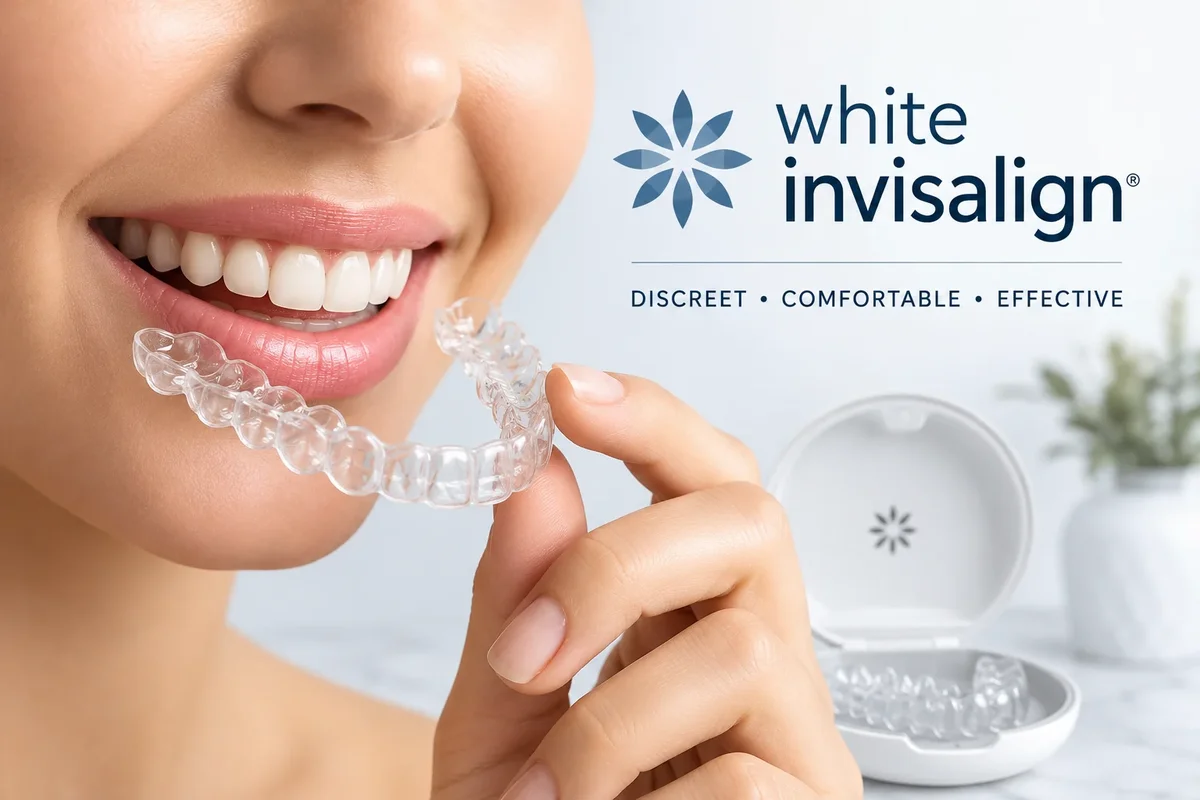
White Invisalign aligners are made from transparent medical-grade plastic that fits comfortably over the teeth. Because the aligners are clear and smooth, they create a cleaner and more aesthetic appearance compared to traditional orthodontic systems. Patients often prefer white Invisalign treatment because it allows them to smile confidently during social events, professional meetings, and daily interactions without noticeable brackets or wires. The transparent appearance of white Invisalign trays also supports a more polished and modern dental look.
One of the biggest reasons people choose white Invisalign treatment is the connection between straight teeth and a brighter smile. Crooked or crowded teeth can trap plaque, food particles, and stains more easily. After white Invisalign treatment aligns the teeth properly, brushing and flossing become much more effective. Better oral hygiene can naturally help teeth look cleaner and whiter over time. Many patients notice that their smile appears healthier and brighter after completing white Invisalign treatment because their teeth are easier to maintain.
White Invisalign treatment begins with a digital dental assessment. Dentists or orthodontists scan the teeth using advanced 3D imaging technology. These scans are then used to create custom aligners specifically designed for the patient’s smile. Each set of white Invisalign aligners gradually shifts the teeth into better alignment. Patients typically wear each aligner for about one to two weeks before moving to the next stage. Because white Invisalign treatment is customized, the movement process is carefully planned to provide predictable and precise results.
Comfort is another major advantage of white Invisalign treatment. Traditional braces can irritate the cheeks and gums due to metal brackets and wires. White Invisalign aligners are smooth and removable, making them significantly more comfortable for many patients. Since there are no sharp metal components, patients usually experience less irritation during daily activities. The removable nature of white Invisalign trays also allows patients to eat normally without worrying about damaging brackets or getting food trapped in orthodontic hardware.
Maintaining the appearance of white Invisalign aligners is extremely important for achieving the best aesthetic results. Although the aligners are clear, they can become stained if patients consume coffee, tea, red wine, or colored beverages while wearing them. To preserve the clean appearance of white Invisalign trays, patients should remove the aligners before eating or drinking anything except water. Proper cleaning routines are also essential. Dentists often recommend rinsing the aligners regularly and gently brushing them with a soft toothbrush to maintain clarity and freshness.
Another reason patients are interested in white Invisalign treatment is because it can complement teeth whitening procedures. Many people choose professional whitening treatments either before or after orthodontic care to achieve an even brighter smile. Some dental professionals may also recommend whitening gels compatible with white Invisalign trays under professional supervision. Because the aligners cover the teeth closely, they may help distribute whitening products evenly when prescribed appropriately. However, patients should always consult their dentist before combining whitening products with white Invisalign treatment.
White Invisalign treatment can address many orthodontic problems, including crowding, spacing, overbites, underbites, and crossbites. The flexibility of the system makes it suitable for teenagers and adults seeking discreet orthodontic improvement. Adults especially appreciate white Invisalign aligners because they allow orthodontic treatment without dramatically affecting appearance in professional environments. The subtle design helps patients feel more comfortable during long-term treatment.
Oral hygiene during white Invisalign treatment is generally easier compared to traditional braces. Since the aligners are removable, patients can brush and floss normally. This helps reduce plaque accumulation and lowers the risk of staining around brackets, which can sometimes occur with metal braces. Patients using white Invisalign systems often find it easier to maintain fresher breath and healthier gums because they can continue their regular oral care routine without major obstacles.
The treatment timeline for white Invisalign varies depending on the complexity of the case. Mild alignment issues may require only several months, while more advanced orthodontic corrections can take over a year. Consistency is extremely important during white Invisalign treatment. Patients usually need to wear the aligners for approximately 20 to 22 hours per day to achieve optimal results. Failing to wear the aligners as instructed may delay progress and affect the final outcome.
Many patients also appreciate the predictability of white Invisalign treatment. Digital treatment planning allows patients to preview their expected smile transformation before beginning the process. This technology gives individuals a clearer understanding of how their teeth may look after treatment completion. Seeing projected results often increases patient confidence and motivation throughout the orthodontic journey.
White Invisalign treatment is also associated with improved confidence and self-esteem. Straighter teeth and a more attractive smile can positively affect social interactions and professional opportunities. Because white Invisalign aligners are discreet, patients can improve their smile while maintaining confidence during treatment. This combination of aesthetics and functionality makes white Invisalign one of the leading orthodontic solutions in modern dentistry.
Choosing an experienced dental professional is essential for successful white Invisalign treatment. Dentists and orthodontists evaluate oral health, bite alignment, and treatment suitability before beginning the process. Regular checkups help monitor progress and ensure that the aligners are functioning correctly. Professional supervision also allows dentists to address any issues quickly and maintain optimal treatment results.
In conclusion, white Invisalign treatment offers an advanced and aesthetically pleasing method for straightening teeth while preserving a clean and natural smile appearance. The system combines comfort, convenience, hygiene, and cosmetic benefits in a way that appeals to many modern dental patients. Whether the goal is improved alignment, enhanced confidence, or a brighter-looking smile, white Invisalign treatment provides a discreet and effective orthodontic solution. With proper care, consistent wear, and professional guidance, patients can achieve healthier, straighter, and more attractive teeth through white Invisalign treatment.
Benefits of White Invisalign for Modern Orthodontic Treatment
White Invisalign treatment has transformed modern orthodontics by offering patients a discreet, comfortable, and highly effective alternative to traditional braces. Many individuals searching for white Invisalign solutions want to improve their smile without the noticeable appearance of metal brackets and wires. The popularity of white Invisalign continues to grow because it combines cosmetic appeal with advanced dental technology. Patients can achieve straighter teeth while maintaining confidence throughout the treatment process. Understanding the advantages of white Invisalign helps patients make informed decisions about their orthodontic care and long-term oral health.
Why Patients Prefer White Invisalign Over Traditional Braces
One of the biggest reasons patients choose white Invisalign treatment is aesthetics. Traditional braces are highly visible and can sometimes make adults and teenagers feel self-conscious during social or professional interactions. White Invisalign aligners are clear and nearly invisible, allowing patients to smile naturally without drawing attention to their orthodontic treatment. This discreet appearance is one of the defining features of white Invisalign and is especially important for professionals, students, and individuals who frequently interact with others.
Another important advantage of white Invisalign treatment is comfort. Metal braces can cause irritation inside the mouth due to brackets and wires rubbing against soft tissues. White Invisalign aligners are made from smooth medical-grade plastic designed to fit comfortably over the teeth. Because there are no sharp edges or protruding components, patients often experience less discomfort during daily wear. Many people find that white Invisalign treatment allows them to continue normal activities with minimal interference.
Improved Confidence During Treatment
Confidence plays a major role in orthodontic decisions. Patients often avoid treatment because they worry about how braces may affect their appearance. White Invisalign treatment addresses this concern by providing a subtle and modern orthodontic solution. Since the aligners are transparent, many people may not even notice that the patient is undergoing treatment. This allows patients to maintain self-esteem while gradually improving their smile. White Invisalign systems are particularly popular among adults who want orthodontic correction without changing their professional image.
Enhanced Oral Hygiene with White Invisalign
Oral hygiene is much easier to maintain during white Invisalign treatment compared to traditional braces. Since the aligners are removable, patients can brush and floss their teeth normally. This reduces the likelihood of plaque accumulation around orthodontic hardware. With traditional braces, food particles may become trapped around brackets and wires, increasing the risk of cavities and gum problems. White Invisalign aligners eliminate many of these hygiene challenges and support healthier oral care routines.
Patients using white Invisalign treatment are encouraged to clean both their teeth and aligners regularly. Removing the aligners before meals also helps maintain better oral cleanliness. Because patients can continue their normal hygiene habits without major restrictions, many dentists consider white Invisalign an excellent option for individuals who prioritize dental health during orthodontic treatment.
Cleaner Appearance Throughout Orthodontic Care
Another benefit of white Invisalign treatment is the cleaner appearance it provides during the orthodontic journey. Traditional braces may develop staining around brackets if oral hygiene is not perfect. White Invisalign trays are removable, making it easier to keep both the teeth and the aligners clean. Patients who follow proper care instructions often maintain a fresher and brighter smile throughout treatment. This contributes significantly to the overall appeal of white Invisalign systems.
Dietary Flexibility and Daily Convenience
Traditional braces often require patients to avoid sticky, hard, or chewy foods that could damage brackets and wires. White Invisalign treatment offers much greater flexibility because the aligners can be removed during meals. Patients can continue enjoying many of their favorite foods without worrying about orthodontic damage. This convenience makes white Invisalign particularly attractive for individuals with active lifestyles or demanding schedules.
The removable nature of white Invisalign aligners also simplifies important daily activities such as eating, brushing, flossing, and attending special events. Patients can temporarily remove the trays when necessary while still achieving effective orthodontic correction. However, dentists generally recommend wearing white Invisalign aligners for approximately 20 to 22 hours per day to ensure optimal treatment results.
Advanced Technology Behind White Invisalign
White Invisalign treatment uses advanced digital scanning and treatment planning technology. Dentists create detailed 3D images of the patient’s teeth, allowing highly customized treatment plans to be developed. Each aligner is precisely designed to move the teeth gradually into improved positions. This level of customization contributes to the predictability and efficiency of white Invisalign treatment.
Patients often appreciate the ability to preview their future smile before treatment begins. Digital simulations show how the teeth are expected to move during each stage of white Invisalign treatment. This technology helps patients understand the process more clearly and provides additional motivation to remain consistent with aligner wear.
Customized Treatment for Different Dental Needs
White Invisalign treatment can address a wide variety of orthodontic concerns. Dentists may recommend white Invisalign aligners for crowding, spacing issues, overbites, underbites, crossbites, and mild to moderate alignment problems. Because every treatment plan is personalized, patients receive care tailored to their specific dental structure and cosmetic goals.
White Invisalign and Smile Aesthetics
A major advantage of white Invisalign treatment is its positive impact on overall smile aesthetics. Straighter teeth often appear cleaner, healthier, and more balanced. Properly aligned teeth are also easier to clean, which may contribute to a naturally brighter smile over time. Many patients combine white Invisalign treatment with professional whitening procedures after completing orthodontic care to maximize cosmetic improvements.
The visual appeal of white Invisalign aligners themselves also contributes to treatment satisfaction. Because the trays are transparent and discreet, patients feel more comfortable smiling during treatment. This creates a more positive orthodontic experience compared to traditional braces, which some individuals may find visually distracting.
Long-Term Benefits of White Invisalign Treatment
The benefits of white Invisalign treatment extend beyond cosmetic improvements. Properly aligned teeth can improve bite function, reduce uneven tooth wear, and support better overall oral health. Correcting alignment issues may also reduce strain on the jaw and make daily oral hygiene more effective. These long-term advantages make white Invisalign an investment in both appearance and dental wellness.
Patients who complete white Invisalign treatment often report improved confidence, easier oral care routines, and greater satisfaction with their smile. With consistent aligner use and professional supervision, white Invisalign treatment can deliver lasting orthodontic results while maintaining comfort and aesthetics throughout the process.
How to Maintain White Invisalign Aligners for a Cleaner and Brighter Smile
Proper maintenance is one of the most important aspects of successful white Invisalign treatment. Patients who invest in white Invisalign aligners often want to preserve both the clarity of the trays and the brightness of their smile throughout the orthodontic process. Although white Invisalign aligners are designed to be discreet and nearly invisible, poor hygiene habits can cause staining, discoloration, unpleasant odors, and bacterial buildup. Understanding how to care for white Invisalign aligners correctly helps patients maintain a clean appearance, improve oral health, and achieve better treatment results.
White Invisalign aligners are made from transparent medical-grade plastic specifically engineered for comfort and aesthetics. However, because the aligners are worn for most of the day, they are constantly exposed to saliva, bacteria, food particles, and beverages. Without proper cleaning routines, white Invisalign trays may lose their transparency and become visibly stained. Patients who consistently follow professional care instructions can maintain the clear appearance of white Invisalign aligners while supporting healthier teeth and gums.
Why Cleaning White Invisalign Aligners Is Essential
Cleaning white Invisalign aligners regularly is important for several reasons. First, bacteria can accumulate on the aligners throughout the day. Since the trays fit tightly over the teeth, poor hygiene may increase the risk of bad breath, plaque buildup, and gum irritation. Second, white Invisalign aligners can absorb pigments from certain foods and beverages if they are not handled properly. Coffee, tea, red wine, soda, curry, and dark-colored sauces are common causes of staining.
Maintaining clean white Invisalign trays also improves patient confidence. One of the main reasons people choose white Invisalign treatment is because of its nearly invisible appearance. Cloudy or yellowed aligners can reduce the cosmetic advantages of the system. Regular maintenance helps preserve the discreet and polished look that makes white Invisalign treatment so appealing.
Preventing Discoloration During White Invisalign Treatment
Patients can reduce staining risks by removing white Invisalign aligners before consuming anything other than water. Drinking coffee or colored beverages while wearing the aligners may trap pigments between the trays and the teeth, causing discoloration over time. Hot beverages may also warp the plastic material of white Invisalign trays, affecting their fit and performance.
After eating or drinking, patients should brush their teeth before reinserting white Invisalign aligners whenever possible. This prevents food particles and pigments from becoming trapped against the teeth. Maintaining these habits consistently can help both the teeth and the aligners stay cleaner and brighter throughout treatment.
Best Daily Cleaning Practices for White Invisalign
Daily cleaning routines are essential for maintaining white Invisalign aligners properly. Dentists often recommend rinsing the trays with lukewarm water every time they are removed. This helps eliminate saliva and reduces bacterial buildup. Patients should avoid using hot water because excessive heat may distort the aligners and compromise their effectiveness.
A soft toothbrush and clear antibacterial soap are commonly recommended for cleaning white Invisalign aligners. Gently brushing the trays removes plaque and debris without scratching the plastic surface. Some whitening toothpastes contain abrasive ingredients that may create tiny scratches on white Invisalign trays, making them appear cloudy. For this reason, many dental professionals advise against using harsh toothpaste directly on the aligners.
Using Invisalign Cleaning Crystals and Specialized Products
Many patients choose to use Invisalign cleaning crystals or specialized orthodontic cleaning products to maintain the freshness of their white Invisalign aligners. These products are designed to remove bacteria, odors, and stains safely without damaging the aligner material. Soaking white Invisalign trays according to the manufacturer’s instructions may help preserve their transparency and improve overall hygiene.
Patients should avoid cleaning white Invisalign aligners with bleach, alcohol-based products, or colored mouthwashes. These substances may weaken the material, alter the appearance of the trays, or leave unwanted residue. Following dentist-approved cleaning methods is the safest way to protect white Invisalign aligners during treatment.
Oral Hygiene Habits That Support White Invisalign Treatment
Maintaining healthy oral hygiene is just as important as cleaning the aligners themselves. White Invisalign trays fit closely against the teeth, which means any bacteria or plaque left on the teeth may remain trapped for extended periods. Patients should brush after meals, floss daily, and attend regular dental checkups during white Invisalign treatment.
Good oral hygiene supports fresher breath, healthier gums, and a cleaner smile appearance. Because white Invisalign aligners are removable, patients can maintain their normal brushing and flossing routines more easily than individuals with traditional braces. This convenience is one of the major benefits associated with white Invisalign systems.
The Relationship Between White Invisalign and Teeth Whitening
Many people are interested in whether white Invisalign treatment can help their teeth appear whiter. Although the aligners themselves do not whiten teeth directly, improved oral hygiene during treatment may contribute to a cleaner-looking smile. Properly aligned teeth are easier to brush and floss, which can reduce surface stains and plaque accumulation.
Some dentists may also recommend professional whitening treatments before or after white Invisalign treatment to enhance cosmetic results. In certain cases, dentists may provide whitening products specifically approved for use alongside white Invisalign trays. Patients should always seek professional guidance before combining whitening products with orthodontic treatment.
Travel and Storage Tips for White Invisalign Aligners
Proper storage is another important aspect of white Invisalign care. Patients should always place the aligners in a protective case when not wearing them. Leaving white Invisalign trays exposed on tables or wrapped in napkins increases the risk of contamination, accidental damage, or loss. Keeping the aligners clean and protected helps maintain both hygiene and durability.
Patients who travel frequently should carry a small oral hygiene kit containing a toothbrush, toothpaste, floss, and aligner case. This allows them to maintain white Invisalign cleaning routines even while away from home. Consistency is essential for preserving aligner clarity and ensuring successful orthodontic progress.
Long-Term Benefits of Proper White Invisalign Maintenance
Patients who care for their white Invisalign aligners correctly often experience a more comfortable and successful orthodontic journey. Clean aligners contribute to better oral hygiene, improved confidence, and a more attractive smile during treatment. Preventing stains and bacterial buildup also supports the discreet appearance that makes white Invisalign treatment so desirable.
Long-term success with white Invisalign treatment depends not only on wearing the aligners consistently but also on maintaining excellent hygiene habits. Patients who clean their trays properly, follow dentist recommendations, and practice strong oral care routines are more likely to achieve healthy, straight, and visually appealing teeth. By prioritizing aligner maintenance, patients can maximize the cosmetic and functional benefits of white Invisalign treatment while protecting their overall oral health.
Who Is a Good Candidate for White Invisalign Treatment?
White Invisalign treatment is one of the most advanced orthodontic solutions available for patients seeking straighter teeth with a discreet appearance. Many people considering white Invisalign aligners want to know whether they are suitable candidates for this type of orthodontic care. While white Invisalign treatment is highly effective for many dental conditions, the success of the process depends on factors such as oral health, alignment complexity, lifestyle habits, and patient commitment. Understanding who benefits most from white Invisalign treatment can help patients make informed decisions and achieve the best possible results.
White Invisalign aligners are designed to gradually reposition teeth using a series of custom-made clear trays. Because the system is removable and nearly invisible, it appeals to both teenagers and adults who want orthodontic correction without traditional metal braces. Patients who value aesthetics, comfort, flexibility, and convenience often find white Invisalign treatment especially attractive. However, proper evaluation by a dental professional is essential before beginning treatment.
Adults Seeking a Discreet Orthodontic Solution
Adults are among the most common candidates for white Invisalign treatment. Many adults avoided braces during childhood or experienced shifting teeth later in life. Traditional braces may feel uncomfortable or visually distracting in professional environments, which is why white Invisalign aligners are often preferred. The transparent appearance of white Invisalign trays allows adults to improve their smile while maintaining confidence during work meetings, social gatherings, and daily interactions.
White Invisalign treatment is especially appealing for professionals who frequently communicate with clients, attend presentations, or work in public-facing careers. Since the aligners are difficult to notice, patients can continue their professional activities without feeling self-conscious about orthodontic appliances. The discreet nature of white Invisalign systems is one of the primary reasons adult orthodontic treatment has become increasingly popular.
Patients Focused on Cosmetic Improvements
Many patients choose white Invisalign treatment because they want both functional and cosmetic improvements. Crooked, crowded, or uneven teeth can affect smile appearance and confidence. White Invisalign aligners gradually correct these concerns while preserving a natural look during treatment. Patients interested in achieving a more balanced, symmetrical, and visually appealing smile are often excellent candidates for white Invisalign systems.
Some individuals also plan to combine white Invisalign treatment with cosmetic procedures such as teeth whitening or veneers after orthodontic care is complete. Straightening the teeth first may improve the overall aesthetic outcome of future dental treatments. Because white Invisalign treatment supports cleaner tooth alignment, it can contribute to a healthier and brighter-looking smile overall.
Teenagers with Orthodontic Alignment Problems
Teenagers are another group that frequently benefits from white Invisalign treatment. Many teenagers prefer clear aligners over metal braces because they are less noticeable in school, sports, and social environments. White Invisalign aligners allow teens to feel more comfortable while still receiving effective orthodontic care.
Dentists may recommend white Invisalign treatment for teenagers with mild to moderate alignment issues such as crowding, spacing, overbites, underbites, or crossbites. Some Invisalign systems for teenagers also include compliance indicators that help monitor wear time. Since successful white Invisalign treatment depends on wearing the aligners consistently, patient responsibility and commitment are extremely important.
Responsible Patients Who Can Follow Instructions
One of the most important qualities of a good white Invisalign candidate is discipline. Unlike traditional braces, white Invisalign aligners are removable. Patients must remember to wear them for approximately 20 to 22 hours each day. Failing to wear the trays consistently may delay treatment progress or reduce effectiveness.
Patients who are organized, motivated, and committed to following professional instructions often achieve the best results with white Invisalign treatment. This includes wearing the aligners as directed, attending regular dental appointments, and maintaining proper oral hygiene. Patients who frequently lose removable appliances or struggle to follow treatment guidelines may not be ideal candidates for white Invisalign systems.
Patients with Mild to Moderate Orthodontic Issues
White Invisalign treatment is highly effective for many common orthodontic concerns. Patients with mild to moderate crowding, spacing, bite irregularities, and alignment problems are often strong candidates for the system. The advanced digital planning technology used in white Invisalign treatment allows dentists to create highly customized movement strategies tailored to each patient’s dental structure.
However, extremely severe orthodontic conditions may sometimes require alternative treatment methods. Complex jaw discrepancies or major bite issues may be better addressed with traditional braces or combined orthodontic procedures. During the consultation process, dentists evaluate whether white Invisalign treatment can provide predictable and stable results for the patient’s specific case.
Importance of a Professional Orthodontic Assessment
A comprehensive dental examination is essential before starting white Invisalign treatment. Dentists evaluate tooth positioning, jaw alignment, gum health, bone support, and overall oral condition. Digital scans and X-rays help determine whether white Invisalign aligners are appropriate for the patient’s needs.
Patients with untreated cavities, gum disease, or severe dental infections may need restorative or periodontal treatment before beginning white Invisalign therapy. Healthy teeth and gums create a stronger foundation for successful orthodontic movement and long-term results.
Patients Who Prioritize Oral Hygiene
Good oral hygiene habits are another important characteristic of successful white Invisalign candidates. Because the aligners fit closely over the teeth, plaque and bacteria can become trapped if patients do not brush and floss properly. Individuals who are committed to maintaining clean teeth and aligners generally experience better outcomes during white Invisalign treatment.
The removable design of white Invisalign aligners makes brushing and flossing much easier compared to traditional braces. Patients can continue their normal oral care routines without navigating around brackets and wires. This convenience supports healthier gums, cleaner teeth, and fresher breath throughout orthodontic care.
Lifestyle Benefits for Active Individuals
White Invisalign treatment is also ideal for patients with active lifestyles. Athletes, musicians, public speakers, and performers often appreciate the flexibility and comfort provided by clear aligners. Unlike metal braces, white Invisalign trays are smooth and less likely to cause irritation during physical activities or performances.
Patients can also remove white Invisalign aligners temporarily during important events, presentations, photographs, or meals. This level of flexibility contributes significantly to patient satisfaction and overall treatment convenience. However, aligners should always be reinserted promptly to maintain consistent orthodontic progress.
Long-Term Advantages of Choosing White Invisalign
Patients who are good candidates for white Invisalign treatment often enjoy both cosmetic and functional improvements. Straighter teeth may enhance confidence, improve bite alignment, and support easier oral hygiene. Many patients report feeling more comfortable smiling, speaking, and interacting socially after completing white Invisalign treatment.
Long-term oral health may also improve because properly aligned teeth are generally easier to clean and maintain. Reduced crowding may lower the risk of plaque accumulation, uneven wear, and gum irritation. With proper professional guidance and consistent patient cooperation, white Invisalign treatment can provide lasting orthodontic benefits while maintaining a discreet and modern appearance throughout the process.
Common Questions and Concerns About White Invisalign Treatment
Patients considering white Invisalign treatment often have many questions about comfort, effectiveness, appearance, maintenance, and long-term results. Because white Invisalign aligners differ significantly from traditional braces, people frequently want detailed information before starting orthodontic care. Understanding the most common concerns related to white Invisalign treatment can help patients feel more confident and prepared throughout the process. From treatment timelines to speech adjustments and aligner care, every aspect of white Invisalign therapy plays a role in achieving successful orthodontic outcomes.
White Invisalign treatment has become increasingly popular due to its discreet appearance and flexible design. However, many patients still wonder whether the aligners truly work, how visible they are, and what lifestyle adjustments may be necessary during treatment. Dentists and orthodontists typically address these concerns during consultations, helping patients understand the advantages and responsibilities associated with white Invisalign systems.
Are White Invisalign Aligners Really Invisible?
One of the most common questions about white Invisalign treatment is whether the aligners are truly invisible. White Invisalign trays are designed using transparent medical-grade plastic, making them far less noticeable than traditional metal braces. Although the aligners are not completely invisible, they are generally difficult to detect during normal conversations and social interactions.
The discreet appearance of white Invisalign aligners is one of the main reasons adults and teenagers choose this orthodontic system. Many patients feel more comfortable smiling, speaking, and attending professional events while wearing white Invisalign trays compared to metal braces. The clear design supports a more natural appearance throughout treatment and allows patients to maintain confidence during daily life.
How Lighting and Staining Affect Visibility
While white Invisalign aligners are highly discreet, their appearance can be affected by poor maintenance or staining. Drinking coffee, tea, red wine, or colored beverages while wearing the trays may cause discoloration over time. Patients who clean their white Invisalign aligners regularly and follow proper hygiene instructions usually maintain the clear appearance of the trays more effectively.
Certain lighting conditions may also make white Invisalign trays slightly more visible, but they remain significantly less noticeable than traditional orthodontic appliances. Proper care and consistent cleaning help preserve the aesthetic advantages associated with white Invisalign treatment.
Does White Invisalign Treatment Cause Pain?
Another major concern among patients is discomfort. White Invisalign treatment is generally considered more comfortable than traditional braces because there are no metal brackets or wires that can irritate the mouth. However, patients may still experience mild pressure or soreness when switching to a new set of aligners. This pressure is a normal sign that the white Invisalign trays are gradually moving the teeth into better alignment.
Most patients describe the discomfort associated with white Invisalign treatment as temporary and manageable. The pressure often decreases after a few days as the teeth adapt to the new aligners. Over-the-counter pain relief and soft foods may help during adjustment periods. Compared to the sharp irritation sometimes caused by braces, white Invisalign treatment is often viewed as a more comfortable orthodontic option.
Adjusting to Speaking with White Invisalign
Some patients notice slight speech changes during the first days of white Invisalign treatment. Because the aligners fit closely over the teeth, the tongue may need time to adjust to speaking normally. Minor lisps or pronunciation differences are usually temporary and improve quickly with practice.
Reading aloud, speaking regularly, and wearing the aligners consistently often help patients adapt faster. Most individuals become fully comfortable speaking with white Invisalign trays after a short adjustment period.
How Long Does White Invisalign Treatment Take?
Treatment duration is another common question among patients considering white Invisalign therapy. The length of white Invisalign treatment depends on the complexity of the orthodontic problem being corrected. Mild alignment issues may require only several months, while more advanced cases can take over one year.
Dentists create personalized treatment plans using digital scans and 3D imaging technology. These customized plans allow patients to understand the estimated timeline before beginning white Invisalign treatment. Consistency plays a major role in treatment speed. Patients who wear the aligners for the recommended 20 to 22 hours daily are more likely to achieve timely and predictable results.
The Importance of Compliance During Treatment
Because white Invisalign aligners are removable, patient cooperation is essential. Individuals who frequently forget to wear their aligners or remove them for long periods may experience delays in progress. Unlike traditional braces, which remain attached to the teeth continuously, white Invisalign systems rely heavily on patient discipline.
Patients who follow their dentist’s instructions carefully often achieve excellent orthodontic outcomes with white Invisalign treatment. Maintaining consistency with aligner wear, dental appointments, and oral hygiene routines supports successful long-term results.
Can White Invisalign Fix Serious Orthodontic Problems?
Many people wonder whether white Invisalign treatment is effective for more complex orthodontic conditions. Advances in Invisalign technology have expanded the range of dental issues that can be treated using clear aligners. White Invisalign systems can successfully address many cases involving crowding, spacing, overbites, underbites, and crossbites.
However, some severe orthodontic or skeletal problems may still require traditional braces or additional dental procedures. A professional orthodontic assessment is necessary to determine whether white Invisalign treatment is suitable for a specific patient. Dentists evaluate bite relationships, tooth movement requirements, and jaw structure before recommending treatment options.
Why Professional Supervision Matters
Professional supervision is essential during white Invisalign treatment because tooth movement must be monitored carefully. Dentists track progress, make adjustments when necessary, and ensure that the aligners fit properly. Attempting unsupervised orthodontic movement may increase the risk of complications or unsatisfactory results.
Patients should always seek treatment from qualified dental professionals experienced with white Invisalign systems. Expert guidance improves safety, treatment efficiency, and long-term smile stability.
Are White Invisalign Aligners Difficult to Maintain?
Many patients initially worry that caring for white Invisalign aligners may be complicated. In reality, maintaining white Invisalign trays is relatively simple when proper routines are followed. Daily cleaning, careful storage, and good oral hygiene habits help preserve aligner clarity and prevent odor or bacterial buildup.
Patients should rinse white Invisalign aligners regularly, brush them gently with approved cleaning products, and remove them before meals or colored beverages. Proper maintenance supports both oral health and cosmetic appearance during orthodontic treatment.
Long-Term Satisfaction with White Invisalign Treatment
Most patients who complete white Invisalign treatment report high satisfaction with both the process and the final results. Straighter teeth often improve confidence, oral hygiene, bite function, and smile aesthetics. The discreet nature of white Invisalign aligners allows patients to undergo orthodontic correction with minimal impact on their daily appearance.
Long-term success depends on patient commitment, professional supervision, and proper retention after treatment. Many dentists recommend retainers following white Invisalign treatment to help maintain tooth alignment and prevent relapse. With consistent care and regular dental follow-up, white Invisalign treatment can provide lasting cosmetic and functional benefits for patients seeking a healthier and more attractive smile.
White Invisalign Treatment Process Step by Step
Understanding the complete white Invisalign treatment process helps patients feel more confident and prepared before beginning orthodontic care. Many people are interested in white Invisalign aligners because they offer a discreet and comfortable alternative to traditional braces. However, patients often want to know exactly how the process works from the first consultation to the final results. White Invisalign treatment involves multiple carefully planned stages designed to gradually straighten the teeth while maintaining comfort, aesthetics, and oral health throughout the orthodontic journey.
White Invisalign treatment uses advanced digital technology and customized aligners to reposition teeth over time. Every patient receives a personalized treatment plan based on their specific dental structure and orthodontic needs. The process is highly organized and closely monitored by dental professionals to ensure safe and predictable tooth movement. Understanding each phase of white Invisalign treatment allows patients to follow instructions more effectively and achieve optimal results.
Initial Consultation for White Invisalign Treatment
The first step in white Invisalign treatment is a professional dental consultation. During this appointment, the dentist or orthodontist evaluates the patient’s teeth, bite alignment, jaw structure, and overall oral health. Patients considering white Invisalign treatment often discuss their cosmetic goals, orthodontic concerns, and expectations for the final smile outcome.
Dentists may take photographs, digital scans, and X-rays to assess the condition of the teeth and surrounding bone structure. This information helps determine whether white Invisalign aligners are appropriate for the patient’s orthodontic needs. Patients with healthy gums and mild to moderate alignment issues are often strong candidates for white Invisalign treatment.
Digital Scanning and Smile Analysis
One of the most advanced features of white Invisalign treatment is the use of digital scanning technology. Instead of traditional dental impressions, many clinics use 3D scanners to create precise digital models of the patient’s teeth. These scans allow dentists to design customized white Invisalign aligners with exceptional accuracy.
Digital smile analysis also enables patients to preview potential treatment results before starting. Many individuals appreciate seeing a visual simulation of how their teeth may move during white Invisalign treatment. This technology increases patient understanding and motivation throughout the orthodontic process.
Customized Treatment Planning
After completing the diagnostic evaluation, the dentist creates a personalized treatment plan for white Invisalign therapy. Specialized software maps the gradual movement of the teeth from their current positions to the desired alignment. Each stage of white Invisalign treatment is carefully calculated to ensure controlled and predictable tooth movement.
The number of aligners required depends on the complexity of the case. Some patients may need only a few months of treatment, while others require a longer orthodontic process. The customized nature of white Invisalign treatment allows dentists to address a wide range of orthodontic concerns while maintaining patient comfort and aesthetics.
Manufacturing the White Invisalign Aligners
Once the treatment plan is finalized, the custom white Invisalign aligners are manufactured using advanced medical-grade plastic materials. Each aligner is specifically shaped to apply gentle pressure to targeted teeth. The trays are transparent, smooth, and designed to fit closely over the teeth for maximum comfort and discretion.
Patients usually receive several sets of white Invisalign aligners at a time, along with detailed instructions regarding wear schedules and care routines. The aligners are typically changed every one to two weeks as the teeth gradually shift into better alignment.
Daily Wear and Adjustment Period
Patients undergoing white Invisalign treatment are generally instructed to wear the aligners for approximately 20 to 22 hours per day. The trays should only be removed during meals, brushing, flossing, and cleaning. Consistent wear is essential because irregular use may delay treatment progress and reduce effectiveness.
Most patients experience a short adjustment period when first wearing white Invisalign aligners. Mild pressure or tightness is common during the first few days after switching to a new set of trays. This sensation indicates that the aligners are actively moving the teeth according to the treatment plan.
Speech and Lifestyle Adjustments
Some individuals notice temporary speech changes during the early stages of white Invisalign treatment. Slight lisps or pronunciation differences may occur as the tongue adjusts to the presence of the aligners. In most cases, speech returns to normal quickly with consistent wear and practice.
Patients often appreciate the flexibility offered by white Invisalign treatment. Because the aligners are removable, individuals can continue enjoying their favorite foods without the restrictions commonly associated with traditional braces. This convenience makes white Invisalign especially attractive for adults with busy lifestyles and social commitments.
Routine Monitoring and Progress Checks
Regular dental appointments are an important part of white Invisalign treatment. During follow-up visits, the dentist evaluates tooth movement, checks aligner fit, and ensures that the treatment plan is progressing correctly. These appointments are usually less frequent and shorter than traditional orthodontic visits because there are no brackets or wires requiring adjustment.
Dentists may occasionally provide additional attachments or refinements during white Invisalign treatment to improve specific tooth movements. These small tooth-colored attachments help certain teeth move more effectively and remain discreet during treatment.
Importance of Oral Hygiene During Treatment
Maintaining excellent oral hygiene is critical during white Invisalign treatment. Since the aligners fit closely over the teeth, plaque and bacteria may become trapped if oral care routines are neglected. Patients should brush after meals, floss daily, and clean their white Invisalign trays regularly to maintain both oral health and aligner clarity.
Proper cleaning habits help prevent staining, odors, and bacterial buildup. Patients who care for their white Invisalign aligners correctly often maintain a fresher and more attractive smile throughout the orthodontic process.
Completing White Invisalign Treatment
Once the teeth have reached their final positions, the active stage of white Invisalign treatment is complete. Many patients feel excited to see the dramatic transformation in their smile appearance and bite alignment. Straighter teeth often contribute to improved confidence, easier oral hygiene, and enhanced facial aesthetics.
After completing white Invisalign treatment, dentists typically recommend retainers to help preserve the new tooth positions. Teeth naturally tend to shift over time, so wearing retainers as instructed is extremely important for maintaining long-term results.
Long-Term Benefits of White Invisalign Therapy
The long-term benefits of white Invisalign treatment extend beyond cosmetic improvements. Properly aligned teeth are generally easier to clean, which may reduce the risk of plaque accumulation, gum disease, and uneven tooth wear. Many patients also experience improved bite balance and greater overall comfort after orthodontic correction.
White Invisalign treatment combines advanced technology, comfort, aesthetics, and flexibility in a way that appeals to modern dental patients. By following professional instructions and remaining consistent throughout the process, patients can achieve healthier, straighter, and more attractive smiles with white Invisalign aligners.
White Invisalign vs Traditional Braces: Which Option Is Better?
Many patients considering orthodontic treatment compare white Invisalign aligners with traditional braces before making a final decision. Both treatment methods are designed to straighten teeth, improve bite alignment, and enhance oral health, but they differ significantly in appearance, comfort, maintenance, and lifestyle impact. White Invisalign treatment has become increasingly popular because it offers a modern and discreet orthodontic solution. However, traditional braces still remain effective for many complex dental cases. Understanding the differences between white Invisalign and metal braces helps patients choose the treatment option that best matches their needs, goals, and lifestyle.
White Invisalign treatment uses a series of clear, removable aligners to gradually move teeth into proper alignment. Traditional braces rely on metal brackets and wires attached directly to the teeth. While both systems can produce excellent orthodontic results, the patient experience can vary considerably depending on the chosen method. Dentists evaluate each patient individually to determine whether white Invisalign treatment or braces are more suitable for the specific orthodontic condition.
Aesthetic Differences Between White Invisalign and Braces
One of the biggest advantages of white Invisalign treatment is its nearly invisible appearance. The aligners are made from transparent medical-grade plastic, making them difficult to notice during normal conversations or social interactions. Many adults and teenagers prefer white Invisalign aligners because they provide orthodontic correction without the highly visible appearance of metal braces.
Traditional braces are much more noticeable because they use metal brackets and wires attached to the front surfaces of the teeth. Some patients feel self-conscious about the appearance of braces, especially in professional or social settings. White Invisalign treatment allows patients to maintain a more natural smile throughout the orthodontic process, which is one of the main reasons for its growing popularity.
Professional and Social Confidence
Patients working in customer-facing professions often choose white Invisalign treatment because it supports a more polished appearance during meetings, presentations, and public interactions. Since white Invisalign trays are discreet, many people feel more comfortable smiling and speaking during treatment. Teenagers also appreciate the subtle appearance of white Invisalign aligners in school and social environments.
While some patients embrace the visible appearance of braces, others strongly prefer the discreet nature of white Invisalign systems. Confidence and personal comfort frequently influence orthodontic treatment decisions.
Comfort and Daily Convenience
Comfort is another major factor when comparing white Invisalign treatment with traditional braces. White Invisalign aligners are smooth and custom-fitted to the teeth, reducing the risk of irritation inside the mouth. Traditional braces may cause discomfort due to metal brackets rubbing against the cheeks and lips, especially after adjustments.
Patients using white Invisalign aligners can also remove them during meals and oral hygiene routines. This flexibility makes eating, brushing, and flossing significantly easier compared to braces. Traditional braces require patients to clean carefully around brackets and wires, which can sometimes make oral hygiene more difficult.
Food Restrictions and Lifestyle Flexibility
Traditional braces often come with dietary restrictions because sticky or hard foods may damage brackets and wires. Patients may need to avoid popcorn, chewing gum, nuts, caramel, and similar foods during treatment. White Invisalign treatment provides much greater flexibility because the aligners are removed before meals. Patients can continue enjoying many of their favorite foods without worrying about damaging orthodontic hardware.
This convenience makes white Invisalign treatment especially attractive for individuals with busy lifestyles or frequent social events. However, patients must remember to reinsert the aligners promptly after eating to maintain consistent orthodontic progress.
Oral Hygiene and Dental Health
Maintaining good oral hygiene is generally easier with white Invisalign treatment. Since the aligners are removable, patients can brush and floss normally without navigating around brackets or wires. This helps reduce plaque buildup and supports healthier gums throughout treatment.
Traditional braces can sometimes trap food particles around the brackets, increasing the risk of plaque accumulation and staining if oral hygiene is not carefully maintained. White Invisalign aligners simplify dental cleaning routines and allow patients to continue their normal oral care habits more comfortably.
Keeping White Invisalign Aligners Clean
Although white Invisalign treatment offers hygiene advantages, patients must still clean the aligners regularly. Proper maintenance helps prevent discoloration, bacterial buildup, and odors. Patients are generally advised to rinse white Invisalign trays frequently, brush them gently, and avoid consuming colored beverages while wearing them.
Good oral hygiene remains essential regardless of the orthodontic system used. However, many patients find white Invisalign treatment more convenient for maintaining fresh breath and cleaner teeth throughout the process.
Effectiveness for Different Orthodontic Problems
Both white Invisalign treatment and traditional braces can successfully correct many orthodontic issues, including crowding, spacing, overbites, underbites, and crossbites. Advances in aligner technology have expanded the range of cases that can be treated with white Invisalign systems.
However, severe orthodontic or skeletal problems may sometimes respond more effectively to traditional braces. Metal braces provide continuous force and greater control for certain complex tooth movements. Dentists and orthodontists evaluate the patient’s bite, jaw structure, and treatment goals before recommending the most appropriate option.
Importance of Patient Compliance
A major difference between white Invisalign treatment and braces involves patient responsibility. Traditional braces remain attached to the teeth continuously, which means they work regardless of patient compliance. White Invisalign aligners are removable, so patients must wear them consistently for approximately 20 to 22 hours each day.
Patients who frequently remove or forget to wear their white Invisalign trays may experience slower progress or less effective results. Individuals who are disciplined and committed to following instructions often achieve excellent outcomes with white Invisalign treatment.
Treatment Duration and Dental Appointments
The length of orthodontic treatment depends on the complexity of the case rather than the appliance alone. In many mild to moderate cases, white Invisalign treatment may provide results comparable to traditional braces within a similar timeframe. However, severe cases may require longer treatment regardless of the chosen system.
Patients undergoing white Invisalign treatment often appreciate that appointments are usually shorter and less frequent than traditional orthodontic adjustment visits. Since there are no wires to tighten, routine checkups typically focus on monitoring tooth movement and providing new aligners.
Digital Technology and Predictable Results
White Invisalign treatment uses advanced digital planning technology to create customized tooth movement simulations. Patients can often preview expected smile results before treatment begins. This feature helps many individuals feel more motivated and informed during the orthodontic process.
Traditional braces do not usually provide the same level of digital visualization, although they remain highly effective for complex orthodontic correction. The advanced planning capabilities of white Invisalign systems contribute to their popularity among modern dental patients.
Choosing the Best Orthodontic Option
The choice between white Invisalign treatment and traditional braces depends on several factors, including orthodontic complexity, lifestyle preferences, aesthetic goals, and patient discipline. White Invisalign aligners offer exceptional comfort, flexibility, and cosmetic advantages for many patients seeking discreet orthodontic treatment.
Traditional braces continue to provide reliable and powerful tooth movement for more complicated cases. A professional consultation with an experienced dentist or orthodontist is the best way to determine which treatment option is most suitable. With proper planning and professional supervision, both white Invisalign treatment and traditional braces can produce healthier, straighter, and more attractive smiles.
Tips for Achieving the Best Results with White Invisalign Treatment
Achieving excellent results with white Invisalign treatment depends on more than simply wearing clear aligners. Patients who experience the most successful outcomes usually follow professional recommendations carefully, maintain strong oral hygiene habits, and remain consistent throughout the orthodontic process. White Invisalign treatment offers a highly effective and discreet way to straighten teeth, but patient cooperation plays a major role in treatment success. Understanding the best practices for white Invisalign care and usage helps patients maximize both cosmetic and functional improvements while avoiding common mistakes that may delay progress.
White Invisalign aligners are designed to gradually reposition the teeth using controlled pressure over time. Since the trays are removable, patients have greater flexibility compared to traditional braces. However, this flexibility also creates additional responsibility. Individuals who remain disciplined and proactive throughout white Invisalign treatment are more likely to achieve straighter teeth, healthier gums, and a more attractive smile within the expected timeline.
Wear White Invisalign Aligners Consistently
One of the most important recommendations for successful white Invisalign treatment is wearing the aligners consistently every day. Dentists generally advise patients to wear white Invisalign trays for approximately 20 to 22 hours daily. The aligners should only be removed during meals, brushing, flossing, and cleaning routines.
Some patients underestimate how important consistent wear is during white Invisalign treatment. Removing the aligners too frequently or leaving them out for extended periods may slow tooth movement and extend treatment duration. Because white Invisalign systems rely on gradual and continuous pressure, regular wear is essential for maintaining progress and achieving predictable results.
Creating a Daily Routine for White Invisalign
Developing a structured routine can help patients remain consistent with white Invisalign treatment. Many individuals find it helpful to place the aligners back in immediately after meals to avoid forgetting them. Carrying a protective aligner case and maintaining regular oral hygiene habits also improve treatment compliance.
Patients who incorporate white Invisalign care naturally into their daily schedule often experience fewer treatment delays and greater overall satisfaction. Consistency remains one of the strongest predictors of successful orthodontic outcomes.
Maintain Excellent Oral Hygiene
Good oral hygiene is critical during white Invisalign treatment because the aligners fit closely over the teeth for most of the day. Any plaque, bacteria, or food particles left on the teeth may become trapped under the trays. This can increase the risk of cavities, gum irritation, and unpleasant odors if proper cleaning habits are neglected.
Patients should brush their teeth after meals whenever possible and floss daily throughout white Invisalign treatment. Keeping both the teeth and aligners clean supports healthier gums and a fresher smile appearance. Since white Invisalign trays are removable, patients can continue their normal brushing and flossing routines without the obstacles associated with traditional braces.
Cleaning White Invisalign Aligners Properly
Cleaning the aligners themselves is equally important. White Invisalign trays should be rinsed regularly and gently cleaned with approved products or mild soap. Patients should avoid using hot water because excessive heat may warp the plastic material and affect aligner fit.
Avoiding colored mouthwashes and abrasive toothpaste can also help preserve the transparency of white Invisalign aligners. Proper maintenance keeps the trays looking cleaner and supports the discreet appearance that makes white Invisalign treatment so popular.
Avoid Foods and Drinks That Cause Staining
Many patients choose white Invisalign treatment because they want a cleaner and more aesthetic orthodontic experience. However, consuming dark-colored beverages while wearing the aligners can lead to staining and discoloration. Coffee, tea, red wine, soda, and heavily pigmented foods may affect both the aligners and the teeth if proper precautions are not followed.
To maintain the clean appearance of white Invisalign trays, patients should remove the aligners before eating or drinking anything other than water. After meals or beverages, brushing the teeth before reinserting the aligners helps reduce staining risks and supports better oral hygiene.
Protecting the Bright Appearance of White Invisalign
Patients interested in preserving a bright smile during white Invisalign treatment should also avoid smoking or tobacco use. Tobacco products can stain both the aligners and the teeth, reducing the cosmetic advantages of the treatment. Maintaining healthy lifestyle habits contributes significantly to the long-term appearance of the smile.
Individuals who follow proper cleaning routines and avoid staining substances generally maintain the transparent appearance of white Invisalign aligners much more successfully throughout treatment.
Attend Regular Dental Appointments
Routine dental checkups are essential for monitoring white Invisalign treatment progress. During follow-up visits, the dentist evaluates tooth movement, checks aligner fit, and ensures that the treatment plan is progressing correctly. These appointments also allow professionals to identify any issues early and make necessary adjustments.
Skipping appointments may interfere with the success of white Invisalign treatment. Regular supervision helps maintain treatment accuracy and ensures that the teeth are moving safely into their intended positions. Dentists may occasionally provide refinements or additional attachments to improve certain tooth movements during treatment.
Communicating Concerns Early
Patients should contact their dentist if they notice pain, damaged aligners, poor fit, or unusual tooth movement during white Invisalign treatment. Early communication allows problems to be addressed before they become more serious. Professional guidance is extremely important throughout the orthodontic process.
Patients who remain actively involved in their white Invisalign treatment often feel more confident and informed throughout the journey.
Use Retainers After White Invisalign Treatment
Completing active white Invisalign treatment is a major achievement, but maintaining the final results is equally important. Teeth naturally tend to shift over time, especially after orthodontic movement. Dentists usually recommend retainers after white Invisalign treatment to help preserve the new alignment.
Patients who neglect retainer use may experience orthodontic relapse, which can reduce the benefits achieved during treatment. Wearing retainers as instructed helps maintain the stability of the teeth and supports long-term smile improvement.
Long-Term Smile Maintenance
Long-term success after white Invisalign treatment also depends on continued oral hygiene and routine dental care. Regular cleanings, dental examinations, and healthy habits contribute to maintaining both alignment and overall oral health. Many patients continue to enjoy improved confidence and smile aesthetics for years after completing white Invisalign therapy.
Stay Patient and Trust the Process
Orthodontic treatment requires time and consistency. Some patients expect dramatic changes immediately after beginning white Invisalign treatment, but tooth movement occurs gradually. Following the treatment plan carefully and remaining patient throughout the process are essential for achieving excellent results.
White Invisalign treatment combines modern orthodontic technology, aesthetics, and convenience to help patients achieve healthier and more attractive smiles. Patients who remain disciplined, maintain strong hygiene habits, and work closely with their dental professionals often experience highly satisfying outcomes. With proper care and commitment, white Invisalign treatment can deliver lasting cosmetic and functional improvements that enhance both oral health and confidence.
Potential Challenges and Limitations of White Invisalign Treatment
Although white Invisalign treatment offers many advantages, patients should also understand the potential challenges and limitations associated with clear aligner therapy. White Invisalign aligners provide excellent aesthetics, flexibility, and comfort, but successful treatment requires discipline, patience, and proper professional supervision. Many individuals considering white Invisalign treatment focus primarily on the cosmetic benefits and may not fully realize the level of responsibility involved in achieving optimal results. Learning about the possible difficulties of white Invisalign treatment helps patients develop realistic expectations and prepare for a smoother orthodontic experience.
Every orthodontic system has strengths and limitations. While white Invisalign treatment is highly effective for many dental alignment problems, it may not be ideal for every patient or every orthodontic condition. Understanding the potential obstacles associated with white Invisalign aligners allows patients to work more effectively with their dentist and reduce the risk of treatment complications or delays.
The Importance of Patient Discipline During White Invisalign Treatment
One of the biggest challenges associated with white Invisalign treatment is the need for patient compliance. Unlike traditional braces, which remain attached to the teeth continuously, white Invisalign aligners are removable. Patients are generally required to wear the aligners for approximately 20 to 22 hours each day to maintain proper tooth movement.
Some individuals struggle with wearing white Invisalign trays consistently. Frequently removing the aligners or forgetting to wear them may slow orthodontic progress and extend treatment time. Since the effectiveness of white Invisalign treatment depends heavily on continuous pressure, irregular usage can negatively affect the final outcome.
Common Reasons Patients Remove White Invisalign Aligners Too Often
Patients may remove white Invisalign aligners for social situations, meals, sports activities, or comfort reasons. While temporary removal is expected during eating and oral hygiene routines, extended periods without the aligners can interfere with treatment progress. Some patients also underestimate how quickly teeth may begin shifting when aligners are not worn consistently.
Developing strong daily habits is extremely important during white Invisalign treatment. Patients who remain disciplined and committed are generally more likely to achieve successful orthodontic results within the expected timeline.
Speech Adjustments and Early Discomfort
Another challenge some patients experience during white Invisalign treatment involves temporary speech changes and mild discomfort. Since the aligners fit directly over the teeth, the tongue may initially require time to adapt to speaking normally. Some individuals notice slight lisps or pronunciation differences during the first days of treatment.
White Invisalign aligners may also create mild pressure or tightness, especially when patients switch to a new set of trays. This sensation is a normal part of orthodontic tooth movement, but some patients may find it uncomfortable during the adjustment period.
Managing the Adjustment Period
Most speech changes associated with white Invisalign treatment improve naturally with consistent wear and regular conversation. Reading aloud and speaking frequently often help patients adapt more quickly. Mild soreness usually decreases after several days as the teeth adjust to the new aligners.
Patients should understand that temporary discomfort is a common part of many orthodontic treatments, including white Invisalign therapy. Maintaining realistic expectations helps reduce frustration during the early stages of treatment.
Staining and Appearance Concerns
Although white Invisalign aligners are designed to be clear and discreet, they may become stained if not cared for properly. Colored beverages such as coffee, tea, soda, and red wine can discolor the trays over time, especially if consumed while wearing the aligners. Tobacco use may also stain both the aligners and the teeth during white Invisalign treatment.
Patients who neglect aligner hygiene may notice cloudiness, odors, or discoloration that reduce the cosmetic advantages of white Invisalign systems. Since appearance is one of the primary reasons patients choose clear aligners, maintaining clean trays is extremely important.
Preventing White Invisalign Discoloration
To preserve the transparent appearance of white Invisalign aligners, patients should remove them before eating or drinking anything except water. Regular cleaning using dentist-approved methods also helps maintain aligner clarity. Avoiding harsh cleaning products and colored mouthwashes may reduce staining risks as well.
Proper care routines are essential for keeping white Invisalign trays fresh, clear, and visually appealing throughout treatment.
Limitations for Severe Orthodontic Cases
White Invisalign treatment is highly effective for many mild to moderate orthodontic issues, including crowding, spacing, and certain bite irregularities. However, some severe dental or skeletal problems may require alternative treatment approaches. Complex tooth rotations, significant jaw discrepancies, or major bite corrections may respond more effectively to traditional braces or combined orthodontic procedures.
Patients sometimes assume that white Invisalign treatment can address every orthodontic problem equally. While advances in aligner technology have expanded treatment possibilities significantly, dentists must still evaluate each case individually to determine whether white Invisalign aligners can provide predictable and stable results.
The Need for Attachments and Refinements
Some patients are surprised to learn that white Invisalign treatment may involve additional features such as attachments or refinements. Attachments are small tooth-colored shapes bonded to certain teeth to improve aligner grip and tooth movement. While these attachments remain relatively discreet, they may slightly reduce the “invisible” appearance patients initially expect.
Refinement aligners may also be necessary after the main treatment phase if additional tooth movement is needed. These refinements help improve final alignment results and are a normal part of many white Invisalign treatment plans.
Responsibility for Oral Hygiene
Maintaining excellent oral hygiene during white Invisalign treatment requires consistent effort. Since the aligners fit tightly over the teeth, plaque and bacteria can become trapped if brushing and flossing are neglected. Poor hygiene habits may increase the risk of cavities, gum inflammation, and unpleasant breath during treatment.
Patients who snack frequently or consume sugary drinks without cleaning their teeth before reinserting white Invisalign aligners may face additional dental health risks. Consistent oral care remains extremely important throughout orthodontic therapy.
Balancing Convenience and Responsibility
The removable design of white Invisalign aligners offers flexibility and convenience, but it also creates more personal responsibility compared to traditional braces. Patients must clean both their teeth and aligners regularly, wear the trays consistently, and follow all professional instructions carefully.
Individuals who are highly motivated and organized often adapt very well to the responsibilities associated with white Invisalign treatment. Understanding these expectations beforehand can improve treatment success and patient satisfaction.
Long-Term Success Requires Commitment
White Invisalign treatment can produce outstanding cosmetic and functional improvements when used properly. However, achieving successful results requires ongoing commitment from both the patient and the dental professional. Consistency, patience, and strong oral hygiene habits are essential throughout the orthodontic journey.
Patients who understand the potential challenges of white Invisalign treatment are often better prepared to manage them effectively. With realistic expectations, professional supervision, and disciplined daily routines, most individuals can successfully overcome these limitations and achieve healthier, straighter, and more confident smiles through white Invisalign therapy.
Final Thoughts on Choosing White Invisalign for a Healthier and More Attractive Smile
White Invisalign treatment has become one of the most trusted and modern orthodontic solutions for patients seeking straighter teeth with minimal impact on their appearance and lifestyle. Throughout the orthodontic journey, white Invisalign aligners provide a combination of aesthetics, flexibility, comfort, and advanced dental technology that appeals to both teenagers and adults. Many patients choose white Invisalign treatment because it allows them to improve their smile discreetly while maintaining confidence in social and professional situations.
Unlike traditional braces, white Invisalign aligners are nearly invisible and removable, making them highly convenient for everyday life. Patients can continue eating their favorite foods, maintain regular oral hygiene routines, and participate in important activities without the limitations often associated with metal braces. These advantages have contributed significantly to the global popularity of white Invisalign treatment among modern dental patients.
Why White Invisalign Continues to Grow in Popularity
The increasing demand for white Invisalign treatment reflects changing patient expectations in modern dentistry. Today’s orthodontic patients are not only focused on achieving straighter teeth but also on preserving aesthetics and comfort throughout treatment. White Invisalign aligners meet these expectations by offering a discreet orthodontic solution that fits naturally into daily routines.
Adults who previously avoided braces due to cosmetic concerns often feel more comfortable pursuing treatment with white Invisalign systems. Teenagers also appreciate the subtle appearance of the aligners, especially during school activities, sports, and social interactions. The ability to straighten teeth without dramatically affecting appearance is one of the strongest reasons patients prefer white Invisalign treatment over traditional orthodontic methods.
The Psychological Benefits of Smile Improvement
Improving dental alignment can positively influence emotional well-being and self-confidence. Many patients report feeling more comfortable smiling, speaking, and interacting socially after completing white Invisalign treatment. Straighter teeth often create a cleaner, healthier, and more balanced appearance that contributes to improved self-esteem.
Because white Invisalign treatment allows patients to maintain confidence even during the orthodontic process, the emotional experience is often more positive compared to visible metal braces. This combination of cosmetic and psychological benefits makes white Invisalign therapy highly appealing for many individuals.
The Importance of Professional Guidance
Although white Invisalign treatment offers many advantages, successful outcomes depend heavily on professional supervision and personalized planning. Every patient has unique dental anatomy, bite relationships, and orthodontic goals. Dentists use digital scans, X-rays, and detailed evaluations to determine whether white Invisalign aligners are appropriate for the patient’s specific condition.
Working with an experienced dental professional helps ensure that white Invisalign treatment progresses safely and effectively. Routine checkups allow dentists to monitor tooth movement, evaluate aligner fit, and make adjustments when necessary. Professional oversight also reduces the risk of complications and improves long-term treatment stability.
Customized Treatment Creates Better Results
One of the major strengths of white Invisalign treatment is customization. Each aligner is specifically designed to move the patient’s teeth gradually according to a carefully developed treatment plan. Advanced digital technology allows dentists to predict tooth movement with high precision and create highly personalized orthodontic strategies.
Patients often appreciate the ability to preview projected results before beginning white Invisalign treatment. Seeing the potential smile transformation helps increase motivation and confidence throughout the orthodontic journey.
Maintaining Long-Term Results After White Invisalign Treatment
Completing active white Invisalign treatment is an important milestone, but long-term maintenance is equally essential. Teeth naturally tend to shift over time, especially after orthodontic movement. For this reason, dentists usually recommend wearing retainers after white Invisalign treatment to help preserve alignment and prevent relapse.
Patients who follow retainer instructions carefully are more likely to maintain their new smile for many years. Consistent oral hygiene, regular dental visits, and healthy lifestyle habits also contribute to long-term success after white Invisalign therapy.
Oral Health Benefits Beyond Cosmetic Improvement
While many people initially pursue white Invisalign treatment for aesthetic reasons, the benefits often extend far beyond appearance alone. Properly aligned teeth are generally easier to clean, which may reduce the risk of plaque buildup, gum disease, and tooth decay. Improved bite balance can also help distribute chewing forces more evenly and reduce uneven tooth wear.
Some patients experience improved speech clarity and greater overall comfort after completing white Invisalign treatment. These functional improvements highlight the importance of orthodontic care as part of comprehensive dental health rather than purely cosmetic enhancement.
White Invisalign as a Modern Orthodontic Investment
Choosing white Invisalign treatment represents an investment in both oral health and personal confidence. Patients who commit to the process often experience lasting improvements in smile appearance, dental function, and self-esteem. The advanced technology used in white Invisalign systems allows patients to achieve orthodontic correction with greater flexibility and convenience than many traditional treatment methods.
Modern dental patients increasingly value treatment options that combine aesthetics with effectiveness. White Invisalign aligners provide this balance by delivering reliable orthodontic movement while preserving a natural appearance throughout the process. This combination makes white Invisalign treatment one of the most attractive orthodontic choices available today.
Who Benefits Most from White Invisalign Treatment
Patients who are disciplined, motivated, and committed to following professional instructions often achieve the best results with white Invisalign treatment. Individuals who value convenience, flexibility, and discreet orthodontic care typically appreciate the advantages offered by clear aligners.
Although white Invisalign treatment may not be ideal for every severe orthodontic case, advancements in aligner technology continue to expand the range of dental conditions that can be treated successfully. Consulting with an experienced orthodontic provider is the best way to determine treatment suitability and create a personalized care plan.
Conclusion: Is White Invisalign the Right Choice?
White Invisalign treatment has transformed modern orthodontics by offering patients a discreet, comfortable, and highly effective method for improving dental alignment. The system combines advanced digital technology with patient-centered convenience, making orthodontic care more accessible and appealing for many individuals.
Patients who remain consistent with aligner wear, maintain excellent oral hygiene, and follow professional recommendations often achieve outstanding results with white Invisalign therapy. Straighter teeth, improved confidence, easier oral care, and enhanced smile aesthetics are among the many long-term benefits associated with treatment.
For individuals seeking a modern orthodontic solution that prioritizes both appearance and functionality, white Invisalign treatment continues to stand out as one of the leading choices in contemporary dentistry. With proper planning, commitment, and professional supervision, white Invisalign aligners can help patients achieve healthier, more balanced, and more attractive smiles that last for years to come.