
Achieving a bright, confident smile is one of the most common goals in modern oral care, and whitening dental treatments have become one of the most effective ways to make that happen. Over time, teeth naturally lose their brightness due to aging, diet, lifestyle habits, and even certain medications. This is where whitening dental solutions step in, offering both clinical and at-home methods to restore and enhance the natural color of your teeth. 😊
Whitening dental refers to a range of procedures designed to lighten the shade of your teeth by removing stains and discoloration. These treatments typically use bleaching agents such as hydrogen peroxide or carbamide peroxide, which penetrate the enamel and break down stain molecules. As a result, your teeth appear visibly whiter and cleaner without damaging the underlying structure when done correctly.
Understanding how whitening dental works begins with recognizing the types of stains that affect your teeth. There are two main categories: extrinsic stains and intrinsic stains. Extrinsic stains occur on the surface of the teeth and are usually caused by foods, drinks like coffee and red wine, and smoking. Intrinsic stains, on the other hand, develop inside the tooth structure and may result from trauma, aging, or certain medications. Whitening dental treatments are designed to address both types, although deeper stains may require professional intervention.
One of the most appealing aspects of whitening dental procedures is their versatility. Patients can choose between in-office treatments performed by dental professionals or at-home kits that offer gradual results. Professional whitening dental treatments often provide faster and more noticeable results because they use higher concentrations of bleaching agents under controlled conditions. Meanwhile, at-home whitening dental kits are more convenient and cost-effective, making them a popular choice for many individuals.
Another key factor in whitening dental success is the customization of treatment. Dental professionals evaluate your oral health, enamel condition, and the cause of discoloration before recommending the most suitable approach. This ensures that your whitening dental experience is both safe and effective. If you’re considering a personalized plan, you can always reach out through the Redent Klinik Contact Page for expert guidance tailored to your needs.
It’s important to note that while whitening dental is highly effective, it is not a one-size-fits-all solution. For example, dental restorations such as crowns, veneers, or fillings do not respond to bleaching agents. This means that your dentist may need to adjust your treatment plan to ensure a uniform appearance after whitening dental procedures. Additionally, maintaining realistic expectations is crucial, as the final shade achieved depends on your natural tooth color and the type of stains present.
Safety is another critical aspect of whitening dental. When performed correctly, either by a professional or following proper instructions at home, the procedure is considered safe. However, overuse or improper application of whitening products can lead to tooth sensitivity or gum irritation. This is why consulting reliable resources such as the American Dental Association is highly recommended for understanding best practices and ensuring safe outcomes.
In addition to improving aesthetics, whitening dental can also have a positive psychological impact. A brighter smile often boosts self-confidence, enhances social interactions, and even improves professional opportunities. Many patients report feeling more comfortable smiling and speaking after undergoing whitening dental treatments, making it not just a cosmetic improvement but a lifestyle enhancement.
To summarize, whitening dental is a powerful and accessible solution for anyone looking to enhance their smile. By understanding how the process works, the types of treatments available, and the importance of professional guidance, you can make an informed decision that aligns with your goals. Whether you choose an in-office procedure or a home-based approach, whitening dental remains one of the most effective ways to achieve a radiant, confident smile that lasts. 😁
What Is Whitening Dental and How Does It Work?
Whitening dental treatments are among the most popular cosmetic dentistry procedures today, offering a safe and effective way to enhance the brightness of your smile. At its core, whitening dental refers to the process of lightening the natural color of teeth without removing any of the tooth surface. Instead, it works by targeting stains and discoloration that develop over time due to various internal and external factors. 😊
Understanding the Science Behind Whitening Dental
The effectiveness of whitening dental lies in its use of specialized bleaching agents, most commonly hydrogen peroxide or carbamide peroxide. These compounds break down into oxygen molecules when applied to the teeth. The oxygen penetrates the enamel—the outermost layer of the tooth—and reacts with the discolored molecules inside. This chemical reaction effectively breaks apart stain compounds, making them less visible and resulting in a whiter appearance.
In whitening dental, the concentration of these bleaching agents plays a crucial role. Professional treatments typically use higher concentrations under controlled conditions, allowing for faster and more noticeable results. At-home options, while less potent, still follow the same principle but require more time and consistent use to achieve similar outcomes.
Types of Stains Treated by Whitening Dental
To fully understand how whitening dental works, it’s important to recognize the different types of stains:
- Extrinsic stains: These occur on the surface of the enamel and are usually caused by foods and beverages like coffee, tea, red wine, and tobacco use. Whitening dental is highly effective in removing these surface stains.
- Intrinsic stains: These develop within the inner structure of the tooth (dentin) and can result from aging, trauma, or certain medications. While whitening dental can improve these stains, deeper discoloration may require multiple sessions or advanced techniques.
Different Methods of Whitening Dental
There are several approaches to whitening dental, each designed to suit different needs and lifestyles. Understanding these methods helps patients choose the most appropriate option for their situation.
Professional In-Office Whitening Dental
This is the fastest and most effective form of whitening dental. Performed by a dental professional, the procedure involves applying a high-concentration bleaching gel to the teeth, often activated by a special light or laser. Results are typically visible after just one session, making it ideal for individuals seeking immediate improvement.
At-Home Whitening Dental Kits
At-home whitening dental kits are a convenient alternative. These include whitening trays, strips, or gels with lower concentrations of bleaching agents. Although results take longer to appear, consistent use can still produce significant whitening effects over time.
Whitening Dental Toothpastes and Products
Over-the-counter products like whitening toothpastes and rinses provide a more gradual form of whitening dental. They primarily work by removing surface stains rather than altering the internal color of the teeth. While they are useful for maintenance, they are not as powerful as professional treatments.
Factors That Influence Whitening Dental Results
The success of whitening dental depends on several important factors. These include the original shade of your teeth, the type of stains present, and your oral hygiene habits. For example, individuals with yellow-toned teeth often respond better to whitening dental compared to those with grayish discoloration.
Additionally, lifestyle choices play a significant role. Frequent consumption of staining substances such as coffee, tea, or tobacco can reduce the longevity of whitening dental results. Maintaining good oral hygiene and following post-treatment recommendations can significantly extend the effects.
Safety and Professional Guidance in Whitening Dental
While whitening dental is generally safe, it is essential to approach it responsibly. Overuse of whitening products or incorrect application can lead to tooth sensitivity and gum irritation. This is why consulting a dental professional is strongly recommended before starting any whitening dental treatment.
For personalized advice and safe treatment options, you can visit the Redent Klinik Contact Page. Additionally, trusted organizations like the American Dental Association provide valuable guidelines on safe and effective whitening practices.
Why Whitening Dental Is So Popular
The growing popularity of whitening dental is no coincidence. A brighter smile is often associated with health, youth, and confidence. Many individuals choose whitening dental not only for aesthetic reasons but also to improve their overall self-esteem and social interactions. 😁
In conclusion, whitening dental is a scientifically proven and widely accessible method for improving the appearance of your teeth. By understanding how it works and choosing the right approach, you can achieve a noticeably whiter smile while maintaining the health and integrity of your teeth.
Top Benefits of Whitening Dental Treatments
Choosing whitening dental treatments is one of the most effective ways to enhance both the appearance of your smile and your overall confidence. While many people initially consider whitening dental for cosmetic reasons, the benefits go far beyond aesthetics. From psychological improvements to better oral care habits, whitening dental plays a significant role in modern dental wellness. 😊
Instantly Enhances Your Smile Appearance
The most obvious benefit of whitening dental is the immediate improvement in the brightness of your teeth. Over time, teeth can become dull due to factors such as coffee, tea, smoking, and aging. Whitening dental treatments effectively remove these stains, restoring a fresh and youthful look. This visible transformation is often noticeable after just one professional session, making whitening dental a popular choice before special occasions like weddings, interviews, or social events.
Removes Both Surface and Deep Stains
Unlike regular brushing, which mainly targets surface debris, whitening dental penetrates deeper layers of the tooth. This allows it to break down stubborn stains that have accumulated over time. Whether caused by lifestyle habits or natural aging, whitening dental provides a comprehensive solution for discoloration.
Boosts Self-Confidence and Social Comfort
One of the most impactful benefits of whitening dental is the boost in self-esteem it provides. A brighter smile often leads to increased confidence in both personal and professional settings. People who undergo whitening dental frequently report feeling more comfortable smiling, speaking, and interacting with others.
This psychological benefit is especially important in today’s image-conscious world. A confident smile can positively influence first impressions, making whitening dental not just a cosmetic upgrade but also a valuable social asset. 😁
Encourages Positive First Impressions
Your smile is one of the first things people notice about you. Whitening dental helps ensure that your smile leaves a lasting and positive impression. Whether in a job interview or a social gathering, the confidence gained from whitening dental can make a significant difference.
Promotes Better Oral Hygiene Habits
Interestingly, individuals who invest in whitening dental treatments often become more conscious of their oral hygiene. After achieving a brighter smile, people are more likely to maintain it by brushing regularly, flossing, and avoiding stain-causing foods. This behavioral change leads to improved overall dental health.
Motivation to Maintain Results
Once you see the results of whitening dental, you naturally want to preserve them. This motivation encourages consistent oral care routines and regular dental check-ups, contributing to long-term oral health benefits.
Non-Invasive and Safe Cosmetic Solution
Another major advantage of whitening dental is that it is a non-invasive procedure. Unlike veneers or crowns, which require altering the structure of the tooth, whitening dental works without removing enamel. This makes it a safer and more conservative option for enhancing your smile.
When performed correctly, whitening dental is considered safe and effective. Consulting a professional ensures that the treatment is tailored to your needs. If you are considering a safe and personalized approach, you can visit the Redent Klinik Contact Page for expert assistance.
Fast and Noticeable Results
One of the reasons whitening dental is so popular is the speed of results. Professional treatments can significantly lighten the shade of your teeth in a single session. Even at-home whitening dental kits can deliver visible improvements within a few weeks.
Convenience for Busy Lifestyles
Modern whitening dental solutions are designed to fit into busy schedules. Whether you choose an in-office procedure or an at-home kit, there are flexible options available to suit your lifestyle.
Affordable Compared to Other Cosmetic Procedures
Compared to other cosmetic dental treatments, whitening dental is relatively affordable. While prices can vary depending on the method and location, it remains one of the most cost-effective ways to enhance your smile.
Estimated Whitening Dental Costs:
- In-office professional treatment: $300 – $800
- Custom take-home kits from dentists: $150 – $400
- Over-the-counter whitening dental products: $20 – $100
For accurate pricing and tailored options, consulting a dental professional is recommended.
Backed by Dental Professionals and Research
The effectiveness of whitening dental is supported by extensive research and professional endorsement. Organizations like the American Dental Association provide guidelines to ensure that whitening dental treatments are both safe and effective when used properly.
This professional backing gives patients confidence in choosing whitening dental as a reliable solution for improving their smile.
Enhances Overall Facial Aesthetics
A brighter smile doesn’t just improve your teeth—it enhances your entire facial appearance. Whitening dental can make you look younger, healthier, and more vibrant. This subtle yet powerful change contributes to a more attractive overall look.
Creates a Youthful and Healthy Image
As we age, teeth naturally darken. Whitening dental helps reverse this effect, restoring a youthful brightness. This makes it a popular choice for individuals looking to rejuvenate their appearance without invasive procedures.
Long-Lasting Results with Proper Care
Finally, one of the most valuable benefits of whitening dental is its longevity. With proper care, results can last for months or even years. Avoiding staining foods, maintaining good oral hygiene, and scheduling regular dental visits all contribute to preserving the effects of whitening dental.
In conclusion, whitening dental offers a wide range of benefits that extend beyond aesthetics. From boosting confidence to promoting better oral health habits, it is a comprehensive solution for anyone seeking a brighter, healthier smile. ✨
Professional Whitening Dental vs At-Home Kits
When considering whitening dental treatments, one of the most important decisions you will face is whether to choose professional in-office procedures or at-home kits. Both options are designed to improve the brightness of your smile, but they differ significantly in terms of effectiveness, speed, safety, and long-term results. Understanding these differences is essential to making the right choice for your needs. 😊
What Is Professional Whitening Dental?
Professional whitening dental treatments are performed by licensed dental professionals in a clinical setting. These procedures use high-concentration bleaching agents, often combined with advanced technologies such as LED lights or laser activation, to accelerate the whitening process.
Advantages of Professional Whitening Dental
- Faster results: Professional whitening dental can deliver noticeable improvements in just one session.
- Stronger whitening agents: Dentists use higher concentrations that are not available in over-the-counter products.
- Customized treatment: Each whitening dental session is tailored to your tooth sensitivity, enamel condition, and desired results.
- Safe supervision: The entire whitening dental process is monitored to minimize risks such as gum irritation or sensitivity.
Because of these advantages, professional whitening dental is often recommended for individuals with deeper stains or those seeking immediate results. If you are considering this option, you can consult experts through the Redent Klinik Contact Page to receive personalized guidance.
What Are At-Home Whitening Dental Kits?
At-home whitening dental kits are widely available and offer a more convenient alternative. These kits typically include whitening strips, gels, trays, or pens that contain lower concentrations of bleaching agents. While they follow the same basic principle as professional treatments, the results are achieved more gradually.
Advantages of At-Home Whitening Dental Kits
- Convenience: You can perform whitening dental treatments at your own pace and schedule.
- Lower cost: At-home whitening dental options are generally more affordable than professional procedures.
- Accessibility: These products are easily available without a prescription.
However, it is important to follow instructions carefully when using at-home whitening dental kits to avoid uneven results or sensitivity issues.
Key Differences Between Professional and At-Home Whitening Dental
Effectiveness and Results
Professional whitening dental treatments are significantly more effective due to their higher concentration of active ingredients. They can lighten teeth by several shades in a single session. In contrast, at-home whitening dental kits require consistent use over several weeks to achieve noticeable changes.
Safety and Supervision
Safety is a major factor when choosing between these options. Professional whitening dental is performed under expert supervision, reducing the risk of complications. Dentists also take protective measures to shield your gums and soft tissues. At-home whitening dental kits, while generally safe, rely on the user to apply the product correctly, which can sometimes lead to mistakes.
Cost Comparison
Cost is often a deciding factor for many patients. Here is a general comparison:
- Professional whitening dental: $300 – $800 per session
- Custom dentist-provided home kits: $150 – $400
- Over-the-counter whitening dental kits: $20 – $100
While professional whitening dental is more expensive, the faster and more dramatic results often justify the investment.
Longevity of Results
The results of professional whitening dental tend to last longer, especially when combined with good oral hygiene and lifestyle adjustments. At-home whitening dental kits may require more frequent touch-ups to maintain the same level of brightness.
Which Whitening Dental Option Is Right for You?
The choice between professional and at-home whitening dental depends on your individual goals, budget, and oral health condition. If you are looking for immediate, dramatic results with minimal effort, professional whitening dental is the best option. On the other hand, if you prefer a gradual approach and want to manage the process yourself, at-home whitening dental kits can be a suitable alternative.
Factors to Consider Before Choosing
- The severity of your tooth discoloration
- Your level of tooth sensitivity
- Your budget and time availability
- Your desired speed of results
Consulting a dental professional is always recommended before starting any whitening dental treatment. Trusted organizations like the American Dental Association emphasize the importance of professional advice to ensure safe and effective outcomes.
Combining Both Whitening Dental Methods
In some cases, patients choose to combine professional and at-home whitening dental approaches. For example, an in-office treatment may be followed by a take-home kit to maintain results. This hybrid approach allows individuals to enjoy the benefits of both methods.
Final Thoughts on Whitening Dental Options
Both professional and at-home whitening dental treatments have their own advantages and limitations. The key is to choose the option that aligns with your expectations and oral health needs. By understanding the differences and consulting with experts, you can achieve a brighter, healthier smile with confidence. 😁
Who Is the Ideal Candidate for Whitening Dental?
Not everyone will experience the same results from whitening dental treatments, which is why understanding whether you are an ideal candidate is essential before starting the process. While whitening dental is widely accessible and effective, its success depends on several factors such as oral health condition, type of discoloration, age, and lifestyle habits. By identifying whether you are suitable for whitening dental, you can achieve better, safer, and longer-lasting results. 😊
Healthy Teeth and Gums: The First Requirement
The most important criterion for undergoing whitening dental is having healthy teeth and gums. Individuals with untreated cavities, gum disease, or enamel erosion should address these issues before considering whitening dental. Applying bleaching agents to compromised teeth can lead to discomfort, increased sensitivity, and even further damage.
Why Oral Health Matters Before Whitening Dental
When your oral health is stable, whitening dental treatments can work more effectively and safely. Dentists typically perform a thorough examination before recommending whitening dental to ensure there are no underlying issues that could interfere with the process. If necessary, treatments such as fillings or cleanings may be completed first.
Types of Tooth Discoloration Suitable for Whitening Dental
The type of discoloration you have plays a major role in determining how effective whitening dental will be. Generally, people with yellow-toned stains respond best to whitening dental treatments. These stains are often caused by aging, food, and beverages.
Best Candidates Based on Stain Type
- Yellow stains: Highly responsive to whitening dental and often achieve excellent results.
- Brown stains: Can improve with whitening dental, but may require multiple sessions.
- Gray or bluish stains: More resistant to whitening dental and may need alternative cosmetic treatments.
Understanding your stain type helps set realistic expectations for whitening dental outcomes.
Age Considerations in Whitening Dental
Age is another important factor when determining suitability for whitening dental. While there is no strict upper age limit, younger individuals typically see faster results due to thicker enamel and fewer intrinsic stains. However, whitening dental is generally not recommended for children under 16, as their teeth are still developing and may be more sensitive.
Whitening Dental for Adults
Adults of all ages can benefit from whitening dental, provided their oral health is in good condition. In fact, many older patients choose whitening dental to counteract the natural darkening of teeth that occurs over time.
Lifestyle Habits That Influence Whitening Dental Success
Your daily habits significantly impact the effectiveness of whitening dental. Individuals who frequently consume staining substances such as coffee, tea, red wine, or tobacco may still benefit from whitening dental, but they should be prepared for maintenance and possible repeat treatments.
Ideal Lifestyle for Long-Lasting Whitening Dental Results
- Limiting consumption of staining foods and drinks
- Practicing consistent oral hygiene
- Avoiding smoking or tobacco use
- Scheduling regular dental check-ups
Adopting these habits enhances the longevity of whitening dental results and ensures a brighter smile for longer.
Patients with Dental Restorations
It is important to note that whitening dental does not affect dental restorations such as crowns, veneers, or fillings. This means that individuals with visible restorations may not achieve a uniform color after whitening dental. In such cases, dentists may recommend replacing restorations after the whitening process to match the new shade.
Customized Approach for Restorative Cases
For patients with restorations, a customized whitening dental plan is essential. Consulting a professional ensures that your smile remains consistent and aesthetically pleasing after treatment.
Tooth Sensitivity and Whitening Dental
People with sensitive teeth can still undergo whitening dental, but special precautions may be necessary. Dentists often recommend lower-concentration products or shorter treatment durations to minimize discomfort.
Managing Sensitivity During Whitening Dental
Using desensitizing toothpaste before and after whitening dental can help reduce sensitivity. Additionally, professional supervision ensures that the treatment is adjusted to your comfort level.
Pregnancy and Medical Considerations
Although whitening dental is generally safe, it is usually not recommended during pregnancy or breastfeeding due to limited research on its effects. Similarly, individuals with certain medical conditions should consult their dentist before starting whitening dental.
Importance of Professional Consultation
Before beginning any whitening dental treatment, a professional consultation is highly recommended. A dentist can evaluate your oral health, identify potential risks, and suggest the most suitable approach. For personalized advice, you can visit the Redent Klinik Contact Page and receive expert guidance tailored to your needs.
Additionally, reliable resources like the American Dental Association provide valuable information on safe and effective whitening dental practices.
Final Thoughts on Whitening Dental Candidates
In conclusion, the ideal candidate for whitening dental is someone with healthy teeth and gums, realistic expectations, and a willingness to maintain good oral hygiene. While whitening dental is suitable for many people, understanding your individual condition ensures the best possible results. By consulting with a dental professional and following recommended guidelines, you can safely achieve a brighter, more confident smile. 😁
Step-by-Step Whitening Dental Procedure Explained
Understanding the full process of whitening dental treatments can help you feel more confident and prepared before starting your journey to a brighter smile. Whether you choose a professional in-office procedure or a guided at-home option, the whitening dental process follows a structured sequence designed to ensure both effectiveness and safety. In this section, we will break down each stage of whitening dental so you know exactly what to expect. 😊
Initial Consultation and Assessment
The first and most important step in any whitening dental procedure is a comprehensive consultation with a dental professional. During this phase, your dentist evaluates your oral health, identifies the type of discoloration, and determines whether whitening dental is suitable for you.
What Happens During the Consultation?
- Examination of teeth and gums
- Assessment of stain type (extrinsic vs intrinsic)
- Discussion of expectations and desired results
- Recommendation of the most suitable whitening dental method
This step ensures that your whitening dental treatment is customized for optimal results and minimal risk.
Pre-Treatment Cleaning
Before starting the actual whitening dental process, a professional cleaning is often performed. This removes plaque, tartar, and surface stains, allowing the whitening agents to work more effectively.
Why Cleaning Is Essential
A clean tooth surface ensures that the whitening dental gel can penetrate evenly. Skipping this step may lead to uneven results, which is why it is considered a critical part of the whitening dental procedure.
Preparation and Protection
Once your teeth are clean, the next step in whitening dental involves preparing your mouth for the treatment. This includes protecting your gums, lips, and surrounding tissues from the bleaching agents.
Protective Measures in Whitening Dental
- Application of a protective gel or rubber barrier on gums
- Use of cheek retractors to keep the area dry
- Isolation of teeth for precise application
These precautions ensure that the whitening dental process is safe and comfortable.
Application of Whitening Dental Gel
The core step of whitening dental involves applying a bleaching gel to the surface of your teeth. This gel contains active ingredients such as hydrogen peroxide, which break down stains at a molecular level.
How the Gel Works
During whitening dental, the gel penetrates the enamel and releases oxygen molecules that react with discoloration compounds. This reaction lightens the color of your teeth without damaging their structure.
Activation and Processing Time
In many professional whitening dental treatments, a special light or laser is used to activate the gel and accelerate the whitening process. The gel is typically left on the teeth for 15–30 minutes per cycle, depending on the desired results.
Multiple Cycles for Better Results
Some whitening dental procedures involve repeating the application process several times in one session. This allows for gradual and controlled whitening, ensuring consistent and natural-looking results.
Rinsing and Immediate Results
After the whitening cycles are complete, the gel is carefully removed, and your teeth are rinsed. At this stage, you will notice an immediate improvement in the brightness of your smile.
Professional whitening dental can lighten teeth by several shades in just one session, making it one of the fastest cosmetic dental procedures available.
Post-Treatment Care and Instructions
Once your whitening dental procedure is finished, your dentist will provide specific aftercare instructions to maintain the results and minimize sensitivity.
Important Aftercare Tips
- Avoid staining foods and drinks (coffee, tea, red wine) for at least 48 hours
- Use desensitizing toothpaste if needed
- Maintain proper oral hygiene
- Follow any additional recommendations provided by your dentist
Following these guidelines ensures that your whitening dental results last longer and remain consistent.
At-Home Whitening Dental Process
If you choose an at-home whitening dental method, the steps are slightly different but follow the same basic principles. You will typically receive a kit that includes trays or strips and a whitening gel.
Steps for At-Home Whitening Dental
- Brush and dry your teeth
- Apply the whitening gel or place strips on your teeth
- Leave the product on for the recommended time
- Rinse thoroughly after use
- Repeat daily for the specified duration
Although slower than professional treatments, at-home whitening dental can still produce noticeable results with consistent use.
Professional Guidance and Safety
Regardless of the method you choose, professional guidance is key to a successful whitening dental experience. A dentist can help you avoid common mistakes and ensure that the treatment is safe for your specific condition.
For expert advice and personalized treatment plans, you can visit the Redent Klinik Contact Page. Additionally, trusted organizations like the American Dental Association offer valuable information on safe whitening dental practices.
Final Thoughts on the Whitening Dental Process
The whitening dental procedure is a carefully structured process designed to deliver safe, effective, and long-lasting results. By understanding each step—from consultation to aftercare—you can approach your treatment with confidence and realistic expectations. With the right approach and professional support, whitening dental can transform your smile and enhance your overall appearance. 😁
How Long Do Whitening Dental Results Last?
One of the most frequently asked questions about whitening dental treatments is how long the results will last. While whitening dental can dramatically improve the brightness of your smile, the longevity of these results depends on several factors, including lifestyle habits, oral hygiene, and the type of treatment used. Understanding what influences the durability of whitening dental outcomes can help you maintain your results for as long as possible. 😊
Average Duration of Whitening Dental Results
In general, the effects of whitening dental treatments can last anywhere from a few months to up to three years. However, most patients typically enjoy noticeable results for 6 to 12 months before requiring touch-ups. Professional whitening dental procedures tend to last longer than at-home treatments due to their higher concentration of active ingredients and more controlled application process.
Professional vs At-Home Longevity
- Professional whitening dental: Results can last 12–36 months with proper care.
- At-home whitening dental kits: Results usually last 3–12 months.
- Whitening dental toothpaste and products: Provide short-term maintenance rather than long-term whitening.
The type of whitening dental method you choose plays a significant role in how long your smile remains bright.
Factors That Affect Whitening Dental Longevity
Several key factors influence how long whitening dental results will last. Being aware of these can help you take proactive steps to extend the effects of your treatment.
Diet and Beverage Choices
Foods and drinks that stain teeth are one of the biggest threats to whitening dental results. Coffee, tea, red wine, and dark-colored sauces can gradually reintroduce discoloration. Limiting these substances or consuming them in moderation can significantly extend the life of your whitening dental treatment.
Smoking and Tobacco Use
Tobacco products are known to cause stubborn stains that can quickly diminish the effects of whitening dental. Avoiding smoking is one of the most effective ways to preserve your results and maintain a bright smile.
Oral Hygiene Practices
Consistent oral hygiene is essential for maintaining whitening dental results. Brushing twice daily, flossing, and using mouthwash help prevent the buildup of plaque and stains. Regular dental cleanings also support the longevity of whitening dental outcomes.
Post-Treatment Care for Longer Whitening Dental Results
Proper aftercare is crucial for extending the benefits of whitening dental. Immediately after treatment, your teeth are more porous and susceptible to staining, making the first 48 hours especially important.
The “White Diet” Recommendation
After whitening dental, dentists often recommend following a “white diet” for a short period. This includes consuming light-colored foods such as rice, chicken, and dairy products while avoiding dark or highly pigmented items.
Use of Maintenance Products
Whitening toothpaste and occasional touch-up kits can help maintain the brightness achieved through whitening dental. These products are designed to remove surface stains and prolong the effects of professional treatments.
How Often Should You Repeat Whitening Dental?
The frequency of repeating whitening dental treatments depends on individual needs and habits. While some people may only require annual touch-ups, others may benefit from more frequent maintenance.
Safe Frequency Guidelines
- Professional whitening dental: Once every 12–18 months
- At-home touch-ups: Every 3–6 months as needed
It is important not to overuse whitening dental products, as excessive application can lead to tooth sensitivity and enamel damage.
Role of Professional Monitoring
Regular dental check-ups play a vital role in maintaining whitening dental results. Dentists can assess the condition of your teeth, recommend appropriate maintenance strategies, and ensure that your smile remains healthy and bright.
If you are unsure about the best maintenance plan for your whitening dental results, you can seek professional advice through the Redent Klinik Contact Page. Expert guidance ensures that your treatment remains both effective and safe.
Scientific Support for Whitening Dental Longevity
The durability of whitening dental results is supported by clinical research and professional guidelines. Organizations like the American Dental Association emphasize that proper care and responsible use of whitening products are key to maintaining long-lasting outcomes.
Tips to Maximize Whitening Dental Results
Simple Daily Habits
- Drink staining beverages through a straw
- Rinse your mouth after consuming colored foods
- Brush your teeth shortly after meals
- Stay hydrated to promote saliva production
Incorporating these habits into your daily routine can significantly extend the effects of whitening dental treatments.
Final Thoughts on Whitening Dental Longevity
While whitening dental is not permanent, its results can last a long time with proper care and maintenance. By understanding the factors that influence longevity and following recommended practices, you can enjoy a bright and confident smile for months or even years. With the right approach, whitening dental becomes not just a one-time treatment but a long-term investment in your appearance and self-confidence. 😁
Potential Risks and Side Effects of Whitening Dental
While whitening dental treatments are widely considered safe and effective, it is essential to understand the potential risks and side effects before starting the procedure. Like any cosmetic dental treatment, whitening dental must be performed correctly and responsibly to avoid unwanted complications. By being informed, patients can make safer decisions and achieve better long-term results. 😊
Common Side Effects of Whitening Dental
The most frequently reported side effects of whitening dental are generally mild and temporary. These reactions typically occur during or shortly after the treatment and usually subside within a few days.
Tooth Sensitivity
Tooth sensitivity is the most common side effect associated with whitening dental. This occurs when the bleaching agents temporarily affect the enamel and expose the underlying dentin, making teeth more sensitive to hot, cold, or sweet stimuli.
Fortunately, sensitivity caused by whitening dental is usually short-lived and can be managed with desensitizing toothpaste or by reducing the frequency of treatments.
Gum Irritation
Another possible side effect of whitening dental is gum irritation. This typically happens when the whitening gel comes into contact with the soft tissues of the mouth. In professional whitening dental procedures, protective barriers are used to minimize this risk.
Less Common Risks of Whitening Dental
Although rare, some individuals may experience more noticeable side effects from whitening dental, especially if the treatment is overused or improperly applied.
Enamel Damage
Excessive use of whitening dental products can weaken the enamel over time. This is why it is important to follow professional recommendations and avoid overusing whitening agents.
Uneven Whitening Results
In some cases, whitening dental may result in uneven coloration, especially if there are existing dental restorations such as crowns or fillings. These materials do not respond to bleaching agents, which can lead to color inconsistencies.
Factors That Increase Whitening Dental Risks
Certain factors can increase the likelihood of experiencing side effects from whitening dental. Understanding these can help you take preventive measures.
Overuse of Whitening Products
Using whitening dental products too frequently or for longer than recommended can increase sensitivity and irritation. Following the correct usage guidelines is essential for safe results.
Pre-Existing Dental Conditions
Individuals with cavities, gum disease, or worn enamel are more likely to experience discomfort during whitening dental. Addressing these issues beforehand is crucial.
High Concentration Products Without Supervision
Using high-strength whitening dental products without professional supervision can lead to complications. This is why professional treatments are often considered safer.
How to Minimize Whitening Dental Side Effects
Fortunately, there are several effective ways to reduce the risks associated with whitening dental treatments.
Choose Professional Supervision
Opting for professional whitening dental ensures that the procedure is performed safely. Dentists can adjust the treatment based on your sensitivity level and oral health condition.
If you are unsure about the safest approach, you can consult experts through the Redent Klinik Contact Page for personalized advice.
Use Desensitizing Products
Using toothpaste designed for sensitive teeth before and after whitening dental can significantly reduce discomfort. These products help strengthen enamel and protect nerve endings.
Follow Recommended Guidelines
Always follow the instructions provided with your whitening dental products. Avoid extending treatment time or frequency beyond what is recommended.
Professional Guidelines and Safety Standards
Organizations like the American Dental Association provide clear guidelines on the safe use of whitening dental treatments. These guidelines emphasize the importance of proper application, appropriate product selection, and professional consultation.
Who Should Avoid Whitening Dental?
Although whitening dental is suitable for many people, certain individuals should avoid or delay treatment.
Not Recommended For:
- Children under 16 years old
- Pregnant or breastfeeding individuals
- People with severe tooth sensitivity
- Individuals with untreated dental problems
In these cases, a dentist can recommend alternative solutions or determine the appropriate timing for whitening dental.
Long-Term Safety of Whitening Dental
When used correctly, whitening dental is considered safe for long-term use. Studies have shown that properly supervised treatments do not cause permanent damage to teeth or gums. The key is moderation and professional guidance.
Importance of Balanced Use
Maintaining a balanced approach to whitening dental ensures that you can enjoy a brighter smile without compromising your oral health.
Final Thoughts on Whitening Dental Risks
While whitening dental offers significant cosmetic benefits, it is important to be aware of potential side effects and how to manage them. By choosing the right method, following professional advice, and maintaining good oral hygiene, you can minimize risks and achieve safe, effective results. Ultimately, whitening dental remains a reliable and popular option for enhancing your smile when approached responsibly. 😁
Cost of Whitening Dental Treatments Around the World
The cost of whitening dental treatments can vary significantly depending on location, clinic quality, treatment type, and the expertise of the dental professional. Understanding the global pricing landscape helps patients make informed decisions while balancing affordability and quality. Whether you are considering local treatment or dental tourism, knowing the cost structure of whitening dental procedures is essential. 😊
Average Cost of Whitening Dental by Treatment Type
The price of whitening dental depends largely on the method you choose. Professional treatments tend to be more expensive but deliver faster and more noticeable results, while at-home options are more budget-friendly.
General Price Breakdown
- In-office professional whitening dental: $300 – $800 per session
- Dentist-prescribed home kits: $150 – $400
- Over-the-counter whitening dental products: $20 – $100
While these ranges provide a general idea, actual whitening dental costs can vary depending on the country and clinic.
Whitening Dental Costs in Different Countries
Global pricing differences in whitening dental treatments are influenced by factors such as healthcare systems, labor costs, and clinic standards. Below is a comparative overview of average costs in various regions.
United States
In the United States, whitening dental treatments are among the most expensive due to high operational and labor costs. Professional procedures typically range between $500 and $800, while at-home kits prescribed by dentists cost around $200 to $400.
United Kingdom
In the UK, whitening dental treatments usually cost between £250 and £600. Regulations ensure that only licensed professionals can provide high-strength whitening, which contributes to the pricing.
Turkey
Turkey has become a popular destination for affordable whitening dental treatments combined with high-quality care. Prices typically range from $150 to $300 for professional procedures, making it an attractive option for international patients seeking value and expertise.
Germany
In Germany, whitening dental costs generally range from €300 to €700. The country’s strict healthcare standards ensure safe and effective treatments, which are reflected in the pricing.
Other Regions
- Asia (e.g., Thailand, India): $100 – $300
- Australia: $400 – $700
- Middle East: $200 – $500
These variations highlight how whitening dental costs can differ widely across the globe.
Factors That Influence Whitening Dental Costs
Several key factors determine the final cost of whitening dental treatments. Understanding these elements can help you evaluate whether a particular option offers good value.
Type of Treatment
Professional whitening dental procedures are more expensive due to the use of advanced equipment and higher concentration bleaching agents. At-home kits, while cheaper, require longer treatment durations.
Clinic Reputation and Expertise
Highly experienced dentists and well-established clinics may charge more for whitening dental, but they often provide superior results and safer procedures.
Technology Used
Advanced technologies such as laser-assisted whitening dental can increase costs but also enhance effectiveness and speed.
Location and Overhead Costs
Clinics in major cities or high-cost countries typically charge more for whitening dental due to higher operational expenses.
Is Whitening Dental Covered by Insurance?
In most cases, whitening dental is considered a cosmetic procedure and is not covered by standard dental insurance plans. Patients are usually required to pay out of pocket for these treatments.
Exceptions and Special Cases
In rare situations where discoloration is caused by medical conditions or trauma, partial coverage for whitening dental may be available. It is always best to check with your insurance provider for specific details.
Cost vs Value in Whitening Dental
When evaluating whitening dental options, it is important to consider value rather than just price. Cheaper treatments may not always deliver the desired results, while higher-priced procedures often include professional supervision, better materials, and longer-lasting outcomes.
Why Quality Matters
Investing in high-quality whitening dental ensures safer treatment and more consistent results. Poor-quality products or inexperienced providers can lead to uneven whitening or sensitivity issues.
Affordable Whitening Dental Options
For patients on a budget, there are several ways to reduce the cost of whitening dental without compromising safety.
Money-Saving Tips
- Choose dentist-supervised home kits
- Look for seasonal promotions or package deals
- Consider dental tourism for cost-effective options
If you are looking for affordable yet high-quality whitening dental treatments, you can explore options through the Redent Klinik Contact Page and receive expert recommendations.
Trusted Sources for Whitening Dental Information
Reliable information is essential when making decisions about whitening dental. Organizations like the American Dental Association provide trusted guidelines on treatment safety and effectiveness, helping patients make informed choices.
Final Thoughts on Whitening Dental Costs
The cost of whitening dental treatments varies widely depending on location, method, and provider. By understanding the factors that influence pricing and comparing options globally, you can find a solution that fits both your budget and expectations. Ultimately, whitening dental is an investment in your smile, confidence, and overall appearance—making it well worth careful consideration. 😁
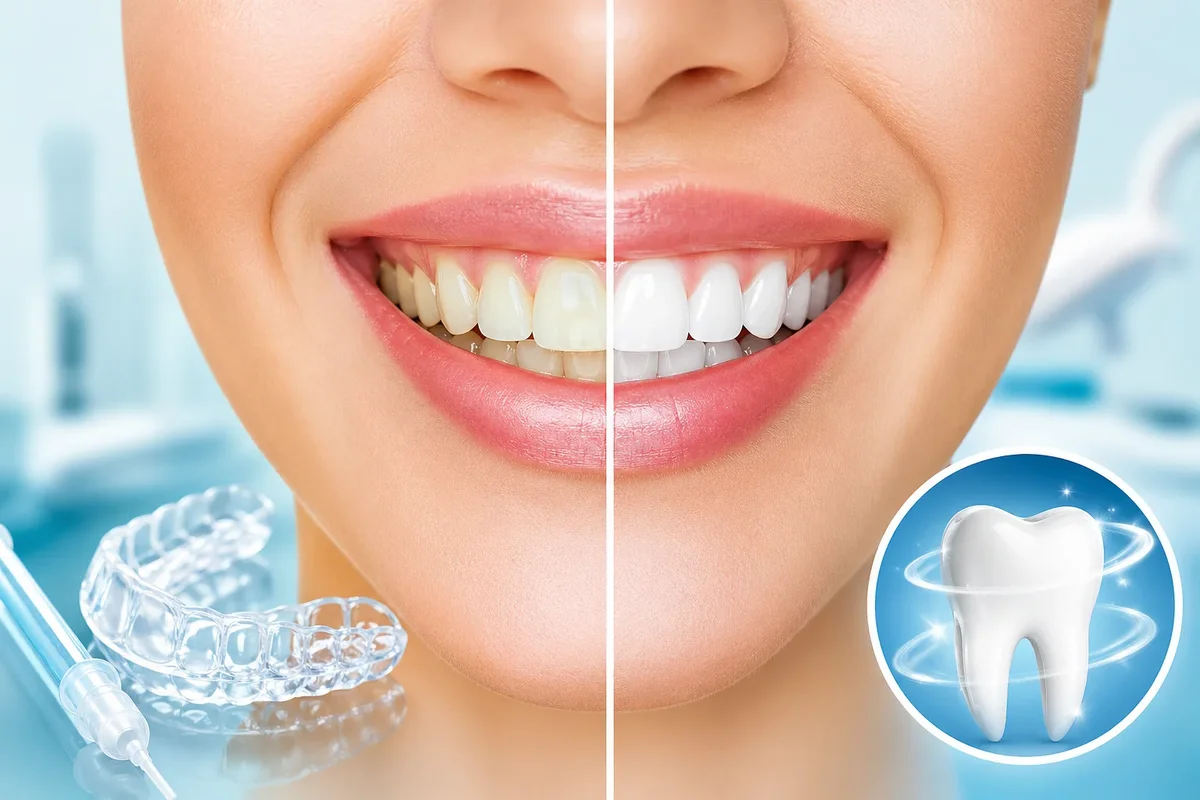
Tips to Maintain Your Whitening Dental Results Longer
After investing time and effort into whitening dental treatments, maintaining your bright smile becomes just as important as achieving it. While whitening dental can deliver impressive results, these outcomes are not permanent. Fortunately, with the right habits and preventive measures, you can significantly extend the longevity of your whitening dental results and keep your smile looking radiant for months or even years. 😊
Adopt a Consistent Oral Hygiene Routine
One of the most effective ways to preserve your whitening dental results is by maintaining excellent oral hygiene. Brushing your teeth at least twice a day and flossing daily helps remove plaque and prevent new stains from forming.
Best Practices for Daily Care
- Use a soft-bristled toothbrush to avoid enamel damage
- Choose a whitening or stain-removing toothpaste
- Floss regularly to remove debris between teeth
- Rinse with an antibacterial mouthwash
Following these steps ensures that your whitening dental results remain clean and vibrant.
Avoid Stain-Causing Foods and Drinks
Your diet plays a major role in how long your whitening dental results last. Certain foods and beverages can quickly stain teeth, reversing the effects of your treatment.
Common Staining Culprits
- Coffee and tea
- Red wine
- Dark sodas
- Tomato-based sauces
- Berry juices
If you cannot completely avoid these items, consider drinking through a straw or rinsing your mouth immediately afterward to minimize their impact on your whitening dental results.
Quit Smoking and Tobacco Use
Smoking is one of the fastest ways to diminish the effects of whitening dental. Tobacco products contain tar and nicotine, which cause deep stains that are difficult to remove.
Benefits of Quitting for Whitening Dental
By eliminating tobacco use, you not only protect your whitening dental results but also improve your overall oral health. This step alone can significantly extend the lifespan of your brighter smile.
Schedule Regular Dental Cleanings
Professional cleanings are essential for maintaining whitening dental results. Dentists can remove surface stains and plaque buildup that regular brushing may miss.
Recommended Cleaning Frequency
Most dental professionals recommend scheduling cleanings every six months. Regular visits help ensure that your whitening dental results remain consistent and that any potential issues are addressed early.
If you need expert care or want to maintain your results professionally, you can visit the Redent Klinik Contact Page for personalized assistance.
Use Touch-Up Whitening Dental Treatments
Even with the best care, some fading of whitening dental results is inevitable over time. Touch-up treatments can help restore brightness without requiring a full procedure.
Types of Touch-Up Options
- Dentist-provided take-home trays
- Over-the-counter whitening strips
- Whitening pens for quick application
Using these products occasionally helps maintain the effects of whitening dental and keeps your smile looking fresh.
Stay Hydrated and Promote Saliva Production
Drinking plenty of water is a simple yet effective way to support your whitening dental results. Water helps wash away food particles and reduces the risk of staining.
Role of Saliva in Whitening Dental Maintenance
Saliva acts as a natural cleanser, neutralizing acids and protecting enamel. A healthy flow of saliva contributes to the longevity of your whitening dental outcomes.
Follow Post-Treatment Guidelines Carefully
The first 48 hours after whitening dental treatment are crucial. During this period, your teeth are more porous and susceptible to staining.
The “White Diet” Rule
Stick to light-colored foods such as rice, chicken, and dairy products immediately after your whitening dental session. Avoid dark or highly pigmented foods to prevent early discoloration.
Choose the Right Oral Care Products
Using the correct dental products can make a significant difference in maintaining your whitening dental results.
Recommended Products
- Whitening toothpaste for stain prevention
- Alcohol-free mouthwash to protect enamel
- Soft toothbrush to prevent abrasion
These products support your whitening dental efforts and help preserve your smile’s brightness.
Professional Advice and Trusted Resources
Consulting a dental professional ensures that your whitening dental maintenance plan is tailored to your needs. Dentists can recommend the best products and practices based on your oral health.
Additionally, trusted organizations like the American Dental Association provide valuable guidance on maintaining safe and effective whitening dental results.
Final Thoughts on Maintaining Whitening Dental Results
Maintaining the results of whitening dental treatments requires a combination of good habits, proper care, and occasional touch-ups. By following the tips outlined above, you can extend the life of your treatment and enjoy a bright, confident smile for longer. With consistent effort, whitening dental becomes more than just a temporary enhancement—it becomes a lasting investment in your appearance and self-confidence. 😁