
A beautiful, confident smile is one of the most noticeable features of any person. Over time, however, teeth can lose their natural brightness due to a variety of factors such as diet, lifestyle, and aging. This is where whitening treatment becomes essential. It is one of the most popular and effective cosmetic dental procedures designed to restore the natural shine of your teeth and improve overall appearance. In this comprehensive guide, we will cover everything you need to know about whitening treatment, from its benefits and methods to what you can expect during and after the procedure.
Whitening treatment works by targeting stains and discoloration that occur on the enamel (the outer layer of the teeth) and dentin (the inner layer beneath the enamel). Discoloration can be caused by habits such as drinking coffee, tea, or red wine, smoking, certain medications, or simply the natural aging process. By undergoing a whitening procedure, you can achieve a noticeably brighter smile, often several shades whiter than your original tooth color.
There are several options available when it comes to whitening treatment, ranging from professional in-office procedures to at-home solutions. The most effective results are usually achieved under the supervision of a qualified dentist, who uses advanced whitening agents and technology to ensure safe and long-lasting outcomes. At the same time, over-the-counter whitening products like strips, gels, and toothpaste are also widely available, offering more affordable and convenient options, though typically with less dramatic results.
One of the main advantages of professional teeth whitening (a related term often used interchangeably with whitening treatment) is the speed and efficiency of the process. In a dental clinic, specialized whitening agents containing higher concentrations of peroxide are applied to the teeth, sometimes combined with laser or light activation to accelerate the results. This can transform your smile in just one session, making it ideal for individuals who need quick improvements before a special occasion like a wedding, job interview, or public presentation.
The benefits of whitening treatment extend far beyond aesthetics. Studies show that people with whiter teeth tend to feel more confident, smile more often, and make stronger first impressions. This can have a positive impact not only on social interactions but also on professional opportunities. Additionally, patients often report improved oral hygiene habits after undergoing whitening, as they become more motivated to maintain their results by brushing, flossing, and attending regular dental check-ups.
It is also important to understand the science behind whitening treatment. The active ingredients in whitening products, usually hydrogen peroxide or carbamide peroxide, break down stain molecules into smaller, less visible compounds. This chemical reaction penetrates both surface and deeper stains, resulting in a brighter overall appearance. The exact effectiveness of the treatment depends on several factors, including the original color of your teeth, the type of discoloration, and the method chosen.
For individuals concerned about safety, it should be noted that when performed by a dental professional, whitening treatment is considered safe and effective. However, some temporary side effects may occur, such as tooth sensitivity or gum irritation. These usually subside within a few days and can often be minimized by following the dentist’s aftercare instructions or using desensitizing toothpaste.
Whitening treatment is not suitable for everyone. For example, people with dental restorations such as crowns, veneers, or fillings should know that these materials do not respond to whitening agents, which means the color difference may become noticeable. Similarly, individuals with gum disease or untreated cavities should have these issues addressed before considering whitening. This is why an initial consultation with a dental professional is strongly recommended.
When considering your options, it is also helpful to review recognized professional sources such as the American Dental Association. They provide valuable guidelines on safe and effective cosmetic dental procedures, ensuring that patients make informed decisions about their oral health.
In summary, whitening treatment is a powerful way to enhance your smile and boost your self-esteem. It works by breaking down stains and discoloration, is available in multiple formats to suit different budgets and needs, and offers quick, noticeable results when performed professionally. If you are thinking about taking the next step toward a brighter smile, you can easily reach out for professional advice through the Redent Klinik Contact Page. With the right approach, whitening treatment can give you the radiant smile you have always dreamed of, while encouraging better oral care habits for the long term.
What Is Whitening Treatment and How Does It Work?
When people think of cosmetic dentistry, one of the first procedures that comes to mind is a whitening treatment. This treatment is specifically designed to remove stains and discoloration from the teeth, restoring a bright and healthy-looking smile. Understanding what whitening treatment is and how it works is the first step for anyone considering the procedure, as it helps set realistic expectations and ensures you make informed choices about your oral health.
Definition of Whitening Treatment
A whitening treatment is a dental procedure that uses bleaching agents or whitening compounds to lighten the color of your teeth. The goal is not to make your teeth unnaturally white, but rather to restore them to their natural shade or even a few shades lighter. Whitening treatment can be performed in two main ways: professionally in a dental clinic or at home using over-the-counter products. While both options aim for the same result—brighter teeth—the effectiveness, speed, and safety of each approach differ significantly.
The Science Behind Whitening
To truly understand how a whitening treatment works, it’s important to look at the science. Teeth are composed of multiple layers: enamel (the hard outer shell) and dentin (the softer layer underneath). Over time, both layers can accumulate stains. The active ingredients in whitening products, usually hydrogen peroxide or carbamide peroxide, penetrate the enamel to break down stain molecules into smaller, less pigmented compounds. This process is known as oxidation, and it is the key mechanism behind whitening treatment.
Surface vs. Deep Stains
There are two main types of stains that whitening treatment targets:
- Extrinsic stains: These are surface-level discolorations caused by coffee, tea, red wine, tobacco, and certain foods. They are usually easier to remove with whitening products or professional cleanings.
- Intrinsic stains: These occur deeper within the dentin and may be the result of aging, trauma, medications (like tetracycline), or excessive fluoride exposure. Whitening treatments are often less effective on intrinsic stains, but professional procedures can sometimes lighten them significantly.
Professional Whitening Treatments
In-office whitening is performed under the supervision of a dentist, ensuring maximum safety and effectiveness. During this procedure, a high-concentration whitening gel is applied to the teeth. Sometimes, a specialized light or laser is used to accelerate the chemical reaction, allowing results to appear faster. A single session can lighten teeth by several shades, making it one of the most effective forms of whitening treatment.
Step-by-Step Process
1. Examination: The dentist checks for cavities, gum disease, or other issues before starting.
2. Preparation: A protective barrier is applied to the gums and lips to avoid irritation.
3. Application: Whitening gel containing peroxide is applied to the teeth.
4. Activation: In some cases, light or laser technology is used to accelerate results.
5. Rinse and Repeat: The gel may be reapplied in cycles until the desired shade is achieved.
At-Home Whitening Options
For those who prefer convenience, at-home whitening treatments are widely available. These include whitening strips, gels, trays, and toothpaste. While less powerful than professional treatments, they can still provide noticeable results over time. Custom-fitted trays provided by a dentist are often considered the best at-home option, as they ensure even application of the whitening gel and minimize gum irritation.
Safety and Effectiveness
When performed correctly, whitening treatment is generally safe. However, users may experience temporary side effects such as tooth sensitivity or mild gum irritation. These effects are usually short-lived and can be managed with desensitizing toothpaste or by reducing the frequency of whitening sessions. The effectiveness of whitening also depends on individual factors, including the natural tooth color, type of stains, and consistency in following aftercare recommendations.
Who Should Consider Whitening Treatment?
Whitening treatment is ideal for individuals who have healthy teeth and gums but are dissatisfied with discoloration or stains. It is not recommended for people with untreated cavities, gum disease, or extensive dental restorations like crowns and veneers, since these materials do not respond to whitening agents. A consultation with a dentist is essential to determine whether you are a suitable candidate for whitening treatment.
Longevity of Results
The results of a whitening treatment are not permanent but can last from several months up to three years, depending on lifestyle habits. For example, avoiding stain-causing foods and drinks, quitting smoking, and practicing good oral hygiene will help maintain your brighter smile longer. Many patients schedule touch-up sessions once or twice a year to preserve results.
In conclusion, a whitening treatment is a scientifically backed, highly effective cosmetic procedure that brightens teeth by removing stains and discoloration. Whether you opt for professional in-office treatments or at-home solutions, understanding the process and setting realistic expectations will help you achieve the radiant smile you desire. For more expert guidance, always consult a trusted dental professional who can recommend the best option tailored to your individual needs.
Professional Whitening vs. At-Home Kits: Which Is Better?
One of the most common questions patients ask about whitening treatment is whether they should choose a professional in-office procedure or rely on at-home whitening kits. Both options are widely available and effective to varying degrees, but they differ in terms of safety, cost, convenience, and long-term results. To make the right decision, it’s important to compare both methods in detail and understand the pros and cons of each.
Professional Whitening Treatment Explained
Professional whitening is performed under the supervision of a dentist in a clinical setting. The process typically involves the application of a high-strength peroxide gel directly to the teeth. In many cases, the gel is activated using a special light or laser, accelerating the whitening process and delivering dramatic results in just one session. A professional whitening treatment can make teeth up to eight shades lighter, depending on the patient’s original color and the severity of stains.
Advantages of Professional Whitening
- Immediate results: Patients leave the clinic with a visibly brighter smile after a single session.
- Safety: Dentists take precautions to protect the gums and soft tissues from irritation.
- Customization: The dentist tailors the concentration of whitening agents based on the patient’s needs.
- Durability: Results often last longer than at-home kits when combined with proper oral hygiene.
Disadvantages of Professional Whitening
- Cost: In-office whitening is significantly more expensive than at-home alternatives.
- Time: Patients must schedule an appointment, which can be less convenient.
- Sensitivity: Some patients may experience temporary tooth sensitivity or gum irritation after treatment.
At-Home Whitening Kits
At-home kits are widely available and include products such as whitening strips, gels with trays, pens, and whitening toothpaste. These kits use lower concentrations of peroxide compared to professional whitening treatments, which means results are more gradual and less dramatic. However, they are far more affordable and can be done at the user’s convenience.
Advantages of At-Home Kits
- Affordability: Kits are budget-friendly and accessible to most people.
- Convenience: Whitening can be done anytime at home, without scheduling appointments.
- Gradual change: Results appear over weeks, which some patients prefer for a more natural transformation.
Disadvantages of At-Home Kits
- Limited effectiveness: Whitening is usually only 1–2 shades lighter compared to professional results.
- Inconsistency: Uneven application can cause patchy results, especially with strips or poorly fitted trays.
- Potential risks: Overuse or misuse of products may lead to enamel damage or gum irritation.
Comparing Cost and Accessibility
The cost difference between professional and at-home whitening treatments is significant. Professional whitening typically ranges from $300 to $1,000 per session, depending on the clinic and region. In contrast, at-home kits can cost anywhere from $20 to $150. While cost is an important factor, patients must weigh it against the effectiveness, safety, and longevity of the results.
Which Option Lasts Longer?
Professional whitening often provides longer-lasting results, sometimes up to two or three years with proper care. At-home kits usually last a few months before touch-ups are needed. For individuals who consume staining foods or drinks regularly, both options will require maintenance, but professional treatments generally provide a stronger foundation.
Who Should Choose Professional Whitening?
Professional whitening treatments are recommended for individuals with deep stains, time-sensitive needs (such as weddings or job interviews), or those seeking dramatic results in one session. They are also ideal for people with sensitive teeth, since dentists can take precautions to minimize discomfort.
Who Should Choose At-Home Whitening?
At-home kits are best suited for individuals with mild staining who prefer a gradual change, are on a tighter budget, or want the convenience of treating their teeth on their own schedule. They are also helpful for maintenance after a professional whitening session.
In conclusion, there is no one-size-fits-all answer when comparing professional and at-home whitening. A professional whitening treatment offers immediate, dramatic, and long-lasting results, while at-home kits provide affordability and convenience, albeit with limited whitening power. The best choice depends on your budget, timeline, lifestyle, and desired outcome. For expert advice tailored to your situation, it is always wise to consult a dental professional who can guide you to the safest and most effective option.
Benefits of Whitening Treatment for Oral Health and Confidence
A radiant smile does more than improve your appearance—it can transform how you feel about yourself and how others perceive you. A whitening treatment is not just a cosmetic option; it also provides psychological and social benefits, alongside improvements in oral hygiene habits. In this section, we will explore the diverse advantages of whitening treatment, from aesthetic appeal to the positive impact it has on self-confidence and overall dental health.
Aesthetic Advantages of Whitening Treatment
The most immediate and noticeable benefit of a whitening treatment is a brighter smile. Stains from coffee, tea, red wine, smoking, or certain foods can cause teeth to appear dull or discolored. By removing these stains, whitening treatment restores the natural vibrancy of your teeth, often making them several shades lighter. This transformation enhances your overall facial appearance, giving you a fresher, more youthful look.
Psychological Impact of a Brighter Smile
Countless studies have shown that people with whiter teeth are often perceived as healthier, more attractive, and more approachable. When you undergo a whitening treatment, you are not only investing in your smile but also in the way you interact with the world. A brighter smile encourages more frequent smiling, which in turn boosts mood, reduces stress, and even positively influences the way others respond to you.
Boosting Self-Confidence Through Whitening
Confidence plays a crucial role in both personal and professional life. Many patients report feeling more self-assured after a whitening treatment, as they are no longer embarrassed by stained or discolored teeth. This confidence often translates into better social interactions, stronger first impressions, and greater comfort in public speaking or networking scenarios.
Professional Benefits of Whitening Treatment
In the workplace, appearance can influence perception. A confident smile can help during job interviews, business meetings, and presentations. Employers and colleagues may subconsciously associate a clean, white smile with professionalism and competence. For this reason, a whitening treatment can be considered not only a cosmetic upgrade but also a valuable professional investment.
Encouraging Better Oral Hygiene Habits
Another overlooked benefit of whitening treatment is its ability to motivate patients to maintain proper oral hygiene. Once individuals see the improvement in their smile, they often adopt healthier routines to preserve results. This may include brushing at least twice a day, flossing regularly, reducing sugary foods, and attending dental check-ups more consistently. These habits contribute directly to better oral health outcomes.
Reduced Plaque and Surface Stains
While a whitening treatment does not act as a substitute for cleaning, the procedure often removes superficial plaque and surface stains during preparation. This leaves teeth smoother and easier to keep clean afterward. As a result, many patients find it easier to maintain fresh breath and a polished smile once they have undergone treatment.
Positive Social and Emotional Effects
A whitening treatment can also enhance social life. People who feel self-conscious about stained teeth may avoid smiling, laughing, or even speaking freely in social settings. After whitening, patients tend to engage more openly, leading to richer social experiences and stronger connections with others. Emotionally, this contributes to higher self-esteem and overall life satisfaction.
Long-Term Health Motivation
Although whitening treatment itself is primarily cosmetic, it often acts as a gateway to better dental health. Patients become more motivated to quit smoking, reduce coffee or wine consumption, and eat healthier foods that do not stain their teeth. Over time, these lifestyle adjustments contribute to improved gum health, reduced risk of cavities, and overall oral wellness.
Comparing Whitening Benefits to Other Cosmetic Procedures
When compared to other cosmetic dental treatments like veneers or crowns, whitening is relatively quick, affordable, and minimally invasive. While veneers and crowns require alteration of tooth structure, a whitening treatment simply brightens the existing enamel without changing the shape or structure of the teeth. This makes it one of the most accessible and patient-friendly ways to improve a smile.
In conclusion, the benefits of a whitening treatment extend far beyond a whiter smile. From boosting self-confidence and improving professional opportunities to encouraging better oral hygiene and enhancing overall social interactions, whitening is a life-changing procedure. For individuals seeking both aesthetic and psychological improvements, a whitening treatment offers an effective, safe, and rewarding solution that delivers results you can see and feel every day.
Step-by-Step Process of a Professional Whitening Treatment
Many patients are curious about what actually happens during a professional whitening treatment. Understanding the step-by-step process not only eases anxiety but also ensures that patients know what to expect before, during, and after their appointment. Unlike over-the-counter kits, a professional whitening treatment is carefully supervised by a dental expert, which maximizes safety and results. Below is a comprehensive breakdown of how the procedure works in a modern dental clinic.
Initial Consultation and Evaluation
Before the whitening process begins, the dentist conducts a thorough consultation. This involves examining your teeth and gums to check for cavities, gum disease, or enamel issues. A whitening treatment should only be performed on healthy teeth, so any necessary dental work—like fillings or cleanings—is usually completed first. During this visit, the dentist will also discuss your goals, explain expected outcomes, and show you a shade guide to compare your current tooth color with the potential results.
Customized Treatment Plan
One of the main advantages of professional whitening is customization. The dentist will determine the concentration of peroxide gel suitable for your teeth, taking into account sensitivity levels and the type of stains. This ensures a safer and more effective whitening treatment compared to generic at-home kits.
Preparation of the Mouth
On the day of the procedure, preparation is key. The dentist will first clean the teeth to remove plaque and tartar, ensuring the whitening gel can penetrate effectively. A protective barrier or rubber shield is then applied to the gums and lips to minimize irritation from the peroxide gel. In some clinics, a cheek retractor may also be used to keep the mouth comfortably open and prevent saliva from interfering with the gel.
Application of the Whitening Gel
Once the mouth is prepared, the whitening agent—usually hydrogen peroxide or carbamide peroxide—is carefully applied to the front surfaces of the teeth. This gel is highly concentrated compared to at-home products, which is why it produces faster and more dramatic results. The dentist ensures even coverage, preventing streaks or uneven whitening.
Light or Laser Activation
In many modern clinics, the whitening gel is activated by a specialized light or laser. This accelerates the chemical reaction that breaks down stains, making the whitening treatment more efficient. Each cycle of gel application and activation typically lasts 15 to 20 minutes, and several cycles may be repeated within the same appointment until the desired shade is achieved.
Monitoring During the Procedure
Throughout the whitening process, the dentist or hygienist closely monitors your comfort and progress. If sensitivity occurs, adjustments can be made by shortening exposure times, reducing gel concentration, or applying desensitizing agents. This professional supervision is one of the key reasons why in-office whitening is considered safer than unsupervised at-home treatments.
Final Rinse and Fluoride Treatment
After the whitening gel has done its job, your teeth are thoroughly rinsed, and the protective barriers are removed. Many dentists also apply a fluoride or remineralizing treatment at the end of the session. This helps reduce post-treatment sensitivity and strengthens the enamel, ensuring the teeth remain healthy after the procedure.
Review of Results
At the end of the appointment, the dentist will compare your results against the shade guide. Patients are often amazed to see a difference of several shades, giving them an instantly brighter smile. Photographs may also be taken for before-and-after comparisons, which can be motivating for maintaining oral care routines.
Aftercare Instructions
To protect your results, the dentist will provide specific aftercare advice. This may include:
- Avoiding dark-colored foods and drinks such as coffee, tea, and red wine for at least 48 hours.
- Using a soft-bristled toothbrush and whitening toothpaste to maintain brightness.
- Considering touch-up treatments once or twice a year for long-lasting results.
Following these guidelines ensures that the benefits of your whitening treatment last as long as possible.
Typical Duration and Comfort
A professional whitening treatment usually takes about 60 to 90 minutes in total. The procedure is generally painless, though mild sensitivity may occur afterward. For most patients, any discomfort is temporary and manageable with desensitizing toothpaste or over-the-counter pain relief if necessary.
In conclusion, the professional whitening process is carefully designed to deliver safe, immediate, and long-lasting results. From the initial consultation to the final fluoride treatment, every step ensures patient comfort and effectiveness. By understanding the procedure in detail, patients can feel more confident and prepared when scheduling their whitening treatment. Ultimately, this investment not only brightens your smile but also enhances your confidence and overall oral health.
Common Myths About Teeth Whitening You Should Ignore
The popularity of whitening treatment has led to a flood of information—some accurate, some misleading. Unfortunately, many myths about teeth whitening continue to circulate, leaving patients confused or hesitant to try the procedure. Believing these myths can prevent individuals from enjoying the benefits of a brighter smile, or worse, lead them to unsafe practices. This section debunks the most common myths about whitening treatment and provides evidence-based explanations to help you make informed decisions.
Myth 1: Whitening Treatment Damages Enamel
One of the most widespread misconceptions is that a whitening treatment weakens or erodes tooth enamel. In reality, professional whitening is designed to be safe when performed under a dentist’s supervision. The whitening agents—hydrogen peroxide or carbamide peroxide—work by breaking down stains, not by dissolving enamel. Clinical studies and guidelines from the American Dental Association confirm that properly applied whitening treatments do not harm the structure of teeth. Enamel remains intact, provided patients follow the recommended instructions and avoid overuse of over-the-counter products.
Myth 2: Results Last Forever
Another myth is that one whitening session provides permanent results. The truth is that even after a professional whitening treatment, lifestyle choices will affect the longevity of the results. Coffee, tea, red wine, smoking, and certain foods can gradually restain the teeth. Typically, whitening lasts from several months to up to three years, depending on habits. Maintenance treatments or occasional touch-ups are often necessary to keep teeth looking their brightest.
How to Maintain Results
- Limit consumption of stain-causing foods and beverages.
- Use a straw when drinking coffee, tea, or soda.
- Practice consistent oral hygiene, including brushing and flossing.
- Schedule touch-up whitening treatments as advised by your dentist.
Myth 3: Whitening Treatments Cause Extreme Sensitivity
While it is true that some patients experience temporary sensitivity after a whitening treatment, it is not as severe as myths suggest. Sensitivity usually occurs when the peroxide gel penetrates the enamel and stimulates the nerve endings inside the tooth. However, this effect is short-lived and often subsides within a few days. Dentists can reduce the risk of discomfort by applying desensitizing gels or recommending fluoride treatments immediately after whitening. Over-the-counter sensitivity toothpaste can also help manage the issue.
Myth 4: At-Home Remedies Work Just as Well
The internet is full of DIY whitening hacks such as baking soda, lemon juice, or charcoal. Many believe these natural methods are as effective as professional whitening treatments. However, these home remedies are not only less effective but can also be harmful. Acidic substances like lemon juice can erode enamel, while abrasive powders like charcoal may scratch the tooth surface, leading to long-term damage. Professional whitening remains the safest and most effective option.
Why Professional Whitening Is Superior
Professional whitening uses regulated concentrations of peroxide under expert supervision, ensuring both safety and consistent results. In contrast, DIY remedies lack scientific validation and carry risks of enamel erosion or gum irritation. Patients seeking reliable whitening should always consult a dental professional.
Myth 5: Whitening Treatments Work on All Teeth
A common misunderstanding is that whitening works equally on all teeth. In reality, whitening agents only affect natural enamel. Dental restorations such as crowns, veneers, fillings, and dentures will not respond to peroxide. Patients with extensive restorations may need alternative cosmetic solutions, such as replacing restorations to match newly whitened teeth. This is why an initial consultation is crucial before starting any whitening treatment.
Myth 6: You Can Whiten Teeth Too Much
Some people fear that undergoing multiple whitening sessions can make teeth unnaturally white or translucent. While overuse of whitening products can lead to uneven coloration or increased sensitivity, professional treatments are carefully monitored to avoid this problem. Dentists use shade guides to achieve natural results that complement the patient’s skin tone and facial features. Responsible use ensures that teeth look healthy, not artificial.
Myth 7: Whitening Treatments Are Unsafe
Concerns about safety are another common myth. In truth, when done properly, a whitening treatment is safe for most patients. The procedure has been studied extensively and approved by dental organizations worldwide. Issues typically arise only when individuals misuse at-home kits, apply products excessively, or follow unverified DIY trends. Professional supervision eliminates most of these risks.
In summary, myths surrounding whitening treatment often create unnecessary fear or unrealistic expectations. A professional whitening treatment does not damage enamel, does not last forever without maintenance, and is not unsafe when performed correctly. By debunking these misconceptions, patients can make informed decisions, enjoy safe results, and maintain their brighter smiles with confidence.
Possible Risks and Side Effects of Whitening Treatment
Although a whitening treatment is considered one of the safest cosmetic dental procedures when performed correctly, it is not entirely risk-free. Like any dental or medical treatment, there are potential side effects and considerations that patients should understand before undergoing the procedure. Being well-informed helps individuals make the right decisions, manage expectations, and avoid unnecessary complications.
Tooth Sensitivity
The most common side effect associated with a whitening treatment is temporary tooth sensitivity. This usually occurs when the peroxide-based whitening gel penetrates the enamel and irritates the nerve endings within the tooth. Patients may feel a sharp or dull pain when consuming hot, cold, or sweet foods and drinks. Fortunately, this sensitivity is typically short-lived and subsides within a few days.
How to Manage Sensitivity
- Use desensitizing toothpaste containing potassium nitrate or fluoride.
- Avoid extremely hot or cold beverages immediately after treatment.
- Follow the dentist’s recommendations for spacing out whitening sessions.
By following these steps, most patients find sensitivity manageable and temporary.
Gum Irritation
Another possible risk of a whitening treatment is gum irritation. This happens when the whitening gel comes into direct contact with the soft tissues of the mouth. While professional treatments include protective barriers to minimize exposure, improper application of at-home kits can sometimes cause redness, swelling, or discomfort along the gum line. Gum irritation is generally mild and heals quickly once exposure is reduced.
Prevention of Gum Irritation
Dentists often apply a protective gel or rubber shield over the gums during in-office whitening sessions. For at-home treatments, custom-fitted trays provided by a dentist are safer than generic store-bought trays, as they reduce the chance of leakage onto the gums.
Uneven Whitening
Not all teeth whiten at the same rate. For patients with existing dental restorations—such as crowns, veneers, or fillings—there may be a noticeable color difference after a whitening treatment, since whitening agents only affect natural enamel. This can create an uneven appearance. Similarly, teeth with deep intrinsic stains may not respond as well as those with surface-level discoloration.
Overuse of Whitening Products
Excessive use of at-home whitening kits or repeated professional sessions without proper intervals can lead to over-bleaching. This condition, known as “bleachorexia,” results in unnaturally white teeth that may look translucent or chalky. Overuse can also thin the enamel, increasing sensitivity and susceptibility to cavities. It is essential to follow professional guidance and avoid frequent, unsupervised whitening.
Signs of Overuse
- Teeth appearing bluish or translucent at the edges.
- Persistent sensitivity that does not improve with time.
- Uneven coloration or patchy spots on the enamel.
Allergic Reactions
Although rare, some individuals may experience allergic reactions to whitening agents. Symptoms can include gum swelling, irritation, or even throat discomfort. Anyone with known allergies to peroxide-based products should discuss alternatives with their dentist before starting a whitening treatment.
Impact on Existing Dental Work
As mentioned, crowns, veneers, and composite fillings do not respond to whitening agents. Patients who undergo a whitening treatment may find that these restorations appear darker compared to newly whitened natural teeth. In such cases, replacing restorations after whitening may be necessary to achieve a consistent appearance.
Potential Long-Term Effects
When done properly, whitening treatments do not cause permanent damage. However, misuse of high-concentration at-home kits or repeated unsupervised sessions can gradually wear down enamel, making teeth more vulnerable to decay. This highlights the importance of seeking professional advice before starting a whitening routine.
Who Should Avoid Whitening Treatment?
Not everyone is an ideal candidate for whitening. People with untreated cavities, gum disease, or hypersensitive teeth should avoid whitening until these conditions are resolved. Pregnant and breastfeeding women are often advised to postpone whitening treatments as a precaution. A dentist can evaluate whether it is safe to proceed based on individual health factors.
In conclusion, a professional whitening treatment is generally safe and effective, but it carries potential risks like sensitivity, gum irritation, or uneven whitening. Most side effects are temporary and preventable with the right precautions. Patients who follow their dentist’s advice and avoid overuse can enjoy a brighter smile with minimal complications. Ultimately, being aware of the risks ensures a balanced approach to achieving a healthy, confident smile.
Cost of Whitening Treatments: What You Should Expect
One of the most important questions patients ask before undergoing a whitening treatment is about the cost. Prices can vary widely depending on the type of treatment chosen, the location of the clinic, and the complexity of the patient’s needs. Understanding the different cost ranges helps patients budget appropriately and select the option that offers the best balance between results, safety, and affordability.
Average Cost of Professional Whitening
In-office whitening treatments are typically the most effective, but also the most expensive. On average, a professional whitening treatment in the United States costs between $500 and $1,000 per session. Some premium clinics with advanced technology and additional aftercare services may charge even more. However, patients often consider the cost worthwhile due to the immediate and dramatic results.
Factors That Influence Professional Whitening Costs
- Location: Urban clinics or dental offices in high-demand areas often charge more.
- Technology Used: Laser or light-activated systems may come at a higher price.
- Dentist’s Expertise: Experienced cosmetic dentists may charge a premium for their services.
- Initial Consultation and Cleaning: Some clinics bundle consultation and cleaning with the whitening package, while others charge separately.
At-Home Whitening Kits from Dentists
Custom at-home whitening trays provided by dentists are usually priced between $200 and $400. These kits use professional-grade whitening gel but allow patients to apply the treatment at home. While results are slower compared to in-office whitening, the overall cost is lower, making this a popular mid-range option.
Over-the-Counter Whitening Options
For those on tighter budgets, store-bought products offer an accessible introduction to whitening. Whitening strips, gels, and pens typically cost between $20 and $100. Whitening toothpaste is the most affordable option, often priced under $10, but results are minimal and temporary. These at-home solutions can provide modest improvements, but they are not a substitute for a professional whitening treatment.
Drawbacks of Cheap Alternatives
- Lower peroxide concentration means slower and less noticeable results.
- Improper application may lead to uneven whitening.
- Some products may irritate gums if used incorrectly.
Insurance and Whitening Treatment
Because whitening is classified as a cosmetic procedure, dental insurance does not usually cover the cost. Patients must pay out of pocket for whitening treatments, regardless of whether they are professional or at-home. Some dental practices offer financing plans or membership packages that make treatments more affordable over time.
Additional Costs to Consider
Beyond the whitening session itself, patients should also consider:
- Maintenance treatments: Touch-ups are often recommended every 6–12 months, especially for individuals who consume stain-causing foods or beverages.
- Desensitizing products: Special toothpaste or fluoride treatments may be needed for those experiencing sensitivity.
- Restorative work: If you have old crowns or fillings that no longer match your whitened teeth, replacement costs may apply.
Global Cost Variations
The price of a whitening treatment also varies significantly worldwide. For example:
- United States: $500–$1,000 per session.
- United Kingdom: £300–£600 on average.
- Turkey: $200–$400, making it a popular destination for affordable dental tourism.
- Australia: AUD 600–$1,200 depending on the clinic.
Patients considering dental tourism should ensure they choose accredited clinics with strong reputations for safety and quality.
Value vs. Price: Is It Worth It?
While professional whitening comes at a higher cost, the value lies in the immediate results, professional supervision, and reduced risk of complications. At-home kits may seem more affordable, but repeated use and lower effectiveness often make them less cost-efficient in the long term. For many patients, investing in a professional whitening treatment is not just about cosmetic improvement, but also about confidence, social advantages, and long-lasting satisfaction.
In conclusion, the cost of a whitening treatment depends on the type of procedure, location, and personal needs. Prices range from a few dollars for whitening toothpaste to nearly $1,000 for advanced in-office procedures. While insurance rarely covers whitening, many patients view it as a worthwhile investment in their appearance and self-confidence. By weighing the benefits, risks, and budget, you can choose the whitening solution that best suits your goals and ensures a brighter, more radiant smile.
Best Aftercare Practices to Maintain Whitening Results
Completing a whitening treatment is only the beginning of your journey toward a radiant smile. The results can last from several months to a few years depending on how well you care for your teeth afterward. Without proper aftercare, stains can reappear quickly, diminishing the effectiveness of your investment. To maximize results and ensure long-term brightness, patients should follow a structured aftercare plan that combines daily habits, lifestyle adjustments, and professional maintenance.
Immediate Care After Whitening Treatment
The first 48 hours following a whitening treatment are critical, as teeth are more porous and vulnerable to staining during this time. The enamel temporarily opens up as a result of the whitening process, making it easier for pigments from food and drinks to penetrate.
What to Avoid Right After Treatment
- Dark-colored drinks such as coffee, tea, red wine, and cola.
- Foods with strong pigments like berries, soy sauce, or curry.
- Tobacco products, as smoking can quickly restain newly whitened teeth.
Dentists often recommend sticking to a “white diet” for at least 1–2 days. This includes foods like rice, yogurt, chicken, and cauliflower that do not risk discoloration.
Daily Oral Hygiene Routine
Maintaining excellent oral hygiene is essential for prolonging whitening results. A whitening treatment may brighten your teeth, but poor daily care can quickly undo its effects.
Essential Oral Hygiene Steps
- Brushing: Brush twice daily using fluoride toothpaste. Whitening toothpaste can be used once or twice a week for surface stains.
- Flossing: Daily flossing removes plaque between teeth, preventing discoloration in hard-to-reach areas.
- Mouthwash: Use an alcohol-free mouthwash to maintain fresh breath and reduce plaque buildup without drying out the mouth.
Lifestyle Adjustments for Long-Lasting Results
Your habits greatly influence how long your whitening treatment results will last. Making small but consistent lifestyle changes can significantly extend the brightness of your smile.
Smart Food and Drink Choices
- Drink water after consuming stain-causing beverages to rinse away pigments.
- Use a straw for coffee, tea, or soda to minimize contact with front teeth.
- Incorporate crunchy fruits and vegetables, like apples and celery, which naturally scrub tooth surfaces.
Quit Smoking
Tobacco is one of the biggest culprits behind tooth discoloration. Patients who quit smoking not only preserve their whitening results but also significantly improve overall oral and systemic health.
Professional Maintenance
Scheduling follow-up visits with your dentist ensures that your whitening treatment results remain consistent. Most dentists recommend touch-up whitening sessions once or twice a year, depending on your habits and the original method used. During these visits, a professional cleaning may also be performed to remove plaque and tartar, which helps teeth maintain their brightness.
Managing Sensitivity After Whitening
Some patients experience mild sensitivity following a whitening procedure. To ensure comfort while maintaining results:
- Use desensitizing toothpaste daily.
- Avoid extremely hot or cold foods for a few days after treatment.
- Ask your dentist about fluoride varnish or remineralizing gels to strengthen enamel.
Sensitivity typically subsides within a few days but should be monitored closely if persistent.
Long-Term Care for Restored and Natural Teeth
It is important to remember that dental restorations such as crowns, veneers, and fillings do not respond to whitening agents. After a whitening treatment, they may appear darker than your natural enamel. Patients may choose to update or replace restorations to match their brighter smile, ensuring a uniform appearance.
Psychological Benefits of Aftercare
Beyond oral health, maintaining whitening results has psychological and social benefits. Patients who preserve their bright smile often report greater confidence in professional settings, more willingness to socialize, and overall improved self-esteem. Aftercare is therefore not only about oral hygiene but also about sustaining the emotional benefits of your brighter smile.
In conclusion, aftercare is the key to maximizing the benefits of a whitening treatment. From avoiding stain-causing foods in the immediate aftermath to adopting long-term lifestyle habits, the steps you take after the procedure directly influence how long your results will last. With a disciplined oral care routine, regular dental visits, and mindful lifestyle choices, you can enjoy a dazzling smile that radiates confidence for years to come.
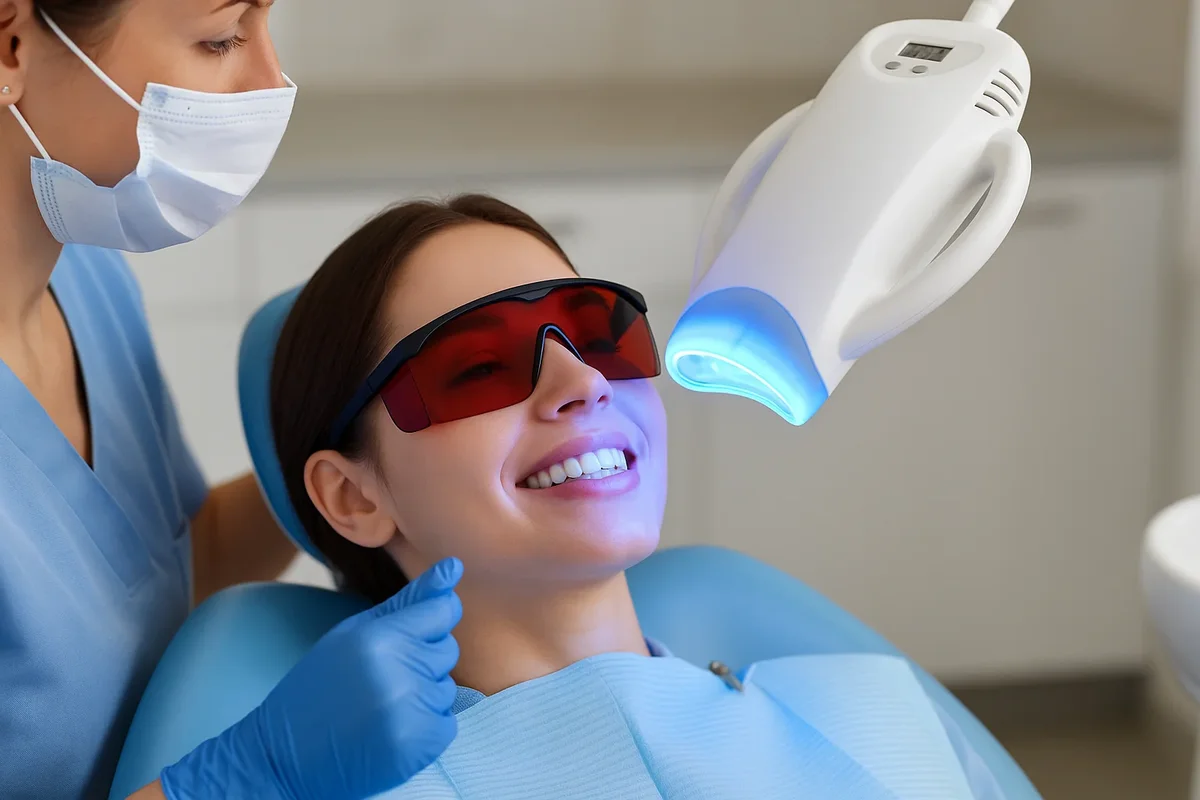
Natural Alternatives and DIY Options for Teeth Whitening
While professional whitening treatment is the gold standard for safe and effective results, many people explore natural remedies and do-it-yourself (DIY) options to brighten their smile. These approaches are often appealing because they seem inexpensive, accessible, and chemical-free. However, it is important to separate fact from fiction when it comes to natural whitening solutions. Some methods can provide mild benefits, while others may cause more harm than good if used incorrectly. Below is a comprehensive look at natural alternatives, DIY strategies, and their effectiveness compared to professional whitening treatment.
Popular Natural Whitening Methods
Natural remedies for teeth whitening have been used for centuries. While none of them match the strength of a professional whitening treatment, they may help reduce surface stains when combined with good oral hygiene.
Baking Soda
Baking soda (sodium bicarbonate) is one of the most commonly used natural whiteners. Its mild abrasiveness helps scrub away surface stains, leaving teeth looking cleaner. Many whitening toothpastes include baking soda as an ingredient. However, using it excessively or in pure form can erode enamel over time, so it should be used sparingly.
Hydrogen Peroxide Rinses
Hydrogen peroxide is the active ingredient in most professional whitening gels, but at lower concentrations, it is sometimes used as a mouth rinse at home. A diluted solution (typically no more than 3%) may lighten mild stains over time. However, improper use of peroxide at higher concentrations can irritate gums and damage enamel. This is why professional supervision is always safer.
Oil Pulling
Oil pulling is an ancient Ayurvedic practice that involves swishing coconut oil or sesame oil in the mouth for 10–15 minutes. Proponents claim it removes toxins and brightens teeth. While oil pulling may improve oral hygiene by reducing bacteria, there is little scientific evidence that it significantly whitens teeth. It may contribute to a cleaner smile but should not be seen as a substitute for a whitening treatment.
Apple Cider Vinegar
Apple cider vinegar is sometimes promoted as a natural whitening solution due to its acidic properties. While it can temporarily brighten teeth by removing surface stains, frequent use can erode enamel and increase sensitivity. Dentists generally caution against using vinegar-based DIY methods for whitening.
DIY Whitening Kits and Online Trends
Social media platforms are full of DIY whitening trends, from activated charcoal toothpaste to lemon juice scrubs. While these methods may create short-term brightness, most lack clinical evidence and can cause long-term damage.
Activated Charcoal
Charcoal toothpaste has gained popularity for its ability to absorb pigments and toxins. However, studies show that it is highly abrasive and can wear down enamel, leading to increased sensitivity and even darker teeth over time. Unlike a professional whitening treatment, charcoal-based methods provide no scientifically proven long-term benefits.
Fruit-Based Whitening
Some DIY approaches involve rubbing strawberries, lemons, or oranges on teeth. These fruits contain natural acids and enzymes that can temporarily brighten enamel. Unfortunately, acids also erode tooth structure, increasing the risk of cavities. Dentists strongly advise against using acidic fruits as a whitening solution.
Risks of Natural and DIY Whitening
While natural remedies may sound harmless, misuse can lead to several problems:
- Enamel erosion: Frequent exposure to acids or abrasives can permanently damage teeth.
- Gum irritation: Unregulated home treatments may cause burns, swelling, or redness.
- Uneven results: DIY methods often fail to whiten teeth evenly, leaving patchy discoloration.
Compared to a professional whitening treatment, natural and DIY solutions lack consistency and safety controls.
Safer At-Home Alternatives
For patients who want affordable whitening without the risks of unverified DIY hacks, dentist-approved at-home kits are the safest choice. Custom trays with professional-grade whitening gel provide gradual, predictable results and reduce the risk of irritation. Whitening strips and gels sold in stores can also help, though they are less powerful than dentist-supervised options.
When to Choose Professional Whitening Instead
While natural alternatives may reduce surface stains, they cannot achieve the dramatic results of an in-office procedure. A professional whitening treatment penetrates deeper into the enamel and dentin, targeting stains that natural remedies cannot reach. For individuals with significant discoloration, upcoming events, or a desire for long-lasting results, professional whitening remains the most reliable solution.
In summary, natural alternatives and DIY options can provide minor improvements in tooth brightness but are not without risks. Methods like baking soda or oil pulling may help remove surface stains, but acidic or abrasive approaches can damage enamel permanently. If you are looking for safe, noticeable, and lasting results, a professionally supervised whitening treatment is always the best choice. Natural methods can be used as supportive care, but they should never replace professional dental guidance.