
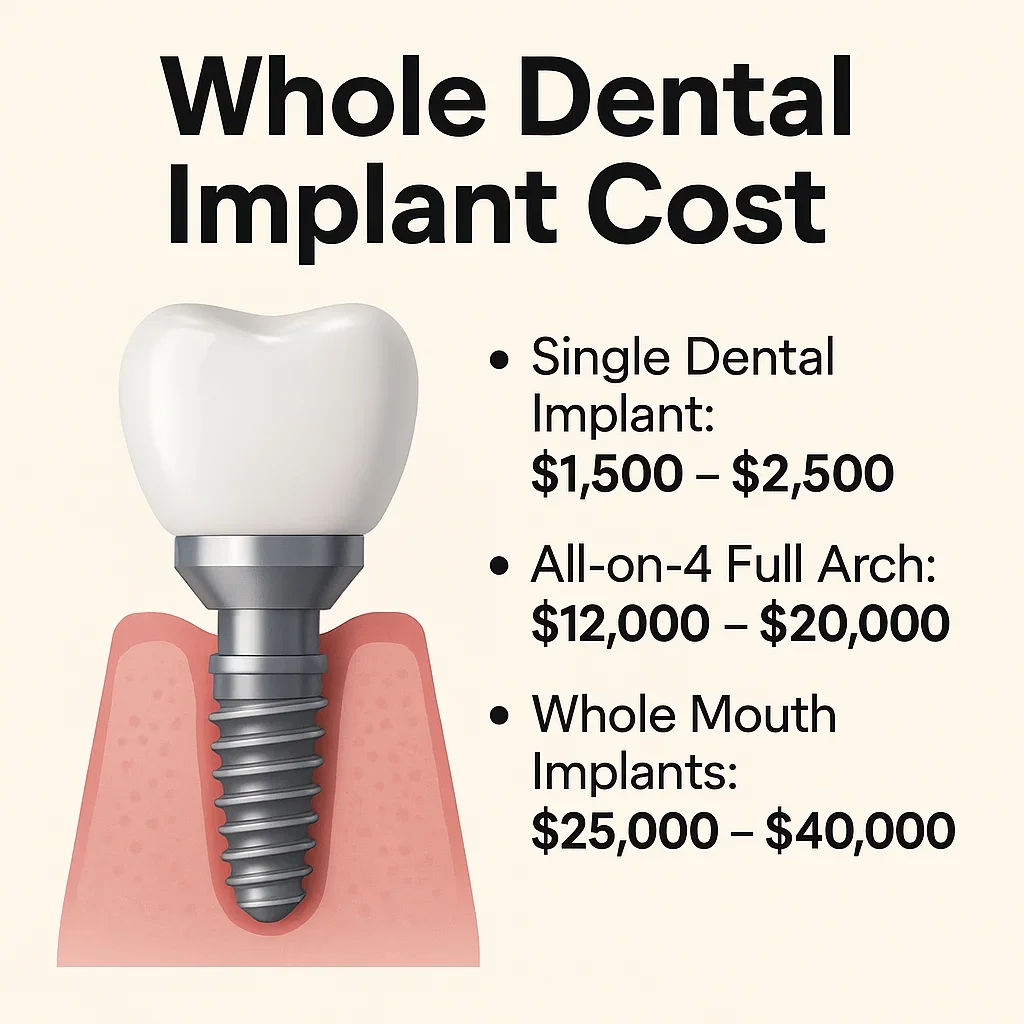
Understanding the whole dental implant cost is one of the first steps toward restoring your smile confidently and making a well-informed investment in your oral health. Dental implants have become the gold standard for replacing missing teeth because they look, feel, and function just like natural ones. However, when people start exploring the idea of full-mouth implants, one question always stands out: How much does the whole dental implant cost? This comprehensive guide provides a clear breakdown of what influences pricing, what to expect in 2025, and how to plan financially for your dental transformation.
The whole dental implant cost typically includes more than just the titanium posts that replace your roots. It also covers consultation, diagnostic imaging (like 3D CT scans), bone grafting if needed, abutments, crowns, and post-operative care. In short, it’s an all-inclusive process that combines surgical precision, top-tier materials, and professional expertise. The total price reflects both the medical complexity and the cosmetic excellence involved in restoring a full set of teeth. 💎
Globally, the whole dental implant cost can vary dramatically depending on where the treatment is performed. In the United States or Western Europe, full-mouth implants can range from $25,000 to $60,000 or even more, depending on materials, the surgeon’s experience, and the chosen technique (All-on-4, All-on-6, or individual implants). In contrast, high-quality clinics in countries like Turkey, Hungary, or Thailand can offer equally advanced implant systems for a fraction of that cost — sometimes between $8,000 and $15,000 for a complete upper and lower restoration.
For patients researching abroad, it’s crucial to ensure that clinics meet international standards of sterilization, materials, and credentials. For example, clinics like Redent Klinik Contact Page provide detailed breakdowns, personalized treatment plans, and digital imaging consultations that help you understand every stage of the implant journey before you travel. 🌍
Let’s explore why the whole dental implant cost varies so much and what exactly you are paying for. First, the implant type matters. Titanium implants are standard, but zirconia implants are more biocompatible and aesthetic — though more expensive. Second, the technique used (such as All-on-4, All-on-6, or full arch restoration) determines how many implants are required. Fewer implants can reduce costs but may also affect long-term stability if not properly planned. Third, supporting procedures like sinus lifts or bone grafts can increase the total by several thousand dollars. 🧾
It’s important to remember that the whole dental implant cost represents a long-term investment rather than a short-term expense. Unlike dentures, implants are permanent and help prevent bone loss in the jaw, preserve facial shape, and improve overall confidence. When viewed over a lifetime, the benefits and durability far outweigh the initial expenditure. Plus, proper oral hygiene and regular dental checkups can make implants last over 20 years, sometimes even a lifetime, minimizing future replacement or repair costs.
As of 2025, industry experts forecast that the whole dental implant cost will remain stable in most regions but could slightly increase in areas affected by inflation and material shortages. Clinics investing in cutting-edge technology such as digital scanning, guided surgery, and 3D printing may charge higher upfront fees, but these innovations often reduce surgery time, discomfort, and recovery duration — ultimately providing greater value for money. ⏱️
Patients often underestimate the importance of choosing an experienced dental team. A low-cost offer might seem tempting, but improper placement can lead to implant failure, infection, or even bone loss. Therefore, always check a clinic’s credentials, previous patient reviews, and professional associations such as the American Dental Association for general guidelines on safe and ethical dental care. Reputable clinics provide transparent pricing and show clear before-and-after cases, helping patients visualize their expected results.
In addition to surgical and material expenses, aftercare must also be considered part of the whole dental implant cost. Post-surgery visits, antibiotics, pain management, and professional cleanings are vital to the success of your implants. Ignoring these elements could risk long-term failure or complications. Think of this process as maintaining a car: the initial purchase is significant, but proper care keeps it performing perfectly for years to come. 🚗💨
In conclusion, understanding the whole dental implant cost involves more than just numbers. It’s about recognizing value — the combination of aesthetics, comfort, functionality, and confidence that comes with a healthy, radiant smile. Whether you choose to undergo the procedure locally or abroad, ensure your decision prioritizes quality and long-term satisfaction. By considering all aspects — from the surgical team and technology to materials and maintenance — you’ll be investing in something truly priceless: your smile. 😁
Understanding What Whole Dental Implants Really Are
To grasp the whole dental implant cost fully, it’s important first to understand what “whole dental implants” actually mean. Many people assume implants are simply artificial teeth, but the truth is more complex. A full dental implant restoration replaces not only the visible part of the tooth (the crown) but also the root that anchors it to your jawbone. This creates a solid, natural-looking, and long-lasting foundation for chewing, speaking, and smiling with confidence. 😁
What Are Whole Dental Implants?
A whole dental implant refers to the complete process of replacing all missing teeth in the upper and/or lower jaws using strategically placed titanium or zirconia posts. These posts fuse with the jawbone through a process called osseointegration, providing a stable base for prosthetic teeth. Depending on the case, dentists may use techniques like All-on-4, All-on-6, or even full-mouth individual implants.
Each system has a different implication on the whole dental implant cost. For example, an All-on-4 procedure uses four implants per arch, which typically makes it less expensive than a full-mouth restoration requiring 8–10 implants per jaw. However, factors like bone density, gum health, and implant material also play a significant role in pricing. 🦷
Components That Define the Treatment
The whole dental implant cost can be better understood by breaking down its components:
- Implant Fixture (Root Replacement): The titanium or zirconia post inserted into the bone. This is the foundation of your new tooth structure.
- Abutment: The connector piece that attaches the crown to the implant.
- Crown or Prosthesis: The visible portion of the tooth — custom-made for a natural look and feel.
- Surgical Procedures: Includes anesthesia, bone grafting (if needed), and soft tissue management.
- Diagnostics & Planning: Digital imaging, 3D CT scans, and personalized treatment design.
Each of these elements contributes to the final whole dental implant cost. While some clinics provide all-inclusive packages, others bill each stage separately. This is why patients often find significant cost variations when comparing quotes from different providers.
The Science Behind Whole Dental Implants
Understanding the science behind the procedure can also help justify the whole dental implant cost. Once the titanium post is surgically placed, your bone gradually fuses with the implant. This process typically takes 3–6 months and ensures the implant becomes a permanent part of your jaw. Unlike dentures, which rest on top of the gums, implants stimulate bone growth and prevent jawbone deterioration. This biological integration explains why they are so durable and stable over decades.
New innovations in implantology — such as guided surgery, laser-assisted tissue contouring, and digital impression systems — enhance precision and comfort. However, these advancements also slightly increase the whole dental implant cost because they require high-end technology and training.
Material Choices: Titanium vs. Zirconia
Two primary materials dominate implant dentistry today: titanium and zirconia. Titanium implants are known for their strength and excellent osseointegration, making them the most common choice worldwide. Zirconia implants, on the other hand, are metal-free and highly biocompatible — ideal for patients with allergies or aesthetic concerns since they are tooth-colored.
However, zirconia implants generally increase the whole dental implant cost by 15–30% compared to titanium systems. While they offer superior aesthetics and gum compatibility, they may not yet be as universally available. Selecting the right material depends on your health profile, cosmetic goals, and budget considerations.
Full Mouth Restoration vs. Partial Implant Placement
Another key to understanding the whole dental implant cost is recognizing the difference between full and partial restorations. A partial implant may replace just a few missing teeth, whereas a whole dental implant procedure replaces all teeth in the upper or lower arch. Naturally, this involves more surgery, higher-quality prosthetics, and longer treatment duration.
Most patients choosing whole-mouth implants have extensive tooth loss, gum disease, or worn-out dentures. The complexity of restoring bone density and aligning bite patterns means the whole dental implant cost can be significantly higher than localized implant work. Yet, the outcome — full-mouth stability, function, and beauty — justifies every penny. 🌟
Modern Imaging and Digital Planning
In modern dentistry, accuracy equals longevity. Clinics equipped with 3D imaging, digital scanners, and AI-assisted design can deliver personalized results with remarkable precision. These tools map the jawbone’s structure, measure density, and predict implant placement outcomes before surgery begins. Although these services add to the whole dental implant cost, they dramatically reduce the risk of complications and ensure a perfect fit for crowns and bridges.
How Long Does the Procedure Take?
The full treatment process can take several months — from consultation to final placement — depending on healing rates and bone integration. Immediate-load implants (sometimes called “teeth-in-a-day”) can shorten this timeline but may cost slightly more due to the advanced techniques required. Therefore, patients must balance their urgency with budget and long-term success.
Why Understanding the Process Matters
When patients fully understand what a whole dental implant procedure entails, they can evaluate the whole dental implant cost with clarity. Instead of viewing it as a one-time transaction, they see it as a carefully engineered medical and aesthetic solution. Each component, from the surgical precision to the prosthetic design, ensures years of confident smiling, eating, and speaking.
For those seeking professional consultation or personalized quotes, clinics like Redent Klinik Contact Page can provide detailed treatment plans and cost breakdowns tailored to your needs. For authoritative standards and research-based insights, you can also refer to the American Dental Association, which outlines safety protocols and global best practices for implant dentistry.
In short, understanding what whole dental implants are — from their anatomy and materials to their science and purpose — helps patients grasp why the whole dental implant cost varies so much. The investment reflects more than a price tag; it embodies advanced technology, surgical mastery, and a lifetime of comfort and confidence. 💖
Key Factors That Affect Whole Dental Implant Cost
The whole dental implant cost can vary dramatically from one patient to another because it depends on a combination of medical, technical, and geographic factors. Understanding these elements helps patients make informed decisions and prepare for realistic financial planning. In this section, we’ll dive deep into the main factors that influence pricing, how each contributes to the overall cost, and what to expect when budgeting for your full-mouth implant treatment. 🦷💰
1. Number of Implants and Type of Restoration
The most direct factor determining the whole dental implant cost is the number of implants required and the type of restoration being placed. A full-mouth implant system typically replaces all teeth in the upper and lower jaws. Depending on your oral health, a dentist might recommend an All-on-4, All-on-6, or All-on-8 procedure — meaning four, six, or eight implants per arch, respectively. More implants mean higher costs, but also greater stability and distribution of bite forces.
For example, an All-on-4 system may cost less initially but could require additional support later if bone loss occurs. In contrast, All-on-6 or All-on-8 setups distribute pressure more evenly, offering long-term strength and comfort. These design decisions are fundamental to both the success and total price of your implant treatment.
Type of Prosthesis Used
The restoration placed on top of implants — the bridge or denture — also impacts the whole dental implant cost. A permanent fixed bridge, made of zirconia or porcelain-fused-to-metal, is more expensive but offers a natural appearance and long-lasting durability. Meanwhile, removable overdentures attached to implants with snap-on systems are usually more affordable but may not provide the same level of bite force or realism.
2. Material Quality and Laboratory Work
The choice of materials significantly affects the whole dental implant cost. Premium-grade titanium or zirconia implants are pricier but offer superior biocompatibility and strength. Additionally, the quality of dental laboratory work — where your crowns and bridges are custom-designed — influences the overall expense. High-end dental labs employ digital design systems, 3D printing, and multi-layer zirconia fabrication to create lifelike, perfectly fitting restorations. 🧬
On the other hand, cheaper materials or low-cost laboratory outsourcing can reduce short-term expenses but may compromise longevity or aesthetics. For patients who value natural looks and seamless gum integration, investing in higher-quality materials ensures long-term satisfaction and minimizes future repairs or replacements.
3. Surgeon’s Experience and Clinic Reputation
Another decisive factor influencing the whole dental implant cost is the dentist’s or oral surgeon’s experience. Dental implants are surgical procedures requiring precision, anatomical knowledge, and artistry. Experienced implantologists with years of successful cases often charge more — but their expertise significantly reduces risks such as nerve injury, implant misalignment, or infection. 🩺
Reputable clinics with strong patient reviews, modern facilities, and transparent pricing policies also tend to price their services slightly higher. Yet, this premium often translates into greater comfort, safety, and guaranteed outcomes. Clinics like Redent Klinik Contact Page provide consultations with 3D digital planning, allowing patients to see exact simulations of their future smiles before surgery, which is an important value-added service.
4. Diagnostic Tests and Pre-Surgery Procedures
Before implants can be placed, a thorough diagnostic evaluation is essential. This stage includes X-rays, CBCT (3D scans), and digital impressions. While these tests might seem routine, they contribute to the whole dental implant cost. In addition, some patients require preliminary treatments such as:
- Tooth Extractions: Removing decayed or damaged teeth prior to implant surgery.
- Bone Grafting: Reinforcing the jawbone when insufficient bone density is present.
- Sinus Lifts: Elevating the sinus cavity to make space for upper-jaw implants.
- Soft Tissue Grafts: Improving gum health and appearance around the implant site.
Each of these adds to the total whole dental implant cost, depending on their complexity and materials used. However, skipping these steps may compromise implant stability and long-term success.
Example of Cost Variation
A patient needing bone grafting might pay an additional $1,000–$3,000 per arch, while a sinus lift could add around $1,500–$2,500. These figures vary globally, but they illustrate how preparatory treatments can influence total pricing. Still, they are vital for ensuring your implants last for decades, making them a worthwhile investment.
5. Geographic Location and Cost of Living
Location is one of the most influential factors behind the whole dental implant cost. Procedures performed in countries like the United States, Canada, or Australia are more expensive due to higher operational costs, regulatory requirements, and labor expenses. Conversely, dental tourism destinations such as Turkey, Mexico, or Hungary offer equally advanced procedures for a fraction of the price — often saving patients up to 70% without compromising quality. 🌍✈️
For example, while the average full-mouth implant procedure in the U.S. might reach $50,000 or more, patients in Turkey can receive the same treatment with premium materials for $10,000–$15,000. This price difference primarily stems from lower clinic overheads and favorable exchange rates, not inferior standards.
6. Technology and Equipment Used
High-end dental clinics invest heavily in modern technology — digital scanners, CAD/CAM design systems, and laser surgery tools. These innovations ensure faster healing and improved precision but can increase the whole dental implant cost slightly. Still, the return on this investment is exceptional: fewer complications, shorter recovery times, and aesthetically superior outcomes.
3D Imaging and Guided Surgery
Using 3D navigation software, dentists can plan exact implant placement before surgery begins, avoiding nerves and blood vessels. This technique minimizes discomfort and reduces human error. Although such precision tools may add around 5–10% to the total whole dental implant cost, they significantly enhance the success rate, making them a wise choice for long-term health and satisfaction.
7. Post-Operative Care and Maintenance
The journey doesn’t end when implants are placed. Aftercare visits, hygiene maintenance, and follow-up evaluations are crucial for implant longevity. Most clinics include these in their overall pricing, but some may charge separately. Medications, professional cleanings, and occasional adjustments can add modestly to the lifetime whole dental implant cost. However, proper maintenance prevents costly failures and ensures your smile remains healthy for decades. 🪥
8. Insurance and Financing Options
In many countries, dental implants are considered elective cosmetic procedures, meaning insurance coverage is limited. However, partial coverage for diagnostic scans or prosthetic components might be available. Patients can also explore financing programs, allowing them to spread the whole dental implant cost over several months or years. Many reputable clinics collaborate with health financing partners to make treatments more affordable without compromising quality.
Conclusion: Why Costs Differ
The whole dental implant cost reflects a careful balance between art, science, and patient care. Every factor — from the surgeon’s experience and implant material to geography and aftercare — contributes to this investment. Patients should focus on value rather than price alone, ensuring they select a qualified clinic with transparent costs, strong reputation, and comprehensive support. For trustworthy global standards, refer to the American Dental Association, and for personalized cost assessments, visit the Redent Klinik Contact Page.
Ultimately, while the whole dental implant cost may seem high, the return on investment — restored confidence, functionality, and lifelong oral health — is priceless. 💎
Average Whole Dental Implant Cost by Country 🌍
The whole dental implant cost varies considerably around the world, influenced by healthcare systems, material availability, labor costs, and currency strength. Patients often discover that the same full-mouth dental restoration can differ by tens of thousands of dollars depending on where it’s performed. In this detailed analysis, we’ll explore the average pricing in key regions — the United States, Europe, Asia, and the Middle East — and reveal why dental tourism has become one of the fastest-growing medical travel trends. 💳✈️
1. United States: Premium Quality, Premium Price
In the United States, the whole dental implant cost reflects a combination of advanced medical technology, strict regulations, and high professional standards. A full-mouth restoration can cost anywhere from $30,000 to $60,000 on average. The price includes implant placement, abutments, and prosthetic bridges or dentures. However, in metropolitan areas like New York, Los Angeles, or Chicago, the cost can exceed $70,000 due to higher operating expenses and insurance overhead. 🏙️
American dental clinics typically offer state-of-the-art digital imaging, customized zirconia bridges, and lifetime maintenance plans. Yet, even with insurance, patients often face significant out-of-pocket expenses because most insurance providers classify dental implants as elective procedures. Despite the cost, many patients prefer U.S. clinics for their convenience, post-surgical care, and strict quality assurance — factors that justify the high whole dental implant cost.
2. Canada: Comparable to U.S. but Slightly Lower
In Canada, the whole dental implant cost is slightly lower, ranging from $25,000 to $50,000 depending on the region. Dental implants are not covered by Canada’s universal health care, so patients pay privately or through extended dental insurance. Major cities like Toronto or Vancouver still command premium pricing, whereas smaller cities or border towns offer moderate discounts. Canadian clinics are known for their high hygiene standards and close adherence to the protocols outlined by the American Dental Association and other international bodies. 🦷
3. United Kingdom and Western Europe
Across Western Europe, especially in the UK, Germany, and France, the whole dental implant cost typically ranges between £18,000 and £40,000 (or approximately $22,000–$50,000 USD). In London or Paris, where operating costs are high, patients often pay a premium. However, these clinics are famous for their excellent craftsmanship, advanced CAD/CAM prosthetics, and meticulous aftercare. 🇬🇧🇩🇪🇫🇷
Why European Clinics Stand Out
European dental clinics maintain exceptionally high standards, often providing warranties on implants and crowns. The difference in pricing between the UK and other EU countries like Hungary or Poland can be striking — sometimes as much as a 60% reduction for comparable quality. That’s why “dental tourism” within Europe is booming, with patients traveling short distances for affordable yet premium care.
4. Eastern Europe: Affordable and High-Quality Solutions
Countries like Hungary, Poland, and Romania have become leaders in affordable dentistry. The average whole dental implant cost here ranges from $8,000 to $15,000 for both arches combined. Many clinics partner with German or Swiss dental laboratories to ensure high prosthetic quality while keeping labor and facility costs low. This region’s popularity stems from its combination of affordability, skilled implantologists, and European Union-certified materials.
For example, Hungarian clinics in Budapest attract thousands of international patients each year. The success rate matches that of Western Europe (over 95%), making it a trusted destination for those seeking professional care at lower prices. 🌍
5. Turkey: The Global Hub for Dental Tourism
Turkey has rapidly emerged as the world’s top destination for affordable dental care, offering the best balance between cost and quality. The average whole dental implant cost in Turkey ranges between $8,000 and $12,000 for full-mouth restoration using leading brands such as Straumann, Nobel Biocare, or Medentika. 🇹🇷
Clinics like Redent Klinik Contact Page specialize in treating international patients, providing VIP transfers, luxury accommodations, and all-inclusive dental packages. The combination of affordability, advanced technology, and experienced professionals makes Turkey one of the most competitive destinations in the world. Additionally, all procedures comply with EU hygiene standards and international implantology protocols.
Why Prices Are Lower in Turkey
The reason Turkish clinics can offer lower prices isn’t due to reduced quality but to economic advantages: lower labor costs, a favorable exchange rate, and government incentives for medical tourism. This allows patients to enjoy world-class care for up to 70% less than in the U.S. while maintaining equal or better results. 🌟
6. Asia: Expanding Options in Thailand, India, and South Korea
Asian countries like Thailand, India, and South Korea have become strong players in global dental tourism. In Thailand, the whole dental implant cost ranges between $9,000 and $15,000, combining professional service with the country’s renowned hospitality. India offers even lower costs — around $6,000 to $10,000 — while still employing internationally certified implants and digital technologies. 🇹🇭🇮🇳🇰🇷
South Korea, famous for its high-tech medical infrastructure, charges slightly more (around $12,000 to $18,000) but delivers premium materials and precision using robotics and computer-guided surgery. Each of these destinations offers strong value, depending on what balance of cost, travel, and comfort a patient prefers.
7. Middle East: Quality Care Growing Rapidly
The Middle East, particularly the United Arab Emirates and Saudi Arabia, has also entered the high-end dental market. Clinics in Dubai often cater to expatriates and medical tourists from neighboring regions. The whole dental implant cost averages around $20,000 to $35,000 — competitive compared to Western nations but with luxurious facilities and multilingual dental teams. 🏖️
Due to increasing investment in healthcare infrastructure, these countries are quickly achieving global recognition for advanced dental care while maintaining competitive pricing for international patients.
8. Cost Comparison Summary
| Country | Average Whole Dental Implant Cost (Full Mouth) | Notes |
|---|---|---|
| United States | $30,000 – $60,000 | Premium care, limited insurance coverage |
| United Kingdom | $22,000 – $50,000 | High quality, higher operational costs |
| Hungary/Poland | $8,000 – $15,000 | Affordable EU-standard dentistry |
| Turkey | $8,000 – $12,000 | Top value for international patients |
| Thailand/India | $6,000 – $15,000 | Rising medical tourism markets |
Conclusion: Finding Value Beyond Borders
As global dentistry continues to evolve, patients no longer limit themselves to their home countries. The whole dental implant cost reflects not just economic differences but also strategic medical advantages. Traveling abroad for treatment can save thousands while maintaining world-class results. However, success depends on careful research — verifying clinic accreditation, material authenticity, and post-operative care plans.
By comparing regions side by side, it’s clear that countries like Turkey and Hungary deliver the best blend of affordability, safety, and modern technology. Whether you’re considering treatment locally or overseas, always choose a certified clinic that prioritizes patient health and transparency. For trusted guidance and personalized quotes, reach out to Redent Klinik Contact Page. 🌍✨
Single vs. Whole Mouth Dental Implants: Which Is Better?
When evaluating the whole dental implant cost, one of the biggest considerations is whether to replace a single missing tooth or restore the entire mouth. While both procedures rely on the same underlying technology — the use of titanium or zirconia implants to replace tooth roots — their goals, complexity, and total expenses differ significantly. Understanding the pros and cons of each option helps patients make confident, informed decisions tailored to their oral health needs, budget, and long-term goals. 🦷💡
1. What Are Single Dental Implants?
A single dental implant is designed to replace just one missing tooth. It consists of a titanium post surgically inserted into the jawbone, an abutment that connects the post to the crown, and a customized prosthetic crown that matches the surrounding teeth. This solution is ideal when only a few teeth are missing and the rest of the mouth is healthy.
The average cost of a single implant in countries like the U.S. is about $3,000–$5,000 per tooth, which may seem affordable compared to the full-mouth procedure. However, when multiple teeth are missing, the costs quickly accumulate. This is where the whole dental implant cost begins to make more sense financially and structurally — especially if most or all teeth require replacement.
Advantages of Single Implants
- Preserve the integrity of adjacent natural teeth (no need for bridges).
- Natural aesthetics — each crown is crafted to match the surrounding teeth.
- Simple maintenance, similar to caring for natural teeth.
While single implants are great for isolated tooth loss, they’re less practical for patients with widespread decay or bone loss. In such cases, a full-mouth approach can be more efficient and cost-effective in the long term.
2. Understanding Whole Mouth Dental Implants
Whole mouth implants — often referred to as full arch restorations — replace an entire upper, lower, or both sets of teeth. They’re designed to restore function and aesthetics for patients suffering from severe tooth loss, gum disease, or ill-fitting dentures. This comprehensive treatment can involve All-on-4, All-on-6, or All-on-8 systems, depending on bone density and structural needs. 💪
These treatments strategically use fewer implants to support an entire arch of teeth. For example, in an All-on-4 system, four titanium implants anchor a full set of 12–14 prosthetic teeth. This technique reduces surgical invasiveness and lowers the whole dental implant cost compared to placing individual implants for each tooth.
Advantages of Whole Mouth Implants
- Permanent solution for complete tooth loss with exceptional stability.
- Natural-looking prosthetics that restore speech and chewing efficiency.
- Prevent jawbone deterioration by stimulating bone tissue.
- Provide an even bite force across the mouth for long-term comfort.
- Long-lasting — typically 20+ years with proper maintenance.
These benefits explain why patients increasingly prefer full-mouth implants over removable dentures. The procedure offers life-changing improvements in appearance, functionality, and confidence, despite a higher initial investment.
3. Comparing Costs: Single vs. Whole Mouth
When calculating the whole dental implant cost versus multiple single implants, the differences become clear. Placing individual implants for all 28–32 teeth could exceed $80,000 in total. In contrast, a full-mouth implant system like All-on-4 may cost between $20,000 and $40,000 in Western countries — or as low as $8,000–$12,000 in dental tourism destinations such as Turkey or Hungary. 🇹🇷🇭🇺
Therefore, while the upfront cost of a single implant is lower, the overall efficiency and value of a full-mouth system make it the smarter choice for patients missing most of their teeth. Moreover, full-mouth implants offer superior stability, comfort, and aesthetics compared to removable dentures, which often require relining and adjustments over time.
Example of Cost Efficiency
Let’s consider a patient missing 20 teeth. If each single implant costs $3,500, the total would reach $70,000. However, an All-on-6 system can achieve complete restoration for about $25,000 — cutting the expense by more than half while maintaining equal or better durability. This makes the whole dental implant cost more economical in comprehensive restoration cases.
4. Surgical Process and Healing Differences
The healing process for both treatments is similar but differs in scope. A single implant may heal within 3–4 months, while full-mouth procedures often require staged healing over 6–8 months, depending on bone density and grafting requirements. Immediate-load implants (“teeth-in-a-day”) can expedite recovery but typically add around 10–15% to the whole dental implant cost.
Despite the longer timeline, full-mouth implant systems have a 95–98% success rate, comparable to single implants. Post-surgery care includes soft food diets, regular oral hygiene, and professional check-ups to ensure stable osseointegration.
5. Functional and Aesthetic Differences
Single implants are virtually indistinguishable from natural teeth, making them the best option for patients missing only a few. However, for those seeking a complete smile transformation, full-mouth implants provide a harmonized look with perfectly aligned teeth and optimal gum contouring. The final outcome is often better balanced and symmetrical.
From a functional perspective, full-mouth implants allow even pressure distribution during chewing, improving digestion and speech clarity. This enhances the overall quality of life far more than traditional dentures or bridges can. 🌟
6. Longevity and Maintenance
Both single and whole-mouth implants can last decades with proper care. However, maintaining a larger prosthesis may require specialized cleaning tools like water flossers or interdental brushes. Some clinics include lifetime maintenance plans within the whole dental implant cost to ensure continued performance and hygiene. Regular visits every 6–12 months for cleaning and X-rays are crucial to detect any early issues.
7. Psychological and Lifestyle Impact
Beyond medical differences, there’s a profound emotional aspect to consider. Patients who undergo full-mouth restorations often report increased confidence, better social interactions, and renewed motivation for self-care. The psychological payoff of regaining a natural smile often justifies the whole dental implant cost far beyond monetary terms. 😊
Conclusion: Which Option Is Better?
Ultimately, the choice between single and whole-mouth dental implants depends on the extent of tooth loss, bone structure, and budget. For isolated replacements, single implants remain ideal. However, if most or all teeth are missing, full-mouth implant systems provide a permanent, cost-effective, and life-changing solution. Patients seeking clarity on treatment options can reach out to Redent Klinik Contact Page for customized plans and transparent pricing. For additional insights on global dental standards, visit the American Dental Association.
Both options share a common goal — to restore your smile and oral function. But when it comes to value, durability, and overall transformation, the whole dental implant cost represents a smart investment in long-term health, comfort, and confidence. 💖
Why Whole Dental Implant Costs Differ Between Clinics
Many patients notice wide variations in the whole dental implant cost when comparing clinics — even within the same city. Some quotes seem surprisingly low, while others appear almost unaffordable. Understanding why these price differences exist is essential before choosing where to begin treatment. Factors such as clinic infrastructure, surgeon experience, technology, and post-care services all contribute to the final cost. This section breaks down these distinctions in depth, helping you make the best decision for your smile and budget. 💎
1. Experience and Qualifications of the Dental Team
The qualifications of the implantologist play a major role in determining the whole dental implant cost. A highly skilled and certified dental surgeon with years of implant experience naturally commands higher fees than a general dentist offering similar services. Implantology is a complex field requiring precision and deep anatomical understanding — mistakes can result in infection, implant failure, or bone damage.
Clinics led by internationally recognized surgeons or specialists often charge a premium, but this reflects their advanced training and track record of success. Investing in such expertise significantly increases the likelihood of long-term success and minimizes complications, making the higher whole dental implant cost worthwhile. 🦷
Team Collaboration and Multidisciplinary Care
Top-tier dental centers employ teams that include oral surgeons, prosthodontists, radiologists, and lab technicians who collaborate on every case. This integrated approach ensures superior accuracy and aesthetics but naturally increases the operational cost. Smaller clinics with fewer specialists might charge less, but patients may receive a more generalized treatment plan instead of a customized, multidisciplinary one.
2. Quality of Materials Used
The materials used for implants, abutments, and prosthetic teeth directly impact the whole dental implant cost. Reputable clinics use top-quality systems from globally recognized manufacturers such as Straumann, Nobel Biocare, Zimmer Biomet, and Medentika. These brands undergo strict quality testing and offer lifetime warranties on their products, ensuring long-term reliability.
In contrast, some budget clinics may use non-certified or generic implant systems that reduce upfront expenses but may not guarantee the same durability or biocompatibility. While the difference might save 20–30% initially, replacing failed implants later can be much more expensive and painful. Therefore, understanding which brand a clinic uses is crucial before committing to treatment.
Titanium vs. Zirconia
Another reason costs vary is the type of implant material. Titanium implants remain the industry standard due to their proven success rate, but zirconia offers a more aesthetic, metal-free option. Since zirconia implants are costlier to manufacture and require specialized expertise, clinics offering them generally have a higher whole dental implant cost.
3. Diagnostic and Technological Differences
Advanced diagnostic technology ensures greater precision and safety but adds to clinic overhead. For example, 3D CBCT imaging, digital scanners, and CAD/CAM design tools enable dentists to plan implant placement with millimeter accuracy. This level of precision reduces surgical risks and ensures a natural fit for crowns and bridges. However, it also means the clinic has invested heavily in equipment — an investment reflected in the whole dental implant cost. 🖥️
Digital Workflow and Guided Surgery
Clinics using fully digital workflows — from 3D scanning to guided implant surgery — offer faster procedures, less discomfort, and better long-term alignment. These clinics tend to charge more because of the software, training, and maintenance costs required. Yet, patients benefit from shorter recovery times and fewer complications, making the higher whole dental implant cost a sign of quality rather than inflation.
4. Laboratory Work and Aesthetic Customization
The dental laboratory responsible for creating prosthetic crowns and bridges also significantly affects pricing. In-house labs with digital milling machines and 3D printers allow for highly personalized and precise restorations. These labs employ skilled technicians who hand-finish crowns for color matching and realism — a service that elevates both results and price. 🎨
Outsourced lab work to lower-cost facilities may reduce the whole dental implant cost, but it can compromise fit and aesthetic appeal. Misaligned crowns or poorly matched shades can lead to additional adjustments later, increasing both cost and inconvenience. For a long-lasting, natural smile, quality lab work is an essential — and justified — part of the investment.
5. Location and Operational Overheads
Just like real estate, clinic location influences the whole dental implant cost. Urban clinics in prime city centers pay higher rent and utility bills, which are reflected in their treatment prices. Conversely, clinics in suburban or international medical tourism areas can offer lower rates due to reduced operating expenses.
This geographic price difference is why treatments in Turkey, Hungary, or Mexico are significantly more affordable compared to the U.S. or Western Europe. The standard of care can remain equally high, but the cost of running a clinic is lower, enabling more competitive pricing for patients seeking the same global-quality implants. 🌍
6. Aftercare, Warranties, and Patient Services
High-end clinics include comprehensive aftercare packages, which cover follow-up visits, professional cleaning, and even long-term warranties. These services ensure your implants remain in optimal condition for years, but they add to the overall whole dental implant cost. In contrast, lower-cost clinics may offer only limited follow-up or none at all, shifting maintenance responsibilities entirely to the patient.
Patient-centered facilities also provide added conveniences such as airport transfers, hotel partnerships, and dedicated case managers — especially for international clients. These premium services improve comfort and peace of mind during treatment, further distinguishing one clinic from another.
Communication and Transparency
A reputable clinic will always provide a detailed cost breakdown that includes surgery, materials, and post-care fees. Transparent communication prevents hidden charges and allows patients to budget accurately. The clinics that take time to explain every element of the whole dental implant cost often demonstrate higher professionalism and ethical standards.
7. Government Regulations and Accreditation
Accredited clinics that follow international safety protocols often have higher compliance costs due to inspections, certifications, and staff training. However, this ensures adherence to strict sterilization and procedural standards that minimize risks. Clinics recognized by organizations like the American Dental Association or ISO certification bodies typically include these regulatory costs within their pricing, making their slightly higher whole dental implant cost an indicator of safety and reliability.
Conclusion: Value Over Price
When evaluating different clinics, remember that the whole dental implant cost isn’t just about the numbers — it’s about the value behind them. Low-cost offers can be tempting, but quality, safety, and longevity should always come first. The difference between a rushed, inexpensive procedure and a carefully planned, expertly executed restoration can define your comfort and confidence for decades. 🌟
To find a trustworthy clinic offering transparent pricing and world-class service, you can contact Redent Klinik Contact Page for a personalized consultation. Their experienced specialists guide patients through each stage — from diagnosis to recovery — ensuring top-tier quality at fair prices.
Ultimately, understanding why prices differ empowers you to choose wisely, balancing affordability with expertise. The best investment isn’t the cheapest option — it’s the one that delivers lasting health, aesthetics, and peace of mind. 🦷💖
Hidden Expenses to Consider Before Your Implant Surgery
When researching the whole dental implant cost, many patients focus only on the base treatment price — surgery, implants, and prosthetic teeth. However, there are often additional, less-visible expenses that can significantly affect your final bill. These hidden costs vary depending on individual needs, clinic policies, and recovery requirements. Understanding them in advance prevents unpleasant surprises and helps you plan your dental investment wisely. 🧾
1. Diagnostic Imaging and Pre-Treatment Assessments
Every dental implant treatment begins with a detailed diagnosis. Before your dentist can estimate your whole dental implant cost, you’ll likely need several imaging scans and tests to assess bone structure and gum health. The most common diagnostics include:
- Panoramic X-rays: Provide a full-mouth overview of teeth and bone density.
- CBCT (Cone Beam CT Scan): A 3D scan showing exact bone dimensions and nerve positioning.
- Digital Impressions: Used to design precise prosthetic crowns and bridges.
These tests may add between $200 and $500 to your initial expenses, but they are essential for safe and accurate implant placement. Some clinics include diagnostics in their package price, while others charge separately — always verify this during your initial consultation.
Tip:
Choose a clinic that offers digital imaging and treatment planning in-house. This ensures a smoother process and often lowers your whole dental implant cost compared to outsourcing scans to third-party centers.
2. Tooth Extractions and Site Preparation
If you have damaged or decayed teeth that need to be removed before implant placement, extraction fees can increase your total expenses. Depending on complexity, simple extractions may cost around $100–$300 per tooth, while surgical removals (especially for molars or impacted teeth) may exceed $500.
In addition, your dentist may recommend bone grafting or a sinus lift to ensure a solid foundation for the implants. These preparatory procedures can raise the whole dental implant cost by $500–$3,000 per jaw, depending on material and technique. While optional for some, they’re often necessary to guarantee long-term success and implant stability.
Common Pre-Surgery Additions
- Bone graft material (synthetic or natural).
- Sinus lift surgery for upper-jaw implant support.
- Soft tissue grafts to restore gum health.
- Temporary prosthetic solutions (bridges or dentures).
Skipping these procedures to save money can lead to implant failure or bone resorption later, making them a critical part of total treatment planning.
3. Temporary Restorations During Healing
After implants are placed, the bone must fuse with the titanium posts through osseointegration — a process that takes several months. During this time, patients often need temporary teeth to maintain appearance and chewing ability. Temporary restorations can add anywhere from $300 to $2,000 to the whole dental implant cost.
High-end clinics typically include these interim prosthetics in their all-inclusive pricing. However, lower-cost clinics might not, leaving patients to cover the expense separately. Ask your provider whether provisional restorations are part of the quoted price before proceeding. 🦷
4. Anesthesia and Sedation Options
Implant surgery can be performed under local anesthesia, conscious sedation, or general anesthesia, depending on patient comfort and case complexity. The choice of sedation directly affects your whole dental implant cost. For instance:
- Local anesthesia: Usually included in the base price.
- Oral sedation: Adds approximately $200–$400.
- IV sedation or general anesthesia: Can cost $600–$1,500 depending on duration and anesthesiologist fees.
For patients with dental anxiety or multiple implants, sedation is often worth the investment for a calmer experience and smoother recovery. Always confirm whether anesthesia costs are bundled into your treatment package to avoid surprise bills later.
5. Medication and Aftercare Products
Post-surgery medications such as antibiotics, pain relievers, and anti-inflammatory drugs may not seem significant but can still add up. In some countries, these costs are included in the treatment, while in others they are billed separately. Expect to spend about $50–$150 on prescriptions and antiseptic rinses during recovery.
Additionally, specialized cleaning tools — like water flossers or soft-bristle brushes designed for implants — can add another $100–$200 to your ongoing maintenance. Though small compared to the total whole dental implant cost, these items are vital for keeping your implants clean and infection-free. 💧
6. Follow-Up Visits and Maintenance
Successful implant integration depends on consistent follow-up visits. Many clinics offer free check-ups for the first year, but additional visits may incur costs afterward. Maintenance visits generally cost $100–$200 each, depending on your location and clinic policy. Long-term care ensures your implants remain strong, clean, and well-aligned.
Neglecting maintenance can lead to complications like peri-implantitis, which may require expensive corrective procedures. Investing a small amount regularly helps protect the entire whole dental implant cost you’ve already committed to.
Annual Cleaning and X-Ray Packages
Some dental centers offer yearly maintenance packages covering cleaning, X-rays, and professional exams for one bundled fee. This not only simplifies budgeting but also extends implant longevity. Look for clinics that include these preventive care options in their pricing model for added value.
7. Travel, Accommodation, and Time Off Work
For patients traveling abroad — for instance, to Turkey, Hungary, or Thailand — travel-related expenses can also influence the total whole dental implant cost. Flights, hotel stays, meals, and transportation between appointments should be factored into the budget. Most dental tourism destinations offer all-inclusive packages that help minimize these logistical costs. ✈️🏨
Additionally, you may need several days off work for recovery, especially after extensive procedures. Accounting for lost income ensures a realistic estimate of your total financial commitment. Some employers offer medical leave benefits, which can ease this burden.
8. Warranty and Insurance Gaps
Even though many implant manufacturers provide lifetime warranties for their materials, this doesn’t always include the surgical procedure itself. Some clinics offer limited-time repair or replacement warranties, while others charge extra for extended protection plans. Verify exactly what your warranty covers — including maintenance and potential failure scenarios — before signing any agreements.
Since dental implants are often considered elective, insurance coverage tends to be minimal. Some policies may cover part of diagnostics or prosthetics but not the surgery. This leaves patients to cover most of the whole dental implant cost out of pocket. Discuss payment plans and financing options with your clinic to spread out costs comfortably over time.
Conclusion: Plan Beyond the Base Price
When budgeting for your new smile, it’s essential to consider the full scope of the whole dental implant cost — not just the headline number. Diagnostics, pre-surgery preparation, sedation, follow-up visits, and even travel can meaningfully impact your total expenses. Transparent clinics such as Redent Klinik Contact Page provide clear cost breakdowns and guidance to help patients make informed financial decisions. For global dental care standards, refer to the American Dental Association.
Ultimately, knowing about these hidden costs in advance allows you to prepare financially and emotionally for one of the most rewarding health investments — a lifelong, confident smile. 🌟
How to Save on Whole Dental Implant Cost Without Compromising Quality
The whole dental implant cost is often perceived as high, but patients can significantly reduce expenses without sacrificing quality or safety. Smart planning, research, and careful selection of clinics and materials can make this life-changing treatment more affordable. This section reveals the most effective ways to save money on dental implants while ensuring that your procedure remains durable, aesthetic, and medically sound. 🦷💰
1. Compare Clinics and Request Transparent Quotes
One of the easiest ways to lower your whole dental implant cost is by comparing multiple clinics before committing. Ask each provider for a detailed written quote that outlines:
- The number of implants required and their type (titanium, zirconia, etc.)
- All surgical procedures, anesthesia, and aftercare visits
- Laboratory and prosthetic fabrication fees
- Additional costs like X-rays, medications, and temporary restorations
A transparent quote helps you identify hidden costs and prevents being overcharged later. Be cautious of clinics offering unrealistically low prices — they might use unverified materials or skip critical diagnostic steps. A trustworthy clinic, such as Redent Klinik Contact Page, provides a complete cost breakdown with no surprises, ensuring you understand every part of the investment.
Tip:
Never make decisions based on the lowest number alone. Instead, focus on the clinic’s track record, patient reviews, and certifications. Paying slightly more upfront for a qualified specialist can prevent expensive corrective work later. ⚖️
2. Explore Dental Tourism Options
Dental tourism is one of the most popular ways to cut the whole dental implant cost while still receiving high-quality care. Countries such as Turkey, Hungary, Thailand, and Mexico have become top destinations because they offer world-class dental treatment at up to 70% lower prices than in the U.S. or Western Europe.
For example, a full-mouth restoration that costs $50,000 in the United States may be completed in Turkey for about $10,000–$12,000 using identical implant systems like Straumann or Nobel Biocare. This cost difference is primarily due to lower operational expenses and favorable exchange rates, not inferior standards. 🌍✈️
Choosing the Right Destination
- Look for clinics accredited by international dental associations.
- Read verified patient testimonials and review before-and-after photos.
- Ensure the clinic provides warranty coverage and post-treatment follow-up options.
- Confirm that the dental team speaks your language and offers travel assistance.
With careful planning, medical tourism can dramatically lower the whole dental implant cost while maintaining top-tier results and safety.
3. Opt for All-Inclusive Treatment Packages
Many dental clinics now offer all-inclusive packages that bundle every element of treatment — from consultation and imaging to surgery and accommodation. These packages eliminate unexpected add-ons and can reduce the whole dental implant cost by 15–25% compared to itemized pricing.
For example, in Turkey, an all-inclusive full-mouth implant package might include airport transfers, hotel stays, anesthesia, and lifetime warranties, all for a single fixed price. This approach not only saves money but also simplifies logistics, making the entire experience stress-free for international patients.
4. Choose Standard Implant Systems Instead of Premium Brands
Premium implant brands like Nobel Biocare and Straumann are globally recognized for their quality, but high-end names often raise the whole dental implant cost. However, several mid-range manufacturers — such as Medentika or Osstem — offer reliable alternatives with similar success rates at a lower price point.
These systems are CE and FDA approved, meaning they meet international standards for safety and performance. By choosing standard systems under the guidance of your dentist, you can save 20–30% without affecting long-term success or stability. 🧩
Ask About Warranty and Compatibility
When choosing implant brands, verify whether the components are easily replaceable and supported worldwide. A global warranty ensures peace of mind and may reduce maintenance expenses in the future.
5. Use Financing and Payment Plans
Most reputable clinics offer flexible payment options to make treatment accessible. Instead of paying the full amount upfront, you can spread the whole dental implant cost across several months or even years. This approach makes budgeting easier and allows patients to undergo treatment without financial strain.
- Monthly installment plans with low or zero interest.
- Healthcare credit cards designed for medical expenses.
- In-house financing directly through the clinic.
Before choosing a plan, always read the fine print regarding interest rates and repayment periods. Responsible financing lets you enjoy your new smile sooner while keeping your finances stable. 💳
6. Maintain Good Oral Health to Avoid Additional Costs
Good oral hygiene before and after treatment plays a crucial role in minimizing future expenses. Ignoring oral care can lead to complications like gum infections, which may result in implant failure and additional surgeries. By investing in preventive maintenance, you protect your entire whole dental implant cost investment.
Regular brushing, flossing, and professional cleanings are simple yet powerful ways to avoid costly repairs. Clinics often provide free or discounted follow-up visits during the first year — take advantage of these appointments to ensure your implants remain healthy.
Recommended Routine
- Brush twice daily with a soft-bristled toothbrush.
- Use a water flosser or interdental brush to clean between implants.
- Avoid smoking, as it increases the risk of implant failure.
- Visit your dentist every six months for professional check-ups.
7. Schedule Procedures During Promotional Periods
Many clinics offer seasonal promotions or discounts for early bookings, especially in dental tourism hubs. Scheduling your surgery during these periods can lower the whole dental implant cost by up to 20%. Clinics may also include free upgrades, such as zirconia crowns instead of porcelain, or offer complimentary accommodation for international patients. 🏨
To find these deals, follow the clinic’s official website or subscribe to newsletters. Be cautious of offers that seem too cheap — always verify clinic credentials before committing.
8. Take Advantage of Tax Deductions or Health Savings Accounts (HSAs)
In some countries, dental implants are recognized as medical expenses and may be partially deductible on taxes. If you have a Health Savings Account (HSA) or Flexible Spending Account (FSA), you may use those funds to cover part of your whole dental implant cost. This strategy effectively lowers your out-of-pocket expenses without compromising treatment quality.
9. Seek Multiple Professional Opinions
Before beginning treatment, consulting at least two or three dental specialists ensures accurate diagnosis and fair pricing. A second opinion can uncover unnecessary procedures that inflate the whole dental implant cost or suggest alternative treatment options better suited to your anatomy and budget.
Many clinics offer free online consultations with 3D scan evaluations, helping you compare treatment plans globally without leaving home. This approach saves both time and money while giving you confidence in your final decision.
Conclusion: Smart Saving Without Sacrifice
Reducing your whole dental implant cost doesn’t mean settling for lower standards. By comparing clinics, exploring dental tourism, selecting reliable mid-range materials, and using financing options, you can achieve the smile you deserve at an affordable price. Remember — true value lies in long-term results, safety, and comfort, not the lowest quote.
For expert consultation and transparent pricing, reach out to Redent Klinik Contact Page. Their specialists combine international expertise with cost-effective care, helping you save intelligently without compromising quality. For additional guidance, refer to the American Dental Association’s standards on dental implant safety and material certification. 🌟
Best Countries for Affordable Whole Dental Implants in 2025 ✈️
The whole dental implant cost varies dramatically from one country to another. In 2025, international dental tourism has reached new levels of popularity, allowing patients to receive high-quality implant treatments abroad at a fraction of local prices. However, not all destinations are equal — differences in healthcare regulations, material quality, and professional expertise can impact both results and savings. In this section, we’ll explore the best countries offering affordable and reliable dental implants, analyze their average costs, and highlight what makes each destination unique. 🌍🦷
1. Turkey: The Global Leader in Affordable Dental Implants 🇹🇷
Turkey has become the world’s premier hub for dental tourism, attracting thousands of international patients every year. The combination of world-class dental clinics, highly trained surgeons, and competitive pricing makes it one of the best destinations to reduce the whole dental implant cost without compromising quality.
Average Costs in Turkey
- Single Dental Implant: $500–$900
- All-on-4 Full Arch: $4,000–$6,500
- Whole Mouth Implants: $8,000–$12,000
These prices often include consultations, anesthesia, temporary crowns, and even hotel accommodations. Clinics such as Redent Klinik Contact Page are well-known for combining modern technology with experienced dental specialists, ensuring exceptional outcomes for patients from the UK, USA, and Europe.
Why Choose Turkey?
- High-quality implant brands (e.g., Straumann, Medentika, Nobel Biocare)
- English-speaking staff and transparent treatment plans
- Strict hygiene standards following American Dental Association guidelines
- Beautiful tourist destinations like Istanbul and Antalya for recovery
Turkey’s affordability is driven by lower labor and operational costs, not by reduced medical standards — making it the ultimate balance between price and excellence.
2. Hungary: Europe’s Dental Capital 🇭🇺
Hungary has long been considered the dental heart of Europe. Its clinics are internationally accredited, and dentists are known for their advanced surgical techniques. Patients across the EU frequently travel to Budapest for dental care due to short flight times and transparent pricing structures.
Average Costs in Hungary
- Single Implant: $900–$1,200
- All-on-4 Treatment: $6,000–$9,000
- Full Mouth Implants: $10,000–$15,000
The whole dental implant cost in Hungary is approximately 50–60% lower than in the UK or Germany, while maintaining EU safety standards. Many clinics partner with European insurance providers, offering patients partial reimbursement — a benefit rarely found outside the EU.
Why Choose Hungary?
- Highly regulated medical system within the European Union
- Decades of experience in dental tourism
- Advanced digital implant planning technologies
- English-speaking dental professionals
For patients based in Europe, Hungary offers unmatched accessibility, transparent treatment processes, and excellent results.
3. Mexico: North America’s Affordable Dental Destination 🇲🇽
For North American patients, Mexico provides the most convenient way to save on the whole dental implant cost. Border cities like Tijuana, Cancun, and Los Algodones — often called “Molar City” — are equipped with advanced dental clinics catering specifically to American and Canadian visitors.
Average Costs in Mexico
- Single Implant: $700–$1,000
- All-on-4 Implants: $7,000–$10,000
- Whole Mouth Implants: $12,000–$18,000
Patients often save 50–65% compared to prices in the U.S. while enjoying similar materials and sterilization standards. Mexican clinics typically include airport transfers and bilingual staff, ensuring smooth communication throughout the process.
Why Choose Mexico?
- Proximity for U.S. and Canadian patients (easy travel)
- Use of top implant systems identical to U.S. standards
- Lower operational and insurance costs reducing overall price
For Americans without dental insurance, Mexico provides an affordable and trustworthy solution without the need for long-distance travel.
4. Thailand: Asia’s Premier Medical Tourism Destination 🇹🇭
Thailand is known for its outstanding healthcare infrastructure, luxurious clinics, and patient-centered service. Bangkok and Phuket are major dental tourism hubs offering modern facilities, English-speaking staff, and personalized care. Patients seeking a tropical recovery environment find Thailand particularly appealing. 🌴
Average Costs in Thailand
- Single Implant: $1,000–$1,400
- All-on-4 Full Arch: $8,000–$12,000
- Full Mouth Implants: $15,000–$20,000
Though prices are slightly higher than in Turkey, Thailand offers exceptional value for patients who prioritize hospitality and a seamless recovery experience. The whole dental implant cost remains roughly 40–50% lower than Western rates.
Why Choose Thailand?
- Internationally accredited hospitals (JCI-certified)
- Highly skilled dentists trained in the U.S. and Australia
- Comprehensive packages including accommodation and transfers
- Recovery in scenic beach destinations
Thailand’s unique combination of healthcare quality, tourism comfort, and cultural hospitality makes it a top-tier choice for overseas dental care.
5. India: Advanced Care at the Lowest Global Prices 🇮🇳
India continues to stand out for offering some of the most competitive rates globally. Despite its affordability, the country has an extensive network of dental specialists trained internationally. The whole dental implant cost here can be 70–80% lower than in Western countries.
Average Costs in India
- Single Implant: $400–$700
- All-on-4 System: $3,500–$5,500
- Full Mouth Implants: $7,000–$10,000
Leading dental cities like New Delhi, Mumbai, and Bangalore are home to internationally accredited clinics with modern equipment and English-speaking doctors. Many centers also cater to international patients with dedicated coordinators and translators.
Why Choose India?
- Extremely affordable pricing and low cost of living
- Skilled implantologists with global certifications
- State-of-the-art facilities following ADA and WHO standards
- Excellent patient care and cultural hospitality
For patients on tight budgets, India represents the best balance between low cost and professional care.
6. Poland and the Czech Republic: Hidden European Gems 🇵🇱🇨🇿
These Central European countries are becoming increasingly popular for patients from the UK and Germany. Offering affordable yet EU-regulated treatments, Poland and the Czech Republic are quickly emerging as dental tourism hotspots.
Average Costs
- Single Implant: $800–$1,000
- All-on-4 Treatment: $6,000–$8,500
- Whole Mouth Implants: $10,000–$14,000
The whole dental implant cost remains significantly below Western averages, yet the treatment quality meets strict European standards. Many clinics offer direct flight arrangements and multilingual staff, simplifying the patient experience.
Conclusion: Balancing Quality, Cost, and Confidence
In 2025, patients have more options than ever to manage their whole dental implant cost without sacrificing results. Turkey leads globally for affordability and quality, followed closely by Hungary, Mexico, and Thailand. India provides the lowest prices, while Central Europe offers the reassurance of EU oversight.
When planning your dental journey abroad, prioritize verified credentials, implant brand transparency, and aftercare services over the cheapest quote. Partnering with trusted clinics such as Redent Klinik Contact Page ensures world-class treatment that meets global standards. For safety and certification guidelines, consult the American Dental Association.
Choosing the right destination can save you thousands while giving you a confident, healthy smile that lasts a lifetime. 🌟
Expert Tips on Choosing the Right Dental Clinic
Selecting the right dental clinic is one of the most crucial decisions when investing in a smile restoration. The whole dental implant cost varies not only by country but also by the reputation, standards, and technology of the clinic you choose. A well-chosen clinic ensures safe surgery, precise placement, natural aesthetics, and long-lasting results. Below, we’ll explore the essential factors to consider — from expertise and technology to hygiene and aftercare — to help you make an informed and confident decision. 🦷✨
1. Verify Dentist Qualifications and Experience
The first step in evaluating any dental clinic is to review the credentials of its lead implantologist. Dental implants require advanced surgical skill, and success rates are highly dependent on the surgeon’s experience. Always check whether your dentist has specialized training in oral surgery, periodontology, or prosthodontics — not just general dentistry.
A seasoned implant specialist typically has performed hundreds, if not thousands, of successful implant placements. Experience in handling complex full-mouth restorations helps minimize risks and guarantees higher accuracy. Choosing a well-qualified dentist may slightly increase your whole dental implant cost, but it significantly reduces the chances of complications and re-treatments in the future.
How to Check Credentials
- Ask for certification from dental boards or implant associations (e.g., ITI, AAID, ICOI).
- Review case studies or before-and-after photos from previous patients.
- Check patient testimonials and ratings on independent platforms.
- Confirm participation in continuing education or professional training programs.
Expertise and proven track records are better indicators of reliability than low pricing. A reputable clinic values transparency over aggressive sales tactics.
2. Evaluate Clinic Hygiene and Safety Standards
Cleanliness is non-negotiable in implant dentistry. Clinics must adhere to strict sterilization and infection control protocols. High hygiene standards protect both the patient and medical staff, ensuring that your whole dental implant cost leads to safe, infection-free results. 🧼
Signs of a Hygienic Clinic
- Use of disposable tools where applicable (e.g., gloves, suction tips, masks).
- Sterile instrument packaging and autoclave sterilization.
- Regular disinfection of dental chairs and equipment between patients.
- Staff members wearing full protective gear during all procedures.
If you’re visiting a clinic abroad, verify that it complies with international sterilization standards such as those established by the American Dental Association or ISO certification. A spotless, organized environment reflects professionalism and patient care commitment.
3. Technology and Equipment Used
Modern technology plays a massive role in dental implant precision and long-term success. Clinics equipped with digital 3D scanners, cone beam CT imaging, and guided surgery software can plan implant placements with microscopic accuracy. These tools reduce surgery time, minimize discomfort, and improve healing — justifying slightly higher whole dental implant cost due to superior outcomes.
Key Technologies to Look For
- CBCT (Cone Beam CT): 3D imaging for precise bone mapping.
- Digital Impression Scanners: Replace messy molds with digital accuracy.
- CAD/CAM Milling: For designing perfectly fitted crowns and bridges.
- Laser Dentistry: Minimizes bleeding and accelerates healing.
Advanced tools ensure your implants integrate seamlessly with bone tissue and align perfectly with your bite. A technologically updated clinic signals commitment to high-end patient care.
4. Transparency in Pricing and Treatment Plans
Trustworthy clinics are transparent about pricing and treatment stages. Before surgery, patients should receive a detailed plan outlining all procedures, timeframes, and associated costs. Beware of clinics that offer vague or “too good to be true” quotes — hidden fees often surface later in the process, increasing the total whole dental implant cost.
What a Transparent Quote Should Include:
- Consultation and diagnostic imaging fees
- Implant brand and number of implants
- Abutment and crown costs
- Laboratory and anesthesia fees
- Follow-up visits and maintenance care
Reputable clinics like Redent Klinik Contact Page provide itemized quotes before treatment begins, ensuring that patients understand every cost component before committing. This level of clarity helps you plan financially and compare clinics effectively.
5. Material Quality and Implant Brands
The quality of materials directly influences implant longevity and biocompatibility. Leading implant systems — such as Straumann, Nobel Biocare, and Zimmer Biomet — have extensive research backing and global warranties. Using these top-tier systems may increase your whole dental implant cost, but they ensure long-term stability and lower risk of implant failure.
When comparing clinics, ask which implant brands they use and confirm their authenticity. Some low-cost clinics use generic or uncertified alternatives, which can compromise safety and durability. Always request documentation proving your implants’ origin and certification status. 🏷️
6. Communication, Comfort, and Patient Support
High-quality clinics prioritize clear communication, empathy, and patient comfort. A supportive team that answers questions patiently and explains procedures in simple language can make a world of difference. Particularly for international patients, English-speaking staff and dedicated patient coordinators ensure smooth scheduling and travel planning.
What to Expect from Patient-Centered Clinics:
- Personalized consultations with visual explanations
- Pre- and post-surgery follow-ups via phone or email
- Pain management guidance and dietary recommendations
- Transparent contact points for emergencies or concerns
Choosing a clinic that values patient satisfaction over speed ensures better long-term outcomes and stress-free recovery.
7. Read Reviews and Ask for References
Online reviews are valuable tools for assessing clinic reputation. Look for consistent feedback regarding cleanliness, professionalism, and results. If possible, ask to speak with past patients who underwent similar treatments — hearing firsthand experiences provides realistic expectations regarding the whole dental implant cost and overall experience.
Reliable review platforms include Google Reviews, Trustpilot, and dental tourism forums. Be cautious of clinics with only perfect ratings or overly generic testimonials, as these may be filtered or artificial. A mix of genuine, detailed feedback is usually a good sign of authenticity.
8. Aftercare, Warranty, and Long-Term Maintenance
Post-treatment care is just as important as the surgery itself. Top dental clinics include aftercare services like regular cleaning, implant check-ups, and X-rays to monitor bone health. These services may slightly increase your whole dental implant cost initially, but they help avoid costly complications later on.
Ask whether the clinic provides a written warranty for implants, crowns, and prosthetics. A strong warranty policy demonstrates the clinic’s confidence in its work and offers you peace of mind for years to come. 🩺
Conclusion: Choose Quality Over Price
Finding the perfect dental clinic means balancing affordability with professionalism. The whole dental implant cost is not just a number — it represents your comfort, safety, and long-term oral health. By prioritizing experienced surgeons, verified implant systems, advanced technology, and transparent pricing, you can ensure your smile restoration is both beautiful and durable.
For expert guidance and personalized consultations, contact Redent Klinik Contact Page. Their internationally accredited team combines modern technology, transparent pricing, and patient-focused care to deliver outstanding results. To verify dental standards and safety guidelines, consult the American Dental Association. 🌟
Choosing wisely today means enjoying a confident, healthy smile for decades to come — an investment that far outweighs the initial whole dental implant cost. 💖