
When it comes to achieving a naturally beautiful and functional smile, whole dental implants are one of the most advanced and life-changing dental solutions available today. Designed to replace missing teeth permanently, they restore both the look and performance of natural teeth — making them an increasingly popular choice for people around the world 🌍. Whether you have lost several teeth due to decay, trauma, or age-related factors, whole dental implants offer a comprehensive solution that supports long-term oral health and confidence.
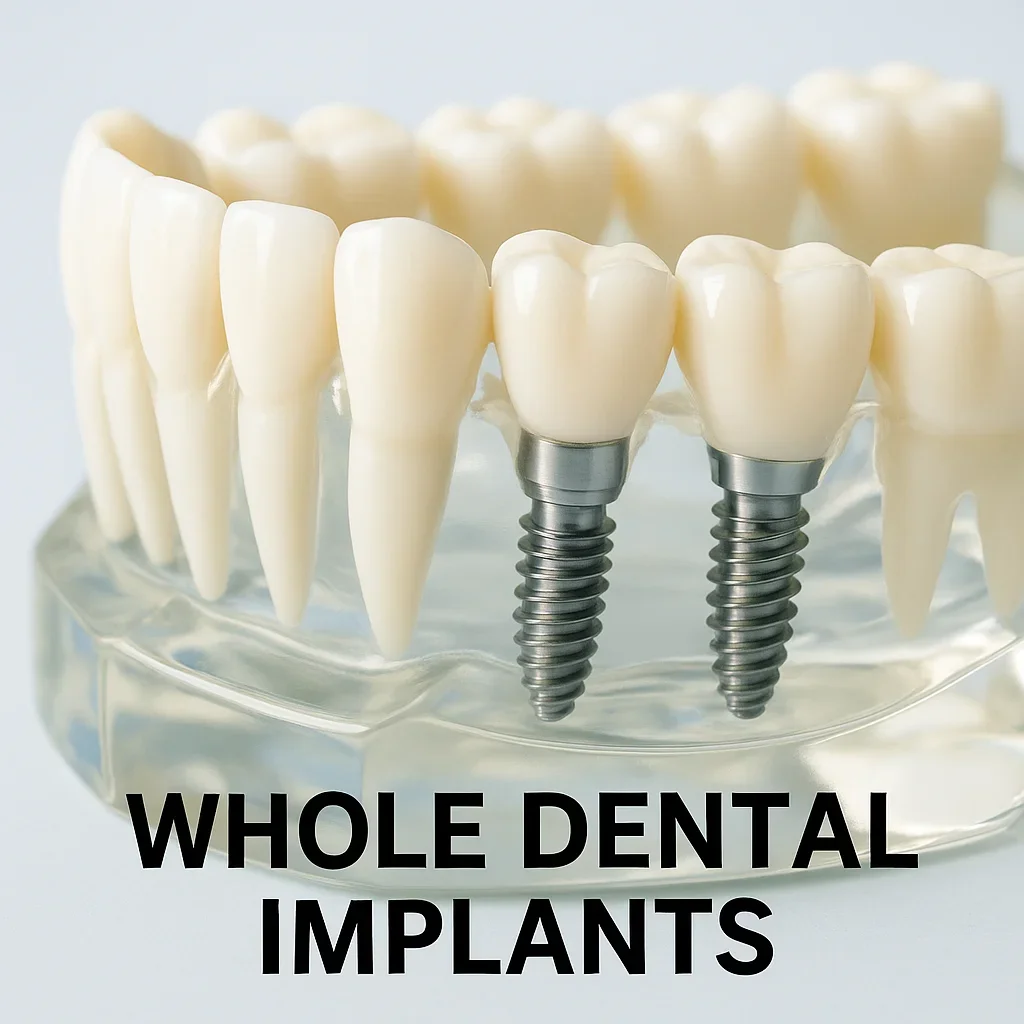
Unlike removable dentures or bridges, whole dental implants involve surgically placing titanium posts into the jawbone to act as artificial tooth roots. These posts fuse with the bone through a process called osseointegration, providing an incredibly strong foundation for prosthetic teeth. Once the implants are securely anchored, a customized dental crown, bridge, or full arch is attached to create a seamless and natural appearance. This makes the entire structure stable, durable, and nearly indistinguishable from real teeth — both in function and aesthetics.
One of the main reasons people choose whole dental implants is their ability to restore full-mouth function. While single dental implants replace individual teeth, “whole” implants refer to a complete reconstruction of the upper and/or lower dental arches. This is particularly beneficial for patients who have lost most or all of their natural teeth. With a full set of implants, you can chew comfortably, speak clearly, and smile confidently without worrying about loose dentures or discomfort. 🦷
The Science Behind Whole Dental Implants
Each whole dental implant consists of three main parts:
- Implant Post: A titanium or zirconium screw that integrates with the jawbone and acts as a new tooth root.
- Abutment: A connector piece that links the implant post to the visible crown or bridge.
- Prosthetic Teeth: The visible portion of the implant, crafted from high-quality materials like porcelain or zirconia for a realistic look and durability.
This tri-layered structure ensures strength and stability while mimicking the natural biomechanics of teeth. Because the implants are embedded directly into the jawbone, they prevent bone loss — a common issue after tooth extraction. The bone tissue naturally bonds with the implant, maintaining jaw strength and facial volume, which helps you look younger for longer.
Why Whole Dental Implants Are Different
Unlike traditional dentures, which rest on the gums and can shift or slip, whole dental implants are permanently fixed. This not only enhances comfort but also improves chewing efficiency. Patients who switch from dentures to implants often report a dramatic improvement in their ability to enjoy foods they previously avoided — like steak, apples, or corn on the cob 🍎. Additionally, implants do not require adhesives or daily removal, simplifying your oral hygiene routine.
Another major difference is longevity. With proper care, whole dental implants can last 20 years or more — often a lifetime — whereas dentures and bridges may need replacement every 5–10 years. This long-term stability makes implants a wise investment in both health and confidence. Moreover, they stimulate the jawbone, preserving its density and preventing the “sunken face” appearance that often accompanies tooth loss.
Ideal Candidates for Whole Dental Implants
Most adults in good general and oral health can qualify for whole dental implants. Ideal candidates include:
- Individuals missing multiple teeth or full arches.
- Patients with sufficient jawbone density to support implants.
- Non-smokers (or those willing to quit) to improve healing success rates.
- People free from uncontrolled chronic diseases like diabetes or heart conditions.
Before the procedure, your dentist will perform a comprehensive evaluation using 3D imaging and scans to assess bone structure and plan the exact placement of each implant. This precision ensures optimal aesthetics and stability. If bone loss has occurred, a bone graft or sinus lift may be recommended to create a strong foundation for the implants.
Boosting Confidence and Oral Health
Beyond the cosmetic benefits, whole dental implants play a crucial role in oral and general health. Missing teeth can lead to misalignment, speech issues, and poor nutrition. By replacing every lost tooth, implants restore not just appearance but full oral functionality. They also help maintain proper spacing and bite alignment, reducing strain on the jaw and surrounding teeth.
Moreover, the self-esteem boost from a complete, radiant smile can significantly improve a person’s quality of life. Many patients report feeling more confident in social and professional situations after getting whole dental implants. As a result, they often smile more, eat better, and engage more actively in daily life.
Expert Care at Redent Klinik
If you’re considering whole dental implants in Turkey, the experienced team at Redent Klinik Contact Page is ready to help. Known for advanced technology, personalized treatment plans, and international patient care, Redent Klinik provides exceptional implant dentistry at affordable prices — often at a fraction of the cost compared to other countries. Their experts follow international protocols and standards, ensuring long-lasting and natural-looking results for every patient.
For further information about implant safety and standards, you can refer to the American Dental Association, which provides detailed resources and guidelines for implant procedures and materials used worldwide.
In conclusion, whole dental implants are more than a dental restoration — they are a complete transformation of your oral health, confidence, and lifestyle. With modern techniques, expert care, and proper maintenance, these implants can truly help you rediscover the power of a full, natural smile that lasts a lifetime ✨.
Benefits of Choosing Whole Dental Implants Over Traditional Dentures
When comparing whole dental implants to traditional dentures, the advantages are truly transformative — not only in terms of appearance but also in functionality, comfort, and long-term oral health. While dentures have long been used as a solution for missing teeth, they come with notable limitations that modern implant technology has successfully overcome. Patients who make the switch from dentures to implants often describe it as a life-changing decision that gives them back the freedom to eat, smile, and speak confidently 🦷.
1. Superior Stability and Comfort
One of the most significant benefits of whole dental implants is their remarkable stability. Unlike dentures that simply rest on the gums, implants are securely anchored into the jawbone, mimicking natural tooth roots. This bond eliminates the discomfort of slipping or shifting dentures — a problem that many denture users experience daily. With implants, there is no need for messy adhesives or the fear of dentures falling out while eating or speaking.
The titanium or zirconia posts used in whole dental implants integrate directly with the bone through a process called osseointegration. This not only provides exceptional strength but also preserves the bone structure itself, which dentures fail to do. As a result, implants feel and function like real teeth, allowing patients to chew tougher foods, laugh freely, and maintain a completely natural oral sensation.
2. Aesthetic Advantages: Natural-Looking and Confidence-Boosting
When it comes to aesthetics, whole dental implants offer a level of realism that dentures simply cannot match. Each implant-supported crown or bridge is customized to the exact color, shape, and size that suits your facial features and smile line. This creates a seamless, lifelike appearance — restoring not only the teeth but also the natural contours of your face. 😁
Traditional dentures often lead to the “sunken” facial look that comes with bone loss over time. Because whole dental implants stimulate the jawbone like natural teeth, they prevent facial collapse and premature aging. Patients regain a youthful facial structure, with restored cheek and lip support that gives them a vibrant, confident smile.
3. Long-Term Durability and Investment Value
Many patients initially consider dentures because they seem more affordable upfront. However, when evaluating the long-term picture, whole dental implants are far more cost-effective. Dentures require periodic adjustments, relining, and eventual replacement due to gum and bone changes. Implants, on the other hand, can last 20 years or even a lifetime with proper oral hygiene and regular dental checkups.
This makes whole dental implants a smart investment. They eliminate recurring maintenance costs, prevent bone deterioration, and significantly reduce the risk of oral health issues related to poor-fitting dentures. In financial and health terms alike, implants provide long-term stability and peace of mind.
Price Insight: Average Costs Around the World
To understand the economic aspect, here’s a general overview of the average price range for whole dental implants worldwide (approximate estimates):
- United States: $20,000 – $45,000 for full-mouth restoration
- United Kingdom: £15,000 – £30,000
- Germany: €14,000 – €25,000
- Turkey: $6,000 – $12,000 (high-quality, affordable alternative)
These values are based on 2025 online data and show why dental tourism to Turkey — particularly to clinics like Redent Klinik — is growing rapidly. Patients can save up to 70% while receiving world-class treatment with internationally approved materials.
4. Enhanced Chewing and Speaking Ability
Traditional dentures can shift easily during eating, which restricts the types of foods patients can enjoy. Sticky or crunchy foods, such as apples, nuts, or steak, are often difficult or even impossible to eat comfortably. With whole dental implants, chewing efficiency is restored to nearly the same level as natural teeth — around 90–95% effectiveness. This allows individuals to enjoy a balanced diet, improving nutrition and overall health 🍎.
Additionally, speech improvement is a major benefit. Dentures may click, slip, or cause slurred speech due to poor fit or instability. Because implants are fixed and do not move, they provide clarity and confidence when speaking in social or professional settings.
5. Bone Preservation and Jaw Health
One of the most overlooked advantages of whole dental implants is their role in preserving jawbone density. After tooth loss, the jawbone begins to shrink (a process known as resorption) because it no longer receives stimulation from tooth roots. Dentures merely rest on the gums and do nothing to stop this bone loss. Over time, this leads to facial sagging and changes in bite alignment.
Implants, however, act as artificial tooth roots. They transmit chewing forces into the bone, stimulating bone regeneration and preventing resorption. This keeps the jaw strong and maintains facial symmetry, ensuring your smile remains youthful and natural for decades.
6. Improved Oral Hygiene and Overall Health
Contrary to common belief, maintaining whole dental implants is easier than caring for dentures. They don’t need to be removed daily or soaked overnight. Standard oral hygiene — brushing twice daily, flossing, and regular dental visits — is usually sufficient. Implants also reduce gum irritation and the buildup of bacteria that can lead to infections or bad breath.
From a medical perspective, whole dental implants contribute to better overall health. By restoring proper chewing and digestion, they support balanced nutrition. Additionally, eliminating ill-fitting dentures reduces the risk of mouth sores and fungal infections.
7. Psychological and Lifestyle Benefits
Beyond functionality and aesthetics, whole dental implants profoundly impact emotional well-being. The ability to smile freely without self-consciousness boosts confidence, which directly improves social interaction and professional performance. Many patients describe the experience as regaining a part of themselves they thought was lost forever. 🌟
Furthermore, implants eliminate the stress of maintenance associated with dentures — no slipping, no discomfort, and no fear of embarrassing moments. You can wake up every day knowing your teeth look natural and feel secure.
Expert Insight and Trusted Sources
For detailed safety information and global dental implant standards, refer to the American Dental Association. Their extensive research supports the effectiveness of implant-based restorations for long-term oral health and bone preservation.
In summary, whole dental implants are not just a cosmetic upgrade — they are a full-spectrum health solution. From bone integrity to mental confidence, they outperform dentures in every possible way. By investing in implants, you’re not only restoring your teeth but also rebuilding your quality of life. For personalized consultation and affordable full-mouth restoration, visit Redent Klinik Contact Page and take the first step toward your perfect smile today.
Who Is a Good Candidate for Whole Dental Implants?
Before choosing whole dental implants as your smile restoration option, it’s crucial to determine if you are a suitable candidate. While these implants can benefit a wide range of patients, not everyone may be ready for immediate implantation. Factors such as bone density, gum health, lifestyle habits, and systemic health all play an essential role in deciding eligibility. Understanding these criteria will help you make an informed decision and prepare for a successful treatment outcome. 🦷
1. General Health Requirements for Whole Dental Implants
The success of whole dental implants depends heavily on your overall health. Since implant placement involves minor oral surgery, patients should be in good general condition to ensure proper healing and bone integration. Ideal candidates are typically:
- Adults with fully developed jawbones (usually over 18 years old).
- Non-smokers or individuals willing to quit smoking before and after surgery.
- Free from uncontrolled systemic diseases such as diabetes or hypertension.
- Not undergoing active chemotherapy or radiation treatments.
- Committed to maintaining consistent oral hygiene and follow-up visits.
Smoking and chronic conditions like diabetes can slow the healing process and reduce implant success rates. However, even patients with mild health conditions can still receive whole dental implants under medical supervision and with proper pre-treatment preparation.
2. The Importance of Jawbone Density
A strong and healthy jawbone is one of the most critical factors for successful whole dental implants. Since the implants are anchored into the bone, adequate bone density and volume are necessary to provide stable support. When teeth are lost, the bone beneath them begins to resorb over time, weakening the foundation required for implant placement.
Bone Grafting and Sinus Lifting Procedures
Fortunately, patients with bone loss are not automatically disqualified from receiving whole dental implants. Advanced procedures like bone grafting and sinus lifting can rebuild bone volume and create a suitable base for implant integration. Bone grafts may use materials from your own body (autografts) or synthetic substitutes, and they promote natural bone regeneration over a few months.
Once sufficient bone mass has developed, the implant process can proceed with minimal risk. This preparatory step ensures the implants will fuse securely with the jawbone, offering long-lasting strength and function.
3. Gum Health and Oral Hygiene
Healthy gums are just as important as strong bone structure. Patients suffering from active gum disease (periodontitis) or severe gingivitis must undergo treatment before whole dental implants can be placed. Inflammation and bacterial infection can compromise healing and lead to implant failure.
Maintaining excellent oral hygiene after implantation is also essential. Daily brushing, flossing, and regular professional cleanings will prevent plaque buildup and prolong implant lifespan. Dental specialists often recommend using soft-bristle brushes and antimicrobial mouth rinses to protect both the implants and natural tissues around them.
4. Age Considerations
There is no strict upper age limit for receiving whole dental implants. In fact, many older adults benefit greatly from this procedure, especially those seeking a permanent alternative to removable dentures. The main concern is bone quality rather than age itself. As long as an individual’s jawbone and health conditions allow, implants can be successfully placed even in their 70s or 80s.
However, for younger individuals, dentists typically wait until jaw growth is complete before performing the procedure. Placing implants too early, while the bone is still developing, may cause alignment and spacing issues later on.
5. Lifestyle and Habits That Influence Candidacy
Your daily habits and lifestyle choices can significantly affect your suitability for whole dental implants. For example, smokers have a higher risk of implant failure because nicotine restricts blood flow to the gums, slowing healing and weakening bone integration. Likewise, individuals who consume excessive alcohol or neglect oral hygiene may experience complications during recovery.
Tips for a Successful Implant Journey
- Quit smoking at least 2–3 months before surgery.
- Follow a nutrient-rich diet to strengthen bones and tissues.
- Stay hydrated and limit sugary or acidic drinks.
- Schedule regular checkups with your implant specialist.
Following these practices can dramatically increase the success rate of your whole dental implants and help you enjoy their benefits for decades.
6. Psychological Readiness and Expectations
Getting whole dental implants is not just a physical transformation — it’s also a psychological journey. Candidates should have realistic expectations regarding recovery time, results, and maintenance requirements. Implant treatment involves multiple stages, often spread over several months, depending on healing time and bone health. Understanding these steps helps patients remain patient and motivated throughout the process.
Moreover, psychological readiness contributes to better cooperation with post-operative instructions, which are vital for healing. Many clinics, including Redent Klinik, provide detailed counseling before the procedure to ensure patients are fully informed and confident about their choice.
7. Medical Assessments and Diagnostic Imaging
Before proceeding with whole dental implants, a series of diagnostic tests are performed to evaluate your oral and systemic condition. These typically include:
- 3D CBCT Scans: To measure bone density and map nerve locations.
- Panoramic X-rays: To examine the structure of the entire mouth and jaw.
- Blood Tests: To ensure there are no underlying medical issues that could affect healing.
These assessments allow the dentist to plan the exact positioning and depth of each implant, ensuring both safety and aesthetic alignment. Using digital surgical guides, experts can achieve millimeter-level precision, significantly reducing risk and improving implant longevity.
Professional Opinion from Experts
According to the American Dental Association, patients with controlled health conditions and sufficient bone structure experience a success rate of over 95% with dental implants. This statistic emphasizes how technological advancements and careful planning have made whole dental implants one of the most reliable restorative treatments in modern dentistry.
8. When Whole Dental Implants May Not Be Suitable
Although most people qualify, there are cases where whole dental implants may not be immediately recommended. These include:
- Uncontrolled diabetes or immune disorders.
- Severe bone atrophy that cannot be grafted.
- Active gum infections or untreated cavities.
- Heavy smokers or individuals unwilling to modify harmful habits.
- Pregnant patients (implant surgery is usually postponed).
For these patients, dentists may recommend preliminary treatments — such as bone grafts, gum therapy, or smoking cessation — before proceeding with the implant process.
9. Consultation at Redent Klinik for Personalized Evaluation
At Redent Klinik Contact Page, each patient undergoes a personalized evaluation to determine the best approach for their whole dental implants. Using cutting-edge imaging and digital planning, specialists tailor treatment plans that ensure precision, comfort, and aesthetic excellence. Whether you require full-mouth restoration or partial implants, Redent Klinik’s expertise guarantees results that look natural and last a lifetime.
In conclusion, the ideal candidate for whole dental implants is someone who maintains good overall health, has sufficient bone density, and is dedicated to proper oral hygiene. With the right preparation and professional care, nearly anyone can enjoy the transformative benefits of dental implants — regaining not just their smile but their confidence and quality of life. 🌟
The Step-by-Step Procedure of Whole Dental Implants
Understanding the full process of whole dental implants is essential before beginning your journey toward a confident, functional smile. This treatment involves multiple stages that ensure durability, precision, and natural aesthetics. From the initial consultation to the final crown placement, each phase plays a critical role in achieving long-lasting success. Here’s a detailed breakdown of how whole dental implants are placed, what to expect at each step, and how dental professionals ensure safety and comfort throughout the process. 🦷
1. Initial Consultation and Comprehensive Assessment
The first step in getting whole dental implants starts with a detailed dental examination. During this stage, your dentist or implant specialist reviews your medical history, oral condition, and bone density to determine your suitability for treatment. Diagnostic imaging such as 3D CBCT scans and panoramic X-rays are used to evaluate jawbone health and the position of nerves and sinuses.
At this point, your dentist will discuss your goals, answer questions, and create a customized treatment plan. If bone loss or gum disease is present, preparatory procedures may be required before implants can be placed. Clinics like Redent Klinik prioritize this diagnostic phase to ensure that each patient’s treatment plan is tailored with precision, safety, and aesthetic excellence in mind.
2. Pre-Surgical Preparations
Once you’re approved for whole dental implants, the dentist begins by addressing any existing dental issues. This may include tooth extractions, cleaning, or bone grafting if the jawbone is too thin or soft to support implants. The goal is to create a healthy, stable foundation for the titanium posts that will serve as artificial tooth roots.
Bone Grafting and Healing Time
Bone grafting involves adding bone material—either synthetic or from a donor site—to areas with insufficient volume. The graft integrates with your natural bone over several months, creating the required strength for implant placement. Although this step adds time to the overall treatment, it significantly increases the long-term success rate of whole dental implants.
3. Implant Placement Surgery
This is the phase where the actual whole dental implants are surgically inserted into the jawbone. The procedure is typically performed under local anesthesia or sedation for maximum comfort. During surgery, the dentist makes a small incision in the gum to expose the bone, drills tiny holes, and carefully places the titanium or zirconia implant posts.
Each post acts as a substitute for a natural tooth root. For a full-mouth restoration, several implants (usually 4–8 per jaw) are positioned strategically to support an entire dental bridge or arch. Once the implants are secured, the gums are sutured closed to allow healing.
Healing and Osseointegration
Over the next 3–6 months, a natural biological process called osseointegration occurs. During this time, the implants fuse tightly with the surrounding bone, forming an incredibly strong foundation for artificial teeth. This phase is crucial; successful integration determines how well your whole dental implants will function long term.
Temporary restorations may be fitted during this period to maintain your appearance and oral comfort. Patients are advised to follow a soft-food diet, maintain excellent oral hygiene, and attend follow-up appointments for monitoring progress.
4. Abutment Placement
After osseointegration is complete, the next step involves attaching an abutment—a small connector that joins the implant post to the final crown or bridge. This minor procedure usually requires reopening the gum tissue to expose the implant top. The abutment is then fixed in place, and a healing cap is added to shape the gums around the new tooth structure.
In some cases, the abutment can be placed during the same surgery as the implant, depending on the patient’s bone quality and healing potential. Redent Klinik’s specialists evaluate each case carefully to determine whether a one-stage or two-stage approach is most suitable for optimal aesthetic and functional results.
5. Digital Impressions and Custom Crown Design
Once the gums have healed and the abutments are secured, the dentist takes digital impressions of your mouth using advanced 3D scanning technology. These impressions are used to design custom-made crowns or bridges that match the color, shape, and alignment of your natural teeth.
Material Options for Crowns
- Porcelain-Fused-to-Metal (PFM): Offers strength with a natural finish.
- Zirconia: Known for its durability, biocompatibility, and lifelike translucency.
- Full Porcelain: Excellent for aesthetics in the front teeth area.
The dental laboratory fabricates these prosthetics with high precision, ensuring a perfect bite and aesthetic balance. During the waiting period, temporary crowns may be provided to maintain functionality and comfort.
6. Final Restoration and Smile Transformation
The final step of the whole dental implants procedure is the attachment of the permanent crown, bridge, or full-arch prosthesis. The dentist secures the restoration onto the abutments, checks the bite alignment, and polishes the surfaces to ensure comfort and a natural look. This is the moment when patients see their complete smile restored — often resulting in a visible emotional transformation. ✨
Once the prosthetic is fixed, it feels and functions like real teeth. You can eat, speak, and smile confidently without worrying about slippage or discomfort. With proper oral hygiene and regular dental visits, the results can last for decades.
7. Post-Operative Care and Recovery
After the completion of your whole dental implants, following the post-operative guidelines is essential for healing and long-term success. Patients may experience minor swelling, tenderness, or slight bleeding during the first few days. Dentists usually recommend cold compresses, soft foods, and prescribed medications to manage discomfort.
Good oral hygiene is crucial. Brushing gently around the surgical site, rinsing with saltwater, and avoiding tobacco products will promote faster healing. Redent Klinik provides each patient with a personalized care plan that includes follow-up visits and professional cleaning schedules to maintain implant health.
Follow-Up and Monitoring
Regular follow-ups (usually after one week, one month, and six months) allow dentists to track healing progress and ensure the implants are stable. Once fully healed, yearly checkups and professional cleanings are enough to preserve your investment. Studies show that patients who adhere to post-implant maintenance programs have a 98–99% success rate in the first decade after surgery.
8. Common Questions About the Procedure
Does it hurt? Modern anesthesia and sedation techniques make the process virtually painless. Patients report only mild soreness afterward, similar to tooth extraction recovery.
How long does it take? The complete whole dental implants process can take 4–9 months, depending on healing time and bone grafting requirements.
Are the results permanent? Yes, with proper care, whole dental implants can last a lifetime, offering unmatched strength and stability compared to dentures or bridges.
9. Expert Care and Global Standards
Clinics following international guidelines, such as those provided by the American Dental Association, ensure that whole dental implants are performed with top safety and hygiene protocols. Redent Klinik, for instance, uses digital planning, high-precision 3D scanning, and globally certified materials for every case. This combination of advanced technology and patient-focused care guarantees both functional and aesthetic excellence.
In conclusion, the whole dental implants procedure is a meticulously planned and executed process that restores not only your smile but also your quality of life. From diagnostics to final restoration, each phase contributes to long-term comfort, confidence, and health. With the right clinic, proper aftercare, and dedication to oral hygiene, your new smile can truly last a lifetime 🌟.
Healing and Recovery: What to Expect After Whole Dental Implants
After receiving whole dental implants, the healing and recovery phase is one of the most critical parts of the entire treatment process. While the surgical placement of implants is a precise and carefully managed procedure, the body still needs adequate time to heal, integrate, and adjust to the newly placed implants. Understanding what to expect during this period helps patients recover smoothly, avoid complications, and enjoy their beautiful new smile for years to come. 🌿
1. The First 24 to 48 Hours After Surgery
Immediately after the whole dental implants procedure, it’s normal to experience mild discomfort, swelling, or minor bleeding. These symptoms are a natural part of the body’s healing response. Most dentists provide pain relief medication and detailed aftercare instructions to manage these temporary effects.
- Swelling: Usually peaks within 48 hours and gradually subsides after 3–5 days. Applying an ice pack for 10–15 minutes at a time helps minimize swelling.
- Bleeding: Slight bleeding or pinkish saliva for up to 24 hours is typical. Biting gently on sterile gauze can help control it.
- Rest: Patients should avoid physical exertion for at least 48 hours post-surgery to reduce strain and promote healing.
During this phase, the goal is to protect the surgical area and prevent infection. Dentists often prescribe antibiotics or antiseptic mouth rinses to ensure the gums remain clean and healthy.
2. The First Week: Managing Discomfort and Diet
The first week after whole dental implants placement requires gentle care and patience. Pain typically decreases after the first few days, and swelling continues to reduce. It’s important to maintain a soft diet to avoid disturbing the implants while they begin to integrate with the bone.
Recommended Foods for the First Week
- Mashed potatoes, yogurt, and oatmeal 🍚
- Soups and smoothies (avoid hot or spicy varieties)
- Soft scrambled eggs, steamed vegetables, and fish
Avoid hard, crunchy, or sticky foods such as nuts, chips, and caramel, which can put unnecessary pressure on the implants. Hydration is equally essential—drink plenty of water, but refrain from using straws, as suction can disrupt clot formation and slow healing.
3. The Process of Osseointegration
The most crucial stage of recovery after whole dental implants is osseointegration, where the titanium posts bond with the jawbone. This process takes between 3–6 months, depending on the patient’s bone quality and overall health. During this time, new bone cells grow around the implants, forming a stable and permanent connection.
Osseointegration is what allows whole dental implants to function like natural tooth roots. It ensures long-term stability, strength, and bite efficiency. Although this process happens beneath the surface, patients should continue maintaining meticulous oral hygiene to prevent any gum inflammation or infection that might interfere with healing.
4. Gum Healing and Tissue Adaptation
The gums also undergo a healing phase, adapting to the new implant structures. Within two to three weeks, the gum tissue starts forming around the implant abutments, creating a natural-looking contour. It’s common for dentists to use a healing cap during this phase to shape the gum properly and prepare it for the final prosthesis.
Patients may notice slight changes in gum color or mild sensitivity during this period—both are normal as the tissues regenerate. If any severe pain or unusual swelling occurs, a quick check-up at the clinic is recommended.
5. Maintaining Oral Hygiene During Recovery
Good oral hygiene is crucial after whole dental implants surgery. In the early recovery period, brushing should be done gently using a soft-bristled toothbrush to avoid disturbing the surgical site. Rinsing with a warm saltwater solution 2–3 times daily helps keep the mouth clean and reduce inflammation.
Essential Oral Hygiene Tips
- Brush gently but thoroughly twice a day using non-abrasive toothpaste.
- Avoid electric toothbrushes for the first few weeks to prevent vibration pressure.
- Use interdental brushes to clean around abutments once the gums heal.
- Rinse with alcohol-free mouthwash to reduce bacterial growth.
Following these steps minimizes the risk of peri-implantitis (infection around implants), which is one of the leading causes of implant failure. Consistency and caution are key during the recovery phase.
6. Follow-Up Appointments and Monitoring
Regular dental visits after whole dental implants surgery are essential to monitor healing progress. Typically, follow-up appointments are scheduled at one week, one month, three months, and six months post-surgery. During these visits, the dentist checks bone integration, gum healing, and the stability of the implants.
Digital imaging tools may be used to ensure proper osseointegration and to detect early signs of inflammation. If everything is progressing as expected, the dentist will schedule the next stage—abutment placement and crown fitting.
7. Common Challenges During Recovery
Although whole dental implants have a high success rate (above 95%), patients might face minor temporary issues such as:
- Gum Sensitivity: Mild tenderness or soreness is common but usually fades with healing.
- Bruising: Especially in the cheek area, which resolves within 5–10 days.
- Tightness: Feeling of tension around the jaw due to tissue adjustment.
Severe pain, continuous bleeding, or pus formation are not normal and require immediate evaluation by your dental specialist. Clinics like Redent Klinik provide dedicated post-surgical support and routine check-ups to ensure optimal recovery outcomes.
8. Lifestyle Habits That Aid Healing
Your lifestyle choices play a huge role in how well you recover after whole dental implants. Avoid smoking and alcohol for at least four weeks after surgery, as they can impair blood flow and slow tissue regeneration. Similarly, maintaining a balanced diet rich in vitamins C and D, calcium, and protein supports faster healing and stronger bone formation.
Helpful Lifestyle Tips
- Stay hydrated and eat nutrient-dense meals 🥦
- Get sufficient sleep to enhance immune function.
- Limit caffeine intake to reduce dehydration.
- Follow your dentist’s advice regarding physical activities.
Adopting these habits ensures your body has the strength and resources it needs to support the healing process efficiently.
9. Long-Term Recovery and Final Results
By the end of the osseointegration period, your whole dental implants should feel completely natural and stable. Once the final crowns or bridges are placed, most patients report an immediate improvement in chewing ability, speech, and confidence. With proper care, these results can last a lifetime — making whole dental implants one of the most rewarding investments in dental restoration.
10. Expert Recommendations and Global Standards
The American Dental Association emphasizes the importance of patient education, hygiene, and regular dental evaluations for long-term implant success. Clinics that follow these international standards, like Redent Klinik, combine modern technology with personalized aftercare to maximize healing outcomes and comfort.
In conclusion, healing after whole dental implants is a journey that demands patience, attention, and consistent care. From the first 24 hours to the final restoration, every stage contributes to achieving a strong, healthy, and radiant smile that lasts for decades. By following your dentist’s guidance and maintaining excellent oral hygiene, you’ll enjoy not only the beauty but also the long-term functionality that these implants provide. 🌟
Cost of Whole Dental Implants: Country-by-Country Price Comparison
The cost of whole dental implants varies widely depending on the country, clinic expertise, materials used, and the complexity of each case. Understanding how pricing differs internationally helps patients make informed decisions — especially those seeking affordable yet high-quality dental treatment abroad. Below, we’ll explore all the major cost factors, country-specific averages, and expert insights on how to balance affordability with world-class care. 💰
1. What Determines the Cost of Whole Dental Implants?
Before diving into global comparisons, it’s essential to understand the components that make up the price of whole dental implants. Implant dentistry involves multiple materials, steps, and specialists. The total cost is not just for the implant itself but also for the comprehensive process that includes:
- Initial consultation and diagnostic imaging (3D CBCT scans, panoramic X-rays, etc.)
- Surgical procedure (implant placement and abutment connection)
- Prosthetic restorations (custom-made crowns or bridges)
- Bone grafting or sinus lifting (if required)
- Follow-up visits and aftercare
Each of these elements contributes to the final cost. For example, premium materials like zirconia or titanium alloys tend to be more expensive but offer superior biocompatibility and longevity. Similarly, clinics equipped with cutting-edge technology and experienced implant surgeons may charge slightly higher fees — but provide far greater precision and safety.
2. Global Price Comparison of Whole Dental Implants
Below is an approximate country-by-country breakdown of whole dental implants costs in 2025. Prices are for full-mouth restorations, including both jaws, and can vary depending on individual treatment needs.
- United States: $25,000 – $50,000 (one of the highest globally due to labor and insurance costs)
- Canada: $20,000 – $45,000
- United Kingdom: £15,000 – £30,000
- Germany: €14,000 – €25,000
- Australia: AUD 18,000 – AUD 35,000
- Turkey: $6,000 – $12,000 (premium quality with significant cost savings)
- India: $4,000 – $8,000 (low prices, but variable quality standards)
- Mexico: $8,000 – $15,000 (popular for U.S. patients seeking affordability)
These figures highlight why dental tourism has become increasingly popular. Countries like Turkey, Thailand, and Mexico offer world-class implant treatments at a fraction of the cost found in Western Europe or North America — often using the same implant brands and following international clinical protocols.
3. Why Turkey Is a Global Leader in Affordable Implant Dentistry
Turkey has rapidly emerged as a hub for whole dental implants due to its combination of advanced facilities, skilled dentists, and reasonable pricing. Leading clinics such as Redent Klinik provide internationally accredited services, attracting thousands of medical tourists each year.
Key Reasons for Lower Costs in Turkey
- Lower operational and labor costs compared to Western nations.
- Government incentives promoting medical tourism.
- Currency exchange advantages for foreign patients.
- High competition among clinics, leading to better quality at competitive prices.
Despite lower costs, Turkey’s dental standards are on par with Europe and the U.S. Many clinics use globally recognized implant brands such as Straumann, Nobel Biocare, and Medentika, ensuring longevity and biocompatibility. Patients also enjoy the added benefit of a beautiful travel destination while undergoing their smile transformation 🇹🇷.
4. Cost Breakdown by Treatment Type
The total cost of whole dental implants also depends on the treatment type and the number of implants required:
- Single Tooth Implant: $1,000 – $3,000 per implant.
- All-on-4 Implants: $6,000 – $20,000 per arch.
- All-on-6 or All-on-8 Implants: $8,000 – $25,000 per arch.
- Full Mouth (Upper and Lower): $12,000 – $50,000 depending on region and materials.
For example, a patient opting for whole dental implants with zirconia bridges will typically pay more than one choosing acrylic bridges, due to material durability and aesthetic differences.
5. Factors That Influence Price Differences
Several key factors explain why whole dental implants cost more in some countries than others:
Professional Expertise
Highly experienced oral surgeons or prosthodontists often charge higher fees, but their skill and precision significantly enhance treatment outcomes. Choosing a clinic with board-certified specialists ensures safer, faster healing and longer-lasting results.
Technology and Equipment
Clinics using 3D-guided surgery, digital scans, and computer-aided design/manufacturing (CAD/CAM) systems offer superior accuracy — which may increase the price but guarantee better fit and comfort.
Post-Treatment Care
Comprehensive aftercare packages, including follow-up visits and professional cleanings, can influence costs. However, these services are vital to the long-term success of whole dental implants.
6. Financing and Insurance Options
In countries like the U.S. or U.K., whole dental implants are often not fully covered by standard dental insurance because they are categorized as elective procedures. However, partial coverage may be available for related treatments such as extractions or bone grafting. Many clinics also offer financing plans or installment payments to make treatment more accessible.
In Turkey and some European countries, dental clinics frequently provide personalized financial plans that include accommodation and transportation for international patients — giving them transparent and affordable all-inclusive packages.
7. Comparing Quality and Safety Standards
Cost should never be the only deciding factor when choosing where to get whole dental implants. Always verify a clinic’s certifications, patient reviews, and hygiene protocols. Clinics adhering to international standards such as ISO 9001 or those accredited by the American Dental Association ensure strict quality control and safety during every phase of treatment.
Redent Klinik, for example, follows the same clinical protocols as leading U.S. and European institutions — but at a far more affordable price point. This combination of affordability, transparency, and excellence makes Turkey a preferred destination for full-mouth dental restorations.
8. Cost vs. Long-Term Value
While the initial investment in whole dental implants may seem high compared to dentures or bridges, it offers unmatched durability and value. Traditional dentures require frequent replacements and adjustments, whereas implants can last 20–30 years or more with proper care. Over time, implants prove to be the more economical and sustainable option.
Moreover, implants protect bone health and facial structure, preventing costly corrective treatments in the future. When viewed over decades, the value of whole dental implants goes beyond aesthetics — it’s a long-term investment in confidence, health, and quality of life.
9. Expert Advice: How to Choose the Right Clinic
When comparing costs, look beyond the price tag. Ask these important questions:
- Is the clinic certified by reputable dental associations?
- Does the treatment include digital scanning and planning?
- Are high-quality implant brands used?
- What’s the warranty period on implants and prosthetics?
Trusted clinics like Redent Klinik Contact Page provide transparent pricing, detailed treatment plans, and lifetime support for international patients — ensuring peace of mind from start to finish.
10. Final Thoughts on Global Implant Costs
In summary, whole dental implants offer exceptional long-term value and life-changing results, regardless of where they are performed. However, choosing a country or clinic that balances cost efficiency with medical excellence is key. With Turkey leading the field in affordability and global standards, patients can now access premium care without financial strain. 🌍
By researching well, consulting with certified specialists, and prioritizing quality materials, patients can achieve beautiful, durable, and cost-effective smiles that last a lifetime.
How Long Do Whole Dental Implants Last? Durability and Maintenance Tips
When it comes to dental restorations, few solutions can rival the longevity and resilience of whole dental implants. These implants are designed to last for decades—often a lifetime—when properly maintained. Unlike dentures or bridges that need periodic replacement, implants fuse directly with the jawbone, becoming a permanent part of your oral structure. But their lifespan depends on several key factors, including oral hygiene, lifestyle habits, and the materials used during the procedure. Let’s explore how long whole dental implants truly last, what influences their durability, and how to care for them to ensure lifelong success. 🦷
1. The Average Lifespan of Whole Dental Implants
Statistically, whole dental implants have one of the highest success rates in modern dentistry—over 95% according to the American Dental Association. Most patients can expect their implants to last anywhere from 20 to 30 years, and with meticulous oral care, many last a lifetime. The titanium or zirconia posts placed in the jawbone are biocompatible and resistant to decay, unlike natural tooth roots that can deteriorate over time.
However, while the implant itself can last indefinitely, the prosthetic components—such as crowns, bridges, or dentures attached to the implant—may need replacement after 10–15 years due to natural wear. The longevity of these parts depends on the materials used and the patient’s bite forces, oral hygiene, and diet.
Durability Comparison Table
| Restoration Type | Average Lifespan | Maintenance Required |
|---|---|---|
| Whole Dental Implants | 20–30+ years | Minimal, routine oral care |
| Fixed Bridge | 10–15 years | Moderate, possible replacements |
| Dentures | 5–8 years | Frequent adjustments |
This table highlights why investing in whole dental implants is often more cost-effective and convenient in the long run.
2. Key Factors Affecting the Longevity of Whole Dental Implants
Several interrelated factors influence how long your whole dental implants will last. Understanding these will help you take proactive steps to extend their life.
Bone Quality and Density
The stronger and denser your jawbone, the better the osseointegration process—the fusion of implant posts with the bone. Patients with adequate bone density generally experience higher long-term success rates. Bone loss caused by gum disease or tooth extraction may require bone grafting before implant placement to ensure a solid foundation.
Oral Hygiene and Maintenance
Good oral hygiene is the single most important factor in ensuring the longevity of whole dental implants. Plaque buildup around the gums can cause inflammation, leading to a condition called peri-implantitis—similar to gum disease. Left untreated, it can compromise the implant structure. Brushing twice daily, flossing, and regular dental visits are non-negotiable habits for long-lasting results.
Professional Care and Regular Check-Ups
Implants, like natural teeth, benefit from professional cleaning and periodic evaluation. Dentists check for proper bite alignment, tissue health, and signs of implant stress. Clinics such as Redent Klinik provide comprehensive maintenance programs tailored to each patient’s needs, ensuring implants remain healthy and strong for decades.
3. Material Quality and Technology
The quality of the implant material plays a significant role in its durability. The most commonly used material, titanium, is highly durable, corrosion-resistant, and biocompatible, making it ideal for long-term success. Zirconia implants, a newer ceramic alternative, offer excellent aesthetics and are also known for high strength and tissue compatibility.
Modern innovations such as 3D digital planning and guided surgery further enhance implant precision. These technologies minimize surgical trauma, ensure optimal implant placement, and reduce complications that could affect lifespan.
4. The Role of Lifestyle in Implant Longevity
Your daily habits significantly influence how long whole dental implants will last. Smoking, for instance, reduces blood flow to the gums, impeding healing and increasing the risk of infection. Studies have shown that smokers experience implant failure rates up to 20% higher than non-smokers. Excessive alcohol consumption, poor diet, or teeth grinding (bruxism) can also shorten implant lifespan if left unmanaged.
Healthy Habits for Long-Term Implant Success
- Quit smoking or reduce usage before and after surgery.
- Eat a balanced diet rich in calcium and vitamin D to strengthen bone health.
- Use a mouthguard if you grind your teeth during sleep.
- Maintain hydration to keep gum tissue healthy.
Following these habits ensures the structural integrity of whole dental implants and promotes gum and bone longevity.
5. Recognizing Early Warning Signs of Implant Problems
Even though whole dental implants are designed for long-term reliability, early detection of potential issues is crucial. Warning signs include persistent swelling, pain around the gums, implant mobility, or unusual bleeding. These symptoms may indicate peri-implant inflammation or improper bite alignment.
Prompt dental evaluation can prevent minor issues from escalating into major complications. Advanced clinics, including Redent Klinik, offer diagnostic monitoring and early intervention programs to safeguard implant performance.
6. Maintenance Routine for Long-Term Durability
Maintaining whole dental implants doesn’t require special tools—just consistency. Here’s a routine to follow:
- Morning and Night Brushing: Use a soft-bristle toothbrush and low-abrasive toothpaste.
- Daily Flossing: Focus on cleaning between implants using interdental brushes or water flossers.
- Regular Dental Visits: Schedule professional cleaning every six months.
- Healthy Lifestyle: Avoid smoking, excessive sugar, and high-acid foods that affect gum health.
Some patients may benefit from using antimicrobial mouth rinses, especially during the first months after surgery. These help reduce bacterial load and protect the gum tissue surrounding the implant base.
7. How Long Do Prosthetics on Implants Last?
While the titanium or zirconia base of whole dental implants can last a lifetime, the crowns or bridges attached to them may need replacement due to daily wear and tear. High-quality zirconia or porcelain prosthetics typically last 10–15 years before showing signs of wear. However, advancements in materials have pushed this average even higher for patients who maintain excellent oral hygiene.
Upgrading or Replacing Crowns
If a crown becomes damaged or stained, replacing it is a simple process that does not require redoing the entire implant. The dentist detaches the worn crown and attaches a new one to the existing abutment. This process is painless, cost-efficient, and quick—ensuring your smile stays flawless for decades.
8. Realistic Expectations for Lifetime Results
It’s important to have realistic expectations. Although whole dental implants can last a lifetime, they still rely on patient commitment and maintenance. Think of them as a permanent but living part of your body—they need care, nourishment, and regular attention to thrive. With proper hygiene and professional monitoring, they can provide full functionality and aesthetic appeal for life.
9. Expert Insight on Longevity and Quality Assurance
According to the American Dental Association, the long-term success of whole dental implants exceeds 25 years in more than 90% of patients when performed by skilled professionals. Clinics like Redent Klinik maintain global quality standards by using certified materials and evidence-based techniques that maximize durability.
Patients who follow personalized maintenance programs and attend regular checkups rarely experience implant failure. These programs include dietary counseling, professional cleaning, and early detection of gum inflammation.
10. Final Thoughts: Ensuring a Lifetime Smile
In conclusion, whole dental implants are a lifetime investment in your health, confidence, and quality of life. Their incredible durability, combined with proper care, makes them the most reliable tooth replacement option available today. By committing to consistent hygiene, regular dental visits, and healthy habits, you can ensure your implants stay strong and beautiful for decades to come. 🌟
For expert guidance, individualized treatment plans, and world-class aftercare, visit the Redent Klinik Contact Page to schedule a consultation and start your journey toward a lifetime of confident smiles.
Common Problems and How to Prevent Them
While whole dental implants are among the most durable and successful dental treatments available today, no procedure is completely risk-free. Even though their success rate exceeds 95%, complications can occasionally arise due to poor oral hygiene, smoking, improper implant placement, or systemic health conditions. The good news is that most of these problems are preventable with the right care and attention. This section provides a comprehensive overview of the most common challenges patients face after whole dental implants surgery and practical strategies to prevent them for lifelong success. 🦷
1. Early Post-Surgical Complications
Immediately after the placement of whole dental implants, patients may experience temporary discomfort or minor side effects. These early issues are typically part of the natural healing process and not a sign of implant failure.
Normal Healing Reactions
- Swelling and Bruising: Usually peak within 48–72 hours and gradually subside. Applying ice packs can help reduce inflammation.
- Mild Pain or Soreness: Common during the first week, manageable with prescribed medications.
- Minor Bleeding: A small amount of oozing is expected within 24 hours post-surgery.
These are temporary effects and typically disappear within a week. However, patients should contact their dental professional if the pain intensifies or swelling increases after several days, as this may indicate infection or delayed healing.
2. Infection and Peri-Implantitis
One of the most significant long-term risks associated with whole dental implants is peri-implantitis—a bacterial infection that affects the gums and bone around the implant. This condition resembles gum disease (periodontitis) and can lead to bone loss and implant loosening if untreated.
Symptoms of Peri-Implantitis
- Red, swollen, or bleeding gums near the implant site.
- Persistent bad breath or taste.
- Pain or discomfort when chewing.
- Gum recession revealing the implant threads.
Prevention: Maintaining excellent oral hygiene is key. Brush twice daily, use interdental brushes to clean between implants, and rinse with an antiseptic mouthwash. Regular checkups allow your dentist to detect early signs of inflammation and address them before they progress. Clinics like Redent Klinik perform professional cleanings and routine evaluations to keep implants infection-free.
3. Implant Loosening or Failure
Although rare, whole dental implants can loosen or fail if osseointegration (the fusion of the implant with the jawbone) does not occur properly. This can result from inadequate bone density, uncontrolled diabetes, smoking, or mechanical overload from grinding teeth (bruxism).
Signs of Implant Instability
- Movement or shifting of the implant when chewing.
- Pain or pressure around the implant area.
- Changes in bite alignment or discomfort when closing the mouth.
Prevention: Patients should undergo comprehensive pre-surgical assessment, including bone density scans, before implant placement. If necessary, bone grafting procedures can strengthen the jawbone to ensure firm implant support. Avoid smoking and excessive alcohol consumption, as these habits can hinder bone healing. Wearing a custom night guard is also advised for patients who grind their teeth during sleep.
4. Nerve Damage and Sinus Complications
In some cases, improper implant placement can lead to nerve irritation or sinus issues, particularly for implants in the upper jaw. Advanced 3D imaging and digital planning technologies now minimize these risks by enabling precise positioning of whole dental implants.
How to Avoid These Issues
- Choose an experienced implantologist who uses digital-guided surgery.
- Undergo a CBCT scan (cone-beam computed tomography) before treatment to map nerves and sinus cavities.
- Follow post-operative instructions closely to prevent sinus pressure or infections after surgery.
High-quality clinics, such as Redent Klinik, use advanced navigation systems to ensure safe, accurate implant placement, minimizing the risk of nerve and sinus complications.
5. Gum Recession and Aesthetic Issues
Gum recession can occur around whole dental implants if the surrounding soft tissue weakens over time. This can expose implant edges, affect aesthetics, and increase infection risk.
Causes and Prevention
- Poor oral hygiene or aggressive brushing.
- Thin or weak gum tissue.
- Improper implant angulation or placement depth.
Preventing gum recession involves gentle brushing techniques, avoiding hard toothbrushes, and attending regular dental cleanings. In some cases, gum grafting may be recommended to reinforce the tissue around the implant and restore natural appearance.
6. Bone Loss Around Implants
Progressive bone loss is a serious concern that can compromise the longevity of whole dental implants. It often results from untreated peri-implantitis, excessive biting forces, or hormonal changes affecting bone metabolism.
Bone Preservation Strategies
- Ensure proper implant placement to distribute bite forces evenly.
- Schedule routine X-rays to monitor bone density over time.
- Eat a calcium- and vitamin D-rich diet to promote bone health.
- Avoid smoking and manage chronic conditions like diabetes that affect bone regeneration.
Following these steps helps maintain strong bone support and ensures the long-term stability of your whole dental implants.
7. Mechanical Problems: Loose Abutments or Broken Crowns
Over time, the mechanical components of whole dental implants—such as abutments, screws, or crowns—may become loose or damaged due to normal wear. While this doesn’t mean the implant itself has failed, it can affect comfort and functionality.
Prevention and Management
- Schedule routine check-ups every six months to tighten components if needed.
- Avoid biting extremely hard foods like ice or hard candy.
- Replace damaged crowns promptly to prevent further stress on the implant structure.
Modern prosthetics are designed to be highly durable, but professional maintenance ensures they remain secure and visually appealing for years.
8. Allergic Reactions to Implant Materials
Although rare, a small percentage of patients may experience sensitivity to metals used in dental implants. Most whole dental implants are made of titanium, which is hypoallergenic and biocompatible. However, patients with metal sensitivities can opt for zirconia implants—an equally strong, ceramic-based alternative.
Before surgery, patients should discuss any known allergies or sensitivities with their dentist. Allergy testing can be done to confirm compatibility and prevent complications later on.
9. Preventive Maintenance Tips for Lifelong Success
Prevention is always better than treatment. Implementing a consistent maintenance routine helps avoid 99% of common implant problems:
- Brush and floss daily using tools designed for implants (soft brushes and water flossers).
- Attend dental checkups every 6–12 months for professional cleaning and monitoring.
- Limit sugar intake and maintain a balanced diet to prevent bacterial growth.
- Avoid smoking and alcohol consumption, which slow tissue regeneration.
- Report any discomfort or unusual sensations to your dentist immediately.
Clinics like Redent Klinik provide customized aftercare programs, ensuring that patients maintain optimal oral health and implant stability long after surgery.
10. Final Thoughts: Long-Term Confidence with Whole Dental Implants
With proper care, whole dental implants can remain functional, healthy, and beautiful for life. The key to preventing complications lies in regular maintenance, professional follow-ups, and healthy lifestyle choices. By staying informed and proactive, patients can enjoy a permanent solution that restores both the appearance and strength of their smile. 🌟
For professional consultation, routine care, or personalized after-treatment plans, visit the Redent Klinik Contact Page. Their team follows international standards set by the American Dental Association, ensuring every patient achieves safe, predictable, and long-lasting results from their whole dental implants.
Whole Dental Implants vs. All-on-4 Implants: What’s the Difference?
When considering advanced tooth replacement options, many patients come across two popular choices: whole dental implants and All-on-4 implants. Both offer life-changing results, natural aesthetics, and full-mouth restoration—but they differ in design, structure, cost, and treatment approach. Understanding these distinctions is essential for choosing the right solution for your oral health, lifestyle, and budget. This comprehensive guide explores the similarities and differences between whole dental implants and All-on-4 systems, helping you make an informed, confident decision. 🦷
1. Understanding Whole Dental Implants
Whole dental implants refer to full-mouth restoration procedures that use multiple individual implants—usually 8 to 12 per jaw—to support crowns or bridges. Each implant acts as an artificial tooth root, fused into the jawbone through a process called osseointegration. This approach mimics natural teeth in both structure and strength, offering superior durability and aesthetics.
Advantages of Whole Dental Implants
- Each implant supports its own crown or bridge, providing individual stability.
- Prevents bone loss across the entire jawline by evenly distributing bite pressure.
- Offers a more natural chewing and speaking experience.
- Ideal for patients with sufficient bone density who want a permanent, lifelong solution.
Because whole dental implants replicate every tooth root, they deliver unmatched functionality and comfort. The final result feels, looks, and performs almost identically to natural teeth.
2. What Are All-on-4 Implants?
The All-on-4 technique uses just four strategically placed implants to support an entire arch of prosthetic teeth. Instead of replacing each missing tooth individually, the system anchors a complete bridge to four implants positioned at precise angles—two vertical implants in the front and two tilted implants at the back for maximum bone contact.
Advantages of All-on-4 Implants
- Requires fewer implants, reducing surgery time and cost.
- Suitable for patients with mild to moderate bone loss who may not qualify for full implant sets.
- Often allows same-day loading (temporary teeth on the day of surgery).
- Minimally invasive and quicker recovery process.
The All-on-4 technique is revolutionary for edentulous (toothless) patients who want fast, effective results without the complexity of multiple implant placements.
3. Structural and Design Differences
Although both treatments aim to restore full dental function, their structure differs significantly:
| Feature | Whole Dental Implants | All-on-4 Implants |
|---|---|---|
| Number of Implants | 8–12 per jaw | 4 per jaw |
| Support Type | Individual crowns or bridges | Fixed full-arch prosthesis |
| Bone Requirement | Requires adequate bone density | Can be done with mild bone loss |
| Treatment Time | 3–6 months (including healing) | 1–3 months (sometimes immediate) |
| Longevity | 20+ years, often lifetime | 10–15 years before restoration may need replacement |
In short, whole dental implants provide superior stability and long-term value, while All-on-4 offers speed and affordability for patients with limited bone structure or tighter budgets.
4. Cost Comparison
Cost is often a deciding factor between these two treatment types. On average:
- Whole Dental Implants: $12,000 – $50,000 (both arches, depending on materials and region).
- All-on-4 Implants: $8,000 – $25,000 (both arches, depending on clinic and materials).
Although All-on-4 tends to be cheaper upfront, whole dental implants generally prove more cost-effective long term. Their individualized design allows for easy repair or replacement of single crowns without affecting the rest of the structure.
Patients seeking affordable, high-quality implant solutions can consider treatment options in Turkey, where clinics like Redent Klinik combine world-class expertise with highly competitive prices.
5. Functionality and Comfort
One of the biggest differences lies in comfort and natural feel. Whole dental implants function almost identically to natural teeth, offering full bite strength and stability. Patients can eat tough foods like steak or apples without worry. Meanwhile, All-on-4 systems, while highly functional, may offer slightly less bite force since the load is distributed across fewer implant posts.
Moreover, All-on-4 prosthetics are typically bulkier than individually mounted crowns, which can affect speech or taste perception for some individuals. In contrast, whole-mouth implants blend seamlessly with your gum line and jaw structure, ensuring superior comfort.
Expert Insight:
According to the American Dental Association, patients who maintain good bone health and oral hygiene experience the longest-lasting success with whole dental implants. The individual root design provides enhanced bone stimulation, reducing long-term resorption and preserving facial contours.
6. Healing and Recovery Time
Healing after whole dental implants takes longer because each implant integrates independently with the bone. This process—osseointegration—can take 3 to 6 months, depending on bone density and health. However, once integrated, the result is a permanent, lifelong solution.
In contrast, All-on-4 implants often allow for “immediate loading,” where patients receive temporary teeth on the same day. While faster, this technique requires precise planning and ideal bone conditions to ensure stability during healing.
7. Longevity and Maintenance
When maintained properly, whole dental implants can last a lifetime. Each implant acts independently, so even if one crown or abutment requires repair, the rest of the system remains unaffected. All-on-4 implants, on the other hand, depend on all four posts for stability. If one fails, the entire prosthesis may need adjustment or replacement.
Maintenance Requirements
- Regular brushing and flossing with implant-safe tools.
- Professional cleaning every six months.
- Routine check-ups to assess bone and gum health.
Clinics like Redent Klinik offer customized maintenance plans to ensure implants remain in top condition for decades.
8. Aesthetic Outcomes
Both systems can achieve stunning aesthetic results, but whole dental implants provide a more individualized and natural appearance. Since each implant supports its own crown, dentists can customize the color, shape, and alignment of each tooth. All-on-4 implants offer a full-arch restoration, but the design is standardized and may not offer the same level of individual detailing.
9. Which Option Is Right for You?
Choosing between whole dental implants and All-on-4 implants depends on several factors:
- Whole Dental Implants: Best for patients with healthy bone density who want permanent, individual tooth replacements and the most natural results.
- All-on-4 Implants: Suitable for those seeking a faster, more affordable solution with moderate bone loss.
Consulting an experienced implant specialist ensures your treatment is tailored to your unique oral anatomy, budget, and long-term expectations. Experts at Redent Klinik offer comprehensive evaluations, including 3D imaging, to recommend the best approach for your situation.
10. Final Verdict: Which Is Better?
Both whole dental implants and All-on-4 implants offer incredible improvements in function and confidence. However, if longevity, strength, and natural aesthetics are your top priorities, whole-mouth implants stand out as the superior choice. All-on-4 is ideal for those seeking rapid transformation with minimal surgery and lower initial costs.
Ultimately, the right choice depends on your oral health, bone structure, and budget. With the right care and clinic—such as Redent Klinik—you can achieve a radiant, natural-looking smile that lasts for decades. 🌟
Why Choose Redent Klinik for Whole Dental Implants in Turkey?
Turkey has become one of the world’s top destinations for dental tourism, offering state-of-the-art technology, affordable prices, and internationally accredited specialists. Among the leading clinics, Redent Klinik stands out as a trusted choice for whole dental implants. Combining advanced implantology, personalized treatment planning, and world-class patient care, Redent Klinik provides a holistic experience that ensures comfort, safety, and exceptional long-term results. This section explores why Redent Klinik is the premier destination for those seeking beautiful, functional, and durable smiles in Turkey. 🇹🇷
1. World-Class Expertise and International Accreditation
Redent Klinik is staffed by highly experienced oral surgeons, prosthodontists, and dental implant specialists who have trained in Europe and the United States. Their expertise in whole dental implants ensures every patient receives precision-driven, evidence-based treatment. The clinic operates according to international standards set by the American Dental Association (ADA) and European Federation of Periodontology (EFP), ensuring patients receive care that meets global best practices.
Each specialist at Redent Klinik undergoes continuous training in implantology, 3D digital scanning, and guided surgery systems. Their multidisciplinary approach allows for complex cases—such as severe bone loss or full-mouth restoration—to be handled efficiently and safely.
Accreditations and Affiliations
- Certified by the Turkish Ministry of Health and international dental boards.
- Adheres to ADA, ISO 9001, and CE quality standards.
- Partners with global implant brands such as Straumann, Nobel Biocare, and Medentika.
This combination of credentials, global recognition, and local excellence ensures patients can trust Redent Klinik for world-class whole dental implants treatment.
2. Advanced Technology and Digital Dentistry
Redent Klinik uses cutting-edge technology to ensure accuracy, comfort, and predictability at every stage of treatment. From digital 3D imaging to guided surgery, technology enhances precision while minimizing pain and recovery time.
Key Technologies Used
- 3D Cone-Beam Computed Tomography (CBCT): Provides detailed bone and tissue imaging to plan implant positions with pinpoint accuracy.
- CAD/CAM Systems: Enables the creation of customized crowns and bridges that perfectly match natural teeth.
- Digital Smile Design (DSD): Allows patients to visualize their post-treatment smile before surgery begins.
- Laser Dentistry: Used for painless soft tissue management and faster healing.
These innovations make the whole dental implants process more predictable and comfortable. Patients benefit from reduced chair time, minimal surgical trauma, and optimal aesthetic results.
3. Personalized Treatment Planning
At Redent Klinik, every treatment plan is custom-tailored to the patient’s oral health condition, bone structure, and aesthetic preferences. Before placing whole dental implants, patients undergo detailed diagnostic evaluations, including panoramic X-rays, intraoral scans, and bone density analysis.
Based on these results, the dental team creates a fully personalized plan that defines implant type, number of implants, and restoration design. This level of customization ensures maximum comfort, durability, and beauty in the final outcome.
Comprehensive Consultation Process
- Initial Assessment: Review of dental history and clinical examination.
- 3D Imaging and Smile Simulation: A digital preview of expected results.
- Treatment Plan Discussion: Transparent cost breakdown and step-by-step explanation.
- Execution and Aftercare: Guided surgery followed by consistent post-op monitoring.
This meticulous planning process reflects Redent Klinik’s dedication to patient satisfaction and medical excellence.
4. Affordable Excellence Without Compromise
One of the main reasons international patients choose Turkey for whole dental implants is cost efficiency. However, affordability should never mean cutting corners on quality—and Redent Klinik ensures exactly that. Treatments at Redent Klinik cost up to 70% less than in the U.S. or Western Europe, while maintaining equal or superior quality.
The clinic sources premium-grade materials from trusted global manufacturers and uses the same brands found in leading clinics in Switzerland, Germany, and the United States. This guarantees both affordability and durability, making it a top choice for dental tourism.
Estimated Price Range
- Single Implant: $700 – $1,200
- All-on-4 System: $4,000 – $6,000 per arch
- Whole Dental Implants (Full Mouth): $6,000 – $12,000
These prices include consultation, implant surgery, provisional crowns, and final restorations, with no hidden costs. Compared to the U.S., where full-mouth implants can exceed $40,000, Redent Klinik offers a perfect balance of value and excellence.
5. Comfort-Focused Care and Sedation Options
Dental anxiety is a common concern for many patients considering implant surgery. Redent Klinik prioritizes comfort and peace of mind by offering multiple sedation and anesthesia options. From local anesthesia to conscious sedation and general anesthesia (for extensive procedures), patients can undergo whole dental implants treatment in a relaxed, stress-free environment.
The clinic’s patient suites are modern, hygienic, and designed for comfort, featuring amenities that make recovery pleasant and private. Additionally, multilingual patient coordinators assist international clients throughout their journey, ensuring seamless communication and support.
6. International Dental Tourism Services
Redent Klinik provides a complete dental tourism experience, assisting patients from arrival to departure. Their packages often include airport transfers, hotel accommodation, translation services, and personalized post-surgery follow-ups. This approach removes the stress of logistics, allowing patients to focus entirely on their recovery and results.
Exclusive Patient Services Include:
- Free online consultation before traveling.
- Airport pickup and hotel reservations.
- Personalized travel assistance throughout the stay.
- Follow-up checkups after returning home via teleconsultation.
This patient-centric model has made Redent Klinik a preferred destination for individuals from the U.K., Germany, France, the U.S., and the Middle East seeking whole dental implants abroad.
7. Comprehensive Aftercare and Long-Term Support
Redent Klinik’s commitment doesn’t end when the surgery is complete. The clinic offers lifelong follow-up services and maintenance programs to ensure the continued health and functionality of your whole dental implants. These include periodic checkups, professional cleanings, and guidance on oral hygiene practices.
Patients receive detailed post-operative instructions and access to 24/7 online support. If any issue arises—such as mild swelling, discomfort, or crown adjustment—the clinic’s dedicated aftercare team responds quickly to provide solutions, even for international patients.
8. Patient Testimonials and Reputation
Redent Klinik has earned an outstanding reputation among both local and international patients for its consistent results, compassionate care, and professionalism. Thousands of satisfied patients have restored their smiles and confidence through whole dental implants performed by Redent Klinik’s expert team.
“I traveled from the U.K. to Turkey for my dental implants and chose Redent Klinik based on reviews. The experience was amazing—professional, painless, and affordable. I now have a perfect smile!” — Emma T., London
“Redent Klinik’s team was outstanding from start to finish. My full-mouth restoration looks and feels natural, and the follow-up care exceeded expectations.” — David P., New York
9. Why Redent Klinik Is the Smart Choice
When evaluating options for whole dental implants, patients should prioritize expertise, safety, and patient satisfaction. Redent Klinik excels in all three. The clinic’s transparent communication, technological excellence, and personalized approach ensure that every patient achieves optimal aesthetic and functional outcomes.
Additionally, its strategic location in Turkey—a country celebrated for medical excellence and hospitality—means patients enjoy not only high-quality dental care but also the cultural and touristic appeal of Istanbul and Antalya.
10. Final Thoughts: A Lifetime Investment in Your Smile
Choosing Redent Klinik for your whole dental implants is more than a dental decision—it’s an investment in health, beauty, and confidence. With expert surgeons, advanced technology, and patient-first service, Redent Klinik offers one of the most reliable and rewarding implant experiences in the world. 🌟
To schedule a consultation or request a personalized treatment plan, visit the Redent Klinik Contact Page. Experience the difference that precision, passion, and professionalism can make in achieving a flawless, lasting smile with whole dental implants.