
In today’s rapidly evolving dental world, wireless braces are becoming one of the most talked-about innovations in orthodontics. Patients are no longer limited to bulky metal brackets and visible wires. Instead, modern technology has introduced solutions that are discreet, comfortable, and highly effective. If you are looking for a way to straighten your teeth without compromising your appearance, wireless braces may be the ideal option for you. 😊
Wireless braces refer to advanced orthodontic systems that minimize or completely eliminate visible wires while offering precise and controlled tooth movement. These systems often incorporate clear aligners, smart sensors, or digitally guided treatment plans. Unlike traditional braces, which rely on metal wires and manual adjustments, wireless braces use innovative technologies to deliver gradual and predictable results.
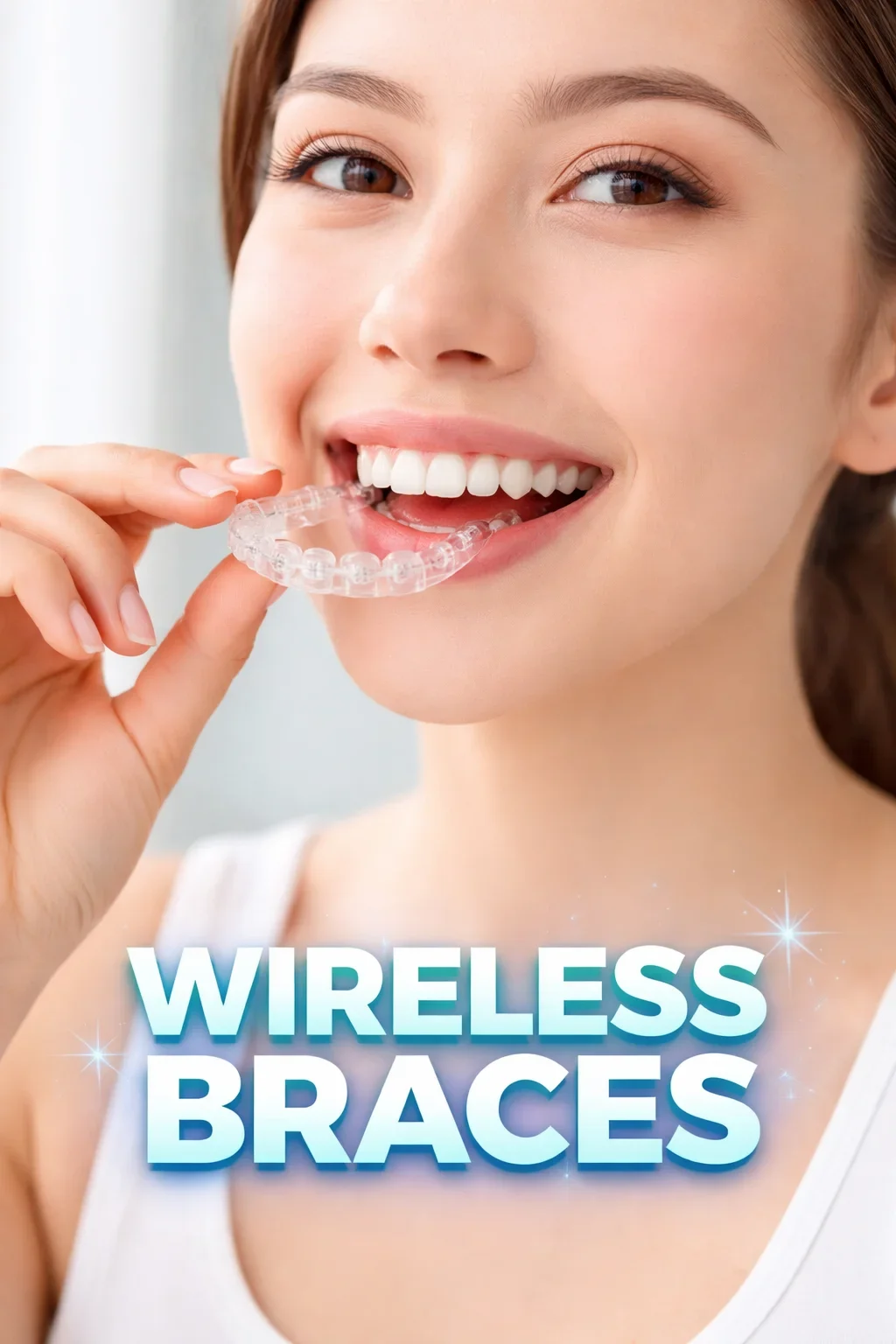
The concept behind wireless braces is simple yet powerful: provide patients with a nearly invisible orthodontic experience while maintaining clinical effectiveness. Most systems involve a series of custom-made aligners that are designed using 3D imaging technology. These aligners are worn over the teeth and changed periodically to guide teeth into their desired positions. Because there are no metal wires involved, patients enjoy a more comfortable and aesthetically pleasing treatment journey.
One of the biggest advantages of wireless braces is their ability to integrate with digital monitoring tools. Some advanced systems even allow orthodontists to track your progress remotely. This means fewer in-clinic visits and more convenience for busy individuals. Patients can simply wear their aligners as instructed, and their progress is monitored through digital scans or mobile applications. This smart approach makes wireless braces especially appealing to tech-savvy patients who value efficiency and flexibility. 📱
Another key feature of wireless braces is their comfort. Traditional braces can cause irritation due to metal brackets and wires rubbing against the inside of the mouth. In contrast, wireless braces are typically made from smooth, medical-grade plastic that fits snugly over your teeth. This reduces the risk of sores and discomfort, making the treatment experience much more pleasant.
From a functional perspective, wireless braces are designed to treat a wide range of orthodontic issues. These include crowding, spacing, overbite, underbite, and crossbite. Thanks to advanced planning software, orthodontists can map out the entire treatment process before it even begins. This allows for greater precision and predictability compared to traditional methods. As a result, patients using wireless braces often achieve their desired outcomes faster and with fewer complications.
It is also important to understand that wireless braces are not just about aesthetics—they represent a shift toward patient-centered care. The flexibility of being able to remove aligners when eating or brushing your teeth makes daily life much easier. You don’t have to worry about food getting stuck in wires or maintaining complicated cleaning routines. With wireless braces, oral hygiene becomes simpler, which is crucial for maintaining healthy teeth and gums throughout the treatment.
Many patients are also curious about the scientific credibility of wireless braces. According to trusted organizations like the American Dental Association, modern orthodontic solutions, including clear aligner systems, are safe and effective when supervised by a qualified dental professional. This reassurance makes wireless braces a reliable option for individuals seeking both cosmetic and functional improvements.
If you are considering starting your orthodontic journey, consulting with a professional clinic is essential. At Redent Klinik Contact Page, you can connect with experienced specialists who can evaluate your case and determine whether wireless braces are suitable for you. Personalized treatment planning ensures that you achieve the best possible results tailored to your unique dental structure.
In conclusion, wireless braces are redefining the way we approach orthodontic treatment. They combine cutting-edge technology, superior comfort, and aesthetic appeal into one comprehensive solution. Whether you are an adult looking for a discreet way to improve your smile or a teenager seeking a modern alternative to traditional braces, wireless braces offer a compelling option. With their growing popularity and proven effectiveness, it is clear that wireless braces represent the future of orthodontics. ✨
What Are Wireless Braces and How Do They Work?
Wireless braces are an advanced orthodontic solution designed to straighten teeth without the use of traditional metal wires and brackets. Instead of relying on fixed metal components, wireless braces utilize cutting-edge technologies such as clear aligners, digital treatment planning, and in some cases, smart monitoring systems. These modern systems are engineered to provide a more comfortable, aesthetic, and convenient alternative to conventional orthodontic treatments. 😊
Understanding the Concept Behind Wireless Braces
The term wireless braces generally refers to orthodontic systems that eliminate visible wires and replace them with removable, transparent trays or digitally controlled appliances. These trays, often known as clear aligners, are custom-designed for each patient using 3D scanning and computer modeling. The goal of wireless braces is to gradually shift teeth into proper alignment through a series of controlled movements.
Each aligner in a wireless braces system is slightly different from the previous one. When worn consistently, these aligners apply gentle pressure to specific teeth, guiding them step-by-step toward their ideal positions. This gradual approach ensures both effectiveness and comfort, making wireless braces suitable for a wide range of orthodontic issues.
Key Components of Wireless Braces Systems
To fully understand how wireless braces work, it’s important to break down the main components involved in the treatment process:
1. Digital Scanning and Treatment Planning
The journey with wireless braces begins with a detailed digital scan of your teeth. Advanced imaging technology creates a precise 3D model of your mouth. Orthodontists then use specialized software to map out the entire treatment plan. This allows patients to preview their expected results even before starting wireless braces treatment.
2. Custom Clear Aligners
Once the plan is finalized, a series of custom aligners are created. These aligners are the core of wireless braces. Made from transparent, medical-grade plastic, they are designed to fit snugly over your teeth. Patients typically wear each set for 1–2 weeks before switching to the next stage in the wireless braces sequence.
3. Smart Monitoring Technology
Some modern wireless braces systems incorporate remote monitoring tools. Through mobile apps or digital platforms, orthodontists can track progress without requiring frequent in-office visits. This innovative feature makes wireless braces especially convenient for individuals with busy schedules. 📱
Step-by-Step: How Wireless Braces Move Teeth
The effectiveness of wireless braces lies in their scientifically guided process. Here’s how they work step by step:
- Initial Consultation: Your orthodontist evaluates your teeth and determines if wireless braces are suitable for your case.
- 3D Modeling: A digital model is created to design your personalized wireless braces treatment plan.
- Aligner Production: A series of aligners are manufactured specifically for your teeth.
- Daily Wear: You wear your wireless braces aligners for 20–22 hours per day.
- Progressive Adjustment: Each new aligner gradually moves your teeth closer to the final position.
- Final Results: After completing all stages, your teeth reach the desired alignment.
This structured approach ensures that wireless braces deliver consistent and predictable results over time.
How Wireless Braces Differ from Traditional Methods
Unlike metal braces that require manual tightening, wireless braces rely on pre-programmed movements. This eliminates the need for frequent adjustments and reduces discomfort. Additionally, because wireless braces are removable, patients can eat, brush, and floss without restrictions. This flexibility is one of the main reasons why wireless braces are gaining popularity among adults and teenagers alike.
From an aesthetic standpoint, wireless braces are nearly invisible, making them ideal for individuals who want a discreet orthodontic solution. Whether you are attending meetings, social events, or simply going about your daily life, wireless braces allow you to maintain your confidence throughout the treatment process.
Clinical Effectiveness and Safety
When supervised by a qualified professional, wireless braces are both safe and effective. According to the American Dental Association, modern orthodontic technologies, including clear aligner systems, can successfully treat many dental alignment issues. However, the success of wireless braces depends heavily on patient compliance—meaning you must wear them as recommended.
For those considering treatment, consulting a trusted clinic is essential. You can learn more and book an appointment through the Redent Klinik Contact Page. Professional guidance ensures that your wireless braces journey is both safe and effective.
Why Wireless Braces Represent Modern Orthodontics
In summary, wireless braces combine digital precision, patient comfort, and aesthetic appeal into one powerful solution. They represent a major advancement in orthodontics by offering a treatment that is not only effective but also aligned with modern lifestyles. As technology continues to evolve, wireless braces are expected to become even more advanced, making orthodontic care more accessible and efficient than ever before. ✨
Wireless Braces vs Traditional Braces: Key Differences Explained
When considering orthodontic treatment, one of the most important decisions patients face is choosing between wireless braces and traditional metal braces. Both options are designed to correct misaligned teeth and improve oral health, but they differ significantly in terms of appearance, comfort, technology, and lifestyle impact. Understanding these differences is essential to making an informed decision that aligns with your needs and expectations. 😊
Appearance: Invisible vs Noticeable
The most obvious difference between wireless braces and traditional braces lies in their appearance. Traditional braces use metal brackets and wires that are clearly visible on the teeth. While they are effective, many patients—especially adults—feel self-conscious about wearing them.
In contrast, wireless braces are designed to be nearly invisible. Most systems use clear aligners that fit snugly over the teeth, making them difficult to detect during everyday interactions. This aesthetic advantage is one of the main reasons why wireless braces are increasingly popular among professionals and individuals who value discretion. ✨
Which Is Better for Confidence?
If maintaining a natural smile during treatment is important to you, wireless braces offer a clear advantage. They allow patients to undergo orthodontic treatment without drawing attention to their teeth.
Comfort and Oral Experience
Comfort is another critical factor when comparing wireless braces to traditional braces. Metal braces can cause irritation due to brackets and wires rubbing against the inside of the mouth. Adjustments can also lead to temporary discomfort.
On the other hand, wireless braces are made from smooth, flexible materials that minimize irritation. Since there are no sharp edges or protruding components, patients generally find wireless braces much more comfortable to wear throughout the day.
Pain Levels and Adjustment
While both systems apply pressure to move teeth, wireless braces tend to provide a more gradual and controlled force. This often results in less pain compared to the tightening sessions required for traditional braces.
Technology and Treatment Precision
Modern orthodontics has been transformed by digital technology, and wireless braces are at the forefront of this innovation. Treatment begins with 3D scanning and digital modeling, allowing orthodontists to plan every stage in advance. This precision ensures predictable results and efficient tooth movement.
Traditional braces, while effective, rely more on manual adjustments and periodic tightening. In contrast, wireless braces follow a pre-programmed sequence, reducing the need for frequent in-office visits. Some systems even allow remote monitoring, making wireless braces a highly convenient option. 📱
Smart Monitoring Advantage
With certain wireless braces systems, patients can share progress updates digitally. This allows orthodontists to track treatment without requiring constant appointments, saving time and increasing flexibility.
Flexibility and Daily Lifestyle
One of the biggest lifestyle benefits of wireless braces is their removability. Patients can take them out while eating, brushing, or attending special events. This eliminates many of the dietary restrictions associated with traditional braces.
Traditional braces, on the other hand, are fixed to the teeth and cannot be removed. This means patients must avoid certain foods, such as hard or sticky items, to prevent damage. With wireless braces, you can continue enjoying your favorite meals without worry. 🍎
Oral Hygiene Made Easier
Maintaining oral hygiene is significantly simpler with wireless braces. Since they can be removed, brushing and flossing can be done normally, reducing the risk of plaque buildup and gum issues.
Effectiveness and Treatment Scope
Both wireless braces and traditional braces are effective, but their suitability depends on the complexity of the case. Traditional braces are often recommended for severe orthodontic issues, such as significant misalignment or complex bite problems.
However, advancements in technology have expanded the capabilities of wireless braces. Today, they can successfully treat many conditions, including crowding, spacing, and moderate bite issues. Consulting a professional is essential to determine whether wireless braces are appropriate for your specific needs.
Professional Guidance Matters
For accurate diagnosis and treatment planning, it’s important to consult experts. You can reach out through the Redent Klinik Contact Page to explore whether wireless braces are the right choice for you.
Cost Considerations
Cost is another factor that differentiates wireless braces from traditional braces. While prices can vary depending on location and complexity, wireless braces are often slightly more expensive due to their advanced technology and customization.
However, many patients consider the additional cost worthwhile due to the comfort, aesthetics, and convenience provided by wireless braces. According to general guidelines referenced by the American Dental Association, orthodontic treatments should be evaluated based on both clinical effectiveness and patient satisfaction.
Final Comparison: Which Should You Choose?
Choosing between wireless braces and traditional braces ultimately depends on your priorities. If you value discretion, comfort, and flexibility, wireless braces are an excellent choice. If your case is highly complex, traditional braces may still be recommended by your orthodontist.
In conclusion, wireless braces represent a modern, patient-friendly approach to orthodontics. They combine advanced technology with everyday convenience, making them a preferred option for many individuals seeking a better smile without the drawbacks of metal braces. 😁
Benefits of Choosing Wireless Braces for Modern Patients
Choosing the right orthodontic treatment is a major decision, and for many patients today, wireless braces stand out as the most advanced and convenient option available. Unlike traditional methods, wireless braces are designed to align with modern lifestyles, offering a combination of aesthetics, comfort, and efficiency. In this section, we will explore in detail why wireless braces have become a preferred choice for patients seeking a better smile without compromising their daily routine. 😊
Discreet Appearance for Confidence
One of the most compelling advantages of wireless braces is their nearly invisible design. Traditional braces often make patients feel self-conscious due to the visibility of metal brackets and wires. In contrast, wireless braces use clear aligners that blend seamlessly with your natural teeth.
This discreet appearance allows patients to smile confidently during treatment. Whether you are attending business meetings, social gatherings, or taking photos, wireless braces ensure that your orthodontic treatment remains virtually unnoticed. ✨
Ideal for Adults and Professionals
Many adults delay orthodontic treatment because they do not want visible braces. Wireless braces eliminate this concern, making them especially popular among working professionals and individuals in public-facing roles.
Superior Comfort and Reduced Irritation
Comfort plays a crucial role in any dental treatment, and wireless braces excel in this area. Unlike traditional braces that can cause irritation due to metal components, wireless braces are made from smooth, flexible materials that fit comfortably over your teeth.
There are no sharp edges or wires to cause sores inside the mouth. As a result, patients experience significantly less discomfort while using wireless braces. This makes the treatment process much more pleasant and manageable over time.
Gentle Pressure System
Wireless braces apply controlled, gradual pressure to move teeth. This reduces the intensity of pain typically associated with tightening sessions in traditional braces.
Flexibility and Convenience in Daily Life
One of the standout features of wireless braces is their removability. Patients can take them out when eating, drinking (except water), brushing, or flossing. This level of flexibility makes wireless braces highly convenient compared to fixed orthodontic appliances.
With traditional braces, dietary restrictions are common, and maintaining oral hygiene can be challenging. However, wireless braces allow you to continue enjoying your favorite foods without worry. 🍽️
No Food Restrictions
Sticky or hard foods that could damage traditional braces are no longer a concern. With wireless braces, you simply remove the aligners before eating and reinsert them afterward.
Improved Oral Hygiene
Maintaining good oral hygiene is essential during orthodontic treatment. Wireless braces make this process significantly easier. Since they can be removed, patients can brush and floss their teeth normally without navigating around wires or brackets.
This reduces the risk of plaque buildup, cavities, and gum disease during treatment. As a result, wireless braces not only improve alignment but also support overall oral health.
Cleaner Teeth During Treatment
Because oral hygiene is easier to maintain, patients using wireless braces often experience healthier gums and cleaner teeth compared to those with traditional braces.
Fewer Dental Visits and Time Efficiency
Another major benefit of wireless braces is the reduced need for frequent dental appointments. Traditional braces require regular adjustments, which can be time-consuming. In contrast, wireless braces follow a pre-planned sequence, minimizing the need for in-office visits.
Some systems even include remote monitoring, allowing orthodontists to track progress digitally. This makes wireless braces an excellent choice for busy individuals who value time efficiency. 📱
Perfect for Busy Lifestyles
If you have a demanding schedule, wireless braces provide a convenient solution that fits seamlessly into your daily routine.
Predictable and Customized Results
One of the most advanced aspects of wireless braces is the use of digital treatment planning. Before starting treatment, orthodontists create a detailed 3D model of your teeth and map out each stage of movement. This ensures highly predictable results.
Patients can even preview their expected outcome before beginning treatment. This level of customization makes wireless braces a highly reliable and personalized orthodontic solution.
Technology-Driven Precision
The integration of digital tools ensures that wireless braces deliver precise and consistent results throughout the treatment process.
Enhanced Patient Experience
Overall, wireless braces provide a significantly improved patient experience compared to traditional methods. From comfort and aesthetics to convenience and efficiency, every aspect of the treatment is designed with the patient in mind.
For those considering orthodontic treatment, consulting a trusted clinic is essential. You can explore your options and get professional advice through the Redent Klinik Contact Page. This ensures that your wireless braces treatment is tailored to your specific needs.
Additionally, organizations like the American Dental Association emphasize the importance of choosing evidence-based orthodontic solutions. Wireless braces meet these standards when administered by qualified professionals.
Why Wireless Braces Are the Future
In conclusion, wireless braces offer a wide range of benefits that make them an ideal choice for modern patients. Their discreet appearance, superior comfort, flexibility, and advanced technology set them apart from traditional orthodontic methods.
As dental technology continues to evolve, wireless braces are expected to become even more efficient and accessible. For anyone seeking a modern, convenient, and effective way to achieve a perfect smile, wireless braces represent a smart and forward-thinking investment. 😁
Who Is a Good Candidate for Wireless Braces?
Choosing wireless braces is an exciting step toward achieving a healthier, more confident smile. However, not every patient is automatically the perfect candidate for this modern orthodontic solution. While wireless braces are highly versatile and effective, their success depends on several individual factors such as dental condition, lifestyle, and commitment to treatment. In this section, we will explore in detail who can benefit the most from wireless braces and what criteria orthodontists use to determine suitability. 😊
Ideal Dental Conditions for Wireless Braces
Wireless braces are designed to treat a wide range of orthodontic problems, particularly mild to moderate alignment issues. Patients experiencing the following conditions are often excellent candidates for wireless braces:
- Crowded teeth
- Gaps or spacing between teeth
- Minor to moderate overbite or underbite
- Crossbite or mild jaw misalignment
Thanks to advanced digital planning, wireless braces can precisely guide teeth into better positions over time. However, in cases of severe misalignment or complex jaw issues, traditional braces or combined treatments may still be recommended. This is why a professional evaluation is essential before starting wireless braces.
When Complexity Matters
If your orthodontic problem is highly complex, your dentist may suggest alternative treatments. Still, ongoing technological advancements are expanding the capabilities of wireless braces every year.
Age Considerations: Teens vs Adults
One of the advantages of wireless braces is their suitability for both teenagers and adults. However, age plays a role in determining how effective and practical the treatment will be.
For adults, wireless braces are often the preferred option due to their discreet appearance and flexibility. Adults typically have the discipline required to wear aligners consistently, which is crucial for the success of wireless braces.
Teenagers can also benefit from wireless braces, especially those who are motivated and responsible. Some systems even include compliance indicators to ensure that younger patients are wearing their aligners as prescribed.
Why Adults Prefer Wireless Braces
Adults often choose wireless braces because they fit seamlessly into professional and social environments without drawing attention.
Commitment and Discipline Requirements
Unlike traditional braces, which are fixed to the teeth, wireless braces are removable. While this offers flexibility, it also requires a high level of commitment from the patient. To achieve optimal results, wireless braces must be worn for 20–22 hours per day.
Patients who frequently forget to wear their aligners or remove them for extended periods may not achieve the desired results. Therefore, individuals who are disciplined and motivated are ideal candidates for wireless braces.
Consistency Is Key
The effectiveness of wireless braces depends heavily on consistent use. Following your orthodontist’s instructions is essential for success.
Lifestyle Compatibility
Wireless braces are particularly well-suited for individuals with active and busy lifestyles. Whether you are a professional, student, or frequent traveler, the flexibility offered by wireless braces allows you to maintain your routine without major disruptions.
Since aligners can be removed during meals and important events, patients can enjoy greater freedom compared to traditional braces. This makes wireless braces an excellent option for people who value convenience and adaptability. ✈️
Perfect for Social and Professional Life
With wireless braces, you can attend meetings, presentations, and social gatherings without worrying about visible orthodontic appliances.
Oral Health Requirements
Before starting treatment with wireless braces, it is important to have good overall oral health. Issues such as gum disease, untreated cavities, or poor oral hygiene must be addressed beforehand.
This is because wireless braces require a clean and healthy environment to function effectively. Orthodontists will typically perform a thorough examination to ensure that your teeth and gums are ready for treatment.
Healthy Foundation for Better Results
Patients with strong oral hygiene habits are more likely to achieve successful outcomes with wireless braces.
Consultation and Professional Evaluation
The best way to determine if you are a suitable candidate for wireless braces is through a professional consultation. Orthodontists use advanced diagnostic tools, including digital scans and X-rays, to evaluate your dental structure and create a personalized treatment plan.
You can easily schedule a consultation through the Redent Klinik Contact Page. A qualified specialist will assess whether wireless braces are the right choice for your needs and guide you through the next steps.
Additionally, trusted organizations like the American Dental Association emphasize the importance of professional supervision when undergoing orthodontic treatment. This ensures that wireless braces are used safely and effectively.
Who Should Consider Alternatives?
While wireless braces are highly effective for many patients, they may not be suitable for everyone. Individuals with severe orthodontic issues, poor compliance habits, or specific dental conditions may require alternative treatments.
However, even if wireless braces are not the best option initially, your orthodontist may recommend preparatory treatments that make you eligible in the future.
Final Thoughts: Is Wireless Braces Right for You?
In conclusion, wireless braces are an excellent option for patients seeking a modern, flexible, and discreet orthodontic solution. Ideal candidates include individuals with mild to moderate alignment issues, strong commitment levels, and good oral health.
If you are ready to transform your smile with advanced technology, wireless braces could be the perfect choice. With proper guidance and consistent use, they offer a comfortable and effective path to achieving the smile you’ve always wanted. 😁
Treatment Process: Step-by-Step Journey with Wireless Braces
Understanding the full treatment journey is essential before starting with wireless braces. One of the main reasons patients choose wireless braces is the structured, predictable, and technology-driven process that makes orthodontic care more transparent and manageable. Unlike traditional methods, wireless braces offer a clearly defined path from the initial consultation to the final smile transformation. In this section, we will walk you through each stage in detail so you know exactly what to expect. 😊
Initial Consultation and Assessment
The journey with wireless braces always begins with a professional consultation. During this stage, your orthodontist evaluates your dental condition, discusses your goals, and determines whether wireless braces are suitable for your case.
This evaluation may include digital scans, X-rays, and photographs. These tools provide a comprehensive view of your teeth and jaw structure, allowing for precise planning. A consultation is also the perfect time to ask questions and understand how wireless braces will fit into your lifestyle.
Why This Step Is Critical
Accurate diagnosis ensures that wireless braces will deliver effective and predictable results tailored to your needs.
Digital Scanning and 3D Treatment Planning
After confirming that you are a good candidate, the next step in the wireless braces process is digital scanning. Advanced 3D imaging technology captures a precise model of your teeth. This model is then used to design your personalized treatment plan.
One of the most exciting aspects of wireless braces is that you can preview your future smile before treatment even begins. Orthodontists map out every stage of tooth movement, ensuring that the entire process is carefully controlled and optimized.
Precision Through Technology
The digital planning stage is what makes wireless braces so accurate. Every aligner is designed with specific movements in mind.
Custom Aligner Production
Once the treatment plan is finalized, a series of custom aligners is created. These aligners are the core component of wireless braces. Each set is slightly different, designed to gradually move your teeth closer to their ideal position.
The materials used in wireless braces are lightweight, durable, and transparent. This ensures both comfort and discretion throughout the treatment process.
How Many Aligners Will You Need?
The number of aligners required depends on the complexity of your case. Most wireless braces treatments involve multiple stages over several months.
Wearing Your Wireless Braces Daily
To achieve the best results, wireless braces must be worn consistently. Patients are typically instructed to wear their aligners for 20–22 hours per day. They should only be removed for eating, drinking (except water), and oral hygiene.
Consistency is key to the success of wireless braces. Skipping wear time can delay progress and affect the final outcome. Fortunately, most patients quickly adapt to wearing wireless braces as part of their daily routine. 😁
Tips for Staying on Track
- Set reminders to wear your aligners
- Keep your case with you at all times
- Follow your orthodontist’s instructions carefully
Progressive Aligner Changes
Every 1–2 weeks, patients switch to a new set of aligners. Each new set continues the gradual movement of teeth. This step-by-step progression is what makes wireless braces so effective and controlled.
Unlike traditional braces, which require manual adjustments, wireless braces follow a pre-designed sequence. This reduces the need for frequent clinic visits while maintaining consistent progress.
Monitoring Progress
Some wireless braces systems include remote monitoring tools, allowing orthodontists to track your progress digitally. 📱
Regular Check-Ups and Adjustments
Although wireless braces reduce the need for frequent appointments, periodic check-ups are still important. These visits allow your orthodontist to ensure that the treatment is progressing as planned.
During these check-ups, adjustments may be made if necessary. This ensures that wireless braces continue to deliver optimal results throughout the treatment period.
Professional Support Matters
For expert guidance, you can schedule a consultation through the Redent Klinik Contact Page. Professional supervision ensures the success of your wireless braces journey.
Completion and Retention Phase
Once all aligners have been used and your teeth have reached their desired position, the active phase of wireless braces treatment is complete. However, maintaining these results is equally important.
Orthodontists typically recommend wearing retainers after completing wireless braces. Retainers help keep your teeth in their new positions and prevent them from shifting back over time.
Long-Term Stability
Wearing retainers as instructed ensures that the results achieved with wireless braces last for years to come.
Safety and Professional Standards
The entire process of wireless braces is guided by established dental standards. According to the American Dental Association, orthodontic treatments should always be supervised by qualified professionals to ensure safety and effectiveness.
This is why choosing a reputable clinic is essential when starting wireless braces.
Final Thoughts on the Treatment Journey
In conclusion, the treatment process with wireless braces is structured, efficient, and patient-friendly. From digital planning to final retention, every step is designed to deliver predictable and satisfying results.
If you are looking for a modern orthodontic solution that combines convenience, technology, and effectiveness, wireless braces offer a comprehensive treatment journey that fits perfectly into today’s fast-paced lifestyle. ✨
Cost of Wireless Braces: What to Expect in 2026
One of the most common questions patients ask before starting orthodontic treatment is about cost. When it comes to wireless braces, pricing can vary depending on several factors, including the complexity of the case, the duration of treatment, and the clinic you choose. While wireless braces are often perceived as a premium option, they provide significant value through comfort, aesthetics, and advanced technology. In this section, we will break down everything you need to know about the cost of wireless braces in 2026. 💡
Average Cost of Wireless Braces
The cost of wireless braces typically falls within a range depending on the region and the provider. Below is a general estimate based on global averages:
Mild Cases:        $2,000 – $3,500
Moderate Cases:    $3,500 – $5,500
Complex Cases:     $5,500 – $8,000+
These figures represent the total cost of treatment with wireless braces, including consultations, aligners, and follow-up appointments. In some countries, especially those known for dental tourism, the cost of wireless braces may be significantly lower while maintaining high-quality care.
Why Prices Vary
The price of wireless braces depends on the number of aligners required, the length of treatment, and the level of customization involved.
Factors That Influence the Cost
Several important factors determine how much you will pay for wireless braces. Understanding these variables helps you better estimate your investment:
1. Complexity of the Case
More complex dental issues require longer treatment and more aligners, increasing the cost of wireless braces.
2. Treatment Duration
Shorter treatments with wireless braces are generally less expensive, while extended plans may cost more due to additional aligners and monitoring.
3. Clinic and Expertise
Experienced orthodontists and reputable clinics may charge higher fees for wireless braces, but they often provide better results and a safer treatment experience.
4. Technology Used
Advanced systems with remote monitoring and AI-driven planning can increase the cost of wireless braces, but they also improve accuracy and convenience.
Are Wireless Braces Worth the Investment?
While wireless braces may cost more than traditional braces in some cases, many patients consider them a worthwhile investment. The benefits of wireless braces—including comfort, aesthetics, and flexibility—often outweigh the price difference.
Additionally, wireless braces can reduce indirect costs such as time off work, frequent clinic visits, and maintenance expenses. This makes them a cost-effective option in the long run.
Value Beyond Price
When evaluating wireless braces, it’s important to consider not just the financial cost but also the lifestyle benefits they provide. 😊
Payment Plans and Financing Options
Many clinics offer flexible payment plans to make wireless braces more accessible. Instead of paying the full amount upfront, patients can spread the cost over several months or even years.
Typical financing options for wireless braces include:
- Monthly installment plans
- Interest-free payment options
- Dental insurance contributions (in some regions)
These options allow patients to start their wireless braces treatment without financial stress.
Check with Your Provider
Before starting treatment, ask your clinic about available payment plans for wireless braces to find a solution that fits your budget.
Comparing Wireless Braces to Traditional Braces Costs
When comparing costs, wireless braces may initially seem more expensive than traditional braces. However, the difference is often justified by the added benefits. Traditional braces may cost between $2,500 and $6,000, depending on the case.
In contrast, wireless braces provide a more comfortable and discreet experience, which many patients find invaluable. Over time, the convenience and reduced maintenance associated with wireless braces can make them a smarter financial choice.
Choosing the Right Clinic for Cost and Quality
Selecting the right clinic is crucial when investing in wireless braces. A reputable provider ensures that you receive high-quality care and achieve the best possible results.
You can explore professional consultation options through the Redent Klinik Contact Page. A trusted clinic will provide a detailed cost breakdown and help you understand every aspect of your wireless braces treatment.
According to the American Dental Association, patients should prioritize quality and professional expertise when choosing orthodontic treatment, rather than focusing solely on price. This is especially important for treatments like wireless braces that require precision and planning.
Hidden Costs to Consider
While most clinics provide transparent pricing, it’s important to ask about potential additional costs related to wireless braces. These may include:
- Replacement aligners if lost or damaged
- Retainers after treatment
- Additional refinement stages
Understanding these factors ensures that you are fully prepared for the total cost of wireless braces.
Final Thoughts on Cost
In conclusion, the cost of wireless braces in 2026 reflects their advanced technology, customization, and patient-focused design. While they may require a higher initial investment, the long-term benefits in comfort, convenience, and aesthetics make wireless braces an excellent choice for many patients.
If you are considering improving your smile, investing in wireless braces can be a life-changing decision that delivers both functional and cosmetic advantages. 😁
Maintenance and Daily Care for Wireless Braces Users
Maintaining proper hygiene and daily care routines is essential for achieving the best results with wireless braces. While wireless braces are known for their convenience and flexibility, they still require consistent attention and discipline to ensure effective treatment. One of the major advantages of wireless braces is that they simplify oral care compared to traditional braces, but this does not mean maintenance can be ignored. In this section, we will explore everything you need to know about keeping your wireless braces clean, functional, and effective throughout your treatment journey. 😊
Daily Cleaning Routine for Wireless Braces
Keeping your wireless braces clean is a top priority. Since aligners are worn for most of the day, they can easily accumulate bacteria, plaque, and food particles if not properly maintained. A consistent cleaning routine ensures that your wireless braces remain hygienic and odor-free.
How to Clean Your Wireless Braces Properly
- Rinse your wireless braces with lukewarm water every time you remove them
- Use a soft toothbrush to gently clean the aligners
- Avoid hot water, as it can deform the shape of your wireless braces
- Use recommended cleaning solutions if advised by your orthodontist
Cleaning your wireless braces at least twice a day helps prevent staining and bacterial buildup, ensuring a healthier treatment process.
Oral Hygiene Practices During Treatment
One of the biggest benefits of wireless braces is the ability to maintain normal oral hygiene. Since they are removable, brushing and flossing can be done without obstruction. However, this also means you must be diligent in your routine.
Before reinserting your wireless braces, always brush and floss your teeth thoroughly. This prevents food particles from being trapped between your teeth and aligners, which could lead to cavities or gum problems.
Recommended Routine
- Brush your teeth after every meal
- Floss at least once daily
- Rinse your mouth before wearing wireless braces
Following these habits ensures that your wireless braces treatment supports not only alignment but also overall oral health. 😁
Handling and Storage Tips
Proper handling of wireless braces is just as important as cleaning. Since aligners are removable, they can be easily lost or damaged if not stored correctly.
Best Practices for Storage
- Always store your wireless braces in their protective case when not in use
- Avoid wrapping them in napkins, as they may be accidentally thrown away
- Keep them away from pets, as animals are often attracted to the material
Taking these precautions helps protect your wireless braces and prevents unnecessary replacement costs.
Diet and Eating Habits
Although wireless braces allow you to eat freely, maintaining good eating habits is still important. Always remove your wireless braces before eating or drinking anything other than water.
Consuming sugary or acidic drinks while wearing wireless braces can trap harmful substances against your teeth, increasing the risk of decay. Therefore, it is essential to remove and clean your wireless braces after meals.
Foods to Be Mindful Of
- Sugary snacks that can promote plaque buildup
- Highly pigmented foods that may stain your wireless braces
Maintaining mindful eating habits ensures that your wireless braces remain clear and effective throughout treatment.
Managing Wear Time Effectively
For wireless braces to work properly, they must be worn consistently. Patients are generally advised to wear their aligners for 20–22 hours per day. Failure to follow this guideline can delay progress and affect results.
Tips for Consistent Wear
- Set daily reminders to wear your wireless braces
- Limit the time they are removed for meals
- Track your usage with mobile apps if available
Consistency is one of the most critical factors in the success of wireless braces treatment. 📱
Dealing with Common Issues
While wireless braces are designed for comfort, some minor issues may arise during treatment. These can include slight discomfort when switching aligners or minor irritation.
If your wireless braces feel too tight or uncomfortable, it usually indicates that they are working as intended. However, if discomfort persists, consulting your orthodontist is recommended.
When to Seek Professional Help
If your wireless braces become damaged, lost, or cause significant discomfort, contact your clinic immediately for guidance.
You can easily reach out to professionals through the Redent Klinik Contact Page for assistance with your wireless braces.
Professional Guidance and Safety
Maintaining your wireless braces properly ensures both safety and effectiveness. According to the American Dental Association, proper oral hygiene and professional supervision are essential components of successful orthodontic treatment.
Regular check-ups and following expert advice will help you get the best results from your wireless braces.
Long-Term Care and Retention
After completing your treatment with wireless braces, maintaining your results is just as important as achieving them. Retainers are often recommended to keep your teeth in their new positions.
Continuing good oral hygiene practices ensures that the benefits of wireless braces last for years to come.
Final Thoughts on Maintenance
In conclusion, proper maintenance and daily care are essential for maximizing the benefits of wireless braces. By following a consistent routine, handling your aligners carefully, and maintaining excellent oral hygiene, you can ensure a smooth and successful treatment journey.
Wireless braces offer unmatched convenience, but their success ultimately depends on your commitment to proper care. With the right habits, you can achieve a beautiful, healthy smile that lasts a lifetime. ✨
Common Myths About Wireless Braces Debunked
As wireless braces continue to gain popularity, many misconceptions and myths have emerged around this modern orthodontic solution. While wireless braces offer numerous advantages, misinformation can sometimes discourage patients from choosing them. Understanding the truth behind these myths is essential for making an informed decision about your dental health. In this section, we will carefully examine and debunk the most common myths about wireless braces with accurate, evidence-based explanations. 😊
Myth 1: Wireless Braces Are Not as Effective as Traditional Braces
One of the most widespread misconceptions is that wireless braces are less effective than traditional metal braces. This belief likely comes from the assumption that removable aligners cannot provide the same level of force as fixed appliances.
In reality, wireless braces use advanced digital planning and controlled force systems to move teeth precisely. For mild to moderate orthodontic cases, wireless braces are highly effective and can achieve results comparable to traditional braces. In fact, many orthodontists now recommend wireless braces as a first-line treatment for suitable patients.
Expert Insight
According to the American Dental Association, modern aligner systems, which are a form of wireless braces, are clinically proven to treat a wide range of alignment issues when supervised by professionals.
Myth 2: Wireless Braces Work Instantly
Another common myth is that wireless braces provide immediate results. While they are efficient, orthodontic treatment still requires time because teeth must move gradually to avoid damage.
Wireless braces follow a step-by-step process where each aligner makes small adjustments. Depending on the complexity of the case, treatment can take several months to over a year. Patients should understand that wireless braces are designed for safe and controlled results, not instant fixes.
Patience Is Key
Consistent use of wireless braces ensures steady progress and long-lasting outcomes.
Myth 3: Wireless Braces Are Completely Invisible
While wireless braces are much less noticeable than traditional braces, they are not entirely invisible. Clear aligners can still be seen under certain lighting conditions or at close distances.
However, the visibility of wireless braces is minimal compared to metal brackets and wires. Most people will not notice them during casual interactions, making wireless braces an excellent option for those seeking a discreet treatment.
Realistic Expectations
Wireless braces are best described as “nearly invisible,” offering a balance between aesthetics and functionality.
Myth 4: You Can Wear Wireless Braces Only at Night
Some patients believe that wireless braces only need to be worn at night. This is incorrect and can significantly impact treatment success.
For wireless braces to work effectively, they must be worn for 20–22 hours per day. Removing them for extended periods slows down tooth movement and may prolong treatment time.
Consistency Matters
Following your orthodontist’s instructions is essential for achieving the best results with wireless braces. 😁
Myth 5: Wireless Braces Require No Maintenance
Because wireless braces are removable, some people assume they require little to no maintenance. In reality, proper care is crucial for both hygiene and effectiveness.
Wireless braces must be cleaned regularly to prevent bacterial buildup and staining. Additionally, maintaining good oral hygiene is essential to avoid cavities and gum issues during treatment.
Daily Responsibility
Cleaning and proper handling are key to ensuring the success of wireless braces.
Myth 6: Wireless Braces Are Only for Cosmetic Purposes
Another misconception is that wireless braces are purely cosmetic and do not address functional dental issues. While they do improve the appearance of your smile, their benefits go far beyond aesthetics.
Wireless braces can correct bite issues, improve chewing efficiency, and enhance overall oral health. Proper alignment reduces the risk of tooth wear, gum disease, and jaw problems.
Functional Benefits
Choosing wireless braces can lead to both cosmetic and health improvements, making them a comprehensive orthodontic solution.
Myth 7: Wireless Braces Are Too Expensive for Most People
While wireless braces may have a higher upfront cost compared to traditional braces, they are not out of reach for most patients. Many clinics offer flexible payment plans that make wireless braces more accessible.
Additionally, the convenience and reduced need for frequent visits can offset some of the costs associated with traditional treatments.
Affordable Options Exist
To explore payment plans and treatment options, you can visit the Redent Klinik Contact Page and speak with a professional about your wireless braces journey.
Myth 8: Wireless Braces Are Not Safe
Safety concerns are another myth surrounding wireless braces. When prescribed and monitored by a qualified orthodontist, wireless braces are completely safe.
The materials used are medical-grade and designed for long-term oral use. Regular check-ups ensure that your wireless braces treatment progresses safely and effectively.
Professional Supervision Is Essential
Always choose a reputable clinic to ensure your wireless braces treatment meets professional standards.
Final Thoughts on Wireless Braces Myths
In conclusion, many of the myths surrounding wireless braces stem from outdated information or misunderstandings. By separating fact from fiction, patients can make confident decisions about their orthodontic care.
Wireless braces are a modern, effective, and safe solution for achieving a better smile. With proper guidance and realistic expectations, they offer a reliable path to improved dental health and confidence. ✨
How to Choose the Right Clinic for Wireless Braces
Choosing the right clinic is one of the most critical decisions you will make when starting your journey with wireless braces. Even though wireless braces rely heavily on advanced technology, the expertise of the dental professional and the quality of the clinic play a major role in achieving successful results. A well-chosen clinic ensures that your wireless braces treatment is safe, effective, and tailored specifically to your needs. In this section, we will guide you step-by-step on how to select the best clinic for your wireless braces treatment. 😊
Check the Clinic’s Experience and تخصص
Experience is one of the most important factors when choosing a provider for wireless braces. Not all dental clinics specialize in modern orthodontic systems, so it is essential to select a clinic with proven expertise in wireless braces.
An experienced orthodontist understands how to plan and adjust wireless braces treatments based on individual dental structures. They can also identify potential challenges early and provide solutions before they become major issues.
What to Look For
- Years of experience with wireless braces
- Before-and-after patient cases
- Specialized orthodontic training
Evaluate Technology and Equipment
Since wireless braces rely on digital precision, the clinic must use modern equipment such as 3D scanners and advanced treatment planning software. Clinics that invest in cutting-edge technology are more likely to deliver accurate and efficient results.
The quality of technology directly impacts how well your wireless braces fit and function. Poor-quality scans or outdated systems can lead to less precise outcomes.
Advanced Tools Matter
Clinics that use digital workflows ensure that your wireless braces are customized with maximum precision.
Review Patient Feedback and Testimonials
Patient reviews provide valuable insight into the quality of care offered by a clinic. Look for testimonials specifically related to wireless braces to understand real patient experiences.
Positive reviews often highlight professionalism, comfort during treatment, and successful outcomes. On the other hand, consistent negative feedback may indicate potential issues with wireless braces services at that clinic.
Where to Check Reviews
- Google reviews
- Clinic websites
- Social media platforms
Consultation Process and Communication
A high-quality clinic will offer a detailed consultation before starting wireless braces treatment. During this process, the orthodontist should clearly explain your condition, treatment plan, and expected results.
Effective communication is essential. You should feel comfortable asking questions about your wireless braces journey and receiving clear, honest answers.
Transparency Is Key
A trustworthy clinic provides full transparency regarding treatment timelines, expectations, and limitations of wireless braces.
Cost Transparency and Payment Options
Understanding the financial aspect of wireless braces is crucial. A reputable clinic will provide a clear breakdown of costs without hidden fees. This includes aligners, follow-up visits, and retainers.
Many clinics also offer flexible payment plans to make wireless braces more accessible. Be sure to discuss financing options during your consultation.
Avoid Hidden Costs
Always ask for a detailed quote to ensure you fully understand the total cost of your wireless braces treatment.
Hygiene Standards and Clinic Environment
Cleanliness and hygiene are essential when undergoing any dental procedure, including wireless braces. A well-maintained clinic reflects professionalism and ensures patient safety.
Pay attention to how the clinic maintains its equipment and environment. High hygiene standards are a strong indicator of quality care for wireless braces.
Safety First
Clinics that follow strict hygiene protocols provide a safer and more reliable experience for wireless braces patients.
Access to Ongoing Support
Orthodontic treatment does not end after receiving your aligners. Continuous support is essential throughout your wireless braces journey. Choose a clinic that offers regular follow-ups and easy access to professional guidance.
If you encounter any issues with your wireless braces, such as discomfort or damage, you should be able to contact your clinic quickly.
Reliable Communication Channels
Having access to support ensures that your wireless braces treatment stays on track without unnecessary delays.
Choosing a Trusted Clinic
For those seeking professional and reliable care, you can explore options through the Redent Klinik Contact Page. A trusted clinic will guide you through every step of your wireless braces journey with expertise and care.
Additionally, organizations like the American Dental Association emphasize the importance of choosing qualified professionals for orthodontic treatments such as wireless braces.
Final Thoughts: Making the Right Decision
In conclusion, selecting the right clinic is essential for the success of your wireless braces treatment. From experience and technology to communication and hygiene, every factor plays a role in achieving the best results.
Wireless braces offer a modern and effective solution for improving your smile, but their success depends on the expertise of the clinic you choose. By carefully evaluating your options, you can ensure a smooth, safe, and satisfying orthodontic experience. 😁