
If you are searching for wisdom tooth removal medicaid coverage, the short answer is that Medicaid may help pay for wisdom tooth extraction when the procedure is considered medically necessary. However, coverage is not identical across the United States. Each state administers its own Medicaid dental program, meaning eligibility requirements, covered services, provider participation, prior authorization rules, and patient costs can vary significantly. Because of these differences, there is no single nationwide answer that applies to every patient.
For many people, understanding wisdom tooth removal medicaid coverage begins with one important question: Why is the tooth being removed? If a wisdom tooth is causing pain, infection, swelling, repeated gum inflammation, damage to neighboring teeth, cyst formation, or other oral health problems, Medicaid may be more likely to cover the extraction depending on your state’s policies. On the other hand, if the tooth is healthy, fully erupted, symptom-free, and removal is requested mainly for convenience or preventive reasons, coverage may be more limited.
Another important factor is whether your dentist determines that the extraction is medically necessary. Dental records, X-rays, clinical findings, and your symptoms often play an important role when evaluating wisdom tooth removal medicaid coverage. In some states, Medicaid requires additional documentation or prior authorization before approving treatment. This process is designed to confirm that the proposed procedure meets the state’s coverage criteria rather than simply reflecting patient preference.
It is also important to understand that wisdom tooth removal medicaid coverage may include different parts of treatment depending on your individual case. Some Medicaid programs may contribute toward the examination, diagnostic X-rays, simple extraction, or surgical extraction when medically justified. Coverage for anesthesia, sedation, specialist fees, hospital treatment, or follow-up care can vary according to state regulations, your age, your medical history, and the complexity of the procedure. Because of these variables, the final amount covered cannot be determined without reviewing your specific treatment plan.
Adults often ask whether Medicaid automatically covers wisdom tooth extraction. Unfortunately, the answer is no. Adult dental benefits under Medicaid differ considerably from one state to another. Some states provide comprehensive adult dental benefits, while others offer only emergency services or limited treatment. Children and eligible adolescents generally have broader dental benefits through Medicaid’s Early and Periodic Screening, Diagnostic and Treatment (EPSDT) program, although exact coverage still depends on clinical findings and applicable regulations.
If you have swelling around a wisdom tooth, difficulty opening your mouth, repeated infections, severe pain, facial swelling, or problems chewing, delaying evaluation may allow the condition to worsen. While these symptoms do not automatically mean surgery is required, they are reasonable reasons to arrange a professional dental examination. An experienced dentist can determine whether monitoring, conservative treatment, or extraction is the most appropriate option for your situation.
Understanding wisdom tooth removal medicaid coverage is easier when you approach the process step by step. First, schedule a dental examination with a provider who accepts your Medicaid plan if possible. Next, have diagnostic X-rays taken if recommended. Your dentist can then explain whether the wisdom tooth appears impacted, infected, damaging adjacent teeth, or creating other clinical concerns. Based on these findings, the office can usually help verify your Medicaid benefits and determine whether additional authorization is required before treatment.
Reliable information is essential when making decisions about oral health. The American Dental Association provides educational resources that help patients understand common dental conditions and treatment considerations. Reviewing trustworthy information alongside an individual clinical examination allows you to make more informed decisions about your care.
If you are considering treatment outside your local area or would like another professional opinion regarding your treatment options, scheduling a personalized consultation may also be beneficial. Clinics such as Redent Klinik Contact Page can provide an individualized evaluation based on your dental examination, imaging, symptoms, and overall treatment goals. A consultation cannot determine Medicaid eligibility, but it can help clarify the condition of your wisdom teeth, discuss possible treatment approaches, and explain what factors may influence the overall treatment plan.
Ultimately, wisdom tooth removal medicaid coverage depends on three main factors: your state’s Medicaid rules, whether the extraction is considered medically necessary, and whether the treating provider participates in your Medicaid program. Since every patient’s circumstances are unique, the most reliable answer comes from combining a clinical examination with a review of your specific Medicaid benefits rather than relying on general information alone.
What You Should Do Next
- Schedule a dental examination if your wisdom tooth is causing pain, swelling, infection, or difficulty chewing.
- Ask your dental office to verify your Medicaid benefits before treatment is scheduled.
- Bring any previous dental X-rays or records if available.
- Discuss whether the extraction is considered medically necessary in your situation.
- Request a personalized treatment plan before making financial or treatment decisions.
How Wisdom Tooth Removal Medicaid Coverage Works in Different States
One of the most important things to understand about wisdom tooth removal medicaid coverage is that there is no single nationwide policy. Although Medicaid is a federal program, each state administers its own dental benefits within federal guidelines. As a result, two patients with similar wisdom tooth problems may receive different levels of coverage depending on where they live. Understanding how your state’s program works is often the first step toward making an informed treatment decision rather than assuming every Medicaid plan offers identical benefits.
When researching wisdom tooth removal medicaid coverage, many people find conflicting information online because articles often describe the rules of one state while readers live in another. Instead of relying on generalized answers, it is more helpful to understand the factors that influence coverage and how to verify your own benefits before scheduling treatment.
Why Does Medicaid Coverage Differ by State?
Each state determines many aspects of its adult dental benefits, including which procedures are covered, when prior authorization is necessary, and which providers participate in the Medicaid network. Because of this flexibility, wisdom tooth removal medicaid coverage may be comprehensive in one state while another state may only provide limited dental services for adults.
Children and eligible adolescents generally receive broader dental benefits through Medicaid’s Early and Periodic Screening, Diagnostic, and Treatment (EPSDT) program. Adult benefits, however, vary considerably. Some states cover preventive, restorative, and surgical dental procedures, while others focus primarily on emergency care or treatment intended to relieve pain and infection.
Medical Necessity Is Often the Key Factor
Regardless of where you live, medical necessity frequently plays a central role in determining wisdom tooth removal medicaid coverage. Medicaid programs are generally more likely to consider coverage when a dentist documents that the wisdom tooth is causing a genuine oral health problem rather than recommending removal solely for convenience.
Examples that may support medical necessity include:
- Repeated infections around a partially erupted wisdom tooth.
- Pain that interferes with normal eating or daily activities.
- Swelling affecting surrounding gum tissue.
- An impacted tooth damaging the neighboring molar.
- Cyst formation or other pathology identified on imaging.
- Difficulty maintaining oral hygiene because of the tooth’s position.
Having one of these conditions does not automatically guarantee approval, but documented clinical findings often play an important role when evaluating wisdom tooth removal medicaid coverage.
Simple Extraction vs. Surgical Extraction
Another factor affecting wisdom tooth removal medicaid coverage is the complexity of the extraction. Some wisdom teeth erupt normally and may require a relatively straightforward extraction. Others remain impacted beneath the gums or jawbone and require a more complex surgical procedure.
Surgical extractions typically involve additional planning, specialized instruments, and sometimes referral to an oral and maxillofacial surgeon. Depending on your state’s Medicaid policies, authorization requirements or provider eligibility may differ for these procedures.
Provider Participation Matters
Even if your Medicaid plan includes benefits for wisdom tooth extraction, coverage may depend on whether the treating dentist or oral surgeon accepts your Medicaid plan. Not every dental office participates in every Medicaid program. Before scheduling treatment, ask both your Medicaid plan and the dental office whether the provider is currently participating.
Choosing an in-network provider may simplify claims processing and reduce unexpected administrative issues. If your preferred dentist is outside the network, ask whether a referral or alternative participating provider is available.
Prior Authorization May Be Required
Many Medicaid programs require prior authorization before certain surgical procedures. For wisdom tooth removal medicaid coverage, this process often includes reviewing:
- Clinical examination findings.
- Dental X-rays.
- The dentist’s treatment recommendation.
- Your symptoms.
- Evidence supporting medical necessity.
Approval timelines vary, so patients experiencing severe symptoms should contact their dental provider promptly. In emergency situations involving serious infection or rapidly worsening symptoms, treatment decisions are based on clinical urgency rather than convenience.
Questions to Ask Before Scheduling Treatment
Because wisdom tooth removal medicaid coverage differs from state to state, asking the right questions before treatment can prevent unnecessary confusion. Consider discussing the following with your dental office:
- Does my state’s Medicaid plan typically cover this procedure?
- Will prior authorization be required?
- Are all recommended X-rays covered?
- Is anesthesia included under my plan?
- Will I need referral to an oral surgeon?
- Are there any services that may involve personal financial responsibility?
The answers help you understand the treatment pathway before committing to a procedure.
Planning Beyond Insurance Coverage
Although insurance is an important consideration, treatment decisions should also account for your overall oral health. Delaying necessary care because of uncertainty about wisdom tooth removal medicaid coverage could allow infection, inflammation, or damage to surrounding teeth to progress. On the other hand, not every wisdom tooth requires removal simply because it exists.
A comprehensive examination allows the dentist to determine whether monitoring, preventive care, or extraction is the most appropriate option. If you are seeking an additional opinion regarding your treatment options, clinics such as Redent Klinik Contact Page can provide a personalized evaluation based on clinical findings, imaging, and your long-term oral health goals. While an evaluation does not determine Medicaid eligibility, it can help clarify whether removal is clinically advisable.
You can also review patient education resources from the American Dental Association to better understand wisdom teeth, oral health, and common dental procedures before making treatment decisions.
What Should You Check Next?
Before moving forward with treatment, verify your specific Medicaid dental benefits, confirm that your provider participates in your plan, and ask whether prior authorization is necessary. If you experience persistent pain, swelling, infection, difficulty opening your mouth, or signs that a wisdom tooth is affecting nearby teeth, arrange a professional dental examination. A personalized clinical evaluation remains the most reliable way to determine whether extraction is appropriate and how wisdom tooth removal medicaid coverage may apply to your individual situation.
Who Qualifies for Wisdom Tooth Removal Medicaid Coverage?
Understanding who qualifies for wisdom tooth removal medicaid coverage is one of the most common concerns among patients experiencing pain, swelling, or problems related to their wisdom teeth. The answer is not based on a single nationwide rule. Instead, eligibility depends on a combination of Medicaid enrollment, your state’s dental benefits, the clinical condition of your wisdom tooth, and whether the recommended treatment is considered medically necessary. Knowing these factors can help you decide whether to schedule an evaluation, request additional documentation, or explore alternative payment options if coverage is limited.
Many patients assume that simply having Medicaid automatically means every wisdom tooth extraction will be covered. In reality, wisdom tooth removal medicaid coverage usually requires both program eligibility and a dental evaluation that supports the need for treatment. A dentist cannot accurately predict coverage without examining the tooth, reviewing diagnostic imaging, and considering your state’s Medicaid requirements.
Basic Medicaid Eligibility Comes First
The first requirement for wisdom tooth removal medicaid coverage is active enrollment in a Medicaid program. Medicaid eligibility itself depends on factors established by federal and state regulations, such as income, household circumstances, disability status, pregnancy, age, or other qualifying categories. Even after Medicaid enrollment is confirmed, dental benefits may differ depending on your state’s program.
Because Medicaid is administered individually by each state, two patients with similar dental conditions may receive different benefits. Some states provide extensive adult dental services, while others mainly cover emergency or medically necessary care. For this reason, confirming your specific dental benefits before treatment is an important part of planning.
Age Can Influence Coverage
Age frequently affects wisdom tooth removal medicaid coverage. Children and eligible adolescents generally receive broader dental benefits through Medicaid’s Early and Periodic Screening, Diagnostic, and Treatment (EPSDT) program. These benefits are designed to support oral health during growth and development and may include medically appropriate extractions when recommended by a dental professional.
Adult coverage is often more variable. Some state Medicaid programs include comprehensive adult dental services, while others limit benefits to procedures intended to relieve pain, treat infection, or address other medically necessary conditions. Because adult benefits differ significantly, patients should avoid assuming that another person’s experience will match their own.
Medical Necessity Is Usually the Most Important Qualification
Perhaps the single most important factor affecting wisdom tooth removal medicaid coverage is whether the extraction is considered medically necessary. Dentists evaluate more than the presence of a wisdom tooth. They assess how the tooth is affecting your oral health both now and in the future.
Situations that may support medical necessity include:
- Repeated infections around the wisdom tooth.
- Persistent pain that affects eating or daily activities.
- Swelling or inflammation that does not resolve appropriately.
- An impacted wisdom tooth placing pressure on adjacent teeth.
- Evidence of cyst formation or other pathology.
- Damage to surrounding bone or neighboring teeth.
- Difficulty cleaning the area because of tooth position, leading to ongoing disease.
These findings do not automatically guarantee approval, but they often strengthen the documentation supporting wisdom tooth removal medicaid coverage.
Diagnostic Documentation Supports Eligibility
Clinical documentation is another important component of the approval process. Your dentist may collect information including:
- Digital dental X-rays.
- Clinical examination findings.
- Photographs when appropriate.
- Your reported symptoms.
- The dentist’s diagnosis and recommended treatment plan.
- Evidence showing why extraction is preferable to continued observation.
Some Medicaid programs require prior authorization before treatment begins. During this process, reviewers examine the submitted documentation to determine whether the proposed extraction meets program requirements. Providing complete and accurate records can help avoid unnecessary delays.
When a Healthy Wisdom Tooth May Not Qualify
Not every wisdom tooth needs to be removed. In some individuals, wisdom teeth erupt normally, function well, remain easy to clean, and do not cause symptoms. In these situations, wisdom tooth removal medicaid coverage may be less likely if the extraction is requested only for preventive or personal reasons without supporting clinical evidence.
This does not necessarily mean removal is inappropriate. Instead, it means the dentist must carefully evaluate whether monitoring, improved oral hygiene, or periodic observation may be suitable alternatives. Treatment decisions should always balance potential benefits, risks, and the patient’s individual circumstances.
Provider Participation Is Also Important
Even when a patient appears eligible for wisdom tooth removal medicaid coverage, treatment generally must be provided by a dentist or oral surgeon participating in the applicable Medicaid program. Before scheduling surgery, ask whether:
- The provider accepts your Medicaid plan.
- Referral to a specialist is required.
- The office submits prior authorization if necessary.
- Additional services such as sedation require separate approval.
Clarifying these details in advance can help patients better understand the administrative process before treatment begins.
Questions Worth Asking During Your Consultation
During your dental appointment, consider asking questions such as:
- Is my wisdom tooth currently causing a medically significant problem?
- Would monitoring be reasonable instead of immediate extraction?
- Do my X-rays show damage to nearby teeth or bone?
- Is prior authorization required under my Medicaid plan?
- What treatment options are available if coverage is limited?
These discussions help you participate actively in treatment planning instead of relying solely on general information found online.
Making an Informed Decision
Eligibility for wisdom tooth removal medicaid coverage is best determined through a combination of insurance verification and professional dental evaluation. If you would like an individualized assessment of your wisdom teeth, clinics such as Redent Klinik Contact Page can evaluate your clinical condition, review diagnostic imaging, and discuss appropriate treatment options based on your oral health needs. Although a consultation cannot determine Medicaid approval, it can help clarify whether extraction appears clinically appropriate and what documentation may be necessary.
Educational information provided by the American Dental Association can also help patients better understand wisdom teeth, preventive care, and oral surgery before making treatment decisions.
What Should You Check Before Moving Forward?
Before scheduling wisdom tooth extraction, verify that your Medicaid coverage is active, confirm that your dental provider participates in your Medicaid plan, and ask whether prior authorization is required. If you have persistent pain, repeated infections, swelling, difficulty chewing, or concerns that a wisdom tooth is affecting nearby teeth, arrange a professional dental examination. A personalized evaluation is the most reliable way to determine whether extraction is clinically appropriate and how wisdom tooth removal medicaid coverage may apply to your specific situation.
When Is Wisdom Tooth Removal Medically Necessary Instead of Elective?
One of the biggest factors affecting wisdom tooth removal medicaid coverage is whether the extraction is considered medically necessary or elective. This distinction matters because many Medicaid programs place significant emphasis on medical necessity when deciding whether a procedure qualifies for benefits. While each state’s Medicaid program has its own requirements, understanding how dentists determine medical necessity can help you make informed decisions about treatment and prepare for discussions with your dental provider.
Many people believe that every wisdom tooth eventually needs to be removed. In reality, some wisdom teeth remain healthy, function normally, and never require extraction. Others become impacted, infected, painful, or begin affecting surrounding teeth. The purpose of a professional evaluation is to determine which situation applies to you rather than recommending treatment based solely on age or routine practice.
What Does “Medically Necessary” Mean?
For wisdom tooth removal medicaid coverage, medical necessity generally means that removing the wisdom tooth is considered appropriate to diagnose, treat, or prevent a clinically significant oral health problem. The decision is based on examination findings, dental imaging, symptoms, and professional judgment—not simply patient preference.
A dentist evaluates multiple factors before recommending extraction, including the current condition of the wisdom tooth, surrounding gum tissue, neighboring teeth, bone health, and your overall oral condition. In many cases, diagnostic X-rays are essential because some problems cannot be seen during a visual examination alone.
Common Situations That May Support Medical Necessity
Although every patient is different, several clinical situations commonly lead dentists to recommend wisdom tooth removal. Depending on your state’s policies, these findings may also strengthen documentation for wisdom tooth removal medicaid coverage.
Repeated Infection Around the Wisdom Tooth
Partially erupted wisdom teeth can create small spaces where bacteria and food particles collect. This may lead to recurring inflammation or infection of the surrounding gum tissue, a condition often referred to as pericoronitis. Repeated episodes may interfere with eating, speaking, and normal oral hygiene, making professional evaluation important.
Persistent Pain
Pain that continues despite appropriate home care may indicate pressure from an impacted wisdom tooth, inflammation, infection, or another dental condition. Persistent discomfort does not automatically mean extraction is required, but it deserves clinical assessment. When pain is linked to a problematic wisdom tooth, documentation may support wisdom tooth removal medicaid coverage depending on applicable program rules.
Damage to Adjacent Teeth
An impacted wisdom tooth may push against the neighboring second molar. Over time, this pressure can contribute to tooth damage, gum disease, or areas that become difficult to clean. Your dentist will evaluate whether continued observation or extraction offers the most appropriate long-term approach.
Cysts or Other Pathology
In some cases, imaging may reveal cyst formation or other abnormalities associated with an impacted wisdom tooth. While these findings are not common for every patient, they often require careful evaluation because untreated pathology may affect surrounding bone and nearby teeth.
When Extraction May Be Considered Elective
Not every wisdom tooth requires immediate removal. A fully erupted wisdom tooth that is healthy, properly aligned, easy to clean, and free from disease may simply require routine monitoring during regular dental examinations. In these situations, wisdom tooth removal medicaid coverage may be less likely if extraction is requested solely as a preventive measure without documented clinical concerns.
This does not mean elective extraction is always inappropriate. Dentists sometimes discuss preventive removal after considering factors such as age, anticipated future complications, orthodontic treatment, or surgical difficulty later in life. However, these decisions are individualized rather than universal.
How Dentists Decide Between Monitoring and Removal
A comprehensive examination typically includes:
- A review of your medical and dental history.
- An assessment of current symptoms.
- Clinical examination of the gums and surrounding tissues.
- Digital dental X-rays.
- Evaluation of neighboring teeth.
- Assessment of oral hygiene accessibility.
- Discussion of possible future risks.
After reviewing this information, your dentist may recommend continued observation, improved oral hygiene, periodontal care, or extraction depending on your individual circumstances. This personalized approach provides a more reliable basis for treatment decisions than assumptions based solely on age or the presence of wisdom teeth.
How Medical Necessity May Affect Medicaid Approval
Because wisdom tooth removal medicaid coverage often depends on documented medical necessity, your dental office may prepare supporting records before requesting authorization. These records can include clinical notes, diagnostic imaging, descriptions of symptoms, and explanations of why conservative management may no longer be appropriate.
Some Medicaid programs review this documentation before approving treatment, while emergency situations may follow different procedures. Approval timelines and documentation requirements vary by state, making communication with both your dental office and Medicaid plan important before scheduling surgery.
Should You Wait If Symptoms Come and Go?
Some wisdom tooth problems improve temporarily before recurring. While mild symptoms occasionally resolve, repeated swelling, infection, pain, or difficulty chewing should not be ignored simply because they temporarily decrease. Delaying evaluation may allow underlying problems to progress. A timely examination enables your dentist to determine whether monitoring remains appropriate or whether treatment should be considered.
If you would like an individualized evaluation of your wisdom teeth, the Redent Klinik Contact Page provides an opportunity to discuss your symptoms, review diagnostic imaging, and receive personalized treatment recommendations based on your clinical findings. Although this consultation cannot determine Medicaid eligibility, it can help clarify whether extraction appears clinically appropriate.
Patients can also learn more about oral health and dental treatment considerations through educational resources provided by the American Dental Association. Reliable information combined with a professional examination supports better treatment decisions.
What Should You Check Before Deciding?
Before deciding whether to proceed with extraction, ask your dentist whether your wisdom tooth currently shows signs of infection, impaction, damage to neighboring teeth, or other clinical concerns. Verify whether your Medicaid plan requires prior authorization and whether your provider participates in your state’s program. If you experience recurring pain, swelling, difficulty opening your mouth, facial swelling, or repeated gum infections, request a professional dental evaluation promptly. A personalized examination remains the most dependable way to determine whether removal is medically appropriate and how wisdom tooth removal medicaid coverage may apply to your individual situation.
What Costs Can Wisdom Tooth Removal Medicaid Coverage Include?
For many patients, one of the first questions after learning they may qualify for wisdom tooth removal medicaid coverage is what expenses the program may actually help pay. While Medicaid can reduce treatment costs in eligible situations, the exact services covered depend on your state’s dental program, the clinical reason for treatment, whether prior authorization is required, and the provider performing the procedure. Understanding the different cost components of wisdom tooth removal allows you to ask better questions before treatment and avoid unexpected surprises.
It is important to remember that wisdom tooth removal medicaid coverage does not automatically mean every part of treatment is fully covered. Some services may be included, some may require approval before treatment begins, and others may vary depending on whether the extraction is simple or surgical. Because every patient’s clinical needs differ, the final treatment plan should always be reviewed individually with your dental provider.
Initial Examination and Consultation
The first step is usually a comprehensive dental examination. During this appointment, your dentist evaluates your symptoms, reviews your medical history, performs an oral examination, and determines whether additional imaging is necessary. Depending on your state’s Medicaid dental benefits, wisdom tooth removal medicaid coverage may include this initial evaluation when it is part of diagnosing a medically necessary condition.
Even if an examination is covered, patients should still ask whether referrals, specialist consultations, or additional assessments require separate authorization.
Diagnostic X-Rays
Dental X-rays play an essential role in treatment planning. They allow the dentist to evaluate:
- The position of the wisdom tooth.
- Whether the tooth is impacted.
- The relationship between the tooth and nearby nerves.
- Bone support.
- Possible damage to neighboring teeth.
- Signs of cysts or infection.
Many Medicaid programs recognize the importance of diagnostic imaging when determining medical necessity. However, the specific type and frequency of covered imaging may vary. Before scheduling treatment, ask whether your wisdom tooth removal medicaid coverage includes panoramic imaging, bitewing X-rays, or other recommended diagnostic studies.
Simple Extraction Versus Surgical Extraction
The complexity of the procedure is one of the biggest factors influencing treatment planning. A fully erupted wisdom tooth that is easily accessible may require a relatively straightforward extraction. By contrast, an impacted tooth beneath the gum or jawbone often requires surgical removal.
Because surgical procedures generally involve greater complexity, documentation requirements for wisdom tooth removal medicaid coverage may also increase. Some Medicaid programs request additional clinical information before approving surgical extractions, particularly for adults.
Anesthesia and Sedation
Patients frequently ask whether anesthesia is included in wisdom tooth removal medicaid coverage. The answer depends on several factors, including:
- The complexity of the extraction.
- Your medical history.
- Your state’s Medicaid policies.
- The type of anesthesia recommended.
- Whether treatment is performed by a general dentist or oral surgeon.
Local anesthesia is commonly used for many extractions, while more complex cases may involve additional sedation techniques. Coverage for these services differs among Medicaid programs, making benefit verification especially important before treatment.
Specialist Fees
Some wisdom teeth can be removed by a general dentist, while others require referral to an oral and maxillofacial surgeon because of their position or surgical complexity. If a specialist is recommended, ask whether your Medicaid plan covers treatment by that provider and whether a referral is required.
Even when wisdom tooth removal medicaid coverage applies, participating providers may differ depending on your state’s Medicaid network.
Prescription Medications
Following extraction, your dentist may recommend medications appropriate for your clinical situation. Depending on your state’s pharmacy benefits and individual circumstances, certain prescriptions may be covered separately through your Medicaid plan. Patients should always ask both the dental office and pharmacy how prescription coverage applies before filling medications.
Follow-Up Appointments
After wisdom tooth removal, some patients require routine follow-up visits to monitor healing or remove sutures when necessary. Whether these appointments fall under wisdom tooth removal medicaid coverage depends on your state’s policies and the services provided during the visit.
Your dentist will explain whether routine follow-up is recommended based on the complexity of your procedure and your individual recovery.
Potential Out-of-Pocket Costs
Although Medicaid often reduces treatment expenses, patients should still ask about possible personal financial responsibility. Potential situations may include:
- Services not included in the state’s dental program.
- Optional sedation methods.
- Treatment by providers outside the Medicaid network.
- Procedures requiring separate authorization that has not yet been approved.
- Additional services beyond the covered treatment plan.
Discussing these possibilities before treatment helps patients better understand their overall care plan without assuming every service is automatically included under wisdom tooth removal medicaid coverage.
Why a Personalized Cost Estimate Matters
No reputable dental provider can guarantee the final cost of wisdom tooth treatment before completing an examination. Every patient presents unique clinical findings, and treatment recommendations depend on factors such as tooth position, surgical difficulty, imaging results, anesthesia requirements, and overall oral health.
If you would like an individualized assessment, the Redent Klinik Contact Page offers an opportunity to discuss your wisdom teeth, review diagnostic findings, and receive a personalized treatment plan based on your specific needs. While the consultation cannot determine Medicaid approval, it can explain the clinical factors that influence treatment complexity and expected care.
Patients can also learn more about oral health, extractions, and dental care recommendations through educational materials published by the American Dental Association. Reliable information, combined with professional evaluation, supports more informed decisions regarding wisdom tooth treatment.
What Should You Check Before Scheduling Treatment?
Before proceeding, verify whether your Medicaid plan covers the examination, diagnostic imaging, extraction, anesthesia, specialist services, prescriptions, and follow-up care recommended for your case. Ask your dental office whether prior authorization is required and whether the provider participates in your Medicaid network. If you have ongoing pain, swelling, infection, or difficulty chewing, arrange a professional dental examination promptly so your treatment needs—and how wisdom tooth removal medicaid coverage may apply—can be evaluated based on your individual clinical situation.
What Happens During the Wisdom Tooth Removal Procedure?
Many patients researching wisdom tooth removal medicaid coverage are not only concerned about insurance benefits but also want to know exactly what happens during the procedure itself. Understanding the treatment process can reduce uncertainty and help you prepare for your appointment. While every patient has unique dental anatomy and treatment needs, wisdom tooth removal generally follows a structured sequence that begins with diagnosis and ends with post-operative care. Knowing these steps also helps you understand why different cases may require different treatment plans and why coverage decisions often depend on clinical findings.
Whether your extraction is straightforward or more complex, the goal is always to remove the problematic tooth while protecting the surrounding teeth, gums, nerves, and jawbone. Your dentist or oral surgeon will recommend the most appropriate approach based on your examination rather than using a one-size-fits-all treatment plan.
Step 1: Comprehensive Examination
Before recommending extraction, your dentist performs a detailed examination. This appointment is an important part of determining both the clinical need for treatment and how wisdom tooth removal medicaid coverage may apply in your situation. During the consultation, the dental team typically reviews:
- Your current symptoms.
- Medical history and medications.
- Previous dental treatment.
- Signs of infection or swelling.
- The position of the wisdom tooth.
- The health of neighboring teeth and gums.
If the wisdom tooth is not causing immediate problems, your dentist may discuss continued monitoring instead of extraction. This decision is based on clinical findings rather than insurance coverage alone.
Step 2: Diagnostic Imaging
Dental imaging is essential before removing most wisdom teeth. X-rays help determine:
- Whether the tooth is fully erupted or impacted.
- The angle of the tooth.
- The relationship to nearby nerves.
- Bone surrounding the tooth.
- The condition of adjacent molars.
- Evidence of infection or cyst formation.
These findings influence both the treatment plan and documentation used when evaluating wisdom tooth removal medicaid coverage. More complex cases often require additional planning before surgery.
Step 3: Treatment Planning
Once the examination is complete, your dentist explains the recommended treatment. This discussion generally includes:
- Whether removal is currently recommended.
- Whether the extraction is simple or surgical.
- Expected recovery.
- Possible alternatives when appropriate.
- Potential risks and benefits.
- Whether referral to an oral surgeon is advisable.
This is also an excellent time to ask questions about your Medicaid benefits, authorization requirements, estimated recovery time, and any preparations needed before surgery.
Step 4: Anesthesia
Before beginning the extraction, the treatment area is numbed using local anesthesia. Depending on the complexity of the case, additional sedation methods may be discussed. The choice depends on factors such as surgical difficulty, medical history, patient comfort, and professional judgment.
Because anesthesia options vary, patients researching wisdom tooth removal medicaid coverage should ask whether the recommended form of anesthesia is included under their specific Medicaid plan.
Step 5: Tooth Removal
The extraction itself differs depending on whether the wisdom tooth has erupted normally or remains impacted beneath the gums.
Simple Extraction
If the tooth is fully visible and accessible, the dentist carefully loosens it using specialized dental instruments before removing it from the socket. The surrounding tissues are preserved whenever possible to support normal healing.
Surgical Extraction
Impacted wisdom teeth may require a small incision in the gum tissue. In some situations, a limited amount of surrounding bone is carefully removed to improve access. The tooth may also be divided into smaller sections before removal if this approach minimizes stress on nearby structures.
The exact technique depends entirely on the patient’s anatomy and clinical condition. Your dentist selects the safest and most appropriate approach based on the examination and imaging findings.
Step 6: Closing the Surgical Site
After the tooth has been removed, the treatment area is cleaned thoroughly. If necessary, sutures may be placed to assist healing. Some sutures dissolve naturally, while others may require removal during a follow-up appointment depending on the materials used.
Your dentist will also place gauze over the extraction site and provide instructions for controlling initial bleeding.
Step 7: Recovery Instructions
Recovery guidance is an essential part of successful healing. Patients are typically advised regarding:
- How to control bleeding.
- Appropriate oral hygiene.
- Recommended foods during the first few days.
- Activity limitations.
- Medication instructions.
- When to resume normal routines.
- Warning signs that require follow-up.
Following these instructions carefully may support a smoother recovery, although healing time naturally varies from person to person.
Potential Risks
Like all surgical procedures, wisdom tooth extraction carries potential risks. These may include temporary swelling, bruising, discomfort, bleeding, infection, delayed healing, or dry socket. Less common complications can also occur depending on tooth position and individual anatomy.
Your dentist discusses these possibilities before treatment so you understand both the expected recovery process and situations requiring additional care. The purpose of this discussion is informed decision-making rather than creating unnecessary concern.
Preparing Before Your Appointment
If your treatment is expected to be more complex, your dental office may provide instructions before surgery. These instructions may include guidance regarding medications, transportation if sedation is planned, eating or drinking restrictions when applicable, and arranging time for recovery.
If you would like a personalized evaluation of your wisdom teeth, the Redent Klinik Contact Page provides an opportunity to discuss your symptoms, review diagnostic imaging, and receive individualized treatment recommendations based on your oral health needs. Although this consultation cannot determine Medicaid approval, it can help explain the clinical factors influencing treatment recommendations.
For additional educational information about oral health and dental procedures, patients may also review resources available through the American Dental Association.
What Should You Check Before Proceeding?
Before scheduling extraction, confirm whether your provider accepts your Medicaid plan, ask whether prior authorization is required, and discuss the recommended type of anesthesia, expected recovery, and follow-up care. If you are experiencing ongoing pain, swelling, repeated infections, difficulty chewing, or concerns about an impacted wisdom tooth, arrange a professional dental examination. A personalized assessment remains the most reliable way to determine the appropriate treatment approach and how wisdom tooth removal medicaid coverage may apply to your individual case.
Risks, Recovery, and Alternatives to Wisdom Tooth Removal
Choosing whether to proceed with wisdom tooth extraction involves more than understanding wisdom tooth removal medicaid coverage. It also requires evaluating the potential benefits of treatment, possible risks, the expected recovery process, and situations where monitoring or alternative care may be appropriate. Every patient has unique oral health needs, so the best decision depends on clinical findings rather than assumptions based solely on age, symptoms, or insurance benefits.
Many people begin researching wisdom tooth removal medicaid coverage after experiencing pain or learning from a dentist that a wisdom tooth may eventually require extraction. Others have no symptoms but are told that the tooth is impacted or difficult to clean. Understanding what can happen with and without treatment helps patients participate more confidently in discussions with their dental provider.
Potential Benefits of Removing a Problematic Wisdom Tooth
When a wisdom tooth is causing ongoing oral health problems, extraction may reduce the likelihood of repeated complications. Although every case is different, treatment may be recommended when the expected benefits outweigh the potential risks.
Possible benefits include:
- Reducing repeated gum infections around partially erupted wisdom teeth.
- Relieving discomfort caused by pressure or inflammation.
- Helping protect neighboring teeth from damage.
- Improving access for daily brushing and flossing.
- Managing conditions such as cyst formation when identified by a dentist.
- Addressing teeth that cannot function properly because of their position.
These potential benefits do not mean that every wisdom tooth should automatically be removed. Instead, they highlight situations in which extraction may become part of an individualized treatment plan.
Understanding the Possible Risks
Every surgical procedure carries some degree of risk, including wisdom tooth extraction. Learning about these possibilities allows patients to make informed decisions rather than becoming unnecessarily alarmed. Dentists discuss these risks before treatment so patients understand both expected recovery and situations requiring additional attention.
Common Temporary Effects
Many patients experience temporary symptoms after extraction, including:
- Mild to moderate swelling.
- Temporary discomfort.
- Bruising around the jaw.
- Difficulty opening the mouth for several days.
- Minor bleeding during the initial healing period.
These effects are often part of normal healing, although recovery varies according to the complexity of the procedure and each patient’s general health.
Possible Complications
Although less common, complications may occur after wisdom tooth removal. Examples include:
- Dry socket.
- Infection.
- Delayed healing.
- Temporary numbness related to nearby nerves.
- Persistent swelling requiring reassessment.
- Difficulty with jaw movement during recovery.
Your dentist or oral surgeon explains these possibilities before treatment and provides instructions intended to support normal healing. Experiencing one complication does not necessarily predict another, and most patients recover without serious long-term problems.
What Recovery Usually Involves
Recovery is an important part of treatment planning and should be considered alongside wisdom tooth removal medicaid coverage. While every patient heals differently, most people benefit from following the post-operative instructions provided by their dental team.
Recovery recommendations commonly include:
- Rest during the first day after surgery.
- Following medication instructions exactly as prescribed.
- Keeping the extraction area clean using the methods recommended by your dentist.
- Choosing softer foods during the early healing period.
- Avoiding activities that may interfere with blood clot formation.
- Attending follow-up appointments if recommended.
Your dentist will explain when normal eating, physical activity, and routine oral hygiene can gradually resume based on your individual recovery.
When Monitoring May Be Appropriate
Not every wisdom tooth requires extraction. Some wisdom teeth remain fully erupted, healthy, properly aligned, and easy to clean throughout adulthood. In these situations, continued observation during routine dental examinations may be the most appropriate approach.
Choosing monitoring instead of immediate extraction does not mean ignoring the tooth. Instead, it involves regular clinical examinations and imaging when appropriate to identify any changes that could affect future treatment decisions.
Situations Where Observation May Be Considered
- No pain or swelling.
- Healthy surrounding gum tissue.
- No evidence of decay.
- No damage to neighboring teeth.
- Good oral hygiene access.
- No concerning findings on dental imaging.
Your dentist evaluates these factors during each examination to determine whether observation remains appropriate.
Alternatives to Immediate Extraction
Depending on the clinical findings, alternatives to immediate removal may include:
- Professional cleaning around partially erupted wisdom teeth.
- Improved home oral hygiene techniques.
- Treatment of localized gum inflammation.
- Periodic clinical monitoring.
- Repeat imaging when indicated.
These options are appropriate only when supported by examination findings. They should not replace treatment when significant infection, damage, or other complications are present.
Balancing Coverage and Clinical Need
Although wisdom tooth removal medicaid coverage is an important financial consideration, insurance benefits should not be the only factor guiding treatment decisions. Clinical findings remain the foundation of appropriate care. Delaying treatment solely because of uncertainty about insurance may allow some dental problems to progress, while unnecessary surgery should also be avoided when continued monitoring is appropriate.
Working closely with your dentist helps ensure that decisions are based on your oral health needs rather than assumptions about coverage alone.
Seeking a Personalized Evaluation
If you would like professional guidance regarding your wisdom teeth, the Redent Klinik Contact Page offers an opportunity to discuss your symptoms, review diagnostic imaging, and receive individualized treatment recommendations. While this consultation cannot determine Medicaid approval, it can help clarify whether continued observation or extraction appears most appropriate based on your clinical condition.
Patients may also find additional educational information regarding oral health and dental procedures through the American Dental Association. Combining reliable educational resources with a professional examination supports well-informed treatment decisions.
What Should You Check Before Making a Decision?
Before deciding on treatment, ask your dentist whether your wisdom tooth is currently healthy enough for continued observation or whether clinical findings suggest extraction is advisable. Verify your Medicaid dental benefits, confirm whether prior authorization is required, and discuss expected recovery, possible risks, and available alternatives. If you experience recurring infections, persistent pain, swelling, difficulty chewing, jaw stiffness, or concerns about an impacted wisdom tooth, request a professional dental examination promptly. A personalized assessment remains the best way to determine whether extraction is appropriate and how wisdom tooth removal medicaid coverage may apply to your specific circumstances.
Financing Options If Wisdom Tooth Removal Medicaid Coverage Is Limited
Although wisdom tooth removal medicaid coverage may help many eligible patients, not everyone receives full benefits for every part of treatment. Adult dental benefits differ significantly between states, and some Medicaid programs provide only limited coverage for wisdom tooth extractions unless specific medical necessity requirements are met. If you discover that your benefits do not fully cover the recommended procedure, it is helpful to know that several financing and payment options may still make treatment more manageable. The best choice depends on your clinical needs, financial situation, and the urgency of treatment.
Before assuming you must delay treatment, ask your dental office to verify your benefits in detail. In many situations, patients initially believe that wisdom tooth removal medicaid coverage is unavailable, only to learn that certain portions of treatment may still qualify after proper documentation or prior authorization. Understanding exactly what is and is not covered allows you to plan more effectively.
Start With a Complete Benefit Verification
The first step should always be confirming your actual Medicaid dental benefits rather than relying on general information found online. Ask your dental office to help verify:
- Whether the examination is covered.
- Whether diagnostic X-rays are included.
- If prior authorization is required.
- Whether the recommended extraction qualifies as medically necessary.
- If anesthesia or sedation is covered.
- Whether treatment by a specialist is included.
This process often provides a much clearer picture of your financial responsibility before treatment begins.
Discuss a Written Treatment Plan
If your provider recommends extraction, request a written treatment plan that separates covered and non-covered services whenever possible. This allows you to understand which portions of the procedure may fall under wisdom tooth removal medicaid coverage and which expenses, if any, may require alternative payment arrangements.
A written estimate also helps you compare treatment recommendations if you decide to seek a second professional opinion.
Dental Office Payment Plans
Many dental practices understand that surgical procedures represent an unexpected expense for patients. Some offices offer structured payment arrangements that allow eligible patients to divide approved treatment costs into installments rather than paying the entire balance at once.
Payment options vary by practice, so patients should ask:
- Whether installment payments are available.
- If deposits are required.
- How long repayment periods typically last.
- Whether third-party financing is used.
Availability depends entirely on the policies of the individual dental office.
Healthcare Financing Companies
Some dental practices work with healthcare financing providers that offer payment plans for qualified applicants. Approval criteria, repayment terms, interest rates, and eligibility requirements differ among financing companies, making it important to review all terms carefully before accepting any agreement.
Patients should compare financing offers thoughtfully rather than selecting the first available option simply because treatment is recommended.
Health Savings Accounts and Flexible Spending Accounts
If you are also covered under another health plan or have access to employer-sponsored healthcare benefits, ask whether Health Savings Accounts (HSAs) or Flexible Spending Accounts (FSAs) can be used for eligible dental expenses not covered under wisdom tooth removal medicaid coverage. Eligibility depends on your individual financial and insurance circumstances.
Community Dental Programs
Some communities offer dental assistance programs through public health clinics, dental schools, nonprofit organizations, or community health centers. These resources may provide reduced-cost services for qualifying patients, particularly when treatment is medically necessary.
Availability differs by location, and waiting times may vary depending on demand and available providers.
Should You Delay Treatment to Save Money?
When finances are limited, delaying treatment may seem like the easiest solution. However, postponing care is not always the most cost-effective decision. If a wisdom tooth is causing repeated infections, pain, swelling, or damage to nearby teeth, waiting too long may result in additional treatment becoming necessary later.
On the other hand, if your dentist determines that the wisdom tooth is healthy and appropriate for continued monitoring, immediate extraction may not be necessary. This is why clinical evaluation—not financial considerations alone—should guide treatment recommendations.
Questions to Ask Before Choosing a Financing Option
Before agreeing to any payment arrangement, consider asking:
- Exactly which services are covered by Medicaid?
- Are there less expensive treatment alternatives that are clinically appropriate?
- Can treatment safely be completed in stages?
- Does the financing agreement include interest or additional fees?
- Are there penalties for early repayment?
- What happens if additional treatment becomes necessary?
Understanding these details helps prevent misunderstandings and allows you to make financial decisions with greater confidence.
The Value of a Personalized Consultation
Financial planning should always begin with an accurate diagnosis. Without a professional examination, it is impossible to know whether extraction is actually necessary or whether monitoring remains a reasonable option. Clinics such as the Redent Klinik Contact Page can provide a personalized evaluation of your wisdom teeth, explain the recommended treatment plan, and discuss the factors influencing overall treatment complexity. Although this consultation cannot determine Medicaid approval, it can help you understand your available clinical options before making financial commitments.
You may also review educational resources from the American Dental Association to better understand wisdom tooth conditions, oral surgery, and preventive dental care. Combining trustworthy information with professional advice supports better treatment decisions.
What Should You Check Before Moving Forward?
Before scheduling treatment, verify exactly what your Medicaid plan covers, request a written treatment estimate, ask whether prior authorization has been completed, and discuss available payment options for any services that are not covered. If you are experiencing persistent pain, swelling, repeated infections, or difficulty chewing, arrange a professional dental evaluation rather than delaying care solely because of uncertainty about costs. A personalized assessment remains the most reliable way to determine whether treatment is clinically appropriate and how wisdom tooth removal medicaid coverage applies to your individual situation.
Frequently Asked Questions About Wisdom Tooth Removal Medicaid Coverage
Patients often have similar questions when researching wisdom tooth removal medicaid coverage. While every situation is unique, understanding the most common concerns can make it easier to prepare for a dental consultation and avoid misunderstandings about insurance benefits, treatment recommendations, and recovery expectations. The answers below provide general educational guidance, but your dentist and Medicaid plan remain the best sources of information for decisions related to your individual circumstances.
Because Medicaid dental benefits are administered at the state level, answers about wisdom tooth removal medicaid coverage often depend on where you live, your eligibility category, the clinical condition of your wisdom tooth, and whether treatment is considered medically necessary.
Does Medicaid Always Cover Wisdom Tooth Removal?
No. Wisdom tooth removal medicaid coverage is not automatically available for every patient or every extraction. Some state Medicaid programs provide comprehensive adult dental benefits, while others offer only limited dental services or emergency treatment. Coverage generally depends on your state’s regulations, the clinical diagnosis, and whether the recommended extraction meets medical necessity requirements.
Before assuming treatment is covered—or not covered—ask your dental office to verify your specific Medicaid benefits.
Will I Need X-Rays Before Treatment?
In most situations, yes. Diagnostic imaging allows the dentist to evaluate:
- The position of the wisdom tooth.
- Whether the tooth is impacted.
- The relationship to nearby teeth.
- Bone surrounding the tooth.
- Potential infection or pathology.
These findings help determine whether extraction is appropriate and often support documentation related to wisdom tooth removal medicaid coverage.
What If My Wisdom Tooth Does Not Hurt?
The absence of pain does not necessarily mean treatment is unnecessary. Some impacted wisdom teeth remain symptom-free while gradually affecting neighboring teeth or surrounding bone. Conversely, many healthy wisdom teeth never require extraction.
Your dentist considers the complete clinical picture—including examination findings and imaging—rather than relying on symptoms alone when recommending treatment.
Can a Healthy Wisdom Tooth Be Left Alone?
Yes, in many cases. A fully erupted wisdom tooth that is healthy, functional, easy to clean, and not damaging surrounding structures may simply require periodic monitoring. Regular dental examinations help ensure that any future changes are detected early.
Not every wisdom tooth requires removal, and monitoring may be an appropriate option depending on your individual oral health.
Does Medical Necessity Matter?
Yes. Medical necessity is often one of the most important factors affecting wisdom tooth removal medicaid coverage. Dentists document clinical findings such as infection, swelling, impaction, damage to neighboring teeth, or other oral health concerns when recommending extraction.
Although documentation may strengthen a request for coverage, approval policies differ among Medicaid programs.
Will I Need an Oral Surgeon?
Some wisdom teeth can be removed by a general dentist, while others require referral to an oral and maxillofacial surgeon because of surgical complexity, tooth position, or proximity to important anatomical structures.
Your dentist determines whether referral is appropriate after evaluating your examination and X-rays.
How Long Does Recovery Usually Take?
Recovery varies depending on:
- The complexity of the extraction.
- The number of teeth removed.
- Your overall health.
- The presence of infection.
- Individual healing characteristics.
Most patients notice gradual improvement over the days following treatment, although complete healing of the extraction site takes longer. Your dentist provides individualized recovery instructions based on your procedure.
Can I Delay Wisdom Tooth Removal?
Sometimes. If your wisdom tooth is healthy and your dentist recommends monitoring, immediate treatment may not be necessary. However, delaying treatment despite repeated infections, persistent pain, swelling, or damage to neighboring teeth may allow the condition to worsen.
Because every patient is different, the decision should be based on professional evaluation rather than financial considerations alone.
What If Medicaid Does Not Cover Everything?
If wisdom tooth removal medicaid coverage is limited, ask your dental office about:
- Written treatment estimates.
- Available payment plans.
- Healthcare financing options.
- Community dental programs.
- Whether alternative treatment approaches are clinically appropriate.
Reviewing these options before treatment helps patients make informed financial decisions without delaying necessary care unnecessarily.
How Can I Prepare for My Appointment?
Before your consultation, consider bringing:
- Your Medicaid insurance information.
- A list of medications.
- Previous dental X-rays if available.
- A summary of your symptoms.
- Questions regarding treatment recommendations and recovery.
Preparing in advance allows the appointment to focus on diagnosis, treatment planning, and benefit verification.
When Should I Request a Second Opinion?
A second opinion may be helpful if:
- You have been advised to remove symptom-free wisdom teeth.
- You want confirmation regarding treatment recommendations.
- You would like additional explanation of imaging findings.
- You are uncertain about the complexity of surgery.
- You want more information about long-term alternatives.
A second professional evaluation often provides additional confidence before proceeding with treatment.
Where Can I Learn More?
Reliable patient education is an important part of making informed dental decisions. Educational resources from the American Dental Association provide useful information about oral health, preventive care, and common dental procedures.
If you would like an individualized evaluation of your wisdom teeth, the Redent Klinik Contact Page offers an opportunity to discuss your symptoms, review diagnostic imaging, and receive personalized treatment recommendations based on your oral health. Although the consultation cannot determine Medicaid approval, it can help clarify whether observation or extraction appears clinically appropriate.
What Should You Check Before Making Your Final Decision?
Before proceeding with treatment, verify your Medicaid benefits, ask whether prior authorization is required, confirm that your provider participates in your Medicaid plan, and review your individualized treatment plan. If you experience persistent pain, swelling, repeated infections, jaw stiffness, or concerns about an impacted wisdom tooth, request a professional dental evaluation promptly. A comprehensive examination remains the most dependable way to determine whether extraction is appropriate and how wisdom tooth removal medicaid coverage may apply to your specific clinical situation.
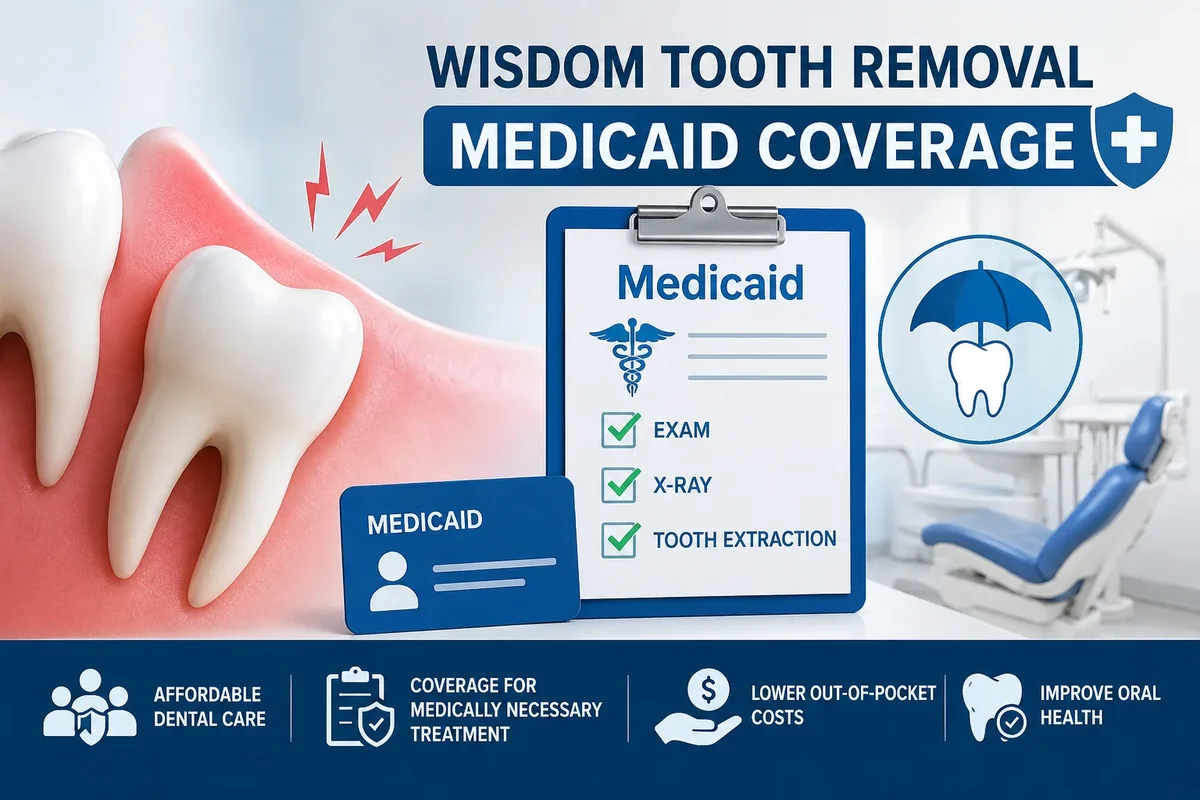
What Should You Do Next? Choosing the Right Dental Consultation
After learning about wisdom tooth removal medicaid coverage, many patients reach the same question: What should I do now? The answer depends on your symptoms, your oral health, your state’s Medicaid benefits, and the findings of a professional dental examination. Rather than making decisions based only on online information, the most effective next step is to obtain a personalized evaluation that considers your individual clinical condition. Even if you already know your insurance benefits, treatment decisions should always begin with an accurate diagnosis.
Some wisdom teeth require prompt treatment because they are causing infection, pain, or damage to neighboring teeth. Others can be monitored safely for years with routine dental checkups. Since every patient presents different anatomy, symptoms, and risk factors, there is no universal recommendation that applies to everyone. A consultation allows your dentist to distinguish between situations that require intervention and those where observation may be appropriate.
Why a Professional Consultation Matters
Although online resources can help you understand wisdom tooth removal medicaid coverage, they cannot replace a clinical examination. Dentists evaluate many factors that cannot be assessed through symptoms alone, including:
- The position and eruption status of the wisdom tooth.
- The condition of surrounding gum tissue.
- Whether neighboring teeth are affected.
- The presence of infection or inflammation.
- Bone support around the tooth.
- The relationship between the tooth and important anatomical structures.
These findings influence both treatment recommendations and the documentation that may be needed if your Medicaid program requires proof of medical necessity.
Preparing Before Your Appointment
Being prepared allows your consultation to be more productive. Before your visit, gather any information that may help your dental provider understand your situation.
Information to Bring
- Your Medicaid insurance card.
- A government-issued identification if required.
- A list of current medications.
- Information about allergies.
- Previous dental X-rays if available.
- A written summary of your symptoms.
- Questions about treatment and recovery.
Providing complete information helps your dentist create an individualized treatment plan while also assisting the office in reviewing your wisdom tooth removal medicaid coverage.
Questions Worth Asking Your Dentist
A consultation is also an opportunity to understand your treatment options. Consider asking questions such as:
- Is my wisdom tooth currently causing a clinically significant problem?
- Would monitoring be a reasonable alternative?
- Do my X-rays show any damage to nearby teeth?
- Is the extraction expected to be simple or surgical?
- Will I likely need referral to an oral surgeon?
- Does my Medicaid plan usually require prior authorization?
- What recovery should I expect based on my case?
These discussions help you make decisions based on professional guidance rather than assumptions.
When You Should Not Delay an Evaluation
While not every wisdom tooth requires immediate removal, certain symptoms should prompt timely professional assessment. Consider arranging a dental examination if you experience:
- Persistent tooth or jaw pain.
- Repeated swelling around the wisdom tooth.
- Difficulty chewing.
- Bad taste or drainage suggesting infection.
- Difficulty opening your mouth.
- Swelling affecting the face or jaw.
- Food consistently becoming trapped around the wisdom tooth.
These symptoms do not automatically mean surgery will be necessary, but they do warrant evaluation by a qualified dental professional.
Balancing Insurance and Clinical Care
It is understandable to focus on wisdom tooth removal medicaid coverage, especially when treatment costs are a concern. However, insurance benefits should complement—not replace—clinical decision-making. The primary goal is to determine whether the wisdom tooth is healthy enough for continued observation or whether extraction offers the safest long-term outcome.
Similarly, patients should avoid assuming that coverage alone determines whether treatment is appropriate. Even if benefits are available, extraction should still be recommended based on examination findings and sound clinical judgment.
The Importance of Individualized Treatment Planning
Every wisdom tooth presents unique considerations. Factors such as age, oral hygiene, tooth position, bone anatomy, overall health, previous infections, and neighboring teeth all influence treatment recommendations. A personalized treatment plan explains:
- The diagnosis.
- Why treatment is or is not recommended.
- Alternative management options.
- Expected recovery.
- Potential risks and benefits.
- Recommended follow-up care.
Receiving this information allows patients to make informed choices that reflect both their oral health and personal circumstances.
Considering a Second Opinion
If you are uncertain about a recommendation or would like additional reassurance before proceeding, requesting a second opinion is a reasonable option. Another experienced dentist or oral surgeon can review your examination findings and imaging before you make a final decision.
This approach can be especially valuable when treatment recommendations differ or when complex surgical extraction is being considered.
Where to Find Reliable Guidance
Educational information from the American Dental Association can help you better understand wisdom teeth, oral surgery, preventive care, and overall dental health. Reliable educational resources support informed conversations with your dental provider but should always be combined with an individual clinical evaluation.
If you would like a personalized assessment of your wisdom teeth, the Redent Klinik Contact Page provides an opportunity to discuss your symptoms, review diagnostic imaging, and receive individualized treatment recommendations. While this consultation cannot determine Medicaid approval, it can help clarify whether extraction, continued monitoring, or another treatment approach appears most appropriate for your oral health needs.
Your Practical Next Step
The most effective next step is to schedule a professional dental examination if you have pain, swelling, repeated infections, difficulty chewing, or concerns about an impacted wisdom tooth. During the appointment, ask your dental office to verify your Medicaid benefits, determine whether prior authorization is required, and explain the clinical reasons for any recommended treatment. A personalized examination remains the most dependable way to understand whether extraction is appropriate and how wisdom tooth removal medicaid coverage applies to your individual circumstances. Making decisions based on a comprehensive evaluation rather than assumptions gives you the best opportunity to choose the treatment plan that matches both your oral health needs and your insurance situation.
Disclosure: this page may contain affiliate links. We may earn a commission if you use them, at no extra cost to you.