
Choosing the world’s best dental implants is one of the most important decisions a patient can make when restoring missing teeth. Dental implants are not just cosmetic solutions; they are long-term medical treatments that directly affect oral health, jawbone stability, speech, and overall quality of life. This guide is designed to help patients understand what truly defines the world’s best dental implants, how they work, and why quality matters far more than simply replacing a missing tooth 🦷.
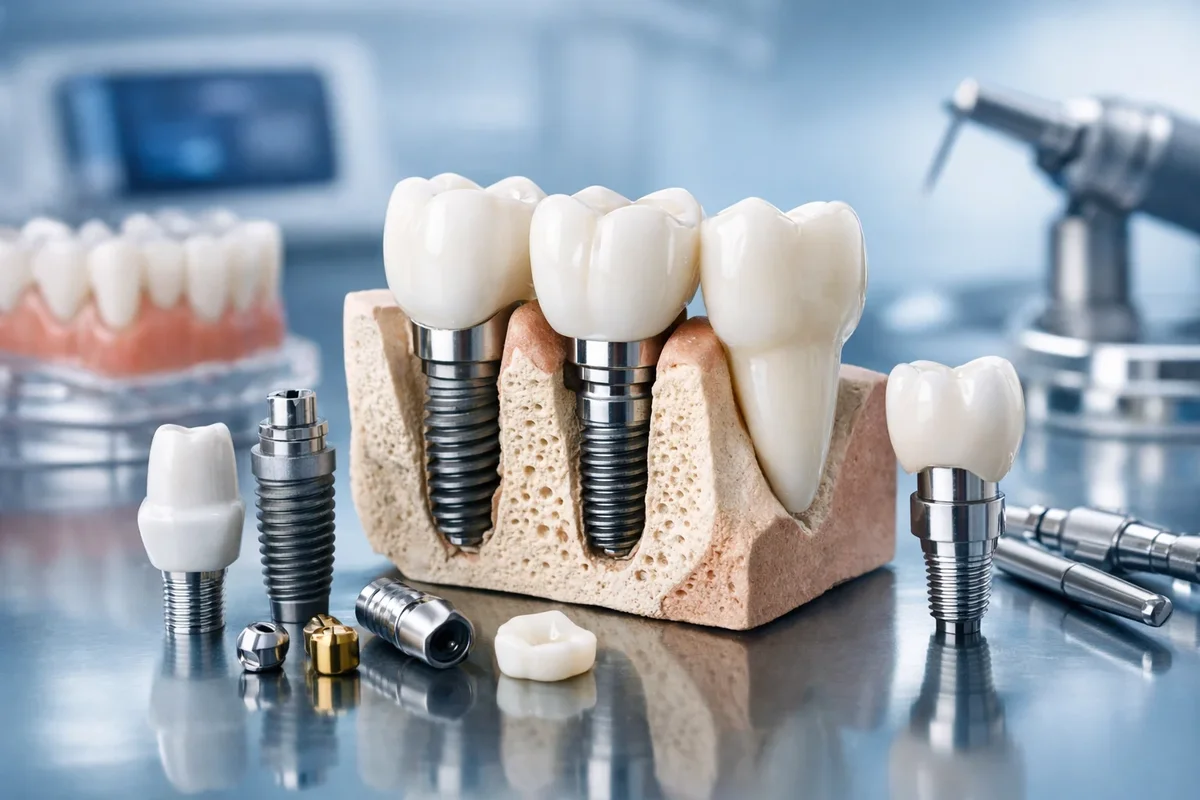
At their core, dental implants are artificial tooth roots—usually made of advanced titanium or ceramic materials—that are surgically placed into the jawbone. Once healed, they support crowns, bridges, or full-arch restorations that look, feel, and function like natural teeth. The world’s best dental implants go far beyond basic functionality. They are engineered with cutting-edge technology, backed by decades of clinical research, and designed to integrate seamlessly with the human body.
One of the most important reasons patients search for the world’s best dental implants is longevity. Unlike removable dentures or traditional bridges, high-quality implant systems are designed to last decades—often a lifetime—when properly placed and maintained. This durability depends on several factors: implant material purity, surface technology, surgical precision, and post-treatment care. Premium implants encourage faster osseointegration, meaning the implant bonds more efficiently with the jawbone, reducing failure risk and healing time.
From a health perspective, the world’s best dental implants also protect against bone loss. When a tooth is lost, the jawbone in that area begins to shrink due to lack of stimulation. Dental implants mimic natural tooth roots, preserving bone density and facial structure. This is a major advantage over dentures, which sit on the gums and do not prevent bone resorption. Over time, untreated bone loss can cause facial sagging and premature aging 😟—something implants actively help prevent.
Another key aspect that separates the world’s best dental implants from average solutions is biocompatibility. Top-tier implant systems are designed to be fully accepted by the body, minimizing inflammation, allergic reactions, or implant rejection. Many leading systems are supported by global health authorities and dental associations such as the American Dental Association, ensuring that materials and procedures meet the highest international safety standards.
Patients are often concerned about comfort and natural appearance—and rightly so. The world’s best dental implants are customized to match the patient’s bite, gum contour, and tooth color, creating results that are virtually indistinguishable from natural teeth. Speech clarity improves, chewing efficiency returns to near-natural levels, and patients regain confidence in daily life 😊. Unlike removable prosthetics, implants stay fixed in place, eliminating discomfort, movement, or embarrassment.
Cost is another major factor patients consider when researching the world’s best dental implants. While premium implants may appear more expensive upfront, they often provide superior long-term value. Globally, high-quality dental implants typically range between $800 and $2,500 per implant, depending on the country, brand, and clinic expertise. This price often includes the implant fixture, abutment, crown, and follow-up care. Choosing lower-cost alternatives without proven clinical success can lead to complications, revisions, or implant failure—ultimately costing more over time.
Equally important as the implant itself is the clinic and dental team performing the procedure. Even the world’s best dental implants require precise planning, advanced imaging, and skilled surgical execution. Clinics that specialize in implant dentistry use 3D CBCT scans, digital smile design, and guided implant surgery to ensure accuracy and predictability. If you are considering treatment and want professional guidance, visiting the Redent Klinik Contact Page can be a helpful first step toward personalized care.
In summary, the world’s best dental implants are defined by more than just brand names. They represent a combination of advanced materials, proven success rates, expert clinical application, and patient-centered treatment planning. Whether replacing a single tooth or restoring a full smile, choosing high-quality implants is an investment in long-term health, comfort, and confidence 🌍. Understanding these fundamentals empowers patients to make informed decisions and achieve results that truly last.
What Makes the World’s Best Dental Implants Truly Superior?
When patients search for the world’s best dental implants, they are not simply looking for a tooth replacement—they are looking for a long-term, safe, and life-enhancing solution. Superiority in dental implants is determined by a combination of medical science, material engineering, clinical success, and patient-centered outcomes. Understanding these factors helps patients distinguish between average implant options and truly world-class systems 🦷.
The world’s best dental implants stand out because they are designed to function as close to natural teeth as possible. This means not only restoring chewing ability, but also protecting jawbone health, supporting facial aesthetics, and ensuring long-term comfort. Inferior implants may look acceptable initially, but often fail to deliver stability, durability, or biological harmony over time.
Advanced Material Quality and Biocompatibility
One of the most critical factors that defines the world’s best dental implants is the quality of materials used. Most premium implant systems are manufactured from medical-grade titanium or zirconia. These materials are chosen because they are highly biocompatible, meaning the human body accepts them without triggering adverse immune responses.
High-end titanium implants are often made from Grade 4 or Grade 5 titanium, which offers exceptional strength and corrosion resistance. Zirconia implants, on the other hand, are metal-free and preferred by patients with metal sensitivities or high aesthetic demands. Both options, when properly engineered, support long-term success and are commonly found in the world’s best dental implants portfolios.
Surface Technology and Osseointegration
Surface technology is another key differentiator. The world’s best dental implants feature specially treated surfaces—such as sandblasted, acid-etched, or laser-modified designs—that promote faster and stronger osseointegration. Osseointegration is the biological process where the implant fuses with the jawbone, creating a stable foundation for the artificial tooth.
Superior surface design increases bone-to-implant contact, reduces healing time, and significantly lowers the risk of implant failure. This is especially important for patients with low bone density or those undergoing full-mouth restorations.
Scientific Research and Long-Term Clinical Evidence
Another defining feature of the world’s best dental implants is strong scientific backing. Premium implant brands invest heavily in clinical research, long-term studies, and peer-reviewed publications. These studies track implant success rates over 10, 20, or even 30 years, providing measurable proof of reliability.
Implant systems without sufficient clinical data may appear attractive due to lower costs, but they often lack long-term evidence. In contrast, the world’s best dental implants consistently demonstrate success rates above 95% when placed by experienced clinicians under proper conditions.
Precision Engineering and Customization
Precision is non-negotiable when it comes to the world’s best dental implants. Advanced manufacturing techniques ensure micron-level accuracy, allowing implants to integrate seamlessly with abutments and crowns. This precision reduces mechanical complications such as screw loosening, fractures, or misalignment.
Customization is equally important. World-class implant systems offer a wide range of implant sizes, shapes, and prosthetic components. This flexibility allows dentists to tailor treatment plans to each patient’s anatomy, bite force, and aesthetic goals—something generic systems cannot adequately provide.
Safety Standards and Global Certifications
The world’s best dental implants comply with strict international safety and quality standards. Certifications such as CE marking, FDA approval, and endorsements from organizations like the American Dental Association indicate that an implant system has passed rigorous testing for safety, performance, and reliability.
These standards ensure that materials are sterile, manufacturing processes are controlled, and performance claims are scientifically validated. Patients should always verify that the implants used meet recognized global benchmarks.
Clinical Expertise and Surgical Protocols
Even the world’s best dental implants require expert hands. Implant superiority is closely tied to the clinician’s experience, diagnostic tools, and surgical protocols. Leading clinics use 3D CBCT imaging, digital planning software, and guided surgery techniques to achieve precise placement and optimal outcomes.
This level of planning minimizes risks, shortens recovery time, and improves long-term success. It also allows for advanced solutions such as immediate loading or full-arch restorations, which are commonly associated with the world’s best dental implants.
Patient Comfort, Function, and Aesthetics
Ultimately, the true measure of the world’s best dental implants lies in patient satisfaction. Superior implants restore natural chewing efficiency, enhance speech clarity, and blend seamlessly with surrounding teeth and gums. Patients often report increased confidence, improved nutrition, and a higher quality of life 😊.
Unlike removable dentures, implants remain fixed in place, eliminating discomfort, slipping, or daily maintenance hassles. This combination of comfort, function, and aesthetics is what truly separates the world’s best dental implants from all other tooth replacement options.
In conclusion, the world’s best dental implants are defined by excellence at every level—from materials and engineering to clinical execution and long-term performance. Understanding these elements empowers patients to make informed, confident decisions and achieve results that are both medically sound and life-changing 🌍.
Materials and Technology Behind the World’s Best Dental Implants
The foundation of the world’s best dental implants lies in the materials and technologies used to create them. Dental implants are medical devices that must perform flawlessly inside the human body for decades. For this reason, only the most advanced biomaterials and precision-driven manufacturing technologies are suitable. Understanding these elements helps patients appreciate why not all implants are equal and why material choice directly impacts long-term success 🧬.
The world’s best dental implants are engineered to replicate the strength, flexibility, and biological compatibility of natural tooth roots. This requires materials that can withstand constant chewing forces, resist corrosion in a moist oral environment, and integrate seamlessly with living bone tissue. Modern implant dentistry combines material science with digital technology to achieve results that were impossible just a few decades ago.
Medical-Grade Titanium: The Gold Standard
Medical-grade titanium has long been considered the backbone of the world’s best dental implants. Specifically, Grade 4 and Grade 5 titanium are used due to their exceptional strength-to-weight ratio and outstanding biocompatibility. These materials are non-toxic, non-magnetic, and highly resistant to corrosion, making them ideal for long-term use inside the body.
Titanium’s unique ability to bond directly with bone—a process known as osseointegration—is what makes it so valuable. Once placed, titanium implants encourage bone cells to grow directly onto their surface, creating a stable and permanent connection. This biological bonding is one of the main reasons the world’s best dental implants achieve such high long-term success rates.
Purity and Manufacturing Precision
Not all titanium implants are created equal. The world’s best dental implants use ultra-pure titanium with strict quality control during manufacturing. Even small impurities can affect how the implant interacts with bone tissue. Premium manufacturers use advanced milling and sterilization processes to ensure consistency, structural integrity, and patient safety.
Zirconia Implants: Metal-Free Innovation
In recent years, zirconia has emerged as a powerful alternative material within the world’s best dental implants category. Zirconia is a ceramic material known for its high strength, natural tooth-like color, and excellent biocompatibility. It is especially appealing for patients with metal sensitivities or those seeking the most aesthetic solution.
Zirconia implants offer a metal-free option while still providing durability and stability. Their white color eliminates the risk of gray shadows near the gum line, making them ideal for front-tooth restorations. While zirconia implants require precise placement and specific clinical expertise, they are increasingly recognized as part of the world’s best dental implants solutions.
Surface Engineering and Implant Coatings
Surface technology is one of the most critical technological advancements behind the world’s best dental implants. Modern implants are no longer smooth; instead, they feature micro- and nano-textured surfaces designed to maximize bone contact. Techniques such as sandblasting, acid etching, and laser modification create surfaces that promote faster healing and stronger integration.
Some advanced systems also use bioactive coatings that encourage bone regeneration at the cellular level. These innovations significantly reduce healing time and increase implant stability—especially important for patients with compromised bone quality.
Impact on Healing Time
Thanks to advanced surface technologies, the world’s best dental implants often allow for shorter healing periods. In some cases, implants can even support immediate or early loading, meaning patients receive temporary teeth much sooner after surgery. This technological progress improves comfort and reduces treatment duration without compromising safety.
Digital Planning and 3D Technology
The world’s best dental implants are not just about materials—they rely heavily on digital technology. Modern implant treatment begins with 3D CBCT imaging, which provides detailed views of bone structure, nerve positions, and sinus anatomy. This data is used to plan implant placement with exceptional accuracy.
Digital workflows allow dentists to design custom surgical guides, ensuring implants are placed at the ideal angle, depth, and position. This level of precision minimizes surgical risks, improves implant longevity, and enhances aesthetic outcomes.
Strength, Load Distribution, and Durability
Chewing forces can reach hundreds of pounds, especially in the back of the mouth. The world’s best dental implants are designed to distribute these forces evenly across the jawbone, preventing stress fractures or bone loss. Advanced implant geometries and internal connection designs play a key role in this load distribution.
This engineering excellence ensures that implants remain stable even under heavy functional demands. As a result, patients can eat, speak, and smile with confidence for many years 😊.
In summary, the world’s best dental implants are the product of decades of innovation in materials science and digital dentistry. From ultra-pure titanium and aesthetic zirconia to advanced surface treatments and 3D planning technologies, every detail is designed to maximize safety, performance, and longevity. These technological foundations are what truly set world-class implants apart and make them a reliable, life-changing solution for patients worldwide 🌍.
Clinical Success Rates of the World’s Best Dental Implants
One of the strongest indicators of quality when evaluating the world’s best dental implants is their proven clinical success rate. Dental implants are long-term medical devices, and patients rightly expect them to function reliably for decades. Clinical success is not based on short-term appearance alone; it is measured through years of follow-up data, patient satisfaction, biological stability, and mechanical performance 🦷.
The world’s best dental implants consistently demonstrate success rates exceeding 95% over 10 to 20 years when placed under proper conditions. These results are not accidental. They are the outcome of rigorous scientific research, refined surgical protocols, advanced materials, and strict quality control. Understanding what contributes to these high success rates helps patients make informed, confident decisions.
What Defines Clinical Success in Dental Implants?
Clinical success for the world’s best dental implants is defined by several critical criteria. First, the implant must remain firmly integrated with the jawbone without signs of mobility. Second, there should be no persistent pain, infection, or inflammation around the implant site. Third, bone levels around the implant must remain stable over time, indicating healthy osseointegration.
Additionally, successful implants support functional and aesthetic restorations. Patients should be able to chew comfortably, speak clearly, and smile with confidence. When all these conditions are met consistently over many years, an implant system earns its reputation among the world’s best dental implants.
Long-Term Studies and Scientific Evidence
The most reliable implant systems within the world’s best dental implants category are supported by long-term clinical studies. These studies follow thousands of patients over extended periods—often 10, 15, or even 30 years—to assess performance under real-life conditions. Such research evaluates survival rates, complication frequencies, and patient-reported outcomes.
Implant brands with extensive clinical documentation provide transparency and reassurance. Their data is often published in peer-reviewed journals and aligned with guidelines from organizations like the American Dental Association. This level of scientific validation is a defining feature of the world’s best dental implants.
Survival Rate vs. Success Rate
It is important to distinguish between survival rate and success rate. An implant may technically survive by remaining in the mouth, but that does not mean it is successful. The world’s best dental implants excel in both categories. They not only remain in place but also maintain healthy surrounding tissues, stable bone levels, and optimal function.
True success means the implant performs like a natural tooth without complications or discomfort. This distinction highlights why premium implant systems are worth prioritizing.
Patient-Related Factors Influencing Success
While the world’s best dental implants offer exceptional reliability, patient-related factors also play a role in clinical outcomes. Bone quality, oral hygiene habits, smoking status, and systemic health conditions such as diabetes can influence healing and long-term stability.
High-quality implant systems are designed to perform well even in challenging conditions, such as low bone density. However, careful patient evaluation and treatment planning remain essential. Experienced clinicians assess these factors and tailor protocols to maximize the success of the world’s best dental implants.
Surgical Precision and Clinical Expertise
Another major contributor to the success of the world’s best dental implants is surgical precision. Implant placement requires exact positioning to ensure proper load distribution, nerve safety, and aesthetic outcomes. Leading clinics use 3D CBCT imaging and digital planning tools to guide placement with millimeter accuracy.
Guided implant surgery significantly reduces human error and improves consistency. When combined with premium implant systems, this approach results in higher success rates, faster healing, and fewer complications.
Complication Rates and Risk Reduction
Even with advanced technology, complications can occur. However, the world’s best dental implants are associated with significantly lower complication rates compared to generic alternatives. Common issues such as peri-implantitis, implant fracture, or loosening are far less frequent when high-quality materials and evidence-based protocols are used.
Advanced surface treatments, precise connections, and proven designs reduce bacterial infiltration and mechanical stress. This proactive risk reduction is a hallmark of the world’s best dental implants systems.
Patient Satisfaction and Quality of Life
Beyond clinical metrics, patient satisfaction is a critical measure of success. Studies consistently show that patients treated with the world’s best dental implants report higher levels of comfort, confidence, and overall quality of life 😊. Eating becomes easier, speech improves, and social interactions feel more natural.
These outcomes reflect not only functional success but emotional and psychological benefits as well. A stable, natural-looking smile has a profound impact on self-esteem and daily well-being.
In conclusion, the exceptional clinical success rates of the world’s best dental implants are the result of scientific validation, advanced technology, skilled clinical application, and patient-centered care. When all these elements come together, dental implants become one of the most predictable and life-enhancing treatments in modern dentistry 🌍.
Who Is a Good Candidate for the World’s Best Dental Implants?
Understanding who qualifies for the world’s best dental implants is essential for achieving predictable, long-lasting results. While dental implants are one of the most versatile tooth replacement solutions available today, not every patient is an immediate candidate. Candidacy depends on a combination of oral health, general medical condition, bone structure, and lifestyle factors. When properly evaluated, most adults can safely benefit from the world’s best dental implants and enjoy a dramatic improvement in quality of life 🦷.
The good news is that modern implant dentistry has expanded eligibility significantly. Thanks to advanced materials, surface technologies, and surgical techniques, patients who were once considered unsuitable can now be treated successfully. A thorough assessment ensures that the world’s best dental implants are placed under conditions that maximize healing, stability, and long-term success.
Basic Health Requirements for Dental Implant Candidates
At a minimum, candidates for the world’s best dental implants should be in generally good health. Since implant placement is a minor surgical procedure, the body must be capable of healing properly. Conditions such as uncontrolled diabetes, severe immune disorders, or active infections may delay treatment until they are managed.
That said, many chronic conditions do not automatically disqualify patients. With proper medical coordination and planning, even individuals with controlled systemic conditions can safely receive the world’s best dental implants. A comprehensive medical history review is always a critical first step.
Jawbone Quality and Bone Density
One of the most important factors in determining candidacy for the world’s best dental implants is jawbone quality. Dental implants rely on osseointegration—the process by which the implant fuses with the surrounding bone. Adequate bone volume and density provide the stability needed for long-term success.
However, insufficient bone does not necessarily mean implants are impossible. Modern solutions such as bone grafting, sinus lifting, and short or angled implants allow many patients with bone loss to still benefit from the world’s best dental implants.
Advanced Bone Augmentation Techniques
Bone augmentation procedures have transformed implant eligibility. Techniques like guided bone regeneration and ridge expansion can rebuild lost bone, creating a solid foundation for implant placement. These innovations ensure that even patients with long-standing tooth loss can access the world’s best dental implants safely and effectively.
Oral Health and Gum Condition
Healthy gums are essential for supporting the world’s best dental implants. Conditions such as untreated gum disease can compromise implant success by increasing the risk of infection and bone loss around the implant. Before implant placement, any existing periodontal issues must be treated and stabilized.
Once gum health is restored, implants can be placed with confidence. In fact, dental implants often help improve long-term oral health by replacing missing teeth and restoring proper bite alignment.
Lifestyle Factors That Influence Eligibility
Certain lifestyle habits can affect candidacy for the world’s best dental implants. Smoking, for example, reduces blood flow to the gums and slows healing, increasing the risk of implant failure. While smokers are not automatically excluded, they are strongly encouraged to reduce or quit smoking before and after treatment.
Good oral hygiene habits are equally important. Patients willing to maintain regular brushing, flossing, and dental check-ups are far more likely to experience long-term success with the world’s best dental implants.
Age Considerations for Dental Implants
Age alone is not a limiting factor when it comes to the world’s best dental implants. Adults of all ages—including seniors—can be excellent candidates, provided they meet the health and bone requirements. In fact, dental implants often improve nutrition, speech, and confidence in older patients 😊.
The only age-related limitation applies to younger patients whose jawbones are still developing. Implant placement is typically postponed until bone growth is complete.
Single Tooth, Multiple Teeth, and Full-Arch Candidates
The world’s best dental implants are suitable for a wide range of tooth replacement needs. Whether a patient is missing a single tooth, several teeth, or an entire arch, implant-based solutions can be customized accordingly. From single implants to full-arch systems, treatment is tailored to individual anatomy and goals.
Advanced techniques even allow for immediate-load implants, where temporary teeth are placed on the same day as surgery—an option increasingly associated with the world’s best dental implants.
In conclusion, most adults are potential candidates for the world’s best dental implants with proper evaluation and planning. Thanks to modern advancements in implant dentistry, eligibility has expanded dramatically. A personalized consultation remains the key to determining the safest and most effective path toward a restored, confident smile 🌍.
Comparison of Brands Offering the World’s Best Dental Implants
When patients research the world’s best dental implants, they often encounter a wide range of implant brands, each claiming superior performance. However, not all implant systems are created equal. True excellence is determined by long-term clinical data, material quality, innovation, and global reputation. Comparing leading brands helps patients and clinicians understand what truly separates premium implant systems from average alternatives 🦷.
The world’s best dental implants are typically produced by manufacturers with decades of experience, extensive research investment, and strict quality control. These brands are trusted worldwide, supported by scientific evidence, and used by leading implantologists. While brand selection is important, it must always be paired with clinical expertise to achieve optimal outcomes.
Criteria Used to Compare Implant Brands
To objectively evaluate brands offering the world’s best dental implants, several key criteria are considered. These include material purity, surface technology, long-term success rates, ease of prosthetic restoration, and availability of components. Brands that excel across all these areas consistently deliver predictable results.
Equally important is the availability of long-term data. Implant systems backed by 10–30 years of clinical studies provide far greater reliability than newer, unproven brands. This scientific transparency is a hallmark of the world’s best dental implants.
Premium Global Implant Brands
Many of the world’s best dental implants come from globally recognized manufacturers based in Europe, North America, and select parts of Asia. These companies invest heavily in research and development, continuously refining implant design and surface technology.
Well-established premium brands are known for exceptional osseointegration, high mechanical strength, and comprehensive prosthetic systems. Their implants are often used in complex cases such as full-arch restorations, immediate loading protocols, and patients with compromised bone conditions.
European Precision and Engineering
European implant manufacturers are frequently associated with the world’s best dental implants due to their emphasis on precision engineering and strict regulatory standards. Many European systems are CE-certified and widely used in academic research, making them a gold standard in implant dentistry.
These brands are often preferred for their advanced surface treatments, which promote faster healing and long-term bone stability.
American Innovation and Clinical Research
American implant brands are also prominent contributors to the world’s best dental implants. These systems are typically supported by extensive clinical research and align closely with guidelines from organizations like the American Dental Association.
Innovation is a key strength, with many American brands focusing on user-friendly surgical kits, digital workflows, and implant designs that simplify complex procedures.
Mid-Tier and Economy Implant Brands
In contrast to premium systems, mid-tier and economy brands often prioritize affordability over long-term data. While some may deliver acceptable short-term results, they rarely meet the standards associated with the world’s best dental implants. These systems may lack extensive clinical studies, standardized components, or advanced surface technologies.
Patients choosing lower-cost options should be aware that reduced upfront prices can sometimes lead to higher long-term costs due to complications, revisions, or implant replacement.
Compatibility and Prosthetic Flexibility
One of the defining features of the world’s best dental implants is prosthetic flexibility. Premium brands offer a wide range of abutments, crowns, and connectors that allow dentists to customize restorations for optimal function and aesthetics.
This flexibility is especially important in full-mouth rehabilitation cases, where precise bite alignment and load distribution are critical. Generic systems often lack this level of adaptability.
Global Availability and Long-Term Support
Another advantage of brands offering the world’s best dental implants is global availability. If a patient relocates or requires future maintenance, components and support are readily accessible worldwide. This continuity of care is a major consideration for long-term treatment success 🌍.
Premium manufacturers also provide extensive training and support for clinicians, ensuring implants are placed according to best-practice protocols.
Brand vs. Dentist Expertise
While brand selection matters, it is important to remember that even the world’s best dental implants depend on proper placement and treatment planning. A highly skilled dentist using a reputable implant system will always outperform poor technique with a premium brand.
Patients should focus on both the implant brand and the clinic’s experience. Clinics that specialize in implant dentistry and use trusted systems consistently achieve the best outcomes.
In summary, brands offering the world’s best dental implants distinguish themselves through scientific evidence, precision engineering, global support, and long-term reliability. Comparing implant systems with these criteria in mind helps patients make confident decisions that protect both their oral health and long-term investment 😊.
Longevity and Durability of the World’s Best Dental Implants
One of the primary reasons patients seek the world’s best dental implants is the promise of long-term durability. Unlike temporary tooth replacement solutions, dental implants are designed to function for decades, often lasting a lifetime when properly placed and maintained. Longevity is not accidental—it is the result of advanced materials, precise engineering, biological compatibility, and correct patient care 🦷.
The world’s best dental implants are engineered to withstand the daily forces of chewing, speaking, and biting without degrading over time. These forces can be significant, especially in the back of the mouth where pressure is greatest. Understanding what contributes to implant durability helps patients appreciate why premium implant systems are a long-term investment rather than a short-term fix.
Material Strength and Structural Integrity
The durability of the world’s best dental implants begins with material selection. Medical-grade titanium and high-performance zirconia are specifically chosen for their exceptional strength, fatigue resistance, and corrosion resistance. These materials can endure constant mechanical stress without fracturing or deforming.
Unlike natural teeth, which can decay, implants are immune to cavities. This inherent advantage allows the world’s best dental implants to maintain their structural integrity even in challenging oral environments, provided surrounding tissues remain healthy.
Resistance to Wear and Corrosion
The oral cavity is a harsh environment filled with moisture, temperature changes, and bacteria. The world’s best dental implants are designed to resist corrosion and chemical breakdown over time. Advanced surface treatments protect implants from degradation while enhancing bone integration.
This resistance is a major factor in why premium implants consistently outperform lower-quality alternatives in long-term studies.
Osseointegration and Bone Stability
Longevity is closely tied to the quality of osseointegration. The world’s best dental implants achieve a strong, stable bond with the jawbone, creating a foundation capable of supporting restorations for decades. Once fully integrated, implants function much like natural tooth roots.
Stable bone levels around the implant are critical. Premium implant systems are designed to minimize bone loss by evenly distributing chewing forces and preventing micro-movements that can weaken the bone-implant interface.
Implant Design and Load Distribution
Advanced implant design plays a crucial role in the longevity of the world’s best dental implants. Thread patterns, implant diameter, and internal connection designs are engineered to distribute stress evenly across the jawbone. This reduces the risk of mechanical failure and bone resorption.
Internal connection systems, common in high-end implants, provide superior stability compared to older external designs. This innovation helps prevent loosening and enhances the overall durability of the world’s best dental implants.
Role of the Prosthetic Components
While the implant fixture itself is designed for longevity, the crown or prosthetic restoration also influences durability. The world’s best dental implants are paired with high-quality crowns made from zirconia or advanced ceramics that resist chipping and wear.
Proper alignment and bite adjustment ensure that forces are evenly distributed, protecting both the implant and the restoration. Poorly fitted crowns can shorten the lifespan of even the world’s best dental implants.
Patient Maintenance and Oral Hygiene
Long-term success with the world’s best dental implants depends heavily on patient care. Although implants cannot decay, the surrounding gums and bone can become inflamed if oral hygiene is neglected. Conditions such as peri-implantitis can compromise implant stability if left untreated.
Regular brushing, flossing, and professional cleanings are essential. Patients who follow recommended maintenance routines often enjoy decades of trouble-free performance from the world’s best dental implants 😊.
Clinical Evidence Supporting Long-Term Performance
Numerous long-term studies confirm the exceptional durability of the world’s best dental implants. Research tracking patients over 20 to 30 years shows that premium implant systems maintain high success rates with minimal complications.
This level of documented longevity is rarely matched by alternative tooth replacement options such as bridges or dentures, which often require replacement or adjustment over time.
Lifestyle Factors Affecting Implant Lifespan
Healthy lifestyle choices further enhance the durability of the world’s best dental implants. Avoiding smoking, managing chronic conditions, and wearing protective night guards if needed can significantly extend implant lifespan.
When combined with expert placement and proper care, these factors allow implants to remain functional and comfortable for a lifetime.
In conclusion, the remarkable longevity and durability of the world’s best dental implants are the result of superior materials, advanced engineering, biological integration, and responsible patient care. For individuals seeking a permanent, reliable solution to tooth loss, premium dental implants offer unmatched long-term value and peace of mind 🌍.
Safety Standards and Certifications for the World’s Best Dental Implants
Safety is a non-negotiable factor when evaluating the world’s best dental implants. Because dental implants are medical devices placed permanently inside the human body, they must meet the highest international safety and quality standards. Patients are not only investing in a better smile but also trusting that the materials and systems used will not harm their health—now or decades into the future 🦷.
The world’s best dental implants are distinguished by strict regulatory approvals, extensive testing, and continuous quality monitoring. These standards ensure that implants are biocompatible, mechanically reliable, sterile, and clinically proven. Understanding certifications and safety benchmarks helps patients separate truly world-class implant systems from unverified or low-quality alternatives.
Why Safety Standards Matter in Dental Implantology
Dental implants interact directly with bone, blood, and soft tissues. Any compromise in quality can lead to infection, implant failure, allergic reactions, or long-term complications. This is why the world’s best dental implants are manufactured under controlled conditions that comply with international medical device regulations.
Safety standards ensure that every implant is produced with consistent quality, tested for durability, and evaluated for biological compatibility. Without these safeguards, even visually appealing implants may pose serious health risks over time.
FDA Approval and Its Importance
One of the most recognized safety benchmarks for the world’s best dental implants is approval by the U.S. Food and Drug Administration (FDA). FDA clearance indicates that an implant system has undergone rigorous evaluation for safety, effectiveness, and manufacturing quality.
FDA-approved implants must meet strict requirements related to material composition, sterilization, mechanical strength, and clinical performance. While FDA approval does not guarantee success on its own, it is a strong indicator that an implant system belongs among the world’s best dental implants.
CE Certification and European Medical Standards
In Europe, CE certification is a critical requirement for medical devices, including dental implants. The world’s best dental implants carrying the CE mark comply with the European Union’s Medical Device Regulation (MDR), which enforces stringent safety and performance standards.
CE-certified implant systems must demonstrate clinical effectiveness, risk management, and manufacturing traceability. Many globally respected implant brands meet both FDA and CE standards, reinforcing their reputation for safety and reliability.
ISO Quality Management Systems
Manufacturers of the world’s best dental implants typically operate under ISO-certified quality management systems, such as ISO 13485. This certification ensures that every stage of production—from raw material sourcing to final sterilization—is carefully controlled and documented.
ISO compliance reduces the risk of defects, contamination, or inconsistencies, offering an additional layer of patient protection.
Biocompatibility Testing and Material Safety
Biocompatibility is a cornerstone of the world’s best dental implants. Before approval, implant materials undergo extensive laboratory and clinical testing to confirm that they do not trigger toxic, allergic, or inflammatory reactions.
Medical-grade titanium and zirconia used in premium implants are tested for corrosion resistance, tissue response, and long-term stability. These tests ensure that implants remain safe and inert within the body for decades.
Clinical Trials and Post-Market Surveillance
Another defining feature of the world’s best dental implants is continuous clinical monitoring. Leading manufacturers conduct pre-market clinical trials to establish safety and effectiveness, followed by post-market surveillance to track real-world performance.
This ongoing evaluation allows manufacturers to identify rare complications, refine designs, and update protocols as needed. Implant systems without post-market surveillance lack the accountability associated with the world’s best dental implants.
Professional Guidelines and Dental Associations
Reputable implant systems align with professional guidelines established by trusted organizations such as the American Dental Association. These guidelines help dentists select implant systems that meet evidence-based safety and performance criteria.
Clinics that follow such standards are more likely to use the world’s best dental implants and apply protocols that reduce surgical risks and improve outcomes.
Sterilization and Infection Control Standards
Sterility is critical for implant safety. The world’s best dental implants are packaged in sterile environments using validated sterilization methods. Each implant is sealed to prevent contamination until the moment of placement.
Proper sterilization minimizes the risk of post-surgical infection and supports smooth healing. Inferior systems with inconsistent packaging or unclear sterilization protocols pose unnecessary risks.
Patient Transparency and Traceability
An often-overlooked safety feature of the world’s best dental implants is traceability. Premium manufacturers provide batch numbers and documentation that allow implants to be traced back to their production details if needed.
This transparency protects patients and clinics alike, ensuring accountability and rapid response in the unlikely event of a product issue.
In conclusion, the world’s best dental implants meet and exceed global safety standards through rigorous certification, biocompatibility testing, clinical validation, and ongoing monitoring. These safeguards protect patient health and ensure that dental implants remain one of the safest and most reliable treatments in modern dentistry 🌍. Choosing certified, well-documented implant systems is essential for long-term peace of mind and successful outcomes.
Cost Factors and Value of the World’s Best Dental Implants
When evaluating the world’s best dental implants, cost is often one of the first concerns patients raise. While dental implants are widely recognized as the most advanced tooth replacement solution, their price can vary significantly depending on multiple factors. Understanding what influences cost—and how value differs from price—helps patients make informed, confident decisions that prioritize long-term health over short-term savings 🦷.
The world’s best dental implants are not mass-produced commodities; they are precision medical devices combined with highly specialized clinical care. As a result, their cost reflects not only the implant itself but also the technology, expertise, safety standards, and long-term reliability involved in the treatment process.
What Determines the Cost of the World’s Best Dental Implants?
Several key elements contribute to the overall cost of the world’s best dental implants. These factors vary by country, clinic, and individual treatment needs, but they all play a critical role in final pricing.
Implant Brand and Material Quality
Premium implant brands that fall under the world’s best dental implants category invest heavily in research, advanced materials, and long-term clinical studies. Medical-grade titanium or zirconia implants manufactured under strict quality controls are more expensive to produce but offer superior safety and longevity.
Lower-cost implants may use inferior materials or lack sufficient clinical validation, increasing the risk of complications or failure over time.
Clinical Expertise and Technology
The experience of the dental team is another major cost factor. Clinics that specialize in the world’s best dental implants typically use advanced diagnostic tools such as 3D CBCT imaging, digital treatment planning, and guided surgery systems.
These technologies improve accuracy, reduce risks, and enhance outcomes—but they also require significant investment, which is reflected in treatment costs.
Average Global Price Ranges
While prices vary, the world’s best dental implants generally fall within certain global ranges. In countries like the United States, Canada, and Western Europe, a single premium dental implant (including implant, abutment, and crown) often ranges between $2,000 and $4,500.
In medical tourism destinations with high-quality clinics, such as Turkey or parts of Eastern Europe, the same level of care using the world’s best dental implants may range between $800 and $1,500 per implant—without compromising quality or safety when performed by experienced specialists.
Why Cheaper Is Not Always Better
Choosing an implant solution based solely on price can be risky. Treatments that appear inexpensive upfront may exclude critical components such as advanced diagnostics, high-quality prosthetics, or long-term follow-up care. In contrast, the world’s best dental implants offer comprehensive treatment planning and predictable results.
Implant failure, infections, or prosthetic complications often lead to additional corrective procedures, significantly increasing total costs over time. Investing in the world’s best dental implants from the beginning often proves more economical in the long run.
Long-Term Value and Return on Investment
The true value of the world’s best dental implants lies in their durability and performance. Unlike bridges or dentures, which may require replacement every 5–10 years, premium implants are designed to last decades—often a lifetime—with proper care.
This longevity translates into fewer repeat procedures, lower maintenance costs, and greater overall satisfaction 😊. When evaluated over time, dental implants frequently outperform alternative treatments in terms of cost-effectiveness.
Health, Comfort, and Lifestyle Benefits
Value is not purely financial. The world’s best dental implants restore natural chewing ability, support proper nutrition, and improve speech clarity. They also preserve jawbone health and facial structure, preventing the premature aging often associated with tooth loss.
These benefits significantly enhance daily comfort and self-confidence, making implants a life-enhancing investment rather than just a dental expense.
Insurance, Financing, and Treatment Planning
While dental insurance coverage for implants varies, many clinics offering the world’s best dental implants provide flexible payment plans or financing options. Transparent treatment planning allows patients to understand exactly what is included—implants, prosthetics, follow-ups, and aftercare.
Discussing these details during a consultation ensures there are no surprises and helps patients plan their treatment responsibly.
Choosing Value Over Price
Ultimately, the decision should be based on value, not just cost. The world’s best dental implants deliver proven safety, long-term reliability, and exceptional quality of life improvements. These benefits far outweigh the initial investment when compared to less durable alternatives.
In conclusion, while the world’s best dental implants may require a higher upfront cost, they offer unmatched long-term value through durability, safety, comfort, and confidence 🌍. For patients seeking a permanent, high-quality solution to tooth loss, premium dental implants remain one of the most worthwhile investments in modern healthcare.
Choosing the Right Clinic for the World’s Best Dental Implants
Selecting the right clinic is just as important as choosing the world’s best dental implants themselves. Even the most advanced implant system can fail if it is placed without proper planning, expertise, and post-treatment care. For patients seeking predictable, long-lasting results, the clinic’s experience, technology, and treatment philosophy play a decisive role 🦷.
The world’s best dental implants deliver their full potential only when combined with skilled clinicians, evidence-based protocols, and patient-centered care. Understanding what to look for in a dental implant clinic helps patients avoid unnecessary risks and ensures that their investment leads to a healthy, confident smile.
Experience and Specialization in Implant Dentistry
A key factor when choosing a clinic for the world’s best dental implants is the dentist’s level of experience. Implant dentistry is a specialized field that requires advanced training beyond general dentistry. Clinics that focus heavily on implant treatments tend to achieve higher success rates and manage complex cases more effectively.
Experienced implantologists are better equipped to handle anatomical challenges, bone deficiencies, and aesthetic demands. They understand how to select the appropriate implant system, surgical technique, and prosthetic solution to maximize the benefits of the world’s best dental implants.
Advanced Diagnostic and Planning Technology
Clinics offering the world’s best dental implants rely on advanced diagnostic tools to ensure precision and safety. Technologies such as 3D CBCT imaging, digital smile design, and computer-guided implant planning allow clinicians to visualize bone structure, nerve positions, and aesthetic outcomes before surgery begins.
This level of planning reduces surgical risks, shortens recovery time, and improves long-term implant stability. Clinics that still rely solely on traditional X-rays may not provide the same level of accuracy required for premium implant treatments.
Guided Implant Surgery
Guided implant surgery is a hallmark of clinics that work with the world’s best dental implants. Using digital guides, implants are placed at the exact angle, depth, and position planned during the diagnostic phase. This precision minimizes trauma, enhances comfort, and supports faster healing.
Use of Certified and Proven Implant Systems
Not all clinics use the same implant brands. Clinics committed to offering the world’s best dental implants choose systems with extensive clinical research, global certifications, and long-term success data. These systems are often supported by international organizations and comply with strict safety standards.
Patients should feel comfortable asking which implant brands are used and why. Transparent clinics willingly explain their choices and provide documentation when requested.
Comprehensive Treatment Planning and Transparency
High-quality clinics offering the world’s best dental implants provide comprehensive treatment plans before any procedure begins. This includes a clear explanation of each step, expected outcomes, timelines, and aftercare requirements.
Transparency builds trust. Patients should receive a written plan outlining what is included in the treatment—implants, abutments, crowns, follow-up visits, and maintenance. Clear communication ensures realistic expectations and long-term satisfaction 😊.
Hygiene, Sterilization, and Patient Safety
Strict hygiene protocols are essential when placing the world’s best dental implants. Clinics must adhere to international infection control standards, including sterilized surgical environments, single-use instruments where appropriate, and validated sterilization procedures.
A clean, well-organized clinic environment reflects professionalism and a strong commitment to patient safety.
Aftercare and Long-Term Support
Successful implant treatment does not end after surgery. Clinics that truly specialize in the world’s best dental implants provide structured aftercare programs, including follow-up visits, professional cleanings, and long-term monitoring.
This ongoing support helps detect potential issues early and ensures implants remain healthy and functional for decades.
Patient Reviews and Real-World Outcomes
Patient testimonials and reviews offer valuable insight into a clinic’s performance. Clinics known for delivering the world’s best dental implants often have a strong track record of satisfied patients who report positive experiences, natural-looking results, and long-term comfort.
Before-and-after cases, when ethically presented, can also demonstrate a clinic’s aesthetic capabilities and attention to detail.
Accessibility and Communication
Clear communication and easy access to the dental team are especially important for implant patients. Clinics providing the world’s best dental implants ensure patients can ask questions, receive guidance, and feel supported throughout the entire treatment journey.
If you are considering implant treatment and want expert guidance, visiting the Redent Klinik Contact Page can help you take the first step toward a personalized consultation.
Balancing Quality, Trust, and Long-Term Value
Ultimately, choosing the right clinic is about balancing quality, trust, and value. The world’s best dental implants achieve their full potential only when placed by skilled professionals in a clinic that prioritizes patient health and long-term outcomes.
In conclusion, the right clinic transforms the world’s best dental implants from a medical device into a life-changing solution 🌍. By focusing on expertise, technology, transparency, and patient care, individuals can confidently choose a clinic that delivers safe, durable, and truly exceptional implant results.