
Youth dentistry is a specialized field of dental care dedicated to protecting, guiding, and improving the oral health of children, teenagers, and young adults during their most critical developmental years 😊. Unlike standard dental approaches that mainly focus on maintenance and repair, youth dentistry emphasizes prevention, education, emotional comfort, and long-term oral development. Parents searching for reliable information about youth dentistry usually want to understand when to start dental care, what treatments are necessary, and how early dental habits influence lifelong health—and this guide is designed to fully meet that intent.
At its core, youth dentistry focuses on the unique biological, psychological, and behavioral needs of young patients. Children’s teeth, jaws, and facial structures are constantly changing, which means dental care must evolve alongside growth. Youth dentistry addresses issues such as tooth eruption timing, bite alignment, enamel strength, cavity prevention, and oral hygiene habits in a way that is age-appropriate and non-threatening. This approach helps children feel safe and confident while receiving professional care 🦷.
One of the most important goals of youth dentistry is prevention. Cavities, gum inflammation, and enamel erosion often begin early in life, long before symptoms become noticeable. Through routine checkups, fluoride applications, sealants, and personalized hygiene guidance, youth dentistry helps stop small problems from turning into complex and costly treatments later. Preventive strategies used in youth dentistry are supported by leading global dental authorities, including the American Dental Association, which emphasizes early dental visits as a cornerstone of lifelong oral health.
Another defining feature of youth dentistry is education—for both children and parents. Young patients are taught how to brush, floss, and care for their teeth using age-appropriate language and demonstrations. Parents receive guidance on nutrition, sugar intake, oral habits like thumb-sucking, and the impact of lifestyle choices on dental development. By combining clinical care with education, youth dentistry builds a strong foundation that supports healthy smiles well into adulthood ✨.
Emotional well-being also plays a central role in youth dentistry. Dental anxiety often begins in childhood and can persist for decades if not addressed properly. Youth-focused dental clinics are designed to create calm, friendly, and reassuring environments. Dentists trained in youth dentistry use gentle communication, patience, and behavioral techniques to ensure that children associate dental visits with positive experiences rather than fear. This emotional aspect is just as important as clinical skill when it comes to long-term success.
From a medical perspective, youth dentistry also supports proper jaw growth and facial development. Early identification of misaligned bites, overcrowding, or abnormal tooth eruption allows for timely intervention. In many cases, early treatment can reduce or even eliminate the need for extensive orthodontic procedures later. This proactive approach is one of the reasons youth dentistry is considered an investment rather than an expense 💡.
Parents often wonder whether youth dentistry is truly different from general dental care. The answer is yes. While general dentists can treat patients of all ages, youth dentistry specialists receive additional training focused on child development, behavior management, and growth-related dental conditions. This expertise allows them to tailor treatments specifically to young patients, ensuring both safety and effectiveness at every stage.
Choosing youth dentistry also means choosing continuity. Regular visits from early childhood through adolescence allow dentists to track changes over time, build trust with the patient, and adjust care plans as needed. This continuity leads to better outcomes, fewer emergencies, and a stronger understanding of individual dental needs.
In summary, youth dentistry is not simply about fixing teeth—it is about shaping healthy habits, confident attitudes, and strong oral foundations for life. By combining prevention, education, emotional support, and specialized clinical care, youth dentistry helps young people grow into adults with healthier smiles and fewer dental problems. For families seeking expert guidance, personalized care, and long-term value, youth dentistry represents one of the most important healthcare decisions they can make 🌱.
The Role of Youth Dentistry in Lifelong Oral Health
Youth dentistry plays a foundational role in shaping not only a child’s smile but their overall oral health for the rest of their life 🦷. Many adults struggle with chronic dental problems that can be traced back to untreated or poorly managed issues during childhood and adolescence. Youth dentistry exists precisely to prevent this cycle by addressing dental health at the earliest and most influential stages of development.
Why Early Dental Care Shapes the Future
The mouth is not a static system, especially in young individuals. Teeth erupt, jaws grow, bite patterns change, and habits form rapidly. Youth dentistry focuses on guiding these changes in a healthy direction. When dental care begins early, dentists can monitor growth patterns, identify risks before they escalate, and intervene gently and effectively. This proactive model dramatically reduces the likelihood of severe decay, gum disease, and bite disorders later in life.
Research consistently shows that children who receive structured care through youth dentistry are more likely to maintain regular dental visits as adults. These individuals tend to have fewer cavities, healthier gums, and stronger enamel because preventive habits are ingrained early. Youth dentistry therefore acts as a long-term investment in health rather than a short-term solution.
Building Preventive Habits Through Youth Dentistry
One of the most powerful contributions of youth dentistry is habit formation. Brushing, flossing, dietary awareness, and routine dental checkups become normal parts of life when introduced early. Youth dentistry specialists take time to explain why these habits matter, not just how to perform them. This understanding increases compliance and long-term consistency 😊.
Oral Hygiene Education at the Right Age
Education within youth dentistry is always age-specific. Young children learn through demonstration and repetition, while teenagers are educated on the consequences of neglect, sugary diets, and lifestyle choices such as smoking or energy drink consumption. This staged educational approach ensures that information is both relevant and memorable.
Parents are also a critical part of this process. Youth dentistry empowers parents with clear guidance on supervising brushing, choosing tooth-friendly foods, and recognizing early warning signs of dental problems. This collaborative model strengthens outcomes and builds trust between families and dental professionals.
Preventing Major Dental Problems Before They Start
Many serious dental conditions develop silently over time. Tooth decay, enamel erosion, and gum inflammation often begin without pain or visible symptoms. Youth dentistry is designed to catch these issues early through regular examinations, digital imaging, and risk assessment tools. Early detection means simpler treatments, lower costs, and less stress for both children and parents.
Sealants, fluoride treatments, and professional cleanings are common preventive measures used in youth dentistry. These procedures strengthen teeth and protect vulnerable areas during the years when children are most cavity-prone. According to guidance aligned with organizations like the American Dental Association, preventive care in childhood significantly lowers lifetime dental disease risk.
Supporting Jaw Growth and Bite Alignment
Youth dentistry is also essential for proper jaw development and bite alignment. Problems such as crowding, overbites, underbites, or crossbites often begin during growth phases. By monitoring these changes early, youth dentistry professionals can recommend timely interventions that guide natural development.
In many cases, early orthodontic guidance reduces the need for complex treatments later. This does not always mean braces; sometimes simple space maintainers or habit correction techniques are enough. Youth dentistry prioritizes minimal intervention with maximum long-term benefit.
Emotional Confidence and Dental Trust
Another long-lasting benefit of youth dentistry is emotional confidence. Children who grow up with positive dental experiences are far less likely to develop dental anxiety as adults. Youth dentistry clinics are designed to be welcoming, calm, and supportive, helping young patients associate dental care with safety rather than fear 🌈.
This trust carries into adulthood, making individuals more likely to seek care promptly instead of delaying treatment until pain occurs. From a public health perspective, youth dentistry contributes to healthier populations by reducing avoidance behavior and emergency-only dental visits.
Youth Dentistry as a Lifelong Health Strategy
Oral health is closely linked to overall health, affecting digestion, speech, self-esteem, and even cardiovascular well-being. By establishing strong oral health early, youth dentistry indirectly supports broader health outcomes throughout life. Healthy teeth and gums reduce inflammation, lower infection risk, and improve quality of life.
Families who prioritize youth dentistry often report fewer dental emergencies and better long-term outcomes. For parents seeking professional guidance or wishing to begin a structured care plan, scheduling a consultation through the Redent Klinik Contact Page can be an important first step.
In conclusion, youth dentistry is a cornerstone of lifelong oral health. It combines prevention, education, emotional support, and growth monitoring into a comprehensive care model that benefits individuals well beyond childhood. By addressing dental needs early and thoughtfully, youth dentistry helps ensure that healthy smiles last a lifetime 🌟.
When Children Should Start Visiting a Youth Dentistry Clinic
One of the most common questions parents ask is when dental care should truly begin. The answer, supported by modern clinical research, is much earlier than most people expect. Youth dentistry recommends that children begin dental visits as soon as their first tooth appears or by their first birthday at the latest 🍼. These early visits are not about complex treatments but about prevention, guidance, and building familiarity with dental care.
The Importance of the First Dental Visit
The first visit to a youth dentistry clinic sets the tone for a child’s lifelong relationship with oral health. Early exposure allows dentists to evaluate tooth eruption patterns, jaw development, and oral hygiene habits before problems arise. Even baby teeth, which many parents mistakenly consider unimportant, play a critical role in speech development, nutrition, and guiding permanent teeth into the correct position.
Youth dentistry professionals use these early appointments to educate parents on proper brushing techniques, feeding habits, and fluoride use. By addressing risks early, youth dentistry significantly reduces the chance of early childhood cavities, which are among the most common chronic diseases in children worldwide.
Age-by-Age Dental Visit Timeline
Youth dentistry follows a structured, age-appropriate approach to care. Each developmental stage presents unique dental needs, and understanding this timeline helps parents make informed decisions.
Ages 1–3: Introducing Dental Care
During toddler years, youth dentistry focuses on monitoring tooth eruption, checking for early signs of decay, and guiding parents. Dentists may also assess habits such as pacifier use or thumb sucking, which can influence jaw development if prolonged. These visits are typically short, gentle, and designed to be positive experiences 😊.
Ages 4–6: Building Preventive Foundations
As children grow, youth dentistry places stronger emphasis on prevention. Regular cleanings, fluoride treatments, and sealant evaluations become more common. Dentists also begin reinforcing proper brushing and flossing techniques directly with the child, helping them take ownership of their oral hygiene.
Ages 7–12: Monitoring Growth and Alignment
This stage is critical in youth dentistry because both baby teeth and permanent teeth are present. Dentists closely monitor bite alignment, spacing, and jaw growth. Early orthodontic indicators can be identified, allowing for timely intervention that may reduce future treatment complexity.
Teen Years: Protecting Permanent Teeth
Adolescence introduces new challenges such as hormonal changes, dietary shifts, and increased independence. Youth dentistry addresses risks like gum inflammation, sports-related dental injuries, and enamel erosion from sugary or acidic drinks. Education during this stage focuses on long-term consequences and personal responsibility.
Why Delaying Youth Dentistry Can Be Risky
Postponing dental visits until pain occurs often leads to more invasive treatments and negative experiences. Youth dentistry is designed to prevent emergencies, not react to them. Children who miss early dental care are more likely to develop cavities, dental anxiety, and poor hygiene habits that persist into adulthood.
Additionally, untreated dental issues can affect academic performance, self-esteem, and overall health. Tooth pain and infections can disrupt sleep, concentration, and nutrition. Youth dentistry helps avoid these outcomes by maintaining consistent, proactive care.
How Often Should Children Visit a Youth Dentistry Clinic?
Most youth dentistry guidelines recommend dental checkups every six months. However, frequency may vary depending on individual risk factors such as cavity history, enamel strength, or orthodontic concerns. Dentists tailor visit schedules to each child’s needs, ensuring optimal care without unnecessary procedures.
Regular visits also allow youth dentistry professionals to track progress over time. This continuity builds trust, improves cooperation, and results in more accurate diagnosis and treatment planning.
Creating Positive Dental Experiences Early
One of the most valuable aspects of youth dentistry is its focus on emotional comfort. Clinics are designed with child-friendly environments, gentle communication, and patient-centered care. Early positive experiences reduce fear and normalize dental visits as a routine part of healthcare 🌈.
Parents play a vital role in this process by speaking positively about dental visits and avoiding the use of fear-based language. When children see dental care as normal and supportive, they are far more likely to maintain good oral health habits throughout life.
Partnering With a Youth Dentistry Clinic
Choosing a youth dentistry clinic means partnering with professionals who understand child development, behavior, and growth-related dental needs. This partnership extends beyond the clinic, offering parents ongoing guidance and reassurance at every stage.
Families seeking expert-led, preventive-focused care may consider reaching out through the Redent Klinik Contact Page to begin a personalized youth dentistry journey.
In summary, starting youth dentistry early is not optional—it is essential. From the first tooth to the teenage years, consistent dental care supports healthy development, prevents disease, and builds confidence. Early visits create a strong foundation that protects smiles for decades to come ✨.
Common Treatments Used in Youth Dentistry
Youth dentistry includes a wide range of treatments specifically designed to meet the evolving needs of children and adolescents as they grow 🦷. Unlike adult-focused care, treatments in youth dentistry prioritize prevention, minimal intervention, comfort, and long-term development. Parents searching for this topic typically want to understand what procedures are common, why they are necessary, and how they support healthy growth—this section addresses all of those concerns in detail.
Preventive Treatments in Youth Dentistry
Prevention is the foundation of youth dentistry. The goal is to stop dental problems before they begin, reducing discomfort, cost, and anxiety later in life. Preventive treatments are carefully chosen based on age, risk level, and oral development stage.
Professional Dental Cleanings
Regular professional cleanings remove plaque and tartar that cannot be eliminated by brushing alone. In youth dentistry, cleanings are gentle, educational, and often combined with demonstrations to reinforce proper hygiene techniques. These visits help prevent cavities and gum inflammation while keeping young patients comfortable and confident 😊.
Fluoride Treatments
Fluoride strengthens enamel and makes teeth more resistant to decay. Youth dentistry clinics commonly apply topical fluoride to protect developing teeth, especially in children who are prone to cavities. These treatments are quick, painless, and highly effective when used regularly.
Dental Sealants
Sealants are thin protective coatings applied to the chewing surfaces of back teeth, where cavities most often form. In youth dentistry, sealants are a powerful preventive tool, particularly for children with deep grooves in their molars. They act as a barrier against food particles and bacteria.
Restorative Treatments for Developing Teeth
Even with excellent preventive care, some children may still require restorative treatments. Youth dentistry approaches these procedures with minimal invasiveness and maximum preservation of natural tooth structure.
Tooth-Colored Fillings
When cavities occur, youth dentistry typically uses tooth-colored composite fillings. These materials blend naturally with the tooth and restore strength without compromising appearance. Early treatment prevents cavities from spreading and reduces the need for more complex procedures later.
Stainless Steel Crowns
For severely damaged baby teeth, stainless steel crowns are commonly used in youth dentistry. These crowns protect the tooth until it naturally falls out, preserving space for permanent teeth and preventing infection. They are durable, cost-effective, and well-tolerated by young patients.
Growth-Related and Developmental Treatments
Youth dentistry plays a critical role in monitoring and guiding oral development. Some treatments focus not on repairing damage, but on supporting proper growth.
Space Maintainers
If a baby tooth is lost prematurely, youth dentistry may recommend a space maintainer. This device prevents neighboring teeth from shifting into the empty space, ensuring proper alignment of permanent teeth later. Space maintainers are simple but highly impactful tools.
Early Orthodontic Guidance
Youth dentistry often includes early orthodontic assessments. While braces may not be placed immediately, dentists can identify bite issues, crowding, or jaw discrepancies early. Timely guidance can reduce treatment duration and complexity in the teenage years.
Behavioral and Comfort-Focused Treatments
Managing comfort and cooperation is essential in youth dentistry. Treatments are adapted to each child’s emotional and developmental level to ensure a positive experience.
Desensitization Visits
Some children benefit from short, non-invasive visits designed purely to build familiarity with the dental environment. Youth dentistry uses these visits to reduce anxiety and create trust before any treatment is needed 🌈.
Protective Mouthguards
For active children and teens, youth dentistry often recommends custom mouthguards to protect teeth during sports. These devices prevent fractures, tooth loss, and jaw injuries, supporting both safety and confidence.
Education as a Core Treatment
Education is considered a treatment in youth dentistry because informed patients experience better outcomes. Dentists explain procedures, demonstrate hygiene techniques, and encourage questions. This empowers children to take responsibility for their oral health as they mature.
Parents also receive guidance on nutrition, oral habits, and routine care. This shared responsibility model is a defining strength of youth dentistry.
Why Youth Dentistry Treatments Are Different
What sets youth dentistry apart is not just the treatments themselves, but how and when they are delivered. Procedures are timed to align with growth patterns, emotional readiness, and preventive goals. This approach reduces trauma, preserves natural teeth, and supports lifelong oral health.
Trusted organizations such as the American Dental Association emphasize that age-appropriate dental treatments significantly improve long-term outcomes. Youth dentistry follows these evidence-based principles while tailoring care to each individual.
Partnering With the Right Youth Dentistry Provider
Choosing an experienced youth dentistry clinic ensures that treatments are delivered safely, effectively, and compassionately. Families seeking personalized care plans and expert guidance can begin by consulting professionals through the Redent Klinik Contact Page.
In conclusion, common treatments in youth dentistry are designed to protect, restore, and guide developing smiles. From preventive sealants to growth-focused interventions, each treatment supports a healthier future. By addressing dental needs early and thoughtfully, youth dentistry helps children grow into adults with strong, confident, and healthy smiles ✨.
Preventive Care Strategies in Modern Youth Dentistry
Youth dentistry is built on the principle that preventing dental problems is far more effective than treating them after they develop 🛡️. Modern youth dentistry integrates science-based preventive strategies, education, and regular monitoring to protect developing teeth and gums during the most vulnerable years. Parents searching for preventive care want to know what truly works, how often it’s needed, and how these strategies translate into long-term oral health—this section provides a complete, practical explanation.
The Preventive Philosophy of Youth Dentistry
At the heart of youth dentistry lies a proactive philosophy. Rather than waiting for cavities, gum disease, or alignment problems to appear, youth dentistry focuses on identifying risk factors early and addressing them systematically. Children’s enamel is thinner, oral habits are still forming, and diets often include hidden sugars—all of which increase risk. Preventive care targets these realities directly.
Modern youth dentistry uses individualized risk assessments that consider age, diet, hygiene habits, family history, and fluoride exposure. This personalized approach ensures that preventive measures are neither excessive nor insufficient, but precisely matched to each child’s needs 😊.
Daily Home Care as the First Line of Defense
Preventive care in youth dentistry begins at home. Dentists emphasize that professional treatments are most effective when combined with consistent daily habits. Teaching children how to care for their teeth properly is a central mission of youth dentistry.
Proper Brushing Techniques
Youth dentistry professionals demonstrate age-appropriate brushing techniques, recommending soft-bristled toothbrushes and fluoride toothpaste in the correct amounts. Young children are guided through supervised brushing, while older children are taught timing, angle, and coverage to ensure plaque removal.
Flossing Education
Flossing is often overlooked, yet it is essential in youth dentistry because cavities frequently form between teeth. Dentists introduce flossing gradually, using simple tools and explanations so children feel confident rather than overwhelmed.
Professional Preventive Treatments
While home care is essential, professional preventive treatments provide an added layer of protection. Youth dentistry clinics schedule these treatments strategically to coincide with developmental milestones.
Fluoride Applications
Fluoride is one of the most effective preventive tools in youth dentistry. Topical fluoride treatments strengthen enamel, making teeth more resistant to acid attacks from bacteria and sugars. These applications are especially beneficial for children at higher risk of decay.
Dental Sealants
Sealants are a cornerstone of preventive care in youth dentistry. Applied to the chewing surfaces of molars, sealants block bacteria and food particles from settling into deep grooves. Studies consistently show that sealants significantly reduce cavity rates in children and adolescents.
Nutritional Guidance in Youth Dentistry
Diet plays a major role in oral health, and youth dentistry addresses nutrition as part of preventive care. Dentists educate both parents and children about how sugars, acidic foods, and frequent snacking affect teeth.
Youth dentistry encourages balanced diets, water consumption, and mindful eating habits. Rather than focusing solely on restriction, dentists explain cause-and-effect relationships, helping children understand how their choices influence their smiles 🍎.
Monitoring Growth and Development
Preventive care in youth dentistry also includes ongoing monitoring of dental and facial development. Regular checkups allow dentists to track tooth eruption, spacing, and bite alignment over time.
Early Detection of Alignment Issues
By identifying crowding or bite discrepancies early, youth dentistry can recommend simple interventions that prevent more serious problems later. This monitoring reduces the likelihood of complex orthodontic treatment in adolescence.
Behavioral Prevention and Habit Management
Habits such as thumb sucking, nail biting, or prolonged pacifier use can affect oral development. Youth dentistry addresses these behaviors gently and constructively, offering guidance rather than punishment.
Dentists work with families to set realistic goals and timelines, helping children transition away from harmful habits without stress or shame 🌈.
The Role of Regular Checkups
Consistency is key in youth dentistry. Most preventive care plans include checkups every six months, though frequency may vary. These visits reinforce habits, update risk assessments, and allow for timely adjustments to care strategies.
Regular visits also strengthen trust between the child and dental team, making preventive care more effective and cooperative.
Trusted Guidelines and Professional Support
Preventive strategies in youth dentistry are guided by evidence-based recommendations from trusted institutions like the American Dental Association. These guidelines emphasize early intervention, fluoride use, and routine monitoring as pillars of oral health.
Families looking to implement a comprehensive preventive plan can benefit from professional guidance. Scheduling a consultation through the Redent Klinik Contact Page allows parents to receive personalized recommendations tailored to their child’s needs.
Why Prevention Defines Successful Youth Dentistry
Preventive care is not an optional add-on—it defines successful youth dentistry. By combining daily habits, professional treatments, nutritional guidance, and growth monitoring, youth dentistry creates a protective framework that supports healthy smiles for life.
In conclusion, modern preventive strategies in youth dentistry empower children, educate families, and dramatically reduce dental disease risk. This proactive approach transforms oral health from a reactive process into a lifelong advantage ✨.
How Youth Dentistry Supports Emotional and Dental Development
Youth dentistry is not limited to treating teeth—it also plays a vital role in supporting a child’s emotional growth and psychological relationship with healthcare 🧠🦷. Dental experiences during childhood strongly influence how individuals perceive oral care for the rest of their lives. A positive, supportive environment within youth dentistry helps children develop confidence, trust, and responsibility alongside healthy teeth.
The Emotional Side of Dental Care in Childhood
Children are highly sensitive to unfamiliar environments, sounds, and routines. Youth dentistry is designed to account for these sensitivities by creating calm, friendly, and reassuring experiences. Dentists trained in youth dentistry understand child psychology and communication styles, allowing them to explain procedures in a way that feels safe and non-threatening.
When children feel understood and respected, their anxiety decreases significantly. Youth dentistry prioritizes emotional comfort just as much as clinical accuracy, recognizing that fear can be a major barrier to consistent care. By addressing emotions early, youth dentistry helps prevent dental anxiety from becoming a lifelong issue 😊.
Building Trust Between the Child and Dentist
Trust is foundational in youth dentistry. Rather than rushing treatments, dentists often spend time building rapport—talking, explaining tools, and allowing children to ask questions. This trust-based approach ensures that children feel in control rather than overwhelmed.
Tell–Show–Do Technique
A widely used method in youth dentistry is the “tell–show–do” technique. Dentists first explain what will happen, then demonstrate using safe, non-invasive examples, and finally perform the procedure. This step-by-step transparency reduces fear and increases cooperation.
Encouraging Independence and Responsibility
Youth dentistry also supports emotional development by encouraging children to take responsibility for their own health. As children grow, dentists gradually shift communication directly toward the child rather than only the parent. This empowers young patients to ask questions, express concerns, and participate actively in their care.
Teenagers, in particular, benefit from this approach. Youth dentistry helps adolescents understand the long-term consequences of neglect while respecting their growing independence. This balance promotes maturity and accountability without judgment.
Supporting Healthy Self-Esteem Through Dental Care
Dental appearance has a strong connection to self-esteem, especially during formative years. Youth dentistry addresses aesthetic concerns such as visible decay, discoloration, or misalignment in a supportive and age-appropriate way. When children feel confident about their smiles, it positively impacts social interactions, speech, and overall self-image 🌟.
Early intervention through youth dentistry can prevent embarrassment or bullying related to dental issues. This proactive care contributes to emotional well-being just as much as physical health.
Managing Dental Anxiety Before It Becomes a Problem
Dental anxiety often begins in childhood and persists into adulthood if not addressed. Youth dentistry focuses on prevention not only of cavities but also of fear. Short appointments, gentle techniques, and positive reinforcement are core strategies.
Positive Reinforcement and Praise
Simple encouragement, praise, and recognition of bravery go a long way in youth dentistry. These techniques help children associate dental visits with success and achievement rather than stress.
Consistency and Familiarity in Youth Dentistry
Regular visits to the same youth dentistry clinic create familiarity and routine. Children who see the same dental team over time feel more secure and relaxed. This continuity strengthens emotional comfort and allows dentists to tailor communication styles to each child’s personality.
Consistency also improves clinical outcomes. When children are relaxed, examinations are more accurate, treatments are smoother, and preventive guidance is better received.
The Parent’s Role in Emotional Support
Youth dentistry works best when parents and dentists collaborate. Parents are encouraged to speak positively about dental visits and avoid transferring their own fears. Dentists often guide parents on language choices, preparation strategies, and post-visit reinforcement.
This partnership creates a unified support system that reinforces trust and emotional safety 🌈.
Linking Emotional Development to Lifelong Oral Health
Children who grow up with positive dental experiences are far more likely to maintain regular dental care as adults. Youth dentistry therefore has a lasting impact that extends well beyond childhood. Emotional comfort leads to consistency, and consistency leads to better oral health outcomes.
Organizations such as the American Dental Association emphasize that emotional well-being is a critical component of effective pediatric oral care. Youth dentistry aligns closely with these evidence-based principles.
Professional Guidance and Support
Families seeking a dental environment that prioritizes both emotional and clinical development can benefit from professional youth dentistry services. Scheduling an initial consultation through the Redent Klinik Contact Page allows parents to explore a care approach tailored to their child’s emotional and dental needs.
In conclusion, youth dentistry supports far more than teeth—it nurtures confidence, trust, independence, and emotional resilience. By addressing psychological comfort alongside oral health, youth dentistry lays the groundwork for a lifetime of positive healthcare experiences and healthy smiles ✨.
Youth Dentistry vs. General Dentistry: Key Differences
Youth dentistry and general dentistry both aim to protect oral health, but they differ significantly in focus, training, approach, and long-term goals 🦷. Parents often wonder whether it is truly necessary to choose youth dentistry instead of a general dental clinic for their children. Understanding these differences helps families make informed decisions that directly impact comfort, prevention, and lifelong dental outcomes.
Specialized Focus on Growth and Development
The most important distinction is that youth dentistry is specifically designed around growth. Children’s teeth, jaws, and facial structures are constantly changing, and youth dentistry is trained to monitor and guide this development. General dentistry, by contrast, primarily focuses on maintaining already-developed oral structures.
Youth dentistry professionals understand eruption timelines, growth spurts, and transitional stages between baby teeth and permanent teeth. This allows them to anticipate issues before they become visible problems. General dentistry can treat children, but it does not always emphasize developmental forecasting to the same extent.
Education and Training Differences
Youth dentistry specialists receive additional education focused on pediatric and adolescent oral health. This includes training in child psychology, behavior management, and growth-related dental conditions. As a result, youth dentistry practitioners are uniquely equipped to handle both the physical and emotional needs of young patients.
General dentists are highly skilled professionals, but their training is broader and less focused on childhood development. Youth dentistry fills this gap by offering targeted expertise during critical years.
Approach to Communication and Behavior
Communication style is another major difference. Youth dentistry uses age-appropriate language, demonstrations, and reassurance techniques to reduce fear and increase cooperation 😊. Dentists speak directly to children at their level, explaining procedures in simple, relatable terms.
Behavioral Management Techniques
Youth dentistry commonly uses techniques such as tell–show–do, positive reinforcement, and gradual exposure. These methods help children feel safe and involved. General dentistry may not always incorporate these structured behavioral approaches, especially in clinics primarily designed for adults.
Preventive Emphasis vs. Reactive Care
While both fields value prevention, youth dentistry places it at the center of care. Sealants, fluoride treatments, habit counseling, and nutritional guidance are core components. Youth dentistry aims to prevent problems entirely rather than simply treating them when they appear.
General dentistry often operates more reactively, addressing decay or discomfort once symptoms arise. For children, this can mean more invasive treatments and negative early experiences.
Environment and Clinic Design
The physical environment also differs. Youth dentistry clinics are designed to feel welcoming and non-threatening, often featuring child-friendly décor, calm colors, and supportive staff interactions. These details reduce anxiety and help normalize dental visits 🌈.
General dentistry clinics may feel intimidating to children because they are designed primarily for adult patients. This difference in atmosphere can strongly influence a child’s emotional response to care.
Treatment Planning Over Time
Youth dentistry emphasizes long-term planning. Dentists track changes across years, adjusting care plans as the child grows. This continuity allows for early intervention and better timing of treatments such as orthodontic evaluations.
General dentistry typically focuses on the current condition rather than long-term developmental trajectories. While effective for adults, this approach may miss opportunities for early guidance in children.
Emotional Outcomes and Long-Term Habits
Children who receive care through youth dentistry are more likely to develop positive attitudes toward dental health. These patients often maintain regular dental visits into adulthood and experience fewer oral health issues overall.
Negative or intimidating early experiences in non-specialized settings can lead to dental avoidance later in life. Youth dentistry actively works to prevent this cycle by prioritizing comfort and trust.
When General Dentistry May Still Be Appropriate
In some cases, general dentistry can provide adequate care for older teens with low risk and minimal anxiety. However, during early and middle childhood, youth dentistry offers clear advantages in prevention, education, and emotional support.
Making the Right Choice for Your Child
Choosing youth dentistry is about more than convenience—it is about aligning care with developmental needs. Families seeking comprehensive, growth-focused dental care often benefit from consulting a youth dentistry specialist.
Parents who want personalized guidance can explore professional support through the Redent Klinik Contact Page, where individualized care plans can be discussed.
Evidence-Based Support for Youth Dentistry
Dental health authorities consistently highlight the importance of age-specific care. Preventive, developmentally informed strategies—central to youth dentistry—are endorsed by professional organizations such as the American Dental Association.
In conclusion, while both youth dentistry and general dentistry play important roles, they are not interchangeable. Youth dentistry offers specialized knowledge, preventive focus, emotional support, and long-term planning tailored to young patients. For children, these differences can shape not just dental outcomes, but lifelong attitudes toward health ✨.
Choosing the Right Youth Dentistry Specialist for Your Child
Selecting the right youth dentistry specialist is one of the most important decisions parents can make for their child’s long-term oral health 🦷. The quality of care, communication style, preventive philosophy, and clinical expertise all directly influence not only dental outcomes but also a child’s emotional comfort and willingness to maintain dental care throughout life. Parents searching for this topic typically want clear, practical criteria to guide their choice—this section provides exactly that.
Why Choosing a Youth Dentistry Specialist Matters
Youth dentistry is not simply general dental care adapted for smaller patients. It is a discipline built around growth, behavior, prevention, and education. A qualified youth dentistry specialist understands how teeth, jaws, and facial structures evolve over time and how to guide that development safely and effectively.
Choosing the right specialist ensures that problems are identified early, treatments are timed correctly, and emotional experiences are positive. This combination significantly reduces the risk of dental anxiety, unnecessary procedures, and long-term complications 😊.
Key Qualifications to Look For
When evaluating a youth dentistry provider, credentials matter. Dentists who focus on youth dentistry typically pursue additional training in pediatric and adolescent oral health, behavior management, and developmental monitoring.
Specialized Training and Experience
Parents should look for a dentist whose primary focus is youth dentistry rather than one who treats children only occasionally. Experience with different age groups—from toddlers to teenagers—ensures that care is tailored appropriately at each stage.
Ask how long the clinic has been working specifically with young patients and what continuing education the dentist pursues. Youth dentistry is an evolving field, and staying current with preventive strategies and technology is essential.
Communication Style and Child-Friendly Approach
Effective communication is a cornerstone of youth dentistry. The right specialist speaks directly to children using age-appropriate language, encourages questions, and explains procedures clearly. This approach builds trust and reduces fear.
Observing the First Visit
The initial consultation reveals a great deal. A youth dentistry specialist should take time to get to know the child, explain tools gently, and avoid rushing. Parents should observe whether the dentist listens attentively and responds patiently 🌈.
Clinic Environment and Atmosphere
The physical environment plays a surprisingly large role in a child’s comfort. Youth dentistry clinics are typically designed to feel welcoming rather than clinical. Calm colors, friendly staff, and organized workflows help children feel safe.
A supportive environment reduces stress, improves cooperation, and makes routine visits easier for both parents and children.
Preventive Philosophy and Care Planning
Strong youth dentistry practices emphasize prevention above all else. Parents should ask how the clinic approaches cavity prevention, fluoride use, sealants, and nutritional counseling.
Personalized care plans are a hallmark of quality youth dentistry. Rather than applying one-size-fits-all solutions, the dentist should assess individual risk factors and adapt strategies accordingly.
Parental Involvement and Education
Youth dentistry works best when parents are actively involved. The right specialist welcomes parental questions and provides clear guidance on home care, diet, and habit management.
Parents should feel informed and empowered—not confused or pressured. Transparency and education are strong indicators of a trustworthy youth dentistry provider.
Technology and Modern Standards
Modern youth dentistry often incorporates digital imaging, minimally invasive tools, and updated diagnostic techniques. These technologies improve accuracy, reduce discomfort, and enhance preventive care.
While technology alone does not define quality, its thoughtful use reflects a commitment to best practices and patient comfort.
Consistency and Long-Term Relationship
Choosing youth dentistry is not about a single visit—it is about building a long-term relationship. Seeing the same dental team over time helps children feel secure and allows dentists to track growth accurately.
This continuity supports better outcomes and smoother transitions through different developmental stages.
Professional Standards and Trusted Guidelines
Reputable youth dentistry clinics follow evidence-based guidelines supported by organizations such as the American Dental Association. These standards emphasize early visits, preventive care, and age-appropriate treatment planning.
Parents should feel confident that the clinic aligns with these professional recommendations.
Taking the Next Step
Families seeking a supportive, preventive-focused approach to youth dentistry may benefit from scheduling an initial consultation. Reaching out through the Redent Klinik Contact Page allows parents to discuss expectations, ask questions, and evaluate whether the clinic is the right fit.
In conclusion, choosing the right youth dentistry specialist requires careful consideration of training, communication, environment, and philosophy. When these elements align, children receive not only excellent dental care but also the confidence and habits needed for a lifetime of healthy smiles ✨.
The Future of Youth Dentistry: Technology and Innovation
Youth dentistry is evolving rapidly as new technologies, research findings, and patient-centered innovations reshape how dental care is delivered to children and adolescents 🚀. The future of youth dentistry is not just about advanced tools—it is about creating safer, more comfortable, more precise, and more preventive dental experiences that align with how young patients learn, grow, and interact with healthcare.
How Technology Is Transforming Youth Dentistry
Modern youth dentistry increasingly relies on technology to improve accuracy, reduce discomfort, and enhance communication. Digital solutions allow dentists to detect problems earlier, explain conditions more clearly, and tailor treatments more precisely than ever before.
For children, these advancements translate into shorter appointments, fewer invasive procedures, and less anxiety—key goals in youth dentistry 😊.
Digital Imaging and Early Diagnosis
One of the most impactful innovations in youth dentistry is digital imaging. Low-radiation digital X-rays and 3D imaging tools allow dentists to identify cavities, alignment issues, and developmental concerns at very early stages.
Safer Imaging for Growing Patients
Youth dentistry prioritizes safety, and modern imaging technology significantly reduces radiation exposure compared to traditional methods. This makes routine monitoring safer for children who require repeated evaluations as they grow.
Early diagnosis means that many issues can be addressed with preventive or minimally invasive treatments rather than complex procedures later.
Minimally Invasive Treatment Techniques
The future of youth dentistry emphasizes preserving natural tooth structure whenever possible. Innovations such as laser dentistry, air abrasion, and advanced bonding materials allow dentists to treat decay with minimal discomfort.
These techniques often reduce or eliminate the need for drills or injections, making dental visits less intimidating for young patients 🌈.
Artificial Intelligence and Personalized Care
Artificial intelligence (AI) is beginning to play a role in youth dentistry by assisting with diagnosis, risk assessment, and treatment planning. AI-powered software can analyze images and data to identify patterns that may not be immediately visible to the human eye.
This allows youth dentistry professionals to create highly personalized preventive strategies based on individual risk profiles, improving outcomes and efficiency.
Digital Education and Engagement Tools
Education has always been central to youth dentistry, and technology is enhancing how information is delivered. Interactive apps, animations, and digital models help children understand oral health concepts in engaging ways.
Improving Motivation Through Technology
Gamified oral hygiene apps and visual progress tracking encourage children to brush and floss consistently. Youth dentistry leverages these tools to reinforce habits between visits, turning prevention into a shared, ongoing effort.
Tele-Dentistry and Remote Support
Tele-dentistry is emerging as a valuable supplement to in-clinic youth dentistry care. Virtual consultations allow parents to ask questions, share concerns, and receive guidance without unnecessary travel.
While tele-dentistry does not replace hands-on care, it improves access, continuity, and parental confidence—especially for preventive guidance and follow-ups.
Advanced Materials Designed for Young Teeth
Material science is also shaping the future of youth dentistry. New restorative materials are stronger, more natural-looking, and better suited for developing teeth. These materials bond more effectively and adapt to growth-related changes.
Such innovations reduce the need for retreatment and improve durability, supporting long-term oral health.
Sustainability and Patient-Centered Design
Future-focused youth dentistry also considers environmental responsibility and patient experience. Clinics are adopting eco-friendly materials, digital records, and streamlined workflows that reduce waste and improve efficiency.
At the same time, clinic design continues to evolve toward calming, inclusive environments that prioritize emotional comfort as much as clinical excellence.
Evidence-Based Innovation and Professional Standards
All advancements in youth dentistry are guided by scientific research and professional standards. Organizations such as the American Dental Association play a key role in evaluating new technologies and establishing best practices to ensure safety and effectiveness.
Youth dentistry integrates innovation thoughtfully, ensuring that new tools enhance care rather than complicate it.
Preparing Children for a Lifetime of Dental Health
The ultimate goal of innovation in youth dentistry is not technology itself, but better outcomes. By combining advanced tools with preventive philosophy and emotional support, youth dentistry prepares children for a lifetime of confident, proactive oral care.
Families interested in modern, forward-thinking youth dentistry can explore personalized care options by connecting through the Redent Klinik Contact Page.
In conclusion, the future of youth dentistry is bright, dynamic, and deeply patient-centered. Through technology, innovation, and preventive focus, youth dentistry continues to evolve—ensuring that the next generation grows up with healthier smiles, stronger habits, and greater confidence ✨.
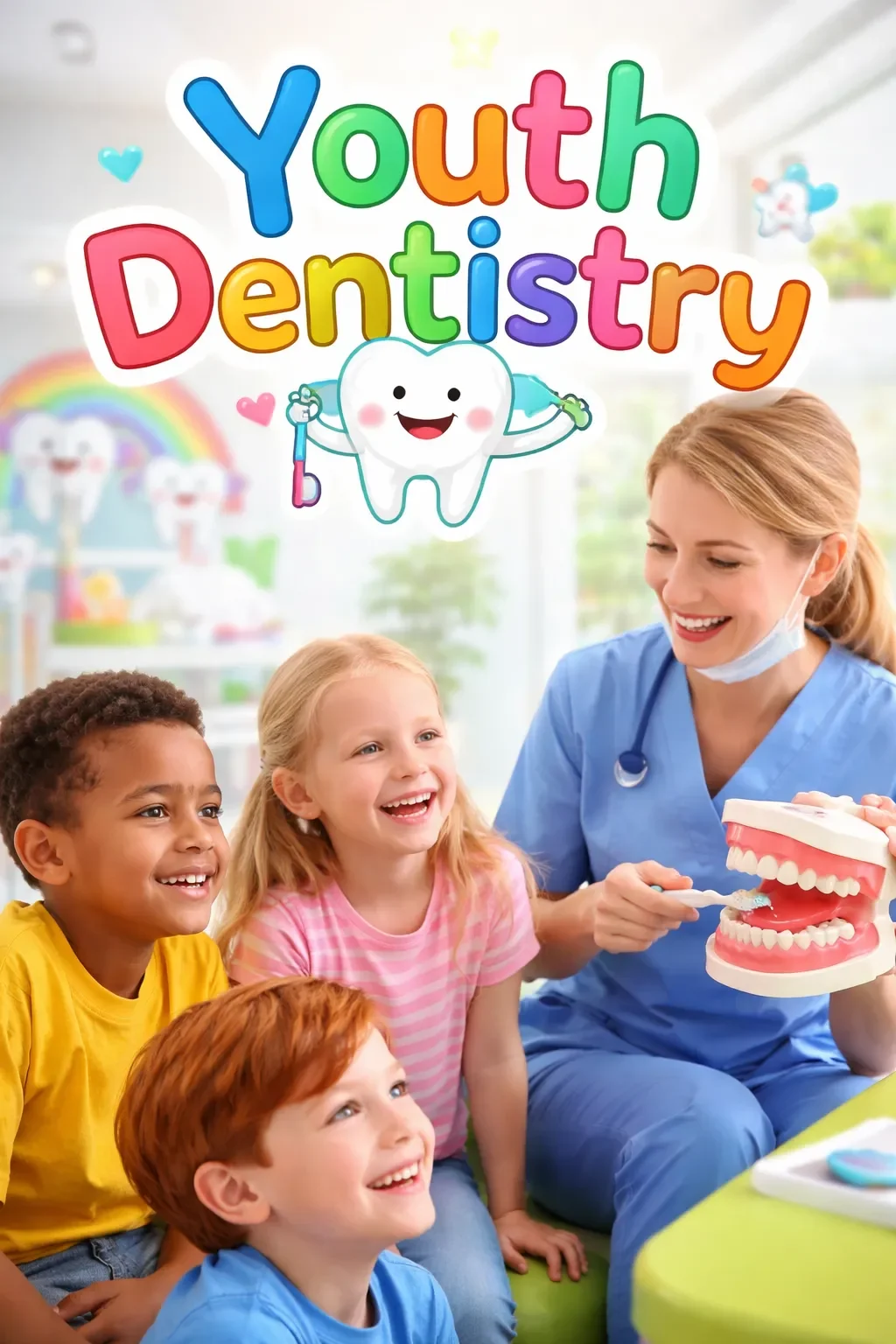
The Cost, Value, and Long-Term Benefits of Youth Dentistry
Youth dentistry is often evaluated by parents through the lens of cost, yet its true value extends far beyond short-term expenses 💡. Understanding the financial structure, preventive savings, and lifelong benefits of youth dentistry helps families make informed decisions that prioritize health, comfort, and sustainability. This section explains what families can expect in terms of value, how costs are managed, and why early investment in youth dentistry pays off over time.
Understanding the Cost Structure of Youth Dentistry
The cost of youth dentistry varies based on factors such as location, clinic standards, preventive needs, and treatment complexity. Routine preventive services—checkups, cleanings, fluoride applications, and sealants—are generally affordable and predictable. These foundational services form the backbone of youth dentistry and are designed to minimize the need for more expensive procedures later.
Preventive Visits vs. Emergency Treatments
One of the key financial advantages of youth dentistry is its preventive focus. Regular visits help identify issues early, when they are easier and less costly to address. Emergency treatments, by contrast, often involve higher costs, more complex procedures, and emotional stress. Youth dentistry significantly reduces the likelihood of emergency care by maintaining consistent monitoring and prevention.
The Long-Term Financial Benefits of Youth Dentistry
While some parents view youth dentistry as an ongoing expense, it is more accurately described as a long-term investment. Children who receive structured youth dentistry care tend to experience fewer cavities, reduced orthodontic complications, and better gum health as adults.
These outcomes translate into lower lifetime dental costs. Preventing a single major dental issue can offset years of routine youth dentistry visits. From a financial planning perspective, early care offers substantial returns 😊.
Reducing the Need for Complex Orthodontic Treatments
Youth dentistry plays a crucial role in monitoring jaw growth and tooth alignment. Early identification of spacing or bite issues allows for timely intervention that can simplify or even eliminate the need for extensive orthodontic treatment later.
Interceptive measures used in youth dentistry—such as space maintainers or growth guidance—are generally far less expensive than full orthodontic correction in adolescence or adulthood.
Insurance and Youth Dentistry Coverage
Many dental insurance plans prioritize youth dentistry by covering preventive services for children at higher rates. Cleanings, exams, fluoride treatments, and sealants are often included or partially covered, reducing out-of-pocket costs for families.
Parents are encouraged to review their insurance benefits carefully and discuss coverage options with their youth dentistry provider to maximize value.
Non-Financial Value: Time, Comfort, and Confidence
The value of youth dentistry cannot be measured solely in monetary terms. Time saved through fewer emergencies, reduced treatment durations, and smoother appointments is a significant benefit. Youth dentistry also minimizes school absences and parental work disruptions caused by dental issues.
Comfort and confidence are equally important. Children who grow up with positive youth dentistry experiences are less likely to avoid dental care as adults, reducing future health risks and costs 🌈.
Health Savings Through Prevention
Oral health is closely linked to overall health. Preventing infections, inflammation, and chronic dental disease through youth dentistry can contribute to better general health outcomes, potentially reducing medical expenses later in life.
Healthy teeth support proper nutrition, speech development, and self-esteem—benefits that extend well beyond the dental chair.
Evidence-Based Support for Early Investment
Professional organizations consistently support early dental care as a cost-effective strategy. Guidelines aligned with the American Dental Association emphasize prevention and routine visits as the most efficient way to reduce long-term dental disease burden.
Youth dentistry follows these evidence-based principles, ensuring that resources are used wisely and outcomes are optimized.
Choosing Value Over Short-Term Savings
Delaying or minimizing dental care may appear cost-saving in the short term, but it often leads to higher expenses later. Youth dentistry prioritizes value over immediate savings by focusing on prevention, education, and continuity.
Families who choose comprehensive youth dentistry care typically experience fewer surprises and more predictable dental expenses over time.
Planning Your Child’s Dental Future
Parents interested in understanding care plans, preventive schedules, and long-term value can benefit from professional guidance. Connecting through the Redent Klinik Contact Page allows families to discuss personalized youth dentistry strategies tailored to their child’s needs.
In conclusion, youth dentistry offers exceptional value by combining preventive care, cost control, emotional comfort, and lifelong health benefits. When viewed as an investment rather than an expense, youth dentistry becomes one of the most impactful decisions parents can make for their child’s future ✨.