
After completing orthodontic treatment, many patients believe their journey to a perfect smile is over. However, maintaining aligned teeth requires proper retention, and this is where zendura retainers become incredibly important. Whether you recently finished Invisalign treatment, braces, or another orthodontic procedure, understanding how zendura retainers work can help preserve your smile for years. These advanced clear retainers are designed with durability, comfort, and transparency in mind, making them one of the most popular choices among orthodontic patients today. 😊
Zendura retainers are transparent orthodontic retainers created from high-performance thermoplastic materials. Unlike bulky metal retainers, these modern clear retainers are discreet and comfortable, allowing patients to maintain their smile without noticeable hardware. Many orthodontists recommend zendura retainers because they offer a balance between flexibility and strength while resisting cracks and discoloration better than many standard plastic retainers.
The main purpose of zendura retainers is to prevent teeth from shifting back to their original positions after orthodontic treatment. Teeth naturally move throughout life due to chewing pressure, aging, jaw changes, and habits such as grinding or tongue thrusting. Without proper retention, even perfectly aligned teeth can gradually relapse. Wearing zendura retainers consistently helps stabilize the teeth and surrounding bone structures while preserving orthodontic results.
One major reason patients prefer zendura retainers is their nearly invisible appearance. Adults and teenagers often want to maintain a professional and natural smile after braces or aligners, and these retainers provide a discreet solution. Because zendura retainers are clear, they blend naturally with teeth and are difficult to notice during conversations or social interactions.
Comfort is another significant advantage of zendura retainers. Traditional Hawley retainers contain acrylic plates and metal wires that may irritate the cheeks or tongue. In comparison, zendura retainers are smooth and lightweight, making them easier to wear for long periods. Many users report that they quickly adapt to speaking and eating routines while wearing these orthodontic appliances.
Durability is a critical factor when selecting retainers, and zendura retainers perform exceptionally well in this area. The material used in these clear retainers is engineered to resist cracking, warping, and cloudiness. Patients who previously experienced broken plastic retainers often upgrade to zendura retainers because of their superior resilience. While all retainers eventually require replacement, these retainers are known for lasting longer with proper care.
Orthodontists often recommend wearing zendura retainers full-time immediately after treatment for several months. After this initial period, many patients transition to nighttime wear only. The exact schedule depends on the patient’s orthodontic history, age, and tooth movement tendencies. Following your dentist’s instructions is essential to maximize the benefits of zendura retainers.
Cleaning zendura retainers properly also plays a major role in maintaining oral health. Since bacteria and plaque can accumulate on the retainer surface, patients should rinse them daily with lukewarm water and gently brush them using a soft toothbrush. Harsh toothpaste and hot water should be avoided because they may damage the thermoplastic material. Specialized retainer cleaning tablets can also help maintain the clarity and freshness of zendura retainers. 🦷
Patients frequently ask about the cost of zendura retainers. Pricing can vary depending on the dental clinic, geographic location, and whether replacement retainers are needed. On average, the cost of clear retainers may range between $150 and $600 per set in many countries. Some orthodontic offices include the first set of zendura retainers within the total orthodontic treatment fee, while additional replacements may involve separate charges.
Estimated Zendura Retainers Price Overview
- Single clear retainer: $150–$300
- Upper and lower retainer set: $300–$600
- Replacement retainers: $100–$250 each
- Professional retainer cleaning products: $10–$30
Another benefit of zendura retainers is their compatibility with modern digital orthodontics. Many dental clinics now use intraoral scanners instead of traditional impressions to create accurate retainer molds. This digital workflow improves precision and enhances the overall fit of zendura retainers. Better fitting retainers increase comfort while improving long-term retention success.
Patients considering zendura retainers should also understand the importance of storage and maintenance. Retainers should always be stored in a protective case when not in use. Leaving them exposed on tables or wrapping them in tissues can lead to contamination or accidental damage. Many lost retainers occur when patients place them in napkins during meals. Proper handling helps extend the lifespan of zendura retainers.
While zendura retainers are highly durable, they may eventually need replacement due to wear over time. Signs that indicate replacement include looseness, cracks, discoloration, rough edges, or noticeable tooth shifting. Regular dental checkups help identify when retainers are no longer functioning effectively.
For patients interested in preserving a healthy and straight smile after orthodontic treatment, zendura retainers offer an advanced and reliable solution. Their combination of aesthetics, comfort, transparency, and strength makes them an excellent option for long-term retention. Choosing high-quality orthodontic retention is just as important as the original alignment treatment itself.
If you are considering orthodontic care or replacement retainers, you can contact a professional dental clinic through the Redent Klinik Contact Page. For additional oral health recommendations and orthodontic guidance, patients can also visit the American Dental Association website for trusted dental information.
Overall, zendura retainers provide a modern approach to post-orthodontic care by combining functionality with convenience. Whether you recently completed clear aligner therapy or traditional braces treatment, investing in high-quality retainers can protect your smile investment for many years. With proper cleaning, regular use, and professional monitoring, zendura retainers can help maintain a confident, healthy, and beautifully aligned smile long after active orthodontic treatment ends. 😁
What Are Zendura Retainers and How Do They Work?
Zendura retainers are advanced clear orthodontic retainers designed to help patients maintain straight teeth after braces or aligner treatment. After completing orthodontic procedures, teeth naturally attempt to shift back into their previous positions. This process, known as orthodontic relapse, can happen gradually if proper retention is not maintained. Zendura retainers are specifically developed to stabilize the teeth and preserve the results achieved during orthodontic treatment. Their clear appearance, durability, and comfortable fit have made them increasingly popular among orthodontists and patients worldwide. 😊
Unlike traditional metal retainers, zendura retainers are fabricated using high-quality thermoplastic materials that are both flexible and durable. These retainers fit snugly over the teeth, applying gentle stabilization pressure that prevents unwanted tooth movement. Because zendura retainers are transparent, they are often preferred by adults and teenagers who want a discreet solution for maintaining their smile.
The Main Purpose of Zendura Retainers
The primary role of zendura retainers is to hold teeth in their corrected positions after orthodontic treatment. During braces or clear aligner therapy, the surrounding bone and gum tissues adapt to new tooth positions over time. However, these tissues need additional time to stabilize permanently. Without retention, teeth may gradually drift, especially during the first year after treatment.
Zendura retainers help reduce this risk by maintaining alignment while the bone remodels around the teeth. Orthodontists often emphasize that retention is just as important as active orthodontic treatment. Even patients who spent years wearing braces may lose their results if they stop using zendura retainers too early.
Why Teeth Shift After Orthodontic Treatment
Many patients are surprised to learn that teeth can continue moving throughout life. Several natural factors contribute to this movement:
- Jaw growth and aging changes
- Chewing pressure during eating
- Nighttime grinding or clenching
- Tongue pressure against teeth
- Bone remodeling after orthodontics
- Genetic crowding tendencies
Because of these ongoing forces, orthodontists recommend wearing zendura retainers according to a long-term schedule. In many cases, nighttime wear becomes a lifelong habit to preserve smile alignment.
How Zendura Retainers Are Made
Modern dental clinics often create zendura retainers using digital orthodontic technology. Instead of traditional messy impressions, many orthodontists now use intraoral scanners to capture precise digital images of the teeth. These digital scans are then used to fabricate highly accurate clear retainers.
The thermoplastic material used in zendura retainers is known for its excellent clarity and strength. Compared to standard plastic retainers, this material is more resistant to cracking, staining, and cloudiness. Patients who want durable invisible retainers frequently choose zendura retainers because they maintain their transparency for longer periods with proper care.
Features That Make Zendura Retainers Popular
- Clear and nearly invisible appearance
- Smooth edges for greater comfort
- Durable thermoplastic construction
- Resistance to staining and discoloration
- Custom fit for accurate retention
- Easy cleaning and maintenance
These features make zendura retainers especially attractive to patients who value aesthetics and convenience after orthodontic treatment.
How Zendura Retainers Fit on the Teeth
Zendura retainers are custom-made appliances designed specifically for each patient’s mouth. The retainer covers the entire visible surface of the teeth and gently locks into place. Because of this close fit, zendura retainers provide excellent stability without requiring wires or metal components.
When patients first begin wearing zendura retainers, they may notice mild tightness. This sensation is normal and usually indicates that the retainer is effectively holding the teeth in alignment. If retainers become extremely tight after being left out for long periods, it may signal that tooth shifting has already started.
Daily Use Recommendations for Zendura Retainers
Orthodontists commonly recommend full-time wear of zendura retainers immediately after treatment. This may involve wearing the retainers for 20–22 hours daily during the first several months. Over time, patients usually transition to nighttime-only wear.
The exact retention schedule depends on several factors:
- Severity of the original orthodontic problem
- Length of orthodontic treatment
- Patient age
- Risk of relapse
- Jaw development patterns
Following professional instructions carefully is essential for maximizing the effectiveness of zendura retainers.
Cleaning and Caring for Zendura Retainers
Maintaining excellent hygiene is important when wearing zendura retainers. Because the retainers fit closely against the teeth, bacteria and plaque can become trapped if they are not cleaned regularly. Patients should rinse their retainers after removal and brush them gently using a soft toothbrush.
Hot water should never be used because it may warp the thermoplastic material used in zendura retainers. Harsh chemicals and abrasive toothpaste should also be avoided. Specialized retainer cleaning tablets are often recommended for deeper cleaning. 🦷
Important Cleaning Tips
- Use lukewarm water only
- Brush gently with a soft toothbrush
- Avoid boiling water and heat exposure
- Store retainers in a protective case
- Clean retainers daily to reduce bacteria buildup
Zendura Retainers vs Other Clear Retainers
Many patients compare zendura retainers with other clear retainer systems. One key advantage is the material quality. Some standard retainers become cloudy, brittle, or cracked relatively quickly, especially with long-term use. In contrast, zendura retainers are designed for greater durability and optical clarity.
Another advantage is comfort. Because the edges are smooth and carefully trimmed, patients often report less irritation when wearing zendura retainers. This improved comfort may encourage better compliance, which is critical for maintaining orthodontic results.
Who Should Use Zendura Retainers?
Zendura retainers are suitable for many patients who have completed orthodontic treatment, including:
- Former braces patients
- Clear aligner users
- Adults maintaining cosmetic smile corrections
- Teenagers after orthodontic therapy
- Patients replacing broken retainers
Patients considering new retainers should always consult an experienced dental professional for proper evaluation. Clinics such as the Redent Klinik Contact Page can provide personalized guidance regarding orthodontic retention options.
For additional information regarding oral health standards and orthodontic care, patients can also visit the American Dental Association.
Overall, zendura retainers represent a modern, highly effective approach to orthodontic retention. Their combination of strength, comfort, clarity, and custom precision makes them one of the most reliable choices for maintaining a straight and healthy smile over time. With proper use and maintenance, zendura retainers can help patients protect their orthodontic investment for many years while preserving both aesthetics and oral health. 😁
Benefits of Using Zendura Retainers After Orthodontic Treatment
Completing orthodontic treatment is a major achievement, but maintaining the results requires long-term commitment and proper retention. This is where zendura retainers become extremely valuable. After braces or clear aligners straighten the teeth, the surrounding bone and soft tissues still need time to stabilize. Without proper retention, teeth can gradually shift back to their original positions. Zendura retainers are specifically designed to prevent this relapse while providing comfort, durability, and excellent aesthetics. Their advanced material technology and nearly invisible appearance make them one of the most trusted post-orthodontic solutions available today. 😊
Patients who invest in orthodontic treatment often want a retainer that feels comfortable while effectively preserving their smile. Zendura retainers offer a balance between strength and flexibility, allowing patients to maintain aligned teeth without dealing with bulky metal components. Orthodontists frequently recommend zendura retainers because they are easy to wear, highly discreet, and resistant to many common retainer problems such as cracking or staining.
Long-Term Smile Protection
The primary benefit of zendura retainers is long-term smile preservation. Teeth naturally move throughout life due to pressure from chewing, aging, jaw development, and muscle activity. Even after successful orthodontic treatment, these forces continue affecting tooth alignment.
Zendura retainers work by gently holding the teeth in their corrected positions. They help maintain the spacing, alignment, and bite relationships established during orthodontic treatment. Without consistent retainer use, patients may notice crowding, gaps, or shifting developing over time.
Why Orthodontic Retention Matters
- Prevents teeth from shifting back
- Maintains bite correction
- Protects orthodontic investment
- Supports jaw stability
- Helps preserve facial aesthetics
Because orthodontic relapse can occur slowly, many patients do not realize their teeth are shifting until significant movement has already happened. Wearing zendura retainers consistently helps minimize this risk.
Comfortable and Lightweight Design
One of the biggest reasons patients prefer zendura retainers is comfort. Traditional retainers with metal wires and acrylic plates may feel bulky or irritating. In comparison, zendura retainers are smooth, lightweight, and custom-made to fit snugly over the teeth.
The material used in zendura retainers is flexible enough to improve comfort while remaining strong enough to maintain tooth stability. Most patients quickly adapt to speaking and sleeping while wearing them. This improved comfort often leads to better patient compliance, which is essential for successful long-term retention.
Advantages of the Lightweight Material
- Smooth edges reduce irritation
- Minimal impact on speech
- Comfortable overnight wear
- Reduced pressure on gums
- Less bulky than traditional retainers
Patients who previously struggled with uncomfortable retainers often report a better experience after switching to zendura retainers.
Nearly Invisible Appearance
Another major advantage of zendura retainers is their transparent appearance. Many adults and teenagers prefer discreet orthodontic appliances that do not attract attention during conversations or professional interactions.
Because zendura retainers are made from clear thermoplastic material, they blend naturally with the teeth. Unlike metal retainers, they are difficult to notice even at close distances. This aesthetic benefit encourages patients to wear their retainers consistently, which improves long-term orthodontic outcomes.
Patients who work in professional environments or participate in public speaking often appreciate the subtle design of zendura retainers. Maintaining confidence during daily social interactions becomes easier when retainers remain virtually invisible. 😁
Excellent Durability and Strength
Durability is one of the most important considerations when selecting orthodontic retainers. Standard plastic retainers may crack, discolor, or lose shape relatively quickly. However, zendura retainers are manufactured using advanced thermoplastic technology that provides improved resistance to wear and tear.
The enhanced durability of zendura retainers allows them to maintain their shape and clarity for longer periods when properly cared for. This makes them a reliable option for long-term orthodontic retention.
Factors That Improve Retainer Lifespan
- Proper daily cleaning
- Safe storage in protective cases
- Avoiding exposure to heat
- Regular dental checkups
- Following orthodontist instructions
Although all retainers eventually require replacement, patients often find that zendura retainers last longer than many traditional clear retainers.
Improved Oral Hygiene Support
Maintaining oral hygiene is easier with zendura retainers because they are removable. Patients can brush and floss normally without permanent wires interfering with cleaning routines.
Fixed retainers sometimes trap plaque around bonded wires, increasing the risk of tartar buildup or gum irritation. Since zendura retainers are removable, patients can maintain more effective oral hygiene habits while still protecting their orthodontic results.
Cleaning the retainers themselves is also relatively simple. Most orthodontists recommend rinsing zendura retainers daily and gently brushing them using a soft toothbrush. Specialized cleaning tablets may also help remove bacteria and maintain freshness.
Custom Fit for Better Retention
Each set of zendura retainers is custom fabricated based on the patient’s dental impressions or digital scans. This precise customization allows the retainers to fit securely while evenly distributing pressure across the teeth.
A properly fitting retainer is critical for successful long-term orthodontic stability. Loose or poorly fitting retainers may fail to prevent tooth movement effectively. Because zendura retainers are tailored specifically for each patient, they provide reliable retention and excellent comfort simultaneously.
Digital Technology Benefits
- More accurate tooth mapping
- Better overall fit
- Enhanced patient comfort
- Reduced pressure points
- Improved smile maintenance
Modern digital orthodontic workflows have significantly improved the quality and consistency of zendura retainers.
Reduced Risk of Orthodontic Relapse
Orthodontic relapse is one of the most common concerns after braces or aligner treatment. Even minor tooth movement can affect smile appearance and bite function. By wearing zendura retainers consistently, patients greatly reduce the risk of unwanted relapse.
Orthodontists often explain that retention should be viewed as a lifelong part of smile maintenance. While active orthodontic treatment eventually ends, using zendura retainers periodically helps preserve alignment over the years.
Professional Guidance and Ongoing Care
Patients considering zendura retainers should work closely with experienced dental professionals to determine the best wear schedule and maintenance plan. Professional evaluations help identify when retainers need replacement or adjustment.
Clinics such as the Redent Klinik Contact Page can provide personalized orthodontic retention advice and replacement options tailored to individual needs.
Patients can also learn more about orthodontic retention and oral health recommendations through the American Dental Association.
Overall, zendura retainers offer numerous benefits for patients who want to protect their orthodontic investment and maintain a healthy, attractive smile. Their combination of comfort, transparency, strength, and precision fit makes them an excellent choice for long-term retention. By following proper cleaning routines and consistent wear schedules, patients can enjoy the advantages of zendura retainers for many years after orthodontic treatment ends. 🦷
Zendura Retainers vs Traditional Retainers: Key Differences
After completing orthodontic treatment, choosing the right retainer becomes extremely important for preserving your newly aligned smile. Patients today have multiple retention options available, including clear retainers, Hawley retainers, and permanent bonded retainers. Among these choices, zendura retainers have become increasingly popular because of their advanced materials, aesthetic appearance, and comfortable fit. Understanding the differences between zendura retainers and traditional retainers can help patients make informed decisions about long-term orthodontic care. 😊
Traditional retainers have been used successfully for decades, but modern orthodontic technology has introduced more discreet and durable alternatives. Zendura retainers represent a newer generation of orthodontic retention systems designed to improve comfort, appearance, and durability while maintaining effective tooth stabilization.
What Are Traditional Retainers?
Traditional retainers generally fall into two categories:
- Hawley retainers
- Permanent bonded retainers
Hawley retainers are removable appliances made with acrylic bases and visible metal wires. They are highly durable and adjustable but may feel bulky and noticeable. Permanent retainers involve thin wires bonded behind the teeth to prevent movement without requiring removal.
In contrast, zendura retainers are removable clear retainers fabricated from advanced thermoplastic materials. They cover the teeth completely and are nearly invisible during use. Many orthodontic patients prefer zendura retainers because they combine aesthetics with effective retention performance.
Appearance and Aesthetic Differences
One of the biggest differences between zendura retainers and traditional retainers is appearance. Hawley retainers contain visible metal wires that can easily be seen when speaking or smiling. While functional, many adults and teenagers prefer a more discreet solution after orthodontic treatment.
Zendura retainers are clear and transparent, making them far less noticeable. Their invisible design allows patients to maintain confidence in social and professional settings without drawing attention to their orthodontic appliances.
Why Patients Prefer Clear Retainers
- Nearly invisible appearance
- Professional and natural look
- No visible metal wires
- Improved confidence during conversations
- Better aesthetics for photographs and events
Because appearance matters to many patients, zendura retainers are often considered more attractive than traditional retainers.
Comfort and Fit Comparison
Comfort is another major area where zendura retainers differ from traditional retainers. Hawley retainers may sometimes irritate the tongue, gums, or inner cheeks due to their acrylic plates and metal components.
In comparison, zendura retainers are fabricated using smooth thermoplastic material that adapts closely to the teeth. Their lightweight design reduces irritation while improving patient comfort during long-term wear.
Comfort Advantages of Zendura Retainers
- Smooth edges reduce mouth irritation
- Lightweight structure improves wearability
- Minimal speech interference
- Comfortable overnight use
- No bulky acrylic plate
Many patients find it easier to adapt to zendura retainers, especially during the first weeks after orthodontic treatment.
Durability and Material Strength
Traditional Hawley retainers are known for their long-term durability because the acrylic and metal construction resists breakage relatively well. However, they can still bend or become damaged if dropped or mishandled.
Zendura retainers are made from advanced thermoplastic material engineered for enhanced flexibility and crack resistance. Compared to standard clear retainers, zendura retainers are often more resistant to cloudiness, warping, and fractures.
However, all removable retainers eventually require replacement over time. Proper maintenance and storage significantly affect how long zendura retainers remain effective.
Factors Affecting Retainer Lifespan
- Frequency of use
- Cleaning habits
- Exposure to heat
- Grinding or clenching habits
- Storage quality
Patients who follow recommended care instructions often extend the lifespan of their zendura retainers.
Speech and Daily Activities
Traditional Hawley retainers may temporarily affect speech because of the acrylic material covering parts of the roof of the mouth. Some patients experience mild lisping while adjusting to these retainers.
Because zendura retainers fit closely around the teeth without covering large areas of the palate, speech adaptation is often easier. Most patients quickly become comfortable speaking while wearing zendura retainers.
The removable design also allows patients to take out their retainers while eating, making meals more convenient compared to fixed bonded retainers.
Cleaning and Maintenance Differences
Cleaning routines differ significantly between traditional retainers and zendura retainers. Hawley retainers require careful cleaning around metal wires and acrylic surfaces, while permanent bonded retainers demand extra flossing attention.
Zendura retainers are generally easier to clean because of their smooth clear surface. Patients can rinse and gently brush them daily using lukewarm water and a soft toothbrush.
Important Cleaning Recommendations
- Avoid hot water exposure
- Use gentle cleaning products
- Store retainers in protective cases
- Clean daily to reduce bacteria buildup
- Use retainer cleaning tablets when necessary
Good hygiene helps maintain the transparency and effectiveness of zendura retainers while reducing unpleasant odors or bacterial accumulation. 🦷
Orthodontic Effectiveness
Both traditional retainers and zendura retainers can effectively maintain orthodontic results when used correctly. The best option often depends on the patient’s orthodontic needs, lifestyle, and preferences.
Permanent retainers may provide continuous stabilization without requiring patient compliance, but they can complicate flossing and oral hygiene. Hawley retainers offer adjustability but may feel bulky. Meanwhile, zendura retainers combine aesthetics, comfort, and convenience while still providing reliable retention.
Many orthodontists recommend zendura retainers for patients who prioritize invisible appearance and comfortable daily wear.
Cost Comparison
Pricing differences also influence retainer selection. Traditional Hawley retainers and zendura retainers vary in cost depending on the dental clinic, geographic location, and customization process.
Estimated Retainer Cost Comparison
- Hawley retainers: $150–$400
- Permanent bonded retainers: $250–$600
- Zendura retainers: $300–$600 per set
- Replacement retainers: $100–$250 each
Although zendura retainers may sometimes cost more initially, many patients feel the comfort and aesthetic benefits justify the investment.
Which Retainer Option Is Best?
The ideal retainer depends on individual preferences, orthodontic history, and long-term maintenance goals. Patients seeking discreet appearance, comfort, and modern material technology often prefer zendura retainers. Others may choose traditional retainers based on durability or specific orthodontic recommendations.
Consulting a qualified orthodontic provider is essential when selecting a retainer type. Dental clinics such as the Redent Klinik Contact Page can provide personalized guidance based on individual smile needs.
Patients can also explore additional oral health information and orthodontic retention recommendations through the American Dental Association.
Overall, zendura retainers offer several modern advantages over traditional retainers, including improved aesthetics, enhanced comfort, and advanced material durability. While traditional retainers remain effective for many patients, the growing popularity of zendura retainers reflects the increasing demand for clear, convenient, and comfortable orthodontic retention solutions. With proper care and consistent wear, zendura retainers can provide reliable long-term smile protection while supporting excellent oral health and confidence. 😁
How Long Should You Wear Zendura Retainers Daily?
One of the most common questions patients ask after orthodontic treatment is how long they should wear their retainers each day. Maintaining straight teeth requires consistency, and this is especially true when using zendura retainers. While braces or clear aligners actively move the teeth into proper alignment, retainers are responsible for holding those teeth in place after treatment ends. Without proper retention, the teeth can slowly shift back over time, affecting both appearance and bite function. Understanding the ideal wear schedule for zendura retainers is essential for preserving orthodontic results for many years. 😊
Zendura retainers are designed to provide long-term stabilization with a comfortable and nearly invisible appearance. However, their effectiveness depends largely on how consistently patients wear them. Orthodontists often customize retainer schedules based on the patient’s orthodontic history, age, and risk of relapse. Although every patient is different, there are general guidelines that help determine how long zendura retainers should be worn daily.
The Initial Retention Phase
The first several months after orthodontic treatment are the most critical for retention. During this time, the surrounding bone and gum tissues are still adapting to the teeth’s new positions. Because the structures supporting the teeth remain flexible, the risk of tooth movement is extremely high.
For this reason, orthodontists typically recommend wearing zendura retainers full-time immediately after braces or aligner treatment. Full-time wear usually means keeping the retainers in place for approximately 20 to 22 hours per day.
Typical Full-Time Wear Routine
- Wear retainers all day and night
- Remove retainers only for eating and drinking
- Brush teeth before reinserting retainers
- Clean retainers daily
- Store retainers safely when removed
Following this routine helps ensure that zendura retainers maintain tooth alignment during the most vulnerable post-treatment phase.
Transitioning to Nighttime Wear
After the initial stabilization period, most orthodontists gradually reduce the required wear time for zendura retainers. Many patients transition to nighttime-only wear after several months of successful full-time retention.
Nighttime wear is often sufficient because the teeth have become more stable by this stage. However, skipping nights regularly can still increase the risk of orthodontic relapse. Patients who stop wearing zendura retainers entirely may notice gradual crowding or spacing returning over time.
Why Nighttime Wear Remains Important
- Teeth continue shifting naturally with age
- Jaw changes can affect alignment
- Grinding and clenching create tooth pressure
- Muscle activity influences tooth position
- Retention protects orthodontic investment
Even years after orthodontic treatment, nighttime use of zendura retainers helps maintain long-term smile stability.
Can You Stop Wearing Zendura Retainers Completely?
Many patients hope they can eventually stop wearing retainers entirely. Unfortunately, teeth naturally move throughout life, even in people who never had orthodontic treatment. Because of this lifelong tendency toward movement, orthodontists often recommend continued nighttime use of zendura retainers indefinitely.
Patients who discontinue retainer use completely may experience:
- Crowding of lower front teeth
- Small gaps reopening
- Bite changes
- Rotated teeth returning
- Overall smile relapse
In many cases, relapse develops slowly and may not become obvious until significant movement has already occurred. Consistent use of zendura retainers helps minimize this risk.
How Orthodontists Determine Wear Schedules
The ideal wear schedule for zendura retainers varies depending on individual patient factors. Orthodontists carefully evaluate several conditions before determining how long retainers should be worn each day.
Factors Influencing Retainer Wear Time
- Severity of original crowding
- Length of orthodontic treatment
- Patient age
- Jaw growth patterns
- Presence of grinding habits
- Bone remodeling speed
Patients with severe crowding or spacing before treatment may require longer periods of full-time wear for zendura retainers. Younger patients whose jaws are still developing may also need more consistent retention.
Signs You Are Not Wearing Zendura Retainers Enough
If zendura retainers feel unusually tight when inserted, it may indicate that tooth movement has already started. Tightness often occurs when patients skip retainer wear for multiple days or weeks.
Other warning signs include:
- Difficulty inserting retainers
- Visible gaps or crowding
- Changes in bite alignment
- Pressure or discomfort during wear
- Retainers no longer fitting properly
Patients noticing these symptoms should contact their orthodontist promptly. Continuing to wear zendura retainers may help reverse minor shifts, but severe relapse could require additional orthodontic treatment.
Importance of Consistency
Consistency is the key to successful long-term retention. Patients who follow their orthodontist’s instructions carefully often maintain excellent alignment for decades. In contrast, inconsistent wear significantly increases relapse risk.
One advantage of zendura retainers is their comfort and transparency, which makes compliance easier for many patients. Since they are nearly invisible and comfortable to wear, patients are more likely to maintain regular use.
Tips for Staying Consistent
- Keep retainers near your bedside
- Use a reminder app if needed
- Travel with a retainer case
- Clean retainers daily
- Schedule regular orthodontic checkups
Building consistent habits helps maximize the effectiveness of zendura retainers over the long term. 🦷
What Happens if Retainers Are Lost or Damaged?
Patients should replace lost or damaged zendura retainers as quickly as possible. Teeth can begin shifting surprisingly fast without retention, especially during the first year after orthodontic treatment.
If retainers crack, warp, or no longer fit correctly, patients should contact their dental provider immediately. Delaying replacement increases the likelihood of relapse and may eventually require orthodontic retreatment.
Estimated Replacement Costs for Zendura Retainers
- Single replacement retainer: $100–$250
- Upper and lower replacement set: $250–$600
- Digital retainer scans: $50–$150
- Professional retainer cleaning kits: $10–$30
Professional Monitoring and Retainer Care
Regular dental checkups remain important even after orthodontic treatment ends. Orthodontists can evaluate the fit and condition of zendura retainers while monitoring for signs of tooth movement.
Patients seeking orthodontic guidance or replacement retainers can contact professionals through the Redent Klinik Contact Page.
Additional information about oral health maintenance and orthodontic retention can also be found through the American Dental Association.
Overall, the amount of time patients should wear zendura retainers daily depends on their individual orthodontic needs and long-term retention goals. Most patients begin with full-time wear before transitioning to nightly use, but long-term consistency remains essential for preserving smile alignment. With proper care, regular monitoring, and disciplined wear habits, zendura retainers can help maintain a healthy, straight, and confident smile for many years after orthodontic treatment. 😁
Cleaning and Maintenance Tips for Zendura Retainers
Proper cleaning and maintenance are essential for keeping zendura retainers effective, comfortable, and hygienic over the long term. Since retainers sit directly against the teeth and gums for extended periods, bacteria, plaque, saliva, and food particles can quickly accumulate on their surfaces if they are not cleaned correctly. Poor retainer hygiene may lead to unpleasant odors, discoloration, bacterial buildup, and even oral health problems such as cavities or gum irritation. Understanding the correct way to care for zendura retainers helps patients maintain both their orthodontic results and overall oral health. 😊
Zendura retainers are made from advanced thermoplastic materials known for their clarity, flexibility, and durability. However, even high-quality retainers require consistent maintenance to preserve their appearance and function. Unlike traditional wire retainers, zendura retainers are completely clear, meaning stains, cloudiness, and plaque buildup may become visible if they are not cleaned properly.
Why Cleaning Zendura Retainers Is Important
Every time patients wear zendura retainers, the retainers are exposed to bacteria and plaque naturally present inside the mouth. Saliva proteins, food debris, and microorganisms can accumulate on the retainer surface within hours.
If these contaminants are not removed regularly, they may cause:
- Bad breath
- Retainer discoloration
- Bacterial growth
- Gum inflammation
- Increased plaque accumulation
- Higher cavity risk
Cleaning zendura retainers daily is essential for maintaining oral hygiene and preventing unwanted complications.
How Dirty Retainers Affect Oral Health
When bacteria build up on zendura retainers, the retainers can repeatedly transfer those microorganisms back onto the teeth and gums. Over time, this may contribute to enamel problems, gingivitis, or unpleasant mouth odors.
Patients who neglect retainer hygiene may also experience increased tartar buildup and staining around the teeth. This is why orthodontists strongly emphasize routine maintenance for zendura retainers.
Daily Cleaning Routine for Zendura Retainers
One of the easiest ways to maintain zendura retainers is by following a simple daily cleaning routine. Patients should ideally clean their retainers every morning and evening to minimize bacterial accumulation.
Recommended Daily Cleaning Steps
- Rinse retainers with lukewarm water immediately after removal
- Use a soft toothbrush to gently clean all surfaces
- Avoid abrasive toothpaste products
- Rinse thoroughly before reinserting
- Allow retainers to air dry briefly before storage
Consistency is very important. Even skipping cleaning for a few days may allow noticeable plaque accumulation on zendura retainers.
Why Hot Water Should Be Avoided
One of the most common mistakes patients make is exposing zendura retainers to hot water. Because these retainers are made from thermoplastic materials, excessive heat can distort their shape.
Warped retainers may no longer fit properly, reducing their ability to hold teeth in alignment. In severe cases, overheated zendura retainers may become unusable and require replacement.
Sources of Heat That Can Damage Retainers
- Boiling water
- Dishwashers
- Hot beverages
- Leaving retainers inside cars
- Direct sunlight exposure
Patients should always use lukewarm or cool water when cleaning zendura retainers.
Using Retainer Cleaning Tablets
Many orthodontists recommend specialized retainer cleaning tablets for deeper cleaning. These products are designed to remove bacteria, stains, and odor-causing debris safely without damaging the thermoplastic material.
Cleaning tablets can be especially useful for patients who wear zendura retainers full-time or overnight for extended periods.
Benefits of Cleaning Tablets
- Reduce bacterial buildup
- Help maintain transparency
- Eliminate odors
- Remove surface stains
- Improve freshness
Patients should always follow manufacturer instructions carefully when using cleaning solutions with zendura retainers. 🦷
What Cleaning Products Should Be Avoided?
Although proper cleaning is important, using harsh products can damage zendura retainers. Some chemicals and abrasive substances may weaken the material or create scratches that increase bacterial buildup.
Products to Avoid
- Bleach-based cleaners
- Alcohol-containing mouthwashes
- Abrasive toothpaste
- Strong household chemicals
- Scouring pads or hard brushes
Scratches and surface damage can reduce the clarity of zendura retainers and make them more difficult to keep clean over time.
Proper Storage for Zendura Retainers
Safe storage is another important aspect of maintaining zendura retainers. Many retainers are accidentally lost or damaged because they are wrapped in napkins or left exposed on tables.
Whenever retainers are removed, they should be placed immediately into a protective storage case. This helps reduce contamination and prevents accidental breakage.
Storage Tips
- Always use a hard retainer case
- Keep retainers away from pets
- Avoid placing retainers in pockets
- Do not wrap retainers in tissues
- Keep retainers dry during storage
Dogs frequently chew orthodontic appliances, so storing zendura retainers safely is especially important in homes with pets.
How Often Should Zendura Retainers Be Replaced?
Even with excellent care, zendura retainers eventually wear out over time. Daily use naturally creates small surface changes that can affect fit and effectiveness.
Signs that replacement may be necessary include:
- Cracks or fractures
- Persistent cloudiness
- Loose fit
- Sharp or rough edges
- Visible tooth movement
Patients should visit their orthodontist if they notice any of these issues affecting their zendura retainers.
Estimated Zendura Retainers Maintenance Costs
- Cleaning tablets: $10–$30
- Protective retainer case: $5–$20
- Professional retainer cleaning: $30–$100
- Replacement retainers: $100–$250 each
Travel Tips for Zendura Retainers
Patients who travel frequently should take extra precautions with zendura retainers. Carrying a storage case and portable cleaning supplies can help prevent damage or loss.
Helpful Travel Recommendations
- Pack an extra retainer case
- Bring cleaning tablets when traveling
- Never leave retainers exposed in hotel rooms
- Keep retainers away from heat during travel
- Carry retainers in hand luggage when flying
Good travel habits help ensure that zendura retainers remain safe and functional during trips.
Professional Dental Monitoring
Regular dental appointments remain important for evaluating the condition of zendura retainers. Orthodontists can check for fit issues, wear patterns, and early signs of tooth movement during routine visits.
Patients needing orthodontic guidance or replacement retainers can contact professionals through the Redent Klinik Contact Page.
Additional oral health recommendations and hygiene guidelines can also be found through the American Dental Association.
Overall, maintaining clean and properly cared-for zendura retainers is essential for preserving orthodontic results and protecting oral health. Daily cleaning, safe storage, careful handling, and regular dental monitoring all contribute to the long-term success of orthodontic retention. With consistent care habits, zendura retainers can remain comfortable, transparent, and highly effective for years while helping patients maintain healthy and beautifully aligned smiles. 😁
Zendura Retainers Cost and What Affects the Price
One of the most common concerns patients have after orthodontic treatment is the cost of maintaining their results. While braces or clear aligners are a major investment, retention is equally important for preserving straight teeth long term. Zendura retainers are considered premium clear retainers because of their advanced thermoplastic material, durability, comfort, and transparency. However, the total price of zendura retainers can vary depending on several important factors, including the dental clinic, geographic location, customization requirements, and replacement frequency. Understanding these pricing factors helps patients plan for long-term orthodontic maintenance more effectively. 😊
Zendura retainers are often chosen by patients who want a discreet and durable solution after braces or aligner treatment. Unlike basic plastic retainers, these advanced clear retainers are engineered for improved strength and optical clarity. Although the initial price of zendura retainers may be slightly higher than some traditional options, many patients believe the comfort and long-term performance justify the investment.
Average Cost of Zendura Retainers
The price of zendura retainers varies significantly depending on the orthodontic provider and treatment complexity. In many dental clinics, patients receive their first set of retainers as part of the overall orthodontic treatment package. However, replacement retainers and additional sets are usually billed separately.
Estimated Zendura Retainers Price Range
- Single upper or lower retainer: $150–$300
- Full upper and lower retainer set: $300–$600
- Replacement retainers: $100–$250 each
- Digital orthodontic scanning: $50–$150
- Professional retainer cleaning kits: $10–$30
These prices are only approximate estimates. Some orthodontic practices may charge higher fees depending on customization and technology used for creating zendura retainers.
Why Zendura Retainers Cost More Than Basic Retainers
Patients sometimes notice that zendura retainers cost more than standard plastic retainers. This price difference is often related to the advanced material technology used during production.
The thermoplastic material in zendura retainers is designed for improved durability, crack resistance, and transparency. Standard retainers may become cloudy, brittle, or warped relatively quickly, while zendura retainers are engineered to maintain their appearance and structural integrity for longer periods.
Premium Features Affecting Price
- Advanced thermoplastic materials
- Enhanced crack resistance
- Superior transparency
- Custom digital fabrication
- Improved comfort and flexibility
These premium features contribute to the higher cost of zendura retainers compared to some basic retention appliances.
Does Orthodontic Treatment Include Zendura Retainers?
Many orthodontic treatment plans include one initial set of zendura retainers after braces or aligners are completed. However, policies vary between clinics.
Some providers include:
- One free retainer set
- Limited replacement warranty
- Digital retainer scans for future reproduction
- Follow-up retention appointments
Other clinics may charge separately for retainers after orthodontic treatment ends. Patients should always ask for a detailed breakdown of retention costs before beginning orthodontic treatment involving zendura retainers.
Factors That Affect the Cost of Zendura Retainers
Several factors influence the final cost of zendura retainers. Understanding these variables can help patients make informed decisions and avoid unexpected expenses.
1. Geographic Location
Dental treatment costs vary greatly between cities and countries. Orthodontic services in major metropolitan areas often cost more than those in smaller regions. As a result, zendura retainers may be more expensive in high-cost urban clinics.
2. Orthodontist Experience
Highly experienced orthodontists or cosmetic dental specialists may charge higher fees for creating and monitoring zendura retainers. Their expertise often includes advanced digital scanning and precision retainer fabrication.
3. Digital Technology Used
Clinics using advanced intraoral scanners and digital orthodontic systems may include additional technology fees in the price of zendura retainers. Digital scans improve precision and comfort but can increase production costs.
4. Number of Retainers Needed
Patients who require multiple backup retainers or frequent replacements will naturally spend more over time. Some orthodontists recommend ordering extra sets of zendura retainers to reduce the risk of relapse if one set becomes damaged or lost.
5. Replacement Frequency
Even durable retainers eventually wear out. Patients who grind their teeth or expose retainers to heat may need replacement zendura retainers more frequently.
Are Zendura Retainers Worth the Cost?
Many patients believe that zendura retainers are worth the investment because they protect the results of expensive orthodontic treatment. Orthodontic relapse may require additional braces or aligner therapy, which can cost thousands of dollars.
Compared to retreatment costs, properly maintained zendura retainers are relatively affordable. Their durability and comfort may also reduce the need for frequent replacements compared to lower-quality retainers.
Long-Term Benefits of Investing in Quality Retainers
- Preserves straight teeth
- Reduces relapse risk
- Protects orthodontic investment
- Supports long-term smile aesthetics
- Improves patient confidence
For many patients, the long-term value of zendura retainers outweighs the initial cost.
Insurance Coverage for Zendura Retainers
Dental insurance coverage for zendura retainers varies widely depending on the insurance plan. Some orthodontic policies include retention appliances as part of comprehensive orthodontic treatment, while others classify retainers as separate appliances.
Patients should verify the following with their insurance provider:
- Whether retainers are included in orthodontic benefits
- Coverage limits for replacement retainers
- Annual orthodontic maximums
- Requirements for replacement approval
Understanding insurance details can help reduce unexpected expenses related to zendura retainers.
How to Reduce Replacement Costs
Since replacement retainers can become expensive over time, proper care is essential for extending the lifespan of zendura retainers.
Helpful Money-Saving Tips
- Clean retainers daily
- Store retainers safely in protective cases
- Avoid exposing retainers to heat
- Keep retainers away from pets
- Attend regular orthodontic checkups
Good maintenance habits can reduce the need for premature replacement of zendura retainers. 🦷
When Replacement Retainers Become Necessary
Even with proper care, retainers eventually wear out. Signs that replacement zendura retainers may be needed include:
- Visible cracks or fractures
- Loose fit
- Cloudy or heavily stained appearance
- Warped structure
- Changes in tooth alignment
Replacing worn retainers promptly helps prevent orthodontic relapse and preserves smile alignment.
Professional Guidance for Retainer Planning
Patients considering orthodontic retention should discuss long-term costs and maintenance expectations with their dental provider. Clinics such as the Redent Klinik Contact Page can provide individualized recommendations regarding orthodontic retention options and replacement planning.
Additional oral health information and orthodontic retention guidance can also be found through the American Dental Association.
Overall, the cost of zendura retainers depends on many factors, including material quality, customization, technology, and long-term maintenance needs. While they may initially cost more than some traditional retainers, their durability, comfort, and aesthetic advantages make them a worthwhile investment for many orthodontic patients. By protecting the results of orthodontic treatment and reducing relapse risk, zendura retainers play an essential role in maintaining a healthy, confident, and beautifully aligned smile for years to come. 😁
Signs It Is Time to Replace Your Zendura Retainers
Retainers play a critical role in maintaining the results achieved through orthodontic treatment. While zendura retainers are known for their durability, clarity, and advanced thermoplastic construction, they are not designed to last forever. Over time, normal wear and tear can reduce their effectiveness, comfort, and fit. Recognizing the signs that it may be time to replace zendura retainers is essential for protecting your smile and preventing orthodontic relapse. Patients who delay replacement too long may risk tooth movement, discomfort, or even the need for additional orthodontic treatment. 😊
Because zendura retainers are custom-designed to fit the teeth precisely, even small changes in their shape or structure can affect how well they hold the teeth in alignment. Many patients assume their retainers are still functioning properly simply because they are not visibly broken. However, orthodontic retainers can gradually lose their effectiveness long before complete failure occurs.
Why Retainers Eventually Need Replacement
Even high-quality orthodontic appliances experience wear over time. Every time patients insert or remove zendura retainers, the material undergoes small amounts of stress. Chewing pressure, nighttime grinding, saliva exposure, temperature changes, and daily cleaning routines all contribute to gradual material fatigue.
Although zendura retainers are manufactured from durable thermoplastic material, continuous use eventually affects their shape, strength, and clarity. Replacing retainers when necessary helps ensure that teeth remain properly stabilized.
Common Causes of Retainer Wear
- Daily insertion and removal
- Nighttime grinding or clenching
- Exposure to heat
- Bacterial buildup
- Improper cleaning techniques
- Natural material aging
Understanding these factors can help patients better monitor the condition of their zendura retainers.
Visible Cracks and Fractures
One of the clearest signs that zendura retainers need replacement is visible cracking. Even small fractures can weaken the retainer structure and reduce its ability to maintain proper tooth alignment.
Cracks may develop due to accidental dropping, biting pressure, grinding habits, or repeated flexing during insertion and removal. Once the material becomes compromised, the retainer may no longer fit securely.
Why Cracked Retainers Are a Problem
- Reduced retention effectiveness
- Increased risk of further breakage
- Sharp edges causing irritation
- Uneven pressure on teeth
- Higher chance of orthodontic relapse
Patients should contact their orthodontist immediately if they notice cracks in their zendura retainers. Continuing to wear damaged retainers may worsen the problem.
Loose or Poor Fit
A properly functioning retainer should fit snugly over the teeth without excessive looseness or movement. If zendura retainers suddenly feel loose, it may indicate that the material has stretched or warped over time.
Loose retainers may fail to stabilize the teeth effectively, allowing gradual movement to occur. Patients should pay close attention to changes in fit because even minor looseness can reduce orthodontic retention performance.
Signs of Poor Retainer Fit
- Retainers easily fall off the teeth
- Visible gaps between teeth and retainer
- Movement during speaking
- Reduced retention pressure
- Changes in bite sensation
If zendura retainers no longer fit securely, replacement may be necessary to maintain proper alignment.
Persistent Tightness After Skipping Wear
Sometimes patients stop wearing zendura retainers regularly and later notice severe tightness when attempting to reinsert them. Mild tightness after short breaks can be normal, but excessive pressure often signals that tooth movement has already started.
If retainers become extremely difficult to insert, patients should avoid forcing them into place aggressively. This may damage both the retainer and the teeth. Orthodontic evaluation is recommended to determine whether replacement zendura retainers or additional treatment is required.
Cloudiness and Discoloration
Another common sign of aging in zendura retainers is persistent cloudiness or discoloration. While minor staining can often be improved with proper cleaning, heavily discolored retainers may indicate long-term material degradation.
Because zendura retainers are valued for their clear appearance, visible discoloration may also affect aesthetics and patient confidence.
Causes of Retainer Discoloration
- Poor cleaning habits
- Coffee or tea exposure
- Smoking
- Bacterial buildup
- Aging thermoplastic material
Persistent staining that does not improve with cleaning may indicate the need for replacement zendura retainers.
Rough or Sharp Edges
Over time, the edges of zendura retainers may become rough due to wear or cracking. Rough edges can irritate the gums, tongue, or cheeks, making daily wear uncomfortable.
Patients should never attempt major retainer adjustments at home because improper trimming can worsen fit problems. Dental professionals can evaluate whether smoothing or complete replacement is the better option.
Symptoms Caused by Damaged Edges
- Gum irritation
- Sores inside the mouth
- Tongue discomfort
- Difficulty wearing retainers overnight
- Bleeding from soft tissue irritation
Comfort is an important advantage of zendura retainers, so persistent irritation often suggests the appliance is wearing out.
Changes in Tooth Alignment
One of the most serious warning signs is visible tooth movement while using zendura retainers. If teeth begin shifting despite regular retainer wear, the retainers may no longer provide adequate stabilization.
Patients may notice:
- Crowding of front teeth
- Small gaps reopening
- Changes in bite alignment
- Rotated teeth returning
- Uneven contact between teeth
Orthodontic relapse should always be evaluated promptly because early intervention may prevent the need for retreatment.
How Long Do Zendura Retainers Typically Last?
The lifespan of zendura retainers depends on several factors, including wear habits, grinding intensity, cleaning routines, and material care. Some patients may use the same retainers successfully for multiple years, while others require more frequent replacement.
Factors Affecting Retainer Longevity
- Frequency of wear
- Grinding or clenching habits
- Exposure to heat
- Cleaning consistency
- Storage habits
Patients who care for zendura retainers properly often extend their lifespan significantly. 🦷
Estimated Zendura Retainers Replacement Costs
- Single replacement retainer: $100–$250
- Full upper and lower set: $250–$600
- Digital scan for new retainers: $50–$150
- Emergency orthodontic retainer visit: $50–$200
Preventing Premature Retainer Damage
Patients can reduce the frequency of replacement by following proper care instructions for zendura retainers.
Helpful Prevention Tips
- Store retainers in protective cases
- Avoid hot water exposure
- Clean retainers daily
- Keep retainers away from pets
- Attend regular dental appointments
Preventive care helps maintain the durability and appearance of zendura retainers for longer periods.
Professional Evaluation and Replacement
Orthodontists can evaluate the condition and fit of zendura retainers during routine checkups. Patients experiencing discomfort, looseness, cracking, or tooth movement should schedule an appointment promptly.
Patients needing replacement retainers or orthodontic guidance can contact dental professionals through the Redent Klinik Contact Page.
Additional information regarding orthodontic retention and oral health maintenance is also available through the American Dental Association.
Overall, recognizing the warning signs of worn or damaged zendura retainers is extremely important for maintaining long-term orthodontic results. Cracks, looseness, cloudiness, discomfort, and tooth movement can all indicate that replacement is necessary. By monitoring retainer condition carefully and seeking professional care when needed, patients can continue protecting their smile investment and maintaining healthy, properly aligned teeth for years to come. 😁
Common Problems Patients Experience With Zendura Retainers
Although zendura retainers are considered one of the most advanced and comfortable orthodontic retention options available today, some patients may still experience certain challenges during daily use. Like all orthodontic appliances, retainers require proper care, consistent wear, and professional monitoring to function effectively. Understanding the most common issues associated with zendura retainers can help patients respond quickly, avoid long-term complications, and maintain their orthodontic results successfully. 😊
Most problems related to zendura retainers are manageable and can often be prevented through good hygiene habits, correct handling, and regular dental visits. However, ignoring small problems may eventually lead to discomfort, retainer damage, or even orthodontic relapse. Patients should pay close attention to how their retainers fit and feel over time.
Initial Tightness and Pressure
One of the most common experiences patients report when first using zendura retainers is mild tightness or pressure. This sensation is especially common immediately after orthodontic treatment or after missing several nights of retainer wear.
In many cases, slight tightness is actually a positive sign because it indicates that the retainers are holding the teeth in their correct positions. However, severe discomfort may indicate that the teeth have already started shifting.
When Tightness Is Considered Normal
- During the first days of retainer wear
- After brief periods without wearing retainers
- Following orthodontic treatment completion
- When switching to a new replacement retainer
If zendura retainers become impossible to insert or cause severe pain, patients should contact their orthodontist for evaluation.
Speech Difficulties
Some patients notice temporary speech changes when they first begin wearing zendura retainers. Although these retainers are thinner and more comfortable than many traditional retainers, the mouth still requires time to adapt to the appliance.
Common speech issues include:
- Mild lisping
- Difficulty pronouncing certain letters
- Temporary tongue placement changes
- Minor speech fatigue
Fortunately, most patients adapt quickly to zendura retainers within a few days or weeks. Practicing speaking aloud and maintaining consistent wear often helps accelerate adjustment.
Tips for Improving Speech Adaptation
- Read aloud daily
- Wear retainers consistently
- Practice difficult words repeatedly
- Avoid removing retainers frequently
- Stay patient during adjustment
Because zendura retainers are custom-made and lightweight, speech adaptation is usually easier compared to bulky acrylic retainers.
Retainer Cracking or Damage
Even though zendura retainers are designed for improved durability, they can still crack or fracture under certain conditions. Patients who grind their teeth at night, expose retainers to heat, or handle them roughly may experience premature damage.
Small cracks can worsen quickly if not addressed. Damaged zendura retainers may lose their effectiveness and fail to stabilize tooth alignment properly.
Common Causes of Retainer Damage
- Dropping retainers onto hard surfaces
- Grinding or clenching teeth
- Using hot water during cleaning
- Improper storage
- Pets chewing retainers
Patients should always store zendura retainers in a protective case when not in use. 🦷
Retainers Becoming Loose
Over time, some patients may notice that zendura retainers no longer fit as tightly as before. This looseness can result from natural material wear, stretching, or slight tooth movement.
A loose retainer may not provide enough stabilization to prevent orthodontic relapse. If zendura retainers begin falling out easily or shifting during wear, professional evaluation is recommended.
Signs of Loose Retainers
- Retainers move while speaking
- Reduced retention pressure
- Visible gaps between teeth and retainer
- Retainers feel easier to remove
- Changes in bite alignment
Replacing worn zendura retainers promptly helps maintain long-term orthodontic stability.
Bad Breath and Odor Problems
Improper cleaning habits can cause unpleasant odors to develop on zendura retainers. Since retainers remain inside the mouth for long periods, bacteria and plaque can accumulate quickly if hygiene is neglected.
Patients who do not clean their retainers regularly may experience:
- Bad breath
- Unpleasant retainer smell
- Bacterial buildup
- Increased plaque accumulation
- Gum irritation
Daily cleaning is essential for keeping zendura retainers fresh and hygienic.
How to Prevent Retainer Odors
- Brush retainers daily
- Use retainer cleaning tablets
- Rinse after removal
- Avoid storing retainers while wet
- Brush teeth before reinserting retainers
Consistent hygiene routines significantly reduce odor-related issues with zendura retainers.
Cloudiness and Discoloration
Because zendura retainers are transparent, staining and cloudiness may become noticeable over time. Although the advanced thermoplastic material resists discoloration better than many standard retainers, poor maintenance can still affect appearance.
Factors That Cause Staining
- Coffee or tea consumption
- Smoking
- Colored beverages
- Poor cleaning habits
- Long-term material aging
Patients who want to maintain the clear appearance of zendura retainers should avoid inserting them immediately after consuming staining substances without brushing their teeth first.
Gum or Soft Tissue Irritation
Although zendura retainers are designed with smooth edges for comfort, irritation can occasionally occur if the retainers become damaged or poorly fitting.
Some patients may experience:
- Gum soreness
- Tongue irritation
- Cheek rubbing
- Small mouth ulcers
- Pressure points
If irritation persists for more than a few days, orthodontic evaluation may be necessary. Adjustments or replacement zendura retainers may solve the issue.
Forgetting to Wear Retainers
One of the most common long-term problems is inconsistent retainer wear. Some patients gradually stop using zendura retainers regularly after orthodontic treatment because their teeth appear stable initially.
Unfortunately, teeth naturally continue shifting throughout life. Skipping retainer use may eventually lead to:
- Crowded front teeth
- Reopening gaps
- Bite changes
- Orthodontic relapse
Orthodontists often recommend lifelong nighttime use of zendura retainers to maintain optimal alignment.
Tips for Maintaining Consistent Wear
- Keep retainers beside the bed
- Use phone reminders
- Travel with a retainer case
- Create a nightly routine
- Attend follow-up orthodontic appointments
Good consistency significantly improves the long-term success of zendura retainers.
Estimated Costs for Common Retainer Problems
- Replacement retainers: $100–$250 each
- Orthodontic adjustment visit: $50–$150
- Professional retainer cleaning: $30–$100
- Emergency retainer replacement: $150–$400
Professional Support for Retainer Problems
Patients experiencing persistent discomfort, cracking, looseness, or tooth movement while wearing zendura retainers should contact their orthodontist promptly. Early intervention often prevents more serious orthodontic complications.
Patients seeking professional orthodontic care or replacement retainers can contact specialists through the Redent Klinik Contact Page.
Additional oral health guidance and orthodontic recommendations can also be found through the American Dental Association.
Overall, while zendura retainers offer excellent comfort, aesthetics, and durability, patients may occasionally encounter problems related to fit, hygiene, wear consistency, or material aging. Fortunately, most issues are manageable with proper care and professional monitoring. By understanding the most common problems associated with zendura retainers, patients can protect their orthodontic results and maintain a healthy, straight, and confident smile for many years. 😁
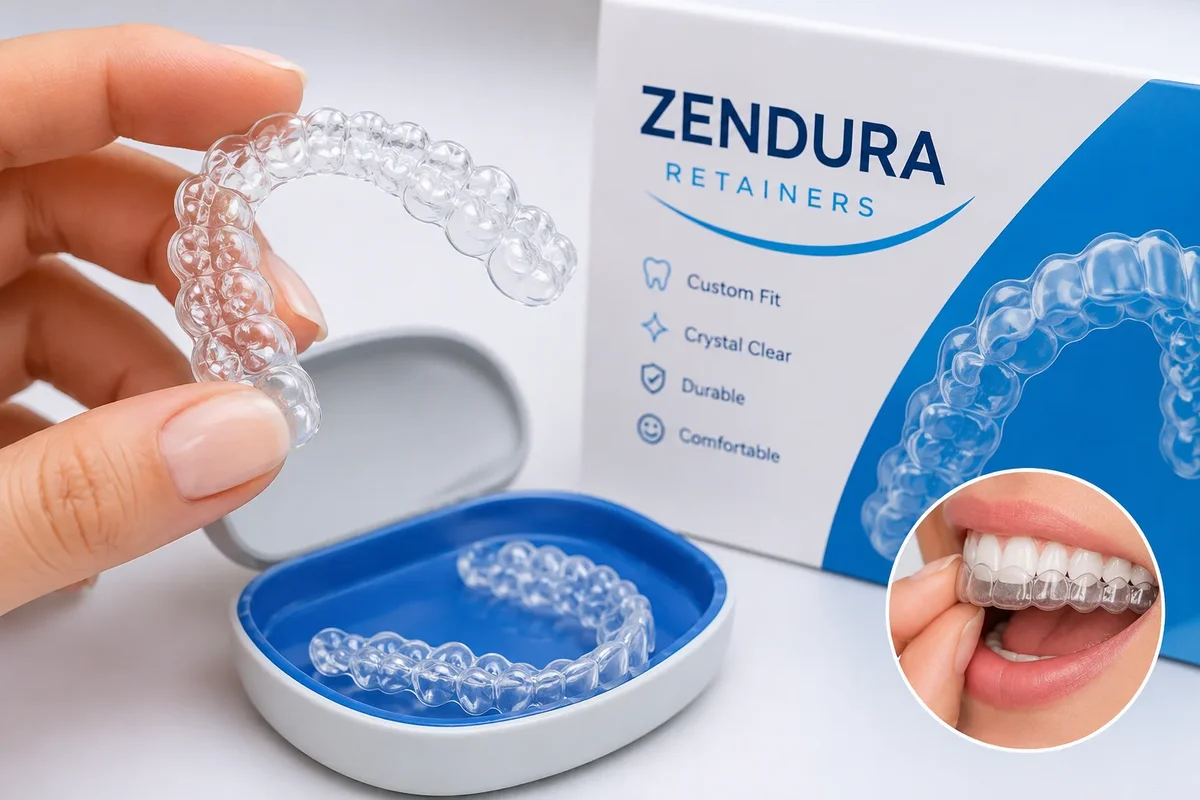
How Zendura Retainers Help Maintain a Straight and Healthy Smile
Achieving straight teeth through braces or clear aligner treatment is a major accomplishment, but maintaining those results requires ongoing commitment. Orthodontic treatment does not permanently lock teeth into place once braces are removed or aligners are completed. Teeth naturally continue shifting throughout life due to aging, jaw changes, chewing forces, and muscle pressure. This is why zendura retainers play such an important role in long-term smile maintenance. These advanced clear retainers help preserve alignment, support oral health, and protect the investment patients make in orthodontic care. 😊
Zendura retainers are specifically designed to stabilize teeth after orthodontic treatment while providing comfort, durability, and discreet aesthetics. Their transparent appearance and custom fit make them one of the most popular retention options among both teenagers and adults. By wearing zendura retainers consistently, patients can significantly reduce the risk of orthodontic relapse and maintain a healthy, confident smile for many years.
Why Teeth Continue Moving After Orthodontics
Many patients assume that once orthodontic treatment ends, their teeth will remain perfectly straight forever. Unfortunately, teeth are constantly exposed to pressure from chewing, speaking, grinding, and muscle activity. In addition, the bone and gum tissues surrounding the teeth continue changing over time.
Without proper retention, these natural forces may gradually shift teeth back toward their original positions. This process is called orthodontic relapse, and it can affect even patients who had excellent orthodontic results.
Common Causes of Tooth Movement
- Aging and jaw changes
- Nighttime grinding or clenching
- Tongue pressure against teeth
- Bone remodeling
- Chewing forces
- Genetic crowding tendencies
Zendura retainers help counteract these forces by holding the teeth in their corrected positions consistently over time.
How Zendura Retainers Preserve Orthodontic Results
The main function of zendura retainers is to maintain the alignment achieved during orthodontic treatment. These retainers are custom fabricated to fit the exact contours of the patient’s teeth, creating gentle stabilization that prevents unwanted movement.
After braces or aligners reposition the teeth, the surrounding bone structures require time to fully adapt. Wearing zendura retainers during this stabilization period allows the supporting tissues to strengthen around the corrected tooth positions.
Benefits of Long-Term Retention
- Maintains straight teeth
- Prevents gaps from reopening
- Supports bite alignment
- Protects facial aesthetics
- Reduces need for retreatment
Without consistent retainer use, patients may gradually lose the results they worked hard to achieve through orthodontic treatment.
Supporting Better Oral Health
In addition to maintaining alignment, zendura retainers also support long-term oral health. Straight teeth are generally easier to clean effectively compared to crowded or overlapping teeth.
When teeth remain aligned properly, patients can often brush and floss more efficiently, reducing plaque accumulation and lowering the risk of oral health problems.
Oral Health Advantages of Proper Alignment
- Easier flossing between teeth
- Reduced plaque buildup
- Lower cavity risk
- Healthier gum tissues
- Improved bite balance
By helping maintain alignment, zendura retainers indirectly contribute to better oral hygiene and healthier gums. 🦷
Comfort Encourages Consistency
One major reason patients successfully maintain long-term retention with zendura retainers is comfort. Compared to bulky acrylic retainers with metal wires, these clear retainers are lightweight, smooth, and minimally noticeable.
Comfort plays an important role in patient compliance. If retainers feel uncomfortable or unattractive, patients may stop wearing them regularly. Fortunately, the discreet design of zendura retainers makes consistent wear easier for many individuals.
Comfort Features of Zendura Retainers
- Smooth thermoplastic material
- Minimal speech interference
- Custom precision fit
- Lightweight design
- Nearly invisible appearance
These features help patients incorporate zendura retainers into their daily routines more comfortably.
Protecting Your Orthodontic Investment
Orthodontic treatment often requires a significant financial and time investment. Braces and clear aligner therapy may last months or even years depending on treatment complexity.
Because orthodontic treatment can be costly, maintaining results becomes extremely important. Zendura retainers help protect this investment by preserving alignment and reducing the risk of needing additional orthodontic correction later.
Potential Costs of Orthodontic Relapse
- Additional braces treatment
- New aligner therapy
- Emergency orthodontic visits
- Replacement retainers
- Cosmetic dental corrections
Consistent use of zendura retainers can often prevent these unnecessary expenses.
Nighttime Wear for Lifelong Stability
Many orthodontists recommend lifelong nighttime wear of zendura retainers because teeth naturally continue shifting throughout adulthood. Although the required wear schedule may decrease over time, ongoing nighttime retention remains beneficial for preserving smile stability.
Patients who stop wearing retainers entirely often notice gradual crowding of the lower front teeth or small gaps reopening. Wearing zendura retainers regularly at night helps reduce these long-term changes.
Why Nighttime Retention Matters
- Maintains long-term alignment
- Controls natural tooth movement
- Protects bite function
- Supports smile aesthetics
- Reduces orthodontic relapse risk
Long-term retention should be viewed as a permanent part of smile maintenance rather than a temporary phase.
Improving Confidence and Smile Appearance
Straight teeth often improve confidence, facial aesthetics, and overall smile appearance. Patients who complete orthodontic treatment usually want to preserve these improvements permanently.
Zendura retainers help maintain these cosmetic benefits while remaining almost invisible during wear. Because the retainers are transparent, patients can continue protecting their smile discreetly in professional and social settings.
Many adults especially appreciate that zendura retainers provide orthodontic retention without noticeable metal wires or bulky acrylic components.
Reducing Wear on Teeth and Bite Problems
Properly aligned teeth also distribute chewing forces more evenly across the mouth. When teeth shift out of alignment, certain teeth may experience excessive pressure during chewing or grinding.
By helping maintain bite balance, zendura retainers may reduce uneven wear on the teeth over time. Balanced alignment can also improve chewing efficiency and overall comfort.
Potential Bite Benefits
- More balanced chewing pressure
- Reduced enamel wear
- Improved bite function
- Lower stress on jaw joints
- Better overall comfort
Maintaining proper alignment with zendura retainers contributes to both cosmetic and functional oral health benefits.
Estimated Long-Term Retainer Maintenance Costs
- Single replacement retainer: $100–$250
- Upper and lower retainer set: $300–$600
- Professional retainer cleaning: $30–$100
- Digital retainer scan updates: $50–$150
Professional Guidance for Long-Term Retention
Maintaining a straight and healthy smile requires regular dental monitoring and professional support. Orthodontists can evaluate the condition of zendura retainers, assess tooth stability, and identify early signs of relapse during routine visits.
Patients interested in orthodontic retention care or replacement retainers can contact dental professionals through the Redent Klinik Contact Page.
Additional oral health recommendations and orthodontic guidance are also available through the American Dental Association.
Overall, zendura retainers play an essential role in preserving straight teeth, supporting oral health, and maintaining long-term smile aesthetics. Their comfortable design, transparent appearance, and durable construction make them an excellent option for patients who want reliable orthodontic retention. By wearing zendura retainers consistently and caring for them properly, patients can protect their orthodontic investment and enjoy a healthy, beautiful smile for many years after treatment ends. 😁