
Zenyum aligners are a modern orthodontic solution designed to straighten teeth discreetly, comfortably, and effectively without the visual and physical drawbacks of traditional metal braces. In today’s fast-paced world, many adults and young professionals want to improve their smiles without interrupting their social or professional lives. This is where zenyum aligners stand out as a clear, removable, and lifestyle-friendly alternative. 😁
At their core, zenyum aligners are transparent, custom-made trays that gradually move teeth into a healthier and more aesthetically pleasing position. Each aligner is digitally designed based on a 3D scan of your teeth, ensuring a precise and personalized treatment plan. Unlike fixed braces, zenyum aligners can be removed during meals, brushing, and special occasions, offering unmatched convenience and hygiene.
The concept behind zenyum aligners is simple but highly effective. Patients receive a series of aligners, each worn for a specific period, typically one to two weeks. Every new set applies gentle, controlled pressure to specific teeth, guiding them step by step toward the desired alignment. This gradual approach not only enhances comfort but also reduces the risk of sudden pain or irritation often associated with conventional orthodontic treatments.
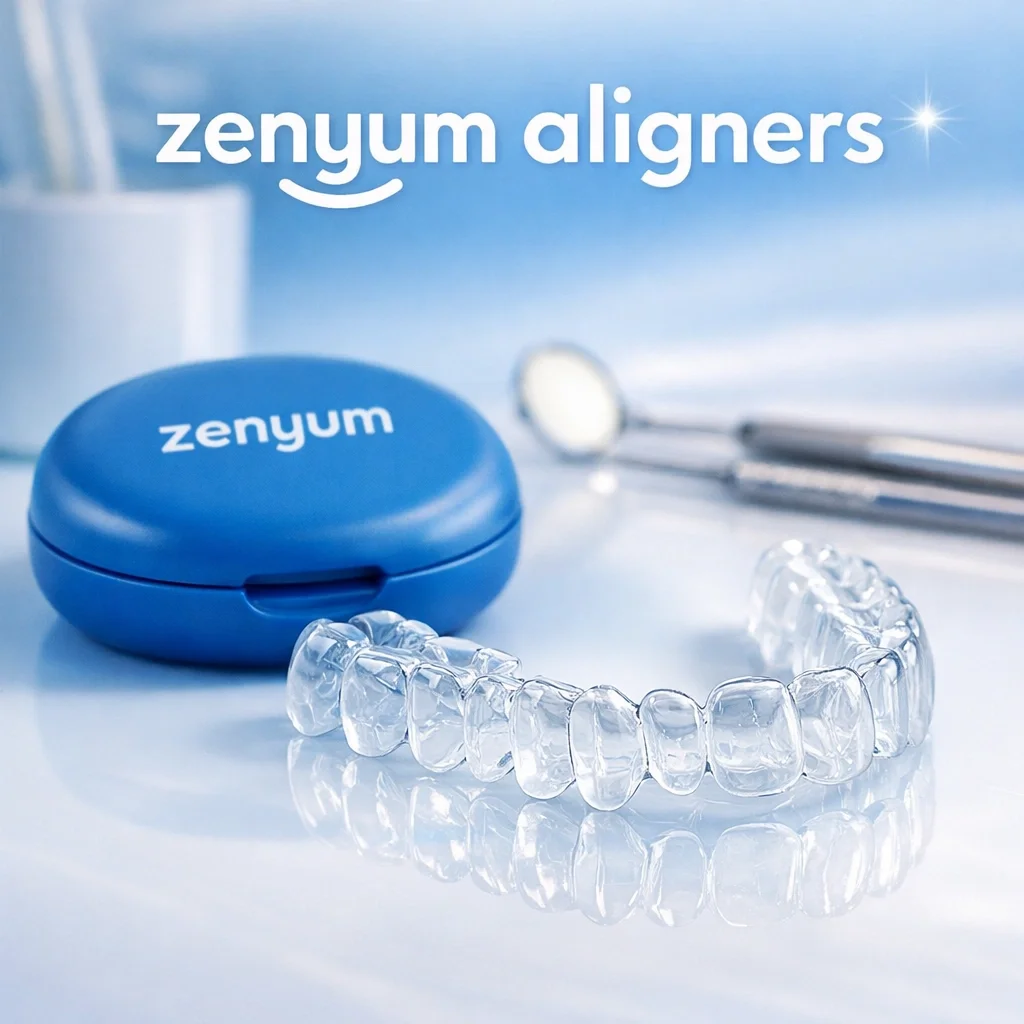
One of the most appealing aspects of zenyum aligners is their nearly invisible appearance. Made from clear, medical-grade plastic, they are barely noticeable during everyday interactions. This makes them especially popular among adults who may have postponed orthodontic treatment earlier in life due to aesthetic concerns. With zenyum aligners, improving your smile no longer means drawing unwanted attention to your teeth. ✨
Another important advantage of zenyum aligners is predictability. Before treatment even begins, patients can view a digital simulation showing how their teeth are expected to move over time and what the final result may look like. This visual roadmap provides reassurance and sets realistic expectations, which is a key factor in patient satisfaction. Knowing the end result in advance helps many people commit confidently to the treatment process.
From an oral health perspective, properly aligned teeth are not just about looks. Crooked or crowded teeth can make daily cleaning more difficult, increasing the risk of plaque buildup, cavities, and gum disease. By correcting alignment issues, zenyum aligners contribute to improved oral hygiene and long-term dental health. Straight teeth are easier to brush and floss, which can positively impact overall well-being. 🦷
Comfort is another reason why zenyum aligners are widely preferred. Since there are no metal brackets or wires, patients avoid the cuts and sores that sometimes occur with traditional braces. The smooth edges of the aligners are designed to fit snugly over the teeth, minimizing irritation to the cheeks and gums. While mild pressure is normal—especially when switching to a new set—it is generally manageable and short-lived.
It is also worth noting that zenyum aligners fit well into a modern, digital-first approach to dentistry. Progress is often monitored remotely, reducing the need for frequent in-clinic visits. This can be particularly appealing for busy individuals or those who prefer fewer appointments. However, professional dental supervision remains essential to ensure that tooth movement is safe and effective throughout the treatment.
For patients considering clear aligner therapy, reliable information and professional guidance are crucial. Consulting with a qualified dental clinic allows for an accurate assessment of whether zenyum aligners are suitable for your specific needs. If you are thinking about starting your smile journey or want expert advice tailored to your case, you can reach out through the Redent Klinik Contact Page to get personalized support.
Finally, it is important to rely on trustworthy dental standards and evidence-based care when choosing any orthodontic treatment. Organizations such as the American Dental Association emphasize the importance of professional oversight and patient education in orthodontics. When used under proper dental guidance, zenyum aligners can be a safe, effective, and confidence-boosting solution for achieving a straighter smile.
In summary, zenyum aligners combine advanced digital technology, patient comfort, and aesthetic appeal into one comprehensive orthodontic system. They are designed for people who value discretion, convenience, and long-term oral health. By understanding how zenyum aligners work and what they offer, patients can make informed decisions and take a confident step toward a healthier, more attractive smile. 😊
What Are Zenyum Aligners and How Do They Work?
Zenyum aligners are a type of clear orthodontic aligner system designed to straighten teeth gradually using advanced digital planning and custom-made transparent trays. Unlike traditional braces that rely on metal brackets and wires, zenyum aligners focus on comfort, aesthetics, and precision. They are especially popular among adults and young professionals who want effective teeth straightening without the visible appearance of braces. 😊
At a basic level, zenyum aligners work by applying controlled, gentle pressure to specific teeth over time. Each aligner is slightly different from the previous one, guiding teeth step by step into their ideal position. This gradual movement allows for predictable results while minimizing discomfort. The process is rooted in modern orthodontic science and computer-aided design, ensuring that every stage of movement is planned in advance.
The Technology Behind Zenyum Aligners
The foundation of zenyum aligners lies in digital dentistry. Treatment begins with a detailed 3D scan or impression of the patient’s teeth. This scan is then used to create a virtual treatment plan that maps out the entire tooth movement journey—from the initial position to the final aligned smile. Each tooth movement is calculated to ensure safety, efficiency, and optimal results.
Using this digital plan, a series of custom aligners is produced. These aligners are made from clear, medical-grade plastic that is both durable and comfortable. Because zenyum aligners are custom-fitted, they sit snugly over the teeth, delivering precise pressure exactly where it is needed. This level of customization is one of the main reasons why zenyum aligners are effective for mild to moderate orthodontic issues.
How Daily Wear of Zenyum Aligners Moves Teeth
For zenyum aligners to work effectively, they must be worn consistently—typically 20 to 22 hours per day. This includes wearing them during sleep and throughout the day, removing them only for eating, drinking anything other than water, brushing, and flossing. Consistent wear ensures that the teeth remain under constant, gentle pressure, which is essential for controlled movement.
Each set of zenyum aligners is usually worn for one to two weeks, depending on the treatment plan prescribed by the dental professional. After this period, the patient switches to the next set in the series. With every change, teeth move incrementally closer to their final position. Some patients may notice slight pressure or tightness when starting a new aligner, which is a normal sign that the aligners are working.
Removability and Lifestyle Advantages
One of the defining features of zenyum aligners is that they are removable. This offers a significant advantage over fixed braces. Patients can enjoy their favorite foods without restrictions and maintain their regular oral hygiene routine with ease. Brushing and flossing are much simpler when aligners can be taken out, reducing the risk of plaque buildup and gum problems.
This removability also makes zenyum aligners more adaptable to social and professional settings. Whether attending a meeting, a special event, or taking photos, patients can feel confident knowing their orthodontic treatment is discreet. However, discipline is key—removing aligners too often or for long periods can slow progress and affect results.
What Dental Issues Can Zenyum Aligners Address?
Zenyum aligners are commonly used to treat mild to moderate orthodontic concerns. These may include crowded teeth, gaps between teeth, mild overbite, underbite, crossbite, or teeth that have shifted after previous orthodontic treatment. While they are highly effective for many cases, severe or complex orthodontic problems may still require alternative treatments.
A professional dental evaluation is essential to determine whether zenyum aligners are suitable for a specific case. Dentists assess bite alignment, jaw structure, and overall oral health before recommending treatment. This ensures that tooth movement occurs safely and does not compromise long-term dental stability.
Monitoring Progress During Treatment
Another important aspect of how zenyum aligners work is progress monitoring. Many treatment plans involve periodic check-ins, either in person or remotely, to ensure teeth are moving as planned. This approach blends convenience with professional oversight, helping patients stay on track while reducing unnecessary clinic visits.
Throughout the process, patients are encouraged to follow professional guidance closely. Proper wear, good oral hygiene, and timely aligner changes all play a crucial role in achieving the desired outcome. When used correctly and under dental supervision, zenyum aligners provide a reliable and patient-friendly path to straighter teeth. 🦷
In essence, zenyum aligners combine advanced digital planning, customized design, and consistent daily wear to deliver gradual, predictable tooth movement. Understanding how they work helps patients set realistic expectations and fully commit to the process, which is key to achieving a confident, healthy smile.
Who Is an Ideal Candidate for Zenyum Aligners?
Zenyum aligners are designed for individuals who want a discreet, modern, and effective way to straighten their teeth without the inconvenience of traditional braces. However, like any orthodontic treatment, they are not a one-size-fits-all solution. Understanding who is an ideal candidate for zenyum aligners helps patients set realistic expectations and achieve the best possible results. 🦷
In general, zenyum aligners are most suitable for adults and older teenagers with mild to moderate orthodontic concerns. These clear aligners are especially appealing to people who prioritize aesthetics, comfort, and flexibility in their daily lives. Because zenyum aligners are removable and nearly invisible, they integrate seamlessly into work, social, and personal routines.
Common Dental Issues Suitable for Zenyum Aligners
Zenyum aligners are commonly recommended for patients with specific types of alignment problems. These typically include mild crowding, small gaps between teeth, minor overbites or underbites, and slight crossbites. They are also a popular option for individuals whose teeth have shifted after previous orthodontic treatment and want a corrective solution without going back to metal braces.
The strength of zenyum aligners lies in their ability to apply controlled, gradual force. This makes them effective for predictable tooth movements that do not require complex jaw repositioning or surgical intervention. When used as intended, zenyum aligners can deliver excellent results for patients whose orthodontic needs fall within this range.
Mild to Moderate Misalignment Explained
Mild to moderate misalignment generally refers to cases where teeth are crooked, slightly rotated, or unevenly spaced but do not involve severe bite problems. For example, a patient with overlapping front teeth or small gaps between molars may be an excellent candidate for zenyum aligners. These cases typically respond well to aligner-based treatment and can often be corrected within a reasonable timeframe.
Patients with more complex issues—such as severe crowding, significant jaw discrepancies, or impacted teeth—may require alternative orthodontic approaches. A professional dental assessment is essential to determine whether zenyum aligners can safely and effectively address a particular condition.
Age and Lifestyle Factors
One of the biggest advantages of zenyum aligners is their suitability for adult lifestyles. Adults who missed orthodontic treatment earlier in life often seek a solution that does not interfere with professional appearances or social confidence. Zenyum aligners meet this need by offering a discreet treatment option that does not draw attention.
Older teenagers may also be candidates for zenyum aligners, provided they are responsible enough to wear the aligners consistently. Since aligners must be worn for most of the day, patient compliance is crucial. Individuals who are motivated, disciplined, and committed to following instructions tend to achieve the best outcomes with zenyum aligners. 😊
Oral Health Requirements Before Starting Treatment
Good overall oral health is a key requirement for starting treatment with zenyum aligners. Patients should have healthy gums, no untreated cavities, and stable teeth. Conditions such as active gum disease or severe tooth decay must be addressed before aligner therapy begins. This ensures that tooth movement does not worsen existing dental problems.
A comprehensive dental examination helps identify any underlying issues that could affect treatment success. Dentists evaluate gum health, bone support, and bite alignment to confirm whether zenyum aligners are a safe option. This step protects both the short-term results and long-term oral health of the patient.
The Importance of Commitment and Compliance
Even the most advanced orthodontic system relies heavily on patient cooperation. Zenyum aligners require consistent daily wear, typically 20 to 22 hours per day. Patients who frequently forget to wear their aligners or remove them for extended periods may experience delayed results or incomplete correction.
Ideal candidates for zenyum aligners are those who understand the responsibility involved and are willing to follow professional guidance closely. This includes wearing aligners as instructed, maintaining proper oral hygiene, and attending follow-up appointments or check-ins when required.
Who May Not Be the Best Fit for Zenyum Aligners?
While zenyum aligners are highly effective for many patients, they may not be suitable for everyone. Individuals with severe orthodontic problems, complex bite issues, or certain jaw abnormalities may need traditional braces or other specialized treatments. Additionally, patients who are unwilling or unable to commit to consistent wear may struggle to achieve optimal results with aligners.
This does not mean zenyum aligners are inferior—rather, they are designed for specific treatment goals. An honest consultation with a dental professional ensures that patients receive the most appropriate solution for their unique needs.
In summary, the ideal candidate for zenyum aligners is someone with mild to moderate alignment issues, good oral health, and a strong commitment to the treatment process. When these conditions are met, zenyum aligners offer a comfortable, discreet, and highly effective path to a straighter, healthier smile. 😁
The Step-by-Step Zenyum Aligners Treatment Process
The treatment journey with zenyum aligners is carefully structured to ensure safety, comfort, and predictable results. Unlike traditional braces, which often feel opaque and mechanical to patients, zenyum aligners follow a transparent, step-by-step process that patients can clearly understand from the beginning. Knowing what to expect at each stage helps reduce anxiety and improves long-term compliance. 😊
From the first consultation to the final retention phase, zenyum aligners are designed around personalization and digital precision. Every step focuses on guiding teeth gradually while maintaining oral health and minimizing disruption to daily life.
Initial Consultation and Professional Assessment
The zenyum aligners process always begins with a professional dental consultation. During this stage, a dentist evaluates the patient’s teeth, bite alignment, gum health, and overall oral condition. This assessment determines whether zenyum aligners are suitable for the case or if another orthodontic solution would be more appropriate.
At this stage, the dentist also discusses the patient’s goals and expectations. Some patients want cosmetic improvements, while others are focused on functional issues such as crowding or bite discomfort. Clear communication ensures that the zenyum aligners treatment plan aligns with realistic and achievable outcomes.
Digital Scanning and Records
If the patient is deemed a good candidate, the next step involves creating a digital record of the teeth. This is usually done using a 3D intraoral scanner, which replaces traditional messy impressions. The scan captures highly accurate details of tooth position, spacing, and bite alignment.
This digital model becomes the foundation of the entire zenyum aligners treatment. Accuracy at this stage is crucial, as every aligner tray will be designed based on this data. The scan also allows dentists to detect minor alignment issues that may not be visible to the naked eye.
Customized Treatment Planning
Once the digital scan is complete, advanced orthodontic software is used to design a customized treatment plan. This plan maps out the exact movement of each tooth over time. One of the unique advantages of zenyum aligners is that this entire journey is planned before treatment even begins.
Patients are often shown a digital simulation that illustrates how their teeth will gradually move and what the final result may look like. This visualization helps patients understand the value of zenyum aligners and builds confidence in the process. Seeing a projected outcome can be a strong motivator to stay committed throughout treatment.
Manufacturing and Delivery of Zenyum Aligners
After the treatment plan is finalized, a series of custom-made aligner trays is produced. Each set of zenyum aligners is designed to apply gentle pressure to specific teeth, gradually guiding them into the correct position. The aligners are made from clear, medical-grade plastic that is both durable and comfortable.
Patients typically receive several sets of zenyum aligners at once, along with detailed instructions on when to switch to the next tray. This allows the treatment to progress smoothly without frequent clinic visits, while still maintaining professional oversight.
Daily Wear and Aligner Changes
For zenyum aligners to work effectively, consistent daily wear is essential. Patients are instructed to wear their aligners for approximately 20 to 22 hours per day. They should only be removed for eating, drinking anything other than water, brushing, and flossing.
Each aligner set is usually worn for one to two weeks. When it is time to switch to the next set, patients may feel mild pressure or tightness. This sensation is normal and indicates that the zenyum aligners are actively moving the teeth. Discomfort typically subsides within a day or two.
Monitoring Progress and Adjustments
Throughout the treatment process, progress monitoring plays a key role. Depending on the clinic’s approach, this may involve periodic in-person visits or remote check-ins. Dentists review how the teeth are responding to the aligners and confirm that movement is following the planned trajectory.
If necessary, adjustments can be made. In some cases, refinements may be recommended, which involve creating additional zenyum aligners to fine-tune the final result. This flexibility ensures that treatment outcomes remain accurate and satisfactory.
Completion and Retention Phase
Once the active treatment phase is complete and the teeth have reached their desired position, the process does not simply end. To maintain results, patients typically move into a retention phase. Retainers help prevent teeth from shifting back to their original positions—a natural tendency known as relapse.
The retention phase is critical for long-term success. Dentists provide guidance on how often retainers should be worn and how to care for them properly. When patients follow these instructions, the results achieved with zenyum aligners can be long-lasting and stable. 🦷
In summary, the step-by-step zenyum aligners treatment process is structured, predictable, and patient-centered. From digital planning to daily wear and final retention, every stage is designed to deliver safe, effective, and aesthetically pleasing results. Understanding this process helps patients stay informed, motivated, and confident throughout their smile transformation.
Zenyum Aligners vs Traditional Braces: Key Differences
When considering orthodontic treatment, many patients find themselves choosing between zenyum aligners and traditional braces. Both options aim to straighten teeth and improve bite alignment, but they differ significantly in terms of appearance, comfort, lifestyle impact, and overall experience. Understanding these key differences helps patients make an informed decision that aligns with their personal needs and expectations. 😊
Zenyum aligners represent a modern approach to orthodontics, while traditional braces have been used successfully for decades. Neither option is inherently “better” for every case; rather, each has specific advantages depending on the complexity of the dental issue and the patient’s lifestyle.
Appearance and Aesthetic Impact
One of the most obvious differences between zenyum aligners and traditional braces is appearance. Zenyum aligners are made from clear, transparent material that fits snugly over the teeth, making them nearly invisible in daily interactions. This discreet design is particularly appealing to adults and professionals who prefer subtle orthodontic treatment.
Traditional braces, on the other hand, use metal brackets and wires that are clearly visible when smiling or speaking. While ceramic or tooth-colored brackets can reduce visibility, they are still more noticeable than zenyum aligners. For patients who value aesthetics and confidence during treatment, this difference often plays a decisive role.
Comfort and Daily Experience
Comfort is another area where zenyum aligners and traditional braces differ significantly. Zenyum aligners are smooth and custom-designed, reducing the risk of irritation to the cheeks and gums. There are no sharp wires or brackets, which means fewer mouth sores and less discomfort during daily activities.
Traditional braces can cause irritation, especially in the early stages or after adjustments. Wires and brackets may rub against the inside of the mouth, leading to soreness. While many patients adapt over time, the initial discomfort can be a concern for those with sensitive oral tissues.
Pressure vs Pain Sensation
With zenyum aligners, patients typically feel gentle pressure when switching to a new set. This pressure is a sign that the aligners are working to move the teeth. It is usually mild and temporary. In contrast, traditional braces may cause sharper discomfort after tightening sessions, which can last for several days.
Removability and Lifestyle Flexibility
A major advantage of zenyum aligners is their removability. Patients can take them out while eating, brushing, and flossing. This allows for a normal diet without restrictions and makes oral hygiene much easier to maintain. There is no need to avoid sticky, hard, or chewy foods, which are commonly restricted with braces.
Traditional braces are fixed appliances, meaning they cannot be removed until treatment is complete. Patients must follow dietary restrictions to avoid damaging the brackets or wires. Cleaning around braces also requires extra effort, and maintaining optimal oral hygiene can be more challenging.
Treatment Control and Predictability
Zenyum aligners rely heavily on digital planning. Before treatment begins, a complete roadmap of tooth movement is created using 3D technology. This allows for high predictability and gives patients a clear idea of how their smile will change over time. Progress is gradual and controlled, with each aligner designed to achieve a specific movement.
Traditional braces depend more on manual adjustments made during in-clinic visits. While they are highly effective, the treatment plan may evolve as the dentist responds to how the teeth move. This approach works well for complex cases but can feel less transparent to patients who prefer to see a detailed plan upfront.
Suitability for Complex Cases
Traditional braces are often more suitable for severe orthodontic problems, such as significant bite issues or major jaw misalignments. Zenyum aligners are typically recommended for mild to moderate cases. This distinction is important when determining which treatment will deliver the best long-term results.
Maintenance and Follow-Up Requirements
Maintaining zenyum aligners is relatively straightforward. Patients clean the aligners daily and follow a consistent wear schedule. Follow-up appointments are often less frequent and may include remote monitoring, making the process more convenient for busy individuals.
Traditional braces require regular in-person visits for adjustments and repairs. Broken brackets or wires can occur and may require urgent appointments. While these visits ensure effective treatment, they can be time-consuming.
In conclusion, the choice between zenyum aligners and traditional braces depends on individual priorities. Zenyum aligners offer discretion, comfort, and lifestyle flexibility, making them ideal for many adults with mild to moderate alignment issues. Traditional braces remain a powerful solution for more complex cases. A professional dental consultation is essential to determine which option best supports a healthy, confident smile. 😁
Benefits of Choosing Zenyum Aligners for Teeth Alignment
Zenyum aligners have become a popular orthodontic solution because they combine effectiveness, comfort, and modern lifestyle compatibility. For many patients, the decision to choose zenyum aligners goes beyond simply straightening teeth—it is about improving confidence, oral health, and daily comfort at the same time. Understanding the full range of benefits helps patients appreciate why zenyum aligners are often preferred over more traditional orthodontic options. 😁
From aesthetics to hygiene and long-term dental health, zenyum aligners offer advantages that align well with the needs of today’s patients. These benefits are not only cosmetic but also functional, supporting healthier teeth and gums over time.
Discreet and Confidence-Friendly Design
One of the most widely recognized benefits of zenyum aligners is their discreet appearance. Made from clear, transparent material, zenyum aligners are barely noticeable when worn. This allows patients to smile, speak, and interact socially without feeling self-conscious about visible orthodontic appliances.
This subtle design is especially valuable for adults who work in professional environments or regularly engage in social activities. Unlike traditional braces, zenyum aligners do not draw attention, making them an excellent choice for those who want to improve their smile privately and confidently.
Enhanced Comfort Compared to Braces
Comfort plays a significant role in treatment satisfaction, and zenyum aligners excel in this area. Because they are custom-made to fit each patient’s teeth precisely, they apply smooth and even pressure without sharp edges. This reduces the likelihood of mouth sores, cuts, or irritation commonly associated with metal brackets and wires.
Patients using zenyum aligners typically report only mild pressure, especially when switching to a new set. This sensation usually fades within a short period and is generally easier to manage than the discomfort experienced after traditional brace adjustments.
No Metal, No Emergencies
Another comfort-related advantage is the absence of metal components. With zenyum aligners, there are no broken wires or loose brackets that require urgent dental visits. This makes the treatment process smoother and less stressful, particularly for patients with busy schedules.
Improved Oral Hygiene and Gum Health
Zenyum aligners are removable, which significantly improves oral hygiene during treatment. Patients can brush and floss their teeth normally without having to work around brackets or wires. This helps reduce plaque buildup and lowers the risk of cavities and gum disease during orthodontic care.
Maintaining clean teeth and healthy gums is essential for long-term dental health. By making daily oral care easier, zenyum aligners support better hygiene habits and contribute to a healthier mouth overall. 🦷
Dietary Freedom and Lifestyle Flexibility
One of the most appreciated benefits of zenyum aligners is the freedom they offer when it comes to eating. Because the aligners are removed during meals, patients can enjoy their favorite foods without restrictions. There is no need to avoid hard, sticky, or crunchy foods, which are often prohibited with traditional braces.
This flexibility extends beyond diet. Zenyum aligners can be temporarily removed for special occasions, important meetings, or events, giving patients greater control over their treatment without compromising results—as long as wear-time guidelines are followed.
Predictable Results Through Digital Planning
Zenyum aligners rely on advanced digital treatment planning, which allows for a high level of predictability. Before treatment begins, patients can often see a digital simulation of how their teeth are expected to move and what the final outcome may look like. This transparency builds trust and helps patients stay motivated throughout the process.
Each set of zenyum aligners is designed with a specific purpose, moving teeth in small, controlled steps. This structured approach reduces guesswork and enhances treatment efficiency.
Shorter and More Efficient Treatment for Suitable Cases
For mild to moderate alignment issues, treatment with zenyum aligners can often be completed in a relatively short timeframe compared to traditional braces. While exact durations vary, many patients appreciate the efficiency and clarity of the aligner-based approach.
Positive Impact on Overall Oral Health
Straighter teeth are not just visually appealing—they are also easier to clean and maintain. By correcting crowding and misalignment, zenyum aligners help reduce areas where plaque and bacteria can accumulate. This can lower the risk of cavities, gum inflammation, and long-term dental complications.
In summary, the benefits of choosing zenyum aligners extend far beyond aesthetics. They offer comfort, convenience, improved hygiene, and predictable results, all while fitting seamlessly into modern lifestyles. For patients seeking a discreet and effective path to a healthier smile, zenyum aligners represent a well-rounded and patient-centered orthodontic solution. ✨
Possible Limitations and Risks of Zenyum Aligners
While zenyum aligners offer many advantages, it is equally important to understand their possible limitations and risks. Like any orthodontic treatment, zenyum aligners are not a perfect solution for every patient or every dental condition. Having a balanced and realistic understanding allows patients to make informed decisions and avoid disappointment during the treatment journey. 🦷
Zenyum aligners are designed to be effective, comfortable, and discreet, but their success depends on correct case selection, patient compliance, and professional supervision. When these factors are overlooked, limitations may become more apparent.
Limitations in Treating Complex Orthodontic Cases
One of the primary limitations of zenyum aligners is their suitability range. They are most effective for mild to moderate alignment issues, such as minor crowding, small gaps, or slight bite irregularities. However, severe orthodontic problems often require more advanced mechanical control than aligners can provide.
Cases involving significant jaw discrepancies, severe overbites or underbites, impacted teeth, or complex rotations may not respond adequately to zenyum aligners alone. In such situations, traditional braces or other orthodontic interventions may be recommended to achieve safe and stable results.
Why Case Selection Matters
Proper case selection is critical for successful treatment with zenyum aligners. A thorough dental evaluation ensures that tooth movement will occur within safe biological limits. Attempting to treat unsuitable cases with aligners can lead to incomplete correction or compromised results.
Dependence on Patient Compliance
Unlike fixed braces, zenyum aligners rely heavily on patient cooperation. Aligners must be worn consistently—usually 20 to 22 hours per day—to work as intended. Patients who frequently forget to wear their aligners or remove them for long periods may experience delayed progress or treatment failure.
This dependence on compliance can be a limitation for individuals with unpredictable routines or low adherence to daily instructions. Zenyum aligners are most successful when patients are disciplined, motivated, and committed to following professional guidelines.
Risk of Incomplete or Slower Results
If zenyum aligners are not worn as prescribed, teeth may not move according to the planned timeline. This can result in extended treatment duration or the need for additional aligner sets, often referred to as refinements. While refinements are a normal part of aligner therapy, excessive delays may affect patient satisfaction.
Additionally, some teeth may respond more slowly to aligner pressure due to individual biological differences. Bone density, age, and previous orthodontic history can all influence how teeth move during treatment with zenyum aligners.
Temporary Discomfort and Sensitivity
Although generally more comfortable than traditional braces, zenyum aligners can still cause temporary discomfort. Patients may experience mild pressure, tenderness, or sensitivity—especially when switching to a new aligner set. This sensation is a sign that teeth are moving but can be uncomfortable for some individuals.
In rare cases, poorly fitting aligners may cause gum irritation or pressure points. These issues should be addressed promptly by a dental professional to prevent unnecessary discomfort or soft tissue irritation.
Speech and Adaptation Period
Some patients notice a slight change in speech during the first few days of wearing zenyum aligners. This is usually temporary and resolves as the tongue adapts to the presence of the aligners. While not harmful, this adjustment period can be inconvenient for individuals who rely heavily on clear speech in professional settings.
Oral Hygiene Risks if Instructions Are Ignored
Zenyum aligners must be cleaned regularly to prevent bacterial buildup. Failing to clean the aligners properly or wearing them over unbrushed teeth can increase the risk of bad breath, plaque accumulation, and enamel discoloration.
Additionally, drinking sugary or acidic beverages while wearing zenyum aligners can trap liquids against the teeth, potentially increasing the risk of cavities. Proper oral hygiene and adherence to care instructions are essential to minimize these risks.
Need for Professional Oversight
Although zenyum aligners are often associated with convenience and fewer clinic visits, professional dental supervision remains crucial. Skipping follow-ups or attempting to self-manage issues can lead to suboptimal outcomes or unnoticed complications.
When monitored correctly, potential risks associated with zenyum aligners are minimal and manageable. However, neglecting professional guidance increases the likelihood of unfavorable results.
In conclusion, zenyum aligners are a highly effective orthodontic solution when used appropriately, but they do have limitations and risks that should not be ignored. They are best suited for motivated patients with mild to moderate alignment issues who are willing to follow instructions closely. Understanding these factors ensures realistic expectations and supports a safe, successful smile transformation. 🙂
Daily Care, Cleaning, and Maintenance of Zenyum Aligners
Proper daily care is one of the most important factors in the success of zenyum aligners treatment. While zenyum aligners are designed to be convenient and easy to use, they still require consistent cleaning, correct handling, and good oral hygiene habits. Neglecting daily care can reduce treatment effectiveness and increase the risk of dental problems such as cavities, bad breath, or gum irritation. 🦷
Understanding how to clean, store, and maintain zenyum aligners helps ensure they remain clear, odor-free, and effective throughout the entire treatment period. Good maintenance not only protects your oral health but also preserves the appearance and functionality of the aligners.
Daily Cleaning Routine for Zenyum Aligners
Zenyum aligners should be cleaned at least twice a day, ideally every time they are removed. Rinsing them with lukewarm water helps remove saliva and surface debris. It is important to avoid hot water, as high temperatures can warp the plastic and affect the fit of the aligners.
For a deeper clean, patients should gently brush their zenyum aligners using a soft toothbrush. Clear, non-abrasive soap or a mild aligner-cleaning solution is recommended. Toothpaste should generally be avoided, as many formulas are abrasive and can cause scratches, making the aligners appear cloudy over time.
Using Aligner Cleaning Solutions
Specialized aligner or retainer cleaning tablets can be used a few times per week to maintain freshness. These products help eliminate bacteria and odors without damaging the material. Soaking zenyum aligners according to the product instructions supports long-term hygiene and clarity.
Oral Hygiene While Wearing Zenyum Aligners
Maintaining excellent oral hygiene is essential when using zenyum aligners. Teeth should be brushed and flossed after every meal before reinserting the aligners. Wearing zenyum aligners over unclean teeth can trap food particles and bacteria, increasing the risk of cavities and enamel discoloration.
Flossing is particularly important because straightening teeth can sometimes cause tight contact points where plaque accumulates. A thorough daily hygiene routine supports both treatment success and overall oral health. 😊
Eating and Drinking Guidelines
Zenyum aligners must be removed before eating or drinking anything other than water. This prevents staining, warping, and damage to the aligners. Sugary or acidic drinks consumed while wearing aligners can become trapped against the teeth, increasing the risk of tooth decay.
After meals, rinsing the mouth and brushing before reinserting zenyum aligners is strongly recommended. This simple habit plays a major role in preventing oral health issues during treatment.
Safe Storage and Handling
When not in use, zenyum aligners should always be stored in their designated protective case. Leaving aligners exposed increases the risk of contamination, damage, or accidental loss. Many aligners are accidentally thrown away when wrapped in napkins, especially in restaurants or public places.
Handling aligners with clean hands also helps prevent bacterial transfer. Avoid bending or twisting the aligners during removal, as this can weaken their structure and affect fit.
What to Do If Aligners Are Lost or Damaged
If zenyum aligners are lost or damaged, patients should contact their dental provider as soon as possible. In some cases, wearing the previous or next set temporarily may be advised. Prompt action helps prevent treatment delays or unwanted tooth movement.
Managing Staining, Odors, and Wear
Over time, improper care can cause zenyum aligners to develop stains or odors. Consistent cleaning and avoiding colored beverages while wearing aligners significantly reduce this risk. Smoking while wearing aligners is also discouraged, as it can cause discoloration and unpleasant smells.
Because each set of zenyum aligners is worn for a limited time, normal wear is expected. However, excessive damage or cracking may indicate improper handling and should be discussed with a dental professional.
Long-Term Maintenance Habits for Success
Developing a daily routine is key to successful treatment with zenyum aligners. Patients who integrate cleaning and hygiene into their daily schedule often experience smoother treatment and better outcomes. Consistency ensures that aligners remain comfortable, effective, and hygienic throughout the process.
In summary, daily care and maintenance of zenyum aligners are essential for both treatment effectiveness and oral health. With proper cleaning, mindful handling, and good hygiene habits, patients can enjoy a comfortable, discreet, and successful smile-straightening experience. ✨
How Long Does Treatment with Zenyum Aligners Take?
One of the most common questions patients ask before starting orthodontic care is how long treatment will take. When it comes to zenyum aligners, the answer depends on several individual factors, including the complexity of the case, patient compliance, and biological response to tooth movement. While zenyum aligners are known for their efficiency and predictability, understanding the variables involved helps set realistic expectations and improves overall satisfaction. ⏳
Unlike traditional braces, which often come with open-ended timelines, zenyum aligners are planned digitally from start to finish. This allows dentists and patients to estimate treatment duration more accurately before the first aligner is even worn.
Average Treatment Duration with Zenyum Aligners
For most patients with mild to moderate alignment issues, treatment with zenyum aligners typically lasts between 6 and 12 months. Minor crowding or spacing issues may be resolved in as little as a few months, while more involved cases may require closer to a year of consistent wear.
The key advantage of zenyum aligners is that tooth movement is planned in small, controlled steps. Each aligner is designed to achieve a specific movement, and when worn as instructed, progress follows the digital treatment plan closely.
Mild vs Moderate Cases
Mild cases—such as slight crowding or small gaps—often respond quickly to zenyum aligners. These patients may complete treatment in a shorter timeframe because fewer aligner sets are required. Moderate cases, which involve more noticeable alignment or bite adjustments, naturally require more stages and therefore a longer duration.
Factors That Influence Treatment Time
Several factors can affect how long zenyum aligners treatment takes. One of the most important is patient compliance. Aligners must be worn for approximately 20 to 22 hours per day to maintain steady tooth movement. Patients who consistently follow this guideline tend to stay on schedule.
Biological factors also play a role. Each person’s bone density, age, and oral health can influence how quickly teeth respond to aligner pressure. Younger patients or those with healthy bone support may experience slightly faster movement, while others may progress more gradually.
The Role of Refinements in Treatment Length
In some cases, additional aligners—known as refinements—may be recommended after the initial series is completed. Refinements are used to fine-tune tooth positions and ensure optimal results. While this may extend treatment slightly, it also enhances precision and long-term stability.
Refinements are not a sign of failure. Instead, they reflect a commitment to achieving the best possible outcome with zenyum aligners. Many patients appreciate this attention to detail, even if it means wearing aligners a bit longer.
Comparing Timeline Expectations with Traditional Braces
When compared to traditional braces, zenyum aligners often offer similar or shorter treatment times for suitable cases. Braces may be necessary for complex orthodontic problems, but for mild to moderate cases, aligners can achieve results efficiently with fewer lifestyle disruptions.
Because zenyum aligners rely on digital planning, unexpected delays are less common—provided the patient follows instructions carefully.
Estimated Costs and Treatment Duration Context
While exact costs vary by region and case complexity, zenyum aligners are often positioned as a cost-effective clear aligner option. Based on publicly available information and regional averages, treatment may range approximately between:
Estimated Zenyum Aligners Treatment Overview
------------------------------------------
Treatment Duration: 6–12 months
Case Type: Mild to Moderate Alignment
Approximate Cost Range: $2,000 – $4,000
Follow-Up Frequency: Periodic / Remote Monitoring
These figures are general estimates and may vary depending on dental provider, treatment needs, and geographic location. A personalized consultation is always necessary to determine accurate timelines and costs.
Why Accurate Expectations Matter
Understanding the expected duration of zenyum aligners treatment helps patients stay motivated and compliant. When patients know what to expect, they are more likely to wear their aligners consistently and follow professional guidance closely.
Long-Term Success Beyond Treatment Time
Completing active treatment is only part of the journey. After finishing zenyum aligners treatment, patients typically enter a retention phase to maintain results. Wearing retainers as instructed is essential to prevent teeth from shifting back, regardless of how long the initial treatment lasted.
In summary, treatment with zenyum aligners is designed to be efficient, predictable, and tailored to individual needs. Most patients can expect a clear timeline, steady progress, and visible improvements along the way. With proper compliance and professional oversight, zenyum aligners offer a reliable path to a straighter, healthier smile—without unnecessary delays. 😁
Are Zenyum Aligners Safe and Dentist-Approved?
Safety is one of the most important concerns for anyone considering orthodontic treatment. Patients want to know whether zenyum aligners are not only effective but also safe, reliable, and supported by dental professionals. The short answer is yes—when used under proper dental supervision, zenyum aligners are generally considered a safe and well-structured orthodontic solution for suitable cases. However, understanding why they are safe and what conditions must be met is essential for making an informed decision. 🦷
Zenyum aligners are built on established orthodontic principles that have been used for decades in clear aligner therapy. What differentiates them is their digital-first planning, standardized protocols, and emphasis on professional oversight throughout the treatment journey.
The Role of Dentists in Zenyum Aligners Treatment
A critical factor in the safety of zenyum aligners is dentist involvement. Before treatment begins, a licensed dental professional evaluates the patient’s oral health, bite structure, and suitability for aligner-based orthodontics. This step ensures that tooth movement will occur within safe biological limits.
Dentists are responsible for diagnosing underlying issues such as gum disease, cavities, or bone loss that could make orthodontic treatment risky. By addressing these concerns first, zenyum aligners are applied only in conditions where they can function safely and predictably.
Why Professional Diagnosis Matters
Tooth movement is not merely cosmetic—it affects bone, gums, and bite mechanics. Without proper diagnosis, aligner treatment could lead to root resorption, gum recession, or bite imbalance. Zenyum aligners are designed to minimize these risks by ensuring that every treatment plan is reviewed and approved by qualified professionals.
Medical-Grade Materials and Design Standards
Zenyum aligners are manufactured using clear, medical-grade thermoplastic materials that are designed to be biocompatible and safe for long-term oral use. These materials are free from harmful substances and engineered to maintain structural integrity during daily wear.
The smooth edges and precise fit of zenyum aligners reduce irritation to soft tissues such as the gums, cheeks, and tongue. This design minimizes the risk of cuts or sores that are sometimes associated with metal-based orthodontic appliances.
Controlled and Gradual Tooth Movement
One of the strongest safety advantages of zenyum aligners is their controlled approach to tooth movement. Each aligner applies a small, calculated amount of force to specific teeth. This gradual movement respects the natural remodeling process of bone and surrounding tissues.
Because the entire sequence is digitally planned in advance, dentists can monitor the direction, timing, and extent of tooth movement. This reduces the likelihood of excessive force, which is a common cause of orthodontic complications.
Why “Faster” Is Not Always Safer
Some patients assume that faster treatment is better, but overly aggressive tooth movement can cause long-term damage. Zenyum aligners prioritize biological safety over speed, which is why treatment timelines are designed to balance efficiency with tissue health.
Monitoring, Adjustments, and Risk Management
Safety does not end once treatment begins. Throughout the process, progress monitoring plays a key role in ensuring that zenyum aligners continue to work as planned. Dentists check whether teeth are tracking correctly and whether the aligners fit as intended.
If any deviations are detected, adjustments or refinements can be made. This adaptability is a major safety feature, as it allows treatment to respond to the patient’s individual biological response rather than forcing teeth to follow a rigid plan.
Common Safety Concerns and How They Are Addressed
Some patients worry about issues such as pain, enamel damage, or long-term bite problems. With zenyum aligners, mild pressure or sensitivity is normal, especially when switching to a new set. However, significant pain is not expected and should be reported to a dentist.
When oral hygiene guidelines are followed, zenyum aligners do not damage enamel. In fact, their removability often supports better hygiene compared to fixed braces. Bite changes are carefully planned and monitored to maintain proper function at the end of treatment.
Who Should Be Cautious with Zenyum Aligners?
Although zenyum aligners are safe for many patients, they are not appropriate for everyone. Individuals with severe orthodontic problems, untreated gum disease, or poor compliance habits may face higher risks. In such cases, dentists may recommend alternative treatments that offer greater control.
Safety depends not only on the aligners themselves but also on choosing the right treatment for the right patient.
Professional Standards and Trust in Orthodontic Care
Orthodontic safety is guided by established dental standards and best practices. Professional organizations such as the American Dental Association emphasize the importance of dentist-led orthodontic care and patient education. Zenyum aligners align with these principles by integrating technology with professional responsibility.
For patients seeking reassurance, consulting a qualified dental clinic is the best way to confirm whether zenyum aligners are a safe option for their individual needs. Personalized guidance ensures that treatment is not only effective but also responsible and health-focused.
In conclusion, zenyum aligners are safe and dentist-approved when used as intended and under proper professional supervision. Their medical-grade materials, digital planning, controlled tooth movement, and ongoing monitoring all contribute to a high safety profile. For suitable candidates who follow instructions closely, zenyum aligners provide a reliable, modern, and health-conscious approach to achieving a straighter smile. 😁