
Choosing orthodontic treatment can feel overwhelming—especially when cost becomes a barrier. That’s where zero down braces come in, offering an accessible, budget-friendly way for patients to begin improving their smiles immediately without a large upfront payment. Today, many dental clinics provide flexible financing options that allow patients to start treatments with no initial cost, making orthodontic care more inclusive and achievable for families, students, and adults with tight budgets. 😊
In this comprehensive guide, we will explain exactly how zero down braces work, what to expect before and after treatment, who qualifies, how financing plans typically operate, and how this option compares to traditional orthodontic payment structures. Our goal is to provide all the information a patient might search for—including benefits, realistic expectations, payment structures, and clinical considerations—so they feel empowered to make an informed decision. If at any point you need help booking a consultation, you can easily reach the clinic through the Redent Klinik Contact Page.
The growing popularity of zero down braces stems from a shift in patient expectations and the rising demand for affordable orthodontic care. Many patients simply cannot commit to the large upfront costs traditionally required for braces or aligners. By eliminating the initial payment barrier, clinics allow patients to begin improving crowded teeth, bite alignment, overbites, underbites, and spacing issues right away—without financial stress. This approach has made orthodontic care significantly more accessible across demographic groups, particularly those who previously avoided treatment due to cost.
Clinically, zero down braces work exactly the same as regular braces. The difference lies in the payment model. Instead of paying a lump sum at the beginning, patients enter a structured monthly plan. These plans may vary based on factors such as treatment complexity, provider, region, and available financing partners. Many clinics collaborate with financing companies that specialize in healthcare payment plans, making approvals fast and straightforward. In most cases, patients only need basic personal or financial information to get started—no complicated paperwork or lengthy waiting period. 🎉
Another major advantage of zero down braces is the flexibility it provides patients who want to start treatment quickly. For example, students preparing for a new school term or adults preparing for major life events often want to begin improving their smile immediately. Traditional braces, clear braces, and sometimes even aligner systems can be included in zero-down programs, making them a versatile option. To strengthen your understanding of orthodontic standards, you can also refer to the American Dental Association, a trusted and authoritative resource for dental information.
What patients experience before treatment is similar to any orthodontic evaluation: an exam, digital scans or impressions, X-rays, and a detailed treatment plan. After treatment begins, patients visit the clinic regularly for adjustments (for braces) or pick up new sets of aligners (if aligners are part of the financing structure). These visits are essential for tracking progress and ensuring optimal results. The transformation patients experience during and after treatment is often life-changing—improved confidence, a balanced bite, easier oral hygiene, and a healthier long-term dental structure. 😁
It is also important to recognize that zero down braces plans vary, and no two clinics follow the exact same financial model. Some offer lower monthly payments spread out over a longer treatment timeline, while others may require higher monthly installments for faster repayment. Patients should always request a detailed breakdown of costs, interest (if applicable), term length, and what happens if payments are missed. Being informed from the start helps avoid surprises later.
If pricing is mentioned, the approximate market estimate for traditional braces in the U.S. is as follows:
Estimated Braces Cost Range (USA)
---------------------------------
Metal Braces: $3,000 – $7,000
Ceramic Braces: $4,000 – $8,000
Clear Aligners: $3,000 – $8,000
Self-Ligating Braces: $4,000 – $8,500
Lingual Braces: $8,000 – $13,000
These numbers vary widely depending on location, complexity, and clinic expertise. With zero down braces, patients can begin treatment within these ranges but distribute payments smoothly over time, reducing financial pressure. Some clinics also offer promotions, loyalty pricing, referral discounts, or zero-interest payment plans—another reason why so many patients choose this financing model.
For patients researching affordability and payment plans, additional terms like “no-upfront-cost orthodontics” and “zero initial payment braces” are often used as synonyms. These terms reflect similar concepts and reinforce the idea that patients can access corrective dental treatment without financial obstacles. Ultimately, zero down braces empower individuals to achieve a healthy, aligned smile while staying financially responsible.
How Zero Down Braces Work for Fast Aesthetic Corrections
For many patients, the idea of starting orthodontic treatment without a large upfront payment is both relieving and motivating. Zero down braces make this possible by offering an accessible financial structure that allows patients to begin their journey toward a beautiful smile immediately. This system eliminates the traditional payment barrier, making orthodontic care available to individuals who previously felt that braces were financially out of reach. 😄
In this section, we will break down the full process—from early evaluation to monthly payments, treatment strategy, and progress tracking—so patients understand exactly what happens before, during, and after choosing zero down braces. The goal is to help you gain a complete picture of what to expect and whether this option matches your dental needs, lifestyle, and budget. Many clinics also make it easy to book consultations directly through tools like the Redent Klinik Contact Page.
The Step-by-Step Process of Starting Zero Down Braces
Beginning treatment with zero down braces generally follows a consistent workflow across dental clinics. The financial structure may vary slightly, but the clinical procedures remain similar. Below is the typical sequence patients experience:
1. Initial Consultation and Oral Examination
Your orthodontist starts by evaluating your dental health. This includes digital X-rays, bite analysis, photos, and diagnostic scans. These diagnostic tools help determine whether zero down braces are the best solution for your specific alignment needs. Smile crowding, spacing, overbites, underbites, and mild-to-moderate bite irregularities can often be treated successfully.
2. Personalized Treatment Planning
After the diagnostics are complete, the orthodontist creates a personalized treatment plan. This includes the length of treatment, recommended type of braces (metal, ceramic, clear brackets, or sometimes aligner systems), and estimated monthly payment schedule. Clinics that provide zero down braces typically offer several plan options with varying interest rates and payment durations.
3. Approval for Zero Down Financing
To activate the zero down braces plan, patients undergo a short financing approval process. This is usually handled through partnered healthcare financing platforms. Approvals are generally fast and straightforward, requiring basic identity or income verification. Many patients are surprised to learn how simple the process is—often taking only minutes.
4. Beginning the Orthodontic Treatment
Once financing is approved, treatment begins immediately. Brackets are bonded, wires are placed, or aligners are dispensed depending on the recommended approach. This instant start is the core benefit of zero down braces, allowing patients to begin correcting dental issues without any delay caused by financial limitations.
Why Zero Down Braces Are Ideal for Fast Cosmetic Improvements
Patients seeking rapid aesthetic enhancement often choose zero down braces because these plans focus on immediate initiation of treatment rather than delayed scheduling due to payment barriers. Quick access to treatment is especially valuable for young professionals, students preparing for significant events, or adults who have long postponed orthodontic care.
Cosmetic improvements begin relatively early in treatment. Many patients report visible alignment changes within the first 6–12 weeks. While complete orthodontic correction takes longer, early shifts often boost confidence and help patients stay committed to the treatment process. 😁
Short-Term Aesthetic Changes
- Noticeable straightening of front teeth
- Reduced crowding or overlapping
- Initial bite adjustments
- Enhanced smile symmetry
These early improvements serve as a motivating factor for many patients who want quick results without waiting for months just to begin treatment.
The Role of Monthly Adjustments in Achieving Fast Progress
Orthodontic progress relies heavily on consistent check-ins. With zero down braces, these visits are scheduled at regular intervals—usually every 4 to 8 weeks. During each appointment, wires may be tightened, replaced, or adjusted based on tooth movement. These controlled, incremental changes allow the teeth to shift efficiently while minimizing discomfort.
Patients using clear aligners under a zero down braces plan receive new sets of aligners that continue guiding the teeth into proper alignment. These updates ensure that treatment remains on track and that patients achieve predictable results.
Payment Structure and Transparency
The financial aspect of zero down braces is designed to be straightforward. Instead of paying a large initial fee, patients agree to a monthly payment plan. This structure typically includes:
- Fixed monthly payments
- Predictable pricing throughout the entire treatment period
- Optional interest-free plans (varies by clinic)
- Clear documentation of total cost before treatment begins
This level of transparency makes zero down braces especially appealing to individuals who want to manage their finances efficiently without compromising their dental health. Clinics also ensure that patients sign clear agreements to prevent unexpected costs or misunderstandings.
How Fast Corrections Are Achieved Compared to Traditional Plans
Clinically, treatment speed is not determined by whether a patient chooses zero down braces or traditional payment structures. The difference lies in accessibility. Because zero-down programs allow immediate treatment initiation, patients often complete their orthodontic journey earlier than they would have if they waited until they saved enough money for a down payment.
By starting earlier, the patient’s overall timeline is accelerated simply because the treatment begins sooner. This is one of the biggest advantages of choosing a zero-down model for orthodontic care.
For additional credibility regarding orthodontic standards, safety, and best practices, patients can refer to the American Dental Association, a trusted authority in the dental field.
Ultimately, zero down braces offer both financial and practical advantages. They empower patients to take immediate control of their dental health, improve their appearance, and achieve aesthetic changes early in treatment—all without the stress of upfront payments. This makes them a preferred choice for many individuals seeking fast, effective, and budget-friendly orthodontic solutions.
Before and After Results: What Most Patients Experience
One of the most exciting aspects of choosing zero down braces is seeing the transformation that occurs throughout treatment. Patients often begin their orthodontic journey with concerns about crooked teeth, crowding, gaps, or bite misalignment. As treatment progresses, the improvements become more noticeable—both aesthetically and functionally. This section provides a detailed, patient-centered overview of what you can expect before and after starting zero down braces, from the initial evaluation to the long-term outcomes. 😄
Understanding these changes helps patients feel more confident, informed, and prepared for their orthodontic experience. Whether you are dealing with minor alignment issues or more complex bite concerns, zero down braces can help create significant improvements without the financial burden of an upfront payment. If you need help scheduling a consultation, the Redent Klinik Contact Page is always available.
Before Treatment: What Patients Typically Notice
Prior to beginning zero down braces, patients often experience noticeable orthodontic concerns that may affect confidence, oral hygiene, and chewing function. These pre-treatment issues are usually identified during your initial consultation and diagnostic assessment.
Common Pre-Treatment Issues
- Crowded Teeth: Overlapping teeth that make brushing difficult.
- Spacing or Gaps: Visible gaps between teeth, especially in the front.
- Overbite or Underbite: A misaligned bite that affects chewing or speech.
- Crossbite: When some upper teeth sit inside the lower teeth instead of outside.
- Smile Asymmetry: Aesthetic concerns that impact confidence in photos or social settings.
Patients often cite embarrassment, difficulty smiling, or poor oral hygiene as reasons for seeking orthodontic care. With zero down braces, they can immediately begin improving their dental health without waiting to save for a large upfront cost.
During Treatment: The Progressive Changes Patients Observe
Once treatment begins, patients begin noticing changes much earlier than expected. Tooth movement is usually visible within the first few weeks, although full correction takes longer. The timeline varies depending on whether the patient chooses metal braces, ceramic braces, or aligners through a zero down braces plan.
Early-Phase Improvements (First 6–12 Weeks)
During the initial phase, patients commonly observe:
- Reduced crowding and more organized tooth alignment
- Less overlapping in the front teeth
- Improved visibility of previously hidden teeth
- Slight bite adjustments for better alignment
These early changes are highly motivating and contribute to a positive patient experience. Many patients report increased confidence and emotional relief after just a few weeks of treatment.
Mid-Treatment Improvements (3–9 Months)
As treatment continues, more noticeable transformations occur. Patients undergoing zero down braces usually start seeing:
- Significantly straighter dental arches
- Corrected bite symmetry
- More balanced smile ratios
- Improved comfort while chewing and speaking
At this stage, most of the major alignment corrections have taken place. Patients typically feel more confident about their smile and are encouraged by the visible difference in their before-and-after progress.
After Treatment: The Final Transformation
By the end of treatment, the results are often dramatic. Final corrections are fine-tuned during the last few months of braces or aligners. The “after” results showcase a more symmetric, balanced, and visually appealing smile—one that patients are proud to share with others.
Final Result Characteristics
- Straight Teeth: Proper alignment enhances the beauty and function of the entire smile.
- Correct Bite Position: With the bite aligned, chewing efficiency and comfort improve.
- Smooth Dental Arches: Ideal arch shape creates a harmonious appearance.
- Healthier Gums: Reduced plaque buildup leads to better gum health.
- Boosted Confidence: Many patients report a major improvement in self-esteem.
Braces not only transform the way teeth look—they transform the way patients feel. The emotional and psychological benefits of the “after” results are often the most powerful part of the journey.
Retention: Maintaining the After Results
Retainers are crucial after completing zero down braces treatment. Without proper retention, teeth may shift back into their previous positions. Retainers help maintain the final alignment and preserve your beautiful results for life.
Types of Retainers
- Clear Plastic Retainers: Invisible, comfortable, and easy to wear.
- Hawley Retainers: Classic wire-and-acrylic design, durable and adjustable.
- Fixed Retainers: Bonded wires on the back of teeth to prevent shifting.
Wearing retainers consistently is essential for long-term stability, especially during the first year after treatment.
Patient Success Stories: The Emotional Impact
Patients frequently describe their “after” results as life-changing. Straighter teeth boost self-image, enhance social confidence, and contribute to greater personal and professional comfort. Many say they smile more freely, enjoy being photographed, and receive compliments they never expected. 🥰
This emotional transformation is an equally important part of the journey, making zero down braces a powerful option for achieving a dream smile without financial delay. For additional credibility on orthodontic standards, patients can refer to the American Dental Association.
In summary, before-and-after results with zero down braces consistently demonstrate the power of modern orthodontic care. From early alignment improvements to dramatic long-term transformations, patients experience both aesthetic and functional benefits—supported by affordable, accessible financing that removes financial hesitation and encourages people to begin treatment sooner.
Who Is the Ideal Candidate for Zero Down Braces?
Orthodontic treatment is not one-size-fits-all, and understanding who benefits most from zero down braces helps patients decide whether this affordable and flexible option aligns with their needs. While these financing plans attract a wide range of individuals, specific characteristics make some patients particularly suitable. In this section, we will explore eligibility criteria, clinical requirements, lifestyle considerations, and the financial aspects that determine who is the ideal candidate for zero down braces. 😊
Many individuals delay orthodontic care due to the high upfront cost. Fortunately, zero down braces eliminate this obstacle, allowing patients to begin treatment immediately and pay for their braces over time. If you need help booking an assessment, you can contact the clinic directly through the Redent Klinik Contact Page. The information below will help you determine whether you are an ideal match before scheduling an appointment.
Clinical Requirements for Zero Down Braces Candidates
The first factor orthodontists consider is your dental and orthodontic condition. While zero down braces are available for many types of malocclusions, not every case qualifies automatically. Here are the clinical features that often make patients eligible:
1. Mild to Moderate Misalignment
Patients with crooked, rotated, or unevenly spaced teeth often qualify. These cases generally respond well to traditional braces or clear braces under a zero down braces plan.
2. Crowding or Spacing Problems
Crowded or widely spaced teeth are common orthodontic concerns that can be corrected efficiently. Individuals with these issues typically see excellent results with braces and are strong candidates for zero-down financing.
3. Bite Problems That Can Be Fixed with Braces
- Overbite
- Underbite
- Crossbite
- Open bite
If these bite irregularities fall within the correctable range for braces, patients may proceed under a zero down braces plan. Severe skeletal discrepancies, however, may require surgery and therefore may not be ideal candidates.
Age Groups That Benefit Most from Zero Down Braces
While orthodontic treatment can be helpful at nearly any age, some age groups naturally align better with the zero down braces model. Here’s a breakdown of who benefits most:
Teens and Adolescents
Teenagers often start orthodontic treatment as their permanent teeth finish erupting. Because orthodontic needs arise during middle school or high school, families frequently seek more flexible payment structures. Zero down braces help families manage costs while ensuring timely intervention.
Young Adults
Young adults entering college or the workplace often struggle with the immediate cost of braces. Many express a desire for straighter teeth, especially for professional or social reasons. The no-upfront-cost structure allows them to improve their smile without creating financial strain.
Adults Seeking Smile Makeovers
More adults than ever are pursuing orthodontic treatment. Pressures from work, social media, and self-confidence often inspire adults to finally correct long-standing dental concerns. Zero down braces make treatment possible for individuals who need a budget-friendly option.
Financial Qualifications for Zero Down Braces
While zero down braces eliminate the initial payment, clinics typically require basic financial stability to qualify. Requirements vary, but the following elements are commonly evaluated:
1. Steady Income
Financing partners typically want to ensure that patients can maintain monthly payments even if the down payment requirement is removed. Proof of employment or income may be requested.
2. Basic Credit Evaluation
Some clinics perform light credit checks. These checks are usually less strict than traditional financing systems, meaning many patients who do not qualify for other loans can still begin zero down braces.
3. Agreement to the Monthly Payment Plan
Patients must commit to the terms, including the monthly cost, total treatment cost, and any applicable interest. Clear communication helps prevent confusion later.
Lifestyle Factors That Influence Candidacy
Certain lifestyle habits and personality traits make individuals better candidates for zero down braces. These include:
Personal Motivation
Candidates who are eager to improve their smile and stay consistent with appointments experience the best long-term outcomes.
Compliance with Orthodontic Instructions
Orthodontic treatment requires patients to attend regular visits, maintain proper hygiene, and avoid damaging foods. Those who follow instructions carefully typically see excellent before-and-after results.
Willingness to Commit to Retainers
After braces are removed, retainers are essential. Patients who are committed to wearing retainers as instructed are ideal candidates for long-term stability after completing their zero down braces treatment.
Who Might Not Be an Ideal Candidate?
While zero down braces are accessible for many individuals, certain conditions may limit eligibility. These include:
- Severe jaw misalignment requiring surgery
- Active gum disease or untreated tooth decay
- Poor history of appointment attendance or treatment compliance
- Lack of basic financial stability for monthly payments
These cases may require alternative orthodontic solutions or dental treatment before becoming eligible.
Conclusion: Are You the Ideal Candidate?
In summary, zero down braces are best suited for patients who want to start treatment immediately, prefer flexible payment plans, and are motivated to follow through on orthodontic care. Whether you’re a teenager, a young adult, or a working professional seeking a more confident smile, this option provides an affordable and effective pathway to straighter teeth.
For more detailed guidance on orthodontic standards, you can refer to the American Dental Association. And when you’re ready to take the next step, scheduling a consultation through the Redent Klinik Contact Page is the best place to begin your journey.
Comparing Zero Down Braces to Standard Braces Treatments
When patients begin exploring orthodontic options, one of the most common questions is how zero down braces compare to standard braces treatments. While the clinical outcome—straightening teeth and improving bite function—is similar across both methods, the financial structure, accessibility, treatment experience, and overall convenience differ significantly. In this section, we will break down every major difference so you can clearly understand how zero down braces stand apart from traditional orthodontic payment models. 😊
Whether you are deciding for yourself or comparing options for your child, a detailed understanding of these differences ensures you make the best choice. If you would like a personalized evaluation after reviewing this guide, you can easily book a consultation through the Redent Klinik Contact Page.
Financial Structure: The Most Important Difference
The primary distinction between traditional braces and zero down braces lies in the initial cost. Standard braces typically require a substantial upfront payment that covers diagnostic scans, initial bracket placement, and orthodontic planning. This amount can be difficult for many individuals to afford immediately.
Traditional Braces Payment Model
- Large down payment required before treatment begins
- Remaining cost divided into monthly installments
- Often includes a deposit for retainers
- Can be financially restrictive for families or young adults
Zero Down Braces Payment Model
- No upfront payment at all—treatment begins immediately
- Monthly payments are structured over the treatment duration
- Often eligibility requires simple credit or income verification
- Makes orthodontic treatment widely accessible
This financial flexibility is one of the biggest reasons patients choose zero down braces—it allows them to prioritize oral health without delaying treatment due to savings limitations.
Clinical Effectiveness: Are Results the Same?
A common misconception is that zero down braces offer different clinical outcomes compared to traditional braces. In reality, the payment structure has no impact on the clinical performance of orthodontic appliances. The effectiveness of treatment is identical because both follow the same orthodontic principles.
Treatment Devices Used in Both Models
- Metal braces
- Ceramic braces
- Self-ligating braces
- Clear braces or cosmetic brackets
Whether a patient pays upfront or follows a monthly financing plan, the orthodontist uses the same high-quality tools, wires, and treatment protocols. The efficiency, speed, and reliability of tooth movement remain the same.
Time to Treatment: Speed Matters
Another important comparison involves how quickly treatment begins. Traditional treatment models may require patients to save money before starting, sometimes delaying orthodontic correction for months or even years.
Traditional Braces Timeline
- Delay may occur if the patient cannot afford the initial payment
- Treatment can only begin once financial arrangements are settled
Zero Down Braces Timeline
- Treatment begins immediately after approval
- No waiting period due to financial limitations
- Faster initiation → faster completion
This is a major advantage of zero down braces: patients start sooner, progress faster, and enjoy results earlier.
Accessibility and Approval
Zero-down programs are designed to help a wider range of patients access orthodontic care. Eligibility criteria are often simpler than traditional financing systems.
Why Zero Down Braces Improve Accessibility
- Minimal documentation compared to traditional loans
- Simple, quick approval process
- Ideal for students, families, and adults with limited savings
Traditional braces may exclude individuals who cannot afford large initial payments, while zero down braces remove that barrier and support long-term oral health.
Long-Term Costs: Which One Is More Affordable?
Although zero down braces require no initial payment, the total cost over time may vary depending on the financing partner, interest rates, and repayment terms. In some cases, the final cost might be slightly higher due to administrative or financing fees.
Traditional Braces
You may save money long-term by paying a lump sum upfront, especially when clinics offer discounts for early payment.
Zero Down Braces
Offers convenience and accessibility but may come with small additional financing costs depending on the provider.
Regardless, many patients prefer manageable monthly payments over large upfront costs. This makes zero down braces an attractive long-term investment.
Convenience and Patient Compliance
From start to finish, both systems require patient cooperation—attending appointments, practicing good hygiene, and avoiding food that damages braces. However, zero-down systems often improve compliance by removing financial stress.
Psychological Benefits of Zero Down Braces
- Patients feel more motivated and committed
- Financial freedom reduces treatment anxiety
- Regular payments create a structured routine
This emotional benefit contributes significantly to treatment success and patient satisfaction.
Comparing Patient Experience
Patients using zero down braces often report feeling more empowered and satisfied because they can begin improving their smile immediately. The sense of progress combined with financial ease creates a positive orthodontic journey.
Traditional braces patients also experience excellent results but may have delayed treatment, creating frustration or emotional hesitation. Starting earlier with zero-down models eliminates these barriers.
Expert Perspective and Final Comparison
Orthodontists emphasize that the choice between traditional braces and zero down braces depends mainly on financial comfort, timing, and long-term commitment. Clinically, both deliver outstanding results when patients follow instructions.
For additional guidance on orthodontic standards, you can consult the American Dental Association, a trusted authority in dental care.
In conclusion, zero down braces offer unmatched accessibility, immediate treatment initiation, and flexibility—making them an excellent choice for individuals who want to start their smile transformation without delay or financial pressure.
Timeline Expectations: How Quickly Results Appear
Understanding the treatment timeline is one of the most important factors when considering zero down braces. Patients often want to know how long it will take to see visible changes, how frequently they will need to visit the clinic, and how fast their smile will transform. This section explores each phase of the orthodontic journey in detail—from the moment treatment begins to the day braces are removed—so you can develop realistic expectations and stay motivated throughout the process. 😊
One of the greatest advantages of zero down braces is that treatment begins immediately, without waiting for a financial down payment. This means the timeline is not delayed by financial barriers, allowing patients to experience their orthodontic transformation sooner. If at any point you’d like to get a personalized timeline from an orthodontist, you can schedule a visit through the Redent Klinik Contact Page.
Understanding the Early Stages of Zero Down Braces
The early stages of treatment are where many patients notice the first visible improvements. Although full correction takes time, the initial movement of teeth often happens more rapidly than expected, creating a boost in confidence early in the process.
First Week to First Month
During the first few days, patients typically experience:
- Mild discomfort as teeth begin to shift
- Tightness or pressure from the braces
- Increased awareness of appliances inside the mouth
By the end of the first month, most individuals notice subtle but exciting changes. Teeth may start appearing more aligned, and small gaps begin closing. This early progress is especially motivating for patients using zero down braces, as it reassures them that their investment—financially and emotionally—is already showing results.
Diagnostic Checkpoints
- Initial wire evaluation
- Bracket adhesion check
- Bite analysis to ensure early adjustments are proceeding correctly
These early checkpoints shape the rest of the treatment plan and allow orthodontists to make precise micro-adjustments.
Mid-Treatment Phase: The Most Noticeable Transformations
The mid-treatment phase is where the most dramatic improvements occur. Many patients find this stage particularly rewarding because the changes are highly visible and consistent.
Months 2–6: Major Alignment Progress
During this period, you can expect:
- Significant reduction of crowding
- Improved symmetry in the arches
- Closing of prominent gaps
- Better alignment of visible front teeth
These transformations often spark excitement for patients using zero down braces, especially those preparing for special events such as job interviews, graduations, weddings, or photo sessions. The ability to start treatment quickly without saving for a down payment makes these improvements even more accessible.
Orthodontic Adjustment Visits
- Braces are tightened or wires replaced
- Elastics may be added to correct bite issues
- Patients receive progress updates and personalized feedback
These visits usually occur every 4–8 weeks and are essential for maintaining treatment momentum.
The Advanced Stage: Bite Correction and Fine-Tuning
Once the major alignment work is complete, orthodontists begin focusing on fine-tuning the bite, correcting minor rotations, and ensuring long-term stability. This stage is crucial for achieving the polished, “after” appearance patients dream of.
Months 6–18: Detailed Adjustments
The length of this stage varies depending on the complexity of your dental structure. During this phase, you may notice:
- Improved bite contact between upper and lower teeth
- Smoother, more harmonious arch shapes
- Reduction of minor rotations in individual teeth
- Greater comfort while chewing and speaking
Patients using zero down braces often find this stage satisfying because the finishing touches become more visible with each appointment.
How Long Does Full Treatment Take?
The total treatment time for zero down braces varies by individual, depending on factors such as age, bite severity, oral hygiene habits, and compliance with orthodontic instructions. However, general orthodontic timelines typically fall within the following ranges:
- Mild cases: 6–12 months
- Moderate cases: 12–18 months
- Complex cases: 18–30 months
Even though braces require time, the immediate start provided by zero down braces ensures patients get a head start on their transformation compared to those waiting months or years to save for traditional braces.
Why Early Progress Motivates Zero Down Braces Patients
Early progress plays a major role in patient motivation. Seeing visible changes early in the treatment boosts confidence, strengthens commitment, and improves emotional satisfaction. Many patients describe this early transformation as life-changing, especially if they struggled with confidence due to their smile.
Confidence Boost During Treatment
- Patients smile more often
- Social interactions feel more comfortable
- Professional situations become less stressful
These emotional benefits reinforce why starting treatment without delay—thanks to zero down braces—makes such a meaningful difference.
Retention Timeline After Braces: Protecting Your New Smile
After braces are removed, retainers become part of the timeline. Retention is essential to maintain the alignment achieved during treatment.
Post-Treatment Retainer Schedule
- First 6 months: Wear retainers full-time
- 6–12 months: Wear retainers daily or nightly
- Long-term: Maintain nighttime wear to prevent relapse
Skipping retainer use can undo months of progress. Patients committed to long-term success should follow their orthodontist’s retainer schedule closely.
Conclusion: How Zero Down Braces Shorten the Overall Journey
While the clinical timeline for braces remains similar across payment models, the advantage of zero down braces is that you can begin treatment instantly. This means quicker access to early results, faster emotional satisfaction, and a shorter waiting period before final transformation. For additional insights into orthodontic standards, you may refer to the American Dental Association.
In summary, zero down braces provide a powerful combination of accessibility, speed, and visible progress—making them an excellent choice for anyone ready to start their orthodontic journey without financial delay.
Cost Factors and What Influences Zero Down Braces Pricing
When patients explore the possibility of starting zero down braces, one of the most common questions is how much the treatment will truly cost over time. Although the “zero down” model removes the upfront barrier, the total price of orthodontic care still depends on a variety of clinical, financial, and logistical factors. Understanding these details helps patients make informed decisions, budget appropriately, and avoid unexpected expenses throughout their orthodontic journey.
In this section, we will examine every major factor that influences the price of zero down braces, including treatment complexity, device type, clinic location, financing structure, and long-term maintenance. If you are considering braces and want a personalized pricing estimate, you can contact the clinic directly using the Redent Klinik Contact Page.
1. Complexity of the Orthodontic Condition
The first and often most significant factor affecting the cost of zero down braces is the complexity of the patient’s dental condition. More severe cases require more time, more appointments, and more advanced hardware.
Mild Cases
Mild crowding, minor spacing issues, or small bite irregularities typically require minimal adjustments. These cases tend to fall on the lower end of the cost spectrum.
Moderate Cases
Most orthodontic patients fall into this category. Moderate alignment issues require consistent wire changes, mid-treatment adjustments, and longer treatment duration. These cases are generally mid-range in cost.
Severe Cases
Patients with severe overbite, crossbite, or jaw misalignment may require longer treatment, complex elastics, or additional appliances. While zero down braces allow these patients to start treatment immediately, their total cost tends to be higher due to extended clinical time and resources.
2. Type of Braces Used in Zero Down Plans
Not all braces cost the same. The type of orthodontic appliance selected—metal, ceramic, clear, or self-ligating—significantly affects the overall price of zero down braces.
Metal Braces
These are the most budget-friendly option. Durable and effective, they are often included in the base price of zero-down plans.
Ceramic Braces
Ceramic or “clear” braces are more aesthetically appealing, but they are also more expensive to manufacture and maintain, increasing the overall cost.
Self-Ligating Braces
These braces use advanced technology to reduce friction and shorten treatment time, but the premium design generally increases the total price.
Clear Aligners (When Included)
Some clinics offer aligner-based systems under zero down braces financing. These are typically more expensive due to custom manufacturing and frequent tray updates.
3. Treatment Duration and Number of Appointments
The length of treatment directly impacts cost. Longer treatment requires more materials, more staff time, and more patient appointments.
Short Treatment (6–12 Months)
- Fewer adjustments
- Lower overall cost
Moderate Treatment (12–18 Months)
- Standard number of adjustments
- Average pricing range
Extended Treatment (18–30+ Months)
- More appointments
- Higher supply usage
- Higher long-term cost
These timelines influence the financial structure of zero down braces, especially when calculating monthly payment plans.
4. Location of the Clinic
Geographical location plays a major role in orthodontic pricing. Clinics in large metropolitan areas often have higher operational expenses—rent, equipment, staffing—which contributes to higher overall costs. Meanwhile, suburban or rural clinics may offer more affordable pricing structures.
5. Orthodontist Expertise and Clinic Technology
Experienced orthodontists and clinics equipped with advanced technology often charge more for treatment. However, this increased cost reflects better outcomes, improved comfort, and shorter treatment times.
Technology That Increases Treatment Efficiency
- 3D digital imaging
- Intraoral scanners
- Self-ligating bracket systems
- Advanced bonding materials
These technologies may slightly increase the cost of zero down braces but also enhance the quality of care and treatment accuracy.
6. Financing Terms and Monthly Payment Structure
Because the defining feature of zero down braces is the financing model, the structure of the payment plan influences the total expense. Some clinics offer interest-free plans, while others apply small financing fees.
Factors Affecting Financing
- Interest rates or administrative fees
- Length of the repayment term
- Credit check results
- Third-party financing partner policies
Even with slight financing costs, the zero-down model makes orthodontic care possible for individuals who cannot afford upfront payments.
7. Additional Dental Work That May Be Required
Some patients need dental treatments before beginning braces. These services add to the overall cost but are essential for successful orthodontic results.
Common Pre-Orthodontic Procedures
- Dental cleanings
- Cavity fillings
- Tooth extractions
- Gum disease treatment
These treatments ensure the teeth and gums are healthy enough to withstand the pressure and movement caused by braces.
8. Retainer Costs After Treatment
Retainers are mandatory after braces and should be factored into the cost of zero down braces. They help maintain alignment and prevent relapse.
Types of Retainers and Their Prices
- Clear Retainers: More aesthetic, higher cost
- Hawley Retainers: Durable, mid-range price
- Fixed Retainers: Bonded wires, slightly higher cost
Estimated Price Ranges for Zero Down Braces
The following table shows average U.S. orthodontic pricing to give patients a clearer understanding of potential costs:
Estimated Orthodontic Costs (USA)
---------------------------------
Metal Braces: $3,000 – $7,000
Ceramic Braces: $4,000 – $8,000
Self-Ligating Braces: $4,000 – $8,500
Clear Aligners: $3,000 – $8,000
Lingual Braces: $8,000 – $13,000
Retainers: $150 – $600
These ranges apply to both traditional and zero down braces, but the payment experience differs dramatically. Zero-down programs offer the flexibility of starting immediately and paying over time.
Expert Guidance and Final Thoughts
Patients should remember that choosing zero down braces does not mean compromising on quality. Instead, it’s a financial model designed to provide easier access to orthodontic treatment without the stress of large upfront costs.
For additional guidance on orthodontic standards and recommended practices, you may consult the American Dental Association, a trusted resource in dental care.
In conclusion, numerous factors influence the cost of zero down braces, but the most important thing to understand is that this model makes orthodontic care more accessible, flexible, and achievable for individuals from all financial backgrounds.
Daily Life With Zero Down Braces: Comfort, Routine, and Oral Care Tips
Adjusting to life with zero down braces is an exciting journey but also one that requires a bit of adaptation. Since patients can begin treatment immediately without the financial strain of an upfront payment, many find themselves transitioning quickly into a new daily routine involving oral hygiene, dietary adjustments, comfort management, and long-term care. This section provides a full breakdown of what everyday life looks like during orthodontic treatment, covering comfort expectations, practical tips, cleaning routines, and lifestyle habits that support excellent results.
Whether you are a teenager experiencing braces for the first time or an adult returning to orthodontic treatment after years, these insights will help you maintain comfort, protect your investment, and enjoy a smooth experience with zero down braces. If you need personalized guidance beyond this information, you can always reach out through the Redent Klinik Contact Page.
Adapting to the First Weeks of Treatment
The first few weeks with zero down braces involve the biggest adjustment period. This is when the mouth adapts to brackets, wires, and increased pressure on the teeth. Though mild soreness is normal, most patients are pleasantly surprised by how quickly their mouth adapts.
What to Expect During the First Week
Most people experience the following:
- Light pressure or soreness from shifting teeth
- Increased saliva flow as the mouth adjusts
- Minor irritation of the lips or cheeks
- Temporary changes in speech (especially with ceramic braces)
These sensations typically last only a few days. Orthodontists often recommend orthodontic wax for comfort and soft foods to reduce soreness during meals.
Tips for a Smooth Adjustment
- Use orthodontic wax on brackets that irritate the cheeks
- Rinse with warm salt water to soothe the gums
- Take over-the-counter pain relief if needed
- Stick to soft foods like yogurt, soups, and mashed potatoes
With these strategies, adapting to zero down braces becomes much easier and helps set the stage for a comfortable treatment experience.
Oral Hygiene Routine for Patients With Zero Down Braces
Oral hygiene is one of the most important factors that determine the success of your treatment. Proper cleaning prevents plaque buildup, staining, and gum inflammation—all of which can delay the progress of zero down braces and affect long-term results.
Brushing Techniques
To properly brush teeth with braces:
- Brush at a 45-degree angle above and below the brackets
- Use a soft-bristled toothbrush or orthodontic electric brush
- Brush after every meal to prevent food from getting trapped
- Use fluoride toothpaste to strengthen enamel
Flossing and Interdental Cleaning
Flossing is more challenging with braces but essential. Consider using:
- Floss threaders
- Interdental brushes
- Water flossers (highly effective for braces)
Patients who maintain consistent oral hygiene typically experience smoother progress with zero down braces and fewer maintenance visits.
Dietary Adjustments: What You Can and Cannot Eat
Food choices have a major impact on braces care. While you don’t need to give up everything you love, you must avoid foods that can damage brackets or bend wires.
Foods to Avoid
- Sticky candies like caramel or taffy
- Hard snacks such as nuts or popcorn
- Crunchy items like hard chips
- Chewing ice
Safe Foods During Treatment
- Cooked vegetables
- Pasta and rice
- Scrambled eggs
- Soft fruits like bananas and berries
- Smoothies
By making smart food choices, patients can protect their zero down braces and avoid unnecessary repairs that might extend treatment time.
Managing Comfort and Pain Throughout Treatment
Comfort varies throughout treatment, especially after adjustment visits. Understanding how to manage temporary soreness helps patients stay relaxed and committed.
Effective Pain Relief Methods
- Cold compresses on the jaw area
- Orthodontic wax to prevent irritation
- Soft diets for 1–2 days post-adjustment
- OTC pain relievers if approved by your orthodontist
Discomfort is usually short-lived, and most patients report feeling significantly better within 24–48 hours after each adjustment.
Daily Lifestyle Considerations
Beyond oral hygiene and diet, daily routines may require additional planning while using zero down braces. This includes sports, school, work, and social interactions.
Sports and Physical Activity
Athletes should wear a mouthguard to prevent injuries. Customized orthodontic mouthguards offer superior comfort and protection compared to standard versions.
Speech and Communication
Speech adjustments typically occur in the early weeks, especially with ceramic braces. Practice reading aloud to speed up adaptation.
Social Confidence
Many patients experience a boost in confidence as their teeth begin shifting into alignment. Early improvements with zero down braces often motivate patients to stay consistent with care.
Handling Emergencies and Repairs
Occasional issues like loose brackets, poking wires, or minor discomfort may occur. Most repairs are simple and can be resolved quickly by the orthodontist.
When to Contact Your Orthodontist
- A bracket becomes detached
- A wire bends or breaks
- A sharp edge causes discomfort
- You experience unusual pain or inflammation
Prompt attention prevents delays in the progress of zero down braces and ensures treatment stays on track.
Staying Motivated Throughout the Journey
Seeing the transformation unfold is one of the most rewarding aspects of orthodontic treatment. Patients using zero down braces often feel even more inspired since they began treatment without financial delay.
Motivation Tips
- Track progress with monthly photos
- Follow your orthodontist’s care routine
- Think about long-term benefits, not short-term discomfort
- Celebrate small milestones
For additional reinforcement of safe orthodontic practices, you can consult the American Dental Association, a trusted authority in dental care.
In conclusion, daily life with zero down braces involves manageable adjustments, consistent oral hygiene, and smart lifestyle choices. With the right care, you can enjoy a smooth, comfortable treatment process that leads to a healthier, more beautiful smile.
Common Challenges and How to Maximize Results With Zero Down Braces
While zero down braces make orthodontic treatment financially accessible for many people, the journey still requires consistency, patience, and proper care. Understanding common challenges and knowing how to manage them effectively can make your treatment experience smoother and your final results significantly better. In this detailed section, we will explore the most frequent issues patients experience, how to overcome them, and what steps you can take to maximize the long-term success of your zero down braces.
Whether you’re a first-time braces wearer or returning to orthodontic care as an adult, this guide will help you handle hurdles with confidence. If you need further support, personalized guidance is available through the Redent Klinik Contact Page.
Understanding the Most Common Challenges
Orthodontic treatment is a journey, and like any journey, it comes with its own set of challenges. These challenges are normal and manageable, especially when addressed early. Below are the most frequent issues patients face during treatment with zero down braces.
1. Initial Discomfort and Pressure
When braces are first placed, the body needs time to adapt. During the first few days, patients may feel soreness, pressure, or mild discomfort. This is a natural sign that your teeth are beginning to move.
2. Irritation From Brackets and Wires
Brackets and wires can sometimes irritate the cheeks and gums. Over time, the mouth becomes accustomed to the braces and irritation decreases.
3. Loose or Broken Brackets
Accidents happen—especially when eating hard or sticky foods. Loose brackets can delay progress if not fixed quickly.
4. Difficulty Maintaining Oral Hygiene
Brushing and flossing take more effort with braces. Food particles easily become trapped, increasing the risk of plaque buildup and gum inflammation.
5. Missed Appointments
Skipping orthodontic visits can disrupt treatment and delay results. Regular adjustments are essential for steady progress.
6. Minor Tooth Sensitivity
As teeth shift, some patients may notice temporary sensitivity to temperature or pressure.
With zero down braces, these challenges are the same as traditional treatment, but the ability to begin immediately helps patients feel more motivated to overcome them.
Strategies to Overcome Challenges
The following strategies are proven to reduce discomfort, improve the treatment experience, and help you stay on track throughout your braces journey.
Managing Discomfort
- Use orthodontic wax on sharp bracket edges
- Rinse with warm salt water to soothe irritation
- Apply cold compresses to reduce soreness
- Stick to soft foods during adjustment periods
Protecting Braces From Damage
- Avoid chewing ice or biting hard foods
- Cut fruits and vegetables into smaller pieces
- Stay away from sticky candies like caramel and taffy
Preventing damage eliminates the need for emergency repairs and keeps your zero down braces working efficiently.
Improving Oral Hygiene
- Brush after every meal at a 45-degree angle
- Use floss threaders or water flossers for deep cleaning
- Add mouthwash to your daily routine
- Schedule regular dental cleanings
Strong oral hygiene habits support healthier gums and faster alignment progress.
Staying Consistent With Appointments
Regular visits ensure that wires are tightened, elastics are adjusted, and treatment stays on schedule. Patients using zero down braces benefit from this structured routine, which helps maintain momentum and maximize results.
Addressing Sensitivity
- Use toothpaste designed for sensitive teeth
- Avoid extremely cold or hot foods temporarily
- Inform your orthodontist if sensitivity persists
Maximizing Your Results With Zero Down Braces
Beyond managing challenges, there are specific habits and routines that can enhance the final outcome of your orthodontic treatment. By following these strategies, you can shorten treatment time, improve alignment precision, and protect your investment.
Follow Orthodontic Instructions Carefully
Every orthodontic plan is tailored to your unique dental condition. Wearing elastics, following dietary guidelines, and attending adjustments exactly as directed significantly improves your results.
Maintain Excellent Oral Hygiene
When teeth and gums stay healthy during treatment, braces can work more efficiently. Good hygiene also prevents staining or white spots from appearing after braces are removed.
Adopt a Tooth-Friendly Diet
Foods high in sugar or acidity can weaken enamel, slowing down progress and causing complications. A braces-friendly diet supports stronger teeth, better movement, and safer treatment.
Use Orthodontic Tools and Products
- Interdental brushes improve cleaning around brackets
- Electric toothbrushes remove more plaque
- Water flossers help clean hard-to-reach areas
Stay Motivated Through Progress Tracking
Take monthly photos of your smile to see gradual improvements. This habit boosts motivation and reminds you that the small challenges of zero down braces are worth the long-term rewards.
Communicate With Your Orthodontist
If something feels wrong, unusual, or painful, reach out immediately. Addressing concerns early prevents setbacks, reduces discomfort, and helps ensure the best outcome.
When to Seek Professional Help During Challenges
While most issues during zero down braces treatment can be managed at home, some situations require immediate professional attention:
- Severe or persistent pain lasting longer than 72 hours
- A bracket completely detaches from the tooth
- A wire bends or breaks and causes injury
- Inflammation or swelling that worsens over time
Your orthodontist is trained to address these problems quickly, preventing delays in treatment and ensuring your safety. When in doubt, contact your clinic promptly.
For additional guidance on dental and orthodontic standards, you may refer to the American Dental Association, a trusted source of professional dental information.
In summary, while zero down braces come with a few common challenges, they are easily managed with the right strategies, consistent care, and communication. By following best practices and maintaining a proactive approach, patients can achieve exceptional, long-lasting orthodontic results.
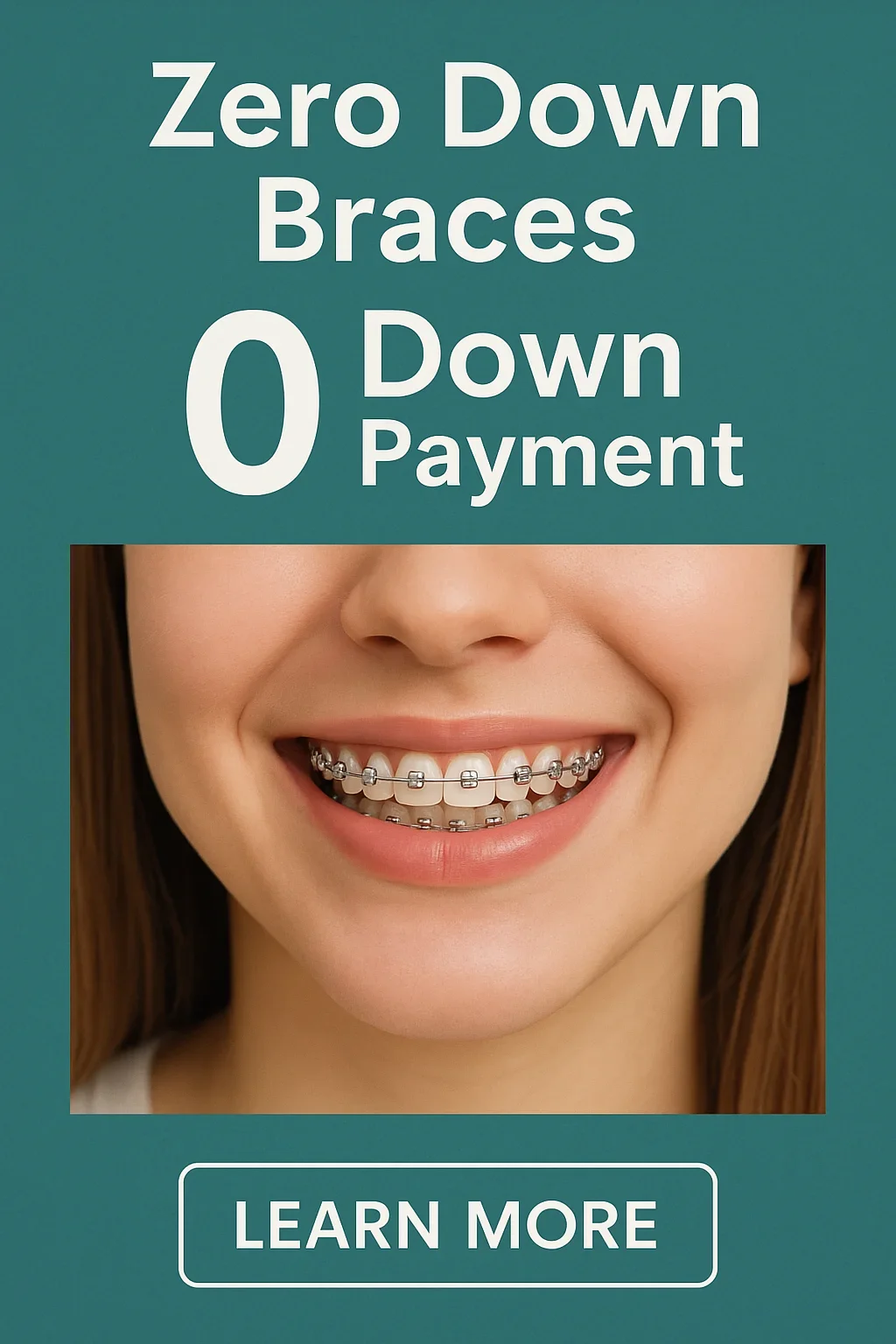
Expert Tips to Maintain Long-Term Results After Zero Down Braces
Completing orthodontic treatment with zero down braces is a major achievement—one that rewards you with a straighter, healthier, and more confident smile. But the end of treatment is not the end of your orthodontic journey. Long-term success depends heavily on how well you care for your teeth afterward. Retainers, oral hygiene, lifestyle habits, and follow-up visits all play crucial roles in preserving the results you worked so hard to achieve.
This comprehensive section provides expert-backed strategies to maintain alignment, protect your investment, and ensure your smile remains beautiful for life. Patients who follow these best practices typically experience lasting results, fewer complications, and a stronger sense of dental confidence. If you need personalized follow-up instructions, feel free to contact the clinic through the Redent Klinik Contact Page.
The Importance of Retainers After Zero Down Braces
Wearing retainers is the single most important factor in maintaining the alignment achieved through zero down braces. After braces are removed, teeth naturally attempt to shift back toward their previous positions—a process known as orthodontic relapse.
Why Retainers Are Essential
- They stabilize the new tooth positions while the bone reforms
- They prevent gaps from reopening
- They maintain bite improvements
- They protect long-term orthodontic investment
Failing to wear retainers consistently is the most common cause of post-treatment relapse, which can undo months or years of progress.
Types of Retainers to Consider
- Clear (Essix) Retainers: Virtually invisible and popular for aesthetics
- Hawley Retainers: Durable acrylic-and-wire retainers
- Fixed (Bonded) Retainers: Permanently attached wires for guaranteed stability
Your orthodontist will recommend the best option for your needs, but clear retainers and bonded retainers are especially popular among patients who completed zero down braces.
Daily Oral Hygiene to Protect Your Results
Maintaining strong oral hygiene habits is essential for preventing cavities, gum disease, and staining—conditions that can undermine the improvements gained from orthodontic treatment.
Brushing Tips
- Brush at least twice a day with fluoride toothpaste
- Use an electric toothbrush for improved plaque removal
- Spend at least two minutes brushing each session
Flossing Tips
- Floss daily using floss threaders or dental ribbon
- Use a water flosser for deeper cleaning
- Pay special attention to areas around the retainer
Staying consistent with oral hygiene is key to extending the positive effects of zero down braces.
Healthy Eating Habits to Support Tooth Stability
Your diet directly affects your teeth and your long-term orthodontic results. After completing treatment, it’s important to maintain a tooth-friendly eating routine that supports strong enamel and gum health.
Foods That Support Good Oral Health
- Calcium-rich foods like yogurt and cheese
- Crunchy vegetables that naturally clean teeth
- Protein-rich foods for gum and bone repair
- Water as your primary beverage
Foods to Minimize
- Sugary drinks
- Sticky candies that cling to enamel
- Highly acidic foods that erode enamel
These habits help ensure that the improvements achieved through zero down braces remain protected for life.
Long-Term Habits for Smile Stability
In addition to daily maintenance, long-term lifestyle habits play an important role in preserving the alignment of your teeth.
Avoid Bad Oral Habits
- Do not chew on ice, pens, or fingernails
- Avoid clenching or grinding your teeth
- Wear a nightguard if you grind your teeth at night
These habits protect the structural integrity of your teeth and prevent unwanted shifting.
Stay Hydrated
Water helps maintain oral pH balance, washes away bacteria, and promotes healthy gums—all essential for maintaining results from zero down braces.
Scheduling Regular Dental and Orthodontic Check-Ups
Even after orthodontic treatment ends, routine check-ups are vital. They allow professionals to monitor your teeth, identify early signs of shifting, and provide advice to keep your smile in optimal condition.
Recommended Follow-Up Schedule
- Every 6 months: Routine dental cleaning and exam
- Yearly: Orthodontic evaluation if needed
- Every 1–2 years: Retainer replacement if worn out
Regular visits ensure long-term stability and reduce the risk of relapse after completing zero down braces.
Addressing Post-Treatment Concerns Early
If you notice shifting teeth, discomfort with retainers, or changes in bite alignment, it is important to address these issues right away. Delayed action can lead to worsening alignment problems that require new orthodontic treatment.
Signs You Should Contact Your Orthodontist
- Your retainer no longer fits properly
- You notice gaps reopening
- Your bite starts feeling uneven
- You experience discomfort or cracking in retainers
Quick intervention prevents relapse and preserves the full benefits of your zero down braces.
The Emotional and Social Benefits of Maintaining Results
A well-maintained smile enhances confidence in personal, social, and professional settings. Many patients who complete zero down braces report feeling more comfortable speaking, laughing, and engaging with others. Preserving these results brings long-term emotional and social benefits.
Confidence-Boosting Habits
- Smile often to strengthen facial muscles
- Maintain good posture to improve smile appearance
- Use whitening products when approved by your dentist
These small habits reinforce the positivity and confidence gained after orthodontic treatment.
Expert Guidance and Final Thoughts
Maintaining your results requires a blend of daily care, long-term planning, and consistent follow-up. For authoritative guidance on dental health, hygiene, and orthodontic standards, you may consult the American Dental Association.
In conclusion, the long-term success of zero down braces depends on your commitment to retainers, hygiene, lifestyle adjustments, and follow-up appointments. With the right habits and ongoing care, you can enjoy your beautiful, aligned smile for decades to come.