
A zirconia bridge is one of the most advanced and reliable dental restorations available today. It is designed to replace one or more missing teeth using a highly durable ceramic material called zirconium dioxide. Unlike traditional metal-based dental bridges, zirconia provides exceptional strength, biocompatibility, and a natural-looking appearance that blends seamlessly with your existing teeth. This makes it a preferred option among both patients and dentists who value long-lasting results and superior aesthetics. 🦷
When a person loses teeth due to decay, trauma, or gum disease, the gap can cause serious issues such as difficulty chewing, bone resorption, and shifting of surrounding teeth. A zirconia bridge addresses these problems by anchoring artificial teeth onto adjacent healthy teeth or implants. Since zirconia is known for its fracture resistance, it ensures that the bridge remains strong even under daily biting and chewing forces. In fact, many studies highlight zirconia’s ability to withstand more pressure compared to porcelain or ceramic alternatives.
Patients often worry about whether a dental restoration will look natural. Fortunately, a zirconia bridge offers excellent translucency and color matching. Unlike metal restorations that may show a dark line near the gums, zirconia reflects light in a way that closely mimics natural tooth enamel. This cosmetic advantage is one of the reasons why zirconia is considered the gold standard in modern restorative dentistry. Whether the bridge is placed in the front teeth (for aesthetics) or in the back teeth (for strength), zirconia provides the perfect balance.
Another important factor is biocompatibility. Because zirconia is a ceramic material, it is less likely to cause allergic reactions compared to metal-based restorations. Patients with sensitivity to nickel or other metals find zirconia bridges a safe and comfortable solution. Additionally, zirconia is resistant to plaque accumulation, which reduces the risk of gum inflammation and secondary dental problems. With proper oral hygiene, this type of bridge can last for more than 15 years, sometimes even a lifetime. 🌟
From a functional perspective, a zirconia bridge restores chewing efficiency and speech clarity. Missing teeth often lead to dietary restrictions, forcing patients to avoid hard or chewy foods. By restoring the full dental arch, zirconia bridges allow individuals to enjoy a healthy and varied diet again. They also help maintain proper facial structure by preventing bone shrinkage, which typically occurs when missing teeth are left untreated.
The process of getting a zirconia bridge usually involves a comprehensive dental examination, tooth preparation, and digital or traditional impressions. Dentists may use CAD/CAM (computer-aided design and computer-aided manufacturing) technology to design a customized bridge that fits precisely. The use of digital scanners eliminates the discomfort of traditional molds, making the experience more patient-friendly. Once fabricated, the zirconia bridge is securely cemented into place, restoring both function and aesthetics immediately.
Cost is another factor patients consider. While zirconia bridges are typically more expensive than porcelain-fused-to-metal options, they offer unmatched longevity and cosmetic benefits. Considering the long-term durability, many patients find them to be a cost-effective solution over time. Prices can vary depending on the country, the number of missing teeth, and whether dental implants are used as support. For accurate pricing and consultation, you can always reach out to our clinic via the Redent Klinik Contact Page.
It’s also worth mentioning that zirconia bridges are widely endorsed by dental associations for their quality and safety. For further professional guidance, patients can refer to the American Dental Association, which provides research and resources on restorative dentistry solutions, including zirconia-based restorations.
In summary, the zirconia bridge is more than just a dental prosthetic—it is a comprehensive solution that restores confidence, improves health, and enhances overall quality of life. Whether you are concerned about durability, aesthetics, or long-term oral health, zirconia offers unmatched advantages. Patients worldwide are increasingly choosing this advanced dental option because it represents the future of restorative dentistry. With its blend of strength, safety, and natural appearance, the zirconia bridge remains one of the best choices for replacing missing teeth today. ✅
What Is a Zirconia Bridge and How Does It Work?
A zirconia bridge is a state-of-the-art dental restoration made from zirconium dioxide, a biocompatible and extremely durable ceramic material. It is primarily used to replace one or more missing teeth, restoring not only the appearance of the smile but also full chewing and speaking function. Unlike traditional bridges that rely on metal frameworks, zirconia bridges are metal-free, offering superior strength, long-term durability, and a highly aesthetic look. This makes them a popular choice in modern dentistry, particularly for patients who want restorations that look and feel like natural teeth. 🦷
Understanding the Structure of a Zirconia Bridge
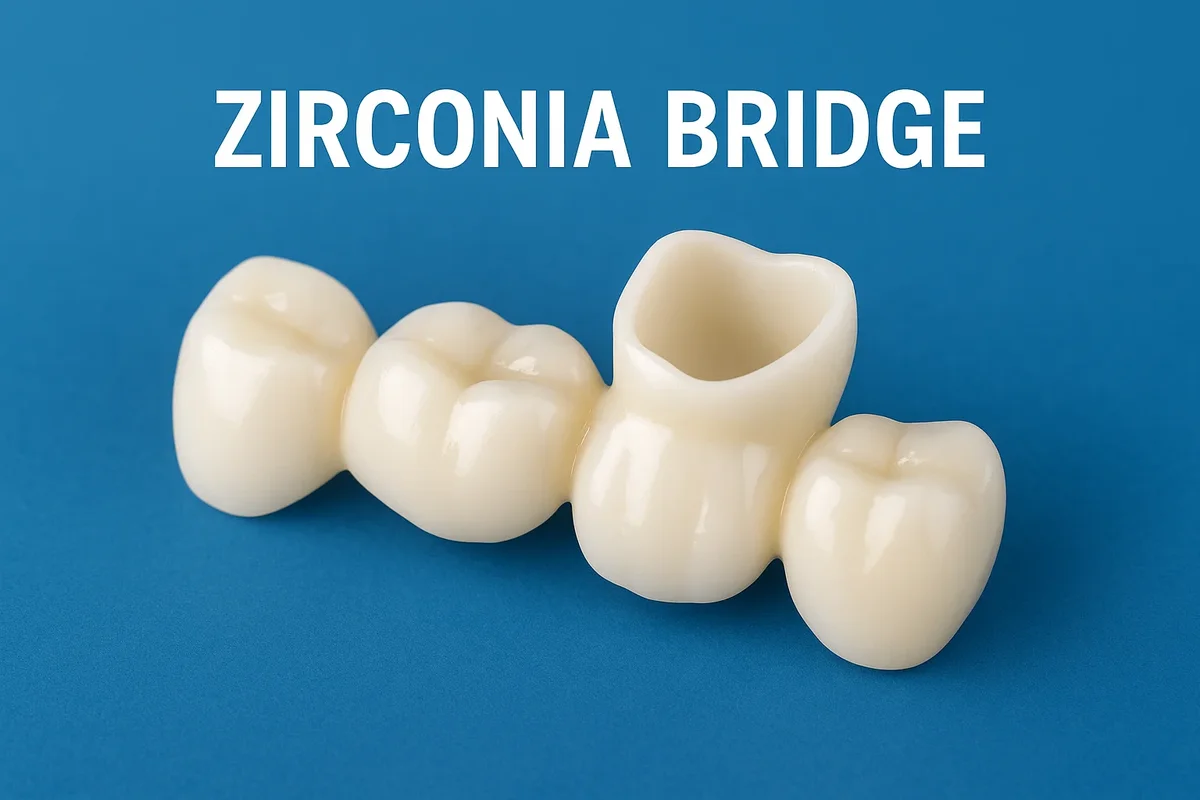
The anatomy of a zirconia bridge consists of three main parts: the abutment teeth, the pontics (artificial teeth that fill the gap), and the zirconia framework. The abutment teeth are the healthy natural teeth (or implants) on either side of the missing tooth gap that serve as anchors. The pontics are crafted from zirconia to mimic natural teeth in shape, size, and color. Since zirconia is highly translucent, it reflects light similar to natural enamel, creating a lifelike effect. In addition, zirconia frameworks can be layered with ceramic to further enhance aesthetics when needed in visible areas such as the front teeth.
Why Zirconia Instead of Metal?
Traditional dental bridges often used porcelain fused to a metal base. While functional, they posed several challenges, including a visible gray line at the gum line, potential allergies, and corrosion over time. A zirconia bridge eliminates these concerns because it is 100% ceramic. This ensures no risk of metal allergies, no unsightly gum-line shadows, and excellent biocompatibility with surrounding tissues. Patients who are conscious about aesthetics or sensitive to metals find zirconia bridges to be the ideal solution.
How a Zirconia Bridge Works in Practice
The functionality of a zirconia bridge lies in its ability to evenly distribute chewing forces across the supporting teeth or implants. The zirconia framework is designed using CAD/CAM (computer-aided design and manufacturing) technology. This digital workflow ensures precision, accuracy, and a perfect fit. Once fabricated, the bridge is bonded onto the abutment teeth or implant posts with strong dental cement. The end result is a restoration that feels natural, allows normal chewing, and supports clear speech.
The Role of CAD/CAM Technology
One of the reasons zirconia bridges have become so reliable is the use of digital dentistry. CAD/CAM technology allows dentists to scan the patient’s mouth using advanced imaging tools. A digital model is then created, enabling exact customization of the zirconia bridge to fit the patient’s bite and jaw alignment. This technology reduces the margin of error seen in traditional impressions and guarantees comfort and function once the bridge is placed. 🌐
Types of Zirconia Bridges
There are several variations of zirconia bridges, each designed for specific patient needs:
- Traditional Zirconia Bridge – Supported by two abutment teeth, ideal for single-tooth gaps.
- Implant-Supported Zirconia Bridge – Anchored to dental implants, often used for multiple missing teeth or full arch replacements.
- Cantilever Zirconia Bridge – Supported by only one abutment tooth, suitable for limited cases where traditional support is not possible.
- Maryland Zirconia Bridge – Uses minimal preparation and small zirconia “wings” bonded to the backs of adjacent teeth, often used for front teeth replacement.
Each type has its advantages, and the choice depends on the patient’s oral health, number of missing teeth, and long-term goals.
Step-by-Step Functionality
To understand how a zirconia bridge truly works, it helps to break down the process into stages:
- Consultation and Diagnosis: The dentist evaluates oral health, bone structure, and gum condition.
- Tooth Preparation: If natural teeth are used as abutments, they are reshaped slightly to fit the bridge.
- Impressions and Scanning: Digital impressions are taken using advanced 3D scanners.
- Fabrication: The zirconia bridge is designed and milled with CAD/CAM precision.
- Trial and Fitting: The bridge is checked for bite accuracy and aesthetics before final placement.
- Cementation: The zirconia bridge is securely bonded, restoring complete dental function.
Benefits of the Working Mechanism
The way a zirconia bridge works provides multiple advantages for patients:
- Distributes chewing forces evenly, protecting surrounding teeth.
- Maintains proper bite alignment and prevents shifting of adjacent teeth.
- Restores full smile aesthetics with natural-looking results.
- Provides long-term stability due to zirconia’s fracture resistance.
- Preserves facial structure by preventing bone resorption in the jaw.
In conclusion, the zirconia bridge is more than just a cosmetic restoration; it is a scientifically engineered solution that restores full dental function while providing unmatched aesthetics. Its working mechanism—anchoring onto abutment teeth or implants, distributing forces evenly, and blending with natural enamel—ensures that patients enjoy both health and confidence. Whether chosen for a single tooth gap or multiple missing teeth, zirconia bridges represent one of the most advanced and effective treatments in modern dentistry. ✅
Zirconia vs Porcelain Bridges: Which Is Better?
When considering dental restorations, many patients find themselves comparing a zirconia bridge with a porcelain bridge. Both materials have been used successfully in dentistry for years, but there are important differences that affect durability, aesthetics, cost, and long-term satisfaction. Understanding these contrasts is essential for making the right choice for your oral health and smile. 🦷
Material Composition and Properties
The foundation of the comparison begins with material science. A zirconia bridge is crafted from zirconium dioxide, a ceramic known for its exceptional strength and biocompatibility. It is resistant to fractures, does not corrode, and mimics the translucency of natural enamel. By contrast, porcelain bridges are usually made of porcelain fused to metal (PFM) or layered over other ceramic bases. While porcelain provides excellent esthetics, the underlying metal can sometimes show through over time, especially near the gum line. This makes zirconia bridges the preferred choice for patients concerned with both strength and appearance.
Strength and Durability
One of the biggest advantages of a zirconia bridge is its high fracture resistance. Zirconia can withstand immense chewing pressure, making it ideal for molars and back teeth where bite forces are strongest. Porcelain bridges, on the other hand, are more fragile and prone to chipping, particularly in patients who grind their teeth (bruxism). For individuals seeking a long-term restoration that lasts more than 15 years with proper care, zirconia generally outperforms porcelain.
Aesthetics and Natural Appearance
When it comes to looks, both zirconia and porcelain bridges offer natural, tooth-like beauty. Porcelain has long been valued for its lifelike translucency and ability to match natural tooth color. However, zirconia bridges have evolved significantly thanks to advances in CAD/CAM and layered ceramics. Today’s zirconia is highly aesthetic, with multi-layered options that closely resemble enamel. Unlike porcelain fused to metal, which may cause a grayish hue at the gum line, zirconia provides a seamless transition and natural brilliance. 🌟
Color Stability Over Time
Another consideration is how the bridge maintains its color over time. Porcelain can stain slightly if exposed to coffee, tea, or tobacco, especially if micro-cracks develop. A zirconia bridge is highly resistant to staining, making it the better long-term option for patients who want a consistently bright smile.
Biocompatibility and Oral Health
For patients with metal sensitivities or allergies, a zirconia bridge is the safer choice. Since zirconia is a biocompatible ceramic, it minimizes irritation and inflammation of the gums. Porcelain bridges fused to metal may sometimes cause sensitivity or allergic reactions due to the metallic framework. Moreover, zirconia surfaces are smoother, reducing plaque accumulation and lowering the risk of gum disease.
Procedure and Technology
The process of fabricating a zirconia bridge typically involves digital impressions and CAD/CAM technology. This ensures a precise fit and a comfortable bite. Porcelain bridges may rely on traditional mold impressions, which can sometimes lead to slight inaccuracies. Modern dentistry increasingly favors zirconia because of its digital workflow, which enhances both accuracy and patient comfort.
Maintenance and Longevity
Maintenance requirements differ slightly between the two. Both bridges require diligent oral hygiene, but zirconia bridges tend to last longer due to their resistance to wear and chipping. Studies suggest zirconia restorations can exceed 15–20 years in service life. Porcelain bridges usually require replacement sooner, particularly if exposed to high bite pressure or grinding habits.
Cost Considerations
The cost of a zirconia bridge is generally higher than that of porcelain, but it reflects the advanced material and longer lifespan. While porcelain bridges may appear more affordable upfront, they may need replacement after a decade, which increases the total cost over a lifetime. Zirconia, though initially more expensive, is often more economical in the long run because of its durability and reduced need for repairs.
Which Option Should You Choose?
Deciding between a zirconia bridge and a porcelain bridge depends on your personal priorities:
- Choose Zirconia if you want maximum strength, stain resistance, natural appearance, and long-term durability.
- Choose Porcelain if budget is the primary concern and the restoration is in a low-stress area like front teeth.
Most dentists today recommend zirconia as the gold standard for dental bridges, especially when function and aesthetics must be balanced. Porcelain bridges remain a viable choice in certain cases, but advancements in zirconia technology have made them superior in most categories.
In conclusion, while both porcelain and zirconia bridges can restore missing teeth effectively, the zirconia bridge stands out as the better long-term investment. Its combination of strength, biocompatibility, color stability, and cutting-edge design makes it the top choice for patients seeking a restoration that looks natural, feels comfortable, and lasts for many years. ✅
Top Benefits of Choosing a Zirconia Bridge for Your Smile
Opting for a zirconia bridge can dramatically improve both the health and appearance of your smile. Beyond simply filling gaps caused by missing teeth, zirconia bridges bring a wide range of functional, cosmetic, and health benefits that make them stand out compared to older dental materials. Thanks to advances in digital dentistry and ceramic technology, zirconia has quickly become the gold standard in restorative treatments. 🌟
Exceptional Strength and Durability
One of the main reasons patients and dentists favor a zirconia bridge is its superior strength. Zirconium dioxide, the core material, is one of the strongest ceramics used in dentistry. This makes it highly resistant to fractures, chips, and cracks, even under the heavy pressure of chewing tough foods. Patients with strong bite forces or habits like teeth grinding can feel more confident knowing that their restoration can withstand daily wear without compromise. In fact, research indicates that zirconia bridges often last 15–20 years or more with proper care.
Resistant to Daily Wear
Unlike traditional porcelain, which may show signs of chipping after years of use, a zirconia bridge is engineered to resist wear. Its dense molecular structure provides exceptional toughness, making it a perfect solution for both front and back teeth restorations.
Natural-Looking Aesthetics
Another key benefit of a zirconia bridge is its ability to mimic natural enamel. Zirconia is slightly translucent, which allows it to reflect light in a way that closely resembles real teeth. Unlike metal-based restorations that may show a dark line at the gum margin, zirconia ensures a seamless blend with surrounding teeth. Patients who want a restoration that enhances their smile without revealing that it is artificial find zirconia to be the best choice.
Color Matching and Stability
Zirconia can be shaded to match the exact color of your natural teeth, ensuring uniformity across your smile. Better still, it resists staining from coffee, tea, and tobacco, meaning the bridge maintains its bright appearance for years. This color stability sets it apart from many porcelain alternatives that can discolor over time.
Biocompatibility and Gum Health
A zirconia bridge is also highly biocompatible, which means it is safe for your body and does not trigger allergic reactions. Patients with sensitivities to metals such as nickel often experience irritation from traditional bridges, but zirconia avoids this risk. Moreover, its smooth surface discourages plaque accumulation, helping maintain gum health and reducing the risk of periodontal disease.
Reduced Inflammation Risk
Because zirconia does not corrode or release ions, the gum tissue around the bridge remains healthy and stable. This ensures a more natural look and a lower likelihood of redness, swelling, or discomfort around the restoration.
Restoration of Functionality
Replacing missing teeth with a zirconia bridge restores normal chewing ability and speech clarity. Many patients with untreated tooth loss struggle to enjoy certain foods or pronounce words correctly. A well-fitted zirconia bridge resolves these issues, providing full function and boosting overall quality of life. 🦷
Preservation of Jawbone and Facial Structure
Missing teeth can lead to jawbone resorption and eventual changes in facial structure, such as sagging cheeks or premature wrinkles. By restoring the bite and distributing chewing forces evenly, a zirconia bridge helps maintain bone stimulation, reducing bone loss and preserving a youthful facial appearance.
Long-Term Cost Effectiveness
While the upfront cost of a zirconia bridge may be higher than porcelain-fused-to-metal bridges, its durability and longevity make it a cost-effective investment. Because it rarely requires replacement or repair, patients often save money over the long term compared to choosing restorations that need frequent maintenance.
Confidence and Quality of Life
Perhaps one of the most underrated benefits of a zirconia bridge is the confidence it provides. Patients who once felt embarrassed by missing teeth often find themselves smiling more freely after treatment. This not only improves social interactions but can also enhance professional opportunities and self-esteem.
In conclusion, the zirconia bridge offers a comprehensive set of benefits, including unmatched strength, lifelike aesthetics, superior gum compatibility, and long-term value. Whether you are replacing one tooth or several, zirconia ensures that your restoration not only looks natural but also lasts for many years. For patients seeking a modern, safe, and beautiful solution to missing teeth, zirconia bridges are truly one of the best options available today. ✅
Step-by-Step Procedure for Getting a Zirconia Bridge
Getting a zirconia bridge is a multi-stage dental procedure that requires careful planning, advanced technology, and skilled execution. Understanding the process helps patients know what to expect and reduces anxiety about treatment. Each step is designed to ensure the bridge fits comfortably, restores full functionality, and looks completely natural. Below, we break down the process from the first consultation to final placement. 🦷
Initial Consultation and Diagnosis
The journey begins with a comprehensive consultation. During this visit, the dentist examines your teeth, gums, and jawbone structure to determine if you are a candidate for a zirconia bridge. Digital X-rays or 3D cone beam CT scans may be taken to assess bone density and detect any hidden issues such as decay, infection, or gum disease. This diagnostic stage is essential because underlying problems must be treated before placing the bridge to ensure long-term success.
Discussion of Treatment Options
After the examination, your dentist explains all suitable restoration options, comparing a zirconia bridge to alternatives like porcelain-fused-to-metal or implants. Patients are encouraged to ask questions about cost, durability, and aesthetics to make an informed decision. If zirconia is selected, the treatment plan is finalized, including the number of units required and whether natural teeth or implants will serve as anchors.
Tooth Preparation
If natural teeth are used as abutments, they must be reshaped slightly to accommodate the bridge. This involves removing a thin layer of enamel so that the zirconia framework can fit securely without appearing bulky. Although this may sound invasive, the procedure is done under local anesthesia to ensure comfort. If implants are used instead of natural teeth, titanium posts will be surgically placed into the jawbone, requiring a healing period before the bridge can be attached.
Temporary Bridge Placement
To protect reshaped teeth and maintain aesthetics while the permanent zirconia bridge is being fabricated, a temporary bridge is placed. This also allows patients to adjust to the feel of the restoration, ensuring that chewing and speaking are not significantly disrupted during the waiting period.
Digital Impressions and CAD/CAM Design
Once the teeth or implants are ready, the dentist takes impressions of the mouth. In modern clinics, this is often done with digital scanners instead of traditional molds, which many patients find uncomfortable. Digital impressions are faster, more accurate, and feed directly into CAD/CAM (computer-aided design and manufacturing) software. This technology allows the dentist and lab technician to design a zirconia bridge that fits with millimeter precision.
Customization of the Bridge
The zirconia bridge is digitally designed to match the patient’s bite, jaw alignment, and natural tooth color. Layered ceramic may be applied to improve translucency for front teeth, while solid zirconia may be chosen for molars to maximize strength. This customization ensures the restoration not only functions correctly but also blends seamlessly with the surrounding teeth.
Fabrication of the Zirconia Bridge
After design approval, the digital file is sent to a milling machine that carves the bridge from a solid block of zirconia. This stage is followed by sintering, a high-temperature process that strengthens the material. Skilled technicians may then apply finishing touches, such as staining and glazing, to give the bridge a lifelike appearance.
Trial Fitting and Adjustments
Before final placement, a trial fitting is performed. The dentist checks the fit, bite alignment, and aesthetics. Adjustments may be made to ensure comfort and accuracy. Patients are encouraged to provide feedback during this stage, especially about how the bridge feels when speaking or chewing.
Checking the Bite
One of the most important steps is checking the occlusion (bite). A poorly aligned bite can cause discomfort, uneven pressure, and damage to the bridge. The dentist uses articulating paper to identify high spots and smooths them out for a perfect fit.
Final Cementation
Once the dentist and patient are satisfied with the fit and appearance, the zirconia bridge is permanently cemented into place using high-strength dental adhesives. The cementation process ensures stability, allowing the bridge to withstand normal chewing forces immediately. Any excess cement is carefully removed to prevent irritation of the gums.
Post-Placement Instructions
After the zirconia bridge is placed, patients receive detailed aftercare instructions. These include proper brushing and flossing techniques, dietary advice, and recommended follow-up visits. Regular checkups are essential to ensure the bridge remains in top condition and the surrounding gums and teeth stay healthy.
Timeline of the Entire Process
The overall timeline for receiving a zirconia bridge can range from 2–4 weeks if natural teeth are used as abutments. If implants are required, the process may extend over several months due to healing time. Regardless of the timeline, the investment in time and effort is rewarded with a durable, beautiful, and functional restoration that can last decades.
In conclusion, the zirconia bridge procedure involves multiple carefully executed steps, from consultation and preparation to digital design, fabrication, and final placement. Each phase is crucial for ensuring long-term success, comfort, and natural aesthetics. Patients who undergo this process benefit from restored function, improved confidence, and a smile that looks and feels natural. ✅
How Much Does a Zirconia Bridge Cost in 2025?
One of the most common questions patients ask before treatment is: “How much does a zirconia bridge cost?” The answer is not always straightforward because prices vary depending on geography, clinic expertise, number of teeth replaced, and whether dental implants are required. Still, understanding the average costs and factors that influence pricing helps patients plan their budget while recognizing the long-term value of investing in zirconia restorations. 💰
Average Price Range for Zirconia Bridges
In 2025, the cost of a zirconia bridge generally falls within the following ranges:
- United States: $2,000 – $5,000 per unit (per tooth replaced within the bridge)
- United Kingdom: £1,200 – £2,500 per unit
- Europe (e.g., Germany, France): €1,000 – €2,000 per unit
- Turkey: $400 – $800 per unit (popular for dental tourism due to lower costs)
- Asia (India, Thailand): $300 – $700 per unit
These prices reflect the variation in dental care costs worldwide. Patients seeking affordable yet high-quality options often travel abroad, especially to Turkey, where clinics offer internationally accredited standards at competitive prices.
Factors That Influence the Cost
The price of a zirconia bridge is not fixed—it depends on several critical factors:
- Number of Units: A bridge replacing one tooth is cheaper than a full-arch zirconia bridge.
- Implant Support: If implants are used as abutments instead of natural teeth, surgical costs add significantly to the total.
- Clinic Location: Dental treatment in the U.S. or Western Europe is more expensive than in Turkey or Asia.
- Technology Used: Clinics with CAD/CAM milling and 3D scanners may charge higher fees, but offer greater precision and comfort.
- Experience of Dentist: Highly skilled prosthodontists or cosmetic dentists may charge premium rates for their expertise.
Material Quality
Not all zirconia is created equal. High-translucency zirconia, often used for front teeth, may cost more than solid zirconia used in back teeth. Patients pay more for materials that deliver both superior strength and aesthetics.
Additional Costs to Consider
While the bridge itself is the primary expense, patients should also consider other associated costs:
- Consultation and diagnostic imaging (X-rays, CT scans)
- Tooth extraction (if necessary)
- Temporary bridge during fabrication
- Surgical fees (if implants are used)
- Post-treatment checkups and adjustments
These add-ons can raise the overall cost by several hundred to several thousand dollars, depending on the complexity of the case.
Insurance Coverage
Most dental insurance plans cover bridges partially, but the level of reimbursement varies. In the U.S., insurance often pays for 40–60% of the cost of a traditional bridge, though patients may need to pay more out of pocket for a zirconia bridge due to its premium nature. Checking with your insurance provider is crucial to avoid unexpected expenses.
Financing Options
Many clinics offer flexible payment plans or financing solutions to help patients afford zirconia bridges. These may include monthly installment payments, third-party healthcare financing, or discounts for upfront payment.
Cost Comparison with Other Materials
It’s also important to compare zirconia with alternative bridge materials:
- Porcelain-fused-to-metal (PFM): $1,000 – $2,500 per unit; cheaper but less aesthetic and shorter lifespan.
- All-ceramic (non-zirconia): $1,500 – $3,000 per unit; aesthetic but not as strong as zirconia.
- Implant crown (per tooth): $3,000 – $6,000; more expensive but replaces teeth without relying on abutments.
While zirconia may have a higher initial price than PFM, it often proves more cost-effective over the long term due to its longevity and reduced maintenance needs.
Is a Zirconia Bridge Worth the Investment?
Considering durability, aesthetics, and patient satisfaction, most dental experts agree that a zirconia bridge is worth the investment. Its resistance to staining, natural appearance, and long lifespan make it a one-time solution that reduces the likelihood of replacement. Patients also benefit from enhanced confidence, better chewing ability, and protection against bone loss and shifting teeth.
For those seeking personalized estimates, booking a consultation with an experienced clinic is essential. Patients can reach out via the Redent Klinik Contact Page to get a detailed cost breakdown tailored to their needs.
In conclusion, the cost of a zirconia bridge in 2025 varies widely depending on location, complexity, and materials used. However, its combination of strength, beauty, and long-term value makes it one of the most reliable investments in dental care. By choosing zirconia, patients gain not only a restored smile but also peace of mind that their restoration will last for many years. ✅
Durability and Lifespan of Zirconia Dental Bridges
One of the most compelling reasons patients choose a zirconia bridge is its remarkable durability. When compared to porcelain-fused-to-metal (PFM) or all-ceramic alternatives, zirconia stands out for its ability to resist fractures, wear, and long-term damage. For individuals who want a solution that not only restores their smile but also lasts for decades, zirconia bridges are among the best options available in modern dentistry. 🦷
Why Zirconia Is Exceptionally Strong
Zirconium dioxide, the core material of a zirconia bridge, is a high-performance ceramic used in fields far beyond dentistry, including aerospace and medical implants. Its dense crystalline structure provides exceptional toughness, ensuring it can withstand the forces of chewing and grinding that occur daily. Unlike porcelain, which is more prone to chipping, zirconia maintains structural integrity even under extreme pressure.
Fracture Resistance
A key factor in the long lifespan of zirconia is its fracture resistance. Research shows that zirconia bridges can endure forces as high as 900–1200 MPa, significantly higher than porcelain or glass-ceramics. This makes zirconia especially suitable for molar restorations where bite forces are strongest.
Lifespan of Zirconia Bridges
The average lifespan of a zirconia bridge is 15–20 years, with many lasting longer when properly maintained. In some documented cases, zirconia restorations have remained functional and aesthetically pleasing for over 25 years. This longevity is one of the reasons why dentists recommend zirconia bridges as a long-term investment rather than a temporary solution.
Comparison With Other Materials
- Zirconia Bridges: 15–25 years with proper care
- Porcelain-Fused-to-Metal Bridges: 10–15 years, prone to chipping and metal exposure
- All-Ceramic Bridges: 8–12 years, less resistant to bite forces
As shown above, zirconia consistently outperforms other materials in terms of service life and resilience.
Resistance to Daily Wear and Tear
Another advantage of a zirconia bridge is its ability to resist daily wear. Unlike softer materials, zirconia does not erode quickly under chewing or grinding. It is also less likely to cause abrasion to opposing natural teeth, particularly when polished to a high degree. This makes it both durable and patient-friendly.
Stain and Color Stability
Longevity is not only about structural strength but also about appearance. A zirconia bridge maintains its color stability over time, resisting stains from coffee, tea, red wine, and tobacco. Patients who value long-lasting whiteness and brightness appreciate this feature, as their restoration continues to look natural even years after placement. 🌟
Factors That Influence Longevity
While zirconia bridges are designed for durability, their lifespan can be affected by several factors:
- Oral Hygiene: Regular brushing, flossing, and professional cleanings are essential.
- Bite Forces: Patients with bruxism (teeth grinding) may need night guards to protect their restoration.
- Diet: Although zirconia is strong, avoiding excessive hard foods like ice or nutshells helps prevent micro-damage.
- Dentist Expertise: Proper design, placement, and cementation significantly impact how long the zirconia bridge lasts.
Role of Gum and Bone Health
The supporting structures of a bridge—gums and jawbone—play a major role in durability. If gum disease or bone loss occurs, the bridge may become unstable regardless of the zirconia’s inherent strength. Regular dental checkups are crucial for early detection and treatment of such issues.
Maintenance for Maximum Lifespan
To ensure that a zirconia bridge lasts its full potential, patients should follow these care guidelines:
- Brush twice daily with fluoride toothpaste.
- Floss carefully around the bridge using special threaders or interdental brushes.
- Attend professional cleanings at least twice a year.
- Wear a protective night guard if prone to grinding.
- Follow a balanced diet that avoids excessive sugary or acidic foods.
Clinical Studies Supporting Longevity
Clinical research supports the long-term success of zirconia bridges. Studies published in prosthodontic journals report survival rates of over 90% after 10 years. Compared to traditional materials, zirconia consistently demonstrates fewer complications such as fractures or debonding. This makes it a preferred material for both dentists and patients seeking reliability.
In conclusion, the zirconia bridge is unmatched in terms of durability and lifespan. With proper oral hygiene, professional care, and lifestyle adjustments, patients can expect their restoration to last for decades while maintaining its strength and natural beauty. For anyone seeking a long-lasting dental solution that balances function and aesthetics, zirconia bridges remain one of the most dependable options available. ✅
Zirconia Bridge Aftercare: Tips for Long-Lasting Results
After investing in a zirconia bridge, proper aftercare is essential to ensure its longevity and protect the health of your teeth and gums. While zirconia is exceptionally durable and resistant to staining, maintaining it requires a combination of good oral hygiene, professional checkups, and lifestyle habits. With the right aftercare routine, patients can enjoy the benefits of their bridge for decades. 🌟
Immediate Aftercare Following Placement
Right after your zirconia bridge is cemented, your dentist will provide instructions tailored to your case. It’s common to experience mild sensitivity or discomfort for the first few days. During this adjustment period, patients are advised to avoid very hard, sticky, or chewy foods to allow the cement to fully set. Following the dentist’s instructions is crucial to prevent complications and ensure the bridge settles properly.
Temporary Sensitivity
Some patients may notice mild sensitivity to hot or cold foods in the days after placement. This is usually temporary and resolves as the teeth and gums adapt. Using a toothpaste formulated for sensitive teeth can help ease discomfort.
Daily Oral Hygiene Practices
Just like natural teeth, a zirconia bridge requires consistent care to remain in excellent condition. Neglecting oral hygiene can lead to gum disease, decay of supporting teeth, or loosening of the bridge.
- Brushing: Brush at least twice daily using a soft-bristled toothbrush and fluoride toothpaste. Pay special attention to the gum line and around the bridge margins.
- Flossing: Traditional floss cannot pass under the pontic (artificial tooth), so floss threaders or super floss are recommended. Interdental brushes can also clean between abutment teeth and under the bridge.
- Mouthwash: Antimicrobial rinses help reduce bacteria and protect the gums surrounding the zirconia bridge.
Special Tools for Cleaning
Patients benefit from using water flossers, which flush out food particles and plaque beneath the bridge. These devices are especially helpful for people with limited dexterity or multiple dental restorations.
Professional Dental Visits
Routine dental visits are vital for the long-term success of a zirconia bridge. Dentists can check the integrity of the cement, examine gums for signs of inflammation, and polish the bridge to maintain its shine. Professional cleanings every six months help prevent tartar buildup, which is difficult to remove with home care alone.
X-Rays and Monitoring
Occasional X-rays may be needed to check the health of the abutment teeth or implants supporting the zirconia bridge. Early detection of issues like decay or bone loss ensures timely treatment and extends the bridge’s lifespan.
Dietary Recommendations
While a zirconia bridge is strong enough to handle normal chewing, certain foods should be approached with caution:
- Avoid biting down on very hard items such as ice cubes, hard candies, or nutshells.
- Limit sticky foods like caramel or chewing gum, which may exert unnecessary pressure on the bridge.
- Maintain a balanced diet rich in calcium, vitamin D, and antioxidants to support gum and bone health.
Patients who follow these dietary guidelines reduce the risk of damaging their bridge while promoting overall oral health.
Managing Bruxism (Teeth Grinding)
Teeth grinding is a common issue that can put excessive strain on dental restorations. Even though zirconia is highly resistant to fracture, chronic grinding can wear down the restoration over time.
Night Guards
Patients who grind their teeth at night should use a custom-made night guard. This simple device cushions the bite, protects the zirconia bridge, and prevents wear on natural teeth as well.
Signs That Require Attention
Although zirconia bridges are very stable, certain symptoms should never be ignored:
- Persistent gum swelling or bleeding near the bridge
- Unusual pain or sensitivity after months of placement
- Movement or looseness of the bridge
- Chips or cracks in the zirconia framework
If any of these occur, patients should schedule a dental visit immediately. Early intervention often prevents more serious complications.
Longevity Through Proper Care
Studies show that zirconia bridges have a survival rate of over 90% after 10 years. However, this high success rate depends largely on patient compliance with aftercare. Those who brush and floss daily, attend regular dental checkups, and protect their teeth from grinding enjoy the longest-lasting results.
In summary, a zirconia bridge offers exceptional durability, but its success relies heavily on proper aftercare. By practicing excellent oral hygiene, attending professional checkups, following dietary recommendations, and addressing habits like grinding, patients can extend the lifespan of their bridge significantly. With the right care, a zirconia bridge not only restores function and aesthetics but also maintains them for decades, ensuring a confident and healthy smile. ✅
Potential Risks and Complications of Zirconia Bridges
Although a zirconia bridge is considered one of the safest and most durable dental restorations available today, no dental treatment is entirely free of risks. Patients should be fully informed of possible complications before undergoing treatment. Understanding these risks allows for realistic expectations, better prevention strategies, and improved long-term outcomes. Below, we explore the most common challenges associated with zirconia bridges, supported by clinical insights and patient experiences. ⚠️
Initial Discomfort and Sensitivity
After placement, it is not unusual for patients to experience mild discomfort or sensitivity in the treated area. This usually subsides within a few days or weeks as the teeth, gums, and bite adjust to the new restoration. Sensitivity to hot and cold foods may occur temporarily due to enamel reduction on the abutment teeth. Dentists often recommend desensitizing toothpaste and avoiding extreme food temperatures until the mouth fully adapts.
Prolonged Sensitivity
In rare cases, prolonged sensitivity may indicate issues such as improper cementation, an ill-fitting bridge, or underlying decay in the abutment teeth. If sensitivity persists, patients should schedule a follow-up visit for evaluation and adjustment.
Gum Irritation and Inflammation
Although zirconia is biocompatible and generally well-tolerated, gum irritation can still occur if the bridge is not properly contoured. A poorly designed margin may trap plaque or food particles, leading to gingival inflammation. Over time, this can contribute to gum disease if not corrected. Professional cleanings and proper at-home oral hygiene significantly reduce this risk.
Allergic Reactions
Unlike metal-based restorations, zirconia rarely triggers allergic responses. However, patients with extremely sensitive oral tissues may occasionally develop irritation. Fortunately, such reactions are very uncommon compared to porcelain-fused-to-metal bridges, making zirconia a safer long-term option.
Bite and Alignment Issues
Proper bite alignment is critical for the long-term success of a zirconia bridge. If the bite is not adjusted correctly, uneven pressure may occur, leading to jaw discomfort, muscle pain, or accelerated wear on the restoration. Dentists carefully check occlusion during fitting, but patients should report any persistent discomfort so adjustments can be made.
Bruxism and Overloading
Patients who grind or clench their teeth (bruxism) place excessive stress on restorations. While zirconia is strong enough to withstand considerable force, chronic grinding can still cause micro-fractures over time. Custom night guards are often recommended for bruxism patients to protect their zirconia bridge from unnecessary strain.
Chipping and Fractures
Though rare, fractures can occur in zirconia bridges, particularly if layered ceramics are used for improved translucency. While monolithic zirconia (solid zirconia without layering) is almost unbreakable, veneered zirconia may experience minor chipping. Fortunately, these chips are often superficial and can be polished or repaired without replacing the entire bridge.
Decay of Supporting Teeth
If natural teeth are used as abutments for the zirconia bridge, they remain vulnerable to decay. Poor oral hygiene can allow plaque to accumulate around the margins, leading to cavities beneath the restoration. This risk emphasizes the importance of meticulous brushing, flossing with threaders, and regular professional checkups.
Cementation Failures
Another potential complication is debonding, where the zirconia bridge becomes loose due to cement failure. This may happen if the underlying tooth structure is inadequate or if biting forces are excessively high. When detected early, the bridge can usually be re-cemented without major problems.
Bone and Gum Recession
Over time, some patients may experience gum or bone recession, especially if periodontal disease develops. This can create gaps beneath the pontic (artificial tooth), affecting both aesthetics and function. Preventive dental care and maintaining healthy gums are essential to minimize this complication.
Cost and Replacement Concerns
Although zirconia bridges last longer than most alternatives, they are not indestructible. If a major fracture or significant gum/bone loss occurs, replacement may be required. Because zirconia is more expensive than porcelain, repair or replacement can be a financial concern for some patients. Nevertheless, the longer lifespan of zirconia typically offsets its higher upfront cost.
How to Minimize Risks
Patients can significantly reduce risks by following these preventive measures:
- Choose a highly experienced dentist with expertise in zirconia restorations.
- Maintain excellent oral hygiene, including flossing under the bridge.
- Attend biannual professional cleanings and checkups.
- Wear a night guard if prone to teeth grinding.
- Avoid chewing excessively hard foods such as ice or nutshells.
In conclusion, while a zirconia bridge is one of the safest and most reliable dental restorations available, patients should be aware of possible complications such as sensitivity, gum irritation, bite issues, or rare fractures. Fortunately, with proper care, regular dental visits, and preventive measures, the likelihood of serious problems is very low. Understanding these risks allows patients to make informed choices and enjoy the benefits of a zirconia bridge for many years. ✅
Expert Insights: Is a Zirconia Bridge Right for You?
When deciding on the best dental restoration, expert opinions play a crucial role. A zirconia bridge has become increasingly popular due to its durability, aesthetics, and biocompatibility, but not every patient is an ideal candidate. Understanding professional recommendations and evaluating your unique dental condition helps determine whether zirconia is the right choice. Below, we gather expert insights from dentists, prosthodontists, and clinical research to provide a comprehensive overview. 🦷
Ideal Candidates for a Zirconia Bridge
According to leading prosthodontists, zirconia bridges are best suited for patients who:
- Have one or more missing teeth requiring replacement.
- Desire a restoration that closely mimics natural enamel in color and translucency.
- Need a strong material that can withstand heavy chewing forces, especially in molar regions.
- Are allergic to or sensitive to metals used in traditional porcelain-fused-to-metal bridges.
- Value long-term investment in a durable, low-maintenance dental solution.
Patients who prioritize strength, beauty, and longevity often find zirconia bridges to be the most suitable restorative choice.
Special Considerations
Patients with gum disease, untreated decay, or severe bone loss may require preliminary treatment before receiving a zirconia bridge. Experts emphasize the importance of stabilizing oral health before moving forward with prosthetic work.
Cases Where Zirconia May Not Be Ideal
Although zirconia is highly versatile, there are instances where it may not be the first recommendation:
- Extensive Bone Loss: If bone volume is insufficient, implants or other surgical interventions may be necessary before a zirconia bridge can be placed.
- Severe Bruxism: While zirconia is very strong, chronic teeth grinding can shorten its lifespan. In these cases, dentists often recommend night guards.
- Budget Limitations: Zirconia bridges are more expensive than traditional options. Patients with limited financial resources may prefer more affordable alternatives.
Expert Opinions on Durability
Dental experts consistently praise the durability of zirconia. A clinical review published in prosthodontic journals highlights survival rates above 90% after 10 years. Unlike porcelain, zirconia is less prone to fractures and provides long-term reliability. This makes it an especially good choice for patients seeking a permanent solution rather than a short-term fix.
Monolithic vs. Layered Zirconia
Experts note that monolithic zirconia (solid zirconia without additional ceramic layering) offers the greatest strength, making it ideal for back teeth. Layered zirconia, while slightly less durable, provides superior aesthetics and is commonly used for front teeth. Dentists often recommend a combination depending on the patient’s specific needs.
Aesthetic Considerations
Cosmetic dentists emphasize the natural appearance of a zirconia bridge. Because zirconia reflects light in a way similar to enamel, it blends seamlessly with surrounding teeth. For patients concerned about visible gray lines associated with metal restorations, zirconia is the preferred choice. In addition, modern CAD/CAM design allows for precise shaping and shading to match the patient’s smile perfectly. 🌟
Functional Benefits According to Specialists
Restorative experts highlight how a zirconia bridge restores chewing ability, speech clarity, and bite alignment. Missing teeth can lead to shifting, uneven pressure, and even temporomandibular joint (TMJ) discomfort. By filling the gaps, zirconia bridges improve function and reduce the risk of long-term oral complications.
Impact on Oral Health
Prosthodontists often stress the biocompatibility of zirconia. Because the material is smooth and non-porous, it resists plaque accumulation, supporting healthier gums. This reduces the risk of gum disease compared to metal-based alternatives. For patients with a history of periodontal issues, zirconia is frequently recommended as a safer restoration material.
Patient Lifestyle and Long-Term Outlook
Experts also evaluate patient lifestyle when determining if zirconia is the right option. Patients who maintain excellent oral hygiene, attend regular dental checkups, and follow dietary recommendations are more likely to achieve long-term success with a zirconia bridge. For individuals unwilling to commit to aftercare, even the strongest restoration may fail prematurely.
Consultation With Your Dentist
Ultimately, expert consensus is clear: while zirconia bridges are among the best restorations available, the final decision depends on individual assessment. Dentists perform diagnostic imaging, evaluate bite dynamics, and review patient health history before recommending treatment. Scheduling a consultation with a trusted dental professional is the best way to confirm candidacy.
For detailed information tailored to your needs, patients can connect with specialists via the Redent Klinik Contact Page. Additionally, authoritative resources like the American Dental Association provide further insights into restorative options, including zirconia.
In conclusion, a zirconia bridge is often the right choice for patients who want strength, beauty, and longevity in a single restoration. Experts agree that when placed by skilled professionals and properly maintained, zirconia bridges deliver unmatched performance and patient satisfaction. ✅