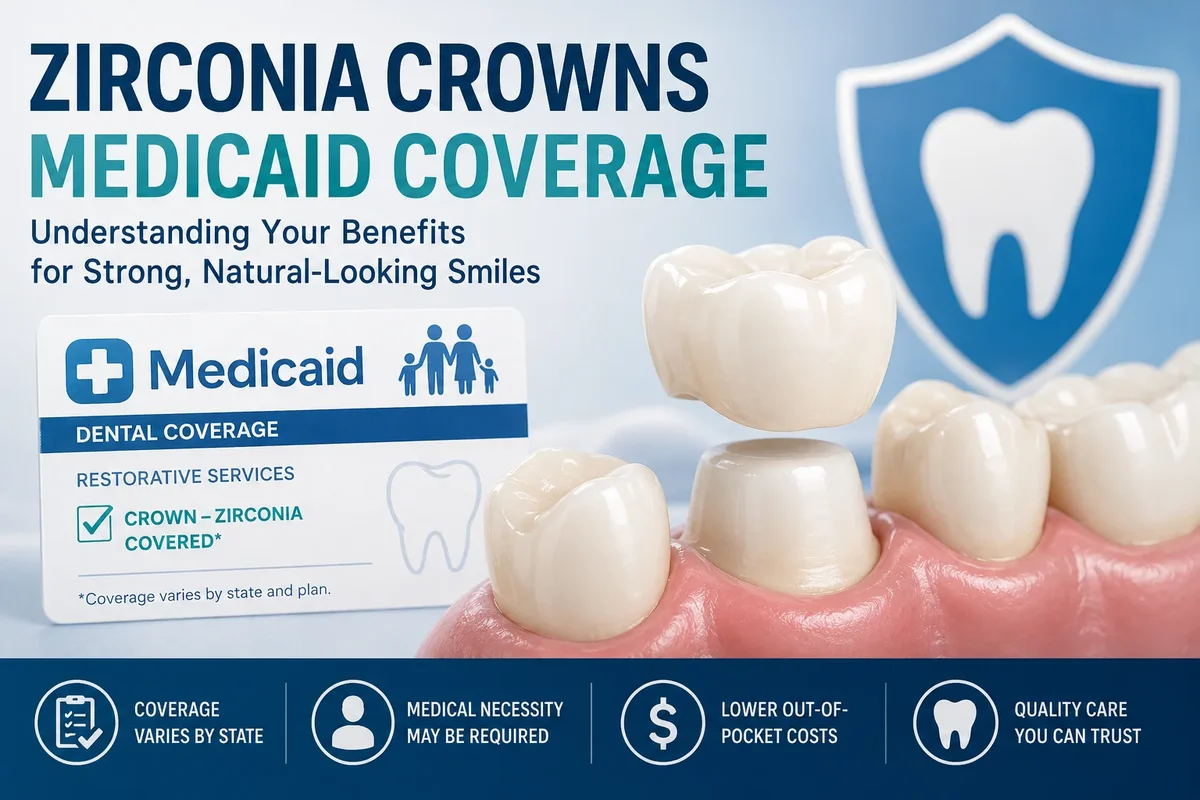
Zirconia Crowns Medicaid Coverage: What You Need to Know Before Treatment

zirconia crowns medicaid coverage

If you are searching for zirconia crowns medicaid coverage, the short answer is that coverage depends on several factors, including your state’s Medicaid program, your age, the reason the crown is needed, and whether the treatment is considered medically necessary rather than purely cosmetic. There is no single nationwide Medicaid rule that guarantees or denies zirconia crowns for every patient. Instead, each state administers its own Medicaid dental benefits within federal guidelines, which means eligibility, covered services, prior authorization requirements, and reimbursement policies can vary significantly. Understanding these differences is the first step toward making an informed treatment decision.

For many patients, the most important question is not simply whether zirconia crowns medicaid coverage exists, but whether their individual dental condition qualifies for assistance. If a tooth has been severely damaged by decay, trauma, or extensive restorative treatment, a dental crown may be recommended to protect the remaining tooth structure. In some cases, Medicaid may contribute toward the cost if the restoration is considered necessary to preserve oral health and function. However, if the primary goal is improving appearance alone, coverage may be limited or unavailable depending on local Medicaid regulations.

Zirconia crowns have become increasingly popular because they combine durability with a natural-looking appearance. Unlike some traditional materials, zirconia offers excellent strength, making it particularly suitable for molars and other teeth exposed to significant chewing forces. Modern zirconia restorations can also provide attractive esthetic results for many front teeth, depending on the specific material selected and the patient’s clinical needs. Even though these advantages make zirconia an appealing option, they do not automatically mean that zirconia crowns medicaid coverage will be approved. Insurance decisions are generally based on medical necessity, documented clinical findings, and applicable state policies rather than on the material alone.

If your dentist recommends a zirconia crown, it is helpful to ask several practical questions before beginning treatment. Ask whether your tooth can reasonably be restored with a filling instead of a crown, whether another crown material would meet your clinical needs, whether prior authorization is required, and what out-of-pocket expenses might remain after insurance. These questions allow you to understand both your treatment options and the financial implications before making a decision. Remember that treatment planning should always balance long-term oral health, expected durability, esthetic preferences, and affordability.

Another important point about zirconia crowns medicaid coverage is that documentation often plays a significant role. Dentists may need to provide radiographs, clinical photographs, periodontal evaluations, or written explanations describing why a crown is necessary instead of a less extensive restoration. In many situations, thorough documentation increases the likelihood that the Medicaid administrator can accurately evaluate the request according to program guidelines. While documentation supports the review process, it does not guarantee approval because each case is evaluated individually.

Patients sometimes delay treatment because they are uncertain about insurance benefits. While financial concerns are understandable, postponing necessary restorative care may allow tooth damage to worsen over time. A cracked or weakened tooth can become more difficult to restore if additional fractures, decay, or infection develop. Early professional evaluation helps determine whether conservative treatment is still possible or whether more comprehensive care may eventually become necessary. This is one reason why understanding zirconia crowns medicaid coverage early in the decision-making process can be beneficial.

It is also important to recognize that every patient has unique oral health needs. Age, bite forces, existing restorations, gum health, oral hygiene habits, and medical history all influence whether zirconia represents an appropriate restorative material. A treatment recommendation should never be based solely on insurance coverage. Instead, the ideal approach is to determine the most suitable clinical option first and then review available insurance benefits, payment options, or phased treatment plans that fit your circumstances.

If you are considering treatment outside your local area, obtaining a comprehensive consultation can help clarify available options. Clinics experienced in restorative dentistry, including Redent Klinik Contact Page, can explain different crown materials, discuss individualized treatment planning, and help you understand the information you may need before making financial decisions. This type of consultation is intended to provide personalized guidance rather than guarantee a specific treatment outcome or insurance approval.

Reliable information is equally important when researching dental treatment online. Professional organizations such as the American Dental Association provide educational resources about restorative dentistry, oral health, and the role of dental professionals. Combining trusted educational resources with an examination by a qualified dentist gives you a much clearer understanding of your available options than relying solely on general internet information.

Ultimately, zirconia crowns medicaid coverage should be viewed as one part of a broader treatment decision rather than the only deciding factor. The right choice depends on your oral condition, long-term goals, insurance benefits, and your dentist’s clinical assessment. Even if Medicaid does not fully cover a zirconia crown in your particular situation, there may be alternative materials, phased treatment approaches, or financing options worth discussing. Every treatment plan should be individualized according to your specific needs instead of assuming that one solution fits every patient.

Practical next step: Schedule a dental examination if you have been advised to receive a crown or are experiencing tooth damage. Ask your dentist to evaluate whether a zirconia crown is clinically appropriate, whether zirconia crowns medicaid coverage may apply in your state, whether prior authorization is needed, and what treatment alternatives are available before making your final decision.

Cost Factors That Influence Zirconia Crowns Medicaid Coverage

Understanding the financial side of zirconia crowns medicaid coverage is just as important as understanding the clinical treatment itself. Many people begin their research with a simple question: “Will Medicaid pay for my zirconia crown?” While that is a reasonable starting point, the better question is, “What factors determine whether my treatment may receive coverage, and what costs could still remain?” The answer depends on multiple variables rather than one fixed rule. Medicaid dental benefits differ from state to state, and every patient’s oral health needs are unique. Before deciding on treatment, it is helpful to understand how these factors work together so you can prepare realistic expectations and make an informed decision.

Why There Is No Single Cost for Zirconia Crowns

One of the biggest misconceptions about zirconia crowns medicaid coverage is that there is a universal price or universal reimbursement amount. In reality, dentists develop treatment plans based on clinical findings, while Medicaid programs determine eligibility according to state-specific regulations. The total cost of treatment may vary because of the complexity of the restoration, laboratory fees, diagnostic imaging, additional restorative procedures, and the overall condition of the affected tooth.

For example, a tooth with a relatively straightforward fracture may require fewer preparatory procedures than a tooth that has extensive decay, previous restorations, or structural damage. Although both patients may ultimately receive zirconia crowns, the amount of work involved can differ considerably. This is one reason why discussions about zirconia crowns medicaid coverage should always include a professional examination instead of relying on general online estimates.

Medical Necessity Often Matters More Than Material Choice

Many Medicaid programs evaluate whether a crown is medically necessary rather than focusing exclusively on the crown material. Even though zirconia is recognized as a durable restorative material, approval decisions may depend on whether the tooth can reasonably be restored with a simpler or less expensive treatment. If a filling, onlay, or another restoration is considered clinically sufficient, Medicaid may not approve a zirconia crown.

This means that zirconia crowns medicaid coverage is often influenced by documentation explaining why alternative treatments would not provide predictable long-term results. Dentists may document structural loss, fractures, failed restorations, extensive decay, or functional concerns that support the recommendation for a full-coverage restoration.

Additional Procedures Can Affect Overall Treatment Planning

A zirconia crown is not always the only procedure involved in restoring a tooth. Some patients require root canal treatment before crown placement, while others may need core build-ups, periodontal care, removal of old restorations, or bite adjustments. These procedures may each have separate insurance considerations.

As a result, evaluating zirconia crowns medicaid coverage requires looking at the complete treatment plan rather than focusing only on the crown itself. Understanding every recommended procedure helps patients avoid unexpected questions during treatment planning and allows them to discuss alternatives if necessary.

Questions Worth Asking During Your Consultation

  • Is a zirconia crown the most appropriate restoration for my tooth?
  • Can the tooth be restored with a less extensive treatment?
  • Does my Medicaid plan require prior authorization?
  • Will additional procedures be necessary before the crown?
  • Are there alternative restorative materials that may also meet my clinical needs?
  • What expenses might remain my responsibility after insurance is reviewed?

These questions help patients understand how zirconia crowns medicaid coverage fits into the overall treatment process rather than viewing insurance as a simple yes-or-no answer.

State Medicaid Programs May Have Different Rules

Another important consideration is that Medicaid dental benefits are administered by individual states. Adult dental benefits may vary considerably between programs. Some states provide comprehensive restorative coverage, while others offer more limited services or prioritize emergency treatment. Because of these differences, two patients with nearly identical dental conditions may receive different benefit determinations depending on where they live.

This variability explains why online discussions about zirconia crowns medicaid coverage often appear contradictory. Someone else’s experience may not accurately predict your own eligibility. The most reliable information comes from reviewing your specific Medicaid plan together with your dental provider.

Long-Term Value Should Also Be Considered

While insurance is an important factor, treatment decisions should also consider long-term oral health. Zirconia crowns are frequently selected because of their strength, resistance to wear, and ability to protect weakened teeth under heavy chewing forces. Choosing the most appropriate restoration may help preserve tooth structure when clinically indicated.

However, the ideal material is not always identical for every patient. Depending on esthetic priorities, bite forces, tooth position, and neighboring teeth, another crown material may sometimes represent an equally reasonable choice. When evaluating zirconia crowns medicaid coverage, discussing these clinical considerations with your dentist helps ensure that financial decisions do not outweigh sound treatment planning.

Planning Ahead Can Reduce Financial Surprises

Patients often feel more confident when they fully understand the proposed treatment before scheduling procedures. Asking for a written treatment plan, estimated insurance review, and explanation of possible alternatives allows you to compare options carefully. While no provider can promise Medicaid approval or predict final reimbursement in every situation, transparent communication can make the planning process much easier.

If you are considering treatment at an experienced restorative clinic, professionals such as those at Redent Klinik Contact Page can explain different restorative options, discuss individualized treatment planning, and help you understand what information may be needed before moving forward. Educational resources from the American Dental Association can also help you better understand crown treatment and oral health before your appointment.

Ultimately, zirconia crowns medicaid coverage should never be viewed only as a financial question. The best decision combines clinical necessity, expected durability, oral health goals, available insurance benefits, and realistic treatment planning. Taking the time to understand these factors helps you make a more confident decision while reducing uncertainty throughout the restorative process.

What to check next: Before committing to treatment, ask your dentist whether a zirconia crown is clinically appropriate, request a review of your Medicaid benefits and any required prior authorization, and seek professional advice if you are unsure whether alternative restorative materials or treatment approaches may better fit your oral health needs and budget.

Who May Qualify for Zirconia Crowns Medicaid Coverage?

One of the most common questions patients ask after learning about restorative dentistry is whether they personally qualify for zirconia crowns medicaid coverage. The answer is rarely a simple yes or no because eligibility depends on several medical, administrative, and state-specific factors. Rather than focusing only on whether Medicaid pays for zirconia crowns, it is more helpful to understand the circumstances that may influence approval. Knowing these factors allows you to prepare for your dental consultation, gather the necessary documentation, and make informed decisions about your treatment plan.

It is important to remember that Medicaid dental benefits are administered by individual states. While federal guidelines establish the overall Medicaid program, each state determines many aspects of adult dental coverage. As a result, two people with similar dental conditions may receive different benefit decisions depending on where they live and the specific Medicaid plan they are enrolled in. This is why researching zirconia crowns medicaid coverage should always include reviewing your own state’s benefits instead of relying solely on another person’s experience.

Medical Necessity Is Often the Primary Qualification Factor

For many Medicaid programs, the most significant factor affecting zirconia crowns medicaid coverage is whether the treatment is considered medically necessary. In general, medically necessary dental care focuses on restoring function, reducing pain, preventing further deterioration, or preserving the health of the tooth whenever possible.

For example, a dentist may recommend a zirconia crown when a tooth has:

  • Extensive structural damage caused by decay.
  • A large existing filling that weakens the remaining tooth.
  • A fracture that compromises normal chewing.
  • Recently completed root canal treatment requiring additional protection.
  • Significant wear that threatens long-term tooth stability.

Although these situations may support the recommendation for a crown, they do not automatically mean that zirconia crowns medicaid coverage will be approved. Medicaid administrators generally review clinical documentation before determining eligibility according to program guidelines.

Age May Influence Available Benefits

Eligibility for zirconia crowns medicaid coverage may differ depending on whether the patient is a child or an adult. Pediatric Medicaid dental benefits are generally broader because federal law requires comprehensive dental services for eligible children through the Early and Periodic Screening, Diagnostic, and Treatment (EPSDT) benefit.

Adult dental benefits, however, vary considerably from one state to another. Some Medicaid programs offer comprehensive restorative care, while others provide only limited dental services or emergency treatment. Because of these differences, adults should review their individual plan carefully before assuming that every restorative procedure is covered.

The Condition of the Tooth Matters

A dentist evaluates much more than the visible appearance of a tooth when determining whether a zirconia crown is appropriate. Clinical examination, radiographs, bite analysis, and overall oral health all contribute to treatment planning.

When discussing zirconia crowns medicaid coverage, the following questions are commonly considered:

  • Can the tooth still be restored successfully?
  • Would a filling provide sufficient long-term protection?
  • Has the tooth lost too much structure?
  • Is there enough healthy tooth remaining to support a crown?
  • Will restoring the tooth improve chewing function?

These clinical considerations help determine whether a crown is appropriate regardless of insurance coverage. The insurance review typically follows the clinical recommendation rather than determining the treatment itself.

Prior Authorization May Be Required

Many Medicaid programs require prior authorization before certain restorative procedures are performed. During this process, the dental provider submits supporting information that may include diagnostic images, clinical notes, periodontal findings, and an explanation describing why a zirconia crown is recommended.

This administrative review is an important part of evaluating zirconia crowns medicaid coverage. Although thorough documentation helps reviewers understand your clinical situation, it does not guarantee approval because each request is evaluated according to the applicable Medicaid rules.

Documents That May Support the Review Process

  • Dental X-rays.
  • Clinical photographs when appropriate.
  • Treatment history.
  • Documentation of fractures or extensive decay.
  • Descriptions of failed existing restorations.
  • Explanation of why a crown is preferred over alternative treatments.

Personal Oral Health Also Influences Treatment Planning

Even when zirconia crowns medicaid coverage appears possible, dentists also consider factors that affect long-term treatment success. These may include oral hygiene habits, gum health, bite alignment, grinding or clenching, smoking status, and existing restorations. Addressing these issues before placing a permanent crown may improve the longevity of the restoration and reduce future complications.

Patients sometimes focus entirely on insurance approval without considering whether additional preventive or restorative care should be completed first. Treating gum disease, improving plaque control, or stabilizing bite forces may be important steps before placing a definitive restoration.

Discuss All Suitable Treatment Options

Although zirconia is an excellent restorative material for many situations, it is not automatically the best solution for every patient. Depending on tooth location, esthetic goals, chewing forces, and available tooth structure, your dentist may recommend another crown material or a different restorative option.

When reviewing zirconia crowns medicaid coverage, ask your dentist to explain why zirconia has been recommended, whether alternative materials could achieve similar clinical outcomes, and how each option may affect durability, appearance, maintenance, and insurance considerations. Understanding these comparisons helps you make a balanced decision based on both clinical needs and financial planning.

Preparing for Your Consultation

A productive consultation involves more than confirming insurance eligibility. Bring your Medicaid information, discuss any symptoms you are experiencing, mention previous dental treatment, and ask about the expected sequence of care. If you are exploring restorative treatment options, experienced providers such as Redent Klinik Contact Page can explain individualized treatment plans, discuss suitable restorative materials, and help you understand what information may be needed before insurance review. You can also find general educational information about restorative dentistry through the American Dental Association.

Ultimately, zirconia crowns medicaid coverage depends on much more than simply choosing a particular crown material. Eligibility is typically influenced by medical necessity, the condition of the tooth, state Medicaid policies, supporting documentation, and individualized treatment planning. By understanding these factors before beginning treatment, you can have a more informed discussion with your dental provider and make decisions that support both your oral health and your financial circumstances.

What to check next: Ask your dentist whether your tooth meets the clinical criteria for a crown, whether prior authorization is required for zirconia crowns medicaid coverage, whether alternative restorative materials are appropriate, and when additional professional evaluation may be beneficial before finalizing your treatment plan.

How the Treatment Process Affects Zirconia Crowns Medicaid Coverage

Many patients assume that insurance approval depends only on the final restoration, but the entire treatment process can influence zirconia crowns medicaid coverage. From the first examination to the placement of the permanent crown, every stage provides information that helps determine whether treatment is clinically appropriate and whether Medicaid may contribute toward the cost under your state’s rules. Understanding this process allows you to prepare realistic expectations, ask better questions during your appointment, and avoid unnecessary delays.

Although every patient receives an individualized treatment plan, the overall process generally follows the same sequence: diagnosis, treatment planning, insurance review when required, tooth preparation, temporary restoration, fabrication of the permanent zirconia crown, and final placement. Each of these stages can affect both the clinical recommendation and the administrative review associated with zirconia crowns medicaid coverage.

The Initial Examination Is the Foundation of the Treatment Plan

The first appointment is much more than a quick inspection of the affected tooth. Your dentist evaluates your overall oral health, existing restorations, gum condition, bite alignment, and the amount of healthy tooth structure that remains. Digital radiographs, photographs, and clinical testing may also be performed to understand the condition of the tooth below the surface.

This evaluation determines whether a zirconia crown is the most suitable restoration or whether another treatment could preserve the tooth successfully. In many situations, this decision directly influences zirconia crowns medicaid coverage, because Medicaid programs often review whether the recommended treatment is medically necessary rather than simply preferred.

Creating an Individualized Treatment Plan

After gathering clinical information, the dentist develops a treatment plan based on your individual needs. The recommendation may include only a zirconia crown, or it may involve additional procedures before the crown can safely be placed. For example, extensive decay may require removal of damaged tooth structure, while a weakened tooth may need a core build-up before crown preparation.

Some patients also require root canal treatment before receiving a permanent restoration. In these situations, the complete treatment sequence—not just the crown itself—may influence discussions regarding zirconia crowns medicaid coverage. Reviewing the entire plan helps patients understand both the clinical objectives and the financial considerations before treatment begins.

Common Procedures That May Be Part of the Treatment Process

  • Comprehensive dental examination.
  • Diagnostic X-rays or digital imaging.
  • Removal of decay or defective restorations.
  • Core build-up when additional support is required.
  • Root canal treatment if indicated.
  • Tooth preparation for the crown.
  • Temporary crown placement.
  • Delivery and adjustment of the final zirconia crown.

Each patient’s treatment sequence is different, which is why no online article can accurately predict whether zirconia crowns medicaid coverage will apply in every situation.

Prior Authorization May Occur Before Treatment

Depending on your Medicaid plan, your dental provider may need to submit documentation before beginning certain restorative procedures. This process is commonly called prior authorization or pre-treatment review. During this stage, the dentist may provide radiographs, clinical notes, photographs when appropriate, and an explanation of why a zirconia crown has been recommended instead of another restorative option.

Patients sometimes worry that prior authorization automatically guarantees approval. In reality, the review simply allows the Medicaid administrator to evaluate the request according to applicable program rules. While complete documentation supports the evaluation process, zirconia crowns medicaid coverage ultimately depends on the specific eligibility criteria of the patient’s Medicaid program.

Tooth Preparation and Temporary Protection

Once treatment is approved or the patient decides to proceed, the tooth is carefully prepared for the crown. The dentist removes damaged or weakened tooth structure while preserving as much healthy tissue as possible. Precise shaping allows the zirconia crown to fit securely and function properly.

Digital impressions or conventional impressions are then used to fabricate the final restoration. During the laboratory phase, a temporary crown is commonly placed to protect the prepared tooth. Although patients often focus only on the permanent restoration, these intermediate steps are essential for achieving a predictable clinical result.

Understanding this process also helps patients appreciate why zirconia crowns medicaid coverage involves more than simply paying for a finished crown. The overall restorative procedure includes multiple professional services that contribute to the final outcome.

Placement of the Final Zirconia Crown

When the permanent zirconia crown is ready, the dentist checks its fit, contacts with neighboring teeth, bite alignment, color, and overall function before final cementation. Small adjustments may be made to improve comfort and chewing efficiency.

After placement, patients receive instructions about oral hygiene, dietary considerations during the initial period, and the importance of regular dental examinations. Even the highest-quality restoration benefits from consistent home care and routine professional maintenance.

Why Communication Throughout Treatment Matters

Open communication between the patient and the dental team can make the entire restorative process smoother. If you have questions about insurance, expected appointments, treatment alternatives, or long-term maintenance, ask them before treatment begins rather than after procedures have started.

If you are considering comprehensive restorative care, experienced providers such as those available through the Redent Klinik Contact Page can explain each stage of treatment, discuss suitable restorative materials, and help you understand how individualized planning supports better decision-making. For additional educational information about restorative dentistry and oral health, the American Dental Association provides reliable patient resources.

Making an Informed Decision Before Treatment Begins

Choosing restorative treatment should never depend solely on insurance eligibility. While zirconia crowns medicaid coverage is an important financial consideration, the long-term health of the tooth, expected function, durability of the restoration, and your overall oral condition should remain central to the decision-making process.

A thoughtful discussion with your dentist allows you to compare treatment options, understand possible insurance requirements, and evaluate whether zirconia is the most appropriate material for your specific clinical situation. Taking time to understand each stage of the process often reduces uncertainty and helps patients feel more confident before beginning treatment.

What to check next: Before scheduling treatment, confirm whether prior authorization is required for zirconia crowns medicaid coverage, ask your dentist to explain every step of your treatment plan, discuss any additional procedures that may be needed, and request professional advice if you are uncertain whether zirconia or another restorative option is the most suitable choice for your long-term oral health.

Risks, Limitations, and Important Considerations Before Choosing Zirconia Crowns

Choosing a dental crown involves more than comparing materials or checking insurance eligibility. While many patients researching zirconia crowns medicaid coverage understandably focus on whether Medicaid may contribute to treatment costs, it is equally important to understand the potential risks, limitations, and long-term considerations associated with zirconia crowns. Making an informed decision means balancing oral health needs, expected durability, aesthetics, maintenance requirements, and insurance factors rather than relying on a single consideration. A careful discussion with your dentist helps determine whether zirconia is the most appropriate restoration for your specific situation.

Zirconia crowns are widely recognized for their strength, resistance to fracture, and ability to restore damaged teeth. They have become a popular option for many posterior teeth because they tolerate significant chewing forces. Advances in dental materials have also improved the appearance of modern zirconia, making it suitable for many visible teeth as well. However, no restorative material is ideal for every patient, and understanding both the advantages and the limitations is an important part of evaluating zirconia crowns medicaid coverage.

Strength Does Not Eliminate the Need for Proper Diagnosis

One common misconception is that choosing the strongest available crown automatically guarantees the best outcome. In reality, successful treatment depends first on an accurate diagnosis. A zirconia crown cannot correct untreated gum disease, active tooth decay, bite problems, or inadequate oral hygiene. These underlying conditions often need to be addressed before a permanent restoration is placed.

When discussing zirconia crowns medicaid coverage, remember that insurance eligibility does not determine whether a zirconia crown is clinically appropriate. The dentist’s responsibility is to evaluate the health of the entire tooth and surrounding tissues before recommending any restorative treatment.

Potential Risks to Discuss Before Treatment

Although zirconia crowns have an excellent reputation for durability, every dental procedure involves potential risks. Understanding these possibilities allows patients to make realistic decisions and recognize when follow-up care may be necessary.

Possible Clinical Considerations

  • Temporary tooth sensitivity after preparation.
  • Need for bite adjustments following crown placement.
  • Wear of opposing teeth in certain bite situations if adjustments are not ideal.
  • Risk of crown loosening or debonding over time.
  • Possible complications if oral hygiene is not maintained.
  • Need for replacement after many years due to normal wear or changes in surrounding teeth.

Most of these situations are manageable when identified early through regular dental examinations. They should not discourage appropriate treatment but instead highlight the importance of ongoing professional care after receiving a crown.

Insurance Approval Does Not Replace Clinical Judgment

Patients sometimes assume that if zirconia crowns medicaid coverage is approved, the recommended treatment must automatically be the only appropriate option. The opposite assumption can also occur, where patients believe that denial of coverage means the treatment is unnecessary. Neither conclusion is always correct.

Insurance programs evaluate claims according to benefit rules, while dentists evaluate patients according to clinical findings. These are related but separate processes. Even when Medicaid does not contribute toward a zirconia crown, your dentist may still recommend that restoration because it represents the most suitable long-term option for preserving the tooth. Likewise, if coverage is available, it remains important to discuss alternative materials, expected longevity, and maintenance requirements before making a final decision.

Suitability Depends on the Individual Patient

The ideal crown material depends on numerous patient-specific factors. During treatment planning, dentists consider the position of the tooth, the amount of remaining tooth structure, bite forces, aesthetic expectations, history of grinding or clenching, gum health, and previous dental restorations.

For example, patients with heavy nighttime grinding may require additional protection, such as a custom night guard, regardless of whether they receive zirconia crowns medicaid coverage. Similarly, individuals with advanced gum disease may benefit from periodontal treatment before receiving a permanent crown. These personalized considerations often influence long-term treatment success more than the restorative material alone.

Maintenance Is Essential After Crown Placement

Receiving a zirconia crown does not eliminate the need for preventive dental care. Although zirconia itself is highly resistant to decay, the natural tooth underneath and around the crown margins remains susceptible to dental disease if plaque accumulates. Brushing twice daily, cleaning between the teeth, attending routine dental examinations, and following your dentist’s maintenance recommendations remain essential.

Patients evaluating zirconia crowns medicaid coverage should also understand that maintaining good oral hygiene may help preserve both the restoration and the surrounding teeth for many years. Neglecting routine care can increase the likelihood of future complications that may require additional treatment.

Alternative Restorative Options May Be Worth Discussing

Zirconia is only one of several crown materials available in restorative dentistry. Depending on your clinical situation, your dentist may also discuss porcelain-fused-to-metal crowns, all-ceramic crowns, gold-based restorations, or other appropriate options. Each material has different advantages regarding appearance, durability, preparation requirements, and cost considerations.

When considering zirconia crowns medicaid coverage, ask why zirconia has been recommended instead of another material. Understanding the clinical reasoning behind the recommendation often provides greater confidence than focusing solely on insurance eligibility.

Making a Balanced Treatment Decision

A thoughtful treatment decision combines several factors: your oral health, functional needs, long-term expectations, insurance benefits, and personal preferences. Rather than asking only whether Medicaid may contribute toward treatment, ask whether the recommended restoration represents the most appropriate solution for protecting your tooth over time.

If you would like a personalized evaluation of restorative options, experienced dental professionals such as those available through the Redent Klinik Contact Page can explain different crown materials, review individualized treatment plans, and answer questions about restorative care. For additional educational information about crowns and oral health, the American Dental Association provides reliable patient resources that complement advice from your treating dentist.

Ultimately, zirconia crowns medicaid coverage should be viewed as one part of a comprehensive treatment discussion rather than the only deciding factor. A durable restoration begins with an accurate diagnosis, individualized planning, appropriate material selection, and long-term preventive care. Taking the time to understand potential risks and realistic expectations helps you make a confident, well-informed decision that supports your oral health.

What to check next: Before proceeding with treatment, ask your dentist whether zirconia is the most suitable material for your tooth, discuss any factors that could affect long-term success, confirm how zirconia crowns medicaid coverage applies to your specific Medicaid plan, and request professional advice whenever you are uncertain about treatment alternatives, expected maintenance, or the overall restorative approach.

Alternatives to Zirconia Crowns When Medicaid Coverage Is Limited

Not every patient who researches zirconia crowns medicaid coverage will discover that their Medicaid plan includes the same restorative benefits. In some states, coverage for adult dental services may be comprehensive, while in others it may be more limited or restricted to certain medically necessary procedures. If your Medicaid benefits do not fully support a zirconia crown, it does not necessarily mean that treatment is no longer possible. Instead, it creates an opportunity to discuss other clinically appropriate restorative options with your dentist. The goal should always be to preserve oral health while choosing a treatment that fits both your clinical needs and your financial circumstances.

Before selecting an alternative, remember that insurance should never be the only factor influencing your decision. The location of the tooth, the amount of remaining tooth structure, your bite, aesthetic expectations, oral hygiene habits, and long-term prognosis all contribute to determining which restoration is most appropriate. Understanding these factors helps you make a balanced decision rather than focusing only on zirconia crowns medicaid coverage.

When a Dental Filling May Be an Appropriate Option

If the tooth has only a small or moderate amount of damage, your dentist may determine that a direct filling remains a predictable solution. Composite resin fillings preserve more natural tooth structure than crowns because less healthy enamel typically needs to be removed during preparation.

However, fillings are not suitable for every situation. Teeth with extensive structural loss, large existing restorations, fractures, or heavy chewing forces may no longer have enough remaining strength for a filling alone. This is why treatment recommendations are based on clinical examination rather than insurance benefits.

Patients researching zirconia crowns medicaid coverage should ask whether a filling can reasonably provide long-term stability or whether a crown offers better protection for the affected tooth.

Other Crown Materials Worth Discussing

If zirconia is not covered under your Medicaid plan, another crown material may still provide an effective restoration depending on your individual needs. Modern restorative dentistry offers several materials, each with unique characteristics regarding strength, appearance, longevity, and tooth preparation.

Common Crown Material Alternatives

  • Porcelain-fused-to-metal (PFM) crowns.
  • All-ceramic crowns.
  • Full metal crowns for selected posterior teeth.
  • Hybrid ceramic restorative materials where clinically appropriate.

Each material has advantages and limitations. Some emphasize durability, while others prioritize aesthetics or conservation of tooth structure. Discussing these options with your dentist helps you understand whether an alternative restoration may satisfy both your clinical requirements and the financial realities associated with zirconia crowns medicaid coverage.

When an Onlay May Preserve More Tooth Structure

In certain situations, an onlay can restore a damaged tooth without requiring complete crown coverage. An onlay replaces only the weakened portions of the tooth while preserving healthy enamel whenever possible. This conservative approach is not appropriate for every patient, but it may represent a valuable alternative when sufficient healthy tooth structure remains.

If you are evaluating zirconia crowns medicaid coverage, ask your dentist whether a partial coverage restoration could achieve the desired functional outcome without requiring a full crown.

Extraction May Not Always Be the Best Financial Decision

Some patients consider removing a severely damaged tooth if insurance does not cover their preferred restoration. While extraction may occasionally represent the most appropriate treatment for a tooth with a poor prognosis, removing a tooth solely because of insurance limitations can create additional restorative needs later. Missing teeth may affect chewing, neighboring teeth, bite stability, and long-term oral health.

Before choosing extraction, discuss every restorative option available. Understanding the long-term consequences often provides valuable perspective beyond the immediate concerns surrounding zirconia crowns medicaid coverage.

Consider the Long-Term Value of Treatment

Cost is understandably important, but value extends beyond the initial expense. A restoration that protects the tooth effectively may reduce the likelihood of more extensive treatment in the future. Conversely, selecting a less suitable option simply because it appears less expensive today could result in additional restorative procedures later if the tooth continues to deteriorate.

This does not mean that zirconia is automatically the correct choice for every patient. Instead, it highlights why treatment planning should combine clinical judgment with financial planning rather than focusing exclusively on zirconia crowns medicaid coverage.

Discuss Flexible Treatment Planning

If immediate placement of a zirconia crown is not financially practical, your dentist may discuss phased treatment planning. In some cases, stabilizing the tooth first and completing definitive restorative treatment later may be clinically appropriate. Whether this approach is suitable depends entirely on the condition of the tooth and should only be determined after professional evaluation.

Patients should also ask whether payment arrangements, financing programs, or alternative restorative materials may help achieve appropriate treatment while remaining within budget. Although no provider can promise identical options for every patient, open communication often leads to practical solutions.

Questions to Ask During Your Consultation

  • Is zirconia the only appropriate crown material for my tooth?
  • Would another crown material perform equally well in my case?
  • Could an onlay or filling provide sufficient protection?
  • Would delaying treatment increase future risks?
  • What long-term maintenance should I expect for each option?
  • How does my Medicaid plan affect the available restorative choices?

Making an Individualized Decision

No online article can determine the ideal restoration for your specific dental condition. Every recommendation depends on clinical examination, diagnostic imaging, functional analysis, and your personal treatment goals. While researching zirconia crowns medicaid coverage provides valuable background information, the final decision should always be based on individualized professional assessment.

If you are comparing restorative options, experienced dental teams such as those available through the Redent Klinik Contact Page can explain the benefits and limitations of different crown materials, discuss personalized treatment planning, and help you understand how insurance considerations fit into the broader decision-making process. Additional educational information about restorative dentistry can also be found through the American Dental Association.

Ultimately, limited zirconia crowns medicaid coverage does not automatically eliminate your treatment choices. Many patients have more than one clinically appropriate restorative option available. By understanding the advantages, limitations, expected longevity, and maintenance requirements of each alternative, you can work with your dentist to choose the solution that best supports your oral health, functional needs, and financial circumstances.

What to check next: Before making a final decision, ask your dentist whether a filling, onlay, or another crown material could achieve a predictable long-term outcome, confirm how zirconia crowns medicaid coverage applies to your Medicaid plan, and seek professional advice if you are unsure which restorative option offers the best balance between oral health, durability, and affordability.

Financing Options Beyond Zirconia Crowns Medicaid Coverage

For many patients, learning that zirconia crowns medicaid coverage may be limited or vary by state raises an important question: “How can I move forward with treatment if insurance does not cover everything?” Fortunately, Medicaid is only one part of the financial planning process. While insurance benefits can reduce costs in some situations, many dental practices also offer additional ways to make restorative care more manageable. Understanding these possibilities allows you to compare options carefully and choose an approach that supports both your oral health and your budget.

Before discussing financing, remember that the first priority should always be determining the most appropriate clinical treatment. The goal is not simply to find the least expensive restoration but to select the option that protects the tooth, restores function, and provides predictable long-term results whenever possible. Once your dentist has established an individualized treatment plan, you can then explore how zirconia crowns medicaid coverage, personal payment options, or financing arrangements fit into the overall plan.

Start by Understanding Your Insurance Benefits

The first step is to review your Medicaid benefits in detail. Even if you have already researched zirconia crowns medicaid coverage, your dentist’s administrative team can often help clarify how your individual plan applies to the recommended treatment. This review may identify prior authorization requirements, medically necessary criteria, covered procedures, or alternative restorative benefits that are not immediately obvious when reading general insurance information.

Patients should avoid assuming that an online discussion accurately reflects their own coverage. Because Medicaid benefits differ by state and individual program, reviewing your specific plan with your dental office provides much more reliable information than relying on general internet advice.

Ask About Payment Plans

If Medicaid does not fully cover your treatment, many dental practices offer payment plans that allow qualified patients to divide treatment costs into manageable installments. Availability varies between providers, and eligibility requirements differ, but these arrangements can help patients receive needed restorative care without paying the full amount upfront.

When discussing zirconia crowns medicaid coverage, ask whether payment plans are available, whether deposits are required, and how treatment scheduling may be affected by the selected payment arrangement. Clear communication helps patients avoid misunderstandings before treatment begins.

Questions to Ask About Payment Plans

  • Are installment payment options available?
  • Will treatment begin before all payments are completed?
  • Are there administrative fees or financing charges?
  • Can payments be adjusted if additional treatment becomes necessary?
  • Does the office work with third-party financing providers?

Third-Party Healthcare Financing

Some dental clinics partner with independent healthcare financing companies that allow eligible patients to spread treatment costs over time. Approval criteria, repayment schedules, and financing terms vary depending on the provider and the patient’s financial circumstances.

Although these services are separate from zirconia crowns medicaid coverage, they may provide additional flexibility when insurance benefits do not fully meet treatment needs. Patients should always review financing agreements carefully and ask questions about repayment schedules before accepting any financial arrangement.

Phased Treatment May Be Appropriate in Some Cases

Depending on the condition of the tooth, your dentist may recommend completing treatment in carefully planned stages. For example, stabilizing the tooth first and scheduling the definitive restoration later may sometimes be clinically appropriate. This approach is not suitable for every patient, and delaying treatment may not always be advisable, particularly if additional tooth damage could occur.

Discussing phased treatment can be particularly valuable for patients evaluating zirconia crowns medicaid coverage, because it allows the clinical condition of the tooth to guide treatment timing rather than financial concerns alone.

Compare Long-Term Value Instead of Initial Cost Alone

Financial decisions should consider more than the immediate expense. A restoration that protects the tooth effectively may reduce the likelihood of future complications requiring more extensive treatment. Conversely, selecting an option based solely on the lowest short-term cost could increase long-term restorative needs if the tooth continues to weaken.

When reviewing zirconia crowns medicaid coverage, ask your dentist to explain the expected durability, maintenance requirements, and clinical advantages of each restorative option. Understanding the long-term value of treatment often provides a clearer perspective than comparing initial expenses alone.

Build a Financial Plan Together With Your Dental Team

A productive consultation includes both clinical and financial discussions. Once the dentist has explained the recommended treatment, ask the administrative team to review insurance estimates, anticipated patient responsibility, financing possibilities, and alternative restorative materials where appropriate.

Preparing these details before treatment begins allows patients to make decisions without unnecessary pressure. It also provides an opportunity to compare different restorative approaches while understanding how each option may relate to zirconia crowns medicaid coverage.

Practical Financial Checklist Before Treatment

  • Confirm whether prior authorization has been completed if required.
  • Request a written treatment plan.
  • Review estimated insurance benefits.
  • Discuss expected out-of-pocket expenses.
  • Compare available financing or installment options.
  • Understand the recommended sequence of treatment.

Choose Treatment Based on Health as Well as Affordability

While financial planning is important, treatment decisions should remain focused on preserving long-term oral health. Your dentist may recommend zirconia because it offers the most predictable restoration for your specific tooth, or another material may provide similar clinical success depending on your situation. The objective is to balance function, durability, appearance, and affordability rather than emphasizing any single factor.

If you are exploring restorative treatment options, experienced providers such as those available through the Redent Klinik Contact Page can explain individualized treatment plans, discuss restorative materials, and help you understand available financial planning options without making unrealistic promises regarding insurance approval or treatment costs. Additional educational information about restorative dentistry is also available through the American Dental Association.

Ultimately, zirconia crowns medicaid coverage is only one part of the decision-making process. Patients who understand both the clinical recommendation and the available financial options are often better prepared to move forward confidently. Whether your treatment is fully covered, partially covered, or requires additional financial planning, taking time to compare options carefully helps ensure that your decision supports your oral health for years to come.

What to check next: Before scheduling treatment, review your Medicaid benefits with your dental office, ask whether payment plans or healthcare financing are available, compare restorative alternatives if appropriate, and request professional advice whenever you need clarification about zirconia crowns medicaid coverage, treatment sequencing, or the long-term value of each restorative option.

Frequently Asked Questions About Zirconia Crowns Medicaid Coverage

Patients researching zirconia crowns medicaid coverage often encounter conflicting information online. Some sources suggest that Medicaid routinely pays for zirconia crowns, while others state that coverage is never available. The truth is more nuanced. Eligibility depends on individual clinical needs, state Medicaid regulations, and the documentation provided by the treating dentist. This FAQ section answers many of the most common questions so you can better understand your options and prepare for a productive discussion with your dental provider.

Does Medicaid Always Cover Zirconia Crowns?

No. Zirconia crowns medicaid coverage is not automatically available for every patient or every treatment situation. Medicaid dental benefits are administered at the state level, and each program establishes its own policies regarding restorative dentistry for adults. Some plans may provide broader restorative benefits, while others may focus primarily on emergency or limited dental care.

The most reliable way to determine eligibility is to review your individual Medicaid plan together with your dentist or your state’s Medicaid administrator.

Can I Choose Zirconia Instead of Another Crown Material?

Patients can certainly discuss zirconia with their dentist, but the most appropriate crown material depends on clinical findings rather than personal preference alone. Your dentist considers factors such as tooth location, chewing forces, remaining tooth structure, aesthetic goals, and long-term prognosis.

When discussing zirconia crowns medicaid coverage, remember that insurance approval may depend on medical necessity rather than the material itself. Another crown material may sometimes provide a similarly appropriate clinical solution depending on your specific circumstances.

What Makes a Crown Medically Necessary?

Medical necessity generally refers to treatment required to restore function, preserve a damaged tooth, or prevent further deterioration rather than improve appearance alone. Examples may include extensive decay, fractured teeth, weakened teeth following root canal treatment, or large failing restorations.

Although these situations may support a recommendation for a crown, they do not guarantee zirconia crowns medicaid coverage. Each request is evaluated according to the applicable Medicaid program and supporting clinical documentation.

Will My Dentist Need to Submit Additional Documentation?

In many cases, yes. Depending on your Medicaid plan, your dental office may submit radiographs, clinical photographs, periodontal findings, treatment notes, and explanations describing why a zirconia crown is recommended.

Documentation May Include:

  • Dental X-rays.
  • Clinical examination findings.
  • Photographs when appropriate.
  • Descriptions of fractures or extensive decay.
  • History of previous restorations.
  • Treatment recommendations supporting medical necessity.

Providing complete documentation may assist the review process, but it does not automatically result in zirconia crowns medicaid coverage.

What If Medicaid Does Not Cover My Zirconia Crown?

If your Medicaid plan does not fully cover the recommended restoration, you still have options. Depending on your clinical condition, your dentist may discuss alternative crown materials, conservative restorative treatments, phased treatment planning, or financing solutions offered by the dental practice or third-party providers.

The most appropriate choice depends on your oral health, functional needs, and long-term treatment goals rather than insurance coverage alone.

Can Waiting Too Long Affect My Treatment Options?

In many situations, delaying restorative treatment may allow tooth damage to progress. A small fracture or area of decay can become larger over time, potentially increasing the complexity of future treatment. This does not mean that every delayed case will worsen, but it highlights the importance of timely professional evaluation.

Patients researching zirconia crowns medicaid coverage should avoid postponing an examination solely because they are uncertain about insurance. Understanding your clinical condition early provides more opportunities to discuss suitable treatment options.

How Long Do Zirconia Crowns Typically Last?

The lifespan of any dental crown depends on numerous factors, including oral hygiene, chewing habits, bite alignment, maintenance, and regular dental care. Zirconia is widely recognized for its strength and durability, but no restoration lasts indefinitely in every patient.

Routine examinations, good brushing and flossing habits, and following your dentist’s recommendations all contribute to the longevity of your restoration, regardless of zirconia crowns medicaid coverage.

Should Cost Be My Main Decision Factor?

Cost is naturally an important consideration, but it should not be the only factor guiding treatment decisions. The most affordable restoration is not always the one that offers the best long-term protection for your tooth. Likewise, the most expensive option is not automatically the best choice.

When evaluating zirconia crowns medicaid coverage, discuss the expected function, durability, maintenance requirements, appearance, and long-term prognosis of each treatment option with your dentist before making a final decision.

Where Can I Learn More About Restorative Dentistry?

Reliable educational resources can help you understand crown treatment before your consultation, but they should never replace a professional dental examination. Organizations such as the American Dental Association provide trustworthy information about oral health, restorative procedures, and preventive care.

If you are seeking personalized guidance regarding crown materials, restorative planning, or treatment sequencing, experienced providers such as those available through the Redent Klinik Contact Page can explain individualized treatment recommendations based on your oral health needs and discuss how insurance considerations fit into the overall treatment plan.

What Is the Most Practical Next Step?

The best next step is not simply checking whether zirconia crowns medicaid coverage exists. Instead, begin by scheduling a comprehensive dental examination. Once your dentist determines the condition of the tooth and recommends the most appropriate restoration, you can review your Medicaid benefits, discuss any prior authorization requirements, compare alternative materials if appropriate, and understand the financial aspects of treatment before making a final decision.

Remember that every patient’s oral health situation is unique. Personalized treatment planning provides significantly more useful guidance than generalized online information because it considers your individual clinical findings, restorative needs, and insurance circumstances together.

What to check next: Bring your Medicaid information to your dental consultation, ask whether your condition meets the clinical criteria for a crown, confirm whether prior authorization is required for zirconia crowns medicaid coverage, discuss all suitable restorative alternatives, and seek professional advice whenever you need clarification about treatment options, expected outcomes, or long-term maintenance.

Your Next Step: How to Decide Whether Zirconia Crowns Medicaid Coverage Is Right for You

After learning about treatment options, insurance considerations, and restorative materials, many patients still ask one final question: “What should I do next?” The answer depends on your individual dental condition rather than on insurance information alone. While researching zirconia crowns medicaid coverage provides valuable background knowledge, the best decision is made by combining accurate clinical evaluation with a realistic understanding of your Medicaid benefits, treatment goals, and long-term oral health needs. Instead of making a decision based solely on cost or online information, take a structured approach that allows you to choose the option most appropriate for your specific circumstances.

The most important point to remember is that every tooth is different. A crown that is appropriate for one patient may not be the best choice for another. Likewise, the availability of zirconia crowns medicaid coverage varies depending on state Medicaid policies, medical necessity, supporting documentation, and the treatment plan developed by your dentist. Your next step should therefore focus on gathering personalized information rather than relying on assumptions.

Begin With a Comprehensive Dental Examination

The first and most valuable step is scheduling a complete dental evaluation. During this appointment, your dentist examines the affected tooth, reviews your oral health, evaluates bite function, and determines whether a zirconia crown is clinically indicated. Diagnostic tools such as digital X-rays, photographs, or other imaging may be used to understand the condition of the tooth more accurately.

This examination forms the basis for every later discussion about zirconia crowns medicaid coverage. Without understanding the actual condition of the tooth, it is impossible to determine whether a crown is necessary, whether another restoration could be appropriate, or whether additional treatment may be required before placing a permanent crown.

Review Your Individual Medicaid Benefits

After the clinical recommendation has been established, the next step is reviewing your Medicaid plan. Many patients discover that general online information does not accurately reflect their own benefits because Medicaid dental coverage differs significantly among states.

Ask your dental office to explain:

  • Whether prior authorization is required.
  • Which restorative procedures may qualify for coverage.
  • Whether documentation must be submitted before treatment.
  • What expenses may remain your responsibility.
  • Whether alternative restorative materials are treated differently under your plan.

This information provides a much clearer understanding of how zirconia crowns medicaid coverage applies to your individual situation.

Compare Clinical Options Instead of Focusing Only on Insurance

Insurance should support treatment decisions—not replace professional clinical judgment. During your consultation, ask your dentist to explain why zirconia has been recommended and whether other restorative materials could provide comparable results in your specific case.

Topics worth discussing include:

  • Expected durability.
  • Aesthetic appearance.
  • Chewing performance.
  • Maintenance requirements.
  • Long-term prognosis.
  • Potential future treatment needs.

Understanding these factors allows you to evaluate zirconia crowns medicaid coverage within the broader context of your oral health rather than viewing insurance as the only deciding factor.

Consider Long-Term Oral Health

A restoration should protect your tooth for many years, not simply address today’s immediate concern. Patients sometimes delay recommended treatment because they are uncertain about insurance or worried about costs. However, postponing restorative care may allow tooth damage to progress, potentially increasing treatment complexity in the future.

This does not mean every delayed treatment will necessarily become more complicated, but early evaluation gives you more opportunities to preserve healthy tooth structure and discuss conservative treatment options. When considering zirconia crowns medicaid coverage, think about the long-term health of the tooth as well as the financial aspects of treatment.

Create a Personal Decision Checklist

Before making your final decision, consider reviewing the following checklist with your dentist:

  • Is a zirconia crown clinically recommended for my tooth?
  • Could another restoration provide similar long-term results?
  • Has my Medicaid coverage been reviewed?
  • Is prior authorization required?
  • What are the expected maintenance requirements?
  • How can I reduce the risk of future complications?
  • Do I understand the advantages and limitations of each treatment option?

This checklist helps organize your questions and ensures that important topics are discussed before treatment begins.

Maintain Your Restoration After Treatment

Whatever restorative option you ultimately choose, long-term success depends on regular dental care. Daily brushing, cleaning between the teeth, routine professional examinations, and following your dentist’s recommendations all contribute to maintaining both the restoration and the surrounding natural tooth structure.

Even if zirconia crowns medicaid coverage helps make treatment more affordable, the ongoing responsibility for maintaining oral health remains equally important. Preventive care often plays a major role in reducing the need for future restorative treatment.

Choose Reliable Sources of Information

Internet searches provide useful background information, but they cannot replace individualized professional advice. Educational organizations such as the American Dental Association offer reliable information about restorative dentistry, oral hygiene, and preventive care.

If you would like personalized guidance regarding crown materials, restorative planning, or treatment sequencing, experienced providers available through the Redent Klinik Contact Page can explain treatment options based on your clinical findings and help you understand how insurance considerations fit into your overall treatment plan. These discussions are intended to support informed decision-making rather than guarantee insurance approval or treatment outcomes.

Moving Forward With Confidence

Ultimately, deciding whether zirconia crowns medicaid coverage is right for your situation requires balancing several important considerations: the health of your tooth, the expected benefits of treatment, available insurance support, financial planning, and your long-term oral health goals. No single factor should determine your decision by itself.

By taking the time to understand your diagnosis, reviewing your Medicaid benefits carefully, comparing restorative alternatives, and discussing every question with your dentist, you place yourself in the strongest position to make an informed choice. Personalized treatment planning remains the most reliable way to determine which restoration best supports your oral health now and in the future.

What to check next: Schedule a comprehensive dental evaluation, ask your dentist whether a zirconia crown is clinically appropriate, confirm how zirconia crowns medicaid coverage applies to your individual Medicaid plan, review any required prior authorization, discuss alternative restorative options if necessary, and request professional advice whenever you need additional guidance before beginning treatment.

zirconia crowns medicaid coverage

Final Thoughts: Making an Informed Decision About Zirconia Crowns Medicaid Coverage

By the time you have reached this point, you have explored the most important aspects of zirconia crowns medicaid coverage, including eligibility, treatment planning, costs, risks, alternatives, financing options, and the questions that patients most frequently ask. The final step is bringing all of that information together so you can make a confident and informed decision based on your own oral health rather than relying on assumptions or incomplete information.

The most important takeaway is that zirconia crowns medicaid coverage is not determined by a single nationwide rule. Medicaid dental benefits vary by state, and approval often depends on factors such as medical necessity, the condition of the tooth, supporting documentation, and the policies of your individual Medicaid program. For that reason, no article can accurately predict whether your treatment will qualify. Instead, this information should help you prepare for a meaningful conversation with your dentist and your Medicaid provider.

Focus on the Health of the Tooth First

Although insurance plays an important role in treatment planning, it should never replace a proper clinical diagnosis. A dentist evaluates much more than whether a crown can be placed. The examination considers the amount of healthy tooth structure remaining, the presence of decay or fractures, gum health, bite alignment, previous restorations, and your overall oral health.

If a zirconia crown is recommended, ask your dentist to explain why it is the preferred option. Understanding the clinical reasoning behind the recommendation often provides greater confidence than focusing exclusively on zirconia crowns medicaid coverage. In some situations, another restorative option may achieve similar clinical success, while in others, a zirconia crown may offer the most predictable long-term protection.

Balance Clinical Needs and Financial Planning

Making a treatment decision involves balancing health considerations with financial realities. Even when zirconia crowns medicaid coverage is available, patients should still understand the complete treatment plan, including any additional procedures that may be recommended before the crown is placed. Likewise, if Medicaid does not fully cover treatment, discussing alternative restorative materials, phased treatment plans, or financing options may provide practical solutions without compromising oral health.

A thoughtful financial discussion should include estimated insurance benefits, expected patient responsibility, payment arrangements if available, and the long-term value of preserving the natural tooth whenever possible. Looking beyond the immediate cost often helps patients appreciate the importance of selecting a restoration that supports function and durability over time.

Understand the Long-Term Commitment

Receiving a zirconia crown is not the end of treatment. Long-term success depends on maintaining excellent oral hygiene, attending routine dental examinations, and following your dentist’s recommendations for preventive care. While zirconia is known for its strength, the surrounding natural tooth and supporting tissues still require ongoing care.

Patients researching zirconia crowns medicaid coverage sometimes focus heavily on obtaining approval but overlook the importance of maintenance after treatment. Brushing twice daily, cleaning between the teeth, reducing plaque buildup, and scheduling regular dental checkups remain essential for protecting both the restoration and your overall oral health.

Practical Questions to Review Before Proceeding

  • Has my dentist confirmed that a zirconia crown is the most suitable treatment?
  • Have my Medicaid benefits been reviewed for this procedure?
  • Is prior authorization required before treatment begins?
  • Do I understand every step of the treatment process?
  • Have alternative restorative materials been discussed?
  • Do I understand the expected maintenance after treatment?
  • Have I received answers to all of my questions before scheduling treatment?

Work With Trusted Dental Professionals

Reliable information should always come from qualified dental professionals who have examined your teeth. Online articles provide useful background knowledge, but they cannot evaluate your specific oral condition. If you would like a personalized assessment of your restorative options, experienced clinicians can explain whether zirconia is appropriate, discuss the advantages and limitations of different materials, and review how zirconia crowns medicaid coverage may relate to your individual treatment plan.

If you are considering a professional consultation, the Redent Klinik Contact Page provides a way to request an individualized evaluation and discuss restorative treatment options based on your clinical findings. For additional educational information about restorative dentistry, oral health, and preventive care, the American Dental Association offers reliable patient resources that complement advice from your treating dentist.

Why Personalized Evaluation Matters

Every patient has unique oral health needs. Two people with similar symptoms may require different treatment approaches because of differences in tooth structure, bite forces, oral hygiene, medical history, or previous dental work. This is why personalized evaluation is so important when considering zirconia crowns medicaid coverage. Your dentist can determine whether a zirconia crown is appropriate, explain why another restoration might be more suitable if necessary, and help you understand both the clinical and financial aspects of treatment.

Rather than making a decision based solely on insurance information, use your consultation to ask questions, compare options, and understand the expected benefits and limitations of each restorative choice. An informed patient is generally better prepared to make confident decisions that support long-term oral health.

A Practical Decision-Making Framework

When deciding whether to move forward with treatment, consider the following sequence:

  1. Obtain a comprehensive dental examination.
  2. Confirm whether a zirconia crown is clinically recommended.
  3. Review your individual Medicaid benefits.
  4. Discuss prior authorization requirements if applicable.
  5. Compare restorative alternatives.
  6. Understand expected maintenance and long-term care.
  7. Choose the treatment that best balances oral health, function, aesthetics, and affordability.

Following this structured approach allows you to evaluate zirconia crowns medicaid coverage within the context of your complete treatment plan rather than viewing insurance as the only deciding factor.

What to check before making your final decision: Confirm your diagnosis through a comprehensive dental examination, ask whether a zirconia crown is the most appropriate restoration for your tooth, verify how zirconia crowns medicaid coverage applies to your individual Medicaid plan, review any prior authorization requirements, discuss reasonable alternatives if coverage is limited, and seek professional advice whenever you need additional guidance about treatment, costs, maintenance, or long-term oral health planning.

Disclosure: this page may contain affiliate links. We may earn a commission if you use them, at no extra cost to you.