
Zirconium oxide dental implants have become one of the most talked-about innovations in modern implant dentistry. Patients today are not only looking for strong and durable tooth replacement solutions, but they also want options that are aesthetic, biocompatible, and metal-free. Zirconium oxide dental implants meet these expectations by offering a ceramic-based alternative to traditional titanium systems. If you are researching tooth replacement options, understanding how zirconium oxide dental implants work, their benefits, and whether they are suitable for you is essential.
At their core, zirconium oxide dental implants are artificial tooth roots made from high-strength zirconia ceramic. This material, often referred to as zirconia implants, is derived from zirconium dioxide and is known for its exceptional fracture resistance and natural white color. Unlike metal implants, zirconium oxide dental implants blend more naturally with surrounding gum tissue, making them particularly appealing for patients concerned about aesthetics. 😊
One of the defining features of zirconium oxide dental implants is their excellent biocompatibility. The human body generally tolerates zirconia very well, and the risk of allergic reactions or metal sensitivity is extremely low. This makes zirconium oxide dental implants an attractive option for patients who prefer holistic or metal-free dental solutions. Because they are ceramic-based, zirconium oxide dental implants do not conduct heat or electricity the way metal can, which may provide additional comfort for some individuals.
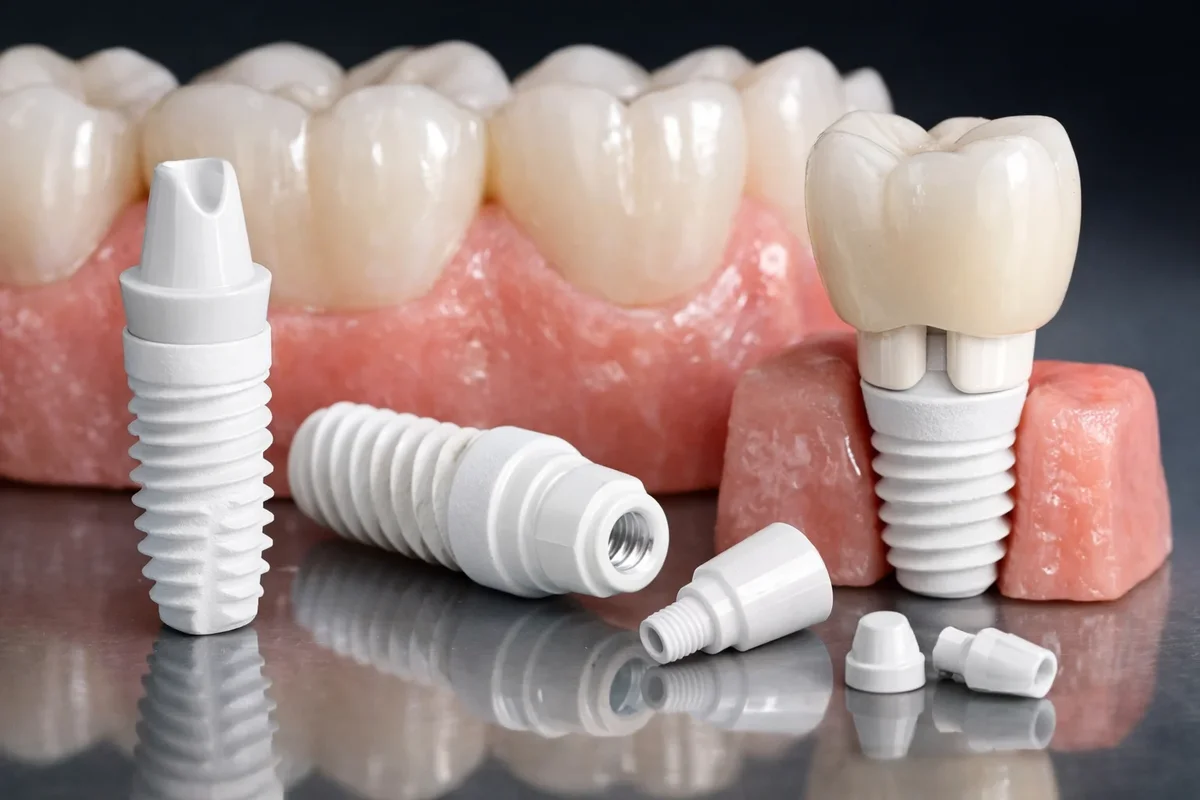
Structurally, zirconium oxide dental implants are available in one-piece and two-piece designs. In one-piece systems, the implant and abutment are fused together. This design reduces the number of connections where bacteria could accumulate, potentially supporting healthier gum tissue. Two-piece zirconium oxide dental implants, on the other hand, offer greater flexibility in positioning and angulation, making them suitable for more complex cases. Both designs are engineered to integrate with the jawbone through a biological process called osseointegration.
Osseointegration is crucial to the success of zirconium oxide dental implants. After placement into the jawbone, the surrounding bone cells gradually attach to the implant surface. Over time, this creates a stable foundation that can support crowns, bridges, or even full-arch restorations. The surface of zirconium oxide dental implants is often specially treated or roughened to enhance this bone integration process, ensuring long-term stability.
Another major reason patients consider zirconium oxide dental implants is aesthetics. The natural white color of zirconia helps prevent the grayish shine-through effect that can sometimes occur with thin or receding gum tissue around titanium implants. This makes zirconium oxide dental implants especially popular for front teeth restorations, where appearance is critical. A healthy, natural-looking smile is not just about function — it is also about confidence. 😁
From a functional perspective, zirconium oxide dental implants are designed to restore chewing efficiency and speech clarity. Missing teeth can compromise bite alignment and place additional stress on surrounding teeth. By replacing the root structure, zirconium oxide dental implants help maintain jawbone density and prevent bone resorption. This preservation of bone structure is essential for long-term oral health and facial support.
Safety and clinical validation are also important factors. Organizations such as the American Dental Association emphasize evidence-based approaches in dentistry, and ongoing research continues to support the use of ceramic implant systems in suitable cases. While titanium implants have a longer historical track record, zirconium oxide dental implants are supported by growing scientific data demonstrating promising survival and success rates.
Choosing zirconium oxide dental implants should always involve a professional consultation. Factors such as bone density, gum health, bite alignment, and overall medical condition play a role in determining candidacy. If you are considering zirconium oxide dental implants and want expert guidance tailored to your situation, you can reach out through the Redent Klinik Contact Page for a personalized evaluation.
In summary, zirconium oxide dental implants represent a modern, metal-free, and aesthetically pleasing solution for tooth replacement. They combine strength, biocompatibility, and natural appearance in a single restorative option. Whether you are concerned about allergies, aesthetics, or long-term oral health, zirconium oxide dental implants provide a comprehensive alternative worth exploring. As implant dentistry continues to evolve, zirconium oxide dental implants are becoming an increasingly preferred choice for patients seeking both function and beauty in their smile restoration journey. 🌟
1. What Are Zirconium Oxide Dental Implants?
Zirconium oxide dental implants are advanced tooth replacement solutions made from high-strength ceramic material known as zirconia (zirconium dioxide). Unlike traditional metal-based implants, zirconium oxide dental implants are completely metal-free and designed to replace missing tooth roots in a highly aesthetic and biocompatible way. These implants are surgically placed into the jawbone, where they fuse with the surrounding bone tissue and provide a stable foundation for crowns, bridges, or full-arch restorations.
For patients researching modern implant options, zirconium oxide dental implants represent a combination of strength, durability, and natural appearance. Because they are white rather than metallic gray, zirconium oxide dental implants are especially attractive for visible areas of the mouth. Their ceramic structure also makes them resistant to corrosion and plaque accumulation, supporting long-term oral health. 😊
The Material Behind Zirconium Oxide Dental Implants
The core component of zirconium oxide dental implants is zirconia, a crystalline ceramic material derived from zirconium. This material undergoes advanced processing techniques to enhance its mechanical properties. Once stabilized, zirconia becomes incredibly strong and resistant to fractures. In fact, zirconium oxide dental implants are often compared to titanium implants in terms of durability, and modern manufacturing methods have significantly improved their load-bearing capacity.
One important characteristic of zirconium oxide dental implants is their low thermal conductivity. Unlike metal, zirconia does not easily transfer heat or cold. This means patients may experience greater comfort when consuming hot or cold foods. Additionally, zirconium oxide dental implants do not oxidize or corrode, which can be a concern with certain metal-based restorations over long periods.
Biocompatibility and Tissue Response
Biocompatibility is one of the most significant advantages of zirconium oxide dental implants. The human body generally accepts zirconia very well, and soft tissue tends to attach favorably around these ceramic surfaces. Studies suggest that zirconium oxide dental implants may accumulate less bacterial plaque compared to some metal alternatives, potentially reducing the risk of peri-implant inflammation.
For patients with metal sensitivities or those seeking holistic treatment options, zirconium oxide dental implants offer peace of mind. Because they are metal-free, zirconium oxide dental implants eliminate concerns about metal allergies, galvanic reactions, or aesthetic gray lines near the gum margin.
Design Variations of Zirconium Oxide Dental Implants
Zirconium oxide dental implants are available in different structural configurations to accommodate varying clinical needs. The two primary types are one-piece and two-piece systems.
One-Piece Zirconium Oxide Dental Implants
One-piece zirconium oxide dental implants combine the implant body and abutment into a single unit. This design minimizes micro-gaps where bacteria could potentially accumulate. Because of this seamless structure, one-piece zirconium oxide dental implants may support healthier gum tissue in certain cases. However, they require precise surgical placement since the angle cannot be adjusted after insertion.
Two-Piece Zirconium Oxide Dental Implants
Two-piece zirconium oxide dental implants consist of a separate implant fixture and abutment. This allows greater flexibility during restoration and can be advantageous in complex cases where angulation adjustments are necessary. Modern two-piece zirconium oxide dental implants are engineered with secure connection systems to maintain strength and stability comparable to traditional implant systems.
How Zirconium Oxide Dental Implants Integrate with Bone
Like all dental implants, zirconium oxide dental implants rely on a biological process called osseointegration. After surgical placement, the surrounding jawbone gradually bonds with the implant surface. Over several months, this fusion creates a stable and permanent foundation capable of supporting chewing forces.
The surface of zirconium oxide dental implants is often specially treated to promote better bone attachment. Micro-roughening techniques increase the surface area, enhancing the integration process. Successful osseointegration is essential for the long-term stability of zirconium oxide dental implants and plays a key role in their success rate.
Why Patients Choose Zirconium Oxide Dental Implants
Patients increasingly choose zirconium oxide dental implants for aesthetic and health-related reasons. The white color blends naturally with gum tissue, reducing the risk of dark shadows that can sometimes occur with metal implants. In addition, zirconium oxide dental implants support long-term bone preservation by replacing the tooth root structure, which helps maintain facial contours and jaw stability.
From a functional standpoint, zirconium oxide dental implants restore chewing ability, improve speech clarity, and enhance overall oral comfort. When properly maintained, zirconium oxide dental implants can last for many years, offering both cosmetic and structural benefits. 🌟
In summary, zirconium oxide dental implants are ceramic-based, metal-free implant systems designed to provide a strong, aesthetic, and biocompatible solution for missing teeth. Their advanced material properties, favorable tissue response, and evolving design options make zirconium oxide dental implants a reliable alternative in modern dentistry. For patients seeking a natural-looking and durable restoration, zirconium oxide dental implants represent an innovative and comprehensive solution.
2. How Zirconium Oxide Dental Implants Differ from Titanium
When comparing modern implant options, one of the most common questions patients ask is how zirconium oxide dental implants differ from traditional titanium implants. Both systems are designed to replace missing tooth roots and restore function, but they differ significantly in material composition, aesthetics, biological response, and long-term considerations. Understanding these differences helps patients make informed decisions based on their health priorities, cosmetic expectations, and clinical needs.
Zirconium oxide dental implants are made from a high-strength ceramic material known as zirconia, while conventional implants are manufactured from medical-grade titanium. Titanium has been used in implant dentistry for decades and has a well-documented success rate. However, zirconium oxide dental implants have gained popularity due to their metal-free structure and enhanced aesthetic appeal. 😊
Material Composition and Physical Properties
The most obvious difference between zirconium oxide dental implants and titanium implants is the material itself. Titanium is a lightweight metal known for its excellent strength and corrosion resistance. In contrast, zirconium oxide dental implants are made from stabilized zirconia, a ceramic material that offers comparable strength but with a tooth-like color.
One important distinction is thermal conductivity. Titanium conducts heat and cold more readily than ceramic. Zirconium oxide dental implants, on the other hand, have low thermal conductivity, which may provide improved comfort when consuming hot or cold foods. Additionally, zirconium oxide dental implants do not corrode or oxidize in the same way metals can, although titanium corrosion in the oral environment is rare.
Fracture Resistance and Durability
Modern zirconium oxide dental implants are engineered to withstand significant bite forces. Advances in material science have improved their fracture resistance, making them suitable for many clinical situations. While titanium remains slightly more flexible under extreme stress, zirconium oxide dental implants are highly durable when properly planned and placed.
Clinical outcomes show that zirconium oxide dental implants can achieve strong osseointegration similar to titanium systems. The success of either implant type ultimately depends on surgical technique, patient health, and aftercare.
Aesthetic Differences
Aesthetics are a major reason why many patients prefer zirconium oxide dental implants. Titanium implants are metallic gray. In patients with thin or receding gums, this color can sometimes create a shadow effect near the gumline. Zirconium oxide dental implants, being white, blend more naturally with surrounding tissues.
This makes zirconium oxide dental implants particularly advantageous for front teeth restorations, where appearance is critical. The ceramic surface helps maintain a more natural gum appearance, especially in individuals with high smile lines.
Soft Tissue Response
Research indicates that zirconium oxide dental implants may accumulate less plaque than some metal surfaces. This can support healthier gum tissue and potentially reduce the risk of inflammation around the implant. The smooth ceramic structure of zirconium oxide dental implants encourages favorable soft tissue attachment, which plays a vital role in long-term implant stability.
Biocompatibility and Metal Sensitivity
Both titanium and zirconium oxide dental implants are considered biocompatible. However, zirconium oxide dental implants are completely metal-free. For patients with metal allergies, sensitivities, or concerns about metal exposure, zirconium oxide dental implants provide reassurance.
Although true titanium allergies are rare, some patients prefer zirconium oxide dental implants as part of a holistic or metal-free approach to dentistry. Because zirconium oxide dental implants are inert and non-metallic, they eliminate the possibility of galvanic reactions between different metals in the mouth.
Structural Design Options
Historically, titanium implants have offered more flexibility in two-piece systems and angulation adjustments. However, modern zirconium oxide dental implants are now available in both one-piece and two-piece designs. Two-piece zirconium oxide dental implants allow for improved prosthetic flexibility, narrowing the gap between ceramic and titanium systems in complex cases.
With ongoing technological advancements, zirconium oxide dental implants continue to evolve in design and connection strength, making them increasingly competitive with titanium implants.
Long-Term Research and Clinical Data
Titanium implants have over 40 years of documented research supporting their reliability. Zirconium oxide dental implants have a shorter but growing body of clinical evidence. Current studies demonstrate promising survival rates for zirconium oxide dental implants, particularly in carefully selected cases.
It is important to note that both implant types require proper planning, adequate bone density, and excellent oral hygiene for long-term success. When placed correctly, zirconium oxide dental implants can perform comparably to titanium implants in many scenarios.
Which Option Is Right for You?
The decision between zirconium oxide dental implants and titanium implants should be based on individual needs. Patients prioritizing aesthetics and metal-free treatment may strongly favor zirconium oxide dental implants. Those with complex structural requirements may benefit from discussing both options in detail with their dental specialist.
Ultimately, zirconium oxide dental implants offer a highly aesthetic, biocompatible, and durable alternative to traditional metal implants. As research and technology continue to advance, zirconium oxide dental implants are becoming an increasingly trusted solution in modern implant dentistry. 🌟
3. Key Benefits of Zirconium Oxide Dental Implants
Zirconium oxide dental implants are increasingly chosen by patients who want a modern, aesthetic, and biologically friendly solution for missing teeth. While traditional implant systems remain effective, zirconium oxide dental implants offer several distinct advantages that make them particularly appealing in today’s dentistry. From aesthetics to biocompatibility and long-term oral health, understanding the key benefits of zirconium oxide dental implants can help you determine whether they are the right choice for your smile restoration. 😊
Superior Aesthetic Appearance
One of the most significant advantages of zirconium oxide dental implants is their natural white color. Unlike titanium implants, which are metallic gray, zirconium oxide dental implants closely resemble the shade of natural tooth roots. This is especially important in the front area of the mouth, where gum transparency or recession can reveal the underlying implant structure.
Because zirconium oxide dental implants are white, they reduce the risk of dark shadows forming beneath the gum tissue. This aesthetic advantage is particularly valuable for patients with thin gum biotypes or high smile lines. When paired with ceramic crowns, zirconium oxide dental implants create a seamless, natural-looking restoration that enhances confidence and facial harmony. 🌟
Improved Gum Tissue Integration
Clinical studies suggest that zirconium oxide dental implants promote healthy soft tissue attachment. The smooth ceramic surface may attract less plaque accumulation compared to certain metal surfaces. As a result, zirconium oxide dental implants may contribute to healthier gums and a lower risk of peri-implant inflammation when proper hygiene is maintained.
Excellent Biocompatibility
Zirconium oxide dental implants are made from a biocompatible ceramic material that is well tolerated by the human body. For patients concerned about metal allergies or sensitivities, zirconium oxide dental implants provide a completely metal-free alternative. Although titanium allergies are rare, some individuals prefer zirconium oxide dental implants for peace of mind and holistic treatment preferences.
Because zirconium oxide dental implants are chemically stable and inert, they do not corrode or release metallic ions. This stability enhances long-term safety and makes zirconium oxide dental implants suitable for patients seeking a biologically harmonious solution.
Reduced Risk of Galvanic Reactions
When multiple types of metal exist in the mouth, minor electrical currents can theoretically occur, a phenomenon known as galvanic reaction. Zirconium oxide dental implants eliminate this possibility because they contain no metal components. This feature further supports the appeal of zirconium oxide dental implants in comprehensive restorative treatments.
Strong and Durable Structure
Modern zirconium oxide dental implants are engineered using advanced manufacturing techniques that enhance strength and fracture resistance. Although ceramic materials were once considered brittle, contemporary zirconium oxide dental implants demonstrate impressive load-bearing capacity suitable for many clinical situations.
When properly placed and restored, zirconium oxide dental implants can withstand normal chewing forces and provide long-lasting function. Their high compressive strength ensures that zirconium oxide dental implants remain stable under everyday oral stresses.
Low Thermal Conductivity
Unlike metal implants, zirconium oxide dental implants do not easily conduct heat or cold. This property may increase comfort for some patients when consuming hot beverages or cold foods. The ceramic composition of zirconium oxide dental implants creates a more natural sensation compared to metallic alternatives.
Support for Jawbone Preservation
Just like other implant systems, zirconium oxide dental implants replace the missing tooth root, which stimulates the jawbone and prevents bone resorption. When a tooth is lost, the surrounding bone gradually deteriorates due to lack of stimulation. Zirconium oxide dental implants restore this stimulation, helping maintain bone density and facial structure.
By preserving bone volume, zirconium oxide dental implants contribute to long-term oral stability and prevent premature aging effects caused by bone loss. This structural support is essential for maintaining both function and appearance over time.
Holistic and Metal-Free Appeal
In recent years, many patients have become more conscious about the materials used in their medical and dental treatments. Zirconium oxide dental implants align with this preference by offering a fully ceramic, metal-free solution. For individuals seeking holistic dentistry approaches, zirconium oxide dental implants provide reassurance and compatibility with natural treatment philosophies.
Long-Term Stability and Success
With proper case selection and professional placement, zirconium oxide dental implants demonstrate promising survival rates. Advances in surface technology have enhanced osseointegration, allowing zirconium oxide dental implants to integrate effectively with the jawbone.
Success depends on factors such as bone quality, oral hygiene, and regular dental checkups. When these conditions are met, zirconium oxide dental implants can serve as a reliable long-term solution for missing teeth.
Enhanced Patient Confidence
Beyond the clinical advantages, zirconium oxide dental implants provide psychological benefits. Knowing that your implant is metal-free, aesthetically pleasing, and biologically compatible can increase confidence in your treatment decision. Zirconium oxide dental implants not only restore chewing function but also support a natural smile that feels and looks authentic. 😁
In summary, zirconium oxide dental implants combine superior aesthetics, excellent biocompatibility, structural strength, and long-term bone preservation. Their metal-free composition, natural appearance, and evolving design technology make zirconium oxide dental implants an increasingly preferred choice in modern dentistry. For patients seeking a durable and visually harmonious tooth replacement solution, zirconium oxide dental implants offer a comprehensive range of benefits that support both oral health and overall well-being.
4. Who Is a Good Candidate for Zirconium Oxide Dental Implants?
Zirconium oxide dental implants are an advanced and highly aesthetic solution for replacing missing teeth, but not every patient is automatically an ideal candidate. Proper case selection is essential to ensure long-term success, stability, and satisfaction. While zirconium oxide dental implants offer outstanding biocompatibility and natural appearance, several clinical and personal factors must be carefully evaluated before proceeding with treatment.
If you are considering zirconium oxide dental implants, understanding the candidacy criteria can help you determine whether this ceramic, metal-free option aligns with your oral health condition and long-term goals. 😊
General Oral Health Requirements
A strong foundation of oral health is one of the most important requirements for zirconium oxide dental implants. Patients should have healthy gums and be free from active periodontal disease. Gum infections can compromise the healing process and reduce the stability of zirconium oxide dental implants after placement.
Before placing zirconium oxide dental implants, dentists typically perform a thorough examination, including digital X-rays or 3D imaging, to evaluate bone levels and gum condition. If gum disease is present, it must be treated first to create a healthy environment for zirconium oxide dental implants to integrate properly.
Adequate Jawbone Density
Successful placement of zirconium oxide dental implants depends on sufficient jawbone volume and density. Because zirconium oxide dental implants integrate with the bone through osseointegration, there must be enough bone structure to support them securely.
Patients who have experienced bone loss due to long-term tooth absence may still qualify for zirconium oxide dental implants, but they might require bone grafting procedures beforehand. Bone grafting rebuilds lost bone tissue and increases the chances of long-term implant stability.
Patients Seeking Metal-Free Solutions
Zirconium oxide dental implants are especially suitable for patients who prefer metal-free dental treatments. Individuals with concerns about metal sensitivities, allergies, or holistic health philosophies often choose zirconium oxide dental implants for peace of mind.
Although true titanium allergies are rare, some patients report sensitivities or simply prefer avoiding metal in their bodies. Zirconium oxide dental implants provide a ceramic alternative that eliminates these concerns while maintaining strength and durability.
Aesthetic-Focused Patients
Patients who prioritize aesthetics, particularly in the front tooth region, are often strong candidates for zirconium oxide dental implants. The white ceramic color blends naturally with gum tissue, reducing the risk of gray shadows that may occur with metal implants.
If you have thin or translucent gum tissue, zirconium oxide dental implants may offer superior cosmetic outcomes. Their ability to support natural-looking restorations makes zirconium oxide dental implants ideal for visible areas of the smile. 😁
High Smile Line Considerations
Individuals with a high smile line—where more gum tissue is visible when smiling—may benefit significantly from zirconium oxide dental implants. Because the implant material is white, it maintains a more harmonious appearance even if minor gum recession occurs over time.
Non-Smokers or Light Smokers
Smoking can negatively affect the healing process of any dental implant system, including zirconium oxide dental implants. Nicotine reduces blood flow to the gums and bone, which can interfere with osseointegration.
While smokers are not automatically excluded from receiving zirconium oxide dental implants, reducing or quitting smoking significantly improves success rates. Patients committed to maintaining good oral hygiene and healthy habits are generally better candidates for zirconium oxide dental implants.
Patients with Stable Medical Conditions
Overall systemic health plays a crucial role in determining suitability for zirconium oxide dental implants. Patients with controlled diabetes, stable cardiovascular conditions, or managed chronic illnesses may still qualify for zirconium oxide dental implants with proper medical clearance.
However, individuals with uncontrolled diabetes, severe immune disorders, or ongoing cancer treatments may face delayed healing or increased implant failure risks. A comprehensive medical evaluation ensures that zirconium oxide dental implants can be placed safely and predictably.
Commitment to Long-Term Oral Care
Even though zirconium oxide dental implants are resistant to corrosion and plaque accumulation, they still require excellent oral hygiene. Daily brushing, flossing, and regular dental checkups are essential to protect the surrounding gum tissue and bone.
Patients who are motivated to maintain proper oral care routines are ideal candidates for zirconium oxide dental implants. Long-term success depends not only on the implant material but also on patient cooperation and maintenance.
When Zirconium Oxide Dental Implants May Not Be Ideal
In certain complex cases involving severe bite misalignment or limited bone width, titanium implants may offer slightly greater flexibility in angulation adjustments. Although modern zirconium oxide dental implants now include two-piece systems, extremely demanding mechanical situations may require careful evaluation.
A thorough consultation with an experienced implant specialist ensures that zirconium oxide dental implants are selected appropriately based on functional, structural, and aesthetic needs.
Personalized Treatment Planning
Ultimately, the best candidates for zirconium oxide dental implants are individuals with good oral health, sufficient bone support, stable medical conditions, and a strong desire for a metal-free, aesthetic solution. Treatment planning involves detailed imaging, digital scans, and individualized evaluation to ensure that zirconium oxide dental implants will perform successfully over the long term.
In conclusion, zirconium oxide dental implants are an excellent option for many patients seeking durable, biocompatible, and visually natural tooth replacement. With proper evaluation and professional guidance, zirconium oxide dental implants can provide a safe and effective solution that restores both oral function and smile confidence for years to come. 🌟
5. Step-by-Step Procedure for Zirconium Oxide Dental Implants
Understanding the complete treatment journey helps patients feel confident and prepared before choosing zirconium oxide dental implants. While every case is unique, the general procedure for zirconium oxide dental implants follows a carefully structured process designed to ensure safety, stability, and long-term success. From initial consultation to final crown placement, each phase plays a critical role in achieving optimal results. 😊
Initial Consultation and Comprehensive Evaluation
The first step in receiving zirconium oxide dental implants is a detailed clinical assessment. During this consultation, the dentist evaluates your oral health, medical history, and treatment expectations. Advanced diagnostic tools such as digital X-rays and 3D cone-beam computed tomography (CBCT) scans are typically used to assess bone volume and anatomical structures.
This stage determines whether zirconium oxide dental implants are suitable for your case. The dentist carefully examines bone density, gum condition, bite alignment, and any signs of infection. If periodontal disease or severe bone loss is detected, preparatory treatments may be required before zirconium oxide dental implants can be placed.
Treatment Planning and Digital Design
Modern implant dentistry often uses digital planning software to map out the precise position of zirconium oxide dental implants. Computer-guided planning enhances accuracy and reduces surgical risks. By determining the exact angulation and depth of zirconium oxide dental implants beforehand, dentists can improve long-term functional and aesthetic outcomes.
Preparatory Procedures (If Needed)
Not all patients have sufficient bone volume to immediately support zirconium oxide dental implants. If bone loss has occurred due to missing teeth, bone grafting may be recommended. Bone grafting rebuilds the jaw structure and provides a stable foundation for zirconium oxide dental implants.
In some upper jaw cases, a sinus lift procedure may be necessary to create adequate vertical space. These preparatory procedures increase the likelihood of successful osseointegration once zirconium oxide dental implants are placed.
Surgical Placement of Zirconium Oxide Dental Implants
The actual surgical placement of zirconium oxide dental implants is typically performed under local anesthesia. In certain cases, sedation options may be available for patient comfort. The dentist creates a small incision in the gum tissue to access the jawbone, then carefully prepares a precise channel for the implant.
Zirconium oxide dental implants are then inserted into the bone at the predetermined angle and depth. The gum tissue is repositioned and sutured to promote healing. The procedure is generally well tolerated, and many patients report minimal discomfort afterward. 🌟
One-Piece vs. Two-Piece Systems During Surgery
If one-piece zirconium oxide dental implants are used, the abutment portion remains visible above the gumline immediately after placement. This requires careful positioning since adjustments cannot be made later. With two-piece zirconium oxide dental implants, the implant body is placed beneath the gum tissue and covered during healing, allowing greater prosthetic flexibility in the next phase.
Healing and Osseointegration Phase
After placement, zirconium oxide dental implants undergo a healing period known as osseointegration. During this process, the surrounding jawbone gradually fuses with the implant surface, creating a strong biological bond. This phase typically lasts between three to six months, depending on individual healing capacity and bone quality.
Proper care during this period is essential for the success of zirconium oxide dental implants. Patients are advised to maintain excellent oral hygiene, avoid excessive pressure on the implant site, and attend follow-up appointments to monitor healing progress.
Abutment Placement and Impression Taking
For two-piece zirconium oxide dental implants, a minor procedure may be required after healing to attach the abutment. Once the gum tissue has healed properly, impressions or digital scans are taken to design the final crown.
The custom crown is carefully fabricated to match the shape, size, and color of your natural teeth. Zirconium oxide dental implants are often paired with all-ceramic crowns to maximize aesthetics and maintain a completely metal-free restoration.
Final Crown Placement
The last step in the procedure for zirconium oxide dental implants is attaching the final crown. The dentist ensures proper bite alignment and comfort before permanently securing the restoration. Once completed, zirconium oxide dental implants restore both chewing function and natural appearance.
Patients typically experience improved confidence, clearer speech, and restored bite efficiency. Zirconium oxide dental implants function like natural tooth roots, providing stability and preventing bone deterioration over time.
Post-Procedure Care and Follow-Up
After the final restoration, routine dental visits are essential to maintain the health of zirconium oxide dental implants. Regular professional cleanings and examinations help detect potential issues early. With proper care, zirconium oxide dental implants can remain stable and functional for many years.
In summary, the procedure for zirconium oxide dental implants involves careful planning, precise surgical placement, controlled healing, and customized restoration. Each step is designed to maximize long-term success, aesthetic harmony, and patient satisfaction. By following a structured and evidence-based approach, zirconium oxide dental implants provide a reliable and advanced solution for replacing missing teeth. 😁
6. Healing Time and Osseointegration Process
The long-term success of zirconium oxide dental implants depends heavily on proper healing and successful osseointegration. While the surgical placement of zirconium oxide dental implants is a crucial step, the biological bonding process that follows is equally important. Understanding how healing works, what to expect during recovery, and how zirconium oxide dental implants integrate with the jawbone can help patients feel more confident and prepared. 😊
What Is Osseointegration?
Osseointegration is the biological process through which zirconium oxide dental implants fuse directly with the surrounding jawbone. After zirconium oxide dental implants are surgically inserted, bone cells begin attaching to the implant surface. Over time, this creates a stable and durable connection that allows zirconium oxide dental implants to function like natural tooth roots.
This process is essential because zirconium oxide dental implants do not rely on adhesives or mechanical locking alone. Instead, the body naturally integrates the implant into the bone structure. Successful osseointegration ensures that zirconium oxide dental implants can withstand normal chewing forces without loosening or shifting.
Typical Healing Timeline
The healing period for zirconium oxide dental implants typically ranges from three to six months. However, this timeline can vary depending on factors such as bone density, overall health, and whether additional procedures like bone grafting were performed.
First Week After Surgery
During the first few days after placement, patients may experience mild swelling, tenderness, or slight discomfort around the area of the zirconium oxide dental implants. These symptoms are generally manageable with prescribed or over-the-counter medication. Proper rest and careful oral hygiene are essential during this early stage to protect zirconium oxide dental implants while initial healing begins.
First Month of Healing
Within the first month, soft tissue around zirconium oxide dental implants begins to stabilize. The gum tissue forms a protective seal, helping prevent bacteria from entering the surgical site. Although the surface healing appears complete, deeper bone integration is still actively occurring around the zirconium oxide dental implants.
Three to Six Months
Between three and six months, osseointegration continues as bone cells grow and attach firmly to zirconium oxide dental implants. This period is critical for long-term stability. Dentists typically schedule follow-up appointments to monitor the progress of zirconium oxide dental implants and confirm that integration is progressing as expected.
Factors That Influence Healing Success
Several factors can affect how well zirconium oxide dental implants integrate with the jawbone.
Bone Quality and Density
Patients with strong, dense bone generally experience faster and more predictable osseointegration of zirconium oxide dental implants. In cases where bone density is lower, healing may take slightly longer. Advanced imaging helps determine whether zirconium oxide dental implants will require additional support procedures.
Oral Hygiene Practices
Maintaining excellent oral hygiene is essential for protecting zirconium oxide dental implants during the healing phase. Even though zirconium oxide dental implants are resistant to corrosion and plaque accumulation, bacteria around the gum tissue can still cause inflammation if not properly managed.
Smoking and Lifestyle Habits
Smoking can significantly delay healing and reduce blood flow to the surgical area. Patients who smoke are advised to quit or reduce smoking to improve the success rate of zirconium oxide dental implants. Healthy lifestyle habits contribute directly to better osseointegration outcomes.
Advantages of Zirconia During Healing
Zirconium oxide dental implants offer certain advantages during the healing process. Their ceramic surface may attract less bacterial adhesion compared to some metal surfaces. Additionally, zirconium oxide dental implants are highly biocompatible, meaning the surrounding tissues typically respond favorably.
The smooth yet specially treated surface of zirconium oxide dental implants encourages stable bone attachment while supporting healthy gum tissue adaptation. These characteristics contribute to predictable and long-lasting results.
Signs of Successful Integration
When zirconium oxide dental implants integrate successfully, patients usually experience stable bite function and no persistent pain. Follow-up imaging may confirm that the bone has fused securely around zirconium oxide dental implants. Once integration is verified, the dentist can proceed with attaching the final restoration.
It is important to attend all scheduled follow-up visits to ensure zirconium oxide dental implants are healing correctly. Early detection of any issues significantly improves long-term outcomes.
Long-Term Stability After Healing
After full osseointegration, zirconium oxide dental implants function similarly to natural tooth roots. They provide strong support for crowns and help maintain jawbone density by stimulating the bone during chewing. This stimulation prevents bone resorption and supports facial structure preservation.
With proper care, zirconium oxide dental implants can remain stable for many years. Regular dental checkups and consistent oral hygiene ensure that zirconium oxide dental implants continue to perform effectively long after the healing phase is complete. 🌟
In conclusion, the healing time and osseointegration process are fundamental to the long-term success of zirconium oxide dental implants. From initial soft tissue recovery to full bone integration, each stage contributes to the stability and durability of zirconium oxide dental implants. By following professional guidance and maintaining healthy habits, patients can achieve predictable, secure, and lasting results with zirconium oxide dental implants. 😁
7. Cost of Zirconium Oxide Dental Implants in 2026
The cost of zirconium oxide dental implants in 2026 is one of the most frequently researched topics for patients considering this advanced, metal-free solution. While zirconium oxide dental implants offer significant aesthetic and biological advantages, pricing can vary depending on several clinical and geographic factors. Understanding what influences the cost of zirconium oxide dental implants helps patients make informed decisions and plan their treatment confidently. 😊
Average Price Range Worldwide
In 2026, the average cost of zirconium oxide dental implants per tooth varies significantly by country and clinic standards. In the United States and Western Europe, zirconium oxide dental implants typically range between $3,500 and $6,000 per implant, including the surgical placement and crown restoration.
In countries known for dental tourism, such as Turkey, zirconium oxide dental implants are generally more affordable while maintaining international quality standards. In these regions, the price of zirconium oxide dental implants may range between $900 and $1,800 per implant, depending on the complexity of the case and the brand used.
Estimated 2026 Price Comparison (Per Implant)
- United States: $3,500 – $6,000
- United Kingdom: £2,800 – £4,500
- Germany: €3,000 – €5,000
- Turkey: $900 – $1,800
These figures are approximate and may vary based on individual treatment plans. Zirconium oxide dental implants can sometimes cost slightly more than titanium implants due to material and manufacturing processes.
Factors That Influence the Cost
The total cost of zirconium oxide dental implants depends on several critical factors beyond the implant material itself.
Number of Implants Required
Single-tooth replacement requires one zirconium oxide dental implant, while full-arch restorations may require four to eight zirconium oxide dental implants per jaw. Naturally, the overall cost increases with the number of implants placed.
Bone Grafting or Additional Procedures
If bone grafting, sinus lifting, or other preparatory treatments are necessary, the cost of zirconium oxide dental implants increases. Bone grafting procedures may range between $300 and $1,500 per site, depending on complexity.
Clinic Expertise and Technology
Clinics that use advanced 3D imaging, digital surgical guides, and high-end zirconium oxide dental implants brands may charge higher fees. However, this investment often enhances precision and long-term success rates.
Material and Manufacturing Differences
Zirconium oxide dental implants are manufactured using advanced ceramic processing technologies. Their production involves high-temperature stabilization to increase fracture resistance and durability. Because zirconium oxide dental implants require specialized manufacturing techniques, they may be priced slightly higher than conventional metal implants in some markets.
However, many patients consider the aesthetic and biocompatibility benefits of zirconium oxide dental implants worth the investment.
Are Zirconium Oxide Dental Implants Worth the Cost?
When evaluating the value of zirconium oxide dental implants, it is important to consider long-term benefits. These implants restore chewing function, preserve jawbone density, and enhance smile aesthetics. Unlike removable dentures, zirconium oxide dental implants provide a fixed and stable solution that can last for decades with proper care.
Additionally, zirconium oxide dental implants are metal-free and highly aesthetic, making them particularly attractive for patients with cosmetic concerns or metal sensitivities. The long-term durability of zirconium oxide dental implants may reduce the need for frequent replacements or adjustments.
Insurance and Financing Options
Insurance coverage for zirconium oxide dental implants varies by provider and policy. In many countries, dental implants are considered elective procedures and may not be fully covered. However, some insurance plans partially reimburse surgical components.
Many clinics offer financing plans to make zirconium oxide dental implants more accessible. Monthly installment options allow patients to spread the cost over time, making high-quality zirconium oxide dental implants financially manageable.
Long-Term Investment Perspective
Although the upfront cost of zirconium oxide dental implants may seem significant, they should be viewed as a long-term investment in oral health and quality of life. Tooth loss can lead to bone deterioration, bite misalignment, and additional dental complications. By choosing zirconium oxide dental implants, patients protect both functional and aesthetic aspects of their smile.
With proper maintenance, zirconium oxide dental implants can last 15–25 years or more. Their durability and structural stability often make them more cost-effective over time compared to temporary or removable alternatives.
Choosing Quality Over Price Alone
While affordability is important, selecting zirconium oxide dental implants based solely on the lowest price is not advisable. Experience, sterilization standards, implant brand quality, and post-operative care significantly influence outcomes. Investing in reputable zirconium oxide dental implants ensures long-term safety and success.
In conclusion, the cost of zirconium oxide dental implants in 2026 depends on location, case complexity, and clinic expertise. Prices typically range from under $1,000 in dental tourism destinations to over $5,000 in certain Western countries. Despite the higher upfront expense compared to some alternatives, zirconium oxide dental implants provide long-term functional stability, exceptional aesthetics, and metal-free reassurance. For many patients, zirconium oxide dental implants represent a worthwhile and lasting investment in oral health and confidence. 🌟
8. Risks, Longevity, and Success Rates
Zirconium oxide dental implants are widely recognized for their strength, aesthetics, and biocompatibility. However, like any surgical procedure, zirconium oxide dental implants come with potential risks and important long-term considerations. Understanding the possible complications, expected lifespan, and documented success rates allows patients to make realistic and informed decisions. When properly planned and placed, zirconium oxide dental implants can provide highly predictable and durable outcomes. 😊
Potential Risks of Zirconium Oxide Dental Implants
Although zirconium oxide dental implants have a strong safety profile, certain risks exist, especially if case selection or aftercare is inadequate. The most common complications are similar to those associated with other implant systems.
Infection and Peri-Implantitis
One possible risk after placing zirconium oxide dental implants is infection around the surrounding gum tissue. If plaque accumulates and oral hygiene is poor, inflammation known as peri-implantitis may develop. This condition can lead to bone loss around zirconium oxide dental implants and, in severe cases, implant failure.
However, studies suggest that zirconium oxide dental implants may accumulate less bacterial plaque compared to certain metal surfaces. Their ceramic composition can contribute to favorable soft tissue response, which may reduce inflammatory risks when proper oral hygiene is maintained.
Implant Failure Due to Poor Osseointegration
Osseointegration is essential for the stability of zirconium oxide dental implants. In rare cases, the implant may fail to integrate properly with the jawbone. Factors such as insufficient bone density, uncontrolled diabetes, heavy smoking, or improper surgical technique can increase this risk.
Fortunately, when zirconium oxide dental implants are placed by experienced professionals and supported by adequate bone volume, integration success is highly predictable.
Mechanical Complications
Although modern zirconium oxide dental implants are engineered for strength, ceramic materials are inherently more rigid than metal. In rare cases involving excessive bite forces or bruxism (teeth grinding), mechanical stress may affect zirconium oxide dental implants. Proper treatment planning and bite adjustment significantly reduce this possibility.
Longevity of Zirconium Oxide Dental Implants
The expected lifespan of zirconium oxide dental implants depends on multiple factors, including oral hygiene, lifestyle habits, and overall health. Clinical research indicates that zirconium oxide dental implants can last 15 to 25 years or more when maintained properly.
Because zirconium oxide dental implants replace the tooth root and stimulate the jawbone, they help prevent bone resorption and structural changes. This contributes to long-term oral stability and facial support. With consistent care, zirconium oxide dental implants often remain functional for decades.
Role of Maintenance in Longevity
Daily brushing, flossing, and routine professional cleanings are essential for preserving zirconium oxide dental implants. Although zirconium oxide dental implants resist corrosion and do not rust, surrounding gum tissue must remain healthy to support them long term.
Patients who attend regular dental checkups allow early detection of potential issues. Preventive care significantly increases the longevity of zirconium oxide dental implants.
Documented Success Rates
Clinical studies show promising survival rates for zirconium oxide dental implants, particularly in well-selected cases. Reported success rates typically range between 92% and 98% over five to ten years, depending on patient health and clinical conditions.
While titanium implants have a longer historical record, zirconium oxide dental implants have demonstrated comparable short- to mid-term success in modern research. Advances in surface treatments and two-piece system designs continue to improve the reliability of zirconium oxide dental implants.
Factors That Improve Success Rates
Several elements contribute to the high success rate of zirconium oxide dental implants:
- Accurate digital planning and guided surgery
- Sufficient bone volume and density
- Excellent oral hygiene practices
- Controlled systemic health conditions
- Reduced or eliminated smoking habits
When these conditions are met, zirconium oxide dental implants perform reliably and provide long-term functional stability.
How to Minimize Risks
Patients can actively reduce risks associated with zirconium oxide dental implants by choosing an experienced implant specialist. Comprehensive diagnostics, including 3D imaging, allow precise placement and reduce surgical complications.
Following post-operative instructions carefully also plays a critical role. Avoiding excessive pressure on newly placed zirconium oxide dental implants during the healing phase ensures proper osseointegration.
Comparing Risk Levels to Other Options
When compared to removable dentures or bridges, zirconium oxide dental implants often provide superior long-term stability. Dentures may cause progressive bone loss, while bridges require altering adjacent teeth. Zirconium oxide dental implants preserve natural tooth structure and maintain jawbone health, which contributes to their overall reliability.
Although no surgical procedure is entirely risk-free, zirconium oxide dental implants offer a highly predictable solution when proper protocols are followed.
Long-Term Outlook
With correct case selection and professional placement, zirconium oxide dental implants provide durable, aesthetic, and biocompatible results. Their ceramic composition supports healthy soft tissue response, and their structural design ensures strong bone integration.
In conclusion, zirconium oxide dental implants carry manageable risks similar to other implant systems, but their long-term success rates are highly encouraging. With proper care, regular monitoring, and healthy lifestyle choices, zirconium oxide dental implants can deliver decades of stable function and natural-looking results. For patients seeking a metal-free and aesthetically advanced solution, zirconium oxide dental implants remain a reliable and future-oriented option in modern dentistry. 🌟😁
9. Aftercare Tips for Long-Lasting Zirconium Oxide Dental Implants
Proper aftercare is essential to ensure the long-term success of zirconium oxide dental implants. While zirconium oxide dental implants are highly durable, biocompatible, and resistant to corrosion, their longevity ultimately depends on how well they are maintained. Just like natural teeth, zirconium oxide dental implants require consistent oral hygiene, regular professional checkups, and healthy lifestyle habits to remain stable and functional for decades. 😊
Understanding how to care for zirconium oxide dental implants after surgery and throughout daily life significantly increases their lifespan and reduces the risk of complications.
Immediate Post-Surgery Care
The first few days after receiving zirconium oxide dental implants are critical for proper healing. During this period, patients should follow their dentist’s instructions carefully to protect the surgical site and support osseointegration.
Managing Swelling and Discomfort
Mild swelling and tenderness are normal after the placement of zirconium oxide dental implants. Applying a cold compress during the first 24 hours can help reduce inflammation. Prescribed medications should be taken as directed to manage discomfort and prevent infection.
Dietary Precautions
After receiving zirconium oxide dental implants, patients are advised to consume soft foods for several days. Avoiding hard, sticky, or excessively hot foods protects zirconium oxide dental implants during the early healing stage. Gradually, as healing progresses, normal chewing function can resume under professional guidance.
Daily Oral Hygiene Routine
Long-term success of zirconium oxide dental implants depends heavily on maintaining excellent oral hygiene. Although zirconium oxide dental implants resist plaque accumulation better than some metal surfaces, bacteria can still affect surrounding gum tissue if hygiene is neglected.
Brushing Techniques
Patients should brush twice daily using a soft-bristled toothbrush and non-abrasive toothpaste. Gentle brushing around zirconium oxide dental implants helps remove plaque without irritating the gums. Electric toothbrushes can also be effective if used carefully.
Flossing and Interdental Cleaning
Flossing around zirconium oxide dental implants is essential to prevent plaque buildup between teeth and along the gumline. Specialized implant floss or interdental brushes may be recommended to clean hard-to-reach areas around zirconium oxide dental implants.
Regular Professional Checkups
Routine dental visits are crucial for monitoring the health of zirconium oxide dental implants. Dentists typically recommend professional cleanings and evaluations every six months. These appointments allow early detection of any inflammation, bite imbalance, or mechanical stress affecting zirconium oxide dental implants.
During follow-up visits, the dentist may take periodic X-rays to assess bone stability around zirconium oxide dental implants. Early identification of bone loss ensures timely intervention and long-term implant preservation.
Lifestyle Factors That Protect Implants
Healthy habits significantly influence the durability of zirconium oxide dental implants.
Avoid Smoking
Smoking negatively impacts blood circulation and delays healing. Patients with zirconium oxide dental implants are strongly encouraged to quit or minimize smoking to maintain optimal gum health and bone support.
Manage Teeth Grinding
Bruxism (teeth grinding) can place excessive force on zirconium oxide dental implants. Patients who grind their teeth may benefit from wearing a custom night guard. Protecting zirconium oxide dental implants from extreme bite forces helps prevent mechanical complications.
Protecting Gum Health
Healthy gum tissue is essential for supporting zirconium oxide dental implants. Even though zirconium oxide dental implants are highly biocompatible, inflammation of the surrounding tissue can compromise stability.
Signs such as redness, swelling, bleeding, or discomfort around zirconium oxide dental implants should never be ignored. Early professional intervention prevents minor irritation from developing into more serious conditions like peri-implantitis.
Long-Term Maintenance and Crown Care
The implant itself is designed to be durable, but the crown attached to zirconium oxide dental implants may eventually require maintenance or replacement after many years. Regular evaluations ensure that the crown remains secure and properly aligned.
Avoid using zirconium oxide dental implants to bite extremely hard objects such as ice or hard candies. Although zirconium oxide dental implants are strong, protecting them from unnecessary stress increases their longevity.
Psychological and Functional Benefits of Proper Aftercare
Patients who consistently care for zirconium oxide dental implants often experience long-term confidence and peace of mind. Proper maintenance ensures that zirconium oxide dental implants continue to provide natural chewing ability, clear speech, and stable facial support.
With disciplined oral hygiene and professional monitoring, zirconium oxide dental implants can last 20 years or more. Their resistance to corrosion, combined with strong bone integration, makes zirconium oxide dental implants one of the most reliable modern solutions for missing teeth.
In conclusion, aftercare plays a decisive role in the longevity of zirconium oxide dental implants. From immediate post-surgical precautions to daily hygiene and lifestyle adjustments, each step contributes to preserving implant stability. By maintaining healthy gums, attending regular dental visits, and protecting zirconium oxide dental implants from excessive stress, patients can enjoy a strong, aesthetic, and metal-free smile for decades to come. 🌟😁