
If you are researching 5 dental implants and trying to understand how they work, what benefits they offer, and whether they are the right solution for long-term oral health, this detailed guide is designed exactly for you. Modern implant dentistry has evolved into a predictable, durable, and highly aesthetic treatment option for people who need to replace multiple missing teeth. Today, patients can achieve a strong bite, a naturally beautiful smile, and improved quality of life thanks to advanced implant technologies and experienced clinicians. In this comprehensive explanation, you will learn what 5 dental implants truly mean, how they differ from other systems, why they are used, and what to expect from the procedure from start to finish. 😄🦷
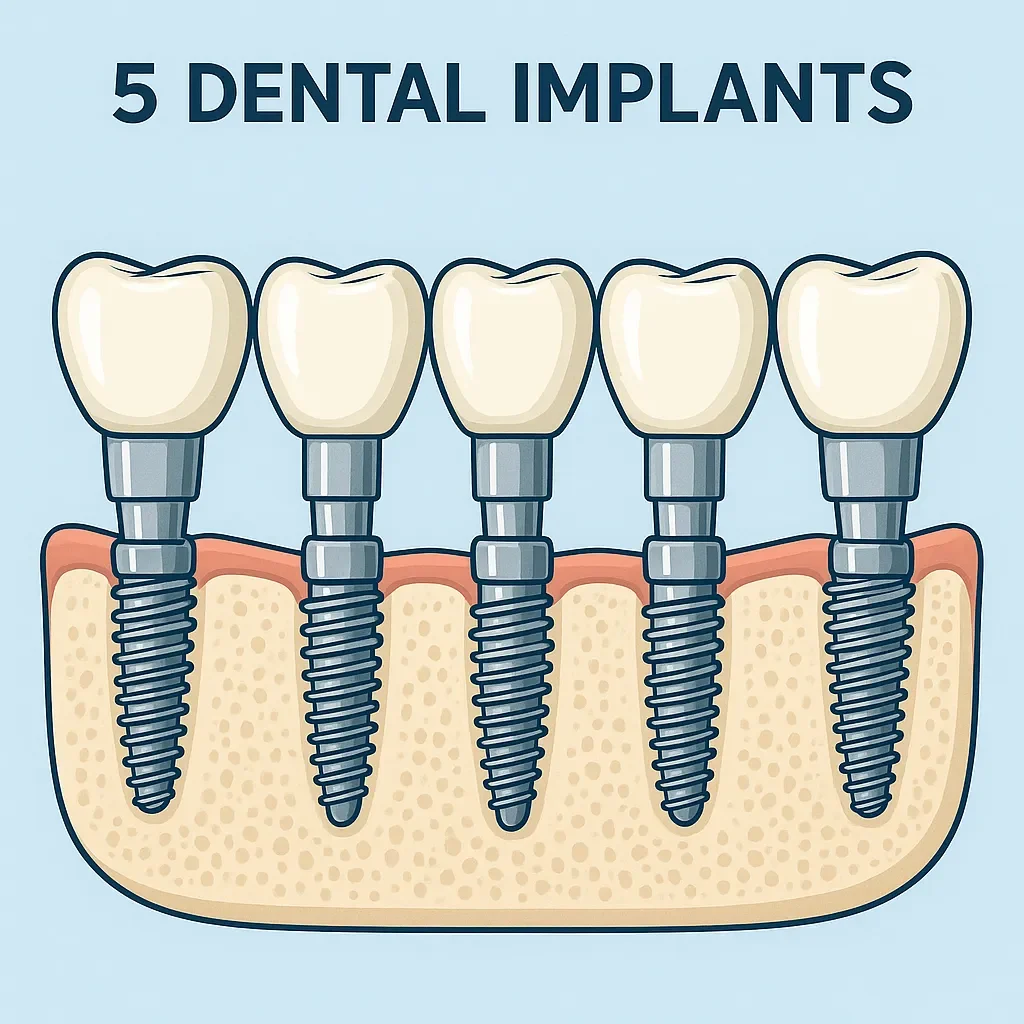
The concept of 5 dental implants typically refers to a treatment plan in which five strategically placed titanium implants support a prosthetic restoration. This may include a fixed bridge, partial arch reconstruction, or even a full-arch solution depending on the patient’s bone condition, aesthetic needs, and functional goals. While some people are familiar with the internationally known “All-on” methods, fewer understand that 5 dental implants can actually offer a more customized structural distribution, especially when there is moderate bone density in multiple areas of the jaw. This flexibility allows the dental surgeon to position implants in a way that optimizes durability, comfort, and long-term success.
Before placing 5 dental implants, the clinician performs a detailed diagnostic evaluation using 3D CBCT imaging, digital bite analysis, and gum-health assessments. This ensures that each implant is placed with millimetric precision. Proper angulation prevents complications and supports ideal load distribution during chewing. Many patients search for treatment options because they struggle with instability in removable dentures, discomfort while eating, or the embarrassment of missing teeth. With 5 dental implants, these concerns are significantly minimized because the implants integrate with the bone through osseointegration, creating a strong foundation that can last for decades when cared for properly.
One key advantage of choosing 5 dental implants is their ability to support a more natural-looking restoration. Compared to traditional dentures, implant-supported prosthetics do not shift, do not require adhesives, and allow patients to enjoy a wider variety of foods — including crunchy fruits, fibrous vegetables, and even tougher proteins. Many patients describe the emotional transformation that comes with having a stable smile: increased confidence, improved speech, and the joy of not worrying about their teeth in social situations. ✨
In addition to functional improvements, 5 dental implants help preserve facial structure by preventing further bone resorption. When teeth are missing, the jawbone naturally weakens over time due to a lack of stimulation. Implants mimic natural tooth roots and activate the bone during chewing, supporting long-term facial aesthetics. This means patients avoid the “collapsed” look often associated with long-term denture use. Because of this benefit, many dentists recommend 5 dental implants as part of comprehensive restorative dentistry, especially for patients seeking both functional and cosmetic enhancement.
Patients researching 5 dental implants often ask whether the procedure is painful. Modern dentistry uses advanced anesthesia, sedation techniques, and precise surgical planning to ensure a comfortable experience. Most patients report feeling only mild pressure during the procedure and manageable soreness afterward. Following surgery, a temporary prosthesis may be provided until the implants fully integrate. This ensures that patients can continue smiling confidently while healing takes place. Recovery time varies, but many patients can resume normal daily activities within 24–48 hours.
Finally, it’s important for individuals considering 5 dental implants to work with an experienced dental team. Clinics with advanced digital planning systems, guided surgery tools, and access to high-quality implant brands can significantly increase the long-term success of the procedure. For those wishing to ask questions or schedule a consultation, the Redent Klinik Contact Page is an excellent place to begin. For additional verification of safety and treatment standards, patients may also explore professional resources such as the American Dental Association.
Understanding How Affordable Dental Implants and Dentures Work
When patients begin researching 5 dental implants or searching for more budget-conscious options such as affordable dental implants and dentures, they often want to understand not only how these treatments are performed but also why they are so effective. This section provides a comprehensive and detailed explanation of how implant-based dentistry functions, the biological processes involved, the technological advancements that enhance treatment precision, and how dentures work when combined with implant support. By the end of this section, you will have a clear and structured understanding of how these solutions restore chewing ability, smile aesthetics, and long-term oral health. 😄🦷
How Dental Implants Function at the Biological Level
Dental implants — including treatment plans that involve 5 dental implants — are engineered to mimic natural tooth roots. They are typically made from high-grade titanium or zirconia, materials that integrate seamlessly with the jawbone. This process, known as osseointegration, is one of the greatest breakthroughs in modern dentistry. Once the implant is inserted into the bone, your body naturally accepts and bonds with it. Over a period of several weeks to months, the implant becomes part of your jaw structure, creating a stable foundation for crowns, bridges, or dentures.
For individuals considering 5 dental implants, osseointegration ensures that each implant can withstand significant chewing forces. This means you can comfortably enjoy a wide range of foods without worrying about slipping dentures or biting discomfort. The superior stability and longevity are crucial reasons why implant dentistry has become the gold standard for tooth replacement.
The Mechanical Structure Behind Implant-Supported Restorations
Unlike traditional dentures, which sit loosely on the gums, implants operate as anchored support pillars for dental restorations. When a dentist designs a treatment using 5 dental implants, the implants are strategically placed in areas that maximize bone density and biting efficiency. Once healed, the implants connect to an abutment — a tiny connector piece that attaches the final restoration.
What makes 5 dental implants highly effective is their ability to distribute pressure evenly across the jaw, preventing bone loss and preserving facial shape. By acting as artificial tooth roots, they stimulate the bone during chewing, a function that traditional dentures simply cannot offer.
Why Implant Positioning Matters
Digital planning tools allow dentists to map the bone structure in three dimensions and determine the best placement for 5 dental implants. Each implant’s angle, depth, and position are carefully calculated to maximize strength and durability. This is especially important for patients who require both stability and aesthetics — such as those choosing hybrid solutions that combine affordable dental implants and dentures.
How Dentures Work With or Without Implants
Dentures have long been used as an economical option for tooth replacement. However, their stability depends heavily on gum shape, saliva levels, and daily maintenance. Many patients report slipping, difficulty chewing, or discomfort with traditional dentures alone. This is why implant-supported dentures — often using 5 dental implants for reinforcement — are now considered a superior option.
When dentures are attached to implants, they gain remarkable stability and chewing power. The denture base locks onto the implant abutments or a bar-attachment system, meaning the prosthesis will not move while talking or eating. This allows for a much more natural experience, restoring confidence as well as functionality.
Types of Implant-Supported Denture Systems
- Snap-on Dentures: Removable but extremely stable due to implant attachments.
- Bar-Retained Dentures: Supported by a thin metal bar anchored onto 5 dental implants.
- Fixed Implant Bridges: Often non-removable and provide the closest feel to natural teeth.
The number of implants required varies by jawbone condition and treatment goals. However, 5 dental implants often strike a balance between stability, cost-efficiency, and structural integrity. They offer more support than “mini implant” solutions while avoiding the cost burden of full-arch implant placement.
Digital Dentistry: Enhancing Accuracy and Patient Comfort
Modern clinics use technologies such as 3D CBCT imaging, intraoral scanning, and CAD/CAM milling machines to design precise implant-supported restorations. For patients receiving 5 dental implants, this ensures that each implant is placed with pinpoint accuracy, reducing surgical risk and enhancing long-term success rates.
Digital dentistry also eliminates the discomfort of traditional impression materials, making the process smoother and far more patient-friendly. Your final prosthetic teeth are designed to match your facial structure, bite pattern, and aesthetic preferences, guiding you toward a natural-looking smile.
Who Benefits Most From Implant-Supported Denture Solutions?
Patients who have struggled with loose dentures, extensive tooth loss, or progressive bone resorption often experience life-changing results with 5 dental implants. Additionally, individuals seeking affordable dental implants and dentures can find hybrid solutions that balance cost with quality, providing long-term functionality without financial strain.
To explore treatment options, consultations can be scheduled through the
Redent Klinik Contact Page. Patients may also review official clinical guidelines from the
American Dental Association for added research and reassurance.
Benefits of Choosing Budget-Friendly Implant and Denture Solutions
Many patients researching 5 dental implants or exploring more economical treatment options often wonder whether affordable solutions can still offer long-lasting, high-quality results. The answer is yes — when carefully planned and performed by an experienced dental team, budget-friendly treatment options can dramatically restore oral function, confidence, and facial aesthetics without compromising durability or safety. In this detailed section, we will discuss the primary benefits of choosing cost-effective implant and denture combinations, supported by advanced digital dentistry and modern clinical approaches. 😄🦷
Enhanced Oral Function and Stronger Bite Force
A major advantage of receiving 5 dental implants — even in an affordable treatment model — is the significant improvement in bite strength. Traditional dentures often shift, causing difficulties when biting into firmer foods. However, implants act like artificial tooth roots, anchoring your new teeth securely in place. This stability allows patients to eat comfortably and confidently without pain or fear of denture movement.
With 5 dental implants strategically placed across the jaw, pressure is distributed evenly, improving chewing performance and protecting the jawbone. Patients can enjoy a wide range of foods, including crunchy fruits, fibrous vegetables, and meats, developing a healthier and more balanced diet.
Why Functional Strength Matters
Chewing efficiency impacts digestion, nutrition absorption, and overall wellness. When dentures slip, patients often avoid nutrient-rich foods, leading to long-term health consequences. Implant-supported restorations help reverse this pattern by supporting a stable, natural chewing motion that improves overall wellbeing.
Improved Confidence Through Aesthetic Smile Rehabilitation
Affordable implant and denture solutions are often associated with dramatic confidence boosts. Many patients who receive 5 dental implants report smiling more freely, speaking more clearly, and feeling significantly less self-conscious in social settings. This emotional benefit is incredibly valuable, especially for individuals who have experienced prolonged tooth loss or struggled with loose dentures.
Implant-supported prosthetics are custom-designed to match natural tooth shapes, colors, and proportions. By combining aesthetic customization with the underlying support of 5 dental implants, patients achieve a smile that looks both beautiful and authentic.
Facial Symmetry and Youthful Contours
Missing teeth lead to bone loss, causing the face to appear collapsed or aged. Budget-friendly implant solutions prevent this issue by stimulating the jawbone and preserving facial structure. This is one of the key reasons why even economical solutions using 5 dental implants offer long-term cosmetic and structural benefits.
Long-Term Stability and Durability
Another major benefit of choosing affordable implant-denture combinations is long-term reliability. Dental implants, even when implemented in cost-efficient treatment plans, are engineered for decades of performance. High-quality titanium integrates fully with the bone and serves as a stable foundation for restorations.
Systems supported by 5 dental implants offer excellent load distribution. Each implant contributes to stability, ensuring the prosthetic teeth remain firmly anchored during daily activities. This significantly reduces the risk of complications, loosening, or repeated denture replacements.
Cost Efficiency Over Time
While initial investment matters, ongoing maintenance and replacement costs also influence long-term affordability. Traditional dentures often require frequent adjustments due to gum shrinkage. In contrast, implant-supported solutions maintain a consistent fit because the implants stabilize the bone and gums.
Patients who choose 5 dental implants often save money over the long term by avoiding constant repairs or replacements associated with traditional dentures.
Bone Preservation and Oral Health Protection
One of the most clinically important advantages of implant-supported dentistry is bone preservation. When a tooth is lost, the jawbone begins to shrink due to lack of stimulation. Dentures rest on top of the gum tissue and cannot stop this process. In contrast, implants function like natural roots and stimulate the jawbone during chewing.
With 5 dental implants placed in key areas of the jaw, bone structure is maintained, preventing premature aging and maintaining a strong foundation for future restorations.
The Biological Impact of Maintaining Bone Density
Preserving bone density helps maintain facial proportions, reduces the risk of jaw fractures, and improves long-term oral health. Keeping the bone strong also ensures that future treatments, if needed, will be easier and more predictable.
Improved Speech and Daily Comfort
Traditional dentures often cause speech difficulties such as slurring or whistling. They may also irritate soft tissues or shift when talking. Implant-supported restorations eliminate these problems by locking securely into place.
Patients with 5 dental implants frequently report speaking naturally and comfortably, without worrying about dentures slipping at inconvenient moments. This is especially beneficial for professionals or socially active individuals who rely on clear communication.
Accessibility and Modern Payment Options
Many clinics, including those specializing in economical implant solutions, now offer flexible financial options and installment plans. This makes treatments supported by 5 dental implants far more accessible to patients seeking long-term value without overwhelming upfront costs.
For personalized guidance, patients can reach out through the
Redent Klinik Contact Page.
Additionally, trusted resources such as the American Dental Association offer scientific information on treatment safety and standards.
Types of Affordable Dental Implants and Dentures for Every Smile
When exploring modern tooth replacement solutions, many patients search for reliable information about the types of treatments available — especially those balancing quality with affordability. Whether someone is considering a hybrid restoration, a partial replacement, or a full-arch solution supported by 5 dental implants, understanding the available options is essential for making an informed decision. This comprehensive section breaks down the major categories of implants and dentures, explaining how they work, who they are best suited for, and how they can be customized to suit individual needs. 😄🦷
Standard Titanium Dental Implants
Titanium implants are the most widely used and trusted implant type. They are biocompatible, strong, and capable of lasting decades when cared for properly. For treatment plans involving 5 dental implants, titanium posts remain the preferred choice due to their exceptional integration with the jawbone.
These implants consist of three main parts: the implant post, the abutment, and the final prosthetic crown or bridge. Titanium implants are highly resistant to fractures and can support a wide range of restorations, including multi-unit bridges and implant-supported dentures.
Why Titanium Is Ideal for Multi-Implant Cases
Titanium’s ability to fuse with the bone makes it ideal for full-arch or partial-arch treatments using 5 dental implants. This deep integration ensures the foundation is stable enough to support strong chewing forces and daily function.
Zirconia Dental Implants
Zirconia implants have become increasingly popular for their aesthetic properties and metal-free composition. They are white in color, making them an excellent option for patients concerned about implant visibility or those with titanium sensitivities.
Although zirconia implants are typically more expensive, they can still be included within an affordable treatment plan depending on the prosthetic design. Patients who require 5 dental implants but want a fully metal-free approach may choose zirconia for its biocompatibility and natural appearance.
Ideal Candidates for Zirconia Systems
Patients with thin or translucent gum tissue often benefit from zirconia implants. This prevents any grayish hue from showing through the gums, maintaining a bright, natural-looking smile.
Mini Dental Implants
Mini implants are narrower than standard implants and are often used in cases where the jawbone is too thin to support full-size implants. While they are not typically recommended for full-arch solutions using 5 dental implants, they can be an affordable option for stabilizing removable dentures.
Mini implants require less invasive surgery, making them suitable for patients with limited bone density or medical conditions that prevent larger surgical procedures.
When Mini Implants Are Appropriate
These implants are ideal for:
- Lower denture stabilization
- Patients wanting a minimally invasive procedure
- Temporary support for transitional prosthetics
Mini implants provide stability but lack the long-term load-bearing strength of a treatment supported by 5 dental implants.
Implant-Supported Dentures
Implant-supported dentures combine the affordability of dentures with the stability of implants. They can be removable or fixed, depending on patient preference and bone support. This is one of the most popular cost-effective solutions for individuals who need extensive tooth replacement but still want significant improvements in stability and function.
Treatment plans involving 5 dental implants can serve as an ideal foundation for a secure denture that does not shift during chewing or speaking. This provides a life-changing improvement for patients accustomed to traditional dentures.
Types of Implant-Supported Dentures
- Snap-On Dentures: Removable prosthetics that “snap” onto implant attachments.
- Bar-Retained Dentures: A metal bar connects the 5 dental implants and supports a removable denture.
- Fixed Implant Dentures: Non-removable, highly stable, and closest to natural teeth.
Each system provides different levels of comfort, stability, and aesthetics. Choosing between them depends on lifestyle, expectations, and clinical requirements.
Fixed Implant Bridges
Fixed implant bridges offer a permanent solution for patients who prefer non-removable teeth. When supported by 5 dental implants, the bridge can replace multiple missing teeth with excellent functionality and natural aesthetics.
These bridges are custom-designed using digital scans, allowing clinicians to match the patient’s tooth shape, size, and bite pattern.
Candidates for Fixed Bridges
Fixed bridges supported by 5 dental implants are best suited for patients seeking:
- A natural feel similar to real teeth
- A strong bite capable of handling most foods
- Long-term durability and bone preservation
Overdentures
Overdentures sit on top of the gum tissue but are stabilized by implants. They offer a good compromise between affordability and stability. Unlike fixed systems, overdentures are removable for cleaning, meaning they may be easier for certain patients to maintain.
For patients who desire improved retention without the cost of a fully fixed solution, overdentures supported by 5 dental implants can provide excellent value.
Choosing the Right Type of Implant or Denture
The best solution depends on several factors, including bone density, aesthetic goals, lifestyle habits, budget, and long-term expectations. A dentist will analyze your bone structure, bite alignment, and gum health before recommending a plan. For many patients, a combination of affordability and effectiveness makes 5 dental implants an ideal choice — offering the stability of implants with customizable prosthetic options.
To evaluate which option suits your needs, you can reach out through the
Redent Klinik Contact Page.
For clinical guidelines and scientific references, the
American Dental Association provides trusted information on implant and denture systems.
Step-by-Step Treatment Process for Implant and Denture Patients
Understanding the complete treatment journey is essential for anyone considering modern restorative solutions supported by 5 dental implants. Patients often want to know how long recovery takes, what happens before and after surgery, and how the final prosthetic is designed. This comprehensive section walks you through each phase — from the initial examination to final placement — giving you complete clarity and confidence in the process. Whether you are pursuing full-arch restoration, hybrid dentures, or a fixed bridge supported by 5 dental implants, this detailed guide will help you fully understand what to expect. 😄🦷
1. Initial Consultation and Comprehensive Oral Examination
Your journey begins with a thorough evaluation by an implant specialist. The dentist assesses your oral health, gum condition, and bone density to determine whether 5 dental implants are appropriate for your needs. Unlike traditional dentures, implant-supported systems require strong bone support and healthy gums to achieve long-term success.
During this examination, your dentist will discuss your goals, budget, aesthetic expectations, and overall health. Patients considering 5 dental implants often seek improved stability, natural aesthetics, and long-term reliability. Understanding your priorities allows the dentist to tailor a personalized treatment plan.
Diagnostic Tools Used in This Stage
- 3D CBCT scans to analyze bone structure
- Intraoral digital impressions for precise measurements
- Jaw alignment and bite force evaluation
- Collection of medical history and medication overview
These tools help identify the ideal locations for placing 5 dental implants while minimizing surgical risk and maximizing long-term success.
2. Customized Treatment Planning
After your oral examination, the clinician creates a digital treatment plan. This detailed roadmap outlines implant positions, prosthetic design, bone grafting needs (if any), and expected timelines. For treatment options that involve 5 dental implants, this planning stage is crucial.
Computer-guided implant planning ensures each implant is positioned with pinpoint accuracy. The dentist uses digital software to simulate implant placement, ensuring proper angulation and depth. These virtual models help eliminate guesswork and provide a predictable surgical outcome.
Why Digital Planning Is Important
Digital planning:
- Reduces surgery time
- Improves implant stability
- Enhances prosthetic accuracy
- Boosts long-term success rates for 5 dental implants
3. Pre-Surgical Preparations
Before surgery, your dentist may recommend specific preparatory steps. This ensures that your mouth and body are ready for the placement of 5 dental implants. Preparations may include professional cleaning, gum disease treatment, antibiotic protocols, and bone-strengthening measures if needed.
Some patients may require bone grafts or sinus lifts when bone density is insufficient. These procedures rebuild the jawbone so that the placement of 5 dental implants is safe and stable.
4. Surgical Placement of the Implants
The surgery involves placing each implant into the jawbone through a minimally invasive technique. Many clinics use flapless or guided surgery methods, resulting in faster healing and minimal discomfort. Local anesthesia or conscious sedation ensures a relaxed, pain-free experience.
Using the digital plan, the dentist positions each of the 5 dental implants with absolute precision. The implants are inserted into pre-drilled sites in the bone, then stabilized securely. The surgical process typically takes 1–2 hours depending on the complexity.
What Patients Usually Feel During the Procedure
Most patients report little to no pain during surgery. Pressure sensations may be felt, but discomfort is minimal. Many return to normal daily activities within 24–48 hours.
5. Healing Phase and Osseointegration
After implant placement, the most important biological process begins: osseointegration. This is when the bone fuses naturally with the implant surface, creating a stable foundation. This phase is crucial for the long-term success of treatments supported by 5 dental implants.
While osseointegration typically takes several weeks to months, temporary prosthetic teeth are often used during the healing stage, ensuring that patients continue to smile confidently.
How to Support Healthy Healing
- Avoid smoking and alcohol during the healing period
- Follow a soft-food diet during the first week
- Take prescribed medications as directed
- Maintain excellent oral hygiene
Following these guidelines helps the 5 dental implants integrate successfully with the bone.
6. Abutment Placement and Prosthetic Design
Once healing is complete, abutments are attached to the implants. These connectors serve as the base for your final prosthetic teeth. At this stage, the dentist takes new digital impressions to design your custom smile.
This phase ensures the final prosthetic is aligned with your facial features, bite pattern, and aesthetic preferences. For full-arch cases supported by 5 dental implants, this step is essential for achieving optimal comfort and functionality.
7. Final Placement of the Prosthetic Teeth
Your final prosthetic — whether a fixed bridge, hybrid denture, or implant-supported overdenture — is attached securely to the implants. The result feels, functions, and looks like natural teeth.
Patients with 5 dental implants enjoy remarkable stability, a natural bite, and enhanced speech clarity. The final prosthetic is crafted from durable materials such as zirconia, ceramic, or high-grade acrylic.
8. Aftercare and Long-Term Maintenance
After final placement, your dentist will provide detailed aftercare instructions. Long-term success depends on maintaining excellent hygiene, attending routine check-ups, and caring for your gums. Implant-supported restorations — especially those using 5 dental implants — can last decades with proper care.
Patients seeking guidance, follow-up, or scheduling assistance can contact the clinic directly through the
Redent Klinik Contact Page.
For scientific and clinical standards regarding implant dentistry, the
American Dental Association offers reliable resources.
Cost Factors That Influence Affordable Dental Implants and Dentures
When patients begin researching treatment options such as 5 dental implants or budget-conscious implant-denture combinations, one of the most important questions they have is: “What determines the cost?” Understanding cost variables is essential for planning, budgeting, and making informed decisions. This section explains the key factors that influence pricing, including clinical complexity, materials, technology, and aftercare. Whether you are exploring hybrid dentures, fixed bridges, or full-arch restorations supported by 5 dental implants, this guide will give you complete clarity on what affects overall treatment costs. 😄💰
1. The Number of Implants Required
The total number of implants directly affects cost. Treatment plans using 5 dental implants generally fall into a mid-range category — not as expensive as full-arch implant systems requiring 6–8 implants, yet significantly more stable than mini-implant solutions. The placement of 5 dental implants typically provides a strong, balanced foundation for dentures or bridges.
The optimal number of implants depends on jawbone density, the patient’s bite pattern, and the desired level of stability. Many clinicians recommend 5 dental implants for patients who need a combination of affordability and long-term structural support.
Why More Implants Increase Stability
Every implant adds stability and increases chewing performance. Using 5 dental implants distributes bite forces evenly, reducing strain on each implant and improving long-term durability. This balance often justifies the cost compared to cheaper but less stable options.
2. Implant Material and Prosthetic Type
Materials used for implants and prosthetic restorations significantly impact cost. High-quality titanium implants are durable and predictable, while zirconia implants offer superior aesthetics but at a higher price point. For full-arch solutions supported by 5 dental implants, zirconia bridges tend to be more expensive than acrylic or hybrid prosthetics.
The prosthetic type — fixed bridge, hybrid denture, overdenture, or snap-on denture — also influences pricing. Fixed restorations supported by 5 dental implants tend to cost more due to their complex engineering and premium materials.
Material Cost Breakdown
- Titanium: Affordable, durable, industry standard
- Zirconia: Ceramic, extremely aesthetic, higher cost
- Acrylic: Budget-friendly, ideal for removable options
- Porcelain/Ceramic: Natural appearance, mid-to-high cost
Each material offers different aesthetic and functional benefits, which affects total cost.
3. Need for Preparatory Procedures
Some patients require additional procedures before receiving 5 dental implants. These may include bone grafting, sinus lifts, gum treatment, or tooth extractions. Each additional procedure adds to the overall treatment cost. The more complex the preparation, the higher the investment needed.
Patients with adequate bone density often benefit from simplified procedures, making the placement of 5 dental implants more cost-effective and predictable.
Common Preparatory Treatment Costs
- Bone grafting: Necessary when bone is insufficient
- Sinus lift: Required for upper jawbone support
- Gum disease treatment: Ensures healthy implant integration
- Extractions: Removal of damaged or infected teeth
4. Technology Used in Treatment
Advanced technologies such as CBCT imaging, digital scans, surgical guides, and CAD/CAM fabrication contribute to treatment accuracy but also affect cost. Many clinics use these tools from the first consultation onward, especially for treatment involving 5 dental implants.
Digital dentistry ensures every implant is placed with precision, reducing complications and minimizing recovery time. While this technology adds to treatment cost, it significantly improves long-term success and patient comfort.
Examples of Technology Used
- 3D CBCT Imaging
- Intraoral Digital Scanners
- Computer-Guided Implant Surgery
- CAD/CAM Prosthetic Design
5. Dentist’s Expertise and Location of the Clinic
Dentist expertise plays a major role in overall pricing. Highly trained implant specialists often charge more due to their experience and advanced skills. When placing 5 dental implants, precision is crucial, making expert care worth the investment.
Geographical location also affects cost. Treatment in major cities or internationally recognized dental hubs may vary in price depending on demand, clinic reputation, and cost of living.
Value of Choosing an Experienced Provider
Choosing a skilled implant surgeon greatly improves treatment success rates, especially for multi-implant cases such as 5 dental implants. Experience reduces risk and increases the likelihood of long-lasting, predictable results.
6. Type of Denture or Prosthetic Used
The type of denture or prosthetic attached to the implants affects the final cost. High-end options like fixed zirconia bridges are more expensive than removable snap-on dentures. The complexity of designing a custom prosthetic, especially one supported by 5 dental implants, influences laboratory and fabrication fees.
More advanced prosthetics tend to offer better aesthetics, durability, and chewing performance — benefits that many patients are willing to prioritize.
7. Long-Term Maintenance and Follow-Up Care
Implant dentistry requires routine maintenance. While overall maintenance costs are low compared to traditional dentures, long-term checkups, professional cleanings, and potential repairs must still be considered. Patients with 5 dental implants benefit from long-lasting stability, reducing the need for repeated adjustments or replacements.
Affordable treatment plans often include maintenance guidance, making long-term care simple and cost-efficient.
8. Estimated Price Range (Based on Research)
Although pricing varies widely by location and clinical complexity, international research suggests the following approximate ranges:
Single implant: $1,000 – $3,000
Multi-unit bridge: $3,000 – $12,000
Full-arch implant denture supported by 4–6 implants: $7,000 – $25,000
Treatment plans using 5 dental implants: $8,000 – $20,000
These values are approximations and can vary significantly. Consulting a clinic directly is the best way to obtain an accurate treatment quotation.
9. Where to Get a Personalized Cost Assessment
For patients seeking an individualized treatment plan, consultations can be arranged through the
Redent Klinik Contact Page.
For scientific standards and clinical guidelines regarding implant safety, visit the
American Dental Association.
Understanding the factors that influence cost allows patients to make informed decisions and balance affordability with quality. Whether choosing hybrid dentures, fixed bridges, or full-arch restorations supported by 5 dental implants, proper planning ensures excellent long-term value.
Comparing Traditional Dentures vs. Implant-Supported Dentures
When patients begin researching tooth-replacement options, two of the most common solutions they encounter are traditional removable dentures and modern implant-supported dentures. Understanding the differences between these two systems is critical — especially for individuals considering 5 dental implants as part of a long-term, stable restorative plan. This section explains the structural differences, functional benefits, comfort levels, cost considerations, and long-term outcomes of each option. By the end, you will clearly understand why implant-supported dentures — particularly those anchored by 5 dental implants — are becoming the preferred choice for patients seeking reliability, stability, and confidence in daily life. 😄🦷
How Traditional Dentures Work
Traditional dentures are removable prosthetic appliances designed to replace missing teeth. They rest on top of the gums and depend primarily on suction, adhesives, or muscle control to stay in place. While economical, this design has limitations because the dentures do not attach to the underlying bone or provide structural stimulation. This often leads to bone shrinkage over time, causing dentures to loosen and require frequent adjustments.
Although traditional dentures serve as an affordable starting point, they lack the long-term stability and comfort associated with solutions supported by 5 dental implants. Patients who wear conventional dentures commonly report slippage while eating or talking, reduced bite strength, and difficulty chewing certain foods.
Pros and Cons of Traditional Dentures
- Pros: Low initial cost, non-surgical, easy to replace.
- Cons: Unstable fit, food limitations, bone loss progression, frequent relining, reduced confidence.
These limitations often motivate patients to explore implant-supported solutions that offer a stronger, more permanent foundation.
How Implant-Supported Dentures Function
Implant-supported dentures are securely anchored by titanium implants placed into the jawbone. Treatment plans using 5 dental implants provide balanced support, superior stability, and drastically improved chewing efficiency. The implants act as artificial tooth roots, preventing bone loss and ensuring that the dentures lock firmly in place.
Unlike traditional dentures, implant-supported systems do not move, slip, or irritate the gums. They provide a more natural speaking and chewing experience, allowing patients to enjoy foods that typically pose challenges for denture wearers.
Advantages of Implant-Supported Dentures
- Exceptional Stability: Anchored to 5 dental implants, preventing slippage.
- Improved Chewing Power: Allows consumption of a wide range of foods.
- Long-Term Bone Preservation: Implants stimulate the jawbone and prevent resorption.
- Enhanced Comfort: Eliminates gum irritation caused by shifting dentures.
- Natural Aesthetics: Offers a closer resemblance to natural teeth.
These advantages explain why so many patients transition from traditional dentures to implant-supported systems over time.
Stability and Security: A Side-by-Side Comparison
One of the most noticeable differences between conventional dentures and implant-supported dentures (especially those supported by 5 dental implants) is stability. Traditional dentures rely on soft tissues for support, making them vulnerable to movement. Implant-supported dentures, however, lock onto anchors within the bone, offering near-total stability.
Why Stability Matters
Stable dentures:
- Improve chewing performance
- Enhance speech clarity
- Boost confidence during social interactions
- Prevent discomfort and sore spots
Patients using 5 dental implants often describe a life-changing difference in everyday comfort and confidence.
Impact on Bone Health and Facial Structure
Bone health is a crucial factor in long-term oral function and facial aesthetics. Traditional dentures accelerate bone loss because they provide no stimulation to the jawbone. Over time, this leads to sagging facial features, wrinkles, and an aged appearance.
In contrast, implant-supported dentures anchored by 5 dental implants actively preserve bone density. The implants stimulate the bone similarly to natural tooth roots, preventing deterioration and maintaining healthy facial contours.
How This Affects Facial Appearance
With adequate bone support:
- The cheeks remain fuller
- The jawline appears more defined
- The lips maintain natural support
- Premature aging is significantly reduced
This difference is especially noticeable for patients who have worn traditional dentures for several years.
Cost and Long-Term Value Comparison
Although traditional dentures are less expensive initially, their long-term costs often exceed those of implant-supported solutions. Frequent relining, repairs, adhesive products, and replacements add up over time. Additionally, the bone loss associated with conventional dentures may increase future treatment expenses.
In comparison, dentures supported by 5 dental implants provide exceptional longevity and stability. They rarely require major repairs, and patients enjoy significantly improved function and comfort — making them more cost-effective in the long run.
Typical Cost Overview
Traditional dentures: $800 – $3,000
Implant-supported dentures (5 implants): $8,000 – $20,000
These figures vary depending on clinic location, materials, and treatment complexity.
Daily Function, Confidence, and Lifestyle Improvements
Perhaps the most important benefit of implant-supported dentures is the improvement in quality of life. Patients can speak clearly, laugh freely, and chew comfortably without fear of denture slippage. The enhanced stability provided by 5 dental implants helps patients reclaim their confidence and enjoy daily activities again.
Whether you enjoy social gatherings, professional interactions, or simply want to smile without worry, implant-supported dentures offer unmatched lifestyle improvements compared to traditional dentures.
To discuss which option best fits your needs, you can reach out through the
Redent Klinik Contact Page.
For clinical guidance, safety standards, and implant research, you may also visit the
American Dental Association.
How to Choose the Best Clinic for Affordable Dental Implants and Dentures
Selecting the right dental clinic is one of the most important decisions a patient can make—especially when considering advanced treatments supported by 5 dental implants. The quality of the clinic, the expertise of the dentist, the technology used, and the overall patient experience all contribute significantly to long-term results. This comprehensive guide explains which factors matter most when evaluating clinics, how to compare providers, and what questions to ask before committing to treatment. Whether your goal is affordability, durability, or natural aesthetics, this detailed breakdown will help you make an informed and confident choice. 😄🏥
1. Evaluate the Dentist’s Training and Experience
Perhaps the most important factor in choosing a clinic for 5 dental implants is the dentist’s expertise. Implant dentistry requires advanced training, precision surgical skills, and an in-depth understanding of jaw anatomy. When a clinician has extensive experience with multi-implant cases, the likelihood of success increases dramatically.
Many clinics publicly list their dentists’ credentials, certifications, and continuing education. Patients should look for doctors trained in implantology, oral surgery, prosthodontics, or restorative dentistry—fields that specialize in replacing missing teeth and designing long-lasting implant-supported restorations.
What to Look for in an Implant Specialist
- Postgraduate training in implant surgery
- Membership in professional dental organizations
- Experience with multi-implant cases like 5 dental implants
- Before-and-after case photos
- Positive patient testimonials
A skilled implant dentist ensures accurate placement, reduces complications, and enhances longevity of the restoration.
2. Assess the Technology and Equipment Used
Advanced technology significantly improves the precision and comfort of implant treatments. Clinics that invest in digital dentistry tools—such as CBCT 3D scans and guided implant surgery—typically achieve more accurate results, especially in cases requiring 5 dental implants.
Digital equipment enhances diagnostic accuracy, allowing dentists to map bone density, evaluate nerve pathways, and simulate optimal implant placement. These technologies help reduce surgical risk and ensure predictable, long-lasting outcomes.
Essential Technologies to Look For
- 3D CBCT imaging for bone assessment
- Intraoral digital scanners for impressions
- CAD/CAM machines for prosthetic fabrication
- Computer-guided implant placement systems
- Soft-tissue lasers for minimally invasive procedures
A clinic equipped with these tools is better prepared to handle complex cases and deliver natural-looking results.
3. Review Treatment Options and Customization
Not all clinics offer the same level of customization or variety in implant solutions. This is especially important for patients considering 5 dental implants, since multi-implant treatments require careful planning and tailored prosthetic designs. A good clinic will provide several options based on budget, bone density, aesthetic goals, and functional requirements.
Patients should look for clinics offering full-arch solutions, hybrid dentures, fixed bridges, and implant-supported overdentures. Clinics that offer a full spectrum of implant types are more likely to tailor the best treatment plan for each individual.
Questions to Ask About Treatment Options
- Do you offer both fixed and removable prosthetics?
- Is zirconia available as an option for long-term durability?
- How is a treatment plan developed for 5 dental implants?
- Do you use computer-guided implant placement?
4. Check Clinic Hygiene and Safety Standards
High-quality clinics follow strict sterilization protocols and safety measures. These standards protect patients from infection and promote faster healing—critical for multi-implant procedures like those involving 5 dental implants.
Patients should ensure that the clinic uses single-use disposable materials when appropriate, maintains sterile surgical environments, and adheres to international safety protocols.
Signs of Strong Hygiene Practices
- Clearly defined sterilization procedures
- Use of sealed, medical-grade instruments
- Surgical suites separate from general dental areas
- Staff wearing appropriate protective equipment
5. Compare Pricing and Financing Options
Although affordability is important, the cheapest option is not always the safest or the most effective. Instead, comparing value—not just cost—is crucial. When evaluating clinics offering treatments supported by 5 dental implants, patients should analyze quality, longevity, technology used, and post-care support.
Many reputable clinics offer multiple payment plans, installment options, or finance partners, allowing patients to receive high-quality care without financial strain.
Tips for Evaluating Cost Effectively
- Request a detailed written treatment plan
- Compare materials included in the price
- Ask whether follow-up visits are included
- Check if the clinic provides warranty options
6. Examine Before-and-After Results
Visual evidence provides the clearest insight into a clinic’s capabilities. Quality clinics often showcase real patient transformations, including full-arch restorations supported by 5 dental implants. These images help you understand the realism, fit, and aesthetic qualities you can expect.
Reviewing these results can also help you assess the clinic’s experience level, artistic skill, and commitment to excellence.
What to Look For in Before-and-After Photos
- Natural tooth alignment
- Symmetry in the smile design
- Healthy gum appearance
- No visible gaps between prosthetic and gums
7. Evaluate Communication and Patient Support
The overall patient experience is greatly influenced by the clinic’s communication style and support system. The best clinics provide transparent information, answer questions thoroughly, and guide patients step-by-step through the process. This is especially important when planning multi-step procedures involving 5 dental implants.
Patients should feel comfortable asking questions about surgery, aftercare, costs, healing timelines, and maintenance. A supportive clinic ensures peace of mind and reduces anxiety.
Key Communication Qualities to Expect
- Clear explanations without pressure
- Honest expectations regarding outcomes
- Prompt replies to questions
- Friendly, empathetic staff
8. Location, Accessibility, and Travel Considerations
Travel distance and convenience play an important role in long-term treatment success. Multi-implant procedures require several appointments, so choosing a clinic that is easy to reach is essential. Some patients travel internationally for high-quality dental tourism opportunities, including clinics that specialize in 5 dental implants.
In such cases, look for clinics that offer travel assistance, accommodation guidance, and clearly organized appointment schedules.
9. Consultation and Personal Assessment
Before making a final decision, schedule a consultation to evaluate the clinic firsthand. This allows you to meet the dental team, review treatment options, ask questions, and understand whether you feel confident in their expertise.
To arrange a consultation, patients may visit the
Redent Klinik Contact Page.
For trusted dental standards and professional guidance, the
American Dental Association
offers authoritative resources.
Choosing the best clinic for treatments supported by 5 dental implants involves balancing expertise, technology, safety, and affordability. With careful research and the right questions, patients can achieve exceptional outcomes that last for decades.
Long-Term Care and Maintenance Tips for Implants and Dentures
After completing treatment with 5 dental implants or receiving implant-supported dentures, the next and equally important stage is long-term maintenance. Proper care helps ensure that the implants remain stable, the prosthetic stays functional, and your oral health remains in excellent condition for decades. Even though implants are highly durable and resistant to decay, the surrounding gum tissue and bone still need consistent attention. This section provides a complete guide to implant and denture maintenance, from daily hygiene routines to professional check-ups and the lifestyle habits that influence long-term success. 😄🦷
1. Daily Oral Hygiene Practices
Maintaining excellent oral hygiene is essential for the longevity of restorations supported by 5 dental implants. While implants do not decay like natural teeth, improper cleaning can lead to gum inflammation and technical complications. Establishing a consistent oral hygiene routine helps prevent issues such as peri-implant mucositis and peri-implantitis.
Patients should brush their teeth at least twice daily using a soft-bristled toothbrush and implant-safe toothpaste. Cleaning around the gumline is crucial since plaque buildup can irritate tissues around 5 dental implants. Interdental brushes and floss designed for implants help remove debris that traditional brushing might miss.
Recommended Daily Care Tools
- Soft-bristled toothbrush (manual or electric)
- Non-abrasive toothpaste
- Interdental brushes sized for your implant spacing
- Implant-safe floss or water flossers
- Antibacterial oral rinse recommended by your dentist
These tools help maintain healthy tissue surrounding your 5 dental implants and prevent bacterial accumulation.
2. Proper Denture Cleaning Techniques
If you have implant-supported or hybrid dentures, cleaning them consistently is essential for long-term function and aesthetics. Dentures accumulate plaque, food particles, and bacteria, which can lead to unpleasant odors or irritation if not cleaned properly.
Even dentures anchored by 5 dental implants must be removed daily if they are detachable. The denture should be brushed with a soft denture brush and non-abrasive cleaner. It is important to avoid regular toothpaste, which can scratch the acrylic or ceramic surface.
Denture Care Tips
- Rinse dentures after every meal
- Brush dentures daily with a denture-specific cleaner
- Soak dentures overnight in a denture-cleaning solution (for removable versions)
- Clean around implant abutments gently to avoid irritation
Fixed hybrid dentures, which connect permanently to 5 dental implants, require special flossing techniques or small interdental brushes to clean underneath the prosthetic.
3. Protecting Gum Health
Healthy gums are vital for the long-term stability of 5 dental implants. Gum inflammation can compromise implant integration and increase the risk of bone loss. Patients should monitor their gum health closely, looking for signs such as bleeding, swelling, or redness.
Using an antibacterial rinse helps control harmful bacteria. Additionally, regular hydration, a nutrient-rich diet, and avoiding irritants like tobacco contribute significantly to gum health.
Warning Signs of Gum Problems
- Bleeding during brushing or flossing
- Persistent bad breath
- Swollen or tender gums
- Pus or fluid near implant sites
- Mild discomfort when biting down
If any of these symptoms appear around your 5 dental implants, contacting a dental professional immediately is essential.
4. Routine Dental Check-Ups and Professional Cleaning
Even with excellent home care, professional dental cleanings are necessary. Patients with 5 dental implants should schedule routine check-ups every 6 months, or more frequently if recommended by their dentist.
During these visits, your dentist evaluates the condition of the implants, checks the gum health, and performs necessary cleaning around the prosthetic. Special tools designed for implants are used to avoid scratching the implant surface or causing irritation.
What Happens During a Check-Up?
- Implant stability testing
- Evaluation of gum and bone health
- X-rays when necessary to monitor implant integration
- Professional cleaning with implant-safe instruments
- Adjustments to dentures or prosthetics if needed
Regular visits prevent complications and extend the life of your 5 dental implants and prosthetic teeth.
5. Dietary Choices That Promote Implant Health
Nutrition plays a surprisingly big role in maintaining oral health. A diet rich in vitamins and minerals strengthens the immune system and promotes healing. Patients with restorations supported by 5 dental implants should maintain a balanced diet that supports healthy gums and bones.
Avoiding hard, sticky, or overly sugary foods is important—especially during the healing phase. Once healed, patients can enjoy almost any food thanks to the stability of 5 dental implants. However, moderation is still key to protecting the prosthetic and preventing wear.
Recommended Foods
- Calcium-rich dairy products
- Leafy greens containing essential vitamins
- Lean proteins high in collagen-supporting nutrients
- Fruits and vegetables that support gum health
6. Lifestyle Habits That Affect Implant Longevity
Certain lifestyle choices can significantly impact the success of 5 dental implants. Avoiding smoking is particularly important because tobacco restricts blood flow, slows healing, and increases the risk of implant failure. Excessive alcohol consumption can also irritate the gums and weaken the immune system.
Patients who grind or clench their teeth may benefit from wearing a custom nightguard. This prevents excessive pressure on implants and protects them from mechanical stress.
Habits to Avoid
- Smoking or vaping
- Chewing ice or hard candy
- Teeth grinding without a nightguard
- Using teeth to open packages
7. Long-Term Maintenance for Denture Fit and Stability
Implant-supported dentures, especially those attached to 5 dental implants, may need occasional adjustments as tissues naturally shift over time. Although the implants prevent major bone loss, minor changes still occur, and prosthetic components may need tightening or replacement.
Regular maintenance ensures that the prosthetic remains secure, comfortable, and natural-looking.
8. When to Contact Your Dentist
If you notice changes in bite comfort, unusual clicking sounds, gum tenderness, or mobility in either the denture or 5 dental implants, you should schedule a dental appointment immediately. Early intervention prevents small issues from becoming major complications.
To arrange follow-up care or schedule routine maintenance, patients can use the
Redent Klinik Contact Page.
For evidence-based clinical guidelines, the
American Dental Association
remains a reliable reference for implant and denture care.
By following these long-term care strategies, patients can protect their smile investment and enjoy decades of comfort, confidence, and full chewing ability with their 5 dental implants.
Real Patient Results and Success Rates With Implant-Denture Treatments
One of the most reassuring aspects of choosing implant-supported restorations—especially treatment plans using 5 dental implants—is the remarkable success rate and life-changing transformation experienced by real patients. Implant dentistry has evolved over decades, delivering predictable, long-lasting outcomes supported by strong clinical evidence. In this comprehensive section, you will learn about success rates, healing outcomes, patient satisfaction levels, and actual performance differences between implant-supported dentures and traditional systems. The goal is to provide transparent, research-backed information so patients can make confident and informed decisions about their long-term oral health. 😄🦷
1. Success Rates of Implant-Supported Treatments
Modern implants are designed to integrate seamlessly with the jawbone, and when properly cared for, they can last for decades. Studies consistently show long-term success rates above 95%, especially for multi-implant treatments such as those involving 5 dental implants. These high success rates are attributed to advanced materials, precise digital planning, improved surgical techniques, and patient compliance with aftercare instructions.
When 5 dental implants are distributed strategically across the jaw, they create a balanced and stable foundation for fixed bridges or implant-retained dentures. This improves chewing efficiency, supports natural speech, and minimizes complications like prosthetic looseness or gum irritation.
Factors That Influence Implant Success
- Bone quality and density
- Surgeon experience
- Use of guided implant placement
- Oral hygiene practices
- Patient lifestyle habits (e.g., smoking)
Patients who follow recommended aftercare guidelines typically experience excellent outcomes and long-term implant stability.
2. Real Patient Experiences and Quality-of-Life Improvements
Beyond clinical data, the most compelling evidence comes from real patient stories. Individuals who receive implant-retained dentures supported by 5 dental implants often report dramatic improvements in daily function, comfort, and confidence. Many describe the transformation as “life-changing,” especially after years of struggling with loose dentures or missing teeth.
Patients frequently note improvements in speech clarity, chewing strength, social confidence, and overall wellness. They can enjoy foods they previously avoided, laugh freely without worrying about denture movement, and smile confidently in social interactions.
Common Patient Testimonials
- “My dentures no longer move when I talk or eat.”
- “I can finally chew steak, salads, and crisp apples again.”
- “My confidence has completely transformed.”
- “The 5 dental implants feel just like natural roots.”
Such feedback reinforces why multi-implant systems offer superior comfort and functionality compared to traditional dentures.
3. Healing and Integration Outcomes
One of the most important aspects of implant treatment is osseointegration—the biological process where the jawbone fuses with the implant surface. In treatment plans using 5 dental implants, proper integration ensures long-term strength and prevents complications related to implant mobility.
Most patients heal very well, with mild swelling or soreness in the first few days. Full integration typically occurs over several months, during which temporary teeth allow patients to maintain a natural appearance while healing.
Predictors of Strong Healing
- Healthy gums and proper oral hygiene
- Controlled medical conditions (e.g., diabetes)
- Avoidance of smoking during healing
- Following dietary guidelines provided by the clinic
Patients who adhere to professional guidance experience exceptionally high success rates and long-term stability of their 5 dental implants.
4. Long-Term Performance and Durability
Implants are engineered to withstand significant chewing forces and daily wear. When placed correctly, 5 dental implants can support strong, durable prosthetic teeth that function like natural teeth. Many patients continue using the same implants for 20 to 30 years or more—an impressive return on investment compared to traditional dentures that require regular adjustments and replacements.
Long-term studies show that implant-supported dentures maintain their fit, function, and aesthetic quality far better than removable dentures. Patients rarely experience slippage, gum irritation, or difficulty eating, even after years of use.
Durability Advantages
- Implants prevent bone loss, maintaining stability
- Fixed prosthetics maintain shape and color over time
- Chewing strength remains consistent due to implant anchorage
5. Complication Rates and How They Compare
While complications are rare, they can occur. Even with high success rates, it’s important for patients to understand potential risks. In treatments using 5 dental implants, complications are minimized due to balanced force distribution and enhanced structural integrity.
Common minor issues include temporary soreness, gum irritation, or bite adjustments. More serious complications—such as implant failure or peri-implantitis—occur infrequently and are usually linked to poor oral hygiene, smoking, or uncontrolled medical conditions.
How Implant-Supported Dentures Reduce Risks
- Better stability reduces gum friction
- Improved bone health lowers long-term risk
- Precision placement prevents overload pressure
Overall, well-planned treatment supported by 5 dental implants results in exceptionally low complication rates.
6. Comparison With Traditional Dentures
When comparing patient satisfaction, implant-supported dentures significantly outperform traditional removable dentures. Traditional dentures often cause gum discomfort, bone loss, chewing limitations, and self-consciousness. In contrast, dentures anchored by 5 dental implants provide unmatched stability, natural function, and aesthetic excellence.
Patients frequently describe implant-supported systems as “night and day” compared to conventional dentures.
7. Longevity of Results and Patient Commitment
Although implants can last decades, long-term success depends on consistent maintenance. Patients who follow recommended hygiene routines, attend scheduled check-ups, and protect their restorations achieve the highest level of success with 5 dental implants.
Long-term results are also influenced by diet, lifestyle choices, and adherence to professional aftercare guidelines.
8. Accessing Professional Support and Follow-Up
Clinics specializing in implant dentistry provide ongoing follow-up care to monitor implant health, adjust prosthetics, and ensure long-term satisfaction. Patients can easily schedule follow-up appointments or consultations through the
Redent Klinik Contact Page.
For scientific studies, dental safety standards, and clinical research on implant success rates, the
American Dental Association
remains the most authoritative source.
With proper planning, high-quality clinical care, and consistent maintenance, patients enjoy outstanding results with 5 dental implants, achieving durable function, natural aesthetics, and dramatically improved quality of life for decades.