
If you are searching for affordable dental implants and dentures, you are likely looking for a reliable, long-lasting, and natural-looking solution to restore your smile without unnecessary financial strain. In this comprehensive guide, you will discover how modern dental technology has made tooth restoration more accessible than ever. From implant-supported dentures to fixed single implants, today’s options are designed to blend comfort, aesthetics, and stability—all while remaining budget friendly. 😊
To help you make an informed decision, this section explains in depth what “affordable” truly means in dentistry, how costs are calculated, and why implant-based restorations offer exceptional long-term value. Whether you have missing teeth due to decay, bone loss, aging, or trauma, understanding the advantages of affordable dental implants and dentures will help you choose the right path toward a healthy, confident smile.
Dental implants have evolved significantly over the past two decades. Today, advanced zirconia and titanium materials ensure outstanding durability and biocompatibility. These innovations not only make implants safer but also help reduce overall treatment costs by shortening healing time and minimizing complications. Many patients also choose implant-supported dentures because they combine the stability of implants with the affordability of removable prosthetics, offering a balanced solution for full-mouth restoration.
One of the key reasons people prefer affordable dental implants and dentures is their ability to mimic the natural structure of teeth. A traditional denture only sits on the gums, but implants anchor directly into the jawbone—preventing bone loss and maintaining strong facial structure. This creates a youthful appearance, better chewing power, and improved speech clarity—benefits that significantly boost patients’ quality of life. For individuals comparing options, implant dentures consistently outperform traditional prosthetics in comfort, function, and long-term value.
Another important factor is maintenance. Unlike traditional removable dentures that may require frequent replacements or adjustments, implant-based solutions are designed for long-term performance. With proper oral hygiene and regular check-ups, they can last many years—often a lifetime. This is where the concept of affordability becomes clearer: an investment in quality dental solutions helps avoid repeated dental expenses later. Many patients describe implants as the most cost-effective long-term decision they have made for their oral health.
When evaluating treatment options, patients should always consult experienced and certified dental professionals who adhere to international safety standards. Trusted institutions such as the American Dental Association provide valuable guidelines on dental materials, implantology techniques, and clinical safety requirements. Choosing a clinic that follows these standards ensures that your affordable dental implants and dentures are not only budget-friendly but also safe, durable, and professionally executed.
If you’re considering treatment at a reputable clinic, you may also want to schedule a consultation to discuss your goals, expectations, and oral health needs. A personalized assessment helps determine the most suitable type of implant or denture, bone structure compatibility, and required preparatory treatments. You can easily reach professional assistance through the Redent Klinik Contact Page, where patient coordinators provide detailed guidance. 🦷
Many people also want to know how affordability is shaped. Several factors influence overall cost, including the number of missing teeth, implant brand, bone quality, and the type of restoration selected. Some patients may require sinus lifts or bone grafts for enhanced implant stability, while others may qualify for immediate-load implants, reducing treatment time significantly. Despite the variations, growing global competition and modern digital workflows—such as CAD/CAM milling and 3D-guided surgery—have made affordable dental implants and dentures more accessible worldwide.
Additionally, modern clinics often use intraoral scanners instead of traditional molds, making the process more comfortable and precise. Digital impressions reduce human error, shorten laboratory times, and enhance the fit of restorations. This improved efficiency plays an important role in keeping treatments cost-effective. Supplementary materials like high-quality composites and advanced ceramic coatings also contribute to a natural and aesthetic smile, giving patients renewed confidence and improved daily functionality.
If you are unsure whether you qualify for treatment, keep in mind that implant technology now accommodates even patients with bone loss or long-term denture use. Options like mini implants, hybrid dentures, and All-on-4 systems are designed to maximize stability while keeping costs accessible. These solutions broaden the range of candidates and reinforce the practicality of choosing affordable dental implants and dentures as a durable, long-term restoration pathway.
Understanding Modern Dental Implant Technology and Materials
Modern dentistry has made remarkable advancements in the field of restorative treatments, especially for patients seeking affordable dental implants and dentures. Today’s implant solutions are no longer limited to old-fashioned techniques or outdated materials; instead, they incorporate cutting-edge engineering, digital dentistry, and biocompatible technologies. This extensive evolution ensures safer, stronger, and more predictable outcomes for patients who want functional, natural-looking teeth without exceeding their budget. In this section, you will learn how implant systems work, what materials are used, and why modern technologies dramatically improve comfort, stability, and treatment success. 😄
How Modern Dental Implant Systems Function
Dental implants serve as artificial roots that provide unmatched stability for both fixed and removable prosthetics. Unlike traditional dentures, implants integrate directly with the jawbone through a biological process called osseointegration. This fusion creates a solid foundation that mimics the function of natural roots. For individuals considering affordable dental implants and dentures, understanding this mechanism is crucial because it explains why implants feel more natural, improve chewing function, and offer long-term reliability.
Once placed into the jawbone, implants undergo a healing phase during which the bone cells grow around the titanium or zirconia surface. The strength of this bond ensures that the restoration stays secure even under heavy pressure. Whether supporting a single crown, a bridge, or a full arch, implant fixtures play a major role in preventing bone resorption—a common issue with missing teeth. Patients often report a dramatic improvement in chewing ability compared to traditional dentures, which may shift or loosen over time.
Advanced Materials Used in Today’s Implants
The two primary materials used in dental implants are titanium and zirconia. Titanium remains the most widely used due to its exceptional strength, biocompatibility, and ability to integrate predictably with bone. Meanwhile, zirconia implants are gaining popularity because they are metal-free, hypoallergenic, and provide excellent aesthetics for patients concerned about metallic components. Both materials are used in treatment options categorized under affordable dental implants and dentures, ensuring high-quality outcomes for various budget levels.
Titanium implants often come in two-piece designs: a screw-shaped root and a connecting abutment. This system allows customization for different angulations and bone structures. Zirconia implants, typically one-piece systems, offer a seamless aesthetic appearance, especially for patients with thin or translucent gums. From a functional standpoint, both materials deliver exceptional durability—making them ideal for long-term restorations.
Surface Technology Enhancing Bone Integration
Modern implants feature advanced surface coatings and microtexturing techniques that promote faster bone attachment. These include sandblasting, acid-etching, plasma spraying, and laser-modified surfaces. These refinements help reduce healing time, improve stability, and increase long-term success rates. This is particularly beneficial for individuals looking for low-cost implant systems or budget-friendly tooth replacement options, as faster healing often lowers overall treatment time and chair time, contributing to affordability.
The enhanced surface grip also ensures that implants perform well even in cases of reduced bone density. Patients who previously believed they were not candidates for implants due to bone loss may now qualify thanks to modern engineering techniques. This expanded eligibility further highlights why affordable dental implants and dentures have become such a practical option for a wider range of patients.
The Role of Digital Dentistry in Modern Implant Planning
Digital dentistry is one of the greatest innovations influencing implant success. The use of 3D imaging, CBCT scans, and advanced software allows clinicians to design personalized treatment plans with extraordinary precision. With virtual simulation, dentists can assess bone density, nerve positions, sinus cavities, and anatomical structures before the surgery even begins. This reduces unexpected challenges and improves surgical accuracy.
Additionally, 3D-guided implant surgery minimizes incisions, reduces trauma, and significantly decreases healing time. These benefits not only enhance patient comfort but also contribute to the affordability of treatment by reducing complications. Clinics that follow international standards—such as those recommended by the American Dental Association—are more likely to offer superior, predictable outcomes for those seeking affordable dental implants and dentures.
CAD/CAM Technology and Precision-Milled Prosthetics
Once the implants integrate with the bone, the prosthetic teeth—crowns, bridges, or full dentures—are created using CAD/CAM technology. This digital process ensures precise fit, proper occlusion, and aesthetically pleasing restorations. These custom prosthetics are milled from high-strength ceramic or zirconia blocks, offering excellent longevity and stain resistance.
For patients choosing implant-supported dentures, the CAD/CAM workflow ensures that the denture base and artificial teeth align perfectly with the implant abutments. This level of precision greatly improves comfort, speech clarity, and stability. Because modern tools shorten laboratory processing time and reduce human error, they directly contribute to the growing availability of affordable dental implants and dentures worldwide.
Why Technology Matters for Long-Term Affordability
Many individuals associate affordability only with upfront cost, but the true value of dental restorations lies in their longevity and reduced need for maintenance. Modern implant materials resist corrosion, fracture, and wear, making them far more cost-effective than older prosthetic methods. Patients no longer need frequent adjustments or replacements, and implant-supported dentures remain secure even after years of continuous use.
Additionally, digital workflows reduce the number of clinical visits, limit the risk of error, and streamline communication between the clinic and dental laboratory. All these factors contribute to the broader accessibility of affordable dental implants and dentures, making them an excellent long-term investment.
If you are considering treatment, scheduling a professional consultation is the best first step. Experienced clinicians can evaluate your bone structure, oral health, and aesthetic goals to create a personalized plan. For guidance, you may visit the Redent Klinik Contact Page for further assistance and consultation details.
How Affordable Dental Implants and Dentures Improve Oral Health
Many patients exploring affordable dental implants and dentures are motivated by more than just aesthetics—they want stronger oral health, better chewing function, improved speech, and long-term protection against further complications. Missing teeth can significantly impact daily life, from difficulties in eating to reduced self-esteem. However, modern dental implant systems and advanced denture technologies provide solutions that restore both form and function. In this detailed section, we focus on how these treatments contribute to improved oral health, prevent long-term damage, and support overall wellness. 😄
The Impact of Tooth Loss on Oral Health
Tooth loss affects far more than appearance. When one or more teeth are missing, the neighboring teeth begin shifting into the empty space, causing alignment issues. This can lead to bite irregularities, jaw pain, and even TMJ disorders. Additionally, the underlying bone deteriorates when it no longer receives stimulation from tooth roots. This phenomenon, known as bone resorption, can lead to facial sagging and premature aging.
Patients who choose affordable dental implants and dentures benefit from restored structure and improved stability. Implants act like natural tooth roots, stimulating the jawbone to maintain its density and volume. Meanwhile, implant-supported dentures distribute bite forces more evenly, reducing pressure on the gums and preventing irritation or sores commonly seen with traditional dentures.
Improved Chewing Ability and Digestion
One of the most significant advantages of implant-based restorations is enhanced chewing efficiency. Traditional dentures often shift, which can make it difficult to chew foods like meat, apples, salads, or nuts. This restricts patients to a limited diet and may lead to nutritional deficiencies over time.
With affordable dental implants and dentures, chewing power increases dramatically. The implants anchor the prosthetic teeth firmly in place, allowing patients to eat a wide variety of foods again. Being able to chew properly not only improves digestion but also contributes to better systemic health, as it allows the body to absorb nutrients more effectively.
Preventing Gum Disease Through Better Stability
Loose dentures are one of the leading contributors to chronic gum irritation and inflammation. Food particles can become trapped beneath the denture base, creating an environment conducive to bacterial growth. Over time, this can lead to gum disease or worsen existing periodontal issues.
Implant-supported restorations reduce this risk significantly. Because they sit securely on the implants, there are fewer gaps where bacteria can accumulate. Additionally, patients with affordable dental implants and dentures often maintain better oral hygiene habits, as their restorations are easier to clean and maintain.
Enhancing Speech Clarity and Confidence
Missing teeth and loose dentures can make speech challenging. Patients may struggle with pronouncing certain sounds, develop a lisp, or experience embarrassing clicking noises. This can affect self-esteem and social interactions.
Implant-supported restorations help stabilize the prosthetic teeth, giving the tongue and lips a stable framework for forming sounds correctly. Patients frequently report improved speech clarity and increased confidence after receiving affordable dental implants and dentures.
Prevention of Bone Loss and Facial Collapse
Bone loss is a major long-term consequence of missing teeth. Without stimulation from natural tooth roots, the jawbone begins shrinking, leading to a sunken facial appearance. This process not only changes facial features but also affects the ability to wear traditional dentures comfortably.
Dental implants provide the necessary stimulation for bone preservation. As they integrate with the jawbone, they act like artificial roots, effectively halting the bone resorption process. Patients who choose implant-supported dentures benefit from improved facial support, helping them maintain a youthful and natural appearance. This is a major reason why many people prefer affordable dental implants and dentures over conventional dentures.
The Role of Biocompatible Materials
Modern implant systems use titanium or zirconia—two of the most biocompatible materials in dentistry. These advanced materials integrate safely with the bone, reduce the risk of allergic reactions, and promote longevity. Their strength allows them to withstand heavy chewing forces, making them ideal for long-term oral health.
Implant-supported dentures also benefit from high-quality acrylics, composites, and ceramic teeth that resist staining, wear, and breakage. This means that patients who invest in affordable dental implants and dentures not only restore functionality but also receive prosthetics built for long-lasting performance.
Improved Hygiene and Easier Maintenance
Patients often assume that dentures require complicated care routines, but modern designs have simplified maintenance. Implant-supported dentures rest securely, which makes cleaning far easier compared to traditional removable dentures. Patients can brush and floss around implants just like natural teeth, reducing plaque buildup and preventing gum inflammation.
When individuals follow proper oral hygiene habits and visit their dental professionals regularly—preferably those who follow safety standards recommended by the American Dental Association—their restorations can last many years. This directly contributes to the long-term value of choosing affordable dental implants and dentures.
Better Psychological and Social Well-Being
Oral health plays a major role in emotional health. Individuals with missing teeth or unstable dentures often feel embarrassed about smiling or speaking in public. Restoring the teeth with stable implant-supported systems gives patients renewed confidence, allowing them to participate in social, professional, and personal interactions without fear.
Smile aesthetics also play a large role in mental well-being. Modern dental materials recreate the look of natural enamel, giving patients a bright, symmetrical, and authentic smile. This leads to improved mood, self-esteem, and overall satisfaction with daily life.
Those looking to take the first step toward improved oral health can easily request a professional assessment by contacting the team through the Redent Klinik Contact Page. Early evaluation ensures the most accurate treatment planning and personalized solutions.
Step-by-Step Process of Getting Implants and Dentures
Patients seeking affordable dental implants and dentures often want to understand the full treatment timeline, from the first consultation to receiving their final prosthetic teeth. Knowing what to expect not only builds confidence but also helps individuals prepare for each phase of treatment. Modern implant procedures combine advanced diagnostics, digital planning, and minimally invasive techniques to create predictable, long-lasting results. Below, you will find a detailed step-by-step explanation of how the treatment process unfolds, including key phases, healing expectations, and essential considerations to support a successful outcome. 😄
Initial Consultation and Oral Health Assessment
The first step in receiving affordable dental implants and dentures is a comprehensive evaluation by a qualified dental professional. During this visit, your dentist reviews your dental and medical history, assesses gum health, and identifies any potential complications. Digital X-rays and a 3D cone beam CT scan may be taken to examine bone density, nerve pathways, sinus anatomy, and implant placement possibilities.
This diagnostic phase is crucial because implants require adequate bone support for stability. If bone loss has occurred, the dentist will explain options such as bone grafting, sinus lifting, or choosing alternative implant types. Patients who follow clinics aligned with guidelines from institutions like the American Dental Association benefit from safer, more predictable outcomes.
Creating a Personalized Treatment Plan
Once your oral structures have been analyzed, the dental team creates a customized treatment plan tailored to your specific needs. This includes determining the number of implants required, evaluating whether you need full-arch restorations, and selecting materials that fit your budget. CAD/CAM digital planning ensures that implant placement is mapped with millimeter precision, reducing surgical risks and enhancing long-term success.
At this stage, patients also receive detailed cost estimates and payment information. Those aiming for affordable dental implants and dentures will appreciate that modern dental clinics offer a variety of pricing packages—ranging from single implants to full-mouth solutions like All-on-4 or implant-supported overdentures.
The Surgical Placement of Implants
Once treatment planning is complete, the surgical phase begins. Implant placement is typically performed under local anesthesia, though sedation options may be available for anxious patients. Using precision-guided techniques, the dentist creates small openings in the gum tissue and carefully positions each implant into the jawbone.
This stage is usually painless, and most patients report only mild discomfort afterward, easily managed with over-the-counter medication. Modern implants are designed to integrate quickly and predictably with the bone. The smooth, efficient surgical technique contributes to the long-term affordability of treatment by minimizing complications.
Healing and Osseointegration
After implant placement, the healing period begins. This process, known as osseointegration, involves the implants fusing with the surrounding bone. The duration varies depending on bone quality and the type of implant system used, but typically ranges from 8 to 16 weeks.
During this phase, patients are advised to follow soft-food diets, maintain excellent oral hygiene, and attend check-ups. The stronger the implant-bone connection becomes, the more stable the final restoration will be. This is why patients seeking affordable dental implants and dentures should choose clinics with strong follow-up protocols and experienced implantologists.
Temporary Prosthetics and Aesthetic Comfort
Many clinics provide temporary prosthetics during healing so patients never have to go without teeth. These provisional restorations help maintain appearance, speech, and basic chewing function while the implants stabilize underneath.
Temporary teeth also serve as aesthetic guides for designing the final prosthetics, ensuring that smile shape, color, and alignment are optimized. Patients often appreciate this step because it allows them to preview their new smile and request minor adjustments before the permanent restoration is crafted.
Creating the Final Prosthetic Teeth
Once osseointegration is complete, an impression or digital scan is taken to design the final denture or crown. Thanks to high-resolution intraoral scanners and CAD/CAM technology, prosthetics are milled with extreme precision.
Final restorations may include:
- Single crowns for individual implants
- Multi-unit bridges for several missing teeth
- Implant-supported overdentures
- Fixed full-arch hybrid prosthetics
Every solution offers a natural look and feel, giving patients full chewing function and renewed confidence. Whether selecting zirconia, porcelain-fused-to-metal, or acrylic options, patients receiving affordable dental implants and dentures benefit from long-lasting, functional prosthetics designed for beauty and endurance.
Final Fitting and Bite Adjustment
During the final visit, the permanent prosthetics are placed, aligned, and secured. The dentist ensures proper bite harmony so the teeth meet comfortably during speech and chewing. Patients also receive guidance on maintenance, cleaning techniques, and follow-up schedules.
The joy and confidence patients experience at this final step are often life-changing. Restoring the smile restores quality of life, allowing individuals to eat, speak, and smile freely again.
Aftercare, Maintenance, and Long-Term Success
Long-term success depends on good oral hygiene, routine dental check-ups, and proper care of both implants and dentures. Implant-supported restorations require brushing twice daily, flossing or using interdental brushes, and professional cleanings at least twice a year.
Patients who invest in affordable dental implants and dentures and adhere to proper maintenance often enjoy their restorations for decades. The combination of modern materials, digital planning, and minimally invasive surgical techniques ensures strong, durable outcomes.
Those ready to begin their journey or schedule a consultation can visit the Redent Klinik Contact Page to receive personalized guidance and professional evaluation.
Comparing Implant Types for Budget-Friendly Tooth Replacement
When exploring affordable dental implants and dentures, one of the most important steps is understanding the different implant types available and how each option affects cost, durability, comfort, and long-term results. Modern implant dentistry provides several solutions that fit a wide range of clinical needs and budgets. By comparing implant brands, sizes, materials, placement methods, and prosthetic combinations, patients can make well-informed decisions that balance affordability and long-term performance. This section provides an in-depth comparison of implant types so you can clearly understand which restorative system is most suitable for your oral health goals. 😊
Standard (Traditional) Dental Implants
Traditional implants remain the most widely used option in dentistry. These implants measure approximately 3.5–4.5 mm in diameter and offer exceptional strength and stability. They are typically recommended for patients with sufficient bone density and healthy gum tissue. For individuals seeking affordable dental implants and dentures, traditional implants offer long-term value due to their high success rates and compatibility with many prosthetic designs.
Standard implants are also highly customizable. They allow for various abutment types, angles, and crown shapes, making them suitable for single-tooth replacements, bridges, and full-arch restorations. Their durability ensures a predictable outcome, often lasting decades with proper care. While traditional implants may have a slightly higher initial cost compared to other options, their reliability and long lifespan make them one of the most cost-effective choices long term.
When Traditional Implants Are Recommended
Dentists prefer traditional implants when:
- The patient has adequate bone volume
- Full functional strength is needed
- Aesthetic precision is important
- Long-term stability is a priority
Patients choosing traditional implants benefit from superior chewing ability and a natural look and feel, making them ideal for those who want durable, stable solutions under the umbrella of affordable dental implants and dentures.
Mini Dental Implants (MDIs)
Mini implants are a popular solution for patients who want a more budget-friendly option or those who lack sufficient bone density for standard implant placement. These implants measure 2–3 mm in diameter and require less invasive surgery. Because the procedure is quicker and typically does not require bone grafting, MDIs are commonly used for stabilizing dentures.
Patients investing in affordable dental implants and dentures often appreciate the cost benefits of mini implants. They can transform a loose, unstable denture into a secure prosthetic that allows for improved chewing, speaking, and daily comfort. While they may not be suitable for every clinical situation, they offer a valuable alternative for individuals seeking both affordability and improved functionality.
Advantages of Mini Implants
Mini implants offer several benefits:
- Lower overall treatment cost
- Minimal surgical trauma
- Shorter healing time
- Ideal for denture stabilization
- Useful for patients with thin bone
Although mini implants may not support large bridges or high bite forces, they are an excellent option for many patients looking for affordable dental implants and dentures that enhance stability and quality of life.
All-on-4 and All-on-6 Full-Arch Implant Systems
For patients missing most or all of their teeth, All-on-4 and All-on-6 systems provide a comprehensive, fixed full-arch solution supported by four or six implants per jaw. These systems use strategic implant angulation to maximize bone contact, even in areas with reduced bone density.
While these systems require a higher initial investment than removable dentures, they remain far more durable and functional in the long run. Many clinics offer them as part of their affordable dental implants and dentures packages due to their efficiency, longevity, and reduced need for bone grafting.
Key Benefits of All-on-4/All-on-6
- Fixed (non-removable) teeth for maximum stability
- Full smile restoration in a short timeframe
- Reduced need for grafting procedures
- High success rate backed by decades of research
Patients who choose these systems often experience dramatic improvements in comfort, chewing strength, and facial aesthetics, making them one of the best full-mouth solutions available.
Zirconia vs. Titanium Implants: Material Comparison
Implants today are made primarily from two materials: titanium and zirconia. Both offer unique advantages, and both are widely used in affordable dental implants and dentures treatment plans.
Titanium Implants: Known for exceptional strength, titanium implants integrate predictably with bone, making them ideal for most clinical cases. Their durability ensures long-term performance even under heavy bite pressure.
Zirconia Implants: These metal-free implants appeal to patients with sensitivities or aesthetic concerns. They offer excellent biocompatibility and a natural white color, making them especially suitable for highly visible areas.
Which Material Is Best?
Choosing between titanium and zirconia depends on:
- Bone volume and density
- Location of the missing tooth
- Patient aesthetic expectations
- Budget and restoration goals
Both materials deliver excellent results, but titanium remains the most widely recommended due to its proven long-term success in affordable dental implants and dentures.
Implant-Supported Dentures vs. Traditional Dentures
One of the most significant decisions patients face is choosing between traditional removable dentures and implant-supported dentures. Traditional dentures rest on the gums, often causing discomfort and instability. Implant-supported dentures, however, lock securely onto implants, providing dramatically improved comfort and chewing power.
Patients who choose implant-supported dentures enjoy:
- Improved stability and speech
- No shifting or slipping
- Better chewing efficiency
- Reduced bone loss
These benefits explain why implant-supported dentures are a key part of modern affordable dental implants and dentures treatment plans.
Which Implant Option Is Right for You?
The ideal implant type depends on your bone structure, budget, oral health condition, and desired outcome. Scheduling a consultation with an experienced clinic—such as contacting the team through the Redent Klinik Contact Page—is the best way to receive a personalized treatment plan based on your specific needs.
A professional assessment ensures that the chosen implant system provides both affordability and long-term value. Combined with adherence to safety standards from reputable institutions like the American Dental Association, your investment in affordable dental implants and dentures becomes one of the most effective ways to restore your smile and oral health.
Smile Design and Aesthetic Planning for Natural-Looking Results
Achieving a beautiful, natural-looking smile is one of the biggest priorities for patients seeking affordable dental implants and dentures. Modern dentistry does far more than simply replace missing teeth—it focuses on creating a balanced, harmonious smile that matches facial proportions, enhances confidence, and looks completely natural in both daily interactions and photographs. Smile design is a highly detailed and personalized process that blends aesthetics, functionality, and advanced digital technology. In this section, you will learn how professionals meticulously plan every aspect of your new smile to ensure your final results are both visually stunning and long-lasting. 😄
The Importance of Comprehensive Smile Analysis
Smile design begins with a thorough evaluation of facial symmetry, tooth proportions, gum lines, bite alignment, and the overall structure of the jaw. Dentists carefully examine how the lips move when smiling, speaking, and resting. This provides essential insights into how your new restorations should be shaped, sized, and positioned.
For individuals choosing affordable dental implants and dentures, aesthetic planning ensures that cost-efficient solutions still achieve premium visual outcomes. Even with budget-friendly restorative options, the design process remains completely patient-centered, emphasizing natural beauty and functional harmony.
Elements of Smile Analysis
During an aesthetic evaluation, the dentist examines several key components:
- Tooth Length: Proper tooth length enhances youthful appearance.
- Tooth Width: Balanced width ensures natural proportions.
- Gum Contours: Smooth, even gum lines create symmetry.
- Lip Movements: The smile should appear natural at every angle.
- Color Tones: Shade selection must harmonize with skin tone and facial features.
These factors work together to create an individualized plan so your affordable dental implants and dentures look realistic and blend perfectly with your natural facial aesthetics.
Digital Smile Design (DSD): Precision Through Technology
Digital Smile Design (DSD) has revolutionized the way dental professionals plan cosmetic restorations. Using high-resolution photographs, 3D scans, and specialized software, dentists can simulate your future smile before any clinical procedure begins. This ensures that your expectations align with the final result.
DSD allows patients to provide feedback, request adjustments, and visualize outcomes with remarkable accuracy. This reduces uncertainty and makes the process more collaborative and enjoyable.
How Digital Tools Improve Precision
Digital planning tools offer numerous advantages:
- Exact tooth measurements for ideal proportions
- Simulated before-and-after images for confidence in results
- Digitally guided implant placement ensuring ideal alignment
- Enhanced prosthetic accuracy improving fit and comfort
This technological approach ensures that patients receiving affordable dental implants and dentures benefit from the same precision and detail used in high-end cosmetic dentistry.
Shade Selection and Natural Tooth Color Matching
Selecting the correct shade is essential to creating a lifelike smile. Modern prosthetic materials come in numerous shades, translucencies, and surface textures. Your dental team analyzes factors like skin undertone, eye color, and natural enamel hues to recommend the most flattering shade.
Advanced zirconia and ceramic materials used in implant crowns and dentures reflect light similarly to natural teeth, giving them depth and realism. This attention to detail ensures that even affordable dental implants and dentures maintain a high-quality aesthetic appearance.
Factors Influencing Tooth Shade
- Facial complexion and undertones
- Age-related tooth color trends
- Lip contrast and brightness
- Desired cosmetic effect (natural vs. brighter)
A properly chosen shade enhances your smile without appearing artificial or mismatched.
Custom Tooth Shape and Contouring
Tooth shape significantly influences your overall smile. Some patients prefer rounded, softer shapes for a more youthful appearance, while others choose sharper, angular shapes for a bold, mature look. Dentists design each tooth to suit your personality, facial aesthetics, and functional needs.
When creating affordable dental implants and dentures, custom contouring ensures that every tooth contributes to a balanced, attractive smile. This includes shaping edges, adjusting symmetry, and refining small details that make the prosthetics appear natural.
Common Tooth Shape Styles
- Oval: Softer edges for gentle facial features
- Square: Strong contours for a bold appearance
- Triangular: Ideal for narrower jawlines
- Round: A youthful, feminine aesthetic
Selection depends on personal preference and facial harmony.
Creating Harmony Between Gums and Teeth
A beautiful smile requires more than perfect teeth—healthy, symmetrical gums play an equally important role. Gum contouring, laser reshaping, and pink prosthetic materials are used to create seamless transitions between the gums and dentures or implant crowns.
For full-arch restorations under affordable dental implants and dentures, pink ceramic or acrylic components mimic natural gum color and texture. This ensures your smile looks realistic even during wide, expressive movements.
The Try-In Phase: Previewing Your New Smile
Before the final restoration is placed, many clinics offer a try-in stage using temporary prosthetics. This allows patients to preview:
- Tooth shape and size
- Color tones
- Smile line and aesthetics
- Bite comfort and pronunciation
Patients can request adjustments at this stage, ensuring complete satisfaction. This step is especially important for those receiving affordable dental implants and dentures who want reassurance that their final smile will look natural and feel comfortable.
The Final Aesthetic Outcome: A Smile That Matches You
Once all adjustments are finalized, the permanent prosthetic teeth are crafted using high-quality materials like zirconia, composite resin, or porcelain. The final result is a durable, beautiful smile that enhances your appearance and boosts confidence.
Patients who follow proper aftercare routines—guided by professional recommendations from providers aligned with institutions such as the American Dental Association—enjoy long-lasting aesthetic results.
If you are ready to enhance your smile through personalized aesthetic planning, you may schedule a consultation through the Redent Klinik Contact Page for expert guidance on affordable dental implants and dentures tailored to your unique goals.
Longevity, Durability, and Aftercare Tips for Your New Teeth
Patients choosing affordable dental implants and dentures often prioritize long-term value and durability. Modern implant systems and high-quality prosthetic materials are engineered not only to restore smile aesthetics but also to deliver decades of reliable function. The longevity of implant-supported restorations depends on several core factors: material strength, oral hygiene practices, professional maintenance, and proper usage. In this detailed section, you will learn how long implants typically last, what affects their lifespan, and how to care for your new teeth so they remain beautiful, comfortable, and functional for many years. 😄
Understanding the Expected Lifespan of Dental Implants
Dental implants are considered one of the most durable solutions in modern restorative dentistry. With proper care, they can last 20–30 years or even a lifetime. The titanium or zirconia foundation integrates with the jawbone through osseointegration, creating a strong, stable root for the prosthetic teeth.
For patients seeking affordable dental implants and dentures, longevity is a key indicator of value. While the upfront cost may be higher than traditional dentures, implants require fewer replacements, repairs, and modifications over time. This significantly reduces long-term expenses and ensures a more stable and predictable outcome.
Factors That Influence Implant Longevity
Several variables affect how long implants remain stable:
- Bone Density: Strong bone provides better support and long-term integration.
- Oral Hygiene: Consistent brushing and flossing protect the implant site.
- Gum Health: Healthy gums are essential for implant stability.
- Smoking Habits: Smoking significantly increases implant failure risk.
- Material Quality: High-grade titanium and zirconia improve longevity.
- Bite Pressure: Excessive grinding or clenching can wear down restorations.
Patients who follow care guidelines and choose reputable clinics—preferably those aligned with high standards recommended by the American Dental Association—experience the longest-lasting outcomes with affordable dental implants and dentures.
The Durability of Prosthetic Materials
The prosthetic teeth placed over implants are crafted from advanced materials designed for strength, beauty, and wear resistance. These include zirconia, porcelain, high-density acrylic, and hybrid ceramic composites. Each material offers unique advantages based on a patient’s needs, budget, and aesthetic preferences.
Zirconia prosthetics are known for exceptional hardness, natural translucency, and stain resistance. They are ideal for patients wanting long-term durability and lifelike aesthetics.
Acrylic prosthetics, often used for implant-supported dentures, are lighter and more affordable—but still offer impressive strength when reinforced with metal frameworks.
Regardless of which material you choose, modern prosthetics offer excellent longevity and visual authenticity, making them ideal for those investing in affordable dental implants and dentures.
How Material Choice Affects Wear Resistance
- Zirconia: Highly resistant to chipping, cracking, and staining.
- Porcelain: Natural-looking with good translucency but requires careful bite alignment.
- Acrylic: Lightweight and cost-effective; suitable for full-arch dentures.
- Hybrid resin materials: Flexible and durable; excellent for implant bridges.
Understanding material properties helps patients select restorations that balance cost, beauty, and performance—an important factor in choosing the right affordable dental implants and dentures.
Daily Oral Hygiene Practices for Implant Longevity
Maintaining excellent oral hygiene is essential to protecting implants and prolonging the life of your prosthetic teeth. Implants are not susceptible to decay, but the surrounding gum tissue and bone can still become infected if plaque accumulates.
For this reason, patients must brush twice daily with a soft-bristle toothbrush, use low-abrasion toothpaste, and clean around the implants using floss, interdental brushes, or water flossers. This routine helps prevent peri-implantitis—a condition that can weaken the bone around the implant and lead to failure.
Essential Hygiene Tools
- Soft toothbrush: Gentle on the gums and implant crowns.
- Interdental brushes: Clean areas traditional floss may miss.
- Water flosser: Ideal for patients with implant-supported dentures.
- Antimicrobial mouthwash: Helps reduce harmful bacteria.
When combined with regular dental visits, these tools help maintain the integrity of affordable dental implants and dentures for many years.
The Role of Professional Dental Check-Ups
Routine dental visits are essential for monitoring implant health. Every 6 months, your dentist will examine your gums, evaluate bone levels, and perform professional cleaning around the implant structure.
Early detection of inflammation, bite imbalance, or worn-out prosthetic components ensures timely intervention, preventing complications that could jeopardize implant stability.
Professional Maintenance Procedures
- Scaling around implants to remove plaque and tartar
- Bite adjustment to reduce pressure on implant crowns
- Condition checks for screws, abutments, and prosthetic materials
- Gum health evaluation to detect inflammation early
Patients who consistently attend professional appointments extend the lifespan of their affordable dental implants and dentures dramatically.
Protecting Your Implants From Damage
Lifestyle habits have a direct impact on implant durability. Teeth grinding (bruxism), chewing ice, biting hard objects, or using teeth as tools can damage both natural teeth and implant restorations.
Patients prone to grinding should wear a custom night guard to protect their implants during sleep. Athletes may also require sports guards to prevent injury.
Long-Term Value and Cost Efficiency
While traditional dentures require frequent adjustments, relines, or replacements, implant-based solutions maintain their stability for many years. This reduces long-term costs and increases comfort.
This makes affordable dental implants and dentures not only an aesthetic investment but also a financially smart choice over time.
If you want personalized guidance on how to care for implant-supported restorations or need help determining the best long-term treatment plan, you can contact the specialists at the Redent Klinik Contact Page. With proper maintenance and expert support, your new smile can remain strong, beautiful, and healthy for decades.
Common Myths About Affordable Dental Implants and Dentures
Many people hesitate to pursue affordable dental implants and dentures because of widespread myths, misunderstandings, and outdated assumptions about implant procedures and modern denture technology. These misconceptions often create unnecessary fear or confusion, preventing individuals from accessing life-changing dental solutions. In reality, today’s implant-supported restorations are safer, more effective, and more accessible than ever—thanks to advanced materials, minimally invasive techniques, and digital dentistry.
This section separates fact from fiction by addressing the most common myths surrounding implants and dentures. Each misconception is explained clearly so you can make confident, informed decisions about your oral health and long-term smile restoration. 😄
Myth 1: “Dental Implants Are Only for the Wealthy”
One of the biggest misconceptions is that implants are prohibitively expensive. While implant treatments were once considered premium or exclusive, modern advancements and global market growth have made affordable dental implants and dentures accessible to a far wider range of patients.
Today, many clinics offer cost-effective treatment plans, installment options, and combination solutions such as mini implants or implant-supported overdentures. These help reduce treatment costs while still delivering strong, functional results. Even full-mouth restorations like All-on-4 are more affordable today due to streamlined surgical methods and improved biomaterials.
The Reality
- Implant prices vary by material, implant brand, and prosthetic type.
- Mini implants and overdentures significantly lower costs.
- Digital workflows reduce laboratory fees and shorten treatment time.
- Long-term durability makes implants more cost-effective than regular denture replacements.
Myth 2: “Implant Surgery Is Very Painful”
Many people fear that implant surgery is extremely painful or invasive. The truth is that modern implant placement is a minimally invasive procedure performed under local anesthesia. Most patients compare it to having a tooth extracted and report mild, short-lived discomfort afterward.
Advanced planning methods—like 3D imaging, CBCT scans, and digital surgical guides—allow dentists to place implants with exceptional accuracy, minimizing tissue damage and reducing healing time.
The Reality
- Most patients experience only minor discomfort for 24–48 hours.
- Guided implant surgery reduces swelling and postoperative pain.
- Non-invasive mini implants are even easier to place.
- Pain is typically managed with over-the-counter medication.
These benefits apply equally to patients receiving affordable dental implants and dentures, showing that reduced cost does not mean compromised comfort or safety.
Myth 3: “Dentures Always Look Fake”
Older generations often wore dentures that looked bulky, unrealistic, or overly opaque. Modern dentures are nothing like that. New materials—such as multilayer composite resin, zirconia, and digital acrylic—allow dental technicians to recreate the shape, translucency, and life-like details of natural teeth.
Digital artistry also plays a key role. Through smile design and aesthetic planning, dentists control every detail of your prosthetic teeth, making them indistinguishable from natural enamel.
The Reality
- Digital smile design previews the final results before treatment begins.
- Tooth shades are matched to each patient’s facial features.
- Implant-supported dentures fit securely and look more natural than traditional ones.
- Pink ceramic or acrylic mimics healthy gum tissue for full-arch cases.
Whether choosing standard dentures or implant-supported ones, patients benefit from highly realistic outcomes under the umbrella of affordable dental implants and dentures.
Myth 4: “Implants Fail Frequently”
Some individuals fear implants might not integrate with the jawbone or may loosen over time. However, modern implant success rates range between 94–98%, making them one of the most predictable procedures in dentistry.
Strict hygiene protocols, professional planning, and high-quality materials significantly improve stability and long-term reliability.
The Reality
- Success rates reach up to 98% when performed by trained professionals.
- Titanium and zirconia implants bond strongly with bone tissue.
- Regular check-ups ensure early detection of any complications.
- Following aftercare instructions dramatically enhances longevity.
Patients choosing affordable dental implants and dentures still benefit from these high success standards, especially when treated by clinics following guidelines from reputable organizations like the American Dental Association.
Myth 5: “Older Adults Can’t Get Implants”
Age is not the determining factor for implant eligibility—oral and general health are. Many older adults successfully receive implants and enjoy excellent long-term outcomes. Even individuals with bone loss can often receive mini implants or undergo bone grafting to prepare the jaw for stability.
Dentures alone do not prevent bone loss, but implants stimulate bone tissue and maintain facial structure, making them especially beneficial for older patients.
The Reality
- Millions of adults over 60 have implant-supported restorations.
- Bone grafting and sinus lifts allow treatment even in advanced bone loss.
- Overall health and gum stability matter more than age.
- Implants can dramatically improve chewing ability and nutrition for seniors.
This makes affordable dental implants and dentures a life-enhancing option for older individuals who want to regain oral function and confidence.
Myth 6: “Implants Take Too Long to Complete”
While implants traditionally required months of healing, new techniques have shortened treatment time significantly. Immediate-load implants, same-day teeth options, and strategic placement allow many patients to enjoy new teeth faster than ever before.
Even when multiple stages are required, the total treatment timeline remains efficient thanks to guided surgery and digital workflows.
The Reality
- Some patients receive temporary teeth on the same day.
- Full-arch restorations often require fewer stages.
- Healing time varies but is shorter with modern materials.
- Digital dentistry accelerates the entire process.
Myth 7: “Dentures Supported by Implants Are Hard to Maintain”
Many people assume implant-supported dentures require complicated cleaning routines. In fact, they are often easier to maintain than traditional dentures because they do not move or trap food underneath.
Daily brushing, flossing, or using interdental brushes is typically all that’s required. Regular check-ups ensure continued health and stability.
The Reality
- Implant-supported dentures do not require adhesives.
- Cleaning routines are similar to those for natural teeth.
- Stable fit reduces irritation and ulcer risks.
- Best long-term outcomes occur when hygiene is consistent.
Patients choosing affordable dental implants and dentures benefit greatly from these simplified maintenance routines.
If you’re unsure whether certain myths apply to your case or want personalized guidance, you can speak directly with a specialist through the Redent Klinik Contact Page for accurate and professional information.
Who Is the Ideal Candidate for Cost-Effective Restorations?
Understanding who qualifies for affordable dental implants and dentures is essential for patients looking to restore their smile, chewing ability, and confidence. While many people assume implants are only for those with perfect oral health or high budgets, modern dentistry offers a wide range of treatment options that make implant-supported restorations accessible to more individuals than ever before. From adults with missing teeth to long-term denture wearers and people with bone loss, the pool of eligible candidates has expanded significantly thanks to advancements in digital planning, minimally invasive surgical techniques, and innovative implant designs.
In this section, we explore the criteria that define an ideal implant candidate, as well as alternative options available for those who may have special conditions or limitations. 😄
Basic Requirements for Implant Candidacy
The fundamental requirements for dental implant placement are based on oral health, general health, and structural readiness of the jaw. Unlike traditional dentures, implants anchor directly into the bone, meaning patients must have sufficient bone density for stability. However, even those with bone deficiencies often still qualify with modern techniques.
Key Health Factors
- Healthy Gums: Gum tissue must be free of active infection or severe periodontal disease.
- Adequate Bone Structure: Enough jawbone volume is needed to support implant integration.
- Good Oral Hygiene: Patients must be committed to maintaining implant cleanliness.
- Non-Smoking Habits: Smoking dramatically increases the risk of implant failure.
Patients who meet these standards experience the best outcomes with affordable dental implants and dentures. Even if some criteria are not met initially, treatment planning can often include preparatory procedures to improve candidacy.
Ideal Candidates for Implant-Supported Dentures
Implant-supported dentures are an excellent solution for individuals who want more stability than traditional dentures provide. Ideal candidates include:
- People who are tired of loose or uncomfortable removable dentures
- Long-term denture users experiencing bone loss
- Patients with multiple failing teeth
- Individuals seeking stronger chewing ability
- Adults wanting a permanent alternative to adhesives and relines
Patients who fall into these categories often benefit greatly from affordable dental implants and dentures, especially when paired with mini implants or economical overdenture systems.
Considerations for Patients With Bone Loss
Bone loss is one of the most common obstacles to implant placement, but modern dentistry has evolved significantly. Even patients with moderate to severe bone resorption can qualify. Techniques such as sinus lifting, ridge augmentation, bone grafting, and short implants allow dentists to restore bone volume or work around deficiencies.
Treatment Options for Low Bone Volume
- Mini Implants: Require less bone and offer an affordable stabilization option.
- All-on-4 Techniques: Use strategic angulation to maximize contact with available bone.
- Bone Grafting: Rebuilds structural support for future implants.
- Short Implants: Suitable for patients with limited height in the jaw.
Thanks to these solutions, bone loss seldom prevents patients from receiving affordable dental implants and dentures. Instead, it simply guides the type of treatment chosen.
Candidacy for Patients With Medical Conditions
Some individuals assume implants are unsafe for patients with medical conditions such as diabetes, hypertension, or osteoporosis. However, many of these conditions do not automatically disqualify someone from implant treatment. The key is stability and medical management.
Patients with well-controlled diabetes, for example, can undergo implant surgery safely. Likewise, those taking medications for osteoporosis may qualify depending on dosage and treatment history. Pre-surgical evaluations include medical history review, lab testing, and consultation with the patient’s physician when necessary.
Conditions That Require Precaution
- Uncontrolled diabetes
- Autoimmune disorders affecting healing
- A history of bisphosphonate use (needs medical evaluation)
- Radiation therapy affecting the jaw
With professional guidance and careful planning, many patients with medical concerns still benefit from affordable dental implants and dentures.
Age Considerations: Are Implants Right for Seniors?
Age is one of the most misunderstood elements of implant candidacy. Many seniors mistakenly believe they are “too old” for implants. In reality, age alone is not a limiting factor. Adults in their 60s, 70s, and even 80s routinely receive implants with excellent outcomes.
What matters more is overall health, lifestyle habits, and bone structure—not chronological age. Seniors often experience the greatest improvements because implants dramatically enhance chewing ability, nutrition, and confidence.
Benefits for Older Adults
- Better quality of life compared to traditional dentures
- Improved nutrition due to enhanced chewing power
- More stable facial structure with preserved jawbone volume
- Long-term comfort without adhesives or constant adjustments
This makes affordable dental implants and dentures an excellent solution for seniors seeking durable, functional, and life-enhancing restorations.
Psychological Readiness and Personal Goals
In addition to medical and structural requirements, emotional readiness is a key factor in determining implant candidacy. Patients must understand the treatment timeline, be willing to follow postoperative guidelines, and remain committed to maintaining oral hygiene.
Many candidates choose implants because they want long-lasting results, improved bite force, a more youthful appearance, and relief from uncomfortable dentures. Understanding these motivations helps dental professionals customize treatment plans to each patient’s lifestyle and expectations.
Final Evaluation and Professional Guidance
The best way to determine candidacy for implants is through an in-person consultation with a qualified professional. Clinics that follow high safety standards—such as those aligned with the American Dental Association—provide the most accurate evaluations and personalized treatment plans.
If you would like a professional assessment tailored to your specific needs, you can contact the specialists through the Redent Klinik Contact Page. Their team will evaluate your bone structure, oral health, goals, and budget to help determine whether affordable dental implants and dentures are the right choice for you.
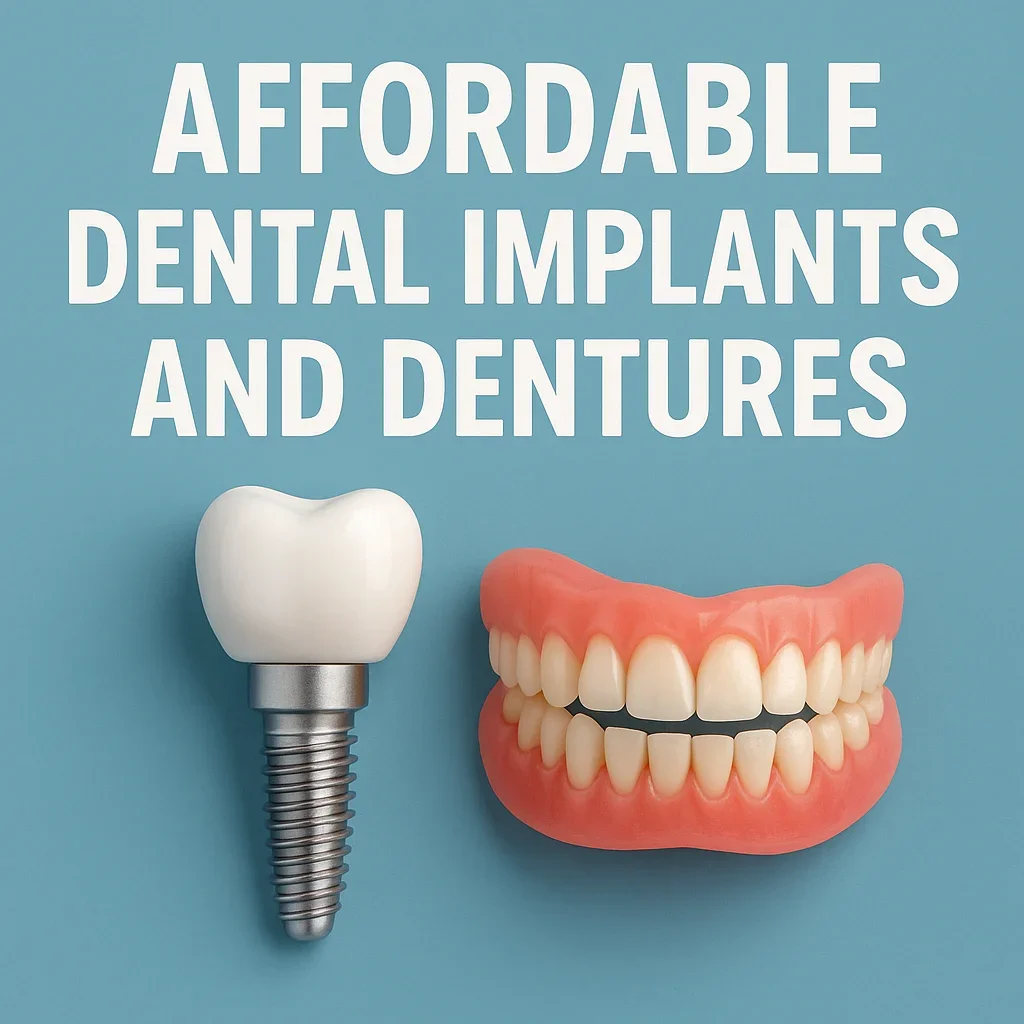
How to Choose the Right Dental Clinic for Implant Treatment
Selecting the right dental clinic is one of the most important decisions a patient can make when seeking affordable dental implants and dentures. Quality treatment requires more than low prices—it demands clinical expertise, modern technology, safe materials, and transparent communication. A well-qualified clinic will not only restore your smile but also ensure that your implants and dentures last for many years without complications.
In this comprehensive section, you’ll learn exactly what to look for when choosing a clinic, what red flags to avoid, which credentials matter most, and how to evaluate treatment options in terms of both quality and long-term value. 😄
1. Evaluate the Clinic’s Experience With Implant Procedures
Not all dental professionals specialize in implants. While general dentists can provide basic restorative treatments, implant dentistry requires specialized training. Clinics with implant-focused teams typically deliver more predictable outcomes and fewer complications.
Key Indicators of Expertise
- Years of experience placing implants
- Number of successful implant cases completed annually
- Before-and-after patient photos demonstrating results
- Specialized training in implantology and prosthodontics
- Continuing education with reputable organizations
Experienced clinics are more likely to offer high-quality affordable dental implants and dentures because they use efficient workflows, reliable implant systems, and proven surgical methods.
2. Verify the Technology and Diagnostic Tools Used
Modern dental implant procedures rely heavily on advanced technology to ensure precision, comfort, and long-term stability. Clinics equipped with state-of-the-art tools provide more predictable results and reduce treatment time.
Essential Technologies to Look For
- CBCT 3D imaging for bone structure evaluation
- Digital smile design software for aesthetic planning
- CAD/CAM milling machines for accurate prosthetics
- 3D-printed surgical guides for precision implant placement
- Intraoral scanners to replace uncomfortable impressions
Clinics that invest in technology provide safer, more efficient treatment, making their affordable dental implants and dentures far more reliable than outdated methods.
3. Assess the Materials and Implant Brands Offered
The materials used in implant dentistry vary widely in durability, integration success, and aesthetics. High-quality implant brands—such as Straumann, Nobel Biocare, or MIS—are backed by extensive research and decades of clinical success.
Signs of High-Quality Implant Materials
- Titanium Grade 4 or 5 for strength and biocompatibility
- Zirconia implants for metal-free, aesthetic solutions
- Prosthetics made from zirconia or ceramic for natural appearance
- ISO-certified implant components
- FDA/CE approved systems
Selecting the right implant brand directly affects long-term success, especially when choosing affordable dental implants and dentures that must last for many years.
4. Review Patient Testimonials and Case Studies
True patient experiences provide powerful insight into the quality of care offered by a clinic. Look for testimonials that mention comfort during surgery, satisfaction with aesthetics, and durability of the results.
What to Look For in Reviews
- Positive ratings about implant success
- Details on the clinic’s communication and professionalism
- Feedback on pain levels and healing time
- Transparency about cost and treatment stages
- Photos showing long-term results
Authentic testimonials help confirm whether a clinic is trustworthy and capable of delivering high-quality affordable dental implants and dentures.
5. Evaluate the Clinic’s Approach to Treatment Planning
A reputable clinic should offer a thorough consultation, clear explanations, and a customized treatment plan tailored to each patient’s needs.
Key Elements of a Good Treatment Plan
- A complete oral examination and 3D imaging
- A breakdown of implant positions and prosthetic design
- A realistic timeline, including healing stages
- A full cost summary with itemization
- Options for full-arch, mini, or hybrid dentures
Transparent communication makes the treatment journey easier, especially for individuals researching affordable dental implants and dentures.
6. Check for Safety Standards and Certifications
Dental clinics must operate under strict safety and sterilization protocols. Internationally recognized guidelines—such as those recommended by the American Dental Association—help ensure patient safety, quality materials, and professional competence.
Important Certifications Include
- ADA-compliant protocols
- ISO-certification
- CE approval for implant systems
- Regular sterilization audits
Clinics that follow global safety standards provide better outcomes and more reliable affordable dental implants and dentures.
7. Understand the Cost Structure and Value
While affordability is crucial, patients should avoid basing decisions solely on the lowest price. Instead, compare value: the combination of quality materials, expert care, long-term reliability, and overall patient satisfaction.
Questions to Ask About Cost
- Are all implant components included in the price?
- Does the cost cover consultations, scans, and follow-up visits?
- What materials will be used?
- Is there a warranty for implants and prosthetics?
Understanding these details ensures that you receive true affordable dental implants and dentures without hidden costs or low-quality materials.
8. Clinic Communication and Patient Support
A high-quality clinic prioritizes communication. Patients should feel comfortable asking questions, understanding each procedure, and receiving guidance throughout the journey.
Strong Patient Support Includes
- Clear explanations of every treatment stage
- Emergency support if issues arise
- Detailed aftercare instructions
- Follow-up appointments after surgery
- Responsive team members
This high level of care is essential for achieving successful results with affordable dental implants and dentures.
Final Recommendations and Next Steps
Finding a reliable clinic requires careful research, balanced decision-making, and verification of credentials. Clinics that invest in technology, follow international safety standards, and employ experienced implantologists provide the most dependable outcomes.
If you are ready to begin your journey or want a professional consultation, the dedicated team can be reached through the Redent Klinik Contact Page. Their specialists will guide you through every step to ensure your affordable dental implants and dentures treatment is safe, successful, and beautifully customized to your needs.