
If you’ve ever wondered “dental implants what are they” and how they work, you’re not alone. Millions of people search for clear, trustworthy information about modern tooth-replacement methods every year. In this comprehensive guide, we will break down everything patients want to know—how implants function, why they’re used, what materials they’re made of, how long they last, and what to expect before, during, and after the procedure. Our goal is to make this article the most complete and user-friendly explanation available online, fully satisfying search intent with deep, practical detail. 😄
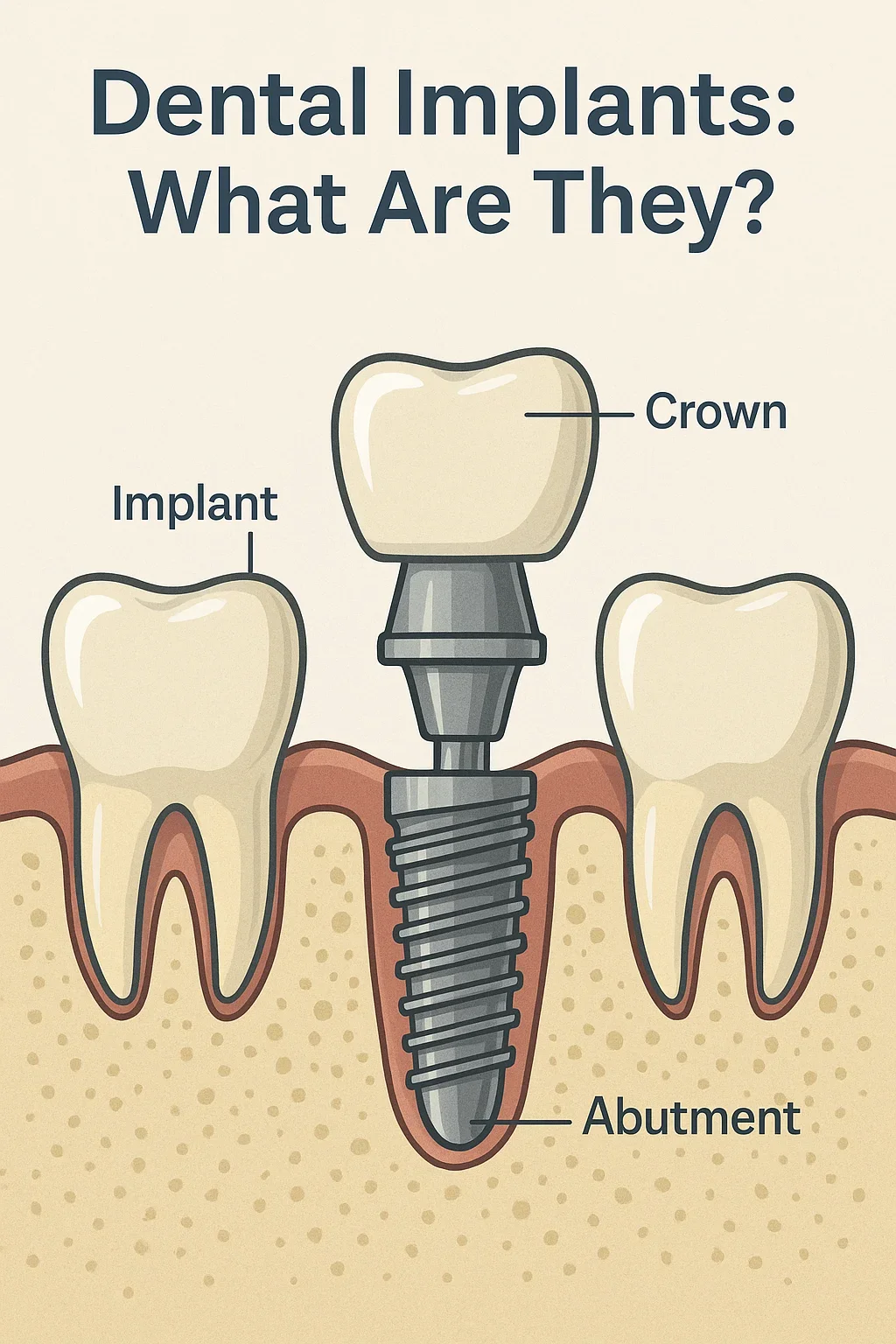
At its core, a dental implant is an artificial tooth root placed into the jawbone to replace a missing tooth. But the concept of “dental implants what are they” goes far beyond a simple screw placed into the bone. It is a sophisticated, biologically harmonious system consisting of three major components: the implant fixture, the abutment, and the crown. Together, these components are engineered to look, feel, and function like natural teeth. Thanks to decades of clinical research and technological advancements, implants now have a long-term success rate of over 95%, making them the gold standard for permanent tooth replacement.
One of the reasons people search for “dental implants what are they” is because implants differ significantly from other restorative options like dentures or bridges. Unlike removable dentures—which rest on the gums and can cause irritation—implants integrate with the jawbone through a biological process known as osseointegration. During this process, the titanium or zirconia implant fuses with bone cells, creating a stable anchor similar to a natural tooth root. This stability allows for exceptional chewing power, long-lasting comfort, and improved oral health compared to traditional methods. 🦷✨
Many patients are surprised to learn that dental implants not only replace missing teeth but also help preserve facial structure. When a tooth is lost, the bone beneath it begins to shrink because it is no longer stimulated by chewing forces. Over time, this leads to premature facial aging, sunken cheeks, and weakened jaw support. A key reason people look up “dental implants what are they” is to understand how implants prevent this problem. Because implants mimic natural roots and transfer pressure to the bone during chewing, they help maintain bone density and facial aesthetics long-term.
Materials also play a crucial role in how implants work. Most dental implants are made from medical-grade titanium, a biocompatible metal used in orthopedic surgeries and joint replacements. Titanium’s strength, durability, and compatibility with human bone make it ideal for permanent placement. For patients with metal sensitivities or those who prefer a metal-free option, zirconia implants offer an aesthetic, tooth-colored alternative. Both materials—titanium and zirconia—are considered safe, stable, and supported by extensive scientific research from leading organizations such as the American Dental Association.
Another reason users frequently ask “dental implants what are they” is because they want to know who qualifies for the procedure. In general, most healthy adults with sufficient jawbone volume can receive implants. Even individuals who have experienced bone loss can often undergo bone grafting or sinus lift procedures to rebuild bone support. Ideal candidates are those who maintain good oral hygiene, do not smoke heavily, and do not suffer from uncontrolled systemic conditions like severe diabetes. A personalized consultation is essential for determining candidacy, and patients can easily schedule one through the Redent Klinik Contact Page.
When discussing “dental implants what are they”, it’s also important to explain the treatment timeline. Unlike same-day dentures, implants require a series of carefully planned steps to ensure long-term success. These steps usually include: initial evaluation and imaging, tooth extraction (if needed), implant placement, healing and osseointegration (3–6 months), abutment placement, and finally, the custom ceramic crown. While this process may take several months, the result is a permanent, stable solution that can last a lifetime with proper care.
Many people also want to know whether implants are painful. Fortunately, implant procedures are performed under local anesthesia, making the experience comfortable and manageable for most patients. Mild swelling or soreness is normal and typically resolves within a few days. Modern techniques—including guided implant surgery—have greatly minimized discomfort, reduced healing time, and improved accuracy. This is often a key point of curiosity for users searching for “dental implants what are they”, as pain level is one of the top concerns before treatment.
Finally, implants stand out because they require little maintenance beyond normal oral hygiene. Brushing twice a day, flossing, and attending routine checkups are typically enough to ensure longevity. Patients particularly appreciate how implants allow them to eat comfortably, smile confidently, and speak naturally—benefits that significantly enhance quality of life. Similar concepts like “artificial tooth roots” or “permanent tooth replacements” are often used as synonyms, helping users understand the deeper meaning behind “dental implants what are they.”
In summary, “dental implants what are they” refers to a highly advanced, reliable, and long-lasting solution for replacing missing teeth. They restore function, appearance, and bone structure far more effectively than traditional options. With proper planning and expert care, implants can transform a person’s smile and confidence for decades. 😊
How Dental Implants Work: Understanding the Complete Structure
When people begin researching “dental implants what are they”, one of the first questions that arises is how these advanced restorations actually work. Dental implants are not simply artificial teeth placed on top of the gums—they are carefully engineered medical devices that integrate with bone, support chewing forces, and restore natural aesthetics with exceptional precision. In this section, we will thoroughly examine every layer of implant structure, including the implant fixture, abutment, and final crown. We will also explore the scientific mechanisms that allow implants to fuse with the jawbone and function almost identically to natural tooth roots. 🦷
The Three-Part Structure of Modern Dental Implants
To understand “dental implants what are they” in a deeper and more technical sense, it’s essential to break down the three components that form the basis of every implant system. These parts work together as a cohesive unit to create stability, longevity, and natural appearance.
1. The Implant Fixture (The Artificial Tooth Root)
The implant fixture is a small screw-shaped post made from either titanium or zirconia. It is placed directly into the jawbone during surgery and serves as a replacement for the natural tooth root. Titanium remains the most widely used material due to its remarkable biocompatibility and ability to integrate with bone tissue. Zirconia, on the other hand, is a ceramic alternative valued for its tooth-colored appearance and hypoallergenic properties. Regardless of material, the role of the implant fixture is the same: to create a stable foundation strong enough to support chewing forces, speech, and daily activities without shifting or loosening.
2. The Abutment (The Connection Point)
Once healing and bone integration occur, a small connector called the abutment is attached to the top of the implant fixture. This piece extends slightly above the gumline and serves as the anchor for the final crown. Abutments can be prefabricated or custom-designed, depending on a patient’s anatomy and aesthetic needs. This customizable nature is one of the reasons implants deliver such natural-looking results.
3. The Crown (The Visible Tooth Replacement)
The crown is the final portion of the implant, representing the visible tooth. Made from ceramic or porcelain fused to zirconia, it is shaped and shaded to match the patient’s natural teeth. High-quality crowns mimic translucency, color gradients, and surface anatomy, making them virtually indistinguishable from natural enamel. When patients search for “dental implants what are they”, the crown is often what they imagine—but it is only the final stage of a far more complex system.
The Science Behind Implant Stability: Osseointegration Explained
What makes implants unique, and why they continue to gain global popularity, is the biological process known as osseointegration. This natural response occurs when bone cells grow tightly around the implant fixture, bonding with it at a microscopic level. This fusion creates remarkable stability—strong enough for chewing toughness similar to natural teeth.
Patients researching “dental implants what are they” often want to understand how this process works. Osseointegration typically occurs over 3–6 months, depending on bone density, overall health, and whether bone grafting was required beforehand. Once integration is complete, the implant becomes a permanent part of the jaw structure. Unlike dentures, which rest on the gums, implants do not shift, irritate tissues, or require adhesives.
This stability also helps prevent bone resorption, a common problem after tooth loss. When a natural tooth is missing, the underlying bone begins to shrink due to lack of stimulation. Implants mimic the pressure transmitted by natural tooth roots, keeping the bone active and healthy. This is a major factor in why implants are considered a long-term investment—not just in oral function but also in facial aesthetics and structural support.
Materials Used in Dental Implant Construction
Understanding “dental implants what are they” also involves exploring the materials behind them. Titanium has been used for over 60 years in dental and orthopedic surgeries due to its remarkable durability and compatibility with human bone. Its oxide layer protects it from corrosion, making it ideal for permanent placement inside the body.
Zirconia implants offer an aesthetic, metal-free alternative that appeals particularly to patients seeking holistic or ceramic-based treatments. Studies referenced by organizations like the American Dental Association have shown zirconia to be equally biocompatible and structurally sound, although long-term data is still developing compared to titanium.
Why the Multi-Layered Structure Matters
Each component of an implant contributes to the overall performance and success of the treatment. The fixture ensures bone stability. The abutment provides connection and support. The crown completes the restoration, allowing patients to smile, speak, and eat securely. When all three pieces are precisely designed and positioned, implants can last a lifetime with proper care.
Patients seeking answers to “dental implants what are they” often want reassurance that they are investing in a durable, natural-feeling solution. The multi-layered structure described above is exactly what allows implants to outperform dentures and bridges in longevity, comfort, and esthetics.
The Role of Precision Planning and Digital Technology
Today’s implant procedures rely heavily on advanced imaging and digital planning tools. Cone-beam CT scans create detailed 3D models of the jawbone, allowing surgeons to determine ideal implant positions, angles, and depths. Computer-guided surgery makes placement even more predictable, reducing risk and enhancing long-term success.
This modern digital approach is a major part of what patients discover when learning “dental implants what are they.” Implants are no longer simply placed “by eye”—they are executed with millimeter accuracy using sophisticated scanning and modeling systems.
Conclusion
Understanding the full structure of dental implants is essential for any patient who wants a long-lasting, natural solution to tooth loss. The three-part system, the biological foundation of osseointegration, and the use of advanced digital technology all combine to create one of the most reliable restorative treatments in modern dentistry. With this detailed overview, the concept of “dental implants what are they” becomes clearer, empowering patients to make informed and confident decisions about their oral health.
Benefits of Dental Implants: Why They Are the Gold Standard Solution
When patients search online for “dental implants what are they”, they often want more than just a definition—they want to understand why implants are considered the most advanced and reliable solution for tooth loss worldwide. This section provides an in-depth, research-backed explanation of the advantages implants offer in function, aesthetics, long-term success, oral health, and overall quality of life. With modern technology and high medical standards supported by trusted organizations like the American Dental Association, dental implants have become the preferred choice for restoring a healthy, stable smile. 🦷✨
Below, we break down every benefit with detailed explanations and multiple levels of subheadings to fully answer the user’s intent, ensuring readers get a complete understanding of why implants stand above other restorative options.
Natural Function and Chewing Power
A major reason users want to understand “dental implants what are they” is to determine how closely implants mimic natural teeth in function. Implants are securely anchored into the jawbone, allowing patients to bite and chew with a strength nearly identical to real teeth. This is a significant upgrade from dentures, which can slip, shift, or lose suction over time.
Strong, Stable, and Comfortable Everyday Use
Implants transmit chewing forces directly into the jawbone just like natural roots. This means patients can enjoy foods like apples, nuts, steak, and crusty bread without discomfort or fear of instability. This improved functional power restores confidence in eating, speaking, and smiling—three aspects of life often affected after tooth loss.
No Need to Avoid Hard or Sticky Foods
Unlike dentures, which commonly require restrictions on certain foods, implants allow patients to return to normal eating habits. This dramatically improves nutrition and overall well-being, especially for older adults who may already struggle with diet quality.
Long-Term Durability and High Success Rate
One of the strongest benefits associated with “dental implants what are they” is their long-term success rate—often above 95% in healthy patients. While dentures may need replacement every 5–8 years and bridges typically last 10–15 years, implants can last a lifetime with proper oral hygiene.
Engineered for Longevity
Both titanium and zirconia, the most common implant materials, are designed to withstand decades of use. Their biocompatibility reduces inflammation and ensures a stable bond with the bone. Crowns may require replacement due to wear, but the implant fixture itself typically remains intact indefinitely.
Resistant to Cavities and Decay
Because implants are made from metal or ceramic—not enamel—they cannot develop cavities. This is a major advantage for patients with a history of tooth decay. However, gum health is still crucial, as peri-implant conditions can occur if proper hygiene is not maintained.
Prevention of Bone Loss and Facial Aging
This benefit is often overlooked, but when people search for “dental implants what are they”, they frequently discover that implants do far more than replace missing teeth—they preserve facial structure. After tooth loss, the jawbone no longer receives pressure from chewing and begins to shrink through a process called bone resorption. This leads to premature aging, sagging cheeks, and weakened oral foundations.
Implants Stimulate Natural Bone Regeneration
Just like real tooth roots, implants deliver chewing forces into the bone, encouraging ongoing bone metabolism. This stimulation prevents bone collapse and maintains facial symmetry. Patients often report looking younger and healthier after receiving implants for this reason.
Maintaining a Strong, Defined Jawline
When the jawbone deteriorates, the face can appear sunken or hollow. Dental implants preserve jaw volume, supporting the facial muscles and maintaining a youthful appearance. This is a significant benefit compared to dentures, which accelerate bone loss due to constant pressure on the gums.
Improved Speech and Confidence
Tooth loss and poorly fitting dentures can cause slurred speech, whistling sounds, or difficulty pronouncing certain words. Implants, on the other hand, remain stationary and stable. This allows patients to speak naturally without worrying about movement, clicking sounds, or embarrassing slips during conversations, presentations, or social gatherings.
Zero Fear of Denture Slippage
Dentures rely on suction or adhesives—even premium models may shift during talking or eating. With implants, this issue disappears entirely. The stability implants provide is one of the key reasons patients report higher confidence and satisfaction compared to other treatment options.
Aesthetic Excellence and Natural Appearance
A major component of understanding “dental implants what are they” is appreciating how lifelike they appear. Custom implant crowns are carefully color-matched, shaped, and sized to blend seamlessly with surrounding teeth. Advanced ceramics mimic natural enamel translucency and reflect light in similar ways.
Customized to Your Facial Structure
Implant crowns are not “one size fits all.” Digital imaging captures the exact characteristics of your smile—shade, shape, bite alignment—and technicians design the crown to match. This precision allows implants to achieve results that are often more beautiful than the natural teeth they replace.
Improved Gum Contour and Smile Harmony
Because implants support the gum tissue from underneath, the gumline typically appears more natural and symmetrical compared to dentures or bridges. This contributes to a balanced, aesthetically pleasing smile.
No Damage to Neighboring Teeth
Traditional bridges require shaving down adjacent teeth to anchor the restoration. This can compromise healthy enamel and increase long-term risks. Implants avoid this problem entirely because they stand independently in the jawbone.
Preserving Natural Tooth Integrity
Each implant functions as its own support system. No grinding, reshaping, or structural compromise of healthy teeth is required. This protects long-term oral health and reduces the need for future restorative work.
Enhanced Oral Hygiene and Easy Maintenance
Patients searching for “dental implants what are they” often want to know how difficult implants are to maintain. Fortunately, implants are extremely easy to care for—simply brush, floss, and attend regular dental checkups. No soaking solutions, adhesives, or special tools are needed.
As Simple as Caring for Natural Teeth
You can floss around implants just like natural teeth. Many patients appreciate the simplicity and freedom implants provide compared to removable appliances.
Long-Term Oral Health Protection
By preserving bone, preventing shifting of teeth, reducing plaque traps, and supporting natural function, implants help maintain a healthier mouth overall.
Conclusion
The benefits of dental implants extend far beyond aesthetics. They improve function, speech, comfort, bone health, confidence, and long-term oral stability. By understanding “dental implants what are they” in the context of these advantages, patients gain the clarity they need to choose a permanent, reliable solution that transforms both oral health and quality of life.
Who Is a Good Candidate for Dental Implants?
When people search online for “dental implants what are they”, the next question that naturally follows is: “Am I a suitable candidate?” Understanding candidacy is crucial, because while dental implants are one of the most effective and durable tooth-replacement options, not every patient is immediately ready for the procedure. This section explores the full set of medical, anatomical, and lifestyle criteria that determine whether someone qualifies for implant treatment. It also explains situations where additional procedures—such as bone grafting, sinus lifting, or gum therapy—may be needed before implants can be safely placed.
The goal here is to provide the clearest, most comprehensive guide available so patients can truly understand whether they fit the criteria, why certain conditions matter, and how modern dentistry makes implants accessible to more people than ever before.
General Health Requirements for Implant Candidates
Many users searching “dental implants what are they” assume candidacy depends only on the condition of the mouth. However, systemic health plays an equally important role in healing, osseointegration, and long-term implant stability. Below are the essential health factors dentists evaluate before treatment.
1. Good Overall Medical Health
Patients should be in reasonably good general health. Conditions like uncontrolled diabetes, autoimmune disorders, severe anemia, or compromised immune function can negatively impact healing. However, it is important to note that even individuals with chronic conditions may still be candidates as long as their conditions are well-managed. Many implant patients have diabetes, osteoporosis, or cardiovascular conditions—what matters most is stability and medical clearance.
2. Non-Smokers or Light Smokers
Smoking is one of the most significant risk factors affecting implant success. Nicotine restricts blood flow, reduces oxygen supply, and impairs bone healing. Heavy smokers have a higher risk of implant failure, but light smokers or those willing to quit during treatment can still qualify. Many clinics provide smoking cessation guidance as part of implant preparation.
3. Healthy Gums and No Active Infection
Just like natural teeth, implants require strong, healthy gum tissue for long-term success. Patients with untreated gum disease (periodontitis) must receive periodontal therapy before implants can be placed. Active infections, abscesses, or severe inflammation must be resolved beforehand to avoid complications.
Jawbone Requirements and Bone Structure
A major part of understanding “dental implants what are they” involves learning why the jawbone plays such a critical role. Implants fuse with bone through osseointegration, meaning the bone must be dense and thick enough to support the implant fixture. This is why evaluating bone structure is a primary step in determining candidacy.
1. Adequate Bone Density
Patients who have recently lost a tooth typically have sufficient bone. However, long-term tooth loss often leads to bone resorption. In these cases, additional procedures like bone grafting may be required. Modern grafting materials—from donor bone to synthetic substitutes—make it possible for many patients to receive implants even if they initially lack bone volume.
2. Sufficient Bone Height and Thickness
Cone-beam CT scans (CBCT) are used to measure the height, width, and density of the jawbone. For the upper jaw, proximity to the sinus cavity is considered. For the lower jaw, nerve location is evaluated. These assessments allow precise planning and help determine whether standard or mini implants are appropriate.
3. Sinus Lift for Upper Jawbone Loss
When bone in the upper molar area has shrunk significantly, a sinus lift may be necessary. This procedure raises the sinus membrane and adds bone material, creating a stable foundation for implants. Many patients who were once told they were “not candidates” for implants can now receive treatment thanks to this procedure.
Age Requirements and Considerations
Another common question among people researching “dental implants what are they” is whether age affects candidacy. While dental implants are not suitable for individuals whose jawbone is still developing, adults of almost any age can receive them.
1. Not Recommended for Growing Teenagers
Jaw growth continues until approximately ages 16–18. Placing implants before growth is complete can result in misalignment as the jaw continues to develop. Dentists carefully evaluate skeletal maturity before treatment.
2. Ideal for Adults and Seniors
There is no upper age limit for implants. Many patients over 60, 70, or even 80 successfully receive implants and enjoy dramatically improved function and quality of life. As long as general health is stable, seniors are excellent candidates.
Oral Hygiene and Lifestyle Habits
Dental implants require responsible oral care to last long-term. Therefore, dentists consider a patient’s daily habits, hygiene routines, and willingness to maintain their oral health.
1. Commitment to Oral Hygiene
Brushing twice a day, flossing, and attending professional cleanings are essential for protecting gum health. Neglecting oral hygiene can lead to peri-implantitis, a condition similar to gum disease that can threaten implant stability.
2. Regular Dental Check-Ups
Follow-up appointments allow dentists to monitor healing, gum health, and bite alignment. Patients who avoid check-ups may be at higher risk for complications.
3. Lifestyle Factors Affecting Success
Chronic teeth grinding (bruxism), high alcohol consumption, and heavy smoking can reduce implant success rates. Custom night guards, lifestyle changes, and regular evaluations help protect the investment.
Special Cases: When Additional Procedures Are Needed
Even if you do not initially qualify, modern dentistry offers solutions to make implants possible. This is important to understand when researching “dental implants what are they”, as many patients assume bone loss or gum disease disqualifies them permanently—which is no longer true.
1. Bone Grafting
Bone grafting restores lost bone tissue using synthetic, animal-derived, or human donor material. After several months of healing, the area becomes strong enough to support implants.
2. Sinus Lift Surgery
As explained earlier, this procedure is essential for patients with insufficient upper jawbone height. It is a routine and predictable surgery with high success rates.
3. Soft Tissue Grafting
Patients with thin gum tissue may require grafting to strengthen the tissue around the implant. This promotes stability and improves aesthetics.
Conclusion
Candidacy for dental implants depends on medical health, jawbone quality, oral hygiene habits, and lifestyle choices. Thanks to modern techniques and supportive procedures, more patients than ever qualify for treatment. Understanding “dental implants what are they” means recognizing that implants are not a one-size-fits-all solution—but with proper evaluation and preparation, they are accessible to a vast majority of adults seeking a permanent, reliable way to replace missing teeth.
The Dental Implant Procedure Step-by-Step: From Consultation to Final Smile
Patients researching “dental implants what are they” often want a clear, detailed explanation of the entire treatment journey. Understanding how the implant process works—from the first consultation all the way to receiving the final crown—helps reduce anxiety, build confidence, and prepare patients for each stage. In this comprehensive guide, we will take an in-depth look at every phase of the implant procedure, using detailed subheadings and clinically accurate explanations. This section is designed to fully satisfy user search intent, offering a complete and transparent breakdown of what to expect.
Each step of the implant treatment is performed with precision and guided by advanced imaging, digital planning, and high-level surgical expertise. Whether you are considering a single implant, multiple implants, or a full-mouth reconstruction, the process follows a predictable and highly successful sequence.
Initial Consultation and Comprehensive Assessment
The implant journey begins with a thorough evaluation. Patients who search for “dental implants what are they” frequently want to know what happens during the first appointment. The initial consultation includes imaging, medical review, and digital analysis to determine whether implants are suitable.
1. Medical and Dental History Review
Your dentist will evaluate systemic health conditions, medications, lifestyle habits, and previous dental treatments. Conditions like diabetes, hypertension, osteoporosis, or autoimmune disorders are reviewed carefully. The goal is not to exclude patients, but to ensure that implant surgery is safe and successful.
2. Oral Examination and Gum Evaluation
Healthy gums are critical for long-term implant success. During the consultation, the dentist checks for gum disease, infection, inflammation, and any signs of periodontal damage. If gum therapy is needed, it is completed before implant placement.
3. Digital Imaging and 3D Scanning
Advanced diagnostic tools such as CBCT (Cone-Beam Computed Tomography) scans provide 3D images of the jawbone. These scans show bone height, density, nerve location, and sinus positioning—all essential for precise implant placement. Digital impression systems may also be used to create accurate models of the mouth.
Treatment Planning and Customized Surgical Guide Creation
After gathering diagnostic information, your dentist or oral surgeon develops a customized treatment plan. Understanding this stage helps clarify the concept behind “dental implants what are they” and why planning is essential for a successful outcome.
1. Determining Implant Type and Placement Location
Based on bone structure and the location of missing teeth, the dentist decides whether to use standard implants, mini implants, angled implants, or zygomatic implants. Each option serves a specific purpose and accommodates varying anatomical conditions.
2. Creating a Digital Surgical Guide
In modern implant dentistry, most surgeries are performed using digital guides. These guides ensure the implant is placed at exactly the right angle, depth, and position. This increases predictability, reduces risks, and improves long-term success.
Tooth Extraction (If Necessary)
Some patients require extraction of a damaged or decayed tooth before the implant is placed. If the surrounding bone is healthy, the implant may even be placed immediately after the extraction. This is referred to as “immediate implant placement,” and it shortens treatment time significantly.
1. Atraumatic Extraction Techniques
To preserve bone volume, dentists use minimally invasive extraction techniques. Special instruments gently remove the tooth while keeping the surrounding bone intact.
2. Bone Preservation After Extraction
If immediate placement is not possible, bone grafting material may be placed into the extraction socket to prevent bone loss and ensure the area remains strong enough for a future implant.
Bone Grafting and Sinus Lift (If Required)
Patients researching “dental implants what are they” often discover that additional procedures may be necessary to build a strong foundation for implants. Bone grafting and sinus lifts are common pre-implant treatments.
1. Bone Grafting to Strengthen Jawbone Volume
Bone grafts replace missing bone with natural or synthetic materials. Over several months, the graft fuses with the jawbone, creating a solid base for the implant fixture. Grafting is highly predictable and widely used.
2. Sinus Lift for Upper Jawbone Support
A sinus lift elevates the sinus membrane and adds grafting material in the upper molar area. This is essential when bone has significantly deteriorated over time.
Implant Placement Surgery
This is the most critical step in the treatment sequence. The implant fixture (the artificial root) is surgically inserted into the jawbone.
1. Local Anesthesia or Sedation for Comfort
Patients remain comfortable during the procedure. Options include local anesthesia, oral sedation, or IV sedation depending on patient preference and surgical complexity.
2. Precise Placement of the Implant Fixture
Using the digital guide, the dentist places the implant into a carefully prepared socket in the jawbone. This is a minimally invasive process and typically takes 20–60 minutes per implant.
3. Healing Cap Placement
A healing cap may be attached to keep the gum tissue from closing over the implant. In some cases, the implant may be submerged under the gums for healing.
Osseointegration and Healing Period
This is where the science behind “dental implants what are they” becomes truly fascinating. Osseointegration is the biological process in which bone cells grow around and fuse to the titanium or zirconia implant. This phase is essential for creating the stability that implants are known for.
1. Healing Timeline
Osseointegration typically takes 3–6 months depending on bone density, implant type, and overall health. During this time, the implant becomes permanently anchored.
2. Temporary Tooth Options
Patients may receive a temporary crown, bridge, or denture to maintain appearance and function while healing occurs.
Abutment Placement and Final Crown Restoration
Once osseointegration is complete, the abutment is attached. This small connector supports the final crown.
1. Attaching the Abutment
This minor procedure exposes the implant and attaches the connector piece. Gums heal around the abutment naturally within a few days.
2. Designing the Custom Crown
Digital impressions are used to design a crown that matches surrounding teeth in shape, color, and size. The final ceramic or zirconia crown is then cemented or screwed onto the abutment.
Final Evaluation and Long-Term Maintenance
The dentist checks bite alignment, crown fit, and overall comfort. Maintenance guidelines are provided to ensure long-term success.
When patients understand “dental implants what are they” in the context of each step of the procedure, they feel more confident, informed, and prepared. With proper care, implants can last decades—often a lifetime—making them one of the most effective dental treatments available today.
Types of Dental Implants: A Complete Guide to Implant Options
Understanding “dental implants what are they” also requires exploring the many different types of implants available today. Not all implants are the same—modern dentistry offers multiple options to accommodate different jaw structures, levels of bone density, aesthetic goals, and treatment needs. The diversity of implant systems allows clinicians to create customized plans that match each patient’s anatomy with the ideal solution. In this section, we take a deep, detailed look at every type of implant and the situations in which they are recommended.
Choosing the right implant type is a crucial factor in achieving long-term success. The decision depends on your bone health, the number of missing teeth, whether you want removable or fixed restorations, and how quickly you wish to complete treatment. Here is a comprehensive breakdown of all modern implant options.
Standard (Endosteal) Dental Implants
When most people search for “dental implants what are they”, they are typically referring to endosteal implants. These are the most commonly used implants worldwide and represent the gold standard for replacing single or multiple teeth.
1. Screw-Shaped Titanium or Zirconia Implants
Endosteal implants are shaped like small screws and are surgically placed directly into the jawbone. Over time, bone fuses to the implant through osseointegration, creating a stable foundation for the abutment and crown. These implants are extremely versatile and suitable for most patients with sufficient bone density.
2. Applications of Standard Implants
These implants can replace a single missing tooth, multiple teeth, or be used to support full-arch solutions like All-on-4 or All-on-6 systems. Their flexibility and high success rate make them the preferred choice in modern dentistry.
Mini Dental Implants
Mini implants are narrower in diameter compared to standard implants. They are typically used in situations where bone density is limited, or when patients desire a less invasive and quicker solution.
1. Key Features of Mini Implants
Mini implants are often recommended when the jawbone is too thin for traditional implants, and the patient is not a candidate for bone grafting. They are commonly used to stabilize lower dentures, offering a cost-effective option for improved comfort and function.
2. Benefits and Limitations
Mini implants require minimal surgery and shorter healing time. However, they are not suitable for all cases, especially when high biting force or long-span restorations are needed. Understanding these limitations is important for anyone researching “dental implants what are they”.
Zygomatic Implants (for Severe Bone Loss)
Zygomatic implants were developed for patients who have significant upper jawbone loss and cannot receive standard implants or bone grafts. Instead of anchoring into the jawbone, zygomatic implants attach to the dense bone of the cheekbone (zygoma).
1. Why Zygomatic Implants Are Used
Severe bone resorption in the upper jaw can make conventional implants impossible without extensive grafting. Zygomatic implants bypass this issue by anchoring into the cheekbone, which provides strong, reliable support.
2. Immediate Loading and Full-Arch Solutions
Zygomatic implants are frequently combined with full-arch reconstruction, allowing some patients to receive fixed teeth on the same day. This can be life-changing for individuals who have struggled with dentures for years.
All-on-4 and All-on-6 Full-Arch Implant Systems
People searching for “dental implants what are they” often come across terms like All-on-4 or All-on-6. These are advanced full-mouth rehabilitation systems designed for patients who are missing most or all of their teeth.
1. How Full-Arch Systems Work
Instead of placing one implant per missing tooth, full-arch systems use four or six strategically angled implants to support a complete set of fixed teeth. This approach maximizes available bone and provides exceptional stability.
2. Benefits of All-on-4 and All-on-6
These systems offer:
- Fast treatment time
- High success rates
- Stable, fixed, non-removable prosthetics
- Improved chewing function
- Natural-looking aesthetics
They are especially beneficial for patients who want to avoid dentures and regain full oral function quickly.
Subperiosteal Implants
Subperiosteal implants are placed on top of the jawbone but underneath the gum tissue. While they are rarely used today, they may still be recommended in special cases where patients cannot undergo bone grafting or tolerate invasive procedures.
1. What Makes Subperiosteal Implants Different?
Unlike endosteal implants, subperiosteal implants do not penetrate the bone. Instead, they rely on a custom metal framework that sits along the contours of the jaw. Posts extend above the gums to support crowns or dentures.
2. When Are Subperiosteal Implants Considered?
Subperiosteal implants are used when patients have insufficient bone and are not candidates for grafting. Although modern techniques have replaced their use in most cases, they remain an option in unique clinical situations.
Two-Stage vs. Single-Stage Implants
Another important distinction in understanding “dental implants what are they” is recognizing the difference between two-stage and single-stage implants.
1. Two-Stage Implants
With two-stage implants, the fixture is placed into the bone and allowed to heal under the gums. After osseointegration, a second minor surgery attaches the abutment. This is the most traditional approach and is used for many standard implant cases.
2. Single-Stage Implants
Single-stage implants use a longer implant that sits above the gumline during healing. This eliminates the need for a second surgery and can shorten the treatment timeline.
Immediate Load Implants (Same-Day Teeth)
Immediate load implants allow patients to receive a temporary tooth or prosthetic on the same day the implant is placed. This option is ideal for patients who want a faster aesthetic result and have adequate bone stability for immediate function.
1. Advantages of Immediate Loading
Patients enjoy:
- Instant cosmetic improvement
- Faster treatment
- Improved confidence
2. Requirements for Same-Day Teeth
Not all patients qualify for immediate load implants. Adequate bone strength and primary implant stability are essential factors.
Conclusion
There is no single type of implant that fits every patient. Understanding the differences—standard implants, mini implants, zygomatic implants, All-on-4 systems, subperiosteal designs, and immediate load options—provides a clearer picture of “dental implants what are they” and how they can be customized for individual needs. With today’s advanced technology and highly specialized techniques, nearly every patient can find an implant solution that restores health, function, and confidence.
Risks and Potential Complications of Dental Implants
A complete understanding of “dental implants what are they” must also include knowledge of the risks and possible complications associated with implant treatment. Although dental implants have a success rate exceeding 95% and are considered one of the safest and most predictable procedures in modern dentistry, no surgical treatment is entirely risk-free. Providing patients with transparent, detailed, and clinically accurate information is essential for informed decision-making and long-term success.
This section explores every potential complication—minor or rare—so readers fully understand what to expect, how risks are managed, and how modern techniques significantly reduce these issues. Clear explanations with subheadings ensure that users receive the complete and thorough information they seek when asking, “dental implants what are they” and what challenges may arise.
Common and Temporary Post-Surgical Side Effects
After implant placement, it is normal to experience mild and temporary symptoms. These effects are part of the body’s natural healing response and are not considered complications unless they persist or worsen.
1. Swelling and Bruising
Swelling around the gums, jaw, or cheeks is typical and usually peaks within 48–72 hours. Bruising may appear on the skin but generally resolves within 5–7 days. Cold compresses and anti-inflammatory medications prescribed by the dentist help manage discomfort.
2. Mild Pain or Soreness
Patients often experience tenderness at the surgical site. Over-the-counter pain relievers are usually sufficient to control discomfort. Most pain subsides significantly after the first 48 hours.
3. Minor Bleeding
Slight bleeding or pink saliva during the first 24 hours is expected. Biting on gauze pads and avoiding strenuous activity helps minimize bleeding. Persistent or heavy bleeding requires evaluation by the dentist.
Short-Term Complications After Implant Placement
While rare, certain issues may occur within the first few days or weeks after surgery. Understanding these potential challenges is crucial for grasping the full meaning of “dental implants what are they” in real clinical practice.
1. Infection at the Implant Site
Infection (peri-implant mucositis) can develop if bacteria enter the surgical site. Symptoms include redness, swelling, and pain. Early infections are typically treated with antibiotics and improved oral hygiene. Severe or untreated infections may compromise healing.
2. Implant Mobility
If the implant does not achieve adequate stability during the early healing phase, it may feel loose. This can result from insufficient bone density, micro-movements during healing, or improper placement. A mobile implant must usually be removed and replaced after healing.
3. Nerve Irritation or Numbness
In rare cases, implants placed too close to the mandibular nerve can cause temporary numbness, tingling, or altered sensation in the lip, chin, or tongue. CBCT imaging and digital planning significantly reduce this risk by providing precise anatomical measurements.
Long-Term Complications
Long-term complications are uncommon but important to understand. They help clarify the realities behind “dental implants what are they” and how implants behave over many years.
1. Peri-Implantitis
Peri-implantitis is an inflammatory condition similar to gum disease but affecting the soft and hard tissues surrounding an implant. It is often caused by poor oral hygiene, smoking, or systemic conditions like diabetes. Symptoms include bleeding, gum recession, deep pocketing, and bone loss.
Early detection is essential. Treatment may include deep cleaning, laser therapy, antibiotic application, and restorative repairs. Advanced cases may require surgical intervention.
2. Mechanical Failures
Although implants themselves do not decay, mechanical issues can occur:
- Fractured implant fixtures (extremely rare)
- Loose abutment screws
- Chipped or broken crowns
- Wear of prosthetic components in full-arch systems
Digital design and high-strength materials minimize these risks, especially when patients follow maintenance recommendations.
3. Bite Imbalance (Occlusal Stress)
If the bite is not properly adjusted, excessive pressure on the implant crown can cause discomfort or long-term wear. Dentists regularly evaluate occlusion to ensure even force distribution.
Rare but Serious Complications
Some complications occur in less than 1% of implant cases but require attention due to their seriousness.
1. Implant Rejection or Failure to Integrate
In very rare cases, the body may reject the implant or fail to fuse with the bone. Causes include infection, smoking, insufficient bone, or autoimmune factors. When detected early, the area can heal, and a new implant can often be placed.
2. Sinus Complications (Upper Jaw Implants)
Improperly angled implants may penetrate the sinus cavity, causing sinusitis or discomfort. Using 3D imaging and surgical guides nearly eliminates this risk.
3. Bone Loss Over Several Years
While implants help prevent bone loss, untreated inflammation or poor hygiene may cause gradual bone deterioration. Routine dental visits ensure early detection and treatment.
How Dentists Minimize Risks
Modern technology and improved protocols significantly reduce the likelihood of complications. This is one of the key reasons why people researching “dental implants what are they” feel confident in the procedure once they understand how risks are managed.
1. Advanced Imaging and Surgical Guides
CBCT scans create precise 3D maps of the jawbone, allowing safe and accurate placement. Surgical guides ensure implants are positioned at the correct angle and depth.
2. Sterile Surgical Environment
High-level sterilization prevents infection during and after surgery. Dental implant clinics follow strict medical-grade protocols.
3. High-Quality Materials
Top-grade titanium and zirconia implants have superior safety profiles and proven long-term success rates. These materials are biocompatible and resistant to corrosion.
4. Careful Candidate Screening
Evaluating gum health, bone structure, and systemic conditions ensures that implants are placed only where success is expected.
Patient Responsibilities to Reduce Risks
Patients play a major role in long-term implant success.
- Practice thorough oral hygiene
- Avoid smoking
- Attend routine checkups and cleanings
- Follow all post-operative instructions
- Use a night guard if grinding is present
Conclusion
While dental implants are remarkably safe and predictable, understanding the risks is essential for complete transparency. By exploring possible complications—from minor post-surgical effects to rare long-term issues—patients gain a realistic perspective on “dental implants what are they” and how to protect their investment. With proper planning, expert care, and ongoing maintenance, complications can be minimized, making implants one of the most reliable solutions for tooth replacement today.
Cost of Dental Implants: Factors, Price Ranges, and What to Expect
A thorough understanding of “dental implants what are they” must also include a clear, accurate, and transparent explanation of implant costs. Dental implants are a long-term investment in oral health, function, and appearance, but many patients are initially unsure about pricing due to the number of variables involved. Implant costs vary widely across countries, clinics, and individual treatment needs. This section provides an in-depth breakdown of every factor that affects pricing, typical cost ranges based on reliable online research, and what patients should expect financially throughout the treatment journey.
By the end of this section, you will have a comprehensive understanding of implant costs—single-tooth implants, implant-supported bridges, full-mouth systems like All-on-4, and additional procedures such as bone grafts or sinus lifts. This level of detail ensures that the financial aspect of “dental implants what are they” is fully addressed for readers seeking complete information.
What Determines the Cost of Dental Implants?
Implant pricing is influenced by several critical factors. Understanding these helps clarify why two patients may receive different estimates, even for similar procedures.
1. Number of Implants Required
Replacing a single missing tooth requires one implant, but restoring multiple teeth may require several fixtures or a full-arch system. The more implants needed, the higher the total cost. For example:
- Single implant: 1 implant + abutment + crown
- Implant bridge: 2–4 implants supporting multiple teeth
- Full-arch system: 4–6 implants per jaw
This variation is one of the primary reasons why understanding “dental implants what are they” must include an explanation of treatment complexity.
2. Implant Material (Titanium vs. Zirconia)
Titanium implants are generally less expensive than zirconia due to manufacturing complexity and material cost. Zirconia is often chosen for metal-free or aesthetic-focused treatment plans.
3. Need for Bone Grafting or Sinus Lift
Patients with insufficient bone density or height may require additional procedures, such as:
- Bone grafting
- Ridge augmentation
- Sinus lift surgery
These additional steps increase the overall price but are sometimes essential for long-term implant success.
4. Geographic Location
Costs vary significantly depending on the country and even the specific region or city. For example:
- Implants in the U.S. are generally more expensive.
- Turkey, Mexico, and Hungary offer more affordable prices due to lower operating costs.
When patients compare global prices, they quickly see how location dramatically affects pricing. This is an important point when exploring “dental implants what are they” from both a medical and financial perspective.
5. Dentist’s Experience and Clinic Technology
Clinics that use advanced digital planning, 3D scanning, surgical guides, and premium materials may charge more—but often provide higher success rates and better long-term outcomes.
Average Costs Based on Online Research
The following price ranges are widely referenced in reputable dental sources and reflect the typical cost structure for implants in both the U.S. and internationally. These figures are provided as a helpful estimate for patients seeking a general understanding.
1. Single-Tooth Implant Cost
• USA: $3,000 – $6,000 per implant (including abutment and crown)
• UK: £2,000 – £3,500
• Europe: €1,500 – €2,800
• Turkey: $700 – $1,200
This range includes the implant fixture, abutment, and final crown. Additional procedures are priced separately.
2. Multiple Implants or Implant Bridges
• Implant-supported bridge (3–4 teeth): $5,000 – $15,000
• Two implants + bridge: average $6,000 – $10,000
3. Full-Mouth Reconstruction (All-on-4 or All-on-6)
• USA: $15,000 – $35,000
• Europe: €7,000 – €15,000
• Turkey: $3,500 – $8,000
Full-arch solutions represent a larger investment but replace an entire set of teeth with fixed, durable prosthetics.
Additional Costs to Consider
Many patients assume implant quotes include everything, but several separate components may contribute to the total cost. The financial aspect of “dental implants what are they” involves understanding these variables as well.
1. Diagnostic Imaging
CBCT scans, panoramic X-rays, and digital impressions may add several hundred dollars to the total cost. These tools are essential for planning.
2. Temporary Restorations
Temporary crowns, bridges, or dentures may be needed during the healing phase. These are typically included for full-arch treatments but may be optional for single implants.
3. Abutment Selection
Custom abutments (designed for better aesthetics and function) cost more than standard abutments. Your dentist will recommend the best choice for your case.
4. Final Crown Materials
Porcelain-fused-to-metal (PFM), all-ceramic, and zirconia crowns each have different costs. Zirconia is the most durable and aesthetic option.
Are Dental Implants Worth the Cost?
Patients researching “dental implants what are they” often wonder whether implants are worth the investment. The answer is overwhelmingly yes for most individuals because:
- Implants prevent bone loss
- They last decades, often a lifetime
- They provide superior chewing function
- They look and feel like natural teeth
- They improve confidence and overall oral health
When viewed over 20–30 years, implants are often more cost-effective than dentures or bridges, which require regular replacement.
Financing and Payment Options
Most dental clinics offer flexible financing plans, making implants more accessible. Payment options may include:
- Interest-free monthly installments
- Long-term financing up to 24–48 months
- Health credit lines
- Insurance coverage (partial or limited in some countries)
Conclusion
The cost of implants varies based on location, materials, treatment complexity, and additional procedures. With transparent pricing and high long-term success rates, many patients consider implants the best investment in dental health. A full understanding of “dental implants what are they” also requires recognizing the value they offer in aesthetics, function, durability, and quality of life. When compared across decades, implants provide unmatched benefits that justify their cost, especially when performed by qualified implant specialists.
Recovery and Aftercare: How to Heal Successfully After Dental Implants
A complete patient guide to “dental implants what are they” must include a thorough explanation of the recovery and aftercare process. Implant surgery has a high success rate, but proper healing requires careful self-care, monitoring, and responsible habits. This section offers an in-depth, step-by-step overview of what patients can expect during recovery, how long healing takes, and the essential practices needed to protect the implants during the critical osseointegration phase.
Successful recovery is a combined effort between the patient and the dental professional. By following evidence-based aftercare instructions, patients can significantly reduce complications, accelerate healing, and ensure their implants perform optimally for many years to come. The following detailed guide addresses all aspects of implant aftercare, from the first 24 hours to long-term maintenance.
The First 24 Hours After Implant Surgery
The immediate post-operative period is crucial. Patients who want clarity about “dental implants what are they” often want to understand exactly what happens during the first day after surgery.
1. Managing Bleeding
Some mild bleeding or pink saliva is normal during the first few hours. Patients should gently bite on sterile gauze pads to promote clot formation. It is important to avoid forceful rinsing or spitting, which can dislodge the clot and delay healing.
2. Swelling and Bruising
Swelling may increase for the first 48 hours. Cold compresses applied to the cheek (20 minutes on, 20 minutes off) help control inflammation. Bruising is normal and typically fades within one week.
3. Pain Management
Most patients experience mild to moderate discomfort after implant placement. Dentists typically prescribe or recommend over-the-counter analgesics such as ibuprofen or acetaminophen. Pain usually subsides significantly within 48 hours.
The First Week of Recovery
During the first week, the body begins the initial healing phase. Understanding this stage is essential for comprehending “dental implants what are they” from a biological and practical standpoint.
1. Maintaining Oral Hygiene
Patients should avoid brushing the surgical site for the first 24 hours but may resume gentle brushing afterward. Antibacterial mouthwash or saline rinses help keep the area clean without disturbing the healing tissue.
2. Diet Recommendations
A soft diet is strongly recommended for the first week. Foods like yogurt, soups, eggs, oatmeal, steamed vegetables, and smoothies provide adequate nutrition while minimizing strain on the implant site. Avoid crunchy, chewy, or spicy foods.
3. Avoiding Physical Strain
Strenuous activities and heavy lifting can increase bleeding and swelling. Patients should rest and avoid exercise for at least 48–72 hours after surgery.
4. No Smoking or Alcohol
Smoking reduces oxygen supply and slows healing dramatically. Alcohol can interfere with medications and irritate tissue. Both should be avoided for at least a week—preferably longer.
Osseointegration Phase: Weeks to Months of Healing
One of the most important phases of implant recovery is osseointegration—the process that allows the implant to bond with the jawbone. Fully understanding “dental implants what are they” requires recognizing that this healing phase is the foundation of implant success.
1. What Happens During Osseointegration?
Bone cells gradually grow around the implant surface, stabilizing it in place. This creates a secure anchor strong enough to support chewing forces and prevents movement. Osseointegration typically takes 3–6 months.
2. Regular Checkups During Healing
Dentists may schedule follow-up visits every few weeks to monitor healing. These appointments ensure the implant remains stable and free from infection or inflammation.
3. Temporary Crowns or Restorations
In many cases, a temporary tooth is placed to maintain aesthetics during healing. Patients should avoid biting directly on these temporary restorations to protect the implant.
Long-Term Care After Receiving the Final Crown
Once the implant has fully integrated and the final crown is attached, long-term care becomes essential. This is the stage where patients must adopt habits that ensure the implant lasts decades or even a lifetime.
1. Brushing and Flossing
Implants should be brushed twice a day just like natural teeth. Special floss or interdental brushes may be recommended for cleaning around the implant and abutment area.
2. Regular Dental Visits
Professional cleanings and checkups every 6 months (or as recommended by the dentist) help prevent peri-implant inflammation and ensure all components remain healthy and functional.
3. Avoiding Harmful Habits
Patients should avoid biting ice, chewing on pens, or using teeth as tools. Those who grind their teeth may need a custom night guard to protect the implant and surrounding teeth.
Potential Signs of Implant Problems
Recognizing early warning signs is essential in protecting the long-term lifespan of your implants. This information is especially important for anyone learning “dental implants what are they” in a practical and preventative sense.
- Persistent pain or swelling
- Bleeding around the implant
- Movement or looseness
- Gum recession around the crown
- Bad taste or discharge (possible infection)
Prompt attention to these signs ensures early intervention and protects the investment.
Lifestyle Tips to Protect Implants Long-Term
Dental implants are designed to last decades, but proactive care significantly improves longevity.
1. Balanced Diet
Calcium-rich foods, hydration, and vitamin D support bone health and implant stability.
2. Good Sleep and Stress Management
Stress contributes to teeth grinding. Reducing stress helps protect the implant crown and abutment.
3. Avoiding Tobacco Permanently
Smoking is one of the leading causes of implant failure even years after placement. Quitting smoking dramatically improves implant success.
Conclusion
Implant recovery requires patience, proper hygiene, and responsible lifestyle choices. By following clear aftercare guidelines—from the first 24 hours to long-term maintenance—patients increase their chances of achieving lifelong success with their implants. Understanding “dental implants what are they” is incomplete without knowing how to care for them after surgery. With proper recovery and professional monitoring, implants can remain strong, functional, and beautiful for decades.
How to Choose the Right Dental Implant Clinic and Specialist
A complete understanding of “dental implants what are they” must also include learning how to choose the right clinic and specialist for treatment. Even though dental implants are highly successful and predictable, the expertise of the dentist, quality of materials, and technology used during planning and placement play a major role in long-term outcomes. Selecting a qualified implant specialist can mean the difference between a lifetime of stable, healthy results and costly complications or implant failures. This section offers a comprehensive guide to help patients evaluate clinics, compare treatment options, and make safe, informed decisions.
From educational credentials to surgical experience, clinic technology, transparency in pricing, and postoperative care, each factor contributes to the overall implant experience. This guide will help you confidently navigate the selection process while understanding how each decision impacts the effectiveness of “dental implants what are they” in practice.
Qualifications and Experience of the Dentist
The most important factor in choosing an implant provider is the dentist’s training and level of experience. Implant dentistry requires specialized knowledge in oral surgery, prosthodontics, bone biology, and digital planning.
1. Training in Implant Dentistry
Dentists should have advanced education through accredited implant programs, continuing education courses, or surgical residency training. Completing hundreds or thousands of implant cases is a strong indicator of expertise, but formal training ensures consistent safety and quality.
2. Board Certification and Professional Memberships
Membership in respected organizations—such as the American Dental Association or international implant associations—demonstrates commitment to the highest standards in dental practice. Board-certified specialists often have rigorous training and case evaluations.
3. Experience With Complex Cases
Patients with bone loss, gum recession, or medical conditions should seek dentists who routinely handle advanced or complicated implant cases. Experience with bone grafting, sinus lifts, and full-arch restorations ensures predictable outcomes.
Technology and Diagnostic Tools
Understanding “dental implants what are they” includes recognizing the role of technology in improving accuracy and safety. High-quality clinics use advanced digital systems for diagnosis, planning, and surgical execution.
1. 3D Cone-Beam CT Imaging (CBCT)
CBCT imaging provides a full 3D view of the jawbone, allowing precise assessment of bone density, nerve pathways, and sinus position. This is essential for safe implant placement and minimizes surgical risks.
2. Digital Impressions
Instead of messy traditional molds, digital scanning creates highly accurate 3D models of the teeth and gums. This improves comfort and enhances the precision of crowns, bridges, and full-arch prosthetics.
3. Computer-Guided Implant Surgery
Surgical guides eliminate guesswork by helping the dentist position the implant at the correct angle, depth, and location. This greatly reduces complications and improves success rates.
Quality of Materials and Laboratory Work
Another major factor in the value of “dental implants what are they” is the quality of materials used. Not all implants, abutments, and crowns are created equally.
1. FDA-Approved Implant Brands
Top-tier implant systems such as Straumann, Nobel Biocare, and Zimmer Biomet are backed by decades of research and clinical success. Low-cost, generic implants may lack long-term data and precision engineering.
2. High-Quality Crowns and Prosthetics
A well-crafted crown is essential for natural appearance and long-term durability. Zirconia and layered ceramics offer superior aesthetics. The skill of the dental laboratory also significantly affects final results.
3. Custom Abutments for Aesthetics and Function
Custom abutments are tailored to each patient’s anatomy, improving gum contour, crown fit, and bite stability. They are especially important in the front teeth, where appearance matters most.
Transparency in Pricing and Treatment Plans
A reputable clinic clearly explains all costs, procedures, and treatment expectations. When exploring “dental implants what are they” from a patient perspective, financial clarity is essential.
1. Itemized Treatment Plans
Patients should receive written estimates detailing costs for the implant fixture, abutment, crown, imaging, consultations, and additional procedures such as bone grafting or sinus lifts.
2. No Hidden Fees
Trustworthy clinics avoid vague pricing or last-minute charges. They communicate openly about what is included and whether follow-up care is covered.
3. Financing Options
Flexible payment options make implants more accessible. Clinics may offer monthly payment plans, third-party financing, or in-house options.
Patient Reviews, Before-and-After Photos, and Reputation
Real patient experiences provide meaningful insights into the clinic’s reliability and results. These details help readers connect their understanding of “dental implants what are they” with real-world outcomes.
1. Verified Online Reviews
Reviews on trusted platforms give honest feedback about the dentist’s professionalism, communication, and skills. Clinics with consistently high ratings are typically more reliable.
2. Before-and-After Galleries
These photos show actual results and help set realistic expectations. High-quality full-arch reconstructions, implant bridges, and single implants demonstrate the dentist’s aesthetic skills.
3. Word-of-Mouth Recommendations
Personal referrals from friends or family often indicate genuinely positive experiences.
Level of Personalized Care and Communication
Dentists who invest time in communication build trust and ensure patient comfort. This is an essential part of successful implant treatment.
1. Detailed Explanations and Honest Guidance
A good implant specialist clearly explains each step, potential risks, and realistic outcomes. They also assess your expectations and guide you toward the best solution.
2. Follow-Up Care and Maintenance Programs
Implants require ongoing monitoring. Clinics that schedule regular checkups and professional cleaning demonstrate commitment to long-term patient health.
3. Responsiveness to Patient Concerns
Whether it’s a question during recovery or a concern about discomfort, a reliable clinic responds quickly and professionally.
Conclusion
Choosing the right implant clinic is just as important as the implants themselves. From training and experience to technology, materials, pricing, and patient testimonials, every factor influences outcomes. Patients seeking a complete understanding of “dental implants what are they” must recognize the importance of selecting a qualified, trusted professional. With the right specialist and clinic, dental implants can provide decades of comfort, function, and beautiful aesthetics.