
Dentist cleanings are one of the most essential foundations of lifelong oral health, yet many people don’t fully understand what actually happens during a professional cleaning, why it’s crucial, or how often they should schedule one. This comprehensive guide is designed to answer every question a patient might have — from the science behind plaque removal to modern polishing techniques, sensitivity management, preventive care strategies, and how dental cleanings relate to long-term gum and tooth health. Because most adults unknowingly develop plaque and tartar in places they cannot see or reach, dentist cleanings play a vital role in preventing issues such as gum inflammation, cavities, bone loss, and chronic bad breath. 🦷✨
While at-home oral hygiene is extremely important, even the best brushing and flossing routines cannot substitute a professional cleaning. Plaque begins forming only minutes after eating, and when it isn’t removed effectively, it hardens into tartar, a mineral-like substance that cannot be eliminated with a toothbrush. This is where dentist cleanings become absolutely necessary. Dental hygienists use specialized tools that can safely remove tartar from areas your toothbrush cannot access, such as behind the molars, below the gumline, and in tight crevices between teeth. This targeted approach keeps gums healthier, reduces inflammation, and prevents bacteria from spreading deeper into oral tissues.
One major advantage of consistent cleanings is early detection. During every visit, your dental professional evaluates gum pockets, checks for enamel erosion, examines the tongue and soft tissues, identifies small cavities before they grow, and monitors signs of gum disease. Early intervention saves patients money, time, and discomfort by preventing small problems from turning into major procedures. For example, a minor inflammation caught during a cleaning may require only short-term care, while untreated plaque buildup may eventually require deep scaling or more advanced periodontal treatment.
Many patients also appreciate the cosmetic benefits. Professional polishing removes surface stains caused by coffee, tea, wine, aging, or tobacco use, leaving the teeth brighter and smoother. A smoother enamel surface makes it harder for new plaque to stick, which means cleaner-feeling teeth for longer. The refreshed look and smooth texture after a cleaning often serve as motivation for patients to maintain better daily oral hygiene habits.
Another important benefit is oral-systemic health. Research from the
American Dental Association indicates a link between gum inflammation and broader health risks, including diabetes, cardiovascular disease, and respiratory complications. Regular dentist cleanings help reduce bacterial load in the mouth, which supports better systemic health overall. Patients with diabetes or weakened immune systems particularly benefit from more frequent visits since they tend to accumulate plaque faster.
Comfort has also improved significantly thanks to modern dental technology. Many clinics now use ultrasonic scalers that vibrate gently to remove tartar with minimal discomfort, along with airflow polishing devices and ultra-fine polishing pastes. Patients with sensitivity can request warm-water scaling, numbing gels, or modified cleaning plans. These advancements ensure that dentist cleanings today are far more comfortable and efficient than in the past. 😌
If you are unsure about how often you should book a cleaning, most dentists recommend every six months for the average patient, although some individuals may need three-month intervals depending on gum health, tartar buildup, or underlying medical conditions. Regular consistency is more important than anything else. Even one missed cleaning can allow hardened tartar to progress below the gumline, where it becomes much more difficult to remove.
For patients looking to strengthen their daily oral hygiene routine, pairing professional visits with effective at-home care is crucial. Soft-bristle brushing, fluoride toothpaste, interdental brushes, alcohol-free mouthwash, tongue cleaning, and anti-bacterial rinses all enhance the benefits of professional cleanings. However, these methods work best when combined with scheduled clinic visits — not as a substitute for them.
If you need personalized guidance or want to schedule your next cleaning, you can reach out anytime through our
Redent Klinik Contact Page. Our team is always ready to help you maintain a healthier, brighter smile with professional care tailored to your needs. 💙
How Professional Dentist Cleanings Improve Oral Health
Professional dentist cleanings are far more than a routine dental appointment — they are a powerful preventive treatment designed to protect your teeth, gums, and overall oral health. While brushing and flossing form the foundation of daily hygiene, even the most meticulous home care cannot remove all plaque deposits, especially the hardened tartar that builds in tight or hidden areas. This is why routine cleanings performed by a dentist or dental hygienist are essential. They target bacterial accumulation that contributes to gum disease, cavities, and chronic inflammation, ultimately helping maintain a healthier mouth and a brighter smile. 🦷✨
The benefits of dentist cleanings extend well beyond aesthetics. These professional sessions reduce harmful bacteria, prevent gum infections, minimize enamel damage, and allow specialists to identify early signs of oral health issues long before they escalate into complicated or costly treatments. For patients who frequently struggle with plaque buildup or sensitivity, dental cleanings provide personalized evaluation, tailored treatment plans, and preventive care designed to strengthen long-term oral wellness.
The Science Behind Professional Cleaning
Plaque begins forming shortly after each meal, composed of bacteria, food particles, and saliva proteins. If it is not removed consistently, it calcifies into tartar, which firmly attaches to enamel and gum surfaces. Tartar cannot be removed by regular brushing — it requires the advanced tools used during dentist cleanings. Once tartar is eliminated, the gums can heal more effectively, inflammation is reduced, and the risk of periodontal complications decreases significantly.
During every session, your hygienist not only removes plaque but also performs a full examination of the soft tissues, gum depths, pocket measurements, and tooth surfaces. This scientific approach ensures that even early-stage gum disease is identified promptly. Addressing these issues early helps prevent bone loss, severe gingivitis, and the need for invasive treatments later.
The Role of Cleaning in Preventing Gum Disease
Gum disease begins silently, often without pain, making it easy for patients to overlook. Early symptoms include redness, mild bleeding, swelling, and occasional discomfort. Routine dentist cleanings remove the bacteria responsible and prevent the progression from mild gingivitis to advanced periodontitis. By minimizing bacterial colonies, you reduce inflammation and restore a healthier gum environment that supports strong teeth.
Additionally, professional cleanings stimulate gum tissue, improving circulation and promoting natural healing. Removing plaque below the gumline is crucial because this is where periodontal pockets usually begin to form. Once bacteria accumulate in deeper pockets, they can spread more aggressively, increasing the risk of bone deterioration.
How Cleanings Help Protect Tooth Enamel
Tooth enamel, although the hardest substance in the human body, can erode gradually due to acidic foods, improper brushing, or bacteria. The polished finish achieved during dentist cleanings smooths rough enamel surfaces, reducing plaque retention and lowering acid exposure. Cleaner enamel surfaces are better protected from demineralization, meaning they remain stronger and more resilient.
Over time, enamel erosion can lead to sensitivity, discoloration, and weakened tooth structure. Regular professional cleanings help mitigate these risks. Your dentist may also recommend fluoride treatments, which further strengthen enamel and enhance natural resistance to cavities.
Deep Cleaning vs. Regular Cleaning
A standard dental cleaning focuses on removing plaque and tartar above and slightly below the gumline. However, patients with more advanced gum issues may need a deep cleaning, also known as scaling and root planing. This procedure cleans the deeper surfaces of the roots where bacteria accumulate more heavily. While not every patient requires deep cleaning, those experiencing persistent gum bleeding, tenderness, or pocket depths beyond normal ranges benefit greatly from this specialized treatment.
Why Dentists Recommend Deep Cleaning
Deep cleanings reduce bacterial colonies inside periodontal pockets and smooth the root surfaces, preventing bacteria from reattaching easily. They are usually recommended when a standard cleaning is insufficient to restore gum health. Patients who undergo deep cleaning often experience significant improvements in gum stability and oral comfort.
Reducing Bad Breath and Oral Bacteria
Chronic bad breath is often linked to sulfur-producing bacteria that thrive in tartar deposits. Removing tartar through regular dentist cleanings reduces bacterial load significantly, leading to fresher breath and a cleaner mouth environment. Most patients report noticeably fresher breath immediately after their appointment. 😌
Cleanings and Whole-Body Health
Research has shown strong connections between oral health and systemic conditions such as diabetes, respiratory illness, heart disease, and inflammation-related disorders. By maintaining regular dentist cleanings, patients reduce oral bacterial spread, which supports healthier immune function and lowers the risk of complications associated with chronic inflammation. For individuals with diabetes, cleanings are especially beneficial, as gum health directly influences blood sugar stability.
Monitoring Oral Health Over Time
Routine cleanings give dental experts the opportunity to track changes in your oral structures. This ongoing monitoring allows early detection of issues such as receding gums, enamel wear patterns, cavities, bite changes, and tongue abnormalities. Timely detection can prevent painful procedures and preserve natural teeth more effectively.
For appointments or personalized guidance, feel free to reach out through the
Redent Klinik Contact Page. Maintaining regular cleanings is one of the most effective steps you can take toward lifelong oral health and a confident smile.
Types of Dentist Cleanings and When You Need Each One
Professional dentist cleanings vary depending on your oral health condition, the amount of plaque and tartar present, and whether gum disease is starting to form. Understanding the different types of cleanings is essential because not every patient needs the same level of care. Some individuals only require routine maintenance, while others may need advanced periodontal cleaning to restore gum health and prevent long-term complications. In this detailed guide, we will explore every type of dental cleaning, who they are designed for, and how they protect both teeth and gums. 🦷✨
Whether you are attending your first dental check-up in years or keeping up with your regular six-month appointments, knowing the difference between routine cleanings, deep cleanings, periodontal maintenance, and specialized treatments helps you make informed decisions about your oral health. These distinctions also allow dentists to provide targeted care for issues such as tartar buildup, inflamed gums, bad breath, and early gum disease. Because dentist cleanings directly affect long-term oral stability, choosing the correct type is crucial.
1. Prophylaxis Cleaning (Standard Routine Cleaning)
A prophylaxis cleaning is the standard cleaning performed during your six-month dental visit. This type of cleaning is ideal for individuals with healthy gums and minimal plaque buildup. It is designed to remove plaque, tartar, and surface stains above the gumline. During a prophylaxis session, hygienists use ultrasonic tools and hand instruments to gently eliminate deposits while polishing tooth surfaces for a smoother, cleaner finish.
Routine dentist cleanings like prophylaxis help maintain oral hygiene, prevent gum inflammation, and remove early-stage bacterial buildup. They also help ensure that any minor dental issues — such as small cavities or early gingivitis — are identified early and treated before they worsen.
Who Needs Prophylaxis Cleaning?
Anyone with healthy gums typically needs a prophylaxis cleaning every six months. This schedule aligns with recommendations from major dental organizations and ensures that plaque does not harden into tartar. If tartar remains on the teeth too long, it can lead to gum disease or deep-pocket inflammation.
2. Scaling and Root Planing (Deep Cleaning)
Scaling and root planing is a more advanced procedure designed for patients showing signs of gum disease or when tartar has accumulated below the gumline. This type of dentist cleanings focuses on removing hardened deposits from root surfaces and smoothing the roots to help gums reattach.
Deep cleanings are typically recommended when the gum pockets measure more than 4mm, which is an indicator that bacteria have reached deeper areas beneath the gums. By removing tartar from these areas, dentists prevent infection from spreading and help restore gum stability.
Symptoms That Indicate the Need for a Deep Cleaning
- Bleeding gums during brushing or flossing
- Chronic bad breath
- Tender or swollen gums
- Pockets deeper than 4mm measured during a dental exam
- Visible tartar buildup along the gumline
Patients who undergo scaling and root planing often notice improved gum health, reduced sensitivity, and fresher breath. Deep cleaning is one of the most effective nonsurgical treatments for early to moderate gum disease.
3. Periodontal Maintenance Cleaning
After a patient completes scaling and root planing therapy, they usually transition into periodontal maintenance. This type of cleaning is specifically designed for individuals with a history of gum disease, making it more specialized than routine dentist cleanings.
Periodontal maintenance is performed every 3 to 4 months and focuses on preventing bacteria from recolonizing the gum pockets. Hygienists carefully monitor the gum depths, remove plaque and tartar from deeper areas, and evaluate tissue healing. Consistent maintenance prevents flare-ups and helps patients preserve their natural teeth for decades.
Who Benefits From Periodontal Maintenance?
Anyone diagnosed with chronic periodontitis — even after treatment — requires this ongoing cleaning. Gum disease is a lifelong condition, but with proper maintenance, its progression can be controlled.
4. Gross Debridement Cleaning
A gross debridement cleaning is a more intensive procedure used for patients who have not seen a dentist for a long time and have significant tartar accumulation. Because thick tartar prevents proper examination, this cleaning removes large deposits to allow the dentist to evaluate oral health accurately.
This type of cleaning is different from routine dentist cleanings because it uses heavy-duty ultrasonic tools to break down dense tartar layers. Once the mouth is cleared, a follow-up cleaning or periodontal treatment may be required.
Signs You May Need Gross Debridement
- Years have passed since your last dental visit
- Extremely thick tartar deposits across the teeth
- Heavy staining from smoking, coffee, or tea
- Difficulty flossing due to hardened buildup
5. Polishing and Stain Removal
While not a standalone cleaning, polishing is an essential finishing step. It smooths the enamel, removes surface stains, and enhances tooth brightness. After plaque and tartar are removed during dentist cleanings, polishing keeps the teeth cleaner for longer by preventing rapid plaque accumulation.
When to Choose Each Type of Cleaning
Choosing the right cleaning depends on gum health, tartar level, and how long it has been since your last appointment. Regular checkups help your dentist determine the most appropriate type of care. Ignoring symptoms like bleeding or swelling may cause minor issues to escalate into advanced gum disease requiring deeper treatment.
If you’re unsure which cleaning you need, our specialists at Redent Klinik can help guide you. You can easily reach us through the
Redent Klinik Contact Page
for personalized recommendations.
How Often Should You Get Dentist Cleanings? Expert Timeline
Determining how often you need dentist cleanings is one of the most important steps in maintaining strong teeth, healthy gums, and long-term oral wellness. While the general recommendation is every six months, the ideal frequency actually depends on your oral health history, lifestyle habits, medical conditions, and how quickly your mouth accumulates plaque or tartar. In this detailed guide, we will explore the expert-recommended cleaning timeline, the science behind recall intervals, and the specific factors that may require more frequent professional cleanings. This information helps you understand exactly why certain schedules are recommended and how they prevent major dental issues. 🦷✨
Many patients believe that twice-a-year visits are enough for every individual, but modern dentistry has proven that cleaning needs differ from person to person. While some people can maintain excellent oral health with two visits per year, others need appointments every three to four months to prevent gum disease or tartar buildup. Routine dentist cleanings allow your dental team to track changes in gum health, detect early signs of decay, remove harmful bacteria, and keep plaque from becoming problematic. Understanding your ideal cleaning schedule is essential to avoid preventable issues later.
The Standard Recommendation: Every Six Months
Most dental professionals, supported by the American Dental Association, recommend scheduling dentist cleanings twice a year. This timeline is ideal for patients with healthy gums, minimal plaque buildup, and no history of gum disease. The six-month interval allows enough time for plaque to develop before it turns into excessive tartar, but not long enough for gum inflammation or deep infection to take hold.
During your routine visit, your hygienist removes plaque, checks for early gum irritation, evaluates enamel health, and polishes the teeth to prevent future buildup. These intervals also give your dentist a clear picture of emerging issues such as early enamel erosion, tiny cavities, or gum recession that are impossible to detect at home. For the average adult, this schedule maintains optimal oral balance.
Why Some Patients Need More Frequent Cleanings
Although every-six-month visits are effective for most people, many individuals require more frequent dentist cleanings due to medical conditions, lifestyle factors, or previous dental issues. The following groups typically need cleanings every three or four months instead of twice per year.
1. Patients With a History of Gum Disease
Once gum disease has developed, even if treated successfully, it never fully disappears — it must be managed. Patients who have experienced gingivitis or periodontitis accumulate plaque more quickly and are more prone to deep gum pockets. Therefore, cleanings every 3–4 months are essential to prevent flare-ups. These appointments remove bacteria from below the gumline before it can cause reinfection.
2. Patients With Diabetes
Medical research shows that individuals with diabetes are more vulnerable to gum inflammation due to reduced immune strength and fluctuating blood sugar levels. Frequent dentist cleanings help control bacterial accumulation and improve gum stability, which also supports better glucose management.
3. Smokers and Tobacco Users
Smoking weakens the gum tissue and increases the formation of tartar and bacteria. Because of this, smokers typically require more frequent dental cleanings. The three-month recall helps prevent rapid periodontal damage that tobacco often accelerates.
4. Individuals With Orthodontic Braces
Braces create areas where plaque sticks more easily — especially around brackets and wires. Patients undergoing orthodontic treatment benefit greatly from cleanings every 3–4 months to reduce staining, inflammation, and enamel weakening.
5. Patients With High Cavity Risk
Some people naturally produce more cavity-causing bacteria, or they may consume more acidic or sugary foods that accelerate tooth decay. For these patients, shorter intervals between dentist cleanings help monitor early decay and reduce long-term damage.
The One-Year Myth: Why Annual Cleanings Are Not Enough
Some individuals assume they only need a yearly cleaning if they brush frequently or don’t experience symptoms. However, plaque begins hardening into tartar within 24–72 hours, and without professional removal, this tartar spreads under the gumline. Gum disease often remains silent for months or years, meaning annual visits allow too much time for inflammation and infections to progress. Missing regular cleanings can lead to cavities, gum recession, bone loss, and eventually tooth loss.
Annual appointments are insufficient for maintaining stable oral health. Even if your teeth feel clean, microscopic tartar continues to form in areas unreachable at home. This is why consistent, scheduled dentist cleanings are a crucial part of preventive care, not just cosmetic maintenance.
How Dentists Determine Your Cleaning Frequency
Your ideal schedule is determined through detailed clinical examination. Dentists look at:
- Gum pocket depths
- Presence of bleeding or inflammation
- Tartar accumulation rate
- Medical history (e.g., diabetes, immune conditions)
- Smoking or lifestyle habits
- Frequency of decay or enamel erosion
If gum pockets exceed 3mm, or bleeding occurs during brushing or flossing, your dentist may recommend more frequent cleanings. These decisions are based on clinical evidence, not guesswork, ensuring that your specific oral needs are met.
The Importance of Not Skipping Appointments
Skipping or delaying dentist cleanings often leads to a cycle of worsening plaque buildup, deeper gum pockets, and more advanced infection. Missing even one cleaning can give tartar enough time to spread beneath the gumline, making it harder to remove and increasing your risk of gum disease.
Regular intervals allow your dentist to catch subtle changes early — before they require complex treatments like deep cleaning or periodontal therapy. Prevention is always easier, more affordable, and more comfortable than correction.
If you want personalized guidance about your recommended cleaning frequency, you can always reach us through the
Redent Klinik Contact Page. We tailor cleaning schedules to each patient’s unique oral health needs, ensuring long-term comfort and confidence. 💙
Signs You Might Need a Deep Cleaning Instead of a Regular One
While routine dentist cleanings are designed to remove plaque and tartar from the surface of your teeth, some patients require a deeper, more advanced procedure known as scaling and root planing. This treatment targets hidden bacteria beneath the gumline where regular cleanings cannot reach. Deep cleanings are essential when gum disease has already begun to develop, and ignoring the warning signs can lead to severe periodontal damage, bone loss, and even tooth loss. Understanding the symptoms early allows you to take action before the problem becomes irreversible. 🦷⚠️
Many individuals do not realize they have early gum disease because the condition often progresses silently. You might not feel pain, but subtle signs like bleeding gums, persistent bad breath, or gum sensitivity may indicate that harmful bacteria have already accumulated below the surface. This section will walk you through the most common symptoms that signal the need for more than routine dentist cleanings, helping you protect your oral health with timely intervention.
Bleeding Gums: A Key Indicator of Gum Inflammation
One of the first signs that regular dentist cleanings are no longer enough is bleeding gums. If your gums bleed during brushing, flossing, or even eating, this may indicate gingivitis or the early stages of periodontal disease. Bleeding occurs due to bacteria irritating the gum tissues, causing inflammation and swelling. Even if bleeding seems mild, it should not be ignored.
Gums should not bleed under normal, healthy conditions. Persistent bleeding signals that bacteria have reached below the gumline, where they continue to grow and destroy soft tissues. At this stage, a deep cleaning is often necessary to stop progression before it reaches the bone.
Red, Swollen, or Tender Gums
Healthy gums appear light pink and firm. When they begin turning red, puffy, or tender to the touch, this is a major sign of infection. Inflammation occurs when your immune system reacts to bacterial buildup. Routine cleanings can help to some degree, but once gum swelling is present, a professional deep cleaning becomes essential.
Why Does Swelling Occur?
Swelling is your body’s inflammatory response to bacterial invaders. As plaque hardens into tartar, the gums become irritated and start pulling away from the teeth. This creates periodontal pockets — spaces where bacteria thrive. Only deep dentist cleanings can thoroughly clean these pockets and allow the gums to heal.
Persistent Bad Breath (Halitosis)
Chronic bad breath is a common symptom of bacterial overgrowth below the gumline. When tartar builds up, bacteria release sulfur-like compounds that cause unpleasant odors. If your breath does not improve after brushing, flossing, or using mouthwash, it may be time for periodontal treatment.
Deep cleaning helps eliminate the bacteria responsible for bad breath by clearing tartar deposits hidden in gum pockets. This not only freshens your breath but also prevents gum disease from worsening.
Receding Gums: A Sign of Progressive Damage
Receding gums occur when the gum tissue gradually pulls away from the teeth. This is one of the most serious signs indicating that you may need advanced periodontal care. Gum recession exposes the root surfaces, increasing sensitivity and risk of decay. It also indicates that bacteria have been present beneath the gums for an extended period.
How Deep Cleanings Help With Recession
Although deep cleanings cannot reverse recession, they stop the underlying infection and prevent further tissue loss. Once harmful bacteria are removed, the gums can begin stabilizing, and inflammation decreases significantly.
Gum Pockets Deeper Than 4mm
Dentists use a small periodontal probe to measure the depth of gum pockets. A healthy pocket is between 1–3mm. Anything deeper than 4mm indicates developing gum disease. Pockets larger than 5mm usually require immediate deep cleaning because bacteria have already entered areas unreachable through regular dentist cleanings.
The deeper the pocket, the harder it is to clean at home. Deep cleaning smooths the root surfaces, helping gums reattach and reducing future bacterial buildup.
Loose or Shifting Teeth
When gum disease progresses, it can affect the bone supporting your teeth. If you notice your teeth shifting, loosening, or feeling different when you bite down, this is an urgent sign that advanced periodontal treatment may be necessary. This condition requires immediate professional evaluation, as bone loss is more challenging to correct.
Deep dentist cleanings help slow or stop bone loss by clearing infection and preventing bacteria from attacking deeper tissues.
Frequent Tartar Buildup
If you notice tartar returning quickly even after routine cleanings, you may be experiencing aggressive bacterial growth. Some patients naturally produce more tartar due to saliva composition, genetics, or medical conditions. In these cases, deep cleaning not only removes hardened deposits but helps reset the gum environment to a healthier state.
Why Early Detection Matters
Ignoring symptoms of gum disease can lead to severe oral health issues that require surgical intervention. Early detection makes treatment more effective, less invasive, and significantly more comfortable. Deep cleanings eliminate bacteria before they reach the bone, preventing irreversible damage.
If you are unsure whether you need a deep cleaning or routine care, our specialists can evaluate your gum health and provide personalized guidance. You can easily reach us through the
Redent Klinik Contact Page
to schedule a professional assessment and receive the care best suited for your needs. 💙
The Role of Modern Dental Technology in Dentist Cleanings
Modern dentistry has evolved dramatically, and today’s dentist cleanings rely on advanced technologies that make the experience faster, more precise, and significantly more comfortable than traditional methods. Innovations such as ultrasonic scalers, digital imaging systems, laser-assisted cleaning tools, and airflow polishing devices allow dental professionals to remove plaque and tartar more effectively while improving patient comfort. These advancements also help dentists identify underlying problems earlier, giving patients the opportunity to address issues before they become costly or painful. 🦷✨
Understanding how these technologies work empowers patients to appreciate the full value of professional cleanings. Many patients are surprised to learn that their comfort, safety, and long-term oral health depend heavily on these innovations. In this detailed section, we will explore the specific tools and technologies used during dentist cleanings, how they enhance the overall patient experience, and why modern dental care is far superior to older, manual methods.
Ultrasonic Scalers: Gentle and Highly Efficient Cleaning
One of the most widely used advancements in modern dental care is the ultrasonic scaler. Unlike manual scraping tools, ultrasonic devices use high-frequency vibrations to break apart tartar and plaque quickly and efficiently. At the same time, they release a steady stream of water to wash away debris, making the process smoother and more comfortable.
Ultrasonic scalers are especially beneficial for individuals with sensitive teeth or significant tartar buildup. They allow dental professionals to complete dentist cleanings in less time and with far less discomfort compared to traditional hand scalers. This technology also reduces gum irritation, making it a safer option for people with early gum disease or sensitivity issues.
Benefits of Ultrasonic Technology
- Less discomfort during cleaning
- Reduced gum irritation and sensitivity
- More effective removal of deep tartar
- Faster cleaning times
- Ideal for patients with periodontal pockets
Airflow Polishing: Advanced Stain Removal
Airflow polishing is another revolutionary technology used during dentist cleanings. It combines air, warm water, and a soft powder to gently remove surface stains and biofilm without damaging the enamel. This is especially beneficial for patients who consume coffee, tea, wine, or tobacco, as these substances often leave stubborn stains.
Compared to traditional rotary polishers, airflow systems are more comfortable and provide more even polishing coverage. They are also highly effective at cleaning hard-to-reach areas between teeth and around orthodontic brackets.
Who Benefits From Airflow Polishing?
- Patients with braces or aligners
- Coffee, tea, and wine drinkers
- Individuals seeking gentle stain removal
- People with enamel sensitivity
Laser-Assisted Cleaning for Gum Health
Laser therapy is a cutting-edge addition to the world of dentist cleanings. Lasers allow dentists to target bacterial infections deep beneath the gumline with exceptional precision. The light energy from the laser kills bacteria instantly while minimizing bleeding and inflammation.
Laser-assisted cleaning is especially useful for patients with periodontal disease, as it helps disinfect deep pockets without the need for surgical intervention. This method is minimally invasive and often results in faster healing times and less discomfort.
Key Advantages of Laser Dentistry
- Highly accurate bacterial removal
- Minimal bleeding or swelling
- Reduced need for local anesthesia
- Faster recovery times
Digital X-Rays and 3D Imaging for Accurate Diagnosis
Modern dentist cleanings are complemented by advanced diagnostic tools like digital X-rays and 3D cone beam imaging. These technologies provide detailed images of teeth, roots, and bone structures, helping dentists identify problems that may not be visible during a visual exam.
Digital imaging exposes patients to significantly less radiation than traditional film X-rays while producing sharper, more detailed results. This allows dental professionals to detect cavities, bone loss, hidden infections, and impacted teeth early — long before symptoms appear.
Why Digital Imaging Matters
- Earlier detection of dental issues
- More accurate treatment planning
- Reduced radiation exposure
- Faster image processing and sharing
Intraoral Cameras: A Close-Up View of Your Oral Health
Intraoral cameras are small, pen-sized devices that capture high-resolution images inside the mouth. These images are displayed on a monitor, allowing patients to see exactly what the dentist sees. This enhances patient understanding and supports better communication during dentist cleanings.
These cameras are particularly useful for detecting early cracks, plaque accumulation, and gum recession. They also help track improvements over time, giving patients a visual representation of their oral health progress.
Digital Charting and Gum Measurements
Modern dental offices use digital charting systems to record gum pocket depths, bleeding points, and plaque levels. This technology helps track changes over months or years, ensuring that patients receive the right type of cleaning at the right time.
Digital charting improves accuracy and allows dentists to monitor gum disease progression more effectively than handwritten notes. It also enables clear communication between dental professionals regarding a patient’s history and needs.
The Patient Comfort Revolution
Modern technology doesn’t just improve oral hygiene — it enhances comfort dramatically. Warm-water ultrasonic devices, advanced suction systems, ergonomic chairs, and noise-reduced tools create a significantly more pleasant experience compared to the past.
If you’re ready to experience the benefits of advanced dental technology, you can always reach out through the
Redent Klinik Contact Page.
Our clinic utilizes state-of-the-art tools to ensure that every cleaning is effective, gentle, and tailored to your comfort. 💙
Dentist Cleanings for Sensitive Teeth: What to Expect
Many patients hesitate to schedule dentist cleanings because of tooth sensitivity, yet professional cleanings are one of the most important steps toward reducing that sensitivity over time. Sensitive teeth often indicate weakened enamel, exposed dentin, or gum recession — issues that can worsen if plaque and tartar continue to accumulate. When managed properly, cleanings not only maintain oral health but also help rebuild comfort levels and reduce long-term irritation. In this extensive guide, we will explore why sensitivity occurs, what you can expect during a cleaning, the tools used to improve comfort, and how dental professionals tailor treatment for individuals with delicate or reactive teeth. 🦷💙
Sensitivity does not mean you should avoid cleanings. In fact, avoiding them usually increases discomfort because tartar buildup exposes vulnerable areas more deeply. By understanding the causes of sensitivity and the gentle approaches used by modern dental teams, patients can feel confident that dentist cleanings are safe, manageable, and beneficial — even for highly sensitive teeth.
Why Teeth Become Sensitive in the First Place
Tooth sensitivity is commonly caused by exposed dentin, which lies beneath the protective enamel layer. When dentin becomes uncovered due to erosion or gum recession, microscopic tubules allow stimuli such as cold water, sweetness, or pressure to reach the nerves inside the tooth. Because tartar, plaque, and gum inflammation worsen exposure, routine dentist cleanings play a crucial role in preventing further deterioration.
Common Causes of Sensitivity
- Enamel erosion from acidic foods or beverages
- Gum recession related to aggressive brushing or gum disease
- Grinding or clenching (bruxism)
- Tooth whitening treatments
- Cracked or worn-down teeth
- Untreated cavities
Understanding what triggers your sensitivity helps your dentist tailor your cleaning for maximum comfort and improved long-term protection.
How Dentists Adapt Cleanings for Sensitive Patients
Modern dental clinics use a variety of techniques and tools to make dentist cleanings more comfortable for patients with sensitive teeth. These adaptations help reduce discomfort while still ensuring a thorough removal of plaque and tartar.
Warm-Water Ultrasonic Scaling
One of the most effective adjustments is the use of warm-water ultrasonic devices. Standard ultrasonic scalers use cool water, which can trigger sensitivity in exposed areas. With warm water, the temperature difference is reduced, making scaling significantly more tolerable.
Topical Numbing Gels
Before the cleaning begins, your provider may apply a gentle numbing gel to sensitive areas. This reduces sensation without requiring injections or more advanced anesthesia. These gels take effect within minutes and last throughout the cleaning session.
Gentle Hand Scaling
For extremely sensitive patients, traditional hand scaling may be used instead of ultrasonic tools. Although it takes slightly longer, hand scaling allows dental hygienists to use controlled, gentle pressure while avoiding areas that might cause sharp discomfort.
What to Expect During the Cleaning
When you arrive for dentist cleanings with sensitivity concerns, your hygienist will first review your symptoms, triggers, and recent experiences. A visual exam and gum assessment allow the team to identify areas that need extra care.
The Step-by-Step Process
- Assessment: Your hygienist identifies sensitivity zones and evaluates gum health.
- Scaling: Warm-water ultrasonic or gentle hand-scaling tools remove tartar.
- Polishing: A soft polishing paste smooths enamel surfaces and reduces plaque retention.
- Desensitizing treatment: Fluoride varnishes or specialized gels strengthen enamel and block nerve pathways.
- Post-cleaning guidance: Your dentist explains how to minimize future sensitivity.
Throughout the process, your dental team will check your comfort level and make real-time adjustments to ensure your cleaning is as painless as possible.
Desensitizing Treatments After Cleaning
After completing dentist cleanings, many clinics offer additional treatments designed specifically to protect sensitive teeth. These treatments strengthen enamel, seal microscopic pathways to nerves, and reduce reactivity.
Fluoride Varnish
Fluoride varnish is painted onto the tooth surface and hardens quickly, providing a strong protective barrier against sensitivity. It also enhances remineralization, making enamel more resistant to erosion.
Potassium Nitrate Gels
These gels are often used for patients who experience sharp or sudden discomfort. They work by calming the nerve signals inside the tooth, making sensitivity less noticeable over time.
Resin Sealants for Recession
For patients with gum recession, clear resin coatings can protect exposed root surfaces from air, cold, and pressure. This can significantly reduce symptoms, especially when combined with regular dentist cleanings.
At-Home Care for Sensitive Teeth
Daily habits play a major role in managing sensitivity. After your cleaning, your dentist will recommend strategies for maintaining comfort at home.
- Use desensitizing toothpaste containing potassium nitrate.
- Brush gently with a soft-bristle toothbrush.
- Avoid overly acidic foods like citrus or vinegar.
- Use lukewarm water when brushing or rinsing.
- Wear a nightguard if you grind your teeth.
Consistency in at-home care also enhances the benefits of professional cleanings, reducing future discomfort.
When Sensitivity Signals a Bigger Problem
While mild sensitivity is common, severe or persistent discomfort may indicate deeper issues such as tooth fractures, advancing gum disease, or cavities. If symptoms continue after routine dentist cleanings, a more thorough examination — including digital imaging — may be recommended to identify hidden causes.
If you have sensitive teeth and would like expert guidance or a comfortable cleaning experience, you can reach out anytime through the
Redent Klinik Contact Page.
Our team specializes in gentle, patient-centered care to ensure your cleanings are both effective and comfortable.
Benefits of Pairing Dentist Cleanings With At-Home Care
Even the most advanced dentist cleanings are only part of a complete oral care strategy. While professional cleanings remove tartar, reduce bacteria, and give your mouth a fresh start, what you do at home every day determines how long those benefits last. Combining routine dental visits with effective at-home habits leads to stronger enamel, healthier gums, fresher breath, and dramatically lower risks of cavities or gum disease. In this section, we’ll explore exactly how professional and at-home care work together to maintain long-term oral health — and why neglecting one can undermine the other. 🦷✨
Good home care dramatically extends the protective effects of dentist cleanings. Think of dental cleanings as a reset button, removing buildup that brushing alone cannot handle. Once your teeth are fully cleaned, daily routines help prevent the rapid return of plaque and harmful bacteria. When patients combine both elements consistently, they experience fewer dental emergencies, reduced inflammation, and better overall oral stability. Let’s break down the relationship between professional cleanings and home hygiene practices in detail.
Why At-Home Care Matters Even After a Professional Cleaning
No matter how effective dentist cleanings are, plaque begins forming again within 24 hours. If not removed regularly, plaque hardens into tartar, which cannot be eliminated at home. This makes daily routines essential to preserving the benefits of your professional cleaning.
The Role of Daily Brushing
Brushing twice a day helps remove new plaque before it hardens. After a professional cleaning, the smooth enamel surface is easier to keep clean because bacteria have fewer places to cling. Using fluoride toothpaste strengthens enamel and protects against acids and bacteria that contribute to tooth decay. Patients who brush properly using soft, circular motions are far less likely to experience gum inflammation or tartar buildup.
Importance of Flossing
Flossing cleans the spaces between teeth where toothbrush bristles cannot reach. These tight areas are some of the most common places for plaque accumulation. When flossing becomes a daily habit, the benefits of professional dentist cleanings last significantly longer because bacteria no longer remain trapped between teeth.
How Professional Cleanings Enhance Home Care Results
Professional cleanings make daily care easier and more effective. When tartar is removed, your toothbrush and floss can reach all areas of the mouth without obstruction. This creates a cleaner environment and reduces the rate at which new tartar forms.
Smooth enamel also helps reduce staining because pigments have a harder time binding to the tooth surface. This means your whitening toothpaste, mouthwash, and brushing routine all work better after a cleaning.
Benefits You Will Notice Immediately
- Smoother tooth surfaces that stay clean longer
- Fresher breath due to reduced bacteria
- Reduced gum sensitivity
- Brighter, more polished teeth
- Better response to fluoride products
Building a Daily Oral Care Routine That Works
Pairing your dentist cleanings with an effective at-home routine requires the right techniques and tools. The goal is to maintain a healthy mouth by preventing harmful bacteria from accumulating between professional visits.
1. Use the Right Toothbrush
A soft-bristle toothbrush is recommended for most patients. Hard bristles can cause enamel wear and gum recession. Many dental professionals also recommend electric toothbrushes, which provide consistent pressure and motion for more effective cleaning.
2. Choose Fluoride Toothpaste
Fluoride strengthens enamel, making it more resistant to acid attacks and bacterial growth. Using fluoride toothpaste twice a day is essential to maintaining the protective benefits gained during dentist cleanings.
3. Add an Antibacterial Mouthwash
Mouthwash helps reduce bacteria, freshens breath, and reaches areas that brushing might miss. It’s especially beneficial for patients with early signs of gum inflammation.
4. Don’t Skip Your Tongue
The tongue harbors bacteria that cause bad breath and contribute to plaque formation. Cleaning your tongue daily with a tongue scraper or toothbrush significantly improves oral hygiene.
The Impact of Diet on Oral Health
Your diet plays a major role in supporting the effects of dentist cleanings. Sugary, sticky, and acidic foods feed harmful bacteria and accelerate enamel erosion. Choosing teeth-friendly foods supports gum health and reduces plaque growth.
Foods That Support Oral Health
- Fresh vegetables and leafy greens
- Cheese and yogurt (high in calcium)
- Green tea (contains natural antioxidants)
- Crunchy fruits like apples, which stimulate saliva flow
Staying hydrated is equally important. Water washes away food particles and helps maintain healthy saliva levels — a natural defense against bacteria.
The Connection Between Lifestyle Habits and Dental Health
Certain habits can reverse the progress made by both home care and dentist cleanings. Smoking, frequent snacking, chewing ice, and grinding teeth all contribute to oral deterioration. Dentists often recommend protective strategies like mouthguards, reduced sugar intake, and smoking cessation to preserve oral health.
Why Consistency Is the Key to Success
The greatest benefit of pairing at-home care with dentist cleanings is the consistency it creates. Professional cleanings lay the foundation, and daily care keeps your teeth and gums in optimal condition. Skipping one often weakens the other; missing home care accelerates plaque buildup, while skipping cleanings allows tartar to accumulate in places you cannot reach.
For personalized instructions tailored to your needs or to schedule your next cleaning, feel free to contact our team through the
Redent Klinik Contact Page.
We’re here to help you maintain exceptional oral health every day. 💙
How Dentist Cleanings Help Prevent Gum Disease and Cavities
Regular dentist cleanings are one of the most powerful preventive tools in modern dental care, offering far more than cosmetic benefits. While brushing and flossing at home remove daily plaque buildup, they cannot eliminate hardened tartar or reach bacteria hidden deep below the gumline. When left untreated, these deposits contribute directly to gum disease, cavities, enamel erosion, and long-term oral health problems. Comprehensive, professional cleanings stop this cycle before it begins. In this detailed section, we explore how dentist cleanings protect the gums, strengthen enamel, and dramatically reduce your risk of tooth decay and periodontal disease. 🦷✨
Gum disease and cavities often develop silently. Many patients do not notice symptoms until the condition becomes advanced. That’s why understanding the preventive power of dentist cleanings is essential. These cleanings remove harmful bacteria, disrupt plaque colonies, promote gum healing, and prevent the progression of early dental issues into more severe stages. Let’s explore exactly how cleanings act as a protective shield for your mouth.
The Link Between Plaque, Tartar, and Disease
Plaque is a sticky film of bacteria that forms constantly on the teeth. When not removed effectively, plaque hardens into tartar (calculus), which cannot be brushed off at home. Tartar traps bacteria at the gumline, creating a breeding ground for infection. Routine dentist cleanings break this cycle by removing both plaque and tartar before they damage the gums and tooth enamel.
Why Tartar Is Dangerous
- It irritates the gums and causes inflammation.
- It increases the depth of gum pockets, making cleaning harder.
- It allows bacteria to enter deeper tissues.
- It accelerates enamel wear, raising cavity risk.
Because tartar tightly adheres to the teeth, only professional scaling tools can remove it safely. This makes cleanings an essential part of lifelong oral health maintenance.
How Cleanings Prevent Gum Disease
Gum disease begins as gingivitis — a reversible inflammation caused by bacterial buildup. If not treated promptly, it progresses into periodontitis, a more severe stage that includes bone loss, gum recession, and in some cases, tooth loss. Routine dentist cleanings play a crucial role in stopping gum disease at every stage.
1. Reducing Harmful Bacteria
During a professional cleaning, your dental hygienist removes plaque and tartar from both above and slightly below the gumline. This reduces the bacterial load responsible for gum inflammation. With fewer bacteria present, the gums can heal more effectively and regain their healthy, pink appearance.
2. Preventing Gum Pocket Formation
When bacteria accumulate at the gumline, irritation causes the gums to pull away from the teeth, forming periodontal pockets. These pockets trap even more bacteria, worsening the infection. Cleanings prevent this cycle and keep pocket depths within healthy ranges.
3. Reducing Bleeding and Swelling
Healthy gums do not bleed. If brushing or flossing causes bleeding, it indicates inflammation. Professional cleanings remove the irritants responsible for this inflammation, allowing gums to heal naturally and reattach to the teeth.
How Cleanings Prevent Cavities
Cavities form when bacteria produce acids that erode enamel. Although brushing and flossing help reduce bacteria, they cannot fully eliminate plaque colonies in hard-to-reach areas. This is why routine dentist cleanings are essential.
1. Removing Early-Stage Plaque Before It Becomes Acidic
Plaque begins producing harmful acids as soon as it forms. By removing plaque during cleanings, dentists prevent these acids from sitting on the enamel for extended periods, reducing the chance of cavity development.
2. Protecting the Tooth Roots
If gums begin to recede, the exposed tooth roots become highly vulnerable to decay. Cleanings prevent gum recession by reducing inflammation and stopping bacterial spread. This protects areas that are not covered by enamel and are more sensitive to decay.
3. Enhancing the Effectiveness of Fluoride Treatments
After dentist cleanings, fluoride treatments can penetrate the enamel more effectively. Polished enamel absorbs minerals more efficiently, strengthening weak spots and helping neutralize early decay.
Professional Cleanings vs. Home Care: Why Both Are Necessary
Home care is critical, but it cannot replace professional cleanings. Even the best brushing routine leaves behind small traces of plaque, especially between teeth and around the gumline. Over time, these traces harden into tartar, which requires professional tools to remove.
How They Work Together
- Cleanings remove tartar and deep deposits.
- Daily brushing and flossing prevent plaque from building up again.
- Fluoride toothpaste strengthens enamel between appointments.
- Mouthwash reduces bacteria in areas brushing may miss.
This partnership between at-home care and professional cleanings ensures the highest level of cavity and gum disease prevention.
Signs That You Need More Frequent Cleanings
Some patients are more prone to cavities or gum disease due to genetics, medical conditions, or lifestyle factors. Individuals with diabetes, smokers, orthodontic patients, or those with early gum inflammation may require cleanings every 3–4 months instead of twice per year.
If you notice bleeding gums, sensitivity, persistent bad breath, or tartar buildup, your dentist may recommend more frequent professional cleanings to prevent progression.
Early Detection Is One of the Biggest Benefits
One of the most valuable aspects of dentist cleanings is the early detection of oral health problems. Cavities, gum recession, cracked enamel, and early gingivitis often show subtle signs that only a trained professional can spot. Addressing these issues early saves time, money, and discomfort by preventing more advanced conditions.
If you want to safeguard your smile against gum disease and cavities or need personalized advice, feel free to reach out to our team through the
Redent Klinik Contact Page.
Professional care combined with daily habits is the key to lifelong oral health. 💙
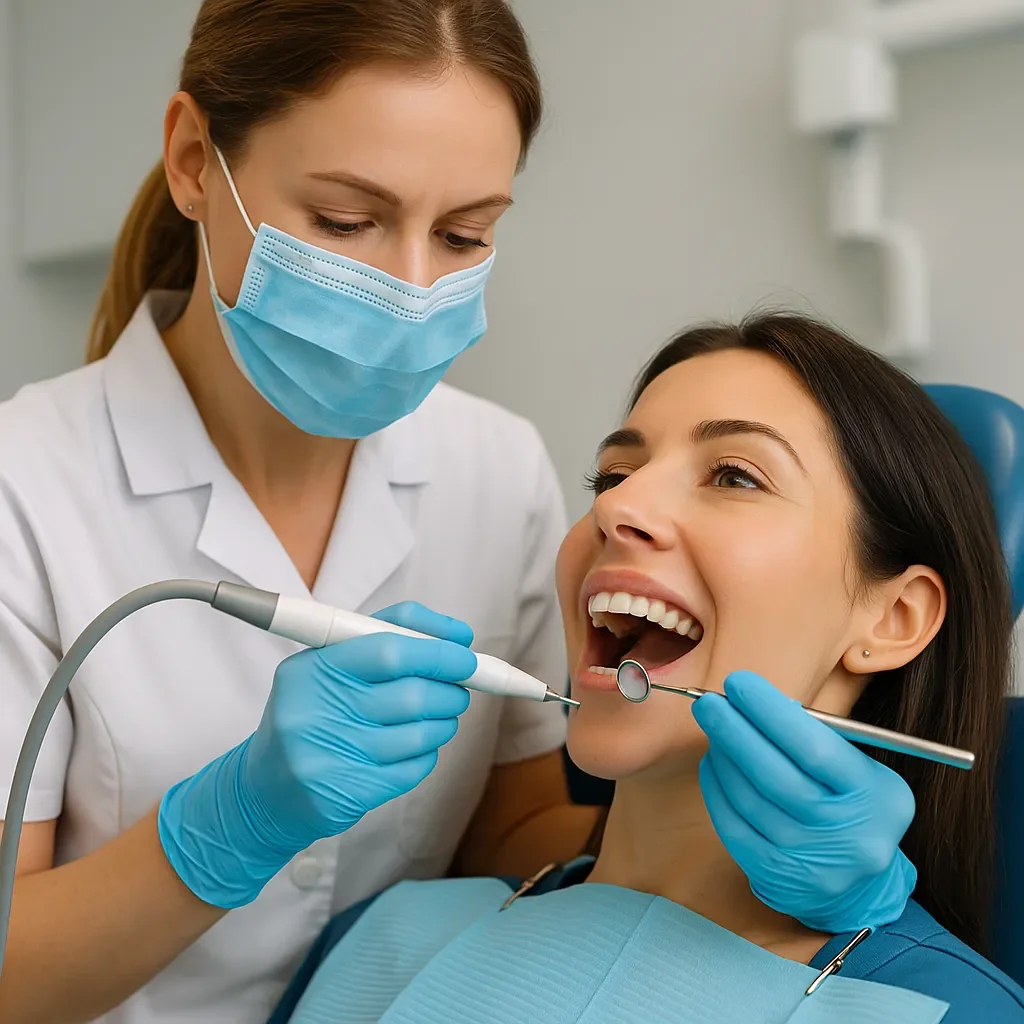
Understanding the Long-Term Benefits of Consistent Dentist Cleanings
Consistent dentist cleanings are one of the most effective and scientifically proven ways to maintain lifelong oral health. While many people think of dental cleanings as simple plaque removal sessions, their long-term effects extend far beyond basic hygiene. Routine professional cleanings help prevent gum disease, maintain strong enamel, reduce oral bacteria, support systemic health, and even contribute to fresher breath and better overall well-being. In this section, we explore each long-term advantage in detail to help patients fully understand why dental cleanings are essential for a healthy future. 🦷💙
When cleanings are performed regularly — ideally every six months for most individuals, or every three to four months for high-risk patients — the protective benefits accumulate over time. Harmful bacteria are kept under control, gum tissues remain healthier, and potential issues are detected early. These cumulative effects make consistent dentist cleanings one of the most cost-effective and impactful preventive measures available in modern dentistry.
Strengthening Gum Health Over Time
The gums are the foundation of your oral health. Even if your teeth are strong, inflamed or infected gums can lead to serious dental issues. Consistent dentist cleanings prevent this by removing plaque and tartar that irritate gum tissues.
How Cleanings Protect the Gums Long-Term
- They reduce chronic inflammation.
- They prevent periodontal pocket formation.
- They stop bacteria from spreading deeper into the tissues.
- They enhance gum attachment and reduce bleeding.
Patients who follow a regular cleaning schedule experience significantly lower rates of gingivitis and periodontitis. Over time, as inflammation decreases and bacteria are consistently removed, the gums become firmer, healthier, and more resistant to infection.
Preserving Tooth Structure and Enamel
Enamel does not regenerate — once it’s worn away, it’s gone. That’s why professional dentist cleanings are vital. They remove harmful deposits that cause enamel erosion and minimize acid exposure from bacterial colonies.
Keeping enamel strong is essential for preventing sensitivity, cavities, and tooth fractures. Consistent cleanings help protect enamel by eliminating factors that accelerate its deterioration. Polishing also makes tooth surfaces smoother, reducing the ability of plaque to stick between appointments.
Enamel Benefits You Gain Over the Long Term
- Reduced staining and discoloration
- Stronger resistance to acidic foods
- Lower risk of surface cracks
- Better fluoride absorption
Lower Risk of Cavities and Tooth Loss
Every cavity begins with bacteria. By consistently removing plaque and tartar, routine dentist cleanings drastically reduce the risk of decay. When plaque is allowed to harden, it becomes a permanent home for bacteria — and these colonies produce acids that wear down enamel.
Over the long term, patients who undergo regular professional cleanings experience far fewer cavities and enjoy longer-lasting natural teeth. Preventing decay is always easier, less painful, and more affordable than repairing it.
How Cleanings Reduce Cavity Risk
- Removing early plaque deposits before they become acidic
- Preventing tartar buildup along the gumline
- Allowing early detection of weak enamel spots
- Improving the effectiveness of fluoride treatments
Improved Fresh Breath (Long-Term Halitosis Control)
Bad breath often develops when bacteria accumulate on the tongue, around the gumline, and below the gums. These bacteria produce sulfur compounds that create unpleasant odors. Professional dentist cleanings remove the source of these smells by eliminating the bacterial environments that cause them.
Patients who maintain consistent cleaning schedules experience noticeably fresher breath over time, especially when combined with proper at-home care such as tongue cleaning and antibacterial mouthwash.
Better Overall Systemic Health
Research shows clear links between oral health and systemic conditions such as diabetes, cardiovascular disease, respiratory problems, and inflammation-related disorders. When gum disease is left untreated, harmful bacteria can enter the bloodstream and contribute to these systemic issues.
Routine dentist cleanings reduce oral inflammation and bacterial load, lowering the likelihood of harmful bacteria traveling through the bloodstream. This makes professional cleanings an important part of overall health management.
Systemic Health Conditions Linked to Oral Hygiene
- Heart disease
- Diabetes complications
- Respiratory infections
- Pregnancy-related gum issues
Early Detection of Oral Problems
One of the most underrated benefits of consistent cleanings is early detection. Many dental problems — such as gum recession, cavities, enamel erosion, loose fillings, or even oral cancer — show few symptoms in the early stages.
During your dentist cleanings, dental professionals examine the entire mouth, including soft tissues, tongue surfaces, gum pockets, and tooth structure. Detecting issues early prevents complications and keeps treatment minimally invasive.
Protecting Dental Work and Restorations
Fillings, crowns, implants, and veneers all require a clean oral environment to last as long as possible. Bacterial buildup can compromise dental restorations, leading to unnecessary replacements.
Regular dentist cleanings help protect dental work by reducing plaque around restorations and preventing decay near their edges. This ensures that restorations remain stable and functional for many years.
Long-Term Cost Savings
Preventive care costs significantly less than restorative treatment. Cavities, gum disease, root canals, and tooth replacements are expensive procedures — and many of them can be avoided through consistent dentist cleanings.
When you invest in preventive cleaning, you reduce the likelihood of needing costly dental interventions later. Over a lifetime, this translates into substantial financial savings.
If you want personalized guidance on maintaining lifelong oral health or wish to schedule your routine cleaning, feel free to reach out through the
Redent Klinik Contact Page.
Our team is dedicated to helping you protect your smile for years to come. ✨