
Visiting a dentist office for the first time can feel both exciting and a bit intimidating. Whether you’re seeking preventive care, cosmetic treatments, or solutions for pain relief, understanding what to expect can transform anxiety into confidence. A dental visit isn’t just about cleaning your teeth — it’s an essential part of maintaining your overall health, as oral hygiene is closely connected to your heart, digestive system, and even mental well-being. This detailed guide will walk you through everything that happens inside a dentist office, from the moment you walk in to the time you leave with a brighter, healthier smile. 🦷
1. The Welcoming Atmosphere and First Impressions
When you arrive at a dentist office, you’ll usually be greeted by friendly reception staff who will help you check in and complete necessary forms. Modern dental clinics prioritize patient comfort, offering relaxing waiting areas, soothing background music, and even refreshments. These details may seem minor, but they help patients relax before their appointment. Many offices also use digital check-in systems to make the process faster and more efficient.
Your first impression of a dentist office often determines your long-term trust and comfort with the clinic. Cleanliness, organization, and a welcoming staff create a sense of professionalism and care. Some advanced dental clinics like Redent Klinik Contact Page go beyond the basics, ensuring every patient feels valued from the very first interaction.
2. The Initial Consultation and Dental History
During your first visit to a dentist office, the dentist or hygienist will take time to learn about your dental and medical history. This includes previous dental work, medications, allergies, and any health conditions that could affect treatment. For example, people with diabetes or heart disease may require special considerations during dental care. The dentist may ask questions such as when you last visited a dental professional or whether you experience sensitivity, pain, or bleeding gums.
Honesty is crucial here. The more open you are, the better your dentist can tailor a treatment plan to your needs. If you have dental anxiety, sharing that information can also help the staff adapt their approach, ensuring a more comfortable experience.
3. Comprehensive Oral Examination
After reviewing your medical background, the dentist will perform a thorough examination of your mouth, gums, teeth, and jaw. This step is essential for diagnosing potential problems early on. During this process, your dentist will look for signs of cavities, gum inflammation, plaque buildup, and other oral conditions. They may also check your bite alignment and screen for oral cancer, a routine but vital part of preventive care.
Some dental offices use high-definition intraoral cameras to show you real-time images of your teeth on a screen. This helps you understand exactly what’s happening inside your mouth and why certain treatments might be recommended.
4. Dental X-Rays and Diagnostic Imaging
In most cases, your first visit to a dentist office will include taking dental X-rays. These images allow the dentist to see areas invisible to the naked eye, such as between teeth or below the gum line. Modern digital X-rays emit significantly less radiation compared to older models, making them safe for both adults and children.
The dentist may also use panoramic imaging or 3D scans, especially if you’re planning complex procedures like implants or orthodontic treatments. These advanced diagnostic tools help create a comprehensive picture of your oral health and allow for precise, customized treatment plans.
5. Professional Dental Cleaning
One of the most refreshing parts of visiting a dentist office is the professional cleaning performed by a dental hygienist. Using specialized instruments, the hygienist removes plaque and tartar that can’t be eliminated through regular brushing and flossing. This not only improves the look of your teeth but also helps prevent gum disease and cavities. After scaling, your teeth will be polished to remove surface stains and leave your mouth feeling exceptionally clean.
Some clinics also offer fluoride treatments during the cleaning process to strengthen enamel and prevent future decay. The hygienist may provide personalized advice on brushing techniques, flossing habits, and dietary choices that affect oral health.
6. Discussion of Findings and Treatment Plan
After your cleaning and examination, the dentist will review your X-rays and findings with you in detail. If any problems are detected — such as tooth decay, gum inflammation, or alignment issues — they’ll explain the situation clearly and suggest the best treatment options. The goal of a dentist office is not just to fix problems but to educate patients and promote preventive care. This discussion may include short-term solutions, such as fillings or deep cleanings, and long-term strategies like orthodontic treatments or implants.
Transparency is key during this stage. A good dental professional will help you understand your options, costs, and timelines before proceeding. You’ll also have the opportunity to ask questions or express concerns before committing to any procedure.
7. Building Trust and Long-Term Care
Visiting a dentist office isn’t just a one-time event — it’s the beginning of an ongoing partnership for your health. Dentists recommend routine visits every six months for cleaning and examination, although the frequency may vary based on your individual needs. Consistent visits allow your dentist to track progress, detect problems early, and adjust your treatment plan as necessary. The long-term benefit is not just a radiant smile but also reduced medical costs and improved confidence.
8. Modern Standards and Accreditation
Reliable dental clinics adhere to high standards set by organizations like the American Dental Association. This ensures safety, quality, and ethical treatment practices. Accredited offices must meet strict requirements regarding sterilization, staff training, and patient safety protocols. When you visit a dentist office that follows these standards, you can feel confident about the care you receive.
9. Final Thoughts: Your First Visit Sets the Foundation
Your first experience at a dentist office lays the groundwork for your long-term oral health. From the friendly greeting at the front desk to the expert advice from your dentist, every step is designed to make you feel informed, comfortable, and cared for. Regular visits not only protect your teeth and gums but also enhance your overall health and appearance. So, if you’ve been postponing your appointment, now is the perfect time to take that first step — your smile will thank you for it! 😁
Whether you need a routine cleaning, a cosmetic procedure, or simply professional guidance, visiting a dentist office can be a life-changing decision that improves both your confidence and your well-being.
Understanding the Role of a Dentist Office in Oral Health 🦷
Maintaining excellent oral hygiene requires more than just brushing and flossing at home. Visiting a dentist office regularly is essential to prevent, diagnose, and treat a variety of oral conditions that could otherwise go unnoticed. A modern dental office serves as both a preventive care center and a treatment facility — offering services that ensure your teeth, gums, and mouth remain healthy for life. The role of a dentist office extends beyond fixing cavities; it’s a cornerstone of your overall well-being, playing a vital part in preventing heart disease, diabetes complications, and even certain types of infections.
The Preventive Function of a Dentist Office
One of the primary roles of a dentist office is prevention. Preventive dentistry aims to stop problems before they start, saving patients from pain and costly procedures later. Regular checkups, professional cleanings, and fluoride treatments are key elements of this preventive approach. When plaque and tartar accumulate, they create an environment where bacteria thrive — leading to gum inflammation and tooth decay. By visiting a dentist office every six months, these issues are identified early and managed effectively.
Prevention also includes patient education. Dentists and hygienists teach proper brushing and flossing techniques, discuss nutrition’s impact on oral health, and guide patients on selecting the right dental products. In many cases, preventive care is the best investment you can make in your long-term health, as it minimizes the risk of severe dental problems and keeps your smile bright and confident.
Diagnostic and Therapeutic Care
Another crucial role of a dentist office is diagnosis and therapy. Dentists use advanced diagnostic tools like digital X-rays, intraoral cameras, and 3D scanners to detect hidden issues such as cavities between teeth, bone loss, or impacted wisdom teeth. Early detection is vital — a small cavity caught early can be treated with a simple filling, while a neglected one might require a root canal or extraction later.
Therapeutically, a dentist office provides treatments for conditions ranging from minor to complex. These include fillings, crowns, root canals, gum therapy, and even full-mouth restorations. Each treatment is personalized, ensuring both aesthetic and functional results. Furthermore, many clinics now use pain-free technologies like laser dentistry and computer-assisted anesthesia delivery, making dental care more comfortable than ever.
Cosmetic Dentistry: Beyond Function to Aesthetics
While functionality is the foundation of dental care, aesthetics play a huge role in modern dentistry. Many patients visit a dentist office seeking cosmetic improvements to enhance their smiles. Cosmetic dentistry includes whitening, veneers, bonding, and orthodontic treatments that correct discoloration, misalignment, and uneven teeth. These procedures not only improve your smile but also boost confidence and self-esteem.
For example, teeth whitening can remove years of stains caused by coffee, tea, or smoking, while veneers can instantly transform your appearance. The combination of beauty and oral health under one roof is one of the reasons why a dentist office has become an essential part of daily wellness routines across the world.
Restorative Dentistry and Tooth Replacement
When preventive efforts fall short or accidents occur, restorative dentistry becomes essential. In a dentist office, restorative care involves repairing or replacing damaged or missing teeth. Procedures like dental crowns, bridges, dentures, and dental implants are common solutions. Among these, dental implants are particularly popular because they look, feel, and function like natural teeth while preserving jawbone structure.
The goal of restorative treatment is not only to restore aesthetics but also to improve chewing efficiency, speech, and comfort. Without timely restoration, missing teeth can lead to bone resorption, bite misalignment, and even facial structure changes. By visiting a dentist office regularly, you can avoid these complications and maintain long-term oral stability.
The Role of Periodontal Care in Gum Health
Healthy gums form the foundation for strong teeth. In a dentist office, periodontal care focuses on preventing and treating gum disease — one of the leading causes of tooth loss among adults. Gum disease often begins silently, showing subtle signs like bleeding gums, bad breath, or minor swelling. Through scaling, root planing, and advanced laser therapy, dental professionals can reverse early stages of gum disease and help patients maintain healthy tissue support.
Advanced periodontal treatment may also include pocket reduction surgeries and bone grafting, particularly for those with severe gum disease. The emphasis on gum health highlights that a dentist office is not just about teeth — it’s about the entire oral ecosystem working in harmony.
Emergency Dental Services
Emergencies can happen anytime — from sudden toothaches to accidents causing broken or knocked-out teeth. A dentist office equipped for emergency care provides immediate relief and preserves oral health in critical situations. Prompt attention can mean the difference between saving or losing a tooth. Most clinics have protocols for after-hours care, ensuring that patients receive assistance when they need it most.
Common dental emergencies include abscesses, severe pain, bleeding, or lost restorations. Knowing that a dentist office is available for urgent care gives patients peace of mind and ensures continuous protection for their oral health.
Integrating Technology and Patient Comfort
Modern dentist offices integrate technology to provide faster, safer, and more comfortable care. Tools like CAD/CAM systems for same-day crowns, 3D imaging for precision planning, and laser therapy for pain-free procedures have revolutionized patient experiences. Additionally, amenities such as ergonomic dental chairs, noise-canceling headphones, and sedation options create a relaxing atmosphere that helps ease dental anxiety.
This combination of technology and compassion defines the new generation of dentist offices. The focus is no longer just on fixing teeth but on delivering a holistic, stress-free experience that supports patient trust and loyalty.
Public Health Education and Community Involvement
Many dental professionals extend their role beyond clinic walls. A dentist office often participates in school programs, health fairs, and community outreach initiatives to promote oral hygiene awareness. These programs teach children and adults about brushing habits, diet, and the importance of regular checkups. Public education helps reduce oral health disparities and encourages preventive care among populations with limited access to dental services.
The Dentist Office as a Partner in Overall Health
Your mouth is the gateway to your body, and oral health influences systemic conditions such as cardiovascular disease, respiratory infections, and diabetes. Regular visits to a dentist office allow early detection of symptoms that might indicate broader health issues. For example, gum inflammation can be linked to insulin resistance, and persistent mouth ulcers might signal immune deficiencies. In this sense, dentists serve as vital partners in overall health management.
Final Thoughts: Why Every Smile Deserves Professional Care
Understanding the vital role of a dentist office helps patients appreciate that dental visits are not optional — they’re essential. With comprehensive care that covers prevention, diagnosis, treatment, and aesthetics, a dental office ensures that each smile receives professional attention and long-term protection. Modern dentistry combines science, technology, and artistry to deliver results that improve both health and confidence. By committing to regular checkups and following your dentist’s advice, you’re investing in a future filled with brighter smiles and stronger health. 😁
For trusted and professional dental care, you can connect with clinics that uphold global standards, such as American Dental Association members or internationally accredited facilities like Redent Klinik Contact Page. Your oral health journey starts with a single visit — and a dentist office is the perfect place to begin.
Common Dental Treatments You Can Get at a Dentist Office
When visiting a dentist office, most people think only of cleanings and fillings, but the range of treatments available is far broader and more advanced. Modern dentistry combines medical precision with aesthetic enhancement, offering comprehensive services that address everything from prevention to full mouth reconstruction. Understanding these treatments can help patients make informed choices, reduce anxiety, and maintain long-term oral health. Whether you need routine care, restorative work, or cosmetic improvement, a dentist office provides solutions tailored to every age and condition.
Preventive Dental Treatments
Preventive care is the foundation of oral health and the first line of defense against tooth decay, gum disease, and oral infections. In a dentist office, preventive treatments are designed to protect your natural teeth and minimize the need for invasive procedures later. The most common preventive services include professional cleanings, fluoride applications, and dental sealants.
Professional cleanings remove plaque and tartar buildup that regular brushing cannot eliminate. This process, known as scaling and polishing, ensures your teeth remain smooth, clean, and resistant to bacteria. Fluoride treatments strengthen enamel and make teeth more resistant to acid attacks from food and drinks. Dental sealants, on the other hand, are thin coatings applied to the chewing surfaces of molars, preventing decay in hard-to-reach grooves and pits. These simple but effective treatments, performed at a dentist office, can protect your teeth for years.
Restorative Dental Procedures
When decay, trauma, or wear damages a tooth, restorative dentistry steps in to repair function and appearance. A dentist office offers several restorative options depending on the severity of the issue:
Dental Fillings
Fillings are the most common restorative treatment in a dentist office. They are used to restore teeth affected by minor decay. Composite resin fillings, often tooth-colored, are now preferred over traditional metal fillings due to their aesthetic appeal and strong bonding ability. They restore strength and prevent further decay while maintaining a natural appearance.
Crowns and Bridges
When a tooth is too damaged for a filling, a crown (cap) is used to cover and protect it. Crowns restore the tooth’s shape, strength, and function, and they are custom-made to blend seamlessly with your natural teeth. Bridges, on the other hand, replace one or more missing teeth using neighboring teeth as anchors. Both are commonly fabricated using materials like porcelain, zirconia, or metal alloys — ensuring durability and beauty.
Root Canal Therapy
If decay reaches the tooth pulp, causing infection or severe pain, root canal therapy becomes necessary. In a dentist office, the dentist removes the infected pulp, cleans the inner canals, and seals the space with a special filling material. This treatment saves natural teeth that would otherwise require extraction and relieves discomfort effectively.
Dental Implants
Dental implants are one of the most advanced restorative options available at a dentist office. They replace missing teeth by surgically embedding a titanium post into the jawbone, acting as an artificial root. A custom-made crown is then attached, creating a permanent and realistic replacement. Implants not only restore chewing ability but also prevent bone loss, maintaining facial structure and oral stability.
Cosmetic Dental Treatments
Cosmetic dentistry focuses on improving the appearance of your teeth and smile. In a dentist office, these procedures enhance aesthetics without compromising functionality. Popular cosmetic treatments include:
Teeth Whitening
Teeth whitening is one of the simplest and most effective ways to improve your smile. Using professional-grade bleaching agents, a dentist office can brighten your teeth several shades lighter in a single visit. Unlike over-the-counter kits, professional whitening ensures even results and minimizes tooth sensitivity.
Dental Veneers
Veneers are thin porcelain or composite shells placed over the front of teeth to correct discoloration, chips, or minor misalignment. These are custom-designed in a dentist office to perfectly match the color and shape of your existing teeth, giving you a flawless, natural-looking smile.
Bonding and Contouring
For smaller imperfections, bonding and contouring are minimally invasive procedures that reshape teeth using tooth-colored resin. These treatments, available at a dentist office, are ideal for fixing small chips, gaps, or irregular edges, and they can often be completed in a single appointment.
Orthodontic Treatments
Orthodontics focuses on aligning teeth and correcting bite problems. A dentist office may offer traditional metal braces or clear aligners such as Invisalign. These treatments not only improve the appearance of your smile but also enhance oral health by making it easier to clean and maintain your teeth. Proper alignment reduces the risk of cavities, gum disease, and jaw strain, promoting lifelong dental stability.
Periodontal Treatments
Healthy gums are vital for a healthy mouth. A dentist office provides periodontal (gum) treatments to combat gum disease and maintain tissue health. These include deep cleanings (scaling and root planing), antibiotics, and laser therapy for advanced cases. Early-stage gum disease (gingivitis) can be reversed with proper care, while advanced cases (periodontitis) require ongoing management to prevent tooth loss.
Oral Surgery
Oral surgical procedures may be necessary for complex cases such as impacted wisdom teeth, jaw misalignment, or advanced implant placement. A dentist office with surgical capabilities can perform extractions, bone grafts, and sinus lifts under local or general anesthesia. These treatments are designed to restore oral function and prepare the mouth for prosthetic or orthodontic work.
Pediatric Dentistry
Children’s dental care requires special attention and gentle handling. Pediatric services at a dentist office include cleanings, fluoride applications, cavity treatments, and sealants. Pediatric dentists also monitor jaw growth, tooth eruption, and oral habits such as thumb-sucking. Introducing children early to a dental environment helps prevent fear and builds lifelong positive dental habits.
Emergency Dental Care
Many clinics offer emergency services for issues like sudden toothaches, broken fillings, or dental trauma. Having access to a dentist office that provides prompt emergency care ensures that problems are treated before they escalate. Quick action during emergencies can save teeth, reduce infection risks, and prevent long-term complications.
Final Thoughts on Dental Treatments
The wide range of services offered at a dentist office demonstrates how modern dentistry prioritizes both health and aesthetics. Whether you’re visiting for preventive care, cosmetic improvement, or complex restoration, your dentist tailors each treatment to your unique needs. Every visit contributes to a healthier, brighter smile and improved confidence. For trusted and high-quality dental care, patients can rely on globally accredited organizations like the American Dental Association and reach out to professional clinics such as Redent Klinik Contact Page for expert guidance and care. 🌟
How to Choose the Right Dentist Office for Your Needs
Choosing a dentist office is one of the most important decisions you can make for your oral health and overall well-being. The right clinic should not only offer professional dental care but also make you feel comfortable, informed, and valued. With so many options available, from small private practices to large dental centers, it’s essential to know what factors truly matter. In this comprehensive guide, we’ll explore how to find a dentist office that meets your medical, emotional, and financial needs while ensuring long-term satisfaction and healthy smiles for you and your family.
Evaluating Credentials and Professional Qualifications
The first step in selecting a dentist office is verifying the credentials of its dental professionals. Dentists should have proper licensing, certifications, and continuous education in modern dental technologies and procedures. Always check whether the clinic is accredited by reputable organizations such as the American Dental Association or similar regulatory bodies in your country. Accreditation ensures that the clinic adheres to the highest standards of hygiene, safety, and ethical practice.
Additionally, pay attention to the dentist’s area of specialization. Some clinics focus on general dentistry, while others specialize in cosmetic, pediatric, or implant dentistry. A good dentist office will often employ multiple experts so patients can receive all necessary treatments under one roof, minimizing referrals and extra costs.
Checking Experience and Reputation
Experience plays a crucial role in the quality of dental care. When researching a dentist office, look into how long the practice has been in operation and what kind of feedback it has received. Online reviews, patient testimonials, and before-and-after photos can provide valuable insights into the clinic’s reliability and results. However, be mindful of fake or exaggerated reviews—trust feedback from verified patients or local community recommendations.
Reputation extends beyond technical skill; it also includes how the clinic treats its patients. A dentist who takes time to explain procedures, listens to your concerns, and tailors treatment to your comfort level is a professional worth keeping. Clinics that focus on patient-centered care tend to build lasting relationships and have higher patient retention rates.
Evaluating Technology and Modern Equipment
Modern dental technology can greatly improve diagnosis accuracy, treatment comfort, and recovery time. When visiting a dentist office, look for equipment such as digital X-rays, 3D scanners, laser dentistry systems, and CAD/CAM machines. These innovations not only enhance precision but also minimize pain and reduce the number of visits required for procedures like crowns or veneers.
For example, offices equipped with intraoral cameras can show patients real-time images of their teeth, helping them understand their oral health status. This transparency builds trust and allows patients to actively participate in treatment decisions. Choosing a dentist office that invests in up-to-date technology reflects a commitment to delivering efficient and modern care.
Considering Hygiene and Safety Standards
Cleanliness and infection control are non-negotiable factors when evaluating a dentist office. The environment should be spotless, instruments must be sterilized properly, and disposable tools should be used whenever possible. Ask about the clinic’s sterilization procedures and how they maintain hygiene between appointments.
Clinics that follow strict safety protocols—including the use of autoclaves, surface disinfectants, and protective gear—significantly reduce the risk of cross-contamination. This is especially important after global health challenges like COVID-19, which heightened awareness about infection control in medical settings. When you visit a spotless and organized dental office, you can feel confident that your health and safety come first.
Assessing Communication and Patient Care
Communication is one of the key indicators of professionalism in a dentist office. A good dentist listens attentively, explains procedures in understandable terms, and discusses all available treatment options. You should never feel rushed or pressured into making decisions. The best dental professionals foster open, two-way communication to ensure patients are informed and comfortable at every step.
In addition, assess the behavior of support staff. The front desk, dental assistants, and hygienists all contribute to the overall patient experience. Friendly, empathetic staff who remember your name and previous visits can make even routine appointments feel personal and enjoyable.
Location, Accessibility, and Office Hours
Convenience is another critical factor when choosing a dentist office. Select a clinic that is easy to reach from your home or workplace. This encourages regular checkups and timely care during emergencies. Also, check whether the office offers flexible scheduling, including evening or weekend appointments. Busy professionals and parents often benefit from clinics that accommodate nontraditional hours or allow online booking through their websites.
Accessibility is equally important for patients with disabilities or mobility challenges. A well-designed dentist office will include ramps, elevators, and accessible restrooms to ensure comfort for all visitors.
Insurance, Payment Options, and Transparency
Before making your final decision, review the clinic’s payment and insurance policies. A reputable dentist office will clearly explain all costs before starting treatment and provide detailed invoices. Many clinics now offer flexible payment plans, financing options, or membership programs that make dental care more affordable. This transparency helps avoid surprise expenses and allows patients to plan their treatment budget effectively.
It’s also wise to ask if the clinic accepts your insurance provider. Some offices handle claim submissions directly, while others require patients to process claims themselves. A trustworthy dental clinic will guide you through the financial process with honesty and clarity.
Comfort, Atmosphere, and Personal Connection
The atmosphere inside a dentist office can significantly impact your overall experience. Look for a calm, clean, and inviting space where you feel relaxed. Some clinics enhance comfort by offering aromatherapy, soothing music, or entertainment options for children. A comfortable environment can help reduce dental anxiety, especially for those who have had negative experiences in the past.
Beyond aesthetics, consider the emotional connection between you and the dental team. Feeling respected and cared for builds trust and encourages long-term commitment. The best dental care happens when patients and professionals work together as partners in health.
Personal Recommendations and Trial Visits
Before committing to a dentist office, it’s a good idea to schedule a consultation or initial exam. This gives you the opportunity to evaluate how the staff interacts with you and whether the dentist listens attentively to your concerns. You can also ask friends, family, or colleagues for recommendations. Word-of-mouth referrals are often the most reliable because they come from trusted experiences rather than advertisements.
Final Thoughts: Making the Right Choice
Choosing a dentist office is not just about convenience — it’s about trust, comfort, and quality care. The ideal dental practice combines expertise, empathy, technology, and transparency to deliver exceptional results. By considering factors like credentials, reputation, safety standards, and patient experience, you can confidently select a clinic that supports your health and happiness for years to come.
If you’re ready to take the next step toward better oral health, consider reaching out to globally trusted professionals through the Redent Klinik Contact Page for expert guidance and care that meets international standards. 🌟
What Happens During a Routine Visit to a Dentist Office
Visiting a dentist office for a routine checkup is one of the most effective ways to maintain oral health and prevent long-term dental problems. Many people think a dental visit is only necessary when they experience pain, but regular checkups are essential for early detection and prevention. This visit not only focuses on cleaning your teeth but also includes a detailed examination of your mouth, gums, and jaw. In this comprehensive guide, we’ll walk through every step of what happens during a typical appointment at a dentist office, so you know exactly what to expect — from check-in to checkout. 🦷
Step 1: Patient Reception and Medical History Review
The first step in your visit to a dentist office begins at the front desk. You’ll be greeted by a receptionist who will help you check in and update your medical and dental history. This is especially important because your overall health directly affects your oral health. Conditions such as diabetes, hypertension, or medications that cause dry mouth can influence how dental treatments are performed.
You’ll also be asked about any symptoms you’ve experienced since your last visit — such as sensitivity, pain, or bleeding gums. This conversation helps your dental team tailor the examination and cleaning to your needs. At Redent Klinik Contact Page, patients often appreciate the attentive approach where dentists take time to understand their unique oral health backgrounds before proceeding.
Step 2: Preliminary Examination and X-Rays
After check-in, a dental hygienist or assistant will escort you to the examination area. In most cases, a routine visit to a dentist office includes a set of X-rays. These images help detect cavities, bone loss, or abnormalities that aren’t visible during a visual inspection. Modern digital X-rays use minimal radiation and produce high-resolution images almost instantly, allowing the dentist to diagnose with precision and speed.
Some clinics may also use panoramic or 3D imaging, especially if it’s your first visit or if you’re being evaluated for orthodontic or implant treatment. The combination of technology and professional expertise ensures that your visit to a dentist office is both safe and thorough.
Step 3: Professional Dental Cleaning (Prophylaxis)
Next comes professional cleaning, one of the most refreshing and beneficial parts of visiting a dentist office. A dental hygienist performs this procedure using specialized instruments designed to remove plaque and tartar buildup from your teeth and gums. Even with daily brushing and flossing, some deposits cannot be removed at home — this is where professional cleaning plays a vital role.
Scaling and Polishing
During scaling, the hygienist gently scrapes away hardened tartar (calculus) from above and below the gum line. This process prevents gum inflammation and tooth decay. After scaling, your teeth are polished with a rotating brush and a mildly abrasive paste to smooth the surfaces and remove surface stains, leaving your mouth clean and fresh.
Fluoride Treatment
In many dentist offices, fluoride treatment is the final step of cleaning. Fluoride strengthens tooth enamel, making it more resistant to acids from food and bacteria. The treatment is usually applied as a gel, foam, or varnish and remains on your teeth for a few minutes to maximize its benefits.
Step 4: Detailed Oral Examination by the Dentist
Once the cleaning is complete, the dentist performs a comprehensive oral examination. Using a small mirror and dental probe, they check for signs of cavities, gum recession, loose fillings, and potential infections. The dentist will also examine your tongue, cheeks, and throat to screen for oral cancer — an essential part of every routine visit to a dentist office.
Additionally, your dentist may assess your bite alignment and jaw joint (TMJ) for issues that could cause discomfort or headaches. Detecting these problems early can prevent future complications and costly treatments.
Step 5: Discussion of Findings and Personalized Recommendations
After the examination, your dentist will review the results of both the visual inspection and the X-rays. This is when you’ll discuss any findings, such as early-stage decay, plaque buildup, or signs of gum disease. One of the defining qualities of a good dentist office is transparency — your dentist should explain all conditions clearly and outline possible treatment options.
You may receive personalized advice on brushing techniques, flossing habits, diet adjustments, or oral hygiene products that suit your specific needs. If any treatment is needed, such as fillings or whitening, your dentist will explain the procedure, costs, and expected recovery time in detail. This discussion empowers patients to take control of their oral health confidently.
Step 6: Optional Cosmetic or Orthodontic Consultation
Some dentist offices offer additional consultations during your visit, especially if you’re interested in aesthetic or orthodontic improvements. You can discuss options like teeth whitening, veneers, clear aligners, or smile makeovers. These enhancements can dramatically improve appearance and self-confidence while maintaining oral health. The dentist will assess whether you’re a suitable candidate and design a custom plan for achieving your desired smile.
Step 7: Scheduling Follow-Up Visits and Preventive Care
Before you leave a dentist office, the front desk staff will help schedule your next appointment — typically six months later. Regular checkups ensure consistent monitoring of your dental health and prevent small issues from escalating into major ones. If a specific treatment is required, follow-up visits may be arranged sooner. Maintaining this routine builds a solid foundation for lifelong oral health.
Step 8: Post-Visit Tips and Care Instructions
After your visit, your dental team might provide aftercare advice tailored to your situation. This could include guidance on managing post-cleaning sensitivity, recommended toothpaste brands, or reminders about brushing technique. Many dentist offices also send follow-up emails or messages to check in on patient satisfaction and encourage preventive habits at home. This continued support helps strengthen the patient-dentist relationship and ensures ongoing care between appointments.
Step 9: Importance of Consistency in Dental Visits
Consistency is key when it comes to oral health. Regularly visiting a dentist office helps prevent dental emergencies, detect early signs of disease, and maintain optimal hygiene. Skipping appointments may allow small cavities or gum issues to progress unnoticed, leading to more complex and expensive treatments later. By staying committed to your routine visits, you invest in your future smile and overall health.
Final Thoughts: Routine Visits as a Lifelong Investment
In conclusion, a routine visit to a dentist office is not just a cleaning — it’s a complete health checkup for your mouth. Each step, from X-rays to fluoride treatment, contributes to maintaining strong teeth, healthy gums, and a radiant smile. Dentists also play an educational role, teaching you preventive habits that safeguard your oral and systemic health.
For expert care and professional guidance tailored to your needs, you can reach out to internationally accredited clinics such as Redent Klinik Contact Page. Their approach combines comfort, advanced technology, and personalized care to make every visit a positive experience. Remember — regular checkups at a dentist office today will save you from pain, cost, and complications tomorrow. 😁
Modern Technology Used in a Dentist Office Today
In recent years, dental technology has evolved dramatically, transforming how patients experience care at a dentist office. Advanced tools and digital systems have not only improved the accuracy of diagnoses but also made treatments faster, safer, and virtually pain-free. The modern dental environment is no longer intimidating — it’s a hub of innovation where science and technology work together to provide the best possible oral health outcomes. In this detailed guide, we’ll explore the latest technologies used in a dentist office today, how they work, and why they’re revolutionizing dental care. 🦷
Digital Imaging and Diagnostic Innovations
Gone are the days of uncomfortable film X-rays and long waiting times. Modern dentist offices now rely on digital imaging systems that produce clear, high-resolution images within seconds. These technologies allow dentists to detect even the smallest cavities, bone loss, or infections long before they become visible to the naked eye.
Digital X-Rays
Digital X-rays use up to 90% less radiation than traditional methods, making them safer for patients of all ages. The images appear instantly on a computer screen, allowing dentists to zoom in, adjust brightness, and analyze problem areas in detail. This not only speeds up diagnosis but also enhances accuracy. Moreover, digital storage eliminates the need for physical film, reducing environmental waste and improving recordkeeping efficiency at a dentist office.
Intraoral Cameras
Another remarkable advancement found in a dentist office is the intraoral camera — a small, wand-like device that captures detailed images of your teeth and gums in real-time. Patients can view these images on a monitor, helping them understand their oral health better. This transparency builds trust and encourages proactive participation in treatment decisions.
3D Cone Beam CT Scanning
For more complex cases, 3D Cone Beam Computed Tomography (CBCT) provides a full three-dimensional view of the mouth, jawbone, and sinus cavities. This technology is especially useful for implant planning, orthodontic analysis, and detecting hidden dental issues. With 3D imaging, a dentist office can map out precise surgical paths and reduce the risk of complications during procedures.
CAD/CAM Technology (Computer-Aided Design and Manufacturing)
One of the biggest game-changers in modern dentistry is CAD/CAM technology, which allows for same-day restorations. Using digital impressions and 3D printing, a dentist office can design and manufacture crowns, veneers, inlays, and onlays in a single appointment.
How CAD/CAM Works
The process begins with digital scanning of the tooth using an intraoral scanner, replacing traditional, messy molds. Then, specialized software designs the restoration digitally. Once the design is approved, a milling machine carves the piece from a ceramic or composite block with extreme precision. This not only saves time but ensures perfect fit and aesthetics. Patients no longer have to wait weeks for lab work — it’s instant dentistry at its finest.
Laser Dentistry
Laser technology has revolutionized both cosmetic and therapeutic treatments at a dentist office. Dental lasers can precisely cut, shape, and disinfect soft or hard tissues with minimal discomfort. They are used for gum contouring, cavity preparation, teeth whitening, and even root canal sterilization.
Benefits of Laser Dentistry
- Minimized pain and bleeding during procedures
- Reduced need for anesthesia
- Faster healing and tissue regeneration
- Lower risk of bacterial infection
Patients who experience anxiety often find laser treatments more comfortable and less invasive. By integrating laser dentistry, a dentist office can perform precise procedures with shorter recovery times and exceptional cosmetic outcomes.
Digital Smile Design (DSD)
Cosmetic dentistry has become more advanced thanks to Digital Smile Design. This technology allows dentists to digitally map a patient’s facial features and simulate the final appearance of their smile before starting any procedure. With DSD, a dentist office can customize treatments such as veneers, implants, or orthodontics based on facial harmony, symmetry, and patient preferences.
Patients can preview their “new smile” on a screen, ensuring satisfaction and confidence before treatment begins. This visualization process has turned cosmetic dentistry into a collaborative and exciting experience rather than an uncertain one.
3D Printing in Dentistry
3D printing is rapidly becoming a cornerstone of modern dental care. With high-precision printers, a dentist office can create models, aligners, crowns, and surgical guides on-site. This dramatically shortens production times and increases precision. For example, dentists can print a custom-fit surgical guide for implant placement within hours, ensuring optimal positioning and faster recovery.
Beyond restorations, 3D printing also contributes to orthodontics. Clear aligner systems, similar to Invisalign, are now often produced using in-house 3D printers, reducing costs for patients while maintaining quality and effectiveness.
Artificial Intelligence (AI) and Predictive Analysis
AI is reshaping the dental industry by improving diagnostic accuracy and patient management. In a dentist office, AI-powered software can analyze dental X-rays and identify cavities, bone loss, or anomalies with remarkable precision. Predictive models help dentists anticipate potential problems before they worsen, enabling early intervention and preventive treatment planning.
AI also assists in administrative areas — automating appointment scheduling, insurance claims, and patient reminders — allowing dental teams to focus more on patient care and less on paperwork.
Teledentistry and Virtual Consultations
In the digital age, convenience is key. Many modern dentist offices now offer teledentistry services that allow patients to consult with their dentist remotely. Through secure video calls, patients can discuss symptoms, share photos, and receive guidance on whether an in-person visit is necessary. This approach saves time and provides quick access to professional advice, especially for those living in remote areas or with mobility challenges.
Teledentistry also enhances continuity of care after procedures, allowing dentists to monitor recovery progress virtually and address any concerns without requiring an office visit.
Augmented Reality (AR) and Virtual Reality (VR) in Dentistry
AR and VR technologies are making dental visits more educational and less stressful. Some dentist offices use AR to demonstrate treatment outcomes, helping patients visualize how their teeth will look after orthodontic or cosmetic procedures. Meanwhile, VR headsets are used to distract anxious patients during long treatments — offering immersive relaxation experiences that reduce anxiety and discomfort.
Integration of Patient Management Software
Behind every efficient dentist office lies advanced patient management software. These systems centralize scheduling, treatment history, and billing into one secure platform. They also automate appointment reminders, track follow-up visits, and maintain detailed patient profiles. This digital transformation ensures smoother operations, less waiting time, and more personalized patient experiences.
Final Thoughts: Technology and the Future of Dental Care
Technology has redefined what patients can expect when visiting a dentist office. From digital imaging to AI diagnostics, every innovation enhances precision, comfort, and convenience. The integration of 3D printing, laser dentistry, and digital smile design demonstrates how modern dentistry merges science and artistry. These advancements not only improve treatment outcomes but also strengthen the trust between patients and dental professionals.
As technology continues to evolve, dental care will become even more personalized, efficient, and accessible. For patients seeking state-of-the-art treatments and compassionate care, visiting globally recognized clinics such as Redent Klinik Contact Page ensures access to cutting-edge equipment and international expertise. The future of dentistry is digital — and it’s already here, at a dentist office near you. 💻🦷
The Importance of Hygiene and Sterilization in a Dentist Office 🧼
When it comes to oral health, hygiene and sterilization practices inside a dentist office are as vital as the treatments themselves. Every instrument, surface, and procedure must meet strict cleanliness standards to protect both patients and dental professionals from infections and cross-contamination. Dentistry involves close contact with saliva, blood, and tissues — all of which can transmit pathogens if sterilization is neglected. That’s why maintaining a safe, sterile, and hygienic environment is the foundation of trust between patients and their dentists. In this detailed explanation, we’ll explore the hygiene protocols, sterilization techniques, and safety systems that ensure every visit to a dentist office is safe, clean, and worry-free.
Understanding the Role of Hygiene in Dental Practice
Hygiene in a dentist office goes far beyond keeping the waiting area neat. It’s an integrated system designed to prevent infection at every level of care — from the instruments used in your mouth to the air you breathe inside the clinic. The goal is to maintain a sterile environment where bacteria, viruses, and fungi cannot spread. Proper hygiene not only safeguards patients but also protects dentists, hygienists, and assistants who handle dental tools and materials daily.
Modern dental offices adhere to global infection control standards recommended by organizations like the American Dental Association (ADA) and the Centers for Disease Control and Prevention (CDC). Compliance with these protocols ensures that every surface, instrument, and hand in the operatory is disinfected and safe for patient use.
Sterilization vs. Disinfection: What’s the Difference?
Many patients visiting a dentist office may not realize that sterilization and disinfection are two distinct processes serving different purposes:
- Sterilization eliminates all microorganisms, including spores, from instruments and materials. This process ensures complete microbial destruction.
- Disinfection reduces the number of microorganisms on surfaces and tools to a safe level but may not eliminate all spores or resistant pathogens.
Both methods are essential. For instance, instruments that come into direct contact with blood or tissue must be sterilized, while surfaces like countertops or dental chairs are disinfected between each patient. The combination of these two processes creates a comprehensive infection control system in a dentist office.
The Sterilization Cycle: Step-by-Step Process
The sterilization process in a dentist office is meticulous and multi-layered. It follows a precise workflow designed to maintain consistency and safety:
1. Cleaning
Before sterilization, all instruments are cleaned to remove visible debris such as saliva, blood, or tissue. Ultrasonic cleaners are often used to loosen and remove contaminants using high-frequency vibrations and specialized cleaning solutions. This step is crucial because sterilizing dirty instruments can trap microorganisms under debris.
2. Packaging
Once cleaned, instruments are dried and placed into sterilization pouches or cassettes. Each package is labeled with the date and cycle number to track usage and ensure accountability. The packaging allows sterilizing agents (like steam or gas) to penetrate the instruments while maintaining sterility after the process is complete.
3. Sterilization
Autoclaves are the cornerstone of sterilization in a dentist office. They use high-pressure saturated steam at temperatures ranging from 121°C to 134°C to destroy all microorganisms. Some dental clinics also use dry heat sterilizers or chemical vapor systems for certain tools that can’t withstand moisture. Each cycle is monitored with mechanical, chemical, and biological indicators to confirm effectiveness.
4. Storage and Monitoring
After sterilization, instruments are stored in clean, dry environments until use. Staff members routinely monitor sterilization logs to ensure every step meets protocol. If a failure or inconsistency occurs, the entire cycle is repeated, and no instruments are used until safety is verified. This level of diligence reinforces the reliability of a dentist office.
Surface Disinfection and Environmental Control
Beyond instrument sterilization, every surface inside a dentist office must be disinfected between patient appointments. Dental chairs, light handles, countertops, and doorknobs are wiped with EPA-approved disinfectants that kill a broad spectrum of bacteria and viruses, including hepatitis and influenza strains. Disposable covers and barriers are also used to protect surfaces from contamination.
Air quality control is another key aspect of hygiene. Many modern dental offices now incorporate HEPA filters, UV-C air purifiers, and negative air pressure systems to remove airborne particles and pathogens. This ensures that patients breathe clean air during procedures — a particularly important advancement in the post-pandemic world.
Personal Protective Equipment (PPE) Protocols
In a dentist office, every member of the dental team follows strict PPE protocols to minimize the risk of cross-infection. This includes wearing gloves, masks, protective eyewear, and disposable gowns. Masks are replaced between patients, and gloves are changed immediately after each procedure. PPE acts as the first line of defense in maintaining a sterile environment and protecting both patient and practitioner.
In addition, hand hygiene is one of the simplest yet most critical components of infection control. Dental professionals wash and sanitize their hands before and after every procedure, even when wearing gloves. This consistent practice ensures maximum safety for every patient entering a dentist office.
Waste Management and Disposal Systems
Proper disposal of medical waste is another essential aspect of hygiene at a dentist office. Materials such as used gloves, gauze, syringes, and extracted teeth are handled according to strict biohazard disposal regulations. These items are separated into color-coded containers and collected by licensed medical waste disposal services. Safe disposal prevents contamination of the environment and reduces public health risks.
Training and Compliance in Dental Staff
Maintaining hygiene and sterilization is not just about equipment — it’s about consistent human practice. Every staff member in a dentist office undergoes regular training on updated infection control standards. This includes learning about new disinfectants, sterilization monitoring, and emergency response procedures. Many dental clinics also perform random audits and internal reviews to ensure all protocols are being followed without exception.
Patient Awareness and Transparency
Transparency builds trust. Reputable dentist offices educate patients about their hygiene procedures. Some clinics even allow patients to observe the sterilization area or explain the process verbally to ease concerns. When patients see how thoroughly instruments and rooms are cleaned, they feel more confident and comfortable returning for future care. Cleanliness isn’t just a regulatory requirement — it’s a marketing advantage that reflects professionalism and compassion.
Final Thoughts: Cleanliness as a Core Value
Hygiene and sterilization are the heartbeat of a dentist office. Without them, even the most advanced treatments lose credibility. A truly professional clinic prioritizes cleanliness as highly as precision and patient comfort. From sterilized tools to purified air and trained staff, every detail contributes to a safe and reassuring experience. 🧴✨
If you’re seeking world-class dental care that meets international hygiene standards, visit Redent Klinik Contact Page — where safety, sterilization, and patient trust are top priorities. With these protocols in place, you can sit back, relax, and smile knowing you’re in safe, sanitized hands at a dentist office.
Costs and Insurance Options for Services at a Dentist Office
One of the most common concerns patients have before visiting a dentist office is the cost of treatment. Dental care can vary widely in price depending on the type of service, the materials used, the clinic’s location, and the dentist’s expertise. Understanding how pricing works — and what insurance or financing options are available — helps patients make informed decisions without financial stress. In this detailed guide, we’ll break down the average costs of popular dental treatments, explore how dental insurance works, and discuss flexible payment options available at a dentist office today. 💰🦷
Understanding the Cost Structure of Dental Treatments
Every service offered in a dentist office has its own cost structure based on complexity, time, and materials. Routine preventive care, such as checkups and cleanings, is relatively affordable, while restorative or cosmetic procedures can be more expensive. Dentists always aim to provide transparent pricing before any treatment begins. This ensures patients know exactly what they are paying for and why.
Common Dental Procedures and Their Average Costs
Below is a general guide to average dental service costs in the United States (as of 2025). Prices can vary based on geographic location, the clinic’s equipment, and the dentist’s specialization:
| Treatment | Average Cost (USD) | Description |
|---|---|---|
| Dental Exam & Cleaning | $100 – $250 | Includes cleaning, scaling, and oral checkup at a dentist office. |
| Tooth Filling | $150 – $400 | Composite or amalgam fillings for cavities. |
| Root Canal Treatment | $700 – $1,200 | Removes infected pulp and seals the tooth for long-term health. |
| Dental Crown | $900 – $1,800 | Protective covering for damaged teeth, made from ceramic or zirconia. |
| Dental Implant | $2,500 – $4,500 | Permanent tooth replacement using titanium or zirconia posts. |
| Teeth Whitening | $200 – $600 | Professional whitening performed safely at a dentist office. |
| Orthodontic Treatment (Braces or Aligners) | $3,000 – $7,000 | Used to correct teeth alignment and jaw positioning. |
| Wisdom Tooth Extraction | $300 – $800 per tooth | Depending on complexity and anesthesia used. |
These costs can vary significantly, especially for cosmetic or advanced procedures. However, most dentist offices provide a detailed treatment plan outlining every charge before starting, ensuring full transparency.
How Dental Insurance Works
Dental insurance is designed to make treatments at a dentist office more affordable by covering part or all of the costs for specific procedures. Most insurance plans operate on a “100-80-50” model — meaning:
- 100% coverage for preventive care (exams, cleanings, X-rays)
- 80% coverage for basic procedures (fillings, root canals)
- 50% coverage for major treatments (crowns, bridges, dentures)
Patients typically pay a monthly premium and an annual deductible before coverage kicks in. Once the deductible is met, the insurance company pays its portion of the treatment, and the patient covers the remainder. Some dentist offices also file claims directly on behalf of the patient, simplifying the reimbursement process.
Choosing the Right Dental Insurance Plan
When selecting insurance, it’s crucial to check whether your preferred dentist office is part of the insurer’s network. In-network dentists agree to negotiated rates, which lowers your out-of-pocket costs. Out-of-network providers might charge standard rates, and your insurance will cover only a portion of those expenses. Always review the policy’s coverage limits, waiting periods, and exclusions to avoid surprises later.
Payment Plans and Financing Options
Many patients hesitate to visit a dentist office because of financial constraints, but most clinics offer flexible payment solutions. These include:
1. In-House Payment Plans
Some dental offices allow patients to split payments into manageable installments without interest. These internal financing options make large procedures like implants or orthodontics more accessible to everyone.
2. Third-Party Financing
Partnerships with financial providers such as CareCredit or LendingClub enable patients to pay over time with little or no interest. The application process is typically fast, and approval can happen on the same day of your dental appointment.
3. Membership and Loyalty Programs
Several dentist offices now offer dental membership programs. Patients pay an annual fee that covers basic services (like cleanings and exams) and provides discounts on advanced treatments. These programs are perfect for those without insurance coverage but who still want consistent preventive care.
4. Discounts for Cash Payments
In some clinics, paying in cash or upfront may earn a small discount. This practice reduces administrative costs for the clinic and offers savings for the patient — a win-win arrangement for both sides.
International and Tourist Patients
For patients visiting countries like Turkey, dental tourism offers a chance to receive high-quality care at a fraction of the cost. At Redent Klinik Contact Page, for example, patients from Europe and the U.S. can access advanced treatments performed by specialists at prices up to 70% lower than Western rates — all within a modern, hygienic environment. This combination of affordability and expertise makes traveling for dental care increasingly popular.
The Role of Transparency and Communication
Transparency in pricing is essential for building trust. Reputable dentist offices always provide written treatment plans, discuss costs upfront, and explain potential alternatives. If a procedure is optional or cosmetic, patients should know the difference between “necessary” and “elective” treatments. This clear communication helps avoid misunderstandings and ensures that patients are never surprised by unexpected bills.
How to Save Money on Dental Care
To make the most out of your visits to a dentist office, consider these practical tips for saving money without compromising quality:
- Schedule regular checkups to catch problems early and avoid costly treatments.
- Use your insurance benefits before the end of the year to maximize coverage.
- Ask about alternative materials (e.g., composite vs. porcelain crowns).
- Take advantage of new-patient specials or referral discounts.
- Maintain daily oral hygiene to prevent decay and gum disease.
Final Thoughts: Affordable Dental Care Without Compromise
Visiting a dentist office should never feel financially intimidating. With transparent pricing, flexible payment plans, and a variety of insurance options, quality dental care is accessible to everyone. Whether you need preventive cleaning, restorative work, or cosmetic enhancement, there’s a plan designed to fit your budget and needs.
To experience world-class dental care that balances affordability, transparency, and excellence, explore Redent Klinik Contact Page. Their multilingual team can assist with insurance coordination and customized payment plans. Remember — your smile is an investment, not an expense. Prioritizing regular visits to a dentist office today will save you both money and discomfort tomorrow. 😁
Tips for Overcoming Dental Anxiety Before Visiting a Dentist Office 😬
For many people, the idea of stepping into a dentist office can cause feelings of nervousness or fear. Dental anxiety is incredibly common — affecting nearly 36% of adults to varying degrees — and often prevents individuals from receiving the essential oral care they need. Whether it’s a fear of needles, drills, or the unknown, these anxieties can make even a simple cleaning feel overwhelming. The good news is that modern dentistry has evolved to make patient comfort a top priority. In this guide, we’ll explore practical, psychological, and technological strategies for conquering dental anxiety so you can confidently walk into a dentist office with peace of mind. 🦷💙
Understanding the Causes of Dental Anxiety
Before you can manage your fear, it’s essential to understand where it comes from. Dental anxiety can stem from past negative experiences, fear of pain, loss of control, embarrassment about oral health, or even the sounds and smells associated with a dentist office. Recognizing your triggers is the first step toward overcoming them.
Common Triggers Include:
- Previous bad experiences: Painful or traumatic dental treatments in childhood or adulthood.
- Sensory triggers: The sound of drills, the smell of antiseptics, or the sight of instruments.
- Loss of control: Feeling helpless while sitting in the dental chair.
- Embarrassment: Worrying about judgment due to poor oral hygiene or damaged teeth.
Once these triggers are identified, both patient and dentist can develop strategies to reduce anxiety and create a more comfortable experience at a dentist office.
Psychological Strategies to Reduce Fear
Many coping mechanisms can help patients prepare mentally and emotionally for a dental visit. Here are some of the most effective approaches used by professionals in a dentist office to calm anxious patients:
1. Open Communication
Never hesitate to express your fears to your dentist. A good dental team understands that anxiety is normal and will take extra time to explain procedures, answer questions, and adjust the pace of treatment. This sense of control and transparency often alleviates much of the fear associated with a dentist office.
2. Gradual Exposure
If dental anxiety is severe, consider scheduling short, non-invasive visits at first. For example, start with a simple cleaning or consultation. Gradual exposure helps desensitize you to the environment and builds confidence over time.
3. Breathing and Relaxation Techniques
Deep breathing exercises, meditation, or even guided visualization can significantly reduce stress before and during dental appointments. Some patients bring headphones and listen to calming music or podcasts to distract themselves from the sounds of a dentist office.
4. Cognitive Behavioral Therapy (CBT)
For individuals with long-standing dental phobia, professional counseling such as CBT can help reframe negative associations. This approach focuses on changing harmful thought patterns into positive ones, empowering you to view dental care as a beneficial experience rather than a frightening one.
Technological Advances That Make Dental Visits Easier
Modern technology has made dentistry far less intimidating. Today’s dentist offices use advanced tools designed to minimize discomfort and anxiety. These innovations make procedures faster, quieter, and nearly pain-free.
1. Painless Anesthesia Techniques
Fear of injections is one of the top reasons patients avoid dental care. Fortunately, tools like computer-controlled anesthesia systems deliver numbing medication slowly and precisely, eliminating the sting of traditional syringes. Some clinics even offer topical numbing gels before the injection, further reducing discomfort.
2. Laser Dentistry
Laser treatments replace many noisy, vibrating drills with silent, precise light beams. These lasers can perform cavity fillings, gum contouring, and other procedures without generating unpleasant sensations. For patients with sensitivity to sound, laser systems make a dentist office far more peaceful.
3. Sedation Dentistry
For severe anxiety, sedation dentistry offers a safe and effective way to relax. Options include:
- Nitrous oxide (laughing gas): Provides light sedation that wears off quickly.
- Oral sedatives: Prescribed medication taken before your appointment to help you feel calm.
- IV sedation: Administered under close supervision for deep relaxation during complex procedures.
These options ensure that patients can receive necessary care comfortably, even for major dental work. Every dentist office follows strict monitoring protocols to keep sedation safe and controlled.
Environmental and Design Factors That Reduce Stress
Many modern dental clinics focus on creating a calming environment from the moment you walk in. Soft lighting, soothing music, aromatherapy, and comfortable seating are common features in patient-centered dentist offices. The aim is to replace the traditional clinical atmosphere with one that feels warm and inviting.
Distraction and Comfort Measures
Some dentist offices even include personal entertainment systems, ceiling-mounted TVs, or virtual reality headsets that allow patients to watch movies or explore calming virtual environments during treatment. These small touches transform the experience into something relaxing rather than stressful.
Building Trust Through Patient-Centered Care
Trust is the foundation of a comfortable dental experience. A caring dentist who listens, explains, and involves you in decision-making can completely change your perception of a dentist office. When patients feel respected and informed, anxiety naturally decreases.
At clinics such as Redent Klinik Contact Page, patient comfort is built into every step of care. From pre-visit communication to post-treatment follow-up, every effort is made to ensure a relaxing, supportive experience.
Preparing Yourself Before the Appointment
Reducing anxiety begins even before you arrive at a dentist office. Here are a few practical tips to help you prepare mentally and physically:
- Schedule your appointment early in the day to avoid prolonged anticipation.
- Eat a light meal and stay hydrated beforehand.
- Bring a trusted friend or family member for emotional support.
- Wear comfortable clothing and bring your favorite music playlist.
- Use positive affirmations — remind yourself that dental visits improve your health and confidence.
Post-Visit Reflection and Reward
After your appointment, take a moment to acknowledge your accomplishment. Reward yourself with something enjoyable — whether it’s a coffee, a walk, or time with loved ones. Reflecting positively on your experience helps your brain associate a dentist office with relief and self-care, not fear.
Final Thoughts: Turning Fear into Confidence
Overcoming dental anxiety is a gradual process, but with the right support, mindset, and environment, it’s absolutely achievable. The modern dentist office is no longer a place of discomfort but one of innovation, empathy, and healing. By combining psychological strategies with advanced dental technology, patients can transform their fear into confidence and even look forward to their next visit.
If you’re ready to experience compassionate care and anxiety-free dentistry, contact Redent Klinik Contact Page. Their experienced team prioritizes patient comfort, using gentle techniques and modern sedation options tailored to your needs. Remember — facing your fears today at a dentist office will reward you with a lifetime of healthy, confident smiles. 😁
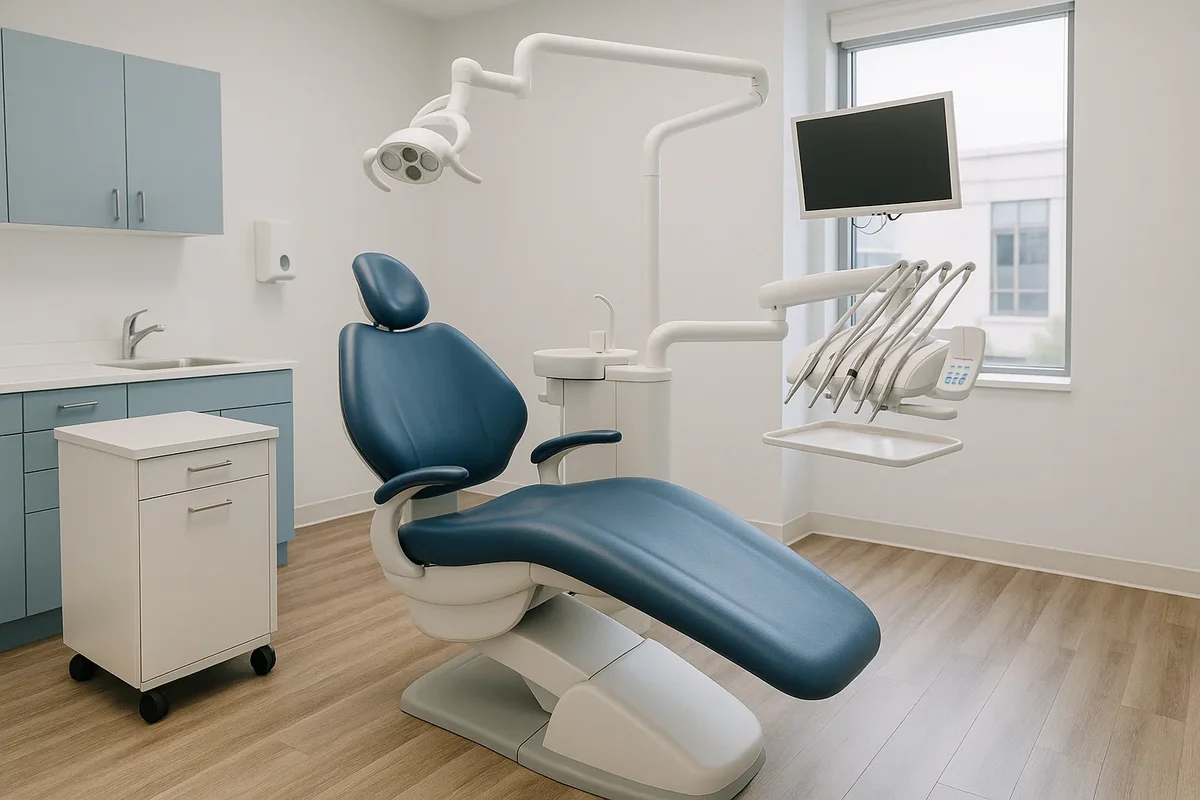
How Regular Visits to a Dentist Office Improve Your Smile and Confidence 😁
Maintaining a beautiful smile goes far beyond brushing and flossing — it requires consistent professional care. Regular visits to a dentist office play a vital role not only in preserving oral health but also in enhancing self-confidence, appearance, and overall well-being. A bright, healthy smile can open doors socially and professionally, while untreated dental problems can lead to discomfort, bad breath, and even self-consciousness. In this comprehensive guide, we’ll explain exactly how routine visits to a dentist office contribute to long-term oral health, aesthetic improvement, and psychological confidence. 🦷✨
The Connection Between Oral Health and Self-Confidence
Many people underestimate how closely oral health and confidence are linked. Your smile is often one of the first things others notice about you. A healthy, attractive smile conveys cleanliness, vitality, and friendliness — while dental issues such as discoloration, crooked teeth, or bad breath can have the opposite effect. Regular care at a dentist office helps prevent these problems and ensures that you project your best self in every interaction.
Psychological Impact of a Healthy Smile
Studies have shown that people with healthy teeth tend to smile more often, which in turn boosts mood and self-esteem. Smiling triggers the release of endorphins — the body’s “feel-good” hormones. On the other hand, dental pain, visible decay, or missing teeth can make individuals hide their smiles and avoid social situations. This emotional cycle can be reversed by consistent dental visits, where preventive and restorative treatments restore both oral function and self-assurance.
Preventive Care: The Foundation of a Confident Smile
Preventive care is the cornerstone of dentistry. Regular checkups at a dentist office help identify potential problems before they become serious. Even if you brush and floss daily, professional cleaning removes tartar and plaque that home care can’t reach. This prevents gum disease, cavities, and enamel erosion — all of which can affect your smile’s appearance and your confidence.
Comprehensive Checkups and Early Detection
During each routine visit, your dentist examines your teeth, gums, tongue, and jaw for signs of decay, infection, or misalignment. X-rays may also be taken to detect issues hidden below the surface, such as bone loss or impacted teeth. Catching problems early means simpler, less invasive treatments and a better chance of maintaining your natural smile for life.
Professional Cleaning for Lasting Freshness
Nothing matches the fresh, polished feeling that follows a professional cleaning at a dentist office. The hygienist removes hardened tartar, polishes your teeth, and applies fluoride treatments to strengthen enamel. This not only improves your oral health but also gives you a visibly brighter smile and fresher breath — both of which boost your confidence immediately after your visit.
Cosmetic Dentistry: Enhancing Your Natural Beauty
Modern dentistry goes beyond functionality — it’s also about aesthetics. Many dentist offices offer cosmetic treatments designed to improve the look of your teeth, giving you the radiant smile you’ve always wanted. From whitening to veneers, these procedures can make a remarkable difference in your appearance and self-image.
Popular Cosmetic Procedures
- Teeth Whitening: Safely brightens your smile by removing stains from coffee, tea, or smoking.
- Veneers: Thin porcelain or composite layers that cover imperfections, chips, or discoloration.
- Bonding: Repairs cracks or gaps using tooth-colored resin for a natural look.
- Orthodontic Treatments: Clear aligners and braces align teeth for a balanced, confident smile.
Each of these treatments, when performed at a dentist office, is customized to your face, bite, and aesthetic preferences. The result is not just a better smile but also a deeper sense of self-assurance in daily life.
Restorative Dentistry: Rebuilding Confidence Through Functionality
When teeth are damaged or missing, it can greatly affect both your self-esteem and ability to eat or speak comfortably. Restorative dental procedures at a dentist office not only restore oral function but also help rebuild your confidence.
Restorative Options Include:
- Dental Crowns: Cover and protect weakened or broken teeth.
- Implants: Replace missing teeth with natural-looking, durable alternatives.
- Bridges: Fill gaps caused by missing teeth, restoring symmetry to your smile.
- Fillings: Repair cavities and stop decay while maintaining a natural look.
Having a complete and functional set of teeth enhances your ability to eat comfortably, speak clearly, and smile without hesitation. This transformation can dramatically improve your emotional well-being and social confidence.
Gum Health and Its Impact on Confidence
Healthy gums are the unsung heroes of a beautiful smile. Red, swollen, or bleeding gums can be both uncomfortable and embarrassing. Regular visits to a dentist office allow early detection and treatment of gum disease (gingivitis or periodontitis), ensuring your gums stay firm and pink. Treating gum issues not only prevents tooth loss but also eliminates bad breath — a major factor that affects social confidence.
Boosting Confidence Through Education and Support
Another benefit of visiting a dentist office regularly is the personalized education you receive. Dentists and hygienists teach you proper brushing, flossing, and diet habits tailored to your individual needs. This guidance empowers you to take control of your oral health and maintain that confident smile between appointments.
Some clinics, such as Redent Klinik Contact Page, even provide digital smile simulations and step-by-step treatment plans, so patients can visualize their progress. This educational approach builds trust, reduces anxiety, and reinforces long-term commitment to self-care.
The Long-Term Benefits of Consistency
Consistency is key when it comes to maintaining both oral health and confidence. Skipping checkups can allow small issues to develop into major problems that are more expensive and emotionally draining to treat. Regular visits ensure that your smile remains radiant, your gums stay healthy, and your confidence continues to grow. Over time, these positive habits contribute to better digestion, clearer speech, and even improved systemic health — since oral health is closely linked to heart and metabolic health.
Emotional and Social Rewards
A confident smile can transform how others perceive you and how you see yourself. People who visit a dentist office regularly tend to report higher satisfaction with their appearance and greater social comfort. They smile more often, which enhances their charisma and approachability. This ripple effect can lead to better job opportunities, deeper relationships, and improved mental health.
Final Thoughts: The Power of a Confident Smile
Your smile is your signature — a reflection of your personality and vitality. Regular checkups at a dentist office ensure that your teeth and gums remain healthy, strong, and beautiful. From preventive care to cosmetic and restorative treatments, every aspect of modern dentistry contributes to both oral health and emotional wellness.
Confidence begins with self-care, and dental visits are an investment in yourself. If you’re ready to transform your smile and boost your confidence, connect with world-class professionals at Redent Klinik Contact Page. Their skilled team combines technology, artistry, and compassion to create smiles that shine from the inside out. Remember — the path to lifelong confidence starts with a single visit to a dentist office. 😁🦷