
When it comes to maintaining a bright, healthy smile, choosing a western dentist can make all the difference. Western dental professionals are renowned for their exceptional education standards, patient-focused care, and cutting-edge technologies that set them apart in the global field of dentistry. Whether you’re seeking preventive treatment, cosmetic enhancements, or complex oral surgeries, a western dentist ensures safety, precision, and long-lasting results that meet international healthcare standards. 🦷
Modern dentistry has evolved into a science that combines technology, hygiene, and aesthetics — and in this transformation, western dentists have been pioneers. Patients from around the world often travel to Western countries like the United States, the UK, Germany, and Canada to receive superior dental care. This is because the western dentist approach focuses not only on treatment but also on holistic oral wellness — preventing future complications through detailed diagnostics and personalized care plans. Such an approach helps maintain both oral and overall health, which are deeply interconnected.
One of the most defining aspects of a western dentist is their education and training. Western dental schools typically require rigorous coursework, clinical experience, and national board examinations before granting licenses. This ensures that every western dentist operates at the highest level of competence. For instance, the American Dental Association (ADA) sets strict guidelines for dental practitioners in the U.S., ensuring they adhere to evidence-based practices and ethical standards that prioritize patient well-being.
Additionally, western dental clinics invest heavily in advanced dental technologies. From 3D imaging and digital X-rays to laser-assisted surgeries and CAD/CAM systems for same-day crowns, these tools allow western dentists to offer painless, precise, and faster treatments. Such innovations minimize patient discomfort and accelerate recovery times — a hallmark of modern dental excellence. Many clinics also follow eco-friendly and biocompatible practices, reducing waste and using materials that are both durable and safe for long-term oral health.
Patients often report that visiting a western dentist feels more like a collaboration than a simple appointment. Dentists in Western countries tend to explain every step of the process, discuss available options, and encourage questions to ensure patients are comfortable and well-informed. This transparency builds trust — a crucial factor when it comes to dental procedures, which many people naturally find intimidating. Furthermore, western dental offices are known for their strict sterilization protocols and adherence to infection control standards. This commitment provides peace of mind to patients, especially in an age where hygiene and safety are top priorities.
Another significant benefit of choosing a western dentist is the integration of cosmetic dentistry into general care. Western practices often combine aesthetics with functionality — meaning a procedure designed to improve your smile’s appearance will also strengthen your bite and oral structure. From porcelain veneers and Invisalign aligners to advanced whitening systems, western dentists are skilled in enhancing natural beauty while preserving dental health. 😁
Beyond the clinical experience, western dental care emphasizes preventive medicine. Patients are educated about nutrition, brushing techniques, flossing habits, and lifestyle changes that promote oral longevity. This focus on prevention helps reduce the need for invasive treatments in the future, saving both time and money. Preventive dentistry also aligns with broader healthcare goals, as studies increasingly show that oral health is linked to conditions like diabetes, cardiovascular disease, and respiratory infections.
Cost is another factor often discussed when comparing dental care worldwide. While treatments by a western dentist can sometimes appear more expensive, the value lies in the long-term results, safety standards, and comprehensive follow-up care. Moreover, many Western dental clinics collaborate with insurance providers, offering flexible payment plans and transparent pricing. For patients seeking treatment abroad, contacting a reliable clinic is the first step toward clarity — and you can easily reach out through the Redent Klinik Contact Page for more details about treatment options and personalized consultations.
In summary, choosing a western dentist means choosing precision, professionalism, and patient-centered care. These dental experts combine years of expertise with innovative tools to ensure that every smile they restore or enhance reflects both health and confidence. 🌟 Whether you’re a local resident or an international patient, the standard of care offered by western dentistry is unmatched — built on trust, technology, and a passion for excellence that truly defines the modern dental experience.
What Makes a Western Dentist Different? 🩺
When patients search for dental care abroad or at home, they often wonder what truly distinguishes a western dentist from others. The difference lies not only in education and technology but also in mindset, ethics, and patient-centered care. A western dentist follows a holistic, evidence-based approach that emphasizes prevention, accuracy, and comfort. This dedication to excellence has made western dentistry a global standard of care that millions of patients trust every year. 🌍
1. Rigorous Education and Licensing Standards
One of the most significant aspects that set a western dentist apart is the level of education required to practice. In countries such as the United States, the United Kingdom, Germany, and Canada, dental students undergo years of intense academic and clinical training. They must complete accredited university programs, pass national board examinations, and fulfill clinical competency requirements. For instance, the U.S. dental board exams ensure that every western dentist meets high safety and quality standards before being licensed to treat patients.
Education doesn’t stop after graduation. Continuous professional development is mandatory in most Western countries. Dentists must stay updated with the latest advancements in dental science, including new materials, technologies, and research findings. This lifelong learning ensures that patients benefit from the most current and effective treatments available.
2. Advanced Technology Integration
Another major distinction of a western dentist is the seamless integration of advanced technology into everyday practice. Western dental clinics invest heavily in innovation, utilizing tools such as 3D scanners, intraoral cameras, and computer-aided design and manufacturing (CAD/CAM) systems. These technologies allow for precise digital impressions, same-day crowns, and minimally invasive procedures. Laser dentistry, for instance, has revolutionized gum treatments and cavity removal — offering faster healing and less pain for patients.
Western clinics also use digital radiography, which provides clearer images with significantly reduced radiation exposure. Combined with artificial intelligence-based diagnostic tools, these advancements help western dentists detect problems early and plan treatments more effectively. This commitment to innovation enhances both patient outcomes and comfort.
3. Patient-Centered Philosophy and Communication
At the heart of western dental care lies a deep respect for patient autonomy. A western dentist focuses on open communication, ensuring patients understand their treatment options and can make informed decisions. This transparent approach fosters trust and reduces dental anxiety. Many clinics provide detailed treatment plans, cost estimates, and even visual simulations before beginning procedures — an example of how the western model prioritizes patient experience.
Moreover, cultural sensitivity and inclusivity are core values. Western dental practices often serve diverse populations and therefore tailor their communication and care methods to accommodate each patient’s needs and preferences. The goal is always to make dental visits as comfortable and educational as possible. 🪥
4. Hygiene, Sterilization, and Safety Protocols
Strict hygiene and sterilization protocols are non-negotiable standards for any western dentist. Dental clinics in Western countries adhere to guidelines established by health authorities such as the American Dental Association and the Centers for Disease Control and Prevention (CDC). Instruments are sterilized after every use, surfaces are disinfected between patients, and air filtration systems are maintained to minimize cross-contamination. These rigorous standards guarantee patient safety and uphold the clinic’s credibility.
Eco-Friendly and Sustainable Practices
Many modern western dental clinics have also adopted environmentally conscious practices. They use biodegradable materials, reduce plastic waste, and implement digital record-keeping to minimize paper usage. This green approach aligns with global sustainability goals while maintaining exceptional hygiene standards — another example of the forward-thinking mindset that defines a western dentist.
5. Comprehensive Treatment Approach
Unlike many traditional dental systems that focus primarily on fixing problems, the western dentist model emphasizes comprehensive care. This includes preventive, restorative, cosmetic, and even psychological aspects of oral health. For example, a patient who visits with tooth sensitivity might receive not just a filling but also dietary advice, brushing technique coaching, and an analysis of lifestyle habits that could be contributing to the issue. This all-encompassing approach ensures long-term dental wellness, not just quick fixes.
Interdisciplinary Collaboration
In Western dental systems, collaboration among specialists is common. A general western dentist often works closely with orthodontists, periodontists, and oral surgeons to develop integrated treatment plans. This teamwork ensures that patients receive holistic care under one coordinated system. It’s particularly beneficial for complex cases like full-mouth restorations, where precision and consistency are essential.
6. Ethical Standards and Accountability
Another defining trait of a western dentist is adherence to strict ethical standards. Western dental associations impose codes of conduct that prioritize patient safety, informed consent, and professional integrity. Violations can result in disciplinary action or loss of license. This accountability guarantees that patients are treated fairly and that their well-being is always the primary focus.
7. The Western Dentist Advantage for Global Patients
Patients traveling abroad for dental tourism often choose Western-trained dentists because they trust their consistency, safety, and transparency. Whether a patient is visiting Turkey, Spain, or Thailand, clinics that employ Western-trained dentists or follow Western protocols attract international clients. This global influence of western dental practices underscores their reputation for excellence and reliability. If you are planning a consultation, you can easily contact experts through the Redent Klinik Contact Page to learn more about western-standard treatments and care options.
In conclusion, what makes a western dentist truly different is the combination of education, technology, ethics, and empathy. These professionals go beyond fixing teeth; they focus on restoring confidence, improving overall health, and ensuring that every patient receives the safest and most effective care possible. 🌟 By blending science, artistry, and compassion, the western dentist continues to set the global benchmark for excellence in oral healthcare.
Advanced Technology Used by Western Dentists 🔬
The hallmark of a western dentist lies not only in exceptional skill and education but also in the advanced technology integrated into every aspect of dental care. Western dental practices are renowned for their innovation-driven approach, using state-of-the-art tools to improve accuracy, efficiency, and patient comfort. These technologies enhance diagnostic precision, reduce recovery times, and deliver aesthetic results that meet the highest international standards. In this section, we’ll explore how technological advancements set a western dentist apart and why patients worldwide prefer these modern methods for their oral health. 🦷
1. Digital Imaging and 3D Diagnostics
One of the most transformative innovations in modern dentistry is digital imaging. A western dentist typically uses digital X-rays and cone-beam computed tomography (CBCT) scans instead of traditional radiographs. These tools provide high-resolution, three-dimensional images of teeth, bone, and soft tissue, allowing for accurate diagnosis and precise treatment planning. Digital imaging exposes patients to far less radiation and delivers instant results on-screen, saving both time and risk. With 3D models, the western dentist can plan surgeries, implants, and orthodontic procedures with unparalleled accuracy — minimizing complications and maximizing success rates.
Benefits of 3D Diagnostics
3D imaging allows for comprehensive visualization of dental structures, which is particularly valuable for implant placements, root canal treatments, and orthodontic alignments. A western dentist can use this technology to identify hidden infections, cysts, or fractures that might not appear in standard X-rays. This proactive approach ensures early detection and timely intervention, contributing to better long-term oral health outcomes.
2. CAD/CAM and Same-Day Restorations
Computer-Aided Design and Computer-Aided Manufacturing (CAD/CAM) systems have revolutionized restorative dentistry. Traditionally, dental crowns or bridges required multiple visits and messy impressions. Now, a western dentist can use a digital scanner to take an exact image of your tooth, design the crown on-screen, and mill it from a ceramic block — all within a single appointment. ⏱️ This same-day restoration process saves time, reduces the need for temporary crowns, and provides a perfectly fitting, aesthetically pleasing result.
In addition, CAD/CAM technology ensures that every restoration meets the exact specifications required for function and beauty. These materials are also biocompatible and durable, mimicking the natural translucency of enamel. The precision of these digital restorations is one of the reasons why patients trust a western dentist to deliver long-lasting, natural-looking smiles.
3. Laser Dentistry and Pain-Free Procedures
Laser technology has become a defining feature of western dental clinics. A western dentist may use dental lasers for procedures such as gum contouring, cavity removal, teeth whitening, or periodontal therapy. Lasers reduce bleeding, minimize the need for anesthesia, and accelerate healing — making treatments far more comfortable and efficient. Patients often describe laser treatments as “gentle” compared to traditional drills and scalpels.
How Lasers Improve Dental Care
Lasers allow the western dentist to perform microsurgeries with pinpoint precision, preserving more healthy tissue while eliminating bacteria. They are also ideal for treating gum disease, as they sterilize infected areas without cutting or stitching. Furthermore, laser-assisted whitening procedures achieve faster, brighter results safely. These advancements make laser dentistry a cornerstone of the western dental experience.
4. Artificial Intelligence and Predictive Diagnostics
Artificial Intelligence (AI) is reshaping the way western dentists diagnose and plan treatments. AI-powered systems analyze thousands of radiographs and case studies to detect cavities, bone loss, or abnormalities that may not be visible to the human eye. This technology also helps in predicting disease progression, enabling preventive care before problems escalate.
Many modern clinics use AI software integrated with patient records to personalize treatment plans and track progress over time. For example, AI algorithms can assist orthodontists in forecasting tooth movement or implantologists in optimizing implant placement. By combining human expertise with machine precision, the western dentist delivers care that is both efficient and scientifically validated.
5. Digital Smile Design (DSD)
Digital Smile Design (DSD) is an innovation that blends technology and artistry. A western dentist uses specialized software to create a digital mock-up of a patient’s future smile. This visualization allows patients to see potential results before committing to a procedure. DSD enhances communication between dentist and patient, ensuring shared expectations and satisfaction.
Through 3D imaging, facial analysis, and color calibration, DSD helps a western dentist craft a smile that harmonizes with facial features and personality. This is particularly valuable in cosmetic dentistry, where aesthetic precision is paramount. 😁
6. Teledentistry and Digital Patient Management
In an increasingly digital world, many western dentists have adopted telehealth tools to offer virtual consultations and follow-ups. Patients can now discuss treatment plans, share imaging results, and receive guidance without leaving home. This innovation has been especially useful for international patients and those with mobility challenges.
Moreover, western clinics use electronic health record (EHR) systems to securely store, track, and share patient data. This ensures seamless communication between specialists and maintains high standards of patient privacy and efficiency. If you are planning to contact a western clinic for an online consultation, you can visit the Redent Klinik Contact Page to connect with experienced professionals.
7. Biocompatible and Smart Dental Materials
The modern western dentist prioritizes materials that are not only strong and natural-looking but also safe for the body. Biocompatible ceramics, resin composites, and non-toxic bonding agents are standard in Western dental practice. Researchers are also developing smart materials that release fluoride or antimicrobial agents to prevent decay over time — offering long-term protection beyond traditional fillings.
8. Robotic and Computer-Guided Surgeries
For complex procedures such as dental implants or jaw reconstruction, some western dentists now use computer-guided surgical systems. These robotic technologies enhance precision to sub-millimeter accuracy, reducing the margin of human error. Robots can assist in drilling, placing implants, and even managing anesthesia. Such technological advancements ensure consistent results, faster healing, and minimal postoperative discomfort.
9. The Future of Western Dentistry
Technology continues to evolve, and the western dentist remains at the forefront of innovation. Future trends include regenerative dentistry, where stem cells may be used to regrow damaged tissue, and nanotechnology-based treatments that repair enamel at a molecular level. These breakthroughs promise an era where dental care becomes less invasive, more personalized, and even more effective.
In conclusion, the integration of advanced technology defines what makes a western dentist exceptional. From 3D diagnostics and AI-powered imaging to digital smile design and robotics, every tool is designed to enhance precision, safety, and beauty. 🌟 Patients who choose a western dentist benefit not just from superior craftsmanship but from a futuristic approach to oral health that continues to set the global benchmark for excellence.
Western Dentist vs. Local Dentist: Key Differences Explained
When it comes to choosing dental care, patients often compare the benefits of a western dentist with those of a local practitioner in their home country. The distinction extends far beyond geography — it involves variations in education, hygiene protocols, technology, ethics, and patient experience. Understanding these differences helps patients make informed decisions about their oral health. In this detailed guide, we will break down every aspect that differentiates a western dentist from a local dentist, helping you evaluate which option best suits your needs, expectations, and long-term dental goals. 🦷
1. Education and Training Standards
Education is the foundation of dental excellence. A western dentist typically completes 5 to 8 years of higher education, including both theoretical and clinical training. After graduation, they undergo national licensing examinations that test clinical knowledge, ethics, and patient care. For instance, in the United States, the National Board Dental Examinations (NBDE) ensures that every western dentist meets the same high competency level before entering practice.
In contrast, the educational requirements for local dentists vary significantly depending on the country. While some nations maintain rigorous standards, others may lack consistent accreditation systems. As a result, a western dentist often has broader exposure to international best practices, research, and innovation — factors that directly influence treatment quality and patient safety.
Continuous Professional Development
In most Western countries, continuing education is mandatory. Dentists must regularly attend workshops, conferences, and refresher courses to retain their license. This ensures that a western dentist remains up-to-date with emerging techniques, technologies, and ethical guidelines. By contrast, many local systems do not enforce such ongoing education, leading to potential gaps in knowledge and modernization.
2. Access to Advanced Dental Technology
One of the clearest differences between a western dentist and a local dentist is the level of technology used. Western clinics routinely employ advanced diagnostic and treatment equipment such as digital X-rays, intraoral scanners, 3D imaging, and CAD/CAM systems. These tools allow for minimally invasive procedures, faster recovery, and highly accurate results.
Local clinics in developing regions may still rely on traditional tools and manual impressions. While effective, these methods can be less precise and more time-consuming. The availability of technology plays a crucial role in treatment success and patient satisfaction — a key reason many people prefer the standards upheld by a western dentist.
3. Hygiene and Sterilization Practices
Cleanliness and infection control are non-negotiable elements of modern dental care. A western dentist follows sterilization protocols that meet or exceed international standards. Instruments are disinfected using autoclaves, treatment areas are sanitized between patients, and personal protective equipment (PPE) is used without exception. Regulatory bodies such as the American Dental Association and the UK’s Care Quality Commission (CQC) conduct periodic inspections to ensure compliance.
On the other hand, local clinics in some regions may lack strict oversight, leading to inconsistent hygiene levels. While this doesn’t mean all local dentists neglect safety, the standardized quality assurance provided by a western dentist offers added peace of mind to patients — especially those traveling for dental tourism or complex procedures.
4. Communication and Patient-Centered Approach
Another defining aspect of the western dentist experience is patient communication. Western dentists prioritize transparency, explaining every procedure, potential risks, and expected outcomes before treatment begins. This approach empowers patients to make informed choices about their oral health. 💬
In contrast, in some regions, dental care may follow a more traditional or authoritative model where patients receive limited information about their treatment plans. A western dentist views each patient as a partner in the process, valuing comfort, education, and collaboration throughout the experience.
Empathy and Anxiety Management
Many people fear dental visits due to past negative experiences. A western dentist understands this anxiety and often uses advanced pain management and sedation techniques to ensure a stress-free visit. Clinics are designed to feel welcoming and relaxing, with soothing music, ergonomic chairs, and calming interiors. The goal is to change how patients perceive dentistry — from a stressful obligation to a positive, empowering experience.
5. Treatment Quality and Material Standards
Quality of materials is another crucial differentiator. Western clinics typically use biocompatible, certified materials sourced from reputable manufacturers. Whether it’s dental fillings, crowns, or implants, a western dentist ensures that all products meet international safety regulations. This translates into durable, aesthetic, and long-lasting results.
In some local settings, patients might encounter lower-cost materials that do not meet the same quality standards. Although these can reduce initial costs, they may require replacement sooner, increasing long-term expenses. Choosing a western dentist often means investing in superior craftsmanship and reliability.
6. Ethical Standards and Accountability
Ethics play a defining role in western dental care. Every western dentist operates under a code of ethics that prioritizes honesty, patient welfare, and transparency. In the U.S., the ADA’s Principles of Ethics and Code of Professional Conduct strictly govern dentist behavior. Violations can result in suspension or loss of license — a strong incentive to maintain integrity and professionalism.
In many local systems, enforcement may be weaker due to lack of centralized governance. Patients may not always have access to formal complaint procedures. In contrast, choosing a western dentist ensures accountability and recourse should any issues arise.
7. Cost Differences and Value Comparison
Cost is often the most visible contrast between a western dentist and a local dentist. Western dental treatments tend to be more expensive due to higher operational costs, superior materials, and advanced equipment. However, this investment often leads to fewer complications, better aesthetics, and longer-lasting results. Patients view it as a value-based investment rather than an expense.
Below is an approximate cost range for popular treatments by western dentists:
- Dental Cleaning: $100 – $200
- Porcelain Crown: $1,000 – $1,500
- Dental Implant (per tooth): $3,000 – $5,000
- Teeth Whitening: $400 – $800
- Invisalign Treatment: $4,000 – $7,000
Though local options may offer lower prices, patients should consider overall value, quality of materials, and safety standards. Many people now travel to reputable clinics abroad that combine western expertise with more affordable costs. To explore such options, you can visit the Redent Klinik Contact Page for detailed information on Western-standard treatments available globally.
8. Patient Follow-Up and Aftercare
A western dentist views treatment as an ongoing process rather than a one-time service. Post-procedure follow-up appointments are standard practice to ensure proper healing and function. Patients are encouraged to maintain long-term dental checkups every six months to prevent future issues. In contrast, follow-up in local systems can sometimes be inconsistent, especially where healthcare tracking systems are not digitized.
9. Global Recognition and Patient Trust
Finally, the reputation of a western dentist carries global weight. Many dental tourism destinations highlight Western-trained specialists because of the trust and reliability associated with their background. Whether it’s an implant placement, orthodontic correction, or cosmetic restoration, patients feel confident knowing their dentist adheres to Western standards of care and precision.
In summary, while both western and local dentists aim to improve oral health, the western dentist consistently demonstrates higher consistency, accountability, and innovation. By combining rigorous education, advanced tools, ethical responsibility, and patient-first philosophy, western dental professionals have set a global benchmark in quality dentistry. 🌟 Choosing such expertise ensures not only a beautiful smile but also lifelong confidence in your oral health.
The Role of the American Dental Association in Quality Assurance
The western dentist operates under a well-defined framework of rules and standards designed to ensure quality, safety, and professionalism. At the heart of this framework lies the American Dental Association (ADA) — one of the world’s most respected dental organizations. The ADA’s influence extends across education, research, patient safety, and clinical ethics, shaping how every western dentist practices. Understanding the ADA’s role helps patients appreciate why western dental care is synonymous with reliability, hygiene, and long-term success. 🦷
1. Establishing Global Dental Standards
The ADA serves as the primary regulatory and advisory body for dental professionals in the United States, but its standards have inspired practices globally. Every western dentist relies on ADA guidelines to ensure consistency and quality in patient care. These standards cover every aspect of dental practice — from sterilization protocols and patient record-keeping to the selection of materials and treatment ethics.
The organization publishes detailed manuals, known as the ADA Standards Committee on Dental Products (SCDP) guidelines, which set benchmarks for dental materials and instruments. These standards guarantee that all products used by a western dentist — from fillings to implants — are safe, effective, and biocompatible. This stringent approach to regulation ensures patients receive care that meets the highest possible level of safety and precision.
International Impact of ADA Standards
The ADA’s influence extends well beyond U.S. borders. Many European and Asian dental associations adopt similar frameworks to align their own practices with global expectations. As a result, a western dentist practicing anywhere in the world often follows ADA-based protocols, which gives patients a consistent experience regardless of location. 🌍
2. Accreditation of Dental Schools and Education
One of the ADA’s most critical contributions is overseeing dental education through the Commission on Dental Accreditation (CODA). CODA ensures that all dental schools meet rigorous academic and clinical training standards. This guarantees that every western dentist graduates with the competence and ethical foundation necessary for safe and effective patient care.
Before receiving a license, aspiring dentists must pass both written and clinical examinations designed under ADA supervision. This comprehensive vetting process ensures that only qualified professionals enter the field. Furthermore, CODA accreditation is periodically reviewed — meaning that dental schools must continually improve their curriculum, technology, and faculty qualifications. This ensures that the western dentist remains updated with evolving scientific knowledge and advanced dental techniques.
3. Promoting Research and Innovation
The ADA also serves as a global leader in dental research. It funds studies on materials, procedures, and oral disease prevention to help western dentists make evidence-based decisions. The ADA Science and Research Institute (ADASRI) conducts clinical trials and publishes findings that influence how modern dentistry evolves. For instance, research on fluoride applications, dental sealants, and laser technology all originated from ADA-led studies.
Evidence-Based Dentistry (EBD)
Evidence-Based Dentistry (EBD) is one of the ADA’s cornerstones. It encourages every western dentist to base treatment decisions on the best available scientific evidence combined with clinical expertise and patient preferences. This ensures that dental care is both scientifically sound and personalized — two defining features of western dental philosophy.
4. Ethical Guidelines and Professional Conduct
Beyond science and technology, the ADA enforces a robust code of ethics that governs every western dentist. The “ADA Principles of Ethics and Code of Professional Conduct” covers five core principles: patient autonomy, nonmaleficence (do no harm), beneficence (do good), justice, and veracity (truthfulness). These values ensure that western dental practices remain trustworthy and transparent. Violations of these ethical standards can lead to investigations, suspension, or even permanent revocation of a dental license.
This commitment to ethical practice differentiates the western dentist from less regulated systems. Patients can rest assured that their well-being is always prioritized above profit. This integrity is one of the reasons why the western model of dentistry has gained global respect and adoption.
5. ADA Seal of Acceptance: Guarantee of Quality
One of the ADA’s most recognized contributions is the ADA Seal of Acceptance — a certification mark found on consumer dental products. When a western dentist recommends toothpaste, mouthwash, or floss with the ADA seal, it means that the product has undergone extensive independent testing for safety and effectiveness. This seal gives patients confidence that they’re using products supported by scientific validation, not marketing claims.
Since its introduction in 1931, the ADA Seal of Acceptance has become the gold standard in dental product quality assurance. It helps both professionals and consumers identify reliable, clinically proven oral care solutions.
6. Infection Control and Patient Safety
The ADA collaborates with other institutions, such as the Centers for Disease Control and Prevention (CDC), to create infection-control protocols for dental offices. Every western dentist adheres to these guidelines, which include sterilization techniques, air filtration systems, and the use of personal protective equipment. These measures became even more vital after the global COVID-19 pandemic, during which the ADA provided real-time guidance to maintain patient safety without compromising treatment quality.
Implementation in Daily Practice
From instrument sterilization to waterline maintenance, the ADA’s recommendations ensure that all dental environments are safe. A western dentist following these protocols minimizes cross-contamination risks and promotes patient confidence in the clinical setting.
7. Advocacy and Public Education
In addition to supporting professionals, the ADA advocates for oral health awareness among the public. Campaigns such as “National Children’s Dental Health Month” and “MouthHealthy.org” aim to educate people on preventive care. These initiatives reinforce the role of the western dentist not just as a clinician but as a public health advocate committed to community wellness.
8. International Collaboration and Global Standards
Western dental associations, inspired by the ADA’s structure, frequently collaborate with global organizations such as the World Health Organization (WHO) and the FDI World Dental Federation. This collaboration ensures that the standards practiced by a western dentist are not isolated but harmonized with global health initiatives. As a result, countries aiming to elevate their dental systems often adopt ADA protocols as a benchmark.
9. How ADA Standards Protect the Patient
Ultimately, all ADA efforts serve a single goal: patient protection. By regulating education, clinical standards, and product safety, the ADA ensures that every western dentist delivers treatment that is safe, ethical, and effective. Patients benefit from transparent pricing, honest diagnoses, and evidence-based recommendations.
If you are looking to connect with professionals who adhere to these western-level standards of care, you can visit the Redent Klinik Contact Page for expert consultations and personalized treatment planning. 🌟
In conclusion, the American Dental Association is the backbone of modern western dentistry. It provides the structure, science, and ethics that define what it means to be a western dentist. Through its relentless pursuit of excellence, the ADA ensures that patients worldwide can enjoy safer, smarter, and more effective dental care — truly setting the gold standard in oral health.
Western Dentist Cost and Insurance Options 💰
One of the most common questions patients ask before visiting a western dentist is: “How much will it cost?” Dental care costs vary depending on the procedure, materials used, and country of treatment. However, what distinguishes a western dentist is the transparency, quality assurance, and extensive insurance options available to patients. In this section, we’ll examine the key factors influencing cost, typical price ranges, and how insurance systems in Western countries make high-quality care accessible to all. Understanding these details will help you plan confidently for your dental health and ensure the best value for your investment. 🦷
1. Factors Influencing Dental Treatment Costs
The total cost of treatment from a western dentist depends on several variables, including the complexity of the procedure, the experience of the dentist, and the technology used. For example, a routine cleaning will be far more affordable than a full-mouth reconstruction with implants. Location also plays a major role — prices in major cities like London, New York, or Los Angeles are generally higher than in smaller towns. However, patients can expect consistent quality regardless of region since every western dentist adheres to the same ethical and clinical standards.
Cost Breakdown Examples
Below is a general overview of what you might expect to pay when visiting a western dentist in 2025 (prices are averages across the U.S. and Western Europe):
- Routine dental cleaning: $100 – $200
- Tooth-colored filling: $150 – $300 per tooth
- Porcelain crown: $1,000 – $1,500
- Dental implant (single tooth): $3,000 – $5,000
- Root canal therapy: $800 – $1,200
- Teeth whitening: $400 – $800
- Orthodontic treatment (Invisalign or braces): $4,000 – $7,000
These numbers might seem high compared to some regions, but they reflect the superior quality of materials, advanced tools, and guaranteed safety offered by a western dentist. Moreover, the value lies not only in aesthetics but in long-term oral health and durability.
2. Transparency and Ethical Billing Practices
One of the defining characteristics of a western dentist is pricing transparency. Patients are always informed about costs before treatment begins. Most clinics provide written estimates and explain different price options based on materials or techniques. Ethical billing practices are strictly enforced by professional organizations such as the American Dental Association, ensuring that patients are never overcharged or misled.
For instance, if a crown can be made from either metal or ceramic, your western dentist will explain the pros, cons, and costs of each so you can make an informed decision. This openness builds trust and helps eliminate the fear of unexpected expenses after treatment.
3. Dental Insurance Systems in Western Countries
One reason many people choose a western dentist is the availability of comprehensive insurance systems. Western nations have both public and private dental insurance options designed to make care affordable. While specifics vary by country, the general structure ensures that routine preventive care — such as cleanings and X-rays — is often covered fully or partially.
United States: Private and Employer-Sponsored Insurance
In the U.S., most people obtain dental coverage through private insurance or employer-sponsored plans. These policies typically cover 100% of preventive services, 80% of basic treatments (like fillings), and 50% of major procedures (such as crowns or bridges). Patients pay the remainder as co-payments. This system allows millions to access high-quality care from a western dentist without financial strain.
Europe and Canada: Public Dental Support
In many European countries, such as the UK, Germany, and Sweden, national health systems cover part or all of dental costs. Germany’s public insurance, for example, reimburses 60–70% of standard dental procedures. Canada’s provincial health systems also subsidize basic dental services for children and low-income adults. This government support ensures that everyone can benefit from the precision and safety of a western dentist, regardless of income level.
4. Financing Options and Payment Flexibility
Even when insurance doesn’t cover all expenses, a western dentist offers flexible payment solutions to make care accessible. Many clinics partner with financing companies to provide monthly installment plans or interest-free payments. Patients can also use Health Savings Accounts (HSAs) or Flexible Spending Accounts (FSAs) in the U.S. to pay for dental services using pre-tax dollars — a significant financial advantage.
For patients seeking care abroad, Western-trained clinics often provide detailed cost breakdowns and packages that include accommodation, transportation, and aftercare. To explore such global options, patients can contact clinics like Redent Klinik through the Redent Klinik Contact Page for assistance in planning treatment that meets Western quality standards at a fraction of the cost.
5. Quality Assurance and Long-Term Value
While a western dentist may charge more initially, the investment typically pays off over time. Western clinics use premium materials that last longer and are backed by warranties. For example, high-grade ceramic crowns can last over 15 years, while implants can last decades with proper care. This long-term reliability means fewer replacements, fewer complications, and ultimately, lower total expenses in the long run.
Patient Safety and Guarantee Policies
Western clinics are known for offering warranties and follow-up services that ensure peace of mind. If a restoration fails prematurely, many clinics provide free repair or replacement. Such guarantees are rare outside Western practice frameworks, further demonstrating the commitment of the western dentist to ethical patient care and accountability.
6. Dental Tourism: Western Quality at Affordable Prices
Interestingly, the principles of Western dentistry have also shaped global dental tourism. Patients from the U.S., UK, and Europe increasingly travel to countries like Turkey, Hungary, or Spain — where clinics operate under Western protocols but at lower costs. Many of these clinics employ Western-trained dentists or collaborate with international institutions to maintain standards. For example, Redent Klinik in Turkey follows Western sterilization, material, and treatment protocols, offering a balance between affordability and excellence. 🌍
7. The True Value of Choosing a Western Dentist
Ultimately, choosing a western dentist means choosing reliability, transparency, and world-class results. The slightly higher upfront cost reflects advanced equipment, premium materials, and ethical responsibility. Patients benefit not only from superior craftsmanship but also from better health outcomes and a reduced risk of complications. This makes Western dental care an investment in both your smile and your long-term well-being.
In conclusion, while dental costs may vary across the globe, the value of care provided by a western dentist remains unmatched. With fair pricing, insurance coverage, financing flexibility, and guaranteed quality, patients receive lasting results and genuine peace of mind. 🌟 By choosing Western dental standards — whether locally or abroad — you’re choosing precision, safety, and confidence in every smile.
How to Find the Best Western Dentist Near You
Finding the best western dentist is one of the most important decisions you can make for your oral health. With so many clinics and professionals available, it can be challenging to determine which one truly aligns with your needs and expectations. Fortunately, Western dental systems emphasize transparency, credentials, and patient satisfaction — making it easier to identify trustworthy experts. In this detailed guide, we’ll walk through the essential steps to help you choose the right western dentist, from researching qualifications to evaluating patient reviews and technology standards. 🦷
1. Start with Credentials and Licensing
The first step in finding a reputable western dentist is to verify their credentials. In Western countries such as the United States, Canada, the UK, and Germany, dentists are required to hold valid licenses issued by recognized dental boards. These boards, including the American Dental Association (ADA) and the General Dental Council (GDC), ensure that practitioners meet high educational and ethical standards.
When evaluating a dentist, check for the following qualifications:
- A degree from an accredited dental school (DDS or DMD)
- Membership in recognized professional organizations like the ADA or CDA
- Continuing education certificates in modern dental techniques
- Licensing numbers or certifications displayed in the clinic or on their website
These credentials indicate that your western dentist follows global best practices and adheres to strict regulatory frameworks designed to protect patients.
2. Research Experience and Specialization
A qualified western dentist may practice general dentistry or specialize in specific fields such as implantology, orthodontics, periodontics, or cosmetic dentistry. Before booking an appointment, identify your primary dental needs. If you require dental implants or complex restorations, choose a dentist with extensive experience and specialized training in that area.
Many Western clinics proudly display their specialists’ qualifications and case studies online. Reviewing before-and-after photos and clinical results can give you valuable insight into the dentist’s capabilities and aesthetic precision. An experienced western dentist combines technical skill with artistry — creating natural-looking smiles that function perfectly and last for years.
3. Evaluate Clinic Technology and Hygiene
Modern dental care relies heavily on technology. A top-rated western dentist typically uses advanced equipment such as 3D scanners, laser tools, digital radiography, and CAD/CAM systems. These technologies allow for accurate diagnostics, minimally invasive treatments, and faster recovery. When choosing a clinic, ask what kind of technology they use and how often their equipment is updated.
Hygiene and Sterilization Standards
Equally important is the clinic’s commitment to cleanliness and safety. A reputable western dentist adheres to strict sterilization guidelines approved by health authorities. All instruments are autoclaved, disposable items are used whenever possible, and treatment areas are disinfected after each patient. Don’t hesitate to ask about their hygiene protocols — trustworthy dentists are always transparent about their safety measures.
4. Read Verified Patient Reviews
In today’s digital age, patient feedback plays a crucial role in evaluating a western dentist. Read reviews on trusted platforms like Google Maps, Yelp, or Healthgrades to get real insight into patient experiences. Pay attention to consistent themes — professionalism, punctuality, communication, and comfort are hallmarks of quality care.
Look for reviews that mention specific procedures, such as implants or veneers, to assess the dentist’s expertise. You can also contact previous patients for testimonials or ask the clinic for references. A reputable western dentist will have a strong reputation built on trust, compassion, and consistent results.
5. Consider Communication and Comfort
Great dental care extends beyond technical skill. A successful western dentist builds a relationship of trust and empathy with every patient. During your first consultation, observe how the dentist communicates — do they listen attentively, explain procedures clearly, and answer questions patiently? Western dental philosophy emphasizes patient-centered care, ensuring that every individual feels informed and confident about their treatment choices.
Language and Cultural Sensitivity
In multicultural regions, many Western clinics employ multilingual staff to ensure smooth communication. If English isn’t your first language, check whether your western dentist can accommodate your language needs. This helps reduce anxiety and ensures mutual understanding throughout your dental journey.
6. Compare Costs and Insurance Compatibility
While cost shouldn’t be the only factor, it’s essential to find a western dentist whose fees are transparent and fair. Reputable clinics provide detailed treatment estimates upfront and accept major insurance plans. Ask whether they offer flexible payment options or financing if you’re undergoing extensive procedures. This transparency ensures there are no surprises later on.
Many patients also explore dental tourism options — seeking Western-standard care abroad at lower prices. Clinics like Redent Klinik, for example, operate under Western guidelines but offer competitive rates for international patients. To inquire about costs or schedule a consultation, visit the Redent Klinik Contact Page.
7. Assess Clinic Atmosphere and Team Professionalism
The environment of a dental clinic says a lot about its values. A top-tier western dentist maintains a clean, organized, and welcoming space that puts patients at ease. From the reception area to the treatment room, every detail reflects professionalism and care. The dental team should be courteous, well-trained, and attentive to patient comfort. Clinics that invest in their staff’s training and well-being usually deliver superior care and patient satisfaction.
8. Seek Referrals from Trusted Sources
Word-of-mouth remains one of the most reliable ways to find the best western dentist. Ask family, friends, or colleagues who have undergone similar treatments for their recommendations. You can also consult medical professionals — such as general practitioners or pharmacists — who often collaborate with reputable dental experts. Referrals from trusted individuals save time and increase your chances of finding a dentist who truly matches your expectations.
9. Schedule a Consultation and Ask Questions
Once you’ve narrowed down your choices, schedule an initial consultation. This appointment is your opportunity to evaluate the dentist’s approach and professionalism. A genuine western dentist will take time to understand your concerns, discuss treatment options, and tailor a plan to your needs. Use this visit to ask questions about costs, recovery times, technology used, and follow-up care.
Questions to Ask During Consultation
- How long have you been practicing, and do you specialize in my required treatment?
- Which materials do you use, and are they biocompatible?
- Can I see before-and-after examples of your past work?
- What does the aftercare process involve?
The clarity and thoroughness of the dentist’s responses will tell you a lot about their professionalism and commitment to excellence.
10. Trust Your Instincts
Finally, trust your intuition. The best western dentist is not only highly qualified but also makes you feel comfortable, respected, and understood. If the environment feels clean, communication is clear, and the team shows genuine care, you’ve likely found the right professional. Remember, dental care is a partnership — one built on trust, respect, and long-term collaboration.
In conclusion, finding the best western dentist involves careful research, attention to credentials, and an understanding of what defines true quality care. 🌟 By focusing on qualifications, technology, hygiene, transparency, and personal connection, you can confidently choose a dentist who delivers exceptional results and ensures a lifetime of healthy, radiant smiles.
Common Treatments Offered by Western Dentists 🦷
A western dentist offers a wide range of treatments designed to restore, enhance, and maintain optimal oral health. These treatments combine advanced technology, evidence-based practices, and aesthetic precision to achieve outstanding results. Whether it’s preventive care, restorative procedures, or cosmetic enhancements, the goal of a western dentist is always the same — to provide high-quality, patient-centered care that promotes long-term dental health. This section explores the most common and essential treatments available in Western dental clinics and explains why they stand out as global standards in modern dentistry. 🌟
1. Preventive Dentistry
Prevention lies at the heart of every western dentist’s philosophy. Regular checkups, cleanings, and patient education form the foundation of oral wellness. These appointments are designed to detect early signs of decay, gum disease, or bite issues before they develop into major problems. By encouraging proactive care, Western dental systems help patients avoid costly and painful procedures later.
Professional Cleanings and Examinations
During a typical preventive visit, a western dentist performs professional cleaning to remove plaque, tartar, and stains that regular brushing cannot eliminate. They use ultrasonic scalers, polishing tools, and fluoride treatments to strengthen enamel and improve gum health. The dentist also performs a thorough oral examination, including digital X-rays, to ensure that every aspect of your mouth is healthy.
Sealants and Fluoride Treatments
Children and adults alike benefit from sealants — thin, protective coatings applied to molars to prevent cavities. Fluoride treatments, another cornerstone of preventive dentistry, help strengthen teeth and reduce sensitivity. These simple, painless procedures are part of why a western dentist consistently achieves high patient satisfaction and preventive success rates.
2. Restorative Dentistry
When dental damage or decay occurs, a western dentist focuses on restoring both function and aesthetics. Restorative dentistry aims to rebuild teeth using biocompatible materials that look and feel natural. Each procedure is planned meticulously to ensure comfort, precision, and long-term results.
Fillings and Inlays/Onlays
Composite fillings, made of tooth-colored resin, are the most common restorative treatment. A western dentist uses digital imaging to ensure accurate placement and natural appearance. In cases where the damage is too extensive for a filling but doesn’t require a full crown, inlays or onlays are used. These custom restorations are created using CAD/CAM technology for a perfect fit.
Dental Crowns and Bridges
Crowns and bridges restore damaged or missing teeth, preserving bite alignment and aesthetics. A western dentist crafts crowns from durable materials like porcelain or zirconia, ensuring both beauty and resilience. Thanks to digital dentistry, same-day crowns are now possible, minimizing waiting times and improving patient convenience.
3. Endodontic (Root Canal) Treatment
Root canal therapy is one of the most misunderstood procedures, yet it’s essential for saving infected teeth. A western dentist uses advanced rotary tools and anesthesia to perform the treatment virtually pain-free. The goal is to remove infection from the pulp while preserving the natural tooth structure. After cleaning and sealing the canal, a crown is typically placed for protection and strength.
Microscopic Precision in Root Canal Therapy
Western dental clinics often employ dental microscopes that allow magnified views of tooth anatomy. This precision ensures that even the tiniest canals are thoroughly cleaned, reducing the risk of reinfection. Patients experience faster recovery, less discomfort, and significantly higher success rates when treated by a western dentist using these modern tools.
4. Cosmetic Dentistry
Cosmetic dentistry has evolved into an art form in the hands of a western dentist. From whitening to full smile makeovers, these treatments blend aesthetics with oral function. Western dentists prioritize harmony, facial symmetry, and natural results — enhancing confidence while preserving dental health.
Teeth Whitening and Veneers
Professional whitening systems used by a western dentist deliver faster and safer results than over-the-counter options. Whitening gels activated by LED or laser light can brighten teeth by several shades in under an hour. For patients seeking complete smile transformations, porcelain veneers offer a durable and lifelike solution. Each veneer is custom-made to match your facial features, creating a perfectly balanced smile.
Invisalign and Orthodontic Treatments
Clear aligner systems like Invisalign have replaced traditional metal braces in most Western clinics. A western dentist uses 3D scans to create customized aligners that gradually reposition teeth. These aligners are virtually invisible and removable, providing comfort and convenience for adult and teen patients alike.
5. Periodontal (Gum) Treatments
Healthy gums are essential for a healthy smile. A western dentist offers non-surgical and surgical treatments to manage gum disease, including scaling, root planing, and laser-assisted therapy. These methods remove bacteria and promote gum reattachment, helping prevent tooth loss.
Laser-Assisted Periodontal Therapy
Laser technology allows a western dentist to treat gum disease with minimal discomfort. Lasers precisely target infected tissue, sterilize the area, and stimulate healing — often eliminating the need for sutures. This approach reduces inflammation and accelerates recovery while preserving healthy gum tissue.
6. Dental Implants and Oral Surgery
When teeth are missing, dental implants offer a permanent and natural-looking solution. A western dentist uses computer-guided surgery to place implants with millimeter-level accuracy. These titanium posts fuse with bone over time, providing a stable base for crowns, bridges, or dentures. Patients enjoy restored function, aesthetics, and confidence.
Bone Grafting and Sinus Lifts
In cases of bone loss, a western dentist may recommend bone grafting or sinus lift procedures before implant placement. Using biocompatible grafting materials, dentists rebuild the bone structure to ensure long-term implant success. This level of precision and care highlights the scientific sophistication of Western dental systems.
7. Pediatric Dentistry
Caring for young patients requires both expertise and empathy. A western dentist trained in pediatric care creates a fun, anxiety-free environment where children feel comfortable. Treatments include fluoride applications, sealants, cavity prevention, and orthodontic evaluations. By educating both parents and children, Western dentists establish lifelong oral health habits from an early age. 🧒
8. Emergency Dental Care
Accidents and sudden pain can strike anytime. A western dentist provides prompt emergency services such as broken tooth repair, abscess drainage, or reimplantation of knocked-out teeth. Emergency protocols are standardized, ensuring immediate relief and proper follow-up care. Western clinics maintain extended hours and emergency hotlines, ensuring help is always available when needed.
9. Holistic and Preventive Health Integration
Modern Western dentistry integrates oral health with overall wellness. A western dentist recognizes the connection between oral hygiene and systemic diseases such as diabetes, cardiovascular issues, and even cognitive decline. Through nutritional counseling, early screenings, and advanced diagnostics, dentists help patients maintain not only their smiles but their entire health.
In conclusion, the scope of treatments offered by a western dentist is comprehensive, innovative, and tailored to individual needs. From prevention and restoration to cosmetic and surgical excellence, Western dentistry represents the perfect blend of science and compassion. 🌟 Whether you’re seeking routine care or advanced procedures, the expertise of a western dentist guarantees safe, lasting, and life-changing results that truly redefine what it means to smile with confidence.
Why Choosing a Western Dentist Ensures Long-Term Oral Health
Choosing a western dentist is more than a simple decision about where to receive dental care — it’s a lifelong investment in health, confidence, and well-being. Western dentistry is globally recognized for its evidence-based practices, patient-centered philosophy, and long-term preventive approach. Whether it’s advanced technology, rigorous training, or ethical standards, every western dentist is committed to preserving the natural structure of your teeth while ensuring comfort and safety. This section explores why choosing a western dentist leads to lasting oral health benefits that go far beyond a beautiful smile. 🦷
1. Preventive Approach to Oral Health
The foundation of Western dentistry lies in prevention. Rather than waiting for problems to occur, a western dentist focuses on early detection and intervention. Regular checkups, professional cleanings, and diagnostic imaging are used to catch minor issues before they become major concerns. This proactive mindset reduces the likelihood of tooth decay, gum disease, and costly restorative work later in life.
Regular Examinations and Risk Assessment
During routine visits, a western dentist performs comprehensive evaluations that include checking teeth alignment, gum health, and jaw function. Advanced imaging such as digital X-rays and 3D scans helps identify problems invisible to the naked eye. This allows for personalized treatment plans that are tailored to your specific needs, ensuring that oral health remains stable for decades.
2. Emphasis on Patient Education
A defining feature of the western dentist is education. Dentists in Western healthcare systems believe that informed patients make better choices. They dedicate time to explaining diagnoses, treatment options, and preventive measures in clear, simple language. Patients learn the importance of daily brushing, flossing, diet, and lifestyle habits that directly influence oral health outcomes.
Empowering Patients for Lifelong Care
By educating patients, a western dentist helps them take ownership of their dental health. This collaborative relationship fosters trust and accountability — turning dental visits from reactive procedures into proactive partnerships. Patients are encouraged to ask questions, seek clarification, and fully understand their care plan before any procedure begins.
3. Advanced Diagnostic Technology
Western dental clinics are equipped with cutting-edge technology that enhances precision and safety. A western dentist uses digital imaging, laser scanners, intraoral cameras, and AI-assisted diagnostic systems to detect issues with remarkable accuracy. These tools minimize errors, shorten treatment times, and improve the quality of outcomes.
Digital Integration and Record-Keeping
Every western dentist maintains detailed digital records of patient visits, treatment histories, and X-rays. This not only ensures continuity of care but also enables easy collaboration between specialists. For example, an orthodontist and periodontist can seamlessly share data to coordinate treatment, resulting in more efficient and holistic care for patients.
4. Evidence-Based Treatment Planning
Unlike outdated or anecdotal approaches, Western dentistry relies heavily on scientific research and data. A western dentist formulates treatment plans based on clinical studies, peer-reviewed literature, and proven results. This approach guarantees that every material, method, and procedure used has undergone rigorous testing for safety and efficacy.
Integration of Scientific Research
Most Western dentists keep up-to-date with the latest developments through continuing education and professional seminars. This commitment ensures that the care they provide reflects current best practices — from the materials used in dental implants to the most effective methods for treating gum disease.
5. Focus on Biocompatibility and Long-Term Safety
Western dental philosophy emphasizes the use of safe, non-toxic materials. A western dentist selects biocompatible restorations that harmonize with the body and minimize allergic reactions or long-term complications. Whether using titanium implants or ceramic crowns, each material is tested for durability and compatibility with the patient’s oral environment.
Minimally Invasive Techniques
Modern dentistry in the West prioritizes preserving as much of the natural tooth structure as possible. A western dentist employs minimally invasive methods — using lasers or micro-drills — to remove decay while conserving healthy tissue. This not only protects the integrity of your teeth but also reduces discomfort and speeds up healing time.
6. Holistic View of Health
A western dentist understands that oral health is closely connected to overall health. Research has shown strong links between gum disease and conditions like heart disease, diabetes, and stroke. Therefore, Western dental care includes screenings for systemic health issues and collaboration with other medical professionals when needed.
Comprehensive Wellness Integration
Some Western dental clinics even offer nutritional counseling, sleep apnea management, and TMJ disorder treatments. This holistic perspective ensures that patients receive comprehensive care that improves both oral and general health. The goal of a western dentist is not just to fix teeth but to enhance overall quality of life.
7. Ethical Standards and Transparency
Integrity and honesty are the cornerstones of Western dentistry. Every western dentist operates under strict ethical guidelines set by associations like the American Dental Association. These rules ensure that all diagnoses and recommendations are made in the patient’s best interest — not for profit.
Clear Communication and Informed Consent
Before performing any procedure, a western dentist provides detailed explanations, alternative options, and transparent pricing. Patients always have the right to make informed decisions about their care. This ethical approach builds long-term trust and loyalty between dentists and their patients.
8. Continuous Professional Development
Ongoing education is a legal and professional requirement for every western dentist. They participate in annual training, workshops, and conferences to stay ahead of technological and scientific advancements. This ensures that patients always benefit from the latest, safest, and most effective techniques available.
Adapting to Global Trends
Western dentists actively exchange knowledge with international peers, contributing to global dental progress. This collaboration leads to standardized procedures and improved global oral care quality. Clinics like Redent Klinik, for example, follow Western training models and apply the same principles to deliver world-class treatment.
9. Long-Term Results and Patient Satisfaction
The long-term focus of Western dentistry ensures that results are durable, functional, and aesthetically pleasing. A western dentist designs every restoration to withstand daily wear, maintain structural integrity, and support natural function. Follow-up care, maintenance programs, and regular monitoring help ensure that patients enjoy healthy smiles for decades.
Preventing Relapse and Future Problems
After every major treatment, a western dentist schedules recall visits to monitor healing and detect early signs of recurrence. This commitment to aftercare is one of the reasons Western dental outcomes are more consistent and lasting than those of many other systems worldwide.
In conclusion, choosing a western dentist guarantees a lifetime of superior oral health. Through preventive care, education, technology, ethics, and scientific precision, Western dentistry delivers unmatched results and peace of mind. 🌟 It’s not just about fixing teeth — it’s about building a healthier, more confident future, one smile at a time.
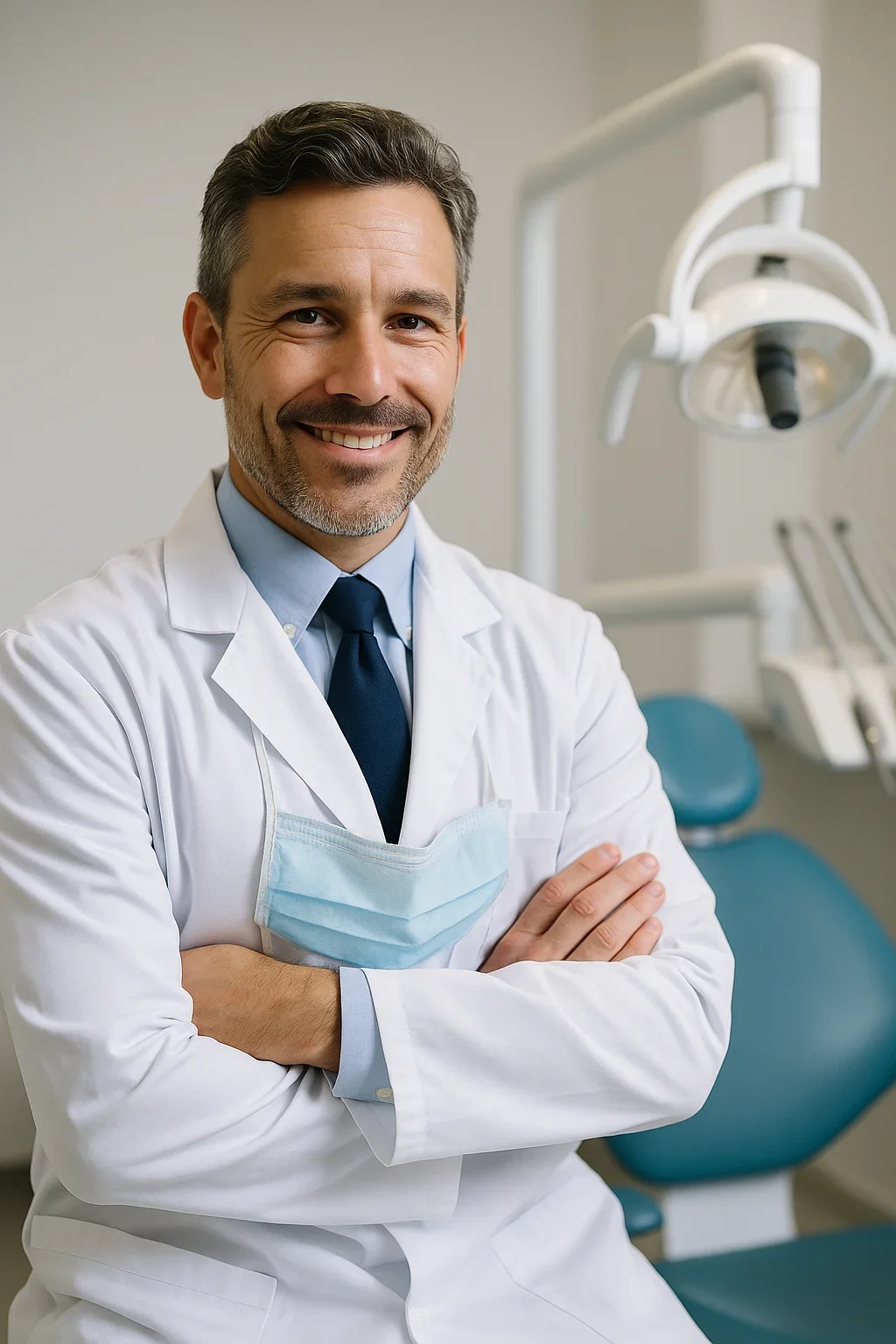
The Future of Dentistry: How Western Dentists Are Shaping Tomorrow’s Smile
The world of dentistry is evolving rapidly, and the western dentist is at the forefront of that transformation. Combining digital innovation, biotechnology, and personalized care, Western dental professionals are setting global standards for the future of oral health. From artificial intelligence to regenerative medicine, these advancements are not only improving efficiency but also redefining how patients experience dental care. In this section, we’ll explore how the western dentist continues to push the boundaries of science and technology to create a healthier, more sustainable, and patient-centered future for dentistry. 🦷✨
1. Digital Dentistry and Artificial Intelligence
Digital technology is revolutionizing how a western dentist diagnoses, plans, and performs treatments. With the integration of AI (Artificial Intelligence), predictive analytics, and 3D imaging, Western clinics are achieving unprecedented accuracy and patient satisfaction. AI-powered diagnostic tools can now analyze X-rays and intraoral scans to detect cavities, bone loss, or infections long before they cause symptoms.
Smart Imaging and Predictive Care
Modern software allows a western dentist to predict how a patient’s oral health might change over time. These tools assess bite alignment, jaw stress, and tooth wear, enabling preventive measures before irreversible damage occurs. This proactive approach not only saves time and money but also aligns perfectly with the preventive philosophy that defines Western dental care.
AI in Treatment Planning
AI-assisted simulations help the western dentist design personalized treatment plans, visualize results, and even suggest the most suitable materials for restorations. For instance, AI can recommend optimal implant angles, veneer thickness, or orthodontic aligner sequences based on millions of successful cases. This ensures faster, more predictable, and more comfortable outcomes for patients.
2. 3D Printing and CAD/CAM Technology
One of the greatest technological leaps in Western dentistry is the rise of 3D printing and CAD/CAM systems. A western dentist can now create crowns, bridges, aligners, and surgical guides in-house, often within a single appointment. This innovation eliminates the need for external labs, reduces costs, and enhances precision.
Same-Day Restorations
Thanks to chairside CAD/CAM technology, a western dentist can scan a tooth, design a restoration digitally, and print or mill it immediately. Patients leave the clinic with a permanent, perfectly fitted restoration — no temporary fillings, no second visits. The convenience and quality of these treatments are transforming patient expectations worldwide.
Eco-Friendly Materials and Sustainability
Another advantage of 3D printing is the shift toward eco-friendly and biodegradable materials. Many Western clinics are now adopting recyclable resins and bio-ceramics, minimizing environmental impact. The western dentist of the future not only prioritizes patient health but also planetary sustainability — a key value in modern healthcare.
3. Regenerative Dentistry and Stem Cell Therapy
The next frontier in dentistry is biological regeneration. Researchers are developing ways for a western dentist to use stem cells to regrow damaged tissues such as dentin, pulp, and even entire teeth. This could eliminate the need for traditional fillings, root canals, and implants in the future.
Healing from Within
In regenerative dentistry, the focus shifts from artificial replacements to stimulating the body’s natural repair mechanisms. Clinical trials have shown that stem cells harvested from a patient’s dental pulp can regenerate tooth structures under the right conditions. Within a decade, a western dentist might be able to restore a decayed tooth naturally — without drilling or synthetic materials. 🧬
4. Laser and Non-Invasive Dentistry
Laser technology continues to redefine pain management and surgical precision. A western dentist now uses lasers for cavity removal, gum reshaping, teeth whitening, and even root canal disinfection. This approach minimizes bleeding, swelling, and the need for anesthesia while promoting faster recovery.
Advantages of Laser Dentistry
Laser procedures are not only more comfortable but also more sterile. The laser beam kills bacteria on contact, reducing post-operative infection risks. Patients who once feared dental visits now experience painless, efficient care from their western dentist, making routine dental maintenance a stress-free experience.
5. Teledentistry and Remote Consultations
Telehealth has become an integral part of Western medical systems — and dentistry is no exception. A western dentist can now conduct virtual consultations, assess photos or scans submitted by patients, and provide advice remotely. This is particularly valuable for follow-up care or for individuals in remote areas who lack access to high-quality dental services.
Accessibility and Global Outreach
Through teledentistry, Western clinics are expanding their reach beyond borders. Patients in developing regions can consult with experienced professionals who follow Western standards. Clinics like Redent Klinik have adopted hybrid models that combine in-person precision with online accessibility — bridging the gap between local affordability and Western expertise. 🌍
6. Personalized and AI-Guided Preventive Programs
Future dental care is all about personalization. A western dentist leverages genetic data, saliva biomarkers, and AI-driven analysis to design preventive programs tailored to each patient’s risk profile. For instance, if your DNA indicates a higher risk of gum disease, your dentist can create a proactive care schedule with targeted treatments and dietary advice.
Integration with Wearable Health Devices
Smart toothbrushes and oral health trackers are becoming part of daily life. These devices send data to your western dentist in real-time, allowing early intervention if problems arise. The result? A future where oral health is continuously monitored and optimized without the need for constant in-office visits.
7. Green Dentistry and Environmental Responsibility
The western dentist of tomorrow is deeply conscious of environmental impact. Sustainable practices — such as digital records, energy-efficient equipment, and biodegradable disposables — are becoming industry norms. Clinics are reducing carbon footprints while maintaining clinical excellence. Green dentistry not only benefits the planet but also appeals to eco-conscious patients who value responsible care.
Reducing Waste and Carbon Emissions
Many Western clinics are now paperless and adopt sterilization systems that use less water and energy. Some even install solar panels and digital air purifiers to ensure environmentally friendly operations. These innovations reflect the ethical mindset that defines a true western dentist — one who cares for both people and the planet.
8. Robotics and Automation in Dental Surgery
Robotics is another groundbreaking innovation reshaping the field. A western dentist can now use robotic-assisted tools for implant placement and complex oral surgeries with millimeter-level accuracy. Robots minimize human error, shorten surgery time, and improve healing outcomes — ensuring consistent excellence across every procedure.
AI-Powered Surgical Guidance
Robotic systems use real-time feedback to guide a western dentist during operations, adapting dynamically to bone density or tissue resistance. This synergy between human expertise and machine precision defines the next generation of dental surgery — safe, efficient, and highly personalized.
9. Integrating Mental Comfort and Patient Experience
Modern dentistry isn’t just about teeth — it’s about emotions. The western dentist recognizes the importance of mental comfort, using advanced relaxation techniques, aromatherapy, and even VR distraction tools to reduce anxiety. Clinics are designed to feel like spas rather than sterile hospitals, fostering calm and confidence in every patient.
Patient-Centered Environment
The future clinic designed by a western dentist blends hospitality, technology, and personalized attention. Every detail — from soothing lighting to ergonomic chairs — enhances the overall patient experience, ensuring that oral care becomes a pleasant part of everyday wellness.
10. The Human Touch: The Future is Still Personal
Despite technological advances, the true strength of the western dentist remains the human connection. Compassion, ethics, and empathy are irreplaceable qualities that technology can never replicate. Western dentistry’s commitment to listening, understanding, and caring ensures that even in an AI-driven world, the heart of dentistry stays profoundly human. ❤️
In conclusion, the future of dentistry is bright, smart, and compassionate — led by the relentless innovation of the western dentist. From AI diagnostics to regenerative therapies, Western dentistry continues to shape global standards for excellence. Patients can look forward to a world where oral care is painless, personalized, eco-friendly, and deeply human. 🌟 The smiles of tomorrow are already being built today — one innovation, one patient, and one western dentist at a time.