
When it comes to achieving a healthy, beautiful smile, few treatments are as transformative as orthodontic braces. The advantage of braces goes far beyond straightening teeth—they contribute to better oral hygiene, improved speech, and a long-lasting boost in self-confidence. Whether you’re considering braces for yourself or your child, understanding how they work and the multitude of benefits they provide is essential for making an informed decision. 🦷✨
At their core, braces apply gentle, continuous pressure over time to gradually move teeth into proper alignment. This process not only enhances the appearance of your smile but also optimizes your bite, making it easier to chew and speak effectively. Many people underestimate the advantage of braces until they witness the remarkable transformation in both function and aesthetics. Correctly aligned teeth are much easier to clean, which significantly reduces the risk of cavities, gum disease, and enamel wear. Over time, these improvements contribute to a lifetime of healthier oral habits and fewer dental complications.
One of the major advantages of braces is their ability to correct malocclusions—conditions where the teeth and jaws do not align properly. Problems like overbite, underbite, crossbite, and crowding are not just cosmetic concerns; they can lead to uneven tooth wear, jaw pain, and even speech difficulties. By addressing these issues early, braces can prevent more complex dental procedures later in life. In this way, the benefits of braces extend far beyond immediate cosmetic improvements—they’re an investment in long-term oral health.
From a psychological standpoint, the advantage of braces can be life-changing. Many patients report feeling more confident and outgoing once they achieve their ideal smile. Misaligned teeth can sometimes cause individuals to feel self-conscious or avoid smiling in photos and social situations. Once treatment is complete, the newfound confidence that comes from having straight teeth often translates into improved relationships, professional success, and overall happiness. 😊
Modern orthodontics has come a long way. Gone are the days when braces were only associated with teenagers and metal wires. Today, there are numerous options designed for both comfort and aesthetics. Ceramic braces, lingual braces (placed behind the teeth), and clear aligners such as Invisalign all offer different advantages of braces depending on the patient’s lifestyle and preferences. For example, adults who want to maintain a professional appearance often choose clear aligners, while traditional metal braces remain the most effective for complex orthodontic corrections. Regardless of the method, the end goal is the same: a perfectly aligned, functional, and radiant smile.
Another often-overlooked advantage of braces is the improvement in overall facial harmony. Properly aligned teeth support facial muscles evenly, which can subtly enhance jawline definition and balance facial proportions. This is particularly evident in patients with severe misalignments—after completing treatment, their entire facial structure can appear more symmetrical and youthful. The changes may be gradual, but they are deeply satisfying and contribute to a more attractive appearance.
Financially, investing in braces also brings long-term savings. Misaligned teeth can lead to expensive dental issues down the road, such as cracked teeth, gum recession, or TMJ (temporomandibular joint) problems. By correcting alignment issues early, patients avoid these potential complications. It’s a preventive approach that provides not just aesthetic benefits but also economic and health-related ones.
In addition to these physical and emotional benefits, the advantage of braces includes a structured treatment plan monitored by dental professionals. Orthodontists carefully track progress with regular checkups, ensuring teeth move safely and efficiently. This professional oversight guarantees that each adjustment brings patients closer to their ideal result while minimizing risks. For example, clinics like Redent Klinik Contact Page provide expert orthodontic services where every step of the process—from initial consultation to retainer fitting—is managed with precision and care.
Beyond the clinic, good oral hygiene is an essential part of maximizing the advantage of braces. Braces require consistent cleaning to prevent plaque buildup around brackets and wires. Patients who maintain proper dental hygiene during their orthodontic treatment often experience stronger enamel and healthier gums once the braces are removed. Using specialized tools such as interdental brushes or water flossers makes this process easier and more effective. The result is a cleaner, brighter smile that stands the test of time.
Finally, the advantage of braces isn’t just personal—it’s supported by scientific and professional consensus. According to the American Dental Association, orthodontic treatments like braces are essential for both function and aesthetics. They contribute to balanced jaw development, improved oral health, and better long-term stability of teeth alignment. This evidence-based support reassures patients that braces are not just a cosmetic choice but a medically sound investment in their future well-being.
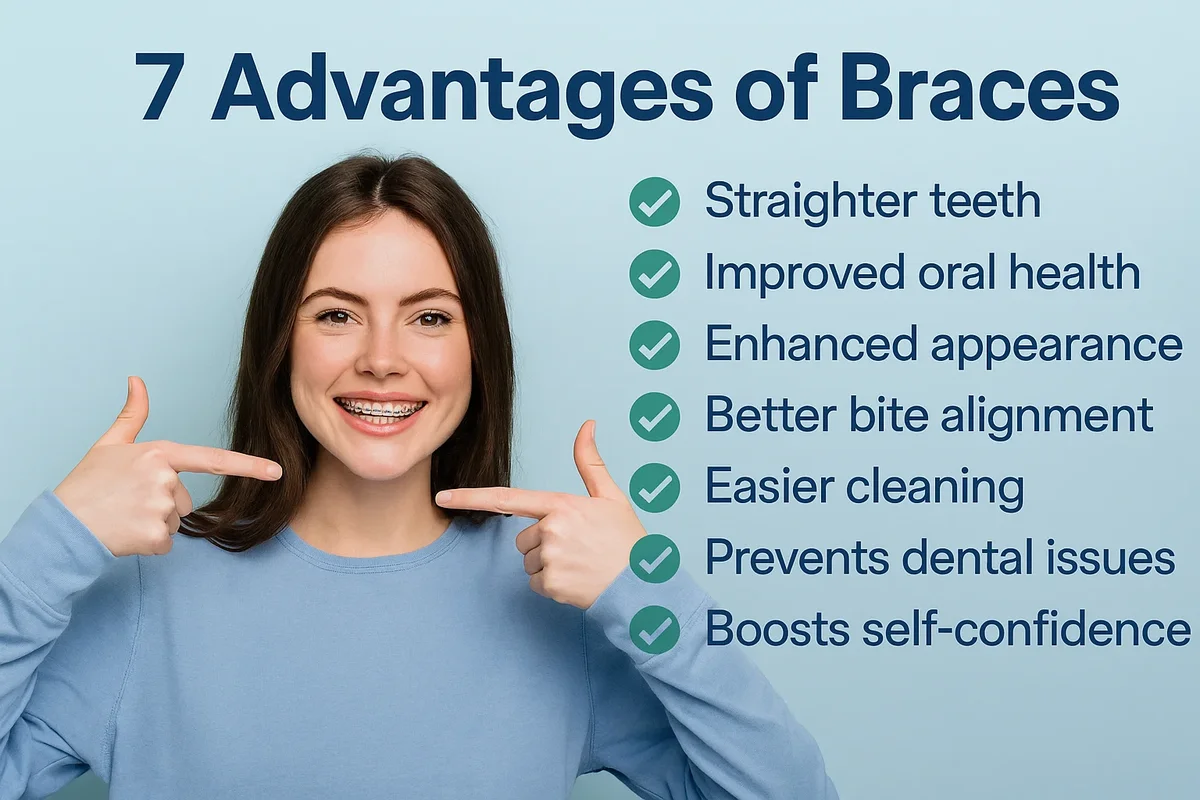
In summary, the advantage of braces can be understood as a combination of aesthetic transformation, functional improvement, and emotional empowerment. Braces straighten teeth, enhance facial balance, improve oral hygiene, and give patients the confidence to smile freely. Whether you are a teenager or an adult, the decision to invest in orthodontic treatment today will reward you with a lifetime of healthy, confident smiles tomorrow. 🌟
How Braces Improve Teeth Alignment and Overall Oral Health
One of the most remarkable advantages of braces is their ability to correct misaligned teeth and improve overall oral health in the process. When your teeth are properly aligned, you’re not only enhancing your smile’s appearance—you’re also optimizing how your mouth functions as a whole. Straight teeth allow for balanced biting pressure, easier cleaning, and reduced strain on the jaw joints. These factors make orthodontic treatment a crucial investment in both aesthetics and long-term dental wellness. 🦷
Understanding the Science Behind Braces
The fundamental advantage of braces lies in their biomechanical precision. Braces consist of brackets, wires, and sometimes elastic bands that work together to apply continuous, gentle pressure to the teeth. Over time, this pressure stimulates the periodontal membrane and bone tissue surrounding the roots of your teeth, allowing them to move gradually into the correct position. It’s a delicate biological process called bone remodeling, and it’s the same principle that enables the body to adapt to new structures over time. When performed under professional supervision, it ensures not only a straighter smile but also a healthier, more stable oral foundation.
Misaligned teeth—often referred to as malocclusion—can create numerous oral health challenges. They can trap food particles, promote plaque buildup, and cause premature enamel wear. By correcting the alignment, braces eliminate these issues at their source. Patients often notice fewer cavities and less gum irritation even before their treatment is completed. This functional improvement underscores why the advantage of braces extends far beyond cosmetic appeal.
Improving Oral Hygiene with Proper Alignment
Crooked or crowded teeth make it difficult to brush and floss effectively. Food debris and bacteria can easily become trapped in tight spaces, leading to gum disease and tooth decay. A key advantage of braces is that they create evenly spaced teeth, simplifying daily hygiene routines. Once the teeth are straightened, it becomes easier to clean every surface and prevent plaque buildup. This translates to fresher breath, stronger enamel, and healthier gums overall. 🪥
Orthodontists often emphasize that the success of braces depends not only on the treatment itself but also on the patient’s commitment to good oral care habits. Using specialized tools like interdental brushes, orthodontic floss threaders, and fluoride mouth rinses enhances cleaning efficiency. The result is a mouth that’s not just visually pleasing but also free from disease-causing bacteria.
The Role of Braces in Bite Correction
Another important advantage of braces is their ability to fix bite problems such as overbite, underbite, open bite, and crossbite. These bite issues can cause uneven pressure on the teeth and jaw, leading to problems like headaches, TMJ (temporomandibular joint) discomfort, and even digestive issues due to inefficient chewing. By realigning the bite, braces restore harmony between the upper and lower jaws, allowing for smoother, more comfortable movement. This alignment is not merely aesthetic—it’s functional and foundational for oral health longevity.
For example, an overbite may cause excessive wear on the lower front teeth, while an underbite can lead to chipping and gum recession. Correcting these issues early with orthodontic care can save patients from future dental surgeries or restorations. Thus, the advantage of braces also lies in preventing long-term dental complications.
How Braces Contribute to Jaw and Facial Harmony
Proper alignment isn’t limited to teeth—it also involves jaw positioning and facial structure. When teeth are straightened, the jaw aligns naturally, creating a balanced bite and improved facial proportions. This is another subtle but powerful advantage of braces. Patients often notice that their facial symmetry improves after treatment. The lower half of the face may appear more proportionate, and the lips may align more evenly, giving the entire face a more harmonious and youthful appearance.
From a functional standpoint, jaw alignment also supports better speech articulation. Misaligned teeth can interfere with pronunciation, causing lisping or difficulty forming certain sounds. By adjusting the teeth into proper alignment, braces improve speech clarity and confidence in communication. This added benefit highlights the holistic nature of orthodontic treatment—it’s not just about looks, but also about full-body wellness and functionality.
Braces as a Preventive Health Measure
While many people pursue braces for aesthetic reasons, the advantage of braces as a preventive tool cannot be overstated. Misaligned teeth can create pressure points that lead to gum inflammation, tooth mobility, and even bone loss over time. By correcting these misalignments early, braces protect the supporting structures of the teeth and ensure long-term stability. Preventive orthodontic care is especially valuable for children and teenagers, as it guides natural bone development and minimizes the need for future corrective treatments.
Adults also benefit significantly. With modern orthodontic options such as ceramic braces or clear aligners, adults can enjoy the same advantages of braces discreetly and comfortably. Many professionals choose these alternatives to maintain aesthetics while still achieving functional benefits. Regardless of the type of braces, the outcome is the same—a well-aligned, healthier smile that’s easier to maintain and less prone to future complications.
Long-Term Oral Health and Maintenance
The advantage of braces doesn’t end once they’re removed. Straight teeth are less likely to experience uneven wear, cracks, or gum recession. The improved alignment ensures that the forces of biting and chewing are distributed evenly, preventing localized stress that can cause damage over time. Patients who complete orthodontic treatment often enjoy decades of improved oral function and stability. However, maintaining this outcome requires proper post-treatment care, including the use of retainers and regular dental checkups.
To ensure the best results, it’s vital to seek treatment from an experienced orthodontist. Clinics like Redent Klinik Contact Page specialize in customized orthodontic care that combines advanced technology with personalized treatment planning. Their professional guidance ensures that each patient enjoys the full spectrum of the advantages of braces—from improved oral hygiene to enhanced confidence and lasting dental health.
As supported by the American Dental Association, proper teeth alignment is essential for maintaining oral wellness, improving speech, and preventing periodontal issues. In conclusion, the advantage of braces is not just a cosmetic fix—it’s a comprehensive solution for better oral health, improved jaw function, and enhanced quality of life. 🌟
Boosting Self-Confidence: The Psychological Advantage of Braces
The advantage of braces extends far beyond physical transformation—it reaches deep into emotional well-being and self-esteem. A confident smile can change how you perceive yourself and how others perceive you. Many individuals who once felt insecure about their crooked or uneven teeth experience a profound boost in confidence after orthodontic treatment. This psychological transformation is one of the most powerful yet underrated benefits of braces. 😁
The Connection Between Smile and Self-Image
Human interaction is strongly influenced by facial expressions, and the smile is one of the most impactful. When teeth are misaligned or uneven, individuals often feel reluctant to smile, speak, or laugh openly. This self-consciousness can lead to reduced social participation and lowered self-esteem. The advantage of braces is that they address these emotional barriers by correcting the physical cause—misalignment—and restoring confidence to smile naturally. A person who once hid their teeth when laughing can now express joy without hesitation. That freedom alone can dramatically improve one’s mental health and self-perception.
Studies in dental psychology have consistently shown that people who undergo orthodontic treatment tend to report higher satisfaction with their overall appearance. This satisfaction translates into improved confidence in personal relationships, professional settings, and public interactions. In this sense, the advantage of braces goes beyond aesthetics—it enhances social confidence and empowers individuals to engage more authentically with others.
How Braces Impact Social and Professional Life
In today’s image-driven world, first impressions matter. A confident smile can significantly influence how others perceive your trustworthiness, attractiveness, and professionalism. Straight teeth are often subconsciously associated with positive traits such as intelligence, success, and good health. Therefore, one major advantage of braces is the indirect boost they provide in social and career opportunities.
Imagine attending a job interview or giving a presentation with a smile you’re proud of. You appear more confident, articulate, and approachable—all qualities that leave a lasting impression. In contrast, people with noticeable misalignment may unintentionally cover their mouths or smile less, which can be misinterpreted as shyness or lack of confidence. Braces help remove this barrier, enabling authentic self-expression in every situation. 🌟
Emotional Transformation During Orthodontic Treatment
The process of wearing braces itself can also be a journey of self-growth. Patients often begin treatment feeling uncertain or self-conscious about the hardware on their teeth. However, as they start seeing visible progress, excitement and motivation replace initial hesitation. Each small change—each newly straightened tooth—serves as a reminder of progress and discipline. This psychological reinforcement strengthens self-image over time and reinforces patience, resilience, and self-care. The advantage of braces is not only in the result but also in the emotional transformation experienced throughout the journey.
Parents often report that their children or teenagers become more self-assured as they notice their smiles improving. This boost in confidence frequently translates into better communication skills, increased participation in school or social activities, and a more positive outlook overall. For adults, it can reignite self-assurance that may have been diminished by years of insecurity about their teeth. The emotional benefits are universal, regardless of age.
The Psychological Advantage of Braces for Teens
Adolescence is a period marked by self-awareness and social comparison. During these formative years, appearance can have a profound influence on confidence. The advantage of braces during teenage years is that they address dental misalignments before they solidify into adulthood, while simultaneously nurturing a healthier self-image. Many teens initially fear being teased for wearing braces, but as the stigma around orthodontics fades, modern braces have become a symbol of self-improvement rather than awkwardness.
Moreover, with the availability of aesthetic options like ceramic or clear braces, teens can undergo treatment discreetly while still achieving exceptional results. As the smile transforms, so does their self-perception. The newfound confidence often carries forward into adulthood, influencing everything from academic engagement to leadership skills. Orthodontic treatment, therefore, plays a crucial role in shaping not only dental alignment but also emotional resilience and self-worth.
Adults and the Confidence to Smile Again
For adults, deciding to get braces later in life can be empowering. Many individuals who missed out on orthodontic treatment as children choose to correct their smiles in their 30s, 40s, or even 50s. The advantage of braces for adults is multifaceted: it not only improves appearance but also restores confidence that may have been suppressed for years. An aligned, attractive smile often encourages adults to pursue new social interactions, romantic relationships, or professional opportunities with renewed assurance.
In addition, advances in orthodontic technology—like lingual braces and clear aligners—allow adults to undergo treatment discreetly. This minimizes self-consciousness during the process and maximizes comfort. Seeing gradual progress can be incredibly rewarding and fosters a sense of achievement that extends beyond dental health.
The Role of Professional Support and Motivation
The psychological advantage of braces also depends on the guidance and encouragement provided by the orthodontic team. Clinics such as Redent Klinik Contact Page emphasize patient education and emotional support throughout the treatment process. Understanding what to expect, seeing progress through follow-ups, and receiving positive reinforcement from professionals can greatly enhance the patient’s confidence and motivation.
It’s also worth noting that the American Dental Association highlights the strong relationship between oral health and mental well-being. Patients who take care of their teeth tend to feel more satisfied with their appearance, experience less social anxiety, and exhibit higher self-esteem. This connection reaffirms how closely the advantage of braces aligns with holistic health—physical, emotional, and psychological.
Confidence That Lasts a Lifetime
After braces are removed, the psychological rewards continue. Patients often describe the first time they see their new smile as a life-changing moment. The joy of seeing straight, beautiful teeth after months or years of commitment creates a deep sense of pride. That pride carries forward, encouraging individuals to smile more, speak up confidently, and approach life with renewed optimism.
In summary, the advantage of braces is not just about achieving perfect alignment—it’s about rediscovering yourself. From social confidence to emotional balance, the psychological benefits of a healthy, radiant smile are transformative and enduring. Whether you’re a teen looking to boost self-image or an adult ready to embrace change, braces offer a gateway to a happier, more confident version of yourself. 😊
Different Types of Braces and Their Unique Benefits
When exploring the advantage of braces, it’s essential to understand that not all braces are the same. Modern orthodontics offers a wide range of options designed to suit different needs, lifestyles, and aesthetic preferences. From traditional metal braces to invisible aligners, each type brings its own unique benefits and suitability depending on age, alignment complexity, and treatment goals. By learning about these various options, patients can make an informed choice that ensures both comfort and effectiveness throughout their orthodontic journey. 🦷
Traditional Metal Braces: The Classic and Reliable Choice
Metal braces have been used for decades and remain one of the most trusted and effective orthodontic solutions available today. They consist of stainless-steel brackets attached to each tooth and connected by a thin archwire that guides the teeth into alignment. The biggest advantage of braces in this category is their precision and power—they can correct even the most severe cases of misalignment, overcrowding, and bite irregularities.
Modern metal braces are far more comfortable and aesthetically pleasing than those of the past. Advances in orthodontic technology have made brackets smaller, smoother, and less noticeable. Many patients, particularly teenagers, even personalize their braces with colorful elastic bands for a more fun and expressive appearance. While they may not be the most discreet option, their effectiveness and affordability make them a popular choice worldwide.
Who Should Choose Metal Braces?
Patients with complex alignment issues or jaw irregularities will benefit most from traditional braces. Because of their strength and control, orthodontists can make precise adjustments during treatment. This ensures faster, more predictable results compared to other systems. The advantage of braces in this form is clear: reliable results and suitability for nearly every dental condition.
Ceramic Braces: Aesthetic and Effective
For those who want the benefits of braces without the metallic look, ceramic braces provide an excellent alternative. They work in the same way as metal braces but use clear or tooth-colored brackets that blend naturally with your teeth. This makes them a popular option for adults and image-conscious teens. The main advantage of braces made from ceramic materials is their ability to remain discreet while still delivering powerful alignment results.
However, ceramic braces require slightly more care. Because the brackets are lighter in color, they can be prone to staining if not properly maintained. Regular cleaning and avoiding certain foods or drinks (like coffee or red wine) help maintain their clear appearance. In return, patients enjoy an orthodontic treatment that is nearly invisible in everyday interactions.
When to Consider Ceramic Braces
If your dental alignment issue is moderate to severe but you prefer a more aesthetic treatment option, ceramic braces strike a perfect balance. They’re ideal for working professionals or students who wish to maintain confidence during treatment. The advantage of braces in this category lies in their balance between beauty and strength—achieving stunning results without compromising appearance. 🌟
Lingual Braces: Hidden Yet Powerful
Lingual braces are an innovative option placed on the inner surfaces of the teeth, making them completely invisible from the outside. They work similarly to traditional braces, but because they are custom-made for each patient’s teeth, they provide precise control and personalized comfort. The greatest advantage of braces of this type is discretion—they allow patients to undergo full orthodontic treatment without anyone noticing.
While lingual braces are effective, they require skilled orthodontists for installation and adjustment. They may initially cause slight tongue irritation or changes in speech, but these effects usually fade as the patient adapts. Because they are positioned behind the teeth, cleaning them properly requires special attention. Despite these challenges, the combination of invisibility and performance makes them one of the most advanced orthodontic options available today.
Ideal Candidates for Lingual Braces
Adults who prioritize professional appearance often choose lingual braces to correct their smiles discreetly. They are also suitable for individuals with social or public-facing careers where aesthetics are important. This unique advantage of braces type lies in blending invisibility with effectiveness—perfect for those seeking a private, high-end orthodontic solution.
Clear Aligners: Modern, Comfortable, and Convenient
Clear aligners such as Invisalign have revolutionized orthodontic care. Instead of wires and brackets, aligners use custom-fitted, transparent trays that gently move teeth into position. Each set of aligners is worn for about two weeks before progressing to the next one. The advantage of braces in this form is the flexibility and convenience they offer—patients can remove them when eating, brushing, or attending special events.
Because they’re virtually invisible, aligners are extremely popular among adults and teens alike. They also cause less discomfort since there are no metal components to irritate the mouth. However, they require discipline; patients must wear them for at least 20–22 hours a day to achieve optimal results. The success of treatment depends largely on patient compliance, but when followed correctly, the results can be just as effective as traditional braces.
Who Benefits Most from Clear Aligners?
Patients with mild to moderate misalignment are perfect candidates for aligners. Those with complex cases may still need traditional braces. Nonetheless, the advantage of braces in aligner form includes ease of use, improved comfort, and aesthetic appeal. For individuals who travel frequently or have busy schedules, the removable feature offers unmatched convenience.
Self-Ligating Braces: Faster and More Comfortable Adjustments
Self-ligating braces use a special clip instead of elastic bands to hold the archwire in place. This design allows teeth to move more freely, reducing friction and treatment time. The advantage of braces with this system is greater efficiency, fewer visits to the orthodontist, and a smoother overall experience. Patients also report less discomfort because of the reduced pressure on teeth.
These braces are available in both metal and ceramic forms, offering flexibility to match patient preferences. Their advanced design means they work faster and require less maintenance, making them a great choice for busy individuals who want visible progress with minimal hassle.
Comparing All Types: Choosing What’s Best for You
Selecting the right orthodontic treatment depends on your personal goals, lifestyle, and budget. While traditional metal braces provide maximum correction for severe cases, ceramic and lingual braces focus on aesthetics. Meanwhile, clear aligners prioritize comfort and convenience. Each type embodies a different advantage of braces, ensuring that every patient—regardless of age or dental complexity—has an ideal solution available.
To make the right choice, consulting with an expert orthodontist is essential. Clinics such as Redent Klinik Contact Page specialize in personalized orthodontic solutions tailored to your specific needs. Their professionals assess alignment issues, bite functionality, and aesthetic goals before recommending the most suitable option. By combining professional insight with patient preference, you can enjoy the full spectrum of the advantages of braces—from function to beauty.
According to the American Dental Association, modern orthodontic technology continues to evolve, making treatments more efficient, comfortable, and accessible than ever before. Whether you prefer traditional braces or cutting-edge clear aligners, today’s orthodontic innovations ensure that achieving your dream smile is easier, faster, and more enjoyable than it has ever been. 😁
The Long-Term Health Advantage of Braces for Jaw Alignment
While many people think of braces as a purely cosmetic solution, one of the most significant and often overlooked advantages of braces lies in their ability to improve jaw alignment. A properly aligned jaw is critical not only for a balanced bite but also for overall oral and facial health. When your bite functions correctly, chewing, speaking, and breathing all occur naturally and comfortably. Misalignment, on the other hand, can cause a cascade of dental and medical issues—from chronic headaches to uneven tooth wear and temporomandibular joint (TMJ) dysfunction. Orthodontic treatment corrects these underlying structural problems, providing both immediate and lifelong benefits. 🦷
Understanding Jaw Misalignment and Its Effects
Before delving into the advantage of braces for jaw alignment, it’s essential to understand what causes jaw misalignment, also known as malocclusion. Common types include overbite (upper teeth overlap too far over the lower), underbite (lower teeth extend past the upper), crossbite (upper and lower jaws don’t align properly), and open bite (teeth don’t meet when the mouth closes). These conditions can result from genetics, thumb-sucking, teeth grinding, or even prolonged pacifier use during childhood.
When the jaw doesn’t sit in its ideal position, several issues can arise. Patients may experience pain in the jaw muscles, clicking sounds when opening or closing the mouth, or difficulty chewing food. Long-term misalignment can also lead to uneven tooth wear, gum recession, and even bone loss. The advantage of braces is that they address the root cause of these problems by guiding both teeth and jaws into proper harmony.
How Braces Influence Jaw Development
Braces don’t just move teeth—they can also gently guide jaw growth, particularly in children and adolescents whose bones are still developing. By applying consistent pressure through brackets and wires, orthodontists can influence the direction and width of jaw growth to achieve balanced facial proportions. This is especially valuable during early orthodontic intervention, where correcting the bite can prevent skeletal discrepancies later in life. The advantage of braces here is preventive as much as corrective—it sets the foundation for lifelong oral stability and health.
In adults, while jawbone growth is complete, braces can still reposition teeth and adjust the bite relationship. In some complex cases, orthodontists may combine braces with minor surgical procedures to realign the jaw precisely. This multidisciplinary approach enhances both functionality and aesthetics, ensuring that patients achieve not just a beautiful smile but also a comfortable and stable bite.
Improving TMJ Function and Reducing Jaw Pain
Another significant advantage of braces involves the improvement of temporomandibular joint (TMJ) function. The TMJ connects your jawbone to your skull and is responsible for essential movements like speaking and chewing. When the jaw is misaligned, the joint experiences uneven pressure, which can lead to chronic pain, stiffness, and even headaches. Over time, these symptoms can evolve into a condition known as temporomandibular joint disorder (TMD).
Braces help distribute bite forces evenly by aligning the teeth and jaw correctly. As a result, tension in the joint and surrounding muscles decreases, allowing for pain relief and smoother motion. Patients often notice that once their orthodontic treatment begins, symptoms like jaw clicking, clenching, and soreness gradually diminish. In many cases, correcting the bite through braces eliminates the need for ongoing TMD therapy, proving how functional the advantage of braces can be beyond simple aesthetics.
Jaw Alignment and Posture Connection
Believe it or not, jaw alignment affects more than just your mouth—it can influence posture and overall body balance. When the jaw is out of alignment, it may force the neck and shoulder muscles to overcompensate, creating tension that radiates down the spine. Over time, this can contribute to poor posture, neck stiffness, and back pain. By improving the alignment of the jaw, braces indirectly help correct head and neck positioning, leading to better body alignment and reduced muscular strain. This lesser-known advantage of braces highlights how orthodontics can contribute to whole-body wellness. 🌟
Enhancing Chewing Efficiency and Digestion
Chewing is the first step in the digestive process, and it relies heavily on proper jaw alignment. Misaligned teeth can make it difficult to break down food adequately, which in turn affects digestion and nutrient absorption. One overlooked advantage of braces is that they restore optimal bite function, allowing for smoother and more effective chewing. When the upper and lower teeth fit together properly, food is processed more efficiently, reducing strain on the digestive system and improving nutrient intake. This seemingly small improvement can lead to significant overall health benefits over time.
Speech Clarity and Airway Improvement
Jaw alignment also plays a role in clear speech and proper airflow. Misaligned teeth or jaws can interfere with tongue placement and articulation, leading to lisping or difficulty pronouncing certain sounds. Moreover, narrow dental arches or a retruded jaw can contribute to restricted airflow, increasing the risk of snoring or sleep apnea. Correcting alignment through orthodontic treatment can expand the airway and improve breathing during sleep. This functional advantage of braces makes a profound difference in quality of life—patients often report better sleep, clearer speech, and reduced fatigue after completing treatment.
Long-Term Oral Health Protection
Proper jaw alignment also reduces wear and tear on teeth over time. When your bite is even, the forces exerted during chewing are distributed equally across all teeth. Without this balance, certain teeth can experience excessive pressure, leading to chipping, fractures, or enamel erosion. Braces protect against these issues by ensuring that every tooth contributes evenly to the chewing process. This means fewer restorations, less gum recession, and reduced risk of tooth loss in the long run—the lasting advantage of braces that patients enjoy for decades.
Moreover, maintaining aligned jaws and teeth helps prevent secondary complications such as gum disease. Crooked teeth and irregular bite patterns can trap bacteria and make oral hygiene more challenging. Once alignment is corrected, brushing and flossing become more effective, supporting stronger gums and fresher breath. The synergy between function and hygiene underscores why jaw alignment is such a critical aspect of orthodontic health.
Professional Orthodontic Care for Lasting Results
To achieve ideal jaw alignment, professional guidance is key. Clinics like Redent Klinik Contact Page specialize in advanced orthodontic diagnostics that evaluate both dental and skeletal structure before recommending personalized treatment. This ensures every patient receives braces that meet their specific jaw and bite needs, maximizing the functional and aesthetic outcomes. With consistent monitoring and expert care, the full advantage of braces can be realized safely and effectively.
In line with standards from the American Dental Association, achieving proper jaw alignment not only enhances oral health but also supports long-term systemic wellness. A balanced jaw contributes to improved digestion, posture, and reduced chronic pain—all of which translate into a healthier, more comfortable life. In conclusion, the long-term advantage of braces lies in their ability to create harmony between teeth, jaw, and body—an investment that rewards you with both comfort and confidence for years to come. 😊
Aesthetic Improvements: How Braces Enhance Facial Symmetry
One of the most transformative yet often underestimated advantages of braces lies in their ability to enhance facial symmetry. Beyond straightening teeth, orthodontic treatment reshapes the overall harmony of the face, improving proportions and balance in ways that go far beyond what cosmetic dentistry alone can achieve. Facial symmetry is not merely an aesthetic ideal—it’s closely tied to functional balance, healthy jaw alignment, and even perceptions of attractiveness. In fact, numerous psychological studies have shown that people with more symmetrical facial features are often perceived as healthier, more confident, and more approachable. 🦷
The Relationship Between Teeth and Facial Structure
Many people don’t realize how significantly the position of their teeth and jaw affects the shape of their face. The advantage of braces is that they do more than align your teeth—they help restore natural balance to the jawline, cheeks, and lips. When teeth are misaligned, they can push the lips forward or inward, make the chin appear more pronounced, or even alter cheek contours. Over time, this imbalance can affect how light reflects on your face and how your features appear in profile.
By guiding the teeth into optimal alignment, braces allow the facial muscles and skin to rest in their natural positions. This subtle improvement enhances facial balance and proportion. For example, correcting an overbite can make the lower half of the face appear longer and more defined, while fixing a crossbite can help the smile sit more symmetrically within the facial frame. The advantage of braces here is both cosmetic and structural—a comprehensive enhancement of how your face looks and functions together.
Symmetry and Perceived Attractiveness
Facial symmetry is often considered a marker of beauty because it represents balance and harmony. When one side of the face mirrors the other, it gives an impression of vitality and health. Orthodontic treatment contributes directly to achieving this balance. The advantage of braces is that they align not just teeth but the entire lower facial third, which plays a major role in how symmetry is perceived. After treatment, many patients notice their smiles appearing more centered and even, making their entire face more photogenic and proportionate. 🌟
This improvement is especially noticeable in side profiles. An overbite or underbite can distort facial harmony, making the jaw look recessed or overly prominent. Braces help reposition the bite, bringing the lips and chin into better alignment. The change may be gradual, but by the end of treatment, the transformation can be remarkable—often producing a more youthful and natural appearance.
Improving Lip Posture and Smile Line
One frequently overlooked advantage of braces is their influence on lip posture. Misaligned teeth can cause the lips to appear strained, uneven, or protruded. Once alignment is corrected, the lips naturally rest more symmetrically over the teeth, creating a relaxed, attractive smile. This improvement also contributes to better enunciation and a softer overall facial expression. Many patients find that their smiles no longer appear forced but rather flow naturally with their facial features.
Additionally, braces refine the smile arc—the gentle curve that follows the contour of the lower lip. A well-balanced smile arc is a hallmark of facial harmony. Orthodontic adjustments ensure that the upper teeth follow this curve naturally, enhancing both aesthetics and self-confidence. The advantage of braces in improving smile aesthetics is undeniable—it brings harmony between teeth, lips, and facial lines.
Cheekbone and Jawline Enhancement Through Alignment
When teeth and jaws are properly aligned, the surrounding facial muscles are evenly supported. This can subtly lift the cheeks and define the jawline. Patients with crowding or protrusion often notice that their mid-face or lower-face contours become more structured after treatment. Braces essentially create a natural facial “lift” without surgery. The advantage of braces lies in how they support facial structure through biomechanical balance—enhancing natural beauty while maintaining functional health.
For instance, correcting an open bite (where the teeth don’t touch when the mouth is closed) helps the cheeks appear fuller and the face more youthful. Similarly, aligning the lower jaw properly helps smooth out asymmetries between the right and left sides of the face. The overall result is a balanced, harmonious appearance that feels both natural and aesthetically refined.
The Role of Orthodontics in Anti-Aging
As we age, facial structures change due to bone resorption, loss of muscle tone, and shifting teeth. The advantage of braces becomes especially valuable here, as orthodontic treatment can counteract these age-related effects. By realigning teeth and stabilizing bite function, braces preserve the natural structure of the jawbone and prevent premature sagging of the cheeks or lips. This structural support maintains a more youthful appearance over time.
Furthermore, orthodontic correction enhances lip support, reducing fine lines and wrinkles around the mouth. Patients often find that after treatment, their faces look naturally rejuvenated—even without cosmetic procedures. This anti-aging effect is one of the most surprising and rewarding advantages of braces for adults.
Functional Aesthetics: When Beauty Meets Health
Unlike purely cosmetic treatments, braces improve aesthetics by restoring natural functionality. When your bite is balanced, muscles work harmoniously, reducing stress and tension in the face and neck. The improved muscle tone contributes to a relaxed and more symmetrical facial appearance. This is what orthodontists refer to as “functional beauty”—an outcome where health and aesthetics reinforce each other.
The advantage of braces also extends to improved facial expressions. People with aligned teeth tend to smile more openly and confidently. Their facial muscles coordinate better, allowing for smoother, more genuine expressions. This blend of functional and emotional benefit represents the holistic value of orthodontic treatment—enhancing not only how you look but how you feel and express yourself.
Long-Term Aesthetic Stability
Perhaps one of the most lasting advantages of braces is stability. Once treatment is complete and retainers are used consistently, the newly achieved facial balance and alignment remain steady for years. Unlike quick cosmetic fixes, braces produce results that endure because they address the root cause—skeletal and dental misalignment. Patients continue to enjoy a naturally proportionate smile that ages gracefully with them.
For those seeking expert guidance, clinics like Redent Klinik Contact Page offer personalized orthodontic evaluations to help identify how braces can specifically enhance both your smile and facial symmetry. Each patient receives a treatment plan that considers not only tooth alignment but also facial harmony and overall aesthetics. 🌸
According to the American Dental Association, orthodontic care that focuses on both function and appearance provides the most sustainable and satisfying outcomes. In conclusion, the advantage of braces is more than a straight smile—it’s the art of creating balance across your entire face, restoring harmony between structure and beauty, and empowering you with a confident, naturally radiant expression that lasts a lifetime. 😊
Cost, Duration, and Expected Results: Understanding the Journey
When considering orthodontic treatment, it’s natural to wonder about the investment involved—both in terms of time and money. Understanding these factors helps patients appreciate the true advantage of braces as a lifelong investment in health, confidence, and aesthetics. While the process requires patience and discipline, the rewards extend far beyond a straight smile. With modern orthodontic advancements, braces are now more comfortable, efficient, and accessible than ever before, making them a valuable option for people of all ages. 🦷
Breaking Down the Cost of Braces
The total cost of orthodontic treatment can vary widely depending on the type of braces, the complexity of the case, and the duration of treatment. Traditional metal braces generally range between $3,000 and $7,000, while ceramic braces may cost slightly more, averaging between $4,000 and $8,500. Lingual braces, which are placed behind the teeth, can range from $8,000 to $10,000 due to their custom design. Meanwhile, clear aligners such as Invisalign typically cost between $4,000 and $7,500.
Although these figures may seem high, the advantage of braces lies in their long-term value. Orthodontic treatment prevents future dental problems like gum disease, tooth wear, or temporomandibular joint (TMJ) issues—conditions that can become costly to treat later. Viewed from this perspective, braces are a preventive investment rather than a luxury expense. Many dental insurance plans now cover a portion of orthodontic care, and most clinics offer flexible payment plans, making treatment more manageable for patients. 🌟
Why Braces Are a Worthwhile Investment
Unlike temporary cosmetic procedures, braces deliver permanent benefits. The advantage of braces extends beyond a beautiful smile—they improve bite function, oral hygiene, speech, and overall well-being. Patients who complete orthodontic treatment are less likely to require expensive restorations, crowns, or implants later in life. The savings from avoiding these future complications often exceed the initial cost of treatment. Moreover, the confidence gained from a healthy, balanced smile is priceless.
To make the process even more affordable, many orthodontic clinics—including Redent Klinik Contact Page—offer customized financial plans, free consultations, and transparent pricing. Patients are encouraged to ask about these options during their first visit to ensure the best value for their investment.
Duration of Orthodontic Treatment
One of the most common questions patients ask is, “How long will I need to wear braces?” The answer depends on several factors: the complexity of your dental issues, age, type of braces, and compliance with care instructions. On average, treatment lasts between 18 and 30 months. Some mild cases may require only a year, while more complex misalignments may take up to three years. The advantage of braces is that, regardless of duration, every step contributes to a stable, lasting result.
Modern orthodontic systems, such as self-ligating braces and 3D imaging-guided aligners, have reduced treatment times considerably. They allow teeth to move more efficiently, with fewer appointments and less discomfort. Patients who follow their orthodontist’s instructions—keeping regular appointments, maintaining good oral hygiene, and wearing elastics or aligners as prescribed—often complete treatment faster. The consistency and dedication invested during this time directly affect the quality of the final outcome.
What to Expect During Treatment
Understanding the process helps patients remain motivated throughout their orthodontic journey. The advantage of braces begins with a detailed consultation, where the orthodontist assesses your bite, takes X-rays or digital scans, and designs a personalized treatment plan. Once braces are placed, patients typically visit every 4 to 8 weeks for adjustments or progress checks. During these visits, wires are tightened or replaced to guide teeth gently into alignment.
Mild soreness or tightness after adjustments is normal and temporary. Maintaining proper oral hygiene and avoiding sticky or hard foods helps ensure a smooth experience. Over-the-counter pain relief and orthodontic wax can alleviate any initial discomfort. Within a few months, patients usually begin to notice visible changes—their teeth start straightening, gaps close, and their bite becomes more balanced. These gradual improvements serve as motivation to stay committed to the process.
Expected Results and the Final Smile
By the end of treatment, patients can expect a beautifully aligned smile, an improved bite, and enhanced facial harmony. The advantage of braces is that they not only transform the aesthetics of your smile but also improve the way your teeth function together. This means fewer headaches, better chewing efficiency, and reduced risk of gum problems. The results are both cosmetic and functional, delivering a lifelong benefit that goes beyond what you see in the mirror.
Once braces are removed, a retainer is usually prescribed to maintain the new tooth positions. Wearing retainers as directed prevents teeth from shifting back into their original positions—a process known as relapse. Patients who adhere to post-treatment care enjoy a lifetime of stable, radiant smiles. Regular dental checkups and cleanings further preserve these results, ensuring that the benefits of treatment last indefinitely.
Maximizing Your Results Through Professional Care
The journey to achieving a perfect smile requires expertise, consistency, and proper follow-up. At clinics such as Redent Klinik Contact Page, patients receive individualized care and detailed monitoring at each stage of their orthodontic process. From the first adjustment to the final retainer fitting, every step is optimized to ensure the most comfortable and effective experience possible. This professional oversight ensures that patients enjoy the full advantage of braces—a smile that’s healthy, functional, and beautiful for decades.
Balancing Time, Cost, and Comfort
Many patients find that the time and cost invested in braces are outweighed by the lasting rewards. The improved confidence, oral health, and social benefits are lifelong. In contrast, untreated alignment issues can lead to escalating dental expenses, discomfort, and self-consciousness. Thus, the advantage of braces can be summarized as a balance between short-term effort and long-term payoff—a relatively brief period of commitment that results in permanent enhancement of both appearance and health.
According to the American Dental Association, orthodontic treatment is one of the most effective long-term investments for improving both dental and psychological well-being. Patients who commit to the full process—regardless of age—report significantly higher satisfaction levels and improved quality of life. In conclusion, while braces require financial and time commitment, the advantage of braces makes every step of the journey worthwhile: better oral health, a confident smile, and a renewed sense of self that lasts a lifetime. 😊
Braces for Adults vs. Teens: Key Differences and Benefits
Orthodontic treatment is no longer limited to adolescence. Today, an increasing number of adults are seeking the advantage of braces to improve their smiles, oral health, and confidence. While the biological process of tooth movement is the same for both age groups, the treatment goals, lifestyle considerations, and orthodontic approaches can differ significantly. Understanding these distinctions helps patients make informed decisions and appreciate how braces can deliver outstanding results—whether they’re 15 or 50. 🦷
Braces for Teenagers: Early Intervention and Growth Advantage
The teenage years are traditionally considered the ideal time for orthodontic treatment. During adolescence, the jaw and facial bones are still developing, allowing teeth to move more easily and predictably. One major advantage of braces for teens is this natural adaptability. Orthodontists can guide bone growth and tooth alignment simultaneously, achieving more efficient and stable results.
Another benefit is early detection and correction of dental irregularities. By addressing crowding, gaps, or bite issues early, teens can avoid long-term complications such as enamel wear, gum recession, or TMJ pain. Braces during this stage also help prevent future dental treatments that could become more complex and costly in adulthood. Moreover, because orthodontic treatment is common among teenagers, social acceptance is higher—making the process emotionally easier to navigate. 😄
Teen Treatment Experience
For teens, orthodontic care often involves metal or ceramic braces, as these provide robust correction for developing teeth and jaws. Many enjoy personalizing their braces with colorful elastic bands, turning the treatment into a fun, expressive experience. The advantage of braces at this stage includes improved oral hygiene habits, as teens learn the importance of maintaining proper brushing and flossing techniques early in life. This builds a foundation for lifelong dental health.
Compliance is also easier when treatment is parent-supervised. Regular checkups and encouragement help ensure that teens follow dietary restrictions (like avoiding sticky or hard foods) and attend every adjustment appointment. As a result, orthodontic outcomes are typically optimal, providing not just a straighter smile but a more balanced facial structure as well.
Braces for Adults: Modern Solutions for Mature Smiles
Adults today are increasingly realizing the advantage of braces in enhancing both appearance and function. According to the American Dental Association, nearly one in four orthodontic patients is now over 18. The motivations for adult orthodontic treatment often include aesthetic enhancement, improved bite function, and correction of shifting teeth caused by aging or tooth loss.
While adult bones are no longer growing, the biological process of tooth movement remains the same. However, adults may require a longer treatment period due to denser bone tissue and the presence of prior dental work such as crowns or bridges. The advantage of braces for adults lies in the variety of discreet, technologically advanced options now available—such as ceramic braces, lingual braces (placed behind the teeth), and clear aligners. These options allow professionals and working adults to undergo treatment without feeling self-conscious about their appearance.
Addressing Complex Dental Challenges
Adults often face unique orthodontic challenges not typically seen in teens. These include gum disease, missing teeth, and bone loss. Fortunately, with careful planning and modern technology, orthodontists can tailor treatments to accommodate these conditions safely. The advantage of braces for adults is that they not only correct alignment but also contribute to better periodontal health. Straight teeth are easier to clean, reducing the risk of plaque accumulation and gum inflammation. In many cases, orthodontic correction can even help distribute chewing forces evenly, preventing further wear or dental damage.
Moreover, adults tend to be more motivated and disciplined with their oral hygiene routines. This dedication often leads to excellent treatment results and long-term stability. Combined with regular professional cleanings and follow-up care, braces can provide adults with a healthier, stronger smile that lasts for decades. 🌟
Comparing Treatment Duration and Comfort
While the biological movement of teeth occurs at a similar rate in both age groups, adults may experience slightly longer treatment times due to mature bone density and more complex dental histories. Teen treatments usually take between 18 and 24 months, while adult cases may extend to 30 months or more. However, newer orthodontic systems—such as self-ligating braces and accelerated aligner therapies—have shortened average treatment times for all patients.
Comfort has also greatly improved for both teens and adults. Advanced materials and low-friction systems mean less irritation and smoother adjustments. The advantage of braces now includes high-precision 3D treatment planning, allowing orthodontists to predict tooth movement accurately and minimize discomfort throughout the process. Regardless of age, patients benefit from faster results and greater overall comfort.
Lifestyle and Aesthetic Considerations
For teens, appearance during treatment is less of a concern due to normalization among peers. For adults, discretion is often a priority. Clear aligners or lingual braces offer a nearly invisible solution that allows patients to continue their personal and professional lives without interruption. This flexibility highlights another key advantage of braces—customization. Orthodontists today can match treatment types to each patient’s unique lifestyle, ensuring comfort, efficiency, and aesthetic satisfaction.
Post-Treatment Differences and Retention
After braces are removed, both teens and adults must wear retainers to maintain alignment. However, adults are often more diligent about this requirement since they’ve invested their own time and resources. The advantage of braces continues beyond treatment—aligned teeth and jaws provide lasting stability, balanced function, and easier maintenance. Retainers are the key to preserving these lifelong benefits, preventing minor shifts that could undo the progress achieved.
Teens who complete orthodontic treatment early in life benefit from long-term alignment as they grow. Adults who receive braces later often report a renewed sense of confidence and motivation to maintain dental health. In both cases, the outcome is transformative: better oral hygiene, improved self-esteem, and a more balanced facial appearance.
Why It’s Never Too Late for Braces
The misconception that orthodontic treatment is only for teenagers is fading fast. Advances in dental technology have made braces accessible and effective at any age. Adults who once avoided orthodontics due to visibility or discomfort now have more discreet, efficient, and comfortable options. The advantage of braces lies in their universality—everyone, regardless of age, can achieve a healthy and attractive smile.
Whether guiding adolescent growth or rejuvenating an adult’s smile, braces offer life-changing results. Clinics such as Redent Klinik Contact Page provide personalized orthodontic care tailored to each stage of life. Their expertise ensures that every patient, young or mature, experiences the full spectrum of the advantages of braces: improved oral health, enhanced confidence, and a radiant smile that lasts a lifetime. 😁
Long-Term Oral Health Benefits: Why Braces Are a Lifelong Investment
When people think about the advantage of braces, they often focus on the aesthetic transformation—how braces create a straight, beautiful smile. However, the long-term oral health benefits are equally, if not more, important. Braces not only improve the appearance of your teeth but also enhance their function, stability, and longevity. The changes they bring can prevent a wide range of dental and periodontal issues for decades to come. Investing in braces means investing in your future health, confidence, and overall well-being. 🦷
Better Alignment, Better Function
The foundation of oral health begins with proper alignment. When teeth are misaligned, they create uneven pressure points during biting and chewing. Over time, this imbalance can cause excessive wear on certain teeth, jaw strain, and even headaches. The advantage of braces is that they evenly distribute chewing forces by aligning the teeth and bite properly. This promotes harmony between the upper and lower jaws, allowing them to function smoothly together.
Correct alignment also improves speech and pronunciation, especially in cases where gaps or crowding have previously affected clarity. By optimizing the bite, braces reduce stress on the temporomandibular joint (TMJ), preventing disorders that lead to pain or discomfort. These functional improvements may not be as visible as aesthetic ones, but they play a crucial role in long-term oral stability and comfort. 😊
Preventing Tooth Wear and Damage
One often overlooked advantage of braces is their role in minimizing tooth wear. When teeth do not meet properly, they grind against one another unevenly, leading to enamel erosion and chipping. Enamel, once worn down, cannot regenerate, which makes prevention essential. Braces ensure that each tooth contributes equally to chewing forces, protecting enamel from unnecessary stress. The result is a healthier, more durable dentition that stands the test of time.
Additionally, by aligning teeth properly, braces make it easier to clean all surfaces effectively. Misaligned or crowded teeth often trap food particles, leading to plaque buildup and decay in hard-to-reach areas. With straight teeth, brushing and flossing become more effective, reducing the risk of cavities and gum disease. This makes the advantage of braces not just about straight teeth, but also about protecting them from future damage.
Gum Health and Periodontal Protection
Healthy gums are essential for strong teeth. However, misaligned teeth often create overlapping areas where plaque and bacteria can accumulate, leading to gum inflammation and infection. Over time, this can progress into periodontal disease—a serious condition that can result in tooth loss. By straightening teeth, braces eliminate these hidden bacterial zones, allowing the gums to fit snugly around each tooth. This promotes better circulation and long-term gum health.
The advantage of braces extends into gum protection by making oral hygiene routines more efficient. Patients with properly aligned teeth typically experience fewer instances of bleeding gums, gum recession, and bone loss. Moreover, correcting bite issues ensures that pressure is evenly distributed along the gum line, preventing localized damage or gum wear that might otherwise occur from misalignment.
Prevention of Jaw and Bone Problems
The jawbone and surrounding tissues adapt to support your teeth. When teeth are misaligned, the supporting bone may experience uneven stress, leading to bone loss or resorption over time. Braces correct this imbalance, ensuring that each tooth is properly supported within the jaw structure. This strengthens the foundation for long-term dental health.
Additionally, an aligned bite allows the jaw joints to move naturally without strain. The advantage of braces in preventing temporomandibular joint (TMJ) disorders cannot be overstated. By maintaining harmony between the jaws and muscles, braces help prevent symptoms such as jaw clicking, chronic headaches, or facial pain. This alignment ensures not only better oral function but also overall comfort and stability for decades.
Reduced Risk of Dental Decay and Infections
Misaligned teeth create hidden pockets where plaque, bacteria, and food debris can accumulate. These pockets are breeding grounds for decay and infection. Straightening teeth through orthodontic treatment eliminates these problem areas, making it easier to maintain a clean, healthy mouth. The advantage of braces is especially significant here, as it directly reduces the likelihood of needing fillings, root canals, or extractions later in life.
Once braces have aligned your teeth, the surfaces become smoother and easier to clean. Even professional cleanings become more effective, as hygienists can access all areas without obstruction. This preventive aspect of orthodontics represents one of the most long-term and valuable advantages of braces—saving patients both discomfort and money on future dental repairs.
Supporting Digestive and Overall Health
The benefits of braces don’t stop at the mouth. Properly aligned teeth improve chewing efficiency, allowing food to be broken down more effectively before swallowing. This facilitates better digestion and nutrient absorption. Poorly aligned teeth, on the other hand, can lead to incomplete chewing, indigestion, and even gastrointestinal strain. The advantage of braces thus contributes to better systemic health by improving the very first step of the digestive process.
Furthermore, by eliminating chronic oral infections and inflammation, braces indirectly reduce the risk of other systemic diseases. Studies have shown a link between gum disease and conditions like diabetes, heart disease, and stroke. Maintaining alignment and gum health reduces this systemic inflammation, promoting overall wellness. 🌿
Preserving Results and Ensuring Longevity
The long-term success of orthodontic treatment depends on proper post-treatment care. Wearing retainers as directed helps maintain the newly achieved alignment and prevents relapse. The advantage of braces is that once the teeth and bite are corrected, the results can last a lifetime with minimal maintenance. Proper alignment reduces stress on supporting tissues, ensuring your teeth remain strong and stable as you age.
Patients who continue regular checkups and good oral hygiene practices benefit most from these results. Straight teeth also reduce the likelihood of future restorations, prosthetics, or orthodontic retreatments. In essence, the outcome of braces is a stable, long-lasting foundation for lifelong oral health.
Braces as a Preventive Health Measure
Rather than viewing braces as a cosmetic fix, they should be seen as preventive healthcare. The advantage of braces lies in their ability to correct issues before they evolve into painful or costly dental problems. This proactive approach ensures that patients enjoy healthy, functional, and aesthetically pleasing smiles for the rest of their lives. Orthodontic treatment, therefore, becomes a cornerstone of comprehensive oral health.
For personalized orthodontic consultations, clinics like Redent Klinik Contact Page offer expert evaluations and treatment plans that focus on both aesthetics and long-term oral stability. They combine advanced technology with compassionate care to ensure every patient experiences the full advantage of braces: improved function, disease prevention, and lifelong confidence.
As endorsed by the American Dental Association, maintaining alignment through orthodontic care is one of the most effective ways to preserve oral health and enhance quality of life. In conclusion, braces are not merely about straightening teeth—they’re a lifelong investment in health, beauty, and self-assurance. The true advantage of braces is timeless: a healthy, harmonious smile that endures through every stage of life. 😁
Maintaining Results After Treatment: Protecting Your Investment
Completing orthodontic treatment marks an exciting milestone, but it’s only the beginning of your lifelong journey toward a healthy and radiant smile. The true advantage of braces doesn’t end when they’re removed—it continues through proper post-treatment care. Retainers, hygiene maintenance, and mindful habits ensure that your beautiful new alignment remains stable and strong. Without consistent aftercare, even the most successful orthodontic results can gradually relapse. Understanding how to maintain and protect your smile is essential to enjoying the full, lasting benefits of your braces investment. 😁
The Importance of Retainers
After braces are removed, teeth have a natural tendency to shift back toward their original positions. This is because the bone and ligaments surrounding them are still adapting to their new alignment. The advantage of braces can only be fully preserved through the consistent use of retainers. These custom devices hold the teeth in their corrected positions while the surrounding tissues stabilize. Orthodontists typically recommend wearing retainers full-time for the first few months after treatment and then gradually reducing to nighttime wear as stability improves.
There are two main types of retainers—removable and fixed. Removable retainers (often clear plastic aligners) are easy to clean and convenient for daily use, while fixed retainers are bonded to the back of the teeth for constant support. Both serve an important purpose, and many patients benefit from a combination of the two. Regular checkups allow your orthodontist to monitor the fit and condition of your retainers, ensuring that your results remain consistent. The advantage of braces is that, with proper retention, the improvements can last a lifetime. 🌟
Common Mistakes to Avoid with Retainers
One of the most common post-treatment mistakes is neglecting to wear retainers as prescribed. Even small lapses can allow minor movements, which may worsen over time. Storing retainers improperly or exposing them to heat can also cause warping. To protect your investment, always store your retainers in their protective case and clean them daily using gentle, non-abrasive methods. Avoid wrapping them in tissue or leaving them in direct sunlight, as this can lead to deformation or accidental loss. Consistency and care are key to maintaining the advantage of braces long-term.
Maintaining Excellent Oral Hygiene
Once your braces are off, you’ll notice smoother teeth surfaces and easier cleaning routines. However, maintaining oral hygiene remains just as important. The advantage of braces is maximized when combined with disciplined brushing, flossing, and professional cleanings. Straight teeth are easier to clean, which means fewer hiding spots for plaque and bacteria. Continue brushing at least twice daily using a fluoride toothpaste and flossing to remove debris between teeth and retainers.
Professional cleanings every six months—or more frequently if recommended—help keep your smile bright and healthy. These appointments also allow your dentist to spot early signs of shifting, ensuring timely intervention if needed. Additionally, using an antibacterial mouthwash can strengthen gum health and prevent recurrence of minor inflammation that sometimes follows orthodontic treatment. The result is a smile that not only looks beautiful but feels fresh and healthy for decades to come.
Nutrition and Lifestyle After Braces
The foods you eat and the habits you maintain can significantly impact your long-term orthodontic results. Sticky or hard foods can damage retainers or create pressure that causes minor shifting. Maintaining a balanced diet rich in calcium, vitamin D, and antioxidants helps strengthen teeth and gums. Avoiding excessive sugar, soda, and acidic beverages is also crucial to prevent enamel erosion. The advantage of braces is that they promote alignment, but only a healthy lifestyle ensures that your smile remains resilient and radiant.
Furthermore, individuals who grind their teeth at night (a condition known as bruxism) should consider a night guard. This protects against enamel wear and bite pressure that could compromise alignment. Orthodontists can create custom-fit night guards that are comfortable and effective. Combining this with regular dental visits ensures that your teeth remain in their optimal position.
Regular Orthodontic Checkups and Monitoring
Even after treatment, routine orthodontic visits play a crucial role in protecting your results. The advantage of braces extends beyond their removal, as follow-up appointments allow your orthodontist to assess retainer fit, check for shifting, and ensure that the bone surrounding your teeth remains stable. Minor adjustments during these checkups can prevent larger issues later on. It’s typically recommended to visit your orthodontist once every 6–12 months after active treatment ends.
During these visits, the orthodontist may take updated digital scans or X-rays to verify that your teeth and bite are maintaining their ideal positions. If small shifts are detected early, minor corrections—such as retainer refitting—can quickly restore alignment. This proactive care prevents the need for retreatment in the future and safeguards the lasting advantage of braces.
Managing Post-Treatment Sensitivity
It’s normal to experience mild sensitivity for a few weeks after braces removal. The enamel and gums are adjusting to new positions and exposure. Using toothpaste for sensitive teeth, avoiding extreme temperatures, and maintaining gentle brushing techniques will help alleviate this. The advantage of braces includes healthier enamel and gums, but post-treatment care ensures these tissues recover fully and remain strong.
If you notice prolonged discomfort, bite irregularities, or pressure around specific teeth, schedule a professional evaluation immediately. Addressing these early prevents complications and ensures lasting comfort and function.
Psychological and Emotional Benefits After Braces
Beyond physical health, maintaining your results reinforces self-confidence and emotional well-being. The advantage of braces extends to a more positive self-image—smiling openly, speaking confidently, and interacting without hesitation. When patients see their continued efforts paying off in the mirror each day, it reinforces discipline and pride in self-care. A well-maintained smile becomes part of one’s identity, serving as a reminder of perseverance and transformation. 😄
Many people who complete orthodontic treatment report long-term improvements in social interactions, career opportunities, and even mental wellness. The ability to express oneself freely without insecurity about one’s teeth enhances both personal and professional relationships. Maintaining your smile is, therefore, about more than teeth—it’s about preserving confidence and happiness.
When to Seek Professional Help Again
If you ever notice subtle changes such as minor gaps, discomfort while biting, or shifting teeth, don’t wait until the problem worsens. Early correction ensures that your smile remains stable. Clinics like Redent Klinik Contact Page specialize in post-treatment care and long-term orthodontic support. They help patients monitor their progress and provide tailored solutions for ongoing maintenance. By maintaining a partnership with your orthodontic team, you ensure that the advantage of braces continues to serve you for life.
The Lifelong Reward of Consistency
Maintaining your new smile is an ongoing commitment that rewards you every single day. Straight, properly aligned teeth are easier to care for, more functional, and more attractive. The advantage of braces becomes a lifelong reward—delivering better health, improved confidence, and enhanced quality of life. Each small daily effort—from wearing your retainer to brushing consistently—adds up to decades of smiles you can be proud of.
According to the American Dental Association, patients who follow post-treatment guidelines are significantly more likely to maintain their results long-term. In conclusion, the true advantage of braces lies not just in achieving a perfect smile but in preserving it. With dedication, professional guidance, and a mindful approach, you can enjoy the rewards of your orthodontic investment for a lifetime—proof that a beautiful, healthy smile is truly one of life’s greatest assets. 🌿