
When it comes to restoring your smile, confidence, and oral health, few treatments compare to a full mouth dental implant procedure 🦷. Whether you have lost several teeth due to decay, trauma, or gum disease, a full mouth restoration offers a long-term, natural-looking solution that can completely transform your life. In this comprehensive guide, we’ll explore everything you need to know about full mouth reconstruction — from what it is and how it works, to its benefits, longevity, and overall impact on your oral health.
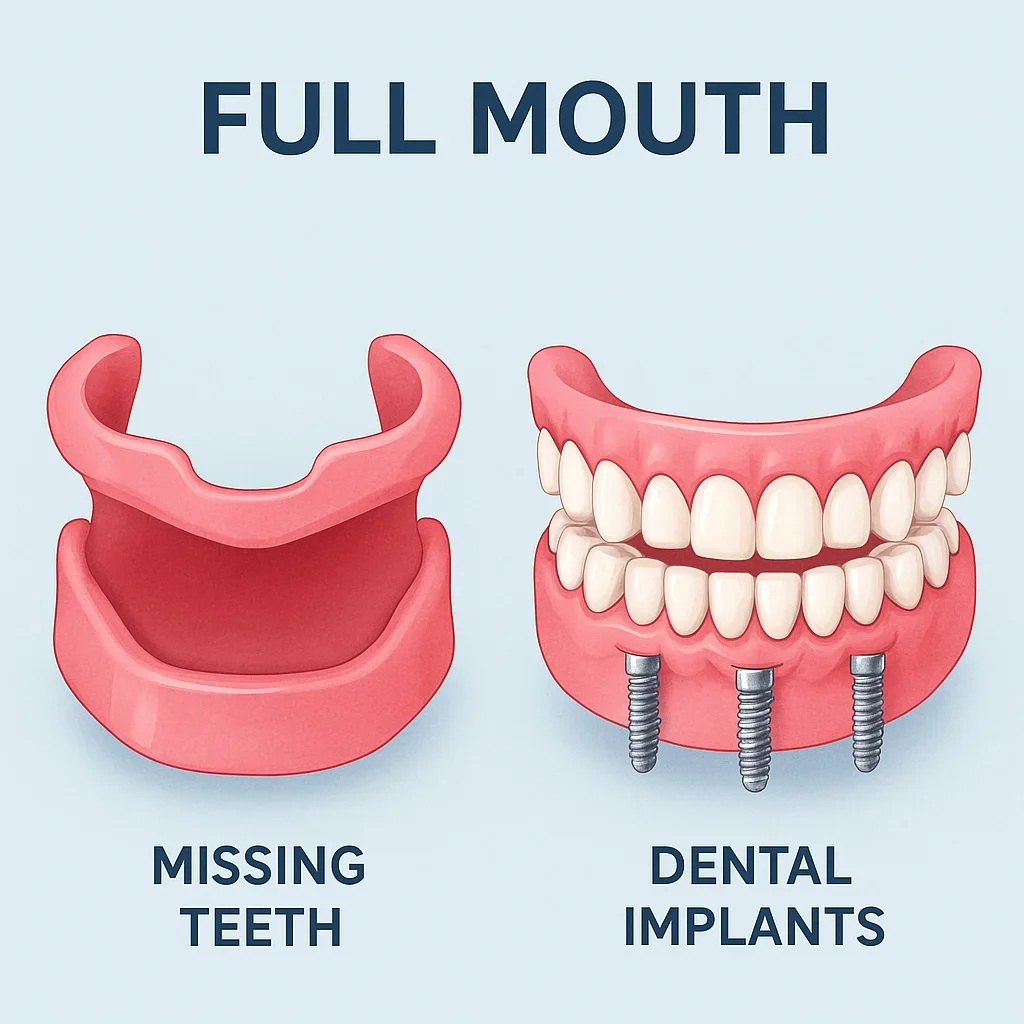
The term full mouth refers to a complete dental rehabilitation process where all missing or damaged teeth in both the upper and lower jaws are replaced with fixed prosthetics supported by dental implants. Unlike traditional dentures, which rest on the gums and can slip or cause discomfort, full mouth implants are anchored securely into the jawbone, providing the stability and feel of natural teeth. This makes them a popular choice for individuals seeking both function and aesthetics.
Understanding the Purpose of Full Mouth Implants
A full mouth implant treatment serves as a total oral reconstruction for people who have lost most or all of their teeth. Its purpose goes beyond aesthetics—it’s about improving chewing ability, preventing jawbone loss, and restoring overall dental health. When teeth are missing for extended periods, the jawbone begins to deteriorate due to lack of stimulation. Full mouth implants act as artificial tooth roots that preserve bone density, ensuring that your facial structure remains youthful and natural-looking.
Moreover, this advanced dental solution allows patients to enjoy everyday activities like speaking, laughing, and eating without the fear of denture movement. With proper care and regular dental visits, full mouth implants can last for decades, offering a lifelong investment in oral health and quality of life. 🌟
How the Full Mouth Procedure Works
The full mouth dental implant process typically involves several key steps:
- 1. Consultation and Examination: A dentist evaluates your oral condition using X-rays and 3D scans to determine bone density and structure.
- 2. Treatment Planning: A personalized treatment plan is created, outlining how many implants will be needed and the type of restoration to be used.
- 3. Implant Placement: Titanium implants are surgically inserted into the jawbone, where they fuse with the bone through a process called osseointegration.
- 4. Temporary Prosthesis: During healing, a temporary set of teeth may be placed so you can smile confidently while the implants integrate.
- 5. Final Restoration: Once healing is complete, permanent prosthetic teeth are attached, completing your full mouth restoration.
In many cases, modern techniques such as computer-guided surgery and immediate-load implants make it possible for patients to receive new teeth in just one day. These innovations ensure greater accuracy, faster healing times, and minimal discomfort.
Benefits of Choosing a Full Mouth Restoration
Choosing a full mouth dental restoration offers both functional and aesthetic advantages. Here are some of the most notable benefits:
- Improved Oral Function: You can bite, chew, and speak naturally again.
- Permanent Solution: Unlike dentures, implants do not slip or require adhesives.
- Prevents Bone Loss: Implants stimulate the jawbone, maintaining bone density.
- Enhanced Confidence: Restored smiles lead to improved self-esteem and social confidence.
- Natural Appearance: Modern materials like zirconia or porcelain mimic real tooth color and translucency.
Additionally, the procedure reduces long-term dental costs. Instead of multiple crowns or bridges over the years, a one-time full mouth implant investment delivers lasting results. Many patients describe it as regaining their natural smile — only stronger and more beautiful. 😁
Why Patients Choose Full Mouth Implants
People who undergo full mouth rehabilitation often experience life-changing transformations. The ability to eat comfortably, smile freely, and enjoy social interactions again cannot be overstated. Traditional dentures can cause embarrassment or functional issues, while full mouth implants restore normalcy and peace of mind.
For patients who have suffered from severe decay, gum disease, or multiple failed restorations, full mouth treatment provides a “clean slate.” It eliminates infection, strengthens oral structures, and offers a fresh start. Dentists frequently recommend this procedure as a definitive, long-term solution for complete oral rejuvenation.
What to Expect During the Recovery
Recovery after full mouth dental implants typically takes several months, depending on your bone health and healing response. During the initial days, mild swelling or discomfort may occur, which is easily managed with prescribed medications. As osseointegration progresses, you’ll notice increasing stability and comfort in your new teeth. Once healing is complete, the final restorations are placed, resulting in a seamless, functional smile.
To support proper healing, patients are encouraged to follow dietary restrictions (soft foods only at first), maintain excellent oral hygiene, and attend all follow-up appointments. Your dentist may also recommend regular professional cleanings and check-ups to ensure the long-term success of your full mouth implants.
Long-Term Success and Maintenance
With consistent oral care and professional maintenance, a full mouth restoration can last 20 years or longer. The key to longevity lies in proper hygiene—brushing twice daily, flossing with implant-safe tools, and avoiding smoking or excessive alcohol consumption. Regular dental visits allow early detection of potential issues, ensuring your implants remain strong and secure for life.
For more information or to schedule a personalized consultation, you can visit the Redent Klinik Contact Page. The clinic’s experienced dental professionals can guide you through the process and help you determine if you’re a candidate for a full mouth dental implant treatment.
Trusted Sources and Professional Standards
The success of full mouth implants depends greatly on clinical standards and professional expertise. Reputable institutions such as the American Dental Association provide valuable resources, research, and guidelines to ensure that every procedure adheres to the highest level of safety and quality. Patients are encouraged to choose certified clinics that follow these protocols to achieve the best results possible.
Ultimately, a full mouth dental implant procedure is more than just a cosmetic upgrade—it’s a life restoration. From improved speech and comfort to lasting self-confidence, the results are both visible and deeply personal. If you’re tired of struggling with missing teeth or unstable dentures, a full mouth solution could be your gateway to a healthier, happier smile. 🌟
What Does a Full Mouth Dental Restoration Mean?
A full mouth dental restoration — also called a full mouth reconstruction or complete oral rehabilitation — is a transformative dental procedure that rebuilds or replaces all of the teeth in both the upper and lower jaws. It’s a treatment designed not only to restore your smile but also to improve your chewing, speaking, and overall oral health. Essentially, it brings your mouth back to optimal function and aesthetics after extensive damage or tooth loss. 🦷
Unlike single-tooth replacements or partial bridges, a full mouth restoration addresses the entire dental structure. This means every tooth that’s decayed, broken, missing, or misaligned is either restored or replaced. The result is a beautiful, functional, and long-lasting smile that feels as natural as your original teeth.
Understanding the Concept of Full Mouth Reconstruction
When dentists talk about a full mouth restoration, they refer to a series of coordinated treatments tailored to the patient’s individual needs. These treatments might include dental implants, crowns, bridges, veneers, or even orthodontic adjustments. The goal is to rebuild your mouth’s foundation — the teeth, gums, bite alignment, and jawbone — for long-term oral stability.
For example, someone who has lost many teeth due to periodontal disease or decay may require full mouth dental implants to restore function. On the other hand, a patient with worn-down enamel and bite misalignment might benefit more from a combination of crowns and veneers. Every full mouth reconstruction is highly personalized because no two mouths are the same.
When Do You Need a Full Mouth Restoration?
Patients typically seek full mouth restoration when they experience multiple oral health issues that affect both aesthetics and functionality. Some common reasons include:
- Severe tooth decay or widespread cavities affecting several teeth.
- Missing teeth due to trauma, extractions, or gum disease.
- Advanced periodontal (gum) disease causing bone loss and mobility.
- Worn-down teeth from years of grinding (bruxism).
- Chronic jaw pain or bite imbalance caused by uneven tooth wear.
- Failed dental restorations or damaged crowns/bridges.
These conditions not only affect how your smile looks but also how it functions. A full mouth rehabilitation corrects the bite, restores symmetry, and improves chewing ability, while also enhancing facial aesthetics. The ultimate goal is to bring harmony to your teeth, gums, and jaw.
Types of Full Mouth Restoration Treatments
There are several treatment options depending on the patient’s oral condition and preferences. Each method plays a role in creating a natural and stable result:
1. Full Mouth Dental Implants
Implants are titanium posts that act as artificial tooth roots. When used in a full mouth procedure, they support bridges or dentures to replace all missing teeth. These implants fuse with the jawbone, preventing bone resorption and providing permanent stability.
2. Implant-Supported Dentures
This method combines the best of both worlds — the stability of implants and the affordability of dentures. A set of four to six implants can anchor a removable or fixed denture, offering superior comfort and function compared to traditional removable dentures.
3. Crowns and Bridges
For patients who still have some healthy teeth, a full mouth restoration may involve crowns or bridges to rebuild damaged or weakened structures. These restorations restore strength and shape, ensuring a proper bite alignment.
4. Veneers and Cosmetic Adjustments
When aesthetics are the main concern, veneers can enhance color, shape, and alignment. They are often used in combination with other treatments during a full mouth rehabilitation for a perfect smile makeover.
Key Benefits of a Full Mouth Restoration
Undergoing a full mouth dental restoration provides multiple benefits that extend beyond cosmetic improvement:
- Improved Functionality: Restores the ability to eat, chew, and speak naturally.
- Enhanced Confidence: A healthy, beautiful smile can greatly improve self-esteem and social interactions.
- Better Oral Health: Treating infection and replacing missing teeth helps prevent further bone and gum deterioration.
- Facial Rejuvenation: Replacing missing teeth supports facial muscles, reducing sagging and making you look younger.
Every full mouth restoration plan is built around improving long-term oral wellness while maintaining a natural appearance. The balance between function and aesthetics is the hallmark of a successful rehabilitation.
The Role of Technology in Full Mouth Restoration
Modern dental clinics use cutting-edge technology to plan and execute full mouth restorations with precision. 3D imaging, digital impressions, and computer-guided surgery ensure accurate implant placement and natural results. These tools allow dentists to design the perfect bite, ensuring that each tooth restoration fits harmoniously within your mouth.
Laser dentistry and advanced materials like zirconia and porcelain make restorations more durable and lifelike. With digital smile design, patients can even preview their new smile before the treatment begins — a major confidence booster! 😁
Duration and Procedure Timeline
The timeline for a full mouth reconstruction can vary from a few weeks to several months depending on the complexity of the case. For implant-based treatments, healing time (osseointegration) may take three to six months. During this period, temporary restorations are often used so patients can maintain functionality and appearance.
Other restorative procedures, like veneers or crowns, can be completed in a matter of weeks. Regardless of the duration, the outcome of a full mouth restoration is life-changing — restoring both confidence and oral health.
Long-Term Care and Maintenance
After a full mouth dental restoration, maintaining oral hygiene is crucial for lasting results. Brushing twice daily, flossing around implants, and scheduling regular dental check-ups are essential. Dentists often recommend specialized cleaning tools like interdental brushes and water flossers for better maintenance.
To protect your investment, avoid smoking, limit sugary foods, and wear a night guard if you grind your teeth. Most importantly, follow your dentist’s aftercare plan closely. Patients who maintain excellent oral hygiene can expect their full mouth implants or restorations to last for decades.
Conclusion: Restoring Function, Beauty, and Confidence
A full mouth dental restoration isn’t just about getting new teeth — it’s about restoring your quality of life. From improved chewing and speaking to renewed confidence and facial harmony, this procedure offers comprehensive benefits for anyone with extensive dental issues. Modern techniques, durable materials, and skilled professionals make the process smoother and more predictable than ever before.
For those considering this life-changing procedure, scheduling a professional consultation at a reputable clinic is the first step. You can reach out to trusted dental professionals through the Redent Klinik Contact Page to learn whether you’re a good candidate for a full mouth restoration. For more technical standards and safety guidelines, refer to the American Dental Association, which provides detailed insights into best practices and modern implantology.
In essence, a full mouth reconstruction blends art, science, and technology to bring your smile — and your confidence — back to life. 🌟
Benefits of Getting a Full Mouth Implant Procedure
Choosing a full mouth implant procedure is one of the most transformative dental decisions a person can make. It’s not merely about replacing missing teeth — it’s about reclaiming your confidence, oral function, and quality of life. A full mouth restoration provides a permanent, stable, and natural-looking solution that feels and performs like real teeth. Beyond aesthetics, this treatment brings remarkable improvements to your health, comfort, and emotional well-being. 🌟
Why Full Mouth Implants Are Life-Changing
The full mouth implant technique goes beyond basic tooth replacement. It addresses deep-rooted oral health issues, such as bone loss and gum deterioration, while restoring the natural bite and facial balance. Many patients who once struggled with chewing, speaking, or smiling freely find their lives completely transformed after this procedure. Unlike removable dentures that can slip or cause discomfort, full mouth dental implants are anchored into the jawbone — providing exceptional stability and comfort.
One of the most appreciated benefits is the psychological relief that comes with a secure, beautiful smile. Patients no longer need to worry about dentures moving during conversations or meals. The permanent nature of full mouth reconstruction helps people regain self-assurance in both personal and professional settings.
Functional Advantages of Full Mouth Implants
The functionality of a full mouth implant procedure is what makes it superior to traditional restorative methods. Let’s explore the major functional advantages:
1. Restored Chewing Efficiency 🍎
With full mouth implants, patients can enjoy all types of food without restrictions — from crunchy vegetables to juicy steaks. The bite strength is nearly identical to that of natural teeth, enabling proper digestion and better nutrition. This improved chewing function also contributes to overall health, especially for older adults who previously struggled to eat certain foods.
2. Stable Speech and Pronunciation
Unlike dentures that often affect pronunciation, full mouth dental implants help maintain clear speech. Because implants are fixed in place, they do not shift or cause slurring. Patients can speak confidently and naturally without worrying about slipping prosthetics or adhesives.
3. Enhanced Oral Comfort
Comfort is a defining feature of full mouth restorations. The implants integrate with your jawbone through a process called osseointegration, creating a secure bond that eliminates the irritation and sore spots often associated with traditional dentures. Patients often describe the sensation as having their “real teeth” back again.
Health Benefits of Full Mouth Dental Implants
A full mouth dental implant treatment isn’t only about cosmetic enhancement — it’s a major step toward long-term oral and systemic health. Here are the health-related benefits in detail:
1. Prevention of Bone Loss 🦴
When natural teeth are missing, the jawbone begins to shrink due to lack of stimulation. Full mouth implants act as artificial tooth roots, preserving bone density and preventing facial collapse. Over time, this helps maintain facial contours, keeping you looking younger and healthier.
2. Protection of Adjacent Teeth
Traditional bridges require grinding down neighboring teeth for support, which weakens them over time. In contrast, a full mouth implant system doesn’t rely on adjacent teeth — preserving their natural strength and integrity. This results in a healthier and more sustainable oral structure.
3. Better Gum Health
Implants are easier to clean compared to dentures, reducing the risk of plaque buildup and gum infections. With consistent oral hygiene, patients can maintain optimal gum health and prevent diseases such as gingivitis or periodontitis.
Psychological and Emotional Benefits
Regaining a natural smile through a full mouth dental restoration often brings profound emotional benefits. Many patients report a significant boost in confidence, self-esteem, and even social interaction. Being able to smile, laugh, and speak freely has a positive psychological impact that enhances daily life. 😄
In addition, the permanent nature of the implants removes the anxiety and inconvenience associated with dentures — no more adhesives, nightly removals, or fear of slipping during meals. This sense of security promotes peace of mind and improves overall well-being.
Long-Term Financial Benefits
Although the initial cost of a full mouth implant procedure may seem high, it’s actually a cost-effective solution in the long run. Unlike dentures or bridges that require frequent repairs or replacements, full mouth implants are designed to last decades — often a lifetime — with proper care. Patients save money over time by avoiding repeated dental visits and maintenance fees.
Estimated Cost Range
Average Full Mouth Implant Cost:
- United States: $20,000 – $45,000 per jaw
- United Kingdom: £10,000 – £25,000 per jaw
- Turkey: €4,000 – €8,000 (complete restoration)
- Germany: €15,000 – €30,000 per jaw
*Prices vary depending on materials, clinic expertise, and technology used.
Turkey, in particular, has become a global destination for high-quality yet affordable full mouth implant treatments, attracting patients from across Europe and beyond. Clinics like Redent Klinik combine advanced technology and skilled professionals to deliver premium results at reasonable costs. For inquiries or to schedule a consultation, you can visit the Redent Klinik Contact Page.
Aesthetic Benefits of Full Mouth Reconstruction
A full mouth implant treatment doesn’t just restore function — it also rejuvenates appearance. Each prosthetic tooth is custom-designed to match your facial symmetry, lip line, and natural tooth color. This ensures a harmonious and youthful look that blends perfectly with your features.
Replacing missing teeth also supports facial muscles, preventing the sunken look that often comes with long-term tooth loss. The result? A fuller, healthier, and more confident smile that looks as good as it feels.
Durability and Long-Term Results
Perhaps the greatest benefit of a full mouth implant procedure is its longevity. With proper hygiene and regular dental check-ups, implants can last 20 years or longer — sometimes even a lifetime. The titanium posts that support the implants are biocompatible and resistant to decay, making them one of the most durable dental solutions available today.
Furthermore, studies and clinical research backed by the American Dental Association indicate that implant-supported restorations boast a success rate exceeding 95%. This makes full mouth restorations one of the most predictable and reliable procedures in modern dentistry.
Conclusion: The Ultimate Smile Transformation
In summary, the full mouth implant procedure is a comprehensive solution that enhances every aspect of oral health and aesthetics. It restores natural function, prevents bone loss, improves confidence, and delivers a smile that lasts a lifetime. While the investment may seem significant initially, the long-term rewards — improved comfort, health, and happiness — are truly priceless.
If you’re considering this procedure, consulting an experienced dental team is the first step. The specialists at Redent Klinik can provide detailed evaluations and tailored treatment plans to help you achieve a life-changing full mouth dental implant transformation. 💎
Step-by-Step Process of Full Mouth Reconstruction
Undergoing a full mouth reconstruction is a major step toward restoring oral health, function, and aesthetics. The process may sound complex, but when broken down, it follows a precise, well-planned sequence designed to deliver lasting results. A full mouth dental implant treatment is not a one-size-fits-all procedure — it’s carefully customized based on each patient’s bone structure, medical history, and aesthetic goals. In this detailed guide, we’ll walk through every stage of the full mouth restoration process, from initial consultation to the final smile reveal. 🦷
1. Comprehensive Consultation and Diagnosis
The journey to a new smile begins with an in-depth consultation. During this initial stage, your dentist or implant specialist evaluates your oral condition using advanced diagnostic tools. This step determines whether you’re a good candidate for a full mouth implant procedure.
Diagnostic Tools and Examinations
- Digital X-rays and 3D CT Scans: These help visualize bone density, structure, and any hidden infections or bone defects.
- Intraoral Scans: Provide precise digital impressions of your mouth for designing restorations.
- Periodontal Evaluation: Assesses gum health and identifies any underlying infections that must be treated before implant surgery.
- Bite Analysis: Ensures proper jaw alignment and function post-reconstruction.
Based on this analysis, your dentist creates a personalized treatment plan. This includes the number of implants needed, the type of prosthetic teeth to be used, and the overall timeline of the procedure.
2. Treatment Planning and Customization
Every full mouth restoration is unique. After your examination, a detailed treatment plan is digitally mapped out. This plan ensures that every implant, crown, and prosthetic fits perfectly within your jaw structure.
Digital Smile Design (DSD)
Using computer software, dentists can preview your future smile before any surgical work begins. This tool helps customize tooth shape, size, and color to match your facial proportions — giving you full control over your final look.
Choosing Implant Type and Material
Depending on your jawbone strength and aesthetic preference, your dentist may recommend titanium or zirconia implants. Titanium is durable and biocompatible, while zirconia offers a metal-free, natural-looking alternative.
3. Pre-Surgical Preparation
Before the full mouth dental implant surgery, patients may need preparatory treatments to ensure a stable foundation for the implants. These procedures optimize oral health and bone support.
Common Preparatory Procedures
- Tooth Extractions: Damaged or decayed teeth are removed to make space for implants.
- Bone Grafting: If bone loss has occurred, grafting material is added to strengthen the jawbone.
- Sinus Lift: In upper-jaw restorations, this procedure elevates the sinus floor for proper implant placement.
- Gum Treatment: Any periodontal infections are treated to ensure healthy tissue for healing.
Once these steps are completed, the patient’s mouth is ready for the main phase — surgical implantation.
4. Surgical Implant Placement
This is the cornerstone of the full mouth reconstruction. Implants — small, screw-like posts — are surgically placed into the jawbone to act as artificial tooth roots. These serve as a permanent foundation for your new teeth.
The Procedure
- The dentist administers local anesthesia or sedation to ensure comfort throughout the surgery.
- Tiny incisions are made in the gums, and the implants are inserted precisely using computer-guided navigation.
- After placement, the gums are stitched, and healing begins.
Modern technology has revolutionized this step. In many cases, computer-guided systems make it possible to place implants with pinpoint accuracy, reducing surgery time and improving healing outcomes. For some patients, “immediate-load implants” allow for temporary teeth to be fitted the same day, meaning they never go without a smile. 😁
5. Healing and Osseointegration Phase
Once the implants are placed, the healing process begins. During this phase, called osseointegration, the implants fuse with the jawbone. This natural bonding process creates a secure anchor for the final prosthetic teeth.
Osseointegration usually takes between three to six months. During this period, temporary prosthetics may be worn to maintain aesthetics and function. Proper hygiene and regular dental check-ups are essential to ensure successful healing.
6. Abutment Placement and Impression Taking
After the implants have fully integrated, the next stage involves attaching small connectors called abutments. These act as links between the implant posts and the final crown or bridge. Once attached, precise impressions are taken to design the custom prosthetics that will perfectly fit your mouth.
Advanced Digital Impressions
Instead of traditional putty molds, most clinics now use digital scanners that capture detailed 3D images of the mouth. This ensures high accuracy and a more comfortable experience for the patient.
7. Crafting the Final Prosthetic Teeth
The next step involves creating your new smile. Dental technicians work with your dentist to design and craft lifelike crowns or bridges. Materials like porcelain or zirconia are commonly used for their durability and natural appearance.
Every tooth in a full mouth implant restoration is customized to match your desired shape, size, and color. This ensures that your new smile complements your facial features while maintaining a natural look.
8. Final Fitting and Adjustment
Once the prosthetic teeth are ready, your dentist carefully attaches them to the abutments. Fine adjustments are made to perfect your bite and alignment. You’ll immediately notice the difference — improved comfort, natural aesthetics, and restored function.
Patients often describe this as the most rewarding phase of the full mouth reconstruction journey. The confidence of having a stable, permanent smile is truly life-changing. 🌟
9. Post-Procedure Care and Follow-Up
After your new teeth are fitted, your dentist will provide detailed care instructions. These typically include oral hygiene recommendations, dietary guidelines, and follow-up appointments to monitor progress.
Essential Aftercare Tips
- Brush and floss daily using implant-safe tools.
- Avoid smoking and excessive alcohol, as these can hinder healing.
- Use an antibacterial mouth rinse as prescribed.
- Visit your dentist every six months for professional cleaning and examination.
10. Long-Term Maintenance and Success Rate
Studies from the American Dental Association show that the success rate of full mouth dental implants exceeds 95% when proper care is maintained. With consistent hygiene and professional check-ups, implants can last 20 years or more — often for a lifetime.
Patients who maintain a healthy lifestyle and adhere to their dentist’s aftercare plan enjoy decades of functional, comfortable, and aesthetically pleasing smiles. To explore personalized treatment options and professional guidance, you can reach out to the Redent Klinik Contact Page.
Conclusion: A Journey Worth Taking
The full mouth reconstruction process is a journey of transformation — from diagnosis to recovery, each step is meticulously designed to restore the beauty and function of your smile. Although it requires patience and commitment, the outcome is extraordinary: a natural-looking, confident smile that enhances every aspect of your life. Whether you’ve suffered from tooth loss, gum disease, or failed restorations, a full mouth dental implant treatment can give you the renewed health, comfort, and happiness you deserve. 💎
How Long Do Full Mouth Implants Last?
One of the most common questions patients ask before undergoing a full mouth implant procedure is, “How long will they last?” The good news is that with proper care, full mouth dental implants can last for decades — often a lifetime. The longevity of your restoration depends on several factors, including the quality of materials, the dentist’s skill, and how well you maintain your oral hygiene. In this comprehensive section, we’ll explore the expected lifespan of full mouth implants, what influences their durability, and how to ensure your new smile remains strong and beautiful for years to come. 🦷
Understanding the Lifespan of Full Mouth Implants
Unlike traditional dentures or bridges, a full mouth restoration is designed to be a permanent solution. The titanium or zirconia posts used in the procedure act as artificial tooth roots, integrating directly with the jawbone through a biological process known as osseointegration. This fusion creates a stable foundation capable of withstanding daily chewing forces and natural wear. When maintained properly, these implants can last 20 years or more — and in many cases, they endure for life.
Average Lifespan Overview
- Implant Posts: 20–30 years or longer (often permanent with proper care)
- Abutments: 10–15 years, depending on material and bite pressure
- Prosthetic Teeth (Crowns or Bridges): 10–20 years, depending on usage and hygiene
These averages assume regular dental visits, excellent hygiene practices, and avoidance of harmful habits such as smoking or bruxism (teeth grinding). With these measures in place, patients can expect their full mouth implants to remain functional and attractive for decades. 🌟
Factors That Influence Longevity
Several key elements determine how long your full mouth dental implants will last. Understanding these factors helps you take the right steps toward maximizing the life of your restoration.
1. Quality of Materials
The type of materials used plays a significant role. Titanium implants are known for their strength and biocompatibility, while zirconia implants offer aesthetic benefits and hypoallergenic properties. High-quality porcelain or zirconia crowns ensure durability and lifelike appearance, resisting wear and discoloration over time.
2. Dentist’s Expertise
The skill and experience of your dental surgeon directly impact the success of your full mouth reconstruction. Precise implant placement ensures proper osseointegration and bite alignment. Poorly positioned implants can lead to uneven stress distribution, increasing the risk of early failure. Choosing a reputable clinic such as Redent Klinik ensures that the procedure is performed under strict clinical protocols using advanced technology for accuracy and longevity.
3. Oral Hygiene and Maintenance
Daily cleaning and maintenance are essential for the long-term health of your full mouth implants. Even though implants do not decay like natural teeth, the surrounding gums and bone must remain healthy to support them. Regular brushing, flossing, and professional dental cleanings prevent peri-implantitis — an infection that can compromise implant stability.
4. Bone Health and Density
A strong, dense jawbone is crucial for implant longevity. Bone loss due to gum disease or aging can weaken implant support. Fortunately, treatments such as bone grafting or sinus lifts can restore bone structure before the full mouth dental implant procedure, ensuring a stable and lasting foundation.
5. Lifestyle and Habits
Smoking, excessive alcohol consumption, and bruxism (teeth grinding) are among the most damaging habits for full mouth implants. Smoking, in particular, restricts blood flow to the gums, delaying healing and increasing the risk of implant failure. Wearing a night guard, maintaining a balanced diet, and avoiding stress-related grinding help prolong implant life.
Long-Term Success Rate
According to studies published by the American Dental Association, the success rate of full mouth dental implants ranges between 94% and 98% over ten years — one of the highest among all dental procedures. Patients who maintain excellent oral hygiene and attend regular check-ups experience even greater long-term outcomes, with many implants lasting well beyond 25 years.
Maintenance Routine for Lifelong Results
Maintaining your full mouth restoration requires consistent oral care. Below is a step-by-step maintenance guide recommended by top implantologists:
- Brush Twice Daily: Use a soft-bristled toothbrush and non-abrasive toothpaste to protect your implants and gums.
- Floss Daily: Use implant-safe floss or interdental brushes to remove plaque between teeth.
- Rinse with Antibacterial Mouthwash: Reduces bacteria and maintains gum health.
- Regular Check-Ups: Schedule professional cleanings every six months for preventive care.
- Wear a Night Guard: Prevents damage from teeth grinding during sleep.
By following these practices, patients can significantly extend the lifespan of their full mouth implants and avoid costly repairs or replacements.
Signs Your Implants Need Attention
Even though implants are durable, occasional issues may arise. Recognizing early warning signs ensures timely intervention and prevents complications. Watch for the following:
- Swelling or tenderness around the gums.
- Movement or looseness in the prosthetic teeth.
- Persistent bad breath or metallic taste.
- Discomfort while biting or chewing.
If any of these symptoms appear, schedule an appointment immediately with your dental professional. Early treatment can save your full mouth reconstruction from long-term damage.
Comparing Longevity: Full Mouth Implants vs. Other Restorations
When comparing full mouth dental implants with traditional dentures or bridges, the difference in longevity is remarkable:
| Treatment Type | Average Lifespan | Maintenance Requirement |
|---|---|---|
| Traditional Dentures | 5–8 years | Frequent adjustments and replacements |
| Fixed Bridges | 10–15 years | Requires supporting teeth to be reshaped |
| Full Mouth Implants | 20+ years (often lifetime) | Minimal with proper oral hygiene |
This comparison highlights why many patients prefer full mouth implant restorations — the durability, comfort, and long-term value far outweigh other options.
Ensuring Lifelong Success
To maximize the lifespan of your full mouth implants, combine good oral hygiene with professional monitoring. Clinics like Redent Klinik provide follow-up care programs, including annual implant assessments and digital X-rays to check bone stability. Patients who stay proactive with maintenance often enjoy perfectly functional implants for life.
Conclusion: A Lifetime Investment in Your Smile
When cared for properly, a full mouth dental implant treatment can last a lifetime, making it one of the most rewarding investments in modern dentistry. Its unmatched strength, natural appearance, and long-term reliability make it the gold standard for total oral restoration. While no procedure is entirely maintenance-free, the effort required to sustain implants is minimal compared to the lifelong benefits they offer. 🌟
By partnering with a trusted dental provider and adhering to proper care routines, you can enjoy a radiant, stable, and healthy smile for decades. For more personalized advice and post-implant care plans, visit the Redent Klinik Contact Page and discover how to make your full mouth transformation truly last forever.
Full Mouth Dental Implant Costs Around the World
One of the most important considerations for anyone planning a full mouth dental implant procedure is the cost. While the investment is significant, the long-term benefits — including restored function, aesthetics, and confidence — make it worthwhile. However, prices can vary dramatically depending on the country, clinic, materials used, and the complexity of the treatment. In this comprehensive guide, we’ll break down the global pricing structure, cost-influencing factors, and ways to make your full mouth restoration more affordable without sacrificing quality. 💰
Understanding the Global Price Variation
The cost of a full mouth reconstruction is not universal. Dental treatment expenses are influenced by each country’s healthcare system, labor costs, technology standards, and material availability. For instance, undergoing a full mouth dental implant in the United States or the UK can cost up to five times more than in Turkey or Mexico — even though the quality of care is comparable when performed by experienced professionals.
Let’s explore the global cost ranges and why they differ so much.
Average Full Mouth Implant Cost by Country
| Country | Average Cost (Both Jaws) | Notes |
|---|---|---|
| 🇺🇸 United States | $35,000 – $60,000 | Highest due to labor, insurance, and advanced technology costs. |
| 🇬🇧 United Kingdom | £20,000 – £40,000 | High-quality care, but costly due to import taxes on implant materials. |
| 🇩🇪 Germany | €18,000 – €30,000 | Renowned for precision and medical engineering standards. |
| 🇫🇷 France | €15,000 – €28,000 | High-end clinics, usually covered partially by insurance. |
| 🇹🇷 Turkey | €4,000 – €8,000 | Affordable, world-class dental tourism hub with experienced specialists. |
| 🇲🇽 Mexico | $6,000 – $12,000 | Popular with North American patients seeking budget-friendly care. |
| 🇮🇳 India | $3,500 – $7,000 | Cost-effective with growing international dental expertise. |
As seen above, dental tourism destinations like Turkey and Mexico offer full mouth implant treatments at a fraction of Western prices — often with equally high success rates. Clinics like Redent Klinik in Turkey attract patients globally thanks to advanced equipment, certified implant brands, and experienced surgeons.
Factors That Influence Full Mouth Implant Costs
Several variables affect the total cost of a full mouth dental restoration. Understanding them helps you evaluate quotes and make informed decisions about where to receive treatment.
1. Number of Implants Needed
The number of implants used in your full mouth reconstruction significantly impacts cost. Traditional full arch restorations may require 6 to 8 implants per jaw, while the “All-on-4” technique uses only four implants per arch, reducing the overall price. However, fewer implants may not be suitable for every case — your dentist will recommend the ideal configuration for long-term stability.
2. Type of Restoration and Material
High-end materials like zirconia or porcelain-fused-to-metal (PFM) prosthetics are more durable and natural-looking, but they also increase the cost. Acrylic or composite restorations are more affordable but may require replacement sooner. A balance between aesthetics, longevity, and budget should guide your choice.
3. Pre-Treatment Procedures
Preparatory treatments such as tooth extractions, sinus lifts, or bone grafting add to the overall cost. These procedures are sometimes necessary to ensure successful full mouth implant placement, particularly for patients who have experienced bone loss or gum disease.
4. Technology and Clinic Standards
Clinics using 3D imaging, computer-guided surgery, and digital smile design tend to charge higher fees. However, these technologies improve accuracy, comfort, and long-term success, making them worthwhile investments.
5. Dentist’s Experience and Location
Dental professionals with years of implantology experience and international accreditation often charge premium rates. Likewise, clinics in major cities or medical tourism hotspots may have different pricing than rural facilities. When it comes to full mouth dental implants, choosing expertise over the lowest price is always the smarter decision.
Comparing Treatment Options: All-on-4 vs. Full Mouth Implants
There are different methods of restoring all missing teeth, and costs vary depending on the approach:
- All-on-4 Implants: Four implants support a full arch prosthesis. Ideal for patients with reduced bone volume; cost-effective and minimally invasive.
- All-on-6 or All-on-8: Six to eight implants per jaw for added strength and distribution. Recommended for maximum stability and chewing function.
- Traditional Full Mouth Restoration: Involves individual implants for each missing tooth, the most expensive but also the most natural and customizable solution.
Discussing these options with your dentist allows you to balance cost, function, and long-term expectations. A full mouth dental restoration is a lifelong investment — the goal is to achieve durability, comfort, and aesthetics all at once.
Cost vs. Value: Why Full Mouth Implants Are Worth It
While the initial cost of a full mouth dental implant treatment may seem high, it provides long-term value that outweighs the investment. Unlike removable dentures that wear out or require adhesives, implants are fixed and permanent. They prevent bone loss, improve nutrition by restoring chewing ability, and enhance self-esteem — benefits that are truly priceless.
Financial Advantages Over Time
Removable dentures often need replacement every 5 to 7 years, while full mouth implants can last decades with proper care. Considering maintenance costs, adjustments, and discomfort from conventional dentures, implants prove more economical over time.
Insurance and Financing Options
Most dental insurance policies cover only a portion of the full mouth implant procedure, but many clinics offer flexible financing plans. Patients can spread payments over several months or years. In countries like Turkey and Mexico, the lower treatment costs often eliminate the need for long-term financing altogether.
Some clinics also partner with international financing companies that help patients from abroad manage costs. Always verify payment structures and confirm that your chosen dental provider uses certified implant systems approved by authorities such as the American Dental Association.
How to Choose a Clinic Abroad
If you’re considering dental tourism for your full mouth restoration, prioritize safety and quality. Look for clinics that:
- Use internationally recognized implant brands (e.g., Nobel Biocare, Straumann, or MIS).
- Have dentists trained in implantology and prosthodontics.
- Provide written guarantees for both implants and prosthetics.
- Offer pre- and post-treatment digital documentation and online consultation options.
Turkey, for example, has gained global recognition for its cost-effective yet advanced full mouth implant services. Clinics such as Redent Klinik are known for combining European-level quality with affordable pricing — making it an excellent option for international patients.
Conclusion: Balancing Cost and Quality
Choosing where to get your full mouth dental implant procedure is a major decision that balances cost, quality, and long-term outcomes. While Western countries tend to charge higher fees, dental tourism destinations like Turkey provide world-class care at accessible prices. The key is selecting an experienced, reputable clinic that prioritizes safety, transparency, and post-operative care.
Ultimately, investing in a full mouth restoration means investing in your health, confidence, and happiness. By doing proper research, verifying credentials, and understanding the factors that affect pricing, you can achieve a radiant, lasting smile — wherever in the world you choose to have your treatment. 🌍
Who Is a Good Candidate for Full Mouth Implants?
Not everyone automatically qualifies for a full mouth implant procedure. While modern dental technology has made the process more accessible than ever, success depends on factors like bone density, gum health, and overall medical condition. This section explores who makes an ideal candidate for full mouth dental implants, the requirements for treatment, and special considerations that dentists evaluate before approving the procedure. Understanding these factors helps patients prepare properly and increase their chances of long-term success. 🦷
Ideal Candidates for Full Mouth Dental Implants
A full mouth restoration is designed for individuals who have lost most or all of their teeth, or whose remaining teeth are severely damaged or decayed. Candidates typically seek a permanent, fixed solution to restore both functionality and aesthetics. Below are the key indicators that make someone a suitable candidate for this life-changing treatment:
- Multiple Missing Teeth: Patients missing several or all teeth in one or both jaws benefit most from a full mouth dental implant solution.
- Good Bone Density: Adequate jawbone mass is essential for supporting the implants securely. Bone grafting may be required if bone loss has occurred.
- Healthy Gums: The absence of active gum disease or infections is critical for proper healing and long-term implant stability.
- Non-Smoker or Willing to Quit: Smoking impairs healing and increases the risk of implant failure. Dentists often require patients to stop smoking before surgery.
- Commitment to Oral Hygiene: Candidates must maintain excellent daily oral care and attend regular dental check-ups to ensure success.
- Good General Health: Chronic illnesses like uncontrolled diabetes or autoimmune disorders can affect recovery and implant integration.
Medical and Dental Evaluation Before Full Mouth Treatment
Before proceeding with a full mouth dental implant plan, the dentist performs a thorough examination to ensure safety and suitability. This evaluation covers medical history, oral health status, and anatomical considerations.
1. Comprehensive Health Screening
Your dentist or oral surgeon will ask about chronic conditions, medications, and allergies. Certain systemic diseases can delay healing or affect bone regeneration. For example, poorly controlled diabetes may reduce the body’s ability to integrate implants. Similarly, patients on blood thinners or immune suppressants require special management during surgery.
2. Dental Imaging and Bone Analysis
Advanced imaging techniques such as 3D CT scans and panoramic X-rays provide precise data about bone quality, density, and structure. These scans help determine whether additional procedures like bone grafting or sinus lifts are necessary to create a solid foundation for the implants. Without sufficient bone mass, implant success rates decrease dramatically.
3. Periodontal and Oral Health Check
Healthy gums are just as important as strong bones. Dentists check for periodontal disease, gum recession, and infection before recommending a full mouth restoration. If gum issues are found, treatment such as scaling, root planing, or laser therapy may be performed before implant placement.
Who May Not Be an Immediate Candidate
While the majority of adults qualify for full mouth implants, certain conditions can delay or prevent eligibility. These factors don’t necessarily mean a patient can never get implants — but they do require extra care and sometimes additional treatment first.
1. Insufficient Bone Volume
If bone loss is extensive, implants cannot be placed securely. Bone grafting or regenerative procedures can rebuild the structure, allowing for safe implantation later. Clinics like Redent Klinik specialize in guided bone regeneration for such cases, increasing success rates significantly.
2. Active Gum Disease
Conditions like gingivitis or periodontitis must be treated prior to implant surgery. Active infection increases the risk of implant failure and poor healing.
3. Certain Systemic Conditions
Uncontrolled diabetes, osteoporosis, or autoimmune diseases can affect the body’s ability to heal and integrate implants. Patients with these conditions require medical clearance and may need adjustments to their treatment plan.
4. Smoking and Alcohol Use
Nicotine restricts blood flow to the gums, hindering osseointegration and increasing infection risk. Excessive alcohol also delays healing. Dentists usually recommend quitting smoking and limiting alcohol consumption for several months before and after a full mouth implant procedure.
Special Considerations for Different Age Groups
Age is not necessarily a barrier to getting full mouth dental implants, but each age group comes with unique factors that must be considered.
1. Younger Adults (Under 25)
Because jawbones are still developing until the mid-20s, full mouth reconstruction is rarely recommended for patients under 25. For younger individuals, dentists often use temporary restorations until bone growth stabilizes.
2. Middle-Aged Adults
This group represents the majority of implant candidates. They usually have sufficient bone density and stable oral health. The full mouth restoration procedure can significantly enhance their quality of life, helping them regain full chewing ability and self-confidence.
3. Seniors (65 and Above)
Many seniors successfully undergo full mouth implant treatments, provided their general health and bone density are adequate. In fact, dental implants can drastically improve seniors’ nutrition and well-being by restoring their ability to eat and speak comfortably. Additional medical evaluation ensures the treatment is performed safely.
Psychological and Lifestyle Readiness
Beyond physical health, psychological readiness plays an important role. A full mouth dental restoration is a transformative but lengthy process, requiring patience and commitment. Patients must be mentally prepared for multiple appointments, temporary prosthetics, and strict hygiene routines during recovery.
Dietary adjustments, such as eating soft foods during healing, and lifestyle modifications, like quitting smoking, are necessary to achieve the best outcomes. Motivation and consistency directly influence success rates.
Preparing to Become a Candidate
Even if you’re not an immediate candidate for full mouth implants, you can often take steps to become one:
- Undergo bone grafting or sinus lift to restore missing bone.
- Treat gum disease or infections before implant surgery.
- Improve overall health with balanced nutrition and controlled blood sugar levels.
- Stop smoking to promote faster, healthier healing.
With proper preparation and guidance, nearly anyone can achieve the criteria for a full mouth dental implant procedure. Clinics like Redent Klinik offer pre-implant rehabilitation programs that help patients strengthen their oral foundation before surgery.
Consulting with Professionals
The best way to determine candidacy for full mouth dental implants is through a comprehensive consultation with a qualified implantologist. During this visit, the specialist reviews your medical history, conducts a 3D scan, and discusses the most suitable approach for your needs. Reputable clinics follow internationally approved standards, such as those outlined by the American Dental Association, ensuring safety and quality throughout the process.
Conclusion: The Right Candidate for a Life-Changing Smile
In essence, an ideal candidate for a full mouth restoration is someone who seeks a stable, permanent solution for missing teeth, has good overall health, and is willing to commit to long-term care. Even if you currently face bone loss, gum issues, or medical challenges, modern dentistry offers solutions that can prepare you for implants in the future. 🌟
If you’re considering this procedure and want to know whether you qualify, schedule a professional evaluation at the Redent Klinik Contact Page. The clinic’s expert team will guide you through every step of your full mouth implant journey — from assessment to transformation — ensuring a healthy, radiant smile that lasts for life. 😁
Full Mouth Dental Implants vs. All-on-4: Key Differences
When exploring advanced dental restoration options, many patients wonder about the difference between a full mouth dental implant and an All-on-4 implant system. Both treatments restore missing teeth and transform smiles, but they differ in cost, structure, surgical technique, and long-term performance. Understanding these differences is essential for choosing the solution that best fits your needs, lifestyle, and oral health. In this detailed guide, we will compare both procedures step-by-step to help you make an informed decision. 🦷
What Are Full Mouth Dental Implants?
A full mouth dental implant is a comprehensive reconstruction designed to replace all teeth in both jaws using multiple implants. Unlike removable dentures, which rest on the gums, this method involves placing several implants (usually 6–8 per jaw) that serve as permanent anchors for fixed bridges or prosthetic crowns. These implants act as artificial roots, supporting the bone and providing stability similar to natural teeth. The result is a fully functional, permanent, and aesthetically pleasing smile that can last a lifetime.
Structure and Technique
The procedure typically involves inserting individual titanium or zirconia posts into the jawbone. Each implant is strategically positioned to provide optimal support for the prosthesis. Once the implants integrate with the bone — a process called osseointegration — the dentist attaches a customized bridge or full arch of crowns, creating the complete full mouth restoration. This approach provides superior stability and chewing strength compared to other systems.
What Is the All-on-4 Implant Technique?
The All-on-4 dental implant system is a more streamlined approach that replaces a full arch of teeth using just four strategically placed implants. Developed in the late 1990s, this technique maximizes existing bone, often eliminating the need for bone grafting. The posterior implants are angled at approximately 30–45 degrees, providing excellent support even in cases of reduced bone density. This makes it an ideal option for patients who want a quicker, less invasive procedure at a lower cost.
All-on-4 Structure
- Four implants per arch — two at the front and two angled at the back.
- A fixed hybrid denture or bridge attached to the implants.
- Can often be placed and restored in a single day (“teeth in a day” concept).
This innovative design allows patients to regain function and confidence almost immediately after surgery, making All-on-4 one of the most popular alternatives to traditional dentures and full mouth dental implant procedures.
Comparing the Two Procedures
Though both treatments aim to restore a full set of teeth, there are key distinctions in design, cost, maintenance, and long-term durability. The comparison below outlines the main differences between full mouth dental implants and All-on-4 systems.
1. Number of Implants
Full Mouth Implants: Usually involve 6–8 implants per jaw, providing a strong and evenly distributed foundation.
All-on-4: Uses only four implants per jaw, which reduces cost and surgical time but may offer slightly less stability in the long term, especially for patients with high bite pressure.
2. Procedure Duration
Full Mouth Restoration: Typically requires several months, as osseointegration must complete before attaching the permanent prosthesis.
All-on-4: Can often be completed in a single day (“same-day smile”), allowing immediate functionality and aesthetics.
3. Bone Requirements
Full Mouth Dental Implants: Require sufficient bone density and may involve bone grafting or sinus lifts when bone loss is present.
All-on-4: Ideal for patients with moderate bone loss since angled implants can utilize existing bone without grafting.
4. Longevity and Durability
Full Mouth Implants: With proper care, they can last a lifetime. Each implant acts as an independent root, offering excellent stability and balance.
All-on-4: Offers great longevity but may need periodic adjustments or replacements after 15–20 years due to wear on the hybrid bridge.
5. Aesthetic and Functional Results
Full Mouth Restoration: Mimics natural teeth closely in both appearance and bite strength, making it ideal for those seeking top-tier results.
All-on-4: Still offers a natural look but may not achieve the same individualized precision as a full set of custom implants.
6. Cost Comparison
| Treatment Type | Average Cost (Both Jaws) | Longevity |
|---|---|---|
| Full Mouth Implants | $20,000 – $60,000 (depending on country and material) | 25+ years, often lifelong |
| All-on-4 Implants | $12,000 – $30,000 | 15–20 years |
Dental tourism destinations like Turkey offer competitive pricing for both treatments. For example, clinics such as Redent Klinik provide world-class full mouth dental implant solutions using top-quality materials at a fraction of Western prices.
Advantages and Disadvantages of Each Approach
Advantages of Full Mouth Implants
- Superior stability and bone preservation.
- Most natural feel and bite strength.
- Highly customizable for individual anatomy.
- Lower risk of prosthetic fractures over time.
Disadvantages of Full Mouth Implants
- Higher cost due to the number of implants and materials used.
- Requires longer healing and treatment time.
- May need bone grafting before surgery.
Advantages of All-on-4 Implants
- Lower cost and shorter treatment duration.
- Minimal bone grafting required.
- Quick recovery and immediate aesthetics.
- Excellent choice for patients with bone loss or limited budgets.
Disadvantages of All-on-4 Implants
- Less flexibility in design and load distribution.
- Potential for wear on the prosthetic bridge over time.
- May not be ideal for patients with strong bite force.
How to Decide Which Option Is Best for You
The right choice between full mouth implants and All-on-4 depends on your oral health, bone condition, and lifestyle. If you want maximum strength, longevity, and a fully customized solution, the full mouth approach is ideal. However, if you prefer a faster, cost-effective option with less surgery, the All-on-4 system can be an excellent alternative.
Your dentist will use 3D imaging and a full evaluation to determine the best approach. Clinics like Redent Klinik offer personalized consultations, allowing patients to see digital mock-ups of their future smile before treatment begins. Following American Dental Association guidelines, they ensure high standards of safety and patient satisfaction.
Patient Experience Comparison
Patients who undergo full mouth restoration often report a more natural chewing sensation and bite comfort compared to All-on-4 systems. The added implant anchors distribute pressure evenly, protecting the jawbone from long-term shrinkage. Conversely, All-on-4 patients enjoy faster recovery and minimal downtime, making it popular among those seeking a quick transformation.
Conclusion: Choosing the Right Path to Your New Smile
Both full mouth dental implants and All-on-4 systems are revolutionary solutions that restore smiles and confidence. The difference lies in customization, cost, and recovery time. A full mouth restoration provides unmatched strength, aesthetics, and longevity, while All-on-4 offers speed, affordability, and convenience.
To determine which solution best suits your needs, consult an experienced implant specialist. A thorough evaluation, including bone analysis and bite assessment, will reveal which treatment ensures long-term comfort and success. For expert guidance and a personalized plan, visit the Redent Klinik Contact Page — your trusted partner in achieving a strong, beautiful, and lasting full mouth smile. 🌟
Aftercare Tips for a Successful Full Mouth Recovery
Undergoing a full mouth dental implant procedure is a major step toward reclaiming your oral health and confidence — but the recovery phase is just as crucial as the surgery itself. Proper aftercare ensures smooth healing, prevents complications, and guarantees long-term success for your new smile. In this comprehensive section, we’ll go over professional recovery guidelines, post-surgery care routines, dietary advice, and long-term maintenance strategies to help you protect your investment and enjoy lasting results. 🦷
Why Post-Implant Care Is So Important
Even though full mouth dental implants are designed to mimic natural teeth, they require careful management in the first few months after surgery. This period is when osseointegration — the fusion of the implant posts with your jawbone — takes place. Neglecting aftercare can lead to infections, inflammation, or implant failure. A meticulous routine not only supports healing but also helps preserve your gums and bone structure for decades to come.
The Healing Timeline
- First 48 Hours: Focus on minimizing swelling and bleeding; rest and gentle oral hygiene are essential.
- First 2 Weeks: Soft diet and antibacterial rinses help reduce infection risk.
- First 3 Months: Osseointegration continues; avoid hard foods and follow up regularly with your dentist.
- After 6 Months: Your implants should be fully integrated, allowing normal eating and cleaning routines.
Immediate Post-Surgery Care
After your full mouth restoration, your dental team will provide detailed instructions. Following them precisely ensures a faster and more comfortable recovery.
1. Managing Bleeding and Swelling
It’s normal to experience mild bleeding and swelling in the first 24–48 hours. Gently bite on sterile gauze pads and replace them as needed. Applying a cold compress for 10-minute intervals helps reduce swelling. Avoid touching the surgical sites with your tongue or fingers to prevent irritation.
2. Pain Management
Mild discomfort is expected for a few days. Over-the-counter pain relievers such as ibuprofen are usually sufficient. However, your dentist may prescribe medication for more extensive procedures. Always follow your prescription and avoid aspirin, as it may increase bleeding risk.
3. Antibiotics and Medications
Take prescribed antibiotics as directed to prevent infection. Never skip doses, even if you feel fine. Additionally, if your dentist prescribes an antiseptic mouthwash (like chlorhexidine), use it gently without vigorous swishing to protect healing tissues.
Diet and Nutrition During Recovery
Your diet plays a crucial role in healing after a full mouth implant procedure. The right foods supply essential nutrients that support bone integration and tissue repair.
1. Foods to Eat
- Soft, protein-rich foods like scrambled eggs, yogurt, mashed potatoes, and soups.
- Vitamin C–rich fruits like smoothies with oranges or strawberries (avoid seeds).
- Calcium and vitamin D sources like milk, tofu, or cottage cheese to aid bone strength.
2. Foods to Avoid
- Hard or crunchy foods like nuts, popcorn, and raw vegetables that can stress implants.
- Sticky foods (caramel, taffy) that can adhere to healing areas.
- Hot or spicy dishes that can irritate tissues and prolong recovery.
- Alcohol and tobacco — both delay healing and increase infection risk.
Oral Hygiene After Full Mouth Implants
Maintaining good oral hygiene is essential for preventing plaque buildup and infection around your implants. Although you’ll need to be gentle initially, consistent care is key to long-term success.
1. Brushing Techniques
Use a soft-bristled toothbrush and non-abrasive toothpaste. Brush twice daily, but avoid brushing directly on the surgical sites for the first few days. After healing, switch to an electric toothbrush with a soft mode to ensure a thorough clean around your full mouth dental implants.
2. Flossing and Interdental Cleaning
Once your dentist approves, start using implant-safe floss or interdental brushes to remove plaque between teeth. Specialized floss threaders can help clean under bridges or around implant abutments.
3. Rinsing and Mouthwash
Rinse gently with a saltwater solution (1 teaspoon of salt in a cup of warm water) several times a day, especially after meals. Avoid commercial mouthwashes containing alcohol, as they can dry and irritate gums.
Lifestyle Habits That Support Healing
Successful recovery from a full mouth restoration depends not only on hygiene but also on overall lifestyle choices.
1. Quit Smoking and Limit Alcohol
Smoking significantly reduces blood flow to the gums, impairs healing, and increases implant failure risk. Alcohol consumption can interfere with medications and slow tissue regeneration. Ideally, patients should abstain for at least two months post-surgery.
2. Stay Hydrated and Rest
Drink plenty of water to flush toxins from your system and keep tissues hydrated. Avoid strenuous activities for at least 48 hours to prevent bleeding and promote proper healing.
3. Stress Management
Stress and lack of sleep can negatively impact your immune system. Meditation, gentle walks, and quality rest help your body recover efficiently after full mouth implant surgery.
Follow-Up Appointments and Professional Care
Regular check-ups are essential to ensure proper healing and implant integration. Your dentist will examine the stability of your implants, check your bite alignment, and clean areas that are difficult to reach at home. Most patients are advised to schedule follow-up visits:
- 1 week after surgery – to monitor early healing and remove sutures.
- 1 month after – to evaluate bone fusion and soft tissue health.
- Every 6 months – for professional cleaning and implant maintenance.
Long-Term Maintenance for Full Mouth Implants
Once your full mouth implants have fully integrated, maintaining them becomes part of your daily oral hygiene routine. With proper care, they can last a lifetime. The American Dental Association recommends semi-annual dental visits, professional scaling, and X-rays to ensure the bone remains healthy.
Signs That Require Immediate Dental Attention
- Persistent swelling or bleeding after two weeks.
- Pain or discomfort while chewing.
- Mobility or loosening of the prosthesis.
- Bad breath or pus near implant sites (possible infection).
If you experience any of these issues, contact your dental provider immediately. Clinics like Redent Klinik specialize in post-implant maintenance and can address complications quickly and effectively.
Emotional and Functional Recovery
Beyond physical healing, the full mouth dental implant process also restores confidence and quality of life. Many patients report feeling more comfortable eating, smiling, and speaking after recovery. This psychological transformation is often as rewarding as the physical results. 🌟
Conclusion: Protecting Your Smile for Life
Recovering from a full mouth restoration requires patience, care, and attention to detail. By following professional aftercare guidelines, maintaining excellent oral hygiene, and adopting healthy lifestyle habits, you can ensure that your implants remain strong and beautiful for decades. Remember, your dental journey doesn’t end with surgery — it continues with proper maintenance and periodic check-ups.
For personalized aftercare support or long-term follow-up plans, reach out through the Redent Klinik Contact Page. With expert guidance, your full mouth dental implant journey will lead to a lifetime of confident smiles and lasting oral health. 😁
Best Countries to Get Affordable Full Mouth Implants
Choosing where to undergo a full mouth dental implant procedure is one of the most important decisions you’ll make on your journey to a perfect smile. While quality of care remains the top priority, affordability plays a major role in many patients’ choices. Fortunately, several countries around the world offer world-class dental services at a fraction of the price compared to the United States or Western Europe — without compromising safety or quality. 🌍
In this comprehensive guide, we’ll explore the best destinations for affordable full mouth restoration, compare costs, analyze quality standards, and highlight the reasons why dental tourism has become a booming global industry.
Why Patients Travel Abroad for Full Mouth Implants
Dental tourism has grown rapidly in the past decade, with thousands of patients traveling internationally for procedures such as full mouth dental implants. The reasons are clear — cost savings, high-quality treatment, shorter waiting times, and access to cutting-edge technology. In some countries, patients save up to 70% compared to local prices while receiving care from highly skilled implantologists.
Main Advantages of Dental Tourism
- Affordable Pricing: Lower operating and labor costs allow clinics to offer competitive rates.
- High-Quality Standards: Many clinics follow strict international protocols, often aligned with the American Dental Association (ADA) guidelines.
- Comprehensive Packages: Travel, accommodation, and treatment are often bundled together for convenience.
- Advanced Technology: Clinics abroad frequently use 3D imaging, computer-guided surgery, and laser dentistry.
- Expertise: Many dentists have international training and certifications in implantology and prosthodontics.
Top Countries for Affordable Full Mouth Dental Implants
Let’s take a closer look at the most trusted countries where you can receive premium-quality full mouth dental implant treatments at affordable prices.
1. Turkey 🇹🇷
Turkey has emerged as one of the world’s leading destinations for dental tourism. The combination of European-level medical expertise and significantly lower costs makes it a top choice for full mouth restoration.
- Average Cost: €4,000 – €8,000 for both jaws.
- Highlights: Advanced implant technology, all-inclusive packages, and internationally accredited clinics.
- Why Choose Turkey: Clinics like Redent Klinik provide luxurious patient experiences, English-speaking staff, and modern facilities located in major cities like Istanbul and Antalya.
Beyond affordability, Turkey’s dental professionals are known for their precision and aesthetic excellence, often matching — or exceeding — Western standards. Many patients enjoy combining their dental treatment with a relaxing vacation along the Mediterranean coast. ☀️
2. Mexico 🇲🇽
Mexico is a popular option for North American patients seeking cost-effective full mouth dental implants. With world-class clinics in border cities like Tijuana and Cancun, patients from the U.S. and Canada can easily access high-quality care without long travel times.
- Average Cost: $6,000 – $12,000 for both arches.
- Advantages: Close proximity to the U.S., English-speaking dentists, and modern dental tourism hubs.
- Quality: Many clinics use the same top implant brands used in U.S. dental practices, such as Nobel Biocare and Straumann.
3. Hungary 🇭🇺
Known as the “Dental Capital of Europe,” Hungary offers exceptional dental expertise and affordable prices for European patients. The country has decades of experience in restorative and implant dentistry, making it a top choice for those seeking full mouth reconstruction.
- Average Cost: €6,000 – €10,000 for both jaws.
- Highlights: Highly trained specialists, long-standing reputation, and proximity for EU residents.
- Quality Assurance: Clinics in Budapest are internationally certified and follow strict hygiene standards.
4. Thailand 🇹🇭
Thailand is famous for combining healthcare with tourism. Its state-of-the-art clinics and professional dental care have made it a prime destination for patients from Australia and Asia. The country’s full mouth implant packages often include accommodation in luxurious dental resorts.
- Average Cost: $8,000 – $15,000 for both arches.
- Advantages: Warm hospitality, skilled dentists, and holiday-friendly recovery options.
- Popular Cities: Bangkok, Phuket, and Chiang Mai.
5. India 🇮🇳
India offers a perfect blend of affordability and expertise. With internationally trained dentists and advanced dental facilities, it’s becoming a hub for global dental care seekers. The low cost of living and skilled dental professionals make it ideal for budget-conscious patients.
- Average Cost: $3,500 – $7,000 for both jaws.
- Advantages: Cost-effective care, advanced implantology, and English-speaking specialists.
- Highlight: Indian clinics often provide lifetime warranties for implant components, ensuring patient trust and satisfaction.
6. Poland 🇵🇱
For European residents, Poland is one of the most convenient and affordable destinations for full mouth dental implants. The country’s dental clinics are known for efficiency, professionalism, and high success rates.
- Average Cost: €5,000 – €9,000 for both jaws.
- Advantages: EU quality standards, quick scheduling, and easy accessibility from neighboring countries.
- Bonus: Dental packages often include airport transfers and accommodation.
Cost Comparison Table
| Country | Average Cost (Both Jaws) | Travel Appeal |
|---|---|---|
| Turkey | €4,000 – €8,000 | ✅ High-quality + Holiday experience |
| Mexico | $6,000 – $12,000 | ✅ Close to U.S. + Affordable |
| Hungary | €6,000 – €10,000 | ✅ EU Standards + Skilled Experts |
| Thailand | $8,000 – $15,000 | ✅ Vacation + Premium Care |
| India | $3,500 – $7,000 | ✅ Budget-Friendly + Excellent Expertise |
| Poland | €5,000 – €9,000 | ✅ EU Quality + Easy Access |
Key Factors to Consider Before Choosing a Country
When planning to travel abroad for your full mouth implant treatment, consider these essential factors:
- Accreditation: Ensure the clinic follows international safety protocols and uses certified materials.
- Experience: Choose dentists with specialized implantology training and proven case results.
- Warranty: Reputable clinics provide long-term warranties on implant parts and prosthetics.
- Communication: Make sure staff speak your language and provide detailed pre- and post-care instructions.
- Travel Logistics: Confirm visa requirements, accommodation options, and flight accessibility.
Why Turkey Leads the World in Dental Tourism
Turkey’s rise in dental tourism is no coincidence. Clinics like Redent Klinik combine exceptional quality, modern facilities, and affordable pricing. With English-speaking experts, advanced 3D imaging systems, and a patient-first philosophy, Turkey offers one of the best values globally for full mouth dental restoration.
Additional Benefits
- Fast scheduling and minimal waiting times.
- Use of world-renowned implant brands such as Nobel Biocare and Straumann.
- Comprehensive treatment plans including airport pickup, hotel stays, and local tours.
Conclusion: Finding the Perfect Balance of Cost and Quality
When it comes to full mouth dental implants, the key is finding a balance between affordability, safety, and quality of care. Countries like Turkey, Mexico, and Hungary lead the way, offering state-of-the-art treatments at accessible prices. However, choosing the right clinic is crucial — it’s not just about saving money, but ensuring the long-term health and beauty of your smile. 😁
If you’re ready to start your journey toward a confident, restored smile, reach out through the Redent Klinik Contact Page. Their experienced dental professionals can provide personalized guidance, cost estimates, and a treatment plan tailored to your specific needs — ensuring your full mouth restoration experience is smooth, safe, and transformative. 🌟