
Affordable teeth aligners have rapidly become one of the most popular modern solutions for correcting dental misalignment, offering a gentler, more convenient, and more cost-effective alternative to traditional braces. 😁 In this comprehensive guide, you’ll learn exactly what these aligners are, how they work, why they have become a global trend, and what to expect if you are considering starting treatment. This detailed breakdown is designed to answer every question a user might have when searching for information about affordable teeth aligners, ensuring the content meets search intent fully and clearly.
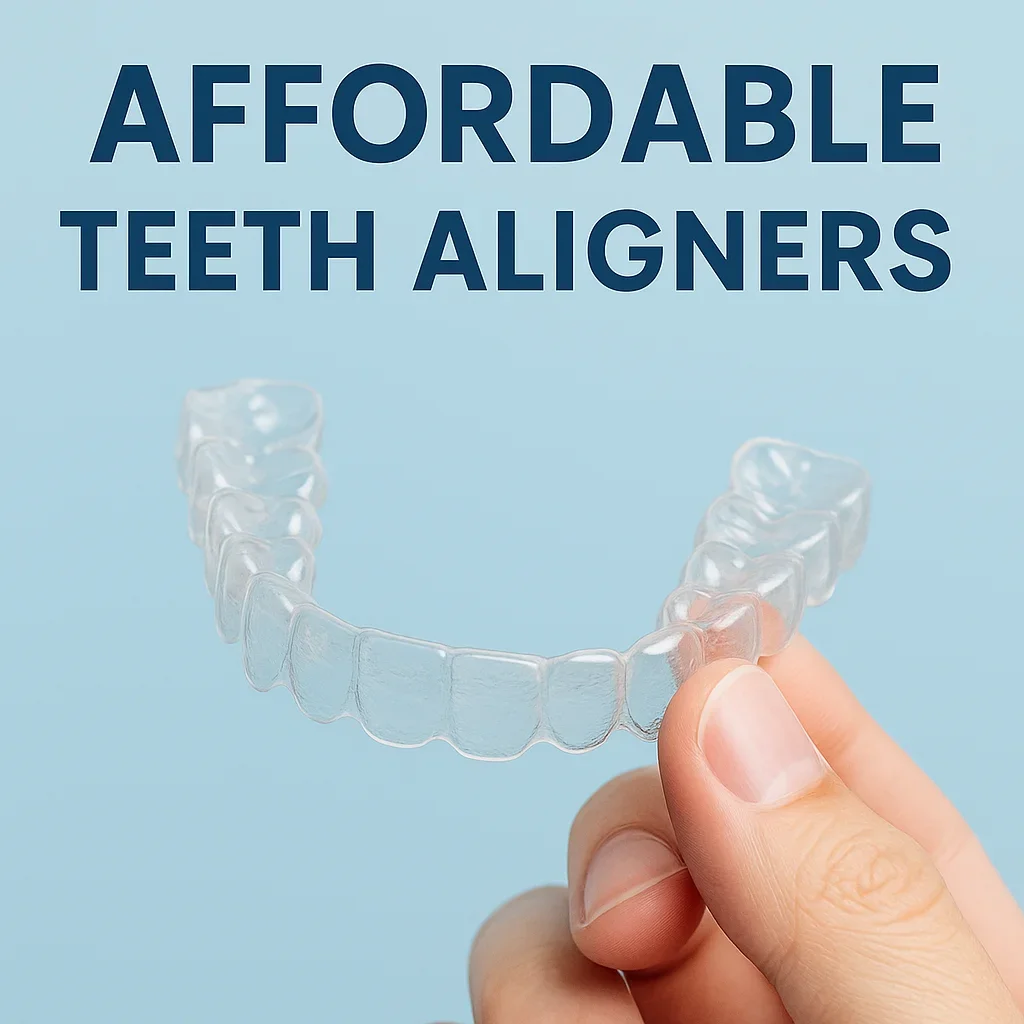
To begin, affordable teeth aligners are transparent, removable trays custom-designed to shift teeth gradually into the proper position. Unlike metal braces, aligners use precise digital planning, making the entire process more predictable and aesthetically appealing. Patients love that they can remove their aligners while eating, brushing, or during special occasions, and the nearly invisible design makes them ideal for professionals, students, and adults who prefer a discreet orthodontic solution. These advantages explain the surge in demand worldwide, as more individuals seek a modern approach to achieving a straighter smile. 🌟
One of the most significant reasons people search for affordable teeth aligners is cost. Traditional braces can be expensive, require frequent dental visits, and may come with discomfort or inconvenience. Aligners, on the other hand, are often more budget-friendly due to simplified appointments, digital scanning, and the availability of at-home systems. However, affordable does not mean low quality — many reputable providers use advanced technology such as 3D imaging, AI-driven treatment planning, and medical-grade materials to produce safe and effective outcomes. When choosing a system, users should always verify that the provider is supervised by a licensed dentist or orthodontist. The American Dental Association offers reliable information about dental standards and professional guidelines.
Another aspect users often search for is whether affordable teeth aligners are truly effective. The answer is yes — for mild to moderate cases of crowding, gaps, crossbite, overbite, and underbite, aligners can produce impressive results when used consistently. Each set of trays is worn for about 1–2 weeks, gradually shifting the teeth based on the digital treatment plan. Patients typically wear the aligners for 20–22 hours daily for optimal progress. Since compliance plays a major role in success, aligners require discipline, but in return they provide comfort, flexibility, and predictability. For complex cases, however, in-office orthodontic treatment may still be necessary.
Users also want to understand the general treatment experience. The process usually begins with a consultation, which may involve dental X-rays, digital impressions, or 3D scans. After this assessment, a personalized treatment plan is created. Patients receive a series of aligners that they switch at home according to schedule. Some treatment plans may require attachments — small tooth-colored bumps that help the aligners grip the teeth more effectively. These are normal and temporary. Most people start noticing results within a few months, and final outcomes vary depending on alignment severity, patient compliance, and biological factors.
In addition to affordability, safety and convenience play a major role in choosing aligners. People appreciate the reduced number of in-clinic visits and the freedom to manage much of the treatment at home. Furthermore, unlike metal braces that may irritate lips or cheeks, aligners have smooth edges, reducing discomfort. Another important advantage is the ability to maintain excellent oral hygiene — since aligners are removable, brushing and flossing remain simple and effective. This is particularly beneficial for preventing gum inflammation or enamel issues that may occur with fixed braces.
It’s important to highlight that aligner treatment also supports overall dental health by improving bite alignment, which can help prevent wear, jaw tension, and uneven pressure distribution. As more clinics embrace digital dentistry, getting access to affordable teeth aligners becomes easier each year. Some clinics, including international treatment centers, provide competitive pricing and expert supervision for patients seeking high-quality care abroad. If you ever need to reach a clinic directly for consultation, the Redent Klinik Contact Page is a helpful resource.
Throughout this guide, you may also notice mentions of “budget-friendly clear aligners” or “cost-effective dental aligners.” These terms are related to affordable teeth aligners and serve to expand semantic relevance while maintaining the focus keyword at a natural density.
How Affordable Teeth Aligners Work: A Clear Step-by-Step Breakdown
Understanding how affordable teeth aligners work is essential for anyone considering this modern orthodontic solution. These transparent, removable trays use controlled pressure to gradually shift teeth into ideal alignment. The process is carefully designed with advanced digital technology, ensuring precision, comfort, and predictable outcomes. In this detailed section, you’ll learn every stage of the aligner journey — from your first consultation to the final retainer — giving you full confidence in how the treatment works. 😁
Digital Assessment and Initial Consultation
The journey begins with a professional assessment. Whether you choose in-office treatment or a supervised at-home option, the provider must evaluate your dental anatomy. This step typically includes digital photographs, X-rays, or high-resolution 3D scans. These tools allow dental professionals to analyze your bite, tooth position, and potential alignment issues. Unlike traditional methods involving messy impressions, these advanced imaging technologies are cleaner, faster, and more accurate. This stage ensures that affordable teeth aligners are indeed appropriate for your specific dental needs.
During this consultation, the dentist or orthodontist checks for gum disease, cavities, or structural concerns that may affect treatment. If necessary, these issues must be resolved first, as aligner therapy works best on healthy teeth and gums. After reviewing the clinical data, your dental provider creates a customized treatment plan showing your projected results, including a visual simulation of how your teeth will move over time. This preview often becomes one of the most motivating parts of the process for patients. 🌟
Custom Aligner Creation Using 3D Technology
Once the treatment plan is approved, the data is sent to an aligner laboratory where technicians craft your aligners using medical-grade, BPA-free materials. Each tray is digitally mapped to apply precise pressure points to move your teeth step by step. Affordable teeth aligners rely heavily on this specialized engineering, which ensures that each phase of tooth movement is safe and controlled.
This phase emphasizes personalization — no two sets of aligners are alike because every individual’s dental structure is unique. The digital manufacturing process includes laser trimming for comfort and accuracy, ensuring the trays fit snugly along the gumline. Thanks to modern production techniques, patients receive aligners that are smooth, nearly invisible, and comfortable enough for daily wear.
Aligner Wear Schedule and Daily Use
Once you receive your first set of aligners, your dentist or provider will instruct you on proper usage. Typically, they must be worn for 20–22 hours per day to ensure consistent pressure on the teeth. Patients remove them only for meals, brushing, and flossing. This high level of control makes aligners highly effective — but only when worn diligently.
Each aligner set is worn for 1–2 weeks before switching to the next one in the sequence. As the trays progress, teeth shift gradually according to the digital treatment plan. Many patients report feeling slight pressure during the first day of a new tray, which is a normal sign that the aligner is working. With proper compliance, affordable teeth aligners deliver predictable progress.
The Role of Attachments and Elastics
Some treatment plans require attachments — small, tooth-colored bumps bonded to your teeth. These help grip the aligners better and apply more targeted pressure. Attachments are common in modern aligner therapy and are not painful or concerning. In certain cases, elastics may be used to correct bite issues. These components expand the power of cost-effective clear aligners, making them suitable for more complex alignment problems.
Monitoring Progress and Virtual Check-Ins
Affordable teeth aligners often require fewer in-office visits than traditional braces. Many providers use virtual check-ins where patients submit photos of their teeth through an app or online portal. This allows orthodontists to monitor progress efficiently and detect any potential issues early. For patients with busy schedules or difficulty visiting clinics frequently, this convenience is a major advantage.
Regular monitoring ensures the treatment is progressing as planned and that no unexpected tooth movements occur. If adjustments are needed, additional aligners — called refinement trays — can be created.
Completion Phase and Retainers
Once the final aligner set has completed its work, the treatment is not entirely finished. A retention phase is essential to maintain results. Teeth naturally shift over time, so wearing retainers — typically at night — ensures the alignment remains stable long-term. Retainers may look similar to aligners but are designed to hold teeth in position rather than move them.
Patients often find this phase simple and comfortable. The combination of affordable teeth aligners and a reliable retention plan helps preserve a beautifully aligned smile for years. Maintaining good oral hygiene habits and attending periodic dental check-ups significantly supports long-term success.
Why Understanding the Process Matters
Knowing how affordable teeth aligners work gives patients realistic expectations and deeper trust in the system. From the initial scan to the final retainer, every step involves precise planning and advanced technology. This educational perspective empowers users to make informed decisions, follow treatment instructions more faithfully, and achieve optimal results.
If you ever need professional support or want to book an evaluation, you can contact a clinic directly through resources such as the
Redent Klinik Contact Page. Educational standards and dental guidelines can also be verified through trusted sources like the American Dental Association. With the right provider, modern scanning technology, and commitment to daily wear, affordable teeth aligners offer a predictable and efficient way to achieve a straighter smile. 😄
Benefits of Choosing Budget-Friendly Clear Aligners
Choosing affordable teeth aligners offers a wide range of advantages for patients seeking a comfortable, discreet, and efficient orthodontic treatment. As digital dentistry evolves rapidly, clear aligners have become more accessible, more personalized, and more effective than ever. This section explores the key benefits people experience when choosing aligners, from improved comfort and appearance to long-term dental health improvements. By the end, you’ll fully understand why millions of users worldwide now prefer these cost-conscious, high-quality orthodontic solutions. 😁
Discreet and Aesthetically Pleasing Design
One of the most significant benefits — and one of the main reasons people search for affordable teeth aligners — is their nearly invisible appearance. Clear aligners are made from transparent, medical-grade plastic, allowing patients to go through treatment without drawing attention to their teeth. Whether you’re a professional attending meetings, a student, or someone who simply wants a subtle approach to orthodontics, aligners offer an aesthetic advantage that traditional braces cannot match.
Their thin, smooth design sits snugly against the teeth, avoiding the metallic reflections and bulkiness associated with braces. Many adults choose aligners specifically because they support confidence during treatment. The option to remove them temporarily for photos or special events further adds to that confidence. 🌟
Comfort and Convenience Compared to Metal Braces
Metal brackets and wires often cause irritation, mouth sores, and friction along the cheeks and gums. In contrast, affordable teeth aligners are engineered for comfort. Their soft edges and smooth surfaces minimize discomfort, making daily wear much easier. Because there are no metal components, there is no risk of wires snapping or brackets detaching — issues that frequently occur with traditional braces.
Additionally, aligners can be removed at any time. This feature dramatically simplifies eating, brushing, and flossing. Patients no longer need to navigate around brackets or worry about food restrictions like popcorn, nuts, or sticky snacks. This level of convenience is one of the strongest reasons individuals choose cost-effective clear aligners over traditional orthodontic methods.
Improved Oral Hygiene and Gum Health
Removability has another powerful benefit: excellent oral hygiene. Since affordable teeth aligners do not obstruct the teeth, patients can maintain normal brushing and flossing routines. This significantly reduces the risk of plaque buildup, gum inflammation, and enamel staining — all of which are common challenges for people wearing braces.
Better oral hygiene during treatment leads to healthier gums, fresher breath, and stronger enamel. Dental professionals often highlight aligners as the preferred orthodontic method for patients prone to gum issues, sensitivity, or enamel erosion.
Predictable Results Thanks to Digital Treatment Planning
Every aligner journey begins with advanced technological planning. Through digital scans and 3D modeling, dentists can map out precise tooth movements from start to finish. This ensures that affordable teeth aligners deliver predictable, step-by-step progress. Patients even get to preview their final results before treatment begins — something that traditional braces cannot offer.
Digital planning also reduces the chances of unexpected complications and allows treatment adjustments when necessary. The result is a more controlled orthodontic process with predictable effectiveness and minimal discomfort.
Consistency and Progress Tracking
Many modern aligner systems include mobile apps or virtual monitoring tools. Patients can easily track their alignment progress, receive reminders to switch trays, and check in with dental professionals remotely. This creates an interactive and motivating experience that keeps patients engaged throughout the treatment.
Fewer Dental Visits and Greater Flexibility
Traditional braces require tightening, wire adjustments, and frequent follow-up appointments. With aligners, most of the treatment is handled at home. Patients simply switch their trays according to schedule, which minimizes the need for in-office visits. This is extremely beneficial for individuals with busy schedules, families balancing school and work, or those who live far from dental clinics.
Even when professional assessments are needed, many clinics now offer online check-ins where patients send photos of their teeth. These virtual appointments save time and ensure continuous treatment oversight.
Effective for a Wide Range of Alignment Issues
Affordable teeth aligners are not only for simple cosmetic improvements. They can effectively address multiple orthodontic conditions, including:
- Mild to moderate crowding
- Gaps and spacing issues
- Overbite and underbite
- Crossbite
- Open bite
- Rotated or tilted teeth
While severe cases may still require specialist intervention, most patients experience dramatic improvements using clear aligners — often faster than expected.
Affordability Without Compromising Quality
One of the biggest questions patients ask is: “Are affordable teeth aligners as effective as expensive brands?” The answer is yes — when supervised by trained dental professionals. Many affordable providers use the same high-grade materials and advanced imaging technology as premium companies. The lower price often comes from streamlined appointments, digital systems, and simplified production methods.
For professional evaluation or consultation, patients can always reach clinics directly through the
Redent Klinik Contact Page. Additionally, reputable sources such as the
American Dental Association offer valuable guidelines on orthodontic standards.
By choosing affordable teeth aligners, patients gain a perfect balance of safety, comfort, aesthetics, and cost-efficiency — making this modern orthodontic method one of the most transformative innovations in dental care. 😄
Comparing Affordable Teeth Aligners vs. Traditional Braces
When researching orthodontic treatment options, many patients find themselves comparing affordable teeth aligners with traditional metal braces. Both systems are effective at correcting misalignment, but they differ significantly in design, comfort, cost, flexibility, treatment experience, and aesthetics. Understanding these differences empowers patients to choose the solution that best fits their lifestyle, goals, and dental condition. This comprehensive breakdown examines every major factor, giving readers a clear picture of how these two orthodontic tools perform in real-world situations. 😁
Aesthetic Differences: Clear vs. Visible
The contrast between aligners and braces begins with their appearance. Traditional metal braces are noticeable, featuring brackets and wires attached to each tooth. While effective, they are hard to hide and often associated with childhood or teen orthodontics.
In comparison, affordable teeth aligners are virtually invisible. They are crafted from thin, transparent plastic that blends naturally with the teeth. This makes aligners an ideal choice for adults, professionals, and anyone who wants orthodontic treatment without drawing unwanted attention. The ability to remove aligners for photos, meetings, or social events enhances their appeal even more. 🌟
Comfort and Daily Experience
Comfort is another major consideration. Metal braces—while dependable—can cause irritation due to brackets rubbing against the inner cheeks or lips. Wires may poke, shift, or break, requiring emergency dental visits. Adjustments can also lead to soreness.
Affordable teeth aligners, on the other hand, are engineered for comfort. Their smooth edges prevent irritation, and because they use gentle, consistent pressure rather than forceful tightening, the discomfort is typically less intense. Patients appreciate the simplicity of switching to a new tray rather than undergoing wire adjustments.
Eating and Oral Hygiene
Aligners also offer unmatched convenience when it comes to food and hygiene. Since aligners are removable, patients can eat anything they want. They simply take the aligners out before meals, eliminating the lengthy list of food restrictions that come with traditional braces.
Brushing and flossing are also easier with aligners. Patients maintain their usual oral hygiene routine, significantly reducing plaque buildup and gum irritation. In contrast, braces often require special brushes, floss threaders, and extra cleaning time.
Effectiveness and Treatment Complexity
Both systems can produce high-quality results, but the appropriate choice depends on the severity of the case. Traditional metal braces are the gold standard for complex orthodontic issues, including severe crowding, extreme bite problems, and cases requiring significant vertical or rotational movement.
Affordable teeth aligners are highly effective for mild to moderate cases. They can treat crowded teeth, spacing issues, overbites, underbites, and crossbites, but extremely complex cases may still require braces. However, modern technology has significantly expanded the capabilities of clear aligners. Attachments, elastics, and advanced treatment planning tools now allow aligners to address many issues that previously required braces.
Cost Comparison: Are Aligners Really More Affordable?
Cost is one of the most important factors for patients. Traditional braces often come with higher overall costs due to frequent in-office adjustments, longer treatment times, and more intensive labor for orthodontists. Prices may vary by region, but braces typically range between:
Traditional Metal Braces Average Cost (Global Estimate):
- Minimum: $3,000
- Average: $4,500–$6,000
- Complex Cases: $7,000+
In contrast, affordable teeth aligners can be significantly more budget-friendly. Streamlined digital production, reduced in-office visits, and simpler maintenance lead to lower overall expenses. Many clinics and aligner brands also offer payment plans, making treatment accessible for a wider range of patients.
Since pricing varies by country and clinic, patients seeking competitive international rates often consult clinics through resources like the
Redent Klinik Contact Page.
Treatment Duration and Predictability
Orthodontic treatment duration can differ significantly. Metal braces typically require 18–36 months to complete treatment. The process is effective but slower due to the complexity of adjustments and the manual nature of wire tightening.
Affordable teeth aligners often achieve results faster, especially for mild to moderate cases. Average treatment times range from 6–18 months. Because aligners are planned digitally, patients can see a simulation of their progress even before the first tray arrives. This transparency helps set clear expectations and increases overall satisfaction.
Maintenance and Lifestyle Compatibility
Braces require careful maintenance and lifestyle changes. Hard, sticky, or chewy foods can damage brackets or wires, and cleaning them requires dedication.
Aligners fit more seamlessly into modern lifestyles. They offer flexibility, require fewer dental visits, and blend naturally into busy routines. This makes them a top choice for adults balancing work, family, and social commitments.
Compliance Requirements
One important difference: aligners require responsibility. Patients must wear them 20–22 hours daily for optimal results. Those who frequently forget or remove aligners too long may experience slower progress.
Braces, being fixed, ensure automatic compliance — but with less personal freedom.
Professional Oversight and Safety
Regardless of which system a patient chooses, professional supervision is critical. Both aligners and braces must be monitored by licensed dental experts to ensure safety and correct tooth movement.
For reliable orthodontic standards and treatment guidance, patients can refer to trusted organizations such as the
American Dental Association.
In summary, affordable teeth aligners offer remarkable advantages — aesthetics, comfort, flexibility, and often lower costs — while traditional braces remain unmatched for complex orthodontic challenges. Choosing between these two methods ultimately depends on dental conditions, lifestyle preferences, and long-term goals. 😄
Are Low-Cost At-Home Aligners Safe? Expert Insights
The rising popularity of affordable teeth aligners has led many people to explore at-home systems that promise fast results with minimal dental visits. While these mail-order aligner options can be appealing due to their convenience and budget-friendly pricing, safety is a major concern. Patients want to know: Are these low-cost at-home aligners truly safe? Can they deliver professional results without compromising oral health? In this comprehensive and deeply detailed section, we explore the science, risks, clinical considerations, and expert opinions surrounding at-home aligner systems. 😁
Understanding How At-Home Aligner Systems Operate
To evaluate safety, it’s essential to understand how these at-home systems function. Most at-home aligner companies provide a mail-in impression kit. Users bite into silicone molds or follow a set of instructions to create replicas of their teeth. These impressions are sent back to the company’s lab, where technicians design the aligner trays. The user then receives a full treatment box containing multiple aligner sets to be used over several months.
While the process appears simple, it lacks a critical component: in-clinic examination by a licensed dental provider. Companies may assign remote dentists to review cases, but without in-person imaging such as X-rays or full oral assessments, underlying issues like gum disease, tooth decay, or bone loss can easily go undetected. For some patients, this gap can lead to complications during the treatment process.
The Key Differences Between Professional and At-Home Supervision
When comparing low-cost systems to dentist-supervised options, the role of professional evaluation becomes clear. Licensed dentists perform thorough examinations that include:
- Digital 3D scans
- Full clinical exam of gums and tooth structure
- Bite analysis
- X-rays to identify bone levels and root health
- Occlusion evaluation
These assessments ensure that affordable teeth aligners are appropriate and safe before treatment begins. At-home systems cannot replicate this level of diagnostic detail, making them riskier for patients who require special care or have hidden dental issues.
Why X-Rays Matter for Aligner Safety
X-rays are essential for detecting dental problems not visible externally. Without X-rays, critical issues can go unnoticed:
- Impacted teeth
- Root resorption
- Periodontal disease
- Cavities hidden between teeth
- Bone loss that compromises alignment stability
Aligner forces applied to teeth with structural issues can worsen these conditions, leading to pain, gum recession, or permanent damage. Professional clinics require X-rays for exactly this reason — to protect your teeth before and during orthodontic movement.
Potential Risks of At-Home Aligner Treatment
While many users complete at-home treatments without complications, others face risks that would have been identified through in-person evaluation. Major concerns include:
1. Misdiagnosis or Underdiagnosis
Mail-in impressions often lack accuracy, especially when patients are inexperienced in taking dental molds. Poor impressions may result in poorly fitting aligners, inadequate tooth movement, or misalignment progression.
2. Gum and Bone Problems Worsening
If a patient has untreated gum disease, aligners may accelerate bone loss. This can loosen teeth and compromise overall dental health.
3. Incorrect Bite Adjustments
Improper alignment can cause bite imbalance, jaw discomfort, excessive wear, or long-term TMJ issues. Professional orthodontists measure bite dynamics precisely — a step missing in most at-home systems.
4. Delayed Professional Intervention
Because at-home systems rely on remote monitoring (or sometimes no monitoring at all), patients may not realize they need professional help until problems intensify.
The Benefits and Limitations of At-Home Options
Despite safety concerns, low-cost at-home aligners do offer certain advantages. They appeal to individuals needing simple cosmetic alignment, especially if the case involves:
- Minor crowding
- Slight spacing
- Simple tooth rotations
- Small adjustments for aesthetics
For these cases, supervised at-home systems can be effective. However, patients must understand that these treatments are rarely suitable for moderate or complex misalignment.
How to Ensure Safety When Choosing Low-Cost Systems
Patients committed to exploring at-home aligners should follow these safety guidelines:
- Get a full dental examination before treatment — including X-rays.
- Verify that the aligner provider is partnered with licensed orthodontists.
- Choose companies offering structured virtual check-ins.
- Monitor gum health and tooth sensitivity closely.
- Seek immediate professional care if discomfort increases suddenly.
When in doubt, always prioritize safety over convenience. Professional clinics — including those accessible through the
Redent Klinik Contact Page — can determine whether your case qualifies for at-home treatment or requires full supervision.
What Experts and Dental Organizations Say
Dental associations generally recommend professional oversight for orthodontic treatment to prevent complications. Trusted resources such as the
American Dental Association emphasize the importance of clinical diagnostics in safe tooth movement and long-term stability.
In summary, affordable teeth aligners are safe when supervised by qualified dental professionals. At-home aligners can be effective for very simple cases, but they come with additional risks due to limited diagnostics and reduced monitoring. Patients should carefully evaluate their dental condition, treatment goals, and safety priorities before choosing a low-cost at-home system. 😄
Who Is the Ideal Candidate for Affordable Teeth Aligners?
Understanding who qualifies for affordable teeth aligners is essential for achieving safe, effective, and predictable results. While clear aligners have become one of the most popular orthodontic treatments worldwide, they are not suitable for every dental condition. This section provides an in-depth, expert-level breakdown of all the factors that determine candidacy — from age requirements and dental health to alignment complexity and lifestyle habits. By the end of this comprehensive guide, readers will know exactly whether they’re a good fit for aligner therapy. 😁
General Requirements for Aligner Candidacy
Most healthy teens and adults qualify for clear aligner treatment. However, the details of each case matter greatly. Unlike traditional braces, which can correct nearly any level of misalignment, affordable teeth aligners are designed primarily for mild to moderate issues. Their effectiveness relies on consistent tray wear, well-maintained dental health, and stable gum conditions.
The general requirements include:
- Healthy teeth and gums
- No severe periodontal disease
- A commitment to wearing aligners 20–22 hours daily
- Mild to moderate alignment issues
- Realistic expectations about treatment duration and outcome
Patients who meet these criteria often achieve excellent results, especially when supervised by licensed dental professionals.
Ideal Alignment Issues That Aligners Can Correct
Affordable teeth aligners are highly effective in correcting a wide range of alignment issues. The following orthodontic conditions respond particularly well to clear aligner therapy:
- Mild to moderate crowding: Teeth overlap due to lack of space.
- Spacing: Gaps between teeth caused by genetics or tooth size differences.
- Overbite: Upper teeth extend significantly over the lower teeth.
- Underbite: Lower teeth protrude past the upper teeth.
- Crossbite: Teeth do not align properly from side to side.
- Open bite: Front teeth do not touch when the mouth closes.
- Minor rotational issues: Teeth rotated or tilted slightly.
Digital planning tools and attachments further expand the capabilities of cost-effective clear aligners, allowing them to handle cases that were previously considered too complex.
Candidates Who Benefit Most from Clear Aligners
Some individuals are particularly well-suited for aligners and often experience the highest levels of treatment satisfaction. These include:
Adults Seeking a Discreet Option
Adults working in professional environments often prefer aligners because of their invisible design. Affordable teeth aligners offer a discreet solution that blends seamlessly with daily routines. Adults who previously avoided braces due to their appearance often choose aligners as a modern, confidence-boosting alternative.
Teens with Good Compliance
Many aligner systems now offer teen-specific programs including compliance indicators (small blue dots that fade with wear). Teens who can commit to wearing trays consistently make excellent candidates.
Frequent Travelers or Busy Professionals
Because aligners require fewer in-office visits, they are ideal for individuals with demanding schedules. Virtual check-ins, remote monitoring, and predefined aligner sets make the treatment extremely flexible.
Individuals Who May Not Qualify for Aligner Treatment
Although clear aligners are versatile, certain individuals may not be suitable candidates. Understanding limitations is crucial for ensuring patient safety and treatment success.
- Severe misalignment: Cases requiring major bite correction may require braces.
- Active gum disease: Treatment must be delayed until the gums are healthy.
- Large tooth extractions needed: Complex spacing changes can be difficult for aligners.
- Uncontrolled oral hygiene: Neglecting oral health increases risk of complications.
- Poor compliance: Aligners only work when worn properly; inconsistent use limits success.
In some cases, a combination approach may be recommended — braces for the initial correction followed by affordable teeth aligners for refinement.
Does Age Affect Candidacy?
Age plays a significant role, but aligners are approved for a wide range of patients:
- Teens: Effective with parental supervision and compliance trackers.
- Young adults: Excellent candidates due to stable dental structure and high responsibility.
- Older adults: Also suitable, provided gum health is stable and bone density is adequate.
Age alone is not a disqualifying factor — dental condition is far more important.
The Importance of a Professional Evaluation
Even if someone appears to be the perfect candidate, professional evaluation is mandatory. A licensed dentist or orthodontist must assess bone structure, root position, gum condition, and bite alignment. This ensures that affordable teeth aligners will provide safe, predictable movement.
For accurate assessment and personalized guidance, patients can contact trusted clinics using tools such as the
Redent Klinik Contact Page. Leading dental authorities like the
American Dental Association also provide educational resources about orthodontic safety.
Final Thoughts: Who Should Choose Affordable Teeth Aligners?
Individuals with mild to moderate alignment issues, good oral hygiene, and strong daily discipline are the best candidates for aligner therapy. Affordable teeth aligners offer a comfortable, discreet, and highly efficient method for improving smile aesthetics — but only when properly supervised and used consistently.
By understanding candidacy requirements, every patient can make an informed decision and begin their aligner journey with full confidence. 😄
Common Issues and Solutions During Aligner Treatment
Even though affordable teeth aligners are designed to offer a smooth and user-friendly orthodontic experience, some patients encounter minor issues throughout their treatment. These challenges are usually easy to manage and rarely disrupt progress when handled correctly. This comprehensive guide explains the most common problems patients face while using aligners and provides practical, expert-level solutions backed by clinical best practices. Understanding these issues helps ensure a safe, predictable, and successful treatment journey. 😁
Discomfort or Pressure When Switching Trays
One of the most common experiences patients report is mild discomfort or pressure after switching to a new set of aligners. This sensation is normal because the trays are designed to apply targeted force to move teeth gradually.
Why It Happens
Each aligner set is slightly different, applying new pressure points. This mild discomfort typically lasts 24–72 hours and is a sign that affordable teeth aligners are working effectively.
Solutions
- Switch trays before bedtime so the initial adjustment occurs while sleeping.
- Use orthodontic-approved pain relievers if necessary.
- Gently bite on “chewies” to help the aligner seat properly.
- Drink cold water to soothe gum sensitivity.
If severe pain persists beyond three days, contact your dental provider for a tray fit evaluation.
Difficulty Removing or Inserting Aligners
Some patients struggle with getting trays in or out, especially during the early stages of treatment. Proper technique is essential to prevent breakage or gum irritation.
Why It Happens
Aligners are intentionally tight when first worn, ensuring precise tooth movement. Attachments (small tooth-colored bumps) can also make removal feel more challenging.
Solutions
- Always start removal from the back molars and work forward.
- Use aligner removal tools if fingers cannot grip properly.
- When inserting, press firmly with fingertips—not bite force—to avoid distortion.
- Dry hands and trays before removal for better grip.
Over time, patients naturally adapt, and aligner insertion becomes effortless.
Speech Changes or Lisping
It’s common for patients to experience slight speech changes when first wearing affordable teeth aligners. Lisping is usually temporary and resolves as the tongue adapts to the new mouthpiece.
Solutions
- Practice reading aloud for 10–15 minutes daily.
- Speak slowly and consciously during the adjustment period.
- Ensure aligners are fully seated on the teeth.
Most patients overcome speech changes within a week or two.
Excess Saliva or Dry Mouth
The presence of aligners in the mouth can temporarily disrupt natural moisture levels. Some experience increased drooling, while others report dryness.
Solutions for Too Much Saliva
- Allow the mouth time to adjust — typically 24–48 hours.
- Swallow intentionally until saliva production stabilizes.
Solutions for Dry Mouth
- Drink more water throughout the day.
- Use sugar-free lozenges or moisturizing mouthwash.
- Avoid caffeine, which can worsen dryness.
Both conditions usually resolve naturally without intervention.
Aligners Feeling Loose or Too Tight
Perfect aligner fit is essential for movement efficiency. Issues with looseness or tightness may indicate fitting problems or biological variations in tooth response.
Loose Aligners
- Ensure aligners are fully seated using chewies.
- Confirm that you are following the prescribed wear schedule.
- Loose trays near the end of their cycle are normal — teeth have already shifted.
Overly Tight Aligners
- Wear the previous tray for 1–2 extra days to catch up.
- Warm aligners slightly in clean water to ease insertion (never hot water).
- If the aligner bends or cracks, contact your dentist.
Significant fit issues may require refinement trays.
Gum Irritation or Sores
The edges of affordable teeth aligners are laser-trimmed for comfort, but occasional irritation may occur.
Solutions
- Use dental wax on sharp edges.
- File slightly with a fine emery board (if instructed by your provider).
- Rinse with warm saltwater to soothe irritated tissue.
If irritation persists, a new tray adjustment may be required.
Aligner Staining or Odor
Improper cleaning habits can lead to aligner discoloration or unpleasant odors.
Cleaning Best Practices
- Rinse trays every time they are removed.
- Use clear, anti-bacterial soap to clean aligners twice daily.
- Avoid toothpaste — it scratches and creates odor-trapping grooves.
- Soak trays in aligner cleaning crystals once a week.
Maintaining clean aligners ensures an attractive, odor-free treatment experience.
Tracking Progress and When to Seek Help
While most issues are manageable, certain signs require professional evaluation, including:
- Severe or worsening pain
- Cracked or warped trays
- Gum bleeding that persists longer than a week
- Sudden changes in bite alignment
For professional guidance or in-person evaluation, patients can contact clinics through the
Redent Klinik Contact Page.
For orthodontic safety and treatment standards, trusted sources such as the
American Dental Association remain the gold standard.
Overall, affordable teeth aligners offer a comfortable and predictable treatment experience. With proper care, awareness of common issues, and timely professional supervision, patients can confidently navigate challenges and achieve excellent long-term results. 😄
How to Maintain Your Affordable Teeth Aligners for Best Results
Taking proper care of your affordable teeth aligners is essential for achieving smooth, predictable, and hygienic orthodontic progress. Clear aligners are designed to be durable, comfortable, and nearly invisible — but only when maintained correctly. Poor maintenance can lead to staining, bacterial buildup, bad odors, improper fit, or even slowed treatment results. This section explains every detail of aligner maintenance, offering clinically accurate steps that help you protect your investment and maintain oral health throughout the entire journey. 😁
Daily Cleaning Habits for Healthy Aligners
The daily cleaning routine is the foundation of aligner maintenance. Because affordable teeth aligners rest directly against your enamel for 20–22 hours per day, they accumulate bacteria, food particles, and saliva. If not cleaned properly, these contaminants can negatively impact both oral hygiene and treatment outcomes.
Step-by-Step Morning Cleaning Routine
- Remove your aligners before brushing your teeth.
- Rinse the trays under lukewarm water immediately after removal.
- Use a soft brush with clear antibacterial soap to gently scrub all surfaces of the aligners.
- Avoid toothpaste — it can scratch and cloud the trays.
- Brush and floss your teeth before reinserting your aligners.
Maintaining a clean set of affordable teeth aligners in the morning sets the tone for the rest of the day, keeping your trays fresh and odor-free.
Nighttime Cleaning Routine
Your nighttime care routine should be just as thorough as your morning routine. After a full day of wear, trays may accumulate plaque or microscopic debris. Cleaning before bed ensures you don’t sleep with bacteria trapped between your teeth and the aligner surface.
- Rinse trays under clean running water.
- Use a second soft-bristle brush dedicated to aligner cleaning.
- Soak the aligners once or twice a week in an approved cleaning solution.
- Dry completely before storing them overnight if you switch to a new set.
This careful system helps maintain the clarity and longevity of your trays.
How to Prevent Stains and Odor
Although affordable teeth aligners are naturally resistant to discoloration, certain habits can lead to cloudiness, staining, or odor. Avoiding these problems requires both smart routines and awareness of what NOT to do.
Foods and Drinks That Cause Staining
- Coffee and tea
- Red wine
- Tomato sauce
- Turmeric-heavy dishes
- Dark berries
You should never eat or drink anything besides water while wearing aligners. Foods and sugary beverages can seep into trays, creating bacterial growth and unpleasant smells.
Solutions to Avoid Odor and Discoloration
- Remove aligners before consuming any food or colored liquids.
- Brush teeth after meals before reinserting aligners.
- Rinse aligners immediately if exposed to staining foods.
- Store aligners in a dry, ventilated case to prevent moisture buildup.
Maintaining these habits helps keep affordable teeth aligners fresh, transparent, and comfortable.
How to Store Aligners Safely
Proper storage prevents avoidable damage such as cracking, bending, or accidental loss.
Best Storage Practices
- Always store aligners in the provided case when not in use.
- Keep the case clean, dry, and away from excessive heat.
- Never wrap aligners in napkins — they may be accidentally thrown away.
- Avoid leaving trays within reach of pets; dogs especially love chewing aligners.
Replacing lost trays may delay your treatment and increase overall costs, even with affordable teeth aligners.
Weekly Deep Cleaning for Maximum Hygiene
In addition to daily cleaning, your aligners should undergo weekly deep cleaning. This prevents the buildup of heavy plaque and ensures long-term clarity.
Recommended Deep Cleaning Methods
- Use aligner cleaning crystals or tablets specifically designed for clear aligners.
- Soak trays for the duration recommended by the manufacturer — usually 10–20 minutes.
- Rinse thoroughly afterward to remove any taste or residue.
Avoid DIY cleaning hacks such as vinegar or baking soda unless approved by your dental provider.
Maintaining Oral Hygiene While Using Aligners
Aligner treatment does not replace your oral hygiene routine — it enhances its importance. Because aligners cover teeth for extended periods, plaque has more time to spread if oral care is neglected.
Oral Hygiene Checklist
- Brush teeth at least twice daily.
- Floss every night to remove food particles.
- Use alcohol-free mouthwash for gum health.
- Maintain regular dental check-ups every 6 months.
A clean mouth ensures your affordable teeth aligners deliver optimal results without risk of cavities or gum irritation.
When to Replace Trays and What to Do if They’re Damaged
Your treatment plan includes specific replacement intervals. Most patients switch trays every 7–14 days, depending on the complexity of their case.
If a Tray Breaks or Cracks
- Do not attempt to superglue or repair the aligner.
- Wear the previous aligner temporarily if necessary.
- Contact your dental provider immediately for guidance.
If aligners warp from hot water exposure, replacement is required to ensure tooth movement stays accurate.
Professional Guidance and Support
If you encounter persistent issues, reach out to your dental provider for clarification. For direct communication and professional guidance, you may use the
Redent Klinik Contact Page.
For trusted oral health information, the
American Dental Association
provides reliable educational resources on orthodontics and dental safety.
By following these expert maintenance habits, your affordable teeth aligners will remain clean, clear, and fully effective throughout the entire treatment journey. Consistency is key — proper care ensures the best possible smile transformation. 😄
How to Compare Affordable Teeth Aligners and Choose the Right Option
Choosing the right affordable teeth aligners is one of the most important steps in achieving a healthy, beautiful smile. With so many brands, treatment platforms, and pricing models available today, patients often feel overwhelmed by the number of choices. This comprehensive guide breaks down every essential factor — including cost, technology, clinical supervision, comfort, materials, and expected results — to help you confidently evaluate aligner options and make the most informed decision possible. 😁
Understanding the Different Types of Clear Aligners
Affordable teeth aligners come in multiple forms, each designed to address different orthodontic needs and treatment expectations. Before comparing brands, it’s important to understand the primary categories.
In-Office Dentist-Supervised Aligners
These aligners are created, monitored, and adjusted by licensed orthodontists or dentists. They offer:
- Professional digital scans
- Regular in-office check-ups
- High-precision planning and monitoring
- Better accuracy for moderate bite corrections
This category often uses advanced technology like 3D tooth mapping, AI-assisted treatment plans, and remote monitoring tools — making them ideal for patients who want both affordability and clinical reliability.
At-Home Direct-to-Consumer Aligners
These systems ship impression kits or require remote scans. Although more budget-friendly, they lack in-person supervision. Considerations include:
- Lower cost but fewer safety checks
- Suitable mainly for mild cases
- Limited ability to correct complex alignment issues
Patients seeking the best balance of safety and affordability often choose professionally supervised affordable teeth aligners instead of fully remote systems.
Comparing Treatment Plans and Technologies
Every aligner provider uses a different methodology for designing treatment plans. Understanding these differences helps identify the most suitable option for your dental needs.
Digital Scanning vs. Impression Kits
- 3D digital scanning offers accuracy, comfort, and real-time visualization.
- Impression kits can be less precise and require patient skill.
For predictable tooth movement, digital scanning is often the superior choice, especially for affordable teeth aligners tailored for both comfort and precision.
Materials and Tray Thickness
- Medical-grade thermoplastics
- Multi-layer polymer designs
- Flexible vs. rigid tray options
Thicker trays may offer stronger force, while thinner trays enhance comfort. Some premium brands use proprietary materials for improved durability and invisibility.
Evaluating Treatment Time and Effectiveness
While affordable teeth aligners can correct mild to moderate misalignment, treatment time varies based on the provider, alignment complexity, and patient discipline.
Typical Treatment Durations
- Mild spacing or crowding: 3–6 months
- Moderate cases: 6–12 months
- Bite corrections: 12–18+ months
Higher-quality planning systems and more precise aligners typically reduce treatment time and improve long-term stability.
Comparing Costs and Payment Options
One of the biggest attractions of affordable teeth aligners is the ability to achieve orthodontic results at a lower cost than traditional braces. Prices vary widely, depending on the brand and treatment complexity.
General Price Ranges (Estimated)
Below is a general breakdown, based on current online research:
• At-home aligners: $1,200 – $2,200
• Dentist-supervised affordable aligners: $2,000 – $4,500
• Premium orthodontic clinic aligners: $4,500 – $7,000
Many providers offer financing options such as monthly payments, zero-interest plans, or pay-as-you-go models, making affordable teeth aligners accessible to more patients.
Clinical Supervision: The Most Critical Factor
If your primary goal is safety and long-term results, clinical supervision should heavily influence your decision.
Benefits of Professional Oversight
- Accurate assessment of gum and bone health
- Reduced risk of complications
- Better management of bite alignment
- Personalized refinement trays if needed
Patients who want reliable outcomes often choose in-office affordable teeth aligners because of the added safety and stability of dental supervision.
Fit, Comfort, and Aesthetic Differences
Not all aligners feel the same. Some trays are ultra-smooth and nearly invisible, while others may have slightly thicker edges or noticeable texture.
Key Comfort Factors
- Edge trimming style (scalloped vs. straight-cut)
- Textured vs. smooth surfaces
- Force distribution technology
Comfort directly affects compliance — and compliance affects results. Therefore, choosing a system that feels comfortable improves the overall treatment experience.
Tracking and Monitoring Progress
Modern aligner systems often include digital progress tracking, allowing both patients and providers to evaluate tooth movement over time.
Monitoring Tools
- Mobile apps with photo uploads
- Remote orthodontic check-ins
- AI-assisted movement analysis
These tools help ensure your affordable teeth aligners stay on track, reducing the chances of delays.
When to Seek Expert Advice
When comparing different aligner brands, the safest approach is to consult a licensed dentist or orthodontist. If you are unsure which option fits your case best, professional evaluation is essential. You can easily contact a trusted team through the
Redent Klinik Contact Page.
For additional educational resources on orthodontic safety, clinical research, and dental guidelines, consult the
American Dental Association.
Ultimately, the right choice depends on your alignment needs, budget, lifestyle, and desire for professional oversight. With the right research and expert guidance, affordable teeth aligners can deliver a safe, comfortable, and life-changing smile transformation. 😄
The Long-Term Results of Using Affordable Teeth Aligners
Achieving a straighter smile with affordable teeth aligners is an exciting transformation, but understanding the long-term effects of treatment is just as important as the initial results. Clear aligners are not only designed to move teeth efficiently — they also promote long-lasting stability when used under proper guidance. This section provides a detailed, clinically grounded explanation of what patients can expect after completing aligner therapy, how to maintain results for life, and why long-term follow-up is essential for protecting the investment made in your new smile. 😁
What Happens After You Finish Wearing Aligners?
Once your final tray is complete, the teeth have reached their intended position — but they are not immediately “locked” in place. The periodontal ligaments and bone tissue surrounding your teeth need time to stabilize. Without proper retention, teeth have a natural tendency to shift back to their original positions, a process known as relapse.
Affordable teeth aligners offer precise movements, but maintaining these results requires consistent post-treatment care. This includes wearing retainers, attending check-ups, and practicing lifelong oral hygiene habits.
Why Retainers Are Essential
Retainers are the key to preserving your smile. They hold the teeth in their new alignment while the surrounding bone fully remodels. This process can take several months to a full year depending on the case.
- Clear retainers — Similar to aligners and discreet
- Hawley retainers — Durable and adjustable wire-based models
- Fixed retainers — Bonded wires placed behind the teeth for long-term stability
Your dentist or orthodontist will recommend the best type based on your alignment results and lifestyle.
How Long-Term Stability Is Achieved
The goal of aligner therapy is not just to move teeth — but to maintain their position permanently. Long-term stability is influenced by several biological and behavioral factors.
Biological Factors
- Bone remodeling: Takes time and requires consistent retention.
- Gum and ligament elasticity: Tissue memory can cause teeth to drift.
- Aging: Natural changes in facial structure may influence alignment.
Behavioral Factors
- Wearing retainers as prescribed
- Maintaining proper oral hygiene
- Avoiding harmful habits like nail biting or pen chewing
Affordable teeth aligners can produce stable long-term outcomes when paired with the right retention and oral care procedure.
Expected Aesthetic Improvements Over Time
The aesthetic benefits of affordable teeth aligners extend beyond the completion of treatment. Many patients notice continued improvements even after the active phase ends, especially in their confidence and smile appearance.
Key Long-Term Aesthetic Benefits
- Straighter, more balanced smile
- Improved dental symmetry
- Enhanced facial harmony
- Whiter appearance due to easier brushing and cleaning
Studies show that patients with aligned teeth are more likely to maintain a regular oral hygiene routine, resulting in brighter smiles long after treatment.
Health Benefits Beyond Aesthetics
Aligners improve more than just appearance. They also contribute to long-term oral health. When teeth are properly aligned, daily care becomes easier, and overall function improves significantly.
Long-Term Oral Health Improvements
- Reduced plaque buildup: Straight teeth are easier to brush effectively.
- Lower risk of gum disease: Proper alignment reduces pocket formation.
- Better bite alignment: Leads to less jaw or muscle strain.
- Decreased risk of chipping or wear: Misaligned teeth often grind unevenly.
By correcting alignment issues, affordable teeth aligners help promote lasting health benefits that extend well beyond aesthetic changes.
How to Maintain Results for Life
Your long-term results depend on consistent habits and professional follow-up. Following a structured maintenance routine protects your investment and ensures your smile stays aligned for decades.
Daily and Weekly Maintenance Tips
- Wear retainers nightly unless instructed otherwise.
- Clean retainers regularly to avoid bacteria buildup.
- Maintain routine dental check-ups every 6 months.
- Avoid habits that put pressure on your teeth.
- Consider whitening treatments after aligners for enhanced aesthetics.
Your retainers serve as a lifelong insurance policy for the results achieved with affordable teeth aligners.
Potential Causes of Relapse and How to Prevent It
Relapse is one of the biggest concerns for orthodontic patients. Without proper habits, teeth may shift — sometimes subtly and sometimes significantly. Fortunately, relapse is preventable.
Common Relapse Causes
- Inconsistent retainer wear
- Age-related dental changes
- Grinding or clenching
- Wisdom tooth pressure
- Unaddressed periodontal issues
How to Prevent Relapse
- Wear retainers as directed every night.
- Replace damaged or lost retainers quickly.
- Use night guards if you grind your teeth.
- Monitor wisdom teeth eruption during early adulthood.
With consistent habits, patients can preserve their alignment results for life.
When to Seek Professional Support After Treatment
Even once your affordable teeth aligners journey is complete, professional support remains valuable. Routine monitoring ensures your teeth stay in their ideal positions and helps catch early signs of relapse or gum changes.
- Schedule a check-up every 6–12 months.
- Seek help if your retainer feels tight or loose.
- Report any bite changes, gum recession, or sensitivity.
For follow-up guidance or personalized evaluations, you can reach licensed professionals through the
Redent Klinik Contact Page.
For reliable, evidence-based information on long-term dental health and orthodontic care, visit the
American Dental Association.
With the right retention strategy, oral hygiene habits, and periodic professional check-ups, affordable teeth aligners can deliver long-lasting results that enhance both your smile and your overall oral health. Your transformed smile is not just an achievement — it becomes a lifelong asset you can protect with the proper steps. 😄