
Premium dental implants have become the gold standard for individuals seeking a long-term, reliable, and aesthetically pleasing solution for missing teeth. In today’s world, patients want more than basic restorations—they expect durability, comfort, and natural-looking results. This is exactly where premium dental implants stand out. They use state-of-the-art biocompatible materials, advanced surgical planning, and cutting-edge technology to deliver results that look and feel like real teeth. Whether someone has lost a single tooth or requires full-mouth rehabilitation, these implants offer a stable foundation that supports both oral health and confidence. 🦷✨
When people search for information about premium dental implants, they typically want to know how the procedure works, what makes these implants different from standard ones, and what they can expect in terms of longevity and comfort. This comprehensive guide is designed to answer every one of those questions clearly and accurately. By understanding the science behind the procedure, patients can make informed decisions and ultimately choose a treatment that supports lifelong oral wellness. In this overview, we will explore technological innovations, the biological mechanisms that make implants so strong, and the lifestyle advantages that premium implant recipients enjoy.
One of the defining features of premium dental implants is their exceptional biocompatibility. High-grade titanium or zirconia interacts seamlessly with the jawbone through a process known as osseointegration. This natural bonding creates a level of stability unmatched by removable dentures or bridges. Because these implants behave like real tooth roots, they preserve bone density and prevent the facial collapse often associated with long-term tooth loss. Patients not only regain the ability to chew normally but also maintain facial aesthetics over time. This is what sets superior implants apart—function and form working together for lifelong benefits. 🧬
Another important advantage is that these implants are designed with precision using digital dentistry. Modern clinics rely on 3D imaging, cone-beam CT scans, and guided surgical technology to ensure accurate placement. This dramatically reduces the risk of complications and enhances overall comfort. Patients who choose premium dental implants often experience shorter healing times, better long-term integration, and stronger functional outcomes. Even those with complex dental histories or previous bone loss can find suitable solutions thanks to innovations like bone grafting, sinus lifts, and computer-guided implant protocols.
From a patient-experience perspective, premium implants also excel in aesthetics. High-quality zirconia crowns, for example, mimic the translucency and shade of natural enamel, resulting in a smile that looks completely natural. They resist staining, are remarkably durable, and can last decades with proper care. As part of the treatment planning stage, many clinics use digital smile design technology to preview the final result, giving patients confidence and certainty before the procedure begins. This approach supports strong emotional well-being, helping individuals feel proud of their smile in personal and professional settings. 😁
Patients who are considering premium dental implants often seek trustworthy resources before making a decision. For authoritative information on dental standards and implant materials, many professionals recommend the
American Dental Association.
If you wish to speak directly with a clinic for a detailed assessment or personalized treatment plan, you can reach out through the
Redent Klinik Contact Page.
It is also important for patients to understand the difference between premium dental implants and lower-cost alternatives. While all implants aim to restore function, premium options deliver increased precision, longevity, and biological compatibility. They are often recommended for individuals who prioritize long-term success, minimal maintenance, and natural aesthetics. Some people even refer to them as “advanced tooth restoration systems,” a phrase that reflects the superior engineering behind these solutions.
For those evaluating whether this solution is right for them, it’s worth noting that long-term studies show exceptionally high success rates when implants are placed by experienced professionals. Premium materials and advanced planning result in fewer complications, higher stability, and improved patient satisfaction. By choosing premium dental implants, individuals are investing in a lifetime of confident smiles, improved oral health, and enhanced quality of life.
What Makes Premium Dental Implants Different?
When patients begin researching tooth replacement options, one of the most common questions they ask is what truly sets premium dental implants apart from standard or economical alternatives. While all implant systems aim to restore the function of missing teeth, premium options introduce superior engineering, higher-grade materials, and an elevated level of precision that significantly enhances long-term outcomes. This section provides a deeply detailed, fully comprehensive explanation to help readers understand why thousands of patients and dental professionals worldwide consider premium implants the gold standard in modern restorative dentistry. 🦷✨
Superior Biocompatible Materials
One of the most important distinctions is the use of advanced materials designed for long-term stability and seamless integration with the jawbone. Premium systems commonly use Grade 4 or Grade 5 titanium—recognized for its exceptional strength, corrosion resistance, and tissue compatibility. Many modern solutions also include zirconia implants, known for their metal-free composition and natural tooth-like color, making them ideal for patients who prioritize aesthetics or have sensitivity to metals. The purity and precision of these materials allow premium dental implants to consistently outperform lower-tier systems in longevity, functionality, and patient comfort.
During the osseointegration process, the implant’s microscopic texture encourages bone cells to bind firmly to the surface. This biological bond forms a stable foundation comparable to natural tooth roots. Because premium implants are manufactured with better surface treatments—such as SLA, SLActive, or hydroxyapatite coatings—they integrate faster and more securely. This advantage frequently reduces healing time and minimizes the risk of complications, delivering smoother, more predictable outcomes.
Cutting-Edge Digital Dentistry and Precision Engineering
A defining characteristic of premium implant systems is the reliance on advanced digital planning technologies. Dentists use 3D cone-beam CT imaging, intraoral scanners, and computer-guided software to map a patient’s bone structure with pinpoint accuracy. This ensures that each implant is placed at the ideal angulation, depth, and position, dramatically improving long-term durability.
With standard implant systems, accurate placement relies more heavily on manual judgment. In contrast, premium dental implants benefit from digital workflow precision, reducing guesswork and minimizing surgical risks. Guided surgery also leads to less tissue trauma, faster recovery, and enhanced comfort. For patients who have experienced bone loss, digital analysis allows clinicians to design grafting procedures or sinus lifts with extraordinary accuracy, resulting in stronger foundations and more predictable long-term success.
Enhanced Aesthetic Outcomes
Premium implants do not just restore function—they are meticulously engineered to mimic the aesthetics of natural teeth. High-end restorations are crafted from zirconia or layered ceramics, which reflect light similarly to enamel, producing a lifelike appearance. Unlike budget systems, these crowns resist staining, maintain structural integrity, and age gracefully over decades.
Soft Tissue Harmony and Gum Aesthetics
One often overlooked advantage is the way premium implants support healthy gum contours. Because of their precise designs and biocompatible materials, they allow the surrounding soft tissue to heal naturally, forming a tight, protective seal around the crown. This results in beautiful, natural-looking gum lines that blend flawlessly with neighboring teeth. For individuals concerned about achieving a seamless smile, this aesthetic superiority is a major deciding factor.
Durability and Long-Term Performance
While standard implants generally offer acceptable results, they may lack the advanced engineering that supports decades of heavy use. Premium implants undergo rigorous laboratory testing, fatigue analysis, and quality control to ensure that they can withstand the forces of chewing, grinding, and long-term wear.
Long-term studies show that premium dental implants consistently achieve survival rates exceeding 95–98% over 10–20 years. This reduces the likelihood of complications such as screw loosening, bone loss, or crown fractures. Patients benefit from reliability and peace of mind, knowing that their restoration is built to last. As a result, many people consider premium implants to be a long-term investment in both oral health and self-confidence.
Biological and Functional Superiority
Premium implants support better overall oral health by preserving bone density, stabilizing bite alignment, and preventing shifting of surrounding teeth. Their advanced surfaces encourage healthy bone remodeling, supporting long-term jaw structure. This not only helps patients maintain facial aesthetics but also improves chewing efficiency and digestion.
Premium systems also tend to use advanced abutments—often made from titanium or zirconia—that are customized to the patient’s anatomy. These abutments ensure balanced force distribution, minimizing stress on the implant and surrounding bone. The result is a restoration that feels more natural and functions more efficiently, whether the patient is eating soft foods or tougher items like nuts or meat.
Holistic Patient Experience
From consultation to final placement, the experience with premium implants is smoother, more personalized, and more technologically advanced. Digital smile design tools allow patients to preview their future smile before treatment begins. Clinics offering high-end implant solutions typically emphasize patient comfort, conservative surgical techniques, and long-term maintenance programs.
For patients seeking further information from a reputable medical authority, the
American Dental Association
provides extensive educational resources.
Those who prefer personalized guidance can contact a specialist through the
Redent Klinik Contact Page.
Ultimately, the combination of advanced materials, digital precision, superior aesthetics, and lifelong durability explains why premium dental implants consistently deliver better outcomes than basic alternatives. They are not just replacements for missing teeth—they are scientifically engineered solutions designed to restore confidence, function, and long-term oral health at the highest possible standard.
Advanced Materials Used in Premium Dental Implants
The exceptional performance, longevity, and natural aesthetics of premium dental implants are largely attributed to the advanced materials used in their construction. Unlike standard implant systems, which may use lower-grade metals or basic ceramic components, premium-grade implants rely on cutting-edge biomaterials engineered for strength, biocompatibility, and seamless integration with the jawbone. This section explains each material type in detail, including why they are chosen, how they function within the body, and what advantages they offer to patients seeking stable and long-lasting tooth replacement solutions. 🦷✨
High-Grade Titanium Alloys
Titanium is the foundation of modern implantology, and its advanced forms are essential to the structural integrity of premium dental implants. Titanium provides a unique combination of strength, flexibility, and biocompatibility, allowing it to fuse naturally with bone through osseointegration. Premium systems often use Grade 4 or Grade 5 titanium, which includes small amounts of aluminum and vanadium to enhance durability while maintaining biologic compatibility.
One of the remarkable qualities of titanium is its ability to resist corrosion. When exposed to oxygen, it forms a protective oxide layer that shields the implant from bodily fluids and bacterial activity. This minimizes inflammation, reduces the risk of infection, and significantly improves long-term success rates. Because of its lightweight structure, titanium also helps distribute chewing forces more evenly, reducing strain on the jawbone and surrounding teeth.
Micro-Roughened and Laser-Treated Surfaces
Premium implants possess highly specialized surface textures that promote rapid and stable bone bonding. With advanced techniques such as acid-etching, sand-blasting, and laser modifications, manufacturers create microchannels and microscopic “valleys” that encourage bone cells (osteoblasts) to anchor firmly to the implant.
This enhanced osseointegration results in shorter healing times, improved stability, and a dramatically lower risk of implant failure. The precision and science behind these surface treatments are part of what makes premium dental implants superior to basic alternatives.
Next-Generation Zirconia Implants
While titanium remains the most widely used material, zirconia is gaining popularity in premium systems—especially among patients seeking metal-free solutions or those who prioritize aesthetics. Zirconia implants are made from yttria-stabilized tetragonal zirconia polycrystal (Y-TZP), a high-performance ceramic known for its exceptional toughness and color similarity to natural teeth.
Zirconia offers several benefits:
– It is white, providing excellent aesthetic results for thin gum tissue.
– It is hypoallergenic, making it ideal for patients with metal sensitivities.
– It offers high fracture resistance, thanks to its crystalline structure.
– It resists plaque adhesion, supporting better gum health.
Many premium zirconia implants also feature monoblock designs, meaning the implant and abutment are one piece. This enhances strength and reduces bacterial accumulation at the connection point.
Surface Innovations in Zirconia
Advanced material engineering has allowed zirconia implant surfaces to become more bone-friendly. Manufacturers now use laser-structured surfaces and micro-roughening techniques similar to those used in titanium. These innovations help increase bone-to-implant contact, ensuring that zirconia-based premium dental implants achieve osseointegration levels comparable to titanium.
Hybrid Titanium–Zirconia Systems
Some premium implant systems combine both materials to maximize strength and aesthetics. Hybrid implants typically feature a titanium body for deep bone stability and a zirconia abutment for improved gum-line appearance. This combination allows patients to enjoy the best aspects of each material.
The zirconia portion prevents the “gray shadow” effect sometimes seen with titanium implants in cases of thin or receded gum tissue. Meanwhile, the titanium structure provides unmatched durability in high-stress areas like the molars. These engineered hybrids are specially designed for patients who want the natural appearance of ceramic combined with the resilience of metal.
Advanced Abutment Materials
An implant system is only as strong as its abutment—the connector that attaches the crown to the implant body. Premium systems offer a variety of abutment options tailored to each patient’s anatomical needs:
- Titanium abutments for maximum durability and strength.
- Zirconia abutments for superior aesthetics in the front teeth.
- Custom-milled abutments designed using CAD/CAM technology for perfect precision.
Custom abutments are particularly valuable because they optimize crown placement, maintain gum contour, and create a seamless transition between the implant and soft tissue. This helps support long-term stability and natural visual harmony—important goals for anyone choosing premium dental implants.
Biocompatibility and Tissue Response
All materials used in premium implant systems undergo rigorous FDA and CE testing to ensure they meet the highest standards of safety. Biocompatibility is crucial because the body must accept and integrate the implant without immune rejection or chronic inflammation. Premium materials are specifically selected and treated to minimize bacterial adhesion, reduce plaque buildup, and support long-term gum health.
For further authoritative information about dental biomaterials, patients can consult the
American Dental Association.
Those seeking a personalized evaluation may visit the
Redent Klinik Contact Page.
In summary, the materials used in premium dental implants are the result of decades of scientific research, clinical testing, and engineering innovation. From highgrade titanium alloys to state-of-the-art zirconia ceramics and hybrid solutions, each component is designed for unmatched durability, natural aesthetics, and biological harmony. These advanced materials are the foundation of long-term success, making premium implants one of the most reliable and advanced dental restoration options available today.
Step-by-Step Procedure for Premium Dental Implant Placement
Understanding the full surgical and restorative procedure behind premium dental implants is essential for patients who want to feel confident and informed before beginning treatment. Premium implant placement involves a series of carefully orchestrated steps—each one supported by advanced technology, biocompatible materials, and precise clinical protocols. This detailed breakdown helps you understand exactly what to expect from the initial consultation to the final restoration. 🦷✨
Initial Consultation and Comprehensive Diagnostic Evaluation
The journey begins with a thorough clinical examination conducted by an experienced implant specialist. During this stage, the dentist assesses oral health, gum condition, bite alignment, and overall suitability for implant surgery. This step is especially critical for premium dental implants, as the goal is not simply to place an implant, but to customize the procedure for maximum long-term success.
One of the defining elements of premium treatment is the use of digital imaging technology. Cone-beam computed tomography (CBCT) scans are taken to evaluate bone density, height, and depth. Digital impressions using intraoral scanners provide a precise 3D model of the mouth, eliminating the need for traditional molds. These tools allow the clinician to map every detail of the patient’s anatomy, ensuring perfect angulation and positioning.
Medical History and Personalized Treatment Planning
Before proceeding, the dentist reviews the patient’s medical background in detail, including medications, systemic conditions, and previous surgeries. This personalized approach ensures that premium dental implants are not only placed safely but also tailored to meet the patient’s biological and aesthetic needs.
Digital Implant Planning and Surgical Guide Creation
One of the greatest advantages of premium implant systems is the use of computer-guided planning. The dentist uses advanced software to simulate the entire procedure digitally. Every implant is virtually placed in the ideal location, considering bone density, nerve positions, sinus cavities, and prosthetic needs.
Once the planning is complete, a custom-made surgical guide is produced. This guide fits precisely over the patient’s teeth or gums and directs the implant drill into the exact planned location. This eliminates guesswork and ensures minimal tissue trauma. For patients receiving multiple premium dental implants, the surgical guide ensures perfect symmetry, optimal function, and natural-looking aesthetics.
Surgical Implant Placement
On the day of surgery, local anesthesia is administered to ensure a comfortable experience. Sedation options may also be offered for patients who prefer a more relaxed procedure. The surgical phase involves several steps:
- Creating a small incision in the gum tissue.
- Preparing the implant socket in the jawbone using precision drills.
- Placing the titanium or zirconia implant into the prepared site.
- Securing the implant and closing the gum tissue with sutures.
Because premium implants are engineered with superior surface technology and advanced designs, the insertion process is often smoother and more stable compared to standard implants. The refined thread patterns and micro-textures allow the implant to lock into bone with exceptional initial stability.
Immediate vs. Delayed Loading
Depending on bone quality and the type of premium system used, some patients may qualify for immediate loading—meaning a temporary crown is placed on the same day. Others will require a healing phase before the final crown is placed. Premium systems are specifically designed to increase the number of patients eligible for immediate-loading protocols due to their superior mechanical stability.
Osseointegration and Healing Period
After placement, the implant undergoes osseointegration, a biological process during which the jawbone bonds with the implant surface. This stage is essential for long-term success and typically lasts between 3 to 6 months. Premium implants undergo specialized treatments that accelerate bone growth and reduce healing time.
During this period, any swelling or discomfort is minimal due to advanced surgical techniques and precise guidance. Patients are provided with aftercare instructions to support healing. These may include diet modifications, gentle brushing techniques, and regular follow-up visits.
Abutment Placement and Soft Tissue Shaping
Once the implant is securely fused with the bone, the next step is attaching the abutment. The abutment serves as the connector between the implant and the crown. Premium abutments are often crafted using CAD/CAM technology to ensure an exact fit for optimal gum aesthetics.
This stage also allows the gum tissue to heal and contour naturally around the abutment, creating a seamless transition that enhances the final appearance.
Custom Abutments for Precision Aesthetics
For front teeth, zirconia abutments may be chosen to maximize translucency and create a natural-looking emergence profile. This level of customization is one of the key advantages of premium dental implants.
Final Crown Fabrication and Placement
The final stage involves crafting the permanent crown. Using digital impressions, the laboratory designs a crown that matches the patient’s natural tooth color, shape, and bite. High-quality ceramic or zirconia materials ensure durability, stain resistance, and exceptional aesthetics.
Once ready, the crown is carefully secured to the abutment. The dentist checks bite alignment and makes any necessary adjustments to ensure a perfect fit. The result is a restored tooth that feels, looks, and functions just like a natural one.
Final Review and Long-Term Care
After the restoration is complete, patients receive long-term maintenance instructions to preserve their implants for decades. This includes proper brushing techniques, regular dental checkups, and lifestyle recommendations.
Patients looking for trusted educational resources may refer to the
American Dental Association.
For personalized consultation regarding their own treatment plan, they can contact the clinic through the
Redent Klinik Contact Page.
In summary, the placement process for premium dental implants is meticulous, technologically advanced, and focused on achieving precision and long-term success. From digital planning to custom abutments and lifelike crown restorations, every step of the journey is designed to deliver exceptional functional and aesthetic outcomes that support lifelong oral health.
Long-Term Oral Health Benefits of Premium Dental Implants
Many patients choose premium dental implants not only for their natural appearance and stability but also for the long-term health benefits they offer. Beyond restoring a complete smile, premium implants actively support bone health, gum stability, chewing efficiency, and overall oral function. Unlike removable dentures or traditional bridges, which can lead to long-term complications, implants provide a permanent and biologically supportive solution. This comprehensive section explores how premium implants contribute to lifelong oral wellness and why they are considered the most advanced restorative option available today. 🦷🌟
Preservation of Jawbone Density and Structure
One of the most significant long-term advantages of premium dental implants is their ability to stimulate and preserve jawbone density. When a natural tooth is lost, the bone underneath begins to deteriorate over time—a condition known as bone resorption. Dentures and bridges do nothing to stop this process because they sit above the gums without engaging the jawbone.
Premium implants, however, mimic the function of natural tooth roots. Through osseointegration, the implant bonds directly with the jawbone, promoting healthy bone regeneration. This prevents the jawbone from shrinking and helps maintain facial structure. Patients who choose premium implants often notice that their cheeks and lips retain their natural fullness, avoiding the “sunken” appearance that occurs with long-term tooth loss.
How Osseointegration Supports Long-Term Stability
Premium implants feature advanced micro-textured surfaces such as SLA, SLActive, laser-treated coatings, or hydroxyapatite layers. These engineered surfaces accelerate bone growth and result in a stronger, more stable bond compared to basic implant systems. This enhanced stability supports long-term chewing strength and reduces the risk of implant failure.
Improved Chewing Function and Digestive Health
Patients with missing teeth or ill-fitting dentures often struggle with chewing efficiency. This can lead to nutritional deficiencies, digestive issues, and avoidance of certain foods. With premium dental implants, patients regain up to 80–95% of natural bite force, significantly more than with dentures.
This restored chewing power allows patients to enjoy a healthier, more varied diet—crunchy vegetables, high-fiber foods, lean proteins, and whole grains become easier to consume and digest. Improved chewing also supports better saliva production, which naturally protects the mouth from bacteria and improves overall oral health.
Enhanced Gum Health and Reduced Risk of Inflammation
Premium implants are designed with biocompatible materials that promote healthy gum integration. Titanium and zirconia, the primary materials used in high-quality implant systems, naturally resist bacterial buildup. This lowers the risk of inflammation, gingivitis, and peri-implantitis.
Because the implant securely fills the space left by a missing tooth, it eliminates the gaps where food particles and bacteria typically accumulate. This prevents gum recession and helps maintain natural gum contours. Many patients experience stronger, healthier gums after receiving premium dental implants because the replacement behaves similarly to a natural tooth.
Why Zirconia Implants Offer Added Soft-Tissue Advantages
Zirconia implants, often used in premium systems, offer added benefits for soft tissues due to their smooth surface and white, tooth-colored appearance. This supports better gum aesthetics and reduces bacterial adhesion, helping patients maintain a cleaner and healthier mouth with less effort.
Long-Term Protection Against Tooth Shifting and Bite Problems
When a tooth is lost, the surrounding teeth gradually drift into the empty space. This shifting can create malocclusion (bad bite), jaw stress, and even TMJ problems. Bridges and dentures do little to prevent these movements.
Premium dental implants act as stable anchors within the jaw, preserving natural spacing and preventing teeth from shifting. This protects the bite alignment and reduces the risk of long-term orthodontic issues. Many dentists emphasize that implants are the only restorative solution that actively maintains dental arch stability.
Improved Speech and Clear Pronunciation
Tooth loss can affect pronunciation, speech clarity, and confidence. Dentures can slip or shift, making certain sounds difficult to pronounce. Implants eliminate these issues by providing a stable foundation for the tongue and lips to articulate correctly.
Premium implants offer even greater stability than standard implants, thanks to their superior surface design and engineered abutments. This results in speech that feels natural, clear, and effortless over the long term. Many patients report a significant boost in self-confidence when speaking socially or professionally.
Lower Long-Term Maintenance Costs
Although premium implants may require a higher initial investment compared to basic implants or dentures, they are far more cost-effective in the long run. Their exceptional durability and reduced risk of complications mean fewer repairs, replacements, or adjustments.
Dentures must be relined every few years, bridges must be replaced, and both can cause long-term damage to surrounding teeth. Premium dental implants, however, can last decades or even a lifetime when properly maintained. This makes them one of the most financially sustainable restorative solutions.
Personalized Longevity With Advanced Care Protocols
Premium implant systems include maintenance programs tailored to each patient’s long-term oral health needs. These plans often feature regular check-ups, digital evaluations, and specialized cleanings that protect both the implants and surrounding tissues.
Patients seeking further professional guidance can explore educational resources provided by the
American Dental Association.
For tailored long-term care solutions, individuals may reach out through the
Redent Klinik Contact Page.
In conclusion, premium dental implants offer far more than cosmetic improvement—they provide lasting oral health benefits that support bone stability, strong chewing function, gum wellness, and lifelong dental balance. Their precision engineering and advanced materials ensure that patients enjoy a natural, comfortable, and permanent solution that enhances their overall health and wellbeing for decades.
Bone Integration and Stability Explained
One of the most defining advantages of premium dental implants is their exceptional ability to fuse with the jawbone, creating a stable and long-lasting foundation for artificial teeth. This biological bond—known as osseointegration—is the cornerstone of implant success. Without proper integration, even the most advanced implant materials and techniques would fail to deliver long-term results. This comprehensive section explains the science of bone integration, the factors that enhance implant stability, and the innovations that make premium systems superior to standard implant options. 🦷🔬
The Science Behind Osseointegration
Osseointegration is the process by which bone tissue grows around and attaches to the surface of the implant. When premium dental implants are placed into the jawbone, the body recognizes the biocompatible titanium or zirconia surface as safe. Over the next several weeks to months, specialized bone cells (osteoblasts) begin to form new bone around the implant threads.
This healing mechanism creates a fusion so strong that the implant becomes functionally identical to a natural tooth root. High-quality implants accelerate this bonding process using advanced surface treatments designed to attract bone cells, promote rapid vascularization, and enhance mechanical stability. Because the implant becomes firmly rooted, it allows patients to chew, speak, and smile with total confidence.
Stages of Osseointegration
- Initial Healing (0–2 weeks): The bone begins forming a protective layer around the implant.
- Early Bone Growth (2–8 weeks): Osteoblasts attach to the implant surface and begin generating new bone.
- Maturation Phase (2–6 months): The bond becomes increasingly dense and structurally stable.
- Full Integration: The implant is now ready to support a permanent crown.
Premium implants are specifically engineered to enhance each of these phases, resulting in predictable and strong long-term outcomes.
Advanced Surface Technologies That Enhance Stability
What sets premium dental implants apart from basic options is the sophistication of their surface engineering. Osseointegration is significantly influenced by the micro- and nano-texture of implant surfaces. Premium systems use the following enhancements:
- SLA and SLActive Surfaces: These sandblasted and acid-etched surfaces improve the surface area available for bone attachment.
- Laser-Modified Titanium: Lasers create uniform microchannels that guide bone cells toward the implant.
- Hydrophilic Surfaces: These surfaces attract blood and proteins, accelerating early healing.
- Hydroxyapatite Coatings: A biocompatible mineral coating that mimics natural bone chemistry.
These innovations greatly increase the predictability of long-term results, making premium implants the preferred choice for patients with challenging bone structures or those seeking the highest success rates.
The Role of Bone Quality in Implant Stability
Bone quality plays a major role in the initial stability of premium dental implants. Dense, healthy bone provides strong mechanical anchorage, while softer bone requires more careful planning and potentially bone grafting.
Premium implant systems address this challenge with advanced thread designs that increase surface contact with surrounding bone. These features help achieve “primary stability,” the critical first step before osseointegration begins.
Implant Designs That Maximize Stability
- Tapered Threads: Designed to compress and engage the bone, creating immediate stabilization.
- Microthreads at the Neck: Reduce stress on crestal bone and minimize bone loss.
- Self-Tapping Tips: Allow the implant to adapt to bone structure with minimal drilling.
These mechanical advantages ensure that premium implants remain firmly in place from the moment they are inserted, especially important for procedures involving immediate loading.
How Premium Implants Support Long-Term Jawbone Health
When teeth are missing, the jawbone begins to deteriorate due to lack of stimulation. Dentures and bridges fail to address this problem, often accelerating bone loss. In contrast, premium dental implants stimulate the bone just like natural roots. Each chewing cycle sends healthy forces into the bone, promoting bone remodeling and density maintenance.
Over time, this prevents facial sagging, maintains jaw strength, and supports long-term oral health. Patients who replace missing teeth early with implants benefit from preserved bone structure and improved overall function.
Long-Term Mechanical and Biological Stability
Beyond initial integration, premium implants are designed to maintain stability for decades. They feature precision-engineered connections between the implant and abutment, reducing micro-movement and bacterial infiltration.
This tight-fit engineering protects the surrounding tissue and preserves bone health, minimizing complications such as peri-implantitis. Premium systems also undergo extensive fatigue testing to ensure they can withstand years of chewing forces, making them a truly long-term restorative solution.
Patient Factors That Influence Implant Success
While the design of premium dental implants greatly enhances bone integration and longevity, patient habits also play an important role. Factors such as oral hygiene, smoking, systemic health, and diet influence bone healing. Patients committed to proper care and regular dental checkups typically enjoy extraordinarily high implant success rates.
For patients who want expert guidance or a personalized evaluation, contacting a specialist through the
Redent Klinik Contact Page
is highly recommended. Those seeking further scientific information can also consult the
American Dental Association.
In summary, the bone integration and stability achieved by premium dental implants are the foundation of their long-lasting success. Through advanced materials, precise engineering, and superior surface technologies, premium systems ensure that implants bond securely with the jawbone and remain stable for decades. This makes them the leading choice for anyone seeking a permanent and biologically supportive tooth replacement solution.
Comparing Premium Dental Implants with Traditional Options
Patients exploring tooth replacement solutions often compare premium dental implants with traditional alternatives such as standard implants, dental bridges, and removable dentures. While each option can restore functionality and appearance to some degree, the long-term outcomes, comfort, durability, and oral health impact vary significantly. This section provides a detailed and comprehensive comparison to help individuals understand exactly why premium implant systems deliver superior results and why they are increasingly recommended by leading dental professionals worldwide. 🦷✨
Premium Dental Implants vs. Standard Implants
Standard implants provide a functional replacement for missing teeth, but they often lack the advanced materials, precision engineering, and digital planning protocols that elevate the performance of premium systems. With premium dental implants, patients benefit from enhanced biocompatibility, superior surface technology, and more predictable long-term outcomes.
Material Quality and Biocompatibility
Premium implants use higher-grade titanium alloys or next-generation zirconia, offering exceptional tissue compatibility and reduced risk of inflammation. Standard implants may use basic titanium with less advanced purity, potentially affecting integration and long-term stability. The difference in material quality alone can significantly impact healing, durability, and overall biological harmony.
Premium options also incorporate specialized surface treatments—such as SLA, SLActive, and hydrophilic modifications—that accelerate bone bonding and reduce healing time. Standard implants rarely include these advanced enhancements, which can lead to slower integration and increased risk of early failure.
Engineering Precision
The engineering behind premium implants is far more refined. Manufacturers perform extensive stress testing, fatigue analysis, and abutment-implant connection optimization to ensure decades of durability. This precision allows premium dental implants to handle stronger bite forces and complex chewing patterns with minimal risk of loosening or breakage.
Standard implants often lack these high-level design refinements, resulting in reduced stability and greater maintenance needs over time.
Premium Dental Implants vs. Dental Bridges
Dental bridges have been used for decades to replace one or more missing teeth, but they come with clinical downsides. To place a bridge, the dentist must shave down the healthy teeth adjacent to the gap. This permanently damages natural tooth structure and increases the risk of decay, gum recession, and nerve complications.
With premium dental implants, no healthy teeth need to be altered. The implant functions independently, preserving the surrounding tooth enamel and maintaining the natural spacing of the dental arch.
Bone Health Comparison
Dental bridges offer no benefit to the jawbone. Because they rest on top of the gums, they fail to stimulate bone tissue. Over time, this leads to bone resorption and changes in facial structure.
In contrast, premium implants stimulate the jawbone through osseointegration, preventing bone loss and preserving long-term facial aesthetics. This makes implants far superior in terms of biological support and facial preservation.
Longevity Differences
While a traditional bridge typically lasts 7–12 years, premium dental implants can last decades or even a lifetime with proper care. Bridges often need multiple replacements over a patient’s lifetime, which ultimately costs more than a long-lasting implant restoration.
Premium Dental Implants vs. Removable Dentures
Removable dentures are one of the oldest and most widely used tooth replacement options, but they come with numerous functional limitations. They can slip, click, cause sore spots, and make chewing certain foods difficult. Many patients struggle with confidence and speaking comfortably while wearing dentures.
Functional Performance
Dentures provide approximately 20–30% of natural bite force. Premium implants offer up to 95%—a dramatic improvement that allows patients to eat confidently and enjoy a wider variety of foods without discomfort. This difference also contributes to improved digestion, nutrition, and overall health.
Comfort and Stability
Because dentures sit on the gum tissue, they can cause irritation, pressure sores, or friction during daily use. Premium dental implants, on the other hand, are anchored directly into the bone, offering unmatched stability and comfort. There is no slipping, shifting, or need for adhesive products.
Aesthetic Appearance
While dentures can look natural, they often lack the translucency and lifelike appearance offered by zirconia crowns used with premium implant systems. Premium restorations reflect light like natural enamel and retain their color for many years.
Cost Comparison: Initial vs. Lifetime Value
Premium implants may have a higher upfront cost, but they offer long-term financial advantages. Dentures require frequent adjustments and replacements, while bridges need periodic re-fabrication and may cause damage to adjacent teeth. These additional treatments raise lifetime costs significantly.
Premium implants minimize future expenses because they:
- Do not require adhesives or special cleaning products.
- Rarely need replacement when properly maintained.
- Preserve bone and prevent future reconstructive procedures.
For patients seeking reliable, long-term solutions, premium implants provide unmatched value and performance.
Aesthetic and Psychological Impact
Appearance plays a major role in self-confidence. Dentures and bridges may shift or look artificial over time, while premium dental implants deliver natural-looking aesthetics that blend seamlessly with the existing smile. This can dramatically improve emotional well-being, social confidence, and quality of life.
Expert Opinions and Patient Guidance
Leading dental organizations such as the
American Dental Association
emphasize the long-term benefits of choosing implants over removable or surface-based alternatives.
For personalized guidance on which option is ideal, patients may consult specialists through the
Redent Klinik Contact Page.
In conclusion, premium dental implants outperform traditional options in almost every category: durability, comfort, aesthetics, functionality, bone preservation, and long-term oral health. While bridges and dentures may offer immediate, short-term solutions, premium implants provide lifelong benefits and a natural, confident smile supported by the latest advancements in dental science.
Aftercare Tips to Extend the Life of Premium Dental Implants
Receiving premium dental implants is a significant investment in long-term oral health, function, and confidence. However, the longevity of these implants depends heavily on proper aftercare. While premium implants are engineered to integrate seamlessly with the jawbone and withstand decades of use, their success also requires consistent oral hygiene, healthy lifestyle choices, and regular professional maintenance. This comprehensive guide provides all the essential aftercare practices that help patients protect their implants for life. 🦷💎
Immediate Post-Surgery Care
The first 24–72 hours after implant placement are crucial. During this period, the implant site begins healing, and the body initiates the process of osseointegration. Patients must follow specific guidelines to protect the surgical area and prevent complications.
- Avoid touching the implant site: Do not poke, probe, or disturb the area with your tongue or fingers.
- Use cold compresses: Applying ice packs on the cheek helps reduce swelling and inflammation during the first day.
- Follow the soft-food diet: Consume yogurt, blended soups, mashed potatoes, and smoothies to avoid chewing pressure on the implant.
- Avoid smoking: Nicotine restricts blood flow, slows healing, and increases the risk of implant failure.
Following these early-care guidelines helps ensure that premium dental implants begin their healing with minimal irritation and optimal tissue response.
Managing Pain and Discomfort
It’s normal to experience mild soreness or pressure in the first few days. Dentists may prescribe medication or recommend over-the-counter options. Using them as directed helps control discomfort and promotes an easier healing experience.
Oral Hygiene Practices for Long-Term Success
Premium implants require careful daily cleaning to prevent plaque buildup around the implant and surrounding gums. Although implants do not decay like natural teeth, the surrounding tissues are still vulnerable to inflammation if bacteria accumulate.
Brushing Techniques
Patients should brush at least twice a day using a soft-bristle toothbrush. An electric toothbrush is even more effective at removing plaque while being gentle on the gums. Pay special attention to the gum line, crown surfaces, and abutment area.
To avoid scratching zirconia or ceramic crowns, use non-abrasive toothpaste. Harsh products can damage the finish and reduce their aesthetic lifespan.
Flossing and Interdental Care
Flossing is essential. Use implant-safe floss or interdental brushes to clean between the teeth and around the implant crown. Premium implants tend to attract less plaque due to their smooth surfaces, but consistent cleaning remains vital to prevent peri-implant inflammation.
Patients may also benefit from water flossers, which flush out bacteria from hard-to-reach areas with gentle pressure.
Professional Checkups and Cleanings
Routine dental visits play a major role in maintaining premium dental implants. A dentist can identify early signs of inflammation, gum recession, or bite imbalance that could affect long-term stability. Most dentists recommend a professional cleaning at least twice a year, though some patients—especially those prone to plaque buildup—may need visits more frequently.
Digital Monitoring
Clinics offering premium implants usually use advanced digital tools to monitor bone levels and gum health over time. This ensures proactive care rather than reactive treatment, greatly supporting long-term implant survival.
Protecting Implants From Damage
Implants are extremely durable, but they are not indestructible. Patients must avoid behaviors and habits that may place unnecessary stress on the implant.
- Avoid chewing on ice, hard candies, or pens.
- Use a nightguard if you grind or clench your teeth (bruxism).
- Do not use your teeth as tools to open packages or bottles.
These precautions protect both the crown and the implant body from microfractures or loosening.
Supporting Implant Health Through Lifestyle Choices
Diet and lifestyle play a surprisingly important role in the long-term success of premium dental implants. Patients who maintain a balanced diet, stay hydrated, and avoid harmful habits typically experience remarkably stable and long-lasting results.
Foods That Support Bone Health
- Calcium-rich foods such as yogurt, cheese, and leafy greens support bone density.
- Vitamin D sources like salmon and fortified beverages help with calcium absorption.
- Protein-rich foods support overall tissue healing and resilience.
Patients should also minimize sugary snacks and acidic beverages to reduce the risk of gum inflammation.
Recognizing Early Signs of Potential Problems
Even the best-made premium dental implants can develop issues if surrounding tissues are neglected. Recognizing early warning signs ensures timely intervention and prevents complex complications.
Symptoms to Watch For
- Red or swollen gums around the implant
- Bleeding during brushing or flossing
- Pain or unusual pressure when biting
- Bad breath or unusual taste
- Slight movement or shifting of the crown
If any of these symptoms appear, it is important to consult a dentist promptly. Early treatment can reverse inflammation and save the implant.
Professional Guidance and Reliable Resources
Patients seeking further information on implant maintenance can reference the
American Dental Association.
For personalized aftercare instructions or follow-up appointments, patients may contact specialists through the
Redent Klinik Contact Page.
In conclusion, premium dental implants are engineered to last for decades, but their long-term performance depends significantly on proper aftercare. By following consistent hygiene routines, attending regular checkups, protecting the implants from mechanical stress, and making healthy lifestyle choices, patients can ensure that their implants remain strong, stable, and beautiful for a lifetime.
Expected Lifespan and Long-Term Performance of Premium Dental Implants
When patients choose premium dental implants, they expect a solution that not only restores function and aesthetics but also delivers long-term durability. Premium implants are engineered to last several decades—often a lifetime—when supported by proper oral care and professional monitoring. This section explains in detail how long premium implants typically last, what factors influence their performance, and why high-quality implant systems consistently outperform standard alternatives. 🦷⏳
What Makes Premium Dental Implants Long-Lasting?
Several key features contribute to the exceptional longevity of premium dental implants. Unlike traditional options, premium implant systems rely on superior materials, precise engineering, and scientifically optimized surface technology. When these elements work together, implants form a strong, stable bond with the jawbone that can endure intense chewing forces for decades.
Advanced Material Strength
Premium implants are typically made from Grade 4 titanium or high-performance zirconia—materials chosen for their exceptional durability and biocompatibility. These materials are resistant to corrosion, wear, and breakage. Titanium’s ability to integrate fully with bone and zirconia’s fracture-resistant properties ensure that premium implants maintain structural integrity even under continuous daily stress.
Because they resist biological rejection and mechanical fatigue, premium implants have a significantly lower failure rate compared to basic or older implant models.
Precision Engineering for Lifetime Use
Premium implant brands invest heavily in research, development, and mechanical endurance testing. Their implants undergo rigorous simulations that mimic decades of chewing cycles, temperature changes, and pressure variations. These tests ensure the implants can withstand long-term wear without loosening.
The implant-abutment connection—one of the most critical points—also features high-strength friction-fit or conical designs that reduce micro-movement and bacterial infiltration. This protects gum and bone health, leading to better long-term outcomes.
The Role of Osseointegration in Implant Longevity
Osseointegration—the process by which the jawbone attaches to the implant surface—is essential for long-term success. Premium dental implants use nano-textured and hydrophilic surfaces that promote rapid bone growth and strong adhesion. This biological fusion creates a foundation capable of lasting decades.
Once full osseointegration occurs, the implant behaves like a natural tooth root, stimulating the bone during chewing and preventing bone loss. This preservation of bone density is a key factor in longevity, keeping the implant stable even after many years.
Bone Preservation and Structural Support
Because the implant transmits natural bite forces to the bone, it helps prevent the facial collapse often seen with dentures or missing teeth. Maintaining bone health reduces the risk of implant failure and contributes to lifelong stability.
Average Lifespan of Premium Dental Implants
According to clinical studies and long-term patient reports, the average lifespan of premium dental implants ranges from 25 years to a lifetime. Many implants placed in the 1980s are still functioning without complications today—testament to their durability.
On the other hand, restorations such as crowns may need periodic replacement due to normal wear. However, the implant post—anchored within the bone—typically remains permanently intact.
Survival Rate Statistics
Premium implant systems consistently show survival rates of:
- 95–98% at 10 years
- 90–95% at 20 years
- 80–90% at 30+ years
These rates are significantly higher than standard implant systems and dramatically higher than bridges or dentures.
Factors That Influence Long-Term Performance
While premium implants are designed for longevity, their lifespan depends on several factors related to patient health, lifestyle, and oral hygiene habits. Understanding these factors helps patients take proactive steps to maximize implant performance.
Oral Hygiene and Gum Health
The most common cause of implant complications is gum disease around the implant, known as peri-implantitis. Maintaining strong oral hygiene is essential to prevent bacterial buildup, inflammation, and bone loss. Patients who brush twice daily, floss regularly, and attend routine dental checkups typically enjoy excellent long-term stability.
Smoking and Bone Health
Smoking restricts blood flow and slows bone healing, significantly raising the risk of implant failure. For the longest implant lifespan, smoking cessation is strongly recommended. Nutritional deficiencies—especially low vitamin D or calcium—may also impact bone density, affecting implant support.
Bite Forces and Bruxism
Patients who grind or clench their teeth exert excessive pressure on the implant crown and abutment. Wearing a nightguard can protect premium dental implants from microfractures and loosening, ensuring they remain functional for decades.
The Lifespan of Crowns Attached to Premium Implants
While the implant itself may last a lifetime, the crown placed on top typically lasts 10–20 years depending on material quality and patient habits. Zirconia and porcelain crowns used with premium implants tend to last longer than lower-grade ceramic or resin-based options.
Causes of Crown Replacement
- Normal wear and tear from chewing
- Accidental fractures or trauma
- Changes in bite alignment
- Cosmetic preferences as the patient ages
The good news is that replacing a crown is straightforward, painless, and does not affect the implant post embedded in the bone.
Ensuring Lifetime Performance Through Professional Care
Regular dental visits are essential for maintaining the health of premium dental implants. During checkups, dentists monitor bone levels, gum health, bite pressure, and overall implant stability. Early detection of any irregularities ensures simple, effective correction before complications arise.
Digital Imaging and Monitoring
Advanced imaging technologies—such as digital X-rays and 3D scans—allow dentists to track changes around the implant with high precision. These tools help identify bone remodeling patterns and ensure the implant remains stable over the years.
Reliable Sources and Professional Guidance
Patients seeking additional scientific data and implant longevity research may consult the
American Dental Association. For personalized evaluations or professional follow-up care, the
Redent Klinik Contact Page
provides direct access to specialists who can guide long-term implant maintenance.
In summary, premium dental implants offer exceptional long-term performance thanks to advanced materials, superior engineering, and the biological advantage of osseointegration. When combined with consistent oral care, healthy lifestyle choices, and professional monitoring, these implants can last a lifetime—making them one of the most reliable and valuable investments in modern dentistry.
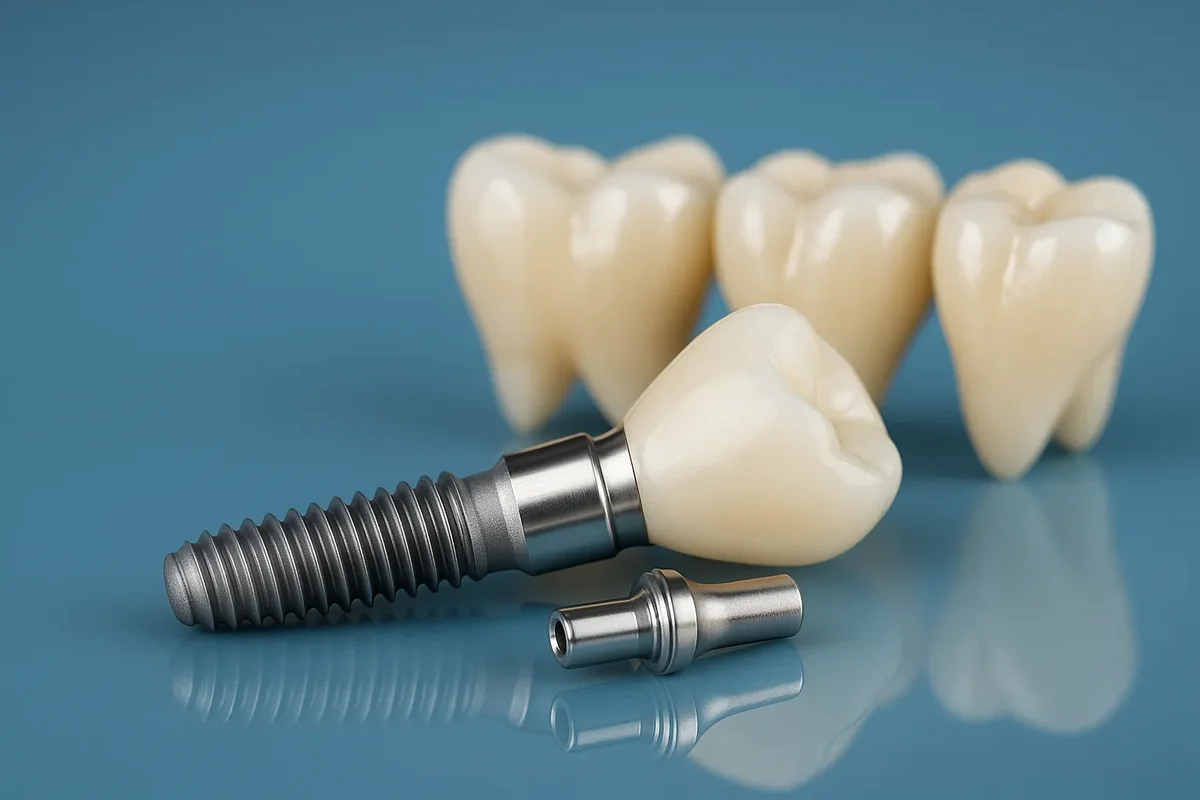
Common Myths and Misconceptions About Premium Dental Implants
Although premium dental implants are widely recognized as one of the most advanced and reliable solutions for tooth replacement, many patients still encounter misinformation online, in casual conversations, or from outdated dental advice. These misconceptions can cause confusion, unnecessary fear, or hesitation—preventing individuals from choosing a treatment that could significantly improve their oral health, confidence, and quality of life. In this section, we address the most common myths with clear explanations based on modern science, clinical research, and real-world patient outcomes. 🦷🔍
Myth 1: “Premium Dental Implants Are Painful and Complicated”
Many people believe that getting implants is an extremely painful and aggressive process. This assumption usually stems from fear of surgery or outdated information. In reality, modern implant placement is a minimally invasive procedure performed under local anesthesia or sedation. Most patients report that the discomfort level is similar to a standard tooth extraction.
The Truth: Precision Techniques Reduce Pain
Dentists today use advanced digital planning tools, including 3D cone-beam CT scans and computer-guided templates, which allow them to place premium dental implants with remarkable accuracy. This reduces trauma, shortens surgical time, and minimizes discomfort during healing.
Most patients resume normal daily activities within 24 hours, and discomfort usually subsides within a few days. With proper care, the healing process is smooth, predictable, and far less intimidating than many imagine.
Myth 2: “Implants Look Fake Compared to Natural Teeth”
Some individuals worry that implants will be noticeable or artificial-looking. This misconception is often based on older prosthetic materials that lacked natural translucency and shading.
The Truth: Premium Implants Offer Exceptional Aesthetics
Modern crowns placed over premium implants are typically made of zirconia or high-quality porcelain—materials designed to mimic the light-reflecting properties of natural enamel. They can be color-matched precisely to surrounding teeth, resulting in a seamless, natural appearance.
With premium dental implants, even close friends or family often cannot distinguish between an implant crown and a natural tooth, especially when crafted by skilled dental technicians.
Myth 3: “Premium Dental Implants Are Only for Older People”
Another common misunderstanding is that implants are mainly used for seniors who have lost multiple teeth. In reality, implants are suitable for adults of almost all ages—whether a tooth was lost due to trauma, decay, or gum disease.
The Truth: Age Is Not the Main Factor—Bone Health Is
As long as the patient has sufficient jawbone density and good oral health, premium dental implants can be placed in young adults, middle-aged individuals, and seniors alike. Many athletes, professionals, and young adults choose implants because they provide long-term stability and a confidence-boosting smile without affecting adjacent teeth.
For patients with bone loss, advanced grafting techniques make it possible to restore bone volume before implant placement.
Myth 4: “Implants Are Too Expensive Compared to Other Options”
While implants may require a higher initial investment, comparing them solely by cost is misleading. Bridges and dentures often need frequent replacements, repairs, or adjustments, which greatly increase long-term expenses.
The Truth: Premium Implants Offer Superior Lifetime Value
Premium implants are engineered to last decades, often a lifetime. They prevent bone loss, protect adjacent teeth, and reduce future dental complications—saving patients significant costs in the long run. Additionally, the comfort, chewing power, and natural appearance they provide deliver immeasurable value over time.
Patients researching treatment options can also explore reputable sources such as the
American Dental Association
to better understand the long-term benefits of implants versus short-term alternatives.
Myth 5: “Implants Require Too Much Maintenance”
A common misconception is that implants demand special cleaning routines or complicated care. This belief often deters people who prefer simple hygienic habits.
The Truth: Caring for Premium Implants Is Similar to Natural Teeth
In reality, premium dental implants require the same care as natural teeth: regular brushing, flossing, and routine dental checkups. Unlike dentures, there is no need for adhesives, soaking solutions, or special cleaning tools unless recommended by a dentist.
Because implants are anchored in the bone and topped with strong ceramic crowns, maintenance is far easier and more intuitive compared to removable prosthetics.
Myth 6: “Implants Frequently Fail”
Some people assume that implants are unreliable or prone to complications. This misconception often comes from misinterpreting outdated success rates or anecdotal stories.
The Truth: Premium Implants Have a 95–98% Success Rate
With proper case selection and aftercare, premium dental implants consistently demonstrate some of the highest success rates in modern dentistry. Advanced surface technologies, high-quality implant materials, and improved surgical techniques all contribute to remarkably predictable outcomes.
Complications like peri-implantitis or implant loosening are rare when patients follow hygiene recommendations and attend routine dental visits.
Myth 7: “Anyone Can Place an Implant, So Quality Doesn’t Matter”
Some believe that all implants are the same, regardless of brand, material quality, or dentist expertise. This is one of the most harmful misconceptions, as the success of implants depends significantly on clinical precision.
The Truth: Skill and Implant Quality Are Essential
Premium implants are placed by trained professionals who use advanced diagnostic tools, precise surgical planning, and high-end implant systems backed by decades of research. These implants feature stronger connections, better surface technology, and more predictable long-term outcomes than lower-cost alternatives.
For personalized evaluations or expert advice, patients can contact specialists through the
Redent Klinik Contact Page.
Myth 8: “Implants Take Too Long to Heal”
Many assume that implant healing requires months of discomfort and limited activity. While healing does take time, modern implant technologies have dramatically reduced recovery periods.
The Truth: Premium Implants Heal Faster Than Ever
Hydrophilic and nano-textured implant surfaces enable bone cells to attach more quickly, accelerating osseointegration. In some cases, premium dental implants can be restored with crowns in just a few weeks. Temporary crowns or same-day implants may also be possible for suitable patients.
Final Thoughts on Myths and Facts
Clear, science-based information is essential when making decisions about oral health. Understanding the truth about premium dental implants helps patients make confident, informed choices—free from fear, confusion, or misinformation. By relying on modern research, expert guidance, and trusted organizations such as the
American Dental Association,
patients can be assured that premium implants offer one of the most reliable, aesthetic, and long-lasting dental solutions available today.