
Dental implants have become one of the most reliable and long-lasting solutions for replacing missing teeth. However, many patients are naturally curious about what happens after dental implants are placed. Understanding the recovery process, healing timeline, and proper care routines is essential for ensuring that your implant treatment succeeds and lasts for decades. In this guide, we will explore everything you should know about life after dental implants, including healing expectations, oral care, lifestyle adjustments, and how to protect your new smile.
The period after dental implants surgery is often easier than most patients expect. Modern implant procedures use advanced techniques, precise planning, and minimally invasive methods that allow the mouth to recover efficiently. While the implant itself is placed into the jawbone during surgery, the real success of treatment occurs in the healing phase after dental implants are installed. During this time, the implant integrates with the bone through a process called osseointegration. This biological bonding process is what allows implants to function like natural tooth roots.
Immediately after dental implants are placed, patients may experience mild swelling, slight discomfort, or minor bleeding. These reactions are normal and typically resolve within a few days. Dentists often recommend rest, cold compresses, and prescribed medications to manage these temporary symptoms. Following your dentist’s instructions carefully during the first days after dental implants helps minimize complications and ensures smooth healing.
One of the most important factors influencing success after dental implants is proper oral hygiene. Even though implants cannot develop cavities like natural teeth, the surrounding gum tissue must remain healthy to support the implant structure. Patients should gently brush the implant area and maintain a consistent oral care routine after dental implants. Using a soft toothbrush, antimicrobial mouthwash, and flossing around the implant area helps prevent inflammation and infection.
Diet also plays a key role in the healing period after dental implants. Dentists typically recommend soft foods during the first few days while the surgical site begins to recover. Foods like yogurt, mashed vegetables, soups, smoothies, and scrambled eggs are ideal choices. Avoiding hard, crunchy, or extremely hot foods shortly after dental implants reduces irritation and supports healthy healing. As the gums recover, patients can gradually return to their normal diet.
Another important consideration after dental implants is avoiding habits that could interfere with healing. Smoking, for example, significantly increases the risk of implant failure because it reduces blood flow to the gums and bone. Dentists strongly advise patients to avoid smoking entirely during the healing period after dental implants. Limiting alcohol consumption and maintaining a balanced diet rich in vitamins and minerals also helps accelerate recovery.
Many patients wonder how long it takes to fully adjust after dental implants. While the initial healing phase usually takes one to two weeks, the complete integration of the implant with the jawbone may take several months. During this time, the implant gradually becomes stable and strong enough to support the final dental crown. The long-term stability of your new tooth depends heavily on how well you follow care recommendations after dental implants.
Regular dental visits are essential after dental implants. Dentists monitor the healing process and ensure the implant integrates correctly with the jawbone. Professional examinations allow early detection of potential concerns, helping protect your investment in implant treatment. Patients are typically encouraged to schedule periodic checkups and professional cleanings even years after dental implants placement.
If you ever experience unusual pain, persistent swelling, or signs of infection after dental implants, it is important to contact a dental professional promptly. Early evaluation ensures that any concerns are addressed quickly and effectively. You can easily reach a qualified dental team through the Redent Klinik Contact Page if you need professional guidance regarding your implant recovery.
For additional information about implant dentistry and oral health care standards, patients can consult trusted organizations such as the American Dental Association. These resources provide valuable guidance on maintaining oral health and understanding modern dental treatments.
Ultimately, the experience after dental implants is highly rewarding for most patients. Once healing is complete, implants function almost exactly like natural teeth. They allow you to chew comfortably, speak clearly, and smile with confidence. With proper care and routine dental visits, the results achieved after dental implants can last for many years or even a lifetime.
By understanding the healing process and following recommended care instructions after dental implants, patients can enjoy a strong, natural-looking smile and improved oral health. In the following sections, we will explore specific aspects of recovery, including healing stages, oral hygiene practices, diet recommendations, and long-term maintenance strategies that ensure the best possible outcome after dental implants.
Immediate Healing After Dental Implants: What Happens in the First 24–72 Hours?
The first few days after dental implants are extremely important for ensuring successful healing and long-term implant stability. During the first 24–72 hours after dental implants, the body begins the natural healing process that allows the implant to integrate with the surrounding bone and gum tissue. While the idea of oral surgery may sound intimidating, most patients are pleasantly surprised by how manageable the recovery period is after dental implants. Understanding what happens during this initial healing stage can help patients feel confident, prepared, and comfortable throughout the process.
What Happens in the Mouth Immediately After Dental Implants?
Immediately after dental implants are placed, the implant post sits securely inside the jawbone where the missing tooth root once existed. The gum tissue around the implant is gently closed, and the healing phase begins. At this stage after dental implants, the body activates a biological process that allows bone cells to attach to the implant surface. This process is called osseointegration and is the key reason dental implants are so stable and long-lasting.
During the first few hours after dental implants, it is normal to notice mild bleeding or oozing from the surgical site. Dentists usually place sterile gauze over the area to control bleeding and help a clot form. This clot is essential because it protects the implant site and supports proper healing after dental implants. Patients are generally advised to keep the gauze in place and avoid excessive spitting or rinsing during the first day.
Many patients also experience mild swelling after dental implants. Swelling is simply the body’s natural inflammatory response to surgery and usually peaks within the first 48 hours. Applying an ice pack to the outside of the cheek for 10–15 minutes at a time can significantly reduce swelling and discomfort after dental implants.
Managing Pain and Discomfort After Dental Implants
Pain levels after dental implants are usually mild to moderate and can typically be controlled with over-the-counter pain relievers or medications prescribed by the dentist. Compared with other dental surgeries, many patients report that discomfort after dental implants is surprisingly minimal. In fact, some patients compare the recovery to that of a simple tooth extraction.
Following the dentist’s instructions carefully during the first days after dental implants can significantly reduce pain and speed up recovery. Patients are often advised to:
- Rest during the first 24 hours after dental implants
- Avoid strenuous physical activity
- Take medications exactly as prescribed
- Apply cold compresses to minimize swelling
- Sleep with the head slightly elevated
These simple precautions help the body heal efficiently and prevent unnecessary irritation to the implant site after dental implants.
Common Symptoms During the First Days After Dental Implants
Patients often wonder which symptoms are normal after dental implants. The following reactions are expected and typically resolve within a few days:
- Mild swelling of the gums or cheeks
- Minor bruising around the surgical area
- Temporary sensitivity in the surrounding teeth
- Slight bleeding or oozing
- A feeling of pressure near the implant site
These symptoms are simply part of the normal healing response after dental implants. However, if severe pain, persistent bleeding, or unusual swelling occurs, patients should contact their dental provider immediately.
Eating Safely After Dental Implants Surgery
Diet plays a very important role in recovery after dental implants. During the first 24–72 hours, dentists typically recommend soft foods that do not require heavy chewing. Gentle nutrition supports healing while preventing unnecessary pressure on the implant site after dental implants.
Examples of recommended foods include:
- Yogurt and smoothies
- Mashed potatoes
- Soft scrambled eggs
- Oatmeal or porridge
- Soup that is warm but not hot
- Soft pasta or rice
Patients should avoid crunchy foods, sticky snacks, hard bread, and spicy meals immediately after dental implants. These foods could irritate the surgical site or disrupt the healing tissue.
Oral Hygiene During Early Recovery After Dental Implants
Maintaining proper oral hygiene is crucial even during the early stages after dental implants. However, cleaning the mouth should be done gently to avoid disturbing the surgical area. Dentists often recommend waiting 24 hours before rinsing the mouth. After that period after dental implants, patients may use a mild saltwater rinse to keep the area clean.
Brushing should continue as usual for the rest of the teeth, but patients must be careful when brushing near the implant site after dental implants. Using a soft-bristled toothbrush and gentle strokes prevents irritation while maintaining oral cleanliness.
Good oral hygiene habits established early after dental implants contribute to long-term implant success. Healthy gums create a strong seal around the implant, protecting it from bacteria and inflammation.
When to Contact a Dentist After Dental Implants
Although most patients recover smoothly after dental implants, it is important to recognize signs that may require professional evaluation. Patients should contact their dentist if they notice:
- Severe or worsening pain several days after surgery
- Excessive swelling that does not improve
- Persistent bleeding beyond 24 hours
- Fever or unusual discharge from the implant site
If any of these symptoms occur after dental implants, a prompt dental examination can ensure that healing continues properly. Patients who have questions about their recovery or implant care can easily reach dental professionals through the Redent Klinik Contact Page.
Patients who want to learn more about recommended dental treatments and oral health standards can also explore resources from the American Dental Association. Trusted organizations like this provide valuable information about maintaining oral health and ensuring successful treatment outcomes after dental implants.
Overall, the first few days after dental implants are focused on rest, gentle care, and allowing the body’s natural healing processes to begin. By following professional advice, maintaining good oral hygiene, and protecting the surgical site, patients set the foundation for long-lasting implant success after dental implants. As healing progresses in the following weeks, the implant gradually becomes stronger and more stable, leading to a confident and natural smile.
Managing Pain and Swelling After Dental Implants Safely
Pain and swelling are two of the most common concerns patients have after dental implants. While dental implant surgery is considered a routine and highly predictable procedure, it is still a surgical intervention, and the body naturally responds with mild inflammation during the healing phase. Understanding how to manage discomfort properly after dental implants can significantly improve recovery and help patients return to their normal daily activities more quickly.
Most patients report that pain after dental implants is significantly less intense than expected. In many cases, the discomfort is similar to that experienced after a tooth extraction. The good news is that modern dental implant techniques, combined with proper aftercare, make the healing period after dental implants manageable and predictable. With the right approach, swelling and pain can be minimized effectively.
Why Pain and Swelling Occur After Dental Implants
Swelling and tenderness after dental implants occur because the body activates its natural healing response following surgery. When the implant is placed into the jawbone, surrounding tissues experience minor trauma. As a result, blood flow increases to the area, bringing nutrients and immune cells that support healing. This inflammatory response is normal and actually plays a crucial role in recovery after dental implants.
Typically, swelling peaks within the first 48 hours after dental implants and then gradually subsides over the following days. Mild bruising around the cheeks or jaw may also occur. These reactions should not cause concern, as they are part of the body’s natural process of repairing tissues and stabilizing the implant site after dental implants.
Patients may also experience a feeling of pressure or tightness around the surgical area. This sensation usually improves as the gums begin to heal and the bone slowly integrates with the implant. Proper care during this early healing phase after dental implants helps prevent complications and promotes faster recovery.
Effective Pain Relief Methods After Dental Implants
Dentists typically provide detailed instructions for managing discomfort after dental implants. Most patients find that over-the-counter pain medications such as ibuprofen or acetaminophen are sufficient to control mild to moderate pain. In some cases, dentists may prescribe stronger medication if multiple implants were placed or if the procedure involved bone grafting.
To reduce pain and swelling after dental implants, patients are often advised to follow several simple strategies:
- Apply an ice pack to the cheek near the surgical site for 10–15 minutes at a time.
- Rest during the first 24 hours after dental implants.
- Avoid strenuous exercise for at least two to three days.
- Take medications exactly as prescribed by the dentist.
- Sleep with the head slightly elevated to reduce swelling.
Cold compresses are particularly effective during the first 48 hours after dental implants. The cold temperature helps constrict blood vessels, reducing inflammation and preventing excessive swelling.
Natural Ways to Support Healing After Dental Implants
In addition to medication, several natural methods can help reduce discomfort after dental implants. Gentle care and supportive habits allow the body to heal more efficiently while minimizing irritation around the implant area.
One common recommendation is rinsing the mouth with warm saltwater beginning about 24 hours after dental implants. This solution helps keep the surgical site clean and can reduce inflammation in the surrounding gum tissue. However, rinsing should be done gently to avoid disturbing the healing area.
Hydration also plays an important role in recovery after dental implants. Drinking enough water helps maintain healthy circulation and supports tissue repair. Patients should avoid extremely hot beverages during the early recovery period because heat may increase swelling.
Another helpful practice after dental implants is maintaining a balanced diet rich in vitamins and proteins. Nutrients such as vitamin C, vitamin D, calcium, and zinc contribute to tissue regeneration and bone healing. Soft foods like yogurt, smoothies, soups, and mashed vegetables are ideal during the early healing period after dental implants.
Activities to Avoid After Dental Implants
Some daily habits may interfere with recovery after dental implants and should be avoided temporarily. Protecting the implant site during the first days and weeks helps ensure proper healing and long-term success.
Patients are generally advised to avoid the following activities after dental implants:
- Smoking or using tobacco products
- Drinking alcohol excessively
- Touching or pressing the implant area with the tongue
- Chewing hard foods near the surgical site
- Participating in intense physical exercise immediately after surgery
Smoking is especially harmful during recovery after dental implants because it reduces blood flow to the gums and bone. This can slow the healing process and increase the risk of implant failure. Dentists strongly encourage patients to avoid smoking completely during the healing period.
Recognizing Warning Signs After Dental Implants
Although most patients recover smoothly after dental implants, it is important to recognize symptoms that may indicate a complication. Severe or worsening pain several days after dental implants, persistent swelling, or unusual discharge could suggest infection or delayed healing.
If any concerning symptoms appear after dental implants, patients should contact their dentist immediately for evaluation. Professional guidance ensures that any issue is addressed quickly before it affects the stability of the implant.
If you have questions or concerns regarding your recovery after dental implants, you can easily reach experienced dental professionals through the Redent Klinik Contact Page. Early communication with your dental team is one of the best ways to ensure a smooth recovery.
Patients interested in learning more about implant dentistry, oral health recommendations, and post-surgical care guidelines can also explore reliable resources from the American Dental Association. Trusted organizations provide valuable information that helps patients maintain optimal oral health and understand what to expect after dental implants.
Ultimately, managing discomfort properly after dental implants is a key part of successful treatment. By following professional advice, maintaining good oral hygiene, and protecting the surgical area, patients can reduce pain, minimize swelling, and support the healing process. With proper care, the temporary discomfort experienced after dental implants quickly fades, allowing patients to enjoy the long-term benefits of a stable, natural-looking smile.
Eating and Drinking After Dental Implants: Foods That Support Healing
Diet plays a critical role in the recovery process after dental implants. The foods you eat during the healing phase can influence how quickly your gums recover, how comfortably you heal, and how successfully the implant integrates with your jawbone. Because the implant area is sensitive during the early recovery stage after dental implants, choosing the right foods and beverages helps prevent irritation, reduces discomfort, and promotes healthy tissue regeneration.
Many patients worry about what they can safely eat after dental implants. The good news is that the dietary restrictions are usually temporary. For the first few days after dental implants, dentists typically recommend soft foods that require minimal chewing. As the gums heal and swelling decreases, patients gradually return to a normal diet. However, during the early healing stage after dental implants, it is important to avoid foods that could disturb the surgical site or cause pressure on the implant.
Why Diet Matters After Dental Implants
The body begins repairing tissues immediately after dental implants are placed. Bone cells start bonding with the implant surface, while gum tissues slowly close around the implant area. This healing process requires proper nutrition. Nutrients such as protein, calcium, vitamin C, and vitamin D support the regeneration of tissues and strengthen the bone surrounding the implant after dental implants.
Eating nutrient-rich foods during recovery after dental implants helps the body heal faster and reduces the risk of complications. On the other hand, consuming hard, crunchy, or sticky foods too early after dental implants may irritate the surgical site or place unnecessary pressure on the implant.
Maintaining proper hydration is also essential after dental implants. Drinking enough water supports circulation, delivers nutrients to healing tissues, and helps flush bacteria from the mouth.
Best Foods to Eat After Dental Implants
During the first 24–72 hours after dental implants, soft foods are strongly recommended. These foods are gentle on the surgical site and allow patients to maintain adequate nutrition without causing discomfort.
Some excellent food options after dental implants include:
- Yogurt and probiotic dairy products
- Smoothies made with fruits and protein
- Mashed potatoes or mashed sweet potatoes
- Soft scrambled eggs
- Oatmeal or porridge
- Soft pasta or noodles
- Pureed soups or vegetable soups
- Cottage cheese
- Avocado
These foods are not only easy to chew but also rich in nutrients that support healing after dental implants. For example, yogurt provides protein and probiotics, which help maintain a healthy balance of bacteria in the mouth.
Foods That Help Bone Healing After Dental Implants
Because dental implants rely on bone integration, certain nutrients are especially beneficial during recovery after dental implants. Foods rich in calcium and vitamin D support bone regeneration and strengthen the implant foundation.
Examples of beneficial foods include:
- Milk and dairy products
- Soft fish such as salmon
- Leafy green vegetables blended into smoothies
- Tofu and soy products
- Eggs
- Fortified cereals
These nutrients assist the body’s natural healing processes and support osseointegration, which is the biological bonding that occurs after dental implants are placed.
Foods to Avoid After Dental Implants
While many foods support healing, some should be avoided during the early recovery period after dental implants. Hard or crunchy foods can disturb the surgical area and delay healing. Sticky foods may also pull on the implant site and create unnecessary pressure.
Patients should avoid the following foods during early recovery after dental implants:
- Hard bread crusts
- Chips and crackers
- Nuts and seeds
- Sticky candies or chewing gum
- Popcorn
- Extremely spicy foods
- Very hot beverages
These foods may irritate the gums or interfere with the protective blood clot that forms at the implant site after dental implants. Protecting the surgical area allows the tissues to heal properly and prevents complications.
Safe Drinking Habits After Dental Implants
Drinking habits also influence recovery after dental implants. Patients should avoid using straws during the first few days because suction may dislodge the blood clot at the implant site. Losing this clot can slow healing and cause discomfort after dental implants.
Instead, patients should drink fluids slowly and directly from a cup. Water is the best option for maintaining hydration after dental implants. Herbal teas that are lukewarm may also be soothing for the gums.
Alcohol consumption should be limited during the healing period after dental implants. Alcohol may interfere with medications and slow tissue repair. Additionally, smoking should be avoided because it significantly reduces blood flow to the gums and bone, which can negatively affect healing after dental implants.
Gradually Returning to a Normal Diet After Dental Implants
As the gums heal and swelling subsides, patients can slowly return to their regular diet. Usually within a week or two after dental implants, chewing becomes more comfortable and patients can introduce slightly firmer foods.
However, it is still important to chew carefully and avoid placing excessive pressure on the implant area during early healing after dental implants. Dentists may provide personalized dietary recommendations depending on the number of implants placed and whether additional procedures such as bone grafting were performed.
If patients have concerns about what they should eat after dental implants, professional guidance is always helpful. Dental professionals can provide personalized advice based on each patient’s treatment plan. Patients can easily reach a dental team through the Redent Klinik Contact Page if they need assistance or clarification.
Patients interested in learning more about maintaining oral health during recovery after dental implants can also explore educational resources from the American Dental Association. These trusted guidelines help patients understand proper dental care and post-treatment recommendations.
Ultimately, choosing the right foods and beverages during the healing phase after dental implants helps ensure a comfortable recovery and supports the long-term success of implant treatment. With proper nutrition, hydration, and careful eating habits, patients can protect the surgical site and allow their new dental implants to integrate successfully with the jawbone.
Oral Hygiene Routine After Dental Implants for Long-Term Success
Maintaining proper oral hygiene is one of the most important factors for ensuring long-term success after dental implants. Although dental implants are designed to function like natural teeth, they still require consistent care and attention. Healthy gums and clean oral tissues are essential for protecting the implant and surrounding bone structure after dental implants. Patients who develop strong hygiene habits during recovery are far more likely to enjoy stable and long-lasting results.
Many people assume that implants do not require the same level of care as natural teeth because they cannot develop cavities. However, gum disease and inflammation can still occur after dental implants if oral hygiene is neglected. Bacteria and plaque can accumulate around the implant area, potentially causing a condition called peri-implantitis. This inflammatory condition affects the gums and bone surrounding the implant and can threaten the stability of the implant after dental implants. For this reason, proper oral care is absolutely essential.
Why Oral Hygiene Matters After Dental Implants
The tissues surrounding an implant remain sensitive during the healing phase after dental implants. Bacteria naturally exist in the mouth, and without regular cleaning, these microorganisms can accumulate near the implant site. When plaque builds up around the gums, inflammation may occur. Over time, this inflammation may damage the bone supporting the implant.
Good oral hygiene practices prevent bacterial buildup and protect the tissues surrounding the implant after dental implants. Clean gums create a strong biological seal around the implant, preventing harmful bacteria from entering deeper tissues. This protective barrier is crucial for long-term implant stability after dental implants.
Establishing a proper hygiene routine early after dental implants also helps patients maintain overall oral health. Healthy gums and clean teeth reduce the risk of infections and ensure that implants continue functioning like natural teeth.
Brushing Techniques After Dental Implants
Brushing the teeth properly is one of the most effective ways to protect oral health after dental implants. Dentists typically recommend using a soft-bristled toothbrush to gently clean the implant area. Soft brushes prevent irritation to the gums while still removing plaque effectively.
Patients should brush at least twice per day after dental implants. Gentle circular motions are recommended to clean the gum line and surrounding tooth surfaces. Special attention should be given to the area where the implant crown meets the gum tissue. This is where plaque tends to accumulate most easily after dental implants.
Electric toothbrushes can also be beneficial because they provide consistent cleaning and may remove plaque more efficiently. However, regardless of the tool used, brushing should always be gentle to avoid damaging sensitive tissues after dental implants.
Choosing the Right Toothpaste After Dental Implants
Not all toothpaste formulas are ideal for use after dental implants. Some highly abrasive toothpastes may scratch implant surfaces or irritate the surrounding gums. Dentists usually recommend non-abrasive toothpaste designed for sensitive teeth and gums.
Fluoride toothpaste can still be used because it protects natural teeth and helps maintain overall oral health after dental implants. Maintaining healthy natural teeth is important because they support the overall balance and stability of the bite.
Flossing and Interdental Cleaning After Dental Implants
Flossing is another essential component of oral hygiene after dental implants. While brushing removes plaque from the surfaces of teeth, flossing removes bacteria and food particles trapped between teeth and around implant structures.
Patients may use traditional dental floss, implant-specific floss, or interdental brushes after dental implants. Interdental brushes are particularly helpful for cleaning areas that are difficult to reach with regular floss. These small brushes slide gently between teeth and implants, removing plaque effectively.
Water flossers are another popular tool that can help maintain cleanliness after dental implants. These devices use a pressurized stream of water to remove food debris and bacteria from around the implant area. Many dentists recommend water flossers as part of a complete hygiene routine after dental implants.
Mouthwash and Antibacterial Rinses After Dental Implants
Using mouthwash can provide additional protection against bacteria after dental implants. Antibacterial rinses help reduce harmful microorganisms in the mouth and keep gum tissues healthy.
During the early healing phase after dental implants, dentists often recommend saltwater rinses or medicated mouthwash to prevent infection. These rinses help soothe gum tissue and support healing.
However, patients should avoid aggressive rinsing immediately after dental implants, as strong swishing may disturb the surgical site. Gentle rinsing is sufficient to maintain cleanliness without interfering with the healing process.
Professional Dental Cleanings After Dental Implants
Even with excellent home care, professional dental visits remain essential after dental implants. Dentists and dental hygienists use specialized instruments to remove plaque and tartar from areas that are difficult to reach with everyday brushing and flossing.
Routine dental examinations allow professionals to monitor the condition of implants and surrounding tissues after dental implants. Early detection of inflammation or other issues ensures that problems can be addressed before they become serious.
Patients who have questions about maintaining oral hygiene after dental implants or who need professional guidance can easily contact experienced dental professionals through the Redent Klinik Contact Page. Personalized advice helps patients maintain the health and stability of their implants.
For additional educational resources about dental health and proper oral hygiene practices, patients can also visit the American Dental Association. Trusted organizations provide valuable information about protecting oral health and maintaining successful dental treatments.
Ultimately, a strong hygiene routine after dental implants is the key to preserving your new smile for many years. With regular brushing, proper flossing, antibacterial rinsing, and professional dental visits, patients can protect their implants and enjoy the full benefits of implant dentistry after dental implants. By making oral hygiene a daily priority, patients ensure that their dental implants remain healthy, stable, and functional for decades.
Common Symptoms After Dental Implants and When to Call a Dentist
Understanding what symptoms are normal and what symptoms may indicate a concern is very important after dental implants. Every patient experiences some degree of healing response following implant surgery, and the body naturally reacts as tissues recover and integrate with the implant. Knowing what to expect after dental implants can help patients feel confident during the recovery process and recognize when professional dental advice may be necessary.
The majority of patients recover smoothly after dental implants with only mild discomfort and temporary swelling. However, because dental implants involve both gum tissue and jawbone, it is important to monitor symptoms carefully during the healing phase. Early detection of unusual symptoms after dental implants allows dental professionals to address potential problems quickly and maintain the success of the treatment.
Normal Symptoms After Dental Implants
Several mild symptoms are considered completely normal after dental implants. These symptoms are part of the body’s natural healing process and typically resolve within a few days to a week. During the early recovery period after dental implants, patients may experience swelling, tenderness, or slight bruising around the implant site.
The following symptoms are commonly reported after dental implants:
- Mild swelling of the gums and cheeks
- Minor bleeding during the first 24 hours
- Light bruising near the surgical area
- Sensitivity when chewing near the implant
- A temporary feeling of tightness or pressure
These symptoms occur because the body increases blood flow to the surgical area to support tissue repair. The inflammatory response helps initiate the healing process after dental implants and supports bone integration around the implant.
Most swelling peaks within 48 hours after dental implants and then gradually decreases. Patients often find that applying cold compresses and following post-surgical care instructions helps reduce discomfort and accelerate healing.
Understanding the Healing Timeline After Dental Implants
The healing process continues for several weeks or even months after dental implants. While the initial gum healing occurs relatively quickly, the deeper bone integration process takes longer. This phase is known as osseointegration, during which bone tissue gradually bonds with the implant surface.
During the weeks after dental implants, patients may occasionally notice mild sensitivity when chewing or brushing near the implant site. This is usually normal as long as the discomfort gradually improves. Maintaining good oral hygiene and avoiding excessive pressure on the implant are important steps during recovery after dental implants.
Temporary Sensations Patients May Notice
Some patients report temporary sensations after dental implants as the surrounding tissues heal. These sensations do not necessarily indicate a problem and are often part of the normal healing process.
For example, patients may notice:
- A slight tingling feeling near the implant area
- Minor sensitivity to temperature
- Occasional awareness of the implant when chewing
These sensations typically fade as the body adapts to the implant and healing progresses after dental implants.
Warning Signs After Dental Implants
Although most recoveries are smooth after dental implants, certain symptoms may indicate a complication that requires professional evaluation. Being aware of these warning signs allows patients to seek dental care promptly if needed.
Patients should contact their dentist if they experience any of the following symptoms after dental implants:
- Severe or worsening pain several days after surgery
- Persistent swelling that does not improve
- Continuous bleeding beyond the first day
- Pus or unusual discharge near the implant site
- Fever or signs of infection
- Loose or unstable implant movement
These symptoms may suggest infection, delayed healing, or other complications after dental implants. Prompt evaluation allows dentists to intervene early and protect the implant from failure.
Possible Complications After Dental Implants
Although dental implants have a very high success rate, complications can occasionally occur after dental implants. One potential issue is peri-implantitis, an inflammatory condition affecting the gum tissue and bone around the implant. This condition can develop if plaque accumulates around the implant or if oral hygiene is inadequate after dental implants.
Another possible concern after dental implants is delayed osseointegration. In this situation, the implant does not bond properly with the surrounding bone. Factors such as smoking, poor bone quality, or uncontrolled medical conditions can influence healing after dental implants.
Fortunately, most complications can be successfully treated if they are detected early. Regular dental checkups help identify potential issues before they become serious problems after dental implants.
When to Contact a Dental Professional
If patients feel uncertain about their recovery after dental implants, it is always best to consult a dental professional. Dentists can evaluate the implant site, assess healing progress, and provide personalized guidance for recovery.
Patients who notice unusual symptoms after dental implants or who simply want reassurance about their healing process can contact experienced dental professionals through the Redent Klinik Contact Page. Professional support ensures that recovery stays on track and that the implant remains stable.
Patients may also benefit from exploring educational resources provided by the American Dental Association. Trusted organizations provide valuable information about dental procedures, recovery expectations, and maintaining optimal oral health.
Ultimately, being aware of both normal healing symptoms and warning signs after dental implants allows patients to manage their recovery with confidence. Most patients experience only mild discomfort and temporary swelling, and these symptoms gradually disappear as healing progresses. By following post-surgical care instructions and maintaining regular dental visits, patients can ensure a smooth recovery and long-lasting implant success after dental implants.
Long-Term Care After Dental Implants: Protecting Your New Smile
Receiving dental implants is a major step toward restoring both oral health and confidence. However, long-term success does not depend only on the surgical procedure itself. Proper maintenance and daily habits are extremely important after dental implants. With the right care routine, dental implants can last decades and often even a lifetime. Understanding how to maintain oral health after dental implants allows patients to protect their investment and enjoy the full benefits of a natural-looking smile.
The period long after dental implants are placed is when patients truly begin to experience their benefits. Implants restore chewing ability, support facial structure, and provide stability that removable dentures often cannot offer. But like natural teeth, implants require daily attention and professional monitoring after dental implants. Maintaining healthy gums and bone structure is essential for keeping implants secure.
Why Long-Term Maintenance Matters After Dental Implants
Dental implants function as artificial tooth roots that integrate with the jawbone. This integration process creates a stable foundation for crowns or prosthetic teeth. However, the surrounding gum tissue and bone must remain healthy after dental implants to maintain that stability.
Without proper care, plaque and bacteria can accumulate around the implant area. Over time, this buildup may cause inflammation in the gums. If untreated, inflammation may lead to peri-implantitis, a condition that can damage the bone supporting the implant. Preventing these complications is one of the main goals of long-term care after dental implants.
Patients who maintain good oral hygiene and attend regular dental checkups greatly reduce the risk of complications after dental implants. These preventive measures allow implants to remain strong and functional for many years.
Daily Oral Hygiene Habits After Dental Implants
A strong daily hygiene routine is essential for maintaining oral health after dental implants. Patients should brush their teeth at least twice a day using a soft-bristled toothbrush. Brushing removes plaque and bacteria that accumulate along the gum line and around the implant crown.
Flossing is equally important after dental implants. Specialized implant floss or interdental brushes can help clean areas between the implant and neighboring teeth. These tools remove debris that brushing alone cannot reach.
Water flossers are also helpful for maintaining cleanliness after dental implants. They use a gentle stream of water to remove bacteria and food particles from around the implant site. Incorporating these tools into a daily routine supports long-term implant health.
Using Mouthwash to Maintain Healthy Gums
Antibacterial mouthwash can provide additional protection after dental implants. These rinses help reduce harmful bacteria in the mouth and support gum health. Healthy gum tissue forms a protective seal around the implant, preventing infection and inflammation.
However, mouthwash should be used as a complement to brushing and flossing rather than a replacement. Maintaining a complete hygiene routine after dental implants ensures the best long-term outcomes.
Lifestyle Choices That Affect Implants
Certain lifestyle habits can significantly influence implant longevity after dental implants. Smoking is one of the most harmful habits for implant health because it reduces blood flow to the gums and bone. Reduced circulation slows healing and increases the risk of implant complications.
Patients are strongly encouraged to avoid smoking entirely after dental implants. Limiting alcohol consumption is also beneficial because excessive alcohol can interfere with the body’s healing processes.
Maintaining a balanced diet rich in vitamins and minerals supports oral health after dental implants. Nutrients such as calcium, vitamin D, and vitamin C help maintain bone density and healthy gum tissues. Eating nutritious foods strengthens the foundation that supports implants.
Regular Dental Checkups After Dental Implants
Professional dental visits play an essential role in maintaining implant health after dental implants. Dentists can evaluate the condition of the implant, monitor gum health, and detect early signs of complications. Regular examinations ensure that any issues are addressed quickly before they become serious.
During routine checkups after dental implants, dental hygienists use specialized instruments to clean around the implant without damaging its surface. Professional cleanings remove hardened plaque deposits that cannot be eliminated through brushing alone.
Patients are typically advised to schedule dental visits every six months after dental implants. However, individuals with specific risk factors may benefit from more frequent checkups.
Protecting Implants From Physical Damage
While dental implants are extremely durable, they can still be affected by excessive force. Teeth grinding, also known as bruxism, may place additional pressure on implants after dental implants. Dentists may recommend a night guard to protect the implant and surrounding teeth from grinding damage.
Patients who participate in contact sports should also consider wearing a protective mouthguard after dental implants. Mouthguards reduce the risk of injury and protect both natural teeth and implant-supported restorations.
When to Seek Professional Advice
If patients notice unusual symptoms after dental implants, such as gum redness, persistent discomfort, or bleeding around the implant, they should contact a dental professional promptly. Early evaluation ensures that potential issues are treated before they affect implant stability.
Patients who have concerns about maintaining oral health after dental implants can reach experienced dental professionals through the Redent Klinik Contact Page. Professional guidance can help ensure long-term implant success.
Patients seeking additional educational resources about dental care and implant maintenance can also consult the American Dental Association. Trusted organizations provide reliable information about oral health and preventive dental care.
Ultimately, long-term success after dental implants depends on a combination of daily hygiene, healthy lifestyle choices, and regular professional care. By maintaining consistent oral hygiene habits and attending routine dental checkups, patients can protect their implants and enjoy a confident smile for many years. With proper care after dental implants, implants remain one of the most reliable and long-lasting solutions in modern dentistry.
Lifestyle Habits That Improve Results After Dental Implants
The success of dental implants does not depend only on the surgical procedure itself. Daily habits and lifestyle choices play a significant role in determining how well patients recover and how long implants remain stable after dental implants. Adopting healthy routines supports healing, protects gum tissue, and strengthens the bone surrounding the implant. Patients who maintain positive lifestyle habits often experience better long-term outcomes after dental implants and enjoy the full benefits of their restored smile.
During the healing phase and in the years after dental implants, lifestyle factors such as nutrition, smoking habits, stress levels, and physical activity can all influence oral health. While dental implants are designed to be durable and reliable, they still depend on healthy surrounding tissues for support. By understanding which habits improve implant success after dental implants, patients can protect their investment and maintain excellent oral health.
Healthy Nutrition for Strong Implants After Dental Implants
One of the most important lifestyle factors affecting healing after dental implants is nutrition. The body requires specific nutrients to repair tissues and strengthen bone. Foods rich in vitamins, minerals, and protein support recovery and help maintain the stability of implants after dental implants.
Protein is essential for tissue regeneration and wound healing. Consuming adequate protein from sources such as fish, eggs, beans, and lean meats supports the healing process after dental implants. Calcium and vitamin D are also critical nutrients because they strengthen bone density and support the integration of the implant with the jawbone.
Patients are encouraged to include the following nutrients in their diet after dental implants:
- Calcium from dairy products or fortified plant-based foods
- Vitamin D from sunlight exposure and fortified foods
- Vitamin C from fruits such as oranges and strawberries
- Magnesium from nuts and leafy green vegetables
- Protein from lean meats, fish, tofu, and legumes
Balanced nutrition helps maintain healthy tissues and supports long-term implant stability after dental implants.
The Impact of Smoking After Dental Implants
Smoking is one of the most significant risk factors affecting implant success after dental implants. Tobacco reduces blood circulation in the gums and bone, which slows healing and increases the likelihood of infection. Studies have shown that patients who smoke have a higher risk of implant failure compared to non-smokers.
During the healing period after dental implants, avoiding tobacco products is especially important. The early weeks after surgery are when the implant begins integrating with the jawbone. Any disruption to blood supply during this time may interfere with osseointegration and compromise the implant.
For patients who smoke regularly, dentists often recommend reducing or completely stopping smoking after dental implants. Doing so significantly improves healing conditions and increases the chances of long-term implant success.
Alcohol Consumption and Healing
Alcohol intake can also influence recovery after dental implants. Excessive alcohol consumption may interfere with medications prescribed after surgery and slow the body’s natural healing processes. Alcohol can also dry the mouth, which may increase bacterial growth and irritation around the implant area.
Moderation is recommended for patients during the recovery period after dental implants. Drinking plenty of water instead of alcoholic beverages helps maintain hydration and supports tissue healing.
Stress Management and Oral Health After Dental Implants
Stress is often overlooked as a factor influencing oral health after dental implants. High stress levels can weaken the immune system, making it more difficult for the body to heal efficiently. Stress may also lead to teeth grinding, known as bruxism, which places excessive pressure on dental implants.
Patients who grind their teeth frequently after dental implants may damage the implant crown or place stress on the surrounding bone. Dentists sometimes recommend wearing a night guard to protect implants from grinding during sleep.
Practicing stress-reducing activities such as meditation, exercise, or relaxation techniques can help maintain overall health and support healing after dental implants.
Physical Activity and Recovery After Dental Implants
Physical activity is beneficial for general health, but it should be approached carefully during the early recovery stage after dental implants. Intense exercise immediately after surgery may increase blood pressure and cause bleeding or swelling at the surgical site.
Dentists usually recommend avoiding strenuous physical activity for at least a few days after dental implants. Once the initial healing period has passed, patients can gradually return to their normal exercise routines.
Regular moderate exercise supports circulation and overall health, which can contribute positively to long-term oral health after dental implants.
Maintaining Hydration After Dental Implants
Hydration is another important lifestyle factor affecting oral health after dental implants. Drinking enough water helps maintain saliva production, which naturally cleans the mouth and prevents bacterial buildup. Saliva plays an essential role in protecting gum tissues and preventing infection after dental implants.
Patients should aim to drink water regularly throughout the day after dental implants. Staying hydrated also supports general health and promotes tissue repair.
Seeking Professional Support After Dental Implants
Maintaining healthy habits after dental implants is easier when patients have access to professional guidance. Dentists can provide personalized advice on nutrition, hygiene, and lifestyle adjustments that improve implant success.
If patients have questions about caring for their implants or improving their lifestyle habits after dental implants, they can contact experienced dental professionals through the Redent Klinik Contact Page. Professional support helps patients maintain healthy smiles and long-lasting implant results.
Patients interested in learning more about oral health recommendations and preventive dental care can also explore educational resources from the American Dental Association. Trusted dental organizations provide valuable information about maintaining oral health and supporting successful treatment outcomes.
Ultimately, healthy lifestyle choices greatly influence the long-term results after dental implants. By maintaining balanced nutrition, avoiding smoking, managing stress, and practicing good oral hygiene, patients create the ideal environment for implant stability. These habits not only protect dental implants but also support overall oral health and long-term confidence in one’s smile after dental implants.
Dental Checkups After Dental Implants: Why Regular Monitoring Matters
Regular dental checkups play a vital role in maintaining oral health and ensuring the long-term success of treatment after dental implants. While dental implants are designed to be strong, stable, and long-lasting, they still require professional monitoring. Routine dental visits help dentists evaluate the condition of the implant, examine the surrounding gums, and ensure the bone supporting the implant remains healthy after dental implants. These professional evaluations are essential for detecting potential issues early and preventing complications.
Many patients assume that once the implant crown is placed, no additional attention is required after dental implants. However, like natural teeth, implants are part of a complex oral system that requires regular care. Gum health, bite alignment, and oral hygiene habits all influence how well implants function after dental implants. Dental professionals can monitor these factors during routine checkups and provide guidance for maintaining optimal oral health.
Why Professional Monitoring Is Important After Dental Implants
Even with excellent daily oral hygiene, plaque and tartar can accumulate in areas that are difficult to clean thoroughly. Over time, this buildup may irritate the gums and create inflammation around the implant site after dental implants. If left untreated, inflammation can progress into a condition called peri-implantitis, which affects the bone supporting the implant.
During regular dental visits after dental implants, dentists examine the gum tissue surrounding the implant to ensure it remains healthy. They also evaluate the stability of the implant and check for any signs of bone loss. Early detection of minor issues allows dental professionals to provide treatment before complications develop after dental implants.
Routine monitoring also ensures that the implant crown, bridge, or prosthetic restoration remains properly aligned. Bite alignment is important because uneven pressure on implants may lead to mechanical stress or discomfort after dental implants.
What Happens During a Dental Checkup After Dental Implants
A dental examination after dental implants typically involves several important steps. The dentist will first visually inspect the implant and surrounding gum tissue. Healthy gums should appear firm and pink, without swelling or redness.
Next, the dentist may gently probe around the implant area to measure the depth of the gum pocket. This measurement helps determine whether the gum tissue is healthy and whether bacteria are accumulating beneath the surface after dental implants.
Dental X-rays may also be taken periodically after dental implants. X-rays allow dentists to evaluate the bone surrounding the implant and ensure that the implant remains securely integrated with the jawbone. Monitoring bone levels is particularly important because bone support is the foundation of implant stability.
Professional Cleaning Around Dental Implants
During dental checkups after dental implants, professional cleanings are usually performed by a dental hygienist. Specialized instruments are used to remove plaque and tartar without damaging the implant surface. Traditional metal instruments are sometimes avoided because they may scratch the implant; instead, hygienists use tools specifically designed for implant maintenance.
Professional cleanings help remove hardened plaque deposits that brushing and flossing cannot eliminate after dental implants. Maintaining a clean implant environment significantly reduces the risk of infection and inflammation.
Recommended Frequency of Checkups After Dental Implants
Most dental professionals recommend scheduling checkups every six months after dental implants. However, some patients may require more frequent visits depending on their oral health condition. Individuals with a history of gum disease or those who smoke may benefit from additional monitoring after dental implants.
Regular dental visits allow professionals to track the health of the implant over time. Consistent monitoring ensures that any minor changes in gum health or bone density are addressed promptly after dental implants.
Signs Dentists Look For During Implant Checkups
During routine examinations after dental implants, dentists look for specific indicators that reveal the condition of the implant and surrounding tissues. These indicators help determine whether the implant remains stable and healthy.
Some of the key factors dentists evaluate include:
- Gum color and texture around the implant
- Signs of swelling or inflammation
- Presence of plaque or tartar buildup
- Implant stability and movement
- Bite alignment and chewing pressure
- Bone levels visible in dental X-rays
Careful monitoring of these factors ensures that implants continue functioning properly for many years after dental implants.
Patient Responsibility Between Dental Visits
While professional checkups are essential, patients also play a crucial role in maintaining implant health after dental implants. Consistent daily oral hygiene is necessary to prevent plaque buildup and protect gum tissues.
Patients should brush twice daily, floss carefully around the implant, and use antibacterial mouthwash if recommended by their dentist. Maintaining these habits significantly improves long-term outcomes after dental implants.
If patients notice unusual symptoms such as persistent bleeding, swelling, or discomfort after dental implants, they should contact a dental professional promptly. Early evaluation ensures that potential concerns are addressed quickly.
Accessing Professional Support After Dental Implants
Maintaining communication with dental professionals is one of the most effective ways to protect oral health after dental implants. Patients who have questions about implant care or who wish to schedule a dental consultation can reach experienced professionals through the Redent Klinik Contact Page.
Educational resources from reputable organizations can also help patients understand how to care for their oral health after dental implants. For example, the American Dental Association provides reliable information about dental procedures, preventive care, and maintaining healthy smiles.
Ultimately, regular dental checkups are one of the most important steps for protecting oral health after dental implants. By combining professional monitoring with consistent home care, patients can ensure their implants remain strong, functional, and aesthetically pleasing for many years. Long-term dental success after dental implants depends on proactive care, professional guidance, and a commitment to maintaining excellent oral hygiene.
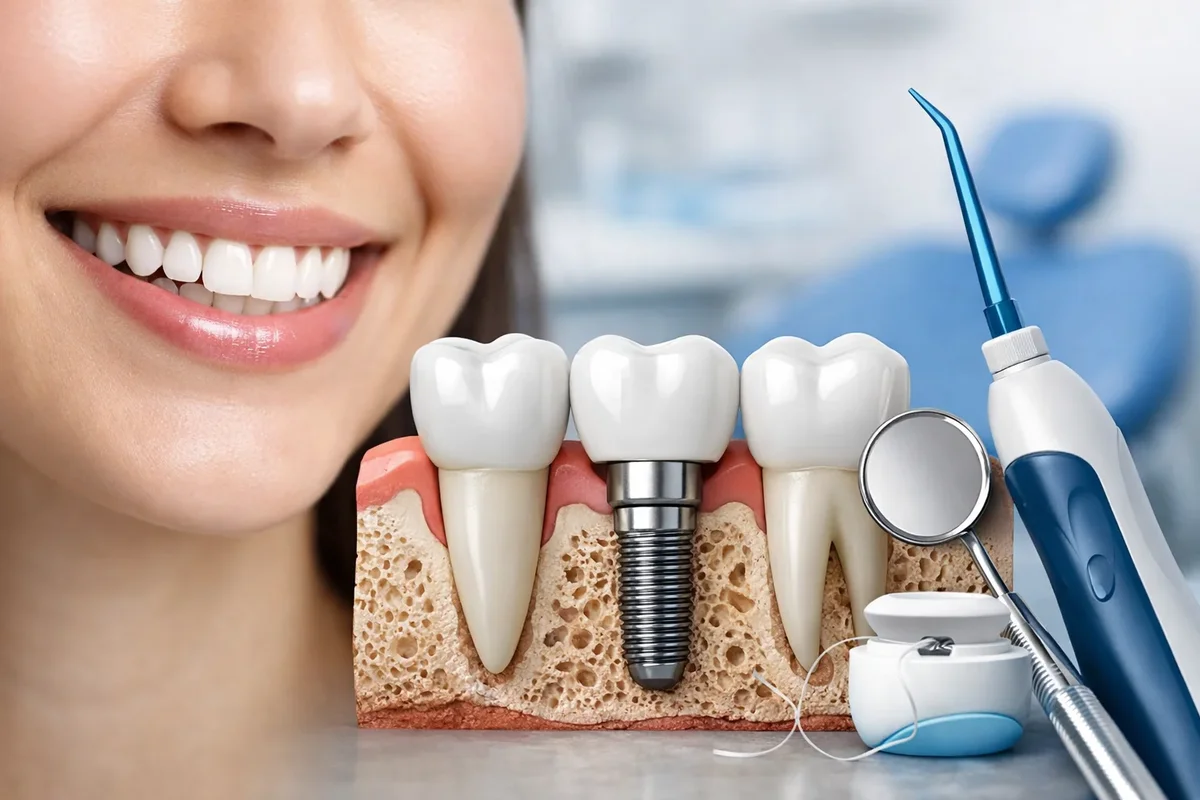
How Long It Takes to Fully Recover After Dental Implants
One of the most common questions patients ask before treatment is how long recovery takes after dental implants. While the exact timeline varies depending on the individual patient, the number of implants placed, and the complexity of the procedure, most people recover comfortably within a predictable timeframe. Understanding the stages of healing after dental implants helps patients feel prepared and confident during the recovery process.
The recovery period after dental implants occurs in several phases. The first stage involves initial gum healing, which usually happens within the first one to two weeks. The second stage is the osseointegration phase, where the implant fuses with the jawbone. This biological bonding process may take several months. Finally, the restorative phase occurs when the permanent crown or prosthetic tooth is attached to the implant. Each of these phases contributes to the overall success of the treatment after dental implants.
The First Week After Dental Implants
The first few days after dental implants are focused on healing the surgical site and allowing the gums to recover. Patients may experience mild swelling, slight bruising, or tenderness around the implant area. These symptoms are completely normal and typically improve within several days after dental implants.
Most dentists recommend rest and limited physical activity during the first 24–48 hours after dental implants. Applying cold compresses can help reduce swelling, while prescribed medications may be used to manage discomfort. Patients are usually able to return to work or daily activities within a few days after dental implants, depending on how they feel.
During this early stage after dental implants, patients should follow dietary recommendations and avoid chewing directly on the implant site. Soft foods such as yogurt, soups, mashed vegetables, and smoothies are ideal during the first week.
The Osseointegration Phase After Dental Implants
The most important stage of healing occurs during the osseointegration phase after dental implants. Osseointegration is the process by which the jawbone gradually bonds with the implant surface. This bond creates the strong foundation that allows the implant to function like a natural tooth root.
Osseointegration typically takes between three and six months after dental implants. During this time, patients usually experience little to no discomfort, and the implant remains hidden beneath the gum tissue or protected with a temporary restoration. Even though the surgical site may appear healed externally, the bone integration process continues internally after dental implants.
Maintaining proper oral hygiene and attending follow-up appointments are essential during this stage after dental implants. These habits help ensure that the bone continues bonding successfully with the implant.
Factors That Affect Healing Time
Several factors can influence how quickly patients recover after dental implants. Individual health conditions, bone quality, and lifestyle habits all play a role in determining the speed of healing.
Some of the most important factors include:
- Bone density and jawbone strength
- Whether bone grafting was required
- Patient age and overall health
- Smoking or tobacco use
- Oral hygiene habits
- The number of implants placed
Patients with strong bone density and good oral health often experience faster healing after dental implants. In contrast, individuals who smoke or have underlying health conditions may require a longer recovery period.
The Final Restoration Phase After Dental Implants
Once the implant has successfully integrated with the jawbone, the dentist proceeds with the final restoration stage after dental implants. During this phase, a custom dental crown, bridge, or denture is attached to the implant.
This final step restores the appearance and function of the missing tooth. Patients can chew, speak, and smile normally after dental implants once the final restoration is completed. The implant functions much like a natural tooth root, providing stability and durability.
The total treatment timeline from implant placement to final restoration may take several months after dental implants, but the long-term results are well worth the wait.
Typical Cost Range for Dental Implants
Many patients are also interested in understanding the financial investment involved in treatment after dental implants. While costs vary depending on location and the complexity of the procedure, dental implants are widely considered a long-term investment in oral health.
Below is a general estimate of dental implant costs:
- Single dental implant: $3,000 – $5,000
- Implant with crown restoration: $4,000 – $6,500
- Full-mouth implant restoration: $20,000 – $45,000
These costs may vary depending on additional procedures such as bone grafting, sinus lifts, or advanced restorations. Many clinics provide consultations to help patients understand their treatment options and recovery expectations after dental implants.
Supporting Your Recovery After Dental Implants
Patients can actively support their recovery by following professional recommendations after dental implants. Maintaining good oral hygiene, eating a balanced diet, and avoiding smoking significantly improve healing outcomes.
If patients have questions about their recovery timeline after dental implants, they can reach experienced dental professionals through the Redent Klinik Contact Page. Dental experts can provide personalized guidance and ensure the healing process progresses smoothly.
Patients may also consult trusted educational resources such as the American Dental Association to learn more about dental implants and oral health recommendations.
In summary, the recovery journey after dental implants involves several important stages, from initial gum healing to full bone integration and final restoration. While the process may take several months, the results provide a stable, natural-looking tooth replacement that can last for decades. With proper care and professional guidance, patients can experience excellent long-term outcomes and enjoy a confident smile after dental implants.