
An aligner retainer is one of the most important tools for preserving the results of orthodontic treatment. Whether you have completed clear aligner therapy or traditional braces, your teeth naturally tend to shift back to their original positions over time. This is where the aligner retainer becomes essential. It helps maintain your newly aligned smile by stabilizing the teeth and surrounding bone structure, ensuring that your investment in orthodontic care delivers long-term results. 😊
The primary purpose of an aligner retainer is to keep your teeth in their corrected positions after active treatment ends. During orthodontic treatment, the teeth are gradually moved into alignment, but the supporting tissues and bone need time to adapt to these new positions. Without consistent use of an aligner retainer, the teeth can shift back, a process known as relapse. This is why dental professionals strongly emphasize wearing your aligner retainer exactly as prescribed.
Unlike traditional retainers made from wires and acrylic, an aligner retainer is typically made of clear, durable plastic. It closely resembles the aligners used during treatment, making it both discreet and comfortable. Many patients prefer an aligner retainer because it is nearly invisible when worn, allowing them to maintain their smile without drawing attention. This modern design also improves compliance, as patients are more likely to wear a retainer that feels and looks natural.
Another advantage of using an aligner retainer is its custom-fit design. Each aligner retainer is created based on a precise digital scan or impression of your teeth. This ensures that the retainer fits snugly and applies gentle pressure to keep the teeth in place. Because of this precision, an aligner retainer offers highly effective retention compared to generic alternatives. It is tailored specifically to your smile, which enhances both comfort and performance.
Patients often wonder how long they need to wear an aligner retainer. In most cases, orthodontists recommend wearing the aligner retainer full-time immediately after treatment, typically for several months. After this initial phase, the aligner retainer is usually worn at night only. However, the duration can vary depending on individual cases. Some patients may need to wear their aligner retainer for life during nighttime to ensure that their teeth remain perfectly aligned.
It is also important to understand that the effectiveness of an aligner retainer depends heavily on consistency. Skipping nights or forgetting to wear your aligner retainer can lead to noticeable tooth movement in a short period. Even minor shifts can affect your bite and the overall appearance of your smile. Therefore, maintaining a routine with your aligner retainer is key to protecting your orthodontic results.
In addition to maintaining alignment, an aligner retainer also contributes to oral health. Properly aligned teeth are easier to clean, reducing the risk of plaque buildup, cavities, and gum disease. By wearing your aligner retainer, you are not only preserving your smile aesthetically but also supporting your long-term dental health. 🦷
If you ever experience discomfort, damage, or loss of your aligner retainer, it is crucial to contact your dental provider immediately. You can easily reach out through the Redent Klinik Contact Page to get professional guidance and replacement options. Acting quickly helps prevent unwanted tooth movement and ensures that your treatment results remain intact.
For further information about orthodontic care and retention practices, you can also refer to trusted organizations such as the American Dental Association, which provides evidence-based guidance on maintaining oral health after orthodontic treatment.
In conclusion, an aligner retainer is not just an optional accessory—it is a critical component of your orthodontic journey. From preserving alignment to enhancing oral health, the aligner retainer plays a vital role in ensuring that your smile stays beautiful for years to come. By understanding its importance and using it consistently, you can enjoy the full benefits of your orthodontic investment with confidence. 😁
What Is an Aligner Retainer and How Does It Work?
An aligner retainer is a custom-made orthodontic device designed to maintain the position of your teeth after active alignment treatment has been completed. Once your braces or clear aligners have successfully moved your teeth into the desired position, your dental journey does not end there. The aligner retainer plays a crucial role in preserving those results and preventing your teeth from shifting back to their original alignment. 🦷
To fully understand the importance of an aligner retainer, it is essential to know how teeth behave after orthodontic treatment. Teeth are not fixed rigidly in place; instead, they are supported by ligaments and surrounded by bone tissue. When teeth are moved during treatment, these supporting structures need time to stabilize. The aligner retainer ensures that your teeth remain in their corrected positions while the bone remodels and adapts to the new alignment.
The Basic Function of an Aligner Retainer
The primary function of an aligner retainer is to apply gentle, consistent pressure to the teeth to prevent unwanted movement. Unlike active aligners that gradually shift teeth, the aligner retainer is designed to hold the teeth steady. This stabilization phase is critical because even minor shifts can lead to noticeable changes in your smile over time.
Each aligner retainer is fabricated using advanced digital scanning or dental impressions, ensuring a precise fit. This snug fit allows the aligner retainer to comfortably hug the contours of your teeth, providing effective retention without causing discomfort. Because of its transparent material, the aligner retainer is also aesthetically pleasing, making it a popular choice among patients who want a discreet solution.
Material and Design Features
An aligner retainer is typically made from high-quality medical-grade plastic. This material is both durable and flexible, allowing the aligner retainer to withstand daily wear while maintaining its shape. The clear design ensures that the aligner retainer is nearly invisible, which is especially beneficial for adults and professionals who prefer a subtle orthodontic solution. 😊
Another important design feature of an aligner retainer is its smooth surface. Unlike traditional retainers with metal wires, the aligner retainer does not irritate the gums or cheeks. This enhances comfort and encourages consistent use, which is essential for maintaining long-term results.
How the Aligner Retainer Maintains Tooth Position
The effectiveness of an aligner retainer lies in its ability to hold teeth in place while the surrounding tissues stabilize. After orthodontic treatment, the periodontal ligaments that support the teeth are still flexible. Without the support of an aligner retainer, these ligaments can pull the teeth back toward their original positions.
By wearing an aligner retainer as instructed, you provide the necessary support for these tissues to adapt. Over time, the bone around the teeth becomes denser and more stable, reducing the likelihood of relapse. However, it is important to note that teeth can continue to shift throughout life, which is why long-term use of an aligner retainer is often recommended.
Daily Use and Adaptation
Most patients are advised to wear their aligner retainer full-time immediately after treatment, typically for 20–22 hours per day. During this phase, the aligner retainer ensures maximum stability. After a few months, the usage may be reduced to nighttime wear, but the aligner retainer should still be used consistently to maintain results.
Adjusting to an aligner retainer is usually quick and easy. Some patients may experience slight pressure or tightness when they first start wearing their aligner retainer, but this is completely normal and indicates that the device is working effectively. Over time, wearing the aligner retainer becomes a seamless part of your daily routine.
Why Customization Matters
One of the key advantages of an aligner retainer is its personalized design. Every aligner retainer is tailored to the unique structure of your teeth, ensuring optimal performance. This customization not only enhances comfort but also improves the effectiveness of the aligner retainer in maintaining alignment.
In contrast, generic or ill-fitting retainers may fail to provide adequate support, leading to gradual tooth movement. This highlights the importance of obtaining your aligner retainer from a qualified dental professional who can ensure proper fit and function.
If you have questions about your aligner retainer or need professional assistance, you can visit the Redent Klinik Contact Page for expert guidance. Additionally, reliable information about orthodontic retention can be found through the American Dental Association, which offers evidence-based resources for maintaining oral health.
In summary, an aligner retainer is a vital component of post-treatment care. It works by stabilizing the teeth, supporting tissue adaptation, and preventing relapse. By understanding how an aligner retainer functions and committing to regular use, you can protect your smile and enjoy lasting orthodontic results. 😁
Why Wearing an Aligner Retainer After Treatment Is Crucial
Completing orthodontic treatment is a major milestone, but maintaining those results is just as important as achieving them. This is where the aligner retainer becomes essential. Many patients mistakenly believe that once their teeth are straight, the process is finished. However, without consistent use of an aligner retainer, teeth can gradually shift back to their original positions. This phenomenon, known as orthodontic relapse, can undo months or even years of treatment progress. 😬
The aligner retainer acts as a protective measure, ensuring that your newly aligned smile remains stable over time. After treatment, the bone and soft tissues surrounding your teeth are still adapting. Without the support of an aligner retainer, these tissues may exert pressure that causes teeth to move. This is why dental professionals strongly emphasize wearing an aligner retainer as prescribed.
The Science Behind Tooth Movement
Teeth are held in place by periodontal ligaments and supported by the surrounding bone. During orthodontic treatment, these structures are intentionally altered to allow teeth to move. Once treatment ends, the ligaments remain slightly elastic and the bone is still remodeling. An aligner retainer stabilizes this process by holding teeth in their corrected positions.
Without an aligner retainer, the natural elasticity of these tissues can cause teeth to drift. Even small movements can lead to noticeable changes in your smile. Over time, neglecting your aligner retainer can result in misalignment that may require additional orthodontic treatment to correct.
Retention Phase Explained
The retention phase begins immediately after active orthodontic treatment. During this period, wearing an aligner retainer full-time is typically recommended. This allows the bone to solidify around the teeth in their new positions. As stability improves, the use of the aligner retainer may be reduced to nighttime wear. However, long-term use of an aligner retainer is often necessary to maintain optimal results.
Consequences of Not Wearing an Aligner Retainer
Failing to wear an aligner retainer consistently can lead to several issues. The most common problem is tooth relapse, where teeth gradually shift out of alignment. This can affect not only the appearance of your smile but also your bite and overall oral health.
When teeth move out of position, they can become harder to clean, increasing the risk of plaque buildup, cavities, and gum disease. Additionally, misalignment can place uneven pressure on certain teeth, leading to discomfort or even damage over time. Regular use of an aligner retainer helps prevent these complications and preserves both aesthetics and function. 🦷
Impact on Bite Alignment
Your bite, or how your upper and lower teeth come together, is carefully adjusted during orthodontic treatment. Without an aligner retainer, changes in tooth position can disrupt this balance. This may lead to issues such as jaw discomfort, uneven wear on teeth, and difficulty chewing. Wearing an aligner retainer ensures that your bite remains properly aligned.
Long-Term Benefits of Wearing an Aligner Retainer
Consistent use of an aligner retainer provides long-term benefits that go beyond maintaining a straight smile. Properly aligned teeth are easier to clean, which reduces the risk of oral health problems. By wearing your aligner retainer, you are actively supporting better hygiene and overall dental wellness.
Another benefit of an aligner retainer is the confidence it helps preserve. A straight, healthy smile can have a significant impact on self-esteem and social interactions. By maintaining your results with an aligner retainer, you ensure that your smile continues to make a positive impression. 😊
Consistency Is Key
The effectiveness of an aligner retainer depends on how consistently it is worn. Skipping days or wearing the aligner retainer irregularly can reduce its effectiveness and increase the risk of relapse. Establishing a routine—such as wearing your aligner retainer every night—can help ensure long-term success.
Professional Guidance and Support
If you have any concerns about your aligner retainer or experience discomfort, it is important to seek professional advice. Dental experts can assess your situation and make necessary adjustments to your aligner retainer. You can easily reach out through the Redent Klinik Contact Page for personalized assistance.
For additional information on maintaining orthodontic results and oral health, trusted resources like the American Dental Association provide valuable guidance based on scientific research.
In conclusion, wearing an aligner retainer after treatment is not optional—it is a critical step in protecting your investment in orthodontic care. From preventing relapse to supporting long-term oral health, the aligner retainer plays an indispensable role. By committing to regular use, you can enjoy a beautiful, stable smile for years to come. 😁
Types of Aligner Retainer Options Explained
Choosing the right aligner retainer is a critical step in maintaining your orthodontic results. Not all retainers are the same, and understanding the different types of aligner retainer options available can help you make an informed decision that fits your lifestyle and dental needs. Each aligner retainer type is designed to provide stability, but they vary in materials, durability, comfort, and long-term effectiveness. 🦷
After completing your orthodontic treatment, your dentist or orthodontist will recommend a specific aligner retainer based on your case. Factors such as the severity of your initial misalignment, your daily habits, and your preference for comfort and aesthetics all play a role in determining the most suitable aligner retainer for you.
Clear Plastic Aligner Retainer (Essix-Type)
The most common type of aligner retainer is the clear plastic version, often referred to as an Essix-style retainer. This aligner retainer is made from transparent plastic and is custom-fitted to your teeth using digital scans or molds. Because of its discreet appearance, the clear aligner retainer is highly popular among adults and teens who want a nearly invisible solution.
One of the main advantages of this aligner retainer is its aesthetic appeal. It blends seamlessly with your teeth, making it almost unnoticeable when worn. Additionally, the aligner retainer covers the entire surface of your teeth, which helps maintain alignment effectively.
Pros and Cons of Clear Aligner Retainer
Pros:
– Virtually invisible design 😊
– Comfortable and smooth surface
– Custom-fit for precise retention
– Easy to remove for eating and cleaning
Cons:
– May wear out over time and require replacement
– Can crack if not handled properly
– Requires consistent cleaning to avoid discoloration
Vivera Aligner Retainer
Another advanced option is the Vivera aligner retainer, which is manufactured using the same technology as Invisalign aligners. This premium aligner retainer is known for its durability and precision. Compared to standard clear retainers, the Vivera aligner retainer is made from stronger material, making it more resistant to wear and tear.
The Vivera aligner retainer is often provided in multiple sets, allowing you to rotate them over time. This ensures that you always have a backup aligner retainer in case one is lost or damaged. For patients seeking long-term reliability, this type of aligner retainer is an excellent choice.
Why Choose Vivera?
The Vivera aligner retainer offers enhanced durability and a snug fit. It is particularly beneficial for patients who want a long-lasting solution with minimal maintenance. While it may be slightly more expensive, the investment in a high-quality aligner retainer can prevent future orthodontic issues.
Hybrid Retainer Options
In some cases, orthodontists may recommend combining a removable aligner retainer with a fixed retainer. This hybrid approach provides maximum stability, especially for patients who are at higher risk of relapse. The removable aligner retainer is worn as instructed, while the fixed retainer is bonded to the back of the teeth for continuous support.
This combination ensures that even if you occasionally forget to wear your aligner retainer, your teeth still receive some level of retention. It is a practical solution for maintaining alignment in the long term.
When Is a Hybrid Approach Recommended?
A hybrid approach is often recommended for patients with severe misalignment or those who have experienced relapse in the past. By using both a fixed and removable aligner retainer, the risk of teeth shifting is significantly reduced.
Choosing the Right Aligner Retainer for You
Selecting the best aligner retainer depends on your individual needs and preferences. If aesthetics are your priority, a clear plastic aligner retainer is ideal. If durability and long-term use are more important, a Vivera aligner retainer may be the better option.
Your dental professional will guide you in choosing the most suitable aligner retainer based on your treatment history and lifestyle. If you are unsure which option is right for you, you can consult experts through the Redent Klinik Contact Page for personalized advice.
For additional information on orthodontic retention and dental care, you can explore trusted resources such as the American Dental Association, which provides reliable, evidence-based guidance.
In conclusion, understanding the different types of aligner retainer options empowers you to make the best decision for your smile. Whether you choose a clear, durable, or hybrid aligner retainer, consistent use is the key to maintaining your results. With the right aligner retainer, you can protect your smile and enjoy lasting confidence. 😁
How Long Should You Wear an Aligner Retainer Daily?
One of the most common questions patients ask after completing orthodontic treatment is how long they should wear their aligner retainer each day. The answer is not one-size-fits-all, but understanding general guidelines can help you protect your smile effectively. Wearing an aligner retainer correctly is just as important as the treatment itself, because without proper retention, teeth can shift back to their original positions. ⏳
The recommended wear time for an aligner retainer depends on the phase of your post-treatment journey. Immediately after completing treatment, your teeth are still stabilizing. During this period, your orthodontist will typically advise you to wear your aligner retainer for most of the day. As your teeth become more stable, the required wear time gradually decreases, but the aligner retainer remains a lifelong companion for maintaining alignment.
Initial Full-Time Wear Phase
Right after your braces or clear aligners are removed, you will likely need to wear your aligner retainer for 20–22 hours per day. This means wearing your aligner retainer almost constantly, removing it only for eating, drinking (except water), and cleaning. This phase is crucial because the bone and soft tissues surrounding your teeth are still adapting to their new positions.
During this period, the aligner retainer prevents immediate relapse by holding your teeth firmly in place. Skipping even a few hours can allow minor shifting, which may accumulate over time. Consistency is key when wearing your aligner retainer in this early stage.
Why Full-Time Wear Is Necessary
After orthodontic treatment, the periodontal ligaments are still flexible, and the bone is not yet fully stabilized. The aligner retainer ensures that your teeth remain in position while these structures solidify. Without this support, your teeth can quickly begin to move, undoing your progress. 🦷
Transition to Nighttime Wear
After several months of full-time use, your orthodontist may recommend transitioning to nighttime wear of your aligner retainer. This usually involves wearing the aligner retainer for 8–10 hours per night while you sleep. At this stage, your teeth are more stable, but they still require reinforcement to maintain their alignment.
Nighttime wear is often more convenient and easier to maintain as part of your daily routine. However, it is important not to become complacent. Even during this phase, skipping nights without your aligner retainer can lead to gradual shifting.
Signs You Need More Wear Time
If your aligner retainer feels tight when you put it on at night, this may indicate that your teeth have started to move slightly during the day. In such cases, your orthodontist may advise increasing the wear time of your aligner retainer temporarily to regain stability.
Long-Term Maintenance with an Aligner Retainer
Many people are surprised to learn that wearing an aligner retainer is often a lifelong commitment. Teeth can shift naturally due to aging, changes in jaw structure, and daily habits. By continuing to wear your aligner retainer at night, you can prevent these gradual changes and maintain your straight smile for years to come. 😊
Think of your aligner retainer as an insurance policy for your smile. Just as you would maintain other aspects of your health, regular use of your aligner retainer ensures that your investment in orthodontic treatment continues to pay off.
Consistency Over Time
The key to long-term success with an aligner retainer is consistency. Even after years of stable results, discontinuing use of your aligner retainer can lead to unwanted changes. Establishing a habit of wearing your aligner retainer every night helps ensure lasting alignment.
Factors That Influence Wear Duration
Several factors can affect how long you need to wear your aligner retainer. These include the severity of your original misalignment, your age, and your body’s natural tendency for tooth movement. Younger patients may experience faster stabilization, while adults may need longer use of an aligner retainer.
Your lifestyle also plays a role. Habits such as teeth grinding or clenching can impact alignment, making it even more important to wear your aligner retainer consistently. Regular dental check-ups can help monitor your progress and adjust your aligner retainer routine if needed.
Professional Guidance Matters
Every patient is unique, so it is essential to follow the personalized recommendations of your dental professional. If you are unsure about your aligner retainer schedule, you can consult experts through the Redent Klinik Contact Page for tailored advice.
For additional information on maintaining orthodontic results, trusted organizations like the American Dental Association provide valuable resources and guidelines.
In conclusion, the duration of daily wear for an aligner retainer evolves over time, starting with full-time use and transitioning to nighttime wear. Regardless of the phase, consistent use of your aligner retainer is essential for preserving your smile. By following professional advice and maintaining a routine, you can enjoy long-lasting orthodontic results and a confident smile. 😁
Proper Cleaning and Maintenance of Your Aligner Retainer
Maintaining your aligner retainer properly is essential for both oral hygiene and the longevity of the device. A clean aligner retainer not only ensures that your teeth stay healthy but also prevents unpleasant odors, discoloration, and bacterial buildup. Since you wear your aligner retainer for many hours each day, it becomes a surface where bacteria and plaque can accumulate if not cleaned correctly. 🧼
Neglecting proper cleaning of your aligner retainer can lead to several problems, including bad breath, gum irritation, and even infections. That’s why establishing a consistent cleaning routine for your aligner retainer is just as important as wearing it regularly. With the right care techniques, your aligner retainer can remain clear, odor-free, and effective for a long time.
Daily Cleaning Routine for Your Aligner Retainer
The most effective way to maintain your aligner retainer is through a simple daily cleaning routine. Every time you remove your aligner retainer, you should rinse it with lukewarm water. This helps remove saliva and debris before they harden into plaque.
At least once a day, gently brush your aligner retainer using a soft toothbrush. Avoid using toothpaste, as it can be abrasive and may scratch the surface of your aligner retainer, making it more prone to staining. Instead, use a mild, non-abrasive soap or a retainer-specific cleaning solution to clean your aligner retainer.
Best Cleaning Products to Use
Using the right products is crucial for keeping your aligner retainer in optimal condition. Specialized retainer cleaning tablets are highly recommended, as they are designed to remove bacteria without damaging the material of your aligner retainer. These tablets dissolve in water and create a solution that thoroughly cleans your aligner retainer.
Alternatively, a mixture of water and a small amount of antibacterial soap can also be used. Always rinse your aligner retainer thoroughly after cleaning to remove any residue. Avoid harsh chemicals, bleach, or alcohol-based solutions, as they can weaken the structure of your aligner retainer.
Deep Cleaning Your Aligner Retainer
In addition to daily cleaning, your aligner retainer should be deep cleaned regularly. Soaking your aligner retainer in a cleaning solution once or twice a week helps eliminate stubborn bacteria and prevents buildup that brushing alone cannot remove.
To deep clean your aligner retainer, place it in a glass of lukewarm water with a cleaning tablet and let it soak for the recommended time. After soaking, gently brush your aligner retainer again and rinse it thoroughly. This process helps maintain clarity and hygiene, ensuring your aligner retainer remains fresh and effective. ✨
Avoiding Common Cleaning Mistakes
Many patients unknowingly damage their aligner retainer by using hot water. Heat can warp the plastic, causing the aligner retainer to lose its shape and effectiveness. Always use lukewarm or cool water when cleaning your aligner retainer.
Another common mistake is leaving the aligner retainer exposed to air for long periods. This can allow bacteria to grow on the surface. When not in use, your aligner retainer should be stored in a clean, ventilated case.
Proper Storage and Handling
Storing your aligner retainer correctly is just as important as cleaning it. Always place your aligner retainer in its protective case when you are not wearing it. This prevents accidental damage, contamination, or loss.
Avoid wrapping your aligner retainer in tissues or napkins, as this increases the risk of it being accidentally thrown away. Keeping your aligner retainer in a designated case ensures that it remains safe and hygienic.
Travel Tips for Your Aligner Retainer
When traveling, always carry your aligner retainer case and cleaning supplies with you. This ensures that you can maintain your routine even when away from home. Consistent care of your aligner retainer prevents disruptions in your retention plan.
When to Replace Your Aligner Retainer
Even with proper care, an aligner retainer will eventually need to be replaced. Signs that your aligner retainer needs replacement include cracks, discoloration, or a loose fit. A damaged aligner retainer may not hold your teeth effectively, increasing the risk of relapse.
If you notice any of these signs, it is important to consult your dental professional. You can easily reach out through the Redent Klinik Contact Page for assistance and replacement options.
For more detailed guidance on oral hygiene and appliance care, you can refer to the American Dental Association, which provides trusted, evidence-based recommendations.
In conclusion, proper cleaning and maintenance of your aligner retainer are essential for preserving both your oral health and your orthodontic results. By following a consistent routine, using appropriate cleaning methods, and storing your aligner retainer correctly, you can ensure that it remains effective and comfortable. Taking care of your aligner retainer is a simple yet powerful way to protect your smile for years to come. 😁
Common Problems and Solutions with Aligner Retainer Use
While an aligner retainer is highly effective for maintaining your orthodontic results, patients may occasionally experience certain issues during daily use. Understanding these common problems—and knowing how to solve them—can help you continue using your aligner retainer comfortably and effectively. With proper awareness and care, most challenges related to an aligner retainer can be easily managed. 😊
It is important to remember that your aligner retainer is a precision device designed specifically for your teeth. Even small issues, if ignored, can affect its performance. Therefore, addressing problems early ensures that your aligner retainer continues to protect your smile without interruption.
Tightness or Discomfort When Wearing an Aligner Retainer
One of the most common concerns patients report is feeling tightness when wearing their aligner retainer. This is especially noticeable if the aligner retainer has not been worn consistently. Slight pressure is normal and indicates that the aligner retainer is working to keep your teeth in position.
How to Manage Tightness
If your aligner retainer feels tight, the best solution is to wear it consistently as instructed. Increased wear time can help your teeth settle back into alignment. However, if the discomfort persists or becomes painful, consult your dental professional. You can contact specialists via the Redent Klinik Contact Page for guidance.
Cracks or Damage in the Aligner Retainer
Another common issue is physical damage to the aligner retainer. Since it is made from plastic, it can crack or break if dropped, bitten, or exposed to heat. A damaged aligner retainer may not fit properly, reducing its effectiveness.
What to Do If Your Retainer Breaks
If your aligner retainer becomes cracked or broken, stop using it immediately and seek a replacement. Continuing to wear a damaged aligner retainer can lead to uneven pressure on your teeth. Always store your aligner retainer in a protective case to prevent accidental damage. 🦷
Bad Odor or Discoloration
Over time, an aligner retainer can develop an unpleasant odor or become discolored if not cleaned properly. This happens due to the buildup of bacteria, plaque, and food particles on the surface of the aligner retainer.
Preventing Odor and Stains
To avoid this issue, clean your aligner retainer daily using appropriate cleaning methods. Avoid drinking colored beverages while wearing your aligner retainer, as this can lead to staining. Regular deep cleaning can also help maintain the clarity and freshness of your aligner retainer. ✨
Loose Fit or Poor Retention
If your aligner retainer feels loose, it may no longer be providing adequate support. This can happen due to wear over time or changes in your teeth. A loose aligner retainer may allow your teeth to shift, compromising your orthodontic results.
How to Address a Loose Retainer
If you notice that your aligner retainer does not fit as snugly as before, consult your dentist for an evaluation. In many cases, a new aligner retainer will be required to ensure proper retention. Regular check-ups can help detect these issues early.
Loss of the Aligner Retainer
Losing your aligner retainer is a surprisingly common problem. Since it is removable, it can easily be misplaced, especially when wrapped in tissues or left on surfaces.
Steps to Take If Lost
If you lose your aligner retainer, act quickly to prevent tooth movement. Contact your dental provider immediately to order a replacement. In the meantime, if you have a previous aligner retainer, wearing it temporarily can help maintain alignment.
Speech Difficulties
Some patients experience slight speech changes when they first start wearing an aligner retainer. This is usually temporary and improves as you become accustomed to the device.
Improving Speech with Practice
Practicing speaking while wearing your aligner retainer can help you adjust more quickly. Reading aloud or repeating difficult words can improve clarity. Most patients adapt within a few days of consistent use of their aligner retainer.
Importance of Professional Support
Whenever you encounter issues with your aligner retainer, professional guidance is essential. Dental experts can assess the condition of your aligner retainer and recommend the best course of action. You can also explore reliable oral health resources from the American Dental Association for additional information.
In summary, while problems with an aligner retainer can occur, they are usually easy to resolve with proper care and timely action. By understanding these common issues and their solutions, you can ensure that your aligner retainer continues to function effectively. Staying proactive and consistent will help you maintain your smile and avoid unnecessary complications. 😁
Cost of Aligner Retainer: What to Expect
The cost of an aligner retainer is an important consideration for anyone who has completed orthodontic treatment. While many patients focus primarily on the cost of braces or clear aligners, the aligner retainer is a crucial follow-up investment that ensures your results last for years. Understanding the pricing, what influences it, and how to plan for it will help you make informed decisions and avoid unexpected expenses. 💰
An aligner retainer is typically more affordable than the active treatment itself, but it is not a one-time expense. Over time, you may need to replace your aligner retainer due to wear, damage, or changes in your dental structure. Therefore, it is important to view the aligner retainer as part of your long-term dental care plan.
Average Cost of an Aligner Retainer
The price of an aligner retainer can vary depending on the clinic, material quality, and whether it is part of a package. On average, a single aligner retainer may cost between $100 and $500. Premium options, such as Vivera retainers, may cost between $400 and $800 for a set of multiple aligner retainer units.
Here is a general breakdown of aligner retainer costs:
- Standard clear aligner retainer: $100 – $300
- High-quality or branded aligner retainer: $300 – $500
- Premium sets (e.g., multiple retainers): $400 – $800
These prices may differ depending on your location and dental provider. Some clinics include the first aligner retainer in the overall treatment cost, while others charge separately.
Why Prices Vary
The cost of an aligner retainer depends on several factors. These include the type of material used, the precision of customization, and the technology involved in its production. Digital scanning and advanced manufacturing techniques can increase the price of an aligner retainer, but they also improve fit and durability.
Factors That Influence Aligner Retainer Cost
Several elements can impact how much you pay for an aligner retainer. Understanding these factors can help you evaluate whether the price you are quoted is reasonable.
Material Quality
The material used to create your aligner retainer plays a major role in its cost. Higher-quality plastics are more durable and resistant to wear, which means they may last longer than cheaper alternatives. Investing in a better-quality aligner retainer can save money in the long run by reducing the need for frequent replacements.
Customization and Technology
A custom-made aligner retainer created using digital impressions and 3D modeling tends to be more expensive than a basic version. However, the improved fit and comfort of a customized aligner retainer often justify the higher cost.
Dental Clinic and Location
The cost of an aligner retainer can also vary depending on the clinic and geographic location. Clinics with advanced technology or specialized orthodontic services may charge more for an aligner retainer. If you are unsure about pricing, you can contact professionals through the Redent Klinik Contact Page for accurate estimates.
Replacement Costs and Long-Term Expenses
It is important to consider the long-term cost of maintaining your aligner retainer. Over time, your aligner retainer may need to be replaced due to wear, cracks, or loss. On average, patients replace their aligner retainer every 6 to 12 months, depending on usage and care.
If you lose your aligner retainer, you will need to pay for a replacement immediately to prevent tooth movement. Having a backup aligner retainer can help avoid emergency costs and maintain your alignment without interruption.
Cost-Saving Tips
There are several ways to reduce the overall cost of your aligner retainer. Proper care and cleaning can extend the lifespan of your aligner retainer, reducing the need for frequent replacements. Additionally, purchasing multiple retainers as a set may offer better value than buying them individually.
Is an Aligner Retainer Worth the Cost?
When considering the cost of an aligner retainer, it is important to compare it to the cost of orthodontic treatment. Braces or clear aligners can cost thousands of dollars, so protecting that investment with a relatively affordable aligner retainer is highly worthwhile.
Failing to use or replace your aligner retainer can lead to relapse, which may require additional treatment. This makes the aligner retainer not just a maintenance tool, but a cost-saving solution in the long run. 😊
Expert Recommendations
Dental professionals strongly recommend consistent use and timely replacement of your aligner retainer. For more information about maintaining orthodontic results and managing costs, you can refer to trusted resources like the American Dental Association.
In conclusion, the cost of an aligner retainer varies depending on several factors, but it remains a valuable investment in your oral health. By understanding pricing, planning for replacements, and taking proper care of your aligner retainer, you can maintain your smile without unnecessary expenses. A well-maintained aligner retainer ensures that your orthodontic results last, making it an essential part of your dental care journey. 😁
Aligner Retainer vs Traditional Retainers: Key Differences
After completing orthodontic treatment, choosing the right type of retainer is essential for maintaining your results. One of the most common comparisons patients encounter is between an aligner retainer and traditional retainers. While both serve the same purpose—keeping your teeth in their new positions—they differ significantly in design, comfort, aesthetics, and maintenance. Understanding these differences will help you decide which option best suits your lifestyle and long-term dental goals. 😊
An aligner retainer is typically made from clear plastic and is custom-fitted to your teeth, while traditional retainers often include a combination of acrylic and metal wires. Each type of retainer has its advantages and limitations, and your dental professional may recommend one over the other based on your specific needs.
Design and Appearance
The most noticeable difference between an aligner retainer and a traditional retainer is their appearance. An aligner retainer is transparent and fits snugly over your teeth, making it nearly invisible when worn. This makes the aligner retainer especially appealing for adults and professionals who prefer a discreet option.
In contrast, traditional retainers often feature a visible metal wire across the front teeth, which can be noticeable when speaking or smiling. While effective, they may not offer the same level of aesthetic appeal as an aligner retainer.
Aesthetic Considerations
For patients concerned about appearance, the aligner retainer is usually the preferred choice. Its clear design allows you to maintain your smile without drawing attention, which can improve confidence during daily interactions. ✨
Comfort and Fit
Comfort is another important factor when comparing an aligner retainer to traditional retainers. Because an aligner retainer is made from smooth plastic and covers the entire surface of the teeth, it generally feels more comfortable in the mouth.
Traditional retainers, on the other hand, may cause irritation due to the presence of metal wires and acrylic components. Some patients experience soreness or discomfort, especially during the initial adjustment period. The aligner retainer offers a more uniform and gentle fit, making it easier to wear consistently.
Speech and Adaptation
Both types of retainers can affect speech initially, but most patients adapt quickly. However, the aligner retainer tends to interfere less with speech due to its streamlined design. This makes it a convenient option for those who speak frequently in professional or social settings.
Durability and Longevity
Durability is a key consideration when choosing between an aligner retainer and a traditional retainer. Traditional retainers are often more durable due to their मजबूत construction, but they can still break if mishandled. An aligner retainer, while comfortable and discreet, may be more prone to wear and tear over time.
With proper care, an aligner retainer can last several months to a year before needing replacement. Regular cleaning and careful handling can extend the lifespan of your aligner retainer.
Maintenance Requirements
Maintaining an aligner retainer requires consistent cleaning to prevent buildup and discoloration. Traditional retainers also require cleaning but may be slightly easier to maintain due to their material. Regardless of the type, proper hygiene is essential to ensure your retainer remains effective.
Effectiveness in Retention
Both an aligner retainer and traditional retainers are highly effective at maintaining tooth alignment when used correctly. The aligner retainer provides full coverage of the teeth, which can offer excellent retention and protection against shifting.
Traditional retainers rely on a wire to hold teeth in place, which can be equally effective but may not provide the same level of coverage as an aligner retainer. Your orthodontist will determine which option is best based on your treatment history and risk of relapse.
When Each Option Is Recommended
An aligner retainer is often recommended for patients who value aesthetics and comfort, while traditional retainers may be preferred for cases requiring additional durability or specific adjustments. In some situations, a combination of both may be used for optimal results.
Cost Comparison
The cost of an aligner retainer is generally comparable to or slightly higher than that of traditional retainers. However, the added benefits of comfort and appearance often make the aligner retainer a worthwhile investment.
If you are considering your options, you can consult with dental professionals through the Redent Klinik Contact Page to receive personalized recommendations based on your needs.
For additional information about orthodontic retention and oral health, trusted resources like the American Dental Association provide valuable guidance.
In conclusion, both the aligner retainer and traditional retainers have their advantages. The aligner retainer stands out for its discreet appearance and comfort, while traditional retainers offer durability and proven effectiveness. By understanding these differences, you can choose the option that best supports your long-term smile and lifestyle. 😁
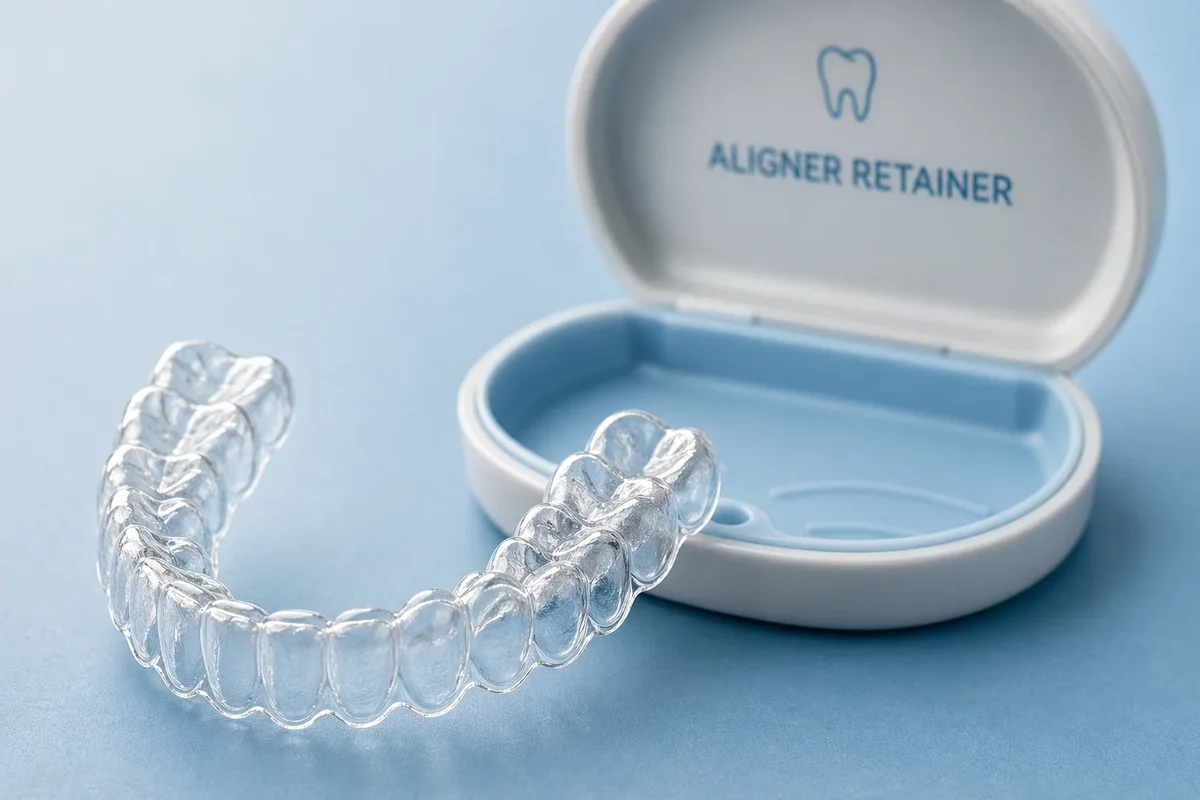
Tips for Maximizing the Lifespan of Your Aligner Retainer
Your aligner retainer plays a critical role in maintaining your orthodontic results, so extending its lifespan should be a top priority. While an aligner retainer is designed to be durable, improper care and daily habits can significantly shorten its usability. By following the right practices, you can ensure that your aligner retainer remains effective, comfortable, and hygienic for as long as possible. 😊
Many patients underestimate how small habits impact the longevity of an aligner retainer. From cleaning routines to storage methods, every detail matters. Taking proactive steps not only protects your aligner retainer but also helps you avoid unnecessary replacement costs and potential tooth movement.
Maintain a Consistent Cleaning Routine
One of the most effective ways to extend the life of your aligner retainer is to keep it clean. Daily cleaning prevents the buildup of plaque, bacteria, and stains that can degrade the material of your aligner retainer. A well-maintained aligner retainer remains clear and odor-free, improving both hygiene and comfort.
Always rinse your aligner retainer with lukewarm water after removing it. Use a soft toothbrush and non-abrasive cleaning solution to gently clean your aligner retainer. Avoid toothpaste, as it can scratch the surface and reduce the transparency of your aligner retainer.
Avoid Harsh Cleaning Methods
Using hot water, bleach, or alcohol-based solutions can damage your aligner retainer. Heat can warp the plastic, while harsh chemicals can weaken its structure. Always choose cleaning methods specifically designed for an aligner retainer to ensure safe and effective maintenance. 🧼
Store Your Aligner Retainer Properly
Proper storage is essential for protecting your aligner retainer from damage and contamination. Whenever you are not wearing your aligner retainer, place it in a protective case. This prevents accidental drops, exposure to bacteria, and the risk of losing your aligner retainer.
Avoid wrapping your aligner retainer in tissues or leaving it on open surfaces. These habits can lead to accidental disposal or contamination. Keeping your aligner retainer in a designated case ensures it remains safe and clean.
Travel-Friendly Storage Tips
When traveling, always carry your aligner retainer case with you. This simple step helps maintain your routine and protects your aligner retainer from damage. Consistency in storage practices ensures the longevity of your aligner retainer.
Avoid Eating or Drinking with Your Aligner Retainer
Eating or drinking while wearing your aligner retainer can significantly reduce its lifespan. Food particles and beverages can stain or damage the material of your aligner retainer. Additionally, chewing can cause cracks or distort the shape of your aligner retainer.
Always remove your aligner retainer before meals and beverages (except water). This simple habit protects your aligner retainer and ensures it continues to fit properly.
Impact of Sugary and Colored Drinks
Drinks like coffee, tea, and soda can stain your aligner retainer and make it more noticeable. Sugary beverages can also promote bacterial growth, which affects both your oral health and the condition of your aligner retainer. Avoiding these while wearing your aligner retainer is essential. ☕
Handle Your Aligner Retainer with Care
Handling your aligner retainer properly can prevent unnecessary damage. Always use both hands when inserting or removing your aligner retainer to avoid bending or cracking it. Rough handling can compromise the structure of your aligner retainer, reducing its effectiveness.
Additionally, keep your aligner retainer away from pets. Many pets are attracted to the scent and may chew on your aligner retainer, causing irreparable damage.
Preventing Accidental Damage
Be mindful of where you place your aligner retainer. Avoid leaving it in hot environments, such as inside a car, as heat can warp the material. Protecting your aligner retainer from extreme conditions helps maintain its shape and function.
Regular Check-Ups and Timely Replacement
Even with excellent care, an aligner retainer will eventually need to be replaced. Regular dental check-ups allow your dentist to assess the condition of your aligner retainer and ensure it is still effective. If your aligner retainer becomes loose, cracked, or discolored, it may be time for a replacement.
You can consult professionals through the Redent Klinik Contact Page to evaluate your aligner retainer and receive expert advice. Staying proactive helps prevent complications and ensures continuous protection of your smile.
For additional guidance on maintaining oral appliances and overall dental health, refer to trusted resources like the American Dental Association, which provides evidence-based recommendations.
In conclusion, maximizing the lifespan of your aligner retainer requires consistent care, proper handling, and regular monitoring. By following these tips, you can extend the usability of your aligner retainer and maintain your orthodontic results effectively. A well-maintained aligner retainer not only saves money but also ensures your smile remains straight and healthy for years to come. 😁