
In the modern era of dental care, aligners have revolutionized how people achieve straight, beautiful smiles 😁. Once upon a time, metal braces were the only way to correct misaligned teeth — but not anymore. Today, aligners offer a discreet, comfortable, and highly effective orthodontic treatment that fits seamlessly into a patient’s daily life. They are custom-made, transparent trays designed to gently move your teeth into their ideal positions. The growing popularity of aligners has transformed orthodontics, making smile correction more accessible and aesthetic than ever before.
Unlike traditional braces that use metal wires and brackets, aligners are removable and almost invisible. Patients can take them out while eating, brushing, or during special occasions, providing unmatched flexibility and convenience. This has made them a preferred choice among adults and teenagers who seek a subtle way to enhance their smiles without the self-consciousness often associated with braces. The design of aligners is based on advanced 3D imaging technology that maps the precise movements of each tooth, ensuring predictable and comfortable results throughout the treatment journey.
Another major advantage of clear aligners is their comfort. Because they are made from smooth, medical-grade plastic, they don’t irritate the cheeks or gums like traditional braces often do. Additionally, since the aligners are digitally crafted, they provide a snug, customized fit. Patients typically switch to a new set of aligners every one to two weeks, each one bringing the teeth closer to their final alignment goal. This gradual movement reduces discomfort and minimizes the risk of tooth or gum damage during the process.
The treatment process starts with a consultation at a dental clinic specializing in orthodontics, such as Redent Klinik Contact Page, where experts assess your teeth and bite alignment. Using digital scanners and advanced imaging tools, a personalized treatment plan is created. Patients can even preview a virtual simulation of their expected results before starting the process — a unique motivational feature that traditional braces cannot offer.
Maintenance and oral hygiene are significantly easier with aligners. Since they can be removed, brushing and flossing can be done normally, without the obstacles of wires or brackets. This reduces the risk of cavities, gum inflammation, and plaque buildup during treatment. Additionally, because aligners are clear, they remain almost invisible even during close interactions, making them ideal for professionals, students, and individuals who want to maintain a natural look while undergoing orthodontic care.
Beyond aesthetics, aligners also contribute to oral health improvement. Straight teeth are easier to clean, reducing the likelihood of tooth decay and periodontal disease. Correcting misaligned teeth can also relieve excessive pressure on the jaw, prevent uneven wear on teeth, and improve speech clarity. For patients with mild to moderate malocclusion — such as crowding, spacing, or overbites — aligners offer an effective, science-backed treatment supported by years of clinical research and technological advancement. For additional reference, the American Dental Association provides comprehensive insights into how modern orthodontic tools like aligners contribute to long-term dental health.
One of the reasons aligners are so widely accepted today is their ability to blend cutting-edge technology with user comfort. Many systems use AI-based tracking and smart sensors to ensure every movement follows the dentist’s plan precisely. Patients can even track progress through digital apps connected to their dental providers. This level of precision, combined with patient convenience, has made aligners the top choice in aesthetic orthodontics worldwide 🌍.
However, aligners are not a one-size-fits-all solution. They are best suited for mild to moderate orthodontic issues, and in complex cases, traditional braces may still be recommended. A qualified dentist can determine suitability through X-rays and bite analyses. It’s also important to wear the aligners for 20–22 hours daily to achieve the expected outcome — consistency is key to success!
In conclusion, aligners have set a new standard for orthodontic treatment — offering beauty, precision, and comfort in one package. They empower individuals to enhance their smiles without compromising their lifestyle. Whether you are a teenager wanting a confident smile or an adult seeking a subtle transformation, aligners provide the path to a radiant, healthy smile with minimal hassle. As dental technology continues to evolve, aligners will remain at the forefront of innovation, proving that a perfect smile can now be achieved both comfortably and invisibly 💎.
What Are Aligners and How Do They Work?
Aligners are clear, removable orthodontic devices designed to straighten teeth gradually and discreetly 🦷. Unlike traditional braces, which rely on metal brackets and wires, aligners use custom-made transparent trays that fit snugly over your teeth. Each set of aligners applies gentle, consistent pressure to specific teeth, slowly shifting them into their ideal positions. This modern method of smile correction has become the preferred choice for both adults and teens who desire comfort, aesthetics, and effectiveness in their orthodontic treatment.
Understanding the Science Behind Aligners
The functionality of aligners lies in biomechanics — a branch of science that studies how forces move objects, in this case, teeth. When an aligner tray is placed over your teeth, it exerts a controlled amount of pressure in a specific direction. This pressure stimulates the periodontal ligament (the soft tissue surrounding your teeth) to remodel, allowing teeth to move gradually within the jawbone. As the bone adjusts to these small movements, new bone tissue forms behind the moving tooth, stabilizing it in its new position.
Advanced 3D imaging and computer-aided design (CAD) technology play a major role in this process. Dentists use digital scans of your mouth to create a virtual model of your teeth. Then, with precise orthodontic software, they map out the entire tooth movement plan from start to finish. Once approved, a series of aligners is manufactured — each set designed to make incremental adjustments. Typically, patients change aligners every 1–2 weeks, and each tray moves teeth approximately 0.25 mm closer to the desired alignment.
Step-by-Step Process of How Aligners Work
1. Digital Assessment and Treatment Planning
The journey begins with a consultation at a dental clinic specializing in orthodontics, such as Redent Klinik Contact Page. Here, a digital intraoral scan or 3D impression is taken to capture the exact shape and position of your teeth. The data is then used to create a detailed treatment plan that visualizes every stage of your smile transformation.
2. Custom Manufacturing
Once the treatment plan is finalized, the aligners are fabricated using high-precision 3D printing technology. Each tray is made of BPA-free, medical-grade thermoplastic material — smooth, clear, and tailored perfectly to your dental structure. The manufacturing process ensures that every aligner provides consistent pressure while maintaining comfort.
3. Sequential Tooth Movement
As you wear each set of aligners, the gentle force they apply gradually shifts your teeth. Every new aligner set is slightly different from the previous one, allowing for continuous, progressive movement. The average treatment duration can vary from 6 to 18 months, depending on the complexity of the case and patient compliance. Consistent wear — typically 20 to 22 hours per day — is crucial for achieving the expected results.
4. Regular Monitoring and Adjustments
Your dentist monitors your progress through regular check-ups, often every 6–8 weeks. These visits ensure that your teeth are tracking according to plan. Some systems even use digital monitoring apps that allow patients to send progress photos, reducing the need for in-person visits and enhancing convenience 📱.
Key Advantages of the Aligner Mechanism
The technology behind aligners is not just about aesthetics — it’s about precision. Each movement is pre-calculated and digitally simulated to ensure predictability. The gentle, continuous forces minimize discomfort compared to the occasional tightening of braces. Moreover, since aligners can be removed, oral hygiene is easier to maintain, significantly lowering the risk of gum disease and cavities during treatment.
Another major advantage is visualization. Before treatment begins, patients can see a virtual 3D preview of their future smile, providing motivation and clarity. This transparency in results builds trust and encourages treatment adherence. Aligners also accommodate lifestyle flexibility; you can remove them during meals, brushing, or important events, ensuring your daily life remains uninterrupted.
Clinical Effectiveness and Limitations
While aligners effectively treat mild to moderate orthodontic issues such as crowding, spacing, overbites, and crossbites, they may not be suitable for severe malocclusions requiring extensive tooth rotation or vertical movement. In such cases, hybrid treatments combining aligners with limited braces or attachments may be recommended for optimal results.
Modern systems continue to evolve, incorporating AI-driven algorithms and smart attachments that enhance precision and expand treatment capabilities. These improvements are supported by the American Dental Association, which recognizes aligners as a scientifically validated orthodontic method when applied under professional supervision.
Patient Commitment and Lifestyle Integration
For aligner therapy to succeed, patient discipline is essential. Aligners must be worn for the prescribed duration daily; removing them too often can delay progress. However, the lifestyle convenience they offer — such as being able to eat any food, maintain natural speech, and keep oral hygiene optimal — makes adherence easier than with traditional braces.
In essence, aligners represent the perfect fusion of science, technology, and aesthetics. They redefine orthodontics by offering a treatment that is transparent, comfortable, and effective. For anyone seeking a confident, natural smile without the constraints of metal braces, aligners are the modern, proven path forward 🌟.
Types of Aligners: Finding the Right Fit for You
Choosing the right type of aligners is one of the most important decisions in your orthodontic journey. Today’s dental technology offers a variety of clear aligner systems designed to meet different needs, lifestyles, and budgets 🦷. Each type functions on the same basic principle — applying gentle, consistent pressure to gradually move teeth into alignment — yet they differ in materials, customization methods, and level of dentist involvement. Understanding these distinctions helps you make an informed choice that suits your dental condition and lifestyle.
1. Traditional Clear Aligners
Traditional clear aligners are the most widely used type. They consist of a series of custom-made transparent trays, each worn for about one to two weeks. These aligners are designed using 3D scans of your teeth and digital planning software to ensure precise movement. They are perfect for patients seeking comfort, flexibility, and a virtually invisible orthodontic experience. Brands such as Invisalign, ClearCorrect, and Spark have gained global recognition for their accuracy and results.
Advantages
- Highly aesthetic — barely noticeable even at close range.
- Removable for eating, brushing, and social occasions.
- Custom-fit for comfort and precise tooth movement.
- Predictable results through AI-driven treatment simulation.
Limitations
- Require high patient compliance (20–22 hours of daily wear).
- May not be suitable for complex orthodontic issues.
For individuals with mild to moderate crowding, spacing, or bite problems, traditional clear aligners offer one of the most efficient, research-backed solutions endorsed by the American Dental Association.
2. At-Home (Direct-to-Consumer) Aligners
Another option that has become increasingly popular is at-home aligners, also known as mail-order aligners. These systems allow patients to complete the entire treatment process remotely. After taking a dental impression kit at home or visiting a partner clinic for scanning, patients receive a set of aligners by mail. They follow a digital treatment plan without frequent in-person check-ups. This convenience appeals to those seeking affordability and flexibility, but it also carries certain risks if not supervised by a qualified dentist.
Advantages
- Lower cost compared to in-office treatment.
- No need for frequent clinic visits.
- Discreet and convenient for busy individuals.
Disadvantages
- Lack of direct professional monitoring can lead to complications.
- Limited ability to treat complex dental movements.
- Accuracy depends on the quality of at-home impressions.
Although at-home aligners are convenient, dental professionals recommend seeking at least an initial evaluation at a clinic such as Redent Klinik Contact Page to ensure the treatment is suitable and safe. Orthodontic guidance is essential for avoiding issues such as gum recession, bite misalignment, or uneven tooth movement.
3. Hybrid Aligners (Dentist-Guided Systems)
Hybrid aligners combine the convenience of at-home treatment with professional oversight. In these systems, patients attend an initial clinic visit where scans, X-rays, and dental photos are taken. Afterward, aligners are delivered directly to the patient, but progress is regularly reviewed through virtual consultations or periodic in-office check-ups. This model provides a balanced approach — offering both flexibility and safety.
Ideal For
- Patients who need moderate corrections but prefer minimal clinic visits.
- Individuals seeking a cost-effective alternative to full in-office treatments.
4. Specialized Aligners for Complex Cases
Technological advances have introduced specialized aligners capable of treating more challenging orthodontic issues such as deep bites, rotated teeth, or significant spacing. These advanced systems may include built-in attachments or elastics that assist with vertical or rotational movements, extending the treatment range beyond what was once possible with clear aligners alone. Some high-end systems also integrate “power ridges” or “precision wings” for added control and jaw alignment improvements.
5. Teen and Pediatric Aligners
For younger patients, manufacturers have developed aligners specifically designed for growing teeth. Teen aligners often include compliance indicators — small colored dots that fade with wear — allowing dentists and parents to monitor usage. They also account for erupting molars and jaw growth, ensuring proper adjustment as the mouth develops. This makes them a reliable alternative for adolescents who want straight teeth without the appearance or restrictions of metal braces.
Material Innovations in Aligners
The materials used in aligners play a crucial role in comfort, transparency, and movement precision. Early models were made from single-layer plastic, but modern aligners use multi-layer polymers with shape-memory properties. These materials apply constant, gentle pressure and are resistant to discoloration from food or drinks. Innovations such as SmartTrack and TruGEN materials improve flexibility while maintaining consistent force delivery, ensuring faster and more predictable results.
How to Choose the Right Type for You
Choosing between different aligners depends on your dental condition, lifestyle, and budget. Consulting with a professional orthodontist is always recommended before starting treatment. A dentist can evaluate your bite, gum health, and bone density to determine whether you are a candidate for aligners or if alternative treatments are more appropriate. Factors such as treatment duration, the need for attachments, and overall compliance should also be considered.
Final Thoughts on Aligners Selection
In summary, whether you choose in-office professional aligners, at-home systems, or hybrid options, the key to success lies in consistency and proper supervision. Aligners represent a revolution in orthodontics — merging science, aesthetics, and technology into a single solution that enhances both oral health and confidence 🌟. With proper guidance and regular follow-ups, achieving a perfect smile has never been easier or more comfortable.
Benefits of Using Aligners Over Traditional Braces
The popularity of aligners has skyrocketed in recent years, and for good reason — they provide a level of convenience, comfort, and aesthetic appeal that traditional braces simply can’t match 😁. Whether you are an adult professional or a teenager looking for a more discreet orthodontic solution, aligners offer a revolutionary way to achieve beautifully aligned teeth without the drawbacks of metal brackets and wires. This section explores in depth the main benefits of aligners compared to conventional braces, supported by clinical findings and patient experiences.
1. Aesthetic and Confidence Boost
One of the most significant advantages of aligners is their nearly invisible design. Unlike metal braces that can be visually distracting, aligners are made from clear, medical-grade thermoplastic that blends seamlessly with your natural teeth. This makes them a preferred choice for adults who work in client-facing environments, such as corporate roles or hospitality. Patients often report increased confidence during treatment, as aligners allow them to smile freely without feeling self-conscious about visible orthodontic appliances.
Discreet Transformation
Since clear aligners are transparent, they offer a subtle transformation process. People around you may not even realize you are undergoing orthodontic treatment. This invisibility factor makes aligners especially appealing for public figures, students, and professionals who value their appearance. Furthermore, aligners do not stain easily when cared for properly, ensuring they remain crystal clear throughout the treatment period.
2. Comfort and Reduced Irritation
Traditional braces can cause discomfort due to metal wires, brackets, and frequent tightening appointments. In contrast, aligners are smooth and custom-designed to fit your unique dental structure. There are no sharp edges or metal parts to irritate your gums, lips, or cheeks. Most patients describe wearing aligners as painless after the initial adjustment phase. Because the movement of teeth is more gradual, there is also less soreness compared to wire-based systems. This enhanced comfort makes aligners a patient-friendly alternative for individuals sensitive to dental pain.
3. Easier Oral Hygiene Maintenance
Maintaining oral hygiene with traditional braces can be challenging, as wires and brackets trap food particles and plaque. With aligners, oral care becomes effortless. Since aligners are removable, you can continue to brush and floss your teeth normally without special tools or interdental brushes. This significantly reduces the risk of cavities, bad breath, and gum inflammation during orthodontic treatment. You can also rinse and clean the aligners daily to keep them fresh and odor-free — a major advantage for long-term oral health.
4. No Dietary Restrictions 🍎
Another game-changing benefit of aligners is the freedom to eat whatever you like. Traditional braces come with a long list of “don’ts” — no popcorn, sticky candy, or hard foods — as they can damage the brackets or wires. With aligners, you simply remove them before eating, enjoy your meal, and brush before putting them back in. This flexibility enhances the overall treatment experience, allowing you to maintain your lifestyle and enjoy all your favorite foods without worry.
5. Shorter and Predictable Treatment Time
Aligner treatments often take less time than traditional braces, thanks to advanced 3D planning technology and controlled movement patterns. The total duration depends on individual cases, but most patients complete their treatment within 6 to 18 months. Moreover, aligners provide digital progress tracking through software that simulates your final results before you even begin. This level of predictability eliminates guesswork and offers transparency throughout your journey to a perfect smile.
Digital Monitoring Advantage
Many aligner systems integrate smartphone apps that allow patients to upload progress photos, which are reviewed by their dentist remotely. This minimizes unnecessary in-office visits while ensuring professional oversight. Such innovations make aligners not only efficient but also adaptable to modern, tech-savvy lifestyles 📱.
6. Reduced Clinic Visits
With traditional braces, patients often need to visit the orthodontist every few weeks for tightening and adjustments. However, aligners require fewer appointments since the treatment plan is pre-programmed digitally. Most follow-ups involve monitoring rather than mechanical adjustments. This convenience is particularly valuable for individuals with busy schedules or those living far from their dental clinic. Clinics like Redent Klinik Contact Page also offer remote progress reviews, further streamlining the process.
7. Improved Oral Health Outcomes
The hygienic advantage of aligners directly contributes to long-term oral health. Since patients can brush and floss thoroughly, they are less likely to experience plaque buildup, demineralization, or gum disease during treatment. Moreover, straightening teeth with aligners helps improve bite function, reducing excessive wear and pressure on certain teeth. The result is a healthier mouth and a balanced smile that lasts.
8. Safe and Allergy-Friendly Material
Aligners are made from BPA-free, biocompatible plastic, making them safe even for individuals with sensitivities or allergies. The material is smooth, non-porous, and resistant to bacterial accumulation. Unlike metal braces that can occasionally cause reactions to nickel or latex, aligners provide a completely hypoallergenic alternative — one that promotes both safety and hygiene throughout treatment.
9. Enhanced Speech Adaptation and Lifestyle Integration
Many patients worry that orthodontic appliances might affect speech. However, most adapt to aligners within a few days. The slim, custom fit minimizes interference with tongue movement, allowing normal pronunciation. Aligners are also ideal for musicians, athletes, and public speakers who need to maintain comfort while performing. The ability to remove them when necessary — for special occasions or performances — adds an unmatched level of flexibility.
10. Environmentally and Socially Conscious Choice
Some aligner manufacturers now use recyclable materials and sustainable packaging, reducing the environmental footprint of orthodontic care 🌍. Additionally, companies often support dental outreach programs, emphasizing oral health awareness. By choosing aligners, patients contribute to a movement that values both aesthetics and environmental responsibility.
In conclusion, aligners outperform traditional braces in nearly every category — from comfort and convenience to hygiene and confidence. They deliver precise, predictable results without disrupting daily life. Supported by credible institutions such as the American Dental Association, aligners are more than a cosmetic solution; they represent a scientifically proven advancement in modern orthodontics. For anyone seeking a beautiful, healthy smile without the complications of metal braces, aligners are the clear choice — both literally and figuratively 🌟.
The Step-by-Step Process of Getting Aligners
The process of getting aligners is a fascinating blend of science, technology, and personalized dental care 🦷. Each stage, from the initial consultation to the final retention phase, is meticulously planned to ensure a predictable and comfortable experience. Modern orthodontics relies heavily on digital precision, meaning every aligner is designed based on your unique dental anatomy and treatment goals. In this section, we’ll walk through every stage of the aligner journey — helping you understand exactly what to expect and how each step contributes to your perfect smile.
1. The Initial Consultation
Your journey toward straight teeth begins with a professional evaluation by an orthodontist or dentist experienced in aligners. During this visit, your oral health is assessed to determine if aligner treatment is suitable for you. The dentist examines the alignment of your teeth, jaw position, and bite relationship. X-rays and photos are often taken to provide a complete view of your dental structure. At this stage, the dentist will discuss your goals, potential treatment options, and estimated duration. Clinics such as Redent Klinik Contact Page provide comprehensive assessments to ensure you’re an ideal candidate for aligners.
Who Is a Good Candidate?
Aligners are ideal for patients with mild to moderate orthodontic concerns such as crowded teeth, gaps, overbites, and crossbites. However, severe skeletal issues may require traditional orthodontic intervention. The key is a thorough diagnosis and professional recommendation before proceeding with the aligner system.
2. Digital Scanning and Impressions
Once you’re approved for treatment, the next step involves capturing precise digital scans of your teeth. Traditional messy impressions are now replaced with high-resolution 3D intraoral scanning technology. These scans provide a detailed digital replica of your teeth and gums, which serves as the foundation for designing your aligners. This process takes only a few minutes and ensures maximum accuracy and comfort.
Why Digital Scans Are Important
Digital scanning eliminates the errors commonly associated with traditional molds, such as distortion or air bubbles. It also allows dentists to visualize your mouth instantly on-screen and identify any underlying issues that might affect treatment progress. This data-driven approach ensures your aligners fit perfectly from the first tray to the last.
3. Personalized Treatment Planning
Once the scans are complete, the orthodontist creates a customized digital treatment plan using advanced 3D simulation software. This plan shows every stage of tooth movement, allowing you to preview your expected results even before you start wearing the aligners. Each aligner is designed to move specific teeth gradually until the desired alignment is achieved. The virtual model also helps estimate treatment duration and total number of trays required — usually between 12 and 40, depending on the case complexity.
Digital Visualization of Results
One of the most exciting parts of the process is the ability to see your future smile on a computer screen 😁. This visual roadmap increases patient motivation and confidence. It also ensures precision since the entire movement sequence is pre-planned, reducing the risk of unexpected results.
4. Fabrication of Custom Aligners
After your treatment plan is approved, the aligner trays are manufactured using state-of-the-art 3D printing technology. Each set is made from durable, BPA-free, medical-grade thermoplastic designed to be smooth, transparent, and safe. The aligners are trimmed to fit comfortably around your gum line for a natural appearance. Typically, patients receive several sets of aligners at once, each to be worn sequentially for one to two weeks.
5. The Fitting Appointment
When your aligners are ready, your dentist will schedule a fitting appointment to ensure they fit properly. Minor adjustments may be made for comfort. You’ll also be instructed on how to insert and remove the trays correctly, how to clean them, and how long to wear each set daily. Most dentists recommend wearing aligners for 20–22 hours per day, removing them only for meals, brushing, and special occasions. Consistent wear is essential for achieving the predicted results on time.
6. Progress Monitoring and Adjustments
Throughout your treatment, your progress is monitored regularly. Depending on your system, this may include in-person check-ups every 6–8 weeks or remote monitoring via mobile apps that allow photo updates 📱. The dentist evaluates whether your teeth are tracking according to the plan and provides the next set of aligners if everything is on course. If certain teeth move slower than expected, additional refinements or mid-course corrections may be made using updated scans and newly fabricated trays.
Compliance Indicators
Some aligners, especially those designed for teens, include small blue or white dots that fade with wear — these are called compliance indicators. They help both patients and dentists ensure that the aligners are being worn as prescribed.
7. Completion and Retention Phase
Once all aligners have been worn and your teeth have reached their final positions, your dentist will conduct a final assessment. To prevent your teeth from shifting back, a set of retainers — which look similar to aligners — will be created. Retainers must be worn as directed, typically at night, to maintain your new smile for years to come. This phase is crucial, as tooth movement can naturally relapse if not stabilized.
8. Post-Treatment Care and Maintenance
After completing your aligner treatment, maintaining excellent oral hygiene and scheduling regular dental check-ups are essential. Clean your retainers daily, and continue to brush and floss as usual. You’ll also receive follow-up guidance from your dental professional on maintaining your smile’s alignment long-term. Clinics like Redent Klinik Contact Page offer post-treatment maintenance plans for continuous support.
9. Continuous Innovation and Technology
The aligner industry is evolving rapidly. New advancements such as AI-driven progress tracking, temperature-sensitive materials, and smart sensors now help monitor wear time and movement accuracy. According to the American Dental Association, these innovations have significantly increased treatment efficiency and patient satisfaction worldwide 🌍.
In conclusion, getting aligners is a highly structured yet comfortable process that puts patients in control of their orthodontic journey. Every phase — from scanning to retention — is carefully engineered to ensure safety, precision, and beautiful results. By following professional guidance and maintaining consistency, you can enjoy a confident, healthy smile that truly lasts for life 💎.
How Long Does Aligners Treatment Take?
The duration of aligners treatment is one of the most common questions patients ask when considering orthodontic care. The answer depends on several factors, including the complexity of tooth movement, patient compliance, and biological response. While traditional braces often take 18 to 36 months to deliver results, most aligner treatments range between 6 and 18 months — sometimes even faster with modern technologies. However, every smile is unique, and the timeline varies from one individual to another 🕒.
1. Understanding the Treatment Timeline
Aligners are designed to move teeth gradually through a series of customized trays, each applying gentle and controlled pressure. The total treatment time depends on how far your teeth need to move and how consistently you wear your aligners. For mild alignment issues, such as small gaps or slight crowding, the process may take as little as 4–6 months. Moderate cases typically require 9–12 months, while more complex orthodontic conditions can take 18 months or longer.
How Aligners Work Over Time
Each set of aligners is worn for about 1–2 weeks before moving on to the next. Every new tray represents a small adjustment, usually shifting teeth by approximately 0.25 mm. The sequential nature of this system ensures that your teeth move safely without damaging surrounding tissues or causing excessive discomfort. Since aligners are removable, patient discipline plays a crucial role in achieving the predicted timeline.
2. Factors That Influence Treatment Duration
1. Case Complexity
The more complex your dental misalignment, the longer your aligners treatment will take. Simple cases like spacing or minor rotations can be corrected quickly. However, issues such as severe crowding, deep overbites, or crossbites often require more aligner sets and possibly additional attachments or elastics. In some cases, hybrid treatments combining aligners with other orthodontic aids are recommended for precise control.
2. Patient Compliance
One of the biggest determinants of treatment speed is how faithfully patients follow the wear-time recommendation. Aligners should be worn 20–22 hours daily for optimal effectiveness. Removing them frequently or leaving them out overnight can delay progress, extending the treatment by several months. Most aligner systems today include built-in compliance indicators that fade with use — reminding patients to stay consistent.
3. Biological Response
Every individual’s teeth and bone structure respond differently to pressure. Some people naturally experience faster tooth movement, while others may need more time for bone remodeling. Age also matters — younger patients generally have quicker results because their bone density is lower, allowing easier movement. However, with modern technology, adults also achieve excellent outcomes with proper adherence.
4. Technological Precision
Advanced 3D imaging, AI-based simulation, and smart-material aligners significantly reduce treatment times compared to earlier systems. Premium brands now use materials that maintain consistent force delivery throughout wear, eliminating the need for frequent replacements. Additionally, AI algorithms can predict biological responses, allowing orthodontists to adjust plans dynamically for faster and safer results.
3. Typical Phases of Aligners Treatment
Phase 1: Initial Alignment (Months 1–3)
During this stage, the first few sets of aligners focus on aligning front teeth and resolving minor crowding or spacing. Patients start noticing visible changes within the first month, boosting motivation and confidence 😁. It’s also a time for getting used to speaking, eating, and cleaning while wearing aligners.
Phase 2: Major Movement (Months 4–10)
Here, the deeper orthodontic adjustments occur — teeth are rotated, gaps are closed, and bite relationships are improved. Your orthodontist might introduce attachments or small elastics to assist with specific movements. Consistent check-ups ensure progress stays on track, and digital monitoring may be used to track progress remotely.
Phase 3: Fine-Tuning (Months 11–18)
In this stage, final micro-adjustments are made for symmetry and bite perfection. Some patients may need additional “refinement aligners,” which are new trays made from updated digital scans. Refinement ensures the treatment achieves its full aesthetic and functional potential. Once the dentist confirms completion, the retention phase begins to stabilize the results.
4. Accelerated Aligner Technologies
New advancements have introduced methods to shorten treatment time safely. Some aligner systems incorporate vibration-based devices that stimulate bone remodeling, helping teeth move more efficiently. Others use thermal-activated materials that adapt more dynamically to temperature changes inside the mouth, providing consistent pressure throughout wear. According to research supported by the American Dental Association, such innovations can reduce overall treatment duration by 20–30% when used under professional supervision.
5. The Importance of Regular Check-Ups
Although aligners require fewer office visits than traditional braces, regular dental monitoring remains essential. Orthodontists track progress, adjust the plan if needed, and issue the next set of aligners. Skipping check-ups may result in delayed corrections or ineffective movement. Many clinics, like Redent Klinik Contact Page, now combine in-office and virtual visits to balance convenience with professional oversight.
6. Common Delays and How to Avoid Them
- Inconsistent wear: Not wearing aligners the recommended hours per day slows tooth movement.
- Lost or damaged trays: Misplaced aligners can interrupt progress until replacements are made.
- Poor oral hygiene: Gum inflammation or cavities can temporarily halt treatment until resolved.
- Ignoring refinements: Skipping the final fine-tuning phase may result in relapse over time.
7. What Happens After Treatment Ends
Once the main phase of aligners treatment concludes, the retention phase begins. This stage involves wearing retainers — clear trays similar to aligners — usually at night. Retainers keep your teeth stable while the surrounding bone and ligaments adjust to their new positions. Neglecting this phase could lead to relapse, where teeth gradually shift back to their original places. Therefore, consistent retainer use is just as crucial as wearing your aligners correctly during treatment.
8. Realistic Expectations and Long-Term Results
It’s essential for patients to have realistic expectations regarding aligner timelines. While some online advertisements promise “fast results in three months,” only mild cases can achieve that. For more extensive corrections, patience pays off. The key to success lies in consistent wear, proper oral hygiene, and professional monitoring. The outcome — a straight, confident smile — is worth every week of commitment 🌟.
In summary, aligners offer an efficient, predictable, and patient-friendly orthodontic experience. Although treatment times vary based on case complexity and discipline, the average duration remains shorter than traditional braces. Supported by advanced digital technology and expert care, aligners make achieving a perfect smile faster, safer, and more comfortable than ever before 💎.
Common Myths and Facts About Aligners
As aligners become increasingly popular around the world, a number of myths and misconceptions have surfaced about their effectiveness, safety, and practicality. Many people still confuse aligners with cosmetic devices or underestimate their orthodontic capabilities. In reality, aligners are scientifically designed tools that offer the same—if not superior—results compared to traditional braces when used under professional supervision. In this section, we’ll separate fact from fiction and uncover the truth about aligners 🦷.
1. Myth: Aligners Are Only for Minor Tooth Corrections
One of the most widespread myths about aligners is that they can only fix small gaps or minor alignment issues. This was true a decade ago, but modern dental technology has evolved tremendously. Today’s aligner systems can treat a wide range of orthodontic cases, including overbites, underbites, crossbites, and moderately crowded teeth. Through attachments, elastics, and precise digital mapping, aligners can achieve movements once thought possible only with metal braces.
Fact: Aligners Handle Moderate to Complex Cases
With advancements in 3D treatment planning and materials like SmartTrack, aligners can now move roots and rotate teeth effectively. Some complex cases still require hybrid approaches combining aligners with temporary anchorage devices or limited fixed braces. Nevertheless, the vast majority of orthodontic patients today can achieve ideal results through aligner therapy when supervised by an experienced orthodontist.
2. Myth: Aligners Don’t Deliver Permanent Results
Another misconception is that aligner results are temporary and teeth will eventually shift back. In truth, this depends not on the aligners but on post-treatment habits. Teeth have a natural tendency to move slightly after orthodontic correction, which is why retainers are prescribed. This principle applies to both braces and aligners.
Fact: Retainers Maintain Long-Term Results
After completing your aligner treatment, your dentist will provide retainers—clear devices that look similar to aligners. Wearing them as instructed ensures long-term stability and prevents relapse. Most patients only need to wear them at night after the initial adjustment period. With good maintenance, results from aligners can last a lifetime 🌟.
3. Myth: Aligners Are Painful
Some believe that aligners are painful because they move teeth. While mild pressure or tightness is normal, aligners are actually more comfortable than traditional braces. Unlike metal brackets and wires that can irritate cheeks or gums, aligners are made of smooth, medical-grade plastic that minimizes friction.
Fact: Aligners Cause Mild, Temporary Pressure
Each new set of aligners exerts controlled force for gradual movement, which might cause slight tenderness for 1–2 days. This indicates that your teeth are responding as expected. Over-the-counter pain relief or switching to new trays before bedtime can help you adapt comfortably. Most patients find aligners far gentler and easier to tolerate than braces.
4. Myth: Aligners Are Just Cosmetic and Don’t Improve Oral Health
Many assume that aligners only enhance appearance. In fact, they significantly improve oral health. Misaligned teeth can trap food particles and increase the risk of cavities, gum disease, and jaw strain. Straightening teeth with aligners enhances cleaning efficiency and reduces long-term dental complications.
Fact: Aligners Promote Better Oral Hygiene and Function
Because aligners are removable, brushing and flossing are more effective compared to cleaning around braces. This leads to healthier gums, fresher breath, and fewer dental issues during and after treatment. Correcting bite alignment also reduces uneven wear on teeth and helps alleviate TMJ discomfort in some patients.
5. Myth: Aligners Are Expensive and Not Worth the Cost
While aligners may appear costly initially, they often save money in the long run. With fewer emergency visits, shorter treatment durations, and better hygiene outcomes, the total cost is comparable—or even less—than traditional orthodontics. Moreover, many clinics offer flexible payment plans, making aligner therapy accessible to more people.
Fact: Aligners Are a Cost-Effective Investment
When comparing the long-term benefits, aligners prove to be an excellent investment in both health and confidence. According to the American Dental Association, properly aligned teeth contribute to improved oral function and lower risks of dental disease, making aligners not only aesthetic but also preventive in value.
6. Myth: Aligners Can Be Bought and Used Without a Dentist
The rise of at-home aligner companies has led some people to believe that professional oversight isn’t necessary. However, unsupervised treatments can lead to poor fit, tooth damage, or bite imbalances. Aligners work best when prescribed and monitored by a certified orthodontic professional who can track progress and make adjustments as needed.
Fact: Dentist-Supervised Aligners Ensure Safety and Accuracy
Professional dental supervision ensures that your aligners are moving your teeth safely within biological limits. Dentists use X-rays, bite analyses, and 3D scans to plan precise movements, preventing complications. Clinics like Redent Klinik Contact Page provide continuous guidance to help patients achieve predictable and safe outcomes.
7. Myth: Aligners Will Affect Speech or Daily Life
Some new users worry that aligners will impact speech or daily comfort. While minor adjustments may occur during the first few days, most people adapt quickly. Aligners are thin and precisely molded, minimizing interference with tongue movement or articulation.
Fact: Most Patients Adjust Within a Few Days
After the initial adjustment period, speech returns to normal, and most patients even forget they are wearing their aligners. Eating, drinking (except hot beverages), and socializing remain unrestricted — offering a seamless integration into daily life.
8. Myth: Aligners Stain or Smell Over Time
Some fear that aligners will discolor or develop odor. In reality, aligners remain clear and fresh when maintained correctly. Proper hygiene practices, such as rinsing after meals and using antibacterial cleaning solutions, prevent staining and odor buildup.
Fact: Proper Cleaning Keeps Aligners Clear and Odor-Free
Clean your aligners twice daily using mild soap and lukewarm water — never hot water, as it can warp the material. Avoid toothpaste, which can scratch the surface. Specialized cleaning crystals or tablets also help maintain clarity and freshness. These simple steps keep your aligners nearly invisible and hygienic throughout treatment.
9. Myth: Results from Aligners Are Slower Than Braces
Contrary to this belief, modern aligner systems can achieve comparable or even faster results for many patients. Thanks to digital precision and continuous pressure, teeth move efficiently and predictably.
Fact: Aligners Can Deliver Results Faster for Mild to Moderate Cases
Because the entire treatment plan is pre-programmed using 3D imaging, aligners minimize unnecessary adjustments. Patients typically see noticeable changes within weeks, and complete treatments often take less time than traditional braces, depending on case complexity.
10. Myth: Aligners Are the Same Everywhere
Not all aligners are created equal. Quality, material type, design precision, and dentist supervision vary widely among providers. Choosing a reputable clinic is essential to ensure safety and results.
Fact: Professional Clinics Offer Superior Aligner Systems
Clinics using certified systems and ADA-approved materials ensure the best outcomes. Choosing expert-guided treatment guarantees comfort, precision, and lasting results. Always verify your provider’s credentials and the quality of materials before starting treatment.
In conclusion, aligners are far more than a cosmetic trend — they are a medically validated, technologically advanced solution for smile correction. Myths often stem from outdated information or unsupervised usage. With proper guidance, hygiene, and consistency, aligners offer one of the safest and most effective ways to achieve a healthy, confident smile backed by science and experience 💎.
Aligners Care: Cleaning and Maintenance Tips
Keeping your aligners clean and well-maintained is essential not only for oral hygiene but also for achieving effective treatment results 🪥. Since aligners are worn for up to 22 hours a day, they easily accumulate saliva, food particles, and bacteria. Neglecting proper cleaning can lead to discoloration, bad odor, and even oral infections. To ensure your aligners remain transparent, comfortable, and hygienic throughout your treatment, you must follow a consistent care routine. Below, we’ll explore every detail of how to clean, protect, and maintain your aligners for long-term success.
1. Why Proper Care of Aligners Matters
Unlike traditional braces, which are fixed, aligners are removable. This advantage also brings responsibility. Poor maintenance can compromise both your dental health and the effectiveness of the aligner trays. When aligners become cloudy or develop odor, it’s a sign of bacterial buildup. Such conditions can irritate gums, lead to plaque accumulation, and even affect the final results of your orthodontic treatment.
The Role of Hygiene in Treatment Efficiency
Clean aligners fit better and move teeth more predictably. When plaque or debris accumulates, it alters the tray’s fit, reducing pressure in the targeted direction. Therefore, cleanliness directly influences how efficiently aligners guide your teeth into alignment. Maintaining hygiene is also important for confidence — fresh, clear trays keep your smile bright and natural-looking throughout the day 😁.
2. Daily Cleaning Routine for Aligners
Cleaning your aligners should become as natural as brushing your teeth. Here’s a recommended daily care routine:
Morning Routine
- Rinse immediately upon waking: Start by rinsing your aligners under lukewarm water to remove bacteria accumulated overnight.
- Brush gently: Use a soft-bristled toothbrush and mild, unscented soap to clean both the inside and outside surfaces. Avoid toothpaste — it can scratch and dull the plastic.
- Brush your teeth: Before reinserting your aligners, thoroughly brush and floss to prevent trapping food particles.
Evening Routine
- Soak your aligners: Once a day, soak your trays in an antibacterial cleaning solution or specialized aligner crystals to disinfect them. Follow the manufacturer’s instructions for duration (typically 15–30 minutes).
- Rinse and store safely: After soaking, rinse thoroughly with cool water and place them back in your mouth or case.
3. Recommended Cleaning Solutions
Several cleaning options are available, but not all are safe for aligners. Harsh chemicals or hot water can warp or discolor them. The best cleaning methods include:
- Specialized cleaning tablets: Designed for orthodontic devices, they effectively eliminate bacteria without damaging the trays.
- Mild antibacterial soap: A safe, affordable daily cleaning option.
- Denture cleaners: Can be used occasionally but only with your dentist’s approval.
- Hydrogen peroxide (diluted): Useful for deep cleaning once a week, but avoid overuse to prevent material degradation.
What to Avoid 🚫
Never clean aligners with hot water, alcohol-based mouthwash, or toothpaste containing abrasives. These can distort or scratch the trays, reducing clarity and comfort. Likewise, do not soak aligners in vinegar or bleach — they may cause chemical residue and unpleasant taste.
4. On-the-Go Cleaning Tips
When you’re away from home, maintaining hygiene can be challenging. Always carry a travel case and a small toothbrush. After eating, rinse your mouth and aligners with water or alcohol-free mouthwash before reinsertion. If brushing isn’t possible, chew sugar-free cleaning tablets or xylitol gum to reduce bacterial growth temporarily. However, remember to properly clean your aligners once you’re back home.
5. Storing Aligners Safely
Proper storage is just as important as cleaning. When not wearing your aligners, always keep them in a protective case. Leaving them exposed to air can lead to bacterial contamination, dust accumulation, or accidental damage. Additionally, aligners are transparent — it’s easy to misplace them if left on countertops or napkins. Replacement trays can delay treatment, so always keep your case nearby.
Pro Tip
Keep a backup case — one at home and one in your bag. This simple step helps prevent losing or breaking your aligners during travel or daily routines.
6. Managing Stains and Discoloration
Even with careful maintenance, aligners can occasionally develop slight discoloration. Common causes include drinking coffee, tea, or wine while wearing them. To prevent staining, always remove your aligners before consuming any beverages other than water. If mild stains occur, gently brush them with a mixture of baking soda and water. For persistent discoloration, contact your dentist for professional cleaning recommendations or replacement trays.
7. Handling Damaged Aligners
If your aligners crack, warp, or break, don’t try to fix them yourself. Damaged aligners can compromise tooth movement or injure your gums. Contact your orthodontist immediately for a replacement. Continuing treatment with faulty trays may cause alignment errors or discomfort. Clinics such as Redent Klinik Contact Page can provide quick replacements to keep your progress on track.
8. Maintaining Oral Hygiene Alongside Aligner Care
Your oral hygiene routine plays a vital role in keeping both your mouth and aligners clean. Always brush and floss before reinserting your trays to avoid trapping food or bacteria. Using fluoride toothpaste strengthens enamel, while antibacterial mouthwash reduces microbial buildup. Regular dental check-ups help ensure that your gums and teeth remain healthy throughout the treatment.
9. Professional Cleaning and Check-Ups
Routine professional cleanings complement home care by removing tartar and assessing the condition of your aligners. Dentists may also polish your trays or offer advice on more effective cleaning solutions. According to the American Dental Association, regular check-ups are vital for preventing oral infections and ensuring aligners function optimally throughout treatment.
10. Building a Long-Term Maintenance Habit
Consistency is the secret to successful aligner maintenance. Developing a structured cleaning habit keeps your trays hygienic and ensures faster, more predictable results. The key steps — rinse, brush, soak, and store — should become second nature. Treat your aligners as an extension of your smile, and they’ll reward you with comfort, confidence, and clarity 🌟.
In summary, aligners care is not difficult, but it demands attention and routine. By following the recommended cleaning techniques and avoiding harmful products, you preserve their transparency and functionality. Clean aligners mean a healthy mouth, faster results, and a confident smile that truly shines 💎.
Are Aligners Suitable for Everyone?
While aligners have become one of the most popular orthodontic solutions worldwide, they are not always the ideal choice for every patient. These innovative devices offer a comfortable, nearly invisible alternative to braces, but their effectiveness depends on several personal factors — including age, oral health, and the complexity of the dental issue. Understanding whether aligners are suitable for your specific condition is crucial for achieving predictable, safe, and lasting results 🦷.
1. The Ideal Candidate for Aligners
Aligners are best suited for patients with mild to moderate orthodontic problems. These include crowding, spacing, overbites, underbites, open bites, and minor tooth rotations. Individuals who maintain good oral hygiene, have healthy gums, and are committed to wearing the aligners for 20–22 hours per day usually experience excellent outcomes. Since aligners rely on consistent pressure, discipline and responsibility are essential for success.
Characteristics of a Good Candidate
- Committed to wearing aligners as instructed daily.
- Maintains good oral hygiene habits and regular dental visits.
- Has mild to moderate misalignment rather than severe skeletal issues.
- Understands the importance of post-treatment retainers.
- Seeks a discreet, removable alternative to braces.
In most cases, adults and teenagers with fully developed permanent teeth are ideal candidates. Teen-specific aligner systems even include compliance indicators and features designed to accommodate growing jaws.
2. Who Might Not Be a Suitable Candidate?
Although aligners are incredibly versatile, they are not recommended for everyone. Certain complex orthodontic or skeletal problems may require traditional braces or a hybrid approach. Conditions such as severe tooth rotation (greater than 20°), large vertical movements, or extreme bite corrections often demand fixed appliances for precise control. Patients with missing teeth, active gum disease, or poor oral hygiene may also need preliminary treatment before starting aligner therapy.
Unsuitable Cases Include:
- Severe malocclusions or jaw discrepancies.
- Impacted teeth requiring surgical intervention.
- Advanced periodontal disease or bone loss.
- Extensive tooth decay or untreated cavities.
- Patients unwilling to commit to consistent wear time.
For these patients, an orthodontist may recommend traditional braces, lingual systems, or a combination approach to achieve full correction safely and effectively.
3. Age Considerations for Aligners
One of the biggest advantages of aligners is their flexibility across age groups. They are commonly used by teenagers and adults, but their suitability depends on dental maturity rather than age alone. Children whose teeth and jaws are still developing are generally not candidates for aligners unless supervised closely by a pediatric orthodontist.
Aligners for Teenagers
Teen aligners are designed with special features such as compliance indicators (blue or white dots that fade with wear) to ensure proper use. They also account for erupting molars and growing jaws. This makes them a comfortable, confidence-boosting alternative for young patients who may feel self-conscious about metal braces.
Aligners for Adults
Adults appreciate aligners for their discreet appearance and professional convenience. Because adults often have more stable dental structures, aligners work effectively — provided there is no severe bone loss or gum recession. Many adults also choose aligners for aesthetic reasons, as they fit seamlessly into professional and social settings.
4. The Role of Oral Health in Candidacy
Healthy gums and strong bone structure are prerequisites for aligner treatment. If you suffer from gingivitis, periodontal disease, or receding gums, these conditions must be treated first. Wearing aligners with active gum inflammation can worsen bone loss and affect treatment accuracy. Similarly, cavities and weak enamel should be addressed before beginning any orthodontic procedure.
Pre-Treatment Dental Check-Up
Before starting your aligners, your dentist will conduct a full examination including X-rays, gum assessments, and bite analysis. This ensures that your teeth and jaw are ready for movement. Clinics like Redent Klinik Contact Page specialize in providing comprehensive evaluations to determine the best orthodontic solution for each patient.
5. Lifestyle and Compliance Factors
Aligners are removable, offering flexibility but also responsibility. Patients must commit to wearing them nearly all day for effective results. Those with busy lifestyles or irregular routines might find it challenging to maintain consistent wear. Forgetting to wear aligners for extended periods can delay progress or even reverse results. Aligners also require careful storage and cleaning, as improper care can lead to discoloration or odor.
How to Ensure Compliance
- Set phone reminders to reinsert aligners after meals.
- Carry a travel case to avoid losing trays while eating out.
- Establish a fixed daily routine for cleaning and insertion.
Consistency is key — with proper wear time, most patients achieve visible improvements within the first few months of treatment 🎯.
6. Medical Conditions Affecting Candidacy
Certain medical or dental conditions can limit the suitability of aligners. For instance, patients who suffer from temporomandibular joint (TMJ) disorders, uncontrolled diabetes, or chronic gum inflammation may require a modified treatment plan. Additionally, patients with bruxism (teeth grinding) should discuss this with their dentist, as grinding can wear out aligner trays faster and hinder movement efficiency.
7. The Importance of Professional Evaluation
The decision to pursue aligners should always be guided by a certified orthodontist. Professional evaluation ensures the treatment plan is biologically safe and mechanically effective. A trained dentist uses digital scans, 3D simulations, and diagnostic imaging to assess movement feasibility. This prevents unnecessary complications and ensures optimal, healthy results. According to the American Dental Association, orthodontic supervision significantly increases treatment success and patient satisfaction.
8. Alternatives When Aligners Aren’t Suitable
If your case falls outside the effective range for aligners, don’t worry — several alternatives exist. Modern orthodontics offers ceramic braces, lingual braces, and even combination therapies that integrate short-term aligners with fixed devices for more complex corrections. The key is selecting a treatment that aligns with your dental goals and comfort preferences.
9. Psychological and Behavioral Readiness
Another factor that determines success with aligners is mindset. Patients must be patient and disciplined throughout the process. Aligners may not be suitable for individuals who frequently forget routines or lack motivation for long-term treatment adherence. However, those who embrace responsibility and follow their dentist’s guidance achieve highly satisfying, predictable outcomes.
10. Final Thoughts on Suitability
In essence, while aligners can transform millions of smiles, they work best under the right conditions — healthy gums, realistic expectations, and consistent wear habits. Aligners are a partnership between technology and patient responsibility. A consultation with a professional orthodontist is the best way to determine your eligibility and create a personalized treatment plan tailored to your needs 🌟.
Ultimately, aligners offer a modern, comfortable, and effective path to achieving a beautiful smile — but the key to success lies in professional supervision, commitment, and proper oral care. With the right preparation, anyone who meets the essential criteria can enjoy the full benefits of aligners safely and confidently 💎.
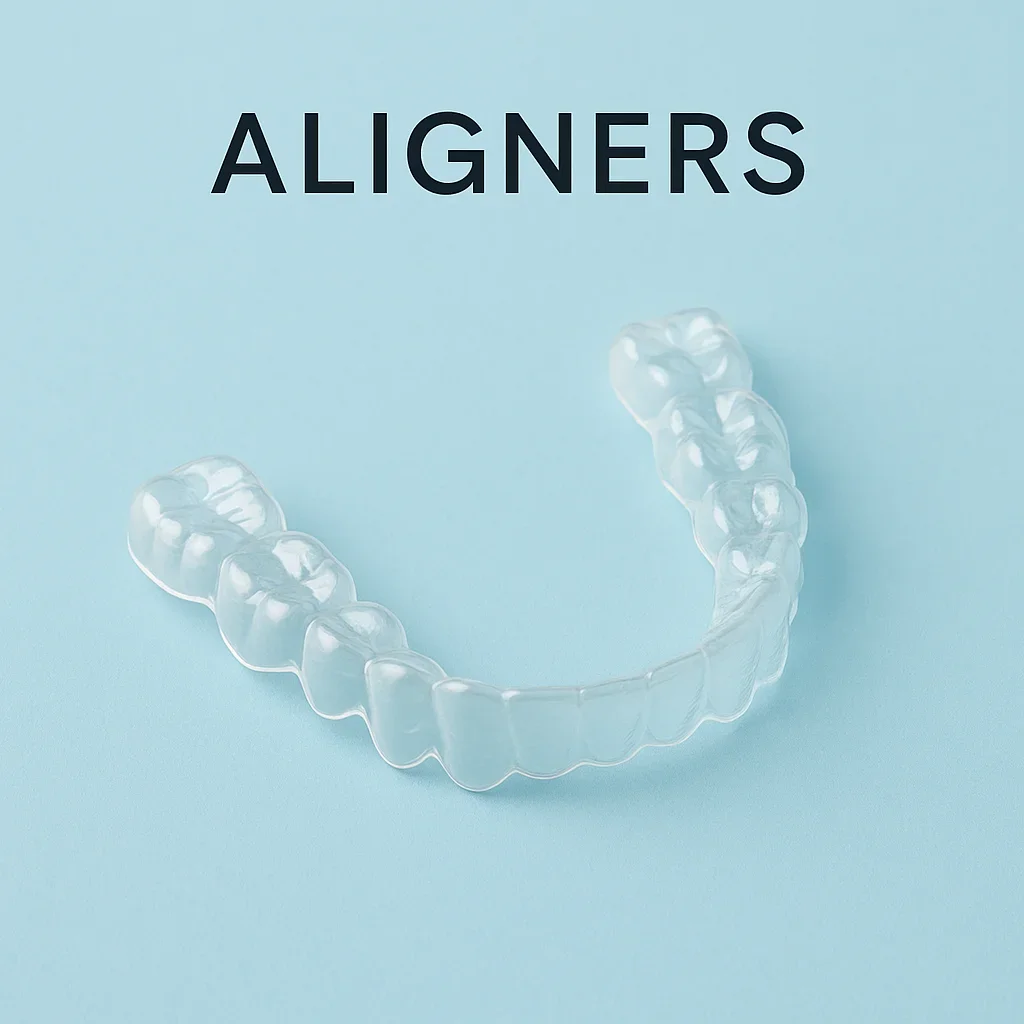
Aligners vs. Braces: Which Is Better for You?
The debate between aligners and traditional braces has become one of the most discussed topics in modern orthodontics. Both treatments aim to correct misaligned teeth, but their methods, comfort levels, appearance, and maintenance differ significantly. Choosing the right option depends on your dental condition, lifestyle, and aesthetic preferences. In this section, we’ll explore the key differences between aligners and braces in terms of effectiveness, cost, comfort, maintenance, and long-term outcomes — helping you make an informed decision for your smile 😁.
1. Overview: Aligners and Braces Explained
Aligners are clear, removable trays made from medical-grade plastic that gradually shift your teeth into the desired position. They are custom-designed using 3D digital scans and replaced every 1–2 weeks as your teeth move. Traditional braces, on the other hand, use metal or ceramic brackets bonded to teeth and connected by wires. These apply continuous pressure to guide teeth into proper alignment over time.
How Each Works
- Aligners: Use a series of customized trays to apply consistent, gentle pressure on teeth. Each tray represents a new stage of movement.
- Braces: Use brackets and wires that are periodically adjusted by the orthodontist to control the direction and amount of movement.
Both systems work effectively, but their experience and convenience differ greatly depending on patient preference and case complexity.
2. Aesthetic Differences
One of the most notable advantages of aligners is their virtually invisible design. Because they’re made from clear material, they blend naturally with your teeth — a major advantage for professionals, teenagers, and anyone concerned about their appearance during treatment. Braces, even ceramic ones, are visible and can affect confidence in social or professional settings.
Visual Discretion
Aligners provide a discreet treatment experience, allowing patients to smile freely during their orthodontic journey. Braces, though effective, may include visible brackets or colored bands, making them more noticeable. For many adults and teens, this aesthetic difference plays a decisive role in choosing aligners.
3. Comfort and Convenience
Comfort is a major factor when comparing aligners with braces. Aligners are smooth and customized to fit snugly around your teeth, causing minimal irritation to your cheeks or gums. Traditional braces, however, can sometimes lead to discomfort or mouth sores due to metal components rubbing against soft tissue.
Daily Experience
- Aligners: Easy to remove during meals and brushing. No metal adjustments or sharp edges.
- Braces: Fixed in place and require careful cleaning to avoid food buildup around brackets and wires.
Additionally, aligners don’t require emergency visits for broken wires or loose brackets, which are common with traditional braces. This makes them particularly convenient for busy individuals who prefer fewer dental appointments.
4. Treatment Time and Effectiveness
In terms of duration, aligners can often achieve results faster for mild to moderate cases — typically within 6 to 18 months. Braces may take 18 to 36 months, especially for more complex corrections. However, treatment time ultimately depends on individual conditions and compliance.
Effectiveness for Different Cases
Braces are still considered the gold standard for severe misalignments, complex bite corrections, and rotations. Aligners excel in mild to moderate cases and deliver predictable results when patients wear them consistently. With advances in 3D treatment planning and attachments, aligners are now capable of addressing more complex cases than ever before.
5. Maintenance and Oral Hygiene
One of the biggest advantages of aligners is how easy they make oral hygiene. Since aligners are removable, brushing and flossing remain as simple as ever. Braces, by contrast, require extra tools like interdental brushes and floss threaders to clean around brackets and wires.
Cleaning Routines Compared
- Aligners: Rinse and brush trays daily using mild soap and water. Soak occasionally in cleaning crystals to maintain clarity.
- Braces: Brush after every meal using a soft-bristle brush and fluoride toothpaste. Avoid sticky or hard foods that can damage wires.
Because aligners reduce the risk of food getting trapped, they help prevent cavities, gum disease, and bad breath more effectively than traditional braces — a major benefit supported by clinical research from the American Dental Association.
6. Dietary Restrictions
Diet is another key difference between the two treatments. Patients with aligners can enjoy all types of food since the trays are removed during meals. However, with braces, eating sticky, crunchy, or chewy foods can damage brackets or cause discomfort.
What You Can Eat
- Aligners: Eat and drink freely after removing trays. Only water is safe while wearing them.
- Braces: Avoid popcorn, nuts, caramel, and hard candies that can break wires or loosen brackets.
This freedom makes aligners a more flexible and lifestyle-friendly option, particularly for adults who want to maintain normal eating habits 🍽️.
7. Cost Comparison
Cost can vary widely based on treatment complexity, clinic location, and technology used. Generally, aligners and braces are comparable in price, though aligners may sometimes cost slightly more due to their digital planning and customization process. However, aligners often save money in the long term by reducing office visits and minimizing emergency repairs.
Investment Value
While braces can start around $3,000, aligner treatments typically range between $3,500 and $6,500, depending on case difficulty. Many clinics, including Redent Klinik Contact Page, offer payment plans to make aligner treatment more accessible. Considering comfort, convenience, and shorter treatment duration, aligners are often viewed as a cost-effective investment in both health and confidence.
8. Professional Supervision and Follow-Up
Both aligners and braces require regular check-ups, but aligners often need fewer in-person visits. Many modern clinics offer remote progress monitoring through photos or digital scans. Braces, however, demand physical adjustments every 4–6 weeks. This means aligners can be more suitable for those who prefer minimal clinic visits or travel frequently.
Monitoring Treatment Progress
Advanced aligner systems use AI-based tracking to monitor movement accuracy. If adjustments are needed, new trays are designed digitally. Braces, though more manual, allow orthodontists to make precise in-person modifications for complex tooth movements.
9. Aesthetic and Lifestyle Compatibility
Patients who value aesthetics, comfort, and convenience often lean toward aligners. Their invisible appearance, removable nature, and ease of use make them ideal for professionals, performers, or anyone wanting to avoid the metal look of braces. Braces, while more visible, offer unmatched control for detailed adjustments in difficult cases.
10. Final Verdict: Which One Should You Choose?
Ultimately, the choice between aligners and braces comes down to your dental needs and lifestyle. If you have mild to moderate misalignment, prioritize aesthetics, and can commit to wearing your trays consistently, aligners are an excellent option. For more complex structural movements or severe bite issues, braces may be more suitable.
Consulting an orthodontic professional is the best way to determine which treatment fits your unique smile goals. Clinics like Redent Klinik provide digital evaluations and personalized recommendations to ensure effective and comfortable treatment outcomes. Both methods can deliver beautiful, healthy smiles — but aligners offer the perfect blend of technology, comfort, and invisibility that modern patients love 💎.
In summary, both braces and aligners are reliable orthodontic tools. Braces remain unmatched for highly complex corrections, while aligners redefine convenience and discretion in dental care. With professional guidance and consistent use, either option can transform your smile — but for many, aligners represent the future of orthodontics 🌟.