
All dental implants represent the most advanced and permanent solution for missing teeth, offering both functional and aesthetic restoration. In recent years, they have become a global standard in restorative dentistry due to their long lifespan, natural appearance, and ability to prevent bone loss. This comprehensive guide will help you understand everything about all dental implants — from what they are and how they work, to their costs, benefits, and long-term care. 🦷
Unlike traditional dentures or bridges, which rest on the gums or require adjacent teeth for support, all dental implants are surgically placed into the jawbone. Each implant acts as an artificial tooth root, providing a stable foundation for crowns, bridges, or even full-arch prostheses. This makes them feel and function just like natural teeth, improving both chewing efficiency and confidence in smiling.
What Makes All Dental Implants Different?
When people refer to “all dental implants,” they usually mean complete implant systems that replace one, several, or all missing teeth. These systems may include All-on-4, All-on-6, or even full-mouth reconstructions, depending on how many implants are used to support the replacement teeth. Each option is tailored to meet the patient’s bone structure, aesthetic needs, and budget.
The main difference between these and traditional tooth replacements is stability. Because all dental implants integrate with the jawbone through a process called osseointegration, they mimic the function of natural tooth roots. This not only restores chewing ability but also prevents bone resorption — the gradual loss of bone density that occurs after tooth loss. Maintaining bone structure ensures that facial features remain supported, preventing a sunken or aged appearance over time.
Who Can Benefit from All Dental Implants?
Virtually anyone missing one or more teeth can benefit from all dental implants. Whether tooth loss is due to trauma, decay, or periodontal disease, implants offer a long-term restorative solution. Candidates should have healthy gums and enough jawbone density to support the implants. Even patients who have experienced bone loss can often qualify through procedures such as bone grafting or sinus lifts.
People who wear removable dentures often switch to all dental implants because they eliminate the inconvenience of slippage, adhesives, and discomfort. With implants, you can eat, speak, and smile naturally without fear of movement or instability.
How Long Do All Dental Implants Last?
One of the major advantages of all dental implants is their longevity. When properly cared for, they can last 20 years or even a lifetime. The titanium material used in most implants is biocompatible, meaning the body accepts it without rejection. Proper oral hygiene and regular dental check-ups are crucial for maintaining implant health, just as they are for natural teeth.
According to studies published by the American Dental Association, implant success rates exceed 95% over ten years — one of the highest in modern dental treatments. This success rate, combined with their natural look and feel, makes them the gold standard in tooth replacement options.
The Procedure in Brief
The process of getting all dental implants usually involves several stages: consultation, surgery, healing, and restoration. During the initial phase, your dentist evaluates your oral health through X-rays and 3D imaging. Then, implants are surgically placed into the jawbone under local or general anesthesia. After a healing period of about 3–6 months (during which osseointegration occurs), the abutments and final crowns are attached. The end result is a stable, natural-looking smile that functions like your original teeth.
Why All Dental Implants Are Worth the Investment
Although all dental implants may seem expensive at first, they often turn out to be more cost-effective than other restorations over time. Unlike bridges or dentures that need regular replacement, implants are permanent with proper care. They also protect against bone loss and gum deterioration, reducing the need for future treatments. 💎
Prices vary based on country, materials, and the number of implants. For example, a single implant in the United States can range from $3,000–$5,000, while a full-arch All-on-4 treatment in Turkey may cost around $4,000–$7,000, offering exceptional quality at more affordable rates. For personalized consultation and updated pricing, you can visit the Redent Klinik Contact Page.
Final Thoughts
In summary, all dental implants provide a permanent, natural-looking, and health-preserving solution for anyone suffering from tooth loss. They enhance appearance, speech, and comfort while promoting long-term oral health. With proper maintenance and expert dental care, implants can truly transform your quality of life and give you a confident smile that lasts a lifetime. 🌟
If you are considering all dental implants, make sure to consult a qualified implantologist who specializes in advanced restorative techniques. Choosing the right clinic and understanding the full process will ensure you achieve the best results for both function and aesthetics.
What Are All Dental Implants and How Do They Work?
All dental implants are innovative tooth replacement systems designed to restore both function and aesthetics after tooth loss. They serve as artificial tooth roots that anchor crowns, bridges, or full dentures securely into the jawbone, providing unmatched stability and longevity. Understanding how they work helps patients appreciate why all dental implants are considered the gold standard in modern restorative dentistry. 🦷
The Anatomy of All Dental Implants
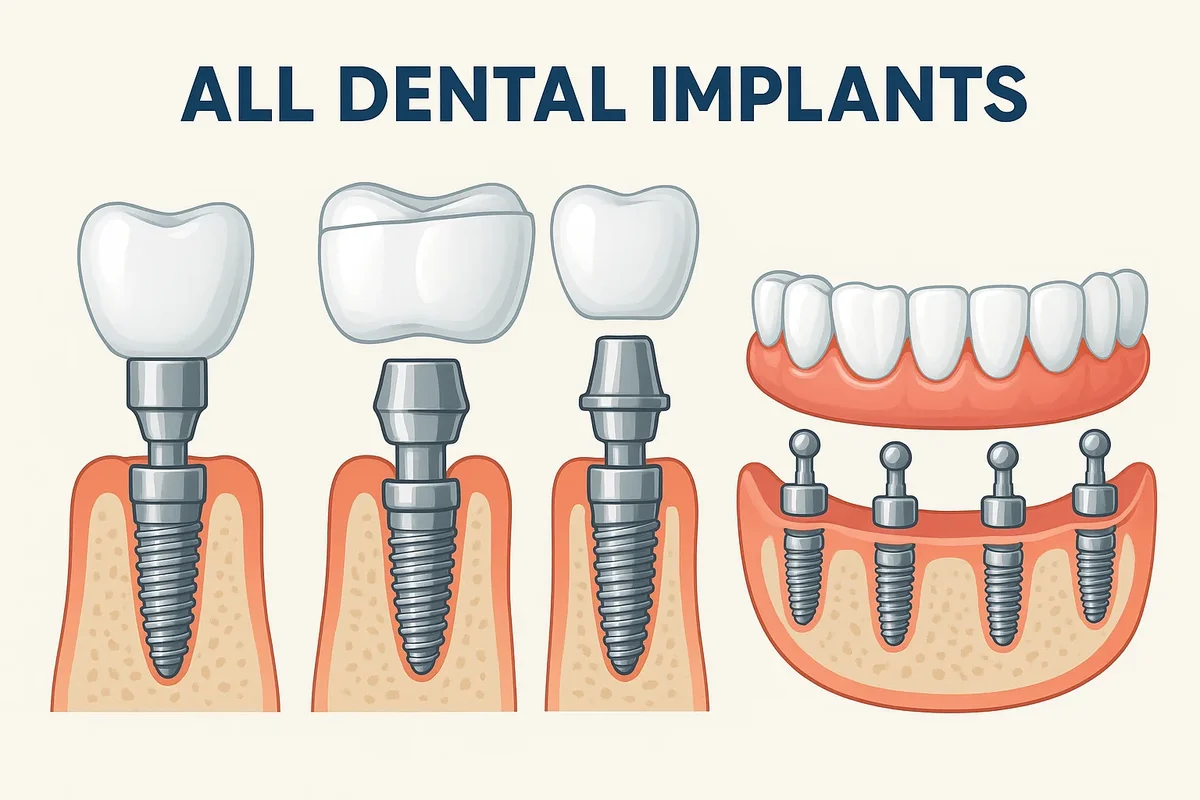
Each dental implant consists of three main components: the implant post, abutment, and crown. The implant post is a titanium or zirconia screw surgically inserted into the jawbone. Over time, it fuses with the bone through a biological process known as osseointegration. This forms a solid base for the abutment, which connects the implant to the crown — the visible part that looks and functions like a natural tooth.
What makes all dental implants exceptional is their ability to integrate naturally with bone tissue, ensuring long-term strength and preventing bone loss. Titanium, being biocompatible, encourages bone cells to grow around the implant, creating a strong and permanent bond. This feature makes implants stand out from traditional bridges or dentures, which only rest on the gum surface and cannot preserve jawbone integrity.
How All Dental Implants Function
Once placed, all dental implants act exactly like natural tooth roots. They distribute chewing pressure evenly across the jawbone, stimulating bone tissue and maintaining oral health. This natural pressure prevents the bone from deteriorating — a common issue with tooth loss. Over time, this process maintains facial structure, preventing premature aging and sagging cheeks.
The implant itself does not move or slip while eating or speaking, giving patients complete confidence. Whether replacing a single tooth or a full arch, all dental implants ensure comfort, durability, and a natural feel unmatched by any removable prosthesis. 😁
Osseointegration: The Science Behind Success
Osseointegration is the cornerstone of every dental implant procedure. After placement, the titanium post gradually bonds with the surrounding bone tissue — typically over three to six months. This secure connection allows the implant to withstand strong chewing forces. Once healing is complete, the abutment and dental crown are attached, completing the restoration.
This process also ensures that all dental implants remain stable and permanent. Unlike dentures, which may loosen over time, implants continue to strengthen as bone density adapts. Studies show that implants achieve success rates above 95%, confirming their reliability for long-term use.
Different Implant Techniques Explained
Single-Tooth Implants
For patients missing one tooth, a single implant with an individual crown offers a permanent and natural-looking replacement. The adjacent teeth remain untouched — unlike with bridges — maintaining full dental integrity.
Multiple Implants and Bridges
When several teeth are missing, all dental implants can support bridges or partial dentures. Two or more implants act as anchors for multiple crowns, restoring both aesthetics and functionality without compromising healthy teeth.
All-on-4 and All-on-6 Systems
In full-mouth rehabilitation, the All-on-4 and All-on-6 systems are popular. These involve placing four or six implants in each arch to support a complete set of prosthetic teeth. This technique minimizes surgery while offering complete restoration — often in a single day.
Such systems are ideal for patients who have lost most or all of their teeth. They deliver a stable bite, natural smile, and the freedom to eat all types of food without fear of slipping dentures. 🍎
Materials Used in All Dental Implants
The success of all dental implants depends heavily on the materials used. Titanium remains the gold standard due to its strength, durability, and biocompatibility. However, zirconia implants are gaining popularity for patients seeking metal-free solutions. Zirconia is hypoallergenic and naturally white, offering superior aesthetics — especially for front-tooth replacements.
Both materials integrate effectively with bone, but titanium’s long clinical history makes it the preferred choice for most cases. Advances in nanotechnology have further improved surface textures, accelerating osseointegration and reducing healing times.
Why Choose All Dental Implants Over Other Options?
Compared to dentures or bridges, all dental implants provide unmatched stability, durability, and comfort. They eliminate the need for messy adhesives and prevent speech issues or slippage. Moreover, implants protect the jawbone and maintain natural facial contours, something removable prosthetics cannot achieve.
Traditional dentures must be replaced every few years due to wear and gum changes, but implants — once integrated — can last a lifetime with proper care. This makes them a one-time investment that yields lasting confidence and functionality.
The Role of Digital Technology in Modern Implant Dentistry
Digital imaging, 3D scanning, and computer-guided surgery have revolutionized the placement of all dental implants. These technologies allow precise mapping of bone structure, ensuring perfect positioning of each implant. Such accuracy minimizes risks, reduces surgery time, and speeds up recovery.
Many advanced clinics, including those offering treatment through the Redent Klinik Contact Page, use digital workflows to enhance safety and patient comfort. Virtual simulations also let patients preview their results before the procedure, ensuring satisfaction and peace of mind.
Success Rates and Clinical Evidence
According to clinical data shared by the American Dental Association, all dental implants have a long-term success rate exceeding 95%. Failures are rare and usually related to factors such as smoking, uncontrolled diabetes, or poor oral hygiene. With regular dental checkups and professional maintenance, implants can remain functional for decades.
These results prove that investing in all dental implants not only restores your smile but also supports long-term oral health. Their natural feel and resilience make them one of the most life-changing dental solutions available today.
Final Thoughts
In essence, all dental implants combine science, precision, and aesthetics to deliver a complete solution for tooth loss. They are suitable for nearly every adult patient, regardless of age, and can be customized to meet specific dental needs. Whether you choose titanium or zirconia, single or full-arch systems, implants ensure that you regain not only your smile but also your confidence and quality of life. 🌟
Advantages of Choosing All Dental Implants Over Traditional Ones
All dental implants have revolutionized modern dentistry by offering a long-lasting, stable, and natural-looking solution for missing teeth. Unlike traditional dentures or bridges that rest on the gums or depend on adjacent teeth for support, implants integrate directly with the jawbone. This section explains why all dental implants are considered superior in both functionality and aesthetics, and how they can transform a patient’s oral health and confidence. 🦷
1. Permanent and Long-Lasting Solution
One of the most significant advantages of all dental implants is their durability. Traditional dentures typically need to be replaced every five to ten years due to wear or gum shrinkage. In contrast, implants can last a lifetime when properly cared for. The titanium posts fuse with the jawbone through osseointegration, forming a permanent foundation that does not loosen or shift over time. This means fewer replacements, fewer dental visits, and long-term cost savings.
Unlike removable prosthetics, which often cause discomfort after years of use, all dental implants maintain their position and integrity for decades. This permanence is what makes them the most trusted solution among dental professionals worldwide.
2. Natural Look and Feel
When it comes to aesthetics and comfort, all dental implants outperform all other options. The crown portion of the implant is custom-made to match the color, shape, and size of your natural teeth. Because they are anchored into the bone, they feel completely natural while chewing, speaking, or smiling. There’s no awkward slipping or clicking sound as with dentures.
Patients often report that after a few weeks, they forget they even have implants because they look and feel identical to real teeth. This confidence boost can have a major positive impact on self-esteem and quality of life.
3. Improved Chewing and Speech
Traditional dentures can limit the ability to chew certain foods, forcing many people to avoid fruits, meats, and crunchy vegetables. However, all dental implants restore almost 100% of natural bite strength, allowing patients to enjoy their favorite meals without restriction. 🍎🥩
Additionally, because implants do not move inside the mouth, speech clarity improves dramatically. Many denture users experience slurred or muffled speech, but with implants, pronunciation remains natural and precise.
4. Prevention of Bone Loss and Gum Deterioration
When a tooth is lost, the jawbone beneath it begins to shrink due to lack of stimulation. Over time, this bone resorption leads to facial collapse, wrinkles, and a prematurely aged appearance. Traditional dentures cannot prevent this because they rest on the gums instead of stimulating the bone.
All dental implants, on the other hand, mimic the function of natural tooth roots. By transferring chewing forces into the jawbone, they stimulate bone growth and maintain bone density. This not only preserves facial structure but also strengthens surrounding teeth. The result is a healthier, more youthful appearance that endures for years.
5. No Damage to Neighboring Teeth
Traditional dental bridges require adjacent healthy teeth to be filed down so that the bridge can be attached. This compromises the structure and longevity of those natural teeth. In contrast, all dental implants are standalone units that do not rely on surrounding teeth for support. Each implant supports its own crown or bridge, preserving the natural enamel and integrity of nearby teeth.
6. Easy Maintenance and Hygiene
Maintaining all dental implants is as simple as caring for your natural teeth. Daily brushing, flossing, and regular dental checkups are all that’s needed. There’s no need for messy adhesives or nightly removal as with dentures. Because the implants are fixed, they allow easy cleaning around and between teeth, reducing the risk of gum disease or decay.
Moreover, most implant materials are resistant to cavities and bacterial buildup, making them a low-maintenance yet highly effective oral health investment.
7. Restored Facial Structure and Confidence
By preserving bone density and gum contour, all dental implants help maintain natural facial volume. Patients who switch from dentures often notice a visible improvement in their facial symmetry and overall confidence. The secure fit of implants eliminates concerns about embarrassing slippage or discomfort in social settings, allowing for effortless smiling and laughter. 😄
Psychological and Social Benefits
Studies have shown that people who undergo full-mouth implant restoration report higher levels of happiness and social confidence. The ability to eat, speak, and smile naturally restores not just function but also emotional well-being. For many, all dental implants become a life-changing investment in both appearance and self-assurance.
8. Cost-Effectiveness Over Time
Although all dental implants may seem expensive initially, their long-term cost is often lower than that of dentures or bridges. Dentures require regular replacements, re-lining, and maintenance, which adds up over time. Implants, once integrated, rarely need replacement. The only part that might require renewal after 15–20 years is the crown, depending on wear.
According to global averages, a full set of all dental implants can range between $4,000–$7,000 per arch in Turkey and $15,000–$30,000 in the USA. Despite the initial cost, they are far more economical in the long run due to minimal maintenance and longer lifespan. For a detailed consultation and cost estimation, you can visit the Redent Klinik Contact Page.
9. Higher Success Rates and Proven Safety
According to clinical studies by the American Dental Association, all dental implants boast success rates exceeding 95%. Failures are rare and typically linked to poor oral hygiene, smoking, or systemic health issues. Because of their biocompatible materials, allergic reactions are virtually nonexistent, making implants one of the safest dental treatments available today.
10. Environmentally Friendly and Biocompatible Materials
Most all dental implants are made from titanium or zirconia — materials that are safe for both patients and the environment. They do not corrode, degrade, or release toxins. Titanium is recyclable, sustainable, and has been used in medical applications for decades due to its proven safety and strength.
Conclusion
Choosing all dental implants over traditional dental restorations is an investment in long-term health, beauty, and confidence. They provide superior durability, natural aesthetics, and functionality unmatched by dentures or bridges. Whether you need a single tooth replaced or a full-arch restoration, implants deliver stability, health preservation, and peace of mind. 🌟
Ultimately, all dental implants are not just about replacing teeth — they’re about restoring your lifestyle, self-confidence, and ability to enjoy life without limits. With the right care and guidance from experienced professionals, your new smile can truly last a lifetime.
Step-by-Step Procedure for Getting All Dental Implants
All dental implants are placed through a carefully structured process that ensures precision, comfort, and long-term success. Every stage—from the initial consultation to final restoration—requires expertise and planning. This comprehensive guide explains each phase of the implant journey so patients understand exactly what to expect before, during, and after the procedure. 🦷
1. Initial Consultation and Examination
The first step in getting all dental implants involves a detailed dental examination. During this visit, your dentist or oral surgeon evaluates your overall oral health, bone density, and gum condition. Advanced imaging techniques such as panoramic X-rays and 3D cone-beam computed tomography (CBCT) scans are used to create a precise digital model of your jaw.
This data helps determine the optimal placement points for the implants and identifies whether any preparatory treatments (like bone grafting or sinus lifts) are required. Your medical history, medications, and lifestyle habits (e.g., smoking, diabetes) are also discussed to ensure the safest and most effective outcome.
Digital Planning for Accuracy
Modern clinics use digital implant planning software that maps nerve pathways and bone dimensions with millimeter accuracy. This technology allows surgeons to plan the entire placement virtually before the actual procedure, minimizing risks and maximizing precision. Digital dentistry has made all dental implants more predictable and comfortable than ever before.
2. Treatment Planning and Cost Discussion
After the examination, a customized treatment plan is created. This plan outlines the number of implants needed, type of restoration (single, bridge, or full arch), timeline, and cost. Because all dental implants can be tailored to each patient’s needs, no two treatment plans are identical.
At this stage, financial estimates are provided. A single implant might cost around $3,000–$5,000 in the United States, whereas a full arch using the All-on-4 system could range between $4,000–$7,000 in Turkey, offering similar quality at more affordable rates. Patients seeking accurate cost evaluation and package options can visit the Redent Klinik Contact Page.
3. Preparatory Procedures (If Needed)
Before placing all dental implants, some patients may require additional treatments to ensure sufficient bone support and gum health. Common procedures include:
- Bone grafting: Adds bone material to areas of deficiency, creating a strong foundation for implant placement.
- Sinus lift: Raises the sinus membrane to make space for upper jaw implants.
- Tooth extraction: Removes damaged or decayed teeth prior to implant surgery.
These procedures extend the overall treatment timeline but are essential for achieving long-term stability and success of all dental implants.
4. Implant Placement Surgery
The surgical phase is where the implant posts are inserted into the jawbone. The procedure is performed under local anesthesia, sedation, or sometimes general anesthesia depending on the complexity. Using pre-planned digital guides, the dentist drills small holes in the bone and carefully places the titanium or zirconia implants.
Each implant is positioned at an angle and depth that ensures maximum bone contact and stability. For full-arch restorations such as All-on-4 or All-on-6, four or six implants are strategically placed to support an entire row of teeth. This approach distributes biting pressure evenly and minimizes stress on the jawbone.
Minimally Invasive Techniques
With advancements in modern implantology, many clinics now use flapless surgery — a minimally invasive method that eliminates the need for large incisions. This results in faster healing, less swelling, and minimal bleeding. Such precision-driven techniques have made all dental implants more comfortable and accessible to patients of all ages.
5. Healing and Osseointegration Period
After the implant posts are placed, a healing phase called osseointegration begins. During this 3–6 month period, the bone cells grow around the implant, permanently fusing it in place. This biological bonding process is what gives all dental implants their incredible strength and longevity.
Patients typically experience mild swelling or discomfort for a few days, which can be managed with prescribed medication. Soft foods are recommended during the early weeks, and good oral hygiene practices—such as gentle brushing and saltwater rinses—are crucial for preventing infection.
Temporary Restorations
In many cases, temporary crowns or bridges are placed during healing so that patients can maintain functionality and aesthetics. These temporary teeth allow normal speech and eating until the permanent restorations are ready.
6. Abutment Placement
Once osseointegration is complete, a small connector called an abutment is attached to each implant post. This part serves as the link between the implant and the crown or bridge. The gums are allowed to heal around the abutments for a short period before the final prosthesis is attached.
The precision fit of the abutment ensures stability and prevents micro-movement, which is essential for the long-term health of all dental implants. Advanced clinics may use customized abutments crafted via CAD/CAM technology to match individual gum contours and improve aesthetics.
7. Placement of Final Restoration
In the final step, your permanent dental crowns, bridges, or full-arch prostheses are attached to the abutments. These are designed to look and feel identical to natural teeth. The materials—usually porcelain, zirconia, or ceramic—are chosen based on patient preference and bite force requirements.
After placement, your dentist will adjust the bite to ensure even pressure distribution. Once this step is complete, all dental implants are fully functional, providing a natural-looking and permanent smile. 🌟
8. Post-Procedure Care and Maintenance
Proper care after implant placement is essential for longevity. Patients should brush twice daily, floss regularly, and attend professional cleanings at least twice a year. Avoiding smoking and excessive alcohol consumption greatly enhances the success rate of all dental implants.
Regular checkups allow your dentist to monitor bone stability, gum health, and implant integrity. Following these steps can ensure your implants last for decades without complications.
9. Common Concerns During the Process
Some patients worry about pain or recovery time. However, with today’s anesthesia techniques and minimally invasive methods, discomfort is minimal. Most people return to daily routines within 1–2 days after surgery. Temporary swelling or sensitivity is normal and fades quickly with proper care.
Another concern is failure rate, but studies from the American Dental Association confirm that all dental implants succeed in over 95% of cases. With good hygiene and professional monitoring, they remain one of the most predictable dental procedures available.
Conclusion
The step-by-step procedure for all dental implants is a carefully orchestrated process that blends medical science, precision, and artistry. From consultation to restoration, every phase is designed to ensure comfort, aesthetics, and long-term function. By following expert guidance and maintaining excellent oral hygiene, patients can enjoy a strong, natural, and confident smile for life.
If you’re ready to begin your own implant journey, contact your trusted specialist or reach out through the Redent Klinik Contact Page to schedule a personalized consultation. Your perfect smile awaits! 😁
Types of All Dental Implants: From Mini to Full Arch Solutions
All dental implants come in several types and designs, each suited to different clinical situations, bone structures, and patient needs. Understanding these types helps patients make informed decisions about which implant system is most appropriate for their oral condition and lifestyle. Whether you need to replace a single tooth, several missing teeth, or a complete arch, there’s an implant solution that fits your case. 🦷
1. Endosteal Implants (Most Common Type)
The most frequently used type of all dental implants is the endosteal implant. These are surgically inserted directly into the jawbone and are typically made of titanium or zirconia. They resemble small screws, cylinders, or blades that serve as artificial roots to support crowns or bridges.
Endosteal implants are ideal for patients with sufficient bone density. They offer strong, stable support for single teeth or full-arch restorations. Due to their high success rate and natural feel, endosteal implants are the gold standard in restorative dentistry today.
Advantages of Endosteal Implants
- Excellent long-term stability and durability.
- Natural chewing comfort similar to real teeth.
- Suitable for most patients with adequate bone height and width.
Considerations
Patients with low bone density may require bone grafting before these all dental implants can be placed. Once integrated, however, they offer decades of reliable performance.
2. Subperiosteal Implants (For Low Bone Density)
Subperiosteal implants are an alternative to endosteal designs. Instead of being placed inside the bone, they rest on top of the jawbone but beneath the gum tissue. A custom-made metal framework holds the artificial teeth in place. This type of implant is particularly suited for patients who have insufficient bone height and prefer to avoid grafting procedures.
While subperiosteal implants are less common today due to the success of bone grafting and modern techniques, they remain a viable option for specific clinical cases where bone volume cannot support endosteal implants.
3. Mini Dental Implants (MDIs)
All dental implants also include smaller variations known as mini dental implants. These are typically less than 3mm in diameter and are used in cases where bone width is limited. MDIs are ideal for stabilizing dentures or replacing smaller teeth like incisors.
Key Benefits of Mini Implants
- Less invasive procedure with faster recovery.
- Lower cost compared to conventional implants.
- Can often be placed in a single visit.
Because they are thinner, mini implants are not suitable for heavy chewing loads. However, they are an excellent temporary or budget-friendly solution for patients seeking the benefits of all dental implants without undergoing complex surgery.
4. Zygomatic Implants (For Severe Bone Loss)
Zygomatic implants are advanced solutions for patients who have extreme bone loss in the upper jaw and cannot undergo bone grafting. Instead of anchoring into the maxilla (upper jawbone), these implants are anchored into the zygomatic bone—also known as the cheekbone—which provides stronger and denser support.
Due to their length and unique placement angle, zygomatic implants require a highly experienced oral surgeon. They’re often used in full-arch rehabilitations and provide a fixed, stable alternative to removable dentures for patients who were previously told they lacked sufficient bone.
Advantages of Zygomatic Implants
- Eliminates the need for bone grafting in severe resorption cases.
- Immediate loading possible — patients can receive fixed teeth on the same day.
- Long-term stability and excellent aesthetic results.
5. All-on-4 Dental Implant System
The All-on-4 technique is one of the most innovative approaches within the category of all dental implants. It involves the placement of four strategically angled implants in the upper or lower arch to support a full-arch prosthesis. This design maximizes contact with available bone and avoids the need for bone grafting in most cases.
The All-on-4 method allows same-day restoration — meaning patients can leave the dental clinic with a new fixed smile just hours after surgery. This system is particularly beneficial for those seeking a fast, permanent replacement for dentures.
Key Benefits
- Requires only four implants per arch.
- Minimized healing time and fewer surgeries.
- Immediate loading and improved speech and function.
6. All-on-6 Dental Implant System
Similar to the All-on-4 concept, the All-on-6 system uses six implants instead of four to provide additional stability and even pressure distribution. It’s recommended for patients with sufficient bone density and those who desire enhanced long-term strength.
The added implants improve durability and reduce stress on each post, which can extend the lifespan of the entire prosthetic. Many clinics prefer All-on-6 for younger patients or those with higher bite forces who seek a permanent full-arch restoration.
7. Immediate Load or “Same-Day” Implants
Thanks to advancements in implant technology, all dental implants can now be loaded immediately after placement. Known as “Teeth in a Day,” this technique allows patients to receive temporary prosthetic teeth on the same day as surgery. While not suitable for everyone, it’s ideal for those with good bone density and healthy gums.
This option minimizes downtime, allowing patients to return to daily activities quickly while maintaining full aesthetics and functionality throughout the healing period. 😁
8. Two-Stage vs. Single-Stage Implants
Implant systems can also be categorized by placement technique:
- Two-stage implants: The implant is placed and covered by the gum during healing, with a second surgery later to attach the abutment. This method ensures better integration in complex cases.
- Single-stage implants: The abutment is attached during the initial surgery, allowing faster restoration without a second procedure.
Both techniques achieve excellent long-term results, and your dentist will choose the most suitable approach based on your bone structure and oral health condition.
9. Materials Used in Different Types of All Dental Implants
The two most common materials for all dental implants are titanium and zirconia:
- Titanium Implants: Known for their strength and biocompatibility, titanium implants integrate seamlessly with bone. They have been used for decades and remain the most trusted choice for most procedures.
- Zirconia Implants: A metal-free option offering superior aesthetics, especially for front teeth. Zirconia is resistant to corrosion and suitable for patients with metal sensitivities.
Both materials are FDA-approved and have exceptional long-term performance, with success rates exceeding 95% as verified by the American Dental Association.
10. Choosing the Right Implant Type for You
The best type of all dental implants depends on various factors, including jawbone density, number of missing teeth, aesthetic expectations, and budget. A professional implantologist will assess these parameters using 3D imaging and recommend the optimal solution for your specific needs.
Patients seeking personalized treatment plans or affordable international implant options can consult the Redent Klinik Contact Page for detailed guidance and expert recommendations.
Conclusion
The wide variety of all dental implants — from mini and zygomatic implants to full-arch systems like All-on-4 and All-on-6 — ensures that every patient can achieve a natural, functional, and lasting smile. Modern dentistry offers flexible, safe, and efficient solutions for all levels of tooth loss. 🌟
Choosing the right implant type, guided by an experienced professional, is the key to long-term success, comfort, and aesthetics. Whether you’re replacing one tooth or an entire set, all dental implants provide the strongest foundation for restoring your oral health and confidence.
How Much Do All Dental Implants Cost? (Updated 2025 Guide)
All dental implants represent a significant investment in long-term oral health, aesthetics, and comfort. While they are considered the gold standard for tooth replacement, their cost can vary widely depending on several factors, including location, materials, dentist expertise, and the complexity of the case. This detailed 2025 guide breaks down every cost component, helping you make an informed financial decision before starting your implant journey. 💰
1. Understanding the Cost Structure of All Dental Implants
The total cost of all dental implants typically includes multiple stages of treatment, not just the implant post itself. A complete implant procedure involves:
- Initial consultation and diagnostics (X-rays, 3D scans, examination)
- Implant surgery (placement of titanium or zirconia posts)
- Abutment installation (the connector between implant and crown)
- Dental crown or bridge fabrication (custom-made prosthetic teeth)
- Follow-up appointments and aftercare visits
Because each step requires precision, specialized materials, and advanced technology, all dental implants are generally more expensive upfront than dentures or bridges—but they last decades, often for life. This makes them one of the most cost-effective dental solutions over time.
2. Average Price Range by Country
The cost of all dental implants can vary drastically depending on geographic location, clinical standards, and labor costs. Below is a general overview of 2025 price averages:
| Country | Single Implant (USD) | All-on-4 Full Arch (USD) | All-on-6 Full Arch (USD) |
|---|---|---|---|
| United States | $3,000 – $5,000 | $20,000 – $35,000 | $25,000 – $40,000 |
| United Kingdom | $2,800 – $4,800 | $18,000 – $30,000 | $22,000 – $35,000 |
| Germany | $2,500 – $4,000 | $16,000 – $28,000 | $20,000 – $32,000 |
| Turkey 🇹🇷 | $800 – $1,200 | $4,000 – $7,000 | $5,000 – $8,500 |
| India | $600 – $1,000 | $3,500 – $6,500 | $4,000 – $7,000 |
As shown, countries like Turkey and India have emerged as global leaders in affordable dental tourism without compromising quality. Clinics in these regions use the same international-grade implant materials and advanced surgical technology as in the U.S. or Europe, but at significantly lower costs.
Why Turkey Is a Global Hub for All Dental Implants
Turkey’s combination of highly trained dentists, modern clinics, and government-backed healthcare standards makes it one of the best destinations for all dental implants. Many clinics offer complete “smile makeover” packages that include accommodation, transportation, and post-treatment care. For detailed consultation, patients can visit the Redent Klinik Contact Page to request personalized quotes.
3. Factors Affecting the Cost of All Dental Implants
The total price of all dental implants depends on multiple individual factors:
- Number of implants: A single implant is cheaper than full-mouth restoration, but the overall cost per implant decreases with multiple placements.
- Implant material: Titanium implants are more common and slightly cheaper than zirconia, which offers better aesthetics for front teeth.
- Type of restoration: Crowns, bridges, and full-arch prostheses each have different material and laboratory costs.
- Bone graft or sinus lift: Patients with low bone density may need these procedures, which can add $500–$2,000 per area.
- Geographic location: Clinics in major cities generally charge more due to higher operating expenses.
- Dentist expertise: Experienced implantologists and specialized surgeons typically command higher fees—but ensure better outcomes.
4. Implant Material and Its Effect on Price
Material choice significantly impacts both the cost and longevity of all dental implants:
- Titanium implants: The standard material due to high strength and biocompatibility. Prices range between $800 and $1,200 per implant (in Turkey).
- Zirconia implants: Metal-free and aesthetically superior, but more expensive—costing roughly 20–30% more than titanium models.
According to research by the American Dental Association, both materials show long-term success rates exceeding 95%, making them a safe and effective investment regardless of price differences.
5. Cost Comparison: Implants vs. Other Options
While all dental implants have higher initial costs, their long-term value far outweighs dentures or bridges. The table below illustrates lifetime cost efficiency:
| Treatment Type | Initial Cost (USD) | Replacement Interval | Approx. 20-Year Cost |
|---|---|---|---|
| Traditional Dentures | $1,000 – $3,000 | Every 5–7 years | $6,000 – $9,000 |
| Dental Bridges | $2,000 – $5,000 | Every 10 years | $6,000 – $10,000 |
| All Dental Implants | $4,000 – $7,000 (per arch in Turkey) | Lifetime (with maintenance) | $4,000 – $7,000 |
Clearly, implants provide a lifetime solution with minimal maintenance and the best functional and aesthetic results. Dentures, by contrast, require frequent relining or replacement due to bone resorption, which increases costs over time.
6. Financing and Payment Options
Many clinics now offer flexible financing plans for all dental implants. These may include:
- Monthly installment plans through third-party financing companies
- 0% interest payment programs for qualifying patients
- Dental insurance reimbursements for partial coverage
- Special “Dental Tourism” packages including travel and treatment
Some insurance providers in the U.S. or Europe partially reimburse implant procedures under prosthetic or restorative categories. Patients are encouraged to confirm coverage limits with their insurance companies beforehand.
7. Hidden Costs to Consider
When evaluating quotes for all dental implants, make sure to ask if the price includes all necessary services. Some clinics may advertise low initial prices but charge extra for:
- X-rays or 3D scans
- Temporary restorations
- Bone grafts or sinus lifts
- Follow-up appointments or anesthesia
A transparent cost breakdown ensures there are no surprises later and helps you accurately compare clinics.
8. The True Value of All Dental Implants
Beyond numbers, the real value of all dental implants lies in their life-changing benefits: restored confidence, full functionality, and a youthful appearance. While dentures may seem cheaper, they can lead to bone loss, discomfort, and social anxiety. Implants, on the other hand, protect your jawbone and deliver a lifelong smile that looks and feels completely natural. 🌟
9. How to Choose the Right Clinic
Choosing a reputable dental clinic is crucial to ensuring both safety and success. When researching clinics for all dental implants, consider:
- Certification and credentials of the dental team
- Use of advanced technology (e.g., 3D imaging, guided surgery)
- Before-and-after photos or verified patient reviews
- Clear written treatment and cost plan
Clinics like Redent Klinik in Turkey specialize in comprehensive implant solutions for international patients, providing transparent pricing and exceptional care.
Conclusion
The cost of all dental implants may appear high at first glance, but when viewed as a lifetime investment in health, comfort, and confidence, it becomes clear that implants deliver unmatched value. By understanding the factors that influence price and selecting a skilled clinic, you can achieve world-class results at a reasonable cost.
For 2025, the global trend continues to favor dental tourism in destinations like Turkey, where patients receive premium-quality implants at a fraction of Western prices. Consult your specialist today or reach out via the Redent Klinik Contact Page to begin your journey toward a permanent, beautiful smile. 😁
Recovery Process and Aftercare Tips for All Dental Implants 🦷
The recovery period after receiving all dental implants is a crucial phase that determines the long-term success and comfort of your new teeth. While modern implant procedures are minimally invasive and highly predictable, proper aftercare greatly influences healing speed, osseointegration, and overall results. This comprehensive guide explains the full recovery timeline, practical tips, and professional advice to ensure your implants heal perfectly and remain healthy for years to come. 🌟
1. Immediate Post-Surgery Phase (First 24–48 Hours)
Immediately after the placement of all dental implants, mild swelling, bleeding, and tenderness are normal. Your dentist will provide you with detailed aftercare instructions, but here are key points to follow during the first two days:
- Keep gauze on the surgical site for at least 30–60 minutes to control bleeding.
- Avoid touching or disturbing the area with your tongue or fingers.
- Apply a cold compress or ice pack on your cheek intermittently (15 minutes on, 15 off) to reduce swelling.
- Rest with your head elevated for the first night to minimize fluid accumulation.
- Stick to a soft or liquid diet — smoothies, soups, and yogurt are ideal.
Pain or discomfort can be managed with prescribed medications or over-the-counter pain relievers. Remember: do not smoke or drink alcohol, as these habits interfere with healing and can compromise the success of all dental implants.
2. Healing and Osseointegration (Weeks 1–12)
After the initial recovery, your body begins the process of osseointegration — where bone tissue fuses around the titanium or zirconia implants. This biological bonding is what gives all dental implants their long-lasting stability. During this phase, you must maintain excellent oral hygiene and avoid unnecessary stress on the implants.
Oral Hygiene Tips During Healing
- Brush gently using a soft-bristled toothbrush twice a day, avoiding direct pressure on the implant site.
- Use an antimicrobial mouth rinse (chlorhexidine or dentist-recommended solution) to prevent infection.
- Floss carefully or use a water flosser to remove food debris around adjacent teeth.
- Avoid using electric toothbrushes or hard floss until your dentist gives approval.
At this stage, your diet should consist of soft foods like scrambled eggs, pasta, steamed vegetables, and mashed potatoes. Foods that are crunchy, spicy, or sticky can disturb the healing process and should be avoided.
3. Managing Swelling, Pain, and Discomfort
Swelling usually peaks around 48 hours after surgery and begins to subside within three to five days. Applying cold compresses and taking anti-inflammatory medication helps significantly. If swelling or pain worsens after a week, contact your dentist immediately as it may indicate infection or irritation.
The gum tissue around all dental implants typically heals within 10–14 days. However, full bone integration can take 3–6 months depending on individual health, bone density, and adherence to aftercare instructions.
4. Diet Recommendations for Faster Recovery
Your nutrition plays a huge role in the healing of all dental implants. A balanced, nutrient-rich diet boosts bone regeneration and immune function. Recommended foods include:
- Protein-rich meals: eggs, fish, tofu, beans, and yogurt.
- Vitamin C foods: oranges, bell peppers, and strawberries to support gum healing.
- Calcium and Vitamin D sources: milk, leafy greens, and sunlight exposure for bone strength.
- Omega-3 fatty acids: salmon and flaxseed for anti-inflammatory benefits.
Avoid chewing directly on the surgical site, and do not consume hot, spicy, or carbonated drinks during the early recovery phase. Once your dentist approves, you can gradually reintroduce firmer foods into your diet.
5. Follow-Up Appointments and Professional Care
Follow-up visits are essential to monitor the integration of all dental implants. Your dentist will schedule appointments at intervals of 1 week, 1 month, 3 months, and 6 months post-surgery. During these visits, X-rays may be taken to ensure proper bone bonding and gum health.
What Your Dentist Checks During Follow-Ups
- Implant stability and osseointegration progress
- Gum healing and tissue adaptation
- Bite alignment and occlusion check
- Signs of infection, inflammation, or mechanical stress
Regular dental supervision significantly reduces the risk of implant failure. If issues are detected early, they can usually be corrected with simple adjustments or cleaning.
6. Common Side Effects and Their Management
Although all dental implants have a high success rate of over 95% according to the American Dental Association, minor side effects may occur:
- Swelling or bruising: Normal and temporary, relieved with ice and rest.
- Bleeding: Mild bleeding may occur in the first 24 hours — avoid rinsing vigorously.
- Tingling or numbness: May result from temporary nerve irritation but typically resolves within days.
- Looseness or mobility: Should be reported immediately, as it may signal early implant instability.
In most cases, proper hygiene and professional monitoring prevent complications. If pain persists or pus develops, contact your clinic immediately for evaluation.
7. Lifestyle Habits That Impact Recovery
Healthy lifestyle choices accelerate healing and ensure the longevity of all dental implants:
- Avoid smoking: Nicotine restricts blood flow and significantly increases the risk of implant failure.
- Limit alcohol: Alcohol delays wound healing and affects bone metabolism.
- Stay hydrated: Drink plenty of water to maintain moisture balance and aid tissue regeneration.
- Maintain oral hygiene: Consistent cleaning prevents bacterial infections that can threaten implant success.
Additionally, regular physical activity and good sleep promote better circulation and overall recovery. Patients who follow their dentist’s post-operative care plan are far more likely to achieve optimal healing outcomes.
8. Long-Term Maintenance After Healing
Once your all dental implants have fully integrated, caring for them is similar to caring for natural teeth. Brush twice a day with fluoride toothpaste, floss daily, and use an interdental brush or water flosser to clean around implant bases. Schedule professional cleanings every six months.
Unlike natural teeth, implants are not susceptible to cavities, but the surrounding gum tissue can still become inflamed due to plaque buildup. This condition, known as peri-implantitis, can lead to bone loss if untreated. Routine maintenance and checkups prevent this issue entirely.
9. When to Seek Immediate Dental Attention
While complications are rare, certain symptoms require prompt attention from your implant specialist:
- Persistent or increasing pain after one week
- Severe swelling or redness spreading around the jaw
- Implant movement or visible loosening
- Continuous bleeding beyond 48 hours
- Foul odor or pus discharge
Timely intervention can save the implant and prevent larger infections. Clinics like Redent Klinik offer follow-up evaluations and emergency care for international patients as well.
Conclusion
The recovery process for all dental implants is straightforward but requires patience, discipline, and proper care. Following your dentist’s post-surgical instructions and maintaining good oral hygiene ensures successful osseointegration and long-lasting results. With healthy lifestyle habits, regular checkups, and mindful aftercare, you can enjoy a fully functional, natural-looking smile for decades to come. 😁
Remember, implants are a lifetime investment. Take care of them as you would your natural teeth, and they will continue to serve you beautifully — enhancing your confidence, health, and quality of life.
Common Problems and Solutions After All Dental Implants
While all dental implants have one of the highest success rates in modern dentistry — typically above 95% — complications can still occur in rare cases. Understanding these potential issues, their warning signs, and how to prevent or manage them ensures that your implant remains strong and healthy for decades. This section explores the most frequent post-implant problems, their causes, and evidence-based solutions backed by professional dental guidance. 🦷
1. Early-Stage Discomfort and Swelling
After placement of all dental implants, mild pain, swelling, and bruising around the gums or jaw are expected. These symptoms usually last for a few days as the body adapts to the titanium or zirconia posts. However, excessive swelling, prolonged bleeding, or severe pain may indicate infection or trauma to nearby tissues.
Solutions
- Apply ice packs to the affected area for 15-minute intervals during the first 24 hours.
- Take prescribed anti-inflammatory medications or pain relievers as directed by your dentist.
- Stick to a soft diet and avoid hard, spicy, or acidic foods for at least 3–5 days.
- If discomfort persists beyond a week, schedule an immediate follow-up appointment.
In most cases, proper rest, hygiene, and medication are sufficient to alleviate these symptoms. However, persistent pain around all dental implants should never be ignored.
2. Infection Around the Implant Site (Peri-Implantitis)
One of the more serious complications is peri-implantitis, an infection that affects the gum and bone around all dental implants. It typically develops due to plaque buildup, poor oral hygiene, or smoking. Left untreated, it can lead to bone loss and even implant failure.
Signs of Peri-Implantitis
- Red, swollen, or bleeding gums around the implant
- Persistent bad breath or unpleasant taste
- Pus discharge or visible inflammation
- Implant looseness or discomfort during chewing
Professional Solutions
- Early Stage: Your dentist may perform professional cleaning and prescribe antibiotics to eliminate infection.
- Moderate Stage: Laser or ultrasonic debridement may be used to remove infected tissue without surgery.
- Advanced Stage: In severe cases, surgical cleaning and bone regeneration may be necessary to save the implant.
According to the American Dental Association, maintaining meticulous oral hygiene and attending regular checkups are the best defenses against peri-implantitis. Brushing twice daily, flossing, and using antiseptic rinses protect both your gums and all dental implants.
3. Implant Loosening or Movement
Implants are designed to integrate with the bone through osseointegration. If this process is disrupted — often due to excessive biting force, insufficient bone density, or early loading — the implant may become loose. A loose implant should never be ignored, as it may indicate a failure of integration.
Causes of Implant Loosening
- Poor bone quality or insufficient healing time
- Improper bite alignment
- Infection or gum inflammation
- Overloading due to teeth grinding (bruxism)
Solutions
If detected early, your dentist can stabilize the implant by adjusting the bite or prescribing a night guard for bruxism. In more advanced cases, removal and replacement of the implant might be required after bone healing. Thankfully, modern techniques and digital planning have minimized this risk dramatically in all dental implants.
4. Gum Recession Around Implants
Sometimes, patients may notice that the gum tissue around their all dental implants begins to recede, exposing the abutment or crown margin. This can occur due to aggressive brushing, thin gum tissue, or improper implant angulation. Although it is mostly an aesthetic concern, severe recession can lead to sensitivity and inflammation.
Preventive Measures and Treatments
- Use a soft-bristled toothbrush and gentle circular brushing technique.
- Have your dentist evaluate gum health regularly for early detection.
- In cases of significant recession, a soft tissue graft can restore gum volume and appearance.
Modern implant techniques, such as subcrestal placement and digital surgical guides, help prevent this issue during the planning phase. Therefore, choosing an experienced clinic for all dental implants is key to maintaining healthy and aesthetic gum contours.
5. Nerve Damage or Tingling Sensation
In rare cases, improper placement of all dental implants in the lower jaw may irritate or compress a nearby nerve, leading to tingling, numbness, or mild pain in the lips, chin, or tongue. These symptoms can be temporary or, if severe, require medical attention.
Solutions
Prevention is the best remedy. Digital imaging and 3D CT scans are used to map nerve positions precisely, eliminating this risk. If nerve irritation occurs, your dentist may prescribe anti-inflammatory medication or minor adjustments to relieve pressure. In advanced cases, a short-term removal and repositioning of the implant might be necessary.
6. Sinus Problems (Upper Jaw Implants)
Patients receiving upper jaw all dental implants near the sinus cavity occasionally experience sinus irritation or pressure, especially if implants extend too close to the sinus membrane. This complication is rare but manageable.
How to Prevent and Manage Sinus Issues
- During planning, 3D imaging ensures implants are placed safely below the sinus floor.
- If the sinus membrane is thin, a sinus lift surgery may be performed before implant placement.
- After placement, patients should avoid blowing their nose forcefully or sneezing with the mouth closed.
If symptoms like sinus pain or nasal congestion persist beyond two weeks, visit your implantologist for an evaluation. Early intervention prevents complications and ensures continued comfort.
7. Overloading Due to Poor Bite Alignment
When implants are placed but the prosthetic restoration is not aligned correctly, uneven pressure may cause mechanical strain. Over time, this can affect implant stability or crown integrity. Proper bite adjustment is therefore essential in all restorative procedures involving all dental implants.
Solutions
Your dentist can rebalance the bite by slightly reshaping crowns or bridges to evenly distribute pressure. In some cases, a custom occlusal splint (night guard) is recommended, particularly for patients who grind their teeth during sleep. This protective approach helps preserve both natural teeth and implants.
8. Aesthetic Issues: Color or Shape Mismatch
Although modern dental technology ensures lifelike results, minor aesthetic concerns can arise if the crown color or shape doesn’t perfectly match the natural teeth. These issues are purely cosmetic but can affect patient satisfaction.
How to Fix Aesthetic Imperfections
- Request digital smile design before finalizing the prosthesis to preview results.
- Choose zirconia or layered porcelain crowns for superior translucency and natural light reflection.
- Schedule a color-matching appointment under natural light conditions.
Professional clinics specializing in all dental implants often include multiple adjustment sessions to perfect the aesthetics before final cementation, ensuring flawless harmony with surrounding teeth.
9. Preventing Future Problems
Most complications related to all dental implants are preventable through consistent oral hygiene, regular dental visits, and avoiding high-risk habits. Simple yet powerful actions like brushing twice daily, flossing carefully, and attending six-month checkups safeguard your investment for a lifetime.
Clinics such as Redent Klinik provide continuous follow-up care and professional cleaning for implant patients, helping detect and resolve potential issues early before they escalate.
Conclusion
While complications after all dental implants are rare, awareness and early management are the keys to long-term success. Most problems can be easily prevented or treated if identified in time. By maintaining excellent oral hygiene, attending follow-ups, and trusting qualified implantologists, patients can enjoy their beautiful, functional smiles for life. 😁
Ultimately, all dental implants remain one of the safest and most reliable dental solutions available, offering unmatched comfort, durability, and aesthetics when cared for properly.
Long-Term Maintenance and Oral Hygiene for All Dental Implants
Maintaining all dental implants in excellent condition requires lifelong commitment to oral hygiene, regular dental visits, and healthy lifestyle choices. Although implants are designed to last for decades, neglect or improper care can lead to complications like gum inflammation or bone loss. This section offers a comprehensive guide on how to keep your implants clean, stable, and looking as beautiful as the day they were placed. 🦷
1. Understanding Why Maintenance Matters
Unlike natural teeth, all dental implants do not develop cavities — but the surrounding gums and bone can still be affected by bacterial plaque. Without consistent cleaning, plaque hardens into tartar and causes peri-implant mucositis (early gum inflammation) or peri-implantitis (bone loss). Once bone loss begins, it can threaten the stability of your implants.
Long-term success rates for implants exceed 95%, but these results depend heavily on patient maintenance. Proper daily care, combined with professional monitoring, ensures your implants stay strong and your smile remains healthy for life.
2. Daily Oral Hygiene Routine for All Dental Implants
Establishing a consistent cleaning routine is the cornerstone of implant maintenance. Patients should treat all dental implants just like their natural teeth — with a few key adaptations to protect the implant’s delicate gum interface.
Essential Daily Steps
- Brush twice daily: Use a soft-bristled or electric toothbrush with fluoride toothpaste. Avoid stiff bristles that could damage the gum tissue around the implants.
- Floss once per day: Use unwaxed dental floss or special implant-specific floss (like Super Floss) to gently clean under bridges and between crowns.
- Rinse with antimicrobial mouthwash: Alcohol-free rinses prevent bacterial growth without drying the mouth.
- Use interdental brushes: Tiny brushes can reach spaces between implants and are ideal for thorough plaque removal.
Proper brushing and flossing remove the biofilm that naturally forms in the mouth. This prevents gum inflammation and ensures the surrounding tissues remain firm and healthy — a key factor in the long-term success of all dental implants.
3. Professional Dental Checkups and Cleanings
Even the most diligent home care cannot replace professional monitoring. Dentists recommend visiting every six months (or every three months for high-risk patients) to assess the condition of all dental implants. During these visits, specialized tools are used to remove tartar without scratching the implant surface.
What Happens During an Implant Maintenance Visit
- Implant inspection: Your dentist checks for mobility, gum inflammation, and bite balance.
- Radiographic evaluation: X-rays or 3D scans assess bone levels around implants.
- Professional cleaning: Hygienists use non-metallic instruments to clean the implant base and surrounding gums.
- Patient education: You’ll receive updated oral hygiene instructions tailored to your current needs.
These checkups allow early detection of any potential issues before they progress. According to the American Dental Association, consistent professional maintenance can extend implant life indefinitely, reducing the need for future interventions.
4. The Role of Diet in Implant Longevity
Nutrition plays a key role in maintaining healthy gums and bone structure around all dental implants. A balanced diet provides the essential vitamins and minerals your body needs for tissue regeneration and immune defense.
Foods That Support Implant Health
- Calcium-rich foods: Milk, yogurt, and almonds strengthen the jawbone.
- Vitamin C sources: Citrus fruits, bell peppers, and strawberries promote gum repair.
- Omega-3 fatty acids: Found in fish and flaxseed, they reduce inflammation and support tissue healing.
- Protein: Chicken, eggs, and legumes help maintain muscle and bone strength.
Avoid excessive sugar intake and carbonated beverages, which can encourage bacterial growth. Staying hydrated also helps wash away food particles and maintain saliva balance — your mouth’s natural defense system for keeping all dental implants clean.
5. Avoiding Habits That Damage Implants
Certain lifestyle choices can jeopardize the stability and health of all dental implants. Being mindful of these habits ensures that your investment remains intact for decades.
- Quit smoking: Smoking constricts blood flow and reduces oxygen delivery, slowing healing and increasing implant failure risk by up to 50%.
- Limit alcohol: Alcohol interferes with bone metabolism and weakens the tissue surrounding implants.
- Avoid chewing hard objects: Ice, pens, or fingernails can cause microfractures in implant crowns.
- Wear a night guard if needed: If you grind your teeth (bruxism), use a custom-fitted night guard to prevent stress on implants.
6. Specialized Tools for Cleaning Implants
There are several advanced cleaning aids designed specifically for patients with all dental implants. These tools make it easier to maintain hygiene around prosthetic bridges and full-arch restorations:
- Water flossers: Devices like Waterpik use pulsating water streams to clean between implants and under bridges.
- Interdental brushes: Slim brushes coated in soft nylon efficiently remove plaque in narrow spaces.
- Implant floss: Wider, sponge-like floss designed to glide under prosthetic bridges without causing irritation.
- Rubber tip stimulators: Improve gum circulation and prevent inflammation at the implant interface.
Using these tools daily significantly lowers the risk of peri-implantitis and ensures that the supporting gums remain strong and well-nourished.
7. Monitoring for Warning Signs
Early detection of changes in your mouth can save all dental implants from potential complications. Patients should monitor for warning signs such as:
- Bleeding while brushing or flossing
- Persistent bad breath or taste
- Red, swollen, or tender gums
- Mobility or clicking sensation in the implant
- Changes in bite alignment
If any of these symptoms occur, it’s crucial to contact your dentist promptly. Early intervention usually prevents more serious issues like bone loss or infection.
8. Periodontal Maintenance for Full-Arch Implants
Patients who have full-arch restorations (such as All-on-4 or All-on-6 systems) must take extra care because the prosthetic bridge covers the gum tissue. Special cleaning devices, like water flossers and angled brushes, help remove trapped food beneath the bridge.
Clinics specializing in all dental implants, such as Redent Klinik, provide customized maintenance protocols for full-mouth restorations, ensuring every component remains clean and functional.
9. Annual X-Rays and Bite Adjustments
Over time, your bite may shift due to natural wear of surrounding teeth or minor jawbone changes. Annual X-rays and occlusal adjustments are vital to keep all dental implants perfectly aligned. Misalignment can lead to micro-movements that stress the bone-implant interface.
Radiographic evaluations help detect any early signs of bone resorption, allowing your dentist to act before problems become irreversible. Proper alignment not only preserves implant longevity but also ensures optimal comfort and chewing efficiency.
10. Long-Term Benefits of Consistent Care
With diligent care and maintenance, all dental implants can last a lifetime — offering unparalleled stability, confidence, and aesthetics. Patients who maintain their oral hygiene and attend routine checkups enjoy smiles that feel and function just like natural teeth. 😁
By following the principles outlined above, you not only protect your implants but also enhance overall oral health. For personalized guidance and professional follow-up, reach out to experts via the Redent Klinik Contact Page.
Conclusion
Long-term success with all dental implants depends on a balanced approach: daily hygiene, regular professional care, and a healthy lifestyle. When maintained correctly, implants provide decades of comfort, strength, and beauty — proving that modern dentistry can truly create smiles built to last a lifetime. 🌟
Best Countries for Affordable All Dental Implants (Including Turkey 🇹🇷)
As the demand for all dental implants grows worldwide, more patients are exploring international destinations for affordable, high-quality treatment. Dental tourism has become a booming industry, offering patients the opportunity to receive world-class care at a fraction of the cost found in Western countries. This section explores the best countries for affordable dental implants — including Turkey, Hungary, Mexico, Thailand, and India — and explains what makes them leading choices in 2025. 🌍
1. Why Dental Tourism Is on the Rise
In the past decade, all dental implants have evolved from a luxury treatment to an accessible solution for millions. However, in countries like the United States or the UK, implant procedures remain costly — with full-arch restorations costing over $30,000. This price gap has led many patients to seek treatment abroad, where the same standards of care and technology are available for 60–80% less.
Modern dental tourism isn’t just about lower prices — it’s about comprehensive, high-quality care delivered by internationally accredited clinics. Countries such as Turkey and Hungary now attract hundreds of thousands of patients annually for their advanced facilities and experienced implantologists.
2. Why Turkey Leads the World in Dental Tourism 🇹🇷
Turkey is widely recognized as the global capital of affordable all dental implants. With a unique combination of skilled dentists, high hygiene standards, and state-of-the-art technology, the country offers treatments that rival (and often exceed) Western clinics — at just 20–30% of the cost.
Key Advantages of Getting All Dental Implants in Turkey
- Cost Efficiency: Full-mouth all dental implants cost between $4,000–$8,000, compared to $25,000–$40,000 in the U.S.
- Highly Trained Specialists: Turkish dentists undergo rigorous international training and are fluent in English, ensuring smooth communication.
- Advanced Technology: Clinics use 3D imaging, digital scanning, and computer-guided surgery for precision.
- Comprehensive Packages: Most clinics include accommodation, airport transfers, and local tours in their packages.
- Touristic Appeal: Patients enjoy world-class dental care while exploring Istanbul, Antalya, or Izmir’s cultural beauty.
Trusted clinics like Redent Klinik are known for their international patient programs, providing seamless treatment experiences from consultation to recovery. These clinics adhere to global sterilization standards and use only certified implant brands like Straumann, Nobel Biocare, and MegaGen.
3. Hungary: The European Dental Powerhouse
Hungary, particularly the city of Budapest, has earned the nickname “The Dental Capital of Europe.” Patients from the UK, France, and Germany frequently travel here for affordable all dental implants. The country is renowned for its experienced oral surgeons, efficient systems, and transparent pricing structures.
Highlights of Implant Treatment in Hungary
- Single implants starting from $1,200–$1,800.
- Full-arch restorations (All-on-4 or All-on-6) between $6,000–$10,000.
- Clinics certified by the EU and ISO for quality assurance.
- Easy accessibility from all European capitals with low-cost flights.
Hungarian clinics are ideal for patients who prefer a short travel distance within Europe while maintaining Western-level care. Their implant systems often come with lifetime warranties and detailed post-treatment support plans.
4. Mexico: The North American Solution
Mexico is another leading destination for all dental implants, especially among American and Canadian patients. Cities like Cancun, Los Algodones (nicknamed “Molar City”), and Tijuana have transformed into dental tourism hubs offering exceptional value.
Why Choose Mexico?
- Costs are 50–70% lower than in the United States.
- Clinics use the same implant brands and sterilization protocols as U.S. facilities.
- Proximity allows easy travel for consultations and follow-ups.
- Most dentists are U.S.-trained and bilingual.
Average pricing for all dental implants in Mexico ranges from $900–$1,500 per tooth and $6,000–$10,000 for a full arch, making it one of the most accessible destinations in the Americas.
5. Thailand: A Fusion of Hospitality and Dentistry
Thailand combines world-class medical infrastructure with its famous hospitality, making it an excellent destination for all dental implants. Bangkok, Phuket, and Chiang Mai host internationally accredited clinics offering comprehensive implant packages.
Highlights
- Prices 60–70% cheaper than in Western nations.
- Internationally certified clinics (JCI, ISO).
- Highly skilled dental surgeons with global training backgrounds.
- Combines dental care with luxury tourism experiences.
Patients often schedule their implant treatments alongside relaxing vacations in tropical surroundings, turning a medical procedure into a rejuvenating getaway.
6. India: Affordable Excellence in Dental Care
India has rapidly gained a reputation for offering cost-effective and technologically advanced dental care. The country’s dental education and research standards have improved significantly, producing highly qualified specialists in implantology.
Advantages of Choosing India for All Dental Implants
- Single implants cost between $600–$1,000, and full-arch restorations between $3,500–$6,000.
- English-speaking professionals and globally recognized dental schools.
- State-of-the-art facilities in major cities like Delhi, Mumbai, and Bangalore.
- Opportunity to combine dental care with cultural tourism.
For patients on a tighter budget, India represents one of the most economical yet reliable destinations for all dental implants in 2025.
7. Comparing Costs Between Countries
| Country | Average Cost per Implant (USD) | Full Arch (All-on-4) | Quality Rating |
|---|---|---|---|
| USA | $3,500 – $5,000 | $25,000 – $40,000 | ★★★★★ |
| UK | $2,800 – $4,500 | $18,000 – $30,000 | ★★★★★ |
| Turkey 🇹🇷 | $800 – $1,200 | $4,000 – $8,000 | ★★★★★ |
| Hungary | $1,200 – $1,800 | $6,000 – $10,000 | ★★★★☆ |
| Mexico | $900 – $1,500 | $6,000 – $10,000 | ★★★★☆ |
| India | $600 – $1,000 | $3,500 – $6,000 | ★★★★☆ |
As seen in the comparison above, Turkey consistently provides the best balance of affordability, quality, and convenience for international patients seeking all dental implants.
8. How to Choose the Right Destination and Clinic
Selecting a clinic abroad should never be based solely on price. Look for internationally accredited facilities, experienced implantologists, and transparent treatment plans. Review before-and-after photos, patient testimonials, and check whether clinics provide a warranty for all dental implants.
Checklist for Selecting a Dental Tourism Clinic
- Certified by global organizations (ISO, JCI, ADA).
- Clear treatment breakdown and pricing before travel.
- Comprehensive travel and aftercare support.
- Positive verified reviews and international patient coordination.
For patients considering Turkey, Redent Klinik offers personalized treatment packages with direct consultation from English-speaking professionals and free preliminary quotes.
9. Safety and Quality Standards Abroad
One common misconception is that lower prices mean lower quality. In fact, many international dental centers maintain stricter standards than local clinics in Western countries. All dental implants placed in top-rated Turkish, Hungarian, or Mexican clinics often come with globally recognized certifications and lifetime warranties.
These facilities also comply with the sterilization and procedural standards outlined by the American Dental Association and the European Federation of Periodontology, ensuring complete patient safety and satisfaction.
10. Final Thoughts: The Global Advantage
The global dental tourism trend has redefined access to high-quality implant care. With countries like Turkey leading the charge, patients no longer need to compromise between affordability and excellence. Clinics across these destinations provide personalized, all-inclusive services — from advanced imaging to smile design and post-operative care.
By choosing reputable centers and maintaining proper aftercare, patients can enjoy long-lasting, natural-looking results from their all dental implants while saving thousands of dollars. 🌟
Whether you’re seeking affordability, superior craftsmanship, or a relaxing treatment experience, destinations such as Turkey, Hungary, and Mexico offer the perfect blend of medical expertise and cultural warmth — proving that a confident smile doesn’t have to come at a high price.