
When it comes to restoring a natural, confident smile, all inclusive dental implants have become one of the most popular and effective solutions for patients around the world 🌍. This comprehensive dental treatment offers a fully managed experience that includes everything from consultation and X-rays to surgery, accommodation, and aftercare—all within one transparent package. For people seeking affordable and high-quality dental restoration without hidden costs, this approach represents a true revolution in modern dentistry.
Unlike traditional implant treatments that often involve multiple appointments, separate costs, and complex logistics, all inclusive dental implants are designed to make the entire process easier, smoother, and more predictable. Imagine traveling abroad to a trusted dental clinic where the entire procedure—from start to finish—is handled by experienced professionals under one roof. That’s the essence of “all inclusive”: it eliminates uncertainty and gives patients peace of mind while ensuring the best possible outcome.
In recent years, countries such as Turkey, Hungary, and Mexico have emerged as top destinations for all inclusive dental implant procedures due to their combination of affordable pricing and world-class medical standards. Many clinics, including Redent Klinik Contact Page, provide customized treatment plans that include airport transfers, hotel accommodation, panoramic X-rays, surgery, and even post-operative care. This means international patients can enjoy a seamless experience from the moment they arrive until the day they smile confidently again 😁.
To understand why these packages are so appealing, it’s helpful to look at what’s typically included. Most all inclusive dental implant packages cover a full range of services: dental scans, local anesthesia or sedation, the implant surgery itself, abutments, crowns, temporary teeth, follow-up appointments, and even medications. The patient doesn’t have to worry about hidden costs or scheduling different appointments across multiple clinics. This integrated model saves both time and money while ensuring consistency in care quality.
Another major advantage of all inclusive dental implants is the use of high-grade materials and advanced technologies such as 3D imaging, computer-guided surgery, and premium titanium implants. These innovations make the procedure more precise, reduce healing time, and significantly improve the long-term success rate. In fact, modern implant success rates exceed 95%, making them one of the most reliable long-term dental restorations available today.
One key reason patients opt for all inclusive dental implants abroad is cost efficiency. In many Western countries, a single implant can cost between $3,000 and $6,000, while in destinations like Turkey, a complete all inclusive package may range between $2,000 and $4,000—including accommodation and transportation. It’s important to research carefully and choose accredited clinics that work with internationally certified materials and experienced surgeons. The American Dental Association offers guidance and educational resources that can help patients understand quality standards and implant protocols before making a decision.
Of course, beyond the financial advantage, there’s a psychological and lifestyle component as well. Patients who travel for all inclusive dental implants often combine their treatment with a relaxing vacation. Many clinics are located in scenic destinations where recovery can feel like a wellness retreat rather than a medical trip. This holistic experience not only improves patient satisfaction but also enhances recovery through reduced stress and improved mood 🌴.
Choosing all inclusive dental implants also offers logistical simplicity. Instead of coordinating between multiple dentists, surgeons, and travel agents, everything is organized by the clinic. From airport pickup to hotel booking, the entire itinerary is streamlined for convenience. For international patients—especially those who value efficiency—this structure minimizes confusion and ensures a smooth, stress-free journey toward a healthy, beautiful smile.
In summary, all inclusive dental implants represent a transformative solution for anyone seeking a perfect smile without the hassle of fragmented dental care. They combine high-quality medical treatment, financial transparency, and personalized comfort under one plan. Whether you’re replacing a single tooth or undergoing a full mouth restoration, these comprehensive packages ensure every step is handled with professionalism and care. By entrusting your smile to a reputable clinic specializing in all inclusive dental implants, you’re not just investing in your teeth—you’re investing in a renewed sense of confidence and quality of life 🌟.
What Are All Inclusive Dental Implants? 🦷
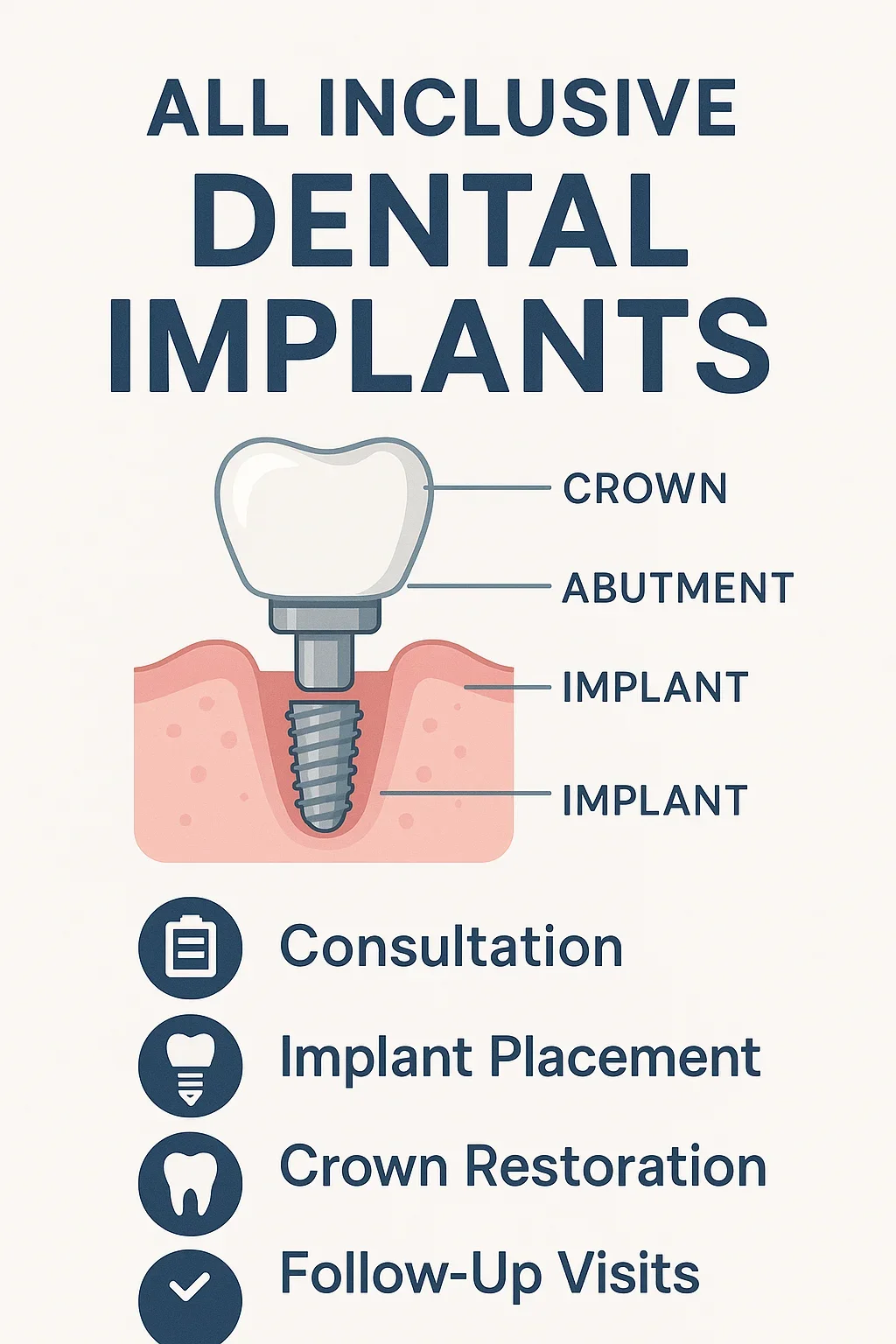
All inclusive dental implants are comprehensive treatment packages that cover every stage of dental implant surgery—from consultation and imaging to the final crown placement and post-operative care. These packages are designed to simplify the implant process for patients, ensuring they receive top-quality treatment without worrying about hidden fees or multiple appointments at different clinics. In essence, this approach brings together all necessary services under one transparent plan, providing convenience, affordability, and peace of mind.
Understanding the Concept of All Inclusive Packages
Traditional dental implant procedures often require several steps: initial evaluation, bone grafting (if needed), implant placement, abutment fitting, and finally, crown attachment. Each of these steps may involve separate costs and providers. In contrast, all inclusive dental implants combine all these procedures into one fixed-price bundle 💡. This model allows patients to clearly understand what they are paying for while enjoying continuity of care from the same expert team throughout the process.
In most cases, these packages are particularly attractive to international patients who travel abroad for dental tourism. Clinics offering all inclusive dental implant treatments handle not only the dental procedure but also accommodation, airport transfers, and sometimes even local transportation. This ensures that the patient’s focus remains on their recovery and comfort, not on logistical challenges.
Key Components Included in an All Inclusive Dental Implant Package
The specific inclusions may vary depending on the clinic and country, but most reputable providers include:
- Comprehensive dental examination and digital X-rays
- 3D CT scans for precise implant planning
- Consultation with an oral surgeon and prosthodontist
- Local anesthesia or sedation during surgery
- High-quality titanium or zirconia implants
- Abutments and custom-made crowns
- Temporary teeth (if needed during the healing period)
- Post-operative medication and follow-up appointments
- Hotel accommodation and airport transfers ✈️
This full-service structure guarantees that patients know exactly what is included, ensuring transparency and trust. Reputable clinics like Redent Klinik Contact Page tailor each package according to individual patient needs and treatment goals, which further enhances satisfaction and outcomes.
How All Inclusive Dental Implants Differ from Regular Implants
The term “all inclusive” isn’t just a marketing label—it reflects a deeper level of integration. With regular implant treatments, patients often have to coordinate between multiple dental professionals, pay separately for diagnostic imaging, and manage aftercare independently. However, all inclusive dental implants consolidate everything into a single seamless plan. This eliminates communication gaps between specialists and ensures every stage of the process follows a consistent treatment philosophy.
For instance, clinics specializing in all inclusive dental implants often use in-house laboratories to create custom crowns and bridges, enabling faster turnaround times and better control over aesthetics and fit. This also reduces waiting periods, allowing many patients to complete their implant treatment within just a few days—a process that could take months elsewhere.
Advanced Technology Used in All Inclusive Dental Implants
Modern all inclusive dental implant procedures rely heavily on advanced dental technologies. 3D imaging, digital impressions, and guided implant surgery ensure maximum precision and minimal discomfort. Computer-aided design and manufacturing (CAD/CAM) tools are used to fabricate crowns and prosthetics that perfectly match the patient’s bite and facial structure. These innovations not only improve accuracy but also enhance long-term implant stability and aesthetics 🖥️.
Moreover, many clinics adopt the “same-day implant” concept, where the implant and temporary crown are placed during a single visit. Although this depends on the patient’s bone condition, it significantly shortens the overall treatment time while maintaining excellent functional and cosmetic results.
Who Can Benefit from All Inclusive Dental Implants?
All inclusive dental implants are ideal for patients who want a complete solution without navigating complex treatment plans. Candidates include individuals with missing teeth, those wearing uncomfortable dentures, or anyone seeking a long-term and natural-looking restoration. International patients especially appreciate these packages because they minimize travel-related stress while providing world-class dental care.
Additionally, patients who value transparency and convenience benefit the most from all inclusive dental implant packages. The fixed-price model ensures there are no unpleasant surprises, making financial planning easier. Since everything—from consultations to aftercare—is handled by the same clinic, communication and trust between doctor and patient are greatly enhanced 🤝.
Why the “All Inclusive” Model Is Growing in Popularity
The global dental tourism industry has expanded rapidly in recent years, with Turkey, Thailand, Mexico, and Hungary becoming major hubs. The main reason is the accessibility of all inclusive dental implants, which combine affordability, expertise, and comfort. By bundling all services together, these clinics can offer competitive pricing without compromising quality. Moreover, traveling for dental treatment allows patients to enjoy beautiful destinations while receiving life-changing care.
It’s important, however, to research clinics carefully. Choosing an accredited facility that follows international hygiene standards and uses certified implant materials (such as those approved by the American Dental Association) is crucial for safety and long-term success. High-quality clinics are transparent about the materials and methods they use, offering guarantees for both the implant and the prosthetic work.
Conclusion: The Future of All Inclusive Dental Care
As more people seek efficient and trustworthy dental solutions, all inclusive dental implants are quickly becoming the global standard. They represent the evolution of patient-centered dentistry—focusing not only on medical excellence but also on comfort, transparency, and holistic care. By combining advanced technology, experienced professionals, and a seamless treatment experience, these packages redefine what modern implant dentistry can offer 🌟.
Ultimately, whether you’re replacing one tooth or an entire arch, choosing all inclusive dental implants ensures you receive comprehensive care that’s efficient, cost-effective, and designed around your well-being. It’s not just about restoring teeth—it’s about rebuilding confidence, function, and quality of life, all in one complete package 🦷✨.
The Step-by-Step Process of Getting All Inclusive Dental Implants
The process of receiving all inclusive dental implants is carefully designed to provide patients with a seamless and stress-free experience. Every stage—from consultation to final restoration—is managed under one coordinated treatment plan. This approach ensures precision, comfort, and efficiency while minimizing the time and cost typically associated with traditional dental implant procedures. Below is a detailed walkthrough of how the process works, what to expect at each stage, and why it offers superior value for international dental patients 🌍.
Step 1: Initial Consultation and Digital Assessment
The journey begins with a thorough consultation, either online or in person. During this stage, the dental team collects medical and dental history, evaluates photos or X-rays, and discusses the patient’s expectations. For those traveling abroad, the clinic often provides a free online consultation where patients can send panoramic X-rays or CT scans for review. Once the patient decides to proceed, a detailed treatment plan is created outlining every aspect of the all inclusive dental implants procedure.
This assessment includes the use of advanced technologies such as 3D CBCT imaging, which helps identify bone density, nerve positions, and jaw structure. These scans are crucial for accurate implant placement and help reduce the risk of complications. Clinics like Redent Klinik Contact Page specialize in using digital tools to customize treatment according to each patient’s anatomy, ensuring optimal implant integration and natural aesthetics 🦷.
Step 2: Travel Arrangements and Accommodation
After the treatment plan is approved, the clinic’s coordination team assists with travel and accommodation. One of the unique benefits of all inclusive dental implants is that logistics such as airport pickup, hotel booking, and local transport are included in the package. Patients are often welcomed by a personal assistant upon arrival, ensuring that their experience is comfortable and stress-free from the start ✈️. Many clinics collaborate with nearby hotels to provide convenient and hygienic lodging close to the dental center.
Step 3: Comprehensive Oral Examination Upon Arrival
Before any surgery begins, the dental specialists perform an in-depth oral examination and confirm bone and gum health. This step ensures that the initial digital assessment aligns perfectly with real-time conditions. If bone grafting or sinus lifting is required, it will be incorporated into the plan. Because all inclusive dental implants include all these preparatory treatments, patients don’t have to worry about unexpected additional charges.
Advanced diagnostic tools such as intraoral scanners, digital smile design systems, and AI-assisted planning software allow for maximum precision. This ensures the implants will integrate naturally with the patient’s jawbone and facial structure, creating a stable and aesthetically pleasing outcome.
Step 4: Implant Surgery and Temporary Restoration
Once diagnostics are complete, the surgical phase begins. The oral surgeon places titanium or zirconia implants into the jawbone using computer-guided precision. Depending on the patient’s oral condition, this may take one or more sessions. The procedure is performed under local anesthesia or conscious sedation, ensuring patient comfort throughout. In most cases, the entire operation lasts 1–2 hours for a few implants or up to 4 hours for a full arch replacement.
After the surgery, temporary teeth are fitted immediately or within 24 hours to restore the patient’s smile. This is one of the main advantages of all inclusive dental implants—patients can leave the clinic with functional, natural-looking teeth even during the healing phase. The fixed temporaries allow them to speak and eat comfortably while their jawbone naturally bonds with the implants over the following months.
Healing and Osseointegration Period
Following surgery, the healing process—called osseointegration—begins. This is when the implant fuses with the jawbone, creating a stable foundation for the final prosthetic teeth. This period can take between 3 and 6 months, depending on individual healing rates. During this time, clinics maintain close contact with the patient, offering guidance on oral hygiene, diet, and lifestyle to ensure successful integration. The follow-up support is part of what makes all inclusive dental implants so appealing: aftercare is always included in the package.
Step 5: Permanent Crown Placement
Once healing is complete and the implants are fully integrated, patients return for the final phase—attaching the permanent prosthetic crowns. These are custom-designed using CAD/CAM technology to match the color, shape, and size of the patient’s natural teeth. The final results not only look authentic but also function just like natural teeth, allowing the patient to chew, speak, and smile confidently 😊.
The durability of the crowns depends on the material used, with options like porcelain-fused-to-metal, zirconia, or full ceramic. Each offers distinct advantages in strength and aesthetics, but the key point is that all are included in the initial cost of all inclusive dental implants, eliminating unexpected fees or upselling during treatment.
Step 6: Post-Treatment Care and Long-Term Maintenance
Even after the procedure is completed, patients receive detailed aftercare instructions and follow-up checkups. Many clinics schedule free online consultations after 6 and 12 months to monitor the implants’ condition and ensure long-term success. Because all inclusive dental implants cover the entire process, follow-up care, and even minor adjustments, patients can rest assured that their investment is protected for years to come.
Longevity and Success Rates
With proper oral hygiene and regular dental visits, all inclusive dental implants can last 20 years or more. Their success rate often exceeds 95%, especially when performed by experienced implantologists. Choosing a clinic that follows international standards, such as those recommended by the American Dental Association, ensures that materials and techniques used meet global safety and quality benchmarks.
Step 7: Combining Treatment With Travel Experience
Another unique feature of all inclusive dental implants is the opportunity to combine medical treatment with leisure. Many clinics in Turkey, for example, are located in coastal cities where patients can recover in a relaxing environment, enjoying spa services or sightseeing while waiting for checkups. This combination of healthcare and tourism makes dental implant treatment not only effective but also enjoyable 🌴.
Conclusion: A Seamless Journey to a Renewed Smile
Undergoing all inclusive dental implants is more than just a medical procedure—it’s a complete transformation journey. Every stage, from diagnosis to aftercare, is executed with precision and compassion. Patients benefit from expert care, transparent pricing, and unmatched convenience. Whether you’re replacing one tooth or an entire arch, the all inclusive dental implant process ensures every step is handled with professionalism and care, leaving you with a confident, radiant smile that lasts a lifetime 🌟.
Top Benefits of All Inclusive Dental Implants for Patients
The advantages of choosing all inclusive dental implants extend far beyond just restoring missing teeth. These comprehensive packages are designed to offer convenience, transparency, and exceptional quality of care—all while saving time and money. Patients who opt for this treatment experience a smooth, predictable journey toward regaining their confidence and smile 😁. Below, we’ll explore the most significant benefits that make all inclusive dental implants one of the best choices for dental restoration today.
1. Complete Treatment Under One Roof 🏥
One of the most notable advantages of all inclusive dental implants is that everything is handled in a single clinic. This means patients do not have to visit separate specialists, laboratories, or imaging centers. From the initial consultation and diagnostics to the surgical procedure and crown placement, every stage is managed by one coordinated dental team. This integrated approach minimizes communication errors, reduces waiting times, and ensures consistent treatment quality.
Clinics offering these packages often include not only dental specialists but also in-house labs and digital imaging equipment. This setup allows them to produce custom crowns, bridges, and dentures quickly and with high precision. Having every step completed in one place guarantees efficiency and reliability—two critical factors for international patients seeking all inclusive dental implants.
2. Transparent Pricing With No Hidden Costs 💰
In traditional dental treatments, patients often face uncertainty due to additional charges for X-rays, anesthesia, or follow-up care. With all inclusive dental implants, everything is bundled into one transparent price. This allows patients to budget confidently, knowing that there won’t be unexpected expenses during the process.
Most packages include consultations, diagnostic imaging, implant surgery, abutments, crowns, medications, accommodation, and transportation. Clinics such as Redent Klinik Contact Page clearly list what’s included, allowing patients to make informed decisions before booking their treatment. This level of honesty builds trust and simplifies the decision-making process.
3. Premium Materials and Advanced Technology
Modern all inclusive dental implants utilize the latest dental innovations and materials. The implants themselves are typically made from biocompatible titanium or zirconia—materials known for strength, durability, and safety. In addition, advanced 3D imaging and guided surgery ensure optimal placement accuracy, minimizing trauma and speeding up recovery.
Computer-aided design and manufacturing (CAD/CAM) systems are commonly used to produce perfectly fitting crowns and bridges. These technologies allow dental professionals to create restorations that match the natural color and shape of the patient’s teeth. This results in both functional and aesthetic perfection 🌟. Furthermore, digital impressions replace uncomfortable molds, improving the overall patient experience.
Improved Comfort and Shorter Recovery Time
Thanks to these modern tools, all inclusive dental implants offer a faster and less painful recovery compared to older techniques. The precision of guided implant placement minimizes swelling, bleeding, and discomfort. In many cases, patients can return to normal activities within a few days while their implants integrate with the bone over time. The efficiency of these systems not only enhances the patient’s comfort but also reduces the overall healing duration.
4. Cost Efficiency for International Patients 🌍
Patients from the United States, the UK, or Western Europe often find that all inclusive dental implants abroad cost up to 70% less than at home. This is because countries such as Turkey, Hungary, and Mexico offer competitive pricing without compromising quality. A complete set of implants that may cost over $25,000 in the U.S. could be obtained for around $6,000–$8,000 abroad, including accommodation and transportation.
Even when factoring in travel expenses, patients still save significantly. The affordability of these packages has turned dental tourism into a booming global industry. For many, combining a vacation with life-changing dental treatment is an irresistible opportunity. Not only do patients save money, but they also receive personalized care in modern, state-of-the-art facilities.
5. Personalized Care and Dedicated Coordination
Unlike traditional clinics where patients often feel rushed, providers of all inclusive dental implants prioritize individualized attention. From the moment patients arrive, a personal coordinator guides them through every step of the process—from hotel check-in to treatment completion. This concierge-style care ensures that international visitors feel comfortable and supported throughout their stay.
Many clinics also assign multilingual staff who communicate clearly and help with travel logistics, dietary needs, and even sightseeing recommendations. This warm and welcoming environment reduces anxiety and helps patients recover in a relaxed, stress-free setting 😊.
6. Higher Success Rates and Long-Term Durability
Because all inclusive dental implants are placed using digital planning and guided surgery, their precision and success rates are exceptionally high. Success rates exceed 95% globally when the procedure is performed by experienced implantologists. This level of reliability provides patients with peace of mind, knowing their investment in their oral health is secure for decades.
High-quality materials such as Straumann and Nobel Biocare implants are often used by reputable clinics, ensuring long-term durability. With proper hygiene and routine dental checkups, these implants can last a lifetime. The use of top-tier components is one of the main reasons patients prefer the all-inclusive model—it guarantees quality without additional costs later on.
Lifetime Maintenance and Warranty Benefits
Many clinics offering all inclusive dental implants provide lifetime warranties on the implants and extended coverage for crowns or prosthetics. This commitment to long-term care underscores the confidence these clinics have in their materials and techniques. Patients also receive detailed aftercare instructions and online support for years following treatment.
7. Psychological and Aesthetic Advantages
Beyond functionality, all inclusive dental implants dramatically improve self-esteem and overall quality of life. Missing teeth can make people feel self-conscious, but a new, natural-looking smile restores confidence instantly. Patients can eat, speak, and laugh without hesitation, leading to better social interactions and emotional well-being.
The aesthetic transformation achieved through these treatments is often life-changing. High-quality crowns and precise color matching ensure that implants are virtually indistinguishable from natural teeth. The results are so natural that even close friends and family may not notice the difference 🦷✨.
8. Access to Accredited Global Clinics
Clinics that offer all inclusive dental implants are typically accredited by international dental associations and follow global sterilization standards. Many adhere to the quality benchmarks of the American Dental Association, ensuring safety and professionalism. Accreditation provides patients with assurance that they are receiving treatment from certified professionals in a regulated environment.
9. Combining Treatment With Tourism and Relaxation
A unique benefit of all inclusive dental implants abroad is the opportunity to recover in a relaxing vacation setting. Patients can enjoy beautiful destinations—such as the beaches of Antalya or the cultural landmarks of Budapest—while completing their dental journey. Clinics often recommend rest and mild sightseeing activities after surgery, promoting relaxation and faster healing. This holistic approach turns what could be a stressful experience into a memorable life event 🌴.
Conclusion: A Smart, Holistic Investment in Oral Health
In summary, all inclusive dental implants combine medical excellence, financial transparency, and patient-centered care into one seamless solution. From high success rates to aesthetic perfection and stress-free recovery, the advantages are undeniable. Choosing a reputable clinic that provides these comprehensive packages ensures not only a healthy smile but also a rewarding overall experience. For anyone considering dental restoration, all inclusive dental implants represent a smart, life-enhancing investment that delivers confidence, functionality, and beauty that last a lifetime 🌟.
Comparing All Inclusive Dental Implants vs. Traditional Implants
When deciding between all inclusive dental implants and traditional implant treatments, understanding their differences is crucial. Both methods aim to restore missing teeth with natural-looking and durable replacements, yet their approaches, pricing structures, and patient experiences vary significantly. This section provides a comprehensive comparison that highlights the benefits and distinctions between these two treatment paths, helping patients make informed, confident decisions 🦷.
1. Overview of the Two Approaches
Traditional dental implants typically involve multiple stages spread across several months, often requiring patients to coordinate with different dental specialists for surgery, imaging, and prosthetic fabrication. In contrast, all inclusive dental implants integrate all these services under one roof within a single comprehensive package. This not only simplifies the process but also ensures consistency, accuracy, and cost transparency throughout the entire treatment journey.
With traditional implant procedures, patients are responsible for managing separate appointments and invoices—consultations, bone grafting, anesthesia, abutments, and crowns are all billed individually. Meanwhile, all inclusive dental implants provide a single, fixed cost that covers every aspect of care, including accommodation and airport transfers in the case of dental tourism. This difference alone makes the all-inclusive approach far more appealing for patients who value efficiency and financial predictability.
2. Cost Transparency and Affordability 💰
One of the most noticeable distinctions between all inclusive dental implants and traditional implants lies in cost transparency. Traditional implant clinics, especially in Western countries, may present an initial quote that doesn’t include key procedures like sinus lifts or post-surgical care. These additional charges can raise the total cost by thousands of dollars.
In comparison, all inclusive dental implants provide a clear, upfront package price. Everything—from diagnostic imaging to final restoration—is included. This means no hidden fees, no unexpected add-ons, and no last-minute surprises. Clinics such as Redent Klinik Contact Page are known for offering detailed breakdowns of their packages, ensuring complete transparency for international patients. For many, this approach removes one of the biggest sources of anxiety in dental care: financial uncertainty.
Moreover, the overall cost of all inclusive dental implants abroad is typically 60–75% lower than in the U.S. or U.K. A single implant that might cost $4,000 in Los Angeles could cost around $1,000–$1,500 in Turkey—including hotel stay and transfers. This affordability has made the all-inclusive model one of the most popular choices among dental tourists worldwide 🌍.
3. Treatment Duration and Scheduling
Traditional dental implant procedures often require multiple visits over several months. Patients may need to wait between extractions, bone grafting, and final crown placement. Each stage requires healing periods, follow-ups, and separate appointments with different specialists. This fragmented scheduling can be challenging for patients who live far from their clinic or have busy lifestyles.
By contrast, all inclusive dental implants condense the entire process into a streamlined timeline. Many clinics offer “same-day” or “immediate-load” options where implants and temporary crowns are placed during one visit. Even when bone grafting is needed, these clinics efficiently manage healing and treatment stages to minimize the total duration. This integrated model allows patients to complete the full process within a few days or weeks instead of several months ⏱️.
4. Quality Control and Team Coordination
Another key difference is the level of coordination among dental specialists. In a traditional implant setting, patients might see a general dentist, a surgeon, and a prosthodontist—each possibly working in different facilities. Miscommunication between providers can lead to inconsistencies in implant placement, aesthetics, or bite alignment.
In contrast, all inclusive dental implants are managed by a single, multidisciplinary team working collaboratively. The oral surgeon, implantologist, and prosthetic technician communicate directly, ensuring seamless integration between each phase. This unified approach leads to superior outcomes, as the team shares a common vision for the patient’s final smile design 😁.
In-House Laboratories and Digital Planning
Many all inclusive dental implant centers operate their own dental laboratories equipped with 3D printing, CAD/CAM systems, and digital scanners. This allows for faster crown fabrication and more precise fit. Patients don’t have to wait for external labs to complete their restorations, which reduces turnaround time significantly. The result is a faster, higher-quality treatment process with consistent aesthetic results.
5. Aftercare and Long-Term Support
Traditional implant treatments often end once the final crown is placed, leaving patients responsible for their own aftercare. Follow-ups might incur extra costs, and patients who travel abroad for partial treatment may struggle to access post-operative support upon returning home.
All inclusive dental implants eliminate these issues by offering comprehensive aftercare, both in person and online. Many clinics schedule virtual checkups at 3, 6, and 12 months post-surgery, ensuring that healing and integration progress as expected. Because these services are part of the original package, patients can access ongoing professional guidance without additional fees. This continuity of care enhances long-term success rates and patient satisfaction.
Warranty and Guarantee Programs
Reputable clinics that provide all inclusive dental implants often offer extended warranties on both implants and prosthetics. For example, patients may receive lifetime guarantees on titanium implants and 5–10 years on crowns or bridges. These assurances reflect the clinic’s confidence in its materials and techniques. By contrast, most traditional implant providers charge extra for warranty coverage or limit it to a few years.
6. Travel Convenience and Experience
One of the most appealing aspects of all inclusive dental implants abroad is the travel experience. Dental tourists can combine treatment with a relaxing vacation in beautiful destinations like Antalya, Budapest, or Cancun. The package typically includes airport transfers, hotel stays, and sometimes even guided tours or spa services. This approach turns dental treatment into a positive life experience rather than a stressful medical task 🌴.
7. Safety, Accreditation, and Standards
Some patients worry about the safety of traveling abroad for dental care. However, top-rated clinics offering all inclusive dental implants follow international sterilization and medical standards. Many are accredited by institutions such as the American Dental Association or the International Organization for Standardization (ISO). These accreditations ensure that clinics maintain strict protocols for hygiene, patient safety, and implant quality.
In contrast, while traditional local clinics may offer familiarity, they sometimes lack the advanced technologies or international certifications that global centers boast. Patients seeking cutting-edge technology and expert-level precision often find the all-inclusive model more reliable and advanced.
8. Patient Experience and Psychological Comfort
Receiving dental implants can be emotionally challenging, particularly for patients with dental anxiety. All inclusive dental implants programs recognize this and are structured to provide a comfortable, supportive environment. Many clinics offer sedation dentistry, multilingual staff, and personalized care coordinators who accompany the patient throughout the process. This high level of service significantly improves the patient’s confidence and relaxation during treatment.
Traditional implant systems, on the other hand, may feel impersonal or fragmented, especially when handled across different providers. The warmth and hospitality often associated with all-inclusive clinics abroad help patients feel more at ease and cared for throughout their dental journey 💆♀️.
Conclusion: Choosing the Smarter Option
When comparing all inclusive dental implants to traditional implant treatments, the differences are clear. The all-inclusive model offers transparency, efficiency, superior coordination, and better overall patient experience—all at a more affordable cost. For those seeking both quality and convenience, this approach represents the future of modern implant dentistry. By choosing a trusted clinic that provides full-service care, patients can achieve a flawless, lasting smile without the stress, delays, or hidden costs of conventional dental treatment 🌟.
How to Choose the Best Clinic for All Inclusive Dental Implants
Selecting the right clinic for all inclusive dental implants is one of the most important decisions a patient can make when restoring their smile. The difference between a satisfactory and an exceptional result often lies in the expertise, transparency, and quality standards of the chosen dental center. With the rise of dental tourism and the growing number of international clinics offering implant services, understanding what to look for can help ensure a safe, successful, and comfortable experience. Below, you’ll find a comprehensive guide to identifying the best clinic for your needs 🏥.
1. Check the Clinic’s Credentials and Certifications
The first step in selecting a clinic for all inclusive dental implants is to verify its credentials. Reputable clinics operate under strict international hygiene and safety standards, often being accredited by globally recognized institutions. Look for certifications such as ISO (International Organization for Standardization) or associations with the American Dental Association. These accreditations confirm that the clinic follows modern sterilization procedures, uses premium materials, and employs qualified professionals who are trained to perform complex implant surgeries.
Additionally, patients should research whether the clinic’s surgeons and prosthodontists hold valid international licenses or postgraduate certifications in implantology. Many leading facilities highlight their dental team’s experience, education, and continuing professional development on their websites. Choosing a team that regularly updates its training in implant techniques ensures your treatment will utilize the most advanced and effective methods available today.
2. Evaluate Experience and Patient Reviews 🌟
Experience plays a major role in the success of all inclusive dental implants. The more cases a clinic has completed, the more likely it is to handle various oral conditions and deliver consistent results. A clinic specializing primarily in implantology and restorative dentistry is often more reliable than one offering a wide array of unrelated cosmetic services.
Reading patient reviews and testimonials is equally vital. Genuine feedback provides insight into both clinical outcomes and the patient experience. Look for clinics with numerous positive reviews across independent platforms like Google Reviews, Trustpilot, or WhatClinic. Detailed testimonials discussing comfort, staff friendliness, transparency, and post-operative support often indicate that the clinic values its patients and stands behind its services.
Before-and-After Galleries
Visual evidence of successful treatments can speak volumes. Many top-rated clinics share before-and-after photos of real patients who received all inclusive dental implants. These images allow prospective patients to assess aesthetic results and gauge the clinic’s attention to detail. Consistently natural, symmetrical, and lifelike smiles reflect skilled craftsmanship and advanced technology usage 🦷.
3. Technology and Equipment Quality
The best clinics for all inclusive dental implants invest heavily in modern technology. Advanced diagnostic tools such as 3D CBCT scanners, intraoral cameras, and computer-guided surgery systems improve precision and minimize discomfort. These devices allow implantologists to create detailed digital treatment plans that perfectly align with the patient’s bone structure and facial anatomy.
State-of-the-art CAD/CAM (Computer-Aided Design and Manufacturing) technology also ensures custom-made crowns and bridges that fit naturally and match surrounding teeth. When evaluating clinics, ask whether they use digital impressions instead of old-fashioned molds and whether the implants they use are produced by reputable brands like Nobel Biocare, Straumann, or MIS Implants. Such information indicates high standards and long-lasting results.
On-Site Dental Laboratory
Having an in-house dental laboratory is another advantage. It allows clinics to design, fabricate, and adjust prosthetics on-site, drastically reducing waiting times. Clinics offering all inclusive dental implants with on-site labs can complete treatment faster and respond quickly to any adjustments needed for optimal fit and comfort. This level of efficiency contributes to both convenience and superior quality control ⚙️.
4. Transparency in Pricing and Package Details
One of the key benefits of all inclusive dental implants is price transparency, but it’s essential to confirm what is actually included in the quoted package. The best clinics provide a detailed breakdown of every service covered: consultation, X-rays, CT scans, anesthesia, implant placement, abutments, crowns, medications, post-operative care, and even accommodation or transfers. If a clinic avoids giving written cost details or adds ambiguous “extra fees,” it may be a red flag.
Reputable providers like Redent Klinik Contact Page clearly communicate total costs and guarantee no hidden charges. This clarity gives patients peace of mind and allows for accurate financial planning. Moreover, many clinics offer free online consultations or virtual quotes, helping patients compare prices and inclusions before making travel decisions 💬.
5. Location, Travel Support, and Comfort
Choosing the best clinic for all inclusive dental implants often involves considering the location and travel logistics. Dental tourism destinations such as Turkey, Hungary, Thailand, and Mexico are known for high-quality care and scenic recovery environments. However, the clinic should provide travel assistance, including airport transfers, hotel booking, and local guidance. This level of support ensures the patient can focus entirely on recovery rather than travel stress ✈️.
Look for clinics located in safe, accessible areas near hotels or cultural attractions. Some centers even collaborate with luxury hotels and wellness facilities, allowing patients to recover in comfort. A pleasant environment plays an important role in reducing post-surgery stress and promoting faster healing.
Multilingual and International Patient Services
Top clinics catering to global patients employ multilingual coordinators who handle communication, translation, and scheduling. These professionals make sure there are no misunderstandings between doctor and patient. For non-native English speakers, having interpreters or multilingual support ensures accurate medical discussions and greater comfort during treatment.
6. Aftercare, Warranty, and Long-Term Support
High-quality all inclusive dental implants always come with post-treatment support. The best clinics include complimentary follow-up visits, maintenance advice, and lifetime warranties on implants. These follow-ups may be in-person or online, depending on the patient’s location. A clinic that continues communication after treatment demonstrates genuine care for patient satisfaction and long-term oral health.
Before committing, ask whether the clinic offers remote checkups, free maintenance kits, or assistance with any future repairs. Many reliable clinics also provide written guarantees for their implants and prosthetics. This not only enhances trust but also ensures that patients feel secure in their investment for years to come.
7. Personalization and Comfort Level
Finally, selecting the right clinic for all inclusive dental implants should come down to personal comfort and trust. Every patient’s dental needs and expectations are unique, and the best clinics understand this. They provide detailed consultations, listen to patients’ goals, and tailor every step accordingly. A clinic that takes time to explain procedures, answer questions, and create customized treatment plans is likely to deliver a superior experience 💬.
During your consultation, pay attention to how the staff communicates and whether they make you feel valued. A compassionate, professional, and transparent team reflects the overall culture of the clinic and directly influences the treatment outcome.
Conclusion: Choosing Confidence, Quality, and Care
Finding the right clinic for all inclusive dental implants requires careful research, but the rewards are immense. By prioritizing verified credentials, transparent pricing, modern technology, and personalized care, patients can ensure an experience that is both safe and transformative. Whether you choose a clinic in your home country or abroad, focus on those that treat each patient as an individual, not just a case number. The right choice will provide not only a radiant smile but also a lifetime of confidence and comfort 🌟.
Understanding Costs and What’s Included in All Inclusive Packages 💰
One of the main reasons patients choose all inclusive dental implants is the transparency and predictability of costs. Unlike traditional implant treatments—where hidden fees, separate consultations, and surprise bills can inflate the total cost—the all-inclusive approach provides a clear, fixed price that covers every step of the treatment process. Understanding exactly what’s included in these packages helps patients make smarter, more confident financial and medical decisions. Let’s break down the components of these packages, what affects the overall price, and how to choose the best value without compromising on quality 🦷.
1. What Does an All Inclusive Dental Implant Package Include?
A genuine all inclusive dental implants package goes far beyond the surgical procedure itself. It typically combines medical, logistical, and aftercare services into one transparent cost. While inclusions may vary depending on the clinic or country, most reputable packages feature the following core elements:
- Comprehensive dental consultation and X-rays
- 3D CBCT (Cone Beam CT) scan for precise planning
- Local anesthesia or sedation
- High-quality titanium or zirconia implant materials
- Abutment and custom-made crown (zirconia, ceramic, or porcelain)
- Temporary prosthesis (if immediate restoration is possible)
- Post-surgical medication and care kit
- Follow-up appointments and aftercare instructions
- Hotel accommodation and airport transfers 🚖
Some clinics even include additional benefits such as dental cleaning, whitening, or panoramic checkups during the patient’s stay. This all-inclusive structure ensures that patients can plan their entire dental journey with peace of mind, knowing there are no unexpected or hidden costs along the way.
2. Factors That Influence the Cost of All Inclusive Dental Implants
While all inclusive dental implants are known for their affordability compared to Western prices, costs can still vary based on several factors. Understanding these variables helps patients identify fair pricing and avoid unrealistic offers that may compromise quality.
a) Type of Implant Material
The implant material is a key factor in determining overall price. Premium brands such as Nobel Biocare, Straumann, and MIS Implants tend to cost more but offer superior durability and biocompatibility. Titanium implants are the gold standard due to their long-lasting performance, while zirconia implants provide a metal-free alternative ideal for patients with sensitivities or aesthetic concerns.
b) Number of Implants Needed
The total cost will also depend on how many implants a patient requires. A single-tooth replacement costs less than a full-mouth restoration or an “All-on-4”/“All-on-6” system. Fortunately, all inclusive dental implants packages for multiple teeth often include discounts per implant, making full-arch restorations significantly more cost-effective.
c) Additional Procedures
Some patients may require supplementary procedures such as bone grafting, sinus lifting, or tooth extraction before implant placement. In most all inclusive dental implants packages, these procedures are either included in the base price or offered at reduced rates to maintain transparency and affordability.
3. Comparing International Price Ranges 🌍
The popularity of dental tourism has created competitive pricing across global destinations. Below are average price ranges for all inclusive dental implants in top dental tourism countries (including full package costs):
| Country | Average Cost (Per Implant) | What’s Included |
|---|---|---|
| Turkey | $1,000 – $1,500 | Implant, crown, hotel, transfers |
| Hungary | $1,200 – $1,800 | Implant, abutment, scans, accommodation |
| Mexico | $1,300 – $1,900 | Full treatment, post-op care, hotel stay |
| United States | $3,000 – $6,000 | Implant and crown only (extras billed separately) |
As seen above, opting for all inclusive dental implants abroad can save patients up to 70% compared to U.S. or U.K. clinics—all while maintaining world-class quality standards. This cost advantage has made destinations like Turkey particularly attractive for international patients seeking both affordability and expertise.
4. Ensuring You Get a Fair Deal
While cost savings are appealing, patients should approach “too good to be true” deals with caution. The best way to ensure you’re getting value is by verifying that the clinic uses authentic, branded implant systems and provides written documentation for every component used. Ask for the implant’s serial number and warranty certificate before surgery.
Reputable clinics such as Redent Klinik Contact Page clearly specify which materials and technologies are included, and provide lifetime warranties on implants. This transparency ensures that patients receive the same high-quality treatment they would expect from clinics in the U.S. or Europe, but at a much lower cost.
Understanding the Role of Aftercare and Warranty
Post-treatment care is part of the total value of all inclusive dental implants. Clinics offering free follow-up checkups, online consultations, or maintenance kits add significant long-term value. Many also provide 5–10 year guarantees for crowns and lifetime warranties for the titanium posts. Patients should confirm these guarantees are in writing and backed by official manufacturers for maximum protection.
5. Financing and Payment Options
Many international clinics offering all inclusive dental implants now provide flexible financing plans to make treatment even more accessible. Payment can often be split between pre-deposit and final settlement after surgery. Some facilities even collaborate with international credit providers, allowing patients to pay in installments without high interest fees. Additionally, many clinics accept major credit cards and offer transparent receipts for insurance reimbursement where applicable.
6. Evaluating Value Beyond Price
When considering all inclusive dental implants, patients should evaluate more than just the price tag. The true value lies in quality of care, technology, materials, and professional expertise. Cheaper packages that cut corners on implant brands or sterilization standards can lead to complications and higher costs in the long run. Therefore, patients should always balance affordability with reliability, accreditation, and the clinic’s overall reputation.
Long-Term Cost Savings
While all inclusive dental implants might seem like an investment upfront, they provide significant long-term savings by eliminating the need for frequent repairs, adjustments, or replacements common with dentures and bridges. Because implants integrate with the bone and function like natural teeth, they can last a lifetime with proper maintenance—making them the most cost-effective solution over time 💎.
7. The Importance of Transparency and Communication
Finally, clear communication between clinic and patient is the foundation of trust. The best clinics encourage patients to ask questions, request itemized quotes, and review every inclusion before travel. This openness ensures mutual understanding and a stress-free experience from start to finish. For international patients, choosing a clinic that provides written contracts, detailed invoices, and accessible contact information is essential to ensure accountability and peace of mind ✍️.
Conclusion: Clarity, Value, and Confidence
In conclusion, all inclusive dental implants packages provide an unmatched combination of affordability, transparency, and convenience. By bundling all essential services—surgery, materials, aftercare, and travel—into one price, they remove uncertainty while maintaining premium quality. For patients seeking the best of both worlds—world-class dental care and financial security—these comprehensive packages offer the ideal solution. With proper research and by choosing a reputable, transparent clinic, anyone can achieve a beautiful, functional smile without overpaying or compromising on safety 🌟.
Recovery, Aftercare, and Longevity of All Inclusive Dental Implants
Undergoing all inclusive dental implants is not just about achieving a beautiful smile—it’s also about ensuring that recovery and long-term maintenance are handled properly for lasting results. The aftercare phase plays a vital role in determining the success and longevity of implants, as even the best surgical procedures require diligent post-operative care. In this section, we’ll explore every aspect of recovery, healing, maintenance, and the long-term lifespan of all-inclusive dental implants to help patients achieve lifelong oral health and confidence 🌟.
1. The Immediate Recovery Phase After Implant Surgery
After surgery, patients can expect a short recovery period before the implants begin integrating with the jawbone. The healing process—known as osseointegration—is crucial for ensuring that all inclusive dental implants become stable and functional. During the first few days, it’s common to experience mild swelling, sensitivity, or slight discomfort, which typically subsides within a week. Pain is usually manageable with prescribed medication and cold compresses 🧊.
Because all inclusive dental implants procedures are performed using minimally invasive, computer-guided techniques, healing is significantly faster than with traditional surgeries. Patients are advised to rest for 24–48 hours post-surgery and avoid strenuous activities during the first few days to prevent unnecessary pressure on the implant sites.
Dietary Guidelines During the First Week
Soft foods such as soups, mashed vegetables, smoothies, and yogurt are recommended during the early healing phase. Avoiding hot, spicy, or hard foods helps reduce irritation around the surgical area. Staying hydrated and avoiding alcohol or smoking are also essential for promoting efficient healing. Most patients can return to normal eating habits within 10–14 days, depending on how quickly their tissues recover.
2. The Healing Process: Osseointegration and Stability
Osseointegration—the fusion of the implant with the jawbone—is the foundation of a successful implant. This process generally takes 3 to 6 months, depending on bone density, health, and individual recovery rates. The titanium or zirconia implant acts as an artificial tooth root, providing permanent stability for the dental crown. Clinics specializing in all inclusive dental implants monitor this process closely through scheduled checkups and digital scans.
During this phase, patients might wear temporary crowns or bridges to maintain appearance and function. These temporary restorations are replaced with the final prosthetics once the implants have fully integrated. Modern digital monitoring systems ensure the implant remains stable and free from infection or stress throughout the healing process.
3. Post-Operative Instructions and Oral Hygiene
Proper oral hygiene is essential for ensuring the long-term success of all inclusive dental implants. Patients are advised to brush gently using a soft-bristled toothbrush and avoid direct pressure on surgical areas for the first week. Once healing progresses, switching to an electric toothbrush and using an antibacterial mouth rinse can help maintain implant health.
Key Oral Care Recommendations
- Brush twice daily with a soft brush and non-abrasive toothpaste
- Use interdental brushes or floss specifically designed for implants
- Rinse with antiseptic mouthwash (avoid alcohol-based solutions)
- Schedule professional dental cleanings twice per year
Maintaining clean implant sites prevents peri-implantitis (inflammation around the implant), one of the leading causes of implant failure. Reputable clinics offering all inclusive dental implants provide detailed hygiene guidelines and free follow-up consultations to ensure each patient adheres to a successful aftercare routine.
4. Common Sensations and Side Effects After Surgery
It’s normal to experience mild side effects such as minor bleeding, swelling, or bruising during the first few days post-surgery. These are temporary and part of the body’s natural healing response. If discomfort persists beyond the expected period, the dental team should be contacted immediately. Fortunately, most patients recover without complications due to the meticulous surgical standards applied in all inclusive dental implants clinics.
When to Contact Your Dentist
Seek immediate follow-up if you experience severe pain, unusual swelling, or signs of infection. Trusted clinics—such as Redent Klinik Contact Page—offer 24/7 aftercare support for international patients, ensuring that assistance is available at any stage of recovery.
5. Long-Term Maintenance of All Inclusive Dental Implants
The long-term success of all inclusive dental implants depends on ongoing care and regular checkups. While implants are resistant to decay, the surrounding gum tissue must remain healthy to maintain structural integrity. Routine dental visits—typically every six months—allow professionals to detect early signs of inflammation or wear on crowns and abutments.
Clinics often provide long-term maintenance plans that include annual X-rays, cleaning, and implant inspections. These plans are especially beneficial for international patients who wish to maintain contact with their treatment provider even after returning home 🌍.
Lifestyle Habits That Enhance Implant Longevity
- Avoid smoking, as it delays healing and increases infection risk
- Limit sugary and acidic foods to prevent gum inflammation
- Wear a mouthguard if you grind your teeth at night
- Maintain good nutrition rich in calcium, vitamin D, and omega-3
Following these guidelines ensures that your all inclusive dental implants remain healthy, functional, and beautiful for decades to come.
6. Expected Lifespan of Dental Implants
When properly placed and maintained, all inclusive dental implants can last 20 years or longer—often a lifetime. The success rate for modern implants exceeds 95%, particularly when performed by experienced professionals using high-quality materials. Titanium implants are known for their unmatched durability and biocompatibility, while zirconia options offer a hypoallergenic and aesthetic alternative.
Most clinics provide warranties for implants and prosthetics, ranging from 5 to 10 years. These warranties cover potential manufacturing defects or rare complications, offering patients additional peace of mind. Clinics aligned with the American Dental Association standards typically adhere to the highest levels of quality assurance and ethical responsibility.
7. Psychological and Lifestyle Benefits of Long-Term Success
Beyond oral health, successful all inclusive dental implants significantly improve quality of life. Patients report enhanced self-esteem, clearer speech, better chewing efficiency, and a renewed sense of confidence. Unlike dentures, implants don’t shift or require adhesives, allowing patients to enjoy their favorite foods and speak naturally without fear of embarrassment 😊.
Additionally, the restoration of facial structure and prevention of bone loss around the jaw contribute to a younger, more defined appearance. The emotional benefits of having a full, natural smile cannot be overstated—it’s a life-changing transformation that enhances both health and happiness.
Conclusion: A Lifetime Investment in Health and Confidence
Proper recovery and maintenance are essential to the long-term success of all inclusive dental implants. By following professional aftercare instructions, maintaining excellent oral hygiene, and committing to regular dental checkups, patients can enjoy the benefits of their implants for life. These comprehensive packages don’t just replace missing teeth—they restore function, beauty, and self-confidence. With the right care and dedication, your smile becomes a lifelong investment that pays dividends in health, happiness, and well-being 🌟.
Why All Inclusive Dental Implants Are a Long-Term Investment in Oral Health
When considering dental restoration options, all inclusive dental implants stand out as a superior, long-term solution that offers both functional and aesthetic benefits. Unlike traditional dentures or bridges that may require frequent replacements or adjustments, dental implants are designed to last a lifetime when properly maintained. But the value of all-inclusive implant packages goes far beyond just durability—they represent a holistic investment in oral health, confidence, and overall well-being 🦷.
1. Dental Implants: A Permanent Solution Compared to Traditional Methods
Traditional dental treatments, such as removable dentures or bridges, provide short-term fixes but often come with drawbacks. Dentures may shift while eating or speaking, and bridges require grinding down adjacent healthy teeth. In contrast, all inclusive dental implants integrate directly with the jawbone through a process called osseointegration, acting as a natural tooth root replacement.
This integration ensures a stable foundation that mimics the function and feel of natural teeth. Once fully healed, patients can eat, smile, and speak with confidence—something that temporary or removable solutions can’t guarantee. In essence, while other methods treat symptoms, all inclusive dental implants address the root cause of tooth loss, restoring both form and function.
Why Permanence Matters
The permanence of implants prevents common issues like bone resorption and facial sagging that occur when tooth roots are missing. By preserving the jawbone, implants maintain facial structure, preventing the sunken appearance often seen in long-term denture wearers. This structural preservation is one of the major health benefits that make implants a lifelong investment rather than a temporary solution.
2. Financial Value: Paying Once for a Lifetime of Benefits 💰
Although the upfront cost of all inclusive dental implants may seem higher than dentures or bridges, they prove far more cost-effective over time. Traditional restorations often require replacement every 5–10 years, not to mention periodic adjustments and relines. These recurring expenses add up quickly, often surpassing the one-time investment in implants within two decades.
By choosing a transparent package that includes consultation, surgery, prosthetics, and aftercare, patients avoid hidden fees and enjoy predictable costs. Clinics like Redent Klinik Contact Page provide all-inclusive pricing that covers the entire treatment journey, from pre-operative scans to follow-up visits. This clarity helps patients budget confidently while receiving comprehensive care at globally competitive prices.
3. Health Benefits That Extend Beyond the Smile
One of the most overlooked aspects of all inclusive dental implants is their impact on overall health. Missing teeth don’t just affect appearance—they can alter nutrition, speech, and even systemic wellness. Poor chewing efficiency caused by tooth loss often leads to inadequate digestion and reduced intake of fibrous foods, impacting gut health and nutrient absorption.
By restoring full bite strength, implants enable patients to eat a balanced diet that supports heart health, metabolism, and immune function. Moreover, implants prevent bacterial buildup that can occur around empty sockets, reducing the risk of gum disease, jawbone deterioration, and related conditions. A healthy mouth is intrinsically linked to a healthy body, and dental implants support both 💪.
Preserving Bone Health
Bone loss is a natural consequence of tooth extraction, as the jawbone no longer receives stimulation from chewing. Over time, this loss leads to weakened facial structure and functional problems. All inclusive dental implants stimulate bone regeneration by transmitting bite forces directly to the jaw, maintaining density and volume. This biological benefit is unique to implants and cannot be replicated by dentures or bridges.
4. Psychological and Social Advantages of a Confident Smile
Beyond physical health, all inclusive dental implants deliver profound psychological benefits. A complete, natural-looking smile can transform how a person feels about themselves and interacts socially. Patients who once avoided smiling or speaking in public due to missing teeth often experience a remarkable boost in self-esteem after implant treatment.
Smiling confidently has been linked to improved mental health, reduced stress, and greater career opportunities. The emotional transformation that comes from restoring a smile cannot be overstated—it’s not merely cosmetic but deeply life-enhancing. For many patients, the sense of renewed confidence is the most valuable part of their investment.
Reclaiming Daily Comfort and Confidence
Unlike dentures that may slip or require adhesives, implants offer complete stability. Patients can laugh, eat, and speak naturally without fear of embarrassment. This newfound freedom profoundly improves quality of life, making all inclusive dental implants a truly liberating experience for individuals who have struggled with tooth loss for years.
5. Low Maintenance and High Durability
Maintaining all inclusive dental implants is simple—daily brushing, flossing, and routine dental checkups are typically sufficient. There are no special cleaning routines or adhesives needed. With proper care, the implant posts can last a lifetime, while the crowns may only need replacement every 15–20 years depending on wear and material type.
Many modern implants use high-strength zirconia or titanium alloys that resist corrosion and wear, ensuring both aesthetic and functional longevity. Additionally, implants help distribute bite pressure evenly, protecting surrounding teeth from excessive strain—a hidden benefit that contributes to a healthier mouth overall.
6. Global Standards and Professional Quality Assurance
Clinics offering all inclusive dental implants that follow internationally recognized guidelines—such as those set by the American Dental Association—guarantee top-tier safety and performance. These standards ensure the use of biocompatible materials, sterile surgical environments, and digital planning systems that reduce human error.
Modern technology, including 3D guided surgery and AI-supported treatment planning, further enhances implant precision and predictability. These innovations minimize complications and allow for faster, smoother recovery periods. Choosing a clinic that adheres to such global standards ensures that patients are investing not just in a procedure but in long-term oral health security.
7. Environmental and Lifestyle Sustainability 🌱
Interestingly, all inclusive dental implants also contribute to environmental sustainability compared to disposable dental products. Because implants last decades, they reduce the consumption of short-lived prosthetics, plastics, and adhesives used in traditional dentures. Fewer replacements mean less waste, making implants a more eco-conscious option for dental restoration.
A Smart Lifestyle Choice
Implants also encourage healthier lifestyle habits. Patients often adopt better oral hygiene routines and diet choices after their procedure. This commitment to self-care naturally extends to other aspects of health and wellness, reinforcing the holistic benefits of investing in implants as part of an improved life approach.
Conclusion: A Lifetime of Value and Confidence
In conclusion, all inclusive dental implants represent more than just a dental procedure—they’re a comprehensive investment in physical health, mental well-being, and long-term financial stability. By combining cutting-edge technology, natural aesthetics, and transparent pricing, they provide unparalleled value to patients worldwide. When cared for properly, these implants don’t just restore smiles—they restore lives. From confidence to comfort and from bone preservation to self-esteem, the benefits extend far beyond the mouth, making this one of the most worthwhile health investments you can make 🌟.
Top Questions and Myths About All Inclusive Dental Implants Explained
When researching all inclusive dental implants, patients often encounter conflicting information, misconceptions, and unanswered questions. Understanding the facts behind these myths can help eliminate anxiety and ensure patients make informed decisions. In this section, we’ll thoroughly address the most common myths, frequently asked questions, and misconceptions surrounding all-inclusive implant treatments. By the end, you’ll have a clear, science-backed understanding of what to expect from the procedure, the recovery, and the long-term results 🦷.
1. Myth: All Inclusive Dental Implants Are Too Expensive
Many people assume that all inclusive dental implants are prohibitively expensive due to their comprehensive nature. However, when viewed as a lifetime investment rather than a short-term cost, they’re actually one of the most economical dental solutions available. The “all inclusive” structure eliminates surprise fees by combining surgery, crowns, abutments, anesthesia, travel arrangements, and follow-up care into one fixed package.
In comparison, traditional implants or partial dentures can become more expensive over time due to hidden laboratory fees, multiple consultations, or recurring replacements. When you choose an all-inclusive package, especially in dental tourism hubs like Turkey or Hungary, you benefit from world-class quality at a fraction of Western prices. Clinics such as Redent Klinik Contact Page offer transparent pricing and full treatment planning upfront, making the process financially predictable and stress-free 💰.
Fact Check
On average, full-mouth all inclusive dental implants abroad can cost up to 70% less than in the U.S. or the U.K.—without compromising quality. This affordability makes implants accessible to a much wider range of patients who might otherwise settle for less effective alternatives.
2. Myth: Implant Surgery Is Painful and Risky
Another common misconception is that dental implant surgery is painful or dangerous. In reality, the procedure is minimally invasive and performed under local anesthesia or sedation, ensuring maximum comfort. Thanks to computer-guided surgery and 3D imaging, implant placement is highly precise, reducing trauma to surrounding tissues and speeding up recovery.
Reputable clinics that specialize in all inclusive dental implants use digital planning to map the exact position, angle, and depth of each implant before surgery even begins. This technological precision minimizes complications and ensures near-perfect alignment. Post-surgery discomfort is usually mild and manageable with standard pain relief medication 🧊.
Fact Check
The success rate for modern implant surgery exceeds 95%, according to studies verified by the American Dental Association. When performed by experienced specialists, dental implants are among the safest and most predictable procedures in modern dentistry.
3. Myth: All Inclusive Packages Use Low-Quality Materials
Some patients worry that because all inclusive dental implants are affordable, the materials used might be substandard. This could not be further from the truth. Top-rated clinics use implants and crowns from premium global brands such as Nobel Biocare, Straumann, and MIS. These materials undergo rigorous testing for strength, biocompatibility, and longevity.
Additionally, many clinics provide certificates and serial numbers for every implant placed, ensuring traceability and authenticity. This level of transparency protects patients from counterfeit or low-quality products that could compromise long-term results. Always verify the clinic’s certifications and implant brands before starting treatment—ethical clinics are always happy to share these details.
Fact Check
High-quality titanium and zirconia implants are corrosion-resistant, hypoallergenic, and designed to last a lifetime. Their proven biocompatibility ensures seamless integration with the bone, making them both safe and durable options for all patients.
4. Myth: All Inclusive Dental Implants Don’t Last Long
Another frequent myth is that all inclusive dental implants are temporary or need frequent replacement. In truth, when properly placed and cared for, implants can last over 25 years—often for life. The crowns or bridges attached may require replacement every 15–20 years due to natural wear, but the implant posts remain permanently anchored.
Longevity depends on a few factors: the patient’s oral hygiene, regular checkups, and the use of premium materials. Leading clinics also provide long-term warranties, guaranteeing free repairs or replacements in rare cases of failure. With proper aftercare, implants can offer unmatched durability and functionality compared to any other restoration method.
Fact Check
Scientific data shows that implant success rates remain above 90% even after 20 years of function—far exceeding that of dentures or bridges. This stability is a major reason why all inclusive dental implants are considered a permanent oral health solution.
5. FAQ: How Long Does the Whole Procedure Take? ⏳
The timeline for all inclusive dental implants varies depending on the patient’s bone health and treatment type. Typically, the procedure involves two stages: initial surgery (implant placement) and final crown attachment. For patients with sufficient bone density, the entire process can take as little as 5–7 days. In cases requiring bone grafting or sinus lifts, healing may extend the process to 3–6 months before final crowns are placed.
During this time, patients receive temporary prosthetics, allowing them to eat and smile normally. Clinics with on-site laboratories can expedite crown fabrication, significantly shortening waiting times for final restoration.
6. FAQ: Can Smokers or Older Adults Get Implants?
Yes, most adults—even older patients—can successfully receive all inclusive dental implants. However, factors like smoking, diabetes, and bone density must be evaluated during the initial consultation. Advanced techniques such as bone grafting and zygomatic implants make treatment possible for patients who were once considered unsuitable. Stopping smoking before and after surgery greatly enhances healing and implant integration.
Fact Check
Age itself is not a limiting factor. Many patients in their 60s, 70s, and even 80s receive successful implant treatments with excellent long-term outcomes. The determining factor is overall health, not age alone.
7. FAQ: Are All Inclusive Packages Available Internationally?
Absolutely. All inclusive dental implants have become a global trend, with clinics in Turkey, Hungary, Mexico, Thailand, and Spain leading the market. These destinations combine top-tier medical standards with affordable costs, making them ideal for dental tourism. Many clinics offer concierge-style support—handling airport transfers, hotel stays, and even translation services for international patients 🌍.
Choosing a clinic accredited by international dental associations ensures that patients receive safe and ethical care equivalent to Western standards. Always verify reviews, credentials, and before/after galleries before traveling for treatment.
Conclusion: Separating Fact from Fiction
In summary, all inclusive dental implants are a safe, cost-effective, and long-lasting solution for tooth replacement. Misconceptions about pain, cost, or quality often stem from outdated information or unreliable sources. Modern technology, global competition, and advanced materials have revolutionized the field, making high-quality implants accessible to patients worldwide. By working with trusted clinics, following post-operative instructions, and maintaining good oral hygiene, patients can enjoy a lifetime of confident smiles and exceptional oral health ✨.