
When it comes to protecting your teeth from cavities, a fluoride treatment at dentist can be one of the simplest yet most effective solutions. Fluoride is a naturally occurring mineral found in soil, water, and certain foods. Dentists use professional-grade fluoride treatments to help strengthen tooth enamel and reverse early stages of tooth decay 🦷. Unlike fluoride toothpaste or mouth rinses, the concentration used by dental professionals is significantly higher, ensuring deeper absorption and longer-lasting protection.
Fluoride works by replenishing the lost minerals in enamel—a process known as remineralization. Every day, your teeth undergo cycles of mineral loss (demineralization) due to acid attacks from bacteria and sugary foods. When you receive a fluoride treatment at dentist, fluoride ions bond with the enamel, making it more resistant to acid erosion. This not only prevents cavities but also helps to repair the enamel in its early damaged stages before a full-blown cavity develops.
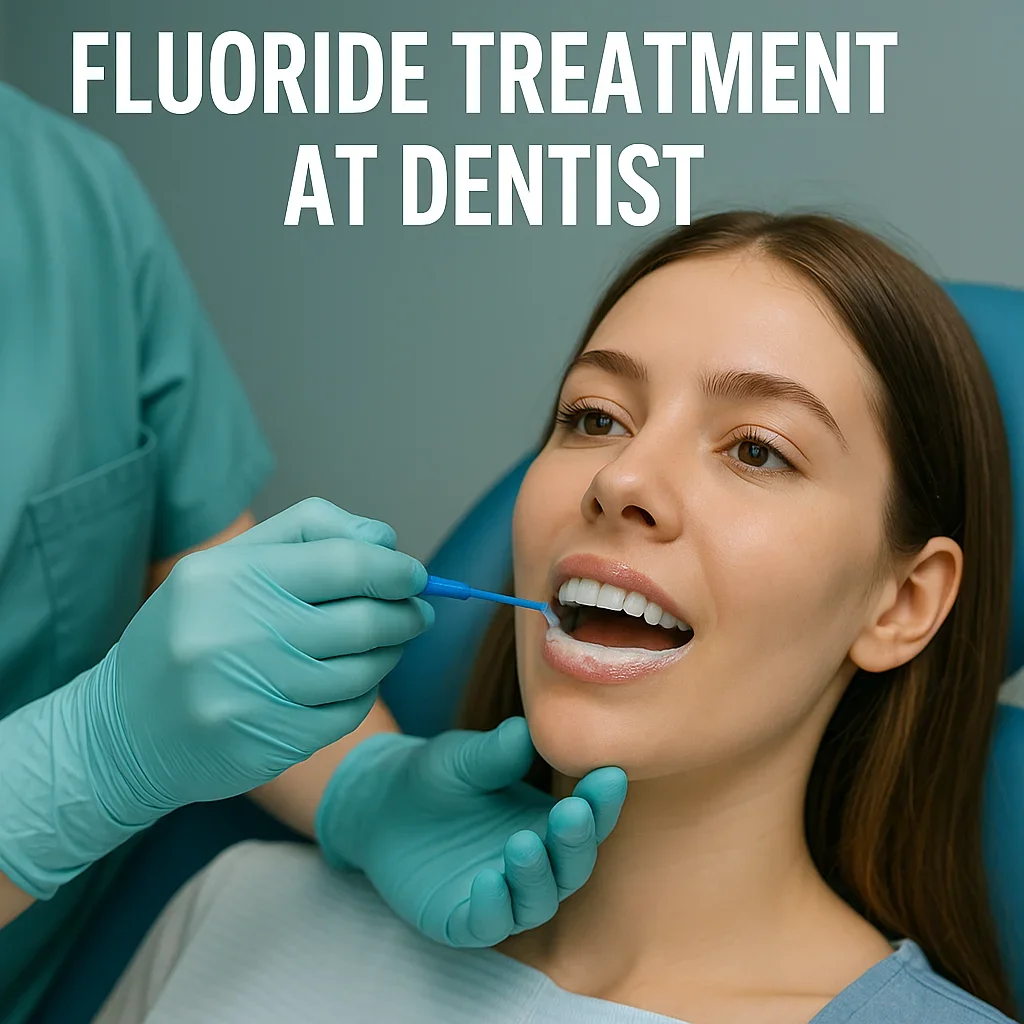
Professional fluoride applications come in several forms: gels, foams, rinses, and varnishes. Among these, fluoride varnish is the most commonly used type in dental offices because it adheres easily to the teeth and continues to release fluoride for several hours. The dentist typically applies the varnish using a small brush after cleaning and drying the teeth. The entire process is quick, painless, and safe—usually completed in less than five minutes ⏱️.
Many people wonder if this treatment is only for children. While fluoride treatments are highly recommended for kids, adults can also benefit greatly. Adults who suffer from dry mouth, gum disease, or frequent cavities are prime candidates for a fluoride treatment at dentist. The treatment helps restore the enamel’s protective layer and significantly reduces the risk of tooth sensitivity and root decay. Additionally, patients undergoing orthodontic treatments (like braces) often benefit from fluoride applications to prevent white spots and decay around brackets.
One of the main reasons why fluoride is so essential lies in its preventive power. According to the American Dental Association, professional fluoride treatments can reduce the risk of cavities by up to 40% in both children and adults. The fluoride interacts with the saliva in your mouth to create an environment less favorable to bacterial growth, which further decreases the likelihood of plaque buildup and tooth decay.
Another major advantage of professional fluoride treatments is that they provide targeted care for high-risk areas. For example, teeth with exposed roots, enamel erosion, or previous fillings are more vulnerable to decay. During a fluoride treatment at dentist, these sensitive zones receive extra protection, helping maintain long-term oral health. Over time, regular fluoride treatments can lead to stronger, shinier, and more resilient teeth 💪.
It’s important to note that the amount of fluoride used in dental clinics is carefully controlled and completely safe. Dental professionals adjust the dosage depending on age, oral health status, and sensitivity levels. After the application, patients are usually advised not to eat, drink, or rinse their mouth for at least 30 minutes to allow the fluoride to fully absorb. This ensures maximum remineralization and cavity protection. The treatment’s protective effects can last for several months, although dentists often recommend repeating it every 3 to 6 months depending on your oral health needs.
For those concerned about fluoride safety, rest assured that decades of scientific research support its benefits. When applied professionally, fluoride is not harmful; instead, it plays a vital role in maintaining dental health and preventing disease. In fact, skipping professional fluoride treatments can increase your risk of cavities, gum issues, and costly restorative procedures later on.
At clinics like Redent Klinik Contact Page, fluoride treatments are part of a preventive dental care routine designed to protect and preserve your natural smile. Combined with regular brushing, flossing, and professional cleanings, fluoride application helps you maintain strong enamel and a cavity-free mouth for years to come. 😁
Ultimately, choosing to have a fluoride treatment at dentist is an investment in your oral health. It’s a preventive step that pays off in the long run—keeping your teeth stronger, reducing the risk of decay, and ensuring you enjoy a confident, healthy smile. Whether you’re a parent protecting your child’s teeth or an adult seeking extra protection, fluoride treatment is a scientifically proven, dentist-approved method for optimal dental care.
In summary, a professional fluoride treatment is not just a luxury—it’s an essential part of modern preventive dentistry. Safe, quick, and effective, it reinforces your enamel’s defense system and helps you avoid painful and costly dental problems. So, during your next checkup, be sure to ask your dentist about the benefits of fluoride treatment and how often you should get it to keep your smile at its best. 🌟
Benefits of Fluoride Treatment for Teeth and Overall Oral Health
One of the most powerful preventive measures in modern dentistry is a fluoride treatment at dentist. This simple yet highly effective procedure strengthens tooth enamel, helps prevent cavities, and enhances the overall resilience of your mouth against daily wear, acidic foods, and bacterial attacks. Whether you are an adult, a teen, or a child, regular fluoride treatments can make a remarkable difference in the long-term health of your teeth. Let’s explore in depth how fluoride benefits both your teeth and your entire oral environment. 🦷✨
How Fluoride Strengthens Tooth Enamel
The enamel—the hard, outer layer of your teeth—is your first line of defense against decay. Every day, acids from food, beverages, and bacterial metabolism erode the enamel surface, a process known as demineralization. A fluoride treatment at dentist counteracts this by initiating remineralization. Fluoride ions penetrate the weakened enamel and combine with calcium and phosphate present in saliva to form a stronger, more acid-resistant mineral called fluorapatite. This mineral structure makes your enamel up to 5 times more resistant to acid damage compared to untreated enamel. The result? Fewer cavities, less sensitivity, and a brighter, more durable smile. 😁
Fluoride’s Role in Preventing Cavities
Cavities don’t happen overnight—they start with microscopic lesions caused by bacteria that produce acid when they metabolize sugar. When you undergo a professional fluoride treatment at dentist, the fluoride not only rebuilds enamel but also interferes with bacterial activity. Fluoride disrupts the metabolism of harmful bacteria like Streptococcus mutans, reducing acid production and plaque accumulation. This dual effect of strengthening enamel and reducing bacterial activity makes fluoride an indispensable ally in the fight against tooth decay.
Scientific Backing and Proven Results
According to the American Dental Association, consistent professional fluoride treatments can lower the incidence of cavities by as much as 40% across all age groups. Numerous studies confirm that children who receive regular fluoride applications experience significantly fewer cavities than those who rely only on over-the-counter fluoride toothpaste. Even adults, particularly those with receding gums or exposed roots, see a notable reduction in decay rates after professional fluoride applications.
Reducing Tooth Sensitivity and Erosion
Another essential benefit of a fluoride treatment at dentist is its ability to alleviate tooth sensitivity. People who consume acidic beverages, grind their teeth, or brush too hard often experience enamel wear that exposes the underlying dentin, leading to sensitivity. Fluoride works by sealing microscopic openings in the dentin and reinforcing the enamel’s structure. After a few treatments, patients often notice a substantial decrease in discomfort when consuming hot, cold, or sweet foods. Moreover, fluoride helps protect against enamel erosion caused by acidic diets or acid reflux, keeping teeth smooth and glossy.
Benefits for Children’s Developing Teeth
Fluoride treatment is especially crucial for children. During childhood, teeth are still developing, and enamel is softer and more prone to decay. Regular professional fluoride treatments harden the enamel as it forms, providing lifelong protection. Pediatric dentists recommend fluoride varnish applications every 3 to 6 months to ensure maximum benefit. Early exposure not only strengthens baby teeth but also creates a solid foundation for permanent teeth, reducing future dental issues. Parents seeking preventive solutions for their children can easily schedule an appointment through the Redent Klinik Contact Page to discuss tailored fluoride options for young patients.
Fluoride Treatment for Adults and Seniors
While often associated with pediatric dentistry, adults and seniors stand to gain just as much from a fluoride treatment at dentist. As we age, enamel naturally thins and gum recession exposes the tooth roots, which are more susceptible to decay. Additionally, certain medications can reduce saliva production, leading to dry mouth—a key risk factor for cavities. Fluoride strengthens exposed areas, counteracts dryness-related decay, and helps seniors maintain strong teeth well into their later years. Dentists typically recommend more frequent applications—every three months—for patients with dry mouth, gum disease, or high cavity risk.
Additional Benefits Beyond the Teeth
Fluoride’s protective benefits extend beyond just preventing cavities. By maintaining a balanced oral environment, it indirectly supports gum health and reduces the likelihood of periodontal problems. Since strong enamel resists bacterial penetration, the gums experience less inflammation, and the overall microbial balance in the mouth improves. This contributes to fresher breath, healthier gums, and a reduced risk of systemic issues that can arise from chronic oral infections, such as cardiovascular disease and diabetes-related complications. 🌿
Environmental and Lifestyle Support
In addition to professional fluoride treatments, maintaining an optimal level of fluoride exposure through water fluoridation and dental products is vital. However, only a fluoride treatment at dentist provides the concentrated, targeted delivery necessary for high-risk patients. Combining these treatments with good habits—like brushing with fluoride toothpaste twice daily, flossing, and limiting sugary foods—maximizes protection. Drinking plenty of water, especially fluoridated tap water, further enhances these benefits, ensuring that your teeth remain strong and resilient between visits.
Long-Term Impact and Preventive Value
When viewed over time, fluoride treatments deliver enormous preventive and financial benefits. Preventing even a single cavity can save hundreds of dollars in future dental restorations. Regular fluoride treatments not only reduce the need for fillings and crowns but also preserve your natural tooth structure—a key factor for lifelong oral function and aesthetics. As part of a holistic dental care plan, fluoride therapy is one of the simplest and most cost-effective ways to protect your smile for decades to come. 💎
In conclusion, the fluoride treatment at dentist is far more than a quick polish or routine procedure—it’s a scientifically validated strategy for comprehensive oral wellness. From strengthening enamel to reducing sensitivity, and from preventing cavities to supporting gum health, its benefits touch every aspect of your mouth’s ecosystem. Whether you’re protecting young teeth or maintaining mature ones, fluoride remains a cornerstone of preventive dental care, offering you confidence in your smile and peace of mind for the future. 🌟
Step-by-Step: What Happens During a Professional Fluoride Treatment
Many patients are curious about what exactly happens during a fluoride treatment at dentist and how this simple procedure can have such a profound effect on oral health. Despite its quickness, every step of the process is carefully designed to maximize fluoride absorption, ensure comfort, and provide long-term enamel protection. Below, we’ll walk you through the full professional fluoride treatment process — from preparation to aftercare — so you know exactly what to expect during your next dental visit. 🦷
Step 1: Initial Oral Examination and Cleaning
The first step in any professional fluoride treatment at dentist is a thorough oral examination. Your dentist checks for signs of cavities, enamel erosion, and gum health. This inspection ensures that fluoride is applied to clean and healthy surfaces for maximum effectiveness. Before the treatment, your teeth are usually cleaned by a dental hygienist to remove any plaque, tartar, or debris. This is essential, as fluoride cannot fully penetrate enamel if a film of plaque is present. The cleaning process typically involves scaling, polishing, and rinsing your mouth, leaving your teeth perfectly prepared for fluoride application. 🪥
Step 2: Choosing the Right Fluoride Form
Once your teeth are ready, the dentist decides which fluoride type and concentration best suit your needs. Professional fluoride treatments come in several forms, including gels, foams, rinses, and varnishes. Each has a different fluoride concentration level, typically containing between 5,000 and 22,600 parts per million (ppm) of fluoride. The most common and effective option used during a fluoride treatment at dentist is fluoride varnish, which adheres directly to the teeth and provides a slow, steady release of fluoride over several hours. For patients with sensitive teeth or young children, the dentist may choose a gentle foam or gel instead to ensure comfort and safety.
Customizing the Fluoride Concentration
Not every patient receives the same fluoride dosage. Dentists tailor the concentration depending on age, cavity risk, and specific oral health concerns. For example, children often receive lower concentrations to match their smaller tooth surfaces, while adults with dry mouth or high cavity rates may benefit from higher fluoride concentrations. This personalized approach ensures that your fluoride treatment at dentist provides optimal results without any risk of overexposure.
Step 3: Application of Fluoride
Next comes the actual application phase — the core of the fluoride treatment at dentist process. If your dentist uses a varnish, it’s applied using a small disposable brush or applicator directly onto the teeth. The varnish hardens almost instantly upon contact with saliva, forming a thin protective coating. If a foam or gel is used, you may be asked to wear a soft dental tray filled with fluoride and bite down gently for several minutes. The fluoride ions then penetrate the enamel and begin bonding with calcium and phosphate minerals within your teeth. The process is entirely painless and usually takes only 3 to 5 minutes ⏱️.
Step 4: Post-Treatment Instructions and Care
After the fluoride treatment at dentist, your dentist will give you specific post-care instructions. Typically, you’ll be advised not to eat, drink, or rinse for at least 30 minutes. This waiting period allows the fluoride to continue absorbing into the enamel. In the case of varnishes, you might notice a thin film on your teeth for a few hours — this is completely normal and will naturally wear off. For the next 24 hours, dentists recommend avoiding brushing immediately after treatment to maintain optimal fluoride uptake. Later, you can resume your normal oral hygiene routine using fluoride toothpaste to enhance and prolong the treatment’s benefits.
Step 5: Monitoring Results and Scheduling Follow-Ups
Fluoride treatments are preventive rather than corrective, meaning their full benefits emerge over time. Your dentist will usually check your enamel health and decay resistance at each follow-up visit to track improvements. Most patients receive a fluoride treatment at dentist every 3 to 6 months depending on their risk level. Those with a history of cavities, orthodontic devices, or medical conditions like dry mouth may require more frequent applications to maintain protection. Regular checkups help ensure that your enamel remains strong, smooth, and resistant to acid attacks for years to come.
Why Frequency Matters
Skipping fluoride appointments can gradually decrease the protective effect on your enamel. Fluoride ions don’t stay active indefinitely; they slowly wash away with time and saliva flow. Therefore, maintaining consistency in fluoride treatments is key to preventing cavities and sustaining strong teeth. Many clinics, such as Redent Klinik Contact Page, offer customized preventive care schedules to help patients receive timely fluoride reinforcement without missing essential checkups.
Step 6: Complementary Preventive Measures
A professional fluoride treatment at dentist works best when combined with other preventive strategies. Dentists often pair fluoride application with sealants for children or with desensitizing agents for adults with enamel wear. Using a fluoride mouth rinse and toothpaste daily, reducing sugary snacks, and maintaining proper hydration amplify the protective effects. Dentists may also discuss diet and habits—like avoiding soda and smoking—that can impact fluoride’s effectiveness. Together, these steps form a holistic defense system against cavities and enamel erosion. 🌿
Step 7: Patient Comfort and Safety Considerations
One of the best aspects of professional fluoride treatments is that they are entirely safe and comfortable for people of all ages. Dentists carefully monitor fluoride levels to prevent overuse and use medical-grade materials approved by the American Dental Association. The varnish or gel used is non-toxic when applied correctly, and adverse reactions are extremely rare. Even patients with sensitive gums or dental restorations tolerate the procedure well. Most leave the clinic with noticeably smoother and cleaner-feeling teeth, and some even report a pleasant minty taste after treatment.
Step 8: Visible and Long-Term Results
Within a few days of a fluoride treatment at dentist, many patients experience reduced tooth sensitivity and a smoother enamel surface. Over the long term, regular treatments dramatically lower cavity rates and extend the lifespan of fillings and crowns by protecting surrounding enamel. Some dentists may show you a before-and-after scan of your enamel to highlight the difference — proof that fluoride truly works at the microscopic level to strengthen your teeth.
In conclusion, a fluoride treatment at dentist is a quick, non-invasive, and highly beneficial procedure designed to give your teeth maximum defense against decay. By following each step carefully — from cleaning to application and post-care — you’re not only protecting your smile today but also investing in a healthier future. It’s a professional touch that goes far beyond what home care alone can achieve, ensuring that your teeth remain strong, bright, and cavity-free for years to come. 🌟
Who Should Get Fluoride Treatment and How Often?
Not everyone’s dental needs are the same, and understanding who benefits most from a fluoride treatment at dentist helps tailor care to individual oral health goals. While fluoride is beneficial for everyone, certain age groups, lifestyles, and medical conditions make professional fluoride applications particularly valuable. In this section, we’ll explore which people should receive fluoride treatments, how frequently they’re recommended, and why timing and consistency are key for lasting protection. 🦷✨
Children: The Most Critical Stage for Fluoride Protection
Fluoride is most effective when introduced early in life. Children’s teeth—both primary (baby) and permanent—are still developing, making them more susceptible to decay. A professional fluoride treatment at dentist reinforces the enamel during these formative years, helping prevent cavities before they even start. Pediatric dentists recommend fluoride varnish applications every 3 to 6 months, depending on the child’s cavity risk. This regular exposure ensures enamel mineralization continues throughout growth, resulting in stronger, healthier adult teeth. 👶🪥
Fluoride for Infants and Toddlers
For infants who haven’t yet developed full teeth, fluoride is still important. Dentists may apply small amounts of fluoride varnish to emerging teeth to prevent early childhood caries (ECC). Parents are also advised to use a rice-sized smear of fluoride toothpaste once the first tooth appears. As children grow, the dosage gradually increases. Early professional guidance helps parents balance home fluoride use with periodic professional treatments, ensuring the best outcomes for lifelong oral health.
Teens and Young Adults: Cavity Prevention During High-Risk Years
Teenagers and young adults often experience higher cavity rates due to irregular brushing habits, increased consumption of sugary foods, and orthodontic treatments. A fluoride treatment at dentist is particularly beneficial for teens wearing braces, as brackets and wires trap food particles, creating decay-prone areas. Fluoride helps protect enamel around braces, preventing “white spot lesions” that commonly appear after orthodontic treatment. For college students and young professionals with busy lifestyles, fluoride applications every 6 months can help counteract inconsistent oral hygiene routines and frequent snacking habits. 🎓
Adults: Reinforcing Enamel and Combating Sensitivity
Many adults mistakenly believe fluoride is only for children—but this is a misconception. Enamel naturally weakens with age due to dietary acids, grinding, and bacterial exposure. A professional fluoride treatment at dentist helps remineralize worn enamel, reducing the risk of cavities and sensitivity. Adults who drink carbonated beverages, smoke, or consume acidic foods such as citrus or coffee can benefit significantly from regular fluoride protection. Additionally, adults with crowns, fillings, or veneers can extend the lifespan of these restorations by reinforcing surrounding enamel with fluoride treatments.
Dry Mouth and Medication Users
Adults taking certain medications—like antidepressants, antihistamines, or blood pressure drugs—often experience dry mouth (xerostomia). Since saliva helps wash away acids and bacteria, its reduction dramatically increases cavity risk. Fluoride treatments offer a protective barrier for these individuals by strengthening enamel and slowing acid erosion. Dentists typically recommend fluoride varnish every 3 to 4 months for patients with chronic dry mouth to compensate for decreased natural protection. The same recommendation applies to adults undergoing radiation therapy for cancer, as radiation can damage salivary glands and heighten decay risk.
Seniors: Protecting Exposed Roots and Restorations
As people age, gum recession exposes the roots of the teeth, which are not protected by enamel. These areas are highly vulnerable to decay, especially when combined with dry mouth or gum disease. Regular fluoride treatment at dentist visits help protect exposed roots by creating a mineral-rich surface resistant to bacterial acids. Seniors with dentures or partials can also benefit from fluoride applications to remaining natural teeth, helping them preserve oral function and comfort. 🧓
Frequency for Senior Care
Most dentists recommend fluoride varnish applications every three months for older adults with root exposure or recurrent cavities. Some clinics also offer take-home fluoride gels or rinses for additional protection. This proactive care helps seniors avoid costly dental work, ensuring they maintain strong, healthy teeth well into their golden years.
Special Groups That Benefit from Frequent Fluoride Treatments
Besides typical age-based recommendations, certain health or lifestyle conditions increase cavity risk, making more frequent fluoride treatment at dentist visits essential:
- Orthodontic patients: Fluoride prevents decay around brackets and wires.
- People with diabetes: High blood sugar increases oral bacteria growth, raising decay risk.
- Smokers: Tobacco reduces saliva flow and weakens gum health; fluoride helps protect teeth from further damage.
- Frequent snackers or soda drinkers: Constant acid exposure makes enamel more vulnerable.
- Patients with gum disease: Receding gums expose roots; fluoride reinforces these sensitive areas.
For all these groups, the dentist may recommend shorter treatment intervals—every 3 months instead of every 6—to maintain continuous protection. Clinics like Redent Klinik Contact Page often personalize fluoride treatment schedules according to patient history and risk assessment.
General Guidelines on Treatment Frequency
On average, most individuals should receive a fluoride treatment at dentist every six months. However, this can vary based on cavity history, oral hygiene habits, and environmental factors like water fluoridation. For example, people living in areas without fluoridated water may require more frequent treatments, while those with low cavity rates may only need annual applications. Regular checkups help dentists adjust fluoride frequency to your changing oral health needs.
Balancing Professional and At-Home Fluoride Use
While professional fluoride applications deliver a high concentration of protection, daily home care complements their effects. Using fluoride toothpaste, rinsing with fluoride mouthwash, and avoiding sugary snacks prolong the benefits between visits. After a professional fluoride treatment at dentist, the enamel continues absorbing fluoride for hours, creating a reservoir effect that reinforces teeth against future acid attacks. The combination of clinical and home fluoride use creates the ultimate cavity defense strategy. 💎
In summary, fluoride treatments are not a one-size-fits-all procedure. From toddlers to seniors, and from orthodontic patients to individuals with medical conditions, each person benefits differently. The key is regularity: consistent fluoride applications at professionally recommended intervals ensure your enamel remains strong, your smile stays radiant, and cavities are kept at bay. Investing in periodic fluoride care means investing in lifelong oral health protection. 🌟
Comparing In-Office Fluoride Treatments vs. At-Home Fluoride Products
When it comes to maintaining strong, cavity-resistant teeth, both professional and home-based fluoride options play essential roles. However, understanding the key differences between an in-office fluoride treatment at dentist and at-home fluoride products helps you choose the best combination for your oral health goals. While both approaches aim to remineralize enamel and prevent decay, their concentration, method of application, and lasting effects differ significantly. In this section, we’ll explore those distinctions in depth and highlight which option is most effective for different types of patients. 🦷
The Science Behind Professional Fluoride Treatments
An in-office fluoride treatment at dentist uses professional-grade fluoride formulas that are much more potent than those available in over-the-counter products. These treatments typically contain 5% sodium fluoride varnish, equivalent to 22,600 parts per million (ppm) fluoride concentration—over 10 times stronger than regular toothpaste. When applied directly to clean, dry teeth, this concentrated fluoride bonds with enamel minerals, forming a tough, acid-resistant surface that prevents demineralization. The varnish slowly releases fluoride ions for several hours after the appointment, allowing deep penetration into enamel layers for long-term protection.
Professional treatments are especially effective in reversing early-stage tooth decay (incipient caries) before it turns into a cavity. The high fluoride concentration can even help restore enamel microstructure, preventing the need for fillings or more invasive dental work. This level of protection simply cannot be achieved with at-home products alone.
In-Office Application Process
During a fluoride treatment at dentist, a hygienist or dentist applies the fluoride varnish or gel to each tooth using a small brush or tray. The process takes less than five minutes, is completely painless, and requires no anesthesia. After application, patients are advised not to eat or drink for about 30 minutes to allow the fluoride to fully absorb. Depending on your oral health risk, dentists recommend repeating this procedure every three to six months to maintain optimal enamel protection. 🌟
At-Home Fluoride Products: Everyday Reinforcement
At-home fluoride products include fluoride toothpaste, mouth rinses, gels, and prescription-strength pastes. These are designed for regular daily use and are vital for maintaining fluoride levels between professional treatments. Most commercial toothpaste contains 1,000–1,500 ppm fluoride—sufficient for general protection but not enough to reverse enamel erosion on its own. Consistent brushing with fluoride toothpaste twice a day provides a continuous yet mild strengthening effect that helps prevent bacterial acid attacks.
For people at higher risk of cavities, dentists may prescribe fluoride gels or toothpaste with up to 5,000 ppm fluoride. These are usually used once daily under supervision. Although not as concentrated as in-office treatments, they provide additional enamel protection for patients prone to decay or sensitivity. Combining daily home fluoride use with professional treatments creates a layered defense strategy that keeps enamel resilient year-round. 💪
Key Differences Between Professional and At-Home Treatments
| Feature | In-Office Fluoride Treatment | At-Home Fluoride Products |
|---|---|---|
| Fluoride Concentration | Up to 22,600 ppm (professional strength) | 1,000–5,000 ppm (lower potency) |
| Application Method | Applied by a dentist using varnish, gel, or foam | Used daily via brushing or rinsing |
| Duration of Protection | Lasts 3–6 months | Short-term, needs daily repetition |
| Best For | High-risk patients, children, seniors, orthodontic users | General maintenance for low-risk individuals |
| Professional Supervision | Yes, performed by a licensed dentist or hygienist | No, self-applied at home |
Effectiveness Comparison
Multiple clinical studies have confirmed that a professional fluoride treatment at dentist provides superior cavity prevention compared to over-the-counter fluoride products alone. While daily fluoride use at home supports long-term enamel health, professional treatments create an immediate and durable fluoride reservoir in your mouth that resists bacterial acid for months. Think of professional fluoride as a “booster shot” for your teeth, while at-home fluoride is the ongoing maintenance routine that sustains those benefits.
Ideal Combination for Maximum Protection
For best results, dentists recommend a dual-approach strategy: regular fluoride treatment at dentist sessions combined with consistent home fluoride care. This synergy enhances enamel strength and maintains high fluoride availability in saliva throughout the day. Patients with frequent acid exposure—like those who drink soda, consume citrus, or suffer from acid reflux—benefit most from this two-tier approach. Meanwhile, individuals with braces or gum recession can protect vulnerable areas more effectively with this combination therapy.
Example Preventive Routine
- Brush twice daily with fluoride toothpaste (≥1,000 ppm).
- Rinse once daily with fluoride mouthwash, preferably before bed.
- Receive professional fluoride treatment every 6 months, or every 3 months if high-risk.
- Floss daily and maintain routine dental cleanings.
- Drink fluoridated water when available to supplement exposure.
This routine maximizes fluoride retention and ensures enamel stays fortified between professional visits. The result: significantly reduced cavity risk and a smoother, shinier smile. ✨
When At-Home Products Aren’t Enough
There are cases where home fluoride care simply cannot replace professional treatments. For example, patients with active cavities, severe enamel erosion, or medical conditions causing dry mouth need concentrated fluoride that only an in-office treatment can deliver. Professional fluoride varnish is also preferable for young children who may not rinse or spit effectively, ensuring safe and effective application. Additionally, adults with multiple restorations or braces often rely on professional treatments to reach areas inaccessible to home brushing.
Safety and Recommendations
Both professional and home fluoride applications are safe when used as directed. Dentists tailor fluoride concentration based on age, weight, and cavity risk to prevent overexposure. Always consult your dentist before using high-strength fluoride products at home. Reliable clinics like Redent Klinik Contact Page offer customized preventive care programs combining both treatment types for maximum protection. Moreover, the American Dental Association continuously endorses fluoride use as a cornerstone of preventive dentistry, affirming its safety and proven benefits for all ages.
In conclusion, both professional and at-home fluoride treatments serve vital roles in maintaining optimal oral health. The professional fluoride treatment at dentist delivers intensive, long-lasting enamel protection, while daily home fluoride care provides consistent maintenance. By integrating the two, you create a complete shield against cavities, sensitivity, and enamel erosion—ensuring a strong, beautiful smile for years to come. 🌿
Is Fluoride Treatment Safe for Children and Adults?
One of the most common questions patients ask before getting a fluoride treatment at dentist is: “Is it really safe?” The short answer is yes — when administered by professionals in the proper dosage, fluoride treatments are completely safe for both children and adults. In fact, fluoride has been one of the most researched topics in dental science for decades, with countless studies confirming its effectiveness and safety in preventing tooth decay. In this section, we’ll examine fluoride safety from every angle: how it works, potential risks, scientific evidence, and guidelines for all age groups. 🦷
The Science Behind Fluoride Safety
Fluoride is a naturally occurring mineral found in soil, water, and certain foods. Its primary function in dentistry is to strengthen enamel and make it more resistant to acid attacks caused by bacteria. A professional fluoride treatment at dentist uses a controlled concentration — usually in varnish, foam, or gel form — that’s applied topically to the teeth. Because fluoride acts locally (on the tooth surface) rather than systemically, there is minimal absorption into the body. The fluoride that is absorbed is quickly processed by the kidneys and excreted in urine, leaving no harmful residue behind.
Scientific research consistently supports this mechanism. According to the American Dental Association, professional fluoride treatments are safe, effective, and a vital component of preventive dentistry for all age groups. When used appropriately, fluoride protects against cavities without any systemic health risks.
Safety in Children: Building Strong Foundations
Children are especially vulnerable to tooth decay because their enamel is thinner and still developing. A fluoride treatment at dentist helps fortify these growing teeth, creating a strong barrier before cavities can form. Pediatric dentists recommend fluoride varnish applications every three to six months, depending on the child’s risk level. This frequency is considered completely safe and has been proven to reduce decay by up to 40% in children who receive regular treatments. 👶
Fluoride Dosage Control for Kids
The key to fluoride safety lies in dosage. Dentists use fluoride varnishes containing approximately 5% sodium fluoride — a safe, topical concentration that stays on the tooth surface. Children are closely supervised during the procedure to prevent swallowing. In addition, modern fluoride varnishes harden almost instantly upon contact with saliva, minimizing ingestion risk. Parents are advised to avoid feeding or brushing their children’s teeth for 30 minutes post-application to ensure maximum absorption and safety.
Fluorosis Concerns Explained
One concern often mentioned is dental fluorosis — a cosmetic condition that can cause faint white streaks on teeth if excessive fluoride is consumed during tooth development. However, this condition occurs only when large amounts of fluoride are ingested, not from professional applications. The fluoride treatment at dentist involves topical use, meaning the fluoride acts externally, not internally. Therefore, the risk of fluorosis from dental treatments is virtually zero when administered correctly by professionals.
Fluoride Safety for Adults
For adults, fluoride continues to be a vital part of preventive dental care. While their teeth are fully developed, adults still experience enamel wear, gum recession, and sensitivity. A professional fluoride treatment at dentist helps restore mineral content, prevents root decay, and provides long-term protection against acid erosion. Adults who smoke, drink carbonated beverages, or take medications causing dry mouth particularly benefit from routine fluoride varnish applications. These treatments are non-toxic and fully compatible with dental restorations such as fillings, crowns, and veneers.
Medical Conditions and Fluoride Use
Adults with medical conditions like diabetes, heart disease, or autoimmune disorders often take medications that affect oral health. Fortunately, fluoride is safe even for these individuals. The fluoride used in dental offices is hypoallergenic, non-reactive, and approved for patients with chronic health conditions. The minimal amount absorbed is insignificant compared to natural dietary fluoride intake, making the fluoride treatment at dentist completely safe within standard clinical protocols.
Addressing Common Misconceptions About Fluoride
Over the years, misinformation about fluoride has circulated online, leading some to question its safety. Let’s clarify some facts with scientific evidence:
- Myth 1: “Fluoride causes systemic toxicity.”
✅ Fact: Fluoride varnish used in dental clinics is applied topically, not ingested. It acts locally on enamel and poses no internal health risk. - Myth 2: “Children shouldn’t use fluoride.”
✅ Fact: Controlled fluoride exposure in childhood prevents cavities and strengthens enamel — endorsed by pediatric and public health organizations globally. - Myth 3: “Fluoride damages teeth.”
✅ Fact: Only excessive ingestion of fluoride (from uncontrolled sources) can cause minor cosmetic effects, not professional dental use. - Myth 4: “Natural alternatives are safer.”
✅ Fact: Natural alternatives like herbal pastes lack fluoride’s proven remineralizing power. Professional fluoride applications remain the gold standard for cavity prevention.
Reputable dental associations, including the ADA, World Health Organization (WHO), and Centers for Disease Control and Prevention (CDC), all support fluoride use in preventive care. They affirm that a properly administered fluoride treatment at dentist is both safe and beneficial across all demographics.
Environmental and Dosage Regulation
Fluoride use is strictly regulated by global health authorities. In the dental field, concentrations are carefully measured to stay well below toxicity levels. Water fluoridation, toothpaste manufacturing, and in-office fluoride varnish production all follow safety standards set by regulatory agencies. Dental professionals also record the exact fluoride dosage used during each treatment to ensure full traceability and patient safety. 🧾
Special Populations: Pregnancy and Elderly Patients
Pregnant women often ask if it’s safe to receive a fluoride treatment at dentist. The answer is yes — topical fluoride applications are completely safe during pregnancy and can even reduce bacterial transmission from mother to child. For elderly patients, fluoride treatments help protect exposed roots and reduce tooth sensitivity, providing much-needed comfort and durability for aging smiles. These treatments are gentle, fast, and do not interfere with medications or systemic health conditions common in older adults.
Professional Oversight Ensures Safety
Fluoride’s safety record is one of the most thoroughly documented in medicine. Dentists undergo extensive training in fluoride dosage, toxicity prevention, and application methods. Every fluoride treatment at dentist follows evidence-based protocols that guarantee safety for all patients. Clinics such as Redent Klinik Contact Page emphasize customized fluoride care plans tailored to each patient’s oral health needs and risk level. These individualized strategies ensure optimal enamel protection without any risk of overexposure.
In conclusion, professional fluoride treatments are not only safe but also indispensable for maintaining strong, healthy teeth across all ages. From children developing their first teeth to adults combating enamel wear, a fluoride treatment at dentist provides the protective edge that daily brushing alone cannot match. Supported by decades of clinical research and global health endorsements, fluoride remains the most trusted, effective, and safe mineral in preventive dentistry — your ultimate ally in preserving a beautiful, cavity-free smile. 🌿
Common Myths and Facts About Fluoride Treatments
Although fluoride is one of the most researched and proven substances in preventive dentistry, misconceptions continue to circulate among the public. These myths often discourage people from receiving a fluoride treatment at dentist, leading to higher cavity rates and weakened enamel protection. Understanding the truth behind fluoride — supported by scientific evidence and clinical experience — is essential for making informed oral health decisions. In this section, we’ll debunk common myths, highlight proven facts, and explain why fluoride remains a safe, effective cornerstone of dental care. 🦷
Myth 1: Fluoride Is a Dangerous Chemical
One of the most persistent misconceptions is that fluoride is a toxic chemical that should be avoided. In reality, fluoride is a naturally occurring mineral found in water, soil, and even certain fruits and vegetables. During a fluoride treatment at dentist, the fluoride used is medical-grade and carefully controlled in concentration. It’s no different from how doctors use minerals like calcium or iron therapeutically — it’s the dosage that matters. Dentists apply fluoride topically, meaning it acts on the teeth’s surface without being swallowed or entering the bloodstream in harmful amounts.
The Role of Dosage in Safety
Fluoride only becomes harmful in excessive quantities, far beyond what’s used in professional dental care. A standard fluoride varnish contains approximately 5% sodium fluoride, which is applied in minute amounts — barely a drop per tooth. According to the American Dental Association and the World Health Organization (WHO), this dosage is entirely safe for both children and adults. Fluoride works locally to remineralize enamel, not systemically, making professional applications risk-free when performed correctly.
Myth 2: Fluoride Causes Health Problems
Another common myth is that fluoride contributes to systemic health issues, such as thyroid disorders or neurological effects. Decades of scientific studies have disproven these claims. When fluoride is used appropriately — as in a fluoride treatment at dentist — it provides local dental benefits without affecting other organs. Major health organizations, including the CDC and European Food Safety Authority, have confirmed that controlled fluoride exposure does not cause disease or developmental problems. The small amount absorbed during treatment is naturally filtered and excreted by the body.
Evidence-Based Reality
Fluoride’s track record speaks for itself: since the widespread adoption of professional fluoride treatments and water fluoridation, cavity rates have dropped by over 50% globally. No peer-reviewed study has ever proven harm from professionally administered fluoride. On the contrary, research continues to show fluoride’s ability to prevent cavities, reduce enamel erosion, and lower dental healthcare costs worldwide.
Myth 3: Children Should Avoid Fluoride
Some parents mistakenly believe fluoride is unsafe for young children. In fact, a fluoride treatment at dentist is one of the best preventive steps for kids. Pediatric dentists recommend fluoride varnishes as early as age one or when the first tooth erupts. These treatments harden the developing enamel and dramatically reduce early childhood cavities — one of the most common chronic diseases in children. Because varnish hardens instantly upon contact with saliva, the risk of ingestion is minimal. Parents can feel confident that professional fluoride care is completely safe for their little ones. 👶
Fluoride and Baby Teeth
Protecting baby teeth is critical since they hold the space for permanent teeth. A professional fluoride treatment at dentist helps keep baby teeth strong and decay-free until adult teeth emerge. If decay occurs early, it can affect future alignment and bite development. Fluoride varnish offers a painless, quick, and child-friendly way to maintain healthy smiles during these formative years.
Myth 4: Natural Alternatives Work Just as Well
Many people turn to herbal or “fluoride-free” toothpaste, believing natural products offer the same benefits. Unfortunately, these alternatives cannot replicate fluoride’s chemical ability to strengthen enamel. Only fluoride integrates into the tooth structure to form fluorapatite — the mineral compound that resists acid attacks. Without fluoride, enamel remains vulnerable to bacterial decay, no matter how frequently you brush. While natural toothpastes may freshen breath, they don’t provide the proven decay prevention of a fluoride treatment at dentist. For those who prefer natural oral care, combining fluoride varnish treatments with gentle herbal products can offer a balanced approach.
The Science of Fluorapatite Formation
When fluoride interacts with the minerals in your teeth, it forms a new compound called fluorapatite, which is much harder than hydroxyapatite (the original enamel component). This transformation significantly enhances resistance to acid erosion from sugar and bacteria. No natural substitute has been shown to mimic this unique process. That’s why fluoride remains indispensable in both professional and home dental care.
Myth 5: Once You Have Healthy Teeth, You Don’t Need Fluoride
Another misconception is that fluoride is only for people with cavities. In reality, everyone benefits from continued fluoride exposure — even those with perfect oral hygiene. Every day, acids from food and beverages demineralize enamel. A regular fluoride treatment at dentist reverses this microscopic damage before it turns into decay. Moreover, fluoride helps strengthen the enamel around dental restorations, crowns, and braces, ensuring they last longer and perform better. Fluoride acts like armor — invisible but essential for lifelong dental health. 🛡️
Myth 6: Fluoride Treatments Are Unnecessary if You Use Toothpaste
While fluoride toothpaste is excellent for daily maintenance, its fluoride concentration is relatively low — typically between 1,000 and 1,500 ppm. In contrast, a professional fluoride treatment at dentist contains up to 22,600 ppm fluoride, providing a deep, long-lasting protective layer that regular toothpaste can’t achieve. The combination of both is ideal: toothpaste maintains a daily fluoride presence, while professional treatments deliver high-concentration reinforcement every few months.
Synergy Between Professional and At-Home Care
Think of professional fluoride as a “booster” for your enamel, while toothpaste serves as ongoing maintenance. Together, they create a complete defense system against decay, sensitivity, and erosion. For best results, schedule fluoride varnish applications every 3–6 months and maintain daily brushing and flossing routines.
Myth 7: Fluoride Treatments Are Only for Kids
This myth couldn’t be further from the truth. Adults experience enamel erosion, gum recession, and sensitivity — all of which benefit from fluoride. In fact, a fluoride treatment at dentist helps prevent root decay in adults and seniors, a condition toothpaste alone can’t fix. Regular treatments also prolong the life of crowns and fillings by protecting the surrounding tooth structure. Everyone, regardless of age, gains measurable benefits from fluoride therapy.
Separating Fact from Fiction
Decades of research prove that fluoride is safe, effective, and indispensable in modern dentistry. Misconceptions often arise from misinformation, outdated studies, or misunderstanding dosage levels. When administered professionally, fluoride poses no risk to overall health and offers tremendous benefits in preventing decay and maintaining enamel strength. Clinics like Redent Klinik Contact Page emphasize evidence-based fluoride treatments tailored to each patient’s age, risk level, and dental history, ensuring safe and personalized results. 🌿
In conclusion, separating myths from facts is key to appreciating the real value of fluoride. A fluoride treatment at dentist is not just another dental procedure—it’s a scientifically proven, preventive powerhouse that protects your teeth for the long term. By embracing fluoride care and dismissing misinformation, you safeguard your smile, strengthen your enamel, and invest in your lifelong oral health. 🌟
How Fluoride Helps Prevent Cavities and Strengthen Enamel
The primary reason dental professionals recommend a fluoride treatment at dentist is because fluoride is scientifically proven to strengthen enamel and prevent cavities. It works at the microscopic level to reverse early signs of decay, rebuild weakened enamel, and make teeth more resistant to future damage. Understanding how fluoride functions biologically and chemically provides insight into why it remains a cornerstone of preventive dentistry. In this section, we’ll explore the mechanism of fluoride protection, the stages of cavity prevention, and how fluoride fortifies enamel for long-term oral health. 🦷✨
The Chemistry Behind Fluoride and Enamel Protection
To appreciate how fluoride works, it’s important to understand what tooth enamel is. Enamel is composed mainly of hydroxyapatite — a crystalline form of calcium and phosphate. Over time, acids produced by bacteria and food erode these minerals, leading to demineralization. When you receive a fluoride treatment at dentist, fluoride ions replace part of the hydroxyl group in hydroxyapatite, forming a compound called fluorapatite. This new mineral is far more resistant to acid attacks and helps stop demineralization in its tracks.
The Process of Remineralization
Every day, your teeth undergo a natural cycle of mineral loss (demineralization) and gain (remineralization). Fluoride accelerates remineralization by attracting calcium and phosphate ions back to the enamel surface. These minerals combine with fluoride to rebuild a denser and more acid-resistant structure. Regular exposure to fluoride — through both daily toothpaste and periodic professional treatments — keeps this protective cycle active, ensuring continuous enamel reinforcement.
How Fluoride Prevents Cavities
Cavities form when acids produced by oral bacteria erode the enamel faster than it can repair itself. By strengthening the enamel and reducing bacterial acid production, fluoride creates an unfavorable environment for decay. A professional fluoride treatment at dentist delivers a high concentration of fluoride ions directly to the enamel, deeply saturating it and providing long-term protection against bacterial acid attacks.
Fluoride also interferes with the bacteria’s ability to metabolize sugars. Specifically, it inhibits enzymes that bacteria use to produce acid, reducing overall acid levels in the mouth. This twofold effect — strengthening enamel and weakening bacterial activity — makes fluoride one of the most effective anti-cavity agents known to science. 🧬
Protecting Vulnerable Areas of the Mouth
Not all areas of your mouth are equally strong. The gum line, molar grooves, and exposed roots are particularly prone to decay. A fluoride treatment at dentist focuses on coating these high-risk regions, ensuring every part of your teeth benefits from fluoride protection. The varnish or gel applied by your dentist adheres firmly to tooth surfaces, slowly releasing fluoride ions for several hours. This controlled release allows deeper absorption into the enamel and dentin, maximizing protection in vulnerable spots.
Early-Stage Cavity Reversal
One of fluoride’s most remarkable benefits is its ability to reverse early-stage decay. When enamel first begins to lose minerals, it forms a chalky white spot — an early sign of demineralization. If caught in time, a professional fluoride treatment at dentist can halt and even reverse this process by replenishing lost minerals. This means patients can avoid fillings, drilling, and other invasive dental procedures simply through preventive fluoride therapy. 💎
Fluoride and Tooth Sensitivity
Besides preventing cavities, fluoride plays a vital role in reducing tooth sensitivity. Sensitivity occurs when the dentin layer beneath the enamel becomes exposed, allowing external stimuli like heat or cold to trigger nerve responses. Fluoride helps by blocking microscopic tubules within dentin, reducing the transmission of sensations to the tooth nerve. With consistent fluoride exposure, either from toothpaste or periodic fluoride treatment at dentist visits, patients experience noticeable relief from sensitivity.
The Role of Saliva and Fluoride Synergy
Saliva is your body’s natural defense mechanism against tooth decay. It neutralizes acids and provides calcium and phosphate for enamel repair. Fluoride enhances this protective system by improving the quality of minerals in saliva. When fluoride is present, the minerals that deposit back into enamel form a harder, more acid-resistant layer. In this way, the effects of a fluoride treatment at dentist continue even after you leave the clinic — each time saliva bathes your teeth, it delivers additional fluoride protection.
Why Acidic Diets Need Extra Fluoride Support
People who frequently consume acidic beverages like soda, citrus juices, or coffee are at higher risk of enamel erosion. The acids in these drinks dissolve minerals from enamel, weakening its structure. Regular fluoride treatment at dentist appointments help rebuild this lost enamel, counteracting acid erosion and maintaining a smooth, glossy tooth surface. Dentists often recommend more frequent fluoride applications — every 3 months — for individuals with high-acid diets to offset continuous enamel wear.
Long-Term Enamel Strengthening
Over the years, enamel naturally thins due to chewing, brushing, and exposure to acids. Professional fluoride treatments help replenish and reinforce enamel layers, ensuring your teeth remain strong and resistant throughout your lifetime. Studies show that adults who receive regular fluoride treatment at dentist sessions have significantly fewer cavities and longer-lasting dental restorations. Even small, consistent fluoride exposure compounds over time, creating a cumulative effect that strengthens your teeth year after year.
Fluoride’s Microscopic Defense System
Under a microscope, enamel appears as a tightly packed crystal structure. When exposed to acid, these crystals begin to dissolve — creating microscopic pores. Fluoride fills these gaps, sealing the surface and restoring enamel density. This microscopic defense mechanism prevents acid penetration, blocks bacterial infiltration, and maintains the tooth’s natural shine. 🧪
Complementary Benefits for Restorations and Orthodontics
Patients with dental crowns, fillings, or braces are especially prone to plaque accumulation around restoration margins or brackets. A fluoride treatment at dentist adds a vital layer of protection around these areas, preventing decay where toothbrushes can’t easily reach. Orthodontic patients benefit greatly from fluoride varnish since it minimizes “white spot lesions” and discoloration after braces are removed. Similarly, fluoride reduces the risk of recurrent decay beneath crowns and bridges, extending the life of restorative work.
Scientific Consensus on Fluoride’s Effectiveness
The effectiveness of fluoride in cavity prevention has been documented in thousands of scientific studies over the past 70 years. Dental organizations worldwide — including the ADA, WHO, and the International Association for Dental Research — unanimously support fluoride’s role in maintaining enamel integrity. The consensus is clear: a professionally applied fluoride treatment at dentist is one of the most reliable and cost-effective ways to prevent cavities and enhance overall oral health.
In conclusion, fluoride’s protective power lies in its ability to strengthen enamel from the inside out. By facilitating remineralization, inhibiting bacterial acids, and reinforcing weak spots, it provides comprehensive defense against decay. Regular fluoride treatment at dentist visits, combined with good oral hygiene, ensure your teeth remain strong, smooth, and resilient throughout your life. It’s not just a treatment — it’s an investment in lasting dental health and a radiant smile. 🌿
Cost of Fluoride Treatment at Dentist and Insurance Coverage Options
When considering preventive dental care, one of the most common questions patients ask is: “How much does a fluoride treatment at dentist cost?” The good news is that fluoride treatments are among the most affordable and cost-effective procedures available. Their ability to prevent cavities, reduce sensitivity, and strengthen enamel saves patients significant money in the long term by reducing the need for fillings, crowns, or root canals. In this section, we’ll explore typical fluoride treatment costs, the factors that influence pricing, how insurance coverage works, and why investing in professional fluoride care pays off in both health and savings. 💎
Average Cost of Fluoride Treatment
In most dental clinics, the cost of a fluoride treatment at dentist ranges between $25 and $75 per session, depending on the location, type of fluoride used, and whether the treatment is part of a regular cleaning visit. In many cases, children’s fluoride varnishes are less expensive than adult applications, and some clinics even include them free of charge with routine exams. Professional fluoride varnish, foam, or gel is applied quickly and provides several months of protection—making it one of the most cost-efficient preventive procedures in dentistry.
Breakdown of Treatment Costs
- Fluoride varnish application: $25–$40
- Fluoride gel or foam treatment: $30–$50
- Advanced fluoride treatments (for sensitive teeth): $50–$75
- Combined cleaning + fluoride package: $80–$150 (includes polishing and fluoride varnish)
These costs are approximate and can vary based on the country, clinic reputation, and whether additional services (such as x-rays or deep cleaning) are performed during the same appointment.
Factors That Affect the Cost
The price of a fluoride treatment at dentist can differ due to several factors. Understanding these helps patients make informed decisions and plan their dental care budget effectively:
- Type of fluoride product used: Fluoride varnish is more expensive than foam or gel but provides longer-lasting protection.
- Patient age and needs: Pediatric applications may cost less, while adults with enamel wear or gum recession may require stronger concentrations.
- Frequency of treatments: High-risk patients who require fluoride every 3 months will incur more annual cost than those treated semiannually.
- Geographic location: Urban dental clinics tend to have slightly higher prices than rural ones due to overhead costs.
- Inclusion with preventive care: Some clinics bundle fluoride treatment into regular cleanings or checkups, offering discounts for preventive care packages.
Insurance Coverage for Fluoride Treatment
One of the advantages of a fluoride treatment at dentist is that it is often covered by dental insurance—especially for children and teens. Many insurance plans, including major U.S. providers like Delta Dental, Cigna, and MetLife, recognize fluoride’s preventive value and include it as part of routine dental checkups. Typically, coverage is provided for children up to 18 years old every six months. Some insurance policies even extend fluoride coverage to adults with specific oral health risks, such as dry mouth or gum disease.
Typical Coverage Details
- ✅ Children (under 18): Fully covered for 2 fluoride treatments per year.
- ✅ Adults (18+): Partial or full coverage depending on risk assessment and plan type.
- ✅ Seniors: Often eligible for preventive coverage under supplemental or dental discount plans.
Before scheduling your next fluoride treatment at dentist, it’s wise to review your insurance policy or contact your provider for details. If you’re unsure, dental clinics such as Redent Klinik Contact Page can assist by verifying coverage on your behalf.
Out-of-Pocket Costs and Payment Options
For patients without insurance, fluoride treatment remains an affordable option. Many clinics offer discounted rates or membership programs that include two fluoride treatments per year as part of preventive care packages. Some even provide financing or installment options for families seeking affordable dental maintenance plans. Considering that treating a single cavity can cost between $100 and $300, regular fluoride applications are a smart financial decision that can save hundreds in future dental work.
Cost vs. Benefit Analysis
Preventive treatments like fluoride are investments that pay long-term dividends. Studies show that every dollar spent on professional fluoride care can save up to $20 in restorative treatments. By strengthening enamel and preventing decay, a fluoride treatment at dentist helps patients avoid fillings, crowns, or even root canal treatments later. Over time, the minimal cost of fluoride treatments translates to major savings and sustained oral health. 💰
Fluoride Treatment Frequency and Long-Term Value
Fluoride treatments typically last several months, but the frequency recommended depends on cavity risk and lifestyle. Most people benefit from applications every 6 months, while those with dry mouth, acid reflux, or orthodontic devices may need treatments every 3 months. Maintaining this regular schedule ensures that fluoride continues protecting enamel effectively. When combined with daily fluoride toothpaste, the long-term cost of dental care decreases significantly due to fewer cavities and reduced restorative needs.
Special Programs and Free Options
In some regions, public health clinics and school dental programs provide free or low-cost fluoride varnish for children. Community dental initiatives often collaborate with health departments to ensure that kids receive fluoride protection regardless of income. Adults can also find affordable fluoride care at teaching hospitals, where dental students perform treatments under professional supervision at reduced rates. These options make a fluoride treatment at dentist accessible to everyone, regardless of financial situation.
Insurance Alternatives for Uninsured Patients
For patients without traditional dental insurance, alternative solutions exist. Many clinics now offer dental savings plans or subscription-based preventive packages that include checkups, cleanings, and fluoride treatments for a fixed annual fee. These plans can cost as little as $200–$300 per year and cover two full visits with fluoride protection, offering tremendous value compared to paying per service. 🌿
Global Cost Comparison
Globally, the cost of a fluoride treatment at dentist varies widely. In the United States, prices range from $25 to $75; in the United Kingdom, NHS fluoride treatments are typically included in standard checkups. In European countries like Germany or France, fluoride varnish costs around €20–€40, while in Turkey, professional fluoride treatments are even more affordable — making clinics like Redent Klinik a popular choice for international dental tourists seeking quality and affordability combined. 🌍
Final Thoughts: Why Fluoride Treatment Is Worth Every Penny
Fluoride treatment is one of the most cost-effective ways to protect your teeth, prevent cavities, and maintain a healthy smile for life. Considering its low cost and high return in oral health benefits, skipping a fluoride treatment at dentist would be a costly mistake. Whether covered by insurance or paid out-of-pocket, fluoride applications save money, time, and discomfort in the long run. At trusted clinics like Redent Klinik Contact Page, patients receive personalized fluoride care designed to meet both their dental and financial needs — proving that prevention is always cheaper, easier, and smarter than treatment. 🌟
How Often Should You Get Fluoride Treatment at Dentist?
Understanding how frequently you should receive a fluoride treatment at dentist depends on several factors — including your age, diet, oral hygiene habits, and cavity risk level. While many people assume fluoride treatments are just for children, the truth is that both adults and seniors benefit greatly from regular applications. The key is finding the ideal schedule that keeps your enamel strong, your smile healthy, and your risk of decay as low as possible. 🦷 In this section, we’ll break down expert recommendations, age-specific guidelines, and practical advice to help you maintain long-term dental health through consistent fluoride care.
General Recommendations for Fluoride Treatment Frequency
For the average patient, dentists recommend professional fluoride treatments every six months — typically during routine cleaning visits. This frequency provides continuous protection against plaque acids and environmental wear. However, depending on individual risk factors, some patients may need treatments more or less often. For example, high-risk individuals (such as those with frequent cavities, dry mouth, or orthodontic appliances) may benefit from fluoride applications every three to four months.
The goal of a fluoride treatment at dentist is to maintain optimal fluoride concentration in your enamel throughout the year. The protective effects of fluoride diminish over time, so reapplication ensures that enamel remains resilient and capable of remineralizing effectively.
Children and Teenagers: Building Early Protection
Children’s teeth are more vulnerable to decay because their enamel is still developing and not yet fully mineralized. Pediatric dentists recommend that children receive a fluoride treatment at dentist every three to six months, starting as soon as the first tooth appears. These regular treatments not only strengthen baby teeth but also prepare permanent teeth to emerge healthier and more resistant to acid attacks. 👶
Fluoride Frequency During Growth Stages
- Infants (6 months – 2 years): Fluoride varnish applications every 6 months if cavities are not present.
- Children (3 – 6 years): Professional fluoride varnish every 3–4 months due to higher sugar exposure and limited brushing skills.
- Teens (7 – 18 years): Fluoride every 6 months, with more frequent applications for those with braces or high soda consumption.
Frequent fluoride applications during childhood help establish a foundation for lifelong oral health. Parents are encouraged to schedule treatments regularly and monitor their child’s sugar intake to maximize fluoride’s benefits.
Adults: Reinforcing Enamel Against Everyday Wear
Many adults mistakenly believe they no longer need fluoride once they reach adulthood. However, modern diets, stress, and lifestyle habits expose teeth to constant acid and mechanical stress. Adults should receive a fluoride treatment at dentist at least twice per year, ideally every 6 months. Those who consume acidic beverages like coffee, wine, or soft drinks — or who suffer from bruxism (teeth grinding) — should schedule more frequent treatments every 3–4 months. 🧴
Specific Adult Risk Groups
- Smokers: More prone to gum recession and root exposure; fluoride strengthens vulnerable root surfaces.
- People with dry mouth: Medications or health conditions that reduce saliva increase cavity risk; more frequent fluoride is essential.
- Orthodontic patients: Fluoride helps prevent “white spot lesions” around braces.
- Heavy coffee or soda drinkers: Extra fluoride combats acid erosion.
These individuals should discuss personalized fluoride schedules with their dentist. Professional guidance ensures the ideal balance between protection and maintenance without unnecessary treatments.
Seniors: Protecting Roots and Restorations
As people age, enamel thins and gums often recede, exposing dentin and root surfaces. These areas are more porous and decay faster than enamel, making fluoride particularly important for seniors. A fluoride treatment at dentist every three months is often recommended for older adults, especially those taking medications that cause dry mouth or those with multiple restorations. 🧓
Additional Benefits for Seniors
Frequent fluoride treatments help reduce tooth sensitivity, protect crowns and fillings, and extend the life of dental restorations. Fluoride varnish creates a protective coating on exposed roots, reducing discomfort and preventing root caries — one of the most common dental problems in the elderly population. Combined with daily brushing and a fluoride mouth rinse, these treatments offer comprehensive enamel protection well into the golden years.
High-Risk Patients: When More Frequent Treatments Are Necessary
High-risk patients often need more than biannual treatments to keep cavities under control. Individuals who experience frequent decay, have medical conditions like diabetes, or are undergoing orthodontic treatment may need a fluoride treatment at dentist every three to four months. These patients benefit from concentrated fluoride varnishes or gels that provide long-lasting enamel reinforcement.
Conditions That Require Extra Care
- High sugar intake or carbohydrate-rich diets
- Chronic dry mouth (xerostomia)
- Acid reflux or GERD
- Radiation therapy for head or neck cancer
- Existing dental restorations or implants
For these groups, fluoride acts as a barrier against recurring decay and helps protect dental work from premature failure. Combining professional treatments with at-home fluoride toothpaste and mouthwash ensures comprehensive coverage.
Combining Professional and At-Home Fluoride Use
Professional fluoride treatments offer a high-concentration boost, but maintaining fluoride exposure between visits is equally important. Daily use of fluoride toothpaste, fluoride mouth rinses, and drinking fluoridated water helps sustain enamel protection. Dentists often recommend prescription-strength toothpaste (with 5,000 ppm fluoride) for patients at elevated risk. Together, these methods provide round-the-clock defense against acid attacks and bacterial damage. 🌿
How to Know If You Need More Frequent Treatments
There are certain signs that indicate your teeth may need more regular professional fluoride applications. These include:
- Frequent cavity formation despite good brushing habits
- Persistent tooth sensitivity to cold or sweets
- Visible enamel erosion or white chalky spots
- Dry mouth due to medication or dehydration
- Receding gums exposing root surfaces
If you notice any of these symptoms, your dentist may suggest increasing the frequency of your fluoride treatment at dentist to maintain proper enamel defense. Early action prevents minor issues from progressing into major dental concerns.
Consulting with Your Dentist for a Personalized Schedule
Every mouth is different, and fluoride treatment frequency should always be tailored to individual needs. During a checkup, your dentist will assess your enamel strength, cavity history, and saliva flow to determine the best fluoride plan. Clinics like Redent Klinik Contact Page provide custom fluoride schedules for both children and adults, ensuring optimal preventive care. 🩺
Scientific Consensus on Fluoride Frequency
According to the American Dental Association, biannual fluoride treatments are ideal for most people, but patients with elevated decay risk should receive treatments every three months. Research shows that consistent professional fluoride applications can reduce cavity formation by 25–40% across all age groups. These results confirm that regular fluoride care is not only safe but essential for maintaining lifelong dental health.
In summary, the ideal frequency of a fluoride treatment at dentist depends on personal dental health and lifestyle. Whether every 3, 6, or 12 months, professional fluoride applications strengthen enamel, reverse early decay, and protect against acid damage. By following a dentist-guided schedule and maintaining daily fluoride habits at home, you ensure your teeth remain strong, smooth, and cavity-free for years to come. 🌟