
An appointment braces visit is the essential first step toward achieving a straighter, healthier smile. Whether you are considering orthodontic treatment for yourself or your child, understanding what happens during an appointment braces consultation can make the entire process feel more comfortable and predictable 😊. Many patients feel nervous before their first orthodontic evaluation, but knowing what to expect helps reduce anxiety and ensures you are fully prepared.
Simply put, an appointment braces session is a scheduled visit with an orthodontist or dentist to evaluate your teeth alignment, bite structure, and overall oral health. During this visit, the specialist determines whether braces are necessary, which type would be most suitable, and how long treatment may take. The appointment braces process is not just about aesthetics—it focuses on improving function, jaw alignment, and long-term dental health.
At the beginning of an appointment braces consultation, your dental professional will review your medical and dental history. This step is important because certain health conditions, medications, or previous dental treatments can influence orthodontic planning. The orthodontist will then conduct a detailed oral examination, checking for crowding, spacing issues, overbite, underbite, crossbite, or open bite conditions. These evaluations help determine whether appointment braces treatment is required and what level of correction is needed.
Modern technology plays a major role during an appointment braces visit. Digital X-rays, intraoral scans, and photographs are often taken to create a complete picture of your teeth and jaw structure. Unlike traditional messy impressions, many clinics now use 3D scanning technology to map your teeth accurately. This makes the appointment braces experience faster, cleaner, and more precise. The collected data allows the orthodontist to design a customized treatment plan tailored specifically to you.
Another critical component of an appointment braces session is patient education. Your orthodontist will explain your diagnosis clearly and discuss all possible treatment options. These may include traditional metal braces, ceramic braces, lingual braces, or clear aligners. Understanding the differences between these options during your appointment braces consultation helps you make an informed decision based on comfort, budget, and lifestyle.
Beyond alignment correction, an appointment braces visit also highlights the health benefits of orthodontic treatment. Misaligned teeth can trap food particles, making cleaning more difficult and increasing the risk of cavities and gum disease. According to the American Dental Association, proper alignment supports better oral hygiene and reduces long-term dental complications. This is why appointment braces treatment is not only cosmetic but also preventive.
Many patients ask whether an appointment braces consultation is painful. The answer is reassuring: the initial evaluation itself is completely painless. Diagnostic imaging and examinations may feel slightly unfamiliar but should not cause discomfort. If braces are placed during a later appointment braces session, mild pressure may be felt as the teeth begin adjusting—but this is a normal and temporary sensation.
During your appointment braces visit, you will also receive an estimated treatment timeline. While every case differs, most orthodontic treatments range from 12 to 24 months. Complex cases may take longer. Your orthodontist will outline how frequently you need follow-up appointment braces check-ups—usually every 4 to 8 weeks—to adjust wires or monitor progress.
Cost discussions are typically included in an appointment braces consultation as well. Pricing varies depending on complexity and type of braces selected. On average, traditional braces may range between $3,000 and $7,000 in many regions, while clear aligners can range from $3,500 to $8,000. Many clinics offer installment plans to make appointment braces treatment more accessible. If you are considering treatment abroad, you can reach out directly through the Redent Klinik Contact Page for personalized information.
Importantly, an appointment braces session is a collaborative experience. Patients are encouraged to ask questions about lifestyle adjustments, dietary restrictions, oral hygiene routines, and expected results. The more informed you are during your appointment braces consultation, the smoother your orthodontic journey will be.
Ultimately, an appointment braces visit marks the beginning of a structured and carefully monitored process designed to transform both your smile and your oral health. From diagnosis and imaging to personalized treatment planning and cost discussions, every step is centered around delivering safe, predictable, and effective results. By understanding what happens during an appointment braces consultation, you can move forward with confidence, knowing that your smile is in expert hands ✨.
1. What Is an Appointment Braces Visit?
An appointment braces visit is a structured orthodontic consultation designed to evaluate your teeth alignment, bite function, and overall oral health before starting braces treatment. This visit is the foundation of a successful orthodontic journey because it allows the specialist to assess your unique dental structure and develop a customized treatment plan. Whether you are a teenager preparing for your first braces or an adult exploring orthodontic correction later in life, understanding the purpose of an appointment braces consultation helps you approach the process with confidence 😊.
Unlike a routine dental cleaning, an appointment braces session focuses specifically on orthodontic concerns. The goal is not only to straighten teeth but also to correct jaw alignment issues, improve chewing efficiency, enhance speech clarity in some cases, and support long-term oral hygiene. Misaligned teeth can contribute to uneven wear, gum problems, and even jaw discomfort. That is why a properly planned appointment braces evaluation is so important.
Comprehensive Examination During an Appointment Braces Consultation
During your appointment braces visit, the orthodontist begins with a thorough clinical examination. This includes checking for crowding, spacing, overlapping teeth, overbite, underbite, crossbite, or open bite conditions. Each of these alignment problems requires a different treatment strategy. The appointment braces assessment allows the specialist to determine whether braces, clear aligners, or another orthodontic solution is most appropriate.
Diagnostic tools are also used during an appointment braces consultation. Digital X-rays help evaluate root positioning and jawbone health. Intraoral photographs capture the current alignment of your teeth. Many modern clinics utilize 3D scanning technology instead of traditional impressions, making the appointment braces experience more comfortable and precise. These records are essential for building a personalized orthodontic plan.
Why Medical and Dental History Matters
A critical part of an appointment braces visit is reviewing your medical and dental background. Certain conditions such as gum disease, untreated cavities, or jaw disorders must be addressed before orthodontic treatment begins. If necessary, your orthodontist may recommend preliminary treatments prior to proceeding with appointment braces therapy. This ensures safety and long-term stability.
Treatment Planning Explained Clearly
One of the most valuable aspects of an appointment braces consultation is the detailed explanation of your treatment options. The orthodontist will outline how braces work by gradually applying controlled pressure to shift teeth into their ideal position. You may hear terms such as “orthodontic appliances,” “arch wires,” or “alignment trays.” These are simply different tools used during appointment braces treatment to guide teeth movement over time.
The specialist will also estimate how long your appointment braces treatment might take. While mild cases may require 12 months, moderate to complex corrections can extend to 24 months or more. Regular follow-up appointment braces visits are typically scheduled every 4 to 8 weeks to adjust wires, monitor progress, and ensure that the teeth are moving as planned.
Addressing Patient Concerns
It is common to feel nervous before your first appointment braces session. Many patients worry about discomfort or lifestyle changes. The good news is that the consultation itself is painless. If braces are placed during a future appointment braces visit, mild pressure may be experienced for a few days, but this is temporary and manageable.
Dietary guidance is also discussed during an appointment braces consultation. Patients are advised to avoid very hard, sticky, or chewy foods once braces are placed. Proper oral hygiene techniques are explained in detail to prevent plaque buildup around brackets and wires.
The Health Benefits of Starting Appointment Braces Treatment
Beyond cosmetic improvement, an appointment braces plan offers significant oral health benefits. Straighter teeth are easier to clean, reducing the risk of cavities and gum disease. According to the American Dental Association, proper alignment contributes to better overall dental function and long-term oral stability.
Additionally, correcting bite problems through appointment braces treatment can reduce jaw strain and prevent uneven tooth wear. Patients often report improved confidence and self-esteem once treatment begins, which can positively impact social and professional interactions ✨.
Cost Discussion During an Appointment Braces Visit
Financial planning is another important component of an appointment braces consultation. The orthodontist will provide a detailed breakdown of treatment costs based on complexity and chosen appliance type. In many regions, traditional braces range between $3,000 and $7,000, while clear aligners may range from $3,500 to $8,000. Payment plans and financing options are often available to make appointment braces treatment more accessible.
If you are considering starting your appointment braces journey internationally, you can gather more personalized details through the Redent Klinik Contact Page. Professional consultation ensures you receive accurate guidance tailored to your case.
Ultimately, an appointment braces visit is not just a simple check-up—it is a strategic planning session that sets the stage for successful orthodontic correction. From examination and digital imaging to treatment explanation and cost transparency, every step is designed to provide clarity, safety, and confidence. By understanding what happens during an appointment braces consultation, patients can begin their orthodontic journey fully informed and reassured that their smile transformation is guided by expert care.
2. How to Prepare for Your First Appointment Braces Consultation
Preparing properly for your first appointment braces consultation can make the entire experience smoother, more informative, and less stressful 😊. While many patients assume they can simply show up and let the orthodontist handle everything, a little preparation ensures that your appointment braces visit is productive and tailored to your needs. Understanding what to bring, what to expect, and what questions to ask will help you feel confident from the moment you walk into the clinic.
Your first appointment braces consultation is not just a quick visual check. It is a comprehensive orthodontic assessment where your dental structure, bite alignment, and long-term oral health goals are carefully evaluated. Because this visit sets the foundation for your entire treatment journey, preparation plays an important role in achieving accurate diagnosis and planning.
Gather Important Medical and Dental Information
Before attending your appointment braces consultation, collect relevant medical and dental records if possible. This includes information about previous dental treatments, extractions, jaw surgeries, or orthodontic procedures. If you have had recent X-rays taken by another dentist, bringing copies can sometimes reduce the need for repeated imaging during your appointment braces visit.
Medical conditions such as diabetes, autoimmune disorders, or bone-related issues should also be disclosed during your appointment braces session. Certain medications may influence bone movement or healing, which directly impacts orthodontic treatment planning. Being transparent ensures your appointment braces plan is both safe and effective.
Insurance and Financial Preparation
It is helpful to review your dental insurance policy before your appointment braces consultation. Some insurance plans partially cover orthodontic treatment, especially for patients under 18. Knowing your coverage details allows you to discuss financial expectations clearly during your appointment braces visit. Many clinics offer installment plans, making orthodontic care more manageable.
Maintain Good Oral Hygiene Before the Visit
Arriving at your appointment braces consultation with clean teeth allows the orthodontist to perform a more accurate examination. Brush and floss thoroughly before your visit. If there are visible plaque deposits or gum inflammation, the orthodontist may recommend addressing these concerns before beginning appointment braces treatment.
Healthy gums and cavity-free teeth are essential for starting appointment braces safely. If untreated decay or gum disease is present, those conditions must be managed first. According to the American Dental Association, maintaining strong oral hygiene before orthodontic procedures reduces complications and supports better long-term results.
Prepare Questions to Maximize Your Appointment Braces Visit
Your first appointment braces consultation is the perfect opportunity to ask detailed questions. Consider preparing a list in advance so you do not forget anything during the discussion. Common topics include:
- How long will my appointment braces treatment take?
- Which type of braces is most suitable for my case?
- How often will I need follow-up appointment braces visits?
- Will tooth extraction be necessary?
- What lifestyle changes are required during appointment braces treatment?
Asking these questions ensures that your appointment braces experience is collaborative rather than passive. Understanding your treatment timeline and expectations reduces anxiety and improves compliance throughout the process.
Discuss Lifestyle Considerations
Different orthodontic appliances can affect daily routines. During your appointment braces consultation, inform your orthodontist if you play contact sports, musical instruments, or have professional obligations that require frequent public speaking. These details may influence the type of braces recommended during your appointment braces planning phase.
Understand the Diagnostic Process
Knowing what will happen during your appointment braces visit can help you feel more comfortable. The orthodontist will perform a visual examination, take digital X-rays, capture photographs, and possibly conduct 3D scans. These diagnostic steps allow precise mapping of tooth and jaw alignment. The information gathered during your appointment braces session forms the blueprint for your customized orthodontic plan.
The initial appointment braces consultation is typically painless. However, some patients may experience mild jaw fatigue during imaging procedures that require holding certain positions briefly. This is completely normal and temporary.
Mental Preparation and Realistic Expectations
It is important to approach your appointment braces consultation with realistic expectations. Orthodontic treatment is a gradual process that requires patience and consistency. Teeth move slowly and carefully under controlled pressure. During your appointment braces discussion, your orthodontist will outline expected milestones and explain how progress is monitored at each visit.
Many patients feel excited yet nervous before their first appointment braces consultation. Remember that this visit is educational and informative. You are not committing to immediate treatment unless you choose to proceed. The purpose of the appointment braces session is to provide clarity, options, and professional guidance.
Scheduling and Next Steps
After completing your appointment braces consultation, you may schedule a follow-up visit to begin treatment. Some clinics allow you to start braces placement shortly after the initial appointment braces evaluation, while others schedule a separate session for appliance placement.
If you are considering starting your orthodontic journey, you can request detailed information through the Redent Klinik Contact Page. Early preparation ensures that your appointment braces experience is efficient and personalized.
Ultimately, preparing thoroughly for your first appointment braces consultation transforms uncertainty into confidence. By organizing medical records, maintaining excellent oral hygiene, preparing thoughtful questions, and understanding the diagnostic process, you ensure that your appointment braces visit is comprehensive and productive. Proper preparation not only improves communication with your orthodontist but also sets the stage for a successful, well-planned orthodontic journey that leads to a healthier and more confident smile ✨.
3. Step-by-Step Process During an Appointment Braces Session
Understanding what happens during an appointment braces session helps patients feel more confident and prepared 😊. Whether it is your very first orthodontic consultation or a routine adjustment visit, each appointment braces session follows a structured and carefully planned sequence. The purpose is to monitor tooth movement, ensure proper alignment, and keep your treatment progressing safely and efficiently.
An appointment braces visit is not random or rushed. Every step is guided by clinical measurements, diagnostic data, and individualized treatment goals. Orthodontic care requires precision, and each appointment braces session builds on the previous one. Below is a detailed breakdown of what typically happens during a standard appointment braces visit.
Initial Check-In and Progress Review
At the beginning of your appointment braces session, the orthodontic team reviews your file and previous treatment notes. If this is not your first appointment braces visit, your orthodontist will compare your current tooth position to earlier records. This ensures that movement is occurring as expected and that no complications have developed.
Patients are often asked about discomfort, sensitivity, or issues such as broken brackets or loose wires. Open communication during your appointment braces session allows minor concerns to be corrected quickly before they affect treatment progress.
Oral Examination and Appliance Inspection
During every appointment braces visit, the orthodontist carefully inspects the braces system. Brackets are checked for stability, archwires are evaluated for proper tension, and elastic bands (if used) are assessed for effectiveness. If you are using clear aligners instead of traditional braces, your appointment braces check will include verifying that trays fit correctly and that tooth movement aligns with the digital plan.
This stage of the appointment braces process is essential for preventing delays. Even small issues, such as a slightly bent wire, can impact overall alignment if left unaddressed.
Adjustments and Wire Changes
One of the most important parts of an appointment braces session is making necessary adjustments. In traditional braces treatment, archwires are periodically replaced or tightened to apply controlled pressure. This gradual force is what moves the teeth into their correct position over time.
During your appointment braces adjustment, you may feel mild pressure as the orthodontist changes wires or adds elastics. This sensation is normal and typically lasts only a few days. The discomfort indicates that your teeth are responding to the new alignment forces. Over-the-counter pain relief and soft foods are often recommended after an appointment braces adjustment.
Monitoring Bite Alignment
Correcting bite issues such as overbite, underbite, or crossbite is a critical goal of appointment braces treatment. During your appointment braces session, the orthodontist evaluates how your upper and lower teeth come together. Bite correction may involve elastic bands or specific bracket positioning adjustments. Monitoring these changes regularly ensures balanced jaw function and long-term stability.
Digital Imaging and Tracking Progress
In modern orthodontics, some appointment braces sessions include updated digital scans or photographs. These images allow precise tracking of progress compared to your original treatment plan. Advanced software can simulate expected outcomes and confirm that your appointment braces treatment is progressing according to schedule.
According to the American Dental Association, consistent monitoring during orthodontic treatment improves overall outcomes and reduces the risk of complications. This is why each appointment braces session is structured and methodical.
Oral Hygiene Reinforcement
Maintaining oral hygiene during appointment braces treatment is critical. Brackets and wires can trap food particles, increasing the risk of plaque buildup. During your appointment braces visit, the orthodontic team may review brushing and flossing techniques to ensure you are cleaning effectively around appliances.
Patients are often reminded to avoid hard, sticky, or chewy foods that could damage their braces between appointment braces visits. Proper hygiene habits directly influence treatment success and help prevent cavities or gum inflammation.
Scheduling the Next Appointment Braces Visit
Before leaving your appointment braces session, your next visit will typically be scheduled. Most patients require follow-up appointment braces adjustments every 4 to 8 weeks. The frequency depends on the complexity of your case and the stage of treatment.
If you are considering beginning orthodontic care, you can request detailed guidance through the Redent Klinik Contact Page. Early consultation ensures that your appointment braces plan is personalized and clearly structured.
How Long Does an Appointment Braces Session Take?
A typical appointment braces adjustment session lasts between 20 and 45 minutes. Initial consultations may take longer due to imaging and treatment discussions. Despite the relatively short duration, each appointment braces visit plays a vital role in achieving precise tooth movement.
Consistency is key. Skipping an appointment braces session can delay treatment progress and potentially extend your overall orthodontic timeline. Attending each scheduled visit ensures steady alignment and predictable results.
Ultimately, the step-by-step process during an appointment braces session is designed for accuracy, safety, and efficiency. From initial check-in and appliance inspection to wire adjustments, bite evaluation, and hygiene reinforcement, every stage contributes to your smile transformation ✨. By understanding what happens during each appointment braces visit, patients can approach their orthodontic journey with confidence, knowing that every session moves them closer to a healthier, straighter smile.
4. Types of Braces Discussed at an Appointment Braces Visit
During an appointment braces consultation, one of the most important discussions focuses on the different types of orthodontic appliances available. Not every patient has the same dental structure, lifestyle, or aesthetic expectations. For this reason, an appointment braces visit includes a detailed explanation of treatment options so that the chosen solution aligns with both clinical needs and personal preferences 😊.
An appointment braces evaluation is not just about confirming that you need braces—it is about determining which type of braces will provide the most efficient, comfortable, and predictable outcome. Factors such as age, severity of misalignment, bite complexity, oral hygiene habits, and budget are all considered during the appointment braces discussion.
Traditional Metal Braces
Traditional metal braces remain one of the most common options presented during an appointment braces consultation. These braces consist of stainless steel brackets attached to the teeth and connected by archwires. Over time, gentle pressure guides the teeth into their correct position.
During your appointment braces visit, the orthodontist may recommend metal braces if you have moderate to severe alignment issues. They are highly durable and effective for correcting crowding, spacing, overbites, underbites, and crossbites. While they are visible, modern designs are smaller and more comfortable than older versions.
Advantages of Metal Braces
- Strong and reliable for complex cases
- Typically more affordable than other options
- Suitable for patients of all ages
Many patients choose this option after their appointment braces consultation because of its proven track record and predictable results.
Ceramic Braces
Ceramic braces are often introduced during an appointment braces discussion for patients seeking a less noticeable solution. These braces function similarly to metal braces but use tooth-colored or clear brackets that blend with natural teeth.
During your appointment braces visit, your orthodontist may suggest ceramic braces if aesthetics are a top priority. They provide effective alignment while being more discreet than traditional metal systems.
Considerations for Ceramic Braces
Although ceramic braces are visually appealing, they can be slightly more fragile than metal braces. Patients considering this option during their appointment braces consultation should be committed to maintaining excellent oral hygiene to prevent staining around brackets.
Lingual Braces
Lingual braces are placed behind the teeth, making them virtually invisible from the front. This option may be discussed during your appointment braces consultation if you want maximum discretion.
Because lingual braces are customized and positioned on the inner surface of the teeth, they require advanced planning during the appointment braces process. They may take slightly longer to adjust to, particularly for speech and tongue comfort, but they provide excellent cosmetic advantages.
Clear Aligners
Clear aligners are another popular option frequently reviewed during an appointment braces visit. These removable trays gradually shift teeth into alignment using a series of custom-made plastic aligners. Unlike fixed braces, clear aligners can be removed for eating and brushing.
During your appointment braces consultation, digital scans may be used to simulate how clear aligners would move your teeth over time. This technology allows patients to preview potential outcomes before committing to treatment.
Benefits of Clear Aligners
- Nearly invisible appearance
- Removable for meals and oral hygiene
- Fewer dietary restrictions compared to fixed braces
However, clear aligners require strict patient compliance. During your appointment braces discussion, the orthodontist will emphasize that aligners must be worn 20–22 hours per day for optimal results.
Self-Ligating Braces
Another system sometimes presented during an appointment braces consultation is self-ligating braces. These braces use specialized clips instead of elastic bands to hold the archwire in place. This design may reduce friction and potentially shorten appointment braces adjustment times.
Some patients find that self-ligating systems require fewer emergency visits during their appointment braces treatment, although clinical suitability varies by case.
How Your Orthodontist Recommends the Best Option
The final decision during your appointment braces visit depends on several diagnostic factors. X-rays, 3D scans, and bite analysis help determine which appliance will move teeth most effectively. According to the American Dental Association, individualized orthodontic planning improves treatment accuracy and long-term stability.
Your orthodontist will also discuss cost differences during the appointment braces consultation. On average, traditional metal braces range between $3,000 and $7,000, ceramic braces may cost between $4,000 and $8,000, and clear aligners often range from $3,500 to $8,000 depending on case complexity. Payment plans are frequently available to make appointment braces treatment accessible.
If you would like personalized advice regarding orthodontic options, you can request further information through the Redent Klinik Contact Page. A detailed appointment braces evaluation ensures the treatment approach is tailored specifically to your smile goals.
Ultimately, an appointment braces visit is your opportunity to explore all available orthodontic solutions in a structured, professional setting. From traditional metal braces to advanced clear aligners, each system offers unique benefits. By understanding the differences during your appointment braces consultation, you can confidently choose the option that balances effectiveness, aesthetics, comfort, and budget—bringing you one step closer to a straighter, healthier smile ✨.
5. How Long Does an Appointment Braces Treatment Take?
One of the most common questions patients ask during an appointment braces consultation is: “How long will my treatment take?” ⏳ The honest answer is that the duration of appointment braces treatment varies from person to person. Several factors influence the timeline, including the severity of misalignment, the type of orthodontic appliance chosen, age, bone density, and how consistently follow-up visits are maintained.
An appointment braces visit is where your orthodontist evaluates these factors and provides a personalized estimate. While online averages can offer general guidance, only a professional examination during an appointment braces consultation can determine your exact timeline.
Average Treatment Duration for Appointment Braces
In general, most appointment braces treatments last between 12 and 24 months. Mild cases involving small spacing or minor crowding may require closer to 12 months. Moderate alignment issues often fall within the 18-month range. More complex bite corrections, such as severe overbite, underbite, or jaw discrepancies, may extend beyond 24 months.
During your appointment braces consultation, the orthodont
6. Appointment Braces Costs and Payment Options
Understanding the financial aspect of orthodontic care is one of the most important parts of an appointment braces consultation. While achieving a straighter smile and healthier bite is a long-term investment, patients naturally want clear information about costs before beginning treatment 😊. During your appointment braces visit, your orthodontist will provide a detailed breakdown of pricing based on your specific case, appliance type, and estimated treatment duration.
The cost of appointment braces treatment varies depending on multiple factors. There is no one-size-fits-all price because each orthodontic case is unique. The severity of misalignment, need for extractions, bite correction complexity, and length of treatment all influence the total investment. That is why a personalized appointment braces consultation is essential for receiving accurate cost information.
Average Cost of Appointment Braces Treatment
In many countries, traditional metal appointment braces treatment typically ranges between $3,000 and $7,000. Ceramic braces may cost between $4,000 and $8,000, depending on the clinic and case complexity. Clear aligner systems often range from $3,500 to $8,000 or more.
During your appointment braces session, your orthodontist will explain what is included in the quoted price. Comprehensive appointment braces treatment often covers diagnostic imaging, appliance placement, regular adjustments, and post-treatment retainers. However, emergency visits or replacement of damaged components may involve additional fees, which should be clarified during the appointment braces discussion.
Why Prices Vary
Several factors influence the final cost of appointment braces treatment:
- Complexity of alignment and bite correction
- Type of braces selected
- Length of treatment
- Geographic location of the clinic
- Experience level of the orthodontist
Because each patient’s orthodontic needs are different, an in-person appointment braces evaluation ensures you receive a realistic and transparent estimate tailored to your situation.
Insurance Coverage for Appointment Braces
Dental insurance may partially cover appointment braces treatment, especially for patients under 18. Some plans provide a lifetime orthodontic benefit, which contributes a fixed amount toward total treatment cost. During your appointment braces consultation, the clinic’s financial coordinator can help verify your insurance benefits and calculate your expected out-of-pocket expenses.
It is important to bring your insurance information to your appointment braces visit so coverage details can be reviewed accurately. Policies vary widely, and some plans may require pre-authorization before beginning orthodontic treatment.
What If Insurance Does Not Cover Appointment Braces?
If your dental insurance does not cover appointment braces treatment, do not worry. Many orthodontic clinics offer flexible payment solutions designed to make treatment accessible. Financing plans are frequently discussed during the appointment braces consultation so patients can select a manageable payment structure.
Flexible Payment Plans and Financing
Most modern orthodontic practices understand that appointment braces treatment is a significant investment. To make care more affordable, clinics commonly offer installment plans. Instead of paying the full amount upfront, patients may spread payments over the duration of treatment.
During your appointment braces visit, financing options may include:
- Monthly installment plans with low or zero interest
- Third-party healthcare financing programs
- Discounts for full upfront payment
- Family discounts for multiple children
These flexible arrangements make appointment braces treatment more accessible to families and adults seeking orthodontic care later in life.
Cost vs. Long-Term Value
While the upfront cost of appointment braces treatment may seem substantial, it is important to consider long-term value. Properly aligned teeth are easier to clean, reducing the risk of cavities and gum disease. According to the American Dental Association, improved alignment supports better oral hygiene and long-term dental health.
Untreated misalignment can lead to uneven tooth wear, jaw strain, and even speech difficulties. Addressing these concerns early through appointment braces treatment can help prevent more expensive dental procedures in the future.
International Treatment and Cost Advantages
Some patients explore receiving appointment braces treatment internationally due to competitive pricing and high-quality care. In certain regions, orthodontic treatment may cost significantly less than in the United States or Western Europe, while maintaining professional standards.
If you are considering beginning your orthodontic journey abroad, you can request personalized information through the Redent Klinik Contact Page. A detailed appointment braces consultation allows you to compare costs, understand treatment timelines, and evaluate available payment options.
Transparency During Your Appointment Braces Consultation
Clear communication is essential during your appointment braces visit. Patients should never feel uncertain about pricing or payment terms. A professional orthodontic clinic will provide a written treatment plan outlining total cost, payment schedule, and included services.
Before committing to appointment braces treatment, make sure you understand:
- Total estimated cost
- What services are included
- Payment deadlines
- Policies for missed or emergency visits
Ultimately, an appointment braces consultation empowers you to make an informed financial decision alongside your clinical treatment plan. By understanding costs, insurance coverage, and financing options, you can confidently begin your orthodontic journey knowing that both your smile and your budget are carefully planned ✨.
7. Common Questions Asked During an Appointment Braces Check-Up
Every appointment braces check-up is an opportunity not only for clinical adjustments but also for patient education. Many individuals arrive at their appointment braces visit with important concerns about comfort, progress, diet, oral hygiene, and long-term results 😊. Asking the right questions ensures that your orthodontic journey remains smooth, predictable, and successful.
Orthodontic treatment is a collaborative process. During an appointment braces session, your orthodontist monitors tooth movement while you share feedback about your experience. Below are the most common and essential questions patients ask during their appointment braces check-up—along with detailed explanations to help you feel informed and confident.
Is My Appointment Braces Treatment Progressing as Planned?
This is one of the most frequent questions asked during an appointment braces visit. Patients naturally want reassurance that their teeth are moving correctly. During your appointment braces check-up, the orthodontist compares your current alignment to your original treatment plan using clinical measurements, photographs, or digital scans.
If progress is slightly slower than expected, minor adjustments may be made during the appointment braces session. In some cases, elastics or additional refinements are introduced to improve movement efficiency. Regular attendance at each appointment braces visit is essential for staying on track.
What Happens If Progress Slows Down?
If your orthodontist detects delayed tooth movement during an appointment braces check-up, they may adjust wire tension or recommend improved elastic wear. Missed visits, broken brackets, or inconsistent aligner use can affect appointment braces timelines. Open communication helps address these issues early.
Why Do I Feel Pressure After My Appointment Braces Adjustment?
Mild pressure or soreness after an appointment braces adjustment is completely normal. During the session, archwires may be tightened or changed to apply controlled force to the teeth. This pressure stimulates bone remodeling, allowing teeth to shift gradually into their ideal positions.
The discomfort following an appointment braces visit typically lasts 2–3 days. Soft foods and over-the-counter pain relievers can help manage temporary sensitivity. Persistent or severe pain should be reported during your next appointment braces session.
Are My Braces Clean Enough?
Oral hygiene is a major focus during every appointment braces check-up. Brackets and wires can trap food particles, increasing plaque buildup. Your orthodontist may ask about your brushing routine during your appointment braces visit and demonstrate techniques for cleaning around orthodontic appliances.
According to the American Dental Association, maintaining proper oral hygiene during orthodontic treatment significantly reduces the risk of cavities and gum inflammation. Your appointment braces check-up is the ideal time to correct hygiene habits if needed.
How Often Should I Brush During Appointment Braces Treatment?
Patients undergoing appointment braces treatment are advised to brush after every meal and floss daily. Special orthodontic brushes or water flossers can make cleaning easier. Your orthodontist may provide personalized recommendations during your appointment braces visit.
Can I Eat Normally With Appointment Braces?
Dietary questions are very common during an appointment braces check-up. While many foods remain safe, patients are typically advised to avoid hard candies, sticky sweets, popcorn, chewing gum, and very crunchy snacks. These items can damage brackets and delay appointment braces progress.
If a bracket becomes loose between appointment braces visits, contact your clinic promptly. You can also reach out for guidance through the Redent Klinik Contact Page for professional advice.
How Many More Appointment Braces Visits Will I Need?
Patients frequently ask about their remaining timeline during an appointment braces session. The total number of visits depends on case complexity and how well the teeth are responding. Most appointment braces treatments require follow-up sessions every 4–8 weeks.
During your appointment braces check-up, the orthodontist can provide an updated estimate based on your progress. Remember that consistent attendance and following instructions—such as wearing elastics—directly influence the overall duration of appointment braces treatment.
Will I Need Retainers After Appointment Braces Treatment?
Yes, retention is a critical phase discussed during your appointment braces check-up. After braces are removed, teeth naturally attempt to shift back to their original position. Retainers stabilize results and maintain alignment achieved during appointment braces treatment.
Your orthodontist will explain how long retainers must be worn. Initially, full-time wear may be required, followed by nighttime use. Skipping retainer use can reverse progress made during appointment braces therapy.
When Should I Call Between Appointment Braces Visits?
Patients should contact their orthodontist immediately if they experience severe discomfort, broken brackets, poking wires, or lost aligners between appointment braces sessions. Addressing issues early prevents treatment delays and discomfort.
Ultimately, every appointment braces check-up is more than a mechanical adjustment—it is a critical communication point between patient and orthodontist. By asking thoughtful questions during each appointment braces visit, you ensure that your treatment remains efficient, comfortable, and aligned with your smile goals ✨. Staying informed empowers you to actively participate in your orthodontic journey and achieve long-lasting results.
8. Aftercare Tips Following an Appointment Braces Adjustment
After every appointment braces adjustment, proper aftercare plays a crucial role in maintaining comfort, protecting your orthodontic appliances, and ensuring steady progress 😊. While an appointment braces session is typically quick and routine, the days that follow are equally important. Understanding how to care for your teeth and braces after each visit can prevent unnecessary discomfort and avoid treatment delays.
An appointment braces adjustment involves tightening wires, replacing elastics, or making refinements that apply controlled pressure to your teeth. This gentle force stimulates movement within the jawbone. Because of this process, mild soreness is common after an appointment braces visit. Fortunately, simple aftercare strategies can make the transition smooth and manageable.
Managing Discomfort After an Appointment Braces Adjustment
It is completely normal to experience sensitivity for 24–72 hours following an appointment braces adjustment. The pressure applied during the session activates tooth movement. Most patients describe this as a dull ache rather than sharp pain.
To ease discomfort after your appointment braces visit, consider the following tips:
- Choose soft foods such as yogurt, mashed potatoes, scrambled eggs, or smoothies
- Avoid crunchy or hard foods immediately after the appointment braces session
- Use over-the-counter pain relievers if recommended by your orthodontist
- Apply orthodontic wax if brackets irritate the inside of your cheeks
If severe pain persists beyond a few days after your appointment braces adjustment, contact your orthodontic clinic for evaluation.
Using Orthodontic Wax Properly
Sometimes after an appointment braces session, brackets or wires may feel slightly rough against the lips or cheeks. Orthodontic wax creates a protective barrier and prevents irritation. Your orthodontist will demonstrate how to apply it during your appointment braces visit.
Maintaining Excellent Oral Hygiene
After every appointment braces adjustment, maintaining oral hygiene becomes even more important. Tightened wires can create new spaces where food particles may accumulate. Brush carefully around brackets and along the gumline after every meal.
During your next appointment braces check-up, your orthodontist will evaluate hygiene levels. According to the American Dental Association, proper brushing and flossing during orthodontic treatment significantly reduces the risk of cavities and gum inflammation.
Flossing With Braces
Flossing can feel challenging after an appointment braces visit, but specialized floss threaders or water flossers simplify the process. Consistent flossing prevents plaque buildup that could delay appointment braces treatment progress.
Dietary Precautions After an Appointment Braces Session
Your orthodontist will likely review dietary recommendations during your appointment braces adjustment. Certain foods can damage brackets or bend wires, potentially requiring emergency repairs before your next appointment braces visit.
Foods to avoid during appointment braces treatment include:
- Hard candies and nuts
- Sticky sweets such as caramel or chewing gum
- Popcorn kernels
- Very crunchy raw vegetables
By following these precautions after each appointment braces adjustment, you reduce the risk of broken appliances and unnecessary clinic visits.
Monitoring Braces and Reporting Issues
After your appointment braces session, check your braces daily to ensure brackets are secure and wires remain in place. If you notice a loose bracket or poking wire between appointment braces visits, contact your clinic promptly.
Delaying repairs can affect tooth movement and extend overall appointment braces treatment time. If you are unsure whether an issue requires immediate attention, you can request guidance through the Redent Klinik Contact Page.
Wearing Elastics as Directed
For patients using rubber bands, compliance is critical after each appointment braces adjustment. Elastics help correct bite alignment and guide jaw positioning. Failing to wear them as instructed may slow appointment braces progress.
Your orthodontist will provide detailed instructions during your appointment braces visit regarding how many hours per day elastics should be worn and how frequently they should be replaced.
Staying Consistent With Scheduled Appointment Braces Visits
Aftercare does not end once you leave the clinic. Attending every scheduled appointment braces session ensures that adjustments continue at the proper pace. Skipping visits can delay treatment and reduce overall efficiency.
Most patients attend follow-up appointment braces adjustments every 4 to 8 weeks. Consistency allows your orthodontist to track progress, maintain proper wire tension, and address any concerns promptly.
Ultimately, aftercare following an appointment braces adjustment is just as important as the clinical procedure itself. By managing temporary discomfort, maintaining excellent oral hygiene, following dietary guidelines, wearing elastics consistently, and monitoring your appliances, you actively support the success of your appointment braces treatment ✨. Each responsible step you take between visits brings you closer to a beautifully aligned and healthy smile.
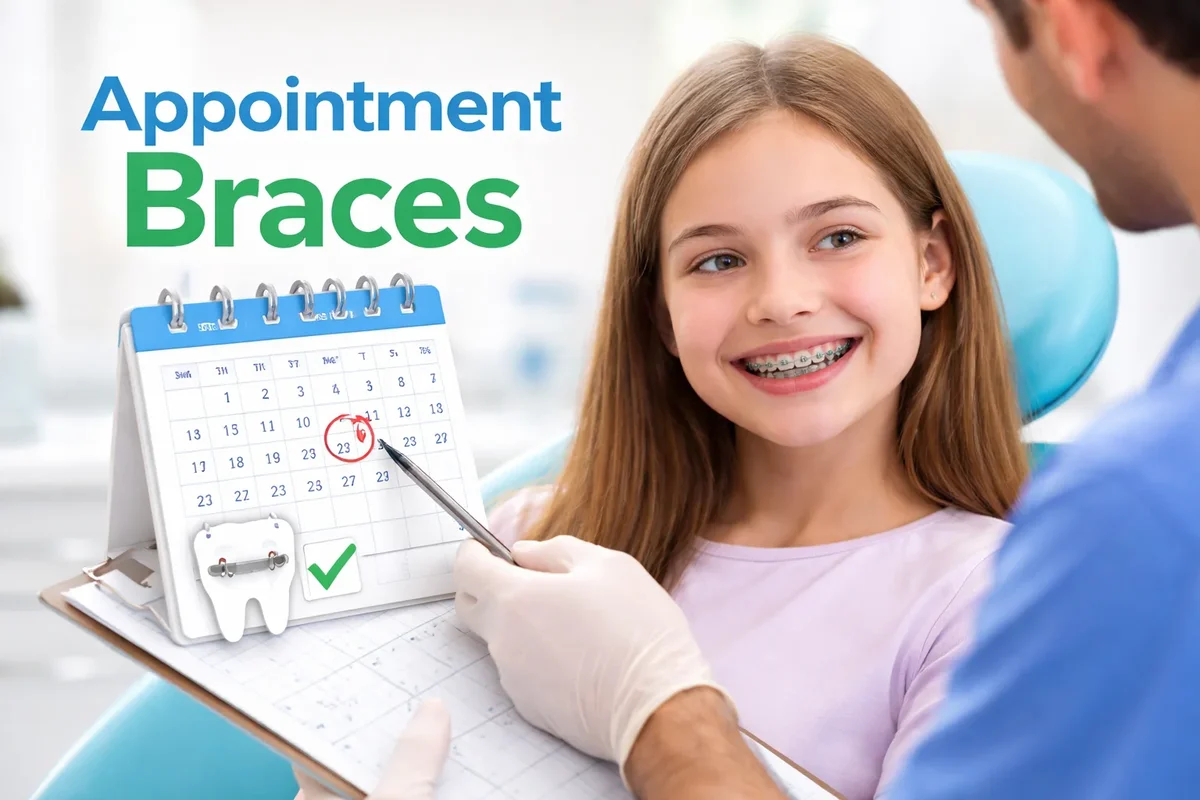
9. When to Schedule Your Next Appointment Braces Visit
Knowing exactly when to schedule your next appointment braces visit is essential for keeping your orthodontic treatment on track and achieving the best possible results 😊. Orthodontic care is not a one-time procedure—it is a carefully monitored process that requires regular evaluation and adjustment. Missing or delaying an appointment braces session can slow progress, extend treatment time, and in some cases affect the final outcome.
During every appointment braces consultation or adjustment, your orthodontist will provide a recommended timeline for your next visit. Understanding why these intervals matter helps patients stay consistent and committed throughout their orthodontic journey.
Standard Timing Between Appointment Braces Visits
In most cases, appointment braces adjustments are scheduled every 4 to 8 weeks. This time frame allows teeth to respond gradually to controlled pressure before additional changes are made. Scheduling your next appointment braces visit within this window ensures that tooth movement continues steadily without overwhelming the supporting bone and tissues.
The exact interval for your appointment braces session depends on factors such as:
- The type of braces or aligners being used
- The stage of your treatment
- The complexity of your bite correction
- Your compliance with elastics or aligner wear
Your orthodontist evaluates all these factors during each appointment braces check-up before recommending the next visit date.
Why 4–8 Weeks Is Ideal
Teeth move through a biological process known as bone remodeling. After an appointment braces adjustment, the jawbone needs time to adapt to the applied pressure. Scheduling visits too frequently may not allow enough biological response, while waiting too long between appointment braces sessions can slow alignment progress.
Situations That Require an Earlier Appointment Braces Visit
Sometimes you may need to schedule an additional appointment braces visit before your next planned adjustment. Contact your orthodontic clinic immediately if you experience:
- Severe or prolonged pain after an appointment braces adjustment
- A broken or detached bracket
- A wire poking into your cheek or gums
- Lost or damaged clear aligners
- Elastic hooks becoming dislodged
Addressing these issues quickly prevents delays in appointment braces treatment and reduces discomfort. Ignoring minor problems can extend overall treatment duration.
Scheduling After Major Treatment Milestones
There are specific stages in appointment braces treatment when scheduling becomes particularly important. For example, after the initial placement of braces, your next appointment braces visit is typically scheduled within 4–6 weeks to monitor early tooth movement.
As treatment progresses, appointment braces intervals may be adjusted based on response. Toward the end of treatment, appointments may become more precise and frequent to refine final alignment details.
Scheduling for Retainer Fitting
Once active appointment braces treatment is complete, your orthodontist will schedule a retainer fitting session. This appointment braces visit is critical for maintaining your results. Without proper retention, teeth can gradually shift back to their previous positions.
What Happens If You Miss an Appointment Braces Session?
Missing a scheduled appointment braces visit can disrupt the treatment timeline. Orthodontic adjustments are designed to occur in stages. Delaying your appointment braces session may cause wires to remain in place longer than intended, potentially slowing alignment progress.
If you must reschedule, contact your clinic as soon as possible to arrange the earliest available appointment braces visit. Staying proactive ensures minimal disruption to your orthodontic plan.
Using Technology to Stay on Track
Many orthodontic clinics now use digital reminders to help patients remember their appointment braces visits. Text messages, email notifications, and patient portals reduce the risk of forgotten appointments. Some advanced practices even incorporate remote monitoring tools that complement in-person appointment braces check-ups.
According to the American Dental Association, consistent follow-up care is essential for achieving safe and effective orthodontic outcomes. Regular appointment braces visits allow your orthodontist to detect minor issues early and adjust treatment as needed.
Planning Ahead for Travel or Busy Schedules
If you anticipate travel, exams, or work commitments, inform your orthodontist during your current appointment braces session. Planning ahead allows your clinic to schedule adjustments strategically so that your appointment braces timeline remains uninterrupted.
Patients considering starting treatment or transferring care can request detailed scheduling information through the Redent Klinik Contact Page. Clear communication ensures your appointment braces plan aligns with your lifestyle.
The Importance of Commitment
Orthodontic treatment requires dedication. Every appointment braces visit contributes directly to your final smile outcome. By attending appointments consistently, following aftercare instructions, and communicating openly with your orthodontist, you help ensure predictable results.
Ultimately, scheduling your next appointment braces visit at the right time keeps your treatment progressing efficiently and safely ✨. Consistency, communication, and commitment are the keys to completing appointment braces treatment successfully and enjoying a beautifully aligned, healthy smile for years to come.