
Experiencing the transformation of before and after full dental implants is one of the most life-changing journeys a patient can undertake. It affects not only oral health, but also confidence, facial structure, chewing ability, and overall quality of life. Understanding every stage of this transformation helps patients feel informed, reassured, and prepared for the changes ahead. This guide explains the process in a deeply detailed, user-friendly manner so you can clearly visualize what happens before treatment begins and how results look and feel afterward. 😊
When patients research before and after full dental implants, their main goals usually include understanding how their smile will change, learning what improvements they can expect, and identifying the steps involved from initial consultation to final restoration. To fully satisfy this intent, we examine every element—from medical evaluations and bone structure analysis to healing timelines and prosthetic customization. We also reference accepted clinical standards, such as those supported by the
American Dental Association, ensuring that all information aligns with widely adopted dental guidelines.
Before undergoing the procedure, many patients struggle with issues such as missing teeth, severe gum disease, failing dental bridges, or dentures that slip and cause embarrassment. These challenges not only limit chewing efficiency but also affect speech clarity and facial volume. In the before stage, the jawbone may have deteriorated due to long-term tooth loss, and gum tissues may appear collapsed or thin. This is why dentists perform a comprehensive examination, including 3D imaging, bite analysis, periodontal evaluation, and functional assessments. These diagnostic steps help determine whether bone grafting, sinus lifting, or extractions are required before placing the implants.
Once the treatment plan is established and implants are surgically placed, the healing phase—known as osseointegration—begins. This crucial biological process allows titanium implants to fuse with the bone, creating a stable foundation for long-term support. This distinction is especially important when comparing alternative procedures such as “full mouth restoration” or “complete arch replacement,” which are often used as LSI variations to describe similar transformations to before and after full dental implants.
During healing, patients gradually notice improvements such as increased stability, stronger bite force, and enhanced comfort. Temporary teeth allow patients to maintain aesthetics while tissues heal naturally.
The after stage represents the transformative moment most patients look forward to—finally receiving their custom-designed permanent teeth. These restorations are crafted with natural translucency, correct anatomical structure, and lifelike shading that complements facial features. Many patients describe this moment as emotional, as they see themselves smiling confidently for the first time in years. ✨
High-quality full dental implants restore not only appearance but also function, enabling patients to eat comfortably, speak clearly, and enjoy a more youthful facial profile. Improved chewing efficiency supports better digestion, while stable implants prevent bone loss—something that traditional dentures cannot achieve.
A complete understanding of before and after full dental implants also includes the emotional and psychological transformation. Before treatment, individuals often avoid social events, photos, and conversation due to embarrassment or discomfort. After treatment, patients frequently report feeling more outgoing, more confident, and more satisfied with their overall well-being. This emotional dimension is equally as meaningful as the physical transformation.
If at any point you wish to contact a specialist or ask additional questions, you can reach out through the
Redent Klinik Contact Page, where a professional team can guide you through the decision-making and evaluation stages.
Ultimately, the dramatic contrast between the before and after full dental implants experience showcases why this treatment is considered one of the most advanced and reliable solutions in modern dentistry. From enhanced stability to long-lasting aesthetic improvements, full dental implants deliver predictable, life-enhancing outcomes supported by decades of scientific research. For patients seeking a transformation that looks natural, feels comfortable, and supports long-term oral health, the difference between before and after full dental implants is truly remarkable.
Understanding the Full Transformation Process from Start to Finish
The journey of before and after full dental implants is a structured, medically guided transformation that involves careful planning, advanced surgical techniques, and detailed restorative design. Patients often seek clarity about what truly happens from the initial consultation to the final smile reveal. This section provides a deep, step-by-step understanding of the entire process so that you can visualize how your oral health and appearance evolve over time. 😊
To make this explanation even more comprehensive, we break it down into smaller stages using <h3> and <h4> elements. Each stage reflects essential milestones in achieving successful long-term implant outcomes.
The Initial Consultation: Evaluating Oral Health and Setting Expectations
The transformation begins long before surgery. During the initial consultation, your dentist examines the condition of your gums, bone structure, and remaining teeth to determine your eligibility for implants. At this stage of the before and after full dental implants process, patients typically present with missing teeth, weakened bone, chronic gum disease, or worn-out dental prosthetics. These common issues often contribute to functional and aesthetic challenges that negatively affect confidence and daily living.
Diagnostic imaging such as panoramic X-rays and 3D cone beam CT scans are essential to map out bone density, nerve pathway locations, and sinus structure. These scans ensure that implant placement is safe, accurate, and durable.
Patients also discuss their smile goals, reviewing examples of other individuals’ transformations to better understand realistic expectations. Many clinics reference standards supported by the American Dental Association to ensure treatment is aligned with modern implant protocols.
Creating a Personalized Treatment Roadmap
Once the examination is complete, your dentist prepares a customized treatment plan. This roadmap explains whether bone grafting, sinus lifting, tooth extraction, or periodontal therapy is required before implant placement.
Because every patient is unique, the treatment plan clarifies how your individual before condition will progress toward the desired after full dental implants result. Detailed digital mock-ups and virtual smile simulations help predict the final appearance with high accuracy, giving patients peace of mind and motivation for the journey ahead.
The Surgical Phase: Implant Placement and Biological Integration
Implant surgery represents the core transformation stage. During this procedure, titanium or zirconia posts are placed into the jawbone, acting as artificial tooth roots. Local anesthesia or sedation is used to ensure a comfortable experience.
During the before and after full dental implants transformation, this phase is crucial because it establishes the foundation for long-term stability, chewing power, and natural appearance.
After surgery, the body begins a process called osseointegration, where the bone fuses with the implant surface. This biological bond is what distinguishes full implants from removable dentures and is one of the reasons implants last for decades with proper care.
Temporary Teeth for Immediate Function and Confidence
Patients rarely leave the office without teeth. Even while healing, you receive natural-looking temporary prosthetics so you can continue smiling, speaking, and eating softer foods. These temporary teeth maintain aesthetics and preserve soft tissue shape, ensuring that the final restoration fits harmoniously with your face.
This step also reinforces the emotional benefits seen in many before and after full dental implants journeys, where patients regain social comfort even before receiving their permanent teeth.
The Final Restoration Phase: Crafting a New, Natural Smile
Once healing is complete—typically after three to six months—the dentist replaces temporary teeth with custom-designed permanent restorations. These final prosthetics are carefully engineered for natural translucency, ideal bite alignment, long-term durability, and anatomical accuracy. ✨
This milestone marks the moment patients transition fully from the before stage of compromised oral health to the transformative after full dental implants outcome. Advanced digital tools, including intraoral scanners and CAD/CAM systems, help design teeth that complement your facial proportions, skin tone, and smile line.
Patients often report immediate improvements in confidence, chewing efficiency, and speech clarity once the final prosthetics are attached.
The Emotional and Functional Impact of the Transformation
A complete understanding of before and after full dental implants requires acknowledging the psychological transformation as well. Patients who once avoided social gatherings, photographs, or certain foods often find themselves enjoying daily life with renewed freedom. Restored oral function supports better nutrition, clearer speech, and a more youthful facial appearance.
The emotional relief and restored self-esteem are as significant as the clinical improvements. This dual-level transformation is why full dental implants are considered one of the most comprehensive and life-enhancing treatments in modern dentistry.
If you wish to consult a specialist or ask questions about any stage of this journey, you may reach out through the
Redent Klinik Contact Page. A professional team can guide you with personalized recommendations.
In summary, the transformation seen in before and after full dental implants is not just a cosmetic upgrade—it is a structured medical process supported by science, technology, and advanced surgical planning. From diagnostics to surgery to final restoration, each stage works together to deliver a healthy, strong, and beautiful smile designed to last for many years.
Key Stages Patients Experience Before Full Dental Implants
Understanding the stages that occur before the final transformation is crucial for anyone researching before and after full dental implants. Patients often want to know what evaluations, treatments, and preparations happen prior to implant surgery so that they can set realistic expectations. This detailed section breaks down all preparatory phases, offering clarity, reassurance, and a full picture of the clinical pathway.
To make the process easy to follow, the explanation includes <h3> and <h4> subheadings that examine each essential milestone along the implant journey.
Comprehensive Oral Examination and Initial Diagnostics
Before moving into surgery or prosthetic planning, patients undergo an in-depth evaluation that establishes their current oral health status. This stage of the before and after full dental implants process typically involves visual examinations, periodontal checks, digital photography, and detailed imaging.
Three-dimensional CBCT scans are especially important as they reveal bone volume, density, nerve pathways, sinus placement, and potential anatomical risks. These diagnostic images help dentists design a safe, highly predictable treatment plan.
Your dentist also asks about your medical history, medications, systemic health conditions, and lifestyle habits such as smoking, which can influence osseointegration and healing outcomes.
Assessing Bone Density and Structural Requirements
Not all patients start the journey with adequate jawbone structure. Long-term tooth loss often leads to bone resorption, which affects both aesthetics and implant stability.
If bone levels are insufficient, the dentist may recommend preliminary procedures, including bone grafting or sinus lifting, to rebuild the foundation. These preparatory treatments are essential for ensuring strong, long-term results in the before and after full dental implants transformation.
Proper bone preparation also affects how natural and harmonious the final smile will look.
Addressing Pre-Existing Dental Conditions
Many people considering implants struggle with issues such as severe decay, gum disease, cracked teeth, or failing dental restorations. These conditions must be treated before implants can be safely placed.
Periodontal therapy may be required to eliminate infection and stabilize gum health. Any teeth that are unsalvageable may need extraction. These preparatory steps ensure that implants are placed in a clean, disease-free environment, supporting long-term success and a stable transformation from the before phase to the final after full dental implants outcome.
Temporary Dental Solutions Before Implant Surgery
In cases where extractions are necessary, your dentist may provide temporary bridges, flexible partial dentures, or other provisional options to maintain aesthetics until surgery.
This step reassures patients who may be concerned about their appearance during the early stages of the before and after full dental implants journey. Maintaining confidence through transitional prosthetics is an important part of the emotional preparation process.
Digital Planning and Smile Design Preview
Digital tools such as intraoral scanners, CAD/CAM technologies, and virtual smile design systems play a significant role in the pre-surgical phase. These advanced tools allow dentists to visualize the final outcome before any surgery begins.
Patients see digital simulations that show the expected transformation, providing a clear understanding of how their bite, smile line, and facial structure will improve. This step is one of the most motivating aspects of the before and after full dental implants process, as it helps reduce anxiety and empowers patients to make informed decisions.
Custom Treatment Blueprint and Appointment Scheduling
Once digital planning is finalized, the dentist prepares a detailed treatment blueprint outlining each phase, expected timelines, necessary materials, and recovery guidelines.
Appointments for extractions, grafting, and implant surgery are scheduled in a chronological and medically appropriate order.
Clear communication ensures that patients understand their responsibilities, such as medication instructions, dietary modifications, or temporary lifestyle adjustments before surgery.
Psychological and Emotional Preparation
A critical yet often overlooked component of before and after full dental implants is the psychological readiness of the patient. Many individuals considering implants have lived with missing teeth, discomfort, or dissatisfaction with their appearance for years.
Discussing expectations, fears, and personal goals with the dental team helps create a supportive environment. This emotional preparation fosters trust and confidence throughout the implant process.
Reviewing Clinical Standards and Patient Responsibilities
Patients are encouraged to review pre-operative instructions, medical guidelines, and post-operative care expectations. These steps are aligned with clinical best practices recommended by trusted organizations such as the
American Dental Association.
Understanding these responsibilities ensures optimal healing and smooth progression from the before stage to the anticipated after full dental implants result.
To discuss any of these steps with a specialist or book an evaluation, you may visit the
Redent Klinik Contact Page.
Their professional team can guide you in determining your readiness for the full implant transformation.
Altogether, these preparatory milestones highlight why the early phases of before and after full dental implants are so important. The accuracy of diagnostics, quality of bone preparation, and psychological readiness all play a vital role in achieving a strong, natural-looking, and long-lasting outcome. Proper planning is the foundation of every successful implant transformation.
What to Expect Immediately After Full Dental Implants
The period right after implant surgery is one of the most important phases in the overall transformation of before and after full dental implants. Patients often feel both excitement and uncertainty during this stage, wondering what sensations are normal, how quickly healing begins, and what improvements they can expect in the first few days and weeks.
This detailed section breaks down every aspect of the immediate post-operative experience so you can understand what is typical, what requires attention, and how your journey progresses from surgery toward long-term success. With the help of <h3> and <h4> subsections, the explanation covers everything from physical sensations and functional improvements to care instructions and emotional milestones.
Normal Physical Sensations and Early Healing Signs
In the first hours after surgery, it is normal to experience mild swelling, tenderness, or a sensation of pressure in the jaw. These effects are a natural response to the placement of implants, which temporarily disrupts the soft tissue and stimulates bone remodeling.
These sensations typically peak within 48 hours and gradually diminish as the healing process advances. Ice packs, prescribed medications, and soft foods help manage this stage effectively.
Many patients compare this early period of the before and after full dental implants journey to the recovery phase of minor oral surgery, noting that the discomfort is manageable and usually short-lived.
Bleeding and Tissue Response
Slight bleeding or pink saliva may occur within the first day, especially after brushing or rinsing. This is a normal tissue response and should decrease quickly. Patients are instructed to avoid spitting forcefully, using straws, or consuming extremely hot foods, as these actions can disrupt early clot formation and slow healing.
Your dentist will provide detailed written instructions to prevent complications and support optimal recovery.
Receiving Temporary Teeth Immediately After Surgery
One of the most encouraging parts of the immediate post-operative phase is that patients rarely leave without teeth. Temporary fixed or removable prosthetics are placed right after surgery, allowing you to smile confidently and maintain basic function.
These temporary teeth play a critical role in the before and after full dental implants process because they protect gum tissue, help shape the future emergence profile, and provide an aesthetic preview of what your final smile may resemble.
While these provisional restorations are not intended for heavy chewing, they ensure you remain comfortable and socially confident during healing.
Adjusting to Your Temporary Smile
It may take a few days to adjust to the feeling of your new temporary teeth. Patients often describe them as lighter or slightly different in texture than natural teeth.
Minor speech adjustments may occur, but most individuals adapt very quickly. Dentists may make small polishing or shaping refinements during follow-up visits to improve comfort and function.
Osseointegration Begins: The Biological Process Behind Long-Term Success
Although not visible from the outside, the most important healing activity begins immediately beneath the gumline. Osseointegration—the process where bone cells attach and fuse to the implant—initiates within hours of placement.
This biological bonding phase is fundamental to every before and after full dental implants transformation because it creates the long-term stability that implants are known for.
During the first few weeks, you may notice gradual increases in comfort and stability, although this is a subtle internal process. It is essential not to overload the implants during this time, as excessive pressure can interfere with integration.
Factors That Strengthen the Osseointegration Process
Several factors influence how well bone integrates with the implant surface, including:
- Overall bone density and quality
- Use of biocompatible implant materials (typically titanium or zirconia)
- Patient health conditions such as diabetes or immune disorders
- Smoking habits, which may reduce oxygen flow and slow healing
- Proper adherence to post-operative guidelines
Your dental team monitors healing during scheduled follow-up appointments and can adjust the care plan if any concerns arise.
Post-Operative Instructions and Care Guidelines
Immediately after surgery, your dentist will provide a structured care plan to ensure comfortable and efficient healing. This plan includes instructions about medication, oral hygiene, activity limitations, and food choices.
Following these guidelines closely not only enhances comfort but also directly contributes to the success of your before and after full dental implants results.
Medication and Pain Management
Dentists typically prescribe anti-inflammatory medications or mild pain relievers. It is essential to take them as directed to control swelling and discomfort. Some patients are also given antibiotics to minimize infection risk.
Avoid self-medicating with aspirin unless approved, as it may increase bleeding.
Nutritional Recommendations and Soft-Food Diet
A soft-food diet is recommended for the first several days. Suitable options include yogurt, smoothies, mashed vegetables, scrambled eggs, and blended soups.
Avoid hard, sticky, or crunchy foods, as they can apply unnecessary pressure to the new implants. Your care team may even provide a sample soft-food meal plan for the early phase of healing.
Follow-Up Visits and Early Adjustments
Your dentist will schedule one or more follow-up appointments within the first week after surgery to evaluate healing, adjust temporary teeth, and check for signs of infection or irritation.
These visits are essential for verifying that you are progressing smoothly from the before phase toward the after full dental implants outcome.
Most concerns—such as high points on temporary teeth or mild gum irritation—can be corrected in just minutes during these appointments.
Emotional and Functional Improvements in the First Days
Many patients report an emotional boost even in the first days following implant placement. Seeing themselves with a full smile again often restores confidence, reduces social anxiety, and creates excitement for the final results.
Functionally, even though chewing must remain gentle, speech clarity often improves right away compared to removable dentures. This early improvement marks the beginning of the visible and functional transformation associated with before and after full dental implants.
If you have questions or need guidance during this early stage, you can reach out through the
Redent Klinik Contact Page.
Their experienced team is equipped to assist you with personalized post-operative support.
Overall, the immediate period after surgery is a critical turning point in the before and after full dental implants journey. With proper care, steady healing, and attentive follow-up, patients can expect consistent improvements that pave the way for a strong, beautiful, and permanent smile.
Healing Timeline and Visible Changes After Full Dental Implants
One of the most frequently asked questions regarding the transformation of before and after full dental implants is how healing progresses and what visual or functional improvements patients can expect over time. Understanding the healing timeline helps individuals prepare for each stage with realistic expectations and confidence.
This section provides a detailed, step-by-step breakdown of the entire healing process—from the first postoperative days to the final aesthetic results—explained thoroughly using <h3> and <h4> headings for clarity.
The First Week: Early Tissue Recovery and Initial Adjustments
During the first week after implant placement, the body begins its natural repair process. Mild swelling, sensitivity, and slight bruising are common and should gradually diminish. Patients often feel surprised at how manageable discomfort is during this stage of their before and after full dental implants journey.
Temporary prosthetics remain in place, allowing patients to look presentable and smile confidently. Soft dietary habits and gentle oral hygiene routines support smooth recovery.
Visible Gum Changes and Tissue Stabilization
By the end of the first week, gum tissues begin tightening around the implant sites. The color and texture of the gums may change slightly as blood flow increases and inflammation decreases.
These early changes mark the first visible signs that the healing phase is progressing successfully. Patients may also begin to notice improved comfort when speaking or smiling.
Weeks 2–6: Osseointegration Gains Strength
Between the second and sixth weeks, a deeper internal process unfolds—osseointegration. This is the biological fusion of the bone with the implant surface, forming a secure and durable foundation.
This phase is essential for achieving a stable and long-lasting after full dental implants outcome. Although the process is not outwardly visible, patients often report increased comfort, reduced tenderness, and improved stability with their temporary teeth.
Gradual Improvements in Functionality
During this period, patients may notice:
- Improved clarity in speech
- More natural tongue placement during pronunciation
- Less sensitivity around implant sites
- Enhanced comfort while eating softer foods
However, it remains critical to avoid chewing hard or sticky foods, as premature pressure could interfere with implant integration.
Months 2–4: Structural Consolidation and Aesthetic Refinement
By the second to fourth month, osseointegration continues to strengthen. This is when the internal foundation of the final transformation of before and after full dental implants becomes fully established.
Patients typically begin to feel like their implants are part of their natural jaw structure. Temporary prosthetics remain functional and aesthetically pleasing but may require minor adjustments for optimal fit.
Gum Contouring and Soft Tissue Adaptation
The gums gradually settle into their long-term shape, contouring naturally around each implant site. This is essential for creating a lifelike emergence profile when the permanent teeth are fabricated.
Dentists may perform small contouring procedures or soft tissue shaping to enhance the harmony and balance of the future smile.
Months 4–6: Final Integration and Preparation for Permanent Teeth
Once healing is complete and the implants have fused sufficiently with the bone, the dentist begins preparing for the final prosthetic stage. At this time, impressions or digital scans are taken to design the permanent teeth.
This milestone is one of the most exciting phases in the before and after full dental implants transformation. Patients often express emotional relief as they realize they are nearing the end of their journey.
Expectations During Impressions and Fittings
Digital scans provide accurate 3D models of your mouth, ensuring that your final restorations align perfectly with your bite and facial features.
Several fitting appointments may follow, allowing the dental team to refine the shape, color, transparency, and bite accuracy of your permanent teeth.
The Final Reveal: Transitioning to Your Permanent Smile
When the permanent prosthetic teeth are attached to the implants, the transformation becomes visually complete. The difference between before and after full dental implants becomes dramatically clear—patients regain facial support, chewing strength, aesthetic harmony, and renewed confidence.
These restorations are crafted to look natural from every angle, often incorporating multi-layered porcelain or high-quality hybrid materials.
Functional and Emotional Milestones After Final Placement
Following the final reveal, patients typically experience:
- Immediate improvement in chewing force and efficiency
- Enhanced clarity in speech and pronunciation
- Greater facial volume and symmetry
- A boost in self-esteem and social confidence
These improvements demonstrate why full dental implants are recognized worldwide for restoring both functionality and emotional well-being.
Many patients report that they feel younger, healthier, and more ready to engage socially after receiving their final restorations.
Long-Term Healing and Continuous Adaptation
Even after the final prosthetics are attached, subtle improvements continue for several months. Muscles, joints, and soft tissues gradually adapt to the new bite pattern.
This long-term stabilization contributes to the complete transformation described in before and after full dental implants experiences. Proper oral hygiene and regular dental checkups ensure sustained success and durability.
If you wish to speak with a specialist regarding your own healing timeline, you may contact the team through the
Redent Klinik Contact Page.
Their expert clinicians can evaluate your unique case and provide a personalized roadmap.
Altogether, the healing journey after implant placement is a structured and rewarding process. Each milestone brings you closer to a stable, functional, and esthetically stunning smile that represents the final stage of your before and after full dental implants transformation.
Smile Aesthetics: Before and After Full Dental Implants Results
One of the most remarkable aspects patients look forward to when researching before and after full dental implants is the dramatic improvement in smile aesthetics. This transformation is not merely functional—it is deeply visual, emotional, and confidence-restoring.
A well-designed full implant restoration can completely reshape a patient’s smile, rejuvenate the face, and create a natural harmony that resembles or even surpasses their original teeth.
In this comprehensive section, we explore the aesthetic changes from multiple perspectives—including facial structure, tooth design, gum contour, symmetry, color matching, and long-term beauty—organized with <h3> and <h4> subsections for clarity.
Restoring Facial Balance and Youthfulness
Tooth loss significantly affects facial structure. When teeth disappear, the jawbone begins to shrink, resulting in sagging cheeks, sunken lips, and a prematurely aged appearance. The contrast between the before and after full dental implants stages in this regard is dramatic.
Implants act as artificial roots that stimulate bone and restore proper volume in the jaw. Once the permanent prosthetic teeth are added, the face gains improved support, fullness, and definition. Patients often notice that their lips appear more symmetrical, their cheeks look lifted, and their entire smile seems better aligned with their facial contours.
Addressing Bone Loss and Collapsed Profiles
When bone loss occurs, the facial profile weakens, creating deep wrinkles and collapsed vertical dimension. Full dental implants stop this process by integrating with the jawbone and rebuilding foundational support.
The aesthetic transformation is not limited to the teeth—it affects the entire lower third of the face. This is one of the reasons why before and after full dental implants images often appear so striking.
Creating Naturally Shaped and Proportioned Teeth
A key element of an attractive smile is tooth proportion. During the restorative stage, your dentist and laboratory technicians craft teeth that match the ideal dimensions of width, length, curvature, and contour.
This attention to detail results in prosthetics that look indistinguishable from natural teeth. The transition between gum tissue and crown is designed to be smooth, realistic, and anatomically correct.
Patients often describe the first moment they see their new smile as emotional, as the final result reflects the culmination of their entire before and after full dental implants journey.
Utilizing Advanced Digital Aesthetic Design
Modern implant dentistry uses advanced digital tools such as:
- CAD/CAM 3D tooth modeling
- Intraoral scanning for precise detail capture
- Digital smile design (DSD) simulations
- Shade-matching technology for natural coloration
These innovations ensure consistent, high-quality results. They also allow patients to preview potential outcomes, helping them feel confident in the aesthetic direction of their treatment.
Color, Texture, and Translucency Matching
A beautiful smile is not only about shape—it is also about finely tuned color and translucency. High-grade zirconia and layered porcelain materials can mimic the complex optical behavior of natural enamel.
This includes light reflection, internal shading, and gentle translucency at the edges of the teeth. When comparing before and after full dental implants results, one of the most praised features is how natural the final restorations appear—often more consistent and aesthetically balanced than natural teeth.
Choosing the Ideal Shade for the Smile
Dentists typically use shade guides or digital sensors to choose the ideal color. Options range from ultra-white shades for a glamorous smile to warmer, more natural tones.
The goal is to achieve harmony with the patient’s skin tone, lip shape, and facial proportions. The ability to customize shading sets full dental implants apart from other restorative procedures like removable dentures.
Gum Aesthetics and the Importance of Tissue Harmony
Healthy, well-contoured gum tissue is essential for a natural-looking smile. During the healing phase, gums adapt to implant placement, shaping themselves around the abutments.
Special attention is given to creating a symmetrical and balanced gumline. This is especially important when restoring the upper arch, where the gums are more visible during smiling.
Achieving this balance is a central part of the before and after full dental implants transformation, as it directly affects how natural the final results appear.
Managing Gum Contour for Optimal Visual Results
If necessary, dentists may perform soft tissue grafts or contouring procedures to create a smooth, even gumline. This ensures the prosthetic teeth sit beautifully within the surrounding tissue and provides a seamless integration that enhances the final aesthetics.
Smile Symmetry and Bite Alignment
A symmetrical smile is an attractive smile. Full dental implants allow precise control over tooth placement, creating better alignment and bite distribution than many traditional restorations.
Patients who previously dealt with shifting teeth, misaligned prosthetics, or uneven bite forces experience a significant improvement in symmetry and overall appearance.
These corrections contribute to the powerful visual difference between before and after full dental implants.
Functional Benefits That Enhance Aesthetics
When your bite functions properly, facial muscles relax naturally, lips close comfortably, and chewing forces distribute evenly. These functional improvements enhance the cosmetic effect, resulting in a smile that looks more relaxed and naturally confident.
Emotional Impact and Patient Satisfaction
Aesthetic transformation plays a profound emotional role in the overall experience. Many patients report increased confidence, improved social expression, and a willingness to smile more often.
These emotional benefits are powerful indicators of the success of before and after full dental implants.
Patients commonly describe feeling rejuvenated, more outgoing, and more satisfied with their appearance.
Those who wish to learn more about aesthetic options or schedule an evaluation can visit the
Redent Klinik Contact Page.
The clinic’s experienced team can guide you through personalized smile design planning.
Overall, the aesthetic improvements seen in before and after full dental implants transformations are some of the most dramatic in all of dentistry. From tooth shape and color to facial support and gum harmony, every detail contributes to a beautiful, confident, natural-looking smile that lasts for years.
Bite Function and Oral Health Improvements After the Procedure
When patients explore the transformation of before and after full dental implants, one of the most compelling advantages they discover is the significant improvement in bite strength, chewing efficiency, oral stability, and overall dental health. Beyond the cosmetic upgrade, full dental implants restore the functional integrity of the mouth, allowing patients to eat, speak, and smile with renewed ease.
This section provides a deeply detailed look into how implants enhance bite mechanics, prevent long-term oral health problems, and dramatically improve daily quality of life. We break down the improvements using <h3> and <h4> subsections for clarity and structure.
Restoring Natural Bite Force and Chewing Efficiency
One of the most immediate functional improvements patients notice after receiving full dental implants is the ability to chew more effectively. Traditional dentures often slip, reduce bite strength, and limit the types of foods a person can comfortably eat.
In contrast, implants integrate directly with the jawbone through osseointegration, allowing bite pressure similar to that of natural teeth. This dramatic difference becomes clear when comparing before and after full dental implants results—patients shift from soft, restricted diets to enjoying a wide range of nutritious, satisfying foods.
How Implants Support Stronger Chewing Power
Each implant acts like a natural tooth root, anchoring firmly into the bone. This connection allows the jaw muscles to distribute force evenly across the arch, unlike dentures, which apply pressure to the gums.
With implants, patients enjoy:
- Improved stability during eating
- Enhanced confidence when chewing tougher foods
- Reduced risk of sore spots or gum irritation
- Better digestion from properly chewed food
These functional enhancements are essential in every before and after full dental implants transformation, as they directly impact daily comfort and nutritional health.
Stabilizing the Jawbone and Preventing Bone Loss
Bone preservation is a key oral health benefit of full dental implants. When natural teeth are lost, the jawbone gradually shrinks in size and density—a process known as bone resorption. This leads to functional weaknesses, facial sagging, and long-term instability of remaining teeth.
Implants solve this problem by stimulating the bone just like natural roots do. This stimulation halts resorption and allows the jawbone to maintain its structure. Patients who compare before and after full dental implants often notice fuller cheeks, improved facial definition, and reduced signs of early aging.
Long-Term Health Benefits of Bone Stimulation
By maintaining bone density, implants help:
- Preserve facial structure and volume
- Prevent shifting of surrounding teeth
- Reduce risk of future oral complications
- Support long-term stability of the implant prosthesis
These benefits make implants a superior option compared to dentures or bridges, which cannot prevent bone loss.
Improving Speech and Oral Coordination
Missing teeth or ill-fitting dentures often contribute to speech problems such as lisps, unclear pronunciation, and difficulty forming certain sounds.
With implants, the teeth are fixed and stable, allowing the tongue to move naturally during speech. The difference in articulation and clarity is one of the most appreciated functional improvements reported in before and after full dental implants experiences.
Adapting to Your New Oral Environment
Although adaptation happens quickly, some patients may experience a brief adjustment period as they get used to the new shape and positioning of their teeth. Dentists may make minor refinements to ensure optimal clarity and comfort.
Enhancing Oral Hygiene and Reducing Future Dental Risks
Full dental implants significantly improve oral hygiene compared to alternatives like bridges or dentures, which may harbor bacteria in hard-to-clean areas.
Implants mimic natural teeth and can be brushed and flossed like normal. This simplifies cleaning routines and reduces the risk of gum disease, inflammation, or bacterial buildup—critical factors in maintaining the results of before and after full dental implants.
Why Implants Are Easier to Maintain
Unlike dentures, implants do not require adhesive materials or nightly soaking. They remain fixed in place and are cared for with:
- Standard toothbrushes and toothpaste
- Interdental brushes
- Water flossers (optional)
- Routine dental cleanings
This straightforward maintenance significantly improves long-term oral health and reduces complications.
Balancing Bite Alignment for Long-Term Comfort
A properly aligned bite prevents jaw pain, teeth grinding, muscle tension, and headaches. Implants allow dentists to create an ideal bite pattern that distributes force evenly.
In many before and after full dental implants cases, patients report relief from TMJ discomfort or chronic dental pain once their bite is corrected.
Customized Bite Design for Each Patient
Digital bite analysis tools help dentists design restorations that match the natural movement of your jaw. This reduces strain and promotes long-term oral comfort.
Improved Confidence in Daily Function
Functional improvements go beyond simple mechanics—they boost overall confidence. Patients can laugh, chew, and speak freely without worrying about dentures slipping or breaking. This emotional freedom is a powerful part of the transformation seen in before and after full dental implants experiences.
If you wish to evaluate your personal oral health improvements or discuss your case, you may visit the
Redent Klinik Contact Page.
Their expert team can provide personalized guidance based on your needs.
Overall, the functional transformation provided by full dental implants is just as dramatic as the aesthetic one. From restoring chewing strength to improving oral hygiene and preventing bone loss, the improvements experienced before and after full dental implants contribute to a healthier, stronger, and more confident life.
Comparing Full Dental Implants to Other Tooth Replacement Options
One of the most important considerations for patients reviewing before and after full dental implants results is understanding how implants compare to other tooth replacement solutions. While full implants deliver exceptional aesthetic and functional benefits, many individuals want to know how they stack up against dentures, bridges, and partial prosthetics.
This section provides a detailed, structured comparison of all major alternatives, highlighting the advantages, limitations, and long-term outcomes associated with each option. To ensure clarity and depth, the content is organized into <h3> and <h4> subsections.
Full Dental Implants vs. Removable Dentures
Traditional removable dentures have been a popular option for decades, but their limitations become apparent when compared to the transformational outcomes seen in before and after full dental implants. Dentures rest on the gums without integrating into the bone, which leads to decreased stability, slipping during eating, and increased long-term bone loss.
Stability and Comfort
Dentures rely on suction, adhesives, or clasps for support. This makes them prone to movement, especially when chewing or speaking.
In contrast, implants are anchored firmly into the jawbone, offering natural stability and eliminating the embarrassment associated with denture slippage.
Patients who switch from dentures to implants often report the most dramatic improvements in confidence and function in their before and after full dental implants experience.
Impact on Bone Health
Dentures accelerate bone loss because they apply pressure on the gum tissues without stimulating the jawbone. Over time, the jaw shrinks, causing the face to appear older and the denture fit to worsen.
Implants prevent bone loss by stimulating the jaw and maintaining its structure—an essential advantage for long-term oral health.
Full Dental Implants vs. Dental Bridges
Dental bridges are another common restoration, used to replace one or several missing teeth. While bridges offer a faster and less invasive solution compared to implants, they do not prevent bone deterioration and require healthy adjacent teeth to be shaved down.
Longevity and Durability
Implants are designed to last decades when properly cared for. Bridges typically last 10–15 years and may require replacement or repair.
Patients reviewing before and after full dental implants often appreciate the long-term value implants offer, making them a more cost-effective solution over time.
Preservation of Natural Teeth
Bridges require the removal of enamel from healthy surrounding teeth to support the prosthetic.
Implants, however, stand independently without compromising adjacent structures, preserving more natural tooth material and supporting overall oral health.
Full Dental Implants vs. Partial Dentures
Partial dentures replace only a few missing teeth and are often used when patients are not ready for full restoration. However, many individuals eventually transition to implants after experiencing discomfort, instability, or aesthetic concerns.
Appearance and Aesthetic Quality
Partial dentures may include metal clasps or acrylic components that are visible when smiling or speaking.
Implants offer a seamless, natural appearance that blends perfectly with the gums and facial structure. This difference is especially noticeable when comparing before and after full dental implants to partial denture results.
Function and Daily Use
Partial dentures may shift during meals or cause sore spots on the gums. They can also trap food particles, increasing the risk of gum irritation or infection.
Implants behave like natural teeth, providing far superior function and comfort in daily activities—including eating, speaking, and smiling.
Cost Considerations: Implants vs. Traditional Options
While full dental implants typically involve a higher upfront cost compared to dentures or bridges, they often prove more economical in the long run due to their longevity, stability, and ability to prevent bone loss.
Below is a general overview of cost ranges (based on typical global averages; actual pricing varies by region and complexity):
• Full dental implants (per arch): $12,000–$30,000+
• Traditional dentures (per arch): $500–$5,000
• Dental bridges (3-unit): $1,500–$6,000
• Partial dentures: $600–$4,000
Patients often consider the improved long-term results seen in before and after full dental implants as justification for the investment. Implants also reduce or eliminate the need for frequent adjustments, relining, or replacement—common costs associated with dentures.
Quality of Life Differences
Beyond structural and functional comparisons, implants significantly enhance patients’ quality of life. Many individuals describe their before and after full dental implants transition as transformative emotionally and socially. With implants, they regain the ability to eat comfortably, speak clearly, and smile confidently.
Psychological and Social Impact
Patients often report:
- Increased self-esteem
- Greater social participation
- Reduced anxiety during meals
- Enhanced personal and professional interactions
These improvements illustrate the powerful life changes implants bring—far beyond what dentures or bridges typically offer.
Clinical Safety and Long-Term Outcomes
Implants are widely supported by decades of research and clinical success, with organizations like the
American Dental Association endorsing their safety and effectiveness.
Compared to other options, implants consistently demonstrate higher satisfaction rates, greater durability, and improved oral health outcomes.
To explore which option may be best for your unique situation, you can contact specialists through the
Redent Klinik Contact Page.
Their team can provide personalized recommendations and treatment planning.
Overall, comparing the results of before and after full dental implants to those of dentures, bridges, and partial prosthetics clearly shows why implants are considered the gold standard in modern restorative dentistry. Their natural appearance, stability, longevity, and ability to preserve bone make them the most comprehensive solution for long-term oral health.
Clinical Case Examples Showing Before and After Full Dental Implants
Patients researching before and after full dental implants often find it extremely helpful to explore real clinical scenarios. Case examples illustrate how different oral health conditions can be transformed through carefully planned implant procedures. These examples highlight a range of situations—from severe tooth loss to traumatic injuries—and demonstrate how modern implant dentistry restores both function and aesthetics.
In this detailed section, you will find multiple case-based explanations supported by <h3> and <h4> subsections, each describing a typical patient journey and the dramatic improvements achieved through full dental implant restoration.
Case 1: Complete Tooth Loss with Advanced Bone Resorption
A 62-year-old patient presented with advanced bone loss and complete edentulism (no natural teeth remaining). The patient had worn traditional dentures for over 15 years and experienced constant slipping, sore spots, and difficulty chewing. They sought a long-term solution after becoming dissatisfied with their appearance and function.
This case offers a powerful illustration of before and after full dental implants because the contrast is especially significant in patients with long-term bone resorption.
Before Treatment: Challenges and Limitations
Prior to treatment, the patient had:
- Severely reduced jawbone height and width
- Loose-fitting dentures causing speech difficulty
- Sunken facial appearance due to bone loss
- Restricted diet and poor chewing efficiency
A CBCT scan revealed insufficient bone for implant placement without augmentation. The dentist recommended bone grafting and a staged full-arch implant procedure.
After Treatment: Restored Facial Structure and Strong Bite
Following bone grafting and placement of six implants per arch, a fixed hybrid prosthesis was fitted. The transformation was dramatic:
- Facial volume restored, reducing the sunken appearance
- Chewing strength improved significantly
- Permanent restoration provided excellent stability
- Natural-looking smile enhanced overall confidence
This case highlights how structured planning leads to a highly predictable before and after full dental implants outcome, even in challenging anatomical situations.
Case 2: Severe Gum Disease Leading to Multiple Tooth Failures
A 47-year-old patient struggled with chronic periodontitis that caused widespread tooth mobility and bone deterioration. They were embarrassed by visible gum recession, inflamed tissues, and gaps between teeth.
This case demonstrates how implants can reverse the functional and cosmetic damage caused by advanced gum disease.
Before Treatment: Periodontal Instability and Aesthetic Concerns
Clinical evaluation showed:
- Advanced gum recession
- Loose and shifting teeth
- Difficulty biting even soft foods
- Frequent infections and discomfort
The patient’s oral condition made partial restoration impossible. The dentist recommended full extraction and immediate implant placement.
After Treatment: Harmonious Gum Contours and Enhanced Smile Aesthetics
Within weeks, inflammation subsided, and temporary teeth improved the patient’s appearance. Once healing was complete, custom zirconia arches were attached:
- Gumline symmetry improved dramatically
- Smile aesthetics became more balanced and natural
- Chewing and speech functions normalized
- Emotional well-being increased noticeably
The difference between before and after full dental implants in these periodontal cases is often described by patients as “life-changing.”
Case 3: Trauma-Induced Tooth Loss and Facial Asymmetry
A 35-year-old patient suffered a sports-related accident resulting in the loss of several upper front teeth and significant soft tissue damage. The sudden change in appearance caused emotional distress and impaired function.
This case shows how implants can restore both symmetry and stability after unexpected injuries.
Before Treatment: Structural Damage and Aesthetic Imbalance
The trauma resulted in:
- Missing front teeth affecting the smile line
- Lacerated gum tissue and uneven contours
- Bite imbalance causing strain on remaining teeth
- Difficulty biting into foods
The dentist developed a treatment plan including soft tissue repair and strategic implant placement.
After Treatment: Restored Symmetry and Natural Appearance
Permanent restorations were crafted to match the natural translucency and shape of the patient’s remaining teeth. Results included:
- Full restoration of smile symmetry
- Strong, functional bite for front-tooth activities
- Natural-looking aesthetics matching pre-injury appearance
- Significant emotional confidence regained
Cases like this perfectly demonstrate how before and after full dental implants outcomes can restore both form and function following physical trauma.
Case 4: Dental Bridge Failure and Repeated Restorative Breakdowns
A 55-year-old patient who had undergone multiple bridge replacements sought a permanent solution after repeated failures. Bridges placed stress on adjacent natural teeth, leading to new fractures and increased maintenance costs.
The patient needed a restoration that offered durability and independence from natural tooth structure.
Before Treatment: Compromised Tooth Structure and Low Durability
Inspection revealed:
- Fractured abutment teeth supporting the bridge
- Recurrent decay around the bridge margins
- Functional instability during chewing
- Aesthetic mismatching between bridge and natural teeth
After Treatment: Long-Term Stability with Full-Arch Implants
The failing bridge was removed, and implants were placed to support a fixed prosthesis. The final results were:
- A stable, long-lasting solution
- No reliance on natural teeth for support
- Enhanced chewing strength and comfort
- Consistent, natural-looking smile
This example highlights the durability advantage reflected in many before and after full dental implants transformations.
Case 5: Aesthetic Smile Makeover with High Cosmetic Demands
A 40-year-old patient sought implants primarily for cosmetic improvement rather than functional deficits. They were dissatisfied with uneven teeth, discoloration, and mismatched crowns from previous dental work.
This case emphasizes how full implants can serve not only functional purposes but also high-level aesthetic goals.
Before Treatment: Discoloration and Asymmetric Smile
The aesthetic evaluation revealed:
- Old crowns with mismatched shading
- Visible gaps and uneven gum contours
- Teeth that lacked uniformity in size and shape
- An overall smile that did not complement facial features
After Treatment: Harmonized Smile with Custom Aesthetic Design
Using digital smile design software, the dental team created a personalized implant-supported restoration that complemented the patient’s face, skin tone, and lip structure.
Final results included:
- Perfectly aligned teeth with natural translucency
- A symmetrical, balanced smile
- Improved facial proportions
- A high level of patient satisfaction
This case demonstrates how the cosmetic transformation in before and after full dental implants can exceed even premium veneer or crown treatments.
To discuss how similar results may apply to your situation, you can connect with specialists through the
Redent Klinik Contact Page.
Their clinical team can review your case and offer personalized treatment options.
Overall, these case examples show the wide range of improvements possible when transitioning from the challenges of missing or damaged teeth to the functional and aesthetic benefits seen in before and after full dental implants. Whether the issue is bone loss, trauma, gum disease, or cosmetic dissatisfaction, implants consistently deliver predictable, life-enhancing results.
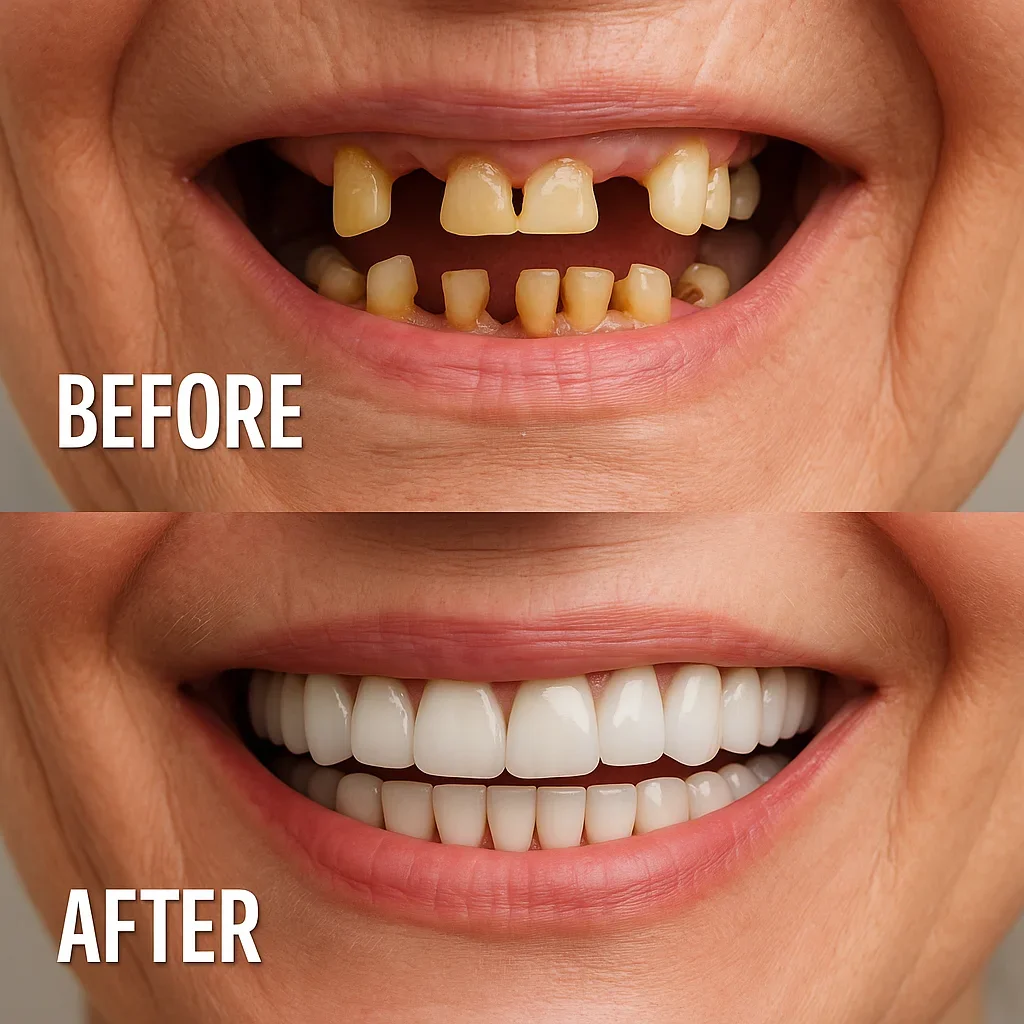
Long-Term Care Tips to Maintain Your Full Dental Implant Results
The stunning transformations seen in before and after full dental implants are not achieved by surgery alone—long-term success relies heavily on proper daily care, follow-up visits, lifestyle habits, and preventive strategies. Full dental implants are designed to last decades, and in many cases, a lifetime. However, maintaining their function, shine, and overall oral health requires consistency and awareness.
In this comprehensive section, you will learn the most essential long-term care guidelines presented with structured <h3> and <h4> subsections to help protect your investment and ensure your smile stays healthy, strong, and beautiful for years to come.
Daily Oral Hygiene Practices for Full Dental Implants
Although implants do not decay like natural teeth, they must still be cleaned thoroughly each day to prevent gum inflammation, plaque buildup, and peri-implant disease. Maintaining oral hygiene is crucial for preserving the brilliance of your before and after full dental implants transformation.
Brushing Techniques for Implant Care
Use a soft-bristled toothbrush or an electric toothbrush with gentle settings. Brush twice daily, applying light pressure to avoid damaging gum tissue.
Pay special attention to the gumline area where plaque tends to accumulate. Even though implants are resistant to decay, the surrounding gum tissue remains vulnerable to inflammation if not properly maintained.
Flossing and Interdental Cleaning
Flossing is essential to remove plaque between the implants and prosthetic teeth. Patients may use:
- Standard dental floss
- Super floss designed for implant bridges
- Interdental brushes (small, soft brushes for tight spaces)
- Water flossers for deeper cleaning
Consistent cleaning not only enhances oral health but also extends the life of your restored smile, helping to maintain the striking differences achieved in before and after full dental implants results.
Professional Maintenance and Regular Dental Checkups
Even with excellent home care, professional cleanings and evaluations are essential for long-term implant success. Dentists monitor the health of the gum tissue, bone levels, and prosthetic components to prevent complications.
How Often Should Implant Patients Visit the Dentist?
Most patients benefit from checkups every six months, though those with previous gum issues may require more frequent visits.
During these appointments, your dentist will:
- Remove plaque and tartar around implant structures
- Evaluate gum health and inflammation levels
- Check bite alignment and adjust if necessary
- Take X-rays to monitor bone stability
Regular monitoring ensures that any early signs of problems are identified quickly, preserving the functional and aesthetic benefits seen in before and after full dental implants.
Protecting Implants Through Healthy Lifestyle Habits
Lifestyle choices have a profound impact on implant longevity. Certain habits strengthen long-term results, while others may cause complications or premature failure. Understanding these factors is essential to ensure your smile stays as strong and beautiful as it appeared immediately after your transformation.
Avoiding Smoking and Vaping
Smoking restricts blood flow to the gums and slows healing, increasing the risk of implant failure or peri-implantitis.
Patients who quit smoking often experience better gum health and more predictable implant outcomes. Eliminating this habit is one of the most important steps to preserve the improvements seen in before and after full dental implants.
Maintaining a Balanced Diet
A nutritious diet supports tissue health and immune function. Foods rich in antioxidants, vitamins, and proteins help maintain strong gums and bone around your implants.
Reduce excessive consumption of alcohol and sugar, as both can increase inflammation and negatively affect oral health.
Preventing Damage from Teeth Grinding and Excessive Force
While full dental implants are highly durable, they can still be damaged by excessive force such as teeth grinding or jaw clenching (bruxism).
Dentists often recommend night guards for patients who show signs of grinding, as this protects both the implants and natural teeth.
Signs You May Need a Night Guard
You may benefit from a custom night guard if you experience:
- Jaw tension or morning headaches
- Worn or cracked prosthetic surfaces
- Grinding sounds during sleep (reported by a partner)
- Chronic facial or jaw soreness
Using a night guard helps maintain the longevity of your restored smile and prevents unnecessary wear after your dramatic before and after full dental implants transformation.
Caring for the Prosthetic Components
Depending on your specific restoration, your implant-supported prosthesis may include screws, abutments, and multi-layered ceramic or zirconia components. These materials require proper care to avoid loosening, staining, or premature wear.
Polishing and Minor Adjustments
Over time, small adjustments may be needed to refine bite balance or restore surface shine. These are simple, in-office procedures that help maintain the natural beauty of your smile.
Patients are encouraged to report any clicking, shifting, or unusual sensations as early as possible.
Managing Gum and Bone Health Over Time
Gum and bone tissue provide the foundation for implant stability. Maintaining their health is essential for preserving the improvements documented in before and after full dental implants results.
Practices that support long-term tissue health include:
- Daily plaque removal
- Consistent hydration to support saliva production
- A diet rich in omega-3 fatty acids
- Regular periodontal evaluations for patients with previous gum disease
These steps help prevent inflammation, recession, and bone loss around the implants.
Emotional and Social Benefits of Long-Term Implant Success
Beyond physical maintenance, patients should also appreciate the emotional value of their restored smile. The confidence gained from before and after full dental implants can motivate healthier lifestyle decisions and encourage regular dental visits.
Patients often report feeling younger, more outgoing, and more comfortable engaging in social situations when they know their smile is secure and attractive.
If you wish to receive personalized long-term care recommendations or schedule a follow-up evaluation, you can reach out through the
Redent Klinik Contact Page.
The dental team can guide you through the ideal maintenance routine for your unique implant restoration.
Overall, by following proper hygiene practices, attending routine dental visits, and adopting healthy lifestyle habits, you can preserve the remarkable improvements achieved in your before and after full dental implants transformation for many years to come. Long-term care is the key to ensuring your smile remains strong, functional, and confidently beautiful.