
The price range of dental implants is one of the most frequently searched topics among patients considering tooth replacement options, and understandably so. Dental implants are a long-term investment in oral health, confidence, and overall quality of life. Yet, when researching costs online, patients often encounter widely different figures, confusing terminology, and unclear explanations. This comprehensive guide is designed to give you clear, accurate, and practical information about the price range of dental implants, helping you make an informed decision with confidence. 🦷✨
To begin, it’s important to understand that the price range of dental implants varies significantly depending on several key factors, including geographic region, the complexity of your case, the materials used, and the experience level of the dental surgeon. Many clinics advertise “starting prices,” but these figures often exclude essential components such as abutments, crowns, imaging, anesthesia, or preparatory treatments like bone grafting. Because of this, patients sometimes underestimate the true cost until they receive a full clinical evaluation.
In most countries, a single dental implant cost typically ranges from basic to premium levels based on the implant brand, technology used, and the biological needs of the patient. While discussing the price range of dental implants, it is essential to include the entire treatment sequence: initial consultation, diagnostic imaging (such as panoramic X-ray or CBCT scan), surgical placement, healing period, abutment connection, and final crown placement. Each of these stages contributes to the total cost and ensures long-term implant success.
Many patients compare dental implants to other restorative options like bridges or dentures, but implants differ substantially in design, longevity, and comfort. Bridges may initially seem more affordable, but because they require alteration of healthy adjacent teeth and tend to need replacement every 10–15 years, their lifetime cost can exceed the price range of dental implants. Dentures, on the other hand, often cause bone resorption over time and offer less stability and chewing efficiency compared to implants. Therefore, when patients evaluate long-term value rather than upfront numbers, implants typically offer the most cost-effective and health-preserving solution.
It’s also helpful to recognize that technological advancements continue to shape the price range of dental implants. Modern digital workflows—such as 3D scanning, guided surgery, and CAD/CAM–milled crowns—enhance precision, reduce complications, and improve aesthetic outcomes. Although some high-tech methods may increase the initial expense, they often reduce overall treatment time and raise predictability, ultimately offering better value. These innovations make implants more accessible and safer for a wider range of patients.
Below is an example of average global price ranges based on current industry data:
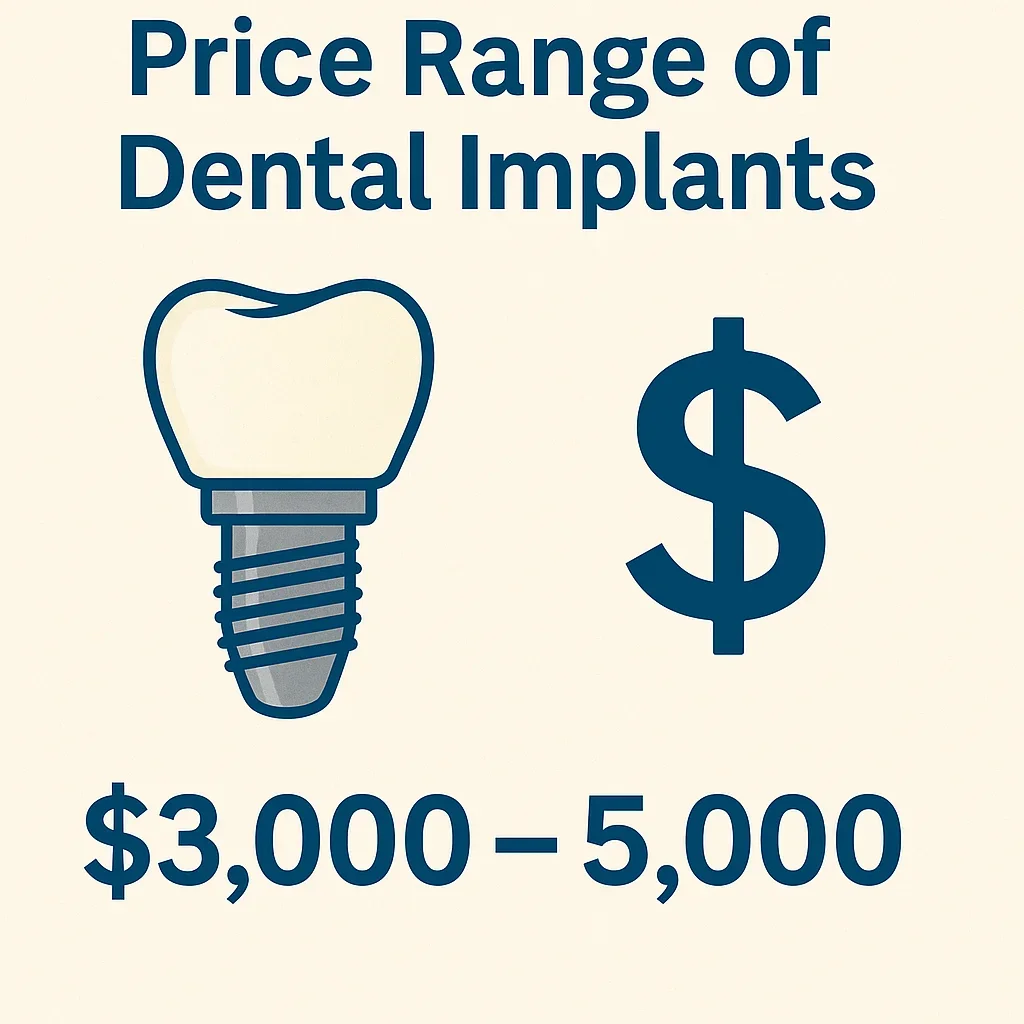
- United States: $3,000 – $6,000 per implant (complete)
- United Kingdom: £2,000 – £3,500 per implant
- Germany: €2,200 – €4,000 per implant
- Turkey: $800 – $1,500 per implant
These figures illustrate how international pricing differences influence patient decisions, especially regarding dental tourism. Turkey, for instance, is well-known for offering high-quality care at significantly lower prices due to reduced operational costs and competitive medical tourism standards. Many patients choose this option not only because of the more affordable price range of dental implants but also due to internationally accredited dental centers and experienced implantologists.
When researching costs, always ensure the clinic follows recognized international standards. Trusted resources like the
American Dental Association provide valuable guidelines supporting safe, ethical, and scientifically backed dental practices. If you wish to speak directly with a specialist for a personalized quotation, you can visit the
Redent Klinik Contact Page.
To summarize, the price range of dental implants is influenced by a combination of medical, technical, geographical, and biological factors. For most patients, implants represent a long-lasting solution that restores natural chewing function, appearance, and confidence. By understanding all the variables behind the costs—including materials, surgical expertise, technology, and long-term maintenance—you can make a well-informed choice aligned with both your budget and your health goals. Whether you are replacing a single tooth or planning a full-mouth restoration, the price range of dental implants ultimately reflects a life-changing investment in your oral future. 😊
What Influences the Price Range of Dental Implants Today?
Understanding what influences the price range of dental implants is essential for anyone considering this life-changing treatment. Patients often notice large variations in pricing from clinic to clinic or country to country, which can create confusion about what is actually included in the total cost. This section offers a detailed, transparent explanation of the most important factors shaping the price range of dental implants so that you can make an informed and confident decision. 🦷💡
Core Components That Shape the Final Implant Cost
The first step in understanding the price range of dental implants is recognizing that an implant is not just a single unit—it is a multi-piece system that functions like a natural tooth. Each component has its own manufacturing process, standards of quality, and pricing variables. The three essential parts include:
- Implant fixture: The titanium or zirconia screw placed into the jawbone.
- Abutment: The connector piece between the implant and the crown.
- Crown: The visible part styled to match natural teeth.
The manufacturing quality, brand reliability, and longevity of these components play a major role in determining the overall price range of dental implants. Premium brands with decades of research and clinical documentation often cost more but deliver exceptional survival rates and long-term stability.
Material Quality and Biocompatibility
A major influence on the price range of dental implants is the material used. Most implants are crafted from Grade-4 or Grade-5 titanium, known for strength, corrosion resistance, and excellent bone integration. Zirconia implants, a metal-free alternative, tend to cost more due to their higher production expenses and aesthetic advantages. Patients with allergies, thin gum tissue, or special cosmetic priorities may naturally gravitate toward these options.
Titanium vs. Zirconia: Cost and Performance
Titanium implants generally fall within the standard price range of dental implants, while zirconia versions belong to the upper-tier range. This difference is not only due to material cost but also because zirconia implants require precision milling and advanced engineering to match the durability of titanium.
Diagnostic Technology and Planning Tools
Modern implant planning involves 3D imaging, digital impressions, surgical guides, and CAD/CAM systems. These tools dramatically improve accuracy, reduce surgical risk, and enhance long-term outcomes. However, clinics must invest heavily in such technologies, and this investment influences the price range of dental implants. For example, a Cone Beam CT scan alone may add $75–$300 to the total cost in some regions.
It’s important to note that although high-tech planning might increase initial expenses, it reduces the likelihood of complications, implant failure, or misalignment—saving patients significant money in the long run. This balance between technology and affordability is a key component of how clinics determine pricing.
The Role of Surgeon Expertise and Clinic Standards
The skill level of the surgeon performing the procedure plays a major role in the total price range of dental implants. Surgeons with advanced training from internationally recognized institutions, extensive case histories, or specialty board certifications often charge higher fees. This reflects not just their expertise but also the higher success rates associated with experienced professionals.
Additionally, clinics that follow strict sterilization protocols, invest in advanced surgical equipment, or employ interdisciplinary specialists may reflect these operational costs in their pricing structure. Although this may elevate the price range of dental implants, it greatly enhances patient safety and treatment predictability.
Additional Procedures That Impact the Total Cost
Not every patient is ready for implant surgery immediately. In many cases, additional preparatory procedures are required to ensure the implant has a healthy foundation. These procedures significantly influence the final price range of dental implants and may include:
- Bone grafting for patients with insufficient bone density
- Sinus lifting for upper molar implant sites
- Tooth extraction before implant placement
- Soft-tissue grafting to improve gum aesthetics
Each of these procedures carries its own price range, which must be added to the full treatment plan. For example, bone grafting may cost $200–$1,000 depending on materials and complexity, while sinus lifts can range from $1,000 to $3,000. These additional steps contribute heavily to why the price range of dental implants varies widely between individuals.
Geographical Location and Cost-of-Living Variations
The country and city where treatment is performed is one of the largest determinants of the price range of dental implants. Clinics in regions with higher labor, rent, and operational costs naturally charge more. By contrast, destinations known for medical tourism—such as Turkey—offer significantly more competitive implant pricing due to lower overhead and favorable economic conditions.
For example:
- United States: $3,000–$6,000 per implant
- UK: £2,000–£3,500 per implant
- Germany: €2,200–€4,000 per implant
- Turkey: $800–$1,500 per implant
These geographic differences help explain why patients researching the price range of dental implants often explore international options.
Clinic Reputation, Warranty Policies, and Aftercare
Another subtle but important factor affecting the price range of dental implants is the post-treatment support offered by the clinic. Reputable clinics often include extended warranties, follow-up visits, implant maintenance instruction, or yearly check-ups. These services are essential for long-lasting success and add value to the overall package.
Before selecting a clinic, it is wise to verify that they follow global standards of care through authoritative sources such as the
American Dental Association. For direct consultations or customized estimates, patients can contact experienced professionals through the
Redent Klinik Contact Page.
In summary, the price range of dental implants is shaped by a combination of diagnostic technology, expertise, materials, clinic standards, and personalized treatment needs. By understanding these factors in detail, patients can more accurately compare clinics, avoid unexpected fees, and choose the most appropriate treatment plan aligned with both budget and long-term oral health goals. This level of transparency empowers individuals to navigate the implant process with clarity and confidence. 🦷🌟
Cost Breakdown: Materials, Techniques, and Professional Expertise
When evaluating the price range of dental implants, it is essential to break down all the components that contribute to the final treatment cost. Many patients look online for general estimates, only to find wide variations and conflicting information. This happens because implant dentistry involves multiple stages, diverse material options, varying laboratory fees, and significant differences in surgical expertise. By understanding each element individually, you can better assess why the price range of dental implants differs from clinic to clinic and why certain options may be more suitable for your long-term oral health. 🦷💰
Understanding the Implant Components That Influence Total Cost
A dental implant system is not a single piece—it has three main components, each affecting the price range of dental implants through manufacturing quality, longevity, and aesthetic performance. These components include:
- The implant fixture (root): Usually made from titanium or zirconia, this screw-shaped structure integrates with the jawbone.
- The abutment: A precision-engineered connector that attaches the crown to the implant fixture.
- The dental crown: The visible prosthetic tooth, custom-made for natural aesthetics and strong chewing function.
Each component is produced using different technologies and standards. Premium implant brands invest heavily in research and development, resulting in better long-term success rates. This is why implants from globally recognized companies cost more and raise the average price range of dental implants—but they also tend to deliver safer and more predictable outcomes.
Material Selection: Titanium, Zirconia, and Their Impact on Cost
Material quality is one of the strongest cost determinants in the price range of dental implants. Titanium implants remain the worldwide standard thanks to their biocompatibility, high strength, and decades of clinical research. Zirconia implants, although newer and generally more expensive, offer exceptional aesthetics and metal-free composition, making them ideal for patients with cosmetic concerns or metal sensitivities.
Titanium Implant Cost Factors
Titanium implants usually fall within the standard price range of dental implants, but variations exist due to:
- The grade of titanium used
- The surface treatment designed to enhance bone integration
- The engineering precision of the implant design
- Brand reputation and clinical documentation
Higher-end titanium implants undergo extensive testing and surface modification processes that improve healing time and long-term stability, which naturally increases their cost.
Zirconia Implant Cost Factors
Zirconia implants typically fall into the upper tier of the price range of dental implants because:
- They require advanced milling technologies
- They demand higher manufacturing precision to match titanium’s durability
- They offer superior aesthetic performance for gum-sensitive areas
Patients prioritizing metal-free restorations or extremely natural gum-line aesthetics often choose zirconia implants despite their higher price point.
Advanced Surgical Techniques and Their Influence on Pricing
The surgical method used also plays a crucial role in shaping the price range of dental implants. Modern implantology offers several techniques that improve accuracy, reduce healing time, and minimize complications. These include:
- Flapless surgery for reduced tissue trauma
- Computer-guided implant surgery using 3D planning software
- Immediate loading techniques where the crown is placed shortly after the implant
Computer-guided surgery, while more expensive due to the diagnostic imaging and digital equipment required, offers unparalleled precision. This significantly enhances treatment safety and may reduce the need for additional corrective procedures, offsetting the upfront costs. As a result, advanced techniques tend to raise the price range of dental implants but often offer a better long-term value.
Laboratory Fees and Crown Fabrication
The dental laboratory plays a significant role in the final price range of dental implants. Crowns can be fabricated using:
- Porcelain-fused-to-metal (PFM) crowns
- All-ceramic crowns
- Zirconia crowns
High-end crowns are created using CAD/CAM technology for exceptional accuracy and durability. The more advanced the fabrication method, the higher the cost—yet the result is a stronger, longer-lasting, and highly aesthetic restoration.
Professional Expertise: Surgeon Experience and Training
Beyond materials and technology, the surgeon’s skill level is one of the largest contributors to the price range of dental implants. Implant dentistry requires detailed training in surgical techniques, bone biology, prosthetic design, and digital planning. Surgeons with advanced certifications, years of experience, and specialized training may charge more, but they often provide better outcomes, fewer complications, and more predictable healing.
Furthermore, high-quality clinics invest in sterilization equipment, surgical suites, digital scanners, and continuous staff training. These operational costs are reflected in the clinic’s pricing structure, influencing the price range of dental implants offered to patients.
Additional Diagnostic and Preparatory Costs
In many cases, patients require supporting procedures before implant placement, such as:
- Bone grafts
- Sinus elevations
- Tissue grafting
- Tooth extractions
These add-ons can significantly affect the price range of dental implants and should be included in any accurate treatment quote.
For international guidelines on safe implant practices, you may refer to the
American Dental Association.
For clinic-specific quotes or consultation requests, visit the
Redent Klinik Contact Page.
Ultimately, the price range of dental implants reflects a blend of high-quality materials, clinical expertise, advanced technology, and personalized care. By understanding the detailed cost breakdown, you can make informed decisions that balance affordability, long-term durability, and aesthetic success. This level of insight ensures that your investment aligns with your needs, expectations, and overall oral health goals. 🌟🦷
Single vs. Multiple Implants: How the Price Range of Dental Implants Changes
One of the most important factors influencing the price range of dental implants is whether a patient requires a single implant or a multiple-implant restoration. While a single tooth replacement has a predictable cost structure, full-arch treatments or multi-implant bridges involve additional planning, materials, surgical time, and technical precision. Understanding how costs scale between these treatment types empowers patients to make informed decisions and avoid confusion when comparing prices across clinics or countries. This section provides a detailed, transparent breakdown of how single and multiple implants affect the full price range of dental implants. 🦷💡
Single Dental Implant Costs: Why They Are More Straightforward
A single dental implant represents the simplest and most common application in implant dentistry. Because it involves only one implant fixture, one abutment, and one crown, the treatment timeline and cost structure are generally predictable. The price range of dental implants for a single tooth typically includes:
- Diagnostic imaging (X-ray or CBCT scan)
- Implant fixture placement
- Healing period (osseointegration)
- Abutment connection
- Custom-designed crown
A single implant is ideal for patients who have lost one tooth due to trauma, decay, or gum disease and want a stable, natural-looking replacement. This simplicity makes the single-tooth restoration one of the most cost-effective options within the entire price range of dental implants. Because no adjacent teeth need modification—as in dental bridges—patients receive long-term protection for their oral structure.
Typical Global Single-Implant Price Ranges
While prices vary by region, the following examples provide an accurate overview:
- USA: $3,000 – $6,000
- UK: £2,000 – £3,500
- Germany: €2,200 – €4,000
- Turkey: $800 – $1,500
These variations reflect geographic economic differences, implant brands, surgeon expertise, and clinic technology. Despite such differences, single implants remain the most standardized part of the price range of dental implants, offering excellent long-term value.
Multiple Implants: Why Costs Increase Significantly
When multiple teeth are missing, the complexity of implant treatment increases. Patients might require two, three, four, or more implants, depending on whether they are replacing several individual teeth or stabilizing a bridge or full-arch prosthesis. This is where the price range of dental implants expands dramatically. Multiple implants require:
- Broader diagnostic imaging
- More complex surgical planning
- Higher implant fixture totals
- Advanced prosthetic fabrication
- Possible bone grafting in multiple areas
For example, a patient missing three adjacent teeth may only require two implants to support a three-unit bridge. This reduces cost compared to placing three individual implants—but increases cost compared to a single implant. Therefore, the price range of dental implants in multi-unit cases becomes highly personalized.
Implant Bridges and Cost Efficiency
An implant-supported bridge is one of the most efficient solutions for patients missing several teeth in a row. Instead of placing an implant for each missing tooth, fewer implants support a larger prosthetic. This approach widens the price range of dental implants in multi-tooth cases but offers superior long-term value compared to removable dentures.
- 2 implants supporting a 3-unit bridge
- 3 implants supporting a 4- or 5-unit bridge
This technique saves money, minimizes surgical trauma, and restores full chewing function with fewer fixtures.
Full-Arch Implant Costs: The Highest Tier of Treatment Pricing
Patients missing all teeth on the upper or lower jaw often choose full-arch implant solutions such as:
- All-on-4®
- All-on-6
- Implant-supported hybrid dentures
- Full-arch zirconia bridges
These treatments represent the top end of the price range of dental implants due to their complexity. They require:
- Four to six implants per arch
- Precision surgical guides
- High-strength full-arch prosthetics
- Advanced digital design
- Extended surgery time
- Specialized laboratory fabrication
Typical Full-Arch Cost Ranges
Average prices per arch include:
- USA: $18,000 – $35,000
- UK: £12,000 – £20,000
- Germany: €10,000 – €18,000
- Turkey: $4,000 – $8,000
These figures demonstrate the highest segment of the price range of dental implants, especially when premium zirconia bridges or specialized surgical protocols are used.
Why Multiple Implants Offer Better Long-Term Value
Although multi-implant treatments represent the upper end of the price range of dental implants, they deliver unparalleled stability and functionality. Full-arch implant solutions prevent bone loss, restore natural chewing efficiency, and offer decades of reliability—often far outperforming dentures.
To ensure safe treatment processes, patients may consult long-established guidelines from the
American Dental Association.
For personalized multi-implant quotations or professional evaluation, visit the
Redent Klinik Contact Page.
In conclusion, the price range of dental implants for single and multiple restorations varies substantially due to differences in surgical complexity, materials, prosthetic requirements, and anatomical needs. Single implants fall within a predictable range, while multiple implants and full-arch reconstructions create higher but more comprehensive cost structures. This detailed understanding helps patients compare treatment plans more accurately and choose the right solution based on long-term comfort, durability, and value. 🌟🦷
Geographic Differences: Why Implant Costs Vary Across Countries
One of the most influential factors shaping the price range of dental implants is geographic location. Patients researching implant treatment online often notice dramatic differences in pricing from one country to another—even when the procedures appear identical. These variations are not arbitrary; they reflect economic conditions, healthcare infrastructure, materials cost, labor expenses, clinical standards, and even government regulations. Understanding how geography influences the price range of dental implants helps patients make informed choices, especially those considering international treatment options. 🌍🦷
Economic Conditions and Cost of Living
A country’s overall economic environment directly impacts the price range of dental implants. In nations with high labor costs, high rent, expensive malpractice insurance, and elevated taxes, dental treatments naturally cost more. Conversely, countries with lower overhead expenses are able to offer competitive implant prices without compromising quality.
For example:
- USA and Canada: High operational costs, strict regulatory environments, and high insurance overhead place implants in the upper cost tier.
- UK and Western Europe: Dental care is generally high-quality but expensive due to the region’s labor and clinic expenses.
- Turkey, Hungary, and Poland: These countries offer excellent expertise at significantly lower costs thanks to more favorable economic conditions and strong medical tourism programs.
This explains why the international price range of dental implants fluctuates even when the materials and techniques used are identical.
Implant Brands and Laboratory Costs Across Regions
Another reason why geography impacts the price range of dental implants is the local availability and import cost of implant brands. Premium brands such as Straumann®, Nobel Biocare®, Zimmer Biomet®, and Megagen® may cost different amounts depending on regional distributor pricing, customs fees, and supply chain logistics.
Local vs. Imported Implant Systems
Countries that manufacture their own implant systems often offer reduced costs since the materials do not require international shipment. Meanwhile, regions that rely heavily on imported systems may experience higher patient fees. These differences become more pronounced when a patient is quoted for multiple implants or full-arch restorations, significantly influencing the overall price range of dental implants.
Differences in Clinical Expertise and Training Standards
Geography also affects the availability of highly trained implant surgeons. In nations where implantology is a specialized and regulated field requiring years of postgraduate education, costs tend to be higher. Similarly, clinics in high-demand metropolitan areas charge more because experienced specialists are concentrated in these regions.
However, many countries known for dental tourism—such as Turkey—have world-class implant specialists who deliver exceptional care at a fraction of the cost. This combination of expertise and affordability plays a significant role in why the price range of dental implants attracts international patients to those destinations.
Government Regulations and Healthcare System Differences
Every country operates under unique medical regulations and compliance standards. These standards affect equipment sterilization protocols, surgical facility requirements, implant certification rules, and laboratory partnerships. Higher regulatory costs typically increase the price range of dental implants, while more cost-efficient systems enable clinics to offer competitive pricing.
Medical Tourism and Government Incentives
Some countries actively encourage medical tourism by offering government-supported initiatives that reduce operational expenses for dental clinics. These policies lower treatment costs without affecting quality. Turkey is a prime example, offering internationally accredited clinics with state-supported healthcare advantages—resulting in a more accessible price range of dental implants.
Travel, Accommodation, and Total Treatment Package Costs
When comparing implant prices across countries, patients should consider not only clinical costs but also the “total treatment package,” including:
- Flight expenses
- Hotel accommodations
- Local transportation
- Meal and travel costs during recovery
- Follow-up visit requirements
Despite these added logistical elements, many patients still save significantly by choosing countries with lower clinical prices. For instance, even after including travel expenses, Turkey’s competitive price range of dental implants often remains up to 60–70% more affordable than Western European or North American prices.
Global Average Implant Prices for Comparison
To illustrate geographic pricing differences more clearly, here is a comparison of average full treatment costs:
- USA: $3,000 – $6,000 per implant
- UK: £2,000 – £3,500 per implant
- Germany: €2,200 – €4,000 per implant
- Turkey: $800 – $1,500 per implant
- Mexico: $1,000 – $2,000 per implant
These variations highlight how geography plays a decisive role in the price range of dental implants, influencing global patient travel trends.
Choosing a Safe and Certified Clinic Worldwide
While cost is important, safety, materials, and expertise should always come first. Patients should ensure that clinics follow internationally recognized treatment protocols. High-standard guidelines are available through reputable organizations such as the
American Dental Association.
For patients seeking personalized treatment plans or guidance in selecting a reputable clinic, the
Redent Klinik Contact Page
is an excellent place to start.
In conclusion, the price range of dental implants varies globally due to economic factors, surgical expertise, implant brand availability, regulatory frameworks, and differences in healthcare infrastructure. These variations highlight the importance of comparing not just prices but overall value, safety standards, and long-term treatment success. By understanding geographic influences, patients can confidently choose the best destination that aligns with their budget, dental needs, and expectations. 🌟🦷
Hidden Fees and Additional Procedures That Affect Total Implant Costs
Many patients begin researching dental implants expecting a straightforward price, only to discover that the price range of dental implants can expand significantly once hidden fees and additional procedures are considered. These extra steps are not “unnecessary add-ons”—they are medically essential elements that ensure long-term implant stability, bone health, aesthetic success, and functional durability. Understanding these hidden costs allows patients to evaluate treatment plans transparently and avoid unpleasant surprises during their implant journey. This section provides a detailed breakdown of the most common additional procedures that influence the true price range of dental implants. 🦷💡
Why the Initial Quote Is Rarely the Final Price
Many clinics advertise low starting prices for implants but do not include the full list of required components or treatments. This can mislead patients and create unrealistic expectations. The real price range of dental implants usually includes:
- Initial examinations and consultations
- Diagnostic imaging (X-rays or CBCT scans)
- Surgical procedures
- Abutments and crowns
- Bone or soft tissue grafts (if needed)
- Follow-up visits and postoperative care
A transparent clinic will outline all these elements in a written treatment plan. When evaluating quotes, patients should be cautious of prices that appear significantly lower than average, as they may not reflect the real price range of dental implants.
Diagnostic Imaging and Digital Planning Costs
Accurate diagnosis is the foundation of successful implant care. Clinics may charge separately for:
- Panoramic X-rays
- CBCT scans
- Intraoral digital scans
- Digital surgical planning
These diagnostic steps enhance safety by assessing bone volume, nerve positions, sinus height, and gum conditions. Depending on the region, imaging may add $75–$300 or more to the total price range of dental implants. Although sometimes considered a “hidden fee,” diagnostic imaging is an indispensable part of responsible implant dentistry.
Bone Grafting: One of the Most Common Additional Costs
Bone grafting is required when a patient’s jawbone lacks sufficient height, width, or density to securely support an implant. Bone loss is common after tooth extraction, gum disease, trauma, or prolonged denture use. This procedure is one of the most significant contributors to increasing the price range of dental implants.
Types of Bone Grafts and Their Costs
Depending on the patient’s needs, the following graft types may be required:
- Minor grafts: Small bone additions using synthetic or donor material
- Major grafts: Full block grafts or ridge augmentation
- Socket preservation: Bone placed at extraction sites to preserve implant readiness
These grafts can add anywhere from $200 to $3,000 to the price range of dental implants depending on complexity and material type.
Sinus Lift Procedures and Their Impact on Cost
The upper back jaw often requires a sinus lift due to insufficient bone height. A sinus lift raises the sinus membrane and adds bone material to create a safe foundation for implant placement. Because this procedure is more complex and requires specialized expertise, it significantly affects the price range of dental implants.
Costs and Requirements
A sinus lift typically costs:
- $1,000 – $2,500 for a closed (internal) sinus lift
- $1,500 – $3,000 for an open (lateral) sinus lift
These costs vary by geography, surgeon experience, and bone grafting needs.
Tooth Extractions Before Implant Placement
If a damaged tooth is still present, extraction becomes the first step. Tooth extraction fees may range from simple removals to complex surgical extractions requiring sectioning or bone smoothing. These treatments add another layer of variation to the price range of dental implants.
Typical Extraction Fees
Extraction costs generally include:
- Simple extraction: $75 – $250
- Surgical extraction: $200 – $600
Although extractions may seem affordable individually, the cumulative impact on the total price range of dental implants becomes significant, especially when multiple teeth must be removed.
Soft Tissue Grafting for Aesthetic and Structural Support
In some cases, patients require gum grafts to strengthen or reshape soft tissues around implant sites. Soft tissue grafting improves long-term stability and aesthetic blending but increases the total price range of dental implants.
Costs depend on whether tissue is harvested from the patient or taken from donor material. This procedure enhances natural gum contours and ensures that the implant crown looks harmonious with surrounding teeth.
Temporary Restorations and Healing Aids
Many clinics also charge separately for temporary teeth or healing abutments. While temporary crowns or bridges allow patients to maintain aesthetics, smile confidence, and daily function during healing, they may add a few hundred dollars to the price range of dental implants.
Other healing-related aids may include:
- Protective splints
- Temporary dentures
- Sutures and surgical membranes
Each item contributes modestly but meaningfully to total costs.
Follow-Up Visits and Long-Term Maintenance
Some clinics include follow-up visits in their treatment packages; others do not. Postoperative check-ups, occlusion adjustments, and professional cleanings ensure long-term implant success. These services may add to the price range of dental implants if not included in the original quote.
Ensuring Transparency: What Patients Should Ask
Patients should always request a detailed written breakdown of all potential fees. A trustworthy clinic will never hesitate to explain each cost and its purpose. Safe implant practices can be verified through reputable organizations like the
American Dental Association.
For personalized cost estimates that include all potential additional procedures, patients can visit the
Redent Klinik Contact Page.
In summary, the price range of dental implants is shaped not only by the implant system and surgical expertise but also by a wide range of additional diagnostic and preparatory procedures. By understanding these hidden fees, patients can enter their treatment journey with confidence, clarity, and realistic expectations—ensuring the best long-term success both financially and medically. 🌟🦷
Comparing Implant Brands and Their Impact on the Price Range of Dental Implants
One of the most overlooked yet critically important factors shaping the price range of dental implants is the choice of implant brand. Dental implants are not generic products; they vary significantly in material quality, engineering precision, clinical documentation, long-term survival rates, and global reputation. These variations directly influence treatment outcomes—and, naturally, the overall price range of dental implants. For patients seeking predictable, long-lasting results, understanding how implant brands differ is essential. This section breaks down the most widely used implant manufacturers, their strengths, and how they contribute to cost differences. 🦷🌍
While all medically certified implants aim to replace missing teeth effectively, premium brands undergo more rigorous testing, biomechanical research, and long-term clinical studies. This additional research investment increases their price but also enhances durability, safety, and integration success. Meanwhile, more affordable brands still meet medical standards but may offer fewer surface innovations or shorter-term data—affecting both price and clinical decision-making. Let’s explore how all of these factors shape the price range of dental implants.
Premium International Implant Brands and Their Cost Influence
Premium implant brands are known globally for superior engineering and research-backed reliability. These companies have decades of clinical documentation and are trusted by experienced implantologists worldwide. Because of their advanced technology and longstanding reputation, they typically sit at the higher end of the price range of dental implants.
Straumann® Dental Implants
Straumann is often considered the “gold standard” in implant dentistry. Their implants are backed by extensive scientific research, advanced surface technologies such as SLActive®, and high survival rates. These features naturally place Straumann systems among the most expensive options.
- Pros: Exceptional longevity, scientifically validated surface technology, strong global support.
- Cost Impact: Raises the upper limit of the price range of dental implants due to premium material and engineering quality.
Nobel Biocare® Dental Implants
Nobel Biocare, known for its pioneering role in modern implantology, provides advanced solutions such as All-on-4®. Their implants are often chosen for full-arch restorations and complex cases, contributing to higher treatment costs.
- Pros: Exceptional aesthetics, suitable for immediate-loading protocols, robust clinical documentation.
- Cost Impact: Typically increases the price range of dental implants due to brand prestige and technological innovation.
Zimmer Biomet® Implants
Zimmer Biomet is widely respected for orthopedic precision engineering, which translates into reliable dental implant performance. Their focus on bone-level stability and compatibility appeals to surgeons seeking predictable osseointegration.
- Pros: Strong biomechanical engineering, reliable long-term outcomes.
- Cost Impact: Occupies the mid-to-high tier within the price range of dental implants.
Mid-Range Implant Brands: Balancing Quality and Affordability
Mid-range brands offer excellent quality while maintaining affordability. They meet global safety standards and provide good longevity, making them suitable for many common implant cases. These brands significantly influence the mainstream price range of dental implants because they deliver reliable results at accessible prices.
MegaGen® Dental Implants
MegaGen is known for innovative designs and clinician-friendly systems. Their implants provide excellent primary stability, especially in cases with lower bone density, and are widely used in countries known for medical tourism.
- Pros: Versatile designs, strong stability, competitive pricing.
- Cost Impact: Keeps the price range of dental implants accessible while offering advanced features.
BioHorizons® Dental Implants
BioHorizons uses proprietary technologies such as Laser-Lok® to support soft-tissue attachment and bone preservation. Their blend of research and value places them solidly within the mid-tier cost range.
- Pros: Soft tissue–friendly design, aesthetic outcomes.
- Cost Impact: Slightly higher than basic brands but still affordable for most patients.
Budget-Friendly Implant Brands and Their Role in Pricing
Budget-friendly brands allow clinics to offer implants at a significantly lower cost while maintaining essential safety standards. These implants may not include cutting-edge innovations or decades-long research, but they remain reliable for many cases. They strongly influence the lower end of the price range of dental implants.
NeoBiotech®, Osstem®, and Other Economical Options
These brands are widely used in Asia, Europe, and medical tourism destinations. Their affordability stems from efficient production methods rather than reduced quality. Many surgeons favor them for routine cases with straightforward anatomical conditions.
- Pros: Affordable, well-engineered, globally accessible.
- Cost Impact: Lowers the overall price range of dental implants, making treatment accessible to a broader audience.
How Brand Selection Affects Long-Term Costs and Value
While premium implants cost more upfront, their long-term reliability may reduce maintenance expenses, potential revisions, or complications. Conversely, budget-friendly implants help lower initial treatment costs but may have shorter data histories or fewer prosthetic options.
Therefore, surgeons often select implant brands based on:
- Bone quality and anatomy
- Implant site (esthetic zone vs. molar zone)
- Patient health and biological conditions
- Restoration type (single crown, bridge, full arch)
These decisions collectively influence the price range of dental implants and ensure predictable outcomes tailored to individual needs.
Verifying Brand Authenticity and Safety
Patients should always request documentation showing the implant brand, model, and serial number. Reputable clinics follow strict standards and often reference organizations such as the
American Dental Association
for global safety compliance.
To learn which implant brand is ideal for your specific case and receive a personalized quote, you may visit the
Redent Klinik Contact Page.
In conclusion, the price range of dental implants varies significantly based on implant brand, research history, engineering precision, and restoration technology. Whether choosing premium, mid-range, or budget-friendly systems, understanding brand differences empowers patients to make smarter, safer, and more cost-effective decisions about their long-term oral health. 🌟🦷
Long-Term Value: Are Dental Implants Worth the Price?
When evaluating the price range of dental implants, many patients initially focus on the upfront cost. However, dental implants are not simply a product—they are a long-term investment in oral health, facial aesthetics, chewing function, and quality of life. To determine whether implants are truly “worth it,” one must look beyond the initial expense and compare implants to alternative tooth replacement options over a lifetime. This comprehensive section examines the long-term value of implants from medical, functional, aesthetic, financial, and psychological perspectives, helping patients understand why the price range of dental implants often reflects their exceptional durability and benefits. 🌟🦷
Comparing Dental Implants to Bridges and Dentures
A key factor in assessing long-term value is understanding how implants differ from traditional bridges and dentures. While these alternatives may appear more affordable at first glance, they often incur repeated costs, require more maintenance, and provide less functional reliability. This comparison is essential when analyzing the long-term price range of dental implants.
Dental Bridges: Lower Upfront Cost, Higher Lifetime Cost
A dental bridge usually costs less initially, but it requires grinding down two healthy neighboring teeth to support the prosthetic. Over time:
- Bridges typically last 10–15 years, meaning multiple replacements.
- Supporting teeth may weaken or decay, requiring root canals or extractions.
- Bone loss beneath the missing tooth continues, affecting long-term jaw structure.
These recurring issues increase lifetime expenses—often surpassing the average price range of dental implants while delivering less structural support.
Dentures: Affordable but Functionally Limited
Dentures may appear affordable initially, but they come with significant long-term disadvantages:
- They cause bone resorption due to lack of stimulation.
- They require frequent adjustments, relining, or complete replacement.
- Chewing efficiency remains significantly lower compared to implants.
- They may cause sore spots, speech difficulties, and reduced confidence.
Over a lifetime, patients often replace dentures every 5–7 years, making them more expensive than the initial price range of dental implants.
Longevity and Durability: How Dental Implants Outperform Alternatives
One of the most compelling advantages of implants is longevity. With proper care, implants can last several decades—and in many cases, a lifetime. This long-lasting performance contributes significantly to the overall value when considering the price range of dental implants.
Success Rates and Survival Trends
Scientific studies have consistently shown dental implants to have a long-term success rate of 94–98%. Factors contributing to this durability include:
- Biocompatible titanium or zirconia materials
- Advanced surface technologies that promote bone integration
- Strong resistance to decay compared to natural teeth
- Stable mechanical structure unaffected by routine wear
Few dental treatments offer this level of reliability—another reason why the price range of dental implants is generally considered worthwhile.
Preserving Jawbone Health and Facial Structure
Implants uniquely stimulate the jawbone, preventing bone loss—a problem that severely affects denture wearers. Without stimulation, the jaw gradually shrinks, resulting in:
- Aged facial appearance
- Sunken cheeks
- Weakening bite force
- Deterioration of oral function
Because implants act like natural tooth roots, they preserve facial structure long-term. This benefit alone significantly enhances the long-term value of the price range of dental implants.
Improved Chewing Function and Digestive Health
Patients with missing teeth or dentures often struggle to chew effectively. Poor chewing can lead to digestive problems, nutritional deficiencies, and reduced quality of life. Implants, however, restore up to 80–100% of natural chewing power—dramatically outperforming dentures.
This functional stability is especially important for older adults or individuals with chronic conditions. The long-term impact of efficient chewing strongly justifies the typical price range of dental implants.
Aesthetic Benefits and Confidence Enhancement
A natural, confident smile has long-term psychological and social benefits. Unlike dentures, implants do not shift, slip, or require adhesives. Their crowns are custom-made to match natural teeth perfectly.
Patients report improvements in:
- Self-esteem
- Social comfort
- Professional appearance
- Overall life satisfaction
These intangible yet meaningful advantages increase the overall perceived value of the price range of dental implants.
Financial Value Over a Lifetime
Although implants may cost more initially, they often become the most cost-effective option over decades. Bridges and dentures require frequent replacement, adjustments, and ongoing maintenance, while implants require only routine hygiene visits.
A lifetime cost comparison shows:
- Dental implants: High initial cost, minimal long-term expenses.
- Bridges: Moderate initial cost, high replacement frequency.
- Dentures: Low upfront cost, recurring costs every few years.
This comparison proves that the lifetime value of implants typically exceeds their initial price range of dental implants.
Safety, Standards, and Verification
To ensure long-term success, patients should seek clinics adhering to internationally recognized standards, such as those published by the
American Dental Association.
For personalized evaluations and consultation regarding long-term implant value, patients may contact experts via the
Redent Klinik Contact Page.
In conclusion, the price range of dental implants is justified by their exceptional durability, superior function, aesthetic excellence, and ability to preserve jawbone health. When viewed as a long-term investment rather than a short-term purchase, dental implants stand out as one of the most valuable oral health treatments available today. 🌟🦷
Financing Options and Payment Plans for Managing Implant Costs
For many patients, the price range of dental implants can feel overwhelming at first glance—especially when considering full-arch restoration or multiple implants. However, modern dental practices increasingly offer flexible financing options, installment plans, and third-party credit solutions that make implants far more accessible. This section explains how financing works, what options are available, and how patients can strategically manage the price range of dental implants without compromising quality or delaying essential treatment. With the right plan, implants become not only medically beneficial but financially achievable. 💳🦷
Why Financing Matters in Dental Implant Treatment
Dental implants provide exceptional long-term value, but their upfront cost can be challenging for many patients. Financing plans help distribute the total fees over several months—or even years—making it easier to manage the price range of dental implants while still receiving high-quality care. Financing also allows patients to begin treatment immediately rather than postponing it, which is important because bone loss progresses over time and may increase future costs.
In-House Payment Plans Offered by Dental Clinics
Many modern clinics offer internal installment programs designed to make the price range of dental implants more manageable. These clinic-backed plans typically include:
- Zero-interest or low-interest monthly payments
- Flexible down payment options
- Customized plans based on treatment complexity
- Direct billing without involving external credit companies
In-house plans are especially advantageous because they may not require a credit check and often allow patients to begin treatment with minimal upfront costs. This flexibility ensures that the price range of dental implants does not hinder access to essential dental care.
Third-Party Medical Financing Companies
Third-party financing companies are widely used in the medical and dental fields. They offer structured credit options that allow patients to pay for the price range of dental implants in manageable installments. Popular providers include CareCredit®, LendingClub®, Proceed Finance®, and United Medical Credit®.
How Third-Party Financing Works
These companies typically offer:
- Short-term zero-interest plans (6–24 months)
- Long-term extended plans (24–84 months)
- Tailored payment structures with fixed monthly installments
- Pre-qualification tools without affecting credit score
By spreading payments over time, patients can comfortably manage the price range of dental implants while accessing high-quality materials and experienced clinicians.
Dental Insurance Coverage and Reimbursement Options
Although dental insurance varies widely between countries and providers, some plans offer partial coverage for implant treatment. Insurance rarely covers the full price range of dental implants, but it may offset costs for:
- Diagnostic imaging
- Tooth extractions
- Bone grafting (sometimes)
- Crowns and abutments
In certain cases, insurance companies view implant treatment as medically necessary—especially when missing teeth impair chewing, speech, or nutrition. Patients should contact their provider to verify eligibility and determine whether any portion of the price range of dental implants can be reimbursed.
Health Savings Accounts (HSA) and Flexible Spending Accounts (FSA)
In some countries, including the United States, patients can use HSAs or FSAs to cover part of the price range of dental implants. These tax-advantaged accounts allow funds to be spent on qualified medical procedures, reducing the overall financial burden.
Advantages of Using HSA/FSA Funds
Benefits include:
- Tax-free savings applied directly to implant costs
- Reduced out-of-pocket expenses
- Eligibility for most implant-related treatments
Using these accounts strategically can significantly lower the effective price range of dental implants, making treatment more affordable for many families.
Bundled Treatment Packages for Cost Efficiency
Many international clinics offer bundled implant packages that include:
- Implant fixture
- Abutment
- Crown
- Initial imaging
- Consultation and aftercare
These packages often reduce the overall price range of dental implants by eliminating separate fees and simplifying the treatment journey. Countries known for medical tourism—such as Turkey—offer competitive bundles with premium materials at significantly lower costs.
Budgeting Strategies for Patients Planning Implant Treatment
Patients can prepare for the price range of dental implants by adopting strategic budgeting practices:
- Requesting a full written treatment plan before starting
- Comparing multiple clinics and implant brands
- Identifying optional vs. medically required procedures
- Choosing mid-range implant brands where appropriate
Smart budgeting ensures patients maintain high treatment standards without overextending financially.
Ensuring Safe and Ethical Financing Practices
Patients should only work with clinics that follow responsible, transparent financial policies. Reputable practices adhere to standards upheld by organizations such as the
American Dental Association.
Those seeking personalized financial guidance or custom payment plans can contact specialists through the
Redent Klinik Contact Page.
Ultimately, the price range of dental implants becomes far more manageable with the right financing pathway. Whether through in-house payment plans, third-party lenders, insurance support, or tax-advantaged accounts, patients can confidently access world-class implant care without letting upfront costs stand in the way of long-term oral health and quality of life. 🌟🦷
How to Get Accurate Quotes and Avoid Overpaying for Dental Implants
With so much variation in the price range of dental implants, it can be difficult for patients to know whether a quote is fair, inflated, or incomplete. Because implant treatment involves multiple stages, materials, and procedures, inaccurate or misleading estimates are unfortunately common. This section explains how to evaluate implant quotes properly, what questions to ask, how to compare clinics responsibly, and how to ensure you are receiving true value—not simply the lowest price. With the right knowledge, patients can confidently navigate the price range of dental implants while avoiding unnecessary expenses and maintaining the highest standard of care. 🦷💡
Why Implant Quotes Differ So Much Between Clinics
Before learning how to evaluate prices, it is essential to understand why the price range of dental implants varies so dramatically. Common causes include:
- The implant brand used
- The surgeon’s training and experience
- Diagnostic technologies offered
- Whether additional procedures (grafting, sinus lifts) are required
- Laboratory quality for crowns and prosthetics
- Geographic and economic factors affecting clinic overhead
Because each of these factors influences the final quote, comparing prices is not as simple as matching numbers—it requires a holistic evaluation of value.
Requesting a Detailed, Itemized Treatment Plan
One of the most effective ways to avoid overpaying is to request a complete, itemized breakdown of every cost included in the price range of dental implants. A trustworthy clinic will provide a transparent list outlining:
- Initial consultation fees
- Imaging and digital diagnostics
- Implant fixture cost
- Abutment and crown fees
- Surgical procedure fees
- Bone grafts or sinus lifts (if needed)
- Follow-up appointments
This breakdown ensures you know exactly what you are paying for and helps prevent “hidden” expenses later in treatment.
Understanding Implant Brand Value and Its Impact on Pricing
Not all implant brands are created equal. Some patients unknowingly accept low-quality, short-term implant systems because the initial quote appears cheaper. However, using inferior materials can result in higher long-term costs, complications, or even implant failure. Knowing which brands belong to the premium, mid-range, or budget categories helps patients evaluate whether the price range of dental implants quoted is appropriate for the materials used.
Questions to Ask About Implant Brands
Patients should ask:
- Which implant brand will be used?
- Does the brand have long-term clinical documentation?
- Is the implant compatible with internationally available prosthetic parts?
- Does the clinic provide an implant passport or serial number?
Reputable clinics always provide documentation showing the brand and batch number of the implant. This ensures traceability and proves that you are receiving the correct system for the quoted price range of dental implants.
Comparing Multiple Clinics the Smart Way
When gathering multiple quotes, patients should look beyond price alone. Important comparison factors include:
- The surgeon’s experience level
- Availability of advanced imaging
- Follow-up care policies
- Clinic accreditation and hygiene standards
- Warranty or guarantee on the implants
A low quote is only beneficial if it includes high-quality materials, safe surgical protocols, and proper aftercare. Otherwise, complications could make the total cost far higher than the standard price range of dental implants.
Warning Signs That a Quote May Be Too Low
While affordability is attractive, extremely low-priced quotes may indicate:
- Unlicensed or minimally trained practitioners
- Low-cost, non-documented implant brands
- Lack of imaging or proper treatment planning
- No follow-up care or warranties
- Outdated equipment or sterile protocols
If a price falls far below the typical price range of dental implants, it is wise to investigate why.
How to Evaluate Additional Procedure Costs
Many patients require preparatory procedures such as bone grafting, sinus lifts, or gum reshaping. To ensure you are not overpaying, ask:
- Why is this procedure necessary?
- Is there an alternative method?
- Is the cost in line with regional averages?
- Can the treatment be phased to reduce immediate costs?
A clear explanation and evidence-based rationale ensure you are paying for necessary procedures—not inflated add-ons that artificially increase the price range of dental implants.
Checking Clinic Credentials and Global Standards
Clinics that follow international guidelines tend to offer transparent pricing and responsible treatment protocols. Patients can confirm safety and standardization through reputable organizations such as the
American Dental Association.
Any clinic that hesitates to explain their pricing structure, materials, or treatment methodology should be approached with caution.
Using Consultations Wisely to Compare Value
Most clinics offer free or low-cost consultations. During these visits, patients should:
- Discuss their full treatment plan
- Review 3D imaging results
- Ask about brand choices and upgrades
- Verify recovery expectations and follow-up schedules
These discussions clarify whether the quoted price range of dental implants reflects true value or unnecessary inflation.
Where to Get Reliable, Transparent Quotes
Patients seeking fully itemized quotes from certified implant specialists may contact the
Redent Klinik Contact Page.
Their experts provide thorough evaluations, brand documentation, and cost breakdowns aligned with international safety standards.
In summary, understanding the price range of dental implants requires careful evaluation of clinic expertise, material quality, diagnostic methods, and additional procedures. By requesting detailed written quotes, comparing brands, and verifying credentials, patients can avoid overpaying while ensuring long-term implant success. With the right approach, cost transparency leads to smarter decisions and better outcomes. 🌟🦷