
An overbite is one of the most common orthodontic concerns affecting both teenagers and adults. While a slight overbite is considered normal, a pronounced overbite can lead to aesthetic concerns, jaw discomfort, uneven tooth wear, speech difficulties, and even long-term oral health complications. Fortunately, modern orthodontics has evolved significantly, and today many patients can correct their bite issues without traditional metal braces. This is where the best aligners for overbite come into play. 😊
If you are researching the best aligners for overbite, you are likely looking for a solution that is effective, comfortable, discreet, and convenient. Clear aligner treatment has become increasingly popular because it offers a nearly invisible way to gradually move teeth into their ideal positions. Unlike conventional braces, aligners are removable, making it easier to eat, brush, and maintain excellent oral hygiene throughout treatment.
The best aligners for overbite work by applying controlled pressure to specific teeth over time. Using advanced digital treatment planning, orthodontists can create a customized series of aligners designed to move teeth gradually while improving bite alignment. As treatment progresses, patients switch to a new set of aligners every one to two weeks, allowing continuous movement toward the desired result.
Before choosing among the best aligners for overbite, it is important to understand what an overbite actually is. An overbite occurs when the upper front teeth overlap the lower front teeth excessively. While a normal overlap is approximately 2–4 millimeters, a deeper overlap can place excessive pressure on teeth and jaw structures. In severe cases, untreated overbites may contribute to temporomandibular joint (TMJ) disorders, chronic headaches, gum recession, and premature enamel wear.
One reason many patients seek the best aligners for overbite is the desire to avoid the appearance of traditional braces. Adults in professional environments often prefer clear aligners because they are virtually invisible during social interactions, business meetings, and photographs. This discreet appearance allows patients to improve their smiles with greater confidence throughout the treatment process.
Another major advantage of the best aligners for overbite is comfort. Traditional braces include brackets and wires that can irritate the cheeks and lips. Clear aligners are made from smooth medical-grade plastic that fits snugly over the teeth. Although mild pressure is expected whenever switching to a new aligner tray, most patients find the experience significantly more comfortable than conventional orthodontic appliances.
The best aligners for overbite are not all created equal. Successful treatment depends on several factors, including the severity of the overbite, the patient’s compliance, the technology used by the aligner manufacturer, and the expertise of the dental professional supervising treatment. Mild to moderate overbites often respond exceptionally well to clear aligners, while more complex cases may require attachments, elastics, or additional orthodontic interventions.
Patients considering the best aligners for overbite should also understand the importance of treatment compliance. Aligners must generally be worn for 20–22 hours per day to achieve optimal results. Removing aligners too frequently can delay tooth movement and extend treatment duration. Consistent wear is one of the most important predictors of successful overbite correction.
Many people wonder whether clear aligners can truly compete with braces when correcting bite problems. Advances in orthodontic technology have made the best aligners for overbite highly effective for many cases. Sophisticated 3D imaging, digital treatment planning, precision attachments, and bite correction features enable orthodontists to address complex tooth movements that were once possible only with traditional braces.
In addition to improving appearance, the best aligners for overbite can provide substantial oral health benefits. Proper bite alignment helps distribute chewing forces more evenly, reducing excessive wear on certain teeth. Improved alignment can also make brushing and flossing easier, decreasing the risk of plaque buildup, gum disease, and tooth decay. Many patients report enhanced comfort while chewing and speaking after completing treatment.
Some of the most recognized clear aligner systems available today include Invisalign, Spark Aligners, SureSmile, ClearCorrect, and other professionally supervised orthodontic solutions. Each system offers unique advantages, but the ultimate success of treatment depends on a comprehensive evaluation by an experienced dental professional. The best aligners for overbite for one patient may not necessarily be the ideal choice for another.
At Redent Klinik, patients receive individualized assessments designed to determine the most suitable treatment option for their specific needs. A thorough examination, digital scanning, bite analysis, and personalized treatment planning help identify which of the best aligners for overbite can deliver the safest and most predictable outcome. Patients who wish to learn more about treatment options can visit the Redent Klinik Contact Page to schedule a consultation.
For additional information about orthodontic care, oral health standards, and professional dental recommendations, patients may also consult the American Dental Association.
Ultimately, choosing the best aligners for overbite is about more than aesthetics. It is an investment in long-term oral health, functional bite improvement, and self-confidence. By selecting a professionally supervised treatment plan and following your orthodontist’s recommendations, you can achieve a healthier smile, improved jaw function, and lasting results. Whether your overbite is mild, moderate, or more advanced, modern clear aligner technology offers an effective pathway toward a straighter, more balanced smile. ✨
What Are the Best Aligners for Overbite?
When patients begin researching treatment options for correcting a deep bite, one of the first questions they ask is: What are the best aligners for overbite? The answer depends on several factors, including the severity of the overbite, the patient’s age, treatment goals, and the level of professional supervision involved. However, modern orthodontic technology has made clear aligners one of the most effective and popular solutions for mild to moderate overbite correction. 😁
The best aligners for overbite are custom-made orthodontic devices designed to gradually reposition teeth and improve bite alignment. Unlike traditional metal braces, clear aligners are removable, nearly invisible, and generally more comfortable for daily wear. Through a series of carefully planned aligner trays, patients can achieve significant improvements in both dental function and smile aesthetics.
How Do Clear Aligners Work for Overbite Correction?
The best aligners for overbite use controlled orthodontic forces to move teeth into more ideal positions over time. Treatment begins with a comprehensive examination, digital scans, photographs, and bite analysis. Using advanced 3D treatment planning software, orthodontists create a customized roadmap that predicts tooth movement throughout the entire process.
Each aligner tray is designed to make small adjustments to tooth position. Patients typically wear each set for one to two weeks before progressing to the next aligner in the series. Gradually, the upper and lower teeth move toward a healthier bite relationship.
For many patients, the best aligners for overbite may also incorporate special orthodontic attachments or elastics. These additional tools help create the force necessary to correct bite discrepancies more efficiently. The combination of aligners and auxiliary components often allows orthodontists to address complex movements that were previously treated primarily with braces.
Characteristics of the Best Aligners for Overbite
Not every clear aligner system offers the same capabilities. The best aligners for overbite typically share several important characteristics:
- Advanced digital treatment planning
- High-quality medical-grade materials
- Precise tooth movement control
- Professional orthodontic supervision
- Ability to incorporate attachments and elastics
- Predictable treatment outcomes
- Comfortable and discreet appearance
These features allow aligner systems to address both cosmetic concerns and functional bite problems. A properly treated overbite can improve chewing efficiency, reduce uneven tooth wear, and enhance overall oral health.
Importance of Professional Monitoring
One factor that separates the best aligners for overbite from less effective alternatives is professional oversight. While some direct-to-consumer aligner companies offer remote treatment, overbite correction often requires detailed monitoring by a qualified dental professional.
An orthodontist can evaluate bite changes, monitor tooth movement, and make adjustments when necessary. This level of supervision helps ensure treatment progresses safely and effectively while minimizing potential complications.
Popular Types of Clear Aligners for Overbite Treatment
Several orthodontic systems are frequently considered among the best aligners for overbite. Each system has unique strengths, but all rely on advanced technology and customized treatment planning.
- Invisalign: One of the most widely recognized aligner brands, known for extensive research and sophisticated treatment capabilities.
- Spark Aligners: Popular for their exceptional clarity and stain resistance.
- ClearCorrect: A professionally supervised aligner system offering effective bite correction solutions.
- SureSmile Aligners: Utilizes advanced digital planning for highly customized treatment.
- Custom Orthodontic Aligners: Some dental clinics provide proprietary aligner systems tailored to individual patient needs.
The ideal choice among the best aligners for overbite depends on each patient’s unique diagnosis rather than brand popularity alone.
Who Is a Good Candidate for Clear Aligner Treatment?
The best aligners for overbite can successfully treat many patients, but candidacy depends on clinical evaluation. Clear aligners are often highly effective for:
- Mild overbites
- Moderate overbites
- Crowded teeth combined with overbite issues
- Spacing problems accompanied by bite misalignment
- Adults seeking discreet orthodontic treatment
- Teenagers with good compliance habits
More severe skeletal overbites may require additional orthodontic procedures or multidisciplinary treatment approaches. This is why a comprehensive consultation remains essential before selecting the best aligners for overbite.
Compliance Is Critical for Success
Even the best aligners for overbite cannot produce ideal results without patient cooperation. Most orthodontists recommend wearing aligners for 20–22 hours per day. Consistent wear allows the planned tooth movements to occur according to schedule.
Patients who frequently remove their aligners may experience slower progress, extended treatment times, or less predictable results. Successful treatment requires commitment throughout the entire process.
Benefits of Choosing the Best Aligners for Overbite
There are many reasons why patients choose the best aligners for overbite instead of traditional braces:
- Virtually invisible appearance 😊
- Greater comfort during treatment
- Removable for eating and cleaning
- Easier oral hygiene maintenance
- Fewer emergency orthodontic visits
- Reduced irritation to cheeks and lips
- Predictable digital treatment planning
These advantages make clear aligners particularly appealing to working professionals, university students, and adults seeking a discreet orthodontic solution.
Why Personalized Treatment Matters
When evaluating the best aligners for overbite, it is important to remember that no single aligner brand is universally best for every patient. Orthodontic success depends on personalized treatment planning, accurate diagnosis, and ongoing professional supervision.
A customized approach allows the dental team to determine which aligner system, attachment design, and treatment protocol will provide the safest and most predictable outcome. Patients should seek treatment providers who prioritize comprehensive examinations rather than one-size-fits-all solutions.
Ultimately, the best aligners for overbite are those that effectively address both cosmetic and functional concerns while providing long-term oral health benefits. With modern orthodontic innovations, many patients can now achieve straighter teeth, improved bite alignment, enhanced confidence, and healthier smiles without the inconvenience traditionally associated with braces. As clear aligner technology continues to evolve, treatment outcomes are becoming more predictable, efficient, and comfortable than ever before. ✨
How Clear Aligners Correct an Overbite
Many patients are surprised to learn that modern clear aligners can do much more than simply straighten crooked teeth. Thanks to significant advancements in digital orthodontics, the best aligners for overbite can effectively address many bite-related problems while providing a comfortable and discreet treatment experience. Understanding how aligners work can help patients feel more confident when choosing a treatment plan and setting realistic expectations for their smile transformation. 😊
An overbite occurs when the upper front teeth overlap the lower front teeth more than normal. While a slight overlap is considered healthy, excessive overlap can cause functional and cosmetic concerns. The best aligners for overbite are designed to gradually reposition teeth and improve the relationship between the upper and lower arches, resulting in a healthier bite and more balanced smile.
The Science Behind Overbite Correction
The best aligners for overbite rely on a biological process known as bone remodeling. Teeth are not permanently fixed in place; instead, they are held within the jawbone by periodontal ligaments. When controlled pressure is applied to a tooth, the surrounding bone gradually reshapes, allowing the tooth to move into a new position.
Each aligner tray applies precise forces to specific teeth according to a carefully planned treatment sequence. As patients progress through multiple aligner sets, small movements accumulate into significant orthodontic improvements. This gradual process enables the best aligners for overbite to achieve predictable results while minimizing discomfort.
Advanced treatment planning software allows orthodontists to visualize the entire movement process before treatment even begins. This digital precision has greatly expanded the capabilities of the best aligners for overbite, making them suitable for many cases that previously required traditional braces.
Step 1: Comprehensive Diagnosis and Digital Planning
Successful treatment starts with a thorough evaluation. Before recommending the best aligners for overbite, the dental professional assesses:
- The severity of the overbite
- Jaw relationships
- Tooth alignment
- Facial symmetry
- Periodontal health
- Patient compliance potential
- Overall treatment objectives
Digital scans replace traditional impression materials in many modern practices. These scans create highly accurate 3D models of the patient’s teeth, allowing orthodontists to design a customized treatment plan using the best aligners for overbite.
Why Digital Treatment Planning Matters
One reason the best aligners for overbite achieve excellent results is the precision of digital planning. Orthodontists can evaluate tooth movements, identify potential challenges, and make adjustments before treatment starts. This level of customization improves efficiency and predictability throughout the process.
Step 2: Gradual Tooth Movement
Once treatment begins, patients wear a series of custom aligners designed to move teeth incrementally. Every aligner is slightly different from the previous one, guiding the teeth closer to their desired positions.
The best aligners for overbite often focus on several key objectives simultaneously:
- Reducing excessive vertical overlap
- Improving upper and lower arch relationships
- Correcting crowding or spacing issues
- Enhancing smile aesthetics
- Creating a more balanced bite
Most patients change to a new aligner set every one to two weeks. Over time, these carefully planned adjustments produce significant improvements in bite function and appearance.
Use of Attachments for Better Control
One of the reasons the best aligners for overbite are so effective is their ability to incorporate attachments. Attachments are small, tooth-colored composite shapes bonded to specific teeth.
These attachments act as anchor points, allowing aligners to exert more precise forces during treatment. They help accomplish complex movements such as:
- Tooth rotation
- Vertical tooth movement
- Root positioning
- Bite correction
- Arch coordination
Without attachments, certain movements would be significantly more difficult to achieve. This technology has dramatically expanded the effectiveness of the best aligners for overbite.
Attachments Remain Discreet
Many patients worry that attachments will be noticeable. Fortunately, they are typically made from tooth-colored materials and blend naturally with the smile. Even when attachments are used, the best aligners for overbite remain far less visible than traditional braces.
The Role of Elastics in Overbite Treatment
For some patients, orthodontists may combine the best aligners for overbite with elastic bands. These small rubber bands create additional forces that help improve bite relationships.
Elastics can be particularly useful when correcting:
- Moderate overbites
- Complex bite discrepancies
- Jaw alignment issues
- Certain Class II malocclusions
When used consistently, elastics can significantly enhance treatment outcomes and reduce overall treatment time.
How Long Does Overbite Correction Take?
Treatment duration varies depending on the severity of the condition. Mild cases treated with the best aligners for overbite may require only six to twelve months. More complex cases can take eighteen to twenty-four months or longer.
Several factors influence treatment length:
- Severity of the overbite
- Patient age
- Bone response
- Use of attachments and elastics
- Compliance with aligner wear
- Overall oral health
Patients who wear their aligners for the recommended 20–22 hours daily often experience more predictable and efficient treatment progress.
Why Compliance Is Essential
Even the best aligners for overbite depend heavily on patient cooperation. Aligners can only move teeth when they are being worn. Frequent removal or inconsistent use may delay treatment and compromise results.
Orthodontists consistently emphasize that successful overbite correction requires dedication. Patients who follow instructions carefully often achieve excellent outcomes and may complete treatment more quickly.
Benefits Beyond Cosmetic Improvement
The best aligners for overbite do much more than improve smile appearance. Proper bite correction can provide numerous functional and health-related benefits, including:
- Reduced tooth wear
- Improved chewing efficiency
- Enhanced speech clarity
- Better jaw comfort
- Lower risk of gum recession
- Easier oral hygiene maintenance
- Greater long-term dental stability
These advantages explain why orthodontists often recommend treating significant overbites rather than viewing them as purely cosmetic concerns.
Modern Technology Makes Treatment More Effective
Today’s orthodontic innovations have transformed what clear aligners can accomplish. Through digital scanning, artificial intelligence-assisted planning, customized attachments, and advanced aligner materials, the best aligners for overbite now offer highly predictable outcomes for many patients.
While every case is unique, clear aligner therapy has become one of the most trusted and effective solutions for correcting overbites. With proper diagnosis, professional supervision, and patient compliance, the best aligners for overbite can help create a healthier bite, improved oral function, and a confident smile that lasts for years. ✨
Signs You Need the Best Aligners for Overbite Treatment
Many people live with an overbite for years without realizing that it may be affecting their oral health, comfort, and overall quality of life. While some overbites are mild and cause few noticeable issues, others can lead to significant functional and aesthetic concerns. Recognizing the warning signs early can help patients seek treatment before more serious complications develop. This is one reason why so many people research the best aligners for overbite when they begin noticing changes in their smile, bite, or jaw function. 😊
An overbite occurs when the upper front teeth overlap the lower front teeth excessively. Although a slight overlap is considered normal, a deep overbite can place abnormal pressure on teeth, gums, jaw joints, and supporting structures. The best aligners for overbite are designed to address these issues by gradually improving tooth position and bite alignment.
Excessive Overlap of the Front Teeth
The most obvious sign that you may need the best aligners for overbite is visible excessive overlap of the upper front teeth. In a healthy bite, the upper teeth slightly cover the lower teeth. However, if the upper teeth cover a large portion of the lower teeth, it may indicate a deep overbite.
Some individuals notice that their lower teeth are barely visible when they smile or speak. Others discover the problem during a routine dental examination. Regardless of how it is identified, excessive overlap is one of the clearest indicators that professional orthodontic evaluation may be beneficial.
Why Excessive Overlap Matters
Beyond aesthetics, excessive overlap can increase stress on the front teeth. Over time, this pressure may contribute to enamel wear, tooth sensitivity, and even damage to the supporting structures of the teeth. This is why orthodontists often recommend the best aligners for overbite before these complications worsen.
Frequent Tooth Wear and Enamel Damage
One of the less obvious signs that you may need the best aligners for overbite is unusual tooth wear. When the bite is not properly aligned, certain teeth may absorb excessive chewing forces. This can gradually wear down enamel, flatten tooth surfaces, and increase the risk of fractures.
Patients with significant overbites often experience:
- Flattened front teeth
- Chipped tooth edges
- Increased tooth sensitivity
- Cracks in enamel
- Uneven wear patterns
Correcting the bite with the best aligners for overbite can help distribute forces more evenly and reduce further damage.
Jaw Pain and TMJ Discomfort
Many people are surprised to learn that jaw discomfort can be related to bite problems. An overbite may alter the natural positioning of the jaw, placing extra strain on the temporomandibular joints (TMJ).
Symptoms that may indicate the need for the best aligners for overbite include:
- Jaw soreness
- Clicking or popping sounds
- Difficulty opening the mouth fully
- Facial muscle fatigue
- Morning jaw stiffness
While TMJ disorders can have multiple causes, correcting bite discrepancies often plays an important role in improving jaw function and comfort.
Chronic Headaches and Facial Tension
In some cases, bite misalignment contributes to chronic facial muscle strain and tension headaches. Patients who experience recurring headaches without an obvious cause may benefit from an orthodontic assessment to determine whether the best aligners for overbite could help address an underlying bite issue.
Difficulty Chewing Certain Foods
A properly aligned bite allows food to be broken down efficiently. When an overbite is significant, chewing can become less effective and less comfortable. Some patients unconsciously avoid certain foods because they find them difficult to bite or chew.
If you regularly experience:
- Difficulty biting into sandwiches
- Problems chewing tougher foods
- Uneven chewing patterns
- Jaw fatigue during meals
you may be a candidate for the best aligners for overbite. Correcting bite alignment often improves chewing efficiency and overall comfort during meals.
Speech Difficulties
The position of the teeth can affect speech production. A severe overbite may interfere with tongue placement and airflow, contributing to certain speech challenges.
Although not every patient with an overbite experiences speech issues, symptoms may include:
- Lisping
- Difficulty pronouncing specific sounds
- Changes in speech clarity
- Increased self-consciousness when speaking
For some individuals, treatment with the best aligners for overbite can contribute to improved speech mechanics and confidence.
Gum Irritation and Soft Tissue Trauma
A deep overbite can sometimes cause the lower teeth to contact the roof of the mouth or the gums behind the upper front teeth. This repeated contact may result in irritation and tissue damage.
Warning signs include:
- Recurring gum soreness
- Inflammation behind upper teeth
- Tenderness during chewing
- Palatal tissue irritation
The best aligners for overbite can help reduce these problems by improving the relationship between the upper and lower arches.
Long-Term Periodontal Concerns
Untreated bite issues can contribute to gum recession and periodontal stress over time. Early intervention with the best aligners for overbite may help preserve long-term oral health and reduce future treatment needs.
Crowded or Misaligned Teeth
Many overbite patients also experience crowding, spacing, or other alignment concerns. In fact, overbites frequently occur alongside additional orthodontic problems.
The best aligners for overbite often address multiple issues simultaneously, including:
- Crowded teeth
- Gaps between teeth
- Rotated teeth
- Crossbites
- Minor arch discrepancies
This comprehensive approach can dramatically improve both smile aesthetics and oral function.
Low Confidence in Your Smile
While oral health is important, aesthetics also play a significant role in quality of life. Many patients seek the best aligners for overbite because they feel self-conscious about the appearance of their teeth or smile.
Common concerns include:
- Hiding the smile in photographs
- Avoiding social situations
- Feeling embarrassed during conversations
- Lack of confidence in professional settings
Correcting an overbite often creates not only a healthier bite but also a more harmonious and attractive smile.
When Should You See an Orthodontic Professional?
If you recognize one or more of these symptoms, it may be time to schedule an orthodontic evaluation. The earlier an overbite is diagnosed, the more treatment options are typically available. Modern technology allows the best aligners for overbite to address many bite concerns that once required more noticeable orthodontic appliances.
A comprehensive assessment can determine whether clear aligners are appropriate for your situation and help identify the most effective treatment strategy. Through advanced digital imaging and personalized planning, the best aligners for overbite can improve dental function, protect oral health, and enhance smile aesthetics for many patients.
Ultimately, recognizing the warning signs is the first step toward a healthier smile. Whether you are experiencing tooth wear, jaw discomfort, chewing difficulties, or cosmetic concerns, seeking professional advice early can help you achieve long-lasting results. With proper diagnosis and treatment, the best aligners for overbite can provide a comfortable, discreet, and highly effective solution for correcting bite problems and improving overall dental wellness. ✨
Top Features to Look for in Overbite Aligners
Choosing the right orthodontic system can significantly impact the success of your treatment. With so many clear aligner brands available today, patients often wonder how to identify the best aligners for overbite. While marketing claims may make several products appear similar, important differences exist in technology, treatment planning, materials, and professional supervision. Understanding the key features to evaluate can help patients make informed decisions and achieve the best possible results. 😁
The best aligners for overbite are not simply those that straighten teeth. They must also be capable of correcting bite relationships, controlling complex tooth movements, and providing predictable outcomes. Since overbite treatment often requires more than cosmetic alignment, selecting an advanced and professionally supervised system is especially important.
Advanced Digital Treatment Planning
One of the most important characteristics of the best aligners for overbite is sophisticated digital treatment planning. Modern orthodontics relies heavily on 3D imaging and computer-assisted simulations to map tooth movement from the beginning of treatment to the final result.
Digital planning offers several advantages:
- Greater treatment precision
- Improved predictability
- Customized tooth movement strategies
- Visualization of expected results
- Early identification of treatment challenges
Orthodontists can use advanced software to determine how each tooth should move throughout treatment. This level of customization helps the best aligners for overbite deliver highly accurate and efficient outcomes.
Why Precision Matters in Overbite Cases
Unlike simple cosmetic alignment, overbite correction often requires coordinated movement of multiple teeth and careful management of bite forces. Precision planning ensures that the best aligners for overbite address both aesthetic and functional goals simultaneously.
High-Quality Aligner Material
The material used to manufacture aligners plays a major role in comfort, durability, and effectiveness. The best aligners for overbite are typically made from advanced medical-grade thermoplastic materials designed to maintain consistent force throughout the wear period.
High-quality aligner materials offer benefits such as:
- Improved transparency
- Greater stain resistance
- Enhanced durability
- More predictable tooth movement
- Better patient comfort
Premium aligner materials help ensure that treatment remains both effective and aesthetically pleasing throughout the orthodontic journey.
Capability to Correct Bite Problems
Not every aligner system is equally effective for bite correction. One of the defining features of the best aligners for overbite is the ability to address complex bite relationships rather than focusing solely on straightening visible teeth.
Effective systems should support:
- Vertical tooth movement
- Root control
- Arch coordination
- Bite correction mechanics
- Integration with elastics when needed
These capabilities are essential when treating moderate or advanced overbite cases. Patients should always ask whether a proposed aligner system has a proven record of successful bite correction.
Attachments and Auxiliary Features
The best aligners for overbite often use small tooth-colored attachments to improve force application and movement control. Attachments provide additional grip for the aligners, enabling more complex movements that would otherwise be difficult to achieve.
Some systems also incorporate:
- Precision cuts for elastics
- Specialized bite ramps
- Customized pressure zones
- Enhanced retention features
These advanced design elements can significantly improve treatment efficiency and outcomes.
Professional Orthodontic Supervision
One of the most important features of the best aligners for overbite is professional oversight. Overbite correction often requires detailed monitoring, periodic adjustments, and clinical expertise.
Professional supervision offers several benefits:
- Accurate diagnosis
- Customized treatment planning
- Monitoring of tooth movement
- Management of complications
- Optimization of treatment progress
While some direct-to-consumer aligner options are available, patients with bite concerns generally benefit from treatment supervised by experienced orthodontists or dentists.
Comfort and Daily Convenience
Comfort is another important factor when selecting the best aligners for overbite. Since aligners are worn for most of the day, they should fit comfortably and minimize irritation.
Patients often appreciate aligners because they:
- Have smooth edges
- Do not contain metal wires
- Reduce cheek and lip irritation
- Can be removed for meals
- Allow easier oral hygiene
These advantages contribute to a more pleasant treatment experience and encourage better compliance.
The Importance of Consistent Wear
Even the best aligners for overbite require patient commitment. Comfort can improve compliance because patients are more likely to wear aligners for the recommended 20–22 hours daily.
Consistent wear remains one of the most important factors influencing treatment success.
Predictable Results and Clinical Evidence
Patients should look for aligner systems supported by scientific research and clinical experience. The best aligners for overbite are typically backed by years of orthodontic data demonstrating their effectiveness.
When evaluating aligner options, consider:
- Published clinical studies
- Orthodontist recommendations
- Documented treatment outcomes
- Company reputation
- Technological innovation
Evidence-based treatment systems generally provide greater confidence in achieving successful results.
Customization for Individual Needs
No two overbite cases are exactly alike. This is why customization is a defining characteristic of the best aligners for overbite. Personalized treatment plans account for each patient’s:
- Tooth anatomy
- Bite relationship
- Jaw structure
- Treatment goals
- Oral health status
Highly customized aligners allow orthodontists to tailor treatment strategies that maximize efficiency and effectiveness.
Why One-Size-Fits-All Approaches Can Be Problematic
Generic treatment protocols may not adequately address complex bite issues. The best aligners for overbite rely on individualized planning rather than standardized solutions, helping patients achieve better long-term outcomes.
Aesthetics and Discretion
Many adults choose the best aligners for overbite because of their nearly invisible appearance. Modern aligners are designed to blend naturally with the teeth, allowing patients to maintain confidence during treatment.
Features that improve aesthetics include:
- Crystal-clear materials
- Minimal visibility
- Low-profile attachments
- Stain-resistant construction
This discreet appearance makes aligners especially attractive for professionals, students, and individuals who prefer a less noticeable orthodontic solution.
Long-Term Stability and Retention Support
The orthodontic journey does not end when active treatment is completed. The best aligners for overbite are often part of a comprehensive treatment program that includes retention planning.
Retention is critical because teeth naturally tend to shift over time. Effective treatment providers offer:
- Custom retainers
- Long-term monitoring
- Retention guidance
- Maintenance recommendations
These measures help preserve the results achieved during treatment.
Making the Right Choice
Choosing among the best aligners for overbite involves much more than selecting a popular brand. Patients should evaluate digital technology, treatment capabilities, material quality, customization options, and professional supervision. The most successful outcomes occur when advanced aligner systems are combined with expert diagnosis and personalized care.
Ultimately, the best aligners for overbite are those that provide predictable bite correction, exceptional comfort, aesthetic appeal, and long-term stability. By understanding the features that truly matter, patients can make informed decisions and begin their journey toward a healthier bite, improved oral function, and a more confident smile. ✨
Best Aligners for Overbite: Comparing Leading Brands
One of the most common questions patients ask during orthodontic consultations is which brand offers the best aligners for overbite. With multiple clear aligner systems available today, choosing the right option can feel overwhelming. While many brands advertise effective treatment, not all aligner systems are equally suited for correcting bite problems. The ideal choice depends on the complexity of the case, the technology behind the system, professional supervision, and individual treatment goals. 😊
When evaluating the best aligners for overbite, it is important to look beyond brand recognition alone. Factors such as treatment planning capabilities, attachment systems, material quality, and clinical support often have a greater impact on treatment success than marketing claims.
Why Brand Selection Matters
The best aligners for overbite must do more than straighten teeth. Overbite correction requires careful control of tooth movement, bite relationships, and jaw function. Some aligner systems have invested heavily in research and development, allowing them to address more complex orthodontic challenges.
Key factors that differentiate aligner brands include:
- Digital treatment planning technology
- Clinical research support
- Material innovation
- Precision of tooth movement
- Availability of advanced bite correction features
- Professional monitoring options
Understanding these differences can help patients identify the best aligners for overbite based on their unique orthodontic needs.
Invisalign
Invisalign is often considered one of the most recognized and widely used systems among the best aligners for overbite. Developed over decades of clinical research, Invisalign has treated millions of patients worldwide and is known for its sophisticated digital planning platform.
Advantages of Invisalign
- Extensive clinical experience
- Advanced 3D treatment simulation
- SmartTrack material technology
- Precision attachments for complex movements
- Bite correction capabilities
- Large provider network
Many orthodontists recommend Invisalign for moderate overbite cases because of its ability to control tooth movement with a high degree of accuracy.
Potential Limitations
Although Invisalign is often included among the best aligners for overbite, treatment costs may be higher than some alternatives. Success also depends heavily on provider expertise and patient compliance.
Spark Aligners
Spark Aligners have become increasingly popular and are frequently mentioned among the best aligners for overbite. Manufactured using advanced TruGEN™ material, Spark aligners are known for exceptional clarity and stain resistance.
Advantages of Spark Aligners
- Excellent transparency
- Comfortable fit
- Advanced force retention
- Smooth aligner edges
- Strong orthodontic movement control
Many patients appreciate Spark’s nearly invisible appearance, making it an attractive choice for adults seeking discreet treatment.
Potential Limitations
Provider availability may vary by region. As with all of the best aligners for overbite, treatment success depends on professional planning and consistent wear.
ClearCorrect
ClearCorrect is another professionally supervised system that is frequently considered among the best aligners for overbite. The brand has expanded significantly in recent years and offers customized treatment plans for a wide variety of orthodontic concerns.
Advantages of ClearCorrect
- Flexible treatment options
- High-quality aligner material
- Professional supervision
- Competitive pricing in some markets
- Effective correction of mild to moderate overbites
Many dental professionals choose ClearCorrect because it offers reliable treatment planning and strong support for clinicians.
Potential Limitations
Complex cases may require additional treatment mechanics, depending on the severity of the overbite and overall bite relationship.
SureSmile Aligners
SureSmile has gained recognition as one of the best aligners for overbite due to its advanced digital technology and highly customized treatment planning process.
Advantages of SureSmile
- Precise digital treatment planning
- Advanced orthodontic software
- Efficient tooth movement
- Strong provider support
- Customized treatment protocols
Orthodontists often appreciate SureSmile’s ability to create highly individualized treatment plans tailored to each patient’s bite characteristics.
In-Office Custom Aligner Systems
Some clinics offer proprietary aligner solutions developed specifically for their patients. These systems may also rank among the best aligners for overbite when supported by experienced orthodontic teams and advanced digital technologies.
Benefits can include:
- Highly personalized care
- Direct communication with the provider
- Customized treatment adjustments
- Flexible appointment scheduling
Patients should evaluate the expertise of the treating professional rather than focusing solely on brand names.
The Importance of Provider Experience
Even the best aligners for overbite cannot compensate for poor diagnosis or inadequate treatment planning. Experienced orthodontists play a critical role in determining which aligner system is most appropriate for each patient.
Direct-to-Consumer Aligners vs. Professional Treatment
Some individuals consider direct-to-consumer aligner options when searching for the best aligners for overbite. While these products may appear convenient, overbite correction often requires detailed clinical evaluation and ongoing monitoring.
Professional supervision provides:
- Comprehensive diagnosis
- X-ray analysis
- Bite evaluation
- Attachment placement
- Treatment modifications when necessary
For patients with bite concerns, professional oversight generally offers greater safety and predictability.
Comparing the Best Aligners for Overbite
When comparing the best aligners for overbite, several important criteria should be considered:
| Feature | Importance |
|---|---|
| Bite Correction Capability | Essential |
| Professional Supervision | Highly Recommended |
| Digital Treatment Planning | Very Important |
| Attachment Compatibility | Important |
| Material Quality | Important |
| Clinical Evidence | Very Important |
Patients should prioritize treatment effectiveness and long-term outcomes over brand popularity alone.
Which Brand Is Truly the Best?
The truth is that there is no single universal answer when discussing the best aligners for overbite. Invisalign, Spark, ClearCorrect, SureSmile, and high-quality custom systems can all produce excellent results when used appropriately.
The most important factor is matching the aligner system to the patient’s specific orthodontic needs. A mild overbite may respond well to several different systems, while more complex cases may benefit from advanced technologies and specialized orthodontic expertise.
Final Thoughts on Choosing an Aligner Brand
When selecting the best aligners for overbite, patients should focus on treatment quality rather than brand marketing. Advanced technology, professional supervision, personalized treatment planning, and patient compliance all contribute to successful outcomes.
Ultimately, the best aligners for overbite are those recommended by an experienced orthodontic professional after a thorough evaluation. By choosing a proven system supported by expert care, patients can improve their bite function, enhance smile aesthetics, and achieve long-lasting orthodontic results. Clear aligner therapy has never been more advanced, making this an excellent time to explore modern solutions for overbite correction. ✨
Cost of the Best Aligners for Overbite in 2025
One of the first questions patients ask when considering orthodontic treatment is how much the best aligners for overbite will cost. While clear aligners are often viewed as a premium treatment option, the actual price can vary significantly depending on the complexity of the case, the aligner brand, the experience of the provider, and the country where treatment is performed. Understanding the factors that influence pricing can help patients make informed decisions and budget appropriately for their smile transformation. 😊
The best aligners for overbite are not simply cosmetic appliances. They are advanced orthodontic systems designed to improve bite function, oral health, and smile aesthetics. Because overbite correction often requires detailed treatment planning and specialized orthodontic mechanics, costs may differ from those associated with simple teeth straightening cases.
Average Cost of Overbite Aligner Treatment in 2025
The price of the best aligners for overbite can vary depending on the severity of the bite problem and the length of treatment required. Mild overbite cases generally cost less than moderate or severe cases because fewer aligners and less complex tooth movements are involved.
In many countries, professionally supervised clear aligner treatment for overbite correction typically falls within the following ranges:
| Treatment Type | Estimated Cost (2025) |
|---|---|
| Mild Overbite Correction | $2,000 – $4,000 |
| Moderate Overbite Correction | $4,000 – $6,500 |
| Complex Overbite Cases | $6,500 – $9,000+ |
| Premium Aligner Systems | $5,000 – $10,000+ |
These figures represent general market estimates and may vary depending on individual treatment requirements. The best aligners for overbite are typically customized for each patient, making personalized consultations essential for obtaining accurate pricing.
Why Costs Can Vary So Much
Not all overbites are equally challenging to treat. Some patients require only minor tooth movement, while others need extensive bite correction involving attachments, elastics, and prolonged treatment durations. The more complex the case, the more resources are required to achieve successful outcomes using the best aligners for overbite.
Factors That Influence Treatment Cost
Several variables affect the final cost of the best aligners for overbite. Understanding these factors can help patients evaluate treatment proposals more effectively.
Severity of the Overbite
The degree of correction needed is often the largest cost determinant. Mild overbites usually require fewer aligners and shorter treatment times. Severe overbites often demand more sophisticated treatment strategies, increasing overall costs.
Choice of Aligner Brand
Different aligner manufacturers have varying pricing structures. Invisalign, Spark, ClearCorrect, SureSmile, and other premium systems may have different fee schedules. However, the most expensive option is not always the best aligners for overbite for every patient.
Provider Expertise
Orthodontists and highly experienced clear aligner providers often charge higher fees due to their advanced training and extensive clinical experience. Many patients consider this investment worthwhile because provider expertise plays a crucial role in treatment success.
Treatment Duration
Longer treatment plans generally require more aligners, more appointments, and more monitoring. As treatment complexity increases, so does the overall cost of the best aligners for overbite.
What Is Usually Included in the Price?
When evaluating treatment quotes, patients should understand what services are included. The best aligners for overbite are often part of a comprehensive orthodontic package rather than a standalone product.
Treatment fees may include:
- Initial consultation
- Digital scans and imaging
- Customized treatment planning
- Aligner fabrication
- Regular progress appointments
- Attachments if required
- Refinement aligners
- Final retainers
Patients should ask for a detailed breakdown to avoid unexpected expenses during treatment.
Refinements Can Be Important
Even with the best aligners for overbite, some patients require refinement aligners to perfect the final result. Many providers include refinements in the original treatment fee, while others charge additional costs.
Are Cheaper Aligners Worth Considering?
Budget-friendly aligner options may seem attractive, but patients should be cautious when comparing costs alone. The best aligners for overbite involve more than simply moving visible teeth.
Overbite correction often requires:
- Detailed diagnosis
- Bite analysis
- X-rays
- Clinical monitoring
- Customized treatment adjustments
Choosing treatment solely based on price may compromise quality and long-term results. Professional supervision remains one of the most valuable components of successful orthodontic care.
Comparing Aligners to Traditional Braces
Many patients wonder whether the best aligners for overbite cost more than conventional braces. In many cases, pricing is comparable.
| Treatment Option | Average Cost Range |
|---|---|
| Traditional Metal Braces | $3,000 – $7,500 |
| Ceramic Braces | $4,000 – $8,500 |
| Clear Aligners | $2,000 – $10,000+ |
Although costs may overlap, many patients prefer the best aligners for overbite because of their comfort, appearance, and convenience.
Value Beyond Cost
While pricing is important, patients should also consider lifestyle benefits. Removability, easier oral hygiene, and nearly invisible appearance often make clear aligners highly appealing despite similar costs.
Insurance and Financing Options
Many dental insurance plans provide orthodontic benefits that may help reduce the cost of the best aligners for overbite. Coverage levels vary by provider and policy.
Patients should verify:
- Orthodontic coverage limits
- Age restrictions
- Lifetime maximum benefits
- Provider network requirements
In addition, many clinics offer flexible financing options that make treatment more accessible.
Is Traveling Abroad for Treatment More Affordable?
Dental tourism has become increasingly popular among patients seeking the best aligners for overbite. Countries with advanced dental care systems and lower operating costs often provide high-quality treatment at more competitive prices.
However, patients should carefully evaluate:
- Provider qualifications
- Technology used
- Follow-up care availability
- Communication and treatment planning
The goal should always be finding the best balance between affordability and treatment quality.
Why the Cheapest Option Is Not Always the Best
Orthodontic treatment is a long-term investment in oral health. Selecting the best aligners for overbite should involve careful consideration of provider expertise, technology, clinical support, and treatment outcomes rather than focusing solely on price.
A poorly planned treatment may lead to:
- Incomplete bite correction
- Extended treatment times
- Additional corrective procedures
- Unsatisfactory cosmetic results
Investing in quality treatment from the beginning often saves time, money, and frustration in the future.
Final Thoughts on Treatment Costs
The cost of the best aligners for overbite in 2025 can vary widely depending on individual needs, treatment complexity, and provider expertise. While prices may initially seem significant, it is important to view orthodontic care as a long-term investment in oral health, function, and confidence.
Ultimately, the best aligners for overbite offer far more than straighter teeth. They can improve bite function, reduce wear on the teeth, enhance comfort, and create a healthier, more attractive smile. By choosing a reputable provider and a proven treatment system, patients can achieve results that provide lasting value for years to come. ✨
Benefits of Choosing Clear Aligners Over Braces
For decades, traditional metal braces were considered the standard solution for correcting bite problems and straightening teeth. While braces remain an effective treatment option, modern orthodontic advancements have made clear aligners an increasingly popular alternative. Many patients searching for the best aligners for overbite are interested not only in correcting their bite but also in enjoying a more comfortable, discreet, and convenient treatment experience. Understanding the advantages of clear aligners compared to traditional braces can help patients make informed decisions about their orthodontic care. 😊
The best aligners for overbite offer a unique combination of aesthetics, functionality, and patient convenience. Thanks to advanced digital planning and improved aligner materials, many mild to moderate overbite cases can now be treated effectively without metal brackets and wires.
Superior Aesthetic Appearance
One of the primary reasons patients choose the best aligners for overbite is their nearly invisible appearance. Unlike traditional braces, which use noticeable metal brackets attached to the front of the teeth, clear aligners are made from transparent medical-grade plastic.
This discreet design allows patients to smile, speak, and interact socially with greater confidence throughout treatment. Adults and professionals often appreciate the ability to improve their smile without drawing attention to their orthodontic treatment.
Ideal for Professional and Social Settings
Many patients feel self-conscious about wearing braces in business meetings, public presentations, or social events. The best aligners for overbite are designed to blend naturally with the teeth, making them far less noticeable in photographs and face-to-face interactions.
This advantage has contributed significantly to the growing popularity of clear aligner therapy among adults.
Greater Comfort Throughout Treatment
Comfort is another major reason patients prefer the best aligners for overbite. Traditional braces include brackets, wires, and bands that can sometimes irritate the cheeks, lips, and gums.
Clear aligners are manufactured using smooth plastic materials that fit snugly over the teeth. As a result, patients often experience:
- Less soft tissue irritation
- Fewer mouth sores
- Reduced emergency visits
- Improved daily comfort
- Smoother treatment experience
Although mild pressure may occur when switching to a new aligner tray, many patients find this significantly more comfortable than the adjustments associated with traditional braces.
No Broken Wires or Sharp Brackets
One common complaint among braces patients is discomfort caused by broken wires or loose brackets. Since the best aligners for overbite do not use these components, patients can often avoid many of the unexpected orthodontic emergencies associated with fixed appliances.
Removability Provides Greater Freedom
A key advantage of the best aligners for overbite is that they are removable. Unlike braces, which remain attached to the teeth throughout treatment, aligners can be removed when eating, drinking, brushing, and flossing.
This flexibility offers several important benefits:
- No food restrictions
- Easier oral hygiene
- More comfortable eating experience
- Greater convenience during special events
- Reduced risk of food becoming trapped
Patients can continue enjoying their favorite foods without worrying about damaging brackets or wires.
Easier Oral Hygiene Maintenance
Maintaining oral hygiene is essential during orthodontic treatment. The best aligners for overbite simplify this process because they can be removed before brushing and flossing.
With traditional braces, cleaning around brackets and wires often requires additional tools and extra time. Plaque accumulation may become more difficult to manage, increasing the risk of:
- Tooth decay
- Gum inflammation
- White spot lesions
- Bad breath
- Plaque buildup
Because patients can clean their teeth normally, the best aligners for overbite often support better oral hygiene throughout treatment.
Healthier Gums During Treatment
Improved hygiene access can contribute to healthier gums and reduced periodontal complications. This is particularly important for adult patients who may already have mild gum concerns before starting orthodontic treatment.
Fewer Orthodontic Appointments
Many patients appreciate that the best aligners for overbite often require fewer in-office visits compared to traditional braces.
While periodic monitoring remains essential, aligner treatment generally involves:
- Digital progress evaluations
- Scheduled aligner changes
- Fewer emergency appointments
- Reduced adjustment visits
This convenience can be especially valuable for busy professionals, students, and individuals with demanding schedules.
Advanced Digital Treatment Planning
The best aligners for overbite are supported by sophisticated digital technologies that allow orthodontists to create highly customized treatment plans.
Modern planning systems provide:
- 3D treatment simulations
- Predictable tooth movement
- Personalized treatment strategies
- Visual treatment previews
- Improved treatment precision
Patients can often view projected treatment outcomes before therapy even begins, helping them better understand the expected results.
Greater Predictability
Digital planning improves the predictability of tooth movement, which is one reason many orthodontists recommend the best aligners for overbite for suitable cases.
Customized treatment sequences help ensure that movements occur efficiently and safely throughout the correction process.
Improved Patient Confidence
Orthodontic treatment is not only about dental health—it can also affect emotional well-being. The best aligners for overbite allow patients to improve their smiles without feeling self-conscious about visible orthodontic appliances.
Many patients report increased confidence because aligners:
- Are virtually invisible
- Support natural smiling
- Allow comfortable social interactions
- Feel less intrusive
- Fit seamlessly into daily life
This psychological benefit often contributes positively to the overall treatment experience.
Effective Overbite Correction Capabilities
Some patients mistakenly assume that braces are always more effective than clear aligners. However, advances in orthodontic technology have greatly improved the capabilities of the best aligners for overbite.
Modern aligner systems can address:
- Mild overbites
- Moderate overbites
- Crowding
- Spacing issues
- Certain complex tooth movements
- Bite alignment problems
Through the use of attachments, elastics, and customized treatment planning, clear aligners now provide solutions for many cases that once required traditional braces.
Better Lifestyle Compatibility
The best aligners for overbite fit naturally into modern lifestyles. Whether attending business meetings, participating in sports, traveling, or socializing, patients often find aligners easier to manage than fixed braces.
Benefits include:
- No dietary limitations
- Easy removal for important occasions
- Comfort during athletic activities
- Convenient maintenance routines
- Minimal disruption to daily life
These lifestyle advantages contribute significantly to patient satisfaction.
Final Thoughts on Aligners vs. Braces
Both braces and clear aligners can be effective orthodontic treatments, but the best aligners for overbite offer several unique advantages that appeal to modern patients. Their discreet appearance, improved comfort, removability, hygiene benefits, and advanced digital planning capabilities make them an attractive option for many individuals seeking overbite correction.
Ultimately, treatment selection should be based on a comprehensive orthodontic evaluation and personalized recommendations from a qualified dental professional. For many patients, the best aligners for overbite provide an excellent balance of effectiveness, convenience, and aesthetics, allowing them to achieve a healthier bite and more confident smile without the challenges traditionally associated with braces. ✨
Are Clear Aligners Effective for Severe Overbites?
One of the most frequently asked questions by patients considering orthodontic treatment is whether the best aligners for overbite can successfully correct severe cases. While clear aligners have become highly effective for treating many orthodontic problems, severe overbites present unique challenges that require careful diagnosis, advanced treatment planning, and professional supervision. Fortunately, modern aligner technology has evolved dramatically in recent years, allowing orthodontists to address more complex bite issues than ever before. 😊
Understanding what constitutes a severe overbite, how aligners work in these situations, and when additional treatment methods may be necessary can help patients make informed decisions about their orthodontic care.
What Is Considered a Severe Overbite?
An overbite refers to the vertical overlap of the upper front teeth over the lower front teeth. While a slight overlap is normal and healthy, excessive overlap can create functional and aesthetic concerns.
In general, orthodontists classify an overbite as severe when:
- The upper teeth cover a large portion of the lower teeth.
- The lower teeth are barely visible when biting.
- The lower teeth contact the roof of the mouth.
- There is significant jaw imbalance.
- Tooth wear or gum damage is occurring.
Patients with these symptoms often wonder whether the best aligners for overbite can provide adequate correction or whether traditional braces may still be necessary.
Dental vs. Skeletal Overbites
Not all severe overbites are the same. Orthodontists generally distinguish between:
- Dental overbites: caused primarily by tooth positioning.
- Skeletal overbites: caused by jaw growth discrepancies.
This distinction is important because the effectiveness of the best aligners for overbite often depends on whether the problem is primarily dental or skeletal in nature.
How Modern Aligners Treat Severe Overbites
Today’s best aligners for overbite are far more advanced than earlier generations of clear aligner systems. Modern technology allows orthodontists to create highly customized treatment plans capable of addressing complex bite relationships.
Several tools contribute to successful treatment:
- 3D digital treatment planning
- Precision attachments
- Elastics (rubber bands)
- Bite ramps
- Optimized tooth movement algorithms
- Root movement control
These innovations enable the best aligners for overbite to achieve movements that were once considered possible only with braces.
Attachments Improve Treatment Control
Attachments are small tooth-colored shapes bonded to selected teeth. They allow aligners to apply more precise forces and improve control over difficult movements.
For severe overbite cases, attachments may help:
- Intrude upper front teeth
- Extrude posterior teeth
- Improve bite relationships
- Enhance aligner retention
- Support complex root movements
This additional control significantly increases the effectiveness of the best aligners for overbite.
The Role of Elastics in Severe Cases
Orthodontic elastics are often used alongside the best aligners for overbite when more significant bite correction is required.
These small rubber bands create additional forces that help reposition teeth and improve jaw relationships. Elastics can be particularly valuable for:
- Deep bite correction
- Class II malocclusions
- Complex bite discrepancies
- Moderate to severe overbites
When worn consistently, elastics can dramatically enhance treatment outcomes and improve the effectiveness of clear aligner therapy.
Cases That Respond Well to Aligner Treatment
Many severe-looking overbites are actually excellent candidates for the best aligners for overbite. Patients often achieve outstanding results when the underlying problem is primarily related to tooth positioning rather than jaw structure.
Good candidates typically include patients with:
- Deep dental bites
- Crowding combined with overbite
- Spacing issues affecting bite alignment
- Mild to moderate skeletal discrepancies
- Healthy gums and supporting bone
Advanced aligner systems can often correct these conditions effectively while maintaining the comfort and aesthetics that patients desire.
Patient Compliance Is Critical
Even the best aligners for overbite require excellent patient cooperation. Severe cases often demand strict adherence to treatment instructions.
Patients must typically:
- Wear aligners 20–22 hours daily
- Use elastics as prescribed
- Attend follow-up appointments
- Maintain good oral hygiene
- Change aligners according to schedule
Compliance is often one of the strongest predictors of treatment success.
When Braces May Still Be Recommended
Although the best aligners for overbite can treat many complex cases, there are situations where braces may still be the preferred option.
Examples include:
- Severe skeletal jaw discrepancies
- Extremely complex tooth movements
- Cases requiring extensive vertical control
- Patients with poor compliance potential
- Orthognathic surgery cases
In these situations, orthodontists may recommend braces alone or a combination of braces and aligners.
Surgical Cases
Some severe skeletal overbites result from significant jaw growth imbalances. In adults, these cases may require orthognathic surgery in addition to orthodontic treatment.
Even in surgical cases, however, the best aligners for overbite may still play a role before or after surgery as part of a comprehensive treatment plan.
Advantages of Using Aligners for Severe Overbites
Patients who qualify for aligner treatment often enjoy numerous benefits compared to traditional braces.
The best aligners for overbite offer:
- Nearly invisible appearance
- Improved comfort
- Removability
- Easier oral hygiene
- Fewer dietary restrictions
- Advanced digital planning
- Predictable treatment simulations
These advantages make clear aligners particularly appealing for adults seeking discreet orthodontic treatment.
Realistic Expectations for Severe Cases
Patients considering the best aligners for overbite should understand that severe cases often require longer treatment times than mild cases.
Treatment duration may range from:
- 12–18 months for moderate cases
- 18–30 months for more complex cases
- Longer when multidisciplinary treatment is required
Orthodontists use digital simulations to provide realistic timelines and expected outcomes based on each patient’s unique condition.
The Importance of Individual Assessment
No online article can determine whether a particular patient is a candidate for aligner therapy. The effectiveness of the best aligners for overbite depends on detailed clinical evaluation, imaging, and orthodontic analysis.
This is why professional consultation remains essential before beginning treatment.
Final Thoughts on Severe Overbite Treatment
Modern orthodontic innovations have dramatically expanded the capabilities of the best aligners for overbite. Many patients who once would have required traditional braces can now achieve excellent results through advanced clear aligner therapy.
While some severe skeletal cases may still require braces or surgical intervention, many moderate and even complex overbites can be corrected successfully using customized aligner systems combined with attachments, elastics, and expert treatment planning.
Ultimately, the best aligners for overbite offer a highly effective, comfortable, and aesthetically pleasing solution for many patients. With proper diagnosis, professional supervision, and strong patient compliance, clear aligners can transform not only a smile but also overall oral function, comfort, and long-term dental health. ✨
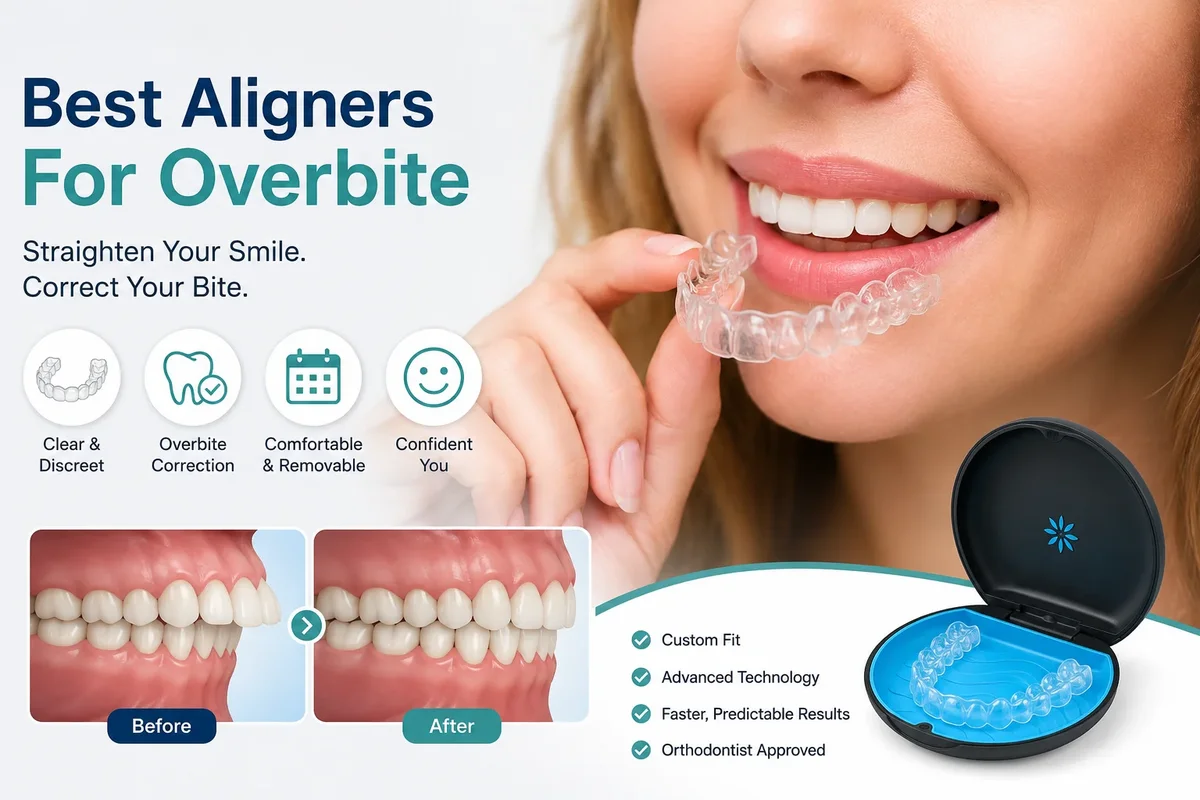
How to Achieve the Best Results With Overbite Aligners
Choosing the best aligners for overbite is only the first step toward achieving a healthier bite and a more attractive smile. While modern clear aligner systems offer remarkable technology and highly predictable treatment planning, the final outcome depends on several important factors. Patient compliance, oral hygiene, professional supervision, and lifestyle habits all play critical roles in determining treatment success. Even the most advanced aligner system cannot deliver optimal results without proper use and commitment. 😊
Many patients begin treatment expecting the aligners themselves to do all the work. However, orthodontic success is actually a partnership between the patient and the dental professional. Understanding how to maximize the effectiveness of the best aligners for overbite can help ensure smoother treatment, shorter timelines, and more stable long-term results.
Wear Your Aligners for the Recommended Time
The single most important factor influencing the success of the best aligners for overbite is consistent wear. Most orthodontists recommend wearing aligners for 20 to 22 hours per day.
Aligners only move teeth when they are in place. Every hour spent without them can slow progress and interfere with the carefully planned treatment sequence.
Patients should remove aligners only for:
- Eating meals
- Drinking beverages other than water
- Brushing teeth
- Flossing
- Cleaning the aligners
Patients who consistently meet wear-time recommendations generally achieve better outcomes with the best aligners for overbite than those who frequently remove their trays.
Why Compliance Matters So Much
The treatment plan created for the best aligners for overbite assumes that aligners are being worn as instructed. When wear time decreases, tooth movement becomes less predictable, potentially extending treatment duration and reducing effectiveness.
Follow Your Aligner Change Schedule
Each set of the best aligners for overbite is designed to move teeth a specific amount before the next stage begins. Orthodontists typically recommend changing aligners every one or two weeks, depending on the treatment plan.
Changing aligners too early can place excessive force on the teeth. Waiting too long can unnecessarily prolong treatment.
Patients should:
- Follow the prescribed schedule
- Track aligner changes carefully
- Attend regular monitoring appointments
- Contact the provider if aligners do not fit properly
Consistency throughout treatment helps ensure that the best aligners for overbite perform as intended.
Use Attachments and Elastics as Directed
Many overbite treatment plans require additional orthodontic components such as attachments and elastics. These tools significantly improve the capabilities of the best aligners for overbite.
Attachments Improve Tooth Control
Attachments are small tooth-colored shapes bonded to selected teeth. They help the aligners apply more precise forces and improve movement efficiency.
Attachments can assist with:
- Root positioning
- Vertical tooth movement
- Rotation control
- Bite correction
- Aligner retention
Patients should avoid picking at attachments or attempting to remove them.
Elastics Enhance Bite Correction
Elastics are often prescribed when treating moderate or complex overbites. When used correctly, they enhance the effectiveness of the best aligners for overbite by helping coordinate upper and lower tooth movement.
Failure to wear elastics consistently may delay treatment progress and compromise bite correction results.
Maintain Excellent Oral Hygiene
Proper oral hygiene is essential throughout treatment with the best aligners for overbite. Because aligners fit closely against the teeth, food particles and bacteria can become trapped if oral hygiene is neglected.
Patients should:
- Brush after every meal
- Floss daily
- Clean aligners regularly
- Use fluoride toothpaste
- Attend routine dental checkups
Healthy gums and teeth provide a stronger foundation for successful orthodontic treatment.
Avoid Placing Aligners Over Dirty Teeth
One of the most common mistakes patients make is reinserting the best aligners for overbite without brushing after eating. This can trap bacteria against the teeth and increase the risk of cavities, staining, and gum inflammation.
Keep Your Aligners Clean
Clean aligners are more comfortable, more attractive, and healthier to wear. Patients using the best aligners for overbite should establish a regular cleaning routine.
Recommended cleaning practices include:
- Rinsing aligners after removal
- Using a soft toothbrush
- Cleaning with approved aligner solutions
- Avoiding hot water
- Storing aligners properly when not in use
Proper maintenance helps preserve aligner clarity and hygiene throughout treatment.
Attend All Scheduled Appointments
Even though the best aligners for overbite often require fewer office visits than braces, regular monitoring remains essential.
Orthodontic appointments allow providers to:
- Track tooth movement
- Evaluate bite correction progress
- Address potential issues
- Provide new aligners
- Modify treatment if necessary
Skipping appointments may delay the identification of problems that could affect treatment outcomes.
Digital Monitoring May Be Available
Some providers use remote monitoring technologies to supplement in-office visits. These systems can improve communication and help ensure the best aligners for overbite remain on track between appointments.
Protect Your Aligners From Damage
Damaged aligners may not fit properly and can interfere with treatment. Patients using the best aligners for overbite should handle them carefully.
Common mistakes include:
- Wrapping aligners in napkins
- Leaving aligners exposed
- Using hot water for cleaning
- Allowing pets access to aligners
- Improper storage
Using the provided storage case can significantly reduce the risk of loss or damage.
Be Patient With the Process
Orthodontic treatment requires time. While the best aligners for overbite often produce noticeable improvements within months, complete correction may take a year or longer depending on case complexity.
Patients should understand that:
- Tooth movement is gradual
- Some discomfort is normal
- Progress may vary between individuals
- Consistency produces the best outcomes
Maintaining realistic expectations helps patients stay motivated throughout treatment.
Wear Retainers After Treatment
Completing active treatment is not the final step. Once the best aligners for overbite have successfully corrected the bite, retainers are essential for maintaining results.
Without retention, teeth naturally tend to shift over time.
Retainers help:
- Preserve tooth alignment
- Maintain bite correction
- Reduce relapse risk
- Protect orthodontic investment
Following retainer instructions is one of the most important ways to protect long-term treatment success.
Retention Is a Lifelong Commitment
Many patients are surprised to learn that retention continues long after active orthodontic treatment ends. Consistent retainer use helps preserve the benefits achieved through the best aligners for overbite.
Final Thoughts on Maximizing Treatment Success
Achieving outstanding results with the best aligners for overbite requires more than simply receiving a set of aligners. Success depends on daily commitment, proper hygiene, professional supervision, and adherence to treatment instructions.
By wearing aligners consistently, following the prescribed schedule, using attachments and elastics correctly, maintaining excellent oral health, and attending follow-up appointments, patients can dramatically improve their chances of achieving an ideal outcome.
Ultimately, the best aligners for overbite provide a powerful and highly effective solution for correcting bite problems, but the patient’s dedication remains a critical part of the process. With the right habits and professional guidance, patients can achieve a healthier bite, improved oral function, and a confident smile that lasts for years to come. ✨
Disclosure: this page may contain affiliate links. We may earn a commission if you use them, at no extra cost to you.