
Finding the best dental gum can make a significant difference in your daily oral hygiene routine. While brushing and flossing remain the foundation of healthy teeth and gums, many dental professionals recognize that the best dental gum can provide additional support between brushing sessions. Modern dental chewing gums are specifically designed to promote oral health, stimulate saliva production, reduce harmful bacteria, and help protect teeth from decay.
Many people assume that all chewing gums are the same, but this is far from the truth. Traditional sugary gums may actually contribute to tooth decay, whereas the best dental gum is formulated with ingredients that actively support dental wellness. These products are often sugar-free and may contain beneficial compounds such as xylitol, calcium, phosphate minerals, and other tooth-friendly ingredients that help maintain a healthier oral environment.
🦷 One of the primary reasons dentists recommend the best dental gum is its ability to stimulate saliva flow. Saliva plays a crucial role in oral health because it helps neutralize acids produced by bacteria in the mouth. These acids can weaken tooth enamel over time and increase the risk of cavities. By increasing saliva production, the best dental gum supports the body’s natural defense system against tooth decay and gum disease.
Another important benefit of the best dental gum is its convenience. Many people cannot brush their teeth immediately after every meal, especially when they are at work, traveling, or attending social events. In these situations, chewing the best dental gum for approximately 20 minutes after eating can help remove food particles, freshen breath, and reduce acid attacks on tooth enamel. Although it does not replace brushing, it can be a valuable supplement to a complete oral care routine.
Fresh breath is another reason many consumers seek the best dental gum. Bad breath often develops when food particles remain in the mouth and bacteria begin breaking them down. Dental gum can help reduce odor-causing bacteria while promoting saliva flow that naturally cleanses the mouth. As a result, the best dental gum may contribute to improved confidence during daily interactions and professional meetings.
Research has shown that sugar-free gum containing xylitol may offer additional benefits. Xylitol is a natural sweetener that harmful oral bacteria cannot easily metabolize. Because of this, many experts consider xylitol-containing products among the best dental gum options available today. By reducing bacterial activity, xylitol may help lower the risk of plaque buildup and cavities when combined with proper oral hygiene practices.
😃 People with dry mouth conditions may also benefit from the best dental gum. Dry mouth, also known as xerostomia, can increase the likelihood of tooth decay and gum problems because saliva production is reduced. Chewing sugar-free dental gum stimulates saliva glands, helping maintain moisture levels in the mouth and creating a more comfortable oral environment.
When evaluating the best dental gum, it is important to review the ingredient list carefully. Quality dental gums typically avoid sugar and instead use tooth-friendly sweeteners. Some advanced products contain remineralizing ingredients that help strengthen enamel. Others may include natural flavors that provide a refreshing experience without negatively affecting oral health. Understanding these differences allows consumers to select the best dental gum for their unique needs.
Parents often wonder whether children can use the best dental gum. In many cases, sugar-free dental gum may be suitable for older children who can chew gum safely without swallowing it. Encouraging healthy oral habits early in life can help support long-term dental wellness. However, parents should always follow age recommendations and consult dental professionals when necessary.
The connection between gum health and overall health has become increasingly important in modern dentistry. Healthy gums help support the teeth and contribute to a healthy oral microbiome. The best dental gum may assist in maintaining cleaner teeth and healthier gums by reducing plaque accumulation and supporting saliva production throughout the day.
For individuals seeking comprehensive oral care, the best dental gum should be viewed as part of a broader strategy that includes brushing twice daily, flossing regularly, attending routine dental examinations, and maintaining a balanced diet. No chewing gum can replace professional dental care, but the right product can complement these efforts effectively.
Patients who have questions about selecting the best dental gum for their specific oral health needs can seek professional guidance through the Redent Klinik Contact Page. Additionally, evidence-based oral health information can be found through the American Dental Association, which provides valuable educational resources regarding preventive dental care.
✅ Ultimately, the best dental gum is one that supports saliva production, contains tooth-friendly ingredients, promotes fresher breath, and complements a consistent oral hygiene routine. By understanding how dental gum works and selecting products designed for oral health, individuals can make informed decisions that contribute to healthier teeth, stronger gums, and improved overall oral wellness.
What Is the Best Dental Gum and Why Does It Matter?
The best dental gum is far more than a simple breath freshener. It is a specially formulated chewing gum designed to support oral health by stimulating saliva production, reducing acid levels in the mouth, and helping maintain healthier teeth and gums. While many people chew gum purely for flavor or habit, choosing the best dental gum can provide meaningful oral health benefits that complement brushing, flossing, and regular dental visits.
In today’s fast-paced lifestyle, many individuals are unable to brush their teeth immediately after meals. This is where the best dental gum becomes particularly valuable. By chewing gum after eating, saliva flow increases naturally, helping wash away food debris and neutralize harmful acids that can contribute to tooth decay. Dentists often recommend sugar-free options because they offer oral health advantages without exposing teeth to cavity-causing sugars.
Understanding the Purpose of Dental Gum
The primary goal of the best dental gum is to create a healthier environment inside the mouth. Unlike conventional chewing gum, dental gum is specifically developed with oral wellness in mind. Many products contain ingredients such as xylitol, calcium compounds, phosphate minerals, and other substances that support tooth enamel and gum health.
Every day, the mouth experiences repeated acid attacks from foods and beverages. Coffee, soft drinks, fruit juices, and many snacks can temporarily lower oral pH levels. When the mouth becomes too acidic, enamel may begin to weaken. The best dental gum helps counteract this process by stimulating saliva, which acts as the body’s natural defense mechanism against excessive acidity.
🦷 Saliva contains minerals that assist in the natural remineralization process of tooth enamel. Therefore, increasing saliva production through the use of the best dental gum can contribute to stronger and healthier teeth over time.
How the Best Dental Gum Differs from Regular Gum
Many consumers mistakenly assume that all gum products offer the same benefits. However, there are significant differences between ordinary chewing gum and the best dental gum. Traditional gums often contain sugar, artificial syrups, or ingredients that may contribute to plaque formation. Dental gums, on the other hand, are designed to promote oral health rather than simply provide flavor.
The best dental gum is usually sugar-free and frequently contains xylitol. Unlike regular sugar, xylitol cannot be effectively used by many harmful oral bacteria. This helps reduce bacterial activity and may contribute to a lower risk of cavities. As a result, dental professionals often recommend xylitol-containing products as part of a preventive oral care strategy.
Characteristics of High-Quality Dental Gum
- Sugar-free formulation
- Contains xylitol or similar tooth-friendly sweeteners
- Supports saliva production
- Helps neutralize oral acids
- May contribute to fresher breath
- Designed to complement oral hygiene routines
- Suitable for daily use when recommended by dental professionals
When evaluating the best dental gum, consumers should prioritize these characteristics rather than focusing solely on flavor or brand popularity.
Why Oral Health Professionals Recommend Dental Gum
Dental professionals understand that maintaining oral health requires consistent daily care. Even individuals with excellent brushing habits can experience periods when food particles remain trapped between meals. The best dental gum provides a convenient way to support oral cleanliness during these situations.
After eating, harmful bacteria begin metabolizing carbohydrates and producing acids. These acids can weaken enamel and increase the likelihood of cavities. Chewing the best dental gum for approximately 15 to 20 minutes after meals may help reduce this risk by encouraging saliva flow and improving the mouth’s natural cleansing process.
😁 Another commonly cited benefit is fresher breath. The best dental gum can help minimize unpleasant odors by reducing bacterial buildup and increasing moisture levels within the oral cavity. This makes it a practical option for professionals, students, travelers, and anyone seeking improved confidence throughout the day.
The Relationship Between Saliva and Oral Health
One of the most important reasons the best dental gum matters is its effect on saliva production. Saliva is often underestimated, yet it plays a vital role in protecting oral tissues. It helps lubricate the mouth, facilitate swallowing, neutralize acids, and deliver minerals necessary for enamel maintenance.
Individuals suffering from dry mouth conditions may face increased risks of tooth decay and gum irritation. For these individuals, the best dental gum may offer additional support by stimulating salivary glands and promoting a healthier oral environment.
When saliva levels remain adequate, the mouth is better equipped to defend itself against bacterial overgrowth and acid erosion. This is one of the reasons why oral care experts continue to recognize the value of the best dental gum as a supportive oral hygiene tool.
Who Can Benefit Most from the Best Dental Gum?
Although almost anyone can potentially benefit from the best dental gum, certain groups may find it particularly helpful:
- People who frequently eat away from home
- Office workers who cannot brush after lunch
- Individuals concerned about bad breath
- People experiencing mild dry mouth symptoms
- Travelers seeking convenient oral care support
- Patients following preventive dental care plans
For these individuals, incorporating the best dental gum into their daily routine may help support healthier teeth and gums while enhancing overall oral comfort.
Why Choosing the Right Dental Gum Matters
Not all oral care products are created equal. Selecting the best dental gum means choosing a product that aligns with evidence-based oral health principles. While gum alone cannot prevent dental disease, it can serve as a useful addition to a comprehensive oral hygiene program.
Patients seeking personalized recommendations can consult professionals through the Redent Klinik Contact Page. Additional educational resources regarding preventive oral care are available from the American Dental Association.
✅ Ultimately, the best dental gum matters because it supports the natural protective mechanisms of the mouth. By promoting saliva production, helping neutralize acids, reducing bacterial activity, and contributing to fresher breath, the best dental gum offers practical benefits that can support long-term oral health when combined with proper brushing, flossing, and professional dental care.
Key Ingredients Found in the Best Dental Gum
The effectiveness of the best dental gum depends largely on the ingredients it contains. While many consumers focus on flavor, oral health professionals pay close attention to the formulation behind each product. The best dental gum is specifically designed to support healthier teeth and gums through carefully selected ingredients that help reduce cavity risk, stimulate saliva production, and promote a balanced oral environment.
Not every chewing gum offers the same benefits. Some products are marketed as healthy but contain ingredients that provide little support for oral wellness. Understanding the key components found in the best dental gum can help consumers make informed decisions and choose products that truly contribute to long-term dental health.
Xylitol: The Most Important Ingredient in the Best Dental Gum
Xylitol is widely considered one of the most beneficial ingredients found in the best dental gum. This natural sugar alcohol provides sweetness without feeding the harmful bacteria that contribute to tooth decay. Unlike traditional sugar, xylitol cannot be efficiently metabolized by many cavity-causing bacteria.
When bacteria are unable to use xylitol as an energy source, their ability to produce harmful acids decreases. This makes xylitol-containing products a popular choice among dentists and preventive oral health specialists. For this reason, many experts view xylitol as a defining feature of the best dental gum.
🦷 Studies have shown that regular use of xylitol-containing gum may help reduce plaque accumulation and support a healthier oral environment when combined with proper brushing and flossing habits. Although chewing gum alone cannot eliminate cavities, the presence of xylitol strengthens the value of the best dental gum as part of a comprehensive oral care routine.
Benefits of Xylitol
- Helps reduce harmful bacterial activity
- Supports healthier plaque levels
- Encourages saliva production
- Provides sweetness without sugar
- May contribute to cavity prevention efforts
Calcium and Phosphate Compounds
Another common feature of the best dental gum is the inclusion of calcium and phosphate minerals. Teeth naturally lose and regain minerals throughout the day in a process known as demineralization and remineralization. When acids attack enamel, minerals can be lost from the tooth surface.
The best dental gum may contain ingredients that support the remineralization process by supplying additional calcium and phosphate ions. These minerals help reinforce enamel and contribute to maintaining tooth strength over time.
Many advanced oral care gums are designed specifically to complement the mouth’s natural repair mechanisms. While these ingredients do not replace professional dental treatment, they can help support daily oral maintenance when used consistently.
Saliva-Stimulating Ingredients
One of the primary goals of the best dental gum is to increase saliva flow. Saliva plays a crucial role in oral health because it naturally rinses away food particles, neutralizes acids, and helps maintain proper moisture levels within the mouth.
The simple act of chewing activates salivary glands. However, the best dental gum is often formulated to maximize this benefit through carefully balanced textures and flavors that encourage prolonged chewing.
😁 Increased saliva production can be particularly beneficial after meals when acid levels tend to rise. This natural cleansing process helps protect enamel and contributes to a healthier oral environment throughout the day.
Sugar-Free Sweeteners Used in the Best Dental Gum
The best dental gum avoids traditional sugars that may contribute to tooth decay. Instead, manufacturers typically use alternative sweeteners that provide flavor without increasing cavity risk.
Common sweeteners found in the best dental gum include:
- Xylitol
- Sorbitol
- Erythritol
- Maltitol
- Mannitol
These sweeteners allow users to enjoy a pleasant chewing experience while minimizing exposure to cavity-promoting sugars. Their inclusion is one reason why the best dental gum is often recommended over conventional gum products.
Natural Flavors and Breath-Freshening Ingredients
Fresh breath remains one of the most appreciated benefits of the best dental gum. Many formulations contain natural mint extracts, peppermint oils, spearmint oils, or herbal flavoring agents that help create a refreshing sensation.
These ingredients do more than simply mask odors. By stimulating saliva production and reducing dry mouth symptoms, the best dental gum helps address some of the underlying causes of unpleasant breath.
🌿 Natural flavoring agents are increasingly preferred by consumers seeking cleaner ingredient profiles. As a result, many premium dental gum brands emphasize natural ingredients as part of their oral health strategy.
Ingredients to Avoid When Choosing Dental Gum
Understanding beneficial ingredients is only part of the equation. Consumers should also recognize ingredients that may reduce the effectiveness of a product marketed as the best dental gum.
Potential Red Flags
- High sugar content
- Corn syrup or glucose syrup
- Sticky formulations that adhere to teeth
- Excessive artificial coloring
- Products lacking oral health-focused ingredients
Reading labels carefully can help consumers identify whether a product genuinely qualifies as the best dental gum or simply uses dental marketing language without providing meaningful oral health benefits.
Why Ingredient Quality Matters
The quality of ingredients directly affects how well the best dental gum performs. A product containing xylitol, saliva-stimulating compounds, and enamel-supporting minerals offers far greater oral health advantages than ordinary chewing gum.
Consumers seeking personalized recommendations can consult dental professionals through the Redent Klinik Contact Page. Additional information about preventive oral care and evidence-based dental recommendations is available from the American Dental Association.
✅ Ultimately, the best dental gum is defined by its ingredients. Xylitol, calcium, phosphate compounds, saliva-promoting properties, and sugar-free formulations work together to support healthier teeth and gums. By understanding these key ingredients, individuals can confidently select the best dental gum that aligns with their oral health goals and complements a strong daily dental care routine.
How the Best Dental Gum Supports Gum Health Naturally
Healthy gums are the foundation of a healthy smile. While many people focus primarily on preventing cavities, maintaining strong and disease-free gums is equally important for long-term oral health. The best dental gum can play a valuable supporting role in gum care by helping create an oral environment that promotes healthier gum tissue, reduces harmful bacterial activity, and supports the natural protective mechanisms of the mouth.
Although the best dental gum is not a substitute for professional dental treatment, brushing, or flossing, it can serve as an effective addition to a comprehensive oral hygiene routine. Modern dental gums are specifically formulated to encourage saliva production, reduce plaque accumulation, and help maintain cleaner teeth and healthier gums throughout the day.
The Connection Between Gum Health and Overall Oral Wellness
The gums, also known as gingival tissues, provide support and protection for the teeth. Healthy gums create a tight seal around the teeth, helping prevent bacteria from penetrating deeper into the oral structures. When gums become inflamed or infected, conditions such as gingivitis and periodontal disease may develop.
The best dental gum contributes to gum health by supporting the natural cleansing functions of saliva. Increased saliva flow helps remove food debris and bacteria that might otherwise accumulate along the gumline. This simple process can assist in maintaining a cleaner oral environment and reducing some of the factors associated with gum irritation.
🦷 Since gum disease often develops gradually, preventive measures are essential. Using the best dental gum as part of a daily oral care strategy can help reinforce healthy habits that support long-term gum wellness.
How Saliva Protects the Gums
One of the most significant ways the best dental gum supports gum health is through saliva stimulation. Saliva is much more than water. It contains enzymes, proteins, minerals, and immune components that help protect oral tissues from harmful microorganisms.
When saliva production increases, several beneficial effects occur:
- Food particles are washed away more effectively.
- Acid levels are neutralized.
- Oral tissues remain hydrated.
- Bacterial populations are naturally regulated.
- Gums receive additional protection from irritation.
The best dental gum encourages this process by stimulating the salivary glands through chewing. This is particularly useful after meals, when bacteria are actively metabolizing food particles and producing acids.
Why Dry Mouth Can Harm Gum Health
Individuals who experience dry mouth may face an increased risk of gum problems. Reduced saliva allows bacteria to multiply more easily and may contribute to plaque buildup along the gumline. The best dental gum can help increase moisture levels in the mouth, creating conditions that are more favorable for healthy gums.
😁 For people who frequently experience oral dryness due to medications, aging, or lifestyle factors, chewing the best dental gum may provide additional comfort while supporting oral health goals.
The Role of Xylitol in Gum Protection
Many formulations of the best dental gum contain xylitol, a sugar-free sweetener widely recognized for its oral health benefits. Unlike traditional sugars, xylitol cannot be efficiently utilized by many harmful oral bacteria.
As bacterial activity decreases, plaque formation may be reduced. Because plaque is one of the primary contributors to gum inflammation, this makes xylitol an important ingredient in the best dental gum. While xylitol does not cure gum disease, it may help create a healthier oral environment that supports preventive care efforts.
Regular use of the best dental gum containing xylitol may complement brushing and flossing by helping reduce some of the bacterial challenges that affect gum tissue health.
Reducing Plaque Accumulation Naturally
Plaque is a sticky biofilm that continuously forms on the teeth and gums. If not removed regularly, plaque can irritate gum tissue and contribute to gingivitis. One of the ways the best dental gum supports gum health naturally is by encouraging saliva flow that helps limit plaque accumulation between brushing sessions.
Although chewing gum does not physically remove plaque in the same way brushing does, the increased saliva production associated with the best dental gum may help reduce the buildup of food particles and bacterial waste products that contribute to plaque formation.
Healthy Habits That Work Alongside Dental Gum
- Brushing twice daily
- Flossing at least once per day
- Regular dental examinations
- Professional dental cleanings
- Balanced nutrition
- Adequate hydration
- Using the best dental gum after meals when brushing is not possible
Combining these practices can help maximize gum health benefits and reduce the likelihood of oral disease.
Supporting Healthier Breath and Cleaner Gums
Bad breath is often associated with bacterial activity around the teeth and gums. The best dental gum helps address this issue by increasing saliva production and reducing oral dryness. As moisture levels improve, odor-causing compounds can be diluted and removed more effectively.
Fresh breath is often a sign of a cleaner oral environment. While fresh breath alone does not guarantee healthy gums, many people notice improvements in oral comfort and cleanliness when incorporating the best dental gum into their daily routine.
🌿 Many premium products also include natural mint flavors that provide an additional feeling of freshness while supporting the chewing process that stimulates saliva flow.
Long-Term Benefits for Gum Maintenance
The greatest advantage of the best dental gum is consistency. Small daily habits often have the largest impact on long-term oral health. When used regularly alongside brushing and flossing, the best dental gum can contribute to healthier oral conditions that support gum maintenance over time.
Patients concerned about gum health should seek personalized guidance through the Redent Klinik Contact Page. Additional evidence-based information about gum disease prevention and oral health maintenance can be found through the American Dental Association.
✅ Ultimately, the best dental gum supports gum health naturally by stimulating saliva production, helping reduce bacterial activity, supporting oral hydration, and complementing established oral hygiene practices. While it cannot replace professional dental care, the best dental gum can be a practical and effective tool for individuals seeking healthier gums, fresher breath, and improved overall oral wellness.
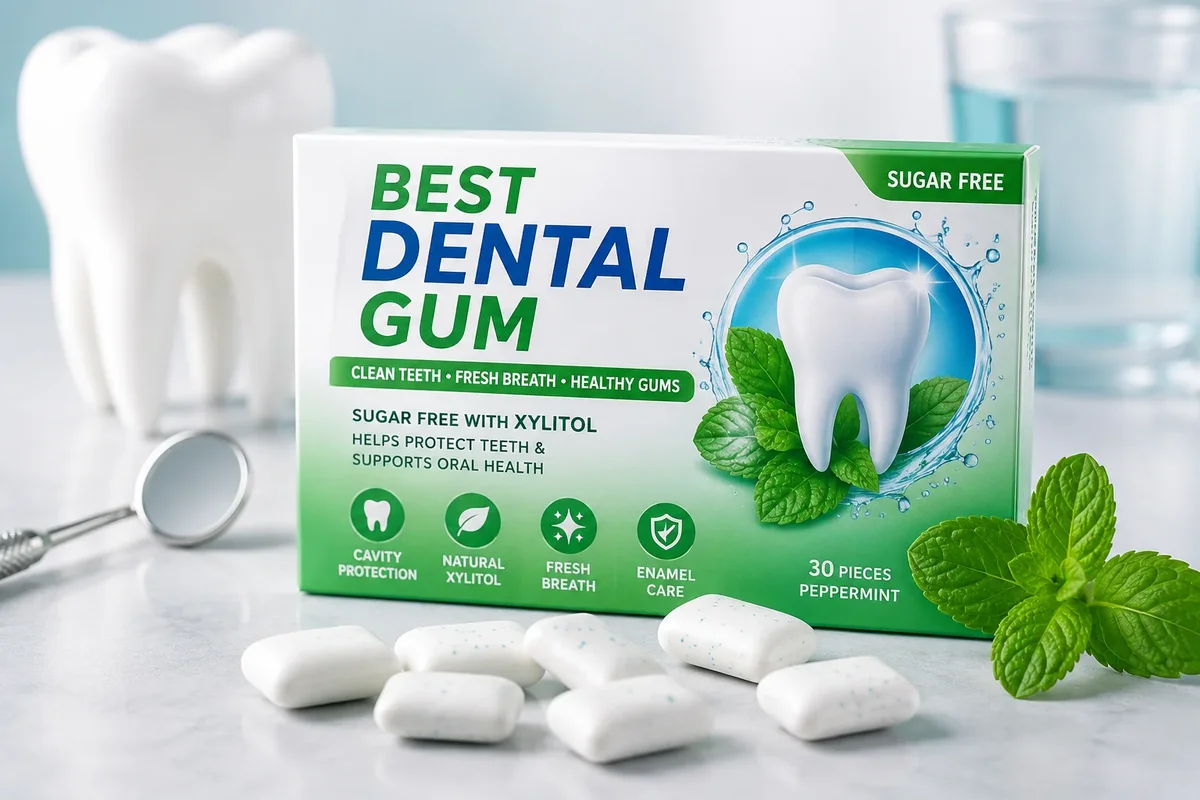
Benefits of Chewing the Best Dental Gum After Meals
One of the simplest ways to support oral health between brushing sessions is by chewing the best dental gum after meals. While brushing and flossing remain the gold standard for maintaining healthy teeth and gums, many people cannot perform these tasks immediately after eating. This is where the best dental gum can provide valuable support. Designed specifically for oral health, dental gum helps stimulate saliva production, freshen breath, and create a cleaner oral environment following meals.
Every time we eat, bacteria in the mouth begin breaking down food particles, especially carbohydrates and sugars. During this process, acids are produced that can temporarily weaken tooth enamel and increase the risk of cavities. The best dental gum helps counteract these effects by encouraging saliva flow, which naturally neutralizes acids and assists in maintaining a healthier balance inside the mouth.
How Chewing Dental Gum Helps Immediately After Eating
After a meal, the mouth enters a critical period where acid levels often rise. These acids can remain active for an extended period, potentially contributing to enamel erosion. The best dental gum works by stimulating the salivary glands, increasing saliva production and helping restore a healthier oral pH level.
Saliva is one of the body’s most effective natural defenses against tooth decay. It helps rinse away food particles, neutralize harmful acids, and supply minerals that support enamel health. By chewing the best dental gum for approximately 15 to 20 minutes after eating, individuals can enhance these natural protective processes.
🦷 This simple habit can be particularly useful when brushing is not immediately possible, such as during work hours, while traveling, or after dining at restaurants.
Promoting Better Saliva Production
The most significant benefit of the best dental gum after meals is increased saliva production. Many oral health professionals consider saliva the mouth’s natural cleaning system because it continuously protects teeth and soft tissues from harmful bacteria and acids.
When chewing the best dental gum, salivary glands become more active. This increased saliva flow provides several benefits:
- Helps wash away food debris.
- Reduces acid concentration.
- Supports enamel remineralization.
- Improves oral moisture levels.
- Contributes to fresher breath.
The best dental gum effectively enhances these natural functions, making it a practical addition to daily oral care habits.
Why Saliva Matters After Meals
Food particles often remain trapped between teeth and along the gumline after eating. Without sufficient saliva, bacteria can feed on these particles and produce acids that increase the risk of cavities. The best dental gum helps accelerate the mouth’s natural cleansing process by encouraging saliva to circulate more effectively.
😁 This can be especially beneficial for individuals who frequently snack throughout the day or consume acidic foods and beverages.
Supporting Fresher Breath Throughout the Day
Bad breath often develops after meals because oral bacteria begin breaking down leftover food particles. The best dental gum can help address this issue by increasing saliva production and reducing oral dryness.
Many formulations of the best dental gum also contain natural mint flavors or other refreshing ingredients that provide an immediate feeling of cleanliness. While flavor contributes to freshness, the real benefit comes from the gum’s ability to stimulate saliva and reduce odor-causing bacterial activity.
For professionals, students, and individuals who frequently interact with others, chewing the best dental gum after meals can help improve confidence and oral comfort throughout the day.
Helping Protect Tooth Enamel
Tooth enamel is constantly exposed to acidic challenges from foods and beverages. Citrus fruits, soft drinks, sports drinks, coffee, and many processed foods can temporarily lower oral pH levels. When this occurs, enamel becomes more vulnerable to demineralization.
The best dental gum helps support enamel protection by encouraging saliva production. Saliva contains minerals such as calcium and phosphate that assist in the natural remineralization process. These minerals help strengthen enamel and repair minor mineral loss that occurs during acid exposure.
Using the best dental gum after meals can therefore contribute to a healthier oral environment that supports long-term enamel preservation.
Common Foods That Increase Acid Exposure
- Soft drinks
- Fruit juices
- Citrus fruits
- Sports beverages
- Sweet desserts
- Processed snacks
After consuming these foods, the best dental gum may help support the mouth’s natural recovery process.
Reducing Plaque Formation Between Brushing Sessions
Plaque forms continuously throughout the day as bacteria combine with food particles and saliva. While brushing and flossing remain essential for plaque removal, the best dental gum can help reduce conditions that favor excessive plaque buildup.
Many products contain xylitol, a sugar-free sweetener commonly associated with oral health benefits. Because certain bacteria cannot effectively utilize xylitol, the best dental gum may help limit bacterial activity and support cleaner teeth between meals.
Although chewing gum cannot physically remove established plaque, it contributes to an oral environment that is less favorable for harmful bacterial growth.
Convenience Makes Consistency Easier
One reason the best dental gum is so widely recommended is its convenience. Unlike toothbrushes or floss, dental gum can be carried easily and used almost anywhere. This accessibility makes it easier for individuals to support oral health consistently throughout the day.
Whether at work, on public transportation, during travel, or after social events, the best dental gum provides a practical way to maintain oral freshness and support natural protective mechanisms when traditional oral hygiene tools are not available.
Making Dental Gum Part of a Complete Oral Care Routine
The best dental gum should always be viewed as a supplement rather than a replacement for proper oral hygiene. It works best when combined with:
- Brushing twice daily
- Daily flossing
- Routine dental checkups
- Professional cleanings
- Balanced nutrition
- Adequate hydration
Patients interested in personalized oral health recommendations can contact professionals through the Redent Klinik Contact Page. Additional preventive care information is available from the American Dental Association.
✅ Ultimately, chewing the best dental gum after meals offers multiple benefits, including increased saliva production, fresher breath, improved oral comfort, acid neutralization, and enhanced support for enamel health. When used consistently alongside proper oral hygiene practices, the best dental gum can become a valuable tool for maintaining healthier teeth and gums every day.
Best Dental Gum vs. Regular Chewing Gum: Understanding the Difference
Many people assume that all chewing gum provides the same benefits, but there are significant differences between ordinary gum and the best dental gum. Understanding these distinctions is important for anyone who wants to improve oral health while enjoying the convenience of chewing gum. While regular gum is often designed primarily for flavor and enjoyment, the best dental gum is specifically formulated to support healthier teeth and gums through ingredients and properties that contribute to oral wellness.
At first glance, two different gum products may appear nearly identical. Both may offer minty freshness, pleasant flavors, and a satisfying chewing experience. However, a closer examination of their ingredients and intended purposes reveals why the best dental gum is often recommended by dental professionals as part of a preventive oral care strategy.
The Primary Purpose of Each Type of Gum
The most important distinction lies in the purpose of the product. Regular chewing gum is generally created to provide flavor, entertainment, and temporary breath freshness. The best dental gum, on the other hand, is designed with oral health benefits in mind.
The best dental gum focuses on supporting saliva production, reducing acid exposure, promoting fresher breath, and helping maintain a healthier oral environment. While it is enjoyable to chew, its formulation goes beyond simple taste and convenience.
🦷 This difference in purpose influences every aspect of the product, from ingredient selection to its potential effects on teeth and gums.
Ingredient Differences Between Dental Gum and Regular Gum
One of the clearest distinctions between regular gum and the best dental gum involves the ingredients used during manufacturing.
Many conventional chewing gums may contain sugars such as sucrose, glucose syrup, or corn syrup. These ingredients can provide sweetness, but they may also feed oral bacteria that produce acids responsible for tooth decay.
In contrast, the best dental gum typically contains sugar-free sweeteners that are considered more tooth-friendly.
Common Ingredients Found in the Best Dental Gum
- Xylitol
- Sorbitol
- Erythritol
- Calcium compounds
- Phosphate minerals
- Natural mint extracts
These ingredients help distinguish the best dental gum from ordinary gum products. Many dental gums are specifically formulated to support oral health goals rather than simply deliver sweetness.
The Role of Xylitol in Dental Gum
Xylitol is one of the most frequently discussed ingredients when comparing regular gum with the best dental gum. This naturally occurring sugar alcohol provides sweetness without contributing to the same bacterial activity associated with traditional sugars.
Many oral health experts consider xylitol an important characteristic of the best dental gum. Since harmful oral bacteria struggle to metabolize xylitol efficiently, bacterial acid production may be reduced. This creates a more favorable environment for maintaining healthy teeth and gums.
😁 As a result, xylitol-containing products are often preferred by individuals seeking a chewing gum that supports preventive dental care.
Effects on Saliva Production
Both regular gum and the best dental gum stimulate saliva production through the chewing action itself. However, dental gums are often specifically designed to maximize this benefit.
Saliva serves several important functions:
- Neutralizes acids in the mouth.
- Helps wash away food particles.
- Supports enamel remineralization.
- Maintains oral moisture.
- Assists in controlling bacterial populations.
The best dental gum leverages these natural protective mechanisms by encouraging prolonged saliva stimulation, particularly after meals when acid exposure tends to be highest.
Impact on Tooth Enamel
Enamel protection represents another major difference between regular gum and the best dental gum. Products containing sugar may expose teeth to additional carbohydrate sources that bacteria can use to generate acids.
The best dental gum, especially when formulated with xylitol and remineralizing minerals, helps create conditions that support enamel health. Some advanced formulations include calcium and phosphate compounds that may assist the natural remineralization process.
Although chewing gum alone cannot rebuild damaged enamel, the best dental gum may help support the body’s natural protective mechanisms when used alongside proper oral hygiene practices.
Enamel-Friendly Characteristics
- Sugar-free formulation
- Acid-neutralizing benefits
- Enhanced saliva production
- Potential remineralization support
- Reduced bacterial acid activity
Fresh Breath Benefits Compared
Fresh breath is one of the most common reasons people chew gum. While regular gum can temporarily mask odors through flavoring agents, the best dental gum addresses some of the underlying causes of bad breath.
By stimulating saliva production and helping reduce oral dryness, the best dental gum contributes to a cleaner oral environment. Since dry mouth often allows odor-causing bacteria to thrive, maintaining healthy saliva flow can provide longer-lasting freshness.
🌿 Many dental gums also contain natural mint ingredients that enhance the sensation of cleanliness while supporting oral comfort throughout the day.
Which Option Is Better for Long-Term Oral Health?
When comparing long-term oral health outcomes, the best dental gum offers clear advantages over many traditional chewing gums. Its formulation is specifically designed to complement brushing, flossing, and routine dental care.
Regular chewing gum may provide temporary enjoyment and freshness, but it often lacks the specialized ingredients found in the best dental gum. For individuals seeking healthier teeth, fresher breath, and better gum support, dental gum is generally the preferred choice.
Making an Informed Choice
Consumers should carefully review product labels before purchasing gum. The presence of xylitol, sugar-free sweeteners, and oral health-focused ingredients can help identify the best dental gum among numerous options available on the market.
Individuals seeking personalized oral care recommendations can consult professionals through the Redent Klinik Contact Page. Additional evidence-based oral health guidance is available from the American Dental Association.
✅ Ultimately, the difference between regular chewing gum and the best dental gum extends far beyond flavor. The best dental gum is specifically formulated to support saliva production, help protect enamel, reduce bacterial activity, and promote healthier gums. When incorporated into a complete oral hygiene routine, the best dental gum can be a practical and beneficial tool for maintaining long-term oral health.
How to Choose the Best Dental Gum for Your Specific Needs
Choosing the best dental gum is not always as simple as selecting the most popular brand on the store shelf. Every individual has different oral health goals, dietary preferences, and dental concerns. The best dental gum for one person may not necessarily be the ideal option for another. Understanding what to look for can help consumers make informed decisions and maximize the oral health benefits of chewing dental gum.
Modern dental gums are available in a wide variety of formulations. Some focus primarily on cavity prevention, while others emphasize breath freshness, saliva stimulation, enamel support, or gum health. By evaluating your personal needs and carefully reviewing product ingredients, you can identify the best dental gum that aligns with your oral care objectives.
Start by Understanding Your Oral Health Goals
The first step in selecting the best dental gum is identifying why you want to use it. Different products offer different advantages, and understanding your goals can simplify the selection process.
For example, some individuals are primarily concerned about cavity prevention, while others want fresher breath throughout the day. Some people experience dry mouth and seek products that stimulate saliva production. Others may be looking for additional support for gum health.
🦷 Common reasons people seek the best dental gum include:
- Reducing cavity risk
- Improving breath freshness
- Supporting gum health
- Increasing saliva production
- Reducing dry mouth discomfort
- Enhancing oral hygiene between brushing sessions
Clearly defining your primary objective makes it easier to identify the best dental gum for your situation.
Look for Xylitol as a Key Ingredient
One of the most important factors when evaluating the best dental gum is whether it contains xylitol. Xylitol is a sugar-free sweetener that has become one of the most respected ingredients in preventive oral care.
Unlike traditional sugar, xylitol cannot be effectively metabolized by many harmful oral bacteria. This means that bacteria produce fewer acids that contribute to enamel erosion and cavity formation. For this reason, many dental professionals consider xylitol-containing products among the best dental gum options available.
😁 When reviewing ingredient labels, consumers should prioritize products where xylitol appears among the primary active ingredients.
Benefits of Xylitol-Based Dental Gum
- Supports healthier oral bacteria balance
- Promotes saliva production
- Helps reduce acid production
- May contribute to cavity prevention efforts
- Provides sweetness without sugar
Choose Sugar-Free Formulations
A true best dental gum should always be sugar-free. Traditional sugars provide fuel for bacteria that produce harmful acids inside the mouth. Over time, this can contribute to tooth decay and gum irritation.
Consumers should carefully review product labels and avoid gums that contain:
- Sucrose
- Glucose syrup
- Corn syrup
- High-fructose sweeteners
- Added sugars
The best dental gum relies on sugar alternatives such as xylitol, erythritol, sorbitol, or similar sweeteners that are more compatible with oral health goals.
Consider Your Breath Freshening Needs
For many consumers, breath freshness remains an important consideration when choosing the best dental gum. Products formulated with natural mint extracts, peppermint oils, or spearmint oils often provide a refreshing experience while stimulating saliva production.
However, long-term breath freshness depends on more than flavor alone. The best dental gum supports oral moisture and helps reduce bacterial activity, which may address some of the underlying causes of bad breath rather than merely masking odors.
🌿 Consumers who prioritize fresh breath should seek products that combine saliva stimulation with quality flavoring ingredients.
Evaluate Additional Oral Health Ingredients
Some advanced formulations of the best dental gum contain ingredients that provide benefits beyond basic saliva stimulation. These may include calcium compounds, phosphate minerals, and enamel-supporting ingredients that contribute to the natural remineralization process.
Such formulations are often marketed toward individuals who want comprehensive oral health support in addition to breath freshness.
Premium Ingredients Sometimes Found in Dental Gum
- Calcium phosphate
- Casein phosphopeptide complexes
- Hydroxyapatite compounds
- Natural herbal extracts
- Advanced mineral blends
While not every consumer requires these features, they may enhance the value of the best dental gum for individuals seeking additional oral health benefits.
Choose a Flavor You Can Use Consistently
Consistency is essential for any oral care habit. Even the best dental gum provides limited benefits if it is not used regularly. Selecting a flavor you genuinely enjoy increases the likelihood that you will incorporate dental gum into your daily routine.
Popular options include:
- Peppermint
- Spearmint
- Cinnamon
- Fruit-based flavors
- Herbal mint blends
The ideal choice is one that encourages regular use while maintaining the oral health qualities expected from the best dental gum.
Special Considerations for Different Users
Different groups may have unique requirements when selecting the best dental gum.
- Individuals with dry mouth may prioritize saliva stimulation.
- People with cavity concerns may focus on xylitol content.
- Professionals may prioritize long-lasting freshness.
- Frequent travelers may value portability and convenience.
- Older adults may seek moisture-supporting formulations.
Considering these personal factors helps ensure the chosen best dental gum meets individual oral health needs effectively.
Consult Dental Professionals When Necessary
Although many products are beneficial, dental professionals can provide personalized recommendations based on individual oral health conditions. Patients with ongoing gum disease, dry mouth disorders, orthodontic appliances, or other dental concerns may benefit from professional guidance when selecting the best dental gum.
Individuals seeking personalized oral care advice can connect with professionals through the Redent Klinik Contact Page. Additional educational resources regarding preventive dental care can be found through the American Dental Association.
✅ Ultimately, choosing the best dental gum involves more than selecting a pleasant flavor. By focusing on sugar-free formulations, xylitol content, saliva-stimulating properties, and personal oral health goals, consumers can identify the best dental gum that supports healthier teeth, fresher breath, and stronger gums as part of a complete oral hygiene routine.
Common Mistakes People Make When Using Dental Gum
Many people recognize the potential benefits of the best dental gum, but not everyone uses it correctly. While dental gum can be a valuable addition to an oral hygiene routine, certain mistakes may reduce its effectiveness or even undermine some of its intended benefits. Understanding these common errors can help individuals maximize the advantages of the best dental gum and make more informed decisions about their daily oral care habits.
The best dental gum is designed to support saliva production, freshen breath, and contribute to a healthier oral environment. However, it should never be viewed as a complete replacement for brushing, flossing, or professional dental care. Many misconceptions arise when people misunderstand the role that dental gum plays within a comprehensive oral health strategy.
Believing Dental Gum Can Replace Brushing and Flossing
One of the most common mistakes is assuming that the best dental gum can replace brushing and flossing. Although dental gum offers important benefits, it cannot physically remove plaque from tooth surfaces or clean between teeth in the same way that brushing and flossing can.
Chewing the best dental gum after meals may help reduce food debris and stimulate saliva production, but plaque removal still requires proper mechanical cleaning. Individuals who rely solely on gum may unknowingly allow plaque buildup to continue, increasing the risk of cavities and gum problems.
🦷 The best dental gum should be viewed as a supplement to daily oral hygiene—not a substitute for it.
Essential Oral Care Habits That Remain Necessary
- Brushing at least twice daily
- Flossing once per day
- Routine dental examinations
- Professional cleanings
- Healthy dietary habits
- Using the best dental gum as additional support
Choosing Gum That Contains Sugar
Another major mistake involves selecting products that contain sugar rather than choosing the best dental gum. Many traditional chewing gums still contain ingredients that feed oral bacteria and contribute to acid production.
Consumers often assume that all gum products offer similar benefits. However, the best dental gum is typically sugar-free and contains ingredients such as xylitol that are specifically selected for oral health purposes.
Regular sugary gum may temporarily freshen breath, but it can also create conditions that encourage cavity formation. For this reason, carefully reading ingredient labels is essential when choosing the best dental gum.
Ignoring the Ingredient List
Many consumers purchase gum based solely on flavor, packaging, or advertising claims. Unfortunately, this approach may lead them away from the best dental gum and toward products that offer minimal oral health benefits.
When selecting dental gum, it is important to examine the ingredient list carefully. Products containing xylitol, sugar-free sweeteners, and saliva-supporting formulations are generally better aligned with oral health goals.
😁 Taking a few moments to review ingredients can significantly improve the likelihood of selecting the best dental gum for long-term oral wellness.
Ingredients Worth Looking For
- Xylitol
- Erythritol
- Sorbitol
- Calcium compounds
- Phosphate minerals
- Natural mint extracts
Chewing for Too Short a Time
Some individuals chew the best dental gum for only a minute or two before discarding it. While even brief chewing can stimulate saliva production, the full benefits often require a longer chewing period.
Many dental professionals suggest chewing the best dental gum for approximately 15 to 20 minutes after meals. This timeframe allows saliva production to increase significantly, helping neutralize acids and support the mouth’s natural cleansing processes.
Discarding the gum too quickly may reduce its effectiveness and limit the oral health benefits that the best dental gum is intended to provide.
Using Excessive Amounts of Gum
At the opposite extreme, some people believe that chewing more gum automatically produces better results. While the best dental gum can be beneficial, excessive chewing may lead to jaw fatigue or discomfort in certain individuals.
Moderation remains important. The goal is to use the best dental gum strategically after meals or during situations where brushing is not immediately possible, rather than chewing continuously throughout the entire day.
Maintaining balance helps ensure that the benefits of the best dental gum are achieved without unnecessary strain on the jaw muscles.
Ignoring Individual Dental Conditions
Not every oral health situation is identical. Some individuals have temporomandibular joint (TMJ) concerns, orthodontic appliances, extensive dental restorations, or other conditions that may influence their ability to chew gum comfortably.
The best dental gum can still be appropriate for many of these individuals, but personalized recommendations may be necessary. Ignoring existing dental conditions and choosing products without professional guidance may not always be the most effective approach.
Situations Where Professional Advice May Help
- TMJ disorders
- Jaw pain
- Orthodontic treatment
- Dry mouth disorders
- Extensive dental restorations
- Advanced gum disease
Using Dental Gum at the Wrong Times
Timing also matters when using the best dental gum. The greatest benefits generally occur after meals when acid production is highest and food particles remain in the mouth.
Some people chew the best dental gum randomly throughout the day while overlooking the periods when it could be most beneficial. Using dental gum strategically after eating allows saliva production to help neutralize acids and support enamel protection during the time when the mouth needs it most.
🌿 Consistent use after meals often provides greater oral health value than occasional or inconsistent chewing habits.
Overlooking Professional Dental Care
Even when using the best dental gum correctly, professional dental care remains essential. Gum can support oral health, but it cannot diagnose cavities, treat gum disease, remove hardened tartar, or replace preventive examinations.
Regular dental visits allow professionals to identify potential issues early and provide personalized recommendations regarding the best dental gum and other oral care products.
Individuals seeking personalized guidance can consult professionals through the Redent Klinik Contact Page. Additional educational information regarding preventive oral health practices is available from the American Dental Association.
✅ Ultimately, the best dental gum can be a highly effective oral health tool when used properly. Avoiding common mistakes such as choosing sugary products, neglecting brushing and flossing, chewing for insufficient time, or ignoring professional dental advice allows users to maximize the benefits of the best dental gum and support healthier teeth and gums over the long term.
Who Should Use the Best Dental Gum for Daily Oral Care?
The best dental gum is often associated with fresh breath and convenience, but its benefits extend far beyond these simple advantages. Many individuals can incorporate the best dental gum into their daily oral hygiene routine to support healthier teeth and gums. However, understanding who may benefit most from dental gum helps consumers use it more effectively and maximize its value as part of a complete oral care strategy.
Modern dental gums are specifically formulated to promote saliva production, help neutralize acids, support enamel health, and contribute to a cleaner oral environment. While nearly anyone can enjoy the benefits of the best dental gum, certain groups may find it particularly useful due to their lifestyle, oral health concerns, or daily habits.
Busy Professionals Who Cannot Brush After Meals
One of the largest groups that may benefit from the best dental gum includes professionals with demanding schedules. Many office workers, healthcare providers, teachers, sales representatives, and business travelers do not have convenient access to toothbrushes after lunch or snacks.
After eating, acids begin forming in the mouth as bacteria process food particles. The best dental gum helps stimulate saliva production, which assists in neutralizing these acids and rinsing away residual debris. While it does not replace brushing, it provides valuable support during periods when traditional oral hygiene methods are unavailable.
🦷 For professionals who spend long hours away from home, carrying the best dental gum can be a simple and practical way to support oral health throughout the day.
Individuals Concerned About Bad Breath
People who struggle with occasional bad breath often seek effective ways to improve oral freshness. The best dental gum can be especially beneficial because it addresses some of the underlying causes of unpleasant breath rather than simply masking odors.
Many formulations increase saliva production, helping reduce oral dryness and dilute odor-causing compounds. The best dental gum may also contain natural mint ingredients that provide an immediate feeling of freshness while supporting a cleaner oral environment.
😁 Individuals who frequently attend meetings, social events, interviews, or public presentations often appreciate the confidence that the best dental gum can provide.
Common Situations Where Fresh Breath Matters
- Business meetings
- Job interviews
- Social gatherings
- Public speaking events
- Travel and commuting
- Customer-facing professions
People with Mild Dry Mouth Symptoms
Dry mouth, also known as xerostomia, can significantly impact oral health. Reduced saliva production increases the risk of tooth decay, gum irritation, and oral discomfort. The best dental gum may help individuals with mild dry mouth symptoms by encouraging salivary gland activity.
Because saliva plays a critical role in protecting oral tissues, stimulating its production can contribute to improved comfort and oral health. The best dental gum supports this process naturally through chewing, making it a practical option for many individuals who experience occasional oral dryness.
However, individuals with severe or persistent dry mouth should seek professional evaluation to identify underlying causes and appropriate treatment options.
People Focused on Preventive Dental Care
Many health-conscious individuals actively seek preventive strategies to maintain strong teeth and healthy gums. For these individuals, the best dental gum can become a valuable part of a broader oral hygiene plan.
The best dental gum works particularly well when combined with:
- Twice-daily brushing
- Daily flossing
- Routine dental examinations
- Professional cleanings
- Balanced nutrition
- Adequate hydration
By supporting saliva production and reducing acid exposure between meals, the best dental gum complements these preventive efforts and contributes to long-term oral wellness.
Frequent Travelers and Commuters
Travel often disrupts normal routines, including oral hygiene habits. Individuals who spend significant time commuting, flying, or traveling for work may not always have immediate access to oral care products.
The portability of the best dental gum makes it especially useful in these situations. Small, lightweight packaging allows users to carry dental gum conveniently while maintaining some level of oral health support between brushing sessions.
🌍 Whether traveling for business or leisure, the best dental gum can help individuals maintain fresher breath and a cleaner-feeling mouth throughout their journeys.
Benefits for Travelers
- Easy to carry
- Convenient after meals
- Supports oral moisture during flights
- Helps freshen breath
- Provides oral care support when away from home
Adults Seeking Better Gum Health
Healthy gums are essential for maintaining strong teeth and overall oral wellness. The best dental gum supports gum health by promoting saliva flow and helping reduce bacterial activity that may contribute to plaque formation.
Although gum cannot treat gum disease, the best dental gum can support preventive efforts by encouraging a cleaner oral environment between brushing sessions. Adults interested in maintaining healthy gums may benefit from incorporating dental gum into their daily routine.
Who May Need Professional Guidance Before Using Dental Gum?
While the best dental gum is suitable for many individuals, some situations may warrant professional advice before regular use.
- People with TMJ disorders
- Individuals experiencing jaw pain
- Patients with extensive orthodontic appliances
- Those with severe dry mouth conditions
- Individuals with advanced periodontal disease
In these cases, dental professionals can provide personalized recommendations regarding the appropriate use of the best dental gum and other oral care products.
Making Dental Gum Part of Daily Life
The greatest benefit of the best dental gum comes from consistent and appropriate use. Chewing dental gum after meals or snacks can support saliva production and contribute to a healthier oral environment. However, it should always complement—not replace—traditional oral hygiene practices.
Individuals interested in personalized oral health recommendations can connect with professionals through the Redent Klinik Contact Page. Additional evidence-based information about preventive dental care can be found through the American Dental Association.
✅ Ultimately, the best dental gum can benefit a wide range of individuals, including busy professionals, travelers, people concerned about bad breath, those experiencing mild dry mouth, and anyone committed to preventive oral care. When incorporated into a complete dental hygiene routine, the best dental gum provides convenient and practical support for maintaining healthier teeth, stronger gums, and fresher breath every day.
Expert Tips for Maximizing Results with the Best Dental Gum
The best dental gum can be a valuable addition to a daily oral care routine, but obtaining the greatest benefits requires more than simply chewing gum occasionally. Dental professionals understand that small habits often produce significant long-term results. When used correctly, the best dental gum can support saliva production, help maintain fresher breath, contribute to enamel protection, and complement overall oral hygiene efforts.
Many people purchase the best dental gum with the expectation that it will automatically improve their oral health. While quality dental gum offers several advantages, proper usage strategies can substantially increase its effectiveness. Understanding when to chew, how long to chew, and what characteristics to prioritize allows users to maximize the benefits associated with the best dental gum.
Use the Best Dental Gum Immediately After Meals
One of the most widely recommended strategies is chewing the best dental gum shortly after eating. Meals and snacks create conditions that allow bacteria to metabolize food particles and produce acids. These acids can temporarily weaken tooth enamel and increase the risk of cavity formation.
By chewing the best dental gum after meals, saliva production increases significantly. This additional saliva helps neutralize acids, wash away food debris, and support the natural protective mechanisms of the mouth.
🦷 Many dental professionals suggest making the best dental gum part of the post-meal routine, especially when brushing is not immediately possible.
Ideal Times to Use Dental Gum
- After breakfast
- After lunch
- After dinner
- Following snacks
- After consuming acidic beverages
- During long travel periods
Using the best dental gum strategically during these moments can help maximize oral health benefits.
Chew for the Recommended Duration
Another important tip involves chewing time. Some individuals discard gum after only a few minutes, reducing the potential benefits. The best dental gum generally provides the greatest value when chewed for approximately 15 to 20 minutes after meals.
This duration allows saliva production to remain elevated long enough to help neutralize acids and support oral cleansing. Short chewing sessions may not provide the same level of benefit as a full post-meal routine with the best dental gum.
😁 However, excessively prolonged chewing is not necessarily better. Moderation remains important for comfort and jaw health.
Choose Products Containing Xylitol
Experts consistently recommend selecting the best dental gum with xylitol whenever possible. Xylitol is one of the most researched sugar-free sweeteners in preventive oral care and is frequently associated with dental health benefits.
Unlike traditional sugars, xylitol cannot be efficiently utilized by many cavity-causing bacteria. As a result, products containing xylitol are often considered among the best dental gum options available for individuals seeking enhanced oral health support.
Why Xylitol Matters
- Supports healthier bacterial balance
- Promotes saliva production
- Reduces bacterial acid production
- Offers sweetness without sugar
- Supports preventive oral care efforts
When comparing products, reviewing ingredient labels is one of the easiest ways to identify the best dental gum for daily use.
Stay Hydrated Throughout the Day
While the best dental gum stimulates saliva production, hydration remains essential for maintaining healthy saliva flow. Individuals who do not consume adequate water may experience reduced oral moisture, which can negatively affect oral health.
Combining proper hydration with the best dental gum creates a stronger foundation for maintaining a healthy oral environment. Water supports saliva production naturally, while dental gum enhances this process through chewing stimulation.
💧 This combination can be particularly beneficial for individuals who experience mild dry mouth symptoms or spend long periods speaking throughout the day.
Use Dental Gum as Part of a Complete Oral Care Routine
One of the most important expert recommendations is understanding the role of the best dental gum within a broader oral hygiene plan. Dental gum is highly effective as a supplemental tool, but it should never replace essential oral care practices.
The best dental gum works most effectively when combined with:
- Brushing twice daily
- Daily flossing
- Routine dental examinations
- Professional cleanings
- Balanced nutrition
- Good hydration habits
These practices work together to create a comprehensive oral health strategy that extends beyond the benefits of the best dental gum alone.
Avoid Common Misuse Patterns
Experts also emphasize avoiding mistakes that can reduce the effectiveness of the best dental gum. For example, selecting sugary gum instead of sugar-free alternatives may undermine oral health goals.
Similarly, relying exclusively on the best dental gum while neglecting brushing and flossing can limit its benefits. Dental gum should be viewed as a supportive measure rather than a replacement for established oral hygiene methods.
🌿 Consistent and proper use generally produces far better results than occasional or inconsistent chewing habits.
Consider Your Individual Oral Health Needs
Different individuals may use the best dental gum for different reasons. Some prioritize fresher breath, while others focus on cavity prevention, gum support, or saliva stimulation.
Understanding your personal goals can help you select the best dental gum that best aligns with your needs. Products formulated with additional minerals or specialized ingredients may be appropriate for certain users, while others may simply benefit from a high-quality xylitol-containing formulation.
Users Who May Benefit Most
- Busy professionals
- Frequent travelers
- Individuals concerned about bad breath
- People with mild dry mouth symptoms
- Patients following preventive dental care plans
Seek Professional Guidance When Necessary
Although the best dental gum is suitable for many people, personalized recommendations can provide additional value. Dental professionals can evaluate individual oral health conditions and recommend products that align with specific needs.
Patients seeking expert guidance can connect with professionals through the Redent Klinik Contact Page. Additional educational information regarding preventive oral care and evidence-based recommendations can be found through the American Dental Association.
Final Thoughts on Maximizing Results
✅ The best dental gum can deliver meaningful oral health benefits when used correctly. By chewing after meals, selecting xylitol-based products, staying hydrated, maintaining consistent oral hygiene habits, and following professional recommendations, individuals can maximize the effectiveness of the best dental gum. When incorporated into a complete preventive care strategy, the best dental gum becomes a convenient and practical tool for supporting healthier teeth, stronger gums, fresher breath, and improved overall oral wellness.