
Finding the best gum for teeth is more important than many people realize. While chewing gum is often associated with fresh breath and convenience, certain types of gum can actually support oral health and help protect your smile. On the other hand, choosing the wrong gum may contribute to tooth decay, enamel erosion, and gum problems. Understanding how to identify the best gum for teeth can help you make healthier decisions that benefit your teeth and gums every day.
Modern dentistry recognizes that chewing gum can be a useful addition to a good oral hygiene routine when selected carefully. The best gum for teeth is typically sugar-free and contains ingredients that stimulate saliva production. Saliva plays a crucial role in maintaining oral health because it helps wash away food particles, neutralize acids produced by bacteria, and support the natural remineralization of tooth enamel. This means that chewing the best gum for teeth after meals may provide benefits beyond simply freshening your breath. 😊
One of the primary reasons people search for the best gum for teeth is cavity prevention. Harmful bacteria in the mouth feed on sugars and produce acids that can attack tooth enamel. When enamel weakens, cavities can develop over time. Sugar-free gum helps avoid feeding these bacteria while simultaneously encouraging saliva flow. Increased saliva can reduce acid levels and create a healthier oral environment. This is why many dental professionals recommend chewing the best gum for teeth after eating, especially when brushing is not immediately possible.
Another advantage of selecting the best gum for teeth is its ability to help combat dry mouth. Dry mouth occurs when saliva production decreases, creating conditions that allow bacteria to thrive. People who experience dry mouth may notice bad breath, increased plaque buildup, and a higher risk of tooth decay. Chewing the best gum for teeth can stimulate saliva glands naturally, helping maintain moisture and comfort throughout the day.
Many consumers assume all sugar-free gum products offer identical benefits, but this is not always true. The best gum for teeth often contains beneficial sweeteners such as xylitol. Xylitol is widely recognized for its dental advantages because oral bacteria cannot easily metabolize it. As a result, bacterial growth may be reduced, helping to create a cleaner oral environment. This is one reason why xylitol-containing products are frequently recommended when discussing the best gum for teeth.
Fresh breath is another factor influencing purchasing decisions. While mouthwash and toothpaste remain essential components of oral care, the best gum for teeth can provide convenient breath-freshening benefits during work, travel, social events, or after meals. Unlike sugary candies or mints, tooth-friendly chewing gum can freshen breath without exposing teeth to unnecessary sugar.
When evaluating the best gum for teeth, it is important to read product labels carefully. Look for sugar-free formulas and ingredients that support oral health. Products carrying recommendations from reputable dental organizations may provide additional confidence. For more oral health guidance, visitors can consult the American Dental Association, which offers educational resources on dental care and preventive practices.
Although the best gum for teeth can offer meaningful benefits, it should never replace brushing, flossing, or professional dental care. Gum serves as a supportive tool rather than a complete oral hygiene solution. Brushing twice daily with fluoride toothpaste, flossing regularly, maintaining a balanced diet, and scheduling routine dental examinations remain essential for long-term oral health. If you have specific concerns about cavities, gum disease, or dental sensitivity, professional advice is always recommended.
Individuals seeking personalized dental guidance can also reach out through the Redent Klinik Contact Page. Professional consultation can help determine the most effective oral care strategies based on individual dental needs.
Ultimately, the best gum for teeth combines convenience, freshness, and scientifically supported oral health benefits. By choosing sugar-free chewing gum with tooth-friendly ingredients and using it as part of a complete oral care routine, individuals can support healthier teeth and gums while enjoying a fresher mouth throughout the day. Whether your goal is preventing cavities, reducing dry mouth, improving breath, or supporting enamel health, selecting the best gum for teeth can be a simple yet valuable step toward maintaining a healthier smile. 😁
Why Choosing the Best Gum for Teeth Matters for Oral Health
Many people view chewing gum as nothing more than a breath freshener or a quick snack alternative. However, selecting the best gum for teeth can have a meaningful impact on oral health. Dentists and oral health experts increasingly recognize that the right chewing gum can support healthy teeth and gums when used as part of a complete dental care routine. While gum cannot replace brushing, flossing, or regular dental visits, the best gum for teeth can provide several benefits that contribute to a healthier mouth and a brighter smile. 😊
The connection between chewing gum and oral health largely comes down to saliva production. Saliva is one of the body’s natural defenses against tooth decay and gum disease. When you chew the best gum for teeth, your saliva glands become more active, producing additional saliva that helps protect your teeth throughout the day. This natural process plays a significant role in maintaining a balanced oral environment and reducing harmful bacterial activity.
How Saliva Protects Your Teeth
Saliva performs several critical functions that many people overlook. It helps wash away food particles that remain in the mouth after eating, reducing the amount of debris available for bacteria to feed on. When harmful bacteria consume sugars and carbohydrates, they produce acids that attack tooth enamel. Over time, these acid attacks can lead to cavities and enamel erosion.
Chewing the best gum for teeth stimulates saliva flow, which helps neutralize these acids and restore a healthier pH balance in the mouth. This process reduces the risk of enamel damage and supports the natural repair process known as remineralization. During remineralization, minerals such as calcium and phosphate are redeposited into weakened enamel, helping strengthen teeth.
The best gum for teeth can therefore serve as a useful tool after meals, especially when brushing is not immediately possible. For busy professionals, travelers, and students, chewing sugar-free gum may offer temporary support until proper oral hygiene can be performed.
The Role of the Best Gum for Teeth in Cavity Prevention
One of the most important reasons to choose the best gum for teeth is its potential role in cavity prevention. Cavities develop when oral bacteria create acids that gradually break down enamel. Frequent snacking, sugary beverages, and inadequate oral hygiene can accelerate this process.
The best gum for teeth is typically sugar-free and often contains ingredients such as xylitol. Unlike traditional sugar, xylitol cannot be effectively metabolized by cavity-causing bacteria. As a result, bacterial growth may decrease, reducing the production of harmful acids.
Regular use of the best gum for teeth after meals may help create conditions that are less favorable for bacterial activity. Although chewing gum alone cannot eliminate cavities, it can support preventive efforts when combined with brushing twice daily and flossing regularly.
Why Sugar-Free Gum Is Essential
Not all chewing gum products provide the same oral health benefits. Sugary gums may actually contribute to tooth decay because they supply bacteria with the sugars needed to produce acids. This is why dental professionals generally recommend sugar-free options when discussing the best gum for teeth.
Sugar-free gum allows users to enjoy chewing gum without exposing their teeth to additional sugar. Many modern formulations are specifically designed to support oral health while delivering long-lasting flavor and freshness.
Supporting Healthy Gums
Healthy gums are just as important as healthy teeth. Gum disease begins when plaque accumulates along the gumline, causing inflammation and irritation. Early-stage gum disease, known as gingivitis, can progress if left untreated.
The best gum for teeth may indirectly support gum health by encouraging saliva production and helping reduce plaque accumulation. Increased saliva flow can assist in washing away bacteria and food particles that contribute to plaque formation.
Although chewing gum cannot treat gum disease, incorporating the best gum for teeth into a comprehensive oral hygiene routine may help create a cleaner oral environment that supports healthier gums.
Fresh Breath and Improved Confidence
Bad breath can negatively affect personal and professional interactions. While mouthwash and brushing remain important solutions, the best gum for teeth provides a convenient option for maintaining fresh breath throughout the day.
Many causes of bad breath are linked to bacterial activity in the mouth. By stimulating saliva and reducing dryness, the best gum for teeth can help minimize odor-causing conditions. This makes it particularly useful after meals, coffee consumption, or long periods without access to a toothbrush.
Fresh breath often contributes to greater confidence during conversations, meetings, social gatherings, and special events. This practical benefit is one reason many people actively seek the best gum for teeth when shopping for oral care products.
Long-Term Benefits of Choosing the Best Gum for Teeth
Consistently selecting the best gum for teeth may contribute to better oral health habits over time. Individuals who prioritize tooth-friendly products are often more aware of their overall dental care practices. This awareness can lead to healthier lifestyle choices, including reduced sugar consumption and improved oral hygiene routines.
The best gum for teeth should be viewed as a complementary tool rather than a replacement for professional dental care. Regular checkups, fluoride toothpaste, flossing, and a balanced diet remain essential components of maintaining a healthy smile.
When combined with these practices, the best gum for teeth can support cavity prevention, encourage saliva production, promote fresher breath, and contribute to a healthier oral environment. These advantages explain why choosing the right chewing gum matters far more than many people realize. By making informed choices and selecting products designed for oral health, individuals can take an additional step toward preserving strong teeth and healthy gums for years to come. 😁
How Sugar-Free Gum Protects Teeth and Gums
When discussing the best gum for teeth, sugar-free gum consistently ranks as the top recommendation among dental professionals. Unlike traditional chewing gum that contains sugar, sugar-free varieties are specifically designed to provide flavor and freshness without exposing teeth to ingredients that promote decay. This distinction is important because the type of gum you choose can directly influence your oral health. Understanding how sugar-free gum works can help consumers identify the best gum for teeth and make informed decisions that support long-term dental wellness.
One of the primary reasons the best gum for teeth is almost always sugar-free is that oral bacteria thrive on sugar. When bacteria consume sugars left in the mouth after eating or drinking, they produce acids as a byproduct. These acids attack tooth enamel, gradually weakening the protective outer layer of the teeth. Repeated acid attacks increase the risk of cavities, enamel erosion, tooth sensitivity, and other dental problems.
Sugar-free gum eliminates this issue by avoiding traditional sugars altogether. Instead, it uses alternative sweeteners that provide sweetness without feeding harmful bacteria. As a result, the best gum for teeth helps reduce conditions that contribute to tooth decay while still delivering a pleasant chewing experience. 😊
How Sugar-Free Gum Increases Saliva Production
One of the most significant oral health benefits associated with the best gum for teeth is increased saliva production. Saliva is often called the mouth’s natural defense system because it performs several protective functions.
When you chew sugar-free gum, the chewing action stimulates the salivary glands. This leads to greater saliva flow throughout the mouth. Increased saliva helps wash away food particles, dilute harmful acids, and maintain a healthier balance within the oral environment.
The best gum for teeth can be especially useful after meals. Food residues and carbohydrates often remain on tooth surfaces after eating. If these particles are not removed, bacteria begin breaking them down and producing acids. By stimulating saliva production, the best gum for teeth helps reduce the amount of time these acids remain in contact with tooth enamel.
For individuals who cannot brush immediately after meals, chewing sugar-free gum may offer temporary support until proper oral hygiene practices can be performed.
Neutralizing Harmful Acids in the Mouth
The oral environment constantly changes throughout the day. Every time food or sugary beverages are consumed, acid levels can increase. When acid levels remain elevated for prolonged periods, enamel begins to lose essential minerals.
The best gum for teeth helps combat this process by encouraging saliva flow, which naturally neutralizes acids. Saliva contains bicarbonate and other compounds that help restore a healthier pH balance within the mouth.
This acid-neutralizing effect is one reason many dentists recommend chewing sugar-free gum after meals. While it is not a replacement for brushing, the best gum for teeth can provide valuable support during periods when access to oral hygiene tools is limited.
Why pH Balance Matters
A healthy oral pH helps protect teeth from demineralization. When pH levels drop too low, enamel becomes more vulnerable to damage. Maintaining a balanced oral environment allows teeth to remain stronger and more resistant to cavities.
The best gum for teeth contributes to this balance by increasing saliva production and helping neutralize acidic conditions before they cause significant harm.
The Benefits of Xylitol in Sugar-Free Gum
Many experts believe that xylitol-containing products represent some of the best gum for teeth options available today. Xylitol is a naturally occurring sweetener that offers unique dental advantages.
Unlike ordinary sugar, xylitol cannot be effectively utilized by cavity-causing bacteria. Because bacteria struggle to metabolize xylitol, their growth and acid production may be reduced. This creates a less favorable environment for harmful microorganisms.
The best gum for teeth often includes xylitol because of its ability to support cavity prevention while maintaining a sweet taste. Some studies have suggested that regular xylitol use may contribute to lower levels of cavity-causing bacteria over time.
Although xylitol should not be viewed as a cure for dental problems, it is widely recognized as one of the most beneficial ingredients found in the best gum for teeth.
How Sugar-Free Gum Supports Gum Health
Healthy gums are essential for maintaining a strong smile. Gum disease begins when plaque accumulates along the gumline and triggers inflammation. If left untreated, this condition can progress into more serious periodontal disease.
The best gum for teeth may help support healthier gums by encouraging saliva production and reducing bacterial accumulation. Saliva naturally cleanses oral tissues and helps remove debris that contributes to plaque formation.
While chewing gum alone cannot prevent or treat gum disease, incorporating the best gum for teeth into a complete oral hygiene routine may support healthier gum conditions.
Reducing Dry Mouth Symptoms
Dry mouth is a common issue that affects millions of people worldwide. It can result from medications, aging, medical conditions, dehydration, or lifestyle factors. Reduced saliva production often increases the risk of cavities, bad breath, and oral discomfort.
The best gum for teeth can help alleviate dry mouth symptoms by stimulating saliva flow naturally. This additional moisture improves comfort and helps maintain a healthier oral environment.
Individuals who frequently experience dry mouth often find that chewing the best gum for teeth throughout the day provides noticeable relief and supports better oral health overall.
Why Dentists Recommend Sugar-Free Gum
Dental professionals frequently recommend sugar-free gum because it offers multiple oral health benefits with very few risks when used appropriately. The best gum for teeth promotes saliva production, helps neutralize acids, supports fresher breath, and may assist in reducing cavity risk.
However, it is important to remember that even the best gum for teeth should be viewed as a supplement to good oral hygiene rather than a replacement. Brushing twice daily with fluoride toothpaste, flossing regularly, maintaining a balanced diet, and attending routine dental checkups remain the foundation of effective oral care.
When combined with these habits, sugar-free gum can become a valuable tool for protecting both teeth and gums. For many people, choosing the best gum for teeth means selecting a high-quality sugar-free product that supports oral health while providing freshness and convenience throughout the day. 😁
Key Ingredients to Look for in the Best Gum for Teeth
Choosing the best gum for teeth involves much more than picking a flavor you enjoy. The ingredients inside chewing gum determine whether it supports oral health or simply provides temporary freshness. While many products claim to be tooth-friendly, only certain formulations contain ingredients that actively contribute to healthier teeth and gums. Understanding these ingredients can help consumers identify the best gum for teeth and make smarter choices for their daily oral care routine.
Dental professionals often recommend looking beyond marketing claims and focusing on scientifically supported ingredients. The best gum for teeth should ideally promote saliva production, reduce harmful bacterial activity, support enamel protection, and help maintain fresh breath. Several ingredients have been studied extensively for their oral health benefits, making them important considerations when selecting chewing gum. 😊
Xylitol: The Gold Standard Ingredient
When discussing the best gum for teeth, xylitol is often considered one of the most valuable ingredients. Xylitol is a natural sugar alcohol found in various fruits and vegetables. Unlike regular sugar, xylitol cannot be effectively metabolized by cavity-causing bacteria.
This unique characteristic makes xylitol particularly beneficial for oral health. Harmful bacteria such as Streptococcus mutans rely on sugars to produce acids that attack tooth enamel. Since these bacteria struggle to utilize xylitol as an energy source, acid production may decrease.
The best gum for teeth frequently contains xylitol because it helps create a less favorable environment for bacterial growth. In addition to supporting cavity prevention, xylitol-containing gum may encourage saliva production, further enhancing its protective effects.
Many dentists recommend choosing the best gum for teeth with xylitol as one of the primary sweetening ingredients whenever possible.
Why Xylitol Is Different From Sugar
Traditional sugars feed bacteria and contribute to acid formation. Xylitol does not provide the same fuel source for harmful microorganisms. This distinction is one reason why products containing xylitol are commonly associated with improved oral health outcomes.
When searching for the best gum for teeth, reading ingredient labels and prioritizing xylitol can be a simple yet effective strategy.
Sorbitol and Other Sugar Alcohols
Another ingredient often found in the best gum for teeth is sorbitol. Sorbitol belongs to a group of compounds known as sugar alcohols, which provide sweetness without the same cavity-causing effects associated with traditional sugar.
Although sorbitol is generally considered less effective than xylitol in reducing bacterial activity, it remains a common ingredient in sugar-free chewing gum. Many manufacturers combine sorbitol with other sweeteners to improve flavor and texture.
The best gum for teeth may contain sorbitol as part of a broader formulation designed to support oral health while maintaining an enjoyable chewing experience.
Calcium for Enamel Support
Some products marketed as the best gum for teeth include calcium-based ingredients. Calcium is a critical mineral for maintaining strong teeth because enamel consists largely of mineralized structures.
Every day, teeth undergo cycles of demineralization and remineralization. Demineralization occurs when acids remove minerals from enamel. Remineralization helps restore lost minerals and strengthen tooth surfaces.
The best gum for teeth may include calcium compounds that support the remineralization process. While gum alone cannot fully rebuild damaged enamel, calcium-containing formulations may contribute to maintaining stronger teeth over time.
Phosphate Compounds and Mineral Protection
In addition to calcium, phosphate plays an important role in enamel health. Certain types of the best gum for teeth include phosphate compounds that work alongside calcium to support mineral balance within the mouth.
Phosphate helps strengthen enamel and contributes to the natural repair process that occurs when saliva replenishes essential minerals. Products containing both calcium and phosphate may offer additional support for individuals seeking enhanced enamel protection.
This combination is one reason some premium formulations are considered among the best gum for teeth available today.
Natural Flavoring Agents for Fresh Breath
Fresh breath remains one of the primary reasons people chew gum. However, the best gum for teeth should provide freshness without compromising oral health.
Natural flavoring agents such as peppermint, spearmint, and cinnamon are commonly used in quality chewing gums. These ingredients create a clean feeling in the mouth and help mask unpleasant odors.
Although fresh breath alone does not indicate better oral health, combining breath-freshening ingredients with cavity-friendly formulations allows the best gum for teeth to deliver multiple benefits simultaneously.
Peppermint and Oral Freshness
Peppermint remains one of the most popular flavors because it provides an immediate sensation of cleanliness. Many consumers associate mint-flavored products with effective oral care, making peppermint a common ingredient in the best gum for teeth.
Ingredients to Avoid
Knowing what to avoid is just as important as knowing what to look for. The best gum for teeth should not contain large amounts of traditional sugars such as sucrose, glucose syrup, or high-fructose corn syrup.
These ingredients provide fuel for bacteria and increase acid production, potentially raising the risk of cavities. Products containing excessive sugars are generally not considered the best gum for teeth, regardless of marketing claims.
Artificial ingredients are not necessarily harmful, but consumers may prefer products with cleaner ingredient profiles and clinically supported sweeteners.
How to Read Ingredient Labels
Consumers often focus on front-package marketing statements while ignoring ingredient lists. However, examining the ingredient panel is one of the most effective ways to identify the best gum for teeth.
Look for xylitol near the top of the ingredient list, verify that the product is sugar-free, and check for enamel-supporting minerals such as calcium or phosphate when available. Reputable brands often highlight these ingredients because they contribute to the product’s oral health benefits.
The best gum for teeth combines multiple beneficial ingredients into a single product that supports fresh breath, stimulates saliva production, helps reduce bacterial activity, and contributes to stronger enamel. By understanding ingredient labels and prioritizing scientifically supported components such as xylitol, calcium, and phosphate, consumers can confidently choose products that complement their daily oral hygiene routines. Ultimately, selecting the best gum for teeth starts with understanding exactly what goes into the gum you chew every day. 😁
Xylitol Gum: Is It the Best Gum for Teeth?
When people search for the best gum for teeth, one ingredient consistently stands out above all others: xylitol. Over the past several decades, xylitol gum has gained significant attention from dentists, researchers, and oral health organizations because of its potential benefits for teeth and gums. While many sugar-free gums offer advantages over traditional sugary products, xylitol-containing gum is often considered one of the strongest candidates for the title of best gum for teeth.
Xylitol is a naturally occurring sugar alcohol found in small amounts in fruits, vegetables, and certain plants. Unlike regular sugar, xylitol has a unique relationship with oral bacteria. This difference has made it a popular ingredient in products designed to support dental health. Understanding how xylitol works can help determine whether it truly deserves its reputation as the best gum for teeth. 😊
What Makes Xylitol Different From Other Sweeteners?
The primary reason xylitol is associated with the best gum for teeth is its effect on cavity-causing bacteria. Harmful bacteria in the mouth rely on sugars as a food source. When bacteria consume sugar, they produce acids that weaken enamel and contribute to tooth decay.
Xylitol behaves differently. Most cavity-causing bacteria cannot efficiently metabolize xylitol. As a result, they produce significantly fewer acids. This means that chewing gum containing xylitol may help create a healthier oral environment compared to gums sweetened with traditional sugar.
The best gum for teeth should support oral health without feeding harmful microorganisms, and xylitol achieves this goal remarkably well. This is one of the main reasons it has become a preferred ingredient in many dental-friendly chewing gum products.
How Xylitol Gum Supports Cavity Prevention
One of the biggest reasons consumers seek the best gum for teeth is cavity prevention. Cavities develop when acids produced by bacteria gradually damage enamel. Over time, repeated acid attacks can lead to permanent tooth structure loss.
Xylitol gum may help reduce this risk through several mechanisms. First, it does not contribute to acid production the way sugar does. Second, chewing xylitol gum stimulates saliva production. Increased saliva helps neutralize acids, wash away food particles, and support enamel remineralization.
The best gum for teeth often combines these benefits into a single product. By reducing bacterial activity and encouraging saliva flow, xylitol gum may help support healthier teeth over the long term.
Research on Xylitol and Tooth Decay
Numerous scientific studies have investigated xylitol’s role in oral health. Research suggests that regular exposure to xylitol may reduce populations of certain cavity-causing bacteria within the mouth.
Although xylitol is not a substitute for brushing or flossing, many dental experts consider it an effective supplementary tool. This evidence has contributed to its reputation as a key ingredient in the best gum for teeth.
The Saliva-Stimulating Benefits of Xylitol Gum
Another reason xylitol gum is frequently associated with the best gum for teeth is its ability to increase saliva production. Saliva is essential for maintaining oral health because it helps cleanse the mouth naturally.
Every time you chew gum, your salivary glands become more active. The additional saliva helps remove food debris, dilute acids, and transport minerals that strengthen enamel. This process is particularly valuable after meals when acid levels may temporarily rise.
The best gum for teeth should encourage these natural protective mechanisms, and xylitol gum excels in this area. Many individuals find that chewing xylitol gum after eating leaves their mouth feeling cleaner and fresher.
Can Xylitol Help With Dry Mouth?
Dry mouth affects millions of people worldwide and can significantly increase the risk of dental problems. Reduced saliva flow creates an environment where bacteria can thrive more easily.
The best gum for teeth can help alleviate dry mouth symptoms by stimulating saliva production. Xylitol gum is especially beneficial because it combines saliva stimulation with cavity-friendly sweetening properties.
People who experience dry mouth due to medications, aging, or certain health conditions often find xylitol gum useful for improving oral comfort throughout the day.
Xylitol Gum and Gum Health
Healthy gums are a critical component of overall oral health. Plaque accumulation along the gumline can trigger inflammation and eventually contribute to gum disease.
While xylitol gum cannot cure gum disease, the best gum for teeth may support healthier gums by reducing bacterial activity and promoting saliva flow. Saliva helps cleanse oral tissues and remove debris that can contribute to plaque formation.
As part of a complete oral hygiene routine, xylitol gum may help maintain a cleaner oral environment that supports healthier gum tissue.
What Xylitol Gum Cannot Do
Despite its many benefits, even the best gum for teeth has limitations. Xylitol gum cannot replace brushing, flossing, professional cleanings, or dental treatments. It should be viewed as a supportive tool rather than a complete oral health solution.
People with active cavities, gum disease, or other dental concerns should seek professional dental care rather than relying solely on chewing gum.
How to Choose the Best Xylitol Gum
Not all xylitol gums are created equal. When searching for the best gum for teeth, it is important to examine ingredient labels carefully. Ideally, xylitol should appear near the top of the ingredient list, indicating that it is present in meaningful amounts.
Consumers should also verify that the product is completely sugar-free. Some products may contain xylitol while still including additional sweeteners that are less beneficial for oral health.
The best gum for teeth often combines xylitol with other tooth-friendly ingredients such as calcium compounds, phosphate minerals, and natural flavoring agents.
Is Xylitol Gum Truly the Best Gum for Teeth?
While individual needs vary, xylitol gum is widely regarded as one of the strongest contenders for the title of best gum for teeth. Its ability to support saliva production, reduce acid-forming bacterial activity, assist with cavity prevention, and promote fresher breath makes it an attractive choice for many people.
When combined with proper brushing, flossing, routine dental visits, and a healthy diet, the best gum for teeth can become a valuable addition to a complete oral care routine. For those seeking a simple and convenient way to support dental health throughout the day, xylitol gum remains one of the most recommended and scientifically supported options available. 😁
Benefits of Chewing Gum After Meals
Chewing gum after meals is a simple habit that can provide surprising oral health benefits when the right product is chosen. Many dentists recommend chewing sugar-free gum for a short period after eating, especially when brushing is not immediately possible. The best gum for teeth can help support the mouth’s natural defense systems, making it a useful addition to a daily oral care routine. While chewing gum should never replace brushing and flossing, it can offer several advantages that contribute to healthier teeth and gums. 😊
One of the main reasons experts recommend the best gum for teeth after meals is its ability to stimulate saliva production. Food particles and sugars often remain in the mouth after eating, creating an environment where bacteria can thrive. Increased saliva flow helps wash away these particles and reduce the risk of acid-related enamel damage. This natural cleansing process is one of the key reasons the best gum for teeth is often associated with improved oral hygiene.
How Chewing Gum Increases Saliva Flow
Saliva plays an essential role in maintaining oral health. It contains minerals, enzymes, and protective compounds that help defend teeth against harmful bacteria and acids. After eating, the mouth typically becomes more acidic due to bacterial activity and the breakdown of food.
The best gum for teeth encourages saliva glands to produce more saliva through the mechanical action of chewing. This increase in saliva helps neutralize acids and restore a healthier oral pH balance.
Without adequate saliva, food particles and bacteria can remain on tooth surfaces longer, increasing the risk of cavities. By stimulating saliva production, the best gum for teeth helps support the mouth’s natural cleaning mechanisms and contributes to a healthier environment for teeth and gums.
Why Saliva Is So Important
Saliva does far more than simply keep the mouth moist. It helps transport calcium and phosphate minerals that support enamel repair. It also reduces bacterial concentrations and assists in removing debris trapped between teeth.
The best gum for teeth leverages these natural processes by promoting consistent saliva flow after meals, making it an effective oral care companion throughout the day.
Reducing Acid Attacks After Eating
Every time food is consumed, bacteria in the mouth begin breaking down carbohydrates and sugars. During this process, acids are produced that can weaken tooth enamel. Frequent acid exposure is one of the primary causes of cavities and enamel erosion.
The best gum for teeth helps counteract this issue by increasing saliva production and accelerating acid neutralization. Saliva naturally raises the pH level within the mouth, reducing the amount of time enamel remains exposed to harmful acidic conditions.
Chewing the best gum for teeth for approximately 15 to 20 minutes after meals may help minimize acid-related damage and support long-term oral health.
Supporting Enamel Remineralization
Tooth enamel is constantly undergoing cycles of demineralization and remineralization. Demineralization occurs when acids remove minerals from the enamel surface. Remineralization is the natural process through which minerals are redeposited into weakened enamel.
The best gum for teeth supports remineralization by increasing saliva flow. Saliva contains calcium and phosphate ions that contribute to enamel repair. Some chewing gums also include additional minerals designed to enhance this process.
Although chewing gum cannot restore severely damaged enamel, the best gum for teeth may help maintain stronger enamel by supporting the mouth’s natural repair mechanisms.
Helping Control Food Debris and Plaque Formation
Food particles trapped between teeth can contribute to plaque development if not removed. Plaque is a sticky bacterial film that accumulates on tooth surfaces and along the gumline. If plaque is allowed to remain, it can contribute to cavities and gum disease.
The best gum for teeth promotes saliva production that helps rinse away small food particles after meals. While gum cannot remove plaque as effectively as brushing, it can assist in reducing debris accumulation until proper oral hygiene can be performed.
This cleansing effect is one reason why many dental professionals view the best gum for teeth as a useful supplement to daily oral care practices.
Limitations of Chewing Gum
It is important to understand that even the best gum for teeth cannot physically remove plaque in the same way brushing and flossing can. Chewing gum should be viewed as an additional support tool rather than a replacement for traditional dental hygiene methods.
Freshening Breath After Meals
Fresh breath is one of the most immediate and noticeable benefits of chewing gum after eating. Certain foods, beverages, and spices can leave lingering odors that affect confidence and social interactions.
The best gum for teeth helps freshen breath by increasing saliva flow and introducing pleasant flavors such as peppermint or spearmint. Saliva helps reduce odor-causing bacteria while the flavoring agents provide an immediate sensation of freshness.
For individuals who attend meetings, social gatherings, or professional events after meals, chewing the best gum for teeth can be a convenient way to maintain fresher breath throughout the day.
Convenience for Busy Lifestyles
Modern schedules often make it difficult to brush immediately after every meal. Whether at work, traveling, attending school, or participating in social activities, access to oral hygiene products may be limited.
The best gum for teeth offers a practical solution during these situations. It can be carried easily in a pocket, purse, or bag and used whenever needed. Although it does not replace brushing, it provides temporary support for oral health when traditional hygiene practices are unavailable.
This convenience contributes significantly to the popularity of the best gum for teeth among health-conscious consumers.
Why Dentists Often Recommend Chewing Gum After Meals
Many dental professionals recommend chewing sugar-free gum after meals because it supports several beneficial oral health processes simultaneously. The best gum for teeth stimulates saliva production, helps neutralize acids, supports enamel remineralization, reduces food debris accumulation, and promotes fresher breath.
When combined with regular brushing, flossing, professional dental cleanings, and a balanced diet, the best gum for teeth can play a valuable role in maintaining oral health. Chewing gum after meals is a simple habit that requires minimal effort yet may provide meaningful support for healthier teeth and gums over time. For individuals seeking convenient ways to improve their oral care routine, choosing the best gum for teeth and using it after meals can be a smart and effective strategy. 😁
Best Gum for Teeth and Fresh Breath: What to Know
Fresh breath is one of the most common reasons people chew gum, but not all gum products are equally beneficial for oral health. Many consumers are surprised to learn that the best gum for teeth can do much more than simply mask unpleasant odors. When chosen carefully, chewing gum can support oral hygiene, reduce dry mouth, help control bacteria, and promote fresher breath for extended periods. Understanding the connection between breath freshness and oral health is essential when selecting the best gum for teeth.
Bad breath, also known as halitosis, affects millions of people worldwide. While occasional bad breath is common, persistent odor may indicate underlying oral health issues. Food particles, bacterial activity, dry mouth, gum disease, and poor oral hygiene are among the most frequent causes. The best gum for teeth addresses several of these factors simultaneously, making it a valuable tool for maintaining a cleaner and fresher mouth throughout the day. 😊
What Causes Bad Breath?
To understand why the best gum for teeth can help improve breath, it is important to understand what causes bad breath in the first place. In many cases, unpleasant odors originate from bacteria that naturally live within the mouth.
These bacteria break down food particles and proteins, producing sulfur compounds that create unpleasant smells. The tongue, gumline, and spaces between teeth often serve as collection points for these odor-producing substances.
When oral hygiene is inadequate, bacterial populations can increase, resulting in stronger odors. The best gum for teeth helps combat this process by stimulating saliva production and promoting a healthier oral environment.
Food-Related Breath Odors
Certain foods such as garlic, onions, coffee, and strongly seasoned meals can contribute to temporary bad breath. Even after brushing, odor-producing compounds may remain in the mouth or enter the bloodstream and be released through the lungs.
Chewing the best gum for teeth after consuming these foods can help reduce unpleasant odors while providing a refreshing sensation that boosts confidence.
How the Best Gum for Teeth Helps Freshen Breath
The immediate freshness associated with chewing gum comes from flavoring agents such as peppermint, spearmint, cinnamon, or menthol. However, the best gum for teeth provides more than temporary flavor masking.
When chewing gum stimulates saliva production, it helps cleanse the mouth naturally. Saliva rinses away food particles, dilutes odor-causing compounds, and reduces bacterial concentrations. This process helps address some of the underlying causes of bad breath rather than merely covering them up.
The best gum for teeth therefore offers a combination of instant freshness and longer-lasting oral health support.
The Relationship Between Dry Mouth and Bad Breath
Dry mouth is one of the most overlooked causes of persistent bad breath. Saliva is essential for maintaining oral cleanliness and controlling bacterial populations. When saliva production decreases, bacteria can multiply more rapidly and produce stronger odors.
Many factors contribute to dry mouth, including dehydration, medications, aging, stress, and certain medical conditions. The best gum for teeth can help alleviate dry mouth symptoms by stimulating saliva flow naturally.
For individuals who frequently experience mouth dryness, chewing the best gum for teeth may provide both comfort and improved breath quality throughout the day.
Morning Breath and Saliva Production
Morning breath occurs because saliva production decreases significantly during sleep. This allows bacteria to accumulate and produce odor-causing compounds overnight.
Chewing the best gum for teeth after breakfast can help reactivate saliva flow and reduce lingering morning breath while supporting oral cleanliness.
Why Sugar-Free Gum Is Better for Fresh Breath
Not all gum products are beneficial for oral health. Sugary gum may temporarily improve breath, but it can also feed harmful bacteria that contribute to tooth decay and future odor problems.
The best gum for teeth is almost always sugar-free. Sugar-free formulations avoid providing fuel for bacteria while still offering refreshing flavor and saliva stimulation benefits.
Many of the best gum for teeth products contain sweeteners such as xylitol, which may help reduce bacterial activity while promoting fresher breath.
Xylitol and Breath Improvement
Xylitol has become a highly valued ingredient in the best gum for teeth because it offers benefits beyond sweetness. Unlike sugar, xylitol is not easily metabolized by cavity-causing bacteria.
As bacterial activity decreases, fewer odor-producing compounds may be generated. Combined with increased saliva production, this creates conditions that support fresher breath and better oral health.
The best gum for teeth often includes xylitol specifically because of its ability to support both cavity prevention and breath freshness.
When to Chew Gum for the Freshest Breath
Timing can influence the effectiveness of the best gum for teeth. Many dental professionals recommend chewing sugar-free gum after meals, snacks, coffee, or beverages that may leave lingering odors.
Chewing for approximately 15 to 20 minutes is often sufficient to stimulate saliva production and provide freshness benefits. Prolonged chewing is generally unnecessary and may contribute to jaw fatigue in some individuals.
The best gum for teeth works most effectively when used strategically during periods when odor-causing conditions are most likely to develop.
Fresh Breath and Confidence
Fresh breath is not only a health-related concern but also a social one. Confidence during conversations, business meetings, dates, presentations, and social gatherings often depends on feeling comfortable about one’s breath.
The best gum for teeth offers a convenient way to maintain freshness throughout the day without relying solely on mints or sugary products. Its portability makes it easy to carry and use whenever needed.
Many people find that incorporating the best gum for teeth into their daily routine helps them feel more confident in both personal and professional interactions.
Choosing the Best Gum for Teeth for Breath Control
When selecting the best gum for teeth for fresh breath, look for sugar-free products containing xylitol and long-lasting natural flavors such as peppermint or spearmint. These ingredients provide a combination of freshness and oral health benefits.
Ultimately, the best gum for teeth helps improve breath by addressing several underlying causes of odor rather than simply masking unpleasant smells. Through increased saliva production, reduced bacterial activity, support for oral cleanliness, and pleasant flavoring, high-quality chewing gum can become a valuable addition to a complete oral care routine. When combined with brushing, flossing, tongue cleaning, and regular dental checkups, the best gum for teeth can help maintain fresher breath and a healthier smile every day. 😁
Can Chewing Gum Help Prevent Cavities?
One of the most frequently asked questions in oral health is whether chewing gum can actually help prevent cavities. While chewing gum is not a substitute for brushing, flossing, or professional dental care, research suggests that the best gum for teeth can play a supportive role in cavity prevention. The effectiveness of chewing gum depends largely on its ingredients, how often it is used, and whether it is incorporated into a complete oral hygiene routine. Understanding how the best gum for teeth works can help individuals make informed choices that support long-term dental health. 😊
Cavities, also known as dental caries, develop when bacteria in the mouth produce acids that gradually weaken tooth enamel. These bacteria feed on sugars and carbohydrates left behind after eating and drinking. Over time, repeated acid attacks can create small holes in the enamel, eventually leading to cavities. The best gum for teeth may help interrupt some of the processes that contribute to cavity formation, making it a useful adjunct to daily oral care.
How Cavities Develop
To understand how the best gum for teeth may help prevent cavities, it is important to first understand the cavity formation process. The mouth naturally contains many different types of bacteria. While some are harmless, others contribute to tooth decay.
When sugars and starches are consumed, bacteria metabolize these substances and produce acids. These acids lower the pH within the mouth and begin removing minerals from the enamel surface. This process is known as demineralization.
If demineralization continues without sufficient remineralization, enamel gradually weakens and cavities begin to form. The best gum for teeth helps support the mouth’s natural defenses against this cycle.
The Importance of Early Prevention
Cavity prevention is easier and less expensive than cavity treatment. Once a cavity forms, professional dental intervention is typically required. This is why preventive measures such as choosing the best gum for teeth can be valuable components of a comprehensive oral care strategy.
Saliva: The Natural Defense Against Cavities
One of the most significant ways the best gum for teeth may help prevent cavities is by stimulating saliva production. Saliva serves several protective functions within the mouth.
It helps rinse away food particles, dilute acids, and transport minerals that strengthen enamel. Saliva also contains natural antibacterial compounds that contribute to oral health. Increased saliva flow creates conditions that make it more difficult for cavity-causing bacteria to thrive.
The best gum for teeth encourages saliva production through the physical act of chewing. This increased saliva flow can be particularly beneficial after meals, when acid levels are often elevated.
Acid Neutralization and Enamel Protection
After eating, the mouth can remain acidic for a significant period. During this time, enamel is more vulnerable to demineralization. The best gum for teeth helps accelerate the neutralization of acids by stimulating saliva production.
As saliva increases, it raises the pH level within the mouth and reduces the amount of time enamel is exposed to harmful acidic conditions. This protective effect helps preserve enamel integrity and may reduce the likelihood of cavity development.
Many dental professionals recommend chewing the best gum for teeth for approximately 15 to 20 minutes after meals to support this natural acid-neutralizing process.
Why Sugar-Free Gum Matters
Not all chewing gum helps prevent cavities. In fact, gum containing sugar may contribute to the problem by providing bacteria with additional fuel. This is why the best gum for teeth is almost always sugar-free.
Sugar-free gum allows individuals to enjoy the benefits of chewing without increasing bacterial acid production. By eliminating sugar from the equation, the best gum for teeth becomes a more effective tool for supporting oral health.
Consumers should always verify that gum products are truly sugar-free before considering them beneficial for cavity prevention.
Reading Product Labels
Carefully reviewing ingredient labels can help identify the best gum for teeth. Products marketed as dental-friendly should clearly indicate that they are sugar-free and may contain beneficial ingredients such as xylitol.
The Role of Xylitol in Cavity Prevention
Xylitol is one of the most studied ingredients found in the best gum for teeth. Unlike ordinary sugar, xylitol cannot be effectively metabolized by many cavity-causing bacteria.
Because bacteria struggle to use xylitol as an energy source, their acid production may decrease. Some research also suggests that regular xylitol exposure may reduce the levels of certain harmful bacteria over time.
For this reason, xylitol-containing products are often regarded as some of the best gum for teeth options available for individuals concerned about cavity prevention.
Remineralization and Tooth Strength
Teeth constantly experience cycles of mineral loss and mineral replacement. Remineralization occurs when minerals such as calcium and phosphate are redeposited into enamel after periods of demineralization.
The best gum for teeth supports remineralization by increasing saliva flow. Saliva naturally contains minerals that help strengthen enamel and repair minor areas of early damage.
Some premium chewing gums also contain added calcium and phosphate compounds that may further support enamel health. These ingredients contribute to the reputation of the best gum for teeth as a preventive oral care tool.
Limitations of Chewing Gum for Cavity Prevention
Although the best gum for teeth offers meaningful benefits, it is important to maintain realistic expectations. Chewing gum cannot eliminate existing cavities or replace professional dental treatment. It should be viewed as one component of a broader preventive strategy.
Brushing twice daily with fluoride toothpaste, flossing regularly, reducing sugar consumption, and attending routine dental checkups remain essential for cavity prevention. The best gum for teeth enhances these efforts but cannot substitute for them.
Can the Best Gum for Teeth Really Help Prevent Cavities?
The answer is yes—when used appropriately, the best gum for teeth can contribute to cavity prevention. By stimulating saliva production, neutralizing acids, supporting enamel remineralization, and reducing bacterial activity through ingredients such as xylitol, chewing gum can help create a healthier oral environment.
While it should never replace traditional oral hygiene practices, the best gum for teeth provides an easy and convenient way to support dental health throughout the day. When combined with brushing, flossing, healthy dietary habits, and regular professional care, chewing sugar-free gum can become a valuable ally in the ongoing effort to maintain strong teeth and reduce the risk of cavities. 😁
Potential Risks of Chewing Too Much Gum
Although the best gum for teeth offers many oral health benefits, moderation remains important. Many people assume that if chewing gum is good for dental health, then chewing more gum must be even better. However, excessive gum chewing can sometimes lead to unwanted side effects. Understanding these potential risks helps consumers use the best gum for teeth responsibly while maximizing benefits and minimizing possible problems.
Chewing gum can support saliva production, freshen breath, and help reduce acid levels in the mouth. However, like many health-related habits, balance is essential. Even the best gum for teeth should be used as part of a well-rounded oral care routine rather than as a replacement for brushing, flossing, or professional dental care. By understanding the limitations of chewing gum, individuals can make smarter decisions about their oral health. 😊
Jaw Fatigue and Temporomandibular Joint (TMJ) Stress
One of the most common risks associated with excessive gum chewing is jaw fatigue. The muscles responsible for chewing are designed for regular use, but continuous chewing for extended periods can place additional strain on these muscles.
People who chew the best gum for teeth throughout the day may occasionally experience jaw soreness, muscle tightness, or discomfort around the temporomandibular joint (TMJ). The TMJ connects the lower jaw to the skull and plays a vital role in speaking, chewing, and facial movement.
Overworking this joint can sometimes lead to clicking sounds, jaw pain, headaches, or difficulty opening and closing the mouth comfortably. While the best gum for teeth remains beneficial when used appropriately, excessive chewing may aggravate existing TMJ conditions.
Who Is Most at Risk?
Individuals who already experience TMJ disorders, chronic jaw pain, or teeth grinding may be more sensitive to prolonged chewing. In these situations, limiting chewing duration while still enjoying the benefits of the best gum for teeth may be advisable.
Digestive Issues Related to Excessive Gum Chewing
Many sugar-free gums contain sweeteners such as xylitol, sorbitol, or mannitol. These ingredients contribute to the reputation of the best gum for teeth because they do not promote tooth decay like traditional sugars.
However, consuming large amounts of sugar alcohols may occasionally cause digestive discomfort in some individuals. Symptoms can include bloating, gas, stomach cramps, or mild diarrhea.
The likelihood of experiencing digestive side effects varies from person to person. Most people tolerate moderate use of the best gum for teeth without difficulty, but excessive consumption may increase the risk of gastrointestinal symptoms.
Consumers who notice digestive discomfort after frequent gum chewing may benefit from reducing their intake and monitoring how their body responds.
Masking Underlying Dental Problems
Fresh breath is one of the most attractive benefits of the best gum for teeth. However, relying solely on gum to manage oral odor can sometimes delay recognition of underlying dental issues.
Persistent bad breath may indicate cavities, gum disease, oral infections, dry mouth, or other dental concerns. While the best gum for teeth can temporarily improve breath freshness, it cannot address the root causes of these conditions.
Individuals who experience chronic bad breath despite regular gum use should seek professional dental evaluation. Early diagnosis and treatment are essential for maintaining optimal oral health.
Fresh Breath Does Not Always Mean a Healthy Mouth
Many people mistakenly assume that fresh breath automatically indicates good oral health. While the best gum for teeth can help improve breath, regular dental examinations remain necessary to identify hidden problems that may not produce obvious symptoms.
Potential Effects on Dental Restorations
For most individuals, chewing the best gum for teeth poses little risk to dental work. However, people with extensive restorations such as crowns, bridges, veneers, or orthodontic appliances should exercise caution.
Sticky gum formulations may occasionally adhere to dental restorations or orthodontic brackets. While modern dental materials are generally durable, excessive chewing or particularly sticky products may increase the risk of complications in certain situations.
Patients with dental restorations should consult their dentist regarding whether specific types of the best gum for teeth are appropriate for their individual circumstances.
Overreliance on Gum Instead of Oral Hygiene
Another potential risk involves viewing chewing gum as a substitute for proper oral hygiene. The best gum for teeth provides valuable support through saliva stimulation and acid neutralization, but it cannot remove plaque as effectively as brushing and flossing.
Plaque accumulation remains one of the primary contributors to cavities and gum disease. Even though the best gum for teeth helps cleanse the mouth to some degree, it cannot physically clean tooth surfaces with the same effectiveness as a toothbrush.
Individuals should continue brushing twice daily with fluoride toothpaste, flossing regularly, and attending routine dental checkups regardless of how frequently they chew gum.
Headaches and Facial Muscle Tension
Some people may experience headaches or facial muscle tension when chewing gum excessively. Repetitive jaw movement can place strain on facial muscles, particularly in individuals who already suffer from tension headaches or muscle sensitivity.
Although the best gum for teeth remains beneficial for oral health, moderation can help reduce the likelihood of these issues developing. Limiting chewing sessions to 15–20 minutes after meals is often sufficient to obtain oral health benefits without excessive strain.
How Much Gum Is Too Much?
There is no universal rule regarding the exact amount of gum that constitutes excessive use. However, most dental professionals recommend chewing the best gum for teeth primarily after meals and snacks rather than continuously throughout the day.
Short chewing sessions allow individuals to benefit from increased saliva production and acid neutralization while minimizing the risk of jaw fatigue and other side effects.
Moderation remains the key principle when incorporating the best gum for teeth into a daily routine.
Balancing Benefits and Risks
The good news is that most people can enjoy the advantages of the best gum for teeth without experiencing significant problems. When used appropriately, sugar-free gum supports fresh breath, stimulates saliva production, helps neutralize acids, and contributes to a healthier oral environment.
Potential risks generally arise when gum is chewed excessively or when underlying dental issues are ignored. By using the best gum for teeth in moderation and maintaining proper oral hygiene practices, individuals can enjoy the benefits while minimizing potential drawbacks.
Ultimately, the best gum for teeth is a valuable oral health tool when used responsibly. Understanding both its benefits and limitations allows consumers to make informed choices that support long-term dental wellness while protecting their teeth, gums, and overall oral health. 😁
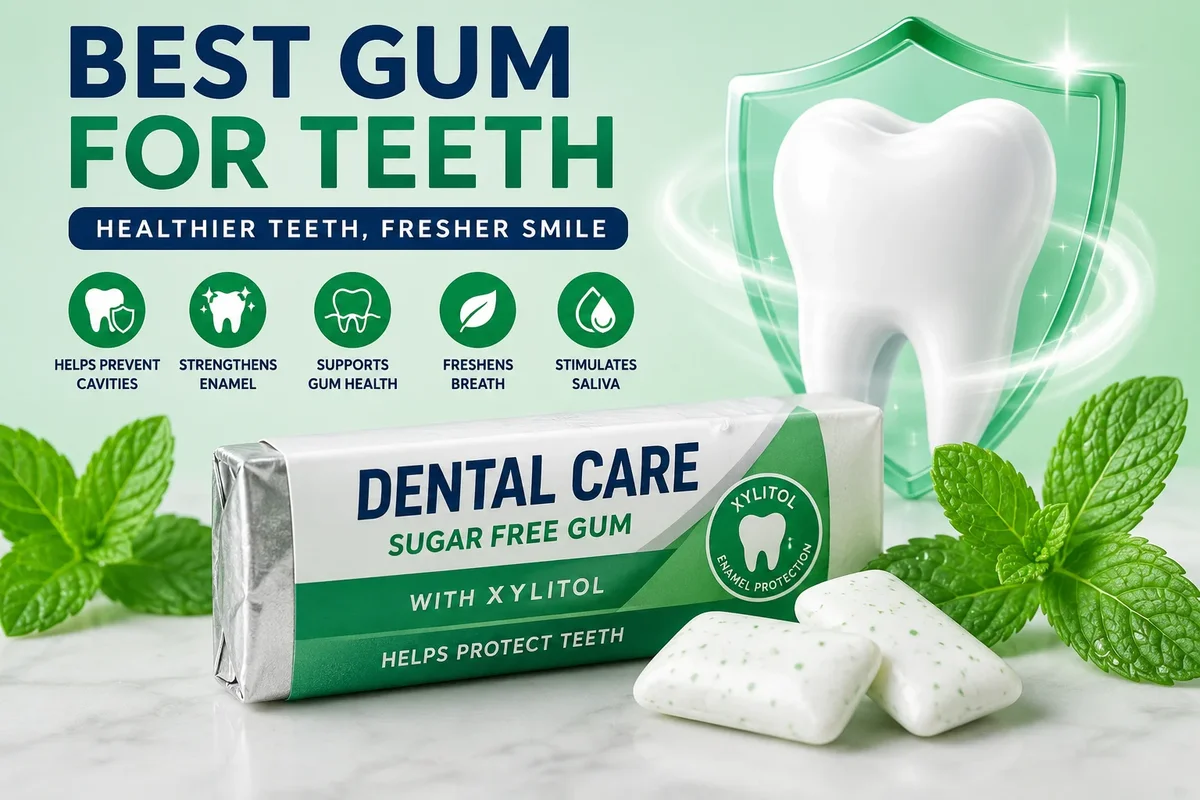
How to Choose the Best Gum for Teeth for Your Dental Needs
With so many chewing gum products available on the market, selecting the best gum for teeth can feel overwhelming. Packaging often includes claims such as “sugar-free,” “long-lasting flavor,” or “dental-friendly,” but not all products provide the same oral health benefits. The ideal choice depends on your specific dental needs, oral health goals, and personal preferences. Understanding what to look for when evaluating chewing gum can help ensure that the best gum for teeth becomes a valuable part of your daily oral care routine. 😊
While no chewing gum can replace brushing, flossing, and professional dental care, the best gum for teeth can support oral health in several important ways. It may help increase saliva production, reduce acid levels, freshen breath, support enamel health, and contribute to a cleaner oral environment. The key is selecting a product that aligns with your individual needs rather than simply choosing based on flavor or marketing claims.
Start by Choosing Sugar-Free Gum
The first and most important rule when searching for the best gum for teeth is to choose a sugar-free product. Sugar-containing gums can provide bacteria with the fuel they need to produce acids that damage tooth enamel.
Sugar-free gum offers the benefits of chewing without increasing cavity risk. By avoiding traditional sugars, the best gum for teeth helps create a healthier oral environment and supports cavity prevention efforts.
When reading labels, verify that the product is truly sugar-free rather than simply reduced in sugar. Many reputable dental-friendly gums clearly indicate this on the packaging.
Why Sugar-Free Matters Most
Even if a gum contains other beneficial ingredients, excessive sugar content can undermine its oral health advantages. This is why sugar-free status remains the most important characteristic of the best gum for teeth.
Look for Xylitol as a Primary Ingredient
Xylitol is widely regarded as one of the most beneficial ingredients found in the best gum for teeth. This natural sugar alcohol differs from regular sugar because cavity-causing bacteria cannot efficiently metabolize it.
Products containing xylitol may help reduce bacterial acid production while simultaneously stimulating saliva flow. For this reason, many dentists recommend xylitol-containing gum for individuals seeking additional cavity prevention support.
When reviewing ingredient labels, the best gum for teeth often lists xylitol near the beginning of the ingredient list, indicating that it is present in significant amounts.
Consider Your Specific Oral Health Goals
Different individuals may have different reasons for seeking the best gum for teeth. Some people focus primarily on cavity prevention, while others are more concerned about fresh breath, dry mouth, or gum health.
Understanding your primary objective can help narrow your options. For example:
- If cavity prevention is your priority, choose the best gum for teeth containing xylitol.
- If dry mouth is a concern, select gum specifically designed to stimulate saliva production.
- If fresh breath is your main goal, look for long-lasting mint-based formulations.
- If enamel support is important, consider products containing calcium or phosphate compounds.
Matching the product to your needs increases the likelihood that the best gum for teeth will provide meaningful benefits.
Evaluate Ingredient Quality
Ingredient quality plays a major role in determining whether a product qualifies as the best gum for teeth. Beyond xylitol, several other ingredients may contribute to oral health benefits.
Look for formulations that include:
- Xylitol
- Sorbitol or other tooth-friendly sweeteners
- Calcium compounds
- Phosphate compounds
- Natural mint flavorings
The best gum for teeth combines ingredients that support oral health while maintaining a pleasant chewing experience.
Ingredients to Avoid
Products containing high levels of sucrose, glucose syrup, or other traditional sugars are generally not considered the best gum for teeth. These ingredients may contribute to acid production and increase cavity risk.
Choose a Flavor You Will Actually Enjoy
Although oral health benefits are important, consistency matters as well. The best gum for teeth should be enjoyable enough that you are willing to use it regularly when appropriate.
Popular flavors include peppermint, spearmint, cinnamon, and fruit varieties. Mint flavors are particularly common because they provide an immediate sensation of freshness.
If you dislike a specific flavor, you may be less likely to use the best gum for teeth consistently after meals or during periods of dry mouth.
Check for Professional Recommendations
Some chewing gum products receive endorsements or recommendations from dental organizations. While endorsements are not the only factor to consider, they may provide additional reassurance regarding product quality.
The best gum for teeth is often supported by scientific research and formulated specifically with oral health in mind. Products developed using evidence-based principles are generally preferable to those focused solely on flavor or marketing appeal.
Consider Dry Mouth Relief
Individuals who suffer from dry mouth may require a specialized version of the best gum for teeth. Dry mouth increases the risk of cavities, gum disease, and bad breath due to reduced saliva production.
Chewing gum naturally stimulates saliva flow, but some formulations are specifically designed to maximize this effect. These products may be particularly beneficial for people taking medications or managing conditions associated with dry mouth.
For these individuals, selecting the best gum for teeth means prioritizing saliva stimulation alongside cavity-friendly ingredients.
Understand the Role of Convenience
One reason the best gum for teeth remains popular is convenience. Gum can be used virtually anywhere and does not require water, a toothbrush, or additional equipment.
This convenience makes it especially useful after meals, during travel, at work, or in situations where traditional oral hygiene practices are temporarily unavailable.
However, convenience should not lead to overreliance. The best gum for teeth works best when used as a supplement to proper oral care rather than a replacement.
Making the Final Choice
Ultimately, choosing the best gum for teeth involves balancing several factors, including sugar-free status, xylitol content, ingredient quality, personal preferences, and individual dental needs. There is no single product that is perfect for everyone, but there are clear characteristics that distinguish tooth-friendly gum from less beneficial alternatives.
The best gum for teeth should stimulate saliva production, avoid cavity-promoting sugars, support oral health goals, and fit comfortably into your daily routine. By carefully evaluating ingredients and considering your unique dental concerns, you can select a product that complements your oral hygiene habits and contributes to a healthier smile.
When combined with regular brushing, flossing, healthy dietary choices, and professional dental care, the best gum for teeth can become a simple yet effective tool for supporting long-term oral wellness and maintaining strong, healthy teeth for years to come. 😁