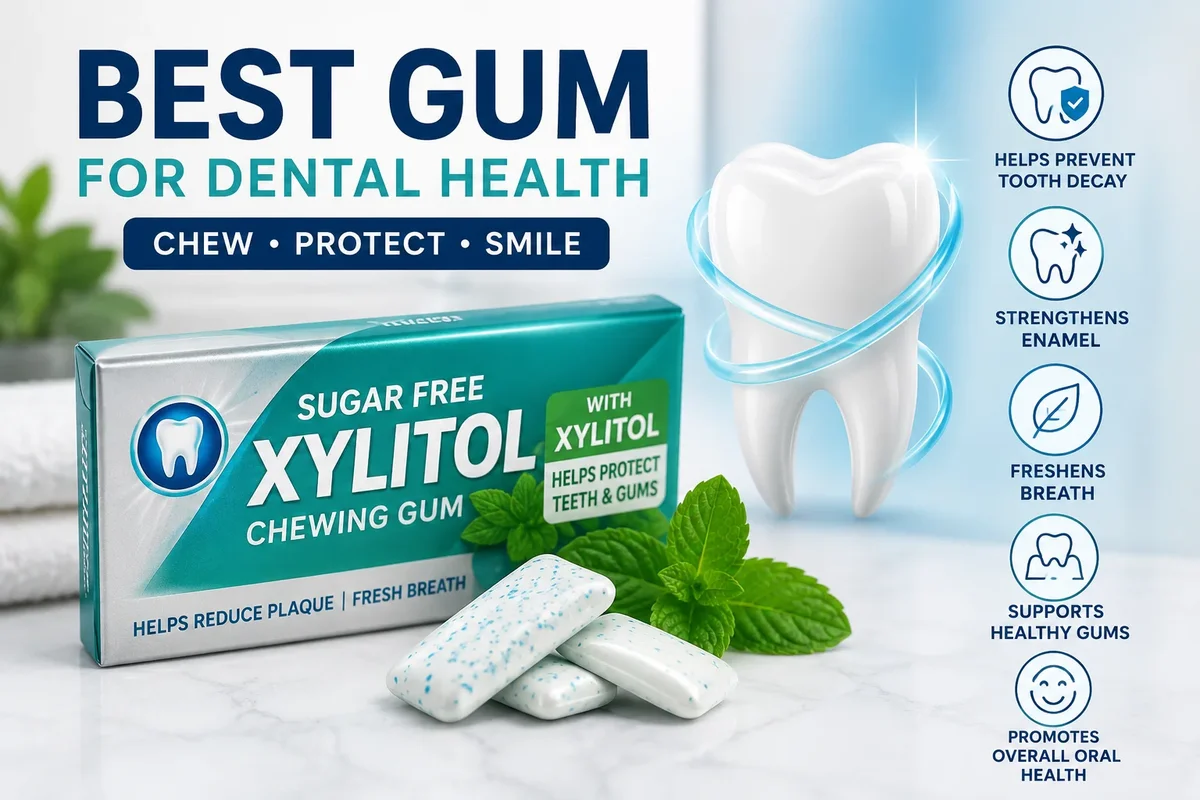
Choosing the best gum for dental health can be a surprisingly important decision for anyone who wants to maintain a healthy smile. While most people associate chewing gum with fresh breath and convenience, modern dental research has shown that the right type of gum can provide several oral health benefits. The best gum for dental health is not simply a product that tastes good or lasts a long time. Instead, it is a carefully formulated chewing gum that helps protect teeth, supports healthy gums, stimulates saliva production, and contributes to a cleaner oral environment throughout the day.
Many individuals wonder whether chewing gum is actually good for their teeth. The answer depends entirely on the type of gum being used. Traditional gums that contain sugar can feed harmful bacteria inside the mouth. These bacteria produce acids that attack tooth enamel, increasing the risk of cavities and tooth decay. On the other hand, the best gum for dental health is usually sugar-free and often contains ingredients specifically selected to support oral hygiene. This distinction is critical because not all chewing gum provides the same benefits.
One of the primary reasons dental professionals recommend the best gum for dental health is its ability to stimulate saliva production. Saliva is one of the body’s most effective natural defenses against dental problems. It helps wash away food particles, neutralizes acids produced by bacteria, and supplies essential minerals that help strengthen tooth enamel. Every time you chew the best gum for dental health, your salivary glands become more active, creating a healthier environment inside your mouth.
Saliva also plays a crucial role in preventing dry mouth, a condition that affects millions of people worldwide. Dry mouth can occur because of medications, dehydration, aging, or certain medical conditions. When saliva production decreases, the mouth becomes more vulnerable to cavities, bad breath, gum disease, and oral discomfort. The best gum for dental health can help alleviate mild dry mouth symptoms by naturally increasing moisture levels in the oral cavity. This benefit alone makes dental-friendly chewing gum a valuable addition to many oral care routines.
Another characteristic of the best gum for dental health is the presence of xylitol. Xylitol is a natural sugar substitute that has gained significant attention in dentistry. Unlike ordinary sugar, xylitol is not easily metabolized by cavity-causing bacteria. Studies suggest that regular exposure to xylitol may reduce bacterial growth and decrease the likelihood of tooth decay. As a result, many experts consider xylitol-containing products among the best gum for dental health options currently available.
Fresh breath is another reason people seek the best gum for dental health. Bad breath often develops when bacteria break down food particles left behind after eating. Although chewing gum is not a permanent solution for chronic halitosis, it can temporarily improve breath freshness by stimulating saliva and helping remove food debris. The best gum for dental health provides this benefit without exposing teeth to harmful sugars that could worsen oral health over time.
Many people are surprised to learn that chewing gum can be particularly helpful after meals. When food is consumed, bacteria in dental plaque produce acids that can weaken enamel for up to thirty minutes. Chewing the best gum for dental health for approximately twenty minutes after eating may help neutralize these acids more quickly. Increased saliva flow accelerates the natural remineralization process and supports enamel protection. This simple habit can be especially useful when brushing is not immediately possible.
When searching for the best gum for dental health, consumers should pay close attention to product labels. Sugar-free formulations should always be prioritized. Ingredients such as xylitol, sorbitol, calcium compounds, and phosphate-based minerals may offer additional oral health advantages. Products carrying endorsements from recognized dental organizations are often good choices as well. Reading labels carefully helps ensure that the gum truly contributes to oral health rather than simply providing a pleasant flavor.
Although the best gum for dental health can provide meaningful benefits, it should never replace a complete oral hygiene routine. Brushing twice daily with fluoride toothpaste remains essential for removing plaque and preventing decay. Daily flossing helps clean areas between teeth that toothbrushes cannot reach. Regular dental examinations and professional cleanings are equally important for maintaining long-term oral health. Think of the best gum for dental health as a supportive tool that enhances these habits rather than replacing them.
Individuals interested in improving their oral health can learn more by consulting qualified dental professionals. The Redent Klinik Contact Page offers access to experienced dental experts who can provide personalized recommendations for maintaining healthy teeth and gums. Additional evidence-based information is available through the American Dental Association, a trusted authority in oral healthcare.
Ultimately, the best gum for dental health combines several important features: it is sugar-free, promotes saliva production, may contain beneficial ingredients such as xylitol, supports fresh breath, and complements a comprehensive oral care routine. By selecting the best gum for dental health and using it appropriately throughout the day, individuals can take an extra step toward protecting their teeth, maintaining healthier gums, and enjoying greater confidence in their smiles. A small habit such as chewing the best gum for dental health after meals can contribute to healthier oral conditions and support long-term dental wellness when combined with proper hygiene practices and regular professional care.
What Makes the Best Gum for Dental Health Different?
Many consumers assume that all chewing gum offers the same benefits, but this is far from the truth. The best gum for dental health differs significantly from ordinary chewing gum in terms of ingredients, formulation, and oral health benefits. While traditional gum is often marketed primarily for flavor and freshness, the best gum for dental health is specifically designed to support healthy teeth, protect enamel, improve saliva production, and reduce the risk of dental problems. Understanding these differences can help consumers make informed decisions and select products that genuinely contribute to long-term oral wellness.
The modern dental industry has invested considerable effort into developing chewing gums that offer more than temporary breath freshening. Today, the best gum for dental health can serve as a valuable complement to brushing, flossing, and routine dental visits. However, identifying these beneficial products requires understanding which characteristics separate them from standard chewing gum options.
The Importance of Sugar-Free Formulations
One of the most important qualities of the best gum for dental health is that it contains no sugar. Traditional chewing gum often relies on sugar to create sweetness and flavor. Unfortunately, sugar is one of the primary contributors to tooth decay. Harmful bacteria in the mouth feed on sugar and produce acids as a byproduct. These acids gradually weaken tooth enamel and increase the likelihood of cavities.
In contrast, the best gum for dental health uses sugar substitutes that do not encourage bacterial growth. This allows users to enjoy chewing gum without exposing their teeth to additional cavity risks. Choosing sugar-free gum is often the first recommendation made by dental professionals when discussing healthier chewing gum options.
Why Sugar Matters for Oral Health
Every time sugary foods or beverages are consumed, oral bacteria begin metabolizing the sugars almost immediately. The resulting acid attacks can last for more than twenty minutes after eating. Frequent sugar exposure creates a cycle of enamel erosion and tooth decay. By selecting the best gum for dental health, individuals can avoid contributing to this destructive process while still enjoying the convenience and freshness associated with chewing gum.
Xylitol: A Key Ingredient in the Best Gum for Dental Health
Another major factor that distinguishes the best gum for dental health is the inclusion of xylitol. Xylitol is a naturally occurring sweetener found in many fruits and vegetables. Unlike regular sugar, xylitol cannot be efficiently used by cavity-causing bacteria. As a result, these bacteria struggle to thrive when exposed to xylitol regularly.
Numerous dental studies have examined the relationship between xylitol and oral health. While chewing gum alone cannot eliminate all harmful bacteria, xylitol-containing products are frequently considered among the best gum for dental health choices because they help create a less favorable environment for bacterial growth.
In addition to supporting cavity prevention, xylitol contributes sweetness without increasing sugar intake. This makes the best gum for dental health appealing not only for oral care but also for individuals seeking healthier lifestyle choices.
Enhanced Saliva Production and Natural Protection
Perhaps the most immediate benefit provided by the best gum for dental health is increased saliva production. Saliva serves as the mouth’s natural cleaning system. It helps wash away food particles, neutralizes harmful acids, and delivers minerals that support enamel repair.
When chewing the best gum for dental health, saliva flow can increase significantly. This additional saliva helps maintain a healthier oral environment and provides protection during periods when brushing may not be possible, such as after meals at work, school, or while traveling.
How Saliva Protects Teeth
Saliva contains calcium, phosphate, and other minerals that assist in the remineralization of enamel. It also helps regulate oral pH levels. When acid levels rise after eating, saliva works to restore balance and reduce the potential for enamel damage. This is one reason why the best gum for dental health is often recommended after meals and snacks.
Additional Ingredients That Improve Oral Health
Beyond xylitol, some products marketed as the best gum for dental health contain additional ingredients designed to support stronger teeth and healthier gums. These may include calcium compounds, phosphate minerals, and ingredients that contribute to enamel protection.
Certain formulations are specifically designed to support remineralization, which is the process of replacing minerals lost from tooth enamel during acid attacks. Although these products cannot replace professional dental care, they may provide supplemental benefits when used consistently as part of a comprehensive oral hygiene routine.
Fresh Breath Without Compromising Dental Health
Fresh breath is one of the most common reasons people chew gum. However, the best gum for dental health offers freshness without exposing teeth to unnecessary sugar. By stimulating saliva and reducing the accumulation of food particles, dental-friendly gum helps control odor-causing bacteria more effectively than sugary alternatives.
This makes the best gum for dental health particularly useful after meals, coffee consumption, or situations where brushing is temporarily unavailable. While chewing gum should not replace brushing, it can serve as a practical tool for maintaining fresher breath throughout the day.
How to Identify the Best Gum for Dental Health
Consumers should carefully examine ingredient labels when selecting chewing gum. The best gum for dental health will typically be sugar-free and may contain xylitol as one of its primary sweeteners. Products endorsed by dental organizations or recommended by oral health professionals may also provide additional confidence regarding their effectiveness.
It is important to remember that marketing claims alone do not determine whether a product qualifies as the best gum for dental health. Reading ingredient lists and understanding the science behind oral health benefits allows consumers to make more informed purchasing decisions.
Ultimately, what makes the best gum for dental health different is its ability to support oral wellness rather than merely provide flavor. Through sugar-free formulations, xylitol content, enhanced saliva production, and additional protective ingredients, the best gum for dental health serves as a useful addition to a complete oral hygiene routine. When combined with proper brushing, flossing, and regular dental visits, these products can help individuals maintain healthier teeth, fresher breath, and stronger gums for years to come.
How Chewing Gum Supports Stronger Teeth and Gums
Many people view chewing gum as a simple way to freshen their breath, but modern dental research has revealed that the right chewing gum can provide meaningful benefits for oral health. The best gum for dental health is more than a convenient breath freshener—it can actively support stronger teeth, healthier gums, and a cleaner oral environment. While chewing gum should never replace brushing, flossing, or professional dental care, it can serve as an effective supplemental tool when incorporated into a comprehensive oral hygiene routine.
Understanding how the best gum for dental health works begins with understanding the unique biological processes that occur inside the mouth. Every day, teeth and gums are exposed to food particles, bacteria, acids, and other factors that can contribute to decay and gum disease. Certain sugar-free chewing gums help counteract these challenges by stimulating natural defense mechanisms that protect oral tissues and strengthen overall dental health.
Saliva: The Mouth’s Natural Defense System
The primary reason the best gum for dental health supports stronger teeth is its ability to increase saliva production. Saliva plays a vital role in maintaining oral health because it performs several protective functions simultaneously. It helps wash away food debris, neutralizes harmful acids, and supplies minerals necessary for enamel maintenance.
When you chew the best gum for dental health, the salivary glands become more active. This increased saliva flow helps dilute and remove substances that could otherwise contribute to plaque accumulation and bacterial growth. In many cases, saliva production can increase several times above normal resting levels while chewing gum.
Why Saliva Is Essential for Healthy Teeth
Saliva contains calcium and phosphate ions that contribute to the remineralization process. Remineralization occurs when essential minerals are redeposited into enamel after minor acid-related damage. This process helps strengthen teeth and reduce vulnerability to cavities.
Because the best gum for dental health stimulates saliva naturally, it supports this important repair mechanism throughout the day. This benefit becomes particularly valuable after meals, when acid levels in the mouth are typically elevated.
Reducing Acid Attacks on Tooth Enamel
Every time food or beverages containing carbohydrates are consumed, oral bacteria begin producing acids. These acids temporarily lower the pH level inside the mouth and create an environment that encourages enamel erosion. Frequent acid exposure can eventually result in tooth sensitivity, cavities, and weakened enamel.
The best gum for dental health helps combat this problem by accelerating saliva production. Increased saliva neutralizes acids more quickly and helps restore a healthier pH balance. As a result, teeth spend less time exposed to harmful acidic conditions.
Regularly chewing the best gum for dental health after meals may therefore contribute to stronger enamel and better long-term protection against decay. Although gum alone cannot eliminate cavities, it can reduce some of the conditions that make cavity formation more likely.
Supporting Gum Health Through Better Oral Cleanliness
Healthy gums are just as important as healthy teeth. Gum disease often begins when plaque accumulates along the gumline and triggers inflammation. If left untreated, early-stage gingivitis can progress into more serious periodontal disease.
The best gum for dental health supports gum health by helping remove loose food particles and promoting saliva circulation throughout the mouth. This creates a cleaner oral environment and reduces the buildup of substances that contribute to bacterial growth.
The Connection Between Saliva and Gum Health
Saliva contains antimicrobial components that help regulate bacterial populations inside the mouth. While saliva cannot completely prevent gum disease, it contributes to a healthier oral ecosystem. By encouraging saliva flow, the best gum for dental health indirectly supports healthier gums and may help reduce the risk of inflammation.
Individuals who experience dry mouth often face increased risks of gum irritation and plaque accumulation. For these individuals, the best gum for dental health may provide additional comfort and support by helping maintain adequate moisture levels.
The Role of Xylitol in Strengthening Teeth
Many products considered the best gum for dental health contain xylitol, a natural sugar substitute widely used in dental-friendly chewing gum. Xylitol differs from ordinary sugar because cavity-causing bacteria cannot efficiently use it as a food source.
Over time, regular exposure to xylitol may help reduce bacterial activity associated with tooth decay. This is one reason why xylitol-containing products are frequently recommended when searching for the best gum for dental health.
By limiting bacterial growth while simultaneously stimulating saliva production, xylitol-containing gum provides a dual-action approach to supporting stronger teeth and healthier gums.
Helping Protect Teeth Between Brushing Sessions
Most people brush their teeth twice daily, but oral bacteria remain active throughout the day. Meals, snacks, and beverages continuously expose teeth to conditions that can promote plaque formation and acid attacks.
The best gum for dental health offers a practical solution when brushing is not immediately possible. Chewing sugar-free gum after eating can help remove food particles and encourage natural cleansing processes until regular brushing can occur.
This convenience makes the best gum for dental health particularly useful for students, office workers, travelers, and anyone with a busy schedule. While it should never replace brushing, it can provide valuable support during the hours between oral hygiene sessions.
Long-Term Benefits for Oral Wellness
Consistently using the best gum for dental health as part of a broader oral care strategy may contribute to improved dental wellness over time. Stronger enamel, healthier saliva flow, fresher breath, and reduced bacterial activity all contribute to a healthier mouth.
When combined with fluoride toothpaste, daily flossing, regular dental examinations, and a balanced diet, the best gum for dental health becomes a simple yet effective tool for protecting oral health. Its ability to stimulate saliva, support enamel remineralization, and assist with plaque control makes it a valuable addition to modern preventive dental care.
Ultimately, the best gum for dental health supports stronger teeth and gums by working with the body’s natural defense systems rather than replacing them. Through saliva stimulation, acid neutralization, gum support, and beneficial ingredients such as xylitol, the best gum for dental health offers practical benefits that can help individuals maintain healthier smiles for years to come.
The Role of Xylitol in the Best Gum for Dental Health
When discussing the best gum for dental health, one ingredient consistently stands out above all others: xylitol. Over the past several decades, xylitol has become one of the most researched and recommended ingredients in dental-friendly chewing gum. While many consumers recognize xylitol as a sugar substitute, its value extends far beyond sweetness. In fact, xylitol plays a unique role in supporting oral health, making it one of the defining characteristics of the best gum for dental health.
Unlike traditional sweeteners, xylitol offers benefits that directly support healthier teeth and gums. This is why dentists, hygienists, and oral health researchers frequently recommend products containing xylitol when evaluating the best gum for dental health. Understanding how xylitol works can help consumers make informed choices and maximize the oral health benefits of chewing gum.
What Is Xylitol?
Xylitol is a naturally occurring sugar alcohol found in small amounts in fruits, vegetables, and certain plants. Although it tastes similar to sugar, its chemical structure differs significantly. Because of these differences, cavity-causing bacteria cannot metabolize xylitol in the same way they process ordinary sugar.
This unique characteristic is one of the main reasons xylitol is frequently included in the best gum for dental health. It provides sweetness without contributing to the cycle of bacterial growth and acid production that leads to tooth decay.
Today, many sugar-free chewing gums use xylitol as a primary sweetening ingredient because it delivers both flavor and potential oral health advantages.
How Xylitol Helps Reduce Harmful Bacteria
One of the most important functions of xylitol in the best gum for dental health involves its effect on oral bacteria. Certain bacteria, particularly Streptococcus mutans, play a major role in cavity formation. These bacteria feed on sugars and produce acids that attack tooth enamel.
When bacteria encounter xylitol instead of sugar, they struggle to process it efficiently. As a result, their ability to grow and produce damaging acids may be reduced. Over time, this can contribute to a healthier balance of bacteria within the mouth.
Why Bacterial Control Matters
Dental plaque is a complex biofilm containing millions of bacteria. While not all oral bacteria are harmful, excessive populations of acid-producing bacteria increase cavity risk. The best gum for dental health often incorporates xylitol because it helps disrupt this harmful process without harming the beneficial functions of saliva.
Although xylitol is not a replacement for brushing and flossing, it serves as an additional tool for managing bacterial activity throughout the day.
Xylitol and Enamel Protection
Another reason xylitol is commonly found in the best gum for dental health is its indirect role in protecting tooth enamel. Enamel is the hard outer layer of the teeth and serves as the primary defense against decay. However, enamel is constantly exposed to acid attacks from foods, beverages, and bacterial activity.
By reducing acid production and supporting healthier oral conditions, xylitol helps create an environment where enamel is less likely to experience continuous demineralization. This contributes to stronger, more resilient teeth over time.
The best gum for dental health uses this mechanism alongside saliva stimulation to provide enhanced enamel support compared to ordinary chewing gum.
The Remineralization Process
Every day, enamel undergoes cycles of demineralization and remineralization. Demineralization occurs when acids remove minerals from the tooth surface. Remineralization occurs when saliva restores these minerals.
The best gum for dental health supports remineralization by increasing saliva flow while simultaneously reducing factors that contribute to acid production. This dual benefit is one reason xylitol-containing gums are frequently recommended by dental professionals.
Increased Saliva Production and Oral Protection
Chewing itself stimulates saliva production, but the best gum for dental health combines this natural response with the additional benefits of xylitol. Increased saliva flow provides several advantages:
- Washing away food particles.
- Neutralizing harmful acids.
- Supporting enamel remineralization.
- Reducing dry mouth symptoms.
- Improving overall oral comfort.
For individuals who experience mild dry mouth, the best gum for dental health can provide valuable support by helping maintain moisture levels and reducing discomfort throughout the day.
Xylitol and Fresh Breath
Bad breath is often caused by bacteria that break down food debris and release unpleasant odors. While many gums temporarily mask these odors, the best gum for dental health works differently. Xylitol helps support a healthier oral environment while chewing stimulates saliva that naturally cleanses the mouth.
This combination provides fresher breath without exposing teeth to sugar. As a result, individuals can enjoy longer-lasting freshness while supporting their oral health goals.
Freshness Without Added Sugar
Traditional sugary gum may initially freshen breath, but the sugar can ultimately contribute to bacterial growth. The best gum for dental health avoids this problem by using xylitol and other sugar-free sweeteners that do not promote tooth decay.
This makes xylitol-containing products particularly attractive for people who want both freshness and oral health benefits.
How Much Xylitol Is Typically Found in Dental Gum?
The amount of xylitol varies among brands. Some products contain only small quantities, while others are specifically formulated to maximize xylitol content. When searching for the best gum for dental health, consumers should examine ingredient labels and look for products where xylitol appears near the top of the ingredient list.
Dental professionals often recommend choosing gums that clearly advertise their xylitol content, as these products are generally designed with oral health benefits in mind.
Why Xylitol Defines the Best Gum for Dental Health
The growing popularity of xylitol is not simply a marketing trend. Scientific interest in xylitol continues because it offers unique advantages that ordinary sweeteners cannot provide. By reducing bacterial activity, supporting enamel protection, promoting saliva production, and contributing to fresher breath, xylitol has become one of the most important ingredients in the best gum for dental health.
Consumers seeking healthier chewing gum options should understand that not all sugar-free gums are identical. Products containing meaningful amounts of xylitol often provide additional benefits that help distinguish the best gum for dental health from standard chewing gum products. When combined with proper brushing, flossing, routine dental visits, and a balanced diet, xylitol-containing gum can become a valuable part of a comprehensive oral care routine.
Ultimately, the presence of xylitol is one of the strongest indicators that a product deserves consideration as the best gum for dental health. Its unique ability to support oral wellness while providing enjoyable flavor makes it a powerful ingredient for anyone committed to maintaining a healthy smile.
Can the Best Gum for Dental Health Help Prevent Cavities?
One of the most common questions people ask when exploring oral care products is whether the best gum for dental health can actually help prevent cavities. While chewing gum is not a substitute for brushing, flossing, or professional dental treatment, scientific evidence suggests that the right type of chewing gum can play a supportive role in reducing cavity risk. This is particularly true when the best gum for dental health is sugar-free, contains xylitol, and is used as part of a complete oral hygiene routine.
To understand how the best gum for dental health may help prevent cavities, it is important to first understand how cavities develop. Tooth decay is a gradual process that occurs when bacteria inside the mouth feed on sugars and starches from food. These bacteria produce acids that attack the enamel, which is the hard outer protective layer of the teeth. Repeated acid exposure weakens enamel over time, eventually leading to the formation of cavities.
The best gum for dental health helps interrupt several stages of this process. Although it cannot completely eliminate cavity-causing bacteria, it can support the body’s natural protective mechanisms and reduce some of the conditions that contribute to tooth decay.
Understanding the Cavity Formation Process
Every day, the teeth are exposed to hundreds of bacterial interactions. The mouth naturally contains a diverse bacterial community, and many of these microorganisms are harmless. However, certain bacteria are responsible for producing acids that contribute directly to enamel erosion.
When sugary foods or beverages are consumed, these bacteria rapidly metabolize the sugars and release acidic byproducts. The resulting acid attacks can last for up to thirty minutes or longer after eating. Frequent exposure to these acids increases the likelihood of enamel breakdown and cavity formation.
The best gum for dental health helps reduce the impact of these acid attacks through several important mechanisms that support oral balance and enamel protection.
Why Enamel Protection Matters
Enamel is the strongest substance in the human body, but it is not indestructible. Once enamel is lost, the body cannot naturally regenerate it. Protecting enamel is therefore one of the primary goals of preventive dentistry.
The best gum for dental health contributes to this goal by helping maintain a healthier oral environment where enamel has a better opportunity to remain strong and resistant to decay.
Increased Saliva Production and Cavity Prevention
The most significant way the best gum for dental health helps reduce cavity risk is through saliva stimulation. Saliva performs several critical functions that protect teeth throughout the day.
When chewing the best gum for dental health, saliva production increases dramatically. This additional saliva helps wash away food particles, dilute sugars, and neutralize harmful acids. Saliva also contains minerals such as calcium and phosphate that contribute to enamel maintenance and repair.
Without adequate saliva, acids remain in contact with the teeth for longer periods, increasing the risk of enamel damage. This is why individuals who suffer from dry mouth often experience higher rates of tooth decay.
Saliva as a Natural Defense System
Many dental professionals refer to saliva as the mouth’s natural defense mechanism. Saliva constantly works to restore a healthy pH balance after meals and snacks. By stimulating saliva production, the best gum for dental health enhances one of the body’s most effective tools for cavity prevention.
This benefit is especially useful after eating when brushing may not be immediately possible.
The Role of Xylitol in Reducing Decay Risk
Xylitol is one of the most valuable ingredients found in the best gum for dental health. Unlike ordinary sugar, xylitol cannot be efficiently used by cavity-causing bacteria. As a result, bacterial activity associated with tooth decay may be reduced when xylitol is consumed regularly.
Research has shown that xylitol can help create a less favorable environment for harmful oral bacteria. While it does not completely eliminate bacteria, it may contribute to lower acid production and a healthier bacterial balance within the mouth.
This is one of the reasons why many experts consider xylitol-containing products among the best gum for dental health choices available today.
Reducing Plaque Accumulation
Plaque is a sticky biofilm that forms continuously on the teeth. It contains bacteria, food particles, and various substances that contribute to oral health problems when allowed to accumulate.
The best gum for dental health can help support plaque management by encouraging saliva flow and assisting with the removal of loose food debris. While chewing gum cannot physically remove hardened plaque or tartar, it may help reduce some of the factors that contribute to plaque buildup.
Combined with brushing and flossing, the best gum for dental health serves as an additional preventive measure that supports cleaner teeth throughout the day.
Why Plaque Control Is Important
When plaque remains on the teeth for extended periods, bacteria continue producing acids that damage enamel. Effective plaque control is therefore essential for cavity prevention. The best gum for dental health complements traditional oral hygiene practices by supporting a cleaner oral environment between brushing sessions.
When Should You Chew Gum for Maximum Benefit?
Dental professionals often recommend chewing the best gum for dental health for approximately twenty minutes after meals. During this period, saliva production is significantly increased, helping neutralize acids and remove food particles.
This timing is particularly beneficial because acid levels are often highest immediately after eating. Chewing gum during this window can help accelerate the return to a healthier oral pH balance.
However, it is important to remember that the best gum for dental health should supplement—not replace—regular brushing and flossing.
Limitations of Chewing Gum in Cavity Prevention
Although the best gum for dental health offers several cavity-fighting advantages, it is not a complete solution. Chewing gum cannot remove plaque from all tooth surfaces, eliminate existing cavities, or replace professional dental care.
Individuals who rely solely on chewing gum without maintaining proper oral hygiene habits will still face significant risks of tooth decay and gum disease. The greatest benefits occur when the best gum for dental health is combined with fluoride toothpaste, daily flossing, a balanced diet, and routine dental checkups.
Final Thoughts on Cavity Prevention
So, can the best gum for dental health help prevent cavities? The answer is yes—but with important limitations. By stimulating saliva production, supporting enamel remineralization, reducing acid activity, promoting plaque control, and utilizing beneficial ingredients such as xylitol, the best gum for dental health can play a meaningful role in a preventive dental care strategy.
While it should never replace core oral hygiene practices, the best gum for dental health provides a convenient and scientifically supported way to enhance cavity prevention efforts throughout the day. For individuals looking to strengthen their oral care routine, choosing the best gum for dental health can be a simple yet valuable step toward maintaining stronger teeth and reducing the risk of future dental problems.
How Chewing Gum Increases Saliva Production Naturally
One of the most valuable benefits associated with the best gum for dental health is its ability to stimulate saliva production naturally. While many people think of saliva simply as moisture in the mouth, it actually plays a critical role in maintaining oral health. Dentists often describe saliva as the mouth’s natural defense system because it helps protect teeth, gums, and other oral tissues from a wide range of problems. The best gum for dental health works by encouraging the body to produce more saliva, which in turn supports healthier teeth and a cleaner oral environment.
Understanding how saliva functions can help explain why the best gum for dental health is frequently recommended by oral health professionals. Every day, the mouth encounters food particles, bacteria, acids, and other substances that have the potential to damage teeth and gums. Saliva helps counteract these threats naturally. By increasing saliva flow, the best gum for dental health strengthens the body’s own protective mechanisms without requiring medications or complicated treatments.
What Happens When You Start Chewing Gum?
The process begins almost immediately after chewing starts. The act of chewing sends signals to the salivary glands located around the mouth and jaw. These glands respond by producing additional saliva. The stronger and longer the chewing activity continues, the greater the saliva production typically becomes.
This is one reason why the best gum for dental health is often recommended after meals. Within minutes of chewing, saliva flow can increase several times above its normal resting level. This enhanced production helps the mouth clean itself more effectively and creates conditions that support better oral health.
The Salivary Glands at Work
The human mouth contains several major salivary glands, including the parotid, submandibular, and sublingual glands. Together, these glands produce saliva continuously throughout the day. However, when stimulated by chewing the best gum for dental health, they become significantly more active.
This increase in activity helps improve the mouth’s ability to neutralize acids, remove food particles, and maintain moisture levels. The result is a healthier oral environment that supports both teeth and gums.
Why Saliva Is Essential for Oral Health
Saliva performs a remarkable number of functions that contribute to dental wellness. Without adequate saliva, the risk of oral health problems rises dramatically. The best gum for dental health supports these protective functions by helping maintain healthy saliva production.
Some of saliva’s most important roles include:
- Washing away food debris.
- Neutralizing harmful acids.
- Supporting enamel remineralization.
- Lubricating oral tissues.
- Helping control bacterial growth.
- Supporting comfortable chewing and swallowing.
Each of these functions contributes to a healthier mouth. This is why the saliva-stimulating effects of the best gum for dental health are considered so valuable by dental professionals.
Neutralizing Harmful Acids
One of saliva’s most important responsibilities is maintaining a balanced oral pH level. After eating, especially foods containing carbohydrates or sugars, bacteria begin producing acids that can damage enamel. If these acids remain in contact with the teeth for extended periods, they can contribute to cavity formation.
The best gum for dental health helps accelerate saliva production, which in turn helps dilute and neutralize these acids more quickly. By shortening the duration of acid attacks, saliva helps protect enamel and reduce the risk of tooth decay.
The Importance of pH Balance
The mouth functions best when pH levels remain within a healthy range. Acidic conditions promote enamel erosion and bacterial growth. Increased saliva flow generated by the best gum for dental health helps restore a more neutral environment, creating conditions that are less favorable for decay-causing bacteria.
This natural balancing effect is one of the primary reasons why chewing gum after meals is often recommended.
Supporting Enamel Remineralization
Throughout the day, tooth enamel experiences cycles of mineral loss and mineral replacement. Acid attacks remove minerals from the enamel surface in a process called demineralization. Saliva helps reverse this process by supplying calcium and phosphate ions that support remineralization.
The best gum for dental health enhances this natural repair process by stimulating greater saliva flow. More saliva means greater availability of essential minerals needed to maintain strong enamel.
Although chewing gum cannot rebuild severely damaged teeth, it can help support the natural maintenance processes that keep enamel healthy and resilient.
Reducing the Effects of Dry Mouth
Dry mouth, also known as xerostomia, is a common condition that affects millions of people. It may occur due to medications, medical conditions, aging, stress, or dehydration. Individuals with dry mouth often experience increased risks of cavities, gum irritation, and bad breath.
The best gum for dental health can provide valuable relief by encouraging saliva production naturally. Increased moisture helps improve comfort while also supporting the protective functions that saliva provides.
Who Benefits Most from Increased Saliva?
People who frequently experience dry mouth symptoms often benefit significantly from using the best gum for dental health. Travelers, older adults, individuals taking certain medications, and those who spend long hours speaking may all find saliva-stimulating gum particularly helpful.
While severe dry mouth should always be evaluated by a healthcare professional, chewing gum can offer practical daily support for mild symptoms.
The Additional Role of Xylitol
Many products classified as the best gum for dental health contain xylitol, which complements saliva stimulation. While chewing itself increases saliva flow, xylitol helps support a healthier bacterial balance inside the mouth.
This combination creates a dual-action benefit: saliva provides natural cleansing and mineral support, while xylitol helps reduce conditions that encourage cavity-causing bacteria. Together, these effects help make the best gum for dental health a valuable addition to preventive dental care.
How Long Should You Chew Gum?
Dental professionals commonly recommend chewing the best gum for dental health for approximately fifteen to twenty minutes after meals. This duration is generally sufficient to maximize saliva stimulation while supporting acid neutralization and food particle removal.
Chewing for excessively long periods is usually unnecessary and may cause jaw discomfort in some individuals. Moderate use is typically the most effective approach.
Final Thoughts on Saliva Production and Oral Health
The ability to stimulate saliva naturally is one of the defining characteristics of the best gum for dental health. Through increased saliva production, chewing gum helps neutralize acids, support enamel remineralization, reduce dry mouth symptoms, improve oral cleanliness, and contribute to healthier teeth and gums.
While it should never replace brushing, flossing, or routine dental care, the best gum for dental health provides an easy and convenient way to enhance the body’s natural protective systems. By understanding the relationship between chewing gum and saliva production, individuals can make more informed decisions about their oral care routines and enjoy the long-term benefits of a healthier mouth.
Key Ingredients to Look for in the Best Gum for Dental Health
Not all chewing gum is created with oral health in mind. While many products focus primarily on flavor, texture, or breath freshness, the best gum for dental health is distinguished by carefully selected ingredients that actively support healthier teeth and gums. Understanding these ingredients is essential for anyone who wants to choose a chewing gum that provides real dental benefits rather than simply masking bad breath for a short period.
Consumers are often overwhelmed by the wide variety of products available on store shelves. Labels may contain dozens of ingredients, many of which are unfamiliar. Fortunately, identifying the best gum for dental health becomes much easier once you know which ingredients contribute positively to oral wellness and which ingredients should generally be avoided.
The right ingredients can help reduce cavity risk, stimulate saliva production, support enamel protection, improve breath freshness, and promote a healthier oral environment. The wrong ingredients may do little for dental health or, in some cases, even contribute to oral problems.
Xylitol: The Most Important Ingredient
When evaluating the best gum for dental health, xylitol is often considered the gold standard ingredient. Xylitol is a naturally occurring sugar alcohol that provides sweetness without feeding cavity-causing bacteria. Unlike traditional sugar, xylitol cannot be efficiently metabolized by many harmful oral bacteria.
This unique property makes xylitol one of the primary reasons why the best gum for dental health is often recommended by dentists and dental hygienists. Research suggests that regular exposure to xylitol may help reduce bacterial activity associated with tooth decay while simultaneously supporting a healthier oral environment.
Many oral health experts advise choosing products where xylitol appears among the first ingredients listed on the packaging. This often indicates that meaningful amounts are present within the formulation.
Why Xylitol Stands Out
The benefits of xylitol extend beyond simple sweetness. It works alongside saliva stimulation to support enamel protection and improve oral balance. Because of these combined advantages, xylitol remains one of the most desirable ingredients found in the best gum for dental health.
Sorbitol and Other Sugar Alcohols
In addition to xylitol, many products marketed as the best gum for dental health contain sorbitol, erythritol, or similar sugar alcohols. These ingredients provide sweetness without significantly increasing cavity risk.
Sorbitol is commonly used because it offers a pleasant taste and does not contribute to bacterial acid production in the same way that sugar does. While xylitol generally receives more attention, sorbitol can still be a beneficial component of the best gum for dental health when used as part of a sugar-free formula.
Some products combine multiple sugar alcohols to achieve a balanced flavor profile while maintaining oral health benefits.
Calcium-Based Ingredients for Enamel Support
Certain formulations of the best gum for dental health include calcium compounds that help support enamel maintenance. Calcium is one of the primary minerals found in tooth enamel, and maintaining adequate calcium availability within the oral environment can support the natural remineralization process.
Although chewing gum cannot replace fluoride treatments or professional preventive care, calcium-containing gums may provide additional support for enamel health. These products are often designed specifically for individuals who want enhanced protection against enamel wear.
The Role of Remineralization
Tooth enamel is constantly exposed to cycles of mineral loss and mineral replacement. Acids produced by bacteria remove minerals from the enamel surface, while saliva helps restore them. The best gum for dental health may support this process by increasing saliva flow and, in some cases, supplying additional minerals such as calcium.
This combination helps create conditions that favor stronger and more resilient enamel.
Phosphate Compounds and Tooth Protection
Some advanced chewing gum formulations include phosphate-based ingredients. These compounds work alongside calcium to support the remineralization process. Because phosphate is another key component of healthy enamel, its presence may enhance the effectiveness of the best gum for dental health.
While not all dental-friendly gums contain phosphate compounds, products that do may offer additional support for maintaining strong teeth. Consumers seeking maximum enamel protection may wish to explore formulations that include both calcium and phosphate ingredients.
Flavoring Agents That Promote Fresh Breath
Fresh breath remains one of the most popular reasons people chew gum. The best gum for dental health typically contains flavoring agents such as peppermint, spearmint, or cinnamon. These flavors not only provide a pleasant chewing experience but also contribute to a sensation of oral freshness.
Importantly, the best gum for dental health achieves freshness without relying on sugar. This allows users to enjoy cleaner breath while avoiding ingredients that could contribute to tooth decay.
Natural Versus Artificial Flavorings
Both natural and artificial flavorings are commonly used in chewing gum products. From an oral health perspective, the specific flavor source is generally less important than whether the gum remains sugar-free and contains beneficial ingredients such as xylitol.
The best gum for dental health focuses on protecting oral tissues while delivering enjoyable flavor.
Ingredients to Avoid
Understanding what to avoid is just as important as knowing what to seek. When selecting the best gum for dental health, consumers should generally avoid products containing large amounts of sugar. Ingredients such as sucrose, glucose syrup, corn syrup, and other traditional sweeteners provide fuel for cavity-causing bacteria.
Frequent exposure to these sugars can increase acid production and raise the risk of tooth decay. Even if a product provides temporary breath freshness, it may not qualify as the best gum for dental health if it contributes to conditions that harm teeth.
Reading ingredient labels carefully is therefore essential when evaluating chewing gum options.
How to Read Ingredient Labels Effectively
Many consumers focus only on front-of-package marketing claims. However, the true value of the best gum for dental health is revealed in the ingredient list. Ingredients are generally listed in descending order by weight, meaning the first few ingredients typically represent the largest portions of the product.
When examining labels, look for xylitol, sorbitol, erythritol, calcium compounds, or phosphate ingredients. Products that prominently feature these components are often better candidates for the best gum for dental health than products that emphasize sweetness alone.
Choosing the Right Formula for Your Needs
Different individuals may prioritize different oral health goals. Some people seek fresher breath, while others are primarily concerned with cavity prevention, dry mouth relief, or enamel protection. The best gum for dental health for one person may differ slightly from the ideal product for another.
However, certain principles remain universal. Sugar-free formulations, xylitol content, saliva stimulation, and enamel-supporting ingredients are among the most reliable indicators of quality. These features help distinguish the best gum for dental health from ordinary chewing gum products.
Ultimately, understanding the ingredients inside chewing gum empowers consumers to make smarter oral health decisions. By selecting products that contain beneficial compounds such as xylitol, calcium, phosphate, and other tooth-friendly ingredients, individuals can confidently choose the best gum for dental health and support healthier teeth and gums as part of their daily dental care routine.
When and How Often Should You Chew Dental-Friendly Gum?
Choosing the best gum for dental health is only part of the equation. To maximize the oral health benefits of chewing gum, it is equally important to understand when to chew it, how often to use it, and how it fits into a comprehensive dental care routine. Many people assume that simply chewing gum at random times throughout the day will provide benefits, but the timing and frequency of use can significantly influence its effectiveness.
The best gum for dental health works primarily by stimulating saliva production, supporting enamel protection, helping neutralize acids, and promoting a healthier oral environment. However, these benefits are most effective when chewing gum is used strategically. By understanding the ideal times and situations for chewing gum, individuals can gain the greatest advantage from the best gum for dental health while avoiding common misconceptions about its role in oral care.
The Best Time to Chew Gum After Meals
Dental professionals frequently recommend chewing the best gum for dental health immediately after meals and snacks. This recommendation is based on the natural changes that occur in the mouth after eating. During and after meals, food particles remain on the teeth, oral bacteria begin metabolizing sugars and carbohydrates, and acid production increases.
These acids can temporarily lower the mouth’s pH level, creating conditions that may contribute to enamel erosion and cavity formation. Chewing the best gum for dental health after eating stimulates saliva production, which helps neutralize these acids and restore a healthier balance within the mouth.
Because saliva flow increases rapidly while chewing gum, the period immediately after meals is often considered the most beneficial time to use the best gum for dental health.
Why the First 20 Minutes Matter
Research suggests that the greatest saliva stimulation occurs during the first fifteen to twenty minutes of chewing. During this period, saliva helps dilute acids, wash away food particles, and deliver minerals that support enamel maintenance.
For this reason, many dentists recommend chewing the best gum for dental health for approximately twenty minutes after meals rather than chewing continuously for extended periods.
How Often Should You Chew Gum Each Day?
The ideal frequency depends on individual dietary habits, oral health needs, and lifestyle factors. In general, the best gum for dental health can be used after major meals and snacks throughout the day.
For many people, chewing gum two to four times daily provides meaningful benefits without excessive use. This approach allows individuals to take advantage of saliva stimulation during periods when acid levels are highest.
Regular use of the best gum for dental health can help support oral cleanliness between brushing sessions while contributing to a healthier oral environment overall.
Is More Always Better?
Although the best gum for dental health offers several advantages, excessive chewing is not necessarily better. Prolonged chewing for many hours each day may contribute to jaw fatigue, discomfort, or temporomandibular joint (TMJ) irritation in some individuals.
Moderation remains important. Using the best gum for dental health strategically after meals is generally more beneficial than constant chewing throughout the day.
Using Gum When Brushing Is Not Possible
One of the most practical applications of the best gum for dental health occurs when brushing is not immediately available. Modern lifestyles often make it difficult to brush after every meal. Whether at work, traveling, attending school, or dining out, individuals frequently find themselves unable to perform a complete oral hygiene routine.
In these situations, the best gum for dental health can serve as a convenient supplemental measure. While it cannot replace brushing, it can help reduce some of the effects of food consumption until proper oral hygiene can be performed.
By stimulating saliva and helping remove loose food particles, the best gum for dental health provides temporary support that contributes to overall oral wellness.
Can You Chew Gum Before Bed?
Some individuals wonder whether the best gum for dental health should be used before bedtime. While chewing gum can help freshen breath and stimulate saliva, it should never replace nighttime brushing and flossing.
Before sleep, thorough oral hygiene remains essential because saliva production naturally decreases during the night. Reduced saliva flow means the mouth becomes more vulnerable to bacterial activity while sleeping.
If chewing the best gum for dental health before bed, it should be viewed as a supplement to brushing—not a substitute for it.
The Importance of Nighttime Oral Care
Brushing before bed removes plaque and food debris that accumulate throughout the day. Even the best gum for dental health cannot fully remove plaque from all tooth surfaces. Therefore, proper nighttime oral hygiene remains one of the most important aspects of cavity prevention and gum health.
Special Considerations for Dry Mouth Sufferers
Individuals experiencing dry mouth often benefit from more frequent use of the best gum for dental health. Dry mouth may result from medications, aging, medical conditions, or dehydration. Because saliva plays such a critical role in protecting oral tissues, reduced saliva production can significantly increase the risk of cavities and gum problems.
The best gum for dental health can help stimulate saliva naturally and provide additional comfort for people with mild dry mouth symptoms. However, severe or persistent dry mouth should always be evaluated by a dental or medical professional.
Situations Where Gum May Not Be Appropriate
Although the best gum for dental health is generally safe for most individuals, there are situations where chewing gum may not be ideal. People with severe jaw disorders, certain orthodontic appliances, or TMJ-related discomfort may need to limit gum use.
In these cases, a dental professional can provide personalized recommendations regarding whether the best gum for dental health is appropriate and how it should be incorporated into a dental care routine.
Combining Gum with Other Oral Health Habits
The greatest benefits occur when the best gum for dental health is combined with established oral hygiene practices. These include:
- Brushing twice daily with fluoride toothpaste.
- Flossing every day.
- Maintaining a balanced diet.
- Drinking adequate water.
- Attending regular dental checkups.
- Using sugar-free gum after meals when appropriate.
Chewing gum should be viewed as a supportive tool that complements these habits rather than replacing them.
Final Thoughts on Timing and Frequency
Understanding when and how often to use the best gum for dental health can significantly enhance its effectiveness. The most beneficial times are typically after meals and snacks, when saliva stimulation can help neutralize acids and support oral cleanliness. Moderate use throughout the day provides meaningful benefits while minimizing the risk of jaw discomfort.
Ultimately, the best gum for dental health works most effectively when used strategically as part of a comprehensive oral care routine. By chewing sugar-free gum after meals, supporting saliva production, and maintaining proper brushing and flossing habits, individuals can maximize the protective benefits of the best gum for dental health and contribute to healthier teeth and gums for the long term.
Choosing the Best Gum for Dental Health: Expert Tips and Recommendations
With countless chewing gum products available on the market, choosing the best gum for dental health can seem overwhelming. Packaging often contains marketing claims such as “sugar-free,” “long-lasting freshness,” or “dentist recommended,” making it difficult for consumers to determine which products genuinely support oral health. The reality is that the best gum for dental health is not defined by advertising slogans or flavor alone. Instead, it is determined by ingredients, scientific support, oral health benefits, and how effectively the product complements a comprehensive dental care routine.
Dental professionals generally agree that chewing gum can be a useful tool for supporting oral hygiene when used correctly. However, not every gum product provides the same advantages. Understanding what experts look for when evaluating the best gum for dental health can help consumers make informed decisions that benefit their teeth and gums over the long term.
Start by Choosing Sugar-Free Gum
The first and most important recommendation from oral health professionals is simple: always choose sugar-free gum. The best gum for dental health should never contain traditional sugars that feed cavity-causing bacteria.
When sugar is present, bacteria in dental plaque metabolize it and produce acids that attack tooth enamel. Frequent acid exposure increases the risk of cavities, enamel erosion, and other dental problems. By contrast, the best gum for dental health avoids this issue entirely by using alternative sweeteners that do not contribute to bacterial acid production.
If a chewing gum contains sucrose, glucose syrup, corn syrup, or similar sweeteners, it is unlikely to qualify as the best gum for dental health, regardless of other marketing claims.
Reading Labels Carefully
Many consumers rely on packaging claims without examining ingredient lists. Experts recommend reviewing the ingredient panel carefully before purchasing. The best gum for dental health will clearly indicate that it is sugar-free and will often highlight beneficial ingredients such as xylitol.
Learning to read labels effectively can help consumers avoid products that appear healthy but contain ingredients that may compromise oral health.
Look for Xylitol as a Primary Ingredient
If there is one ingredient consistently associated with the best gum for dental health, it is xylitol. Xylitol is a sugar substitute that has been widely studied for its oral health benefits. Unlike sugar, it is not easily metabolized by many cavity-causing bacteria.
Many experts recommend selecting products where xylitol appears among the first ingredients listed. This often indicates that the gum contains a meaningful amount capable of supporting oral health goals.
The best gum for dental health often relies on xylitol not only for sweetness but also for its ability to support a healthier oral environment and complement natural saliva production.
Why Dentists Recommend Xylitol
Dental professionals frequently recommend xylitol-containing products because they provide sweetness without encouraging bacterial growth. This makes xylitol one of the most valuable ingredients found in the best gum for dental health.
Although xylitol alone cannot prevent cavities, it can contribute to a broader preventive strategy when combined with proper oral hygiene habits.
Consider Your Personal Oral Health Needs
Different individuals may benefit from different features when selecting the best gum for dental health. Someone prone to dry mouth may prioritize saliva stimulation, while another person may focus on fresh breath or enamel support.
Consumers should consider factors such as:
- Dry mouth symptoms.
- Cavity risk.
- Sensitivity concerns.
- Gum health needs.
- Dietary preferences.
- Orthodontic appliances.
Understanding personal needs can help narrow the search for the best gum for dental health and ensure that the selected product aligns with specific oral health goals.
Choose Products with Additional Protective Ingredients
Some advanced formulations of the best gum for dental health include ingredients beyond xylitol. Calcium compounds, phosphate minerals, and other enamel-supporting substances may provide additional benefits.
These ingredients are designed to work alongside saliva production and support the natural remineralization process. While they do not replace fluoride treatments or professional dental care, they may offer supplemental protection for individuals concerned about enamel strength.
Enamel-Supporting Formulas
Products containing calcium and phosphate ingredients are often marketed toward consumers who want additional enamel support. While scientific evidence varies between specific formulations, these ingredients may contribute to the overall effectiveness of the best gum for dental health when used consistently.
Consumers interested in maximizing oral health benefits should consider formulations that support both saliva production and mineral availability.
Pay Attention to Professional Endorsements
Another useful strategy when selecting the best gum for dental health is looking for products endorsed by recognized dental organizations. While endorsements do not guarantee perfection, they often indicate that a product has undergone review according to established oral health standards.
Dental professionals frequently recommend choosing products supported by reputable organizations because these products are more likely to be formulated with oral health in mind.
The best gum for dental health often combines scientific research, quality ingredients, and professional credibility.
Understand the Limitations of Chewing Gum
Experts emphasize that even the best gum for dental health has limitations. Chewing gum should never be viewed as a replacement for brushing, flossing, fluoride use, or professional dental examinations.
While gum can help stimulate saliva, neutralize acids, and support fresher breath, it cannot remove plaque from all tooth surfaces or treat existing dental problems. The greatest benefits occur when the best gum for dental health is integrated into a complete oral hygiene routine.
Consumers who rely solely on chewing gum without maintaining proper oral care habits will still face significant risks of cavities and gum disease.
Expert Recommendations for Daily Use
Most dental professionals recommend chewing the best gum for dental health for approximately fifteen to twenty minutes after meals. This timing maximizes saliva stimulation and supports the natural neutralization of acids produced during eating.
Moderate daily use is generally considered beneficial. Excessive chewing may contribute to jaw fatigue or discomfort in some individuals, particularly those with temporomandibular joint concerns.
When used strategically, the best gum for dental health becomes a practical tool for supporting oral wellness throughout the day.
Common Mistakes to Avoid
Consumers sometimes make mistakes that reduce the effectiveness of the best gum for dental health. These include:
- Choosing sugary gum instead of sugar-free products.
- Assuming all sugar-free gums offer the same benefits.
- Ignoring ingredient labels.
- Using gum as a substitute for brushing.
- Chewing excessively for long periods.
- Overlooking personal oral health needs.
Avoiding these common errors can help individuals gain the maximum benefit from the best gum for dental health while maintaining realistic expectations about its role in oral care.
Final Expert Advice
Ultimately, choosing the best gum for dental health involves more than selecting a pleasant flavor. Experts recommend focusing on sugar-free formulations, prioritizing xylitol, evaluating ingredient quality, considering individual oral health needs, and using gum as part of a complete dental hygiene strategy.
The best gum for dental health supports saliva production, promotes a healthier oral environment, assists with fresh breath, and complements daily preventive care. When combined with brushing, flossing, regular dental visits, and a balanced diet, the best gum for dental health can become a valuable ally in maintaining strong teeth, healthy gums, and a confident smile for years to come.