
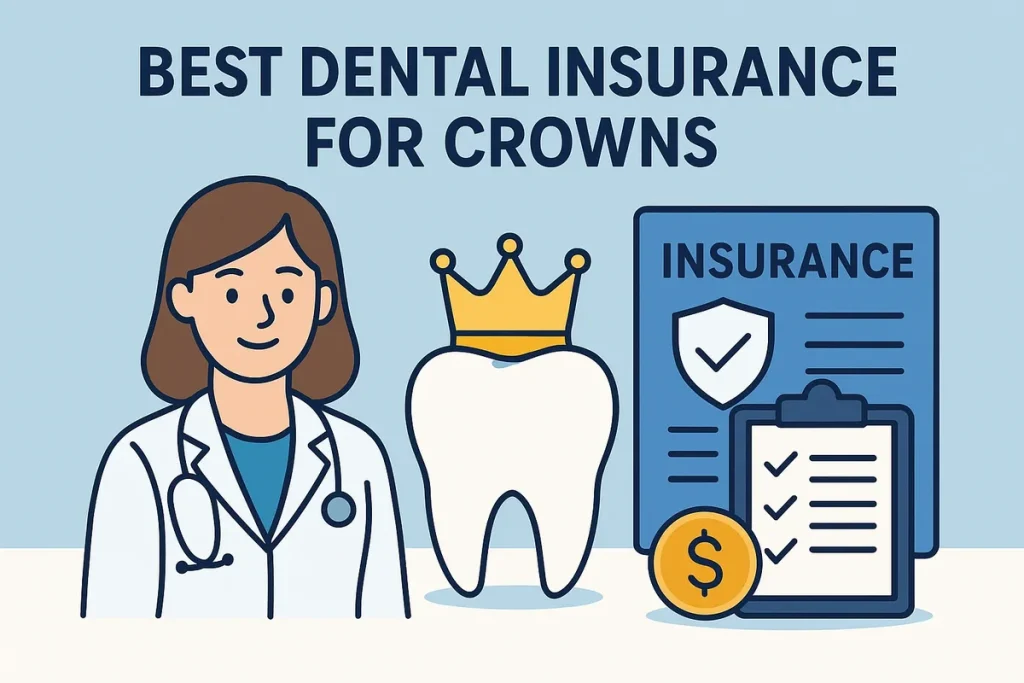
Why Crowns Are Essential for Dental Health in 2025
When it comes to modern dental care, crowns play a vital role in restoring both function and aesthetics. In 2025, more patients are seeking high-quality treatments that combine durability, natural appearance, and affordability. Crowns are commonly recommended after root canal treatments, severe decay, fractures, or cosmetic corrections. Because they are so frequently needed, finding the best dental insurance for crowns has become a top priority for patients who want to protect both their oral health and their wallets.
Unlike basic fillings or routine cleanings, crowns require more advanced dental technology and specialized care. This makes them more expensive, with average costs ranging between $800 and $2,500 per tooth, depending on the material and the clinic. Without insurance, many patients delay necessary treatments, which often leads to further complications. With the right coverage, however, these procedures become much more accessible and affordable. That is why exploring the best dental insurance for crowns is no longer just an option—it is a necessity in today’s healthcare landscape.
The Rising Need for Crowns
As people live longer and retain more of their natural teeth, the demand for crowns has increased significantly. Conditions such as grinding, sports injuries, and long-term dental wear also contribute to the need. According to recent research by the American Dental Association, restorative treatments like crowns are among the most common procedures requested in the United States. Patients who have access to the best dental insurance for crowns are better positioned to receive timely treatment without financial strain.
Types of Dental Crowns Available in 2025
There are several types of crowns patients may consider:
- Porcelain crowns – known for their natural look, often used for front teeth.
- Porcelain-fused-to-metal (PFM) crowns – strong and durable, used for both front and back teeth.
- All-metal crowns (such as gold or alloy) – highly durable but less aesthetic.
- Zirconia crowns – offering a blend of strength and aesthetics, increasingly popular in 2025.
Each option comes with a different price tag, making the selection of the best dental insurance for crowns essential to minimize out-of-pocket expenses.
Financial Barriers Without Insurance
Without coverage, patients often face difficult decisions—postponing treatment, choosing cheaper but less durable materials, or ignoring their dental needs altogether. This can lead to tooth loss, infection, and even more costly procedures like implants. By choosing the best dental insurance for crowns, patients can spread costs across manageable premiums while securing peace of mind for unexpected dental issues.
Long-Term Health Benefits of Crowns
Crowns not only restore damaged teeth but also prevent further deterioration. They improve chewing function, protect root structures, and enhance confidence by restoring smiles. In a broader sense, having the right insurance plan reduces stress, knowing that crucial treatments are covered. Whether for cosmetic reasons or essential health, crowns ensure patients maintain long-term oral stability. Adding coverage specifically tailored for crowns is a proactive step toward preventing financial and medical challenges later on.
Why Insurance Plans Are More Relevant Than Ever
As healthcare costs continue to rise in 2025, many Americans are actively comparing insurance options. The availability of specialized dental plans means that patients can now choose packages focusing on restorative treatments, including crowns. Providers are increasingly advertising the best dental insurance for crowns to attract patients seeking both comprehensive care and affordability. To explore your personalized treatment and insurance options, you can also reach out to clinics like Redent Klinik Contact Page for expert guidance.
Conclusion
In summary, crowns are no longer a luxury—they are a critical component of oral healthcare in 2025. Because costs can be substantial, patients should prioritize securing the best dental insurance for crowns to reduce expenses, maintain strong oral health, and improve overall quality of life. With proper coverage, patients can access cutting-edge crown materials and procedures without sacrificing financial security. Investing in the right dental insurance today means safeguarding both your smile and your long-term well-being. 😃
Why Crowns Are Essential for Dental Health in 2025
When it comes to modern dental care, crowns play a vital role in restoring both function and aesthetics. In 2025, more patients are seeking high-quality treatments that combine durability, natural appearance, and affordability. Crowns are commonly recommended after root canal treatments, severe decay, fractures, or cosmetic corrections. Because they are so frequently needed, finding the best dental insurance for crowns has become a top priority for patients who want to protect both their oral health and their wallets.
Unlike basic fillings or routine cleanings, crowns require more advanced dental technology and specialized care. This makes them more expensive, with average costs ranging between $800 and $2,500 per tooth, depending on the material and the clinic. Without insurance, many patients delay necessary treatments, which often leads to further complications. With the right coverage, however, these procedures become much more accessible and affordable. That is why exploring the best dental insurance for crowns is no longer just an option—it is a necessity in today’s healthcare landscape.
The Rising Need for Crowns
As people live longer and retain more of their natural teeth, the demand for crowns has increased significantly. Conditions such as grinding, sports injuries, and long-term dental wear also contribute to the need. According to recent research by the American Dental Association, restorative treatments like crowns are among the most common procedures requested in the United States. Patients who have access to the best dental insurance for crowns are better positioned to receive timely treatment without financial strain.
Types of Dental Crowns Available in 2025
There are several types of crowns patients may consider:
- Porcelain crowns – known for their natural look, often used for front teeth.
- Porcelain-fused-to-metal (PFM) crowns – strong and durable, used for both front and back teeth.
- All-metal crowns (such as gold or alloy) – highly durable but less aesthetic.
- Zirconia crowns – offering a blend of strength and aesthetics, increasingly popular in 2025.
Each option comes with a different price tag, making the selection of the best dental insurance for crowns essential to minimize out-of-pocket expenses.
Financial Barriers Without Insurance
Without coverage, patients often face difficult decisions—postponing treatment, choosing cheaper but less durable materials, or ignoring their dental needs altogether. This can lead to tooth loss, infection, and even more costly procedures like implants. By choosing the best dental insurance for crowns, patients can spread costs across manageable premiums while securing peace of mind for unexpected dental issues.
Long-Term Health Benefits of Crowns
Crowns not only restore damaged teeth but also prevent further deterioration. They improve chewing function, protect root structures, and enhance confidence by restoring smiles. In a broader sense, having the right insurance plan reduces stress, knowing that crucial treatments are covered. Whether for cosmetic reasons or essential health, crowns ensure patients maintain long-term oral stability. Adding coverage specifically tailored for crowns is a proactive step toward preventing financial and medical challenges later on.
Why Insurance Plans Are More Relevant Than Ever
As healthcare costs continue to rise in 2025, many Americans are actively comparing insurance options. The availability of specialized dental plans means that patients can now choose packages focusing on restorative treatments, including crowns. Providers are increasingly advertising the best dental insurance for crowns to attract patients seeking both comprehensive care and affordability. To explore your personalized treatment and insurance options, you can also reach out to clinics like Redent Klinik Contact Page for expert guidance.
Conclusion
In summary, crowns are no longer a luxury—they are a critical component of oral healthcare in 2025. Because costs can be substantial, patients should prioritize securing the best dental insurance for crowns to reduce expenses, maintain strong oral health, and improve overall quality of life. With proper coverage, patients can access cutting-edge crown materials and procedures without sacrificing financial security. Investing in the right dental insurance today means safeguarding both your smile and your long-term well-being. 😃
Understanding the Costs of Dental Crowns
The cost of dental crowns in 2025 varies significantly depending on the type of crown, the dentist’s expertise, and the geographic location of the clinic. On average, patients can expect to pay between $800 and $2,500 per tooth in the United States. This price can increase further if additional procedures, such as root canals or bone grafts, are needed before placing the crown. Without insurance, these costs can be overwhelming, which is why securing the best dental insurance for crowns is essential for affordability and peace of mind.
Average Prices by Material
The choice of material has the greatest impact on crown pricing. Here’s a breakdown of typical costs in 2025:
| Type of Crown | Average Cost (2025) | Durability |
|---|---|---|
| Porcelain (all-ceramic) | $1,000 – $2,500 | Natural look, moderate strength |
| Porcelain-fused-to-metal (PFM) | $900 – $1,800 | Strong but may show metal line |
| Gold or metal alloy | $1,200 – $2,000 | Extremely durable, less aesthetic |
| Zirconia | $1,200 – $2,500 | Durable and aesthetic, popular in 2025 |
These figures highlight how quickly costs can escalate. Choosing the best dental insurance for crowns ensures patients can access high-quality materials without financial stress.
Additional Expenses Beyond the Crown
It is important to note that the cost of a crown is not just the crown itself. Additional expenses may include:
- X-rays – $50 to $250
- Core build-up – $200 to $400 (to strengthen the tooth before crown placement)
- Root canal treatment – $700 to $1,500
- Temporary crowns – $100 to $300
These costs can double the final bill. That’s why insurance plans that cover both crowns and related procedures are highly valuable. When evaluating the best dental insurance for crowns, patients should ensure coverage extends to necessary pre-treatment and follow-up care.
Geographic Influence on Crown Prices
Where you live also impacts the cost of crowns. Urban clinics, especially in large cities like New York or Los Angeles, typically charge higher fees compared to smaller towns. On the other hand, dental tourism—traveling abroad for treatment—has become more popular. Countries like Turkey, Mexico, and Thailand offer crowns at half the price, sometimes including travel packages. However, for most Americans, having the best dental insurance for crowns locally is the most convenient and secure solution.
How Insurance Helps With Costs
Insurance reduces the financial burden by covering a large portion of the crown expense. For example, many dental insurance providers in 2025 pay 50% of the cost of crowns after the deductible is met. With premiums averaging $30–$50 per month, patients can save thousands annually. This is why more families are carefully comparing options to find the best dental insurance for crowns tailored to their needs.
Hidden Costs Patients Should Watch For
Some insurance plans advertise crown coverage but impose waiting periods of 6–12 months, annual maximum limits (often $1,000–$1,500), or exclusions for pre-existing conditions. Patients must carefully read the fine print to ensure their plan truly qualifies as the best dental insurance for crowns. Understanding coinsurance rates, deductibles, and out-of-network fees helps avoid unexpected bills.
Real-World Example of Savings
Consider this scenario: A patient in California needs a zirconia crown priced at $2,000. Without insurance, they pay the full amount. With an insurance plan covering 50% after a $100 deductible, the patient’s out-of-pocket cost drops to $1,100. That’s a savings of $900—proof that the best dental insurance for crowns delivers tangible financial benefits.
Conclusion
Dental crowns are essential but expensive. Between the type of material, geographic location, and additional procedures, the cost can quickly rise beyond affordability. In 2025, patients must secure the best dental insurance for crowns to ensure access to high-quality care without financial strain. By understanding the true costs of crowns and how insurance offsets these expenses, patients can make informed decisions that protect both their smiles and their budgets. 🦷
Factors That Influence Crown Insurance Coverage
Not all insurance policies cover crowns equally. In 2025, understanding the fine details of your plan is crucial to determining whether a crown procedure is affordable. Choosing the best dental insurance for crowns means looking beyond the headline benefits and digging into what truly affects coverage. From deductibles and waiting periods to annual maximums and provider networks, several factors play a role in how much support you receive.
Waiting Periods
One of the most common restrictions in dental insurance plans is the waiting period. While preventive care is often covered immediately, restorative procedures like crowns usually require a 6–12 month wait before coverage applies. This can frustrate patients who need urgent care. To avoid delays, many people specifically search for the best dental insurance for crowns that offers no waiting period. These plans may come with slightly higher premiums, but they provide faster access to essential treatment.
Annual Maximums
Dental insurance policies typically set annual limits on how much they will pay—often between $1,000 and $1,500. Since a single crown can cost up to $2,500, this cap is easy to exceed. Patients with multiple dental needs may find themselves paying significant amounts out of pocket. For this reason, the best dental insurance for crowns is often the one with a higher annual maximum or rollover benefits that allow unused coverage to carry over into the next year.
Coinsurance and Deductibles
Coinsurance refers to the percentage of the cost the patient pays after meeting the deductible. For crowns, many insurance providers cover 50% of the cost. Deductibles, on the other hand, must be paid out of pocket before benefits kick in—often ranging from $50 to $150 annually. When comparing policies, choosing the best dental insurance for crowns means finding a balance between affordable premiums, reasonable deductibles, and generous coinsurance benefits.
Network Limitations
Insurance coverage often depends on whether you visit an in-network or out-of-network dentist. In-network providers typically offer lower rates, while out-of-network visits may come with reduced or no coverage at all. Patients should verify that their preferred dentist accepts the plan before committing. The best dental insurance for crowns usually includes a broad network of reputable providers, ensuring flexibility and convenience.
Pre-Existing Conditions
Some policies exclude coverage for crowns if the dental issue existed before the plan started. This means patients with longstanding decay, broken teeth, or prior diagnoses may not qualify for immediate coverage. This makes it critical to carefully review the exclusions list. The best dental insurance for crowns is one that minimizes restrictions on pre-existing conditions, allowing more patients to access care without delays.
Frequency Limitations
Another important factor is how often your insurance allows for crown replacements. Many plans cover one crown per tooth every five to seven years. If a crown breaks earlier than expected, patients may need to pay out of pocket. When searching for the best dental insurance for crowns, it’s smart to look for policies with more flexible replacement timelines or additional protection plans.
Coverage for Related Procedures
A crown is rarely a stand-alone treatment. It may require root canals, extractions, or build-ups beforehand. The best dental insurance for crowns ensures that these supporting treatments are included in coverage. Otherwise, the patient may face significant hidden expenses despite having “crown coverage.” Comprehensive insurance is not just about the crown itself—it’s about the entire treatment process leading up to it.
Plan Type: PPO vs HMO
PPO plans generally offer more flexibility and broader coverage, while HMO plans are cheaper but more restrictive. Patients who want the best dental insurance for crowns often lean toward PPO plans because they cover a wider range of providers and procedures. HMOs can still be a good choice for those seeking affordability, but they may not always cover the most advanced crown materials.
Conclusion
Several factors determine whether a plan qualifies as the best dental insurance for crowns. From waiting periods and annual maximums to pre-existing condition clauses and coverage for related treatments, patients need to examine each detail before making a decision. By carefully evaluating these variables, individuals and families can secure policies that provide both financial relief and high-quality dental care. In 2025, the smartest approach is to choose a plan that blends affordability with comprehensive coverage, ensuring crowns are accessible when they are needed most. 🦷
Best Dental Insurance for Crowns With No Waiting Period
One of the biggest frustrations patients face when getting dental insurance is the waiting period. Many providers require you to wait six to twelve months before coverage for major services like crowns becomes active. For patients dealing with immediate pain, fractures, or urgent restorative needs, this is not acceptable. That’s why finding the best dental insurance for crowns with no waiting period is such a valuable solution in 2025.
Why Waiting Periods Exist
Insurance companies add waiting periods to prevent people from purchasing coverage only when they need expensive procedures, then canceling afterward. While it makes sense from a business standpoint, it leaves many patients without help when they need it most. The best dental insurance for crowns overcomes this issue by either eliminating the waiting period entirely or offering accelerated benefits for new policyholders.
Top Providers Offering No-Wait Plans
Some providers stand out in 2025 for offering coverage without waiting times:
- Spirit Dental – Known for no waiting periods on major services, including crowns.
- Denali Dental – Offers immediate coverage, with higher annual maximums for crown treatments.
- Humana Loyalty Plus – Features progressive benefits and no waiting period for certain restorative services.
- UnitedHealthcare Premier – Provides immediate access to restorative care, making it one of the best dental insurance for crowns.
These providers are popular with patients who don’t want delays and are ready to begin treatment as soon as possible.
Cost of No-Waiting Period Plans
Of course, there’s a trade-off. Plans without waiting periods usually cost slightly more in monthly premiums, averaging $40–$70 per month in 2025. However, considering that a single crown can cost up to $2,500, the higher monthly cost is worth the immediate coverage. Patients looking for the best dental insurance for crowns should calculate whether a slightly higher premium saves them more in the long run.
Immediate Coverage vs Limited Benefits
Not all “no waiting period” plans are created equal. Some offer immediate access to crowns but may cap coverage at lower amounts for the first year (for example, 25–30% of the crown cost), then increase coverage in subsequent years. The true best dental insurance for crowns ensures that patients receive meaningful coverage from day one, not partial reimbursements that still leave them with high out-of-pocket expenses.
How to Maximize No-Wait Coverage
Patients who choose a no-wait plan can maximize benefits by:
- Confirming that their preferred dentist is in-network.
- Scheduling restorative treatments early in the policy term to spread costs efficiently.
- Choosing the crown material (such as zirconia or porcelain-fused-to-metal) that balances durability with insurance reimbursement.
- Making use of preventive services, often fully covered, to reduce the risk of needing more crowns later.
By following these steps, policyholders ensure they get the most out of the best dental insurance for crowns without delay.
When No-Wait Plans Are Most Valuable
Immediate coverage is particularly beneficial for:
- Emergency dental needs – when a tooth is fractured or severely decayed.
- Older adults – who often need multiple crowns and don’t want to wait a year for coverage.
- Families with children – where accidents or injuries can happen at any time.
In these cases, investing in a no-wait plan ensures timely care while reducing unexpected financial burdens. Patients searching for the best dental insurance for crowns often rank immediate coverage as their top priority.
Conclusion
While many dental insurance policies impose waiting periods, there are excellent alternatives in 2025 that allow immediate access to crown coverage. Plans from Spirit Dental, Denali, Humana, and UnitedHealthcare make it possible to start treatment right away, avoiding delays that could worsen oral health. For patients in urgent need, the best dental insurance for crowns is undoubtedly the one with no waiting period—providing both financial protection and peace of mind when it matters most. 😃
Affordable Plans for Families and Seniors
When looking for the best dental insurance for crowns, affordability is one of the top concerns for families and seniors. Crowns are often needed multiple times throughout a lifetime, and the costs can quickly add up. For families, children may require crowns after dental injuries, while parents face natural wear and tear on their teeth. Seniors, on the other hand, are more likely to need crowns due to age-related dental issues. In 2025, several insurance providers have introduced budget-friendly plans that balance affordability with comprehensive coverage, making it easier for these groups to access essential care.
Why Families Need Specialized Coverage
Dental crowns are not only for adults—children with broken or decayed teeth sometimes need them too. Families must plan for unexpected emergencies as well as routine restorative care. A family plan that includes coverage for crowns ensures everyone in the household has protection. By securing the best dental insurance for crowns, parents can avoid sudden financial stress when a child or spouse requires treatment.
Why Seniors Are at Higher Risk
As people age, their teeth naturally weaken, and crowns become more common. Seniors may face additional challenges such as gum recession, root decay, and fractures. Medicare often does not cover crowns, leaving many seniors searching for supplemental plans. The best dental insurance for crowns tailored to seniors offers affordable premiums, higher annual maximums, and minimal restrictions on pre-existing conditions. This ensures older adults can maintain their dental health without straining their retirement budgets.
Top Affordable Family-Friendly Plans
Several insurance companies stand out in 2025 for offering family coverage:
- Cigna Dental 1500 – Covers up to 50% of crowns after deductible, with affordable premiums around $35 per month per member.
- Delta Dental PPO Family Plan – Offers broad provider networks, making it easier for families to find in-network dentists for crown procedures.
- Aetna Dental Direct – Known for competitive pricing and flexible family bundles, making it a contender for the best dental insurance for crowns.
These plans combine affordability with extensive coverage, giving families peace of mind and manageable costs.
Affordable Plans for Seniors
Seniors often require multiple crowns, so plans designed for them are critical. Popular choices in 2025 include:
- Humana Gold Plus – Tailored for seniors, with 50% coverage on crowns and preventive care fully covered.
- UnitedHealthcare Dental Premier – High annual maximums and affordable premiums around $40 per month.
- Spirit Dental Senior Plan – No waiting periods and higher lifetime coverage limits, making it one of the best dental insurance for crowns for seniors.
These plans are especially valuable for retirees who want reliable, predictable coverage without unexpected expenses.
Balancing Premiums and Out-of-Pocket Costs
Affordability does not just mean low monthly premiums. Patients must also consider deductibles, coinsurance, and annual maximums. For example, a cheaper plan may have lower premiums but cover only 30% of crown costs, leaving patients with higher out-of-pocket bills. The best dental insurance for crowns balances both affordability and effective coverage, reducing long-term financial burdens.
Tips for Families and Seniors to Save More
Families and seniors can save further by:
- Choosing PPO plans with wide networks to reduce crown costs.
- Comparing annual maximums to ensure coverage aligns with expected needs.
- Looking for rollover benefits that extend unused funds into the next year.
- Confirming coverage for related treatments like root canals and build-ups.
These strategies help maximize the benefits of the best dental insurance for crowns while minimizing financial strain.
Conclusion
Affordable dental coverage is possible in 2025 for both families and seniors. With specialized plans that balance premiums, coinsurance, and annual maximums, patients can get crowns when needed without breaking the bank. Families benefit from shared protection across multiple members, while seniors gain security in retirement with plans tailored to their needs. The best dental insurance for crowns is ultimately the one that provides both affordability and comprehensive coverage—ensuring healthy, confident smiles for every generation. 👨👩👧👦🦷👵
PPO vs HMO: Which Works Best for Crowns?
When searching for the best dental insurance for crowns, one of the most important decisions is choosing between a PPO (Preferred Provider Organization) and an HMO (Health Maintenance Organization) plan. Both types offer crown coverage, but they differ in flexibility, cost, and provider options. In 2025, patients must carefully compare the pros and cons of each to ensure they get the most value for their dental care needs.
What Is a PPO Dental Plan?
A PPO dental plan gives policyholders greater freedom to choose their dentist. Patients can visit both in-network and out-of-network providers, although out-of-network visits may come with higher costs. PPO plans are often considered the best dental insurance for crowns because they typically cover a larger portion of restorative treatments and allow flexibility in selecting crown materials such as porcelain, zirconia, or metal alloys.
What Is an HMO Dental Plan?
HMO plans, on the other hand, usually require patients to choose a primary dentist within the network. Referrals are often needed for specialist care, and coverage is limited to in-network providers. While premiums and copayments tend to be lower, HMOs may offer less comprehensive coverage for crowns. For budget-conscious individuals, some HMOs can still qualify as the best dental insurance for crowns, but patients should be prepared for stricter rules and fewer choices.
Coverage Differences for Crowns
One of the biggest differences between PPO and HMO plans is how they handle restorative services. PPOs typically cover 50% of crown costs after the deductible, with annual maximums that can reach $1,500 or more. HMOs may only cover a limited selection of crowns, often restricting materials to basic options. Patients looking for high-quality zirconia or porcelain crowns often find that PPOs provide the best dental insurance for crowns due to wider coverage.
Cost Comparison in 2025
Cost is another key factor. PPO plans have higher premiums—around $40–$60 per month—while HMO plans may cost as little as $20–$30 per month. However, the out-of-pocket expenses for crowns under HMO plans can be significantly higher if a patient prefers premium materials. In contrast, PPOs spread costs more evenly and are often better suited for patients who anticipate multiple crown procedures.
Provider Networks
PPO networks are much broader, giving patients access to thousands of dentists nationwide. This is especially important for people who move frequently or travel often. HMOs, however, limit coverage to a smaller network, which may be inconvenient for those who need flexibility. For many, the best dental insurance for crowns is one that allows them to continue visiting their trusted dentist without restrictions.
Which Plan Fits Your Needs?
The decision between a PPO and an HMO often comes down to personal priorities:
- Choose a PPO if you want flexibility, broader coverage, and access to premium crown materials.
- Choose an HMO if you prioritize low premiums, have a dentist in the network, and are comfortable with fewer treatment options.
For families and seniors who expect to need multiple crowns, PPOs are usually regarded as the best dental insurance for crowns. For younger patients or those with fewer dental issues, an HMO can still provide adequate and affordable protection.
Real-Life Example
Consider a patient who needs a zirconia crown priced at $2,000. With a PPO plan covering 50% after a $100 deductible, their cost drops to $1,100. Under an HMO, they may be limited to a basic metal crown covered at a lower rate, leaving them with fewer options. This example shows why PPOs are often the best dental insurance for crowns in terms of balancing cost and quality.
Conclusion
Both PPO and HMO plans have advantages, but when it comes to crowns, PPOs usually provide more comprehensive benefits, better coverage for advanced materials, and larger provider networks. HMOs, while affordable, may not offer the flexibility many patients need. In 2025, the best dental insurance for crowns will often be a PPO, especially for patients seeking high-quality treatment options and minimal restrictions. Ultimately, the choice depends on your dental needs, budget, and long-term health goals. 🦷
Comparing Top Providers: Delta, Cigna & Aetna
When searching for the best dental insurance for crowns in 2025, three providers consistently appear at the top of the list: Delta Dental, Cigna, and Aetna. Each company offers comprehensive plans that include crown coverage, but their differences in pricing, network size, and benefit structures can have a big impact on which plan is the right fit for you. A careful comparison helps patients make informed decisions and avoid costly mistakes.
Delta Dental
Delta Dental is one of the largest dental insurance providers in the United States, with millions of members nationwide. Its PPO plans are especially popular for crown coverage. Delta Dental typically covers 50% of the cost of crowns after the deductible is met, and annual maximums range between $1,000 and $2,000 depending on the plan. The broad network makes it easy to find an in-network provider, which is why many consider Delta one of the best dental insurance for crowns options available today.
Pros: Large network, flexible PPO options, and reliable coverage for multiple crown materials (including porcelain and zirconia).
Cons: Premiums may be higher than competitors, and waiting periods of 6–12 months may apply for major restorative care.
Cigna Dental
Cigna Dental is another leading provider offering family-friendly and senior-friendly coverage. Its Cigna Dental 1500 plan is particularly attractive for crown coverage. It provides 50% coverage for crowns after the deductible, with an annual maximum of $1,500. One of its standout features is orthodontic coverage, which can be valuable for families. Many patients choose Cigna as the best dental insurance for crowns because of its balance between affordability and comprehensive coverage.
Pros: Affordable premiums (around $35–$45 monthly), wide range of family plans, and generous preventive care benefits.
Cons: Some plans have limited out-of-network coverage, and waiting periods for crowns may apply unless you choose a premium plan.
Aetna Dental
Aetna Dental stands out for its straightforward PPO plans and strong online tools that make it easier for patients to estimate crown costs. Its Aetna Dental Direct plan is widely praised in 2025 because it offers nationwide coverage with competitive pricing. Crown coverage typically ranges from 40% to 50% after deductibles, with annual maximums between $1,000 and $1,500. For tech-savvy patients who want a transparent, digital-first experience, Aetna is often viewed as the best dental insurance for crowns.
Pros: Easy-to-use digital tools, strong PPO coverage, and affordable monthly premiums starting around $30.
Cons: Some plans may have lower annual maximums compared to Delta or Cigna, limiting coverage for multiple crowns.
Cost Comparison
Here’s a simplified comparison of average costs in 2025 for these three providers:
| Provider | Average Monthly Premium | Crown Coverage | Annual Maximum |
|---|---|---|---|
| Delta Dental | $45–$60 | 50% after deductible | $1,000–$2,000 |
| Cigna Dental | $35–$45 | 50% after deductible | $1,000–$1,500 |
| Aetna Dental | $30–$40 | 40–50% after deductible | $1,000–$1,500 |
This table demonstrates that all three providers cover crowns well, but Delta has higher maximums, Cigna balances affordability with family benefits, and Aetna offers budget-friendly coverage with strong PPO flexibility.
Which Provider Is Right for You?
For families with multiple dental needs, Cigna often emerges as the best dental insurance for crowns because of its family-friendly options. For patients who value a large provider network and premium coverage, Delta is usually the preferred choice. Aetna works best for cost-conscious individuals who want straightforward PPO benefits with transparent pricing tools.
Conclusion
Delta, Cigna, and Aetna each offer strong crown coverage, but the best choice depends on your specific needs, budget, and provider preferences. In 2025, Delta is excellent for those who want a wide network and higher annual maximums, Cigna is ideal for families and seniors, and Aetna appeals to individuals looking for affordability and digital convenience. Ultimately, the best dental insurance for crowns is the plan that provides reliable coverage for restorative care while aligning with your personal dental health goals. 🦷
How to Maximize Benefits and Reduce Out-of-Pocket Costs
Even after selecting the best dental insurance for crowns, patients often wonder how they can stretch their benefits further and minimize what they pay out of pocket. In 2025, rising healthcare costs make it essential to use every tool available to save money. By strategically planning treatments, understanding insurance details, and using preventive care, patients can maximize coverage while keeping their dental bills under control.
Schedule Treatments Strategically
One of the most effective ways to save is by spreading dental procedures across multiple policy years. Most insurance plans have annual maximums—typically between $1,000 and $1,500. If you need two crowns that together exceed the maximum, consider scheduling one in December and the other in January. This way, you take advantage of two annual maximums instead of just one. Patients who do this are using their best dental insurance for crowns wisely to minimize costs.
Stay Within Network
Insurance companies negotiate discounted rates with in-network dentists. Visiting out-of-network providers often leads to higher bills because reimbursement rates are lower or non-existent. To maximize the best dental insurance for crowns, patients should always check whether their dentist is in-network. This single step can save hundreds of dollars per procedure.
Use Preventive Services
Preventive care is usually covered at 100% by most dental insurance plans. Regular cleanings, exams, and X-rays help detect problems early before they require crowns or more expensive treatments. By keeping up with preventive visits, patients can reduce the frequency of needing crowns in the first place. After all, the best dental insurance for crowns works even better when paired with proactive oral health habits.
Understand Your Policy Details
Every insurance policy is different. Some cover 50% of crown costs, while others may cover less in the first year and increase coverage in later years. Deductibles, waiting periods, and frequency limits can all affect what you pay. Reading the fine print is crucial to ensure you are truly getting the best dental insurance for crowns. Patients who fully understand their policies are less likely to be surprised by unexpected bills.
Take Advantage of Rollover Benefits
Some providers allow unused annual maximum benefits to roll over into the next year. This can be especially helpful if you expect to need multiple crowns in a short period. The best dental insurance for crowns often includes this feature, enabling patients to build a financial buffer for costly treatments.
Consider Flexible Spending Accounts (FSAs) and Health Savings Accounts (HSAs)
FSAs and HSAs allow you to set aside pre-tax dollars for healthcare expenses, including crowns. Pairing these accounts with the best dental insurance for crowns means you can reduce your taxable income while covering out-of-pocket expenses more efficiently. This strategy is particularly helpful for families or seniors managing multiple dental needs.
Ask About Alternative Materials
Not all crown materials cost the same. While zirconia and porcelain crowns are popular for their natural look and durability, metal alloys can be more affordable. Patients should discuss material options with their dentist and confirm which are covered by their insurance. Sometimes, choosing a slightly different crown material can make the best dental insurance for crowns even more cost-effective.
Combine Preventive and Restorative Visits
Some patients save money by combining procedures into fewer appointments. For example, if you need a cleaning and a crown, scheduling them together may reduce office visit fees. Always check whether your insurance allows combined billing. Used wisely, this approach can lower costs while ensuring maximum use of the best dental insurance for crowns.
Conclusion
Maximizing dental insurance benefits requires careful planning and awareness of policy details. By staying in-network, scheduling procedures strategically, using FSAs or HSAs, and exploring rollover benefits, patients can significantly reduce their expenses. Preventive care also plays a critical role in avoiding future crown costs. In 2025, the best dental insurance for crowns is not just about choosing the right provider—it’s about making smart financial and healthcare decisions that stretch every dollar while keeping your smile healthy. 😃
International Coverage: Dental Crowns Abroad
In recent years, dental tourism has grown rapidly, with thousands of patients traveling abroad for affordable treatments. In 2025, destinations like Turkey, Mexico, Thailand, and Hungary have become leading hubs for dental crowns due to lower costs and high-quality care. However, many patients wonder if their insurance applies internationally. Finding the best dental insurance for crowns means also exploring whether your plan offers overseas coverage and how you can maximize benefits when receiving treatment abroad.
Why Patients Choose Dental Tourism
The primary motivation for traveling abroad is cost savings. While a zirconia crown in the U.S. might cost between $1,200 and $2,500, the same procedure in Turkey or Mexico can cost as little as $300 to $800—often including travel packages. Patients who combine international care with the best dental insurance for crowns may end up paying significantly less overall, even after airfare and accommodation expenses.
Insurance Plans That Include International Coverage
Not all insurance companies offer international benefits, but some providers stand out:
- Cigna Global – Offers worldwide coverage with direct billing in many countries.
- MetLife International – Includes dental care abroad with approved providers.
- Aetna International – Provides crown coverage worldwide, making it one of the best dental insurance for crowns for travelers.
These plans are ideal for expatriates, digital nomads, or retirees living overseas, ensuring crown treatments remain affordable wherever they are located.
Risks of International Crown Treatments
While international care is often cheaper, there are risks to consider:
- Quality standards – Not all clinics abroad follow the same safety regulations as U.S. providers.
- Follow-up care – If issues arise after returning home, insurance may not cover additional adjustments.
- Travel complications – Patients must account for time away from work and potential recovery abroad.
This is why pairing treatment with the best dental insurance for crowns is essential. A strong insurance plan provides peace of mind by covering emergencies or complications even outside your home country.
Cost Breakdown: U.S. vs Abroad
| Location | Average Cost of Crown (2025) |
|---|---|
| United States | $1,200 – $2,500 |
| Turkey | $300 – $800 |
| Mexico | $400 – $900 |
| Thailand | $500 – $1,000 |
| Hungary | $450 – $950 |
This comparison shows why international dentistry is attractive. With the best dental insurance for crowns that supports overseas care, patients can cut expenses dramatically while still enjoying top-quality service.
Tips for Using Insurance Abroad
If you’re planning to get crown treatments internationally, follow these steps:
- Contact your insurance provider to confirm international coverage.
- Ask if the insurer has a list of approved overseas clinics.
- Get pre-authorization for the procedure to ensure reimbursement.
- Keep all invoices and medical records for claim submission.
By being proactive, you can use your best dental insurance for crowns to minimize costs and reduce risks while abroad.
When International Coverage Makes Sense
International coverage is especially valuable for:
- Expatriates – who need reliable crown coverage while living overseas.
- Frequent travelers – who may require urgent dental care abroad.
- Patients seeking affordability – who want high-quality crowns at a fraction of U.S. prices.
In these scenarios, the best dental insurance for crowns ensures peace of mind no matter where patients receive treatment.
Conclusion
Dental tourism offers significant savings for patients in 2025, but only the right insurance makes it truly worthwhile. Providers like Cigna, Aetna, and MetLife offer international coverage that reduces both costs and risks. By choosing the best dental insurance for crowns with global benefits, patients can enjoy affordable, high-quality dental care abroad without sacrificing security or follow-up protection. 🌍🦷
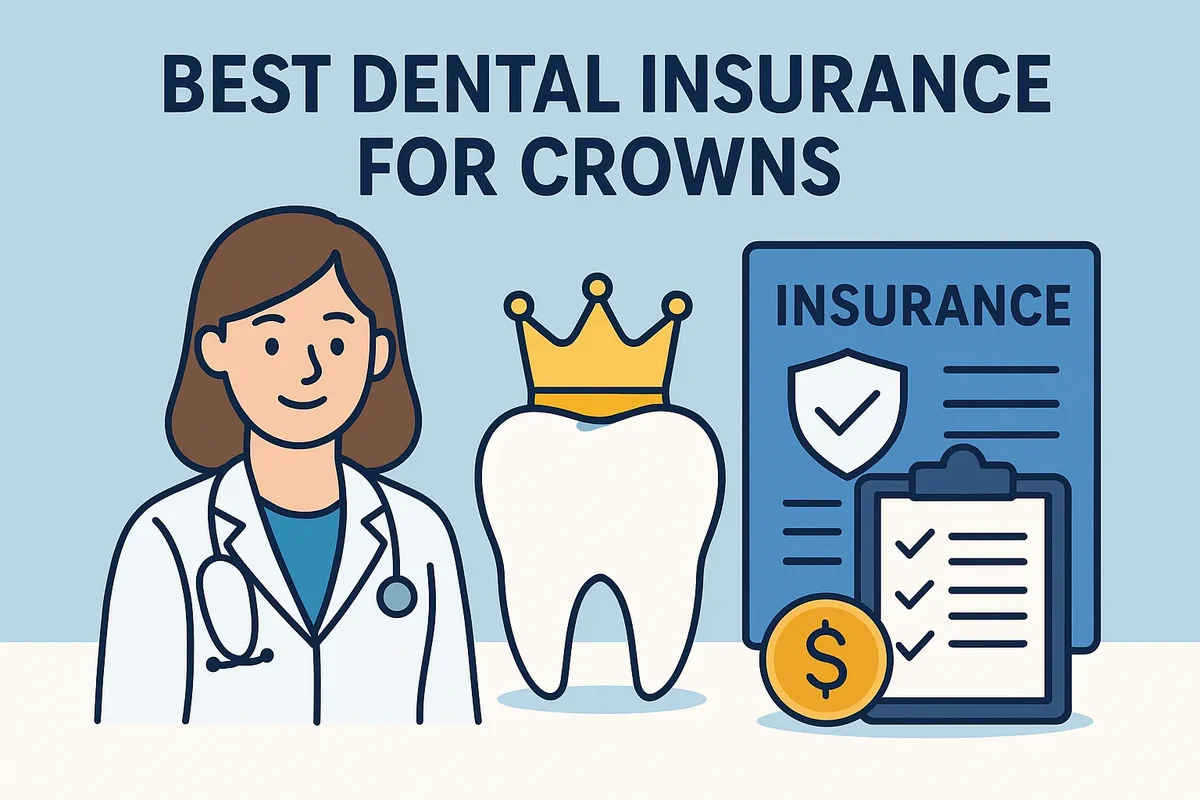
Expert Tips on Choosing the Best Dental Insurance for Crowns
Selecting the best dental insurance for crowns can feel overwhelming with so many plans available in 2025. From PPOs to HMOs and even international options, patients must weigh multiple factors to make the right decision. Dentists, insurance advisors, and financial experts all agree that careful comparison and smart planning are the keys to finding a plan that balances affordability, flexibility, and comprehensive coverage.
1. Evaluate Your Dental History
The first step is to assess your past dental needs. If you’ve had multiple crowns or anticipate future restorative care, prioritize plans with high annual maximums and generous crown coverage. For example, if you expect more than one crown per year, you’ll want the best dental insurance for crowns that doesn’t limit coverage to a single tooth per year or impose long waiting periods.
2. Compare Annual Maximums
Annual maximums significantly impact how much coverage you’ll actually receive. Many plans cap benefits at $1,000 to $1,500 per year, which may not be enough for multiple crowns. The best dental insurance for crowns offers higher annual maximums (up to $2,500 or more) or rollover benefits, helping patients spread costs across multiple years.
3. Don’t Ignore Deductibles and Coinsurance
It’s not just about premiums—deductibles and coinsurance play a big role in affordability. Some plans have low premiums but high deductibles, while others offer balanced costs. The best dental insurance for crowns minimizes out-of-pocket expenses by offering reasonable deductibles ($50–$150) and coinsurance rates around 50% for major services.
4. Consider Waiting Periods Carefully
If you need immediate treatment, avoid plans with 6–12 month waiting periods for crowns. Instead, look for no-waiting-period policies like those from Spirit Dental or Denali Dental. Patients in urgent need should only consider plans that qualify as the best dental insurance for crowns with instant or accelerated coverage.
5. Check Provider Networks
Your trusted dentist might not be in every insurance network. Before enrolling, verify whether your dentist accepts the plan. The best dental insurance for crowns should include a broad range of in-network providers, ensuring you have access to quality care without surprise bills.
6. Read the Fine Print on Materials
Not all crown materials are treated equally. Some insurance plans only cover basic metal crowns and may not reimburse zirconia or porcelain options. Since materials affect both cost and appearance, the best dental insurance for crowns covers a wide range of crown types, giving patients the flexibility to choose what’s best for their oral health and aesthetics.
7. Look for Preventive and Related Treatment Coverage
A crown often requires supporting procedures like root canals, core build-ups, or X-rays. The best dental insurance for crowns will also cover these related treatments. Without this, patients could face unexpected bills even with “crown coverage.” Comprehensive coverage ensures you are protected throughout the entire treatment process.
8. Balance Premiums With Long-Term Value
While it’s tempting to pick the cheapest premium, the long-term costs may be higher if coverage is limited. The true best dental insurance for crowns balances monthly affordability with strong restorative benefits. Paying $10 more per month could save you hundreds—or even thousands—on future dental procedures.
9. Seek Expert Guidance
Insurance brokers, dental specialists, and online comparison tools can provide insights into which plan fits your situation. Some clinics, such as Redent Klinik Contact Page, even guide patients in selecting insurance that aligns with their treatment plans. Consulting experts ensures you’re not just choosing a plan blindly but securing the best dental insurance for crowns for your unique needs.
Conclusion
Choosing the right insurance requires more than a quick glance at premiums. Patients must consider deductibles, annual maximums, waiting periods, provider networks, and material coverage to find a plan that truly supports their needs. In 2025, the best dental insurance for crowns is the one that provides peace of mind, affordability, and flexibility—ensuring patients can access high-quality restorative care without financial stress. By following these expert tips, you can confidently choose an insurance plan that protects your smile for years to come. 😁🦷
Disclosure: this page may contain affiliate links. We may earn a commission if you use them, at no extra cost to you.