
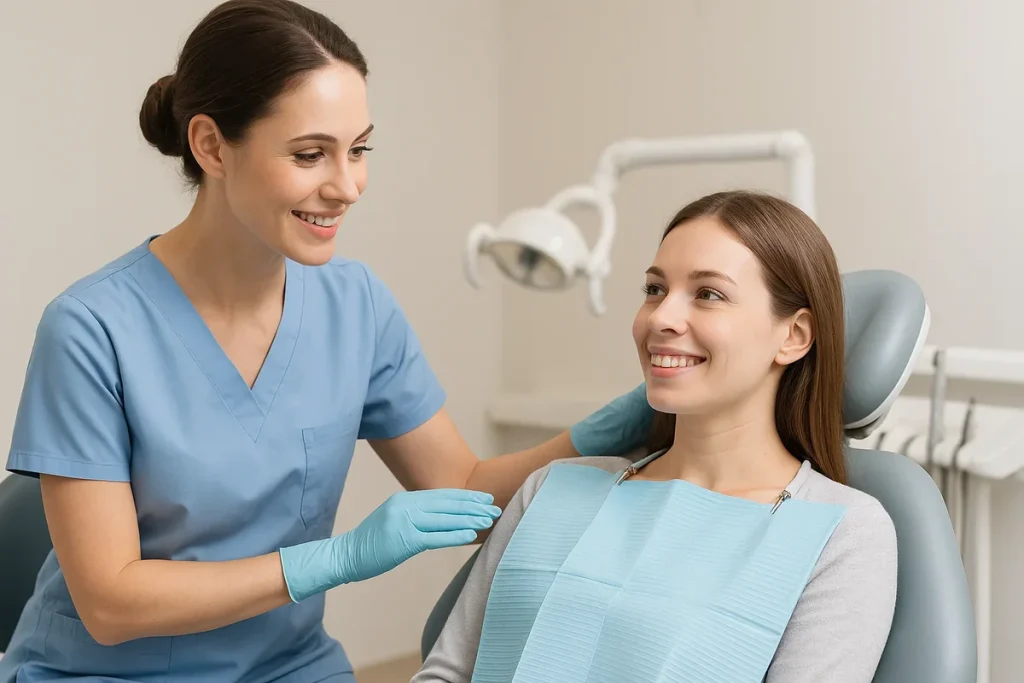
In 2025, gentle touch dentistry has become one of the most trusted approaches in modern dental care. Patients today are no longer satisfied with traditional methods that may cause discomfort or fear. Instead, they are actively seeking clinics that emphasize pain-free, anxiety-reducing techniques. The concept of gentle touch dentistry combines advanced technology, compassionate care, and minimally invasive procedures to ensure every patient receives treatment with maximum comfort. 🌿
This approach is not just about avoiding pain; it is about creating an entire atmosphere of trust. From the moment patients step into a clinic, gentle touch dentistry ensures they feel at ease. Waiting rooms are designed with soothing environments, dental chairs come equipped with ergonomic comfort, and dentists are trained to communicate clearly and empathetically. All these details contribute to an experience where patients can confidently overcome dental anxiety and receive the care they deserve.
One of the most important reasons why gentle touch dentistry is trending in 2025 is its strong alignment with patient-centered healthcare. Dental anxiety affects nearly 36% of the global population, and many avoid treatment altogether due to fear of pain. By offering a softer, more comfortable approach, dentists are making oral health accessible to everyone, including children, seniors, and patients with special needs.
Modern Techniques in Gentle Touch Dentistry
With advancements in 2025, gentle touch dentistry is supported by technologies like digital imaging, laser dentistry, and sedation options that reduce discomfort. For example, lasers are used for cavity treatment, gum reshaping, and even whitening procedures. These innovations ensure faster healing, less bleeding, and more precise results. Moreover, digital X-rays minimize radiation exposure, making diagnostics safer. Patients can clearly see their results on screens, which improves trust and understanding during consultations.
Another cornerstone of gentle touch dentistry is the use of minimally invasive procedures. Instead of large, painful drills, micro-instruments are used to target only the affected areas. This not only protects surrounding healthy tissue but also significantly reduces recovery times. For patients, it means leaving the clinic without the lingering discomfort associated with traditional dentistry.
The Human Touch in Gentle Touch Dentistry
Beyond tools and technology, gentle touch dentistry emphasizes the importance of the dentist-patient relationship. Dentists practicing this method are trained in communication strategies that reduce fear. They often explain procedures step by step, allow patients to signal when they need breaks, and ensure every patient feels heard. This human-centered care is essential for building long-term trust and loyalty.
For example, when children come in for their first dental appointment, gentle touch dentistry ensures the experience feels fun rather than scary. Dentists may use storytelling, interactive screens, or even reward systems to encourage positive associations with dental visits. Similarly, elderly patients who may struggle with sensitive gums or fragile teeth find great relief in pain-free methods that adapt to their unique needs.
Why Patients Choose Gentle Touch Dentistry
Patients today prioritize clinics that not only solve dental issues but also respect their comfort. Reviews and online ratings play a huge role in decision-making, and gentle touch dentistry consistently earns positive feedback. People often describe it as “life-changing,” especially those who avoided dental care for years due to fear. In fact, studies in 2025 show that clinics practicing gentle touch dentistry see higher patient retention rates and stronger word-of-mouth referrals.
Another reason for its popularity is accessibility. With more clinics adopting these methods, patients do not have to travel far to find a gentle dental provider. For those searching in local areas, Google trends indicate that “gentle touch dentistry near me” is one of the fastest-growing dental search terms this year. 📍
Links and Resources
If you are considering gentle touch dentistry for your next appointment, you can contact professionals directly via the Redent Klinik Contact Page. For additional information on best practices and safety standards, the American Dental Association offers valuable resources.
In summary, gentle touch dentistry in 2025 is more than just a method; it is a movement toward compassionate, modern, and patient-friendly care. By blending innovation with empathy, it ensures that every smile can be achieved with confidence, without fear, and with the highest level of comfort possible. ✨
Benefits of Gentle Touch Dentistry for Anxiety-Free Care
One of the greatest achievements of gentle touch dentistry in 2025 is its ability to create anxiety-free dental experiences. Dental fear has long been a barrier preventing millions of people from seeking the oral healthcare they need. Thanks to the compassionate and patient-focused approach of gentle touch dentistry, individuals who once avoided dentists are now scheduling regular checkups with confidence. 🦷
Dental anxiety can come from various sources—childhood trauma, fear of needles, or unpleasant past experiences. Traditional dentistry often did not prioritize the patient’s emotional comfort, leading to increased avoidance rates. However, gentle touch dentistry revolutionizes this by combining modern techniques with psychological support. From soothing clinic environments to pain-minimizing technologies, this approach ensures patients feel relaxed before, during, and after their treatments.
Emotional Comfort and Relaxation
The primary benefit of gentle touch dentistry is emotional reassurance. Dentists trained in this method understand that every patient brings unique fears. They use calming communication, explain each procedure thoroughly, and allow patients to remain in control. Techniques like relaxation breathing, noise-canceling headphones, and even aromatherapy are commonly integrated into clinics offering gentle touch dentistry. These strategies ensure that patients associate dental visits with positivity instead of dread.
Many patients report that their fear levels decrease dramatically after just one session. This transformation encourages them to maintain consistent oral hygiene checkups, which ultimately leads to healthier smiles and fewer long-term complications. In this sense, gentle touch dentistry does not just reduce anxiety—it also improves overall oral health outcomes.
Pain-Free and Minimally Invasive Procedures
Another significant benefit is the reduced discomfort during treatments. In 2025, laser technology, micro-instruments, and sedation dentistry options make it possible to carry out procedures with minimal or no pain. For patients who previously feared drilling or injections, gentle touch dentistry offers a much more comfortable alternative. Even routine treatments like cleanings or cavity fillings are approached with softer techniques designed to protect patient comfort.
This patient-centered approach makes it possible for individuals with sensitive teeth, gum disease, or severe anxiety to finally receive the care they need without fear. As a result, dental neglect is reduced, preventing more severe oral conditions from developing.
Improved Patient Compliance
One of the biggest challenges in dentistry has always been patient compliance. When individuals fear the dentist, they delay or cancel appointments, often leading to worsening oral health. With gentle touch dentistry, patients feel motivated to follow through with treatments, attend regular checkups, and complete long-term care plans. Dentists report that this approach leads to higher treatment success rates and better patient satisfaction scores.
Moreover, when patients feel empowered by positive experiences, they are more likely to adopt healthier habits at home. Regular brushing, flossing, and dietary awareness all become easier when fear no longer dominates their relationship with dental care.
Positive Impact on Children and Families
For families, gentle touch dentistry is a life-changer. Children who grow up experiencing dental visits as calm and enjoyable are less likely to develop anxiety as adults. Parents appreciate that their children receive compassionate care that sets the foundation for lifelong oral health. Clinics offering gentle touch dentistry often provide family-friendly environments, making it convenient for parents to book group appointments and ensure consistent care across generations. 👨👩👧👦
Building Trust and Loyalty
Trust is at the heart of gentle touch dentistry. Patients who feel cared for on both physical and emotional levels develop strong bonds with their dental providers. This leads to long-term loyalty and frequent recommendations to friends and family. Online reviews often highlight the reduced anxiety and overall comfort experienced during gentle touch dentistry, which boosts the clinic’s reputation and SEO rankings.
Links and Resources
For patients ready to overcome dental anxiety, professional clinics like Redent Klinik Contact Page provide access to gentle touch dentistry specialists. To learn more about best practices and safe pain-reducing methods, the American Dental Association offers reliable resources for 2025 standards.
In conclusion, the benefits of gentle touch dentistry go far beyond just oral care. It transforms the way patients view dentistry, removes the fear barrier, and builds lifelong trust between patients and dentists. With gentle touch dentistry, smiles are not only healthier but also achieved with peace of mind and genuine comfort. 🌸
How Gentle Touch Dentistry Improves Patient Comfort
One of the central goals of gentle touch dentistry is to maximize patient comfort at every stage of the dental experience. In 2025, dental care is no longer about simply fixing teeth; it is about providing a holistic, stress-free approach where the patient’s well-being comes first. Comfort is both physical and emotional, and gentle touch dentistry addresses both with a combination of advanced technology, personalized care, and a soothing environment. 🌟
Comfort Starts Before the Appointment
Unlike traditional dental practices, gentle touch dentistry ensures that patient comfort begins even before stepping into the clinic. Online appointment booking systems are designed to reduce waiting times, and patient portals provide detailed information about treatments. Clinics also send educational videos, preparation guides, and reassurance messages so patients know what to expect. This proactive communication reduces uncertainty and helps patients arrive at the clinic feeling calm and prepared.
Soothing Clinic Environments
The dental environment itself plays a huge role in comfort. Gentle touch dentistry clinics often feature soft lighting, calming décor, and welcoming staff who greet patients warmly. Waiting areas may include relaxing music, aromatherapy diffusers, and comfortable seating. These details might seem small, but together they create a space where patients feel safe. When anxiety is lowered from the start, treatments become easier and less stressful.
Pain-Free Technologies
One of the most important innovations in gentle touch dentistry is the integration of pain-free technologies. Laser dentistry is now widely used for procedures such as fillings, gum treatments, and whitening, drastically reducing discomfort compared to traditional drills. Local anesthesia delivery systems have also been modernized to minimize the sting of injections. Additionally, computer-assisted anesthesia ensures accurate, controlled delivery, making the numbing process virtually painless.
For patients with heightened sensitivity, topical numbing gels and air-abrasion tools allow for procedures without drilling. These innovations ensure that even people with dental phobia can receive the care they need without fear of pain.
Minimally Invasive Treatments
Gentle touch dentistry emphasizes minimally invasive techniques. Instead of removing large amounts of healthy tooth structure, micro-instruments are used to preserve as much of the natural tooth as possible. This not only increases comfort but also improves long-term oral health. Patients recover faster, experience less swelling, and can return to their daily activities with minimal disruption.
Communication as a Tool for Comfort
Communication is another cornerstone of gentle touch dentistry. Dentists take the time to explain each step of the procedure in simple terms, often showing patients their X-rays or 3D scans on-screen. They also encourage patients to ask questions and give them the option to pause treatments when needed. This two-way communication helps patients feel empowered and in control, which reduces stress dramatically.
For example, a patient undergoing root canal therapy might feel nervous. With gentle touch dentistry, the dentist carefully explains how laser-assisted methods make the procedure faster and more comfortable, reassuring the patient. This transparency builds trust and decreases fear.
Special Considerations for Children and Seniors
Children and seniors are two groups that often require extra comfort measures. Gentle touch dentistry clinics are equipped with kid-friendly tools, interactive screens, and supportive staff trained to make dental care fun for young patients. For seniors, treatments are adapted to accommodate issues like dry mouth, gum sensitivity, or fragile teeth. These personalized touches show that gentle touch dentistry is adaptable for patients of all ages. 👶👵
Emotional Comfort and Anxiety Reduction
Beyond physical comfort, gentle touch dentistry focuses on emotional well-being. Many clinics offer sedation options such as nitrous oxide (laughing gas) or oral sedation for patients with extreme anxiety. Mindfulness techniques, guided breathing, or even virtual reality headsets are integrated into treatment sessions to help patients relax. These holistic methods ensure that patients not only experience pain-free dentistry but also feel emotionally supported throughout their journey.
Affordability and Transparency
Comfort also comes from knowing there won’t be financial surprises. Gentle touch dentistry emphasizes clear pricing and treatment plans. Clinics provide detailed cost breakdowns, often in a visual format, so patients understand exactly what they are paying for. Transparent pricing reduces stress and makes dental care more accessible. For reference, routine treatments such as cleanings in 2025 typically range from $100–$150, while more advanced procedures like laser gum treatments may range from $300–$500 depending on location.
Links and Resources
For patients seeking maximum comfort and care, clinics such as Redent Klinik Contact Page provide access to gentle touch dentistry specialists. Patients can also explore best practices for comfortable dentistry via the American Dental Association, which offers educational resources on pain-free dental advancements in 2025.
In conclusion, gentle touch dentistry has redefined patient comfort in dentistry. By blending modern technology, empathetic communication, and holistic practices, it ensures that patients feel physically and emotionally at ease. This innovative approach allows individuals to enjoy healthier smiles without the stress, pain, or fear that once accompanied dental visits. 💖
Advanced Technologies Behind Gentle Touch Dentistry
In 2025, the success of gentle touch dentistry is powered by a wide range of advanced technologies that make dental care smoother, safer, and far more comfortable than ever before. Dentistry has moved far beyond traditional drills and outdated equipment; today, patients can enjoy minimally invasive treatments supported by cutting-edge tools designed to enhance precision and reduce discomfort. These technological innovations are the foundation of what makes gentle touch dentistry the preferred choice for patients across the globe. 🌍
Laser Dentistry: Pain-Free Innovation
One of the most transformative technologies in gentle touch dentistry is laser dentistry. Dental lasers are now widely used for cavity treatment, gum reshaping, teeth whitening, and even surgical procedures. Lasers eliminate the need for traditional scalpels and drills, meaning less bleeding, reduced swelling, and faster recovery times. Patients love the fact that most laser-based treatments require little to no anesthesia, making them both efficient and virtually pain-free.
For instance, treating gum disease with lasers avoids the discomfort associated with traditional surgical approaches. Patients can walk out of the clinic with healthier gums, no stitches, and minimal post-treatment pain. This type of advancement aligns perfectly with the philosophy of gentle touch dentistry—precision and comfort combined.
Digital Imaging and 3D Scanning
Another key technology shaping gentle touch dentistry is digital imaging. Traditional X-rays have been replaced by high-resolution digital radiographs and 3D cone-beam computed tomography (CBCT). These imaging systems expose patients to significantly less radiation while providing clearer, more detailed images. This allows dentists to diagnose issues earlier and plan treatments with pinpoint accuracy.
3D scanning is particularly valuable in creating custom treatment plans for dental implants, orthodontics, and restorations. Instead of messy physical impressions, dentists use handheld scanners to create precise digital models of the patient’s teeth. This enhances comfort and eliminates the gag-inducing molds of the past.
Computer-Assisted Anesthesia Delivery
Pain control has always been a major concern in dentistry, but gentle touch dentistry makes use of computer-assisted anesthesia systems. These devices deliver local anesthesia at a controlled rate, removing the sharp sting often associated with injections. Patients often report feeling little to no discomfort during the numbing process. This not only reduces fear but also improves overall satisfaction with treatments.
Such innovations are particularly helpful for children and patients with dental phobia, as they make the process of getting anesthesia almost unnoticeable. This aligns seamlessly with the anxiety-reducing focus of gentle touch dentistry.
CAD/CAM Technology
Computer-Aided Design and Computer-Aided Manufacturing (CAD/CAM) technology has revolutionized restorative dentistry. With this system, dentists can design and produce crowns, veneers, and bridges right in the clinic. This means patients can receive same-day restorations without the need for temporary crowns or multiple visits. The precision of CAD/CAM ensures a perfect fit, leading to greater comfort and long-lasting results.
Air Abrasion and Micro-Instruments
Instead of traditional drills, many gentle touch dentistry clinics now use air abrasion tools or micro-instruments to remove decay. These devices work by directing a fine stream of particles to gently clean out cavities. Unlike drills, air abrasion produces no vibrations, heat, or pressure, which significantly reduces discomfort for patients. Combined with micro-instruments, dentists can target only the affected areas of a tooth, preserving healthy enamel and dentin.
Virtual Reality and Patient Relaxation Tools
Beyond physical tools, gentle touch dentistry also integrates technologies designed to enhance relaxation. Virtual reality (VR) headsets are being used in dental clinics to immerse patients in calming environments, such as beaches or forests, during treatments. This distraction method has been proven to lower anxiety and make time in the chair pass more quickly. Noise-canceling headphones, guided meditation apps, and biofeedback systems are also increasingly common in gentle dentistry clinics. 🎧
Tele-Dentistry and Remote Monitoring
The digital revolution has also reached dental care through tele-dentistry. In 2025, patients can connect with their dentists online for consultations, follow-ups, and treatment planning. Gentle touch dentistry makes use of this technology to reduce unnecessary visits, especially for patients who experience dental anxiety. Wearable oral health trackers and smart toothbrushes also allow dentists to monitor a patient’s dental hygiene remotely, ensuring long-term comfort and prevention.
Smart Materials for Restorations
Modern dental materials also play a huge role in improving comfort. Biocompatible, tooth-colored materials used in gentle touch dentistry mimic the natural look and feel of teeth. These materials are more durable, cause less irritation, and integrate better with the patient’s natural oral environment. Some even release fluoride to help prevent future decay, offering added protection while maintaining aesthetics.
Links and Resources
If you are curious about experiencing these advanced technologies firsthand, you can contact a specialized clinic such as Redent Klinik Contact Page. Additionally, the American Dental Association provides detailed resources about the latest dental technologies used in gentle touch dentistry and how they improve patient care.
In summary, the advanced technologies behind gentle touch dentistry are what make it so effective in 2025. From laser treatments to VR relaxation tools, every innovation is focused on reducing pain, boosting comfort, and creating anxiety-free dental care. This powerful combination ensures that gentle touch dentistry continues to set new standards in modern oral healthcare. 🚀
Gentle Touch Dentistry for Children: A Parent’s Guide 👶
Introducing children to dental care can be one of the most challenging tasks for parents. Fear of the unknown, sensitivity to sounds, and the intimidating look of dental tools can all contribute to anxiety in young patients. This is where gentle touch dentistry becomes an invaluable approach. By combining child-friendly methods, advanced technology, and compassionate communication, gentle touch dentistry ensures that kids build positive associations with dental care from an early age. 🌈
Creating a Positive First Experience
First impressions matter, especially for children. Gentle touch dentistry clinics are designed to be welcoming and non-threatening, often decorated with bright colors, playful murals, and interactive toys. Dentists and staff members are trained to greet children warmly and introduce them to dental tools in a fun, educational manner. For example, a mirror may be shown as a “tooth telescope,” making the experience playful rather than frightening. This initial exposure helps children feel safe and curious instead of scared.
Communication Tailored for Kids
One of the key pillars of gentle touch dentistry is communication adapted to the child’s level of understanding. Dentists explain procedures using simple, friendly language and avoid technical terms that could sound intimidating. Storytelling, role-playing, and visual aids are frequently used to explain what will happen during the appointment. By demystifying the process, children feel more in control and are more willing to cooperate.
Pain-Free Approaches for Young Patients
Children are especially sensitive to discomfort, which is why gentle touch dentistry prioritizes pain-free techniques. Laser technology, air abrasion, and topical anesthetics minimize or completely eliminate pain during treatments like cavity fillings or gum therapy. Computer-assisted anesthesia systems ensure that numbing agents are delivered slowly and gently, reducing the fear associated with injections. Parents often report that their children leave appointments surprised at how easy and painless the experience was. 🦷✨
Minimally Invasive Treatments
Another benefit of gentle touch dentistry for children is its emphasis on minimally invasive care. Rather than aggressively drilling or removing tissue, dentists use micro-instruments and preventive methods to preserve as much of the natural tooth as possible. This not only reduces recovery time but also fosters healthier oral development in growing children. For example, small cavities may be treated with sealants or fluoride applications instead of fillings, preventing discomfort and protecting the child’s teeth for years to come.
Building Lifelong Healthy Habits
Gentle touch dentistry is not just about treatment—it’s about education. Dentists use every visit as an opportunity to teach children the importance of brushing, flossing, and eating a tooth-friendly diet. Fun demonstrations, digital animations, and reward systems make oral hygiene lessons engaging. When children enjoy their dental visits, they are more likely to adopt consistent oral care habits at home, which benefits their long-term dental health.
Reducing Dental Anxiety for the Future
Perhaps the most valuable aspect of gentle touch dentistry for kids is the long-term impact it has on their attitudes toward dental care. Children who grow up with gentle, positive dental experiences are less likely to develop dental anxiety as adults. This means they are more likely to maintain regular checkups, seek treatment early when issues arise, and prioritize their oral health throughout life. In other words, gentle touch dentistry creates healthier smiles for the future by removing the fear barrier at an early age.
Parental Involvement in the Process
Parents play a vital role in making dental visits successful. Gentle touch dentistry encourages parental involvement by allowing caregivers to stay with their children during appointments if needed. Dentists also provide parents with practical advice on managing oral hygiene at home, including brushing techniques, flossing tips, and dietary guidance. This collaborative approach builds trust and reassures both the child and the parent. 👨👩👧
Specialized Pediatric Gentle Dentistry
Many clinics specializing in gentle touch dentistry have dedicated pediatric dentists trained in child psychology and behavior management. These specialists are skilled at handling children with special needs, high anxiety, or complex dental issues. Whether a child has autism, ADHD, or sensory sensitivities, gentle touch dentistry ensures they receive compassionate and patient-focused care tailored to their individual needs.
Links and Resources
Parents interested in gentle touch dentistry for their children can schedule an appointment at clinics like the Redent Klinik Contact Page, which specializes in family-friendly dental services. For further guidance on children’s oral health, the American Dental Association provides updated recommendations and educational materials for 2025.
In conclusion, gentle touch dentistry for children goes beyond treatment—it establishes trust, reduces fear, and builds lifelong healthy habits. By offering a nurturing environment, pain-free technology, and parent-inclusive practices, this approach ensures that young patients see dental visits as a positive and empowering experience. 🌟
Gentle Touch Dentistry for Seniors: Pain-Free Smiles in 2025 👵
As people age, dental needs change significantly, and treatments must be adapted to meet the unique challenges seniors face. In 2025, gentle touch dentistry has emerged as one of the most effective approaches for older adults who often struggle with sensitive gums, missing teeth, or medical conditions that complicate oral health. By focusing on comfort, minimally invasive care, and modern technology, gentle touch dentistry ensures that seniors can maintain beautiful, functional, and pain-free smiles well into their golden years. 🌟
Addressing Age-Related Oral Health Issues
Seniors are more prone to conditions like gum disease, tooth decay, dry mouth, and tooth loss. These issues can be compounded by medications, chronic illnesses, or reduced mobility. Gentle touch dentistry takes these challenges into account by offering personalized, compassionate care. Treatments are designed to minimize discomfort, preserve existing teeth, and improve overall oral function. For example, instead of aggressive extractions, dentists may use micro-surgical methods to save as much natural tooth structure as possible, supporting both oral health and comfort.
Pain-Free Denture and Implant Solutions
One of the most important aspects of gentle touch dentistry for seniors is the approach to dentures and implants. Traditional methods often caused irritation, sore spots, or long recovery times. Now, advanced laser technology, digital impressions, and same-day CAD/CAM restorations allow seniors to receive dentures or implants with far less discomfort. Gentle touch dentistry ensures that prosthetics fit precisely, feel natural, and function effectively, improving both aesthetics and chewing ability. 🦷
Minimizing Discomfort During Procedures
For seniors, comfort during dental treatments is crucial. Many have heightened sensitivity or medical concerns that make procedures more difficult. Gentle touch dentistry uses techniques like laser therapy, air abrasion, and computer-assisted anesthesia to ensure treatments are virtually pain-free. Even complex procedures such as gum therapy or root canals are performed with minimal discomfort. Seniors often report being surprised at how comfortable their appointments feel compared to their past experiences with traditional dentistry.
Managing Dental Anxiety in Older Adults
Dental fear is not limited to children—many seniors also carry anxiety from unpleasant past experiences. Gentle touch dentistry places a strong emphasis on reducing this anxiety through clear communication, gentle handling, and even sedation options when necessary. Clinics often create a supportive environment with soothing music, warm blankets, and friendly staff who take the time to listen to patient concerns. This compassionate approach helps seniors feel reassured and safe during every visit.
Specialized Care for Medical Conditions
Older patients frequently deal with medical issues such as diabetes, heart disease, or arthritis, which can impact oral health and treatment options. Gentle touch dentistry takes these conditions into consideration by tailoring treatments to minimize risks. For example, laser therapies reduce bleeding risks for patients on blood thinners, while ergonomic dental chairs help those with mobility challenges. These specialized adjustments make dental care more accessible and comfortable for seniors. 👵💖
Improved Quality of Life
The ultimate goal of gentle touch dentistry for seniors is to improve overall quality of life. Being able to chew properly, smile with confidence, and avoid oral pain has a direct impact on nutrition, self-esteem, and social interactions. Seniors who receive compassionate dental care often find themselves more willing to engage in social activities, eat healthier foods, and smile more freely. This holistic improvement goes far beyond oral health, contributing to overall well-being and happiness in later life.
Affordable and Transparent Pricing for Seniors
Finances can be a concern for seniors, especially those living on fixed incomes. Gentle touch dentistry emphasizes transparent pricing and clear treatment plans, helping patients make informed decisions without surprise costs. In 2025, the average cost for dentures ranges between $1,200–$3,000 depending on materials and customization, while single dental implants typically range between $2,500–$4,500. Many clinics also offer payment plans and insurance guidance to ensure that seniors can access the care they need.
Family and Caregiver Involvement
Gentle touch dentistry also involves family members and caregivers in the process. This ensures that seniors receive support both during and after their appointments. Dentists often provide caregivers with instructions on maintaining oral hygiene for elderly patients, especially those with limited mobility or memory challenges. This collaborative approach strengthens trust and ensures continuity of care.
Links and Resources
Seniors and their families seeking professional, compassionate care can reach out to clinics such as the Redent Klinik Contact Page for tailored treatment options. For additional resources on senior dental care, the American Dental Association provides updated guidelines and educational materials on best practices for older adults.
In conclusion, gentle touch dentistry in 2025 offers seniors the opportunity to enjoy pain-free, stress-free, and highly effective dental care. By addressing age-specific challenges with compassion and innovation, it ensures that older adults can maintain their oral health and quality of life with dignity and comfort. 🌸
Cost of Gentle Touch Dentistry: What Patients Should Expect 💰
When considering dental care in 2025, one of the most common questions patients ask is about cost. Gentle touch dentistry is known for its advanced technologies, patient-centered approach, and comfort-focused treatments, but many people wonder whether these benefits come with a higher price tag. The good news is that while gentle touch dentistry may sometimes cost slightly more than traditional dentistry, the long-term value it provides in terms of comfort, reduced anxiety, and preventive care often outweighs the initial investment. 🦷💎
Why Gentle Touch Dentistry May Cost More
The primary reason gentle touch dentistry can have higher fees is its use of advanced technology and minimally invasive tools. Laser equipment, computer-assisted anesthesia systems, and digital imaging devices require significant investment by clinics. Additionally, staff are trained extensively to ensure they deliver treatments with empathy, precision, and consistency. This higher standard of care naturally contributes to slightly elevated costs, but patients benefit by receiving superior comfort and more efficient results.
Average Costs in 2025
Here is a breakdown of typical costs associated with gentle touch dentistry in 2025. Prices may vary depending on the clinic location, dentist expertise, and complexity of the procedure, but these ranges provide a general guideline:
- Routine Cleaning: $100 – $150
- Laser Gum Therapy: $300 – $500
- Tooth-Colored Fillings (Laser Assisted): $150 – $300 per tooth
- Root Canal Therapy (Gentle Approach): $700 – $1,200
- Dental Crown (CAD/CAM Same Day): $1,000 – $1,500
- Dental Implant (Advanced Placement): $2,500 – $4,500 per implant
- Full Dentures (Comfort-Fit): $1,200 – $3,000 per arch
These prices reflect the additional comfort and precision offered by gentle touch dentistry. For many patients, the ability to undergo treatments without fear, pain, or prolonged recovery times is worth the added cost.
Insurance and Coverage Options
In 2025, most dental insurance plans provide partial coverage for procedures performed using gentle touch dentistry. While some advanced technologies (like laser treatments or CAD/CAM crowns) may involve out-of-pocket expenses, preventive services such as exams and cleanings are usually covered up to 80–100%. Patients are encouraged to check with their insurance providers to understand coverage details. Many clinics also assist in filing insurance claims, reducing stress for patients.
Payment Plans and Financing
Since affordability is a top concern, many gentle touch dentistry clinics offer flexible payment plans. Monthly installment options, low-interest financing, and discount programs for seniors or families are becoming increasingly common. This makes treatments accessible even for patients without full insurance coverage. Some clinics also provide membership plans where patients pay an annual fee to cover preventive care and receive discounts on other treatments.
Long-Term Value of Gentle Touch Dentistry
While upfront costs may seem higher, gentle touch dentistry often saves patients money in the long run. Minimally invasive techniques preserve natural tooth structure, reducing the need for extensive restorations later. Pain-free methods encourage patients to attend regular checkups, which means issues are caught early and treated before they become more complex and expensive. Patients also avoid costs associated with emergency treatments that often arise from neglected oral care due to dental fear.
Cost Transparency
Another important factor in gentle touch dentistry is transparency. Clinics provide clear treatment plans and itemized cost breakdowns before starting any procedure. This ensures there are no hidden fees, giving patients peace of mind. Many clinics even use digital platforms to show before-and-after treatment simulations along with estimated costs, so patients know exactly what to expect. 📊
Global Trends in Pricing
In countries with advanced dental healthcare systems, gentle touch dentistry is quickly becoming the standard. For example, in the United States and Western Europe, prices are slightly higher due to technological investments. However, in medical tourism hubs like Turkey, Thailand, or Mexico, patients can access high-quality gentle touch dentistry at more affordable rates, often at 40–60% lower costs compared to the U.S. This has made dental tourism a growing trend in 2025.
Links and Resources
If you want to learn more about treatment options and pricing, you can directly contact professionals via the Redent Klinik Contact Page. For broader resources about cost transparency and dental procedures, the American Dental Association provides updated financial guidelines and patient education materials.
In conclusion, while gentle touch dentistry may sometimes involve a slightly higher investment, it provides unmatched value in terms of comfort, safety, and long-term oral health. Patients in 2025 are increasingly prioritizing not just affordability, but also the quality of their experience—and gentle touch dentistry delivers both with confidence. 💖
Gentle Touch Dentistry vs. Traditional Dentistry: Key Differences
In 2025, more patients than ever are choosing gentle touch dentistry over traditional dental approaches. While both aim to protect oral health, the methods, tools, and overall patient experience are very different. Traditional dentistry often relies on older techniques, which may cause discomfort, noise, and longer recovery times. By contrast, gentle touch dentistry focuses on comfort, advanced technology, and minimizing patient anxiety. Understanding the key differences between these two approaches helps patients make informed decisions about their dental care. 🦷✨
Patient Experience and Comfort
The most noticeable difference between gentle touch dentistry and traditional dentistry is the patient experience. Traditional methods often cause fear due to noisy drills, uncomfortable injections, and longer recovery times. Gentle touch dentistry, however, prioritizes patient comfort by using quiet tools, computer-assisted anesthesia, and pain-free laser treatments. Patients report feeling relaxed, less anxious, and more willing to schedule regular checkups.
For instance, a traditional cavity filling often involves drilling, which can cause vibrations and discomfort. In gentle touch dentistry, lasers or air abrasion tools are used, making the process virtually painless and less intimidating. This shift in patient experience is one of the strongest reasons for its growing popularity in 2025.
Technology and Innovation
Traditional dentistry depends heavily on manual tools, physical impressions, and standard anesthesia. Gentle touch dentistry embraces cutting-edge technology, including digital X-rays, 3D scanning, CAD/CAM restorations, and advanced laser treatments. These innovations not only improve accuracy and safety but also drastically reduce treatment times.
For example, while traditional crowns may require two or three visits, gentle touch dentistry can deliver same-day crowns using CAD/CAM systems. Patients benefit from fewer appointments, faster recovery, and a more convenient experience.
Approach to Pain Management
Pain has long been associated with dentistry, largely due to traditional methods. Gentle touch dentistry changes this perception by integrating advanced anesthetic delivery systems and non-invasive procedures. Computer-controlled anesthesia ensures injections are nearly painless, while topical numbing gels further reduce discomfort. Traditional dentistry still relies on manual syringes, which can cause anxiety and pain during administration.
Anxiety Reduction and Emotional Support
Another key difference lies in how patient emotions are managed. Traditional dentistry often lacks structured strategies for dealing with dental phobia. Gentle touch dentistry, however, incorporates anxiety-reducing measures such as soothing clinic environments, noise-canceling headphones, relaxation techniques, and even virtual reality headsets. These innovations transform the dental experience into something calm and stress-free. 🌿
Treatment Philosophy
Traditional dentistry often focuses on treating existing problems, such as filling cavities or extracting damaged teeth. Gentle touch dentistry emphasizes preventive and minimally invasive care, aiming to protect natural teeth whenever possible. By addressing issues early with conservative methods, gentle touch dentistry reduces the need for more invasive treatments down the line. This preventive philosophy helps patients enjoy better long-term oral health.
Recovery Time
Traditional dental treatments can leave patients with soreness, swelling, and lengthy recovery times. In contrast, gentle touch dentistry uses lasers and micro-instruments that minimize tissue damage and accelerate healing. Patients often return to their normal routines immediately after appointments, a benefit that is particularly valued in today’s busy world.
Affordability and Accessibility
While traditional dentistry is often perceived as more affordable, gentle touch dentistry is becoming increasingly accessible. Many clinics offer financing plans, and insurance providers now cover many of the procedures. Although upfront costs may sometimes be higher, the long-term benefits—reduced dental anxiety, fewer invasive treatments, and healthier outcomes—make gentle touch dentistry a worthwhile investment.
Suitability for Children and Seniors
Gentle touch dentistry also differs in its inclusivity. While traditional methods can be intimidating for both children and seniors, gentle touch dentistry adapts its approach to meet their needs. Kids benefit from friendly communication and pain-free tools, while seniors appreciate treatments tailored for sensitive gums and complex health conditions. This makes gentle touch dentistry a family-friendly choice across all age groups. 👶👵
Links and Resources
For patients seeking to transition from traditional care to modern approaches, professional clinics like Redent Klinik Contact Page provide comprehensive gentle touch dentistry services. Additional educational resources are available through the American Dental Association, which highlights the latest advancements in patient-centered dental care.
In summary, gentle touch dentistry stands apart from traditional dentistry by offering comfort, innovation, and emotional support. By focusing on minimally invasive techniques, advanced technology, and patient trust, it represents the future of oral healthcare in 2025. Patients no longer have to fear dental visits—instead, they can look forward to comfortable and compassionate care. 💖
Finding a Gentle Touch Dentistry Clinic Near You in 2025 📍
In 2025, more patients than ever are searching for gentle touch dentistry clinics near them. With growing awareness about anxiety-free and pain-free dental treatments, the demand for specialized clinics has skyrocketed. Patients no longer settle for traditional dental practices that may trigger fear or discomfort. Instead, they are actively typing phrases like “gentle touch dentistry near me” into search engines, looking for clinics that prioritize comfort, advanced technology, and compassionate care. 🌐
Why Location Matters for Gentle Touch Dentistry
Accessibility plays a big role in choosing the right clinic. Patients want modern, patient-focused dental care close to home, work, or school. A conveniently located clinic makes it easier to attend routine checkups and follow-up appointments, which are essential for long-term oral health. In fact, clinics offering gentle touch dentistry in urban areas are reporting higher patient retention rates because convenience combined with comfort leads to strong loyalty.
Using Online Tools to Find Clinics
The easiest way to locate a gentle touch dentistry provider is through online search platforms like Google Maps, Yelp, and Healthgrades. These tools allow patients to filter clinics based on location, ratings, and specific services. Search engines now display “gentle touch dentistry near me” results more prominently due to the rise in popularity of this term. Patients can also read reviews from others who have experienced pain-free dentistry, helping them choose trusted providers.
Online directories often list dentists who specialize in gentle touch dentistry, making it easier for families to find clinics that accept insurance, offer financing plans, or provide services for both children and seniors. Transparency through online reviews is a big advantage in 2025, as patients rely heavily on peer experiences before making their decision.
Key Qualities to Look For
When searching for the right gentle touch dentistry clinic, there are several qualities to consider:
- Advanced Technology: Look for clinics that advertise laser dentistry, CAD/CAM restorations, and computer-assisted anesthesia.
- Patient Comfort: Gentle touch dentistry providers often highlight amenities like noise-canceling headphones, aromatherapy, or soothing clinic designs.
- Specialized Training: Dentists and staff should have certifications or training in anxiety-reducing techniques and minimally invasive procedures.
- Family-Friendly Services: Clinics that accommodate children, seniors, and patients with special needs are a good sign of true gentle care.
- Positive Reviews: Online testimonials mentioning reduced fear, pain-free treatments, and excellent communication are strong indicators of quality.
Local vs. International Options
For patients in countries where dental costs are high, dental tourism has become a major trend. Gentle touch dentistry is available not only in local clinics but also in internationally renowned hubs like Turkey, Mexico, and Thailand. These destinations offer affordable treatments without compromising quality. In fact, many international clinics invest heavily in gentle touch technologies to attract patients from abroad who want both cost savings and comfort. ✈️
Insurance and Affordability
Another factor patients consider when looking for gentle touch dentistry clinics is affordability. Many providers now accept dental insurance plans that cover a wide range of procedures, from preventive cleanings to restorative care. Clinics also advertise transparent pricing and flexible financing options, ensuring that comfort-driven dentistry is accessible to a broader audience. In 2025, some clinics even offer subscription-based memberships for families, which include annual exams, cleanings, and discounts on advanced procedures.
Red Flags to Avoid
Not every clinic that advertises gentle care truly delivers on that promise. Patients should be cautious of practices that:
- Fail to mention advanced technologies like lasers or digital imaging.
- Do not display reviews or patient testimonials online.
- Offer vague pricing without detailed treatment plans.
- Do not provide anxiety-reducing strategies or comfort amenities.
Choosing the wrong clinic can lead to disappointment or reinforce dental fears, which is why careful research is essential.
Finding Trusted Gentle Touch Dentistry Clinics
One reliable way to ensure a clinic truly practices gentle touch dentistry is by checking their association with reputable organizations. For instance, clinics that follow guidelines from the American Dental Association demonstrate commitment to modern, patient-centered care. Additionally, contacting local providers directly can help clarify whether they offer anxiety-free, technology-driven treatments. To book a trusted appointment in Turkey, patients can use the Redent Klinik Contact Page for reliable services.
Community Recommendations
Word-of-mouth remains one of the most powerful ways to find high-quality gentle touch dentistry. Patients often recommend clinics where they felt respected, heard, and comfortable. Social media groups, community boards, and dental forums in 2025 are filled with patient reviews and recommendations, making it easier than ever to find a clinic that suits your needs.
In conclusion, finding a gentle touch dentistry clinic in 2025 is easier than ever thanks to digital tools, patient reviews, and growing global demand. By focusing on technology, comfort, and patient trust, clinics that embrace this approach stand out from traditional practices. Patients who do their research are rewarded with anxiety-free, pain-free dental care that sets a new gold standard for oral health. 📍💖

Future of Gentle Touch Dentistry: Trends and Innovations 🚀
The future of gentle touch dentistry is incredibly promising, with rapid innovations shaping how dental care will be delivered in the years ahead. By 2025, patient expectations have shifted toward comfort, efficiency, and holistic care. Dentists are now blending advanced technology with patient-centered practices to create treatments that are not only effective but also anxiety-free. Looking ahead, several exciting trends and innovations are set to redefine the way gentle touch dentistry continues to evolve. 🌟
AI-Driven Diagnostics and Treatment Planning
Artificial intelligence (AI) is becoming a cornerstone of modern healthcare, and dentistry is no exception. In gentle touch dentistry, AI-powered tools can now analyze digital X-rays and 3D scans with remarkable accuracy. These systems help dentists detect early signs of cavities, gum disease, or even oral cancers before they progress. By catching issues earlier, treatments remain less invasive and more comfortable, perfectly aligning with the philosophy of gentle touch dentistry.
Robotics in Dental Procedures
Robotic-assisted procedures are another breakthrough trend. Robots provide precision beyond human capability, which means implants, crowns, and other restorations can be placed with unparalleled accuracy. Patients benefit from shorter treatment times, reduced discomfort, and faster recovery. In 2025, several clinics have already begun incorporating robotic arms to assist in surgeries, and this trend is expected to expand rapidly in the next decade.
Personalized Preventive Dentistry
Future innovations will make preventive care a bigger focus in gentle touch dentistry. With smart toothbrushes, wearable oral health trackers, and mobile apps, patients can monitor their oral health in real time. Dentists will receive updates on their patients’ hygiene habits, allowing them to provide personalized feedback and early interventions. This approach prevents painful dental problems before they occur, keeping treatments gentle and stress-free.
Virtual Reality (VR) and Augmented Reality (AR)
Distraction technology has already made its way into gentle touch dentistry with noise-canceling headphones and calming environments, but VR and AR are pushing this concept even further. In the future, patients may be immersed in virtual landscapes like beaches or forests during treatment, completely forgetting they are at the dentist. AR may also help dentists explain procedures visually, improving patient understanding and trust. 🕶️
Biocompatible and Regenerative Materials
Another innovation transforming gentle touch dentistry is the use of biocompatible and regenerative materials. Instead of traditional fillings or crowns, dentists are now using materials that bond naturally with teeth and gums, reducing irritation and improving long-term outcomes. Regenerative dentistry, including stem-cell-based therapies, may eventually allow damaged teeth to repair themselves—eliminating the need for invasive treatments entirely.
Teledentistry and Remote Care Expansion
Teledentistry is continuing to grow as an essential part of gentle touch dentistry. In 2025, patients can already consult with their dentists online for follow-ups, treatment planning, and preventive guidance. As technology advances, remote monitoring devices will allow dentists to track oral health continuously and recommend early interventions before problems worsen. This not only saves time and money but also reduces stress by avoiding unnecessary in-person visits.
Holistic and Integrative Dental Care
The future of gentle touch dentistry also includes a stronger focus on holistic care. Dentists will collaborate with nutritionists, mental health professionals, and general practitioners to address the links between oral health and overall well-being. Stress management techniques, dietary advice, and sleep health are already being integrated into dental visits. This holistic model ensures patients not only leave with healthier smiles but also improved quality of life. 🌿
Global Accessibility and Dental Tourism
As gentle touch dentistry becomes the new standard, accessibility will expand globally. Countries like Turkey, Thailand, and Mexico are investing heavily in advanced dental facilities to attract international patients seeking affordable, comfortable care. This trend in dental tourism is expected to continue growing, offering high-quality treatments at competitive prices, making gentle touch dentistry available to people worldwide. ✈️
Eco-Friendly Dental Practices
Sustainability is another rising trend. Clinics are moving toward eco-friendly practices by reducing waste, using biodegradable materials, and adopting energy-efficient technologies. Patients are increasingly drawn to dental providers who care not only for their comfort but also for the environment. This aligns with the forward-thinking philosophy of gentle touch dentistry, which emphasizes care, compassion, and responsibility.
Links and Resources
Patients who want to stay informed about the latest innovations in gentle touch dentistry can consult the American Dental Association, which frequently publishes updates on new technologies and practices. For hands-on access to modern treatments, clinics like Redent Klinik Contact Page provide up-to-date services that integrate many of these emerging trends.
In conclusion, the future of gentle touch dentistry is bright, filled with advancements that make dental care even more comfortable, efficient, and patient-centered. From AI and robotics to holistic care and eco-friendly practices, these innovations will ensure that dentistry continues to evolve in ways that benefit both patients and practitioners. 🚀
Disclosure: this page may contain affiliate links. We may earn a commission if you use them, at no extra cost to you.