
Finding the best option for dental implants can feel overwhelming — especially when you’re faced with a range of treatments, materials, and prices that all promise a perfect smile. Dental implants are considered the gold standard for replacing missing teeth because they restore both appearance and functionality, improving oral health and overall confidence 😊. In this comprehensive guide, we’ll break down everything you need to know about what makes implants so effective, what to expect from the procedure, and how to choose the right solution for your unique dental needs.
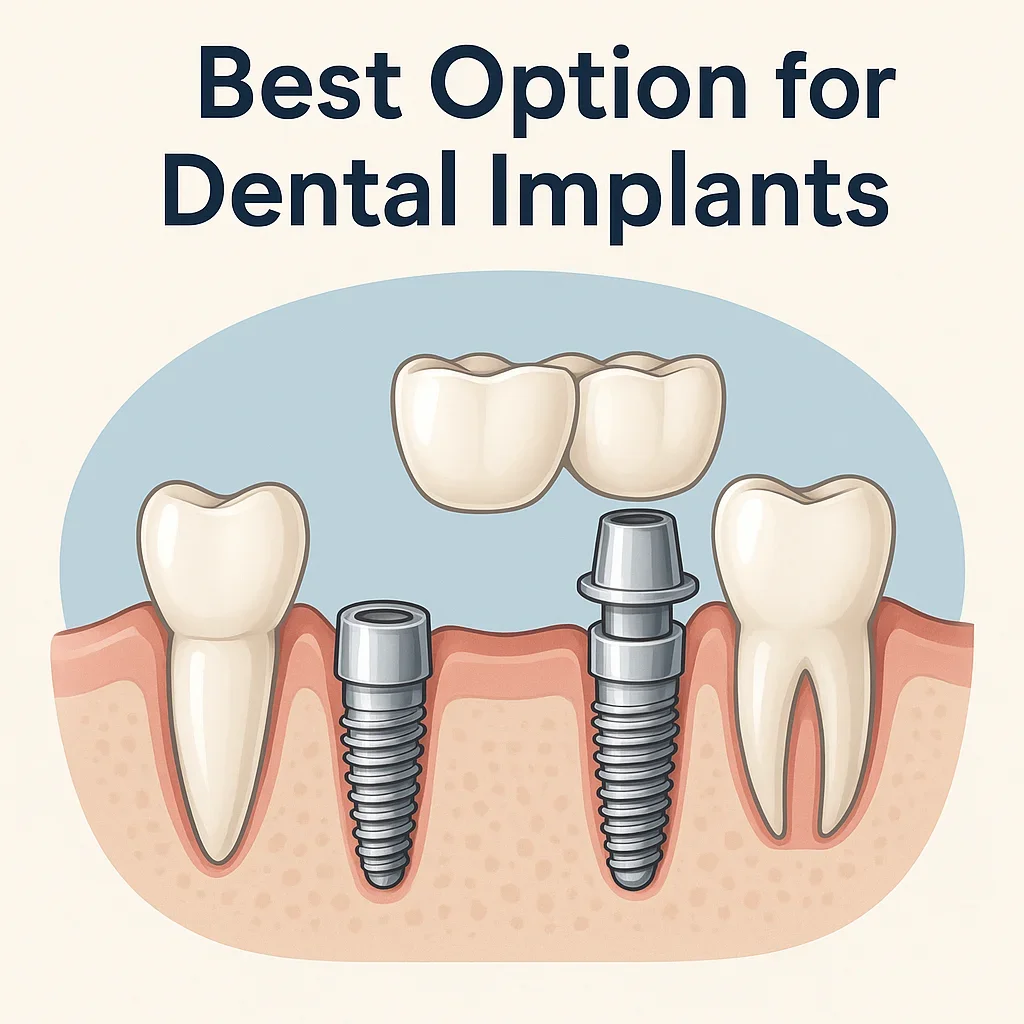
Dental implants are small, titanium-based fixtures that are surgically placed into your jawbone to replace the root of a missing tooth. Over time, the implant fuses with the bone through a process called osseointegration — creating a stable foundation for an artificial tooth (crown). Unlike dentures or bridges, implants offer a permanent and natural-looking solution that feels just like your real teeth. When properly cared for, dental implants can last a lifetime, making them widely recognized as the best option for dental implants seekers worldwide.
So, what makes them such an excellent choice? It starts with the fact that implants don’t just replace the visible part of your tooth; they also replace the root structure, which prevents jawbone loss. When a tooth is lost, the bone underneath it begins to deteriorate because it’s no longer stimulated by chewing pressure. Implants restore that stimulation, helping you maintain healthy bone density and facial structure — something no other tooth replacement can do. 🦷
From an aesthetic perspective, dental implants look and feel identical to natural teeth. They’re customized to match your surrounding teeth in color, size, and shape, resulting in a flawless smile. Functionally, they’re strong and stable enough to let you eat your favorite foods — from crunchy apples to juicy steaks — without worry. This combination of beauty, comfort, and reliability is precisely why so many experts and patients agree that implants are the best option for dental implants on the market today.
Another major benefit is the impact on long-term oral health. Unlike traditional bridges, implants do not require grinding down neighboring healthy teeth to place crowns. This preserves your natural tooth enamel, reducing the risk of future decay or structural weakness. Moreover, implants prevent shifting of adjacent teeth — a common problem after tooth loss — ensuring your bite alignment and jaw function remain optimal.
Advancements in implant technology have made the procedure more predictable and less invasive than ever. Modern 3D imaging and digital planning tools allow dentists to design and place implants with extreme precision, minimizing discomfort and maximizing success rates. Whether you need a single implant or a full-mouth restoration, there’s now a best option for dental implants tailored to every budget and clinical situation. For instance, options like All-on-4 or All-on-6 implants are designed for patients with multiple missing teeth and can restore an entire arch in just one day — a revolutionary improvement in dental restoration efficiency.
Many patients also choose implant treatments abroad due to affordability and high quality of care. In countries like Turkey, clinics such as Redent Klinik Contact Page offer advanced implant services at significantly lower prices compared to the U.S. or the U.K., without compromising on safety or materials. This has made Turkey one of the leading destinations for dental tourism — providing some of the best options for dental implants globally.
According to the American Dental Association, dental implants have a success rate of over 95%, which is higher than any other restorative treatment available today. With proper hygiene and regular dental visits, most implants last 25 years or more, proving their incredible long-term value. Considering their durability, aesthetics, and health benefits, implants are often a one-time investment that pays off for life.
Of course, the best option for dental implants depends on individual factors like bone density, gum health, and budget. A qualified dentist will evaluate your case through X-rays, digital scans, and oral examinations to determine whether you’re a suitable candidate. Some patients may need preliminary procedures like bone grafting or sinus lifting before the implant placement — but once completed, the results are life-changing. 😊
In conclusion, dental implants combine science, functionality, and aesthetics to create a truly permanent solution for tooth loss. They restore confidence, improve speech, enhance digestion, and protect oral health in ways no other method can match. Whether you’re missing one tooth or several, the best option for dental implants is always the one that fits your anatomy, lifestyle, and long-term wellness goals. Ready to smile again? Reach out to a trusted professional today and take your first step toward a stronger, brighter, and healthier smile!
What Makes Dental Implants the Best Option for Tooth Replacement?
When it comes to restoring your smile after tooth loss, understanding what makes dental implants the best option for dental implants is crucial. Unlike temporary solutions such as dentures or bridges, implants are designed to function just like natural teeth. They integrate directly into your jawbone, creating a stable and long-lasting foundation that not only restores your appearance but also protects your oral health in the long term. 🦷
How Dental Implants Mimic Natural Teeth
The structure of a dental implant closely resembles that of a natural tooth. It consists of three main parts: the implant post (root substitute), the abutment (connector), and the crown (visible tooth). The titanium or zirconia post is surgically embedded into the jawbone, where it fuses through a process called osseointegration. This biological bond allows the implant to act as a natural tooth root, preventing bone deterioration and maintaining facial structure. This is one of the primary reasons why implants are recognized as the best option for dental implants among all tooth replacement techniques.
Preserving Jawbone and Facial Structure
When a tooth is lost, the jawbone beneath it begins to shrink due to lack of stimulation from chewing. Over time, this bone loss can alter your facial shape, leading to sagging or an aged appearance. Traditional dentures and bridges do not address this issue because they rest on the gums or adjacent teeth without integrating with the bone. However, dental implants stimulate the bone just like real teeth, maintaining your jaw’s strength and density. This crucial biological advantage makes implants the best option for dental implants for long-term oral stability and aesthetics.
Improved Functionality and Comfort
Patients who switch from dentures to implants often describe the difference as night and day. Dental implants eliminate the slipping, clicking, and discomfort associated with removable dentures. Because they are anchored securely in the bone, they provide superior chewing power and speech clarity. Whether you’re enjoying a crunchy apple or a tender steak, implants let you eat comfortably and confidently — something alternative restorations rarely achieve. 🍎
Natural Aesthetics and Confidence Boost
One of the greatest benefits of choosing the best option for dental implants is how naturally they blend into your smile. Each implant crown is custom-made to match the color, shape, and size of your existing teeth. The result is seamless — even dental professionals often find it hard to tell the difference between implants and natural teeth. Beyond aesthetics, this natural look enhances self-confidence. Patients report feeling more comfortable speaking, laughing, and smiling in social situations after receiving implants.
Protecting Adjacent Teeth
Traditional bridges require grinding down the neighboring teeth to anchor the prosthetic, which can weaken them and increase the risk of decay. Dental implants are self-supporting, meaning they don’t rely on surrounding teeth for stability. This independence protects your natural teeth and preserves their integrity for decades. By avoiding unnecessary tooth alteration, implants stand out as the best option for dental implants for anyone seeking a conservative yet powerful restoration method.
Long-Term Durability and Success Rates
According to research by the American Dental Association, dental implants have a success rate exceeding 95%. With proper care — including regular dental visits and good oral hygiene — they can last 25 years or more. In contrast, dentures and bridges often require replacement or repair every 5–10 years, making implants a more cost-effective choice in the long run. This impressive longevity reinforces why they are considered the best option for dental implants from both a financial and practical standpoint.
Technological Advances in Implant Dentistry
Modern dental technology has revolutionized implantology. Using 3D imaging, digital impressions, and computer-guided surgery, dentists can plan and place implants with extraordinary accuracy. This minimizes discomfort, shortens recovery time, and ensures predictable results. Materials like titanium and zirconia also promote faster healing and higher biocompatibility, reducing the risk of allergic reactions or implant failure. Such innovation has made the best option for dental implants even better, offering safer, faster, and more aesthetic results than ever before.
Enhanced Oral Health Benefits
Beyond restoring your smile, dental implants contribute to long-term oral wellness. They prevent bone loss, maintain gum health, and help keep surrounding teeth properly aligned. They also allow for easier cleaning and maintenance compared to bridges or dentures, which can trap food and bacteria. Since implants behave like real teeth, daily brushing and flossing are sufficient to keep them clean. This low-maintenance nature adds to their appeal as the best option for dental implants for busy individuals who value both functionality and convenience.
Why Dental Implants Are Worth the Investment
Although the upfront cost of dental implants may be higher than other tooth replacement methods, their long-term benefits far outweigh the expense. They provide a lifetime of use, prevent costly dental issues, and enhance quality of life. Many clinics worldwide, including Redent Klinik Contact Page, offer affordable, high-quality implant packages that make this premium treatment accessible to international patients. Considering their longevity, aesthetic appeal, and overall oral health advantages, it’s easy to understand why experts consistently rank them as the best option for dental implants.
Final Thoughts on Why Implants Stand Out
Dental implants redefine what modern dentistry can achieve. They don’t just replace missing teeth — they restore confidence, health, and happiness. Whether you need a single implant or a full-arch solution, the science-backed design and life-changing benefits make them the best option for dental implants for patients seeking permanent, natural, and lasting results. Choosing implants means investing in a future where your smile feels authentic, functional, and strong — every single day. 😁
Types of Dental Implants: Which One Is the Best Option for You?
Choosing the best option for dental implants requires understanding the different types available and how each suits your specific oral condition. Dental implant technology has evolved significantly over the past few decades, offering multiple approaches to meet patients’ unique needs. From single implants to full-mouth restorations, there’s a solution for every case — but knowing the differences can help you make an informed, confident decision. 🦷
Endosteal Implants: The Most Common and Reliable Type
Endosteal implants are the most widely used and scientifically proven type. These are titanium posts surgically inserted directly into the jawbone, serving as artificial roots for crowns or bridges. Once healed, they provide a firm, stable foundation — almost identical to natural tooth roots. Because of their durability, biocompatibility, and high success rate, endosteal implants are often considered the best option for dental implants for most patients with sufficient bone density.
Who Should Choose Endosteal Implants?
They are ideal for patients with strong, healthy jawbones capable of supporting the implant structure. After placement, the bone gradually fuses with the implant through osseointegration, ensuring long-term stability. Patients who prefer a permanent, natural-feeling solution will find this to be the best option for dental implants — providing excellent chewing power, a natural appearance, and a long lifespan that can exceed 25 years with proper care.
Subperiosteal Implants: A Solution for Limited Bone Volume
Not everyone has enough bone density to support an endosteal implant. In these cases, subperiosteal implants may be recommended. Instead of being placed inside the bone, these implants rest on top of it, under the gum tissue. A custom-made metal framework holds the implant securely in place. This method avoids the need for bone grafting and is often chosen for patients who want to avoid more invasive surgical procedures.
Advantages and Limitations
Subperiosteal implants are less common today due to advancements in bone grafting and regenerative techniques. However, for patients with thin jawbones who cannot undergo grafting, this remains the best option for dental implants in terms of convenience and faster healing. The main drawback is slightly lower long-term stability compared to endosteal implants, but with modern materials like titanium alloy and digital custom fitting, their success rates have improved significantly.
Zygomatic Implants: The Advanced Alternative for Severe Bone Loss
Zygomatic implants are a specialized option used when bone loss in the upper jaw is too severe for traditional implants. Instead of being anchored in the jawbone, these longer implants are fixed into the cheekbone (zygoma), which provides exceptional stability. Because the zygomatic bone is naturally dense and strong, it serves as an excellent base for implant anchorage.
Why Zygomatic Implants Are Life-Changing
For patients previously told they couldn’t receive implants due to bone loss, zygomatic implants open new doors. They eliminate the need for bone grafting and allow for same-day placement of prosthetic teeth in many cases. This makes them a revolutionary best option for dental implants for complex full-arch restorations. Although they require advanced surgical expertise, success rates exceed 97%, and recovery times have become shorter thanks to digital navigation systems.
All-on-4 and All-on-6 Implants: Complete Smile Restorations
For patients missing multiple or all teeth, the All-on-4 or All-on-6 systems are transformative. These techniques use four or six strategically placed implants to support a full-arch prosthesis. This method restores your entire upper or lower set of teeth with minimal surgery, often in a single day. The procedure combines function, aesthetics, and affordability — making it one of the best options for dental implants for those seeking complete rehabilitation.
Benefits of All-on-4 and All-on-6 Systems
✔️ Same-day teeth replacement
✔️ Reduced need for bone grafting
✔️ Full-arch stability with minimal implants
✔️ Immediate aesthetic and functional improvement
✔️ Long-term cost efficiency
The All-on-4 system is perfect for patients with moderate bone loss, while the All-on-6 offers even greater stability for those with denser bone structures. Both are excellent solutions that merge cutting-edge engineering with natural aesthetics.
Mini Dental Implants: A Less Invasive Alternative
Mini dental implants are smaller in diameter than traditional ones and can often be placed without major surgery. They’re mainly used for stabilizing dentures or replacing small teeth. While not suitable for all cases, they provide an accessible and less invasive best option for dental implants for patients who cannot undergo full implant procedures due to health or financial limitations.
Who Benefits from Mini Implants?
Mini implants are ideal for elderly patients or those with limited bone structure who desire a fast, affordable, and effective tooth replacement. They provide noticeable improvement in chewing, speech, and confidence without extensive recovery time. However, because of their smaller size, they may not last as long as traditional implants, making them a good transitional solution rather than a permanent one.
Material Options: Titanium vs. Zirconia
Dental implants come in two primary materials: titanium and zirconia. Titanium is the traditional gold standard, known for its exceptional strength and biocompatibility. It integrates naturally with bone and has decades of research proving its reliability. Zirconia, on the other hand, offers a metal-free, hypoallergenic alternative with superior aesthetics — ideal for patients seeking a more holistic or cosmetic option.
For most patients, titanium remains the best option for dental implants due to its durability and proven success. However, zirconia implants are gaining popularity for those with metal sensitivities or high cosmetic demands. Both materials, when properly placed, can provide life-changing outcomes.
How to Determine Your Best Option
Choosing between these implant types depends on various factors — bone health, number of missing teeth, budget, and personal goals. A professional consultation that includes 3D imaging, digital impressions, and detailed oral evaluation is essential. Clinics like Redent Klinik Contact Page specialize in creating personalized treatment plans that identify the best option for dental implants tailored to each patient.
Final Thoughts
Dental implant technology offers more versatility than ever before. Whether you need a single implant, an All-on-4 restoration, or advanced zygomatic placement, modern dentistry provides a reliable and aesthetic solution for everyone. The key is matching your specific needs with the right implant type and an experienced dental team. When these elements align, you’ll not only find the best option for dental implants but also rediscover the comfort, confidence, and functionality of a truly natural smile. 😁
All-on-4 vs. Traditional Implants: Finding the Best Option
When deciding on the best option for dental implants, many patients find themselves comparing the innovative All-on-4 implant system with traditional dental implants. Both approaches can restore a full, beautiful smile — but they differ in technique, healing time, and cost. Understanding these differences is essential to choosing the treatment that fits your lifestyle, oral health, and long-term goals. Let’s dive into the details of both systems and explore which one might be the perfect solution for you. 😁
Understanding Traditional Dental Implants
Traditional dental implants have long been considered the gold standard in tooth replacement. Each missing tooth is replaced with an individual titanium implant post that fuses with the jawbone through a process called osseointegration. Once healed, a custom-made crown is attached, replicating the natural tooth’s structure and function. This method is ideal for patients missing one or several teeth, but it can also be used for full-mouth reconstruction with multiple implants supporting bridges or dentures.
However, while traditional implants are reliable and durable, they often require multiple surgical procedures. Bone grafting or sinus lifts might be necessary when there isn’t enough bone to support the implants, leading to longer healing times and higher costs. For these reasons, many patients seeking the best option for dental implants are now turning toward the more efficient All-on-4 system.
What Is the All-on-4 Dental Implant System?
The All-on-4 technique is a revolutionary approach to full-arch restoration. Instead of placing an implant for every missing tooth, this method uses just four strategically positioned implants to support a complete set of prosthetic teeth. Two implants are inserted vertically at the front of the jaw, and two are angled at the back to maximize bone contact and stability — even in patients with limited bone volume. This innovation allows for same-day placement of temporary teeth, making it a favorite for those who want immediate results.
Why All-on-4 Is Changing Modern Dentistry
The All-on-4 system reduces surgery time, healing duration, and total cost. It eliminates the need for bone grafts in most cases and offers a fixed, stable restoration that feels natural. For people who have worn dentures for years, this can be life-changing. They regain full chewing ability, improved speech, and a confident smile — all in one streamlined procedure. Because of these life-enhancing benefits, All-on-4 implants are frequently considered the best option for dental implants for full-mouth restorations.
Comparing the Procedures: Step-by-Step
Traditional Implants
- Requires one implant per tooth or several for bridge support.
- Bone grafting may be needed before placement.
- Healing time between surgeries: 3–6 months.
- Multiple appointments for abutment and crown placement.
- Total treatment time can exceed 9–12 months.
All-on-4 Implants
- Uses only 4 implants per arch to support a full set of teeth.
- Immediate load possible — temporary teeth placed on the same day.
- No bone grafting in most cases, even with bone loss.
- Healing time: typically 3–4 months.
- Total treatment duration: often completed within 1–2 visits.
It’s easy to see why patients looking for efficiency and comfort view the All-on-4 as the best option for dental implants — especially when they desire fast, predictable, and long-lasting results.
Cost Comparison: Value and Investment
One of the biggest factors influencing the choice between All-on-4 and traditional implants is cost. Traditional implants are priced per tooth, which means full-mouth reconstruction can become expensive, sometimes exceeding $30,000–$45,000 in the U.S. In contrast, All-on-4 systems provide a complete restoration at a fraction of that price. Patients in dental tourism hubs such as Turkey can receive world-class care for $6,000–$9,000 per arch, making it one of the best options for dental implants globally. Clinics like Redent Klinik Contact Page specialize in All-on-4 and All-on-6 systems, offering both affordability and international quality standards.
Bone Density and Candidate Suitability
Bone health is a major factor in determining which system is better for you. Traditional implants require substantial bone volume and density for stability, while All-on-4 implants can often bypass this limitation. By angling the posterior implants, dentists utilize available bone more efficiently, eliminating the need for grafting. Therefore, for patients who have experienced bone resorption due to long-term tooth loss, the All-on-4 is often the best option for dental implants without additional surgical procedures.
When Traditional Implants Are Still the Better Choice
If you only need one or two teeth replaced, traditional implants are still the superior choice. They allow for more precise individual tooth restoration and preserve neighboring healthy teeth. Patients seeking single-tooth aesthetics or localized replacements will find traditional implants to be the best option for dental implants for their specific needs.
Longevity and Maintenance
Both systems have impressive longevity when properly cared for. Traditional implants can last a lifetime with regular hygiene and dental checkups. All-on-4 systems, while equally durable, require careful maintenance due to the interconnected prosthetic arch. Regular professional cleanings, daily brushing, and water flossing are crucial to prevent peri-implantitis (gum inflammation around implants).
According to the American Dental Association, both implant types boast success rates above 95%, proving their reliability. However, All-on-4 implants have a slight advantage in terms of immediate function and aesthetic restoration, particularly for patients who want to avoid removable dentures or temporary gaps.
Aesthetic and Functional Results
Both treatments deliver exceptional aesthetic outcomes, but All-on-4 often provides a more uniform and instantly visible transformation. Since it restores an entire arch in one design, it ensures symmetry, alignment, and balance in your smile. Patients often report improved facial support, speech articulation, and self-confidence within days of surgery. These powerful emotional and functional outcomes are why so many consider it the best option for dental implants in modern dentistry.
Final Verdict: Which Option Should You Choose?
If you are missing one or a few teeth, traditional implants remain a tried-and-true solution offering unmatched precision and longevity. But if you’ve lost most or all of your teeth, and seek a fast, stable, and cost-efficient restoration, the All-on-4 system stands out as the best option for dental implants. Both choices offer long-term oral health benefits — the decision ultimately depends on your individual condition, expectations, and budget.
Consult with a qualified implant specialist who can assess your bone health, smile goals, and functional needs to design your personalized treatment plan. The right professional guidance ensures you receive the best option for dental implants — one that restores not just your teeth, but your confidence and quality of life. 🌟
How to Choose the Best Dentist for Dental Implants
Finding the best option for dental implants doesn’t just depend on the technology or materials used—it heavily relies on the dentist who performs the procedure. Choosing a qualified, experienced, and skilled implant specialist ensures long-term success, natural aesthetics, and a comfortable treatment experience. With dental implants being a lifetime investment, selecting the right professional is one of the most critical steps toward achieving the perfect smile. Let’s explore how to choose the best dentist for dental implants, what qualifications to look for, and why this decision matters so much. 🦷
Why the Right Dentist Makes All the Difference
Dental implant placement is both a science and an art. Even though modern technology has made procedures more predictable, the skill and precision of your dentist still determine the ultimate outcome. The best implant dentist doesn’t just place implants; they design smiles, align bite functions, and protect jaw health. This combination of medical precision and aesthetic expertise is what transforms a standard dental treatment into a life-changing result. For this reason, selecting the right dentist is often the best option for dental implants success.
Qualifications and Certifications to Look For
When searching for an implant dentist, always check their credentials. The dentist should have postgraduate training or certification in implantology, prosthodontics, or oral surgery. Many top professionals pursue additional education through institutions recognized by the American Dental Association or other international dental academies. These certifications confirm that the practitioner has undergone advanced training in surgical techniques, bone grafting, and implant restoration. Such expertise ensures that every step—from diagnosis to final crown fitting—is executed with precision and safety.
Experience Matters: Ask the Right Questions
It’s essential to inquire about your dentist’s experience with implants. A well-qualified dentist should have performed hundreds of implant surgeries successfully and be familiar with various systems such as All-on-4, All-on-6, or zygomatic implants. You might ask questions like:
- How many implant procedures have you completed?
- What is your success rate?
- Do you use 3D imaging or digital planning tools?
- Can I see before-and-after photos of previous patients?
The answers to these questions reveal not only the dentist’s skill but also their commitment to transparency. Experience directly correlates with success rates, making it a defining factor when evaluating the best option for dental implants.
Technology and Equipment Used
Modern dental implantology relies heavily on technology. The best clinics use 3D cone-beam computed tomography (CBCT) scans to visualize your jawbone and nerves with exceptional accuracy. They may also employ digital impressions instead of traditional molds, ensuring a precise fit for your implant crowns. Advanced tools like surgical guides, laser dentistry, and computer-aided design systems (CAD/CAM) help ensure minimally invasive procedures and faster healing times. When choosing your provider, make sure their clinic incorporates these modern advancements—it’s a sign of quality care and ensures the best option for dental implants possible.
Material Quality and Safety Standards
Not all implants are created equal. Premium brands use medical-grade titanium or zirconia, which integrate seamlessly with the jawbone and have decades of clinical research backing them. Your dentist should be transparent about which implant systems they use and why. Avoid clinics that offer suspiciously cheap implants without revealing their manufacturer. Quality materials, combined with sterile surgical environments, guarantee long-term success and biocompatibility. This is an important consideration when determining the best option for dental implants for your needs.
Patient Reviews and Testimonials
One of the most reliable ways to assess a dentist’s reputation is by checking patient feedback. Look for verified reviews on Google, dental forums, and clinic websites. Pay attention to patterns—patients consistently mentioning comfort, professionalism, and successful results are good indicators of trustworthy care. Many top-rated clinics, such as Redent Klinik Contact Page, provide testimonials and before-and-after photos, helping you visualize potential results and assess patient satisfaction. Positive feedback and consistent outcomes reinforce that you’re dealing with a provider offering the best option for dental implants.
Consultation Process and Communication
A professional and transparent consultation process is a strong indicator of a trustworthy dentist. During your first appointment, the dentist should thoroughly assess your oral health, take digital scans or X-rays, and discuss all available treatment options, including costs and timelines. You should never feel pressured or rushed into making a decision. Instead, the dentist should educate you about the benefits and risks of each method, ensuring that you make an informed choice about your best option for dental implants.
Personalized Treatment Plans
The best implant dentists customize their approach to each patient. Factors such as bone density, gum health, facial symmetry, and bite alignment are all analyzed before developing a plan. A personalized approach ensures that your implants are positioned for maximum strength, longevity, and aesthetic harmony. This meticulous attention to detail distinguishes top-tier specialists and confirms you’re getting the best option for dental implants tailored specifically for you.
Pricing, Transparency, and Value
While cost is an important factor, the cheapest option is rarely the best. Instead of focusing solely on price, consider overall value—materials, experience, technology, and warranty all play a role in long-term satisfaction. A trustworthy clinic will provide clear cost breakdowns and avoid hidden fees. Many international dental centers offer package deals covering consultation, X-rays, implants, crowns, and even accommodation, giving patients high-quality results at affordable prices. Always balance affordability with reliability when seeking the best option for dental implants.
Aftercare and Follow-Up Support
Even after the surgery, professional aftercare is vital for implant longevity. The dentist should schedule follow-up visits to monitor healing, adjust prosthetics, and ensure proper function. High-quality clinics provide maintenance programs and patient education on cleaning techniques, diet, and oral hygiene. This long-term partnership ensures your implants remain healthy and stable for decades. A clinic offering comprehensive aftercare and open communication demonstrates that they truly prioritize patients—proving they deliver the best option for dental implants overall.
Final Thoughts: Trust, Skill, and Innovation
Choosing the right dentist is about more than credentials—it’s about trust, technology, and artistry. An experienced professional combines technical precision with aesthetic understanding to create natural-looking, long-lasting results. When researching clinics, prioritize transparency, advanced technology, and patient satisfaction. Whether you’re getting one implant or a full-mouth reconstruction, partnering with a reputable, highly skilled dentist ensures you receive the best option for dental implants—one that restores your smile, health, and confidence for life. 🌟
Cost Comparison: Best Option for Dental Implants in 2025
When exploring the best option for dental implants, cost is one of the most significant considerations for patients worldwide. Dental implants are not only an aesthetic investment but also a functional and long-term health solution. However, prices vary widely depending on materials, techniques, country, and the expertise of the dental professional. In this section, we’ll provide a detailed cost comparison, explore what influences pricing, and explain how to find the perfect balance between quality and affordability. 💰
Understanding What You’re Paying For
The total price of a dental implant isn’t just about the implant itself. It includes several stages of treatment—consultation, imaging, surgery, materials, and prosthetic restoration. When evaluating the best option for dental implants, understanding what’s included in the cost breakdown helps you avoid hidden charges and ensures full transparency.
Typical Cost Components:
- Consultation and Diagnostics: 3D scans, X-rays, and treatment planning typically cost between $150–$500.
- Implant Fixture (Titanium or Zirconia): The surgical post itself may range from $800–$1,500 depending on the brand.
- Abutment and Crown: The connector piece and final visible crown often add another $600–$1,200 per tooth.
- Additional Procedures: Bone grafting, sinus lifts, or extractions may cost between $300–$2,000 depending on complexity.
These costs can vary greatly by location, but knowing these components allows patients to make informed comparisons when choosing the best option for dental implants.
Average Dental Implant Prices by Country (2025)
Below is an overview of estimated average implant costs across popular destinations for dental care in 2025. This comparison highlights how international dental tourism can make high-quality treatment more accessible:
| Country | Single Implant Cost (USD) | Full-Mouth (All-on-4) Cost (USD) | Notes |
|---|---|---|---|
| USA | $3,500 – $6,000 | $25,000 – $45,000 | High-quality materials and advanced technology but very expensive. |
| UK | $2,800 – $5,000 | $20,000 – $38,000 | Excellent dentists but long waiting times in public sector. |
| Germany | $2,500 – $4,500 | $18,000 – $35,000 | High precision standards and advanced facilities. |
| Turkey | $700 – $1,200 | $5,000 – $9,000 | Top destination for affordable and premium-quality care. |
| Mexico | $900 – $1,500 | $6,000 – $10,000 | Popular for American dental tourists due to proximity. |
It’s easy to see why Turkey has become a global leader in offering the best option for dental implants—combining affordability with internationally accredited clinics and modern technology. Clinics like Redent Klinik Contact Page offer comprehensive packages that include accommodation, transportation, and follow-up care, making treatment both comfortable and cost-efficient.
Factors Affecting Implant Costs
Understanding the key factors that influence pricing helps patients budget wisely and choose the best option for dental implants suited to their situation:
- Number of Implants Needed: A single implant naturally costs less than a full-arch restoration, but per-implant costs often decrease for larger treatments.
- Bone Density and Health: Patients requiring grafting or sinus lifts may face higher costs due to additional procedures.
- Implant Material: Titanium implants are standard, while zirconia options may be slightly more expensive due to aesthetic benefits.
- Prosthetic Type: Crowns made from porcelain-fused-to-metal are cheaper than full ceramic or zirconia crowns, which offer a more natural appearance.
- Location and Clinic Reputation: Urban centers and renowned clinics may charge higher fees but deliver superior outcomes.
Insurance and Financing Options
Most dental insurance plans cover only part of implant procedures, if at all. However, many clinics offer flexible payment plans or financing options that allow patients to spread out payments. This is especially useful for those investing in multiple implants or All-on-4 systems. While comparing providers, inquire about financial flexibility—it can make a huge difference in choosing the best option for dental implants within your budget.
Tax and Health Savings Benefits
In some countries, dental implant procedures can be claimed under medical expenses, allowing patients to receive tax deductions. Using health savings accounts (HSAs) or flexible spending accounts (FSAs) is another way to make treatment more affordable.
Cost vs. Value: The Importance of Quality
Choosing the cheapest provider is not always wise. Low prices can sometimes indicate inferior materials or lack of professional expertise, leading to implant failure or health risks later. It’s essential to balance cost with quality, ensuring your dentist uses FDA-approved or CE-certified materials and follows international sterilization protocols. Paying slightly more upfront for a reputable clinic ensures lasting value and peace of mind—making it the true best option for dental implants.
Long-Term Savings and ROI (Return on Investment)
Unlike dentures or bridges that require frequent replacements, dental implants can last decades with proper care. Their durability reduces long-term maintenance costs, making them a smart investment. For instance, while dentures may seem cheaper initially, the recurring expenses for adjustments, adhesives, and replacements often exceed the one-time cost of implants over 10–15 years. This is why, from an economic perspective, implants are the best option for dental implants for lifelong dental health and confidence.
Comparing Package Deals and Dental Tourism Options
Many international dental centers now provide all-inclusive packages covering implants, crowns, airport transfers, and hotel stays. This growing trend allows patients to combine world-class treatment with a relaxing trip abroad. Turkey, in particular, has established itself as a premier destination where patients can save up to 70% compared to Western Europe or the U.S. Without compromising on quality, clinics such as Redent Klinik Contact Page offer state-of-the-art facilities, multilingual staff, and transparent pricing policies—making them a preferred choice for those seeking the best option for dental implants in 2025.
Final Thoughts: Quality Over Price
Dental implants are more than a cosmetic upgrade—they are a life-changing medical investment. When comparing prices, prioritize clinical expertise, material quality, and patient care over discounts. The most affordable choice is not always the safest or most effective. By considering all these factors and choosing a trusted, transparent provider, you’ll ensure the best option for dental implants—one that provides strength, function, and beauty for decades to come. 🌟
Durability and Longevity: Which Implant Type Lasts Longest?
One of the main reasons patients choose dental implants is their long-term reliability. When you’re investing in your oral health, you naturally want to know which solution will serve you best over the years. Understanding the durability and lifespan of different implants is key to identifying the best option for dental implants. While all modern implants are built to last, variations in material, placement, care, and overall oral health play a major role in how long they endure. Let’s take a deep dive into what influences implant longevity and how you can make your new smile last a lifetime. 🦷
The Science Behind Implant Durability
Dental implants are unique because they replace not just the visible tooth, but also its root. The titanium or zirconia post integrates directly with the jawbone through a process known as osseointegration. This fusion creates a permanent anchor that mimics the natural tooth’s stability. With proper placement and care, this structure can last 25 years or even longer. Many studies supported by the American Dental Association show success rates exceeding 95%, confirming that implants remain the best option for dental implants longevity-wise compared to bridges or dentures.
Osseointegration and Bone Health
The bond between implant and bone is the foundation of its strength. Titanium, the most commonly used material, is biocompatible and encourages bone cells to grow around it. This ensures that the implant stays firmly anchored and resists movement or loosening. Zirconia, a metal-free alternative, also demonstrates impressive bone integration while offering enhanced aesthetics for patients with thinner gums. Both options can be considered the best option for dental implants depending on your biological needs and aesthetic goals.
Material Matters: Titanium vs. Zirconia Implants
Material choice plays a vital role in long-term success. Titanium implants have been used for over 50 years, offering unmatched strength and flexibility. Their proven record makes them the gold standard for dental restorations. Zirconia implants, while newer, appeal to patients seeking metal-free or hypoallergenic alternatives. They’re resistant to corrosion and plaque accumulation, promoting excellent gum health. Below is a quick comparison that highlights why both materials are considered among the best options for dental implants:
| Feature | Titanium Implants | Zirconia Implants |
|---|---|---|
| Durability | Highly resistant to stress and fracture; proven lifespan over 25 years | Very strong but slightly more brittle; expected lifespan 15–20 years |
| Osseointegration | Excellent, with decades of clinical research | Very good, with increasing success rates in recent studies |
| Aesthetics | Metal may show slightly under thin gums | Tooth-colored material for superior aesthetics |
| Biocompatibility | Extremely high | Ideal for metal-sensitive patients |
While titanium remains the top choice for strength and adaptability, zirconia is gaining ground for patients seeking natural aesthetics. The best option for dental implants ultimately depends on balancing cosmetic preferences with long-term performance.
Single Implants vs. Full-Arch Systems
The type of implant restoration also influences durability. Single implants usually last the longest since each post functions independently. They distribute bite forces evenly and are easier to clean. On the other hand, full-arch systems like All-on-4 or All-on-6 rely on fewer implants to support multiple teeth. While these systems are still extremely stable, their longevity depends on how well the implants integrate and how evenly pressure is distributed. With proper maintenance, both options can last decades and serve as the best option for dental implants in their respective categories.
All-on-4 Longevity Insights
The All-on-4 technique uses four implants per jaw to anchor an entire arch of prosthetic teeth. When performed by experienced professionals and supported by high-quality materials, this method can last 20+ years. However, periodic maintenance of the prosthetic bridge and routine checkups are essential to ensure maximum lifespan. Patients who adhere to regular hygiene practices often experience results that rival single-implant durability.
Impact of Oral Hygiene on Implant Lifespan
No matter how advanced the implant, poor oral hygiene can dramatically shorten its life. Bacteria buildup around the implant can cause peri-implantitis—a gum infection that leads to bone loss. Daily brushing, flossing, and regular professional cleaning are critical to preserving the best option for dental implants. Unlike natural teeth, implants do not decay, but the surrounding tissues must remain healthy to keep them firmly in place.
Maintenance Tips for Longevity
- Brush twice daily using a soft-bristled toothbrush and low-abrasive toothpaste.
- Floss around implants using specialized interdental brushes or water flossers.
- Avoid smoking and excessive alcohol consumption, as these slow healing and increase implant failure risk.
- Schedule dental checkups every six months to monitor implant and gum health.
Following these simple steps can help your implants last for decades, reinforcing why they’re the best option for dental implants for patients who maintain good oral hygiene.
Chewing Forces and Implant Placement
Implant placement location influences longevity too. Implants placed in the molar region endure greater chewing pressure and may experience slightly more wear over time than those placed in the front. Advanced digital planning ensures that bite forces are evenly distributed, minimizing stress. High-quality clinics use 3D mapping to determine the perfect implant angle and depth, ensuring both comfort and long-term success. Proper load distribution helps preserve bone integrity, confirming that precision placement is part of the best option for dental implants.
Lifestyle and Dietary Factors
Habits and diet also play an important role in implant durability. Hard foods like ice or nuts can cause microfractures in crowns over many years. Similarly, grinding teeth (bruxism) can shorten implant life. Patients who wear night guards, maintain healthy diets, and avoid smoking significantly increase their implant longevity. The more attention given to lifestyle choices, the longer the best option for dental implants will remain in optimal condition.
When to Replace or Maintain Implants
Although implants are designed to last a lifetime, crowns or bridges attached to them may need replacement every 10–15 years due to normal wear. The titanium or zirconia post itself, however, can remain intact indefinitely. Regular maintenance visits ensure that minor issues are detected early, preventing complications. Professional polishing and deep cleaning sessions help extend the lifespan of both the prosthetic and the implant base.
Final Thoughts: Durability That Defines Value
The longevity of dental implants is what truly makes them a worthwhile investment. Unlike dentures or bridges, which require replacements and adjustments, implants are built to endure the test of time. Whether titanium or zirconia, single or full-arch, their unparalleled durability makes them the best option for dental implants available today. When paired with proper care, modern techniques, and a skilled dentist, implants can give you not just a lasting smile—but a lifetime of confidence and comfort. 🌟
To explore customized treatment plans designed for lasting results, visit Redent Klinik Contact Page for expert guidance on choosing your ideal implant type and maintenance plan.
Best Option for Dental Implants in Turkey: Why Patients Choose Redent Klinik
When it comes to finding the best option for dental implants, Turkey has become one of the world’s leading destinations. Patients from the United Kingdom, Germany, the United States, and across Europe travel here for high-quality dental care at significantly lower prices. Among Turkey’s premier clinics, Redent Klinik in Istanbul stands out for its modern technology, international expertise, and commitment to patient satisfaction. Let’s explore why thousands of patients consider Turkey—and particularly Redent Klinik—the ultimate destination for dental implant treatment. 🇹🇷
Why Turkey Leads the World in Dental Implant Treatment
Turkey’s rise as a global dental hub is no coincidence. Over the past decade, the country has invested heavily in healthcare infrastructure, advanced technology, and specialized training for dental professionals. Turkish clinics operate under strict international sterilization and safety standards, making them comparable to—if not better than—many Western facilities. This high level of professionalism, combined with affordability, makes Turkey the best option for dental implants for international patients seeking both excellence and value.
Affordable Prices with World-Class Quality
One of the main reasons patients choose Turkey is cost-effectiveness. Dental implant procedures in Turkey cost up to 70% less than in Western Europe or North America. For example, a single implant that costs $4,000–$6,000 in the U.S. typically costs only $800–$1,200 in Turkey. Full-mouth restorations, such as All-on-4 implants, range between $5,000–$9,000, while maintaining the same high-quality materials and technology. The ability to achieve top-tier results at a fraction of the price makes Turkish clinics the best option for dental implants for budget-conscious yet quality-driven patients.
Advanced Technology and Digital Dentistry
Clinics like Redent Klinik are equipped with the latest innovations in dental technology. This includes 3D cone-beam computed tomography (CBCT), intraoral scanners, and computer-guided implant placement. These technologies enable precise measurements, personalized treatment plans, and minimally invasive surgeries. Using digital planning ensures perfect implant positioning and reduces healing times—one of the hallmarks of the best option for dental implants in modern dentistry.
Computer-Guided Surgery for Precision and Safety
Computer-guided implant placement eliminates human error and enhances predictability. Redent Klinik utilizes advanced software to map out nerve locations, bone density, and gum structure before surgery. This approach minimizes discomfort and guarantees long-term stability. Patients can even visualize their new smile before treatment begins, giving them confidence in their results. Such innovations highlight why Turkey’s dental sector is considered one of the most advanced and reliable in the world.
Highly Qualified and Internationally Trained Dentists
Turkish dentists are known for their exceptional education and hands-on experience. Many have completed postgraduate training in Europe or the United States and are fluent in English and other languages, ensuring seamless communication. The team at Redent Klinik, for instance, consists of implantologists, oral surgeons, and prosthodontists who specialize exclusively in implant-based restorations. Their multidisciplinary collaboration ensures that every patient receives a treatment plan tailored to their individual needs, making the clinic the best option for dental implants for both simple and complex cases.
Patient-Centered Approach and Comfort
Beyond technical skill, patient comfort is at the heart of Redent Klinik’s philosophy. From the initial consultation to post-treatment care, every step is designed to ensure comfort, transparency, and peace of mind. Patients are welcomed into a relaxing, modern environment equipped with sedation options for those with dental anxiety. This focus on personalized care and emotional well-being enhances the entire experience, proving that the best option for dental implants is not just about results—but also about trust and care.
Comprehensive Dental Tourism Packages
Dental tourism in Turkey is a well-organized industry. Clinics like Redent Klinik offer all-inclusive packages covering airport transfers, hotel accommodations, and even translation services. Patients can enjoy a luxurious stay in Istanbul while receiving world-class dental treatment. The clinic’s dedicated international coordinators manage logistics, ensuring a smooth experience from arrival to departure. This “dental holiday” approach is one of the reasons Turkey is widely recognized as the best option for dental implants for patients from abroad.
Convenience and Short Treatment Time
Modern techniques like the All-on-4 system allow full-arch restorations to be completed in just a few days. This means patients can fly in, have their implants placed, and return home with a beautiful new smile in less than a week. The combination of speed, safety, and quality makes Turkey’s implant services unparalleled in efficiency and value.
Top-Quality Materials and International Standards
Redent Klinik and other reputable Turkish dental centers use globally recognized implant brands such as Straumann, Nobel Biocare, and Neodent. These brands are FDA-approved and backed by decades of clinical research. Each implant is made from medical-grade titanium or zirconia, ensuring excellent biocompatibility and long-lasting performance. Adhering to European Union sterilization and hygiene protocols further solidifies the country’s reputation for providing the best option for dental implants.
Aftercare and Long-Term Support
Unlike many dental tourism destinations, Turkish clinics emphasize comprehensive aftercare. Redent Klinik schedules follow-up appointments and provides detailed care instructions. They also offer virtual consultations for international patients who want to monitor their healing progress after returning home. This ongoing commitment to patient satisfaction distinguishes Turkish dental care as the best option for dental implants globally.
Real Success Stories from International Patients
Thousands of patients have shared testimonials praising their experience in Turkey. They highlight the combination of professional expertise, affordability, and warm hospitality that defines their journey. Many report improved confidence, comfort, and life quality after treatment. These stories serve as powerful proof that choosing Turkey—especially clinics like Redent Klinik—offers not only the best option for dental implants but also a transformative experience that restores smiles and lives.
Final Thoughts: Why Redent Klinik Is the Top Choice
For patients seeking exceptional dental implant care, Turkey remains unmatched in its blend of quality, affordability, and service. Redent Klinik Contact Page stands out as a leader, offering cutting-edge technology, internationally trained dentists, and five-star patient care. Whether you need a single implant or a full-mouth restoration, Redent Klinik’s personalized, transparent, and comfortable approach ensures that you receive the best option for dental implants available anywhere in the world. 🌍✨
Post-Treatment Care: How to Maintain the Best Option for Dental Implants
After investing in the best option for dental implants, maintaining them properly is crucial for long-term success. Dental implants are designed to last decades, but only if cared for with consistency and attention. This section provides a complete guide to implant aftercare — from daily hygiene routines to dietary advice, follow-up visits, and lifestyle habits that help preserve both the health and beauty of your new smile. 💎
Immediate Post-Surgery Care
The first 48 hours after implant surgery are the most critical for healing. During this period, your focus should be on minimizing swelling, preventing infection, and allowing the implant site to stabilize. Avoid touching the surgical area with your tongue or fingers, and refrain from rinsing too vigorously. Mild bleeding is normal, but it should subside within 24 hours.
Essential Early-Care Tips
- Use cold compresses for 10–15 minutes at a time to control swelling.
- Eat only soft foods such as yogurt, mashed potatoes, or smoothies.
- Avoid smoking and alcohol, as they delay healing and increase failure risk.
- Take prescribed antibiotics and pain medication as directed by your dentist.
Following these steps ensures the healing process begins smoothly and strengthens the bond between the implant and bone — one of the key reasons why implants remain the best option for dental implants worldwide.
Oral Hygiene Routine for Implants
Maintaining impeccable oral hygiene is vital. While implants don’t decay like natural teeth, the gums and bone around them remain susceptible to inflammation (peri-implantitis). Consistent cleaning keeps harmful bacteria away and prolongs the lifespan of your implant-supported teeth.
Daily Care Recommendations
- Brush twice daily: Use a soft-bristle toothbrush and non-abrasive toothpaste to avoid scratching the crown.
- Floss daily: Use specialized implant floss or water flossers to clean around the abutments and under bridges.
- Rinse with antibacterial mouthwash: This reduces the bacterial load in your mouth, protecting the gums and bone.
- Regular professional cleaning: Visit your dentist every 6 months for deep cleaning and checkups.
These simple habits are essential to ensure the best option for dental implants remains stable and healthy for many years. Patients who follow these hygiene practices are far less likely to experience complications such as gum recession or implant loosening.
Dietary Considerations During Recovery
Nutrition plays an essential role in healing and long-term maintenance. In the first few days after surgery, it’s best to stick to soft, nutrient-rich foods that support bone regeneration. Avoid hard, sticky, or spicy foods that could irritate the surgical site.
Foods to Include
- High-protein options like eggs, fish, and lentils for tissue repair.
- Calcium-rich foods such as milk, cheese, and leafy greens for bone health.
- Vitamin C sources (kiwi, oranges, bell peppers) to boost collagen production.
- Plenty of water to stay hydrated and help flush bacteria from the mouth.
Foods to Avoid
- Crunchy snacks like chips, nuts, and hard bread.
- Sticky sweets or chewing gum that may pull on healing tissues.
- Alcohol and carbonated drinks, which can irritate gums and slow healing.
Proper nutrition is a major factor that supports osseointegration — the biological process where the implant fuses with bone — making your treatment the best option for dental implants in both function and durability.
Managing Common Post-Implant Symptoms
It’s normal to experience mild discomfort, swelling, or slight bleeding after surgery. These symptoms typically subside within a few days. However, persistent pain, excessive swelling, or fever may indicate infection and should be addressed immediately by your dentist.
Quick Relief Methods
- Use prescribed painkillers and follow dosage guidelines strictly.
- Apply cold compresses intermittently for the first 24 hours.
- Elevate your head while sleeping to reduce swelling.
- Avoid strenuous exercise or bending for the first few days post-surgery.
With proper care and prompt management of any complications, your implants will heal successfully and remain the best option for dental implants in terms of comfort and performance.
Long-Term Maintenance and Professional Checkups
After the initial healing phase, ongoing maintenance determines how long your implants will last. Schedule professional checkups every 6–12 months to ensure gum health, bone density, and bite alignment remain optimal. During these visits, your dentist will clean hard-to-reach areas, remove tartar, and assess the implant’s integrity using X-rays.
Importance of Regular Assessments
Periodic assessments help detect early signs of inflammation or wear on the prosthetic components. Early intervention prevents minor issues from developing into major complications. Consistent monitoring ensures your smile remains strong, beautiful, and supported by the best option for dental implants.
Lifestyle Choices That Affect Implant Longevity
Certain lifestyle factors can significantly influence how long your implants last. Smoking, excessive alcohol consumption, and teeth grinding (bruxism) can all shorten the lifespan of your implants. Using a night guard and maintaining a balanced diet greatly improves long-term outcomes.
Protecting Your Investment
- Quit smoking or reduce tobacco use to improve gum and bone health.
- Wear protective guards if you grind your teeth at night.
- Limit caffeine and alcohol intake to prevent dry mouth and bacterial growth.
By adopting these habits, you ensure that your implant restoration continues to function as the best option for dental implants for decades, providing unmatched strength, stability, and natural aesthetics.
When to Contact Your Dentist
If you notice unusual symptoms such as persistent swelling, pain, gum bleeding, or a loose feeling in your implant, don’t wait. Contact your dentist immediately for an evaluation. Early professional care can save the implant and prevent complications.
At Redent Klinik Contact Page, patients receive ongoing support after treatment, including free online consultations and annual checkups. Their team ensures that your results remain exceptional and your implants stay in top condition for years to come.
Final Thoughts: Commitment to Lifelong Success
Dental implants are a long-term investment in health and confidence. By following proper care routines, maintaining regular dental visits, and making smart lifestyle choices, patients can enjoy decades of success. Whether placed in Turkey or abroad, the best option for dental implants is one that combines advanced technology, expert care, and a lifelong commitment to maintenance. 🌿
For tailored post-treatment care and expert follow-up plans, visit the Redent Klinik Contact Page and discover how proper maintenance can make your smile last forever.
Final Decision: Choosing the Best Option for Dental Implants with Confidence
After understanding every detail—from cost and materials to durability and aftercare—it’s time to make the final choice about the best option for dental implants. This decision is not just about restoring a missing tooth; it’s about regaining confidence, functionality, and long-term oral health. A dental implant is a lifelong investment, so making an informed, evidence-based decision is essential. Let’s walk through how to evaluate your options, what to expect in your decision-making journey, and how to ensure your implant treatment delivers lasting satisfaction. 🦷✨
Step 1: Evaluating Your Individual Needs
Every patient’s oral health, bone density, and aesthetic goals are different. The best option for dental implants begins with understanding these personal factors. A comprehensive evaluation by a qualified implantologist includes:
- Bone density and volume analysis: Determines whether bone grafting is necessary before implant placement.
- Gum health assessment: Ensures that the tissues surrounding the implant can heal and support it effectively.
- Overall health review: Medical conditions such as diabetes or smoking habits can affect implant success rates.
- Aesthetic goals: Tooth color, shape, and alignment preferences help design the perfect restoration.
Only after this detailed assessment can a dental professional recommend the best option for dental implants tailored to your unique circumstances.
Step 2: Comparing Implant Systems and Brands
Modern implantology offers several trusted brands, each with unique features. Renowned systems such as Straumann, Nobel Biocare, and Neodent are internationally certified and known for exceptional success rates. Understanding the characteristics of these systems helps patients identify the best option for dental implants for their needs.
Popular Implant Systems Comparison
| Brand | Main Material | Success Rate | Special Feature |
|---|---|---|---|
| Straumann | Titanium / Roxolid | 99.2% | Shorter healing time, exceptional osseointegration |
| Nobel Biocare | Titanium | 98.5% | Customizable implant surfaces and digital design compatibility |
| Neodent | Titanium | 97.8% | Affordable without compromising quality |
| Zirconia Implant Systems | Metal-Free Ceramic | 95.5% | Ideal for metal-sensitive or aesthetic-focused patients |
While all these systems are highly effective, the final choice depends on your oral structure, expectations, and budget. Consulting your implantologist ensures that you’re guided toward the best option for dental implants suited to your long-term goals.
Step 3: Evaluating the Dentist and Clinic
The success of an implant depends 70% on the dentist’s skill and only 30% on the material used. Therefore, choosing an experienced professional and a reputable clinic is critical. Clinics like Redent Klinik in Turkey offer advanced digital technology, international accreditations, and multilingual teams that cater to global patients.
What to Look for in a Dental Clinic
- Use of 3D imaging and guided surgery for precision.
- Certified implantologists with international experience.
- Transparent pricing and detailed treatment plans.
- Comprehensive aftercare and follow-up options.
When these criteria are met, patients can be confident they are choosing the best option for dental implants that promises long-lasting success and satisfaction.
Step 4: Considering the Financial Aspect
Dental implants are an investment rather than an expense. While prices differ globally, the key is value. Turkey, for instance, offers premium treatments at affordable rates, making it a leading destination for international patients. Packages often include accommodation, airport transfers, and aftercare—features rarely found elsewhere at such competitive prices.
Financial Planning Tips
- Request a full cost breakdown before committing to treatment.
- Inquire about available financing or installment options.
- Factor in aftercare, maintenance, and potential future checkups.
By balancing affordability and quality, patients can identify the best option for dental implants without compromising their financial stability.
Step 5: Understanding the Long-Term Benefits
The value of implants goes far beyond aesthetics. They restore natural chewing function, prevent bone loss, and maintain facial harmony. Unlike dentures or bridges, implants do not need adhesives or support from other teeth, preserving your overall oral health.
Long-Term Benefits Include:
- Permanent, natural-looking smile.
- Preserved bone structure and facial definition.
- Improved speech and comfort compared to dentures.
- Reduced long-term dental costs by preventing secondary issues.
These advantages clearly show why implants are globally recognized as the best option for dental implants by both patients and dental experts alike.
Step 6: Making the Final Choice
When making your final decision, prioritize trust and expertise. Read patient reviews, view before-and-after photos, and schedule a consultation to discuss your specific needs. Reliable clinics such as Redent Klinik Contact Page provide free online consultations to help patients make informed decisions without pressure.
Checklist for Confident Decision-Making
- Have you confirmed the dentist’s qualifications and experience?
- Are implant brands and materials clearly explained?
- Did you receive a transparent price quote and timeline?
- Is post-treatment support available after you return home?
When you can confidently answer “yes” to all these questions, you’ve likely found the best option for dental implants for your situation.
Step 7: Embracing the Results
Once your treatment is complete, enjoy the transformation. The self-assurance that comes from smiling freely, eating comfortably, and living without dental limitations is priceless. Patients who choose the right clinic and follow proper aftercare often report satisfaction levels exceeding 95%—a testament to how effective this treatment truly is.
Final Thoughts: A Lifetime of Confidence and Comfort
Choosing the best option for dental implants is a decision that impacts your quality of life for decades. With advanced technology, skilled professionals, and transparent care, the path to a perfect smile has never been clearer. Clinics like Redent Klinik make this journey seamless, ensuring that every patient receives exceptional results backed by science, precision, and compassion. 💖
In the end, the best investment you can make is in yourself — your health, your smile, and your confidence. With dental implants, you don’t just replace missing teeth; you reclaim your happiness and the freedom to smile without hesitation. That’s what makes them, undeniably, the best option for dental implants in the world today.