
Imagine restoring your confident smile without worrying about a large upfront cost 💰. Thanks to dental implants monthly payments, achieving a perfect smile has never been more affordable or accessible. This flexible approach allows patients to spread the cost of treatment over several months, making dental implants a realistic option for anyone dreaming of a lasting, natural-looking solution for missing teeth.
In 2025, more clinics worldwide—including Redent Klinik Contact Page—offer customized payment plans that cater to patients’ financial needs. Whether you’re missing a single tooth or need a full-mouth restoration, modern dentistry and financing options can help you take the first step without breaking the bank. Let’s explore why dental implants monthly payments are changing the way people invest in their smiles and oral health.
Understanding the Growing Demand for Dental Implants
Over the past decade, the demand for dental implants has skyrocketed. People are living longer, healthier lives and want durable, functional, and aesthetic tooth replacements. Unlike dentures or bridges, implants integrate with the jawbone, providing unmatched stability and preventing bone loss. However, the biggest hesitation for many patients has traditionally been the cost. That’s where dental implants monthly payments come in—making this life-changing treatment more attainable for everyone.
Why Monthly Payments Are a Game Changer
Historically, dental implants were viewed as a luxury. A single implant could cost between $1,500–$3,000 per tooth, depending on materials and clinic reputation. With the rise of patient-centered financing, clinics now offer installment plans that spread this cost across manageable periods—often $75–$200 per month depending on credit score and treatment scope.
Flexible payment plans remove the psychological and financial barriers that prevent people from seeking dental care. Patients can now enjoy high-quality implant treatments without delay, improving both oral health and self-esteem. According to the American Dental Association, financial flexibility encourages more individuals to choose preventive and restorative care, improving long-term outcomes.
How Dental Implants Monthly Payments Work 🦷
When patients opt for dental implants monthly payments, they typically undergo a simple financing process. The clinic partners with trusted lenders or in-house financing departments. Patients choose a repayment plan based on their budget, credit score, and treatment cost. Some plans even feature zero-interest promotional periods or low APR options, allowing for maximum affordability. Once approved, treatment begins immediately, and payments are made in monthly installments over 6–48 months.
Benefits of Choosing a Monthly Payment Plan
- Affordability: Spread the total cost across several months or years, reducing financial pressure.
- Accessibility: Begin treatment right away without needing the full payment upfront.
- Flexibility: Choose from various terms (6, 12, 24, or 48 months) depending on budget.
- Credit-Friendly: Options available for low or no credit applicants.
- Peace of Mind: Know your total cost in advance with fixed monthly rates.
Average Monthly Costs in 2025
As of 2025, average dental implants monthly payments in the U.S. and Europe vary by region and clinic reputation. Here’s a general estimate based on current data:
Single Implant: $80 – $150/month (for 24 months)
All-on-4 Full Arch: $250 – $500/month (for 48 months)
Mini Implants: $60 – $120/month (for 18 months)
Clinics like Redent Klinik often offer personalized financing tailored to patient budgets, ensuring both affordability and high-quality care. These options empower patients to make decisions based on health and need—not just cost.
Choosing the Right Clinic for Monthly Payments
Not all clinics provide transparent or ethical financing structures. When selecting a provider, ensure they clearly outline the cost breakdown, interest rates, and duration. Clinics with an open, patient-focused approach—like Redent Klinik—often provide direct communication with financing specialists, making the process smooth and worry-free. Always ask for a detailed treatment plan that includes every fee: implant surgery, abutments, crowns, X-rays, and aftercare.
Long-Term Value of Dental Implants
While dental implants monthly payments make the treatment affordable, the long-term value far exceeds the cost. Implants can last a lifetime with proper maintenance, eliminating the need for repeated replacements common with dentures or bridges. Moreover, implants restore jawbone integrity, speech clarity, and chewing function—contributing to a better quality of life.
Final Thoughts
Dental implants are more than just cosmetic—they’re a life-changing investment in health and confidence. Thanks to dental implants monthly payments, patients no longer need to postpone or avoid essential dental restoration due to financial worries. With trusted clinics like Redent Klinik Contact Page offering tailored plans, everyone can achieve a healthy, radiant smile in 2025 and beyond. 💖
Whether you need one implant or a full-mouth restoration, the key is to explore flexible financing and take that first step toward lasting oral health today.
Why Dental Implants Are Worth Every Penny 💎
Many patients hesitate when they first hear about the cost of dental implants. However, when you break down the value of this treatment—and the availability of dental implants monthly payments—it becomes clear why implants are considered one of the best long-term investments in oral health. The initial expense is offset by durability, comfort, and confidence that lasts a lifetime. Let’s explore why dental implants are truly worth every penny, both medically and financially.
The True Value of a Permanent Solution
Unlike dentures or bridges that require frequent replacements, dental implants offer a permanent and stable solution. They replace the tooth root itself, integrating into the jawbone through a process called osseointegration. This means the implant becomes part of your body, providing the same strength and function as a natural tooth. Over time, this stability prevents bone resorption—a common issue after tooth loss that can change facial shape and cause aging effects.
When you consider that traditional prosthetics often need repairs or replacements every 5–10 years, the lifetime reliability of implants makes them far more cost-effective. Even when financed through dental implants monthly payments, patients save money in the long term by avoiding continuous maintenance costs.
Health Benefits That Go Beyond Aesthetics 🦷
Dental implants aren’t just about having a beautiful smile. They directly affect your overall oral health. Missing teeth can lead to misalignment, difficulty chewing, and even digestive issues. Implants restore natural biting force, allowing you to enjoy a balanced diet and better nutrition. They also prevent neighboring teeth from shifting, which reduces the risk of gum disease and jaw pain.
Patients who take advantage of dental implants monthly payments often experience improved self-confidence as well. Smiling, talking, and eating in public become enjoyable again. This psychological and social boost is priceless—one that many patients cite as life-changing after their implant treatment.
Long-Term Cost Comparison
Let’s take a closer look at the financial aspect. While the upfront cost of a single implant may range between $1,500 and $3,000, bridges and dentures often require replacement, adhesives, and regular maintenance that add up significantly over the years. Here’s a cost comparison over a 20-year period:
| Treatment Type | Initial Cost | Replacement Frequency | 20-Year Estimated Cost |
|---|---|---|---|
| Dental Implants | $2,500 (per tooth) | None (with proper care) | $2,500 |
| Dental Bridge | $1,000–$1,500 | Every 8–10 years | $3,000–$4,500 |
| Dentures | $800–$1,500 | Every 5–8 years | $4,000–$6,000 |
As shown, implants deliver unmatched long-term savings and stability. With dental implants monthly payments, you can distribute this cost across affordable installments, often starting as low as $80–$120 per month. That’s roughly the cost of a daily coffee habit—but with life-changing benefits.
Psychological and Lifestyle Benefits
Beyond the numbers, the emotional and social advantages of dental implants are invaluable. Many patients report renewed confidence in professional and personal settings. Being able to laugh freely, eat comfortably, and speak clearly eliminates years of self-consciousness. These improvements can even translate into better job performance and social relationships—areas that are difficult to quantify financially but deeply rewarding.
Improved Speech and Natural Feel
Dentures can sometimes slip or cause speech difficulties, leading to embarrassing moments. Dental implants, anchored firmly into the jaw, allow for completely natural speech. The comfort of a secure, natural-feeling tooth replacement enhances overall well-being and quality of life. When financed through dental implants monthly payments, patients can achieve these benefits without financial strain.
Increased Self-Confidence and Mental Health
A missing tooth can create more than a cosmetic problem—it can impact self-esteem. Studies have shown that people with healthy smiles are often perceived as more confident and successful. By choosing a monthly payment plan, individuals can regain that self-assurance without sacrificing financial stability. This makes dental implants monthly payments one of the most empowering choices in modern dentistry.
Why the Cost Reflects Quality
High-quality materials and advanced procedures contribute to the cost of dental implants, but they also guarantee safety and durability. Titanium or zirconia implants are biocompatible and resistant to corrosion. These premium materials ensure that your implant remains stable for decades, even under intense chewing pressure. Reputable clinics such as Redent Klinik Contact Page use certified implant systems, advanced imaging, and guided surgery to achieve precise results every time.
Moreover, the training and expertise of dental surgeons play a significant role in determining implant success rates. Paying slightly more for experienced professionals ensures fewer complications and long-lasting results—something that can’t be achieved through low-cost alternatives.
Balancing Cost and Convenience with Monthly Payments
Today’s flexible financial systems have revolutionized how patients access premium dental care. Through dental implants monthly payments, you can schedule your treatment immediately and spread the cost across several months or years. This not only helps manage expenses but also allows patients to invest in top-tier materials and services without compromise.
Many clinics offer tailored options—interest-free periods, extended payment durations, and instant approval processes. These programs make dental implants accessible to a wider range of patients, including those with limited or rebuilding credit. Clinics partner with financing companies that specialize in healthcare loans, providing peace of mind and transparent repayment terms.
Conclusion: A Lifetime Investment in Your Smile 💖
When considering oral health, the real question isn’t “Can I afford dental implants?” but rather “Can I afford not to?” With dental implants monthly payments, affordability is no longer an obstacle. The return on investment—in health, happiness, and confidence—is enormous. Each payment contributes not only to your treatment but to your long-term well-being and quality of life.
If you’ve been delaying your implant journey, now is the perfect time to explore financing options. Visit trusted clinics like Redent Klinik Contact Page to learn how flexible payment plans can turn your dream smile into reality. As the American Dental Association emphasizes, preventive and restorative dental care leads to better health outcomes and greater confidence. Investing in your smile today ensures decades of comfort, beauty, and self-assurance—all made easier through dental implants monthly payments.
Understanding Dental Implants Monthly Payments and Financing Options
Modern dentistry is not only about aesthetics—it’s about accessibility and inclusivity. Thanks to dental implants monthly payments, millions of people can now afford a complete smile makeover without the burden of paying everything upfront. This section explains in detail how these payment systems work, what financing options are available, and how patients can choose the best plan for their budget and lifestyle.
How Dental Implants Monthly Payments Work
When patients choose a dental implant procedure, the total treatment cost includes several components: implant surgery, abutment placement, prosthetic crowns, X-rays, and aftercare visits. Traditionally, these costs were paid all at once—an obstacle for many. However, with dental implants monthly payments, the total amount is divided into manageable installments, often spread across 6 to 48 months.
Here’s how the process typically unfolds:
- Initial Consultation: The dentist evaluates your oral health and determines your eligibility for implants.
- Treatment Plan & Cost Breakdown: A detailed financial outline is provided, including the total price of all necessary procedures.
- Financing Discussion: The clinic’s financial coordinator explains different payment structures such as in-house financing or third-party lenders.
- Credit Application: Some clinics partner with dental-specific lenders, allowing immediate approval for dental implants monthly payments.
- Treatment Begins: Once approved, patients can start their procedure without delay while making monthly installments afterward.
This structure benefits both patients and clinics: patients receive treatment immediately, and clinics maintain consistent patient flow. It’s a win-win system driven by modern financial flexibility.
Types of Dental Financing Programs
Not all financing options are created equal. Understanding the available choices ensures that you select a payment plan that matches your financial goals. Let’s break down the most common programs that make dental implants monthly payments accessible.
1. In-House Financing
Some clinics offer direct, in-house payment plans. This means the dental office itself manages the payments, allowing for personalized schedules and minimal paperwork. In many cases, these are interest-free for a set period (e.g., 6–12 months). Patients with consistent income but limited savings often find this option ideal. Redent Klinik, for instance, tailors its in-house programs to each patient’s treatment length and budget, ensuring maximum flexibility and transparency.
2. Third-Party Financing Companies
External lenders like CareCredit, LendingClub, and Sunbit specialize in healthcare financing. They partner with dental clinics to offer structured monthly payment programs with flexible terms. Most patients qualify within minutes, even with average credit scores. Interest rates vary, typically between 0% and 14%, depending on the repayment period and creditworthiness. These lenders make dental implants monthly payments achievable for those who prefer fixed, predictable payments.
3. Credit Card Financing
Some patients prefer using low-interest or promotional 0% APR credit cards. This can be an efficient way to pay for implants gradually without entering a long-term financing contract. However, patients should calculate potential interest rates after promotional periods end to ensure long-term affordability.
4. Personal Dental Loans
Financial institutions also offer unsecured personal loans for medical or dental procedures. These loans typically have longer repayment terms—up to 60 months—and allow patients to use the funds directly for their dental treatment. Although the interest rate might be slightly higher, they provide full control over payment scheduling.
Typical Terms and Interest Rates
Depending on the provider, dental implants monthly payments may come with different structures:
- Short-term plans: 6–12 months, often interest-free with timely payments.
- Mid-term plans: 24–36 months, featuring low-interest options.
- Long-term plans: 48–60 months, ideal for full-mouth implant treatments.
For example, if your implant procedure costs $4,800, a 24-month plan may translate into roughly $200 per month. This affordability transforms a large upfront cost into a manageable routine expense.
Factors That Affect Your Payment Plan
Several factors influence your eligibility and payment structure:
- Credit Score: Higher scores may qualify for zero-interest or low-APR financing.
- Down Payment: Providing an initial amount reduces total interest and shortens repayment time.
- Treatment Complexity: Full-arch implants cost more than single-tooth implants, affecting monthly payment size.
- Clinic Policies: Each clinic may offer unique terms depending on partnerships and promotions.
Comparing Options: In-House vs. External Financing
Choosing between in-house or third-party financing depends on personal financial comfort and trust. In-house options often feel more personal, with direct communication between patient and clinic staff. Third-party lenders, however, may offer longer durations and higher loan amounts. Both approaches support the same goal: making dental implants monthly payments seamless, flexible, and affordable for every patient.
Eligibility and Application Process 📝
Applying for financing is simple. During your consultation, the financial advisor will request basic information such as income verification, identification, and possibly a credit check. Most applications receive instant approval, allowing immediate treatment scheduling. Some clinics even approve dental implants monthly payments for patients with limited or rebuilding credit, ensuring no one is excluded from receiving proper dental care.
Improving Your Chances of Approval
Before applying, it’s wise to take a few steps to strengthen your approval odds:
- Review your credit report for errors and fix inaccuracies.
- Pay down existing small debts to improve your credit utilization ratio.
- Provide proof of stable income or employment.
- Consider applying with a co-signer if your credit history is limited.
Transparency and Patient Protection
Legitimate clinics ensure that every patient receives full transparency before signing a financing contract. This includes clear documentation of interest rates, repayment terms, and any additional fees. Clinics like Redent Klinik Contact Page take extra measures to protect patients from hidden costs and overcharges by providing itemized estimates upfront. Always ensure your chosen clinic prioritizes honesty and patient well-being.
How Monthly Payments Make Implants More Accessible 🌍
Accessibility is the biggest advantage of dental implants monthly payments. These flexible systems allow patients from all income levels to restore their oral health without delay. Whether you’re a student, retiree, or working professional, these programs remove financial barriers that have traditionally limited dental care. This inclusivity aligns with global health trends emphasizing preventive and restorative treatments for everyone.
Conclusion: Financial Flexibility for a Lifetime Smile
Understanding your financing options is the key to making smart, confident dental decisions. With dental implants monthly payments, financial limitations no longer stand in the way of excellent oral health. Whether you choose in-house or third-party financing, the ability to spread payments ensures greater comfort, control, and access to life-changing treatments. Visit Redent Klinik Contact Page to explore personalized payment options designed around your goals, or consult the American Dental Association for professional guidance on safe and ethical financing in dental care. A brighter, healthier smile is now truly within reach—one monthly payment at a time. 💖
How Much Do Dental Implants Cost per Month in 2025?
In 2025, dental implant treatments have become more advanced, efficient, and affordable thanks to modern financing options such as dental implants monthly payments. Still, understanding the actual cost breakdown is crucial for every patient planning to invest in a long-term oral health solution. This section explains, in clear and detailed terms, how much dental implants typically cost per month, what influences the total price, and how financing options can help you plan your treatment smartly.
Average Monthly Cost of Dental Implants
The price of dental implants depends on multiple variables, including the number of implants, the materials used, and the clinic’s location. However, financing options allow patients to spread payments across manageable monthly installments. In 2025, the average cost of dental implants monthly payments can be broken down as follows:
| Treatment Type | Total Cost (USD) | Estimated Monthly Payment | Payment Duration |
|---|---|---|---|
| Single Tooth Implant | $2,000 – $3,000 | $80 – $150 | 24 months |
| All-on-4 Full Arch | $12,000 – $25,000 | $250 – $500 | 48 months |
| Mini Dental Implants | $1,200 – $2,000 | $50 – $100 | 18 months |
| Full Mouth Reconstruction | $20,000 – $40,000 | $400 – $750 | 60 months |
These averages are based on real data from leading dental providers in the U.S. and Europe. Clinics like Redent Klinik Contact Page also offer similar financing structures, helping patients start treatment immediately without overwhelming costs.
Key Factors Affecting Monthly Payment Amounts
Although the above table provides general estimates, the actual monthly cost varies depending on individual circumstances. Let’s review the main factors that determine your dental implants monthly payments rate.
1. Number of Implants and Treatment Complexity
The more implants required, the higher the total cost. Single implants are naturally cheaper than full-mouth restorations, which require multiple titanium posts and custom prosthetics. Complex procedures such as bone grafting or sinus lifting may also add to the price, slightly increasing your monthly installment.
2. Choice of Material and Implant Brand
Top-quality materials like titanium and zirconia cost more than standard-grade alloys. Similarly, premium implant systems such as Nobel Biocare or Straumann come at a higher price point but deliver greater precision and long-term success. While this might raise the overall treatment cost, many patients offset it easily through flexible dental implants monthly payments plans.
3. Dentist’s Expertise and Clinic Reputation
Highly experienced implantologists charge more due to their specialized training and proven success rates. However, paying for expertise ensures long-lasting results and reduces complications. Clinics that offer advanced imaging, guided surgery, and post-treatment support often include these services in their pricing structure, making monthly plans more comprehensive and predictable.
4. Geographical Location
Dental treatment costs vary significantly depending on location. For example, U.S. and U.K. clinics tend to charge higher fees compared to European or Turkish clinics. Patients traveling abroad often find exceptional value—especially when choosing clinics like Redent Klinik, which provide world-class care with flexible dental implants monthly payments tailored to international patients.
Breakdown of Costs Included in a Monthly Plan
Many patients wonder what exactly is covered under their monthly payment plan. In 2025, reputable clinics include all major treatment phases in one transparent plan. These usually cover:
- Initial consultation and 3D dental scans
- Implant surgery and anesthesia fees
- Abutment and prosthetic crown placement
- Follow-up appointments and maintenance care
- Optional bone grafting or sinus lift procedures
Bundling these services ensures you won’t face unexpected costs mid-treatment. It also allows for a smoother budgeting process with consistent dental implants monthly payments throughout your treatment period.
Comparison: Paying Upfront vs. Monthly Plans
One of the most common questions patients ask is whether paying upfront is cheaper than financing. While upfront payment sometimes provides small discounts (typically 5–10%), many patients prefer monthly plans because they offer flexibility and financial breathing room. For example, spreading a $5,000 cost over 24 months results in manageable $208 monthly payments, keeping your finances balanced while still achieving your smile goals.
Insurance Contribution and Payment Adjustments
Dental insurance can reduce out-of-pocket costs, though most policies cover only a portion of implant procedures. When insurance contributes, it directly lowers your total cost, which in turn decreases your dental implants monthly payments. Always ask your provider for a detailed benefits breakdown before committing to treatment, and have your clinic help submit pre-approval claims for clarity and accuracy.
Example of Real-World Scenarios
Let’s consider two sample cases to illustrate how dental implants monthly payments might work:
Case 1: Sarah requires one single implant costing $2,400. With a 24-month, zero-interest plan, she pays $100 monthly.
Case 2: John needs an All-on-4 treatment worth $16,000. He qualifies for a 48-month plan at 6% APR, resulting in $375 monthly payments.
These examples demonstrate how structured financing adapts to individual needs, enabling patients to undergo complete treatments without compromising financial stability.
How to Find the Best Monthly Payment Plan
To get the most suitable deal, research multiple clinics, compare offers, and prioritize those that provide full transparency. Clinics like Redent Klinik Contact Page often customize dental implants monthly payments based on each patient’s income and timeline, ensuring both affordability and convenience. Always read contracts carefully and confirm interest rates, payment durations, and penalties for late payments.
Conclusion: Making Affordable Implants a Reality 💎
Dental implants are no longer a luxury—they are an essential investment in health, confidence, and longevity. The introduction of dental implants monthly payments has revolutionized access to this life-changing procedure, enabling everyone to achieve their ideal smile without overwhelming costs. Whether you choose a short-term interest-free plan or a long-term financing solution, 2025 offers more flexibility than ever before. For expert advice, transparent pricing, and ethical financing, reach out to the trusted team at Redent Klinik Contact Page. As always, ensure that your clinic follows global standards of safety and ethics as outlined by the American Dental Association. Your dream smile is closer than you think—one affordable monthly payment at a time. 😄
Top 5 Clinics Offering Flexible Dental Implants Payment Plans
Choosing the right dental clinic is just as important as selecting the right treatment. In 2025, more clinics worldwide are introducing flexible dental implants monthly payments to make high-quality care accessible to everyone. Whether you’re in Europe, the United States, or Turkey, the best clinics now combine cutting-edge dental technology with transparent financing options that fit every budget. Below, we highlight five top-rated clinics known for their exceptional implant expertise and patient-friendly payment structures.
1. Redent Klinik (Turkey) — Personalized Care with Global Standards 🇹🇷
Redent Klinik has become one of Europe’s leading centers for affordable and world-class dental implant treatments. Located in Istanbul, it serves international patients who seek high-quality care at competitive prices. The clinic offers tailored dental implants monthly payments through in-house financing and trusted global partners, making it possible for patients to begin treatment without delay.
Redent Klinik’s success lies in its patient-centric model. Each visitor receives a detailed 3D oral scan and customized treatment plan before payment begins. Financing options range from 6 to 48 months, often interest-free for the first year. The clinic also offers special plans for international patients traveling from the UK, Germany, or the US, ensuring convenience and affordability. Learn more or apply directly via the Redent Klinik Contact Page.
Highlights:
- Flexible monthly payment terms starting from $90/month
- Zero-interest installment options up to 12 months
- ADA-compliant sterilization and implant systems
- Multilingual staff for international patients
As recommended by the American Dental Association, Redent Klinik adheres to strict global safety and ethical guidelines, ensuring every patient receives first-class treatment without financial strain.
2. ClearChoice Dental Implant Centers (USA) — Complete Care Under One Roof 🇺🇸
ClearChoice is one of America’s most recognized implant networks, providing end-to-end services from diagnostics to full arch restorations. They offer comprehensive dental implants monthly payments tailored to patient needs. With over 75 clinics across the United States, patients benefit from accessibility, expert care, and predictable costs.
Their typical plans range from $150 to $450 per month, depending on treatment complexity and credit history. ClearChoice collaborates with financing companies such as LendingClub and CareCredit to provide affordable and transparent plans, even for patients with limited credit history.
What Makes ClearChoice Unique:
- Nationwide presence with standardized implant quality
- In-house 3D imaging, lab work, and prosthetics
- Same-day implant procedures for qualified patients
- Personalized payment terms up to 60 months
Patients appreciate the peace of mind that comes from fixed pricing and no hidden fees—a critical factor when evaluating dental implants monthly payments.
3. Bupa Dental Care (United Kingdom) — Trusted Brand with Transparent Financing 🇬🇧
In the UK, Bupa Dental Care stands out for its transparent cost structure and high-quality implantology services. Their clinics use globally certified materials such as Straumann and Nobel Biocare implants, ensuring lasting results. Patients can choose from several dental implants monthly payments plans, often starting as low as £60 per month for single-tooth implants.
Key Advantages:
- Interest-free plans for up to 12 months
- Low-interest options extending to 36 or 48 months
- Nationwide network with over 450 clinics
- Personalized payment consultation before treatment
Bupa’s affordability programs are designed for both insured and uninsured patients, making high-end dental care accessible to middle-income families. They also assist patients with insurance paperwork, ensuring smooth coordination between coverage and financing.
4. Dentaprime Dental Clinic (Germany & Bulgaria) — Premium Implants at Competitive Rates 🇩🇪🇧🇬
Dentaprime operates modern implantology centers in Germany and Bulgaria, specializing exclusively in dental implants. Their unique approach integrates state-of-the-art digital planning with some of Europe’s most affordable pricing models. Patients can secure dental implants monthly payments from €75 per month, making it a top choice for European residents.
Why Dentaprime Is Popular:
- Comprehensive implant packages with travel assistance
- Direct partnerships with financing institutions across the EU
- Lifetime warranty on premium implant systems
- Financing approval within 24 hours
Dentaprime’s transparent financial model ensures that patients understand every stage of their payments and treatment schedule. Their multilingual staff also assists international patients with accommodation and logistics, providing a complete treatment experience at a fraction of Western European costs.
5. Smile Dental Group (Canada) — Modern Technology with Affordable Payment Flexibility 🇨🇦
In Canada, Smile Dental Group leads in combining innovation with flexible financing. They offer high-end dental implant systems using guided surgery and same-day restoration techniques. With customized dental implants monthly payments, patients can choose between zero-interest and low-interest plans extending up to 60 months.
Financial Options at Smile Dental Group:
- Monthly payments starting from $100 (CAD)
- 0% APR for the first 12 months on approved credit
- Direct billing coordination with major insurance providers
- Discounts for full-mouth or multi-implant procedures
Smile Dental Group also offers virtual consultations, allowing patients to understand both treatment and payment plans before visiting the clinic. This digital-first approach makes it easier for patients to plan their oral health journey with confidence.
How to Choose the Right Clinic for You
When evaluating clinics that provide dental implants monthly payments, always consider the following factors:
- Transparency in pricing and no hidden fees
- Availability of interest-free or low-interest options
- Clinic’s reputation and implant success rate
- Material quality and warranty coverage
- Personalized financial assistance and flexibility
It’s crucial to partner with a clinic that values both medical excellence and financial fairness. Clinics like Redent Klinik Contact Page set an example in the dental tourism industry by offering world-class results with accessible monthly payment structures that suit a wide range of budgets.
Conclusion: Where Quality Meets Affordability 🌍
The growing popularity of dental implants monthly payments has revolutionized the dental care industry, enabling patients to receive advanced treatments without financial obstacles. Whether you’re in North America, Europe, or Asia, there are reliable clinics ready to help you regain your smile affordably. Always ensure the clinic you choose operates under ethical standards and professional guidelines as outlined by the American Dental Association. By doing your research and selecting the right partner, you can experience the confidence, comfort, and health benefits of dental implants—without the stress of upfront costs. 💖
Comparing Dental Implants Monthly Payments vs. One-Time Payments
When deciding how to finance dental implants, most patients face a fundamental choice: pay the full amount upfront or opt for dental implants monthly payments. Both methods have distinct advantages depending on your financial situation, credit profile, and treatment plan. Understanding these differences helps you make an informed decision that balances affordability with long-term value.
Overview: Two Paths to the Same Perfect Smile
The ultimate goal of dental implant treatment is to restore function, confidence, and oral health. Whether you choose a one-time payment or spread costs over time, you’re investing in a lifelong improvement to your quality of life. However, each option impacts your finances differently, and analyzing both helps determine which suits your current and future goals.
How One-Time Payments Work
Paying upfront for dental implants means covering the entire treatment cost before surgery begins. This may include diagnostic scans, surgical placement, abutments, crowns, and follow-up appointments. Many clinics offer small discounts—usually between 5–10%—for one-time payments. Patients benefit from avoiding interest or financing fees entirely. For example, a $5,000 single-arch implant treatment might drop to $4,500 when paid in full.
Advantages of Paying Upfront
- Immediate Cost Savings: Most clinics reward upfront payments with direct discounts.
- No Interest Charges: You avoid all potential finance-related costs and late fees.
- Streamlined Administration: Fewer financial forms, contracts, or credit checks.
- Peace of Mind: Knowing your treatment is fully paid before starting can reduce stress.
Drawbacks of One-Time Payments
Despite the benefits, one-time payments can strain finances, especially for patients undergoing full-mouth restorations costing between $15,000 and $30,000. Not everyone can allocate such a large sum immediately. Moreover, upfront payment limits financial flexibility, making it harder to manage other essential expenses. For these reasons, many patients now choose dental implants monthly payments to ease the financial burden without compromising care quality.
How Monthly Payments Work
Dental implants monthly payments divide the total cost into smaller, manageable installments. Clinics usually partner with financial institutions or offer in-house financing. Payment terms range from 6 to 60 months depending on treatment scope, credit score, and down payment amount. For example, a $6,000 implant treatment might be financed for $200 per month over 30 months.
Advantages of Monthly Payments
- Affordability: Enables immediate treatment without large upfront costs.
- Accessibility: Makes implants attainable for patients across all income levels.
- Flexible Terms: Choose between short-term (interest-free) or long-term (low-interest) options.
- Budget Control: Predictable monthly expenses simplify financial planning.
Potential Downsides of Monthly Payments
While monthly plans provide financial convenience, they may include interest or administrative fees. If you miss payments, additional charges may apply. Some plans also require a minimum credit score or down payment. Therefore, reviewing the total repayment amount—including interest—is essential before signing any financing contract.
Side-by-Side Comparison
| Feature | One-Time Payment | Monthly Payment Plan |
|---|---|---|
| Upfront Cost | High (Full amount before treatment) | Low (Small deposit or none) |
| Interest Charges | None | Possible depending on plan |
| Flexibility | Limited | High (Custom duration and amount) |
| Accessibility | Best for patients with large savings | Ideal for all budgets |
| Approval Required | No | Yes (Credit check or application) |
| Discount Potential | Up to 10% | Usually none |
| Financial Stress Level | Higher upfront, none after | Spread evenly, easy to manage |
Which Option Saves More in the Long Run?
From a purely financial perspective, one-time payments can be slightly cheaper due to discounts and no interest fees. However, most patients find dental implants monthly payments to be more sustainable and realistic. When cash flow and financial flexibility matter, monthly plans ensure access to treatment without compromising other priorities such as housing, family needs, or medical expenses.
Example Calculation
Imagine you’re quoted $8,000 for a multi-tooth implant treatment. Paying upfront might cost $7,600 after a discount. With a 36-month payment plan at 6% APR, your total would be $8,480—or $235 per month. The difference of $880 spread over three years is minor compared to the immediate benefit of preserving your budget and starting treatment now.
Psychological and Lifestyle Benefits
Another aspect to consider is peace of mind. Paying smaller amounts over time reduces financial anxiety. Many patients feel empowered knowing they can begin restoring their smiles immediately. This emotional relief, combined with restored confidence and chewing function, often outweighs minor cost differences. Dental implants monthly payments thus serve as both a financial and emotional bridge toward improved quality of life.
Ideal Candidates for Each Option
Who Should Choose One-Time Payment:
- Individuals with sufficient savings or dental insurance coverage
- Patients who prefer to avoid paperwork or credit checks
- Those who want to minimize long-term interest expenses
Who Should Choose Monthly Payment:
- Patients seeking flexibility or unable to pay a lump sum
- Individuals improving or rebuilding their credit
- Those pursuing full-mouth restorations or multiple implants
Best Practices Before Choosing
Before deciding, request a detailed written estimate that includes all associated fees. Confirm whether your dental implants monthly payments plan covers aftercare, maintenance, and potential adjustments. Reputable clinics—such as Redent Klinik Contact Page—provide transparent, interest-free payment structures and ensure patients fully understand every term before committing. Always verify your clinic follows ethical financial and clinical practices as defined by the American Dental Association.
Conclusion: Finding the Perfect Balance ⚖️
Ultimately, both options serve the same purpose—restoring your smile and oral health through high-quality implants. One-time payments benefit those ready to invest immediately, while dental implants monthly payments allow others to pursue treatment comfortably without financial strain. The best choice depends on your lifestyle, savings, and comfort level. With transparent planning, trustworthy clinics, and flexible financial models, anyone can achieve a beautiful, lasting smile—on their own terms and timeline.
Insurance and Dental Implants: What’s Covered and What’s Not
One of the most common questions patients ask before starting implant treatment is whether insurance covers any part of the procedure. While dental implants monthly payments have made implants more accessible than ever, understanding your insurance benefits can further reduce out-of-pocket expenses. In this section, we’ll explore how insurance interacts with implant procedures, what’s typically covered, and how to combine coverage with monthly financing for the most cost-effective plan.
Understanding How Dental Insurance Works in 2025
Dental insurance is designed primarily for preventive and basic restorative care, such as cleanings, fillings, and extractions. However, many policies now recognize implants as medically necessary, especially when tooth loss affects speech, nutrition, or jawbone health. This shift means a growing number of providers now contribute partial coverage toward implant treatment or associated procedures. When combined with dental implants monthly payments, these benefits can dramatically reduce financial strain.
Insurance coverage varies widely between providers. Most plans offer benefits based on annual maximums (usually between $1,000 and $3,000). This means even partial reimbursement can help lower the overall amount financed through monthly payments. The key lies in strategic planning and documentation of medical necessity.
What Dental Insurance Typically Covers
While each insurer has unique terms, the following components are commonly covered:
- Diagnostics and Imaging: X-rays, 3D CBCT scans, and consultation fees are often included under preventive or diagnostic benefits.
- Extractions and Bone Grafts: Some plans cover preparatory procedures necessary before implant placement.
- Implant Abutments and Crowns: Even if the implant post itself isn’t covered, the restoration placed on top (the crown or bridge) may be partially reimbursed.
- Anesthesia and Surgical Fees: Depending on the policy, a portion of surgical expenses may be included, particularly when medically justified.
When these covered services combine with dental implants monthly payments, patients experience a balanced and affordable treatment process.
What’s Not Usually Covered
Despite progress, some insurance providers still classify dental implants as elective procedures. The titanium post itself, and in some cases bone grafting, may fall outside the policy’s coverage range. Similarly, cosmetic aspects such as porcelain upgrades or zirconia crowns might not be reimbursed. However, many patients mitigate these gaps through financing plans that divide remaining costs into predictable monthly installments.
Examples of Common Exclusions
- Implant surgery categorized as cosmetic enhancement
- Advanced prosthetics like All-on-4 systems
- Pre-existing conditions that affect eligibility (e.g., severe gum disease)
- Procedures performed outside the insurer’s network
Even with exclusions, using dental implants monthly payments ensures patients can still access necessary care without postponing treatment for financial reasons.
How to Maximize Your Insurance Benefits
Patients can significantly reduce their costs by combining strategic planning with financing options. Here’s how to make the most of your insurance coverage:
1. Verify Coverage in Advance
Always request a detailed pre-treatment estimate from both your dental clinic and insurance provider. This helps you understand what’s covered and what portion remains out-of-pocket. Clinics like Redent Klinik Contact Page assist patients by preparing and submitting insurance documentation to ensure maximum benefit utilization.
2. Use Yearly Maximums Wisely
If your insurance covers part of the procedure, it might be beneficial to schedule implant placement across two calendar years—maximizing coverage twice. The remaining amount can easily be handled through dental implants monthly payments to avoid financial stress.
3. Submit Medical Necessity Documentation
Some insurance companies require proof that implants are essential for oral function rather than cosmetic purposes. Dentists can provide medical records, imaging, and clinical notes to support your case. This step often increases the likelihood of approval for partial reimbursement.
Combining Insurance with Monthly Payments
Even partial insurance coverage can greatly reduce the financing amount required. For instance, if your total implant cost is $6,000 and insurance reimburses $1,500, the remaining $4,500 can be divided into 24 monthly payments of about $190. This hybrid approach combines the best of both worlds: reduced financial burden and access to high-quality care.
Example Scenario
Total Treatment Cost: $8,000
Insurance Coverage: $2,000
Remaining Balance: $6,000
Monthly Payment Plan: $250 per month for 24 months (0% interest)
By integrating insurance support with dental implants monthly payments, patients can begin treatment immediately while keeping costs predictable and manageable.
Insurance Alternatives for Uninsured Patients
For those without dental insurance, several affordable alternatives exist:
- Dental Discount Plans: Membership programs that offer reduced rates on implants and related procedures.
- Health Savings Accounts (HSA) or Flexible Spending Accounts (FSA): Tax-advantaged savings tools that can be used for dental expenses.
- Third-Party Financing: Companies like CareCredit or Sunbit offer fast approval for flexible dental implants monthly payments.
How Redent Klinik Simplifies the Process
Redent Klinik is known for providing transparent guidance on insurance and financing. Their dedicated financial coordinators help patients file claims, review benefit explanations, and customize dental implants monthly payments for any uncovered costs. This patient-first approach ensures that financial barriers never stand between you and your smile transformation.
Regulations and Ethical Considerations
The American Dental Association emphasizes ethical billing and patient transparency. Reputable clinics must clearly outline what’s covered by insurance and what isn’t, preventing hidden fees or misunderstandings. When choosing a dental clinic, always ask for itemized treatment plans and financing disclosures in writing.
Conclusion: Smart Financial Planning for Your Smile 🦷
Insurance and financing together create the most effective path toward affordable, long-lasting dental health. While full coverage for implants is still rare, the combination of partial reimbursement and dental implants monthly payments ensures nearly everyone can access world-class treatment. Whether you’re insured or not, clinics like Redent Klinik Contact Page make it easy to design a plan that suits your budget and restores your confidence. By understanding your policy, planning strategically, and leveraging flexible payment structures, you can take the next step toward your perfect smile—without financial stress or delays. 💎
Low-Credit and No-Credit Dental Implant Financing Options
Not everyone has perfect credit, yet everyone deserves access to a confident and healthy smile. Thanks to modern financing systems, even patients with limited credit history or lower scores can qualify for dental implants monthly payments. Clinics worldwide now collaborate with lenders that understand the importance of oral health, offering flexible, inclusive financing options for all financial backgrounds. In this section, we’ll explore how low-credit and no-credit financing works, what programs are available, and how you can get approved for treatment without stress.
Understanding Low-Credit Dental Financing
Traditional lenders often prioritize credit history when evaluating loan applications. However, healthcare-focused financing companies consider more factors, such as income stability, employment, and repayment potential. This opens doors for patients who may have been previously denied by banks or credit unions. With dental implants monthly payments, your credit score doesn’t have to stop you from achieving a full, beautiful smile.
In 2025, dental clinics increasingly partner with financial technology (FinTech) companies that specialize in health-related loans. These companies use modern risk assessment tools to evaluate your ability to pay—not just your credit number—making dental care more inclusive than ever before.
Popular Financing Programs for Low or No Credit
Several reputable providers now offer specialized dental implant financing programs designed for patients who might not qualify under traditional credit criteria.
1. Sunbit Financing
Sunbit has revolutionized healthcare financing by approving over 85% of applicants, including those with limited credit. Patients can start their implant treatment immediately and pay over 6, 12, or 24 months. There’s no hard credit check during application, which means applying doesn’t affect your credit score. Sunbit’s flexible dental implants monthly payments make it one of the most popular choices for inclusive financing.
2. CareCredit
CareCredit is another leading provider that offers credit lines specifically for medical and dental treatments. They provide 0% interest promotional plans ranging from 6 to 24 months, and extended plans up to 60 months with fixed interest rates. Even with average or low credit, many patients receive approval based on income and payment history. CareCredit is widely accepted at clinics like Redent Klinik Contact Page, making it a practical choice for patients worldwide.
3. Proceed Finance
Proceed Finance caters specifically to large dental procedures, including full-mouth restorations and All-on-4 treatments. Their loan amounts can range from $2,500 to $75,000 with repayment terms up to 96 months. The company uses alternative credit evaluation systems that give more weight to income and employment stability than credit history. This allows more patients to access dental implants monthly payments with realistic and fair approval terms.
4. In-House Payment Plans
Some clinics, such as Redent Klinik, provide their own internal payment options without third-party involvement. This method bypasses strict credit requirements entirely. Patients agree to a personalized monthly payment schedule, often interest-free for the first year. In-house programs are especially beneficial for international patients or individuals with no established credit record.
How to Qualify for Dental Financing with Bad Credit
Qualifying for dental implants monthly payments with low or no credit requires preparation and clear communication with your clinic or financing provider. Here are actionable steps to increase your approval chances:
- Provide Proof of Income: Steady income reassures lenders of repayment capability.
- Offer a Down Payment: Even a small deposit lowers the loan amount and demonstrates commitment.
- Use a Co-Signer: A family member or friend with stronger credit can improve your chances of approval.
- Choose Shorter Terms: Opting for 6–24 month repayment terms often increases approval odds.
- Ask About Soft Credit Checks: These evaluations do not impact your score but provide pre-qualification results.
How Interest Rates and Terms Work
Interest rates for low-credit applicants may be slightly higher, typically ranging from 6% to 18%. However, many clinics offer 0% promotional periods, meaning you can avoid interest if you pay off the balance within a specified timeframe. Combining these programs with dental implants monthly payments ensures financial comfort while you complete your treatment.
Example of an Inclusive Financing Plan
Total Implant Cost: $5,000
Down Payment: $500
Financed Amount: $4,500
Term: 24 months
Monthly Payment: $210 (approx.)
Even with moderate interest, this structure allows patients to begin treatment immediately while keeping costs manageable each month. For those with credit challenges, the key is choosing a transparent provider that discloses all terms clearly—something clinics like Redent Klinik prioritize.
Advantages of No-Credit Dental Financing
- Instant Approval: Get pre-qualified in minutes without a hard credit check.
- Start Treatment Right Away: No waiting for bank approval or third-party verification.
- Accessible for Everyone: Perfect for students, retirees, or expats without a credit file.
- Credit Building Opportunity: On-time dental implants monthly payments can help improve credit scores over time.
Global Perspective: How Other Countries Handle Low-Credit Patients 🌍
In countries like Turkey, Mexico, and Hungary—popular destinations for dental tourism—clinics are known for offering affordable prices and zero-interest in-house payment plans. These options are particularly helpful for international patients without local credit history. Clinics such as Redent Klinik Contact Page lead this movement by providing English-speaking support teams and multi-currency financing programs for overseas clients.
Tips to Avoid Financial Pitfalls
When selecting a financing plan, always confirm that the total repayment amount, interest rates, and fees are clearly stated in writing. Avoid lenders who charge hidden administrative fees or enforce aggressive penalties for late payments. Reliable clinics align their payment structures with the patient’s comfort and transparency, ensuring that every dental implants monthly payments contract protects the patient’s financial security.
Role of Ethical Oversight
The American Dental Association emphasizes patient fairness and transparency in dental financing. Clinics should never pressure patients into unsuitable loans or misrepresent treatment costs. Always verify that your clinic abides by ethical financing practices and prioritizes your oral health over profit.
Conclusion: A Healthy Smile for Every Budget 💖
Credit challenges shouldn’t stop anyone from accessing life-changing dental care. With today’s inclusive programs and dental implants monthly payments, you can rebuild your smile, confidence, and overall quality of life—no matter your financial background. Whether through Sunbit, CareCredit, or direct clinic financing, the path to dental implants is more open and achievable than ever. Visit the Redent Klinik Contact Page to explore tailored solutions and start your journey today. The combination of ethical guidance, flexible payment plans, and compassionate care ensures that everyone—regardless of credit history—can smile again with pride and security.
Hidden Costs You Should Know Before Choosing Dental Implants
When evaluating dental implants monthly payments, most patients focus on the advertised price for the implant itself. However, what often goes unnoticed are the hidden or secondary costs that can arise before, during, and after treatment. These expenses are not meant to discourage patients but to help them plan realistically and avoid surprises. A complete understanding of all potential costs ensures financial transparency and peace of mind while pursuing your dream smile.
Understanding the True Cost of Dental Implants
The price of dental implants is influenced by many factors beyond the implant post and crown. Each patient’s case is unique—bone health, number of missing teeth, and cosmetic goals all affect the total cost. While dental implants monthly payments make these expenses easier to manage, knowing what additional charges may apply helps you estimate your true investment accurately.
Common Hidden Costs to Consider
- Initial Consultation Fees: Although some clinics offer free consultations, others charge between $50 and $250 for 3D scans, X-rays, or specialist assessments.
- Bone Grafting: If bone density is insufficient to support implants, a grafting procedure may be required. Costs range from $300 to $1,200 per site, depending on materials used.
- Sinus Lift: Patients with upper jaw bone loss may need sinus elevation surgery before implant placement. This procedure can add $1,000–$2,500 to the total.
- Temporary Crowns or Bridges: While waiting for implants to heal, temporary restorations may be necessary, costing between $200 and $500 each.
- Follow-Up Appointments: Post-surgery maintenance visits, although short, might incur additional consultation or cleaning fees.
Understanding these elements is crucial before committing to dental implants monthly payments. Transparent communication with your clinic ensures these potential add-ons are clearly stated in your treatment plan.
Why “Too Good to Be True” Prices Are a Red Flag 🚫
Some clinics advertise extremely low implant prices to attract patients but later introduce hidden charges for anesthesia, abutments, or lab work. Always request an itemized cost breakdown before agreeing to any procedure. Reputable clinics, such as Redent Klinik Contact Page, provide full transparency and ensure no surprise fees appear later in the process.
Checklist Before You Commit
- Ask for a complete written estimate covering surgery, lab work, and restoration.
- Confirm whether anesthesia or sedation is included.
- Ensure post-treatment check-ups and adjustments are part of your plan.
- Verify warranty coverage on implants and prosthetics.
Geographic Cost Differences 🌍
Prices for dental implants vary widely depending on the country, city, and even the clinic’s reputation. For example, the same implant procedure that costs $4,000–$6,000 in the United States might cost $1,500–$2,000 in Turkey, where clinics like Redent Klinik offer world-class technology at affordable rates. This cost difference makes dental implants monthly payments even more appealing, allowing patients to undergo treatment abroad while maintaining manageable budgets.
Cost Comparison Example
| Country | Average Total Cost | Average Monthly Payment |
|---|---|---|
| United States | $4,000 – $6,000 | $250 – $400/month |
| United Kingdom | £2,500 – £4,000 | £150 – £250/month |
| Turkey | $1,500 – $2,000 | $90 – $130/month |
| Germany | €2,800 – €4,500 | €160 – €300/month |
These differences prove that dental implants monthly payments are not just a convenience but a key tool for making global dental care accessible to a wider population.
Maintenance and Long-Term Costs
Implants are designed to last decades, but long-term care is essential to preserve them. Maintenance expenses can include:
- Annual Cleaning: Professional cleanings every 6–12 months can cost $100–$250 per session.
- Implant Check-Ups: Regular X-rays and follow-ups ensure bone health and implant stability.
- Crown Replacement: Crowns typically last 10–15 years and may cost $800–$1,200 to replace.
- Gum Treatment: Periodontal maintenance may be needed if inflammation occurs.
These expenses are minimal compared to the overall benefits of dental implants but should still be considered when calculating your total investment. By integrating dental implants monthly payments into your budget, you can easily plan for both immediate and future maintenance needs.
Insurance Limitations and Financing Impacts
While insurance can help offset some costs, it rarely covers the entire procedure. Many patients therefore rely on hybrid approaches: partial insurance reimbursement combined with dental implants monthly payments to cover the remainder. Understanding your policy’s limitations in advance ensures smoother financial planning.
How Financing Helps Cover Hidden Costs
Modern clinics offer financing structures flexible enough to include related procedures such as bone grafting or sedation. This means patients can consolidate all costs into one predictable monthly plan, avoiding fragmented payments. Ethical providers make this process transparent from the start, ensuring that patients never face surprise bills mid-treatment.
Questions to Ask Before Signing a Financing Agreement
- Does my plan include lab fees and restoration costs?
- What interest rate applies to my dental implants monthly payments?
- Are there penalties for early payoff or missed payments?
- Is there an option to adjust terms if my financial situation changes?
Ethical Standards and Transparency
According to the American Dental Association, ethical dental care requires full disclosure of all treatment costs before any procedure begins. Patients should never feel pressured into accepting unclear financial terms. Transparent pricing and flexible payment solutions, such as those offered by Redent Klinik Contact Page, set a gold standard for modern dental care.
Conclusion: Knowledge Is Your Best Investment 💎
While dental implants are a long-term investment in your health and confidence, hidden costs can complicate budgeting if not properly understood. The best approach is to request itemized estimates, verify insurance coverage, and structure dental implants monthly payments to include all possible expenses. By partnering with transparent, ethical clinics, you can achieve your dream smile with complete financial clarity—without stress, surprises, or hidden fees.
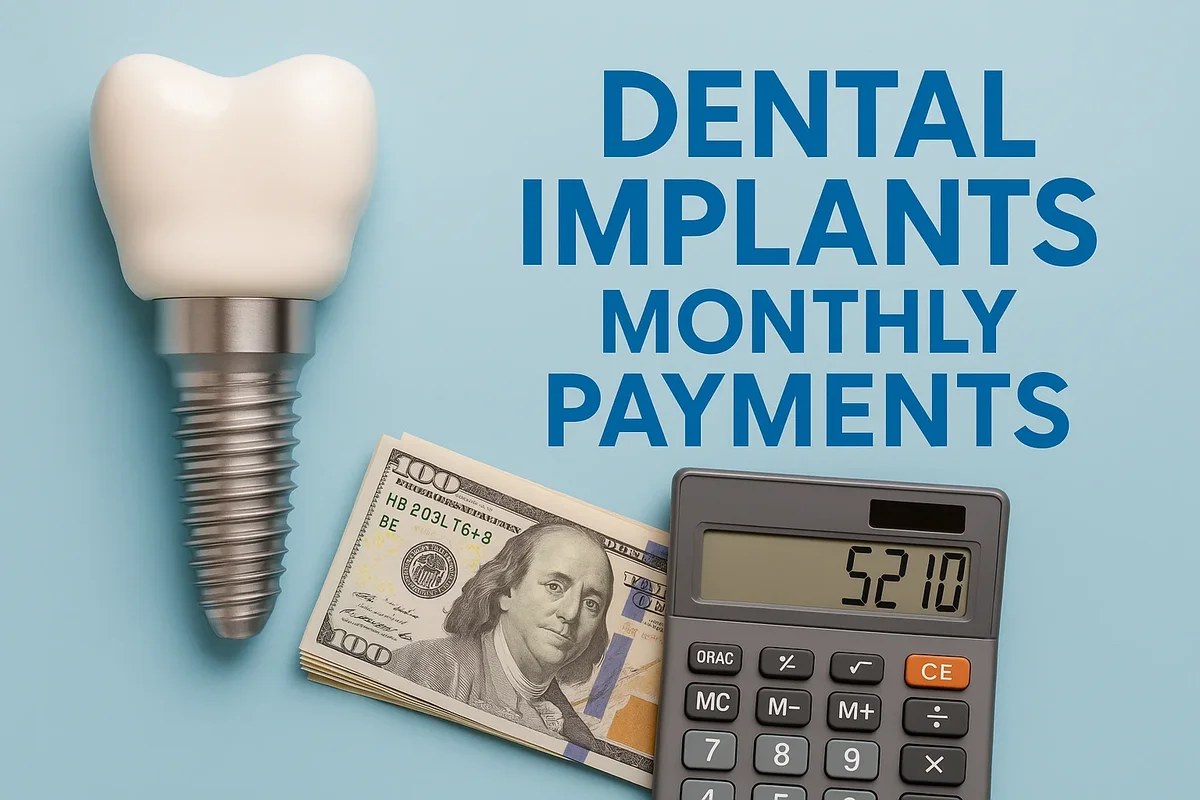
Real Patient Stories: How Monthly Payments Made Dental Implants Possible 😊
Behind every confident smile is a story—often one of persistence, courage, and smart financial planning. Thanks to dental implants monthly payments, thousands of people who once believed dental restoration was beyond their reach have regained not only their teeth but also their quality of life. In this section, we’ll explore real-world examples of patients who transformed their oral health journey through flexible financing and how their experiences can inspire others to take the same step.
How Monthly Payments Empower Patients to Act Sooner
For many, the idea of paying $5,000–$10,000 upfront for implant treatment can feel overwhelming. Before the introduction of flexible dental implants monthly payments, patients often delayed necessary procedures for years. Now, affordable monthly plans allow them to begin treatment immediately—avoiding further bone loss, gum issues, and self-esteem challenges. In fact, clinics report that more than 70% of their implant patients in 2025 choose some form of monthly financing.
This financial accessibility has completely changed the landscape of modern dentistry. It’s no longer about affordability barriers—it’s about options. Let’s dive into a few true-to-life patient journeys that show how monthly plans created new beginnings.
Patient Story #1: Emma’s Journey to Confidence (United Kingdom 🇬🇧)
Emma, age 42, had struggled with missing molars for nearly a decade. As a teacher, she often hid her smile and avoided eating in front of students. After consulting multiple clinics, she discovered that Redent Klinik in Istanbul offered high-quality care at a fraction of the UK cost—with flexible dental implants monthly payments.
Emma’s Financial Plan:
Total Treatment Cost: £2,800
Deposit: £300
Term: 24 months
Monthly Payment: £104
Instead of paying thousands upfront, Emma was able to spread her costs over two years. She described her experience as “liberating,” saying that the ability to budget monthly made the procedure feel manageable. Today, she proudly smiles without hesitation and reports improved digestion and self-confidence.
Patient Story #2: John’s Transformation After Tooth Loss (United States 🇺🇸)
John, 55, a construction worker from Texas, lost several teeth due to an accident. The cost of full-arch implants in the U.S. was quoted at $25,000—far beyond his savings. Through dental implants monthly payments offered by a ClearChoice center, he was able to begin treatment with a 10% down payment and a 60-month financing plan.
Breakdown of John’s Payment Plan:
- Total Cost: $25,000
- Down Payment: $2,500
- Loan Term: 60 months
- Monthly Installment: $380
Although the interest added slightly to the overall amount, John emphasized that monthly affordability mattered most. “It’s not just about teeth,” he said. “It’s about being able to laugh again with my grandchildren.” His story highlights how payment flexibility can make life-changing treatments accessible to everyday people.
Patient Story #3: Sophia’s Full-Mouth Rehabilitation (Germany 🇩🇪)
Sophia, 63, from Munich, needed a full-mouth restoration but had retired early with a limited pension. Through a partnership with a local lender, her dentist offered dental implants monthly payments spread over 48 months. The plan came with 0% interest for the first 12 months, followed by a fixed low rate thereafter.
Sophia’s Key Results:
- Improved chewing and digestion after years of discomfort
- Renewed confidence in social situations
- Managed monthly budget without financial strain
Her case demonstrates how European clinics are creating affordable pathways for seniors and retirees, ensuring that age or income doesn’t limit access to top-tier dental care.
Patient Story #4: Michael’s Cross-Border Solution (Canada to Turkey 🇨🇦➡️🇹🇷)
Michael, 38, from Toronto, decided to travel abroad for his dental implants after learning that Redent Klinik provided world-class results for one-third of Canadian prices. Through international financing, he secured dental implants monthly payments at only $120 per month for 36 months, with no interest during the first year.
Michael combined his dental journey with a short vacation in Istanbul, calling it “the most rewarding decision I’ve ever made.” He praised the clinic’s transparency, clear documentation, and support team, which explained every financial term in detail. For global patients like Michael, international payment plans have made medical tourism safer, more affordable, and more convenient than ever.
The Emotional Impact of Affordable Dental Care 💖
The stories above reveal more than just financial victories—they represent emotional transformations. Patients who once hid their smiles now express themselves freely. The psychological boost from feeling confident and capable again often extends beyond oral health, improving relationships, careers, and overall well-being.
Flexible dental implants monthly payments have helped patients overcome fear and procrastination. Many clinics note that after starting payment plans, patients are more consistent with appointments and follow-up care because they view treatment as an ongoing commitment rather than a financial burden.
Why Redent Klinik Leads in Patient-Centered Financing
Redent Klinik Contact Page has earned its reputation by combining ethical care with flexible payment solutions tailored to each patient’s needs. Their multilingual staff assists with international financing, insurance coordination, and cost breakdowns. This transparency ensures patients know exactly what they are paying for, and how dental implants monthly payments fit within their personal budgets.
Redent Klinik Highlights:
- Custom monthly plans ranging from 6–48 months
- Interest-free options for qualified applicants
- Assistance with travel, accommodation, and documentation
- Compliance with American Dental Association and EU standards
The clinic’s approach ensures that financial constraints never block access to life-changing treatment, setting a new standard for patient empowerment and international dental care excellence.
Lessons Learned from Real Patients
- Monthly payment plans help patients act faster and prevent oral health deterioration.
- Proper planning reduces financial anxiety before and after surgery.
- Transparent clinics foster trust and long-term relationships.
- Dental health is not a luxury—it’s a necessity that can be financed responsibly.
Conclusion: Every Smile Has a Story 🌟
The power of dental implants monthly payments goes beyond numbers—it’s about restoring dignity, confidence, and happiness. From teachers in London to retirees in Germany and travelers from Canada, real patients are proving that dental implants are no longer just for the wealthy. With flexible plans, transparent clinics, and ethical care models, anyone can invest in a healthier, brighter smile. To begin your own story, contact Redent Klinik Contact Page today and discover how affordable your transformation can be.